Discover 10 essential room makeovers—from quick decor updates to strategic furniture placement—that instantly transform your living space and maximize style and function.
10 Essential Room Makeovers
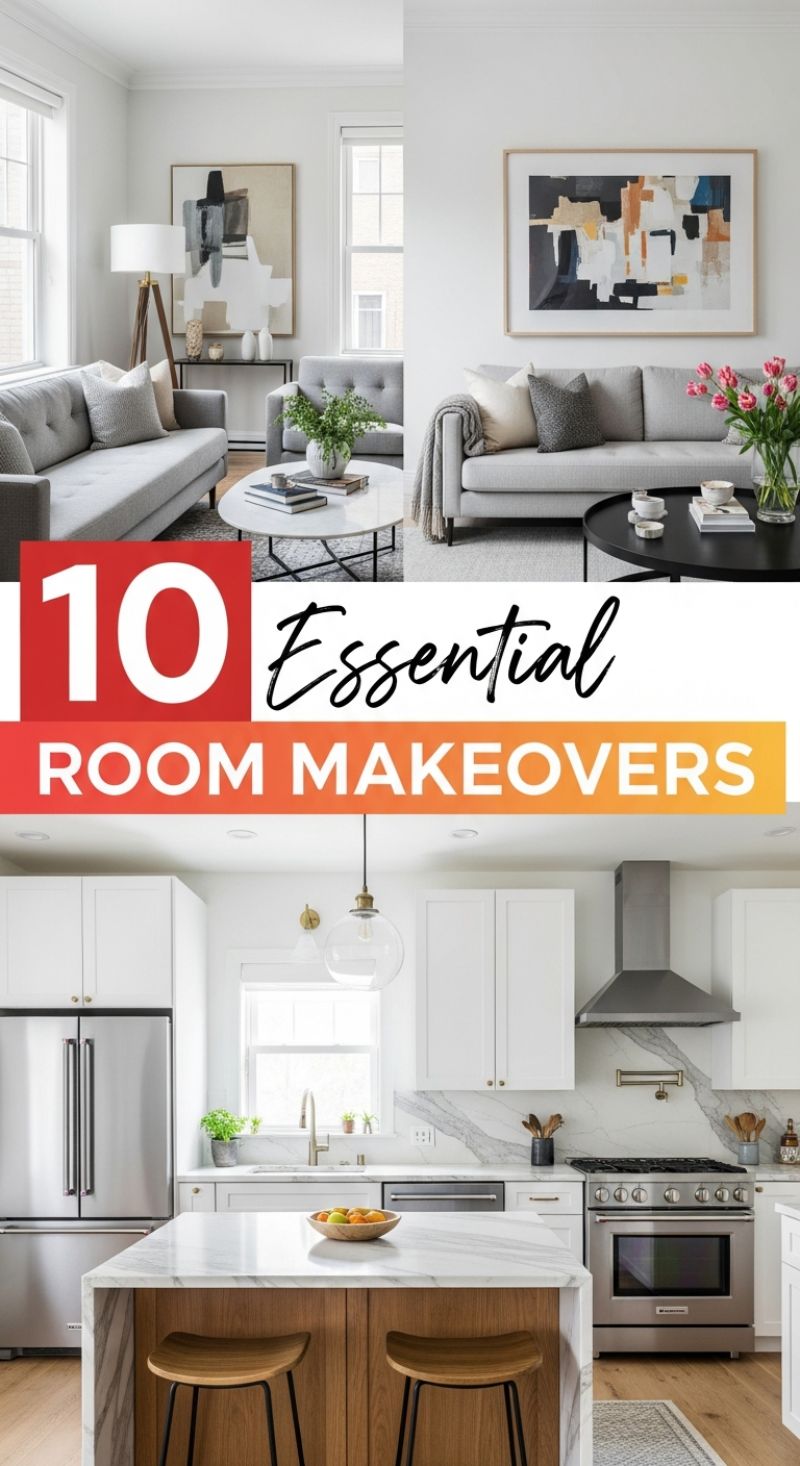
The foundation of a truly transformative makeover lies in mastering light and balance, as showcased in the airy living spaces featured. To replicate this Scandinavian-modern aesthetic, start by choosing a crisp, neutral paint color—think warm whites or very light greys—to maximize the perception of natural light streaming through the windows. The main furniture pieces, such as the streamlined, button-tufted grey sofas, should maintain this neutral base, allowing texture (e.g., linen throws, textured pillows) to add depth rather than relying on jarring color. Expert tip: When selecting foundational neutrals, ensure they share similar undertones (cool or warm) across the room to maintain cohesion. The artwork should be large-scale and abstract; this choice defines the room’s character without introducing visual clutter. Hang the art at eye level (center point about 57 inches from the floor) to ensure it acts as a commanding focal point, instantly elevating the space from functional to curated.
A kitchen renovation offers one of the highest returns on investment in terms of lifestyle transformation. The modern kitchen pictured demonstrates a perfect marriage of classic elements and contemporary materials. The how-to here is simple: utilize high contrast while incorporating natural warmth. Achieve this by pairing clean, white Shaker or slab cabinetry with dramatic stone features, such as a full-height marble backsplash and matching waterfall island countertop (Calacatta-style veining is ideal). To prevent the space from feeling cold or sterile, introduce natural wood on the island paneling and perhaps the flooring. This wood grain acts as an anchor, grounding the room. For hardware, select small touches of brass or gold for cabinet pulls and statement lighting, like the oversized glass globe pendant, to reflect light and introduce a warm metallic glow. Finally, ensure high-efficiency stainless steel appliances are integrated seamlessly, opting for professional-grade ranges and elegant vent hoods to enhance both form and function.
The final essential step in any room makeover is strategic accessorizing that ensures flow and personality. Look closely at how greenery is used in both the living area and the kitchen—small potted plants and fresh-cut flowers instantly introduce life and color without breaking the neutral palette. When styling coffee tables or islands, follow the “rule of three” for grouping objects (e.g., a stack of books, a small vase, and a tray). Crucially, consider the scale; the use of large, simple pieces rather than many small knick-knacks keeps the spaces feeling sophisticated and uncluttered. If you are integrating a kitchen and living area, use textiles (such as throws and pillows) that echo the color temperatures of the kitchen materials. For instance, the cool grey of the living room sofas mirrors the grey veining in the kitchen marble, creating a subtle, seamless transition between two highly functional, but distinctly styled, areas.
7 Unique QUIRKY DETAILS

The secret to an instant room transformation often lies not in major furniture swaps, but in the power of unique, quirky details that inject personality and whimsy into your space. Moving beyond homogenous, minimalist design, the trend now leans toward curated eccentricity—creating a visual narrative through playful accessories. To execute this look successfully, start by selecting sculptural items that serve dual purposes, such as the silver robot figurine repurposed as a succulent planter seen in the image. These unexpected juxtapositions—industrial forms meeting organic life—immediately draw the eye and establish a fun, modern aesthetic. When sourcing, look for bold, saturated colors (pinks, blues, yellows, and reds) and non-traditional materials that defy standard home decor expectations, ensuring each piece acts as a micro-statement that elevates the overall design conversation.
Integrating these eccentric pieces requires strategic placement to avoid clutter and maximize their visual impact. A key technique is utilizing contrast. For highly sculptural pieces, like the yellow female bust or the blue-and-yellow split figure, position them against a solid-colored wall or a dynamic, patterned backdrop (like the geometric and abstract wall art shown). If you opt for pattern-on-pattern, ensure the color palettes share a common thread to maintain visual coherence rather than chaos. Furthermore, consider how shape influences the room. The inclusion of an organically shaped, irregular mirror provides soft lines that beautifully offset the rigid forms of conventional furniture, simultaneously reflecting light and opening up the space. Expert advice dictates creating curated vignettes on shelves or side tables, grouping 3 to 5 items of varying heights and textures to tell a unified, quirky story.
Finally, use these quirky details as a method of self-expression. Every item should feel deliberate, whether it’s a vintage toy, a piece of pop art, or an abstract, anatomical figurine. The goal is to move beyond mere decoration toward collectible art. Don’t be afraid to mix eras or styles; the magic of quirky decor is in its confidence. By focusing on seven (or more!) truly unique, highly detailed accessories, you bypass the need for extensive structural changes, instantly transforming a standard room into a personalized, conversation-starting environment that feels authentically yours.
The Edgy Dark Ranch Aesthetic
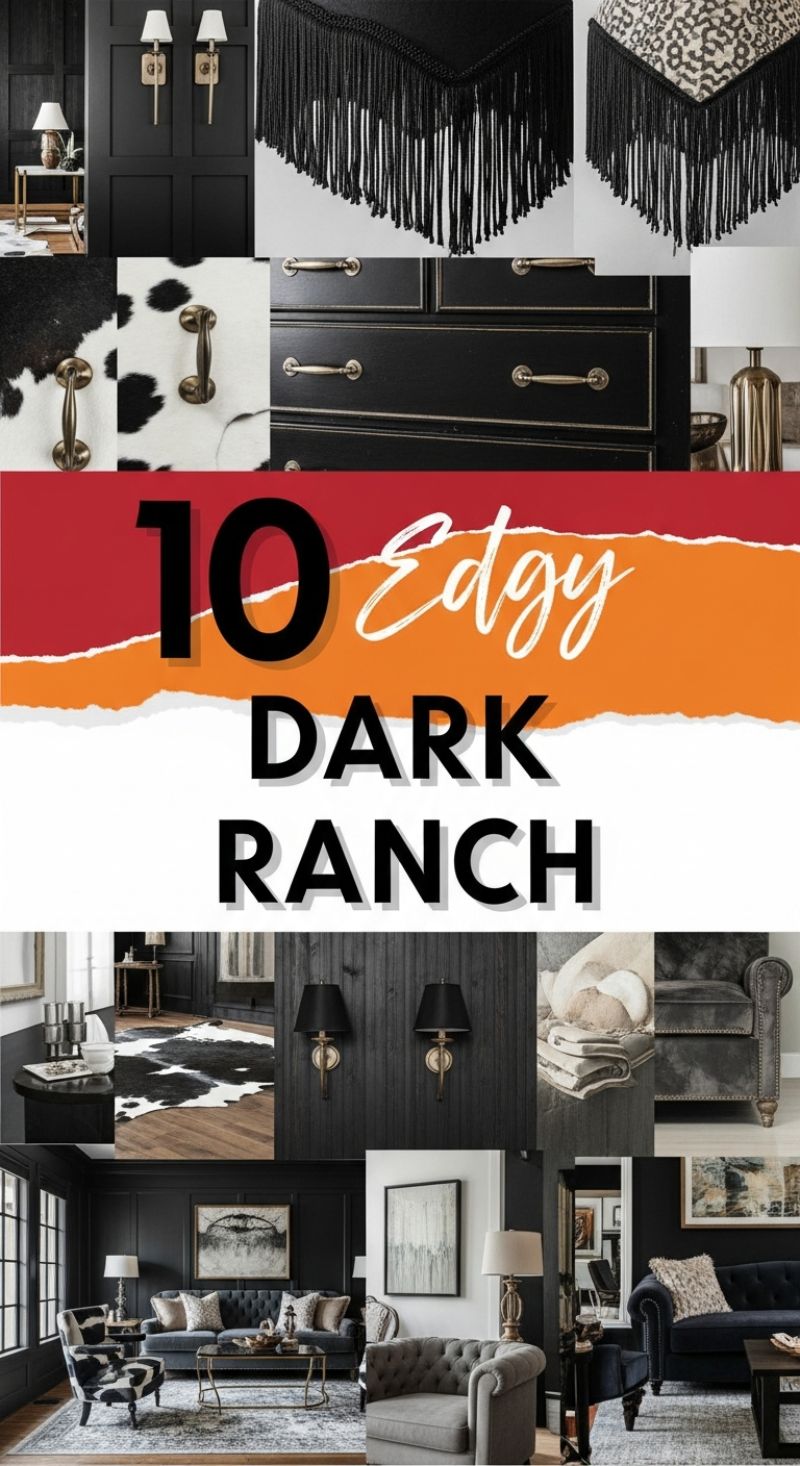
The Edgy Dark Ranch look, or ‘Western Noir,’ is built entirely upon a foundation of dramatic, moody saturation. To achieve this high-impact transformation, start by fully committing to the dark canvas. Paint walls, trim, and any existing paneling (especially vertical shiplap or wainscoting) in a deep, matte black or rich charcoal gray. While this feels intimidating, the trick is using texture and reflection to prevent the space from feeling oppressive. Introduce high-contrast architectural elements, such as classic brass or antique gold wall sconces that pop dramatically against the dark background. The use of traditional paneling ensures the darkness feels deliberate and luxurious, rather than cave-like. Expertly curated ambient lighting—such as bright white lamp shades on golden bases—is essential here to establish necessary focal points and ensure the room glows, rather than merely recedes.
Once the dark foundation is set, the defining textures of the ranch aesthetic must be layered in thoughtfully. The quintessential element is the cowhide rug, ideally a stark black and white pattern, used to ground the seating area and introduce an immediate, organic ruggedness. This ruggedness must be instantly juxtaposed with sophisticated, tailored furniture to achieve the ‘edgy’ balance. Select upholstery pieces in rich, tactile fabrics—think deep navy or charcoal velvet sofas featuring classic tufting (like a Chesterfield style) or robust tweed armchairs. Look for vintage-inspired details, such as antique brass drawer pulls on cabinetry or metallic framing on coffee tables, to add small, glinting moments of warmth across the dark expanse. This interplay between rustic, raw texture and polished, high-end finishing is what defines this elevated style.
Finally, the finishing touches must lean into maximalist luxury to complete the transformation. The ‘Edgy’ component is often delivered through unexpected details, such as fringed textiles (seen on lampshades or throw blankets) which add movement and a slightly bohemian flair to the Western theme. Lighting fixtures should be strategic: dark spaces require layered lighting—use a combination of floor lamps, table lamps, and wall sconces, all fitted with warm, low-kelvin bulbs to maintain a cozy atmosphere. For artwork, choose pieces that feature strong contrast, like abstract black-and-white splatters or moody landscapes, hung simply against the dark walls. By pairing raw, natural textures with rich metallics and deep, encompassing color, you create a space that is both dramatically bold and deeply intimate.
7 Smart Small Spaces
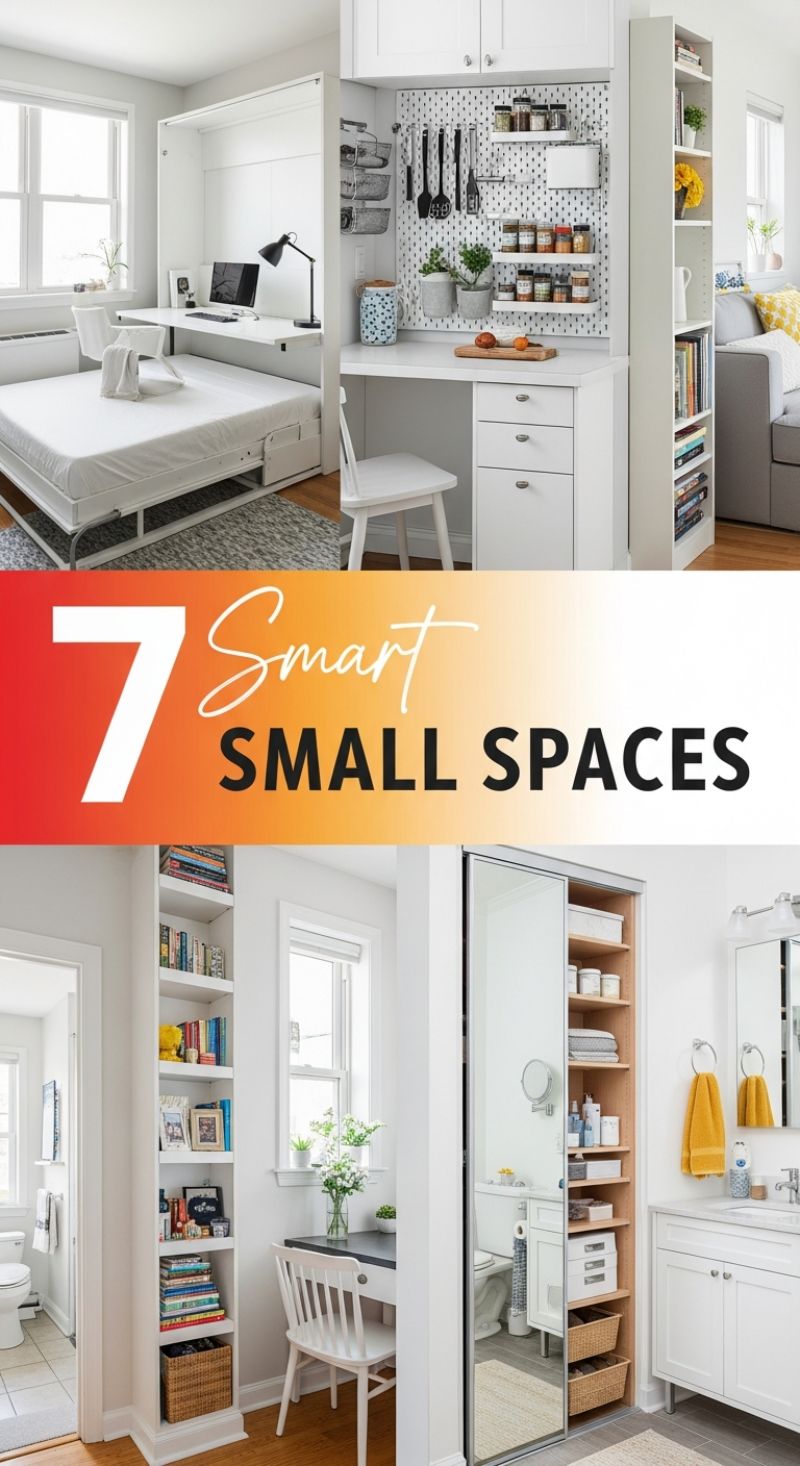
Transforming small living spaces is less about sacrificing needs and more about strategic resource allocation. The essential makeover for tight quarters revolves around embracing verticality, employing multipurpose furniture, and utilizing every available nook and cranny. Start by implementing convertible solutions, such as the integrated wall bed and desk seen in the image. This piece instantly converts the sleeping area into a functional home office during the day, maximizing floor space when the bed is retracted. When selecting major furniture, choose items that serve at least two functions—an ottoman that provides storage, a dining table that folds down, or, as demonstrated here, a dedicated workspace integrated into the cabinetry. Always opt for streamlined, light-colored furniture, which prevents the space from feeling heavy and cluttered, ensuring light reflects efficiently throughout the room.
Next, master the art of vertical organization, turning wall space into your most valuable storage asset. The image provides two excellent examples: a highly functional pegboard system for kitchen or utility items, and tall, narrow bookcases. Pegboards allow for fully customizable storage—spices, utensils, and small plants can be displayed accessibly without consuming valuable countertop real estate. Use floating shelves or built-in units that extend to the ceiling to draw the eye upward, giving the illusion of height and increasing storage density. Even awkward, slender spaces—like the area between a doorway and a window—can be transformed into practical, floor-to-ceiling recessed shelving for books or decorative items, proving that no area is too small to contribute to your organizational scheme.
Finally, integrate smart storage solutions and reflective surfaces, particularly in challenging rooms like the bathroom. A full-length, mirrored sliding door covering shallow, built-in shelving instantly achieves two goals: providing substantial, easily accessible storage for toiletries and linens, and visually doubling the room’s apparent size. The reflection tricks the eye into perceiving greater depth and brightness. When planning your makeover, look for opportunities for built-ins between wall studs, which can add significant storage capacity without protruding into the main walking path. By blending functionality with aesthetic techniques like mirroring and vertical alignment, you can achieve a sophisticated and highly efficient transformation, making even the smallest space feel expansive and intentional.
10 Bold MEXICAN VIBES
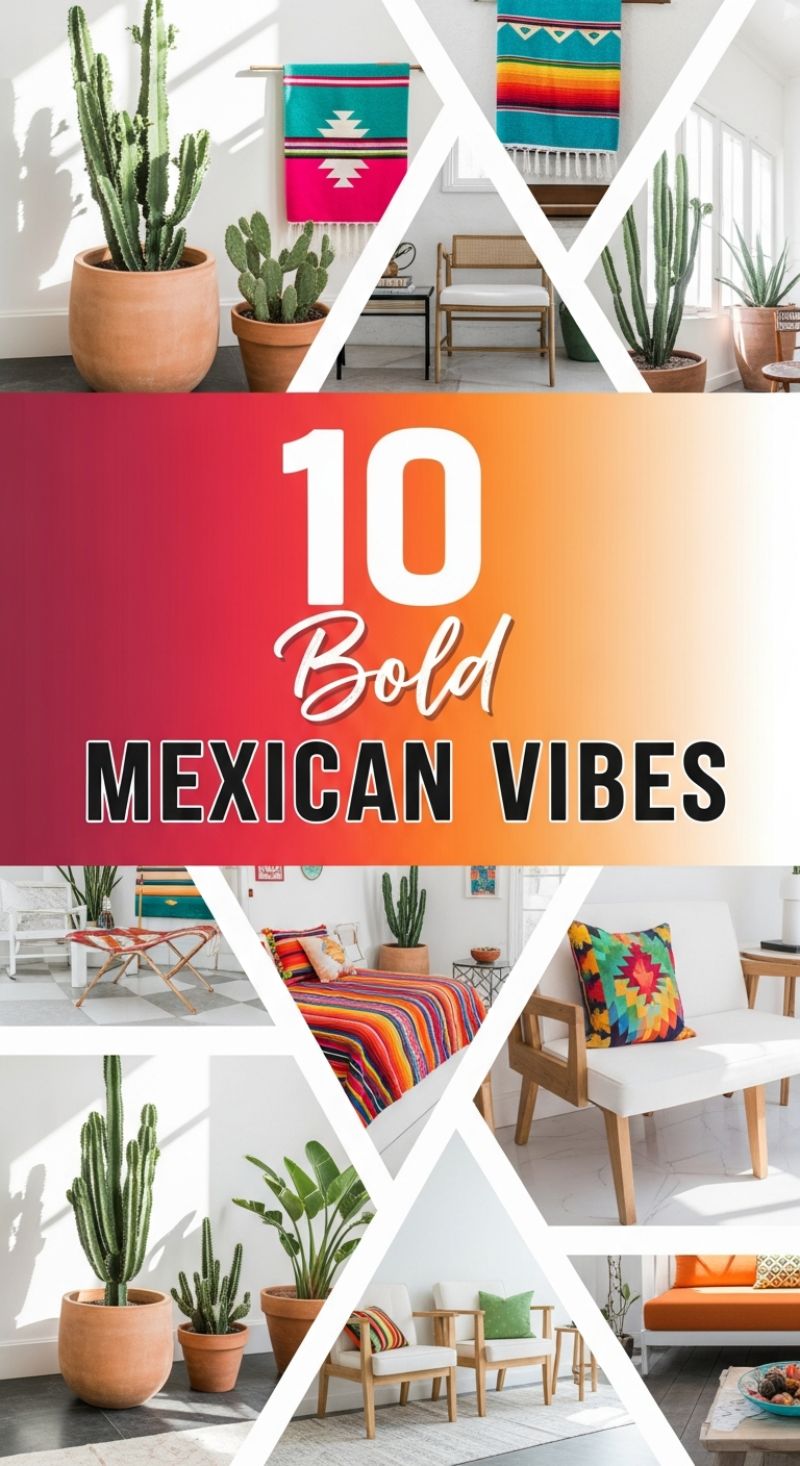
To instantly infuse your living space with energy and warmth, embrace the rich cultural tapestry of bold Mexican design. This makeover relies on a dynamic interplay between clean, neutral architecture and highly saturated, evocative textiles. Begin by establishing a bright foundation, utilizing crisp white walls to serve as a gallery backdrop for your color story. The essential ‘how-to’ step here is strategically deploying textiles. Invest in authentic or inspired Mexican blankets (serapes or saltillos), using them not just functionally, but artistically. Drape a vibrant striped runner over a minimal chair, or, more dramatically, hang a geometrically patterned textile (featuring colors like magenta, turquoise, and fiery orange) directly on the wall as a statement piece of art. This immediately injects the room with the required spirit, providing contrast and visual weight against the stark white canvas.
The next crucial element is incorporating natural, earthy materials to ground the bold color palette. The image clearly illustrates the power of oversized, robust indoor cacti and succulents. To achieve this look successfully, scale is paramount; select one or two very tall, commanding columnar cacti and plant them in unglazed, natural terracotta pots. These pots should be large enough to look substantial, mimicking the rugged beauty of the desert landscape. Pair these plants with simple, mid-century inspired furniture frames—think natural light wood, cane, or rattan—to maintain a modern, airy feel. This prevents the room from becoming too heavy or rustic. The combination of raw earth tones (terracotta), natural greenery, and light wood creates the perfect bridge between traditional warmth and modern minimalism.
Final styling focuses on maximizing texture and pattern in small doses. Use throw pillows featuring intricate, embroidered geometric patterns to elevate simple, white upholstered furniture. Look for pillows that pull the main accent colors (like teal and fuchsia) from your wall hangings or bedding. Furthermore, introduce small, handcrafted decorative items, such as painted clay bowls or small framed folk art, strategically placed on side tables. Remember that the ‘Bold Vibe’ is achieved through confidence in contrast: the juxtaposition of raw, textural plants and pots against the graphic, high-chroma textiles creates a balanced, energized space that feels immediately welcoming and visually rich. Ensure lighting is kept clean and simple, allowing the colors and shadows cast by your impressive plant collection to define the mood.
10 Must-Have AMAZON BUYS

Achieving an instant room transformation hinges on the strategic use of texture and sculptural accessories, a principle perfectly illustrated by this collection of neutral Amazon finds. The key to a high-end look is layering various forms and finishes within a restrained color palette, typically relying on shades of white, cream, beige, and soft terracotta. Start by curating a collection of sculptural vases, moving beyond traditional shapes to embrace matte finishes, ribbed detailing, and geometric curves—like the popular donut or bubbled silhouettes seen here. These pieces serve as functional art, anchoring tabletops, mantels, and bookshelves. Complement this structural foundation with soft furnishings that prioritize tactile dimension: select throw pillows featuring thick woven stripes, subtle cabling, or slubbed textures. When layered onto existing furniture, these elements provide instant depth and complexity, making the space feel instantly richer and more curated without a single major renovation.
To ensure these decorative elements truly transform your space, focus on the art of strategic styling through organized vignettes. When arranging pieces, always follow the “rule of odds,” grouping items in threes or fives to create natural visual flow and hierarchy. For example, pair a tall, fluted vase holding simple greenery with a shorter, more rounded ceramic piece and a metallic accent, such as a gold votive or planter, placed together on a decorative tray. The use of metallic elements is critical; the warm gold accents break up the matte neutrals, reflecting light and adding a necessary element of sophistication and contrast. Ensure there is variation in height and material within each grouping—contrasting the roughness of the matte ceramic with the sleek shine of the metal or the smooth clarity of an acrylic surface prevents the neutral palette from falling flat.
Finally, no instant makeover is complete without addressing organizational flow, which drastically improves the perceived value and calm of a room. Functional items must also be aesthetically pleasing. Integrate stylish storage solutions like clear, stackable containers topped with warm bamboo lids for pantry or bathroom organization, or utilize compartmentalized bamboo inserts set atop clear acrylic risers for drawer or desktop utility. This approach of combining form and function ensures that every item displayed contributes to the overall aesthetic. By adopting this principle of dual-purpose design—where organization equals beauty—you can declutter efficiently while instantly adding polished, intentional detail, guaranteeing a room transformation that is both visual and practical.
Effortless Coastal Spaces
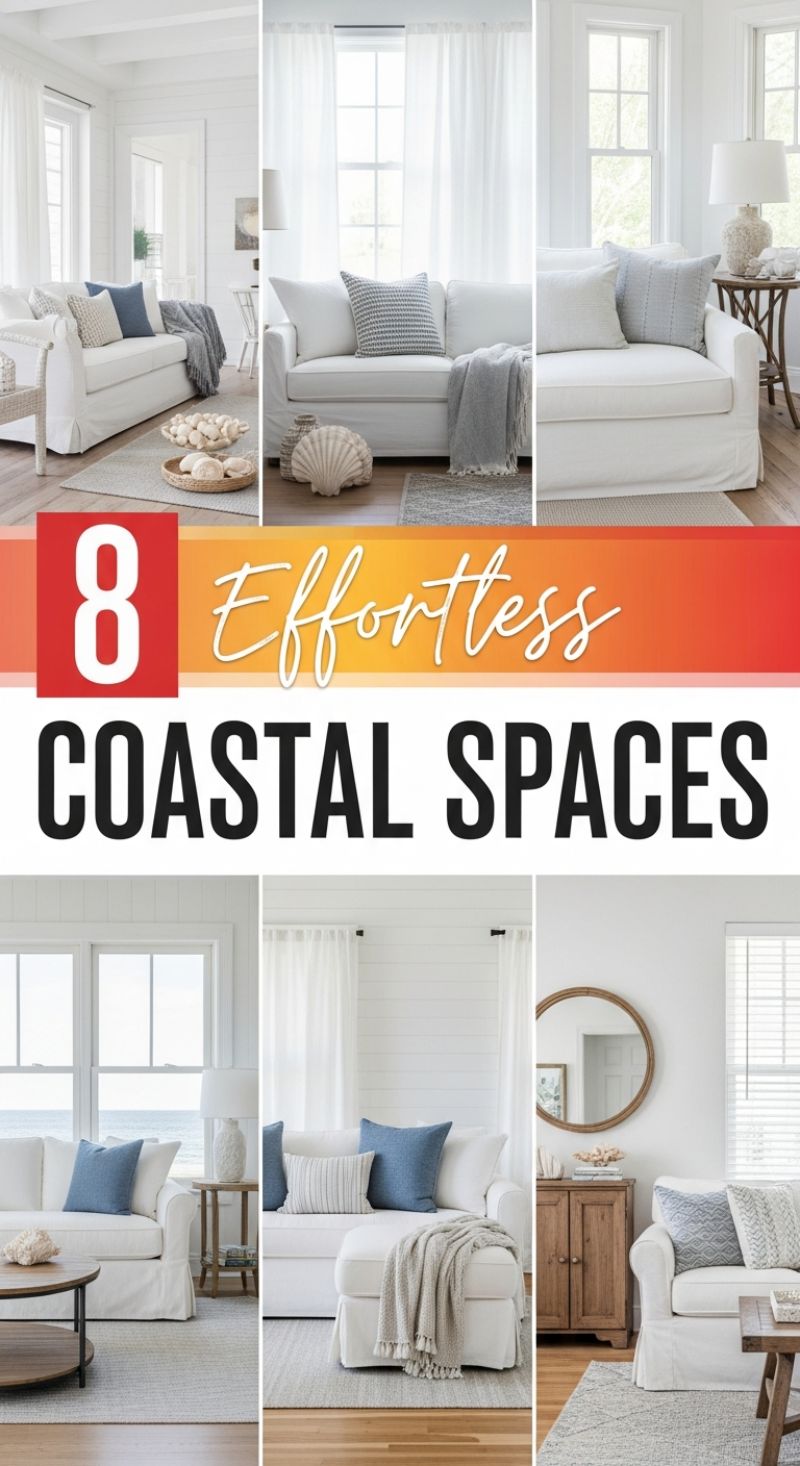
The ‘Effortless Coastal’ aesthetic, as seen in these vignettes, hinges on a simple, calming palette paired with tactile natural materials. To initiate this transformation, start with your major furniture pieces. Select sofas and armchairs featuring durable, crisp white slipcovers. This is crucial for achieving the airy, sun-washed look while offering practical maintenance—essential for a high-traffic area. Contrast the clean white upholstery with layered soft furnishings in muted, watery tones: think dusty blue pillows, light gray throws, and patterned cushions incorporating linen and cotton knits. For flooring, opt for wide-plank light woods or area rugs made from natural fibers like sisal or jute to ground the space and introduce texture that mimics sand.
Achieving the effortless look requires meticulous attention to natural textures and organic shapes. Incorporate light, distressed wood pieces for end tables or consoles; avoid heavy, dark furniture. Expert design relies on bringing the outdoors in through sophisticated accessorizing. Integrate authentic beach finds, such as oversized white clam shells, pieces of coral, or clear glass jars filled with beach stones. Layering these elements creates visual interest without introducing clutter. An expert tip for maximizing the coastal feel is ensuring window treatments are sheer or semi-sheer white linen or cotton. These curtains filter daylight beautifully, softening the atmosphere and maximizing the sense of space and light, reminiscent of a breezy seaside retreat.
To solidify the relaxing, unpretentious vibe, focus on comfort and flow. Arrange furniture to maximize interaction and enjoy any available views. Instead of sharp edges, look for rounded elements in decor, such as a large, circular mirror framed in rattan or reclaimed wood, which adds warmth and reflects light. Avoid over-styling; throws should be casually draped and pillows should look invitingly plumped, not rigid. The final result should feel relaxed and breathable, like a space that has been gently perfected over time. By prioritizing durability (slipcovers) and natural serenity (textures and light), you create a living room that exudes perpetual vacation tranquility.
The Serene Small Coastal Makeover: Brightening Tiny Spaces
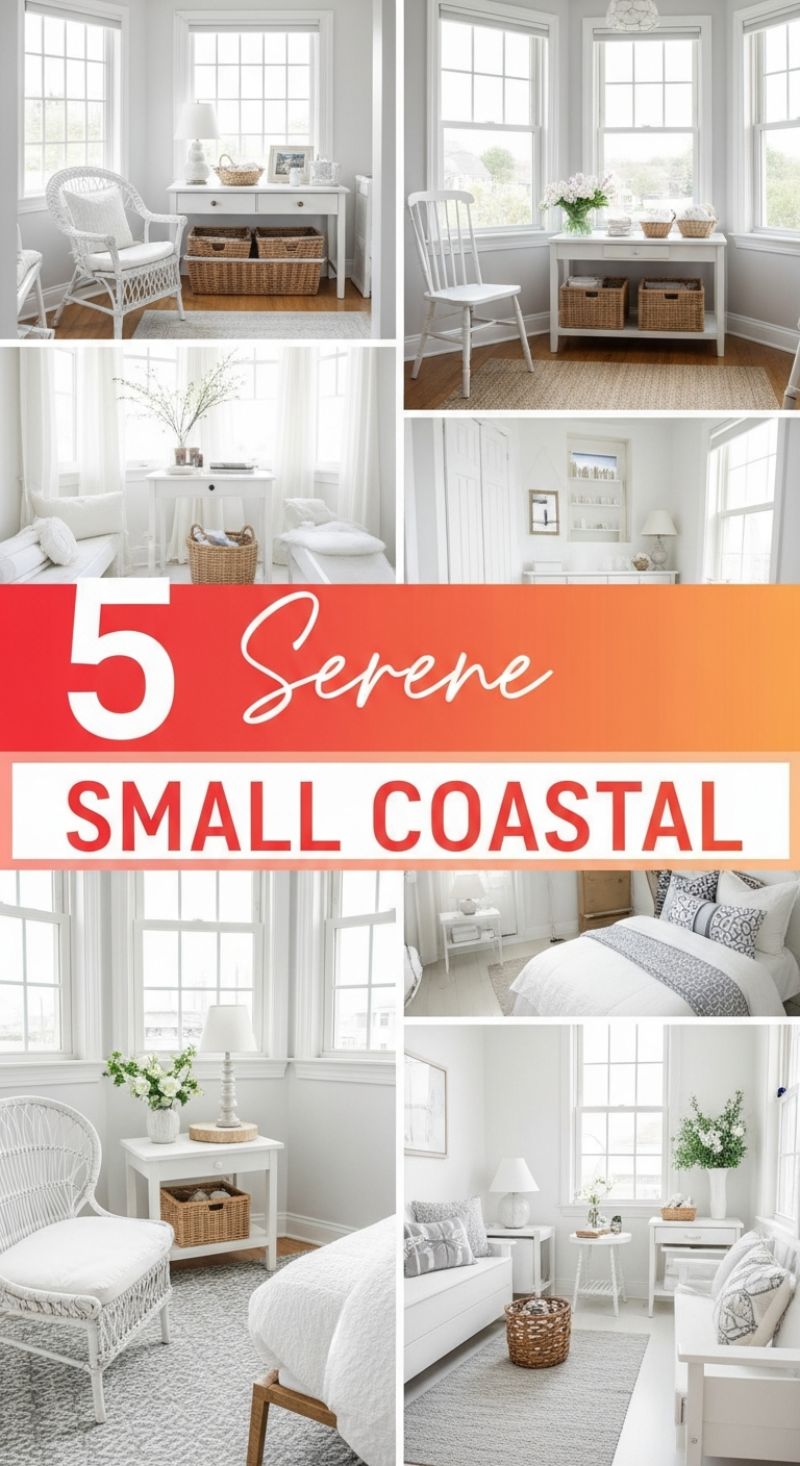
To successfully execute a Serene Small Coastal makeover, the transformation must begin with a strategic approach to color and light, particularly crucial in confined areas. The foundation of this aesthetic is a monochromatic palette built predominantly on pure white, soft dove gray, and natural beige, creating a unified canvas that tricks the eye into perceiving greater depth and space. Start by painting all walls, trim, and ceilings in varying shades of bright white to maximize light reflection. Crucially, manage natural light by utilizing sheer, billowy white linen or cotton drapes that soften the harsh lines of the windows while ensuring maximum daylight penetration. Since color is deliberately minimized, texture becomes the star; introduce subtle tactile elements through shiplap-inspired furniture, woven jute or sisal area rugs, and lightweight cotton bedding, preventing the all-white room from feeling sterile or flat. This bright, airy foundation is the instant visual reset your small space needs.
Selecting the right scale and material for furniture is the next non-negotiable step in achieving this tranquil transformation. Avoid bulky pieces; instead, opt for slender, leggy tables and open-frame seating, such as classic white spindle chairs or airy wicker furniture, which allow light and sightlines to flow freely across the room. Functionality is paramount in coastal small spaces, so choose items that pull double duty, like narrow console tables that serve as desks or vanities, or daybeds that transition effortlessly between seating and sleeping. The key coastal elements are introduced through organic materials rather than themed decor. Integrate baskets made of wicker or seagrass—not just for visual texture, but for essential closed storage beneath tables or on open shelves, maintaining the overall sense of clean organization. This strategic choice ensures the space remains uncluttered, directly supporting the ‘serene’ aspect of the makeover.
Finalizing the Serene Coastal look requires disciplined styling and a commitment to tranquility. Limit your decorative accents to items that evoke calm and nature: a vase of fresh white hydrangeas or simple greenery, simple ceramic table lamps with clean linen shades, and maybe one or two abstract framed prints that feature muted blues or grays. Introduce subtle patterned interest through textiles, such as throw pillows or bed runners featuring small, geometric gray patterns, ensuring the pattern is repeated minimally to avoid visual noise. Expert advice dictates maintaining minimalist surfaces; only include objects that enhance the feeling of a restful retreat. By focusing on light, maximizing vertical space, employing natural, textured materials, and rigidly controlling clutter, you transform a cramped space into a bright, breathable coastal sanctuary that feels instantly larger and infinitely more relaxing.
9 Hidden Vintage Secrets
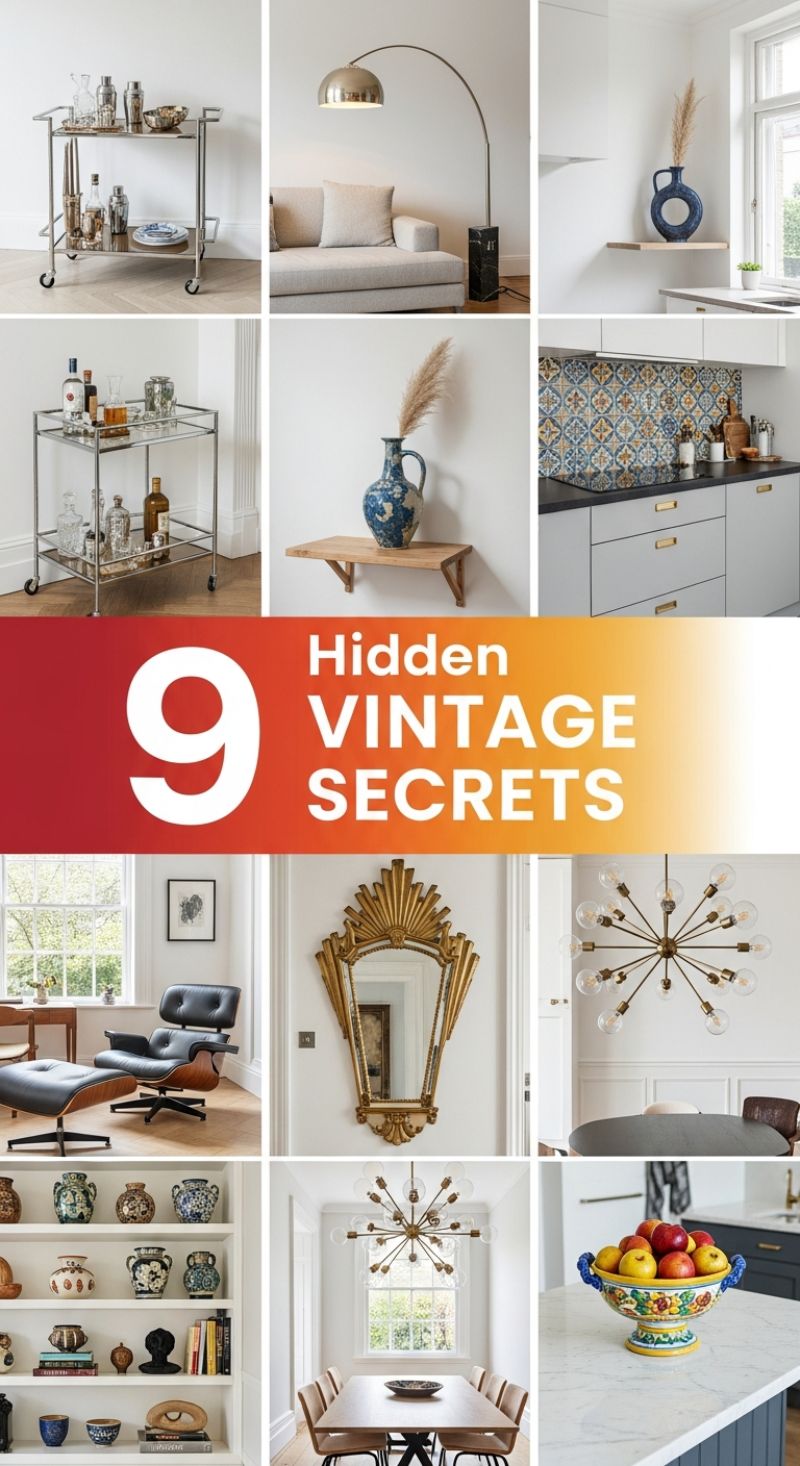
Incorporating vintage elements is arguably the quickest and most effective way to infuse a modern space with character, warmth, and history. These “hidden secrets” are not about cluttering a room with flea market finds, but rather about strategic placement of contrast to achieve a high-end, curated aesthetic. Start with one commanding vintage furniture piece that acts as the room’s anchor. For instance, an iconic Eames Lounge Chair and Ottoman provides instant gravitas, leveraging the textural richness of leather and wood grain against stark contemporary walls or minimal flooring. This approach ensures the vintage element speaks volumes, making the space feel intentionally collected and sophisticated, rather than simply decorated. By allowing the antique piece to be the focal point, you bridge historical elegance with streamlined modernity, instantly elevating the entire design profile of the room.
Beyond large furniture, inject personality through smaller, functional vintage accessories that offer delightful surprises. Consider the mid-century inspired bar cart; rendered in polished chrome, it serves as a glamorous display for crystal and spirits, adding a touch of sophisticated leisure to the living area. Similarly, look to ceramics to introduce handcrafted artistry and unique color palettes. Utilizing open shelving to display a collection of antique pottery and vases—mixing varying sizes, patterns, and historical periods—transforms a simple storage unit into a personal gallery. Even the placement of a single, vibrant, patterned vase on a floating shelf, or the use of patterned, vintage-look tiles in a sleek kitchen backsplash, dramatically shifts the room’s energy, providing historical texture that counteracts the sterility of modern materials.
To truly transform a room instantly, focus on impactful vintage installations like lighting and decorative mirrors. A Sputnik chandelier, for example, is more than just a light source; its sculptural, radiating form acts as kinetic art, defining a dining or living area with a futuristic mid-century edge. Complement this with a piece of architectural drama, such as an ornate, gold sunburst mirror. The maximalist detailing of this mirror style contrasts beautifully with plain white walls or subtle wainscoting, reflecting light deeply into the room and amplifying scale. When blending these elements, an expert tip is to ensure your vintage metal finishes, whether brass or chrome, harmonize—they don’t need to match perfectly, but consistent undertones will tie the diverse period pieces together into a cohesive, sophisticated scheme.
7 Cozy Crochet Accents

Incorporating fiber art, specifically chunky crochet and knit items, is one of the most effective ways to instantly transform a sterile living space into a haven of warmth and comfort. The essence of this transformation lies in maximizing textural contrast and leaning heavily into a sophisticated neutral palette, as seen in the image. To achieve this high-end, cozy aesthetic, prioritize oversized, chunky stitches in materials like merino wool, soft acrylic blends, or bulky cotton yarns. These heavy textures immediately draw the eye and invite tactile engagement, making the room feel luxurious and lived-in. When selecting items, look for diversity in stitch patterns—combine smooth, plain knits with intricate bobble stitches, diamond cables, or exaggerated loop patterns. This layering of unique textures within the same color family (soft cream, beige, taupe, and light grey) prevents the look from becoming monotonous while ensuring seamless integration with existing furniture and color schemes. Expertly placed crochet accents elevate simple functional items into sculptural elements of design.
Strategic placement is crucial for leveraging the full impact of these cozy accents. Start with the largest element: the chunky throw blanket. Rather than folding it neatly, casually drape it over the arm or back of your sofa or armchair. The goal is to make it look effortless and inviting, allowing the generous weight and texture of the yarn to spill over the edges. Next, introduce crocheted pillows. Avoid symmetry; instead, layer pillows of varying sizes and stitches (e.g., a lumbar pillow featuring a dense bobble pattern alongside a larger, lightly textured square pillow). For a complete living room makeover, consider adding a crocheted pouf. These versatile accessories provide instant texture near seating areas and can function as a temporary footrest, a low side table, or simply a grounded focal point, adding a soft, rounded shape to an otherwise angular room design. Ensure the pouf’s color slightly contrasts or complements the dominant neutral shade of your blankets and pillows to maintain visual depth.
To truly nail the top-tier blog look, pay close attention to scale and lighting. If your room features high ceilings or large furniture, you need substantial, thick yarns to balance the space; a thin crochet accent will get lost. Conversely, in smaller areas, opt for detailed stitches on medium-weight yarn to keep the look cozy without overwhelming the space. Finally, remember that the tactile appeal of crochet relies on proper care. Always follow the care instructions for the specific fiber—many chunky knits and crochets require gentle washing or spot cleaning to prevent stretching or felting. By investing in quality, textured pieces and arranging them strategically, you leverage the powerful visual cue of comfort inherent in handcrafted textiles, transforming your space into an instantly appealing, luxurious sanctuary.
15 Budget Thrift Hauls
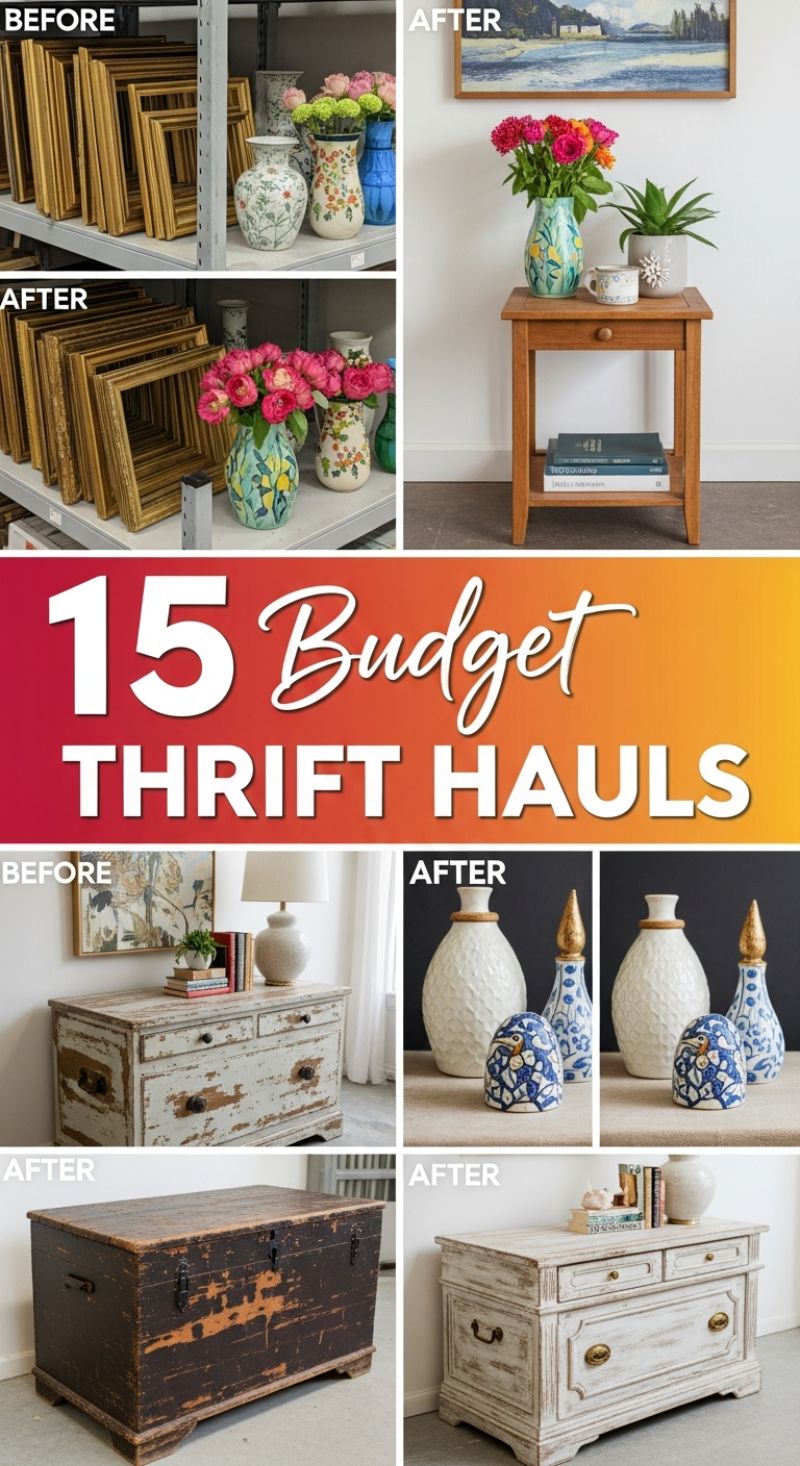
A complete room transformation does not require an endless retail budget; the secret lies in strategically sourcing and masterfully executing budget thrift hauls. The key to successful thrifting for home decor is seeing potential beyond surface flaws. When hunting for furniture pieces—such as the rustic side table or the large wooden chests—prioritize good structure and solid wood construction, as chipped paint or outdated stain can always be corrected. For smaller decorative items, like the collection of vases shown, focus on unique shapes and materials that are often higher quality than new mass-market pieces. Grouping similar thrifted items, such as collecting multiple matching frames for a stunning gallery wall or amassing a collection of patterned vases, creates instant visual impact and a curated aesthetic, proving that repetition and quantity can be just as impactful as expense.
The most high-impact transformations often come from furniture refinishing. To replicate the chic, distressed white finishes seen on the chests and dressers, start by cleaning the thrifted piece thoroughly. Skip heavy sanding and apply a coat of specialty paint, such as chalk paint or milk paint, which adheres beautifully to existing finishes. For an authentic, aged look, use a distressing technique: after the paint is dry, lightly sand the edges, corners, and any natural wear points to let the original wood or a base layer of dark paint show through. This technique adds depth and character, turning a dated piece into a rustic heirloom. Furthermore, never underestimate the power of hardware replacement; switching out old, tarnished knobs and pulls for high-quality brass or bronze accents immediately elevates the piece, finalizing the transition from roadside junk to designer statement.
Once the furniture foundation is complete, focus on expert styling to integrate the haul seamlessly into your living space. Transformation extends into the details, such as replacing cheap, artificial florals with fresh, vibrant blooms and carefully curating decorative vignettes. When styling surfaces like the transformed wooden side table, create visual interest by balancing height and texture. Pair tall vases of flowers with low, textured elements, such as a potted plant or a sculptural ceramic piece. On shelves or tabletop surfaces, anchor the display with carefully stacked books (ideally color-coordinated or minimalist) and arrange accessories in odd numbers (threes or fives) to create dynamic, visually appealing groupings. This meticulous presentation ensures that every thrifted find contributes meaningfully to the room’s overarching design narrative.
5 Vibrant AFRO CHIC
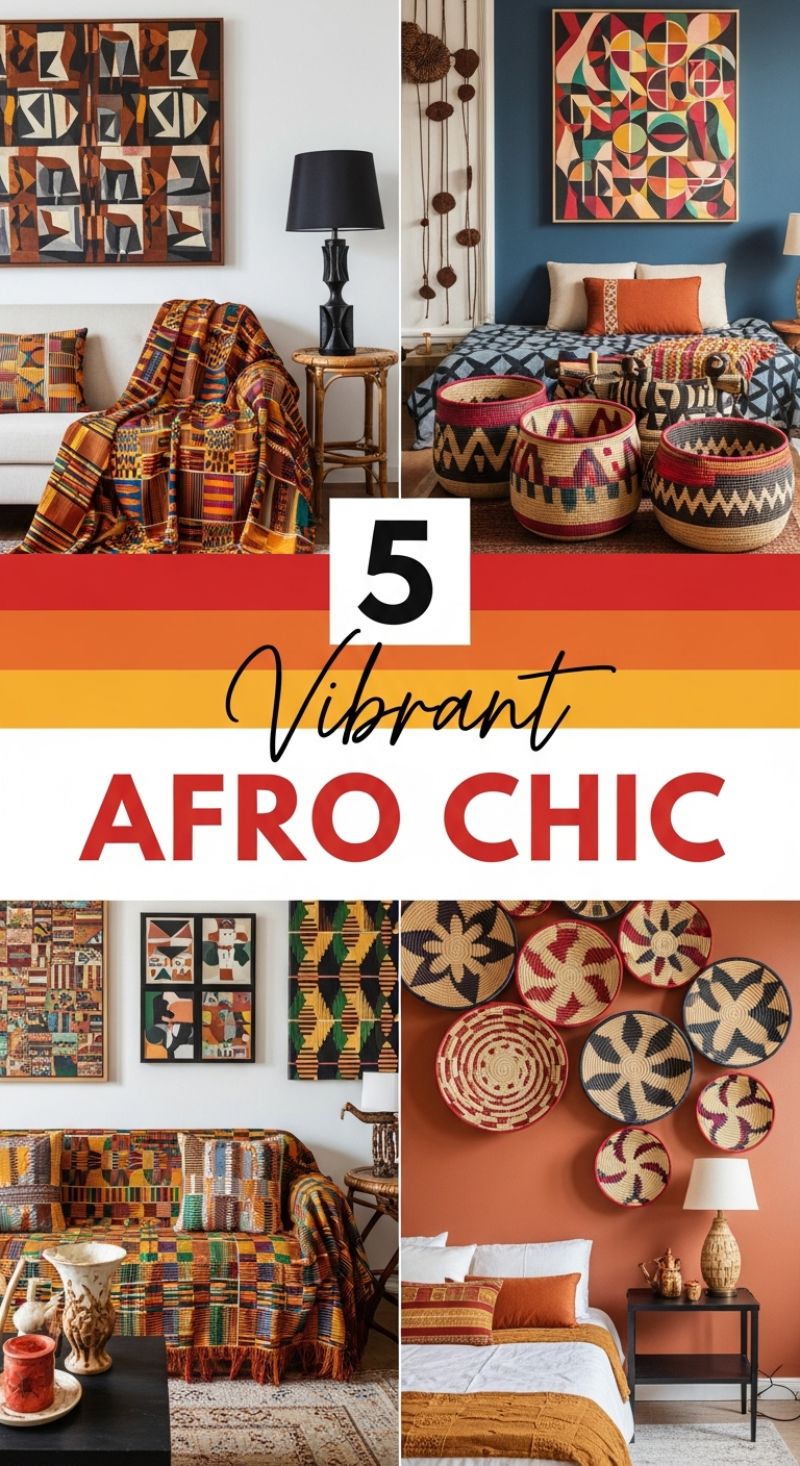
The “Afro Chic” aesthetic is a powerful fusion of vibrant, globally-inspired textiles, earthy tones, and handcrafted artisan pieces, resulting in a space that feels both grounded and exhilarating. To instantly inject this style into your room, begin with textiles. Look for heavily textured throws and pillows that mimic traditional West African Kente cloth or Malian bogolanfini (mud cloth), characterized by rich, complex geometric patterns and deep, saturated colors like ochre, terracotta, burnt sienna, and indigo. A large, patterned throw draped strategically over a neutral sofa, as seen in the image, instantly becomes the focal point. Don’t be afraid to mix and layer patterns, but ensure they share a unifying color palette—for instance, all patterns contain a dominant orange or yellow tone—to maintain cohesion. This layering adds immediate warmth and historical depth, transforming a flat, conventional room into one bursting with cultural narrative.
Elevate the aesthetic beyond the sofa by focusing on vertical elements and rich texture. Wall treatments should either be saturated—like a deep, grounding navy or earthy clay color—or serve as a crisp white backdrop to let the art truly pop. The art itself should feature bold, abstract geometry or figurative representations that echo the complexity of the textiles. Crucially, integrate three-dimensional texture through strategically placed handcrafted items. The most impactful way to do this instantly is with a curated wall display of woven baskets. Choose various sizes and patterns, ranging from deep charcoal and cream to vibrant reds and ochres, and arrange them organically above a bed or sideboard. These Rwandan or Ghanaian-inspired pieces introduce natural texture, celebrate artisanal craftsmanship, and provide a rhythmic, sculptural contrast to the flat surfaces of the room. When choosing accessories, opt for carved wooden lamps or heavy ceramic vases in organic, asymmetrical shapes, reinforcing the connection to natural, raw materials.
To complete the Afro Chic transformation, balance the complexity of the patterns with simple, foundational furniture pieces. Look for natural materials in side tables and accents, such as rattan, woven bamboo, or sleek black wooden nightstands, providing a clean canvas for your vibrant textiles. Lighting is essential for highlighting the warm tones of this style; choose lamps with dramatic black, architectural bases or those made from textured clay, ensuring the light cast is soft and warm (2700K bulbs are ideal to enhance the rich earth tones). Avoid harsh overhead lighting whenever possible. Finally, be mindful of clutter; while the style embraces richness, it should not feel overcrowded. Use the stylish woven baskets not just as decor, but for functional storage—tucking away extra blankets or magazines—maintaining a sophisticated and clean energy while celebrating the warmth and cultural depth of African design principles.
Injecting Instant Energy: Mastering Electric Color Palettes
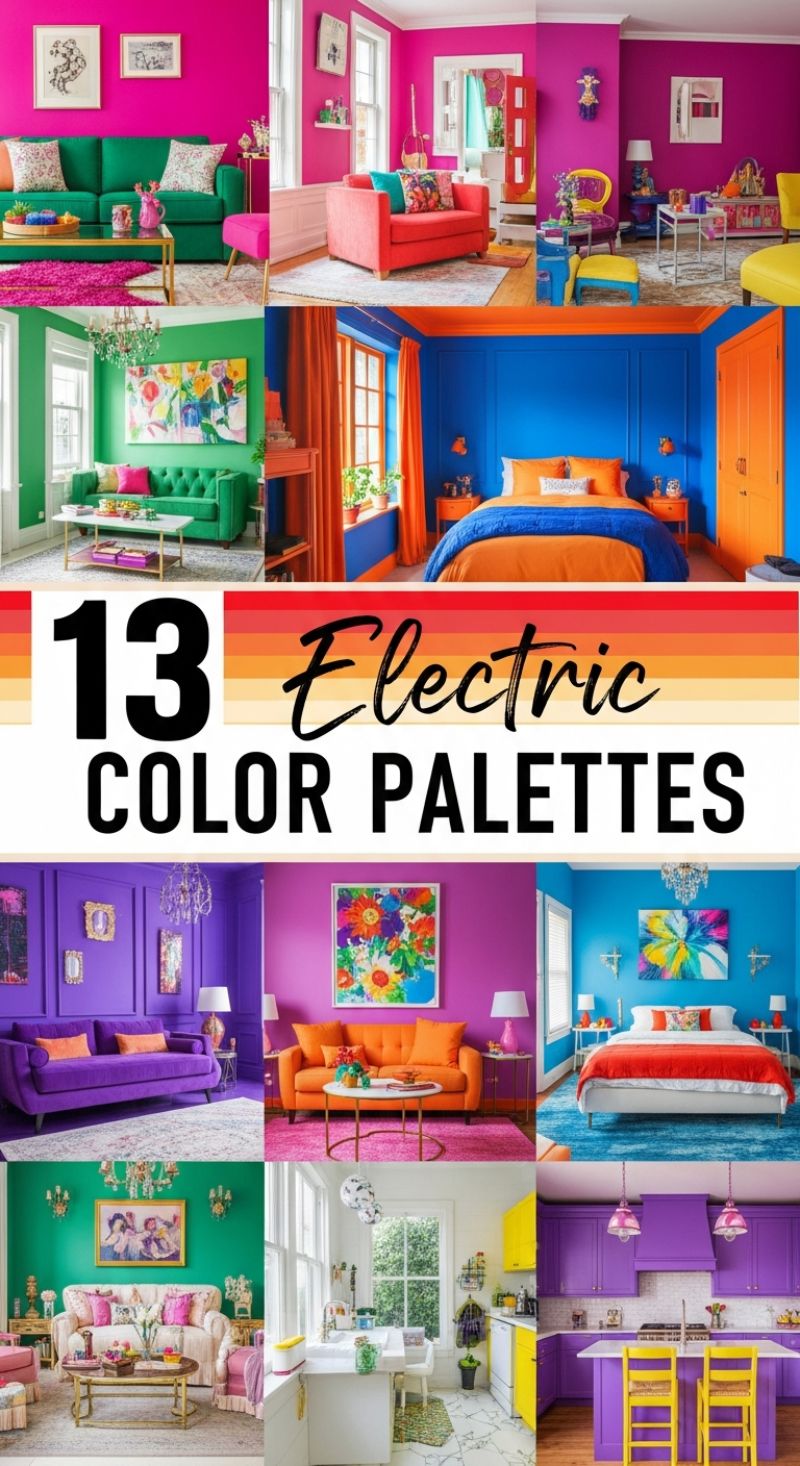
Electric color palettes are the ultimate tool for instant transformation, taking a space from drab to dazzling with unapologetic energy. This makeover strategy revolves around utilizing highly saturated, often complementary colors to maximize contrast, such as the dramatic royal blue walls paired with tangerine orange trim and bedding, or hot magenta walls offset by emerald green seating. The visual strategy is rooted in maximizing chroma, which completely redefines the architectural boundaries and emotional impact of the room. To execute this successfully, you must commit to the intensity. Choose two dominant, intense colors—often opposites on the color wheel—and apply one as the primary wall color (covering the majority of the visual surface) and the other as the primary upholstery or cabinetry color. This deliberate tension guarantees a vibrant, unforgettable space.
Successfully integrating an electric palette requires careful consideration of proportion and visual rest. While the impulse might be to use these bold hues everywhere, expert designers strategically employ grounding elements to prevent sensory overload. Notice how many of these vibrant rooms still maintain crisp white ceilings, trim, or light-colored flooring (like the white marble in the yellow-accented kitchen). These neutral areas act as crucial visual buffers, allowing the saturated colors to truly pop without overwhelming the inhabitants. Furthermore, introduce textural variety through velvet sofas, plush area rugs, or high-gloss cabinetry to give depth to the flat color fields. When using complex triadic schemes (like the pairing of purple, orange, and green), ensure one color dominates the overall volume, while the other two are reserved for significant but contained accents such as large artwork, throw pillows, or statement furniture pieces.
Applying electric colors to fixed elements, such as kitchen cabinetry, interior doors, or architectural paneling, is the highest-impact move for transformation. The image showcases a kitchen achieving instant personality using bold violet cabinets paired with sunny yellow chairs and trim—a committed choice that yields immediate results. In transitional spaces, like bedrooms, temper the intensity slightly by ensuring the primary wall color is balanced by highly contrasting but textural bedding, such as a bright orange duvet layered over a royal blue sheet set, which adds necessary warmth or coolness. Finally, remember that lighting plays a critical role in this design scheme; bright, high-CRI lighting is essential to ensure these colors remain true and vibrant, preventing them from appearing muddy or flat. Embracing an electric color scheme is a confident design statement; commit fully to the high saturation for a space that is immediately transformed and uniquely memorable.
Authentic Mexican Kitchen Makeover: A Splash of Talavera

To instantly transform a standard kitchen into a space bursting with warmth and history, the key is integrating high-impact, authentic Mexican design elements. The most crucial component for this makeover is the Talavera tile backsplash. These hand-painted ceramic tiles, typically featuring intricate patterns in cobalt blue, yellow, terracotta, and white, serve as the heart of the design, immediately conveying a deep sense of place. Unlike subtle subway tiles, Talavera demands attention; therefore, strategic placement is vital. We recommend installing the tiles floor-to-ceiling in the range area, creating a stunning focal point, or using them as a colorful border detail around white subway tiles to maintain brightness while minimizing cost. Expert tip: When dealing with such a busy pattern, anchor the look by using solid, neutral surrounding elements, such as white walls or dark soapstone countertops, ensuring the tiles are celebrated without overwhelming the space. This single change provides a maximalist, high-energy transformation instantly.
The second indispensable element of an authentic Mexican kitchen is the incorporation of natural, hand-forged materials, particularly copper. Notice the prominent, sculpted copper range hoods in these examples; they are not merely functional but serve as massive, glowing pieces of functional art. Copper adds unparalleled warmth and a rustic patina that evolves beautifully over time, contrasting perfectly with modern stainless steel appliances. To replicate this look, ensure your hood is large and proportionally dominant over the range. Further enhance this rustic metallic theme by switching out standard cabinet hardware for oil-rubbed bronze or dark wrought iron handles, and consider hanging genuine copper pots and pans on an exposed rack over the stove. This layering of warm metals against the cool tones of the tiles and modern appliances achieves the rich, textural depth characteristic of Southwestern and Mexican interior design.
Finally, focus on the base elements and styling to complete the transformation. For cabinetry, favor natural wood tones—honey oak, alder, or even distressed knotty pine—to maintain a rustic, earthy foundation that feels handmade rather than mass-produced. If your existing cabinets are modern, you can achieve authenticity by pairing them with traditional elements like a prominent farmhouse sink or utilizing floating shelves made of thick, raw wood. Open shelving offers the perfect opportunity for styling; display colorful serving bowls, clay pottery, or authentic textiles. Lighting fixtures should lean toward large, pendant lights with dark metal finishes, or even punched tin lanterns, casting warm light that enhances the earthy color palette. The combination of bold tilework, rich copper, and natural wood creates a welcoming, vibrant kitchen that feels instantly rejuvenated and deeply rooted in cultural history.
12 Timeless Vintage Finds
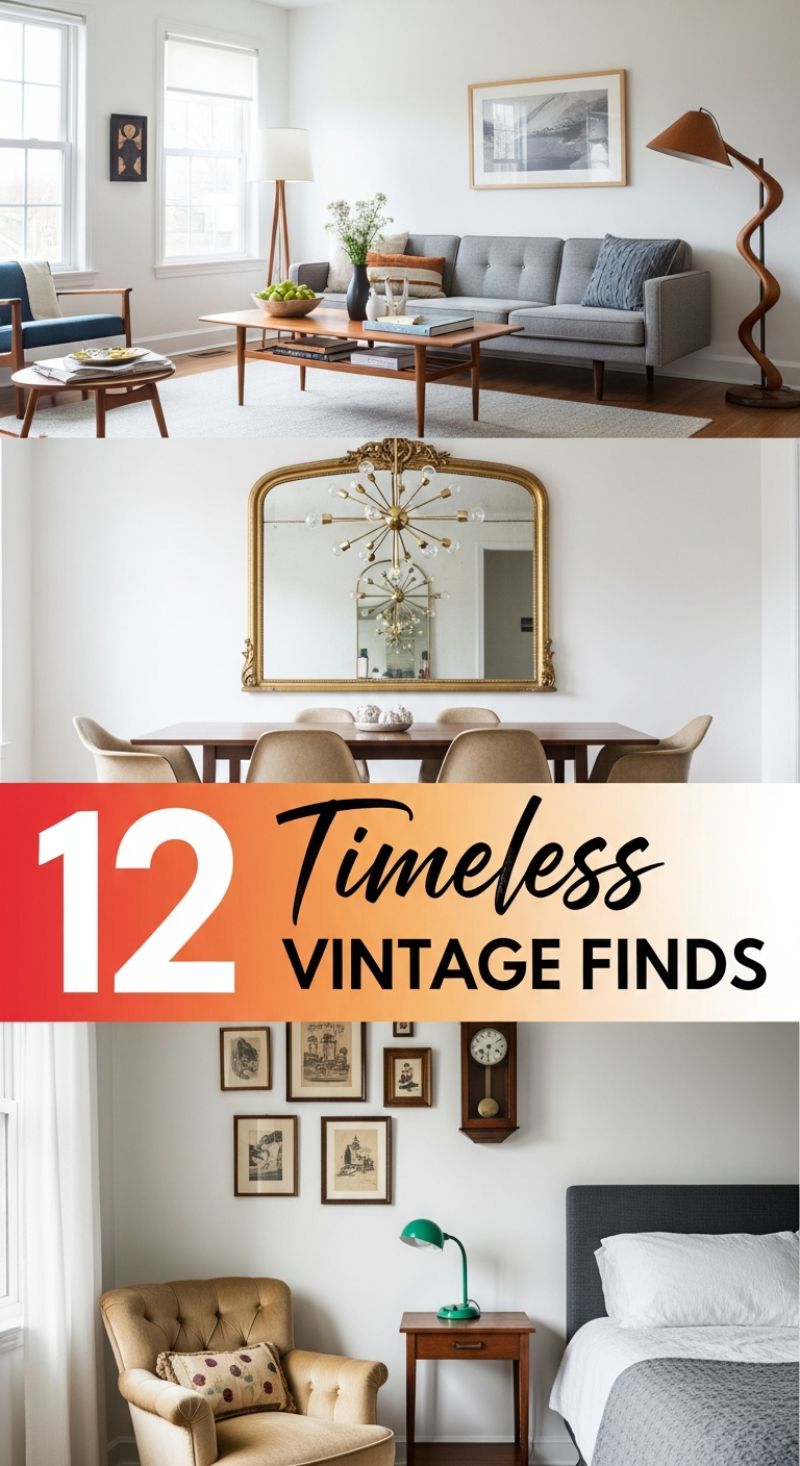
Incorporating timeless vintage pieces is the secret to achieving a warm, curated look that avoids feeling sterile or overly trend-driven. To successfully integrate vintage finds, start by anchoring your space with Mid-Century Modern (MCM) silhouettes, which provide clean lines and structural simplicity. In the living area, seek out a sofa with tapered legs and subtle tufting, contrasting this modern foundation with rich, natural wood accent pieces such as coffee tables or armchairs crafted from teak or walnut. The “how-to” here is in the juxtaposition: pair the clean, simple lines of MCM furniture with unique, sculptural lighting—like the dramatic, serpentine floor lamp seen in the image—to inject personality and immediate visual interest. Always ground the arrangement with a neutral rug to unify the different textures and woods, ensuring the space feels collected rather than cluttered. This method transforms a standard room into a sophisticated reflection of history and style, without committing solely to a retro aesthetic.
For high-impact areas like the dining room, select one large vintage element that serves as a dramatic focal point. In this example, the simple modern dining set (Eames-style chairs and a plain table) is dramatically offset by an oversized, highly ornate gold-framed mirror. This strategic mismatch creates dynamic tension—the sleek utility of the furniture clashes beautifully with the historical grandeur of the mirror. Expert tip: Ensure the mirror’s scale is substantial enough to feel luxurious and to reflect light, visually expanding the room. Further enhance this eclectic mix by choosing a statement light fixture, such as a brass Sputnik chandelier. The combination of historical baroque detailing, MCM lines, and atomic-era lighting defines the space with layers of texture and periods, proving that complementary styles can be found across different decades.
Finally, use smaller vintage finds to build intimate, character-filled nooks and personalized displays. A plush, tufted armchair in a rich fabric (like velvet or suede) instantly creates a cozy reading corner. Pair this traditional piece with a sleek, yet functional item, such as a small wooden side table topped with an industrial pop of color—a bright green banker’s lamp, for instance. To complete the look, curate a gallery wall using small, framed vintage prints, sketches, or etchings. The trick to cohesion in a gallery wall is to maintain consistent framing (simple black or brown wood) while varying the art subjects. Integrate unexpected dimensional elements, like the antique pendulum clock, amongst the prints to break up the flat surface and add depth. These small, thoughtful additions are often the most impactful, turning overlooked corners into personalized vignettes.
6 Nostalgic 90s Trends
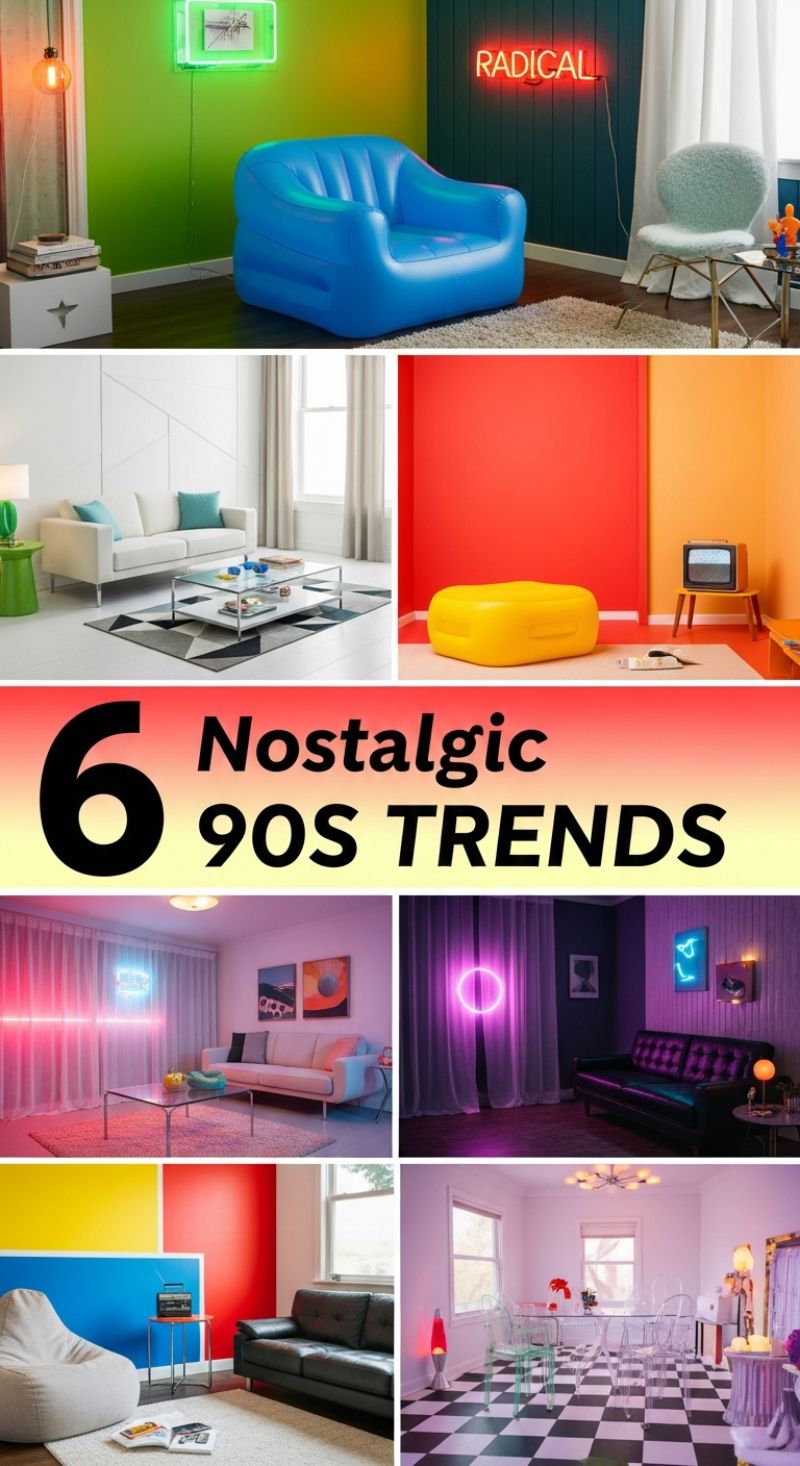
Reimagining the bold aesthetic of the 1990s offers a unique pathway to an instantly transformative room makeover, blending high-energy fun with clean lines. The first step involves strategic color deployment and mood lighting. Abandon the all-white farmhouse trend and embrace the maximalist color palette of the 90s—think shocking lime green, electric blue, and fiery red, often used in large color-blocked sections rather than muted accent walls. To keep this updated, apply these colors with sharp, clean lines or limit the intense blocking to feature walls behind key seating areas, allowing white or neutral walls to buffer the intensity. The true magic of this transformation, however, lies in the lighting. Integrate modern LED neon flex signs, opting for saturated colors like hot pink, aqua, or bright yellow. These light sources should act as functional art, placed against contrasting wall colors (e.g., green neon against a dark teal wall) to define the room’s geometric structure and instantly infuse a vibrant, retro-futuristic atmosphere that screams personality.
To authentically capture the spirit of the era while maintaining a functional living space, focus on incorporating iconic and contrasting furniture silhouettes. The inflatable chair is the quintessential 90s statement piece; treat it as an occasional accent chair rather than a primary seating fixture, capitalizing on its visual lightness and unexpected texture. Balance this fun, opaque element with sleek, transparent ‘ghost’ furniture, such as clear acrylic dining chairs or glass-topped coffee tables supported by minimalist metal frames. This juxtaposition is vital for a modern execution: the clear furniture prevents the space from feeling cluttered or heavy, allowing the bold wall colors and statement pieces (like leather sofas or beanbags) to stand out without overwhelming the senses. When selecting core furniture, lean towards simple, low-profile silhouettes typical of 90s minimalism to ensure cohesion, avoiding overly ornate or traditional designs.
The final transformative details come down to high-impact accessories and foundational patterns. For flooring, nothing says 90s pop culture like a dramatic, high-contrast black and white checkerboard pattern; if permanent flooring replacement is too drastic, anchor your seating area with a large, similarly patterned rug. Complete the look with iconic, period-defining accessories that serve a dual purpose. A lava lamp, for instance, provides mesmerizing kinetic art and soft, secondary mood lighting. Expert advice for success here is to curate, not collect: limit the total number of overtly nostalgic items (inflatable chair, lava lamp, neon sign) to three or four focal points. This restraint ensures the room feels like a stylish, intentional throwback rather than a cluttered shrine, achieving an instant, unforgettable transformation that is both nostalgic and perfectly contemporary.
Embrace Maximalism: Mastering the Dark Romance Aesthetic
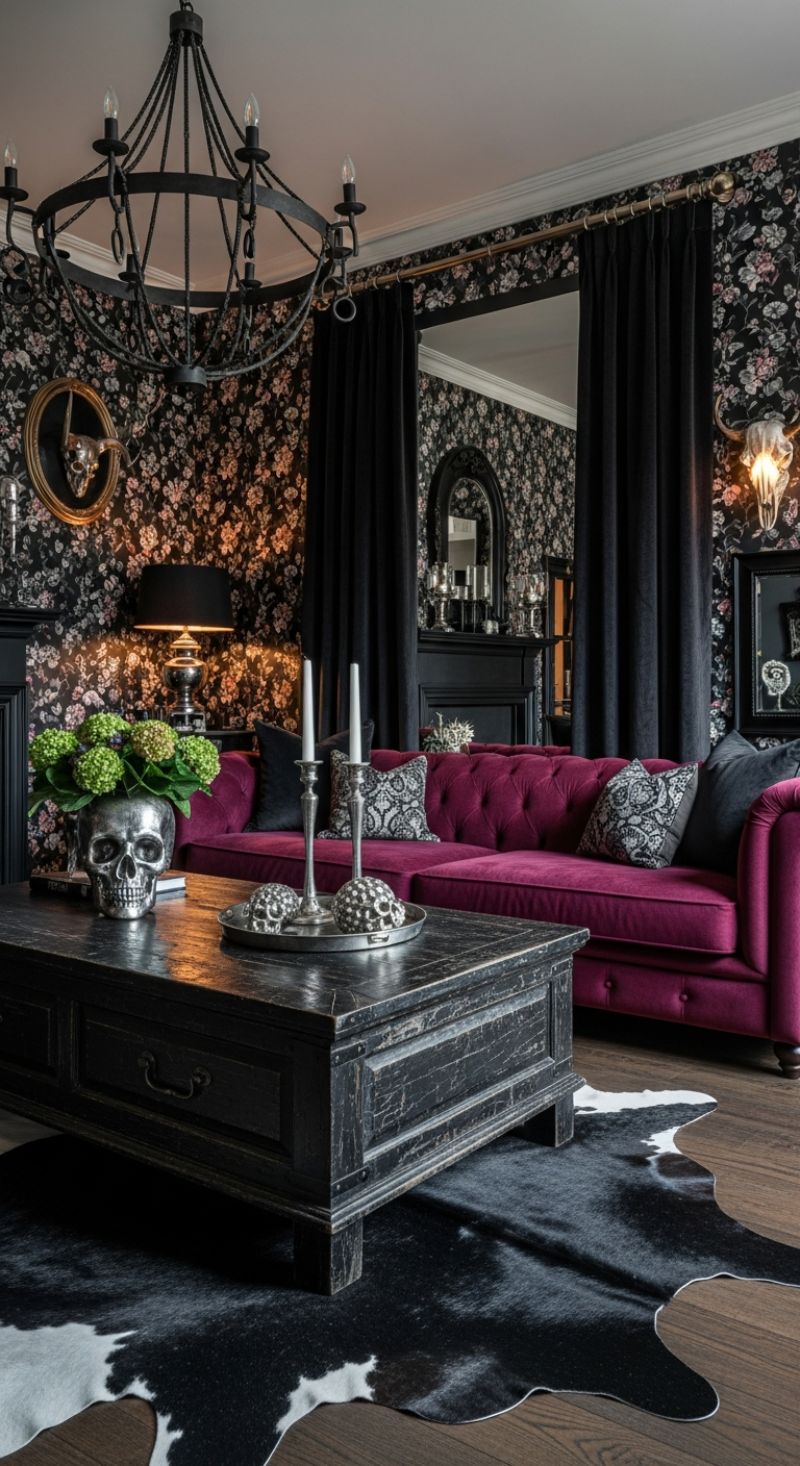
To achieve a truly instantaneous and transformative makeover, abandon the principles of minimalist restraint and lean into the dramatic opulence of dark romance. The foundational element of this look is the wallpaper: select a dense, black-based botanical or highly detailed floral pattern. This serves as a highly textural backdrop that feels both cozy and theatrical, preventing the dark colors from feeling flat. When installing the wallpaper, ensure the remaining trim (crown molding, baseboards) remains clean and light, providing a crisp frame that highlights the drama. Complement this backdrop with heavy, floor-to-ceiling drapes—ideally black velvet or a similarly substantial material—hung high and wide to create the illusion of grand height and theatrical framing around any windows or architectural features. Finally, anchor the floor with a contrasting texture; here, a black and white cowhide rug layered over dark wood floors breaks up the monotony and adds an unexpected, primal touch to the luxury.
The secret to making such a dark palette feel rich rather than gloomy lies in strategic material contrast and the bold use of color. Since the walls are dramatic, the main seating piece must provide an immediate, vivid counterpoint. Invest in a plush, tufted sofa in a saturated jewel tone—such as the deep magenta or plum velvet seen here—to act as the room’s vibrant heart. The tufting adds a historical, opulent texture (like a classic Chesterfield), enhancing the antique, romantic feel. Layer the sofa with varied accent pillows; use plain black velvet to dissolve the harsh lines where necessary, but also incorporate pillows featuring intricate patterns (like a damask or baroque print) using neutral colors (black and silver/white) that subtly reflect the patterns found in the wallpaper. This strategic layering of color and pattern prevents any single element from dominating while creating a unified, complex visual landscape.
Completing the dark romance aesthetic requires moody, layered lighting and highly curated, thematic accessories. Lighting should include a dramatic, oversized fixture, like a black iron chandelier, to provide overhead ambiance, paired with dimmer, localized lighting from table lamps and wall sconces featuring warm bulbs. For accessories, choose elements that introduce both edge and opulence: integrate pieces made of distressed black wood (like the coffee table) alongside reflective metals (silver trays, metallic skull vases, or ornate gold mirrors and frames). The juxtaposition of rough, weathered finishes with polished metallic elements is crucial for sophistication. Do not shy away from unique, high-concept decor, such as incorporating skeletal motifs or unusual botanicals (like the vibrant green hydrangeas in the silver skull planter), which solidify the maximalist, theatrical narrative of the space, ensuring the makeover is truly transformative and memorable.
Rustic Country Charm
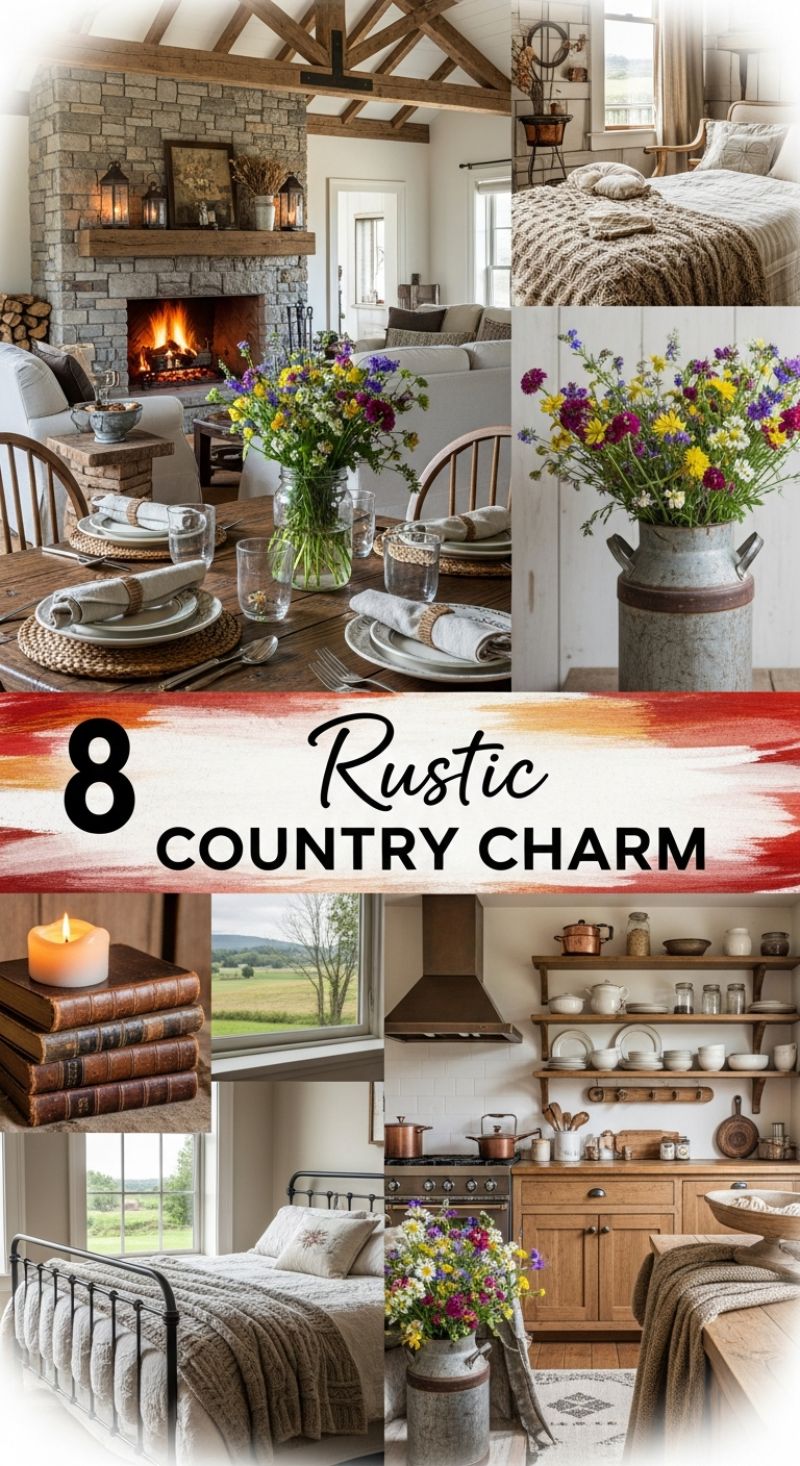
Achieving Rustic Country Charm is a powerful makeover choice, blending rugged architectural elements with soft, natural textiles and abundant vintage finds. This style centers on creating a warm, cozy atmosphere rooted in nature and history. To instantly transform your living room, focus first on architectural impact. While true stone fireplaces and exposed wooden truss ceilings require major construction, you can replicate the feeling by installing faux wood beams (lightweight and easy to mount) and applying stone or brick veneer to an existing wall or fireplace surround. Paint walls a warm, soft white or cream to maximize light, which offsets the heaviness of the wood and stone. Furnishings should prioritize comfort; opt for deep-seated sofas upholstered in durable natural fabrics like linen or cotton, and anchor the space with a substantial, rustic wood dining or coffee table, emphasizing raw or slightly distressed finishes. The key here is to build a durable, yet inviting, canvas that feels instantly grounded and permanent.
The second essential step is layering tactile textiles and authentic vintage accessories to introduce the “charm.” Textiles should be rich in texture, not pattern. Think chunky knit throws draped over seating and beds, linen napkins secured with simple twine or leather, and woven placemats for the dining area. In the bedroom, swap out a modern frame for a simple black iron bedstead, and use oversized, comfortable bedding. For accessories, bypass mass-produced items and hunt for pieces with history: stack antique leather-bound books (like those seen in the image) and top them with a simple flickering candle. Replace modern lamps with rustic metal lanterns or distressed ceramic bases. These small, deliberate choices inject personality and make the space feel collected over time. Look specifically for items made from galvanized metal, copper, or aged wood to maintain that authentic farmhouse appeal.
Finally, integrate the freshness of the country through open display and natural elements, particularly in the kitchen. A highly effective and quick makeover is to remove upper cabinet doors or entirely replace upper cabinetry with simple wooden open shelving. This provides an immediate opportunity to showcase your collection of white ceramic dishes, glass jars, and functional copper cookware, adding warmth and practical display space. Counteract the dominant neutral palette by bringing in vibrant, informal wildflower arrangements. Unlike formal roses, loose arrangements of colorful wildflowers (or high-quality faux ones) placed in rustic containers, like old galvanized milk cans or clear mason jars, are essential to this style. Position these arrangements prominently—on the dining table, kitchen counter, or bedside table—to provide instant color, life, and the quintessential burst of country freshness necessary for a complete Rustic Country Charm transformation.
Embrace Gracious Southern Elegance
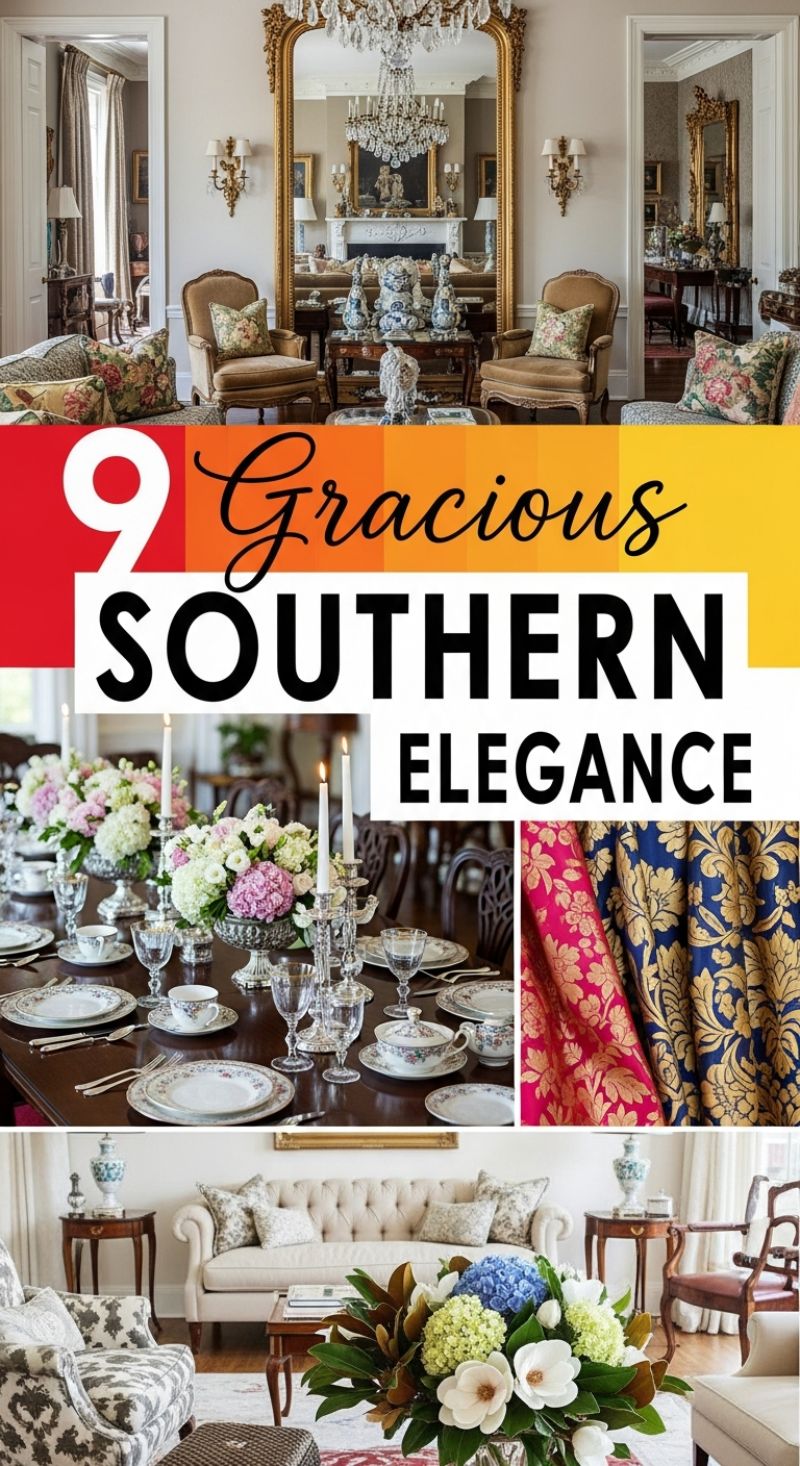
Achieving the look of gracious Southern elegance involves a precise balance of classical symmetry, luxurious textiles, and an inherent sense of hospitality. To recreate this transformation, begin by establishing a strong, formal foundation. Focus on furniture silhouettes inspired by 18th and 19th-century French or English styles—think deeply tufted settees, traditional mahogany end tables, and accent chairs with cabriole legs. Crucially, symmetry is non-negotiable; flank a central element, such as a large, ornate gilded mirror or a fireplace mantel, with matching pieces like armchairs or consoles. Wall colors should remain warm and neutral (ivory, pale taupe) to allow the rich, layered accessories and fabrics to command attention, while grand lighting fixtures, especially crystal chandeliers and brass wall sconces, provide the necessary sparkle and ambient warmth.
Next, immerse the space in rich, multi-layered textures that define this luxurious aesthetic. Southern design is not shy about using high-quality textiles. Incorporate damask, brocade, velvet, or silk, often featuring classical motifs. Use the textiles shown in the image as inspiration—don’t be afraid to mix vibrant jewel tones, such as deep navy, fuchsia, or emerald green, with metallic accents like gold embroidery or trim. When selecting window treatments, opt for custom drapery in heavy materials that pool slightly on the floor or feature formal swags; this maximizes visual richness and height. For seating, ensure scatter cushions are varied but complementary, featuring patterns like traditional floral chintz or refined tone-on-tone prints, providing both comfort and visual depth.
Finally, the true hallmark of Southern elegance lies in the details dedicated to hospitality and nature. No transformation to this style is complete without carefully curated accessories. Invest in fine china, crystal glassware, and polished silver—these items should be proudly displayed, even when not in use, signaling a state of constant readiness for entertaining. Incorporate timeless decor staples like blue and white porcelain ginger jars and vases throughout the room. The inclusion of lush, fresh floral arrangements is essential; use substantial centerpieces featuring traditional Southern blooms like magnolias or large, colorful hydrangeas. These living elements soften the formality of the furniture and fabrics, making the grand space feel intimate and truly ‘gracious.’
Embrace the Whimsical & Funky Decor Trend
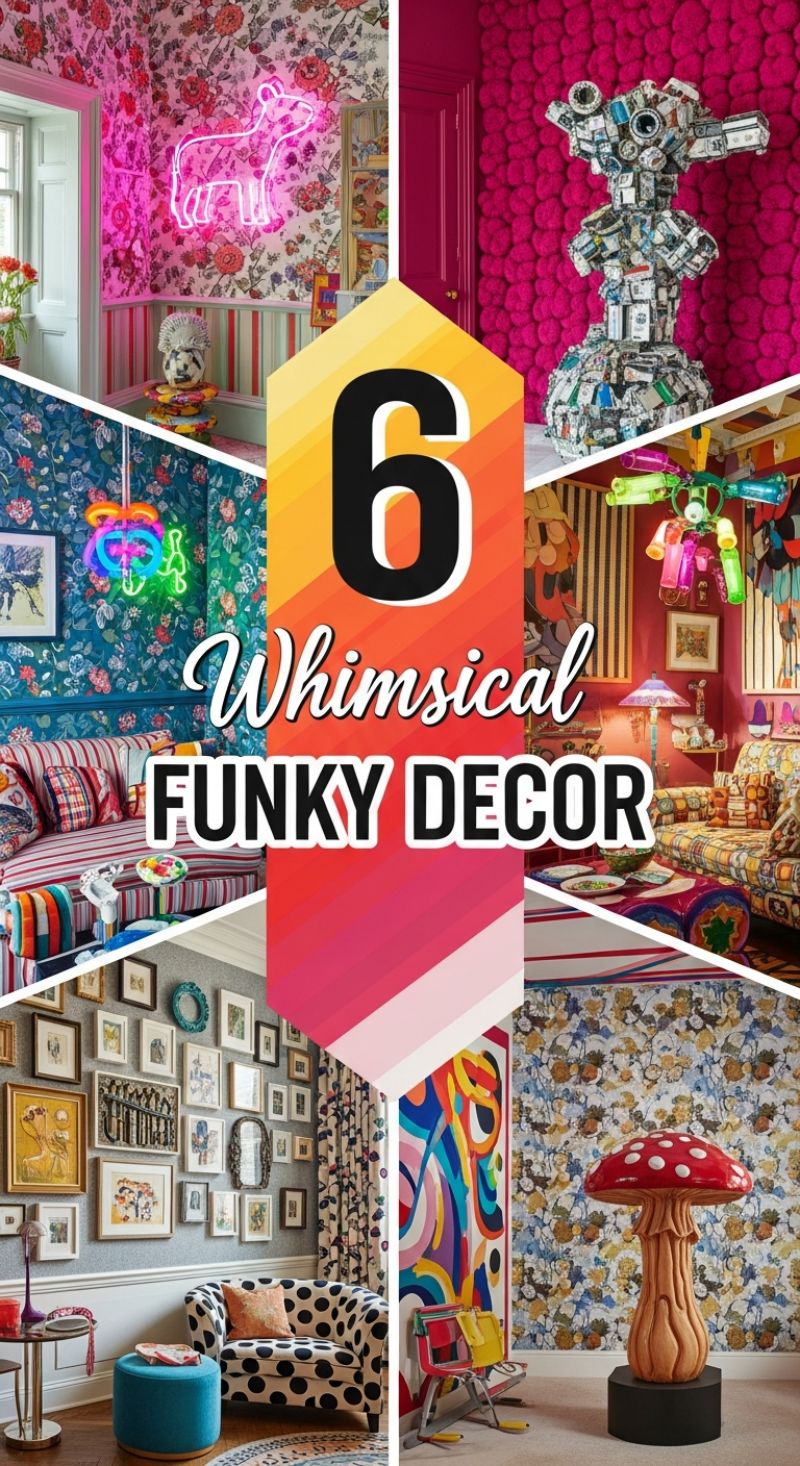
To truly transform a space from basic to breathtaking, shift away from safe choices and embrace bold, expressive maximalism. The core of whimsical, funky decor lies in layering pattern, texture, and color with unapologetic enthusiasm. Start your transformation with the walls, choosing highly detailed, large-scale patterned wallpapers—such as dense florals or abstract nature scenes—that immediately define the room’s character. If four patterned walls feel overwhelming, anchor the look with deep, saturated paint colors like hot fuchsia, deep teal, or vibrant crimson, especially around doorways and trim, creating a dramatic and enveloping backdrop for eccentric art and objects. This style thrives on visual density; the walls are not merely neutral backgrounds, but active participants in the overall decor story. Remember that the intention behind this style is not clutter, but carefully curated personality, so every pattern and hue chosen must evoke joy and express a piece of your individual taste.
Once the foundational color palette is set, the next essential step is mastering the art of pattern clashing and furniture selection. Successfully mixing disparate patterns—like coupling a striped sofa with a polka-dot armchair and placing them against a heavily floral wall—requires a grounding element, typically a recurring color or tone that ties the pieces together. Invest in furniture pieces that act as artwork themselves; look for upholstery in unexpected prints, exaggerated shapes, or multi-colored textiles. Expertly executed gallery walls are also central to this look. When creating one, abandon symmetry and uniformity. Mix frames of varying materials (gilded, simple black, ornate wood) and sizes, pairing fine art prints next to quirky illustrations, mirrors, and even small 3D objects, achieving a collected, storied appearance that draws the eye into the room’s history. This technique ensures that every glance around the room offers a new, engaging discovery.
Finally, the signature element of funky decor comes through statement lighting and sculptural focal points that defy convention. Replace standard fixtures with pieces designed purely for shock and delight—think custom neon signage shaped like animals or abstract symbols, or chandeliers crafted from unconventional materials, such as colorful plastics or repurposed objects. These elements inject playful energy and a touch of the absurd. Furthermore, introduce oversized, sculptural pieces that command attention, such as large, whimsical mushrooms or abstract figurines made from discarded electronic components. These pieces should be unexpected and out of context, serving as the ultimate expression of personality. The transformation is completed by layering highly textural accessories—velvet throws, furry rugs, and lamps with eccentric shades—which soften the bold prints and bright colors, creating a truly immersive, visually rich environment that feels both high-fashion and deeply personal.