Transform your home on a budget! Discover 15 genius decorating hacks and DIY tips that professional designers use to create stunning, high-impact spaces without breaking the bank.
KITCHEN DECOR SECRETS THAT PROFESSIONAL USE
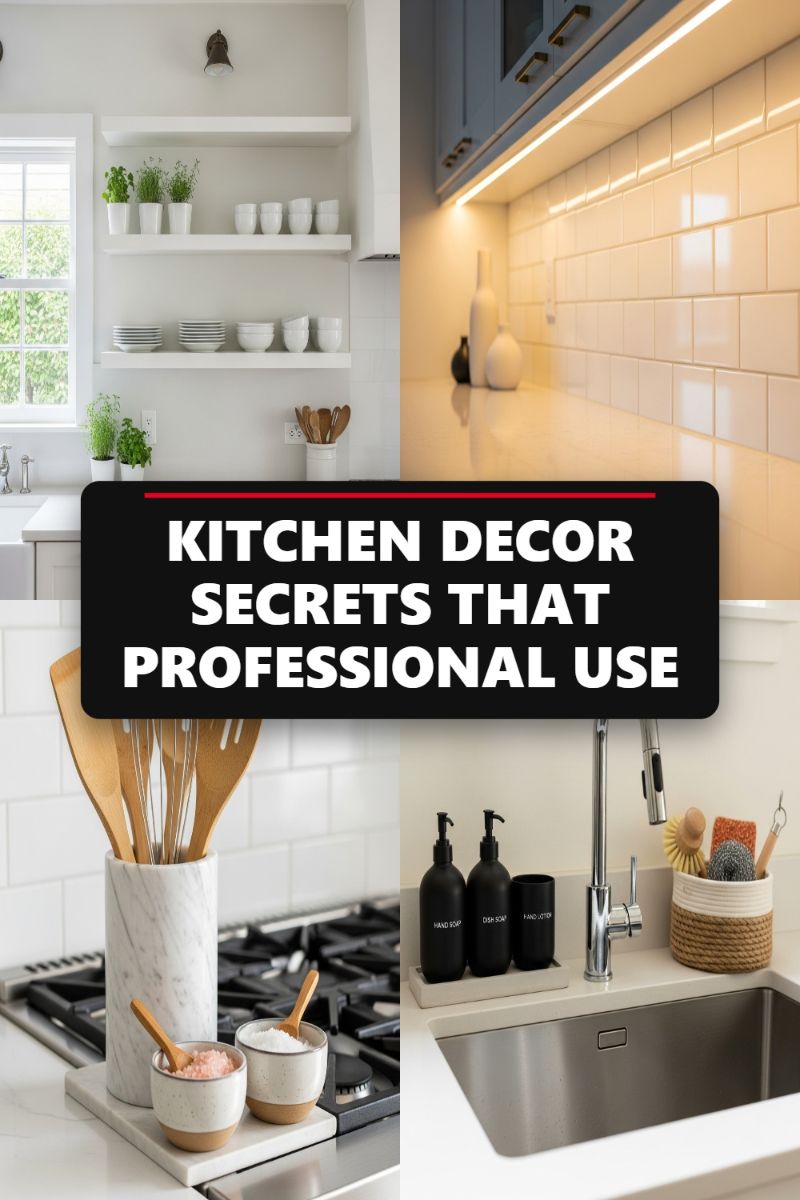
The secret to a high-end, professionally designed kitchen isn’t spending a fortune on appliances; it’s mastering strategic organization and ambiance control. Focus first on lighting, which is the quickest way to upgrade your kitchen’s function and feel. Install affordable LED strip lighting beneath your upper cabinets, as shown in the top right corner. This serves dual purposes: providing crucial task lighting for food prep and creating a warm, ambient glow that highlights your backsplash and countertops. For structural elegance, consider replacing bulky overhead cabinets with open shelving (top left). This requires discipline—only display cohesive, aesthetically pleasing items like monochromatic dishes and fresh herbs in matching planters—but the resulting visual openness makes the entire kitchen feel instantly larger, airier, and more intentional. Use a simple, repeated color palette (like the clean white pictured) to ensure the shelving remains decor and doesn’t devolve into cluttered storage.
Next, elevate your countertops by treating functional items as decor through curated staging, often called ‘vignettes.’ Never leave tools and ingredients scattered. Instead, group them purposefully, often anchored on a small cutting board or tray. Look at the stovetop area (bottom left): essential wooden utensils are stored in a tall, elegant marble canister, instantly elevating the look far beyond a typical ceramic holder. Similarly, small salt and spice cellars become decorative accents when presented in matching vessels. The key is incorporating rich textures (marble, wood, speckled ceramic) to add depth without adding clutter. These small investments in high-quality storage pieces make your everyday tools look like treasured design elements, transforming mundane preparation areas into magazine-worthy displays.
The final secret professionals use is optimizing the sink area—the often-forgotten zone. Ditch the mismatched brand-name soap bottles that ruin the visual flow. Instead, invest in a set of uniform, refillable dispensers for hand soap, dish soap, and perhaps lotion, placing them neatly on a small, contained tray, as seen in the bottom right image. This creates instant visual organization and luxury. Furthermore, manage your scrubbing tools attractively: move stray brushes and sponges into a textural, decorative container, like a woven basket or a small ceramic crock. By ensuring everything in this heavy-use zone is contained, coordinated, and aesthetically aligned with your overall kitchen design, you achieve a level of polished detail that signifies true design mastery, all accomplished with inexpensive accessories.
THIS TREND IS TAKING OVER PINTEREST: MODERN MEXICAN HOME DECOR!
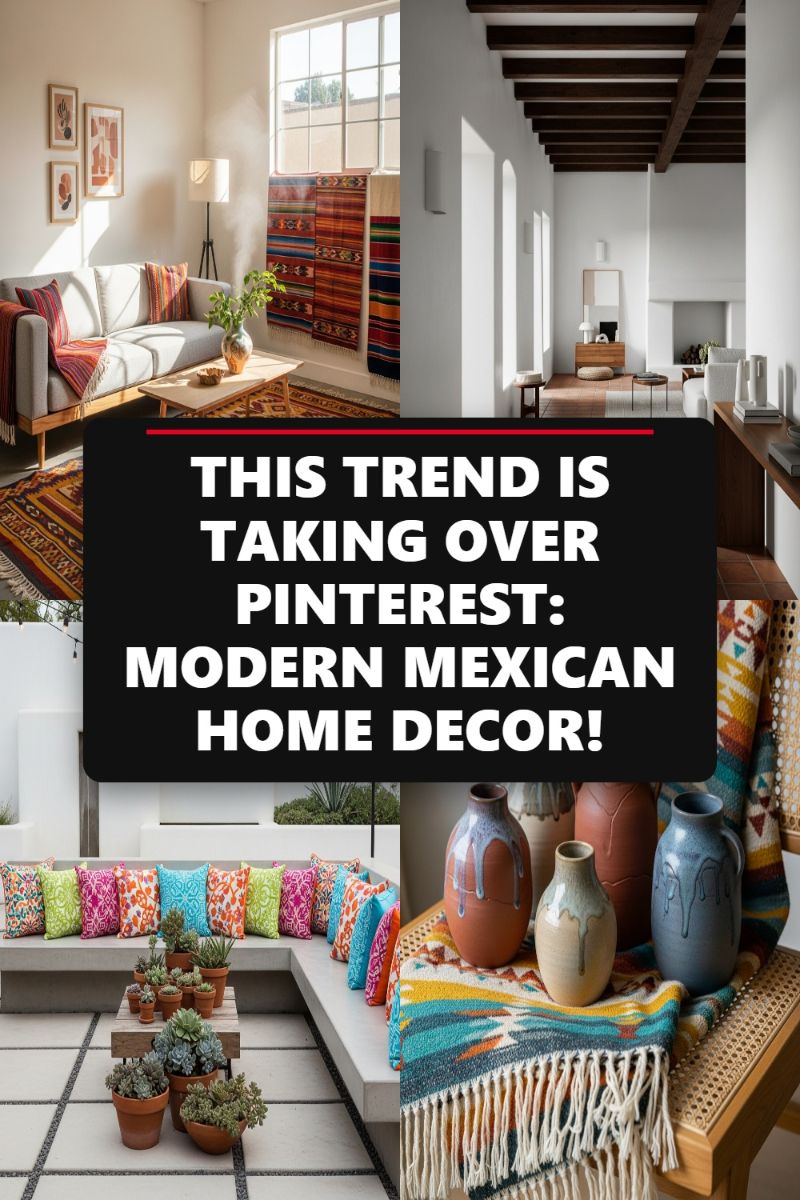
The Modern Mexican aesthetic, or Mexi-Cali style, is characterized by a striking balance between clean, minimalist lines (often bright white walls and sleek surfaces) and the rich, saturated textures of traditional artisan crafts. To adopt this high-impact look without a major renovation, focus your budget on vibrant, easily interchangeable textiles. Start by setting a neutral, airy backdrop—think light gray, stone, or crisp white walls and flooring—which allows the colors to truly pop. The core hack here is incorporating woven textiles, which are relatively inexpensive and widely available. Look for brightly patterned serapes, falsa blankets, or geometric runners in hues like deep cobalt blue, terracotta red, sunshine yellow, and hot pink. Instead of framed art, use these textiles as stunning wall hangings (as shown in the top left image) or drape them over neutral sofas and chairs for instant warmth and pattern. Layering rugs with strong, graphic patterns in similar earth tones enhances the depth and provides that essential grounding element, transforming a cold space into a lively retreat.
Texture is paramount in achieving the authentic Modern Mexican feel, and this is where inexpensive earthenware and plants come into play. Embrace the look of raw clay and terracotta. You don’t need expensive designer vases; simple, unglazed terracotta pots (often found cheaply at garden centers) filled with structural plants like succulents and cacti immediately inject that Southwestern vibe, as beautifully displayed in the outdoor seating arrangement. Grouping multiple pots of varying sizes creates a sculptural moment that feels organic and sophisticated. For interior details, source unique ceramic pieces—look for simple pottery with a rustic feel or a single-drip glaze effect (like the blue and cream vases pictured). Place these items atop a colorful throw or blanket resting on a piece of rattan or light-toned wood furniture to contrast the traditional materials with modern forms. This simple grouping can elevate a console table or shelf, making it appear curated and expensive.
Finally, integrate architectural elements and lighting hacks to amplify the sun-drenched feeling of this style. If you are aiming for the dramatic contrast seen in the upper right image—dark, exposed wood beams against white walls—a budget-friendly hack is to use faux wood beams or strategically stained dimensional lumber attached to the ceiling. This draws the eye up and adds rich texture without structural costs. When it comes to lighting, simplicity rules. Avoid heavy fixtures and instead opt for simple wall sconces or modern tripod lamps that maintain clean lines, ensuring the focus remains on the color and craft. Maximize natural light by avoiding heavy window treatments; sheer linen or even bare windows are ideal for keeping the space bright and airy. The goal is a light foundation contrasted by intentional bursts of deep, earthy color and handcrafted texture, proving you can achieve a global, high-end look using primarily textiles and readily available terracotta accessories.
DON’T MAKE THESE 3 COASTAL DECOR MISTAKES
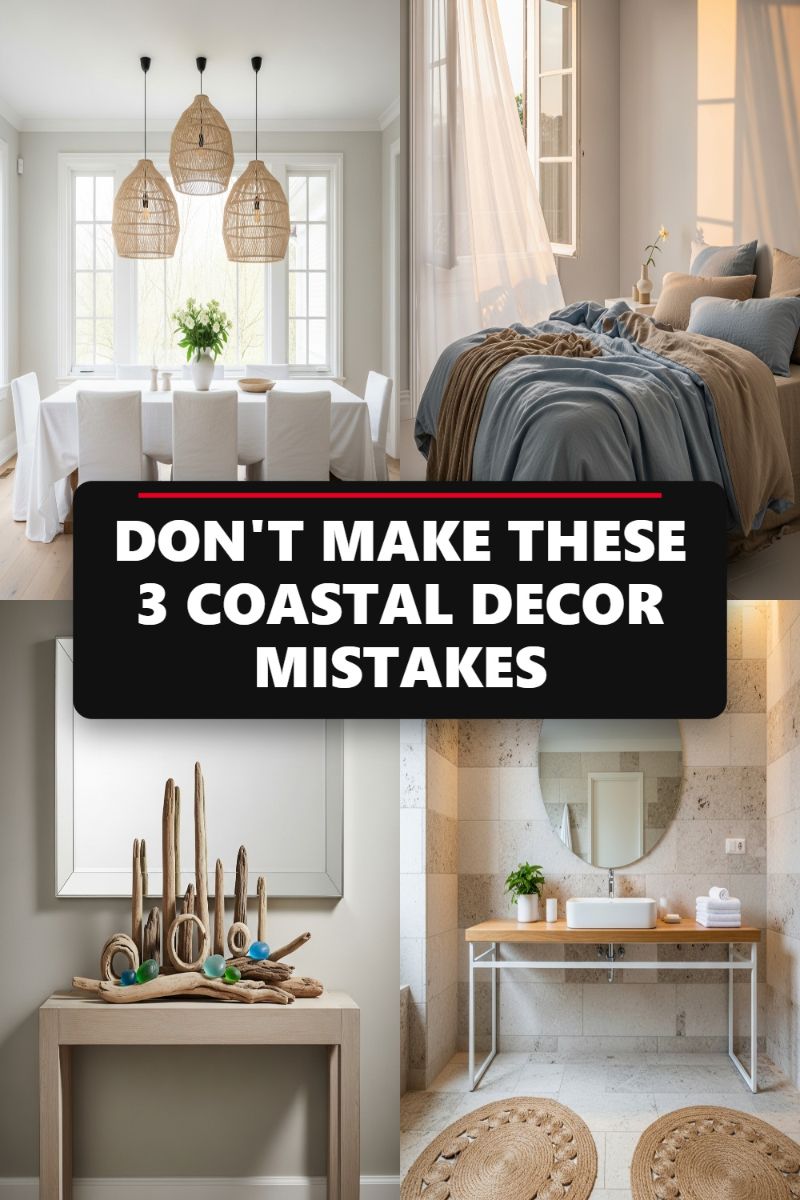
The biggest error in coastal decor is often the reliance on overly literal themes—think excessive anchors, fishing nets, or brightly colored seashell motifs. A sophisticated coastal home, as demonstrated in these spaces, focuses on organic texture and maximizing natural light to evoke the *feeling* of the ocean, not just the imagery. To achieve this high-end look on a budget, swap out themed items for natural, textural elements. Look for affordable lighting fixtures made of wicker or rattan (like the pendants shown in the dining area) which cast warm, diffused light. Instead of painting a room bright navy, embrace soft, sand-inspired neutrals (beige, cream, pale gray) for walls and large furniture. This clean foundation allows natural light to bounce and makes the room feel expansive and breezy, a crucial coastal trait, perfectly complementing the theme of effortless transformation.
The secret to the “mistake-free” coastal style is a carefully managed color palette. While blue and white are traditional, limiting yourself to those stark colors often leads to a flat, predictable design. Instead, utilize a layered neutral base (oatmeal linens, bleached wood tones, light stonework) and introduce muted ocean hues as subtle accents. Notice the bedroom’s layering: soft blues mingle with natural tans and browns in the bedding, mirroring the interplay of water and sand. This layering technique is also one of the best budget hacks: update your space simply by adding inexpensive linen throw blankets, pillows, or slipcovers in these soft, washed-out shades. Furthermore, incorporate natural materials like driftwood (curated into abstract art rather than scattered shells) and jute rugs (like the round mats in the bathroom) to introduce texture and grounding elements without investing in expensive, large pieces.
Another common trap is cluttering surfaces with too many small, themed objects. Coastal decor should feel serene and spa-like. Look at the curated vignettes shown: the console table features a single, impactful piece of abstract driftwood art rather than dozens of small trinkets. The bathroom vanity is streamlined, featuring just essential items and a small green plant for life. To implement this genius hack, focus on simplicity. Declutter existing surfaces and invest in one or two high-impact, textural accessories. For instance, use found objects (like smooth stones or small pieces of quality driftwood) and display them intentionally in a simple bowl or atop a neutral console. Prioritize quality over quantity, ensuring every piece contributes to the overall relaxed and airy atmosphere. This minimalist approach not only elevates the style but also naturally keeps your budget low.
THIS UNEXPECTED COLOR PALETTE IS COASTAL PERFECTION
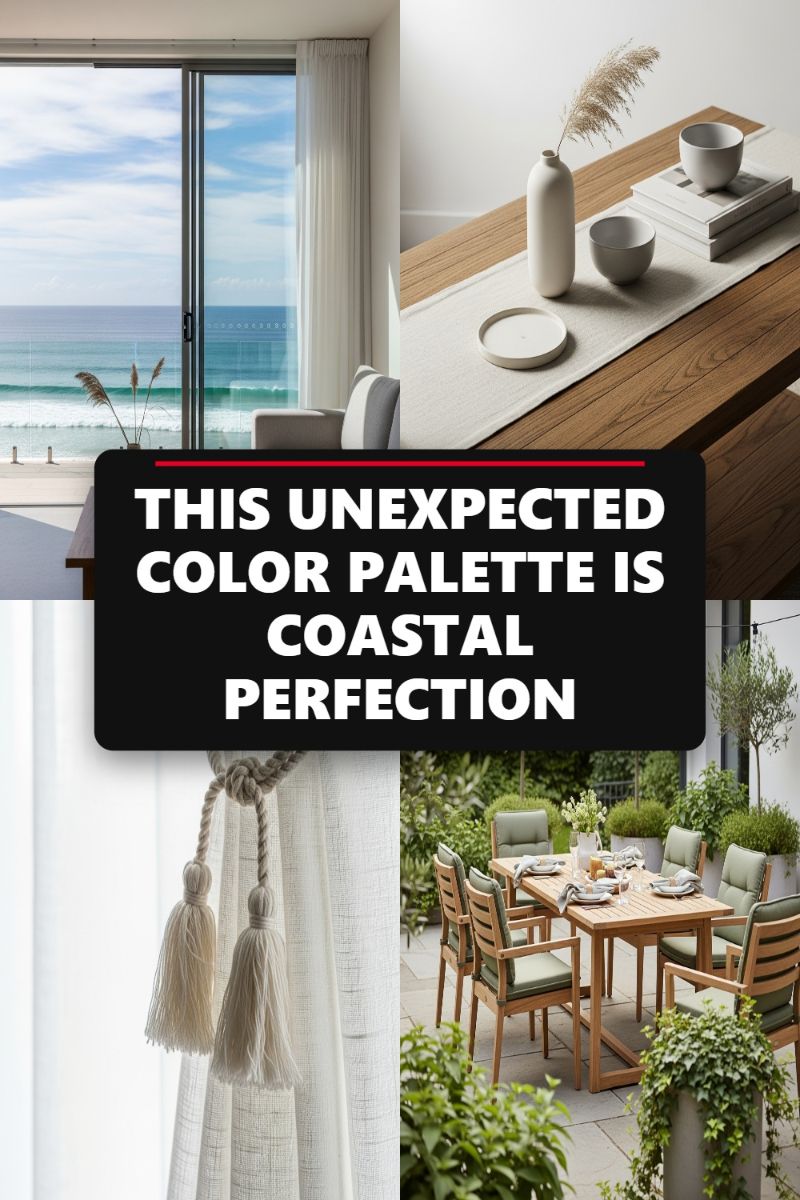
The traditional coastal aesthetic often relies heavily on navy blue and bright white, but this sophisticated update proves that grounding neutrals paired with unexpected shades can create a truly luxurious seaside feel without an expensive renovation. To recreate this look, focus first on maximizing light and texture. Opt for sheer, light-filtering curtains in linen or a linen blend, which are typically budget-friendly and allow maximum sunlight to reflect off white walls, mimicking the airiness of the sea foam and clouds. Instead of investing in expensive tie-backs, adopt a nautical hack: use thick, natural fiber rope (like jute or sisal, easily found at hardware stores) tied in a simple knot with generous tassels. This adds an authentic maritime texture while keeping the window treatment functional and breezy. Furthermore, use light-toned, natural wood for furniture. If you already own dark furniture, consider a light sanding and sealing, or incorporate smaller wooden elements like table runners or placemats to draw the eye toward these warmer, grounding tones, establishing a foundation that is rich yet understated.
The real secret to this “unexpected” palette is the introduction of a muted, earthy green—specifically sage or moss—used sparingly but strategically. This color choice deviates from traditional blues and instantly elevates the space, acting as a bridge between the bright, airy interior and the natural elements outside. Introduce this color through easily interchangeable textiles, such as throw pillows, outdoor seating cushions, or even a ceramic vase. Using this grounding green prevents the space from feeling too sterile or cold, injecting the tranquility of nature (as seen in the adjacent greenery and potted olive trees) directly into the decorating scheme. When choosing textiles, select those with an organic weave, such as textured cotton or outdoor performance fabric, to enhance the tactile experience. This allows you to achieve a high-end, bespoke look simply by swapping out affordable covers or pillows.
To ensure the final result looks polished and high-end, focus on curated, minimalist styling. On surfaces like dining tables or sideboards, adhere to a strict monochromatic scheme using matte white or cream ceramics. Layering natural textures—smooth ceramic against rough wood, woven linen against glossy white—adds necessary depth without introducing clutter or overwhelming patterns. Look for inexpensive pieces like simple stoneware bowls, stackable books wrapped in plain white paper, and sculptural vases holding dry, feathery grasses to mimic the movement of the sea and beach flora. This emphasis on texture over overt color or theme is the ultimate hack for transforming a standard room into a high-design coastal sanctuary. By utilizing neutral foundational pieces and introducing the sage green only in easily adaptable accessories, you maintain flexibility and luxury while keeping decor costs minimal.
STOP OVERPAYING! THE BEST AMAZON DECOR HAUL

Achieving a bespoke, high-end look doesn’t require thousands of dollars; it simply requires strategic sourcing and an understanding of key design principles, all of which are demonstrated in this affordable Amazon haul. The first hack involves mastering the art of the textile layer. To make a couch or bed look professionally styled, focus on mixing textures within a tight, cohesive neutral palette (creams, whites, and light grays). Avoid bright colors or busy patterns. Instead, combine elements like chunky knits, plush faux fur, detailed macramé or fringe, and simple stripes, as seen in the image. This layering adds immediate visual depth and tactile interest, elevating standard furniture pieces instantly. A pro tip for maximum budget efficiency is to purchase pillow covers separately, allowing you to reuse old inserts and switch out styles seasonally for a fraction of the cost of buying new pillows.
The second major hack centers on using modern architectural elements—specifically, lighting and greenery—to transform the atmosphere of a room. Notice the sleek, minimalist LED floor lamps. Replacing standard, bulky lamps with linear, modern alternatives like these instantly raises the sophistication level of a living room or bedroom. They offer directed, ambient light without visual clutter, appearing sculptural even when off. Complement this modernity by bringing life indoors using low-maintenance faux plants, such as the small potted olive tree shown. Faux greenery is essential for areas that lack natural light or for busy homeowners; look for plants that have realistic color variation and detail to ensure they contribute a natural, calming element without the hassle of watering.
Finally, elevate your space by turning organization into decor. The clear acrylic storage system on the bathroom counter proves that functional organization can be incredibly aesthetic. This hack involves uniformity and transparency. By investing in matching, stackable clear bins and applying simple, elegant labels to items like cotton swabs, serums, and hair ties, you transform cluttered necessities into a curated display. Uniform storage reduces visual noise and creates a spa-like sense of order and cleanliness. This principle can be applied to pantry organization, desk areas, or dressing tables—the key is consistency in container size and labeling, making this one of the highest-impact, lowest-cost ways to achieve a truly polished finish in any room.
VINTAGE DECOR HACKS THAT LOOK HIGH-END
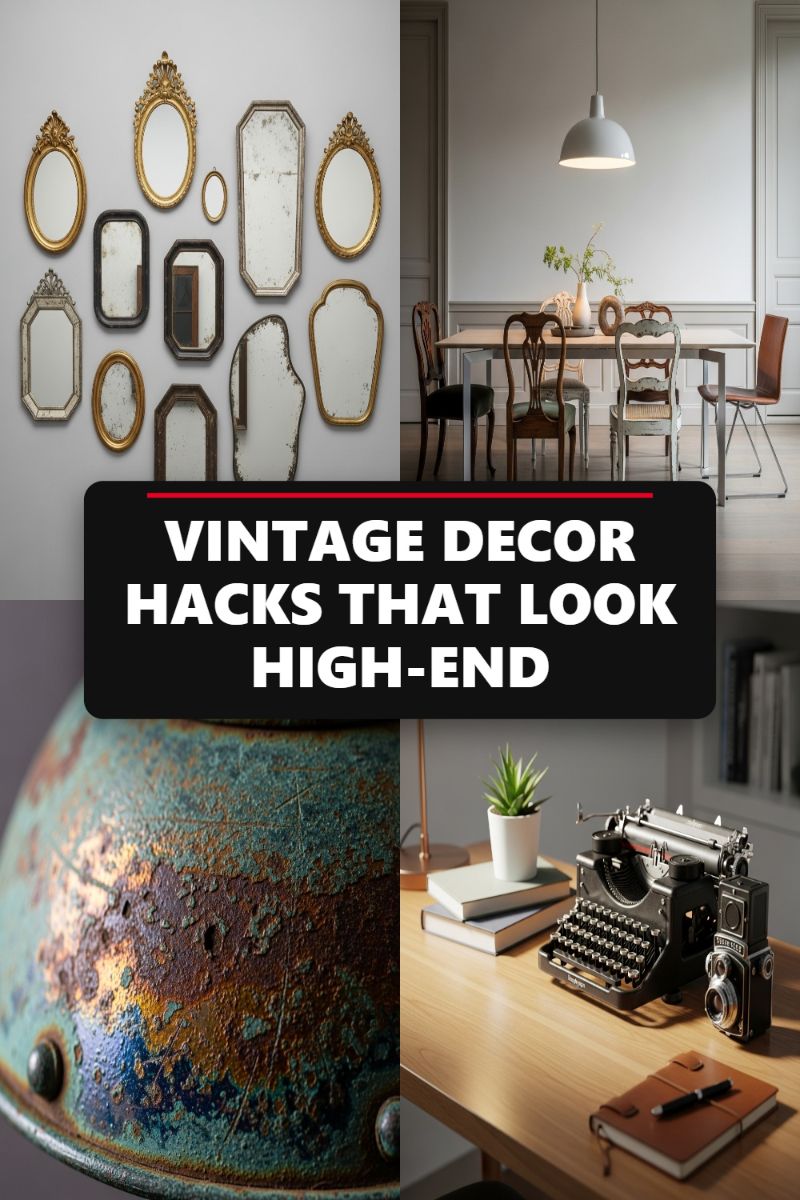
Achieving a high-end vintage look relies on strategy, not expenditure. The core design principle is using items with inherent history and character to instantly elevate any space. Start with statement pieces like the mirror gallery wall shown here. This is a classic, budget-friendly hack where thrifted, mismatched mirrors (ornate gold, distressed mercury glass, simple wood frames) are treated as a single, cohesive piece of wall art. The arrangement itself is the trick; vary the shapes and sizes but maintain a consistent overall patina or finish tone (e.g., all warm metals or all antiqued glass) to unify the collection. This layering technique not only creates instant architectural depth but also maximizes light refraction, transforming a simple room into a curated, sophisticated retreat. True luxury design rarely features matching furniture sets. Employ the “eclectic seating rule” by pairing a modern, streamlined table with vintage or antique dining chairs, as seen in the top right image. This mix adds complexity and visual interest far beyond what standard box-store furniture can provide. Find structurally sound chairs at flea markets and unify them through purposeful intervention—apply a single color of paint to all frames or reupholster the seats in contrasting but complementary fabrics. Embracing authentic wear and tear is crucial; the visual texture of natural patina, like the verdigris and rust seen in the detail shot, signals authenticity and age, which designers often pay a premium to replicate. Finally, elevate your horizontal surfaces by setting up sophisticated vignettes using vintage accessories. Rather than aiming for clutter, select three to five heavy, well-made objects that tell a story, like the vintage typewriter and camera displayed on the desk. These items speak to craftsmanship and history. The final hack is placement: ensure your vintage groupings are anchored by contrasting textures (the hard metal of the typewriter against smooth wood) and include a small organic element, like a potted plant, to prevent the display from feeling too static or museum-like. This detail ensures your collected treasures feel integrated into a modern home.
TINY APARTMENT? USE THESE 4 SPACE SAVERS
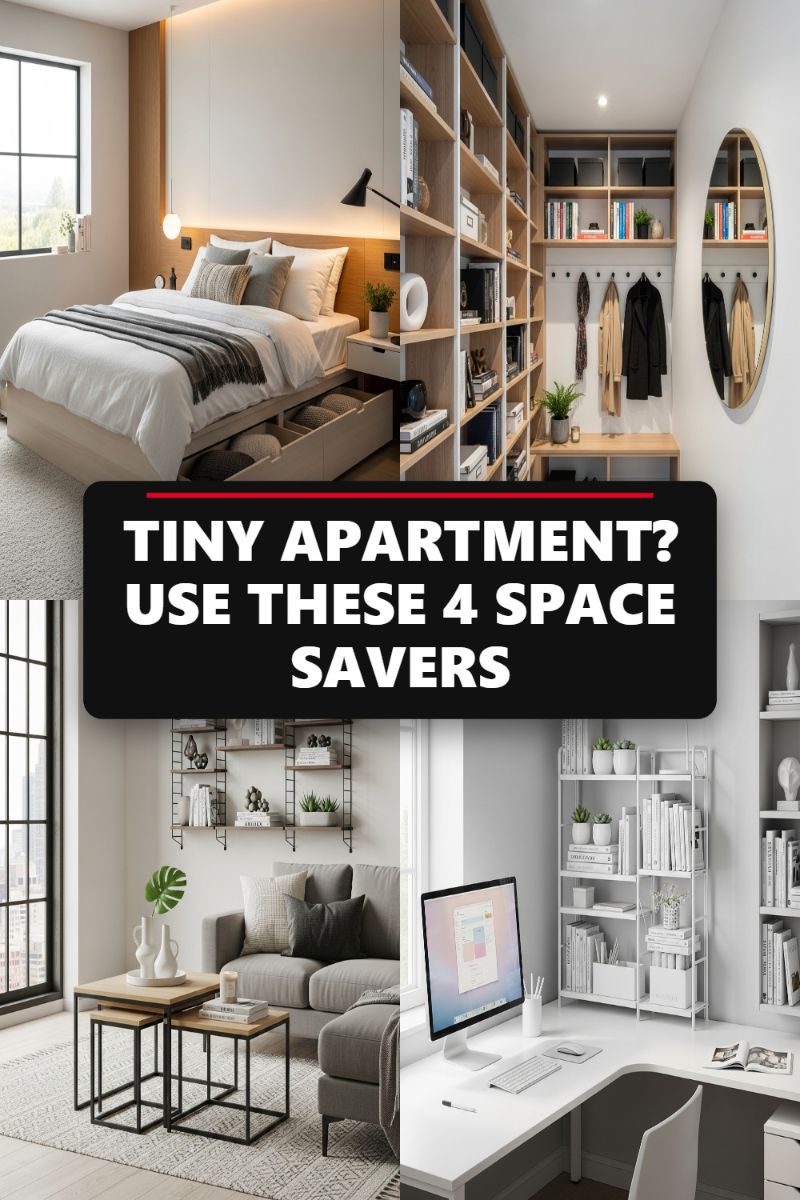
When square footage is limited, successful decorating hinges on maximizing every inch—both vertically and horizontally. Start by rethinking your bedroom. Instead of a traditional frame, opt for a platform bed with integrated storage drawers underneath, as seen in the top left image. This strategy transforms otherwise wasted space into valuable, hidden storage ideal for linens, seasonal clothing, or even shoes, keeping clutter out of sight while maintaining a sleek, minimalist aesthetic. Beyond the bed, embrace floor-to-ceiling modular shelving. The large built-in unit pictured demonstrates how utilizing the full wall height for bookshelves and cubbies draws the eye upward, making the room feel taller and more open. Crucially, integrate other functions into this wall unit, such as a compact entryway system with hooks, a bench, and an overhead shelf, merging different necessary zones into one seamless, space-efficient feature.
Next, focus on flexibility and duality in your living spaces. The nesting tables featured are perhaps the most essential piece of dual-purpose furniture for small apartments. They function as a single, compact coffee table for daily use but can be pulled apart instantly to serve as multiple side tables when entertaining guests or needing a temporary surface for working. Similarly, shift your storage off the floor entirely by installing wall-mounted or floating shelves. Systems like the stylish wire and wood shelving shown provide display space without adding bulk or consuming precious floor area, maintaining an airy and uncluttered feel in the main living zone. When selecting furniture, always prioritize items that have a light visual footprint, such as those with slender legs or open bases, which allows light and air to flow beneath them, enhancing the perception of space.
Finally, dedicate a corner to an efficient home office. Utilize the awkward angles of a room by installing an L-shaped or corner desk, which maximizes usable surface area while fitting snugly into the periphery. Complement this with highly specific vertical storage, such as the slim, open-frame shelving unit positioned right on the desk in the lower right image. This setup keeps essential work tools, books, and documents organized and within easy reach without requiring a deep, bulky cabinet. Across all four zones, observe the consistent use of light neutral colors (white, cream, natural wood). This palette is critical in tiny spaces as it reflects available light, making rooms feel significantly larger and brighter, proving that smart design, not size, dictates the true potential of your home.
7 Small Changes for a Huge Living Room Impact
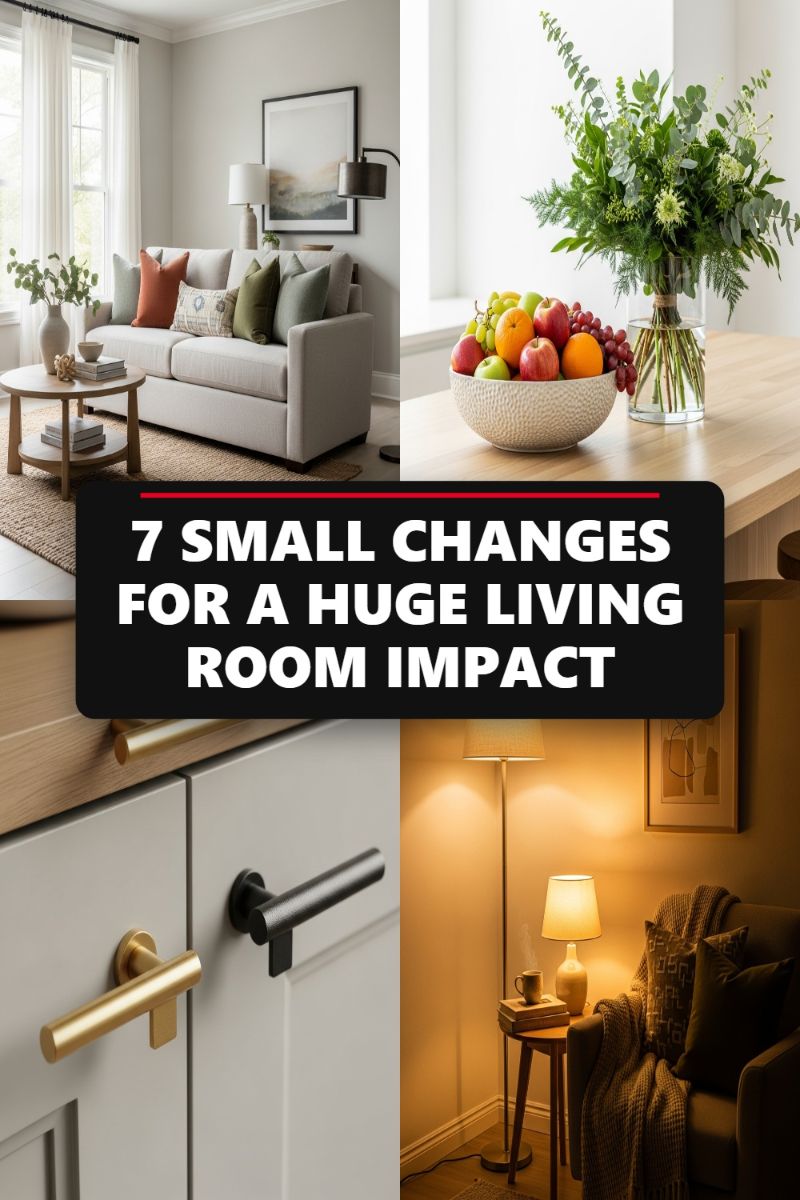
The secret to a high-impact room makeover that respects your budget lies in the strategic use of textiles, layered lighting, and natural elements. Starting with the sofa—often the largest item in the room—don’t replace it; revitalize it. As shown in the image, begin by swapping out tired cushions for layered pillows in varying sizes and textures. Stick to a cohesive color palette, like the earthy greens, terracotta, and soft neutrals featured here, which instantly elevates a plain beige or gray base. Beyond the sofa, ensure your area rug is appropriately sized (at least the front legs of the sofa should rest on it) and consider a budget-friendly natural fiber option like jute or sisal to anchor the space. Finally, introduce soft, flowy window treatments. Hanging sheer, floor-length curtains high and wide near the ceiling will maximize natural light, create the illusion of height, and provide the finished, custom look often associated with high-end design.
One of the most affordable yet dramatic transformations you can undertake is upgrading your decorative hardware and embracing layered lighting. As the bottom left quadrant demonstrates, switching out dated cabinet pulls or handles for modern brass or matte black fixtures instantly updates kitchens, built-in shelving, or even repurposed furniture—it’s the jewelry of the home. Equally important is how you light your space. Avoid relying solely on harsh overhead light. Instead, mimic the cozy, inviting glow seen in the bottom right corner by utilizing three types of lighting: ambient (general room light), task (like the floor lamp for reading), and accent (the warm table lamp). Ensure all bulbs are in the warm white spectrum (2700K–3000K) to create that signature, relaxing ambiance that makes a room feel finished and lived-in. This simple act of light layering is foundational to setting the mood.
The final set of hacks focuses on injecting life and personality through carefully curated accessories, rather than clutter. First, maximize the visual impact of your artwork. Instead of relying on a busy gallery wall, invest in one large-scale print or painting with an abstract, calming landscape theme, as seen above the sofa. This delivers a sophisticated punch without requiring dozens of expensive frames. Secondly, always incorporate organic elements into your décor. The centerpiece featuring a vibrant bowl of fruit and a clear vase filled with rich greenery, such as eucalyptus or ferns, provides essential color, texture, and vitality to a room. These natural pieces are inexpensive, easy to refresh seasonally, and prevent the room from feeling sterile or overly decorated. These small, deliberate touches ensure every corner of the room feels intentional and aesthetically cohesive.
IT’S CHIC TO BE DARK: GOTHIC WESTERN HOME REVEAL!
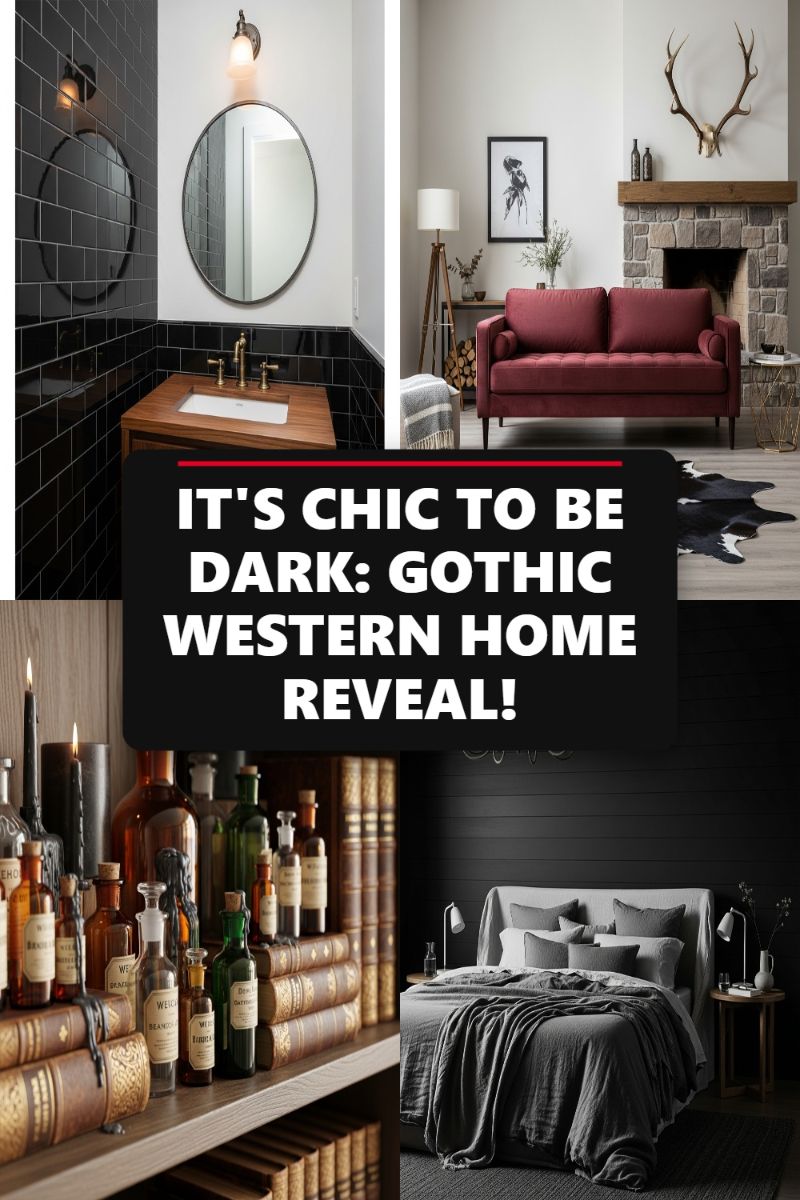
To achieve this dramatic and sophisticated ‘Gothic Western’ aesthetic without costly renovations, your biggest hack is strategic color saturation. Start with the transformative power of dark paint. As demonstrated by the bedroom and the subway-tiled bathroom, covering large surface areas in charcoal, deep slate, or true matte black instantly establishes the moody, chic foundation. In the bedroom, using a matte finish on horizontal paneling adds texture and absorbs light, creating a cocooning atmosphere that looks incredibly luxurious. Conversely, in the small bathroom, high-gloss black subway tiles paired with warm wood and brass fixtures maximize contrast and light reflection, making the dark color feel crisp rather than cramped. This inexpensive change of paint and tile (which can be mimicked using peel-and-stick subway tile decals for rental or budget constraints) sets the stage for high-end drama.
Once the dark foundation is set, introduce the ‘Western’ element through strategic, contrasting textures and raw materials. Look to thrift stores and salvage yards for these accents. The style requires a stark contrast between the velvety darkness and rugged warmth, achieved here with a stone fireplace, raw timber mantel, and elements like the rich, warm-toned wood vanity in the bathroom. The living area is expertly balanced with soft textures, such as the plush, jewel-toned cranberry sofa and the essential cowhide rug (faux cowhide is an excellent, low-cost substitute). The key is restraint; limit rustic elements to functional pieces or bold statements, like a single set of antlers or a textured leather ottoman, allowing them to pop against the dark backdrop rather than defining the entire space.
Finally, master the ‘Gothic’ detailing through layered styling and controlled lighting to ensure the space feels curated, not heavy. Focus on sourcing items that evoke history and academia, such as stacked leather-bound books and varied collections of amber and deep-green glass apothecary bottles displayed on shelving. The lighting must be warm (2700K bulbs are essential) and placed low, using brass or aged metal fixtures to cast a rich, flattering glow. Notice how the bedroom utilizes soft, grey linen bedding—this layering of natural, textured fabrics (linens, wool throws) is crucial for softening the severity of the black walls. By layering these inexpensive materials and concentrating on mood-enhancing styling rather than structural changes, you achieve a dramatic, sophisticated transformation that elevates your home’s aesthetic instantly.
5 WAYS TO USE TERRACOTTA IN YOUR BATHROOM (VIRAL TREND!)
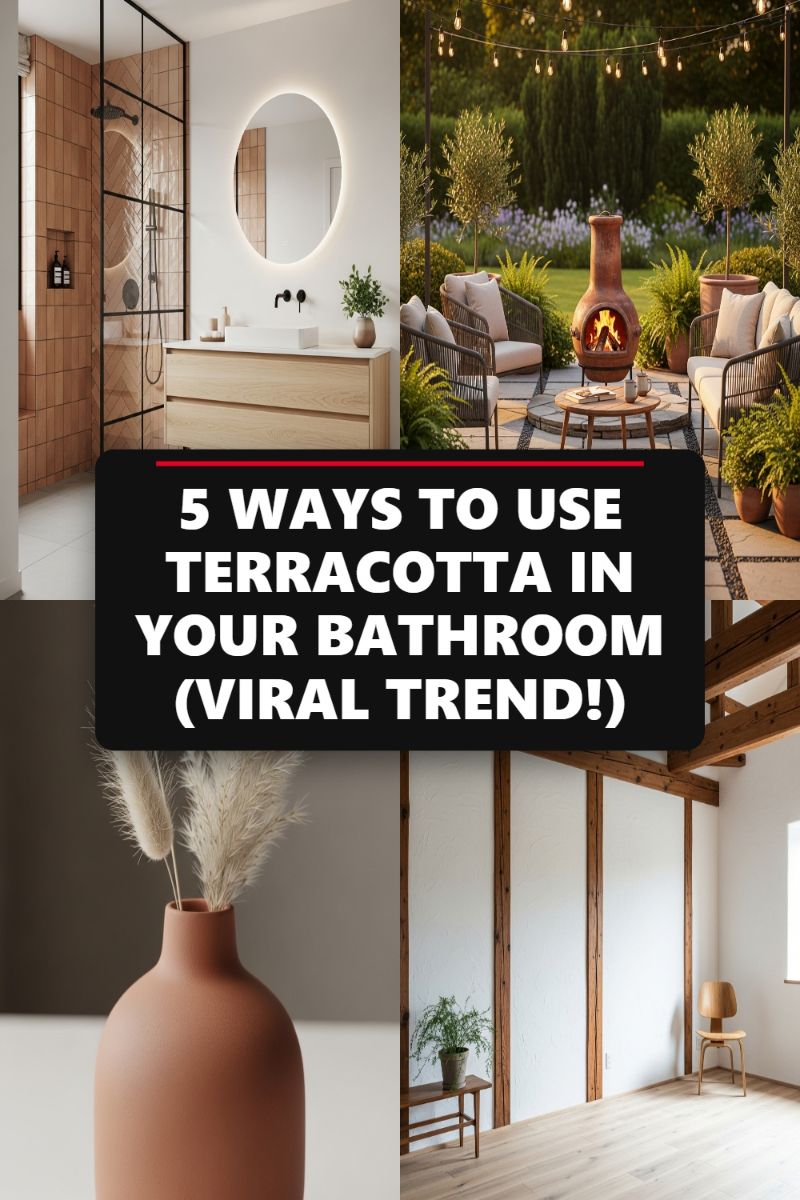
The viral terracotta trend offers an instant transformation that adds warmth, texture, and Mediterranean sophistication to high-traffic areas like the bathroom, all without requiring expensive renovations. While the image showcases extensive, permanent tiling in the shower area, a far more budget-friendly hack involves focusing solely on the color and texture. Instead of costly tile replacement, consider using high-quality peel-and-stick vinyl tiles in a terracotta hue or pattern for the floor or an accent wall, which provides the look without the commitment or price tag. Alternatively, if your existing tiles are light-colored, introducing terracotta-colored grout can provide a subtle yet powerful update. This earthy palette beautifully complements modern minimalist designs, especially when contrasted with matte black fixtures, crisp white porcelain, and natural light wood vanities, mirroring the sophisticated design shown in the visual.
The true power of the terracotta trend lies in strategic and affordable accessorizing. You don’t need permanent fixtures; simple pieces are key to achieving this look on a budget. Start by swapping out standard plastic or metal items for matte ceramic or actual fired clay versions—think soap dispensers, toothbrush holders, and small trinket trays. Introduce textural warmth with a rust-colored bath mat or plush hand towels layered on the vanity. For vertical interest, purchase an inexpensive terracotta vase (like the one pictured in the bottom left) and fill it with dried botanicals such as pampas grass or preserved eucalyptus, instantly adding bohemian flair to the space. This accessorizing strategy is easily expanded to other areas of the home, using inexpensive terracotta planters for houseplants in living rooms or kitchens, bringing the grounding earth tone throughout the interior.
Terracotta acts as a warm, grounding neutral, making it highly versatile and easy to integrate with existing decor. To maximize the impact of this budget hack, pair the color with other natural textures and materials commonly found affordably. Look for natural wood accents—a small stool or repurposed bench can serve as functional storage for towels or a stylish stand for a potted plant. If you have an outdoor space (like the patio example shown), sourcing large, traditional terracotta pots for your garden or patio furniture adds structure and continuity between indoor and outdoor living areas. By focusing on the material’s rustic charm and combining the warm color with light woods, clean whites, and deep greens from houseplants, you achieve a professionally decorated, globally-inspired aesthetic that feels both luxurious and incredibly accessible without major investment.
THRIFT STORE FINDS THAT LOOK LIKE $1000

Achieving a high-end, curated aesthetic doesn’t require thousands; it requires strategic thrifting and smart presentation. One of the most impactful ways to elevate a space is through the “collected” look, perfectly demonstrated by the gallery wall of oil paintings. To replicate this, focus your thrift store hunts on small, framed artworks. The secret to making an inexpensive collection look like a valuable inheritance is uniformity: buy mismatched art but re-frame them all in coordinating gold or dark wood frames, then hang them in a tight, symmetrical grid (like the 3×3 pattern shown). This deliberate repetition and framing technique instantly transforms nine dollar-store finds into a sophisticated, cohesive focal point, maximizing visual weight far beyond their actual cost.
Another brilliant hack involves transforming everyday glassware into dramatic focal pieces. The credenza display illustrates how repetition turns singular items into an intentional collection. Gather thrifted bottles, vases, or colored glass objects in varying shades of a related palette—like blues and greens, or ambers and oranges—and display them en masse atop a sideboard or shelf. Additionally, pay attention to lighting: look for interesting lamp bases (mid-century modern shapes are always excellent) and standardize the shades, opting for neutral linen or textured paper. Grouping three or more lamps together, intermingled with your glass collection, adds layered light and texture, creating a statement vignette that reads as highly stylized and expensive.
Finally, true luxury lies in texture and ambiance. Transform any corner into a cozy, intellectual sanctuary by layering high-quality, tactile thrift finds. Focus on materials that convey age and history, such as leather-bound books, solid wood crates, and vintage porcelain. Old encyclopedias or classic literature sets, often available cheaply by the box, instantly add weight and warmth. Don’t overlook small, refined accessories; a brass magnifying glass, a delicate china teacup, or a small antique clock layered over the stacks suggests meticulous curation and refined taste. When styling, always aim to mix heights and textures—the hard edges of the books and vinyl crates balanced by the softness of a leather chair and the organic shape of the teacup—to create a rich, inviting depth that makes your decor feel truly bespoke.
Elegance Meets Comfort: The Perfect Southern Home
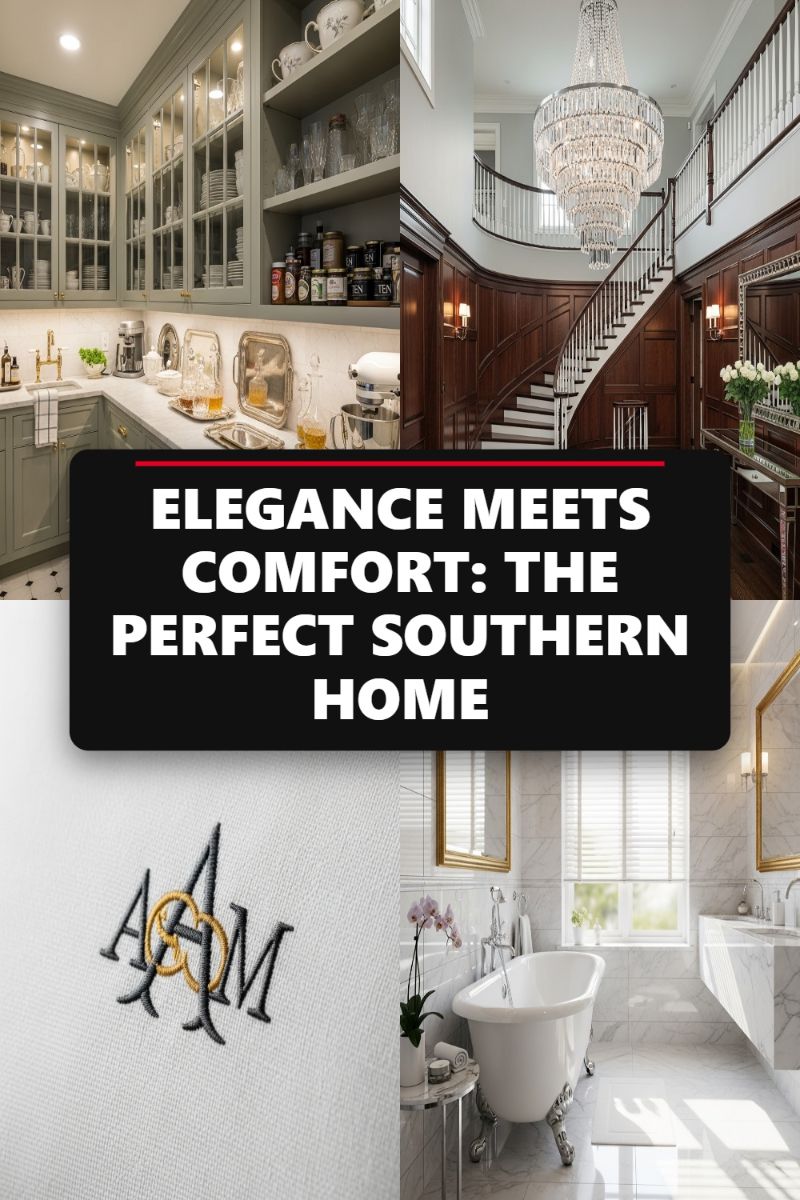
Achieving the timeless, layered look of Southern elegance—as showcased by grand staircases, bespoke pantries, and luxurious marble baths—does not require an ancestral trust fund. The key lies in strategic architectural illusion and meticulous detailing. To replicate the look of a grand foyer featuring dark, rich wood paneling, focus your budget on molding and paint. Instead of installing expensive wainscoting, create the *illusion* of paneling by using a deep, dramatic paint color (like charcoal, navy, or deep moss green) only on the lower third of the walls below the chair rail. Above the rail, maintain a light neutral tone. This contrast mimics expensive millwork. Furthermore, swap out builder-grade light fixtures for statement pieces. Look for large, multi-tiered crystal or glass chandeliers in the resale market or thrift stores; often, a thorough cleaning and an upgrade to modern LED bulbs can transform a dated find into a dazzling focal point, replicating the high-end appeal of the central entryway without the custom price tag.
The secret to the sophisticated scullery and bath areas is organization and unified color palettes. In the kitchen or pantry (as seen with the elegant sage cabinetry), the transformation starts with a simple coat of paint. Select muted, historic colors—such as soft greens, slate blues, or warm taupes—for existing cabinet faces. This instantly elevates the space from standard white to custom-designed. For the display areas, remove clutter and embrace the concept of ‘curated collection.’ Group uniform items, like clear glass jars filled with baking supplies or stacks of pristine white plates, on open shelving. This intentional simplicity creates visual calm and highlights organization. Supplement this clean aesthetic with under-cabinet LED strip lighting, which is inexpensive and easy to install, providing that vital warm glow that bounces off the backsplash and highlights your work surfaces, instantly increasing the perceived value and luxury of the kitchen.
Finally, apply the rule of elevated essentials and personalization, drawn from the sophisticated bathroom and monogram detail. You can mimic expensive marble finishes in a bathroom or mudroom by choosing large-format, high-gloss ceramic or porcelain tiles that convincingly replicate natural stone patterns. Instead of replacing fixtures, focus on upgrading hardware. Swap out standard chrome taps, drawer pulls, and towel racks for unified sets in a classic finish like aged brass or polished nickel. This small change provides significant impact. For the personalized touch, which truly signifies a custom home, invest in thick, high-quality linen or cotton items. A fluffy, well-monogrammed towel set or a bespoke bathmat adds a luxurious, hotel-like signature to the space. When these layers of careful detail—architectural mimicry, unified color schemes, and personalized accessories—are applied, you successfully blend affordability with the enduring comfort and elegance of a truly Southern home.
I SPENT $50 AT GOODWILL. HERE’S WHAT I GOT.
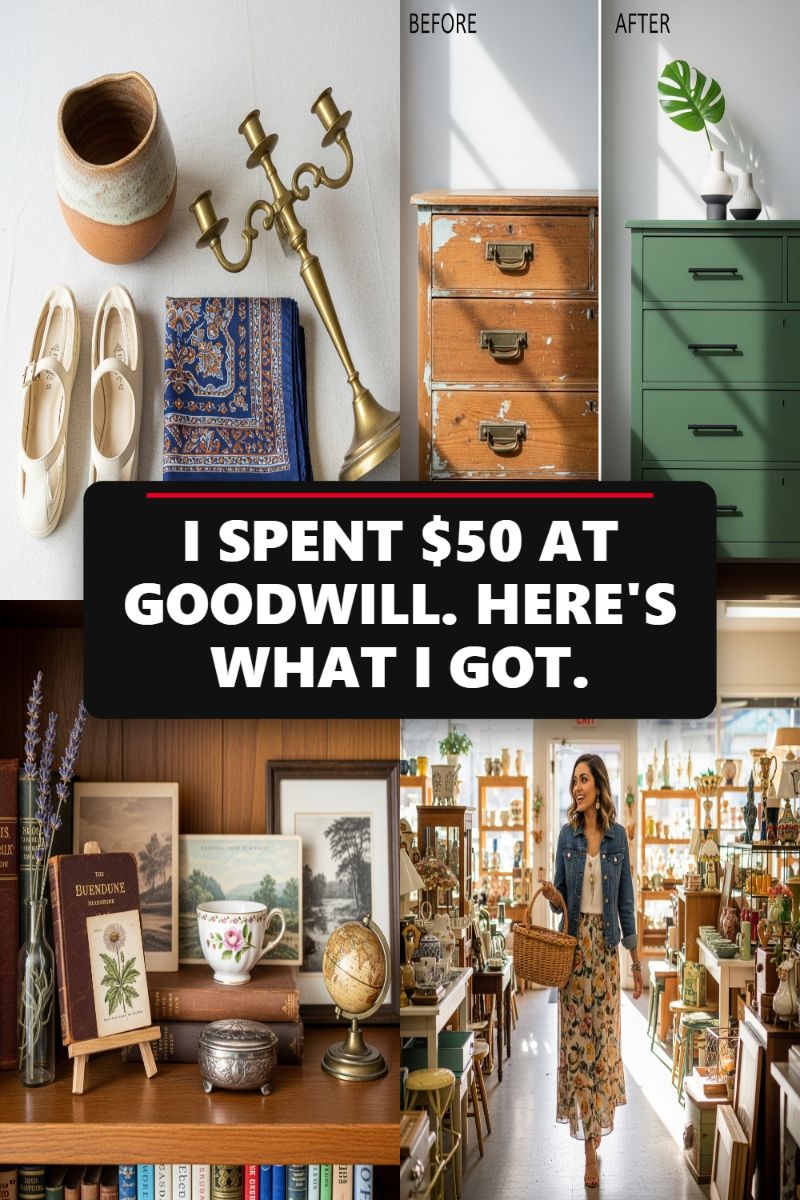
The ultimate secret to achieving a magazine-worthy, custom look without depleting your savings is mastering the art of the thrift haul, as demonstrated by this strategic $50 investment. Successful budget decorating starts with knowing what raw materials to seek out. Focus on items made from quality materials, regardless of their current condition or style, such as solid brass, real ceramics, natural linens, and wood furniture with “good bones.” For instance, the small brass candelabra shown is a timeless accent piece, while the terracotta pot offers high-end texture. Don’t overlook soft goods; a unique vintage scarf or textile can be repurposed as high-impact wall art or used as a colorful layer beneath small vignettes. By prioritizing potential and substance over immediate aesthetics, you ensure that every dollar spent contributes meaningful value to your home’s decor scheme. Always keep an eye out for foundational pieces like the small chest of drawers, as these items are perfect candidates for a rapid, high-impact DIY transformation that instantly increases their perceived value.
One of the most powerful hacks for transforming your home on a budget is the furniture flip. The dramatic before-and-after of the small dresser clearly illustrates how to turn a distressed find into a modern statement piece. Start by lightly sanding down any loose finish and cleaning the piece thoroughly to prep the surface. The magic lies in the paint color: selecting a sophisticated, deep hue—like this rich forest green—immediately modernizes the shape and hides imperfections. After applying a high-quality primer and two coats of your chosen color, the next critical step is updating the hardware. Swapping out dated pulls for sleek, minimalist matte black handles provides an essential visual contrast against the bold paint, elevating the entire piece from a rustic relic to a chic, bespoke item that looks custom-made. This simple combination of paint and hardware is a quick project that yields incredibly high returns in aesthetic value.
Once you’ve collected your thrifted accessories, the final step is arranging them into intentional, layered vignettes to avoid a cluttered look. The perfectly styled shelf demonstrates how to combine disparate vintage finds into a cohesive display. The core principle is layering: start with anchors like a stack of vintage books to establish a base and height variation. Introduce vertical elements next, such as framed artwork (the landscapes complement the teacup’s vintage feel) and small pieces on easels, to create visual interest at different eye levels. Finally, use smaller trinkets—a miniature globe, a decorative silver box, or a patterned teacup—to fill negative space and add texture. Expert styling advice suggests maintaining a consistent, muted color story (here, browns, creams, and greens) and balancing textures (metal, paper, ceramic) to ensure the grouping feels curated and expensive, rather than just a collection of random objects.
OBSESSED WITH TEXTURE? YOU NEED THESE CROCHET FINDS

Texture is the secret weapon of high-end home decor, and achieving this layered, inviting look doesn’t require expensive materials—it just requires strategic use of tactile elements. Crochet and chunky knit items are genius decorating hacks because they introduce deep physical dimension and softness, instantly elevating the perceived value of a room. Start by incorporating functional pieces like a chunky knit pouf (as seen in the living space) which serves triple duty as flexible seating, a comfortable footrest, or an impromptu side table. Unlike sleek, modern furniture, the soft, irregular loops of the crochet yarn break up rigid lines and invite relaxation. Next, master the art of the layered throw blanket. Opt for throws that feature distinct weaves, such as the lush waffle-knit patterns shown here. Expert advice is to choose rich, saturated colors (like rust orange, mustard yellow, and olive green) that contrast slightly with your primary upholstery, draping them casually over the back of a sofa or the foot of a bed to create instant warmth and visual depth that begs to be touched.
To ensure your space looks organized and artisanal rather than cluttered, integrate decorative crochet baskets into your storage plan. These colorful, textured containers are far superior to standard plastic bins, acting as sculptural objects on open shelving while hiding everyday necessities. When arranging them, utilize the variety of colors and patterns—mixing solid tight weaves with more open, lace-like crochet patterns—to create an engaging visual rhythm on shelves. This is especially effective in maximizing utility in small spaces, such as storing towels in a bathroom, remote controls in the living room, or charging cables in a home office. By choosing baskets in complementary colors, you transform mundane organization into a deliberate design choice, reinforcing the handcrafted, texture-forward aesthetic throughout the room.
Finally, use crochet textiles for large-scale impact on the walls. A large, patterned crochet or macrame wall hanging, complete with dramatic fringe and geometric motifs, provides an incredible focal point without the hefty price tag of commissioned artwork. These pieces draw the eye and add a bohemian or worldly flavor instantly. The instructional hack here is to use these textiles as anchor pieces in place of a traditional gallery wall; their size and depth eliminate the need for excessive framing or arrangement. When finalizing your decor, remember that the key to mastering texture is variety: ensure your crochet pieces offer different tactile experiences—a tight, structured basket; a soft, loose pouf; a deeply textured blanket—to build a complex, curated environment that feels genuinely unique and expensive, even though it was achieved on a budget.
YOUR HOME IS TOO BORING IF YOU DON’T TRY THIS
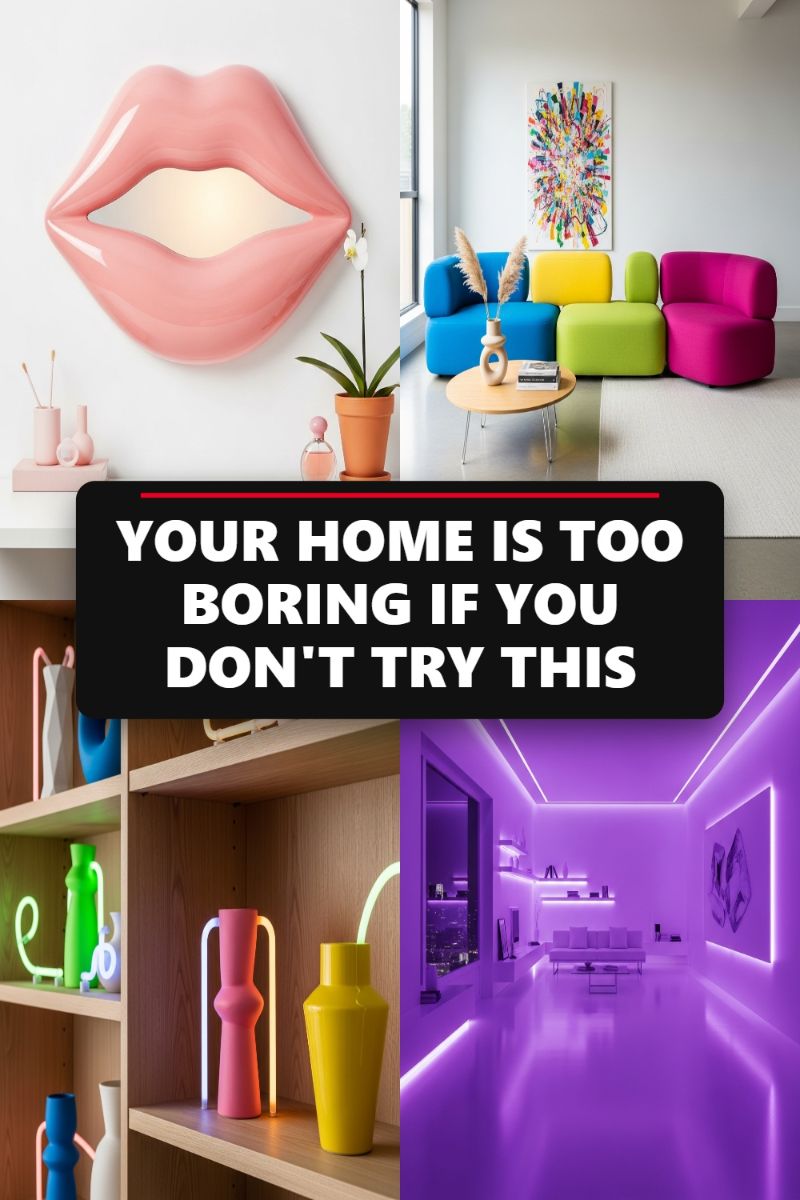
A truly memorable home doesn’t just hold furniture; it possesses personality, often achieved through unexpected pops of color and daring lighting choices. To inject immediate vibrancy without an expensive overhaul, focus on incorporating one or two truly high-impact statement pieces. Look at the top image, where a neutral wall is instantly transformed by an oversized, glossy, pink lip-shaped light fixture. This pop-art approach serves as a massive focal point, shifting the room’s mood from minimal to playfully provocative. Similarly, opting for brightly colored, modular furniture—like the cobalt blue, lime green, and magenta pieces shown—allows you to treat your seating arrangements as sculptural art installations. The hack here is not buying *more* decor, but buying *bolder* decor. Keep your major foundational elements (walls, floors) simple and white, enabling these saturated colors and dramatic fixtures to shine as the primary expressive elements of your design.
One of the most affordable yet effective hacks for achieving a high-end, contemporary aesthetic is the strategic use of flexible LED and faux-neon lighting accents. As seen in the shelving units, simple decorative objects like vases and sculptures are instantly elevated into gallery-worthy art when paired with a neon glow. You don’t need expensive custom-bent glass neon; modern flexible LED tubing is inexpensive, safe, and easy to install. Use battery-operated or USB-powered strips to wrap around the contours of shelving units, backlight your favorite vases, or outline decorative niches. This technique adds depth, highlights textures, and creates a sophisticated, atmospheric layer of light, transforming mundane storage spaces into luminous displays. Focus the light source towards the rear or base of objects to create an appealing halo effect rather than a harsh direct beam.
For the ultimate dramatic transformation, learn to use light as a replacement for paint. The bottom right image demonstrates a full room ‘color wash’ using hidden RGB LED strip lighting, submerging the entire space in a vivid, futuristic purple hue. This transformation is highly customizable and requires minimal installation. Purchase color-changing LED strips and install them in discreet locations: behind crown molding, along baseboards, tucked into ceiling coves, or framing large windows and artwork. When activated, these strips project indirect light onto the surrounding surfaces, literally bathing the room in any color you choose. This strategy is perfect for creating mood zones, enhancing entertainment areas, or giving a simple, white room an instant, high-impact personality change that can be altered with the touch of a button—a genius hack for those who crave flexibility and drama in their home design.
HOW TO DECORATE WHEN YOU DON’T HAVE A STYLE
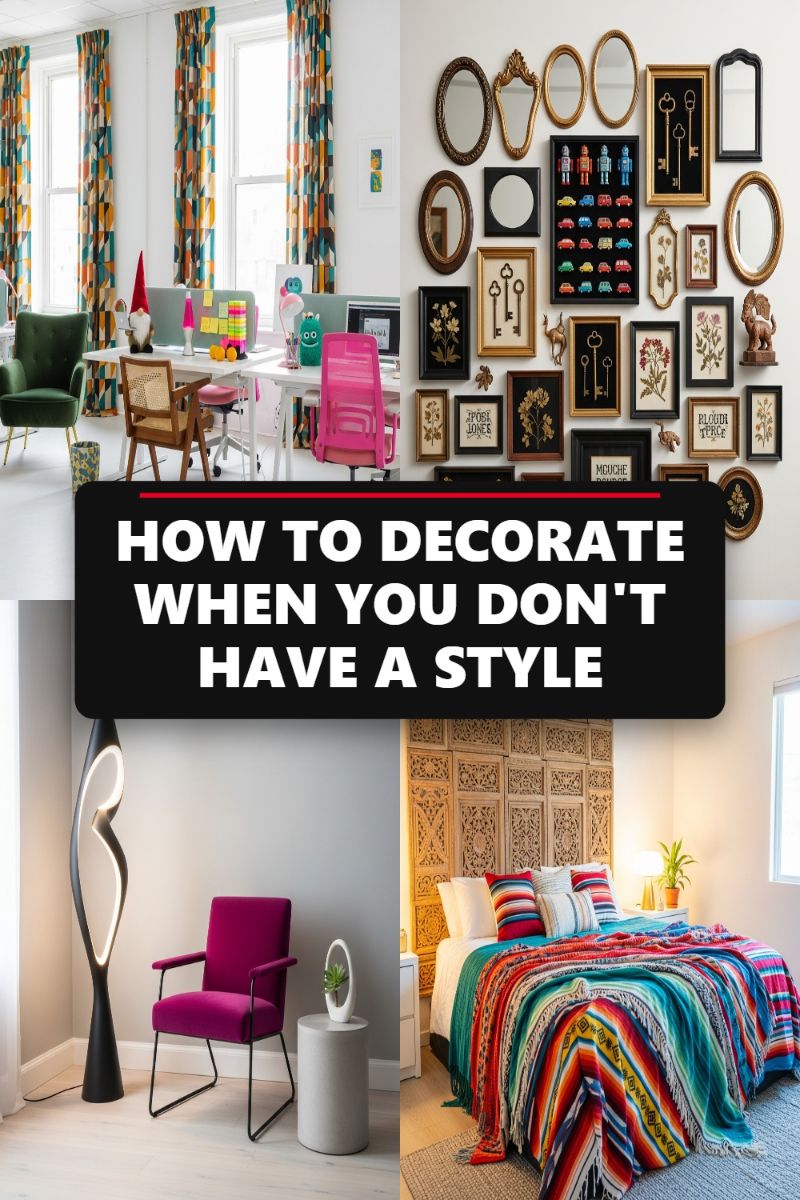
If you struggle to define your personal aesthetic—bouncing between liking the clean lines of modern design and the cozy, collected look of maximalism—you don’t have a problem; you have an opportunity for high-impact eclectic design. The secret to decorating without a singular style is to embrace the things you genuinely love, regardless of era or origin, and unify them through clever use of color and texture, creating a look that is uniquely ‘you.’ Start by building personalized focal points. As demonstrated by the complex gallery wall, a mix of thrifted gold mirrors, framed botanical prints, and quirky objects (like the collection of vintage keys and toy cars) creates visual interest. The hack here is cheap and impactful: curate your collected items in a structured layout. By using a consistent element, such as primarily dark frames or warm brass accents, the disparate pieces feel intentional and cohesive, elevating simple finds to museum-worthy art.
Next, leverage bold color as your primary unifying element. When you don’t have a specific style, saturated hues can act as a binding agent across different furniture eras. Notice how the colorful geometric curtains in the office space pull together the deep green velvet armchair, the natural rattan, and the bright modern pink plastic chair. These contrasting pieces shouldn’t work together, but the common thread of bold, high-contrast color makes them feel like part of a fun, cohesive scheme. Similarly, in the bedroom, a simple wooden carved headboard (a rustic element) is instantly modernized and energized by the rich, multi-colored serape blanket. An easy budget hack is to invest in textiles—throw blankets, curtains, and pillows—in your favorite vibrant colors to anchor a room before committing to expensive, style-specific furniture.
Finally, master the art of juxtaposition by intentionally pairing items from opposite ends of the style spectrum. This creates depth and sophistication. Look at the corner vignette featuring the sleek, sculptural black floor lamp and the bright fuchsia velvet chair set against a stark gray wall. These elements are hyper-modern, yet they are shown alongside a bedroom featuring a raw, carved wooden screen and woven rugs. The trick is to ensure you ground these dramatic contrasts with plenty of white space or neutral tones (like the light wood floors and simple concrete side table). This allows each unique piece to shine without the room feeling cluttered. By mixing high-contrast colors, varied textures (velvet next to rattan, smooth next to woven), and elements from different design worlds (rustic, modern, mid-century), you create a layered, custom look that is instantly memorable and doesn’t require adhering to any specific design rules.
MAXIMALISM IS BACK! 7 WAYS TO BE BOLD
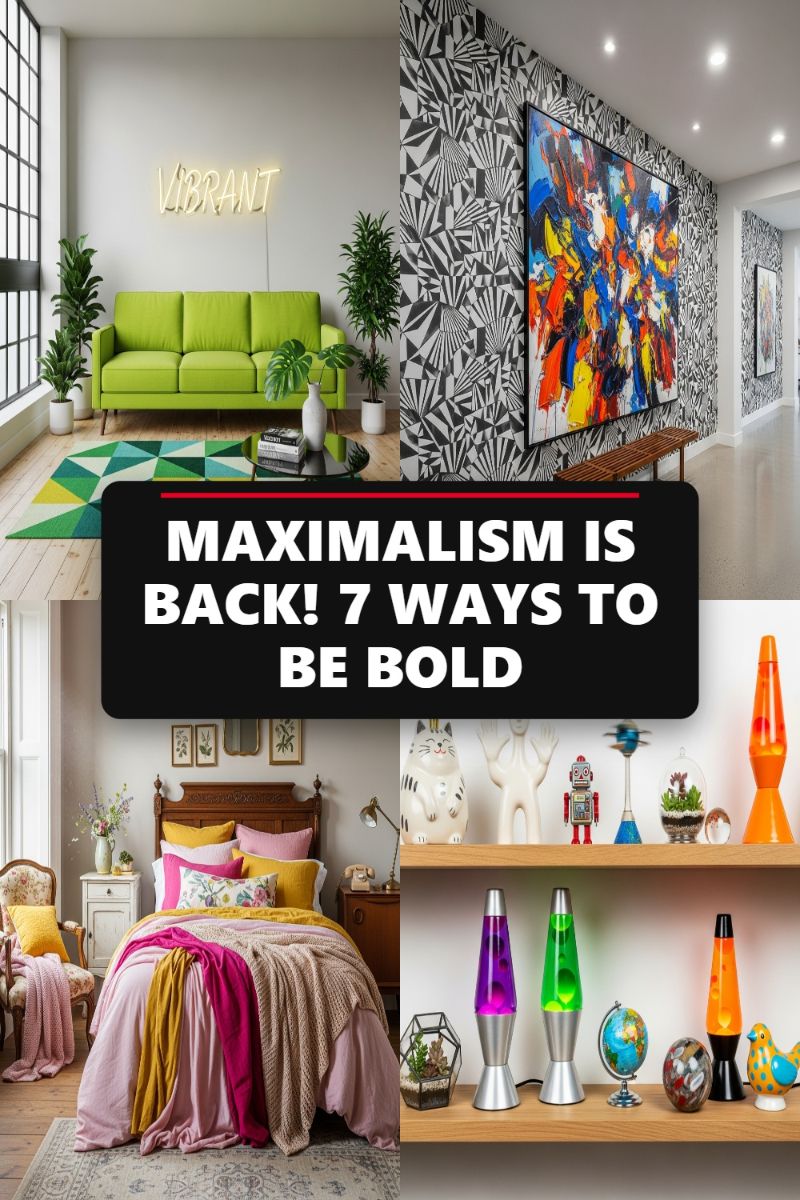
Maximalism is the perfect antidote to strict minimalism, encouraging personal expression, bold color, and controlled clutter, all of which can be achieved without major financial outlay. The foundational principle is strategic visual overload, starting with walls. Instead of expensive custom finishes, utilize readily available, affordable peel-and-stick wallpapers in dramatic geometric or chintz patterns, as demonstrated by the striking black-and-white pattern shown in the image’s top-right quadrant. Don’t fear pattern clashing; pair that intense wallpaper with oversized, vibrant abstract art that introduces high-contrast colors (e.g., the bright yellows, reds, and blues standing out against the monochrome backdrop). For key furniture pieces, choose one anchoring item in an unexpected hue, like the electric lime green sofa. If buying new is prohibitive, a budget-friendly decorating hack is to utilize high-quality slipcovers or textile dyes to achieve this dramatic color shift on an existing sofa, ensuring the piece “pops” against neutral or intensely patterned surroundings.
Maximalism thrives equally on texture and layering, which can be introduced affordably through textiles. In the bedroom setting, notice how mixing high-impact colors (hot pink, sunny yellow, magenta) with soft neutrals (oatmeal knit throws, pale pink duvet) creates visual richness and depth. The secret here is volume over individual item expense: hunt for multiple throws, pillows, and rugs at second-hand shops or sales, prioritizing various textures like velvet, wool, and knits. As a clever budget hack, instead of one large expensive rug, layer two or three smaller, more affordable rugs with complementary patterns (e.g., a simple jute base topped with a patterned vintage-style rug). Furthermore, adopt a “gallery wall” mentality not just for framed art, but for objects. Use vintage mirrors and mismatched small prints found at thrift stores to create complexity around traditional pieces, unifying the eclectic collection simply by using frames in a consistent color or metallic finish.
The final, and often most budget-friendly, step in mastering maximalist design is displaying your personality unapologetically through curation. Maximalism champions collections and embracing the kitsch. Open shelving is crucial for this, allowing you to showcase objects that bring joy and nostalgia—think vintage toys, quirky ceramic figures (like the oversized cat sculpture), globes, or colorful lava lamps. This is the moment to leverage existing items rather than buying new decor. To ensure these collections look intentional rather than messy, group items by color, material, or theme (e.g., clustering all colorful glass objects together or using stacks of books as risers to vary display heights). By carefully integrating these sentimental, cheap, or found collections into your decor scheme, you elevate everyday items into impactful, multilayered design statements, successfully achieving a complex and deeply personal maximalist look without requiring significant financial outlay.
WHY EVERYONE IS LOVING MOODY WALLS NOW
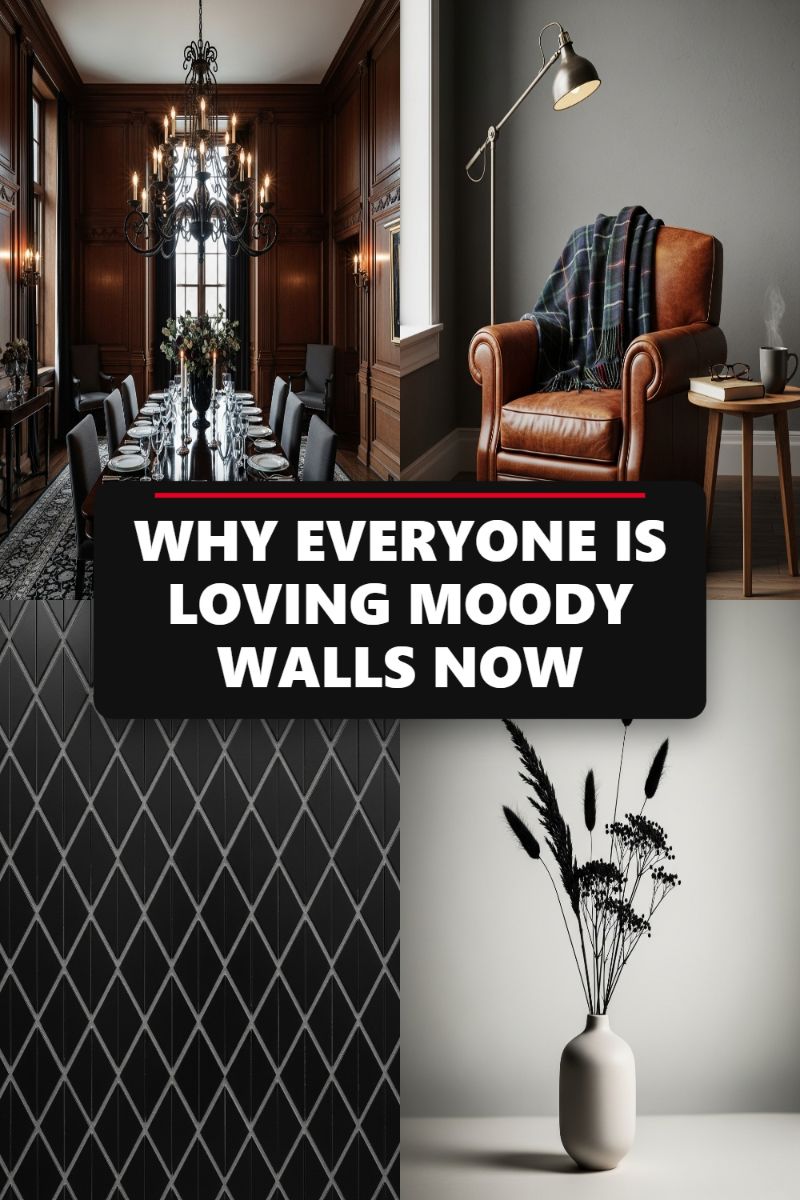
One of the most transformative, yet budget-friendly, interior design shifts you can make is embracing saturated, dramatic wall colors. Often referred to as ‘moody walls,’ these deep hues—charcoal, forest green, rich navy, or even black—instantly elevate a space, making it feel sophisticated, cozy, and highly customized. The initial hack lies in the affordability of high-quality paint compared to structural renovations. To implement this successfully, assess the function of your room. Dining areas and bedrooms, as demonstrated by the luxurious, dark wood paneling and dim lighting in the image, thrive on these enveloping tones, promoting intimacy and relaxation. If you’re hesitant to commit fully, start with a single, strategically placed accent wall. Choose the darkest color that complements your existing flooring and furniture, and remember that rich colors tend to make surrounding elements, like artwork and simple decor, pop with greater intensity, making even budget items look high-end.
When executing the paint job, texture and layering become crucial to prevent the room from feeling flat or drab. Moody walls are not about darkness; they are about depth. Consider adding visual interest through inexpensive techniques like using matte paint for maximum velvety richness, or exploring peel-and-stick geometric textured wallpapers (mimicking the diamond pattern shown) for architectural detail without a massive tiling cost. Lighting is arguably the most vital component in a dark room. Instead of relying on bright overhead fixtures, use layered light sources like dimmable floor lamps (as seen illuminating the leather chair), sconces, and candles. These pools of warm light create essential highlights and shadows, emphasizing the room’s mood and ensuring that the space remains inviting rather than oppressive. Always test your chosen color on a large swatch card in the room before committing, observing how it changes throughout the day with natural and artificial light.
The final step to mastering the moody aesthetic is balancing the deep wall color with thoughtful contrast. Use light-colored trim and ceilings to frame the dark walls, creating crisp lines that define the space. Introduce warm materials like cognac leather furniture, natural wood tables, or cozy plaid throws to prevent the room from feeling cold. Focus on adding varying textures—velvets, wools, and linens—which become especially apparent against a dark backdrop. Even simple, monochrome vignettes, such as the white vase with stark black botanicals featured in the image, gain immediate artistry and focus when paired with the dramatic backdrop. By focusing on paint, layered lighting, and textural contrast, you can achieve a high-end, gallery-like look that completely transforms your home’s atmosphere without requiring substantial financial investment.
AFRO CHIC: TEXTURES & PATTERNS TO TRY NOW
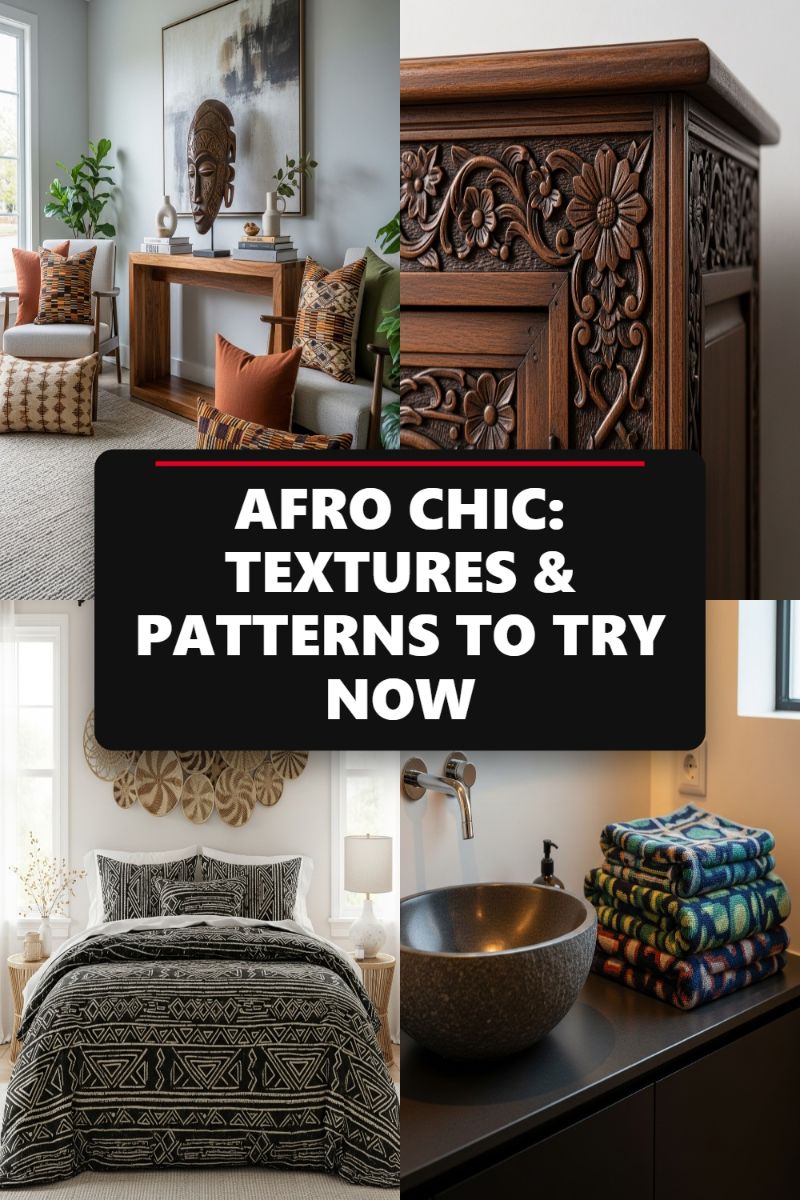
The Afro Chic aesthetic is a powerful decorating hack that relies heavily on pattern, texture, and cultural narrative, making it perfectly suited for high-impact, low-cost home transformations. To successfully integrate this style, start with textiles, which offer the greatest visual bang for your buck. Focus on authentic patterns inspired by traditional African motifs, such as geometric mudcloth (Bògòlanfini) or abstract Adinkra symbols, as seen in the striking black-and-white bedding. These strong, graphic patterns should be layered onto a neutral foundation—think natural linen sofas, light gray walls, or simple wooden frames—to allow the patterns to truly pop. Additionally, incorporate smaller, richly colored pieces, such as throw pillows or bathroom towels mimicking the vibrant, multi-hued geometry of Kente cloth. By limiting the use of expensive patterned upholstery and focusing instead on easily swapped accessories, you achieve an immediate, sophisticated transformation without commitment or excessive spending.
Next, integrate raw, natural textures and artisan-inspired elements to achieve the authentic depth essential to the Afro Chic look. This style thrives on juxtaposition: contrast smooth surfaces with rough, tactile materials like carved wood and natural woven fibers. Instead of investing in large pieces of intricately carved furniture, source smaller, impactful decorative items such as a sculptural wooden mask or small decorative storage chests, often found affordably at flea markets or online artisan shops. For a truly unique wall feature, utilize the hack of assembling inexpensive woven straw or natural fiber placemats or shallow baskets into an organic, textural wall grouping, mimicking the stunning display seen above the bed. This method is far cheaper and more versatile than purchasing large-scale commissioned artwork, providing immediate visual warmth and dimension.
Finally, elevate your space by incorporating functional pieces with organic forms. Look for items that introduce natural stone or raw finishes, like the striking dark granite basin sink shown in the image. If a sink replacement is out of budget, achieve a similar effect by swapping out standard plastic soap dispensers for heavy stone or textured ceramic containers, or repurpose a rough-hewn wooden bowl as a centerpiece or catch-all. The goal is to bring the earthiness of the continent indoors. Ensure your color palette remains grounded in warm browns, deep terracottas, sage greens, and neutrals, allowing your chosen patterns—whether in bedding, pillows, or stackable towels—to act as the vibrant, curated focal points that define the modern Afro Chic sensibility.
SOUTHERN CHARM SECRETS YOU NEED TO KNOW
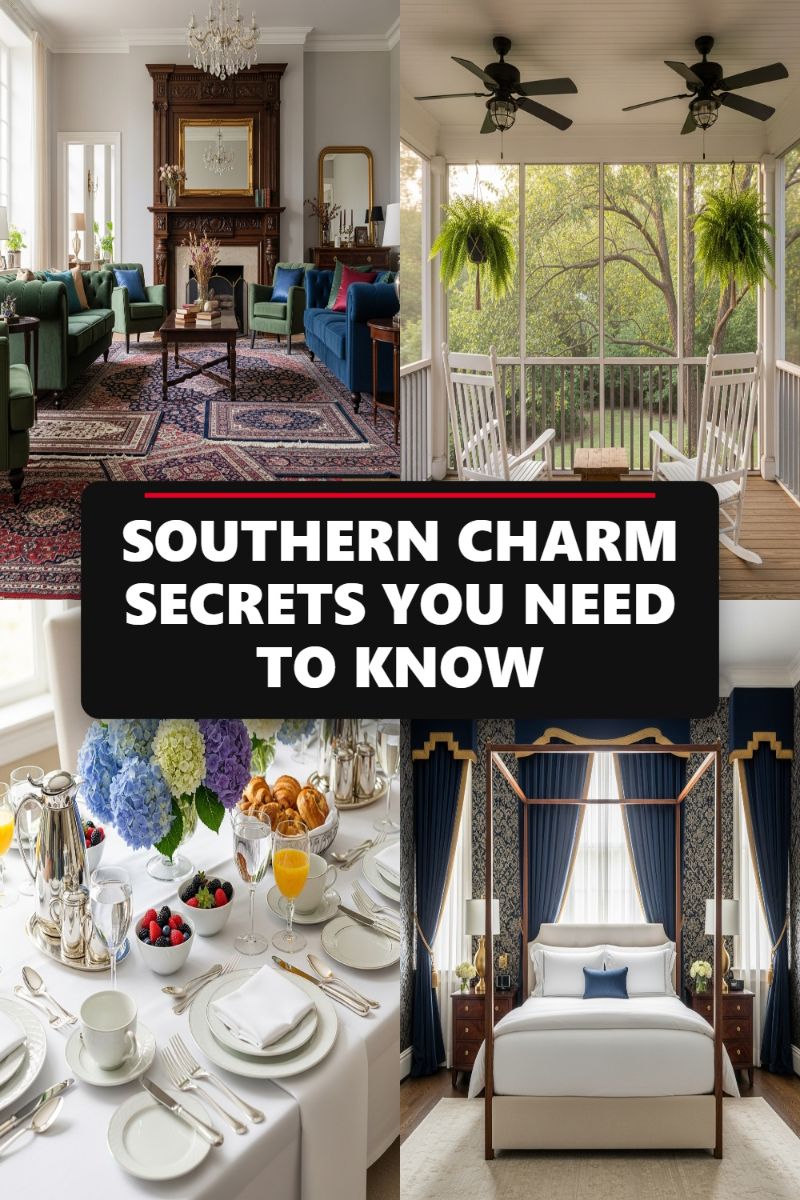
Achieving the timeless elegance and welcoming warmth of Southern charm does not require a massive investment, but rather strategic attention to layered textiles, traditional motifs, and gracious living. Start in your main living areas, as depicted in the upper left, by mastering the art of the layered rug. Instead of purchasing one enormous, expensive Oriental rug, source several smaller, affordable patterned rugs (look for deals on synthetic blends or vintage finds) and overlap them to create a rich, dense floor covering. This adds immediate depth and texture, mimicking the complexity of a grand parlor. Next, invest in high-impact color: utilize rich jewel tones like emerald green and sapphire blue in velvet or chenille upholstery. If new furniture is out of budget, use throws or slipcovers in these saturated colors, paired with contrasting throw pillows, to instantly transform existing neutral pieces into statements of traditional Southern sophistication. Complete the look by emphasizing existing architectural elements, like a fireplace mantle, using simple symmetry (matching lamps or mirrors) to convey stately balance.
The essence of Southern living lies in seamlessly extending hospitality to the outdoors, exemplified by the screened porch. To replicate this inviting space affordably, focus on simple, durable furniture like classic white painted rocking chairs, which can often be found second-hand and easily refurbished. The true hack here is leveraging living greenery: instead of buying pricey planters, use simple macramé hangers or galvanized buckets for ferns and hanging baskets, instantly softening the structure and providing a natural humidity-control element. Similarly, elevate everyday entertaining (lower left) by focusing on crisp white linens and polished silver. White tablecloths and napkins instantly elevate the dining experience, and formal place settings don’t require expensive china—instead, focus on arranging simple white dinnerware with immaculate detail and incorporating fresh elements, such as colorful fruit bowls and lush, inexpensive hydrangeas, which scream Southern abundance, making the presentation the centerpiece, not the price tag of the serveware.
Finally, bring the luxurious feeling of a grand Southern estate into the bedroom (lower right) through dramatic window treatments and textural contrast. While a four-poster bed may seem unattainable, you can create a similar impact by installing heavy, tailored curtains in a deep, rich color (like the navy shown) hung high and wide to frame the window dramatically. The hack is to choose an affordable, substantial fabric like velvet or heavy cotton twill, rather than silk, ensuring they are fully lined to provide that lush, weighty feel. If painting or wallpapering is prohibitive, consider using removable peel-and-stick wallpaper in a classic damask or trellis pattern just on the wall behind the headboard to create an accent without commitment. Always finalize the look with quality, crisp white bedding. High thread-count white sheets and duvets are the single best investment for perceived luxury, providing a clean canvas that makes the rich colors of the drapes and accessories truly pop.