
Discover the ultimate collection of 150+ stunning nail designs and ideas! Find endless inspiration for every season, style, and occasion, from chic minimalist looks to vibrant holiday trends.
Stunning 10 MARCH TRENDS
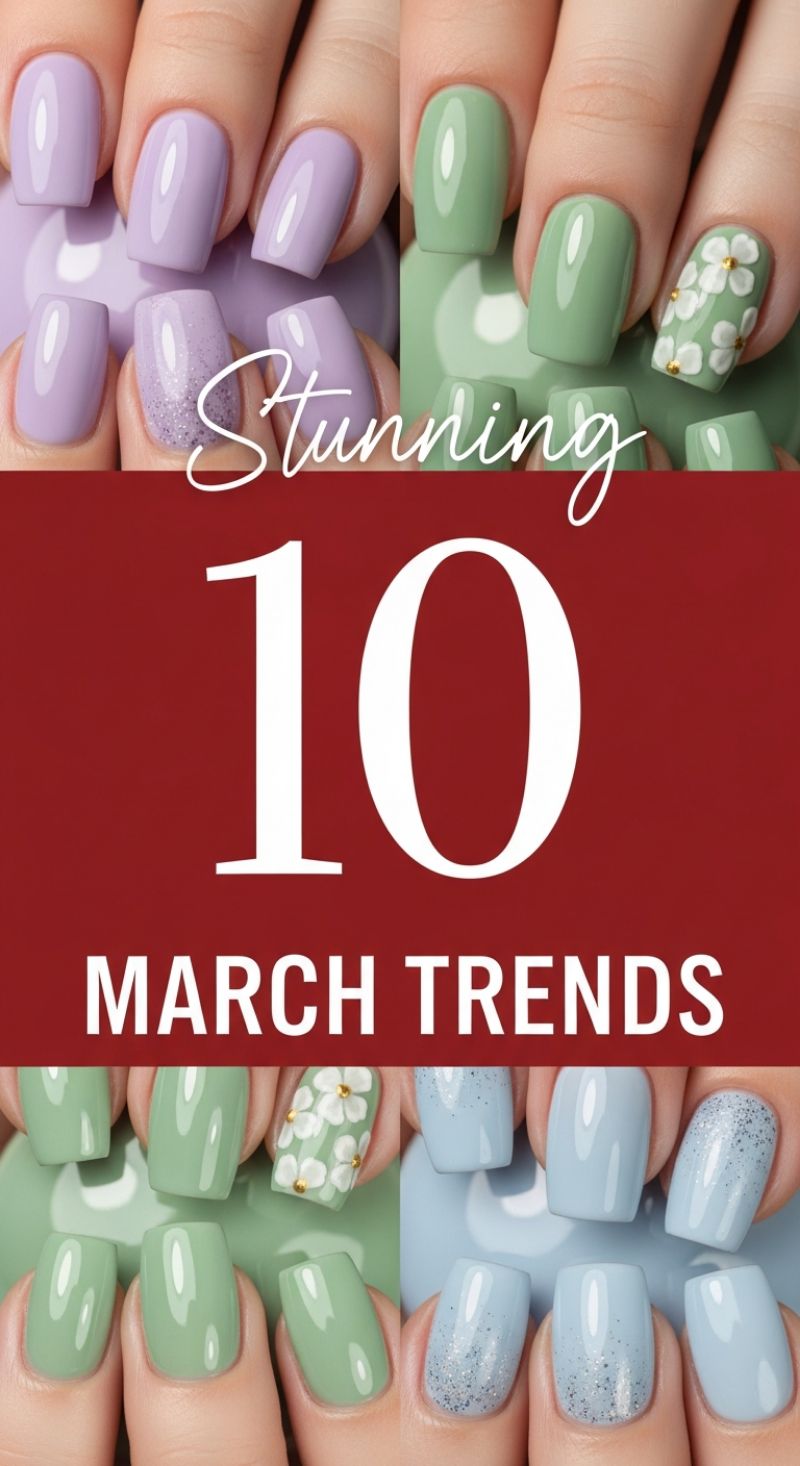
The March trends highlighted here celebrate the transition from winter to spring, focusing on fresh, optimistic pastel tones like soft lavender, muted sage green, and airy sky blue. Mastering the solid base coat is crucial for these looks. Start with meticulous nail preparation: shape the nail (the pictured squoval shape is highly recommended for longevity), gently buff the surface, and cleanse thoroughly. When applying these highly pigmented, light colors, thin, even coats are essential to prevent pooling and ensure full opacity without bulk. For gel polish, cure each layer fully. For lacquer, allow adequate drying time between coats. The beauty of these solid hues lies in their clean, high-shine finish, which acts as the perfect canvas for subtle ornamentation.
To replicate the captivating accent nails, you’ll employ two distinct techniques: glitter graduation and dimensional art. For the blue and lavender sets, the glitter accent adds subtle sparkle. Achieve this graduated effect by using a small detail brush dipped in a high-density, fine-milled glitter polish (silver for blue, matching tone for lavender). Start application lightly near the free edge or the cuticle line (as shown in the image), dabbing and gradually decreasing the glitter density as you move toward the center of the nail, creating a soft transition. This technique prevents chipping at the tips and draws the eye inward, offering a sophisticated take on traditional full glitter coverage.
Conversely, the sage green look demands dimensional artistry. For the 3D floral design, use a specialty structured painting gel or a combination of clear acrylic powder and monomer. Load a dotting tool or fine brush with the material, carefully placing small, petal-shaped mounds onto the cured base coat. Cure the structure, then use a thin white gel polish to define the petals. The final touch—the golden center—is achieved by placing micro-beads or small gold foil accents while the top coat is still wet, before a final, complete cure. Expert Tip: When sealing 3D elements, float the top coat around the design without drowning the texture, ensuring the structure remains crisp while anchoring the embellishments securely for maximum wear time. This blend of simple solids, controlled sparkle, and sculpted elements defines the essential March manicure.
15 Quick NAIL IDEAS
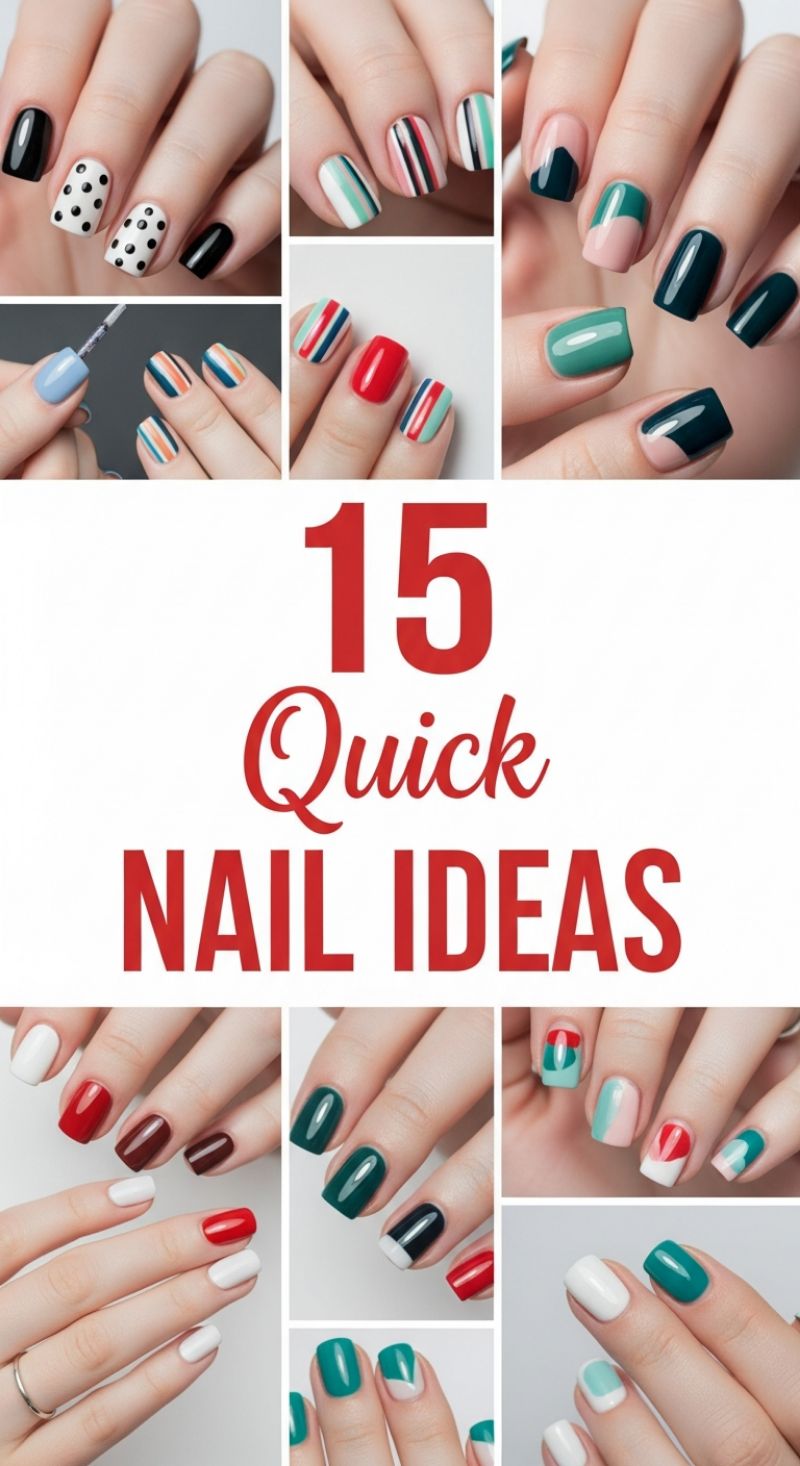
This curated selection of 15 rapid nail designs proves that stunning, professional-looking manicures don’t require hours of dedication. The core philosophy here revolves around simplicity, utilizing fundamental nail art tools—a dotting tool, a thin striping brush, and perhaps some painter’s tape—to create high-impact looks. The designs showcased range from classic patterns, such as the monochrome polka dots (achieved effortlessly with a dotting tool), to sophisticated color-blocking and clean, dynamic stripes. The versatility of these ideas lies in their modular nature: nearly every design is built upon a solid base coat, allowing for quick transitions between complex and simple nails within the same hand. Focus on achieving a perfect, opaque base layer first, as flawless execution of these simple patterns depends heavily on the underlying color.
To master the striking striped designs, invest in a quality, ultra-thin striping brush. For vertical lines, ensure your polish is thinned slightly for smooth flow, and apply long, continuous strokes rather than short, choppy movements. A critical tip for multi-colored stripes (like the featured red, white, and teal combinations) is to allow each color layer to dry completely before applying the next stripe, preventing colors from bleeding into one another. For the geometric looks, particularly the angular color-blocks or modern half-moon techniques, precision is paramount. Use specialized vinyl stencils or scotch tape cut into the desired shape. Apply the color over the exposed area, wait 60 seconds for it to set slightly, and then remove the tape immediately while the polish is still wet but tacky. This technique ensures razor-sharp lines, creating the clean, high-fashion finish seen in the deep teal and nude design.
Expert application of these quick ideas involves strategic color pairing. Notice how contrast is leveraged—for instance, the bright red is offset by cool mint and dark navy stripes, providing visual depth. Similarly, the deep jewel tones (emerald green, maroon, and navy) are perfect for year-round wear but feel especially rich in cooler months. To truly maximize the speed and longevity of these looks, ensure you use a fast-drying, non-yellowing top coat. Since many of these designs involve layering colors, the top coat is essential for fusing the separate elements into a cohesive, chip-resistant surface. Embrace these ideas by experimenting with your current polish stash; swapping out the featured hues for pastels in spring or neon shades in summer instantly updates these 15 techniques to suit any season or outfit.
Flowery Blooming Nails
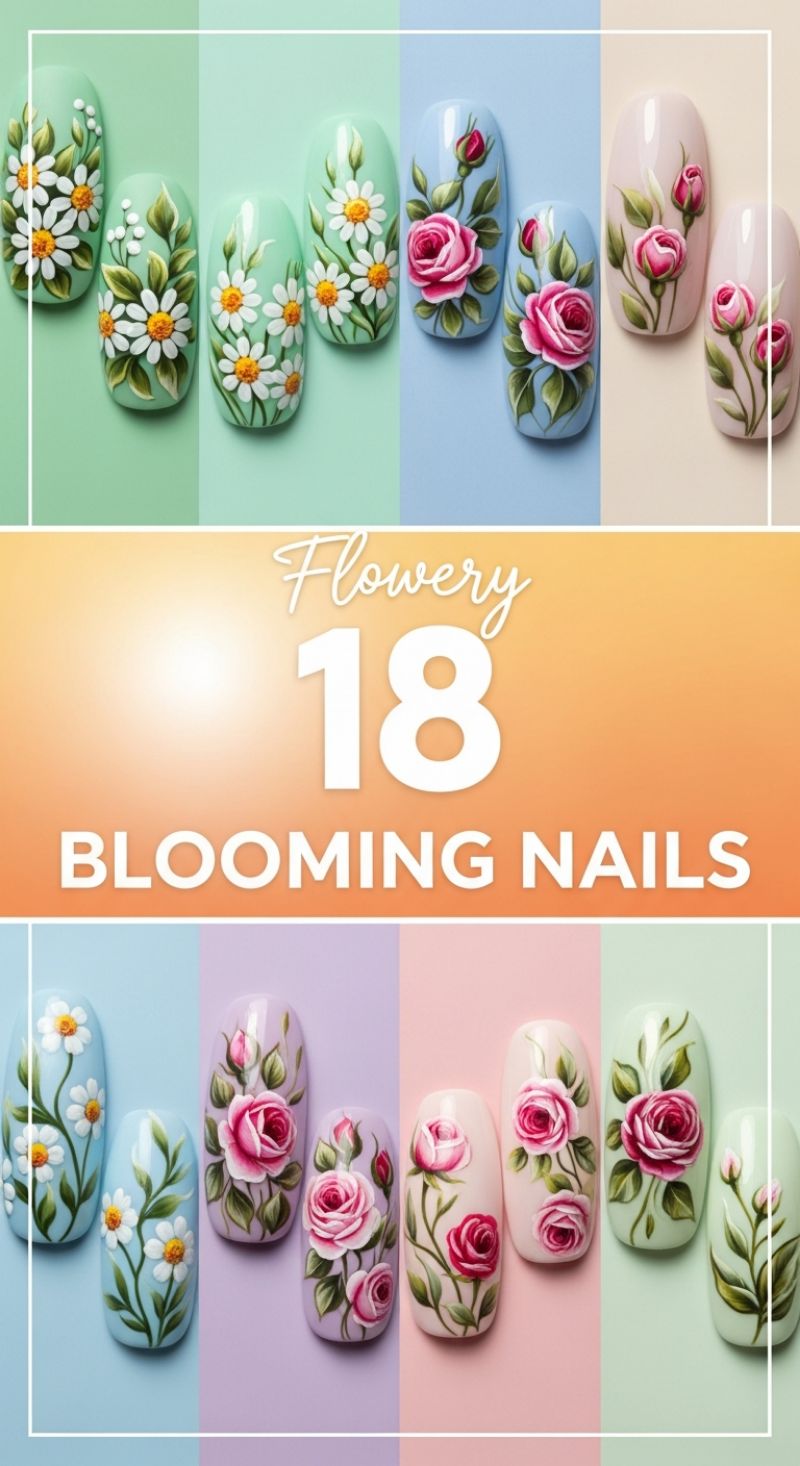
These highly detailed nail designs transform the simple manicure into wearable fine art, utilizing techniques often referred to as Russian folk art or One-Stroke painting. To replicate this level of realism, you must start with a flawlessly smooth, opaque base in soft pastel shades—the image showcases beautiful pairings such as mint green, robin’s egg blue, lilac, and pale nude, which provide the perfect cool contrast for warm, blooming florals. The fundamental technique involves loading a flat-edged brush with two contrasting or complementary shades of highly pigmented gel paint (e.g., white and pale yellow for the daisies, or deep magenta and white for the roses). The key is to drag the brush and twist the wrist simultaneously, allowing the two colors to blend naturally mid-stroke, creating the depth and dimension seen in the petals. Focus on building the design from the largest elements outward, mapping out the main blooms before filling in the delicate secondary details like leaves and stems.
The iconic rose featured in several variations requires precise layering to achieve its voluminous, multi-petaled look. Begin by painting the innermost ‘bud’ petals using the darker shade to establish depth. Then, using your two-tone flat brush, apply C-shaped and S-shaped strokes around the core, ensuring the lighter color is always positioned where the light would naturally hit the petal edge. For a truly authentic look, blend your greens as meticulously as your flower colors. Load your detail brush with forest green and a touch of olive or even a hint of brown to create varied tonality in the foliage, giving the leaves and stems a natural, slightly shadowed appearance. This careful attention to light, shadow, and color variation is what elevates the design from a simple sticker to a hand-painted masterpiece.
To ensure your blooming nails last and look professional, consider the tools and finish. Invest in specialized gel paints designed for detailed art; traditional polish often lacks the opacity needed for the one-stroke method. You will need a variety of brushes: a small, angled flat brush for the main petals, and a super-fine liner brush (00 or even finer) for adding tiny white dots (berries/pips), delicate stems, and refining the edges of leaves. After curing each layer of color, an expert tip is to finish the entire piece with a layer of matte or velvety top coat before applying a final layer of high-shine top coat only over the floral elements themselves. This variation in texture makes the blooms appear to pop off the nail surface. This elaborate floral art looks best showcased on medium to long oval or almond nail shapes, which maximize the canvas space needed for the full bouquet effect.
Hottest 10 MANICURE LOOKS
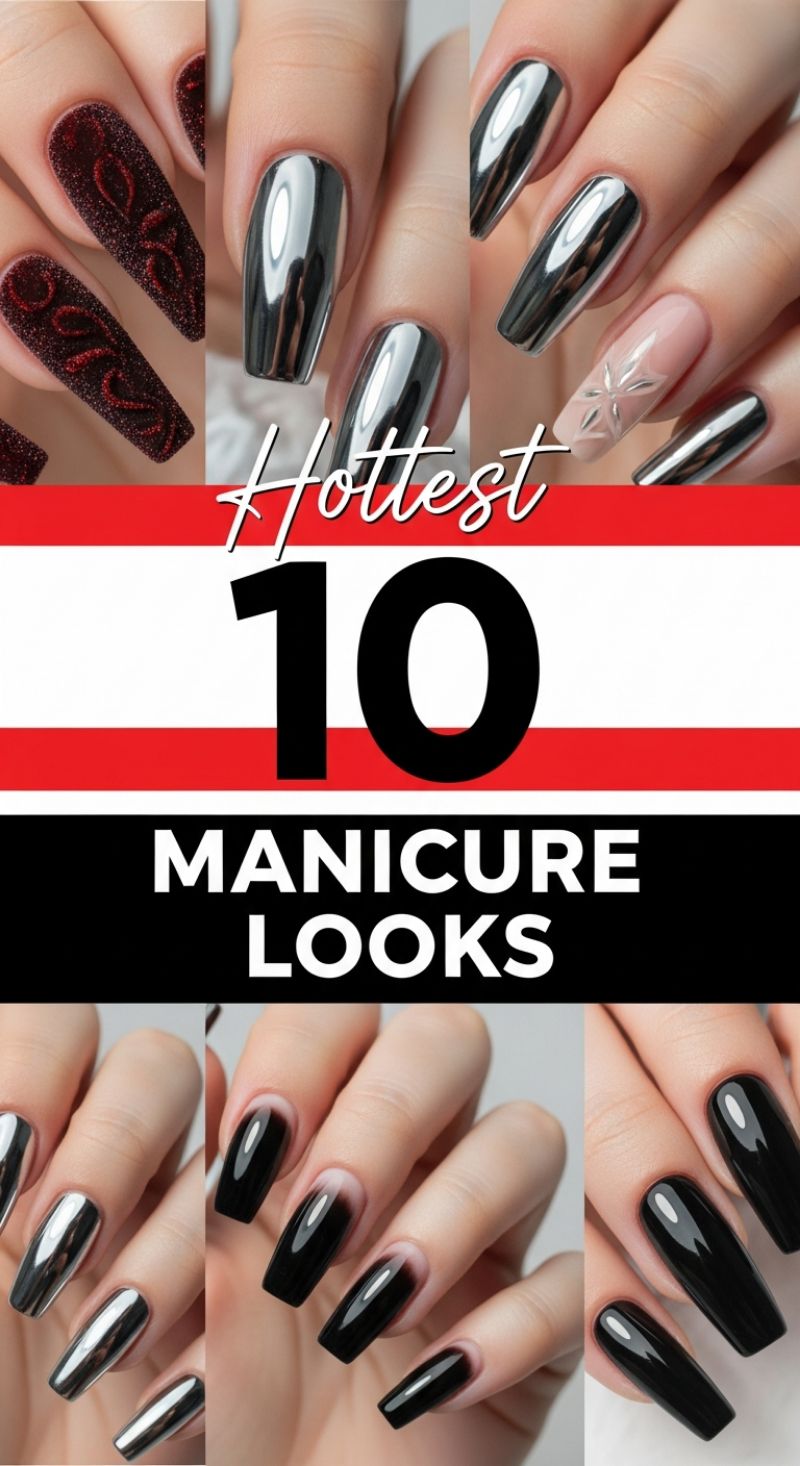
This curation of high-impact designs represents the most dramatic and trend-forward looks dominating the nail world. The common thread among these looks—from the reflective chrome to the textural velvet and high-gloss black—is the commitment to long, sculpted shapes (typically coffin or ballerina) that maximize the visual effect. To achieve the stunning mirror finish seen throughout the collection, start by ensuring your chosen shape is perfectly filed and smooth. Apply a base color (often black for the deepest chrome effect) and cure, then finish with a non-wipe gel top coat. Immediately after curing the top coat, use a small applicator or gloved finger to firmly buff ultra-fine chrome powder onto the nail surface until a flawless, reflective mirror sheen appears. Crucially, the powder must be sealed extremely well with another layer of non-wipe top coat, capping the free edge to prevent chipping and maintain that liquid metal illusion.
The featured designs also celebrate dimensional texture and sophisticated color blending. For the rich, tactile velvet or ‘sugared’ maroon look, the complexity lies in building the raised pattern first. Use a thick 3D or sculpting gel to draw the intricate scrollwork or cable knit design. Before curing this design, generously sprinkle finely milled velvet flocking powder or specialty sugar glitter over the wet gel. Cure the nail, then gently brush away the excess powder to reveal a luxurious, dimensional texture. If you favor a darker aesthetic, the black ‘shadow root’ ombre offers modern elegance. This look is achieved by applying a milky nude or pink base coat, curing, and then carefully diffusing high-gloss black gel polish down from the free edge toward the cuticle, leaving a clean, light halo around the nail bed. Use a small, dense sponge or an airbrush tool for a seamless transition, ensuring the black is richest at the tip and subtly blends out.
Expert advice for maintaining these statement looks centers on structure and longevity. Due to the length and high contrast of these designs, flawless application is key; any imperfection will be magnified. For the high-gloss solid black and ombre styles, invest in a premium, ultra-reflective top coat to maximize the light-catching shine. For both the chrome and velvet designs, avoid excessive exposure to strong solvents, as these can dull the specialty finishes quickly. When rocking multiple high-drama styles simultaneously—like pairing a chrome nail with a nude, embossed accent—ensure the color palette remains cohesive (black, silver, and deep red work well together) to prevent the manicure from looking cluttered. These looks are best suited for making a bold fashion statement, requiring confidence and consistent care.
10 Transitional Nail Colors
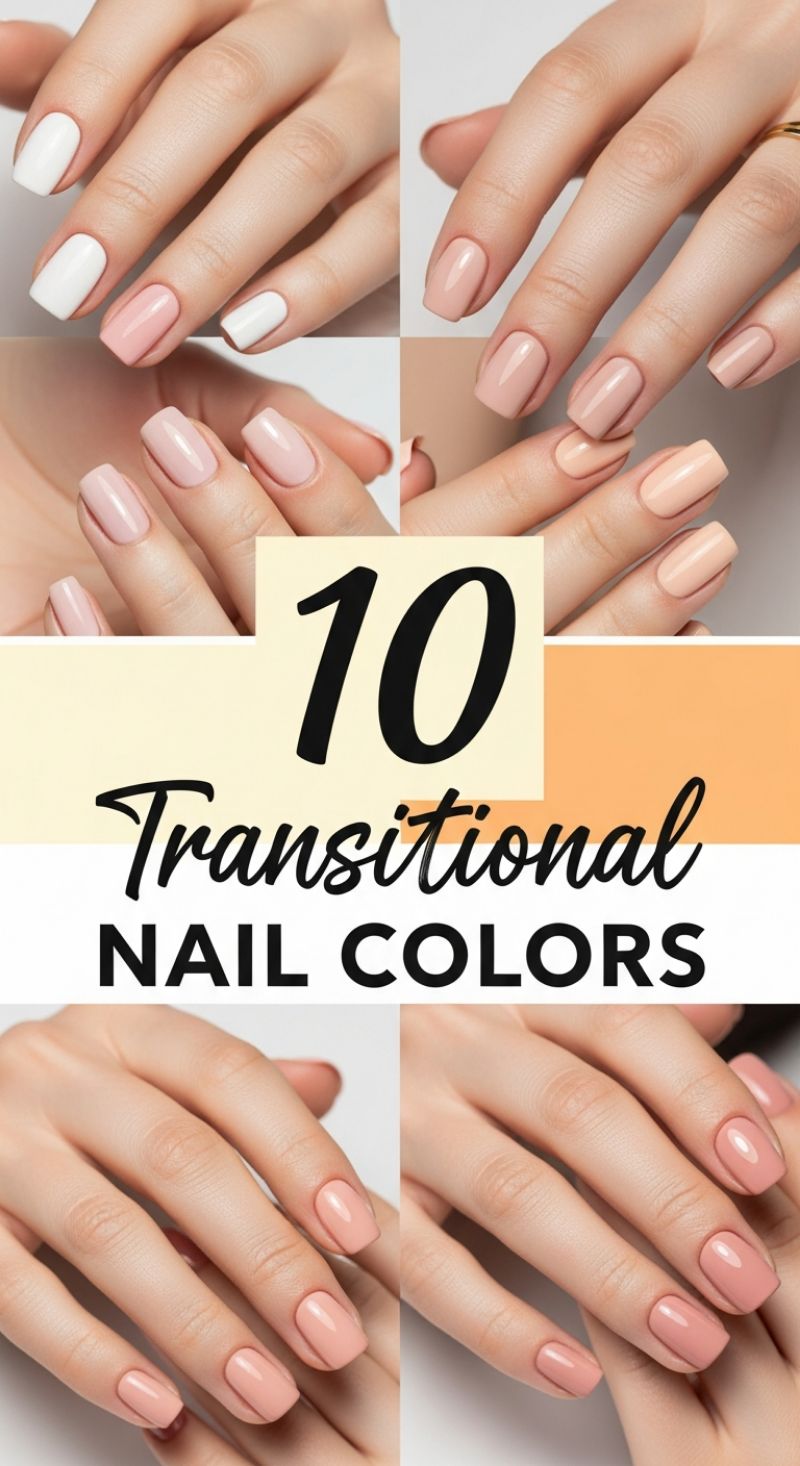
When transitioning between seasons—whether shifting from the deep hues of winter into the soft pastels of spring, or moving from bright summer shades into richer fall tones—a transitional nail color palette is essential for maintaining a sophisticated look. The core of this trend relies on polished neutrals, including creamy nudes, blush pinks, soft peachy beiges, and clean, opaque whites. These colors are inherently versatile and act as the perfect palette cleanser, ensuring your manicure looks refined and current regardless of the weather outside. To master this look, focus on choosing shades that harmonize with your natural skin tone: cooler-toned individuals often shine in rosy pinks and mauves, while warmer complexions complement sandy beiges, creams, and apricot nudes. The key visual element in these designs is the flawless, high-gloss finish, often achieved with short, neatly manicured square or squoval nail shapes, prioritizing health and sheen over length and complexity.
Achieving the clean, professional appearance of these transitional colors requires meticulous application, particularly because pale shades can easily appear streaky. Begin with thorough nail preparation: file nails into your desired shape and gently push back cuticles. Always apply a quality ridge-filling base coat, which is crucial for creating a smooth canvas, preventing polish from staining, and ensuring longevity. When applying the color itself, opt for two to three thin coats rather than one thick coat. Thin coats cure more evenly, dry faster, and eliminate the risk of bubbles or streaking, which is especially noticeable in lighter creams and nudes. Use a steady hand and pull the brush straight down the nail bed, ensuring minimal pooling near the cuticle line. Allow each coat ample time to dry or cure fully before proceeding to the next step.
To lock in the color and achieve the glossy, high-end look visible in the examples, finish your manicure with a fast-drying, ultra-shine top coat. This not only protects the color but also provides the necessary dimension and sophistication that elevates simple nude shades into a statement. Expert advice for transitional styling includes using these colors for monochromatic uniformity across all ten fingers, or incorporating a subtle accent nail—such as pairing a soft beige with a crisp white on the ring finger—to introduce depth without sacrificing neutrality. These understated hues are the ultimate power polish, offering elegance and polish that is suitable for any occasion, from boardroom meetings to casual weekends, proving that simplicity is the height of style.
Effortless 20 NAIL DESIGNS
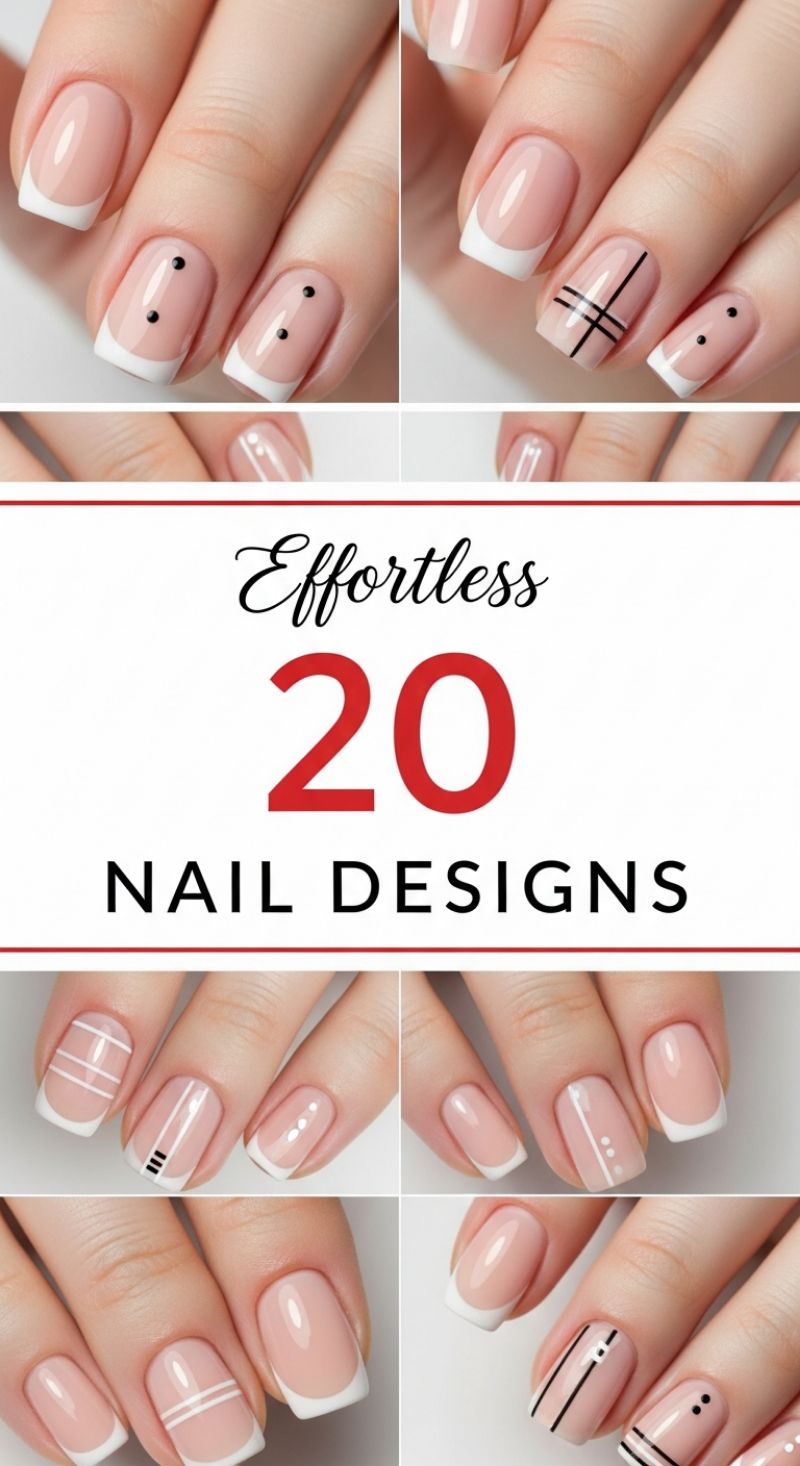
The foundation for these “Effortless 20 Nail Designs” is built upon the timeless elegance of the French manicure, updated with minimalist geometric flair. Start by prepping the nail bed, ensuring a perfectly smooth canvas. Apply a sheer, milky pink or nude base coat that complements your skin tone; this provides the natural, healthy look central to this style. Next, execute the classic white tip. For a precise, crisp smile line, use a thin brush dipped in bright white polish, or employ French tip guides. The key here is uniformity and a clean separation between the base and the tip. Once the foundational French manicure is cured or dry, you are ready to introduce the simple, high-impact design elements that elevate these looks from traditional to ultra-chic. These designs are perfect for those who want a polished appearance without overly complicated artwork, making them genuinely effortless.
The majority of these effortless looks rely on precise lines, which are easier to achieve than complex freehand drawings. To replicate the various linear designs—from simple vertical bars to intersecting grids—you will need a fine-tipped striping brush (often 5-7mm long) or, for maximum sharpness, thin nail art striping tape. If using polish and a brush, ensure your polish is not too thick, which can lead to dragging or bubbling. Dip the brush lightly and use a single, steady movement to draw the line across the fully dry or cured base. For the black grid patterns shown, precision is paramount; cure or dry the first set of parallel lines before drawing the perpendicular set to prevent smudging. For designs using white lines over the nude base, remember that the white provides a subtle, fresh contrast, while black lines offer a bolder, graphic punch that instantly modernizes the classic base.
The other key element is the dot design, which adds a playful yet sophisticated touch. Dots are easily created using a dedicated dotting tool, which comes in various sizes. The size of the dot should correspond to the overall length of the nail; small, delicate dots generally maintain the minimalist aesthetic best. For designs featuring two vertical black dots near the cuticle or three small white dots along the side, dip the tool into the polish and gently tap it onto the desired location. Consistency in spacing is vital for symmetry and a clean finish. To ensure these manicures last and maintain their high-gloss appeal, finish every design with a durable, non-yellowing top coat. Apply the top coat carefully to seal in the artwork without dragging or blurring the fine lines or dots. These clean, versatile designs prove that simple, strategic placement of geometric elements can be the most fashionable statement of all.
Soft Spring Nails
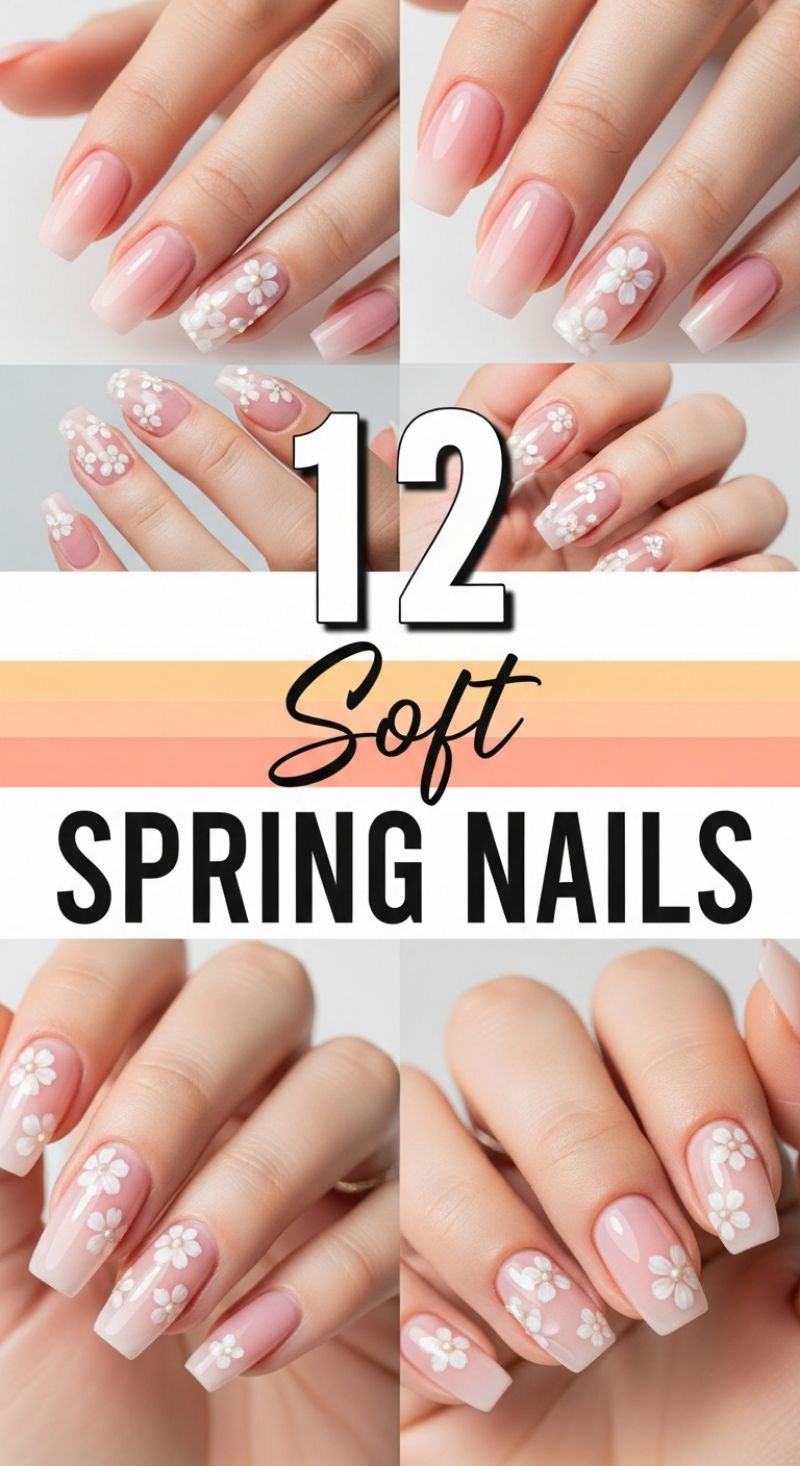
This delicate manicure embodies the essence of springtime, pairing a subtle, nude French Ombre base with ethereal 3D floral accents. To recreate this look, begin by perfecting the base, which utilizes the popular ‘French Fade’ technique. After preparing the natural nail or sculpted extension (the long coffin/squoval shape shown is ideal), apply a thin coat of milky pink or sheer nude builder gel. Next, use a small, dense sponge or an Ombre brush to gently feather a soft white gel color onto the tips, blending it smoothly upwards to achieve a seamless gradient. This step removes the harsh contrast of a traditional French tip, resulting in a healthy, diffused, and glowing base that maximizes sophistication and wearability. Cure the base thoroughly under a UV/LED lamp before moving to the detailed artwork, ensuring the canvas is completely set and smooth.
The magic of this design lies in the realistic, dimensional floral elements. For the most professional results, utilize a specialized 3D sculpting gel or thick white painting gel, which holds its shape without spreading. Using a fine detail brush or a specialized dotting tool, carefully place five small dots of the white gel in a circle, dragging the center slightly inward to form the petals of a small daisy or cherry blossom. It is crucial to flash-cure each flower immediately after creation to lock in the 3D height before proceeding to the next nail. Placement is key: cluster flowers strategically, often allowing them to trail down the side of the nail or grouping 2-3 blossoms near the cuticle, ensuring that the design remains light and airy rather than overcrowded.
To complete the high-end look, tiny pearl or rhinestone accents are placed in the center of the blossoms, giving the design depth and sparkle. Before the final cure of the 3D elements, use a tiny amount of clear builder gel or gem glue to anchor the small half-pearls into the center of the white flowers. Once everything is cured, seal the entire manicure with a high-shine, non-wipe top coat. When applying the top coat over the 3D elements, use a floating technique, applying enough product to seal the edges of the flowers and gems securely to the nail without flattening their dimensional shape. This soft, romantic style is exceptionally versatile for spring events, weddings, or simply transitioning into warmer weather, offering a timeless elegance that remains perfectly on trend.
10 Minimalist Nail Ideas
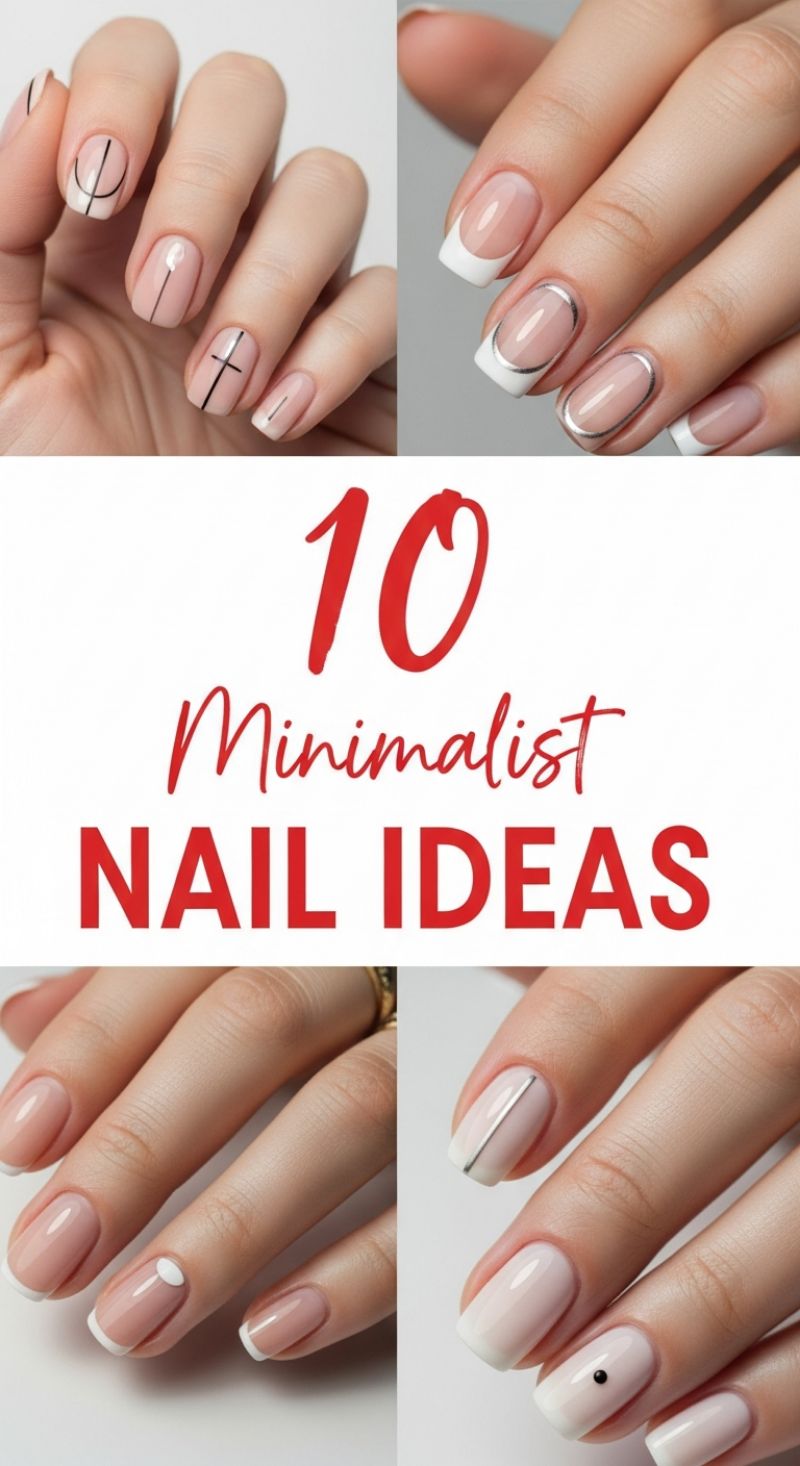
Minimalist nail art proves that less is definitively more. The foundation for this sophisticated style lies in impeccable preparation and a flawless nude canvas. To recreate these chic looks, start by shaping your nails into a short square or soft squoval shape, which naturally complements geometric and delicate line work. The primary technique involves selecting the perfect base coat—a sheer, milky pink, or a transparent nude polish that enhances your natural nail color without being opaque. Achieving a non-streaky application is crucial; apply two thin coats, ensuring full cure or dry time between layers. Before adding any detail, cleanse the surface with isopropyl alcohol to ensure your line work adheres perfectly. These designs rely heavily on negative space and the natural beauty of the nail bed, making high-quality prep the most critical ‘how-to’ step.
Once the canvas is perfected, focus on precise execution of the fine details. For the vertical line designs and the centered cross, utilize an ultra-fine, long-tipped striping brush (often 5-7mm long) or a high-quality nail art pen in black or dark espresso. Dip only the very tip of the brush in polish and stabilize your hand against a flat surface. Start the line lightly near the cuticle and draw a single, steady stroke toward the tip. Similarly, for the contemporary ‘floating frame’ look—seen here achieved with silver chrome—you can use ultra-thin metallic striping tape or a highly pigmented liquid chrome gel applied with a micro-liner brush. When using tape, cut it precisely and press it firmly around the perimeter of the nail bed, leaving a small margin between the tape and the actual skin. This creates a striking, modern frame that outlines the natural shape of the nail without overwhelming the design.
For the subtler, French-inspired variations, focus on the ‘micro-French’ technique. Instead of a thick, defining white tip, use a fine brush to create a very thin, delicate curve along the free edge of the nail, or opt for a gentle ombre fade from the milky nude into white. Another elegant variation shown is the reverse French or half-moon accent, where a tiny white crescent is placed at the base (lunula) of the nail. For this, a dotting tool or a small crescent-shaped sticker can help achieve perfect symmetry. Expert advice for finishing minimalist nails emphasizes durability and shine: immediately seal the design with a non-yellowing, high-gloss topcoat, ensuring that you cap the free edge of the nail to prevent premature chipping. These minimal designs are perfect for professional environments, weddings, and everyday elegance, offering maximum impact with minimal effort.
12 Chic Short Manicures
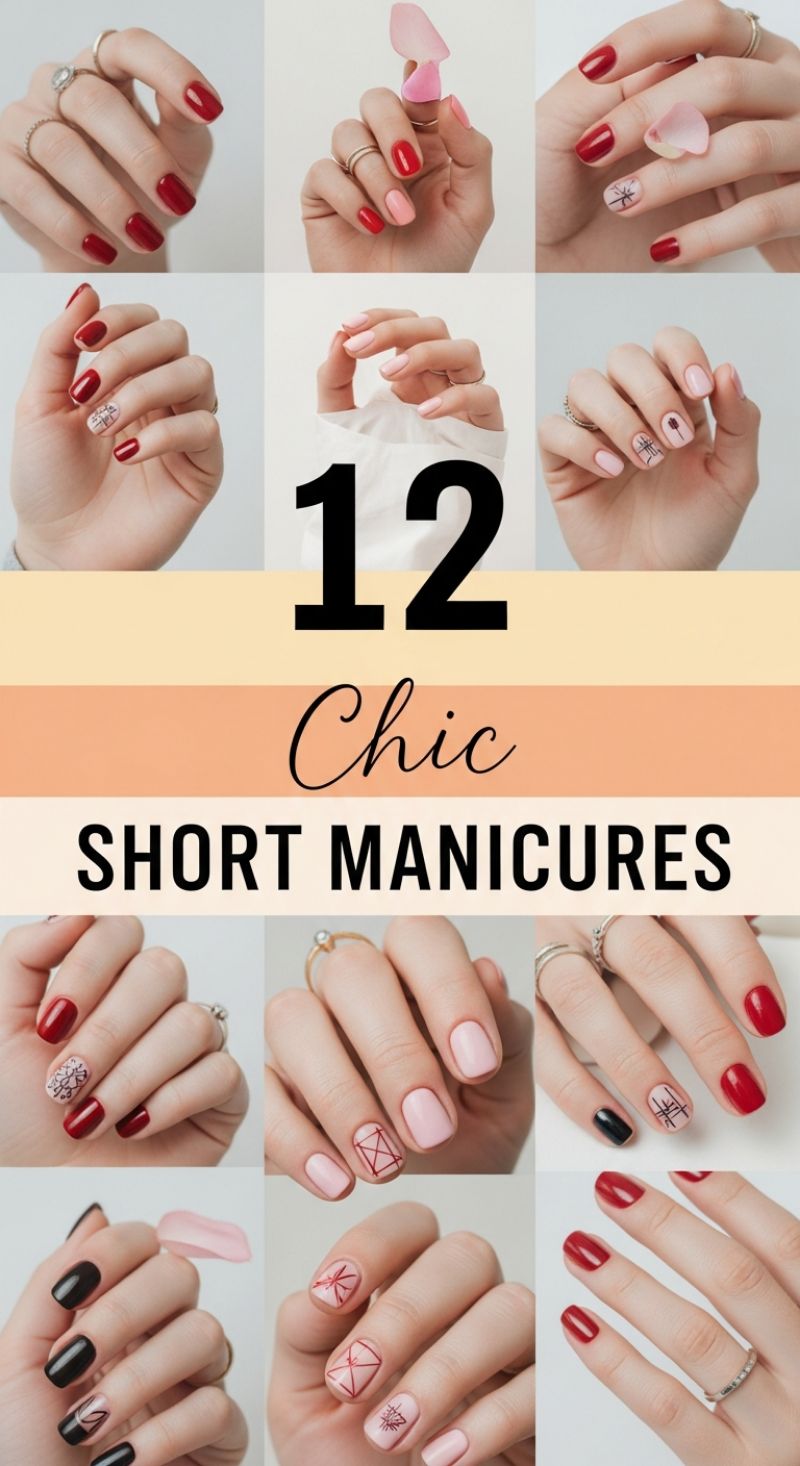
Short nails don’t mean sacrificing style; in fact, they lend themselves to highly sophisticated, clean looks that are perfect for professional environments and everyday elegance. The 12 chic manicures showcased here prove that bold colors and intricate, minimalist designs thrive on shorter lengths. To replicate this polished foundation, ensure your nails are filed into a neat squoval or soft square shape, which is flattering and less prone to chipping than sharp corners. The dominant color strategy seen here utilizes high-impact shades like deep classic reds, vibrant pinks, and stark black, often balanced with subtle nudes or pale pinks. For longevity and a crisp, flawless finish, apply two thin, even coats of your primary color, ensuring you take the time to properly prepare the nail bed and cap the free edge to seal the color and prevent premature wear.
The key to elevating these short manicures lies in the strategic use of minimalist accent nails utilizing negative space. On a base of pale pink or nude, graphic elements are applied using a fine-tipped striping brush (often called a detail brush) or a dedicated nail art pen in contrasting colors like black or deep red. Popular motifs include precise straight lines forming abstract diamonds, angular crisscross patterns, or delicate, symmetrical outlines that evoke floral or snowflake designs. The instructional approach for flawless geometry is to start with a very light touch, drawing the skeleton of the design first. For perfect symmetry, stabilize your painting hand and use small dots as guides for corner placements before connecting the lines. Allowing the natural nail or nude polish to show through the design provides necessary negative space, preventing the intricate art from overwhelming the short nail bed and ensuring the overall look remains modern and uncluttered.
An essential element of this chic style is mastering the art of mixing solids and accents seamlessly. For example, achieve a balanced look by pairing four fingers painted solid deep red with a single nude accent nail featuring a contrasting geometric pattern. Alternatively, embrace a bolder two-tone palette by combining soft pale pinks with a single black accent nail for an edgy yet refined contrast. Because short nails are inherently more durable and less prone to breakage, these designs tend to be incredibly long-wearing. Expert advice for maximum wearability involves always applying a strengthening base coat and sealing the final design with a high-shine, quick-dry top coat that is reapplied every two days. These versatile designs transition effortlessly from professional settings to elegant social evenings, solidifying the short manicure as the ultimate choice for practical, high-fashion nail artistry.
15 Romantic Valentine Nails
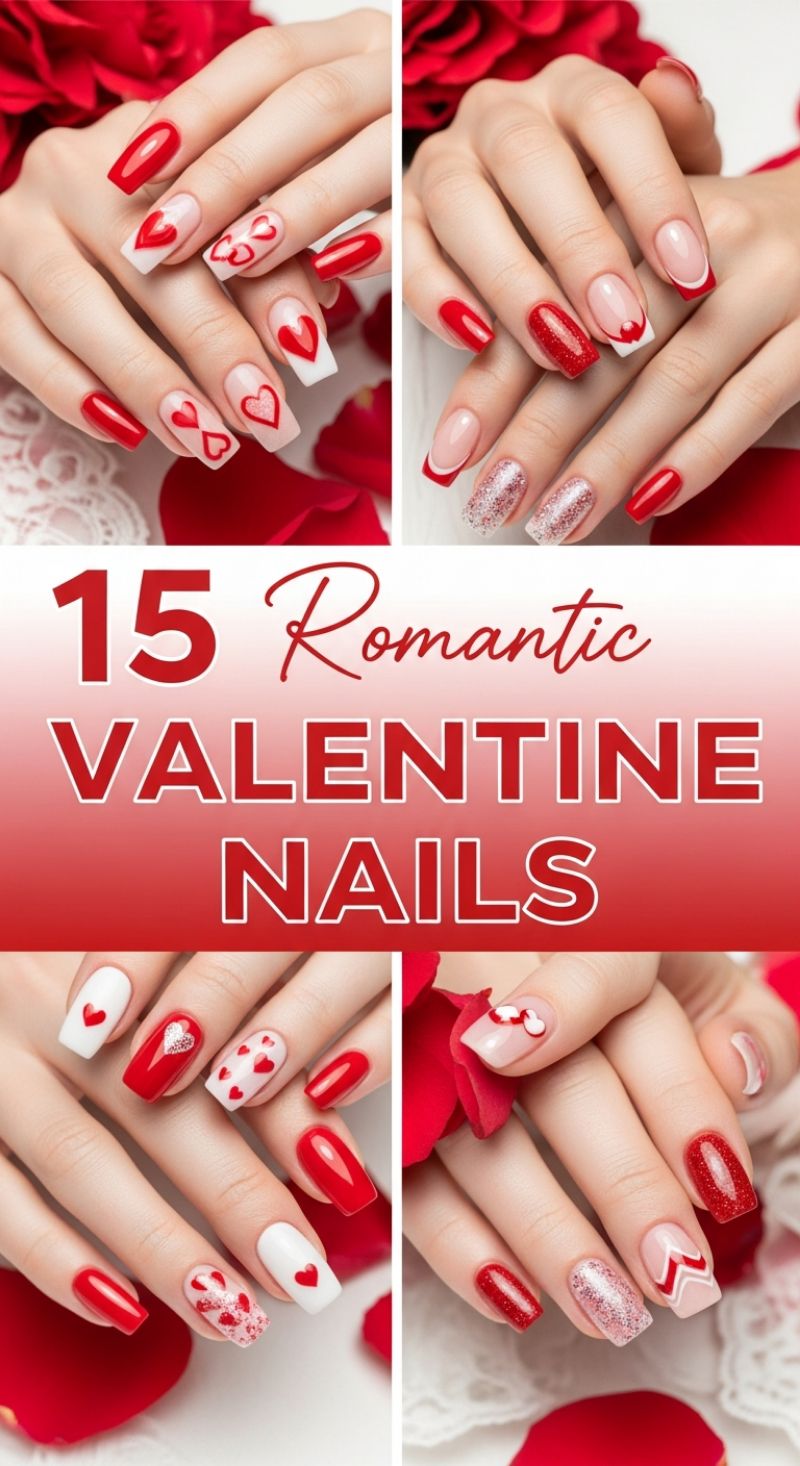
For a truly romantic and festive manicure, the Valentine’s Day theme relies heavily on a saturated color palette of cherry red, crisp white, and soft nudes or sheer pinks. To recreate the iconic heart designs shown here, start with a solid base color—either a full-coverage red on alternating nails or a neutral base for negative-space art. For the most precise look, utilize dotting tools or a fine-tipped liner brush to sketch the heart outlines before carefully filling them in. Notice how the featured designs successfully utilize both solid red or white hearts and delicate outlined hearts against sheer pink bases; this variation in scale and fill density prevents the look from becoming too monolithic. A key expert tip is to ensure your base coat is completely dry, or your gel base layer is fully cured, before applying the contrasting heart artwork to prevent color dragging and maintain sharp, professional-looking edges. Mixing heart sizes and placement across the five nails is essential for achieving the visual diversity shown in these examples.
To elevate the romance factor, integrate sparkling textures and sophisticated French tip variations. Glitter is essential for Valentine’s Day glamour; use a fine silver or pink holographic glitter polish applied directly over a nude base on accent nails (like the ring finger) for maximum impact. Alternatively, incorporate glitter subtly by dusting it over a single heart design for added dimension or creating a glitter ombre effect at the base of the nail. The classic French manicure gets a festive update by replacing the traditional white tip with a vibrant red, or by adding a small heart detail right at the curve of the smile line. If you prefer a more modern graphic element, look to the sharp chevron or zigzag pattern, using contrasting colors like red and white or red and nude to create a clean, eye-catching focal point that balances the softer heart motifs.
When executing these intricate, multi-layered designs, precision is paramount. For detailed artwork, invest in high-quality specialized brushes, particularly a very thin striping brush (for crisp heart outlines and French tips) and a small detail brush (for filling in shapes without flooding the cuticle). For longevity and shine, ensure every layer—especially the detailed art—is cured thoroughly if using gel polish, or allowed sufficient drying time if using lacquer. Finish every manicure with a robust, high-shine topcoat to seal the design and prevent premature chipping, which is especially critical when dealing with glitter polishes that can sometimes lift at the edges. These designs are highly adaptable; transition them to coffin or almond shapes by slightly elongating the heart motifs or emphasizing the French tip angle.
20 Delightful Short Nail Ideas
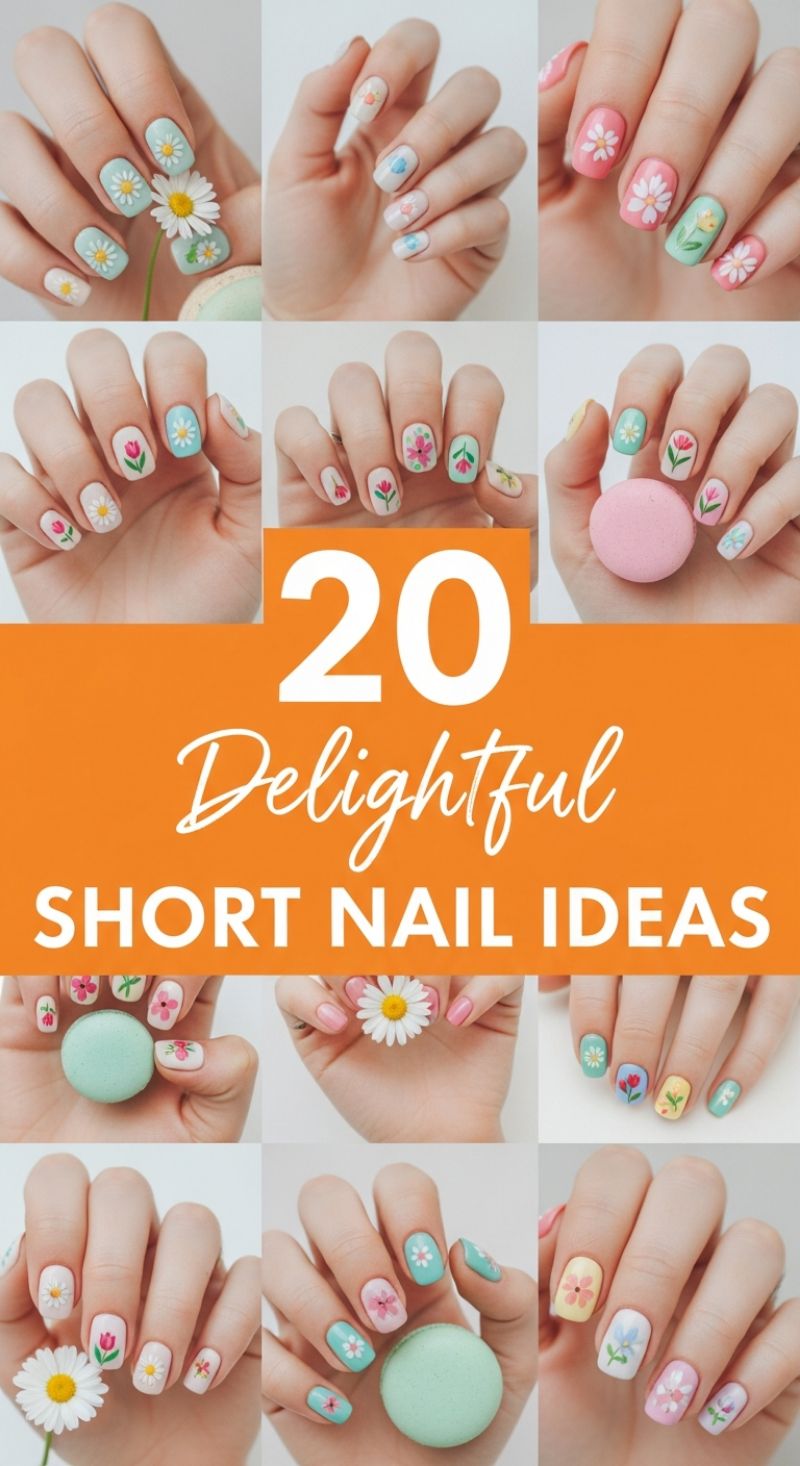
This collection, “20 Delightful Short Nail Ideas,” proves that sophisticated nail art is absolutely achievable, and perhaps even enhanced, on shorter nail lengths. The designs presented here capture the essence of a charming spring meadow, utilizing a beautifully curated pastel palette featuring soft mints, blush pinks, creamy whites, and sunny yellows as base coats. The centerpiece of this aesthetic is the intricate floral detailing—primarily cheerful daisies and delicate tulips—which are scattered creatively across the nails. A key trend demonstrated is the ‘mismatched but cohesive’ approach: instead of uniform design, each finger features a complementary pattern, ensuring a dynamic and visually interesting manicure while maintaining a harmonious color scheme across the hand. This style is perfect for those seeking a fresh, feminine look that transitions seamlessly from day-to-day wear to special outdoor events.
To recreate these intricate floral designs, preparation is paramount. Begin by shaping your short nails into a clean, slightly rounded square or oval shape, followed by a durable base coat. Apply two thin coats of your chosen pastel base color—ensuring complete opacity is achieved before moving on. The true artistry lies in the detail work, which requires a fine-tipped nail art brush (00 or 000 size) and a small dotting tool. For the classic daisy, use a dotting tool to place a cluster of small white petals around a central point, then switch to a bright yellow polish and a smaller dotting tool to create the core. For tulips, use a very thin brush to sketch the simple silhouette of the flower in two or three strokes, adding a tiny green stem afterward. Remember to work with highly pigmented polishes for the art so the details pop crisply against the pastel background, and always allow each layer of design to fully dry before adding the next to prevent smudging.
While these designs appear complex, they are surprisingly versatile and manageable with the right sealing technique. Once your floral art is complete, the application of a high-quality, high-shine top coat is non-negotiable; this seals the delicate designs and prevents chipping, extending the life of your manicure by several days. For those new to freehand art, consider using floral waterslide decals or stamping plates—available in similar delicate patterns—to achieve the precision of the look without the need for extensive practice. To adapt this style for different seasons, simply swap out the pastel bases for deeper tones (like forest green or plum) while keeping the white floral accents for contrast, instantly transitioning the look to a fall or winter aesthetic. Whether applied freehand or via decal, these delightful short nail ideas offer a maximalist aesthetic that is perfectly scaled for shorter nail real estate.
Fresh 15 Spring Manis
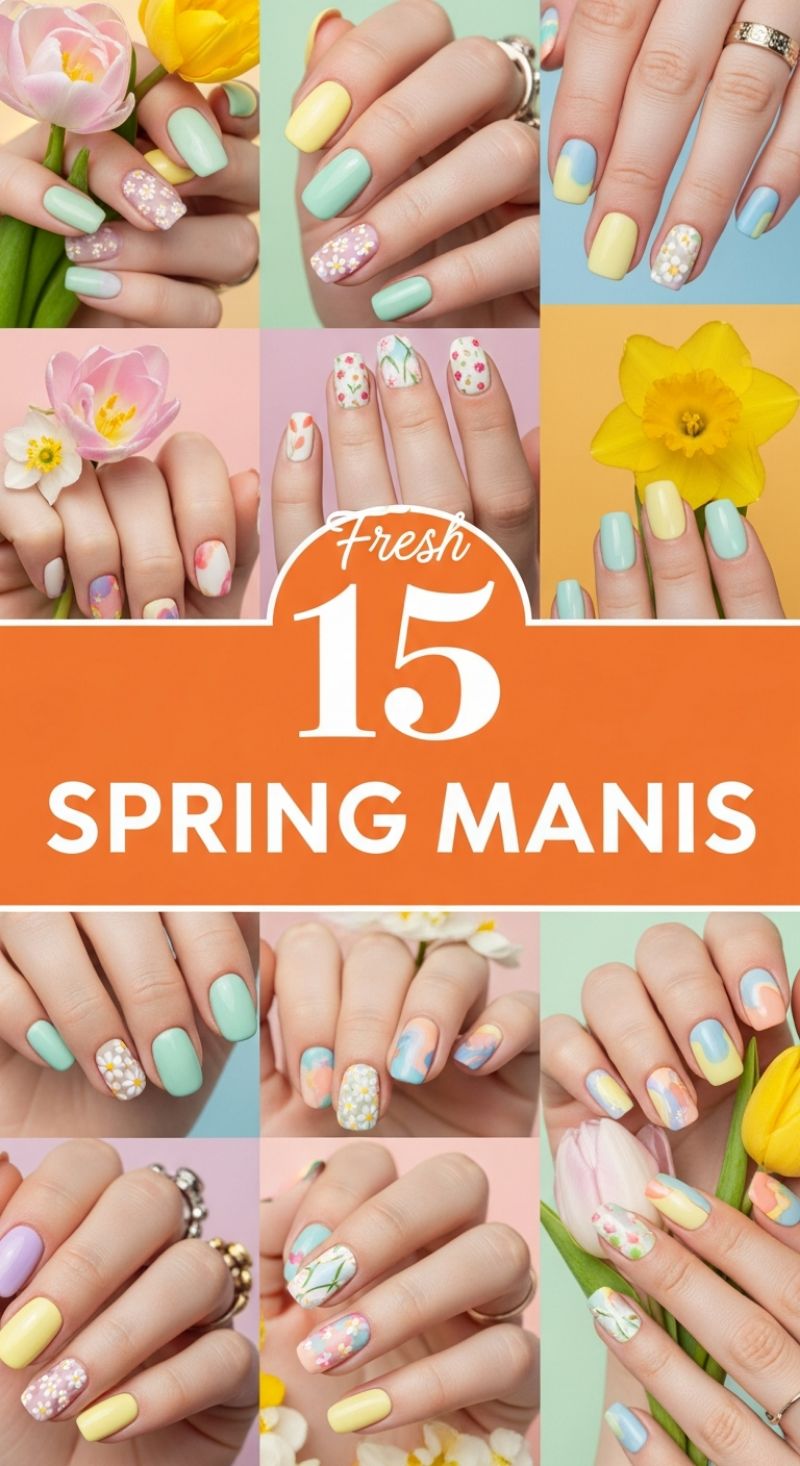
The arrival of spring calls for a complete palette overhaul, shifting away from deep winter tones to light, airy pastels. This collection of 15 fresh spring manicures perfectly encapsulates the season’s joyful energy. The dominant colors include soft mint green, buttery pale yellow, delicate lavender, and baby blue, often paired with crisp white bases for contrast. The designs heavily utilize the concept of the accent nail, where three solid-colored fingers frame one or two feature nails adorned with detailed art. This approach keeps the overall look polished while allowing for playful experimentation with patterns, such as delicate floral motifs, abstract watercolor effects, or subtle color blocking. The shapes shown are primarily short to medium, subtly rounded squares, highlighting the clean, simple elegance that defines modern springtime beauty.
Mastering these spring looks often hinges on precision and layering, especially when tackling the popular floral themes. For the ubiquitous daisy motif seen across several designs, achieving perfection requires a small dotting tool. Start with a solid colored base (white or pastel), then use the dotting tool dipped in white polish to create five small dots in a circular pattern for the petals, finishing with a contrasting yellow dot in the center. For the abstract watercolor or marbled designs, the expert technique involves applying thin, uneven layers of different pastel polishes and then gently blending them with a clean, slightly dampened brush before they fully cure, creating a soft, ethereal cloud effect. Remember that thin coats are crucial for these lighter polishes; two or even three layers may be needed to ensure full opacity without making the nails look bulky. Use a fine-tipped striping brush for any detailed foliage or linear patterns.
These fresh manicures are the ideal accessory for transitional weather and celebratory spring events like Easter or garden parties. The lightness of the colors makes them highly versatile, pairing beautifully with everything from classic denim and white tees to flowing sundresses. A key trend showcased here is the subtle mixing and matching of shades across one hand—for instance, alternating between mint on the index finger and lavender on the pinky, unified by a common floral accent nail on the ring finger. When selecting your personal favorites, consider balancing high detail (like intricate stem designs) with simpler elements (like solid pastels) to prevent the look from becoming too busy. For longevity, always cap the free edge with your topcoat, and for detailed designs, consider using a specialized art topcoat before your final high-gloss layer to prevent smudging.
Adorable 25 V-Day Nail Inspo: Romantic Red and Pink Designs
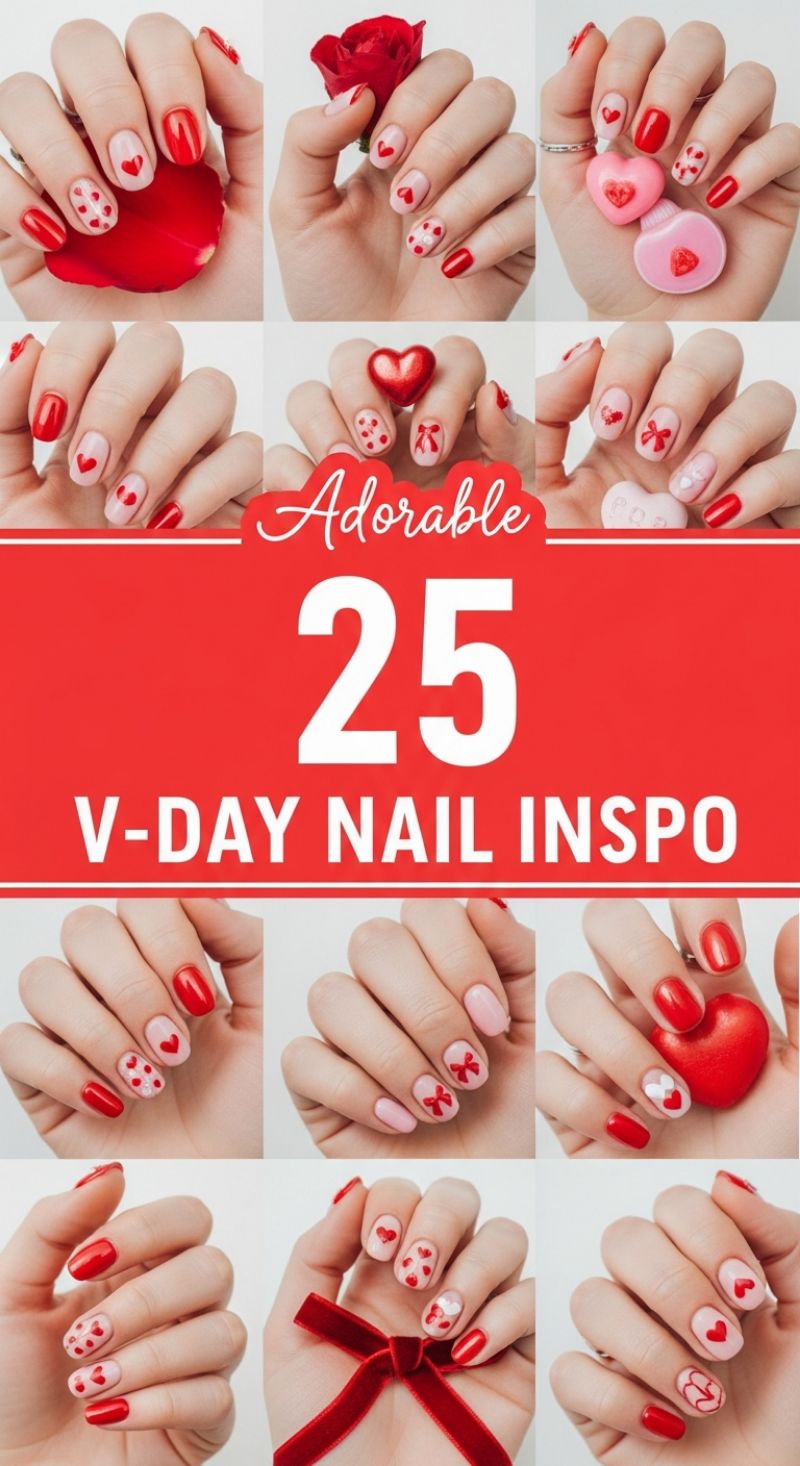
To recreate these adorable V-Day looks, start with a meticulous manicure prep, focusing on clean cuticles and a smooth base. The foundational palette relies heavily on contrasting soft nudes or pale pinks against a vibrant, classic cherry red. For maximum impact and wearability, select a highly pigmented red and a sheer, creamy pink for your base. Begin by applying two coats of the soft pink/nude shade to most nails, reserving the bold red for a few solid statement nails (typically the index or pinky finger, as seen in the examples). This juxtaposition of solid color and delicate nail art is key to achieving this balanced aesthetic. Before starting the intricate designs, ensure your base coats are fully cured or dry to prevent dragging the colors during the application of details.
The featured designs—hearts, polka dots, and bows—are surprisingly simple to execute using the correct tools. For the perfect tiny hearts, utilize a dual-sided dotting tool. Apply two adjacent dots of red polish close to the tip or center of the nail, then use a fine liner brush or a toothpick to gently drag the polish downward between the dots, meeting at a soft point to form the base of the heart. For the clustered polka dots seen in several examples, use the smallest end of your dotting tool, dipping frequently to ensure uniform size and spacing. The tiny bow design, a charming accent, is best achieved with a very fine detail brush. Start with a small center dot, then draw two small triangles extending outwards from the dot, forming the loops of the bow. Remember to vary the placement—some designs look best centered, while others are effective positioned near the cuticle or tip for a modern look.
The genius of this inspiration lies in the ability to mix and match patterns across the hand without overwhelming the look. Treat each nail as its own canvas, combining a full red nail with a dotted accent nail, a heart motif, and perhaps a simple bow design. Ensure that you maintain the same core two colors (red and pink) throughout the entire set for ultimate cohesion. Expert tip: If you struggle with freehand drawing, consider using thin vinyl stencils or small water decals for perfectly crisp shapes, particularly for the full heart design. Once all designs are dry, seal your artwork with a high-quality, ultra-shiny topcoat. This step not only protects the intricate details but also provides the glossy, polished finish essential for making the bright red pop against the softer base. This collection is perfectly suited for short, neatly filed natural nails, offering a romantic and youthful charm.
18 Trendy February Looks
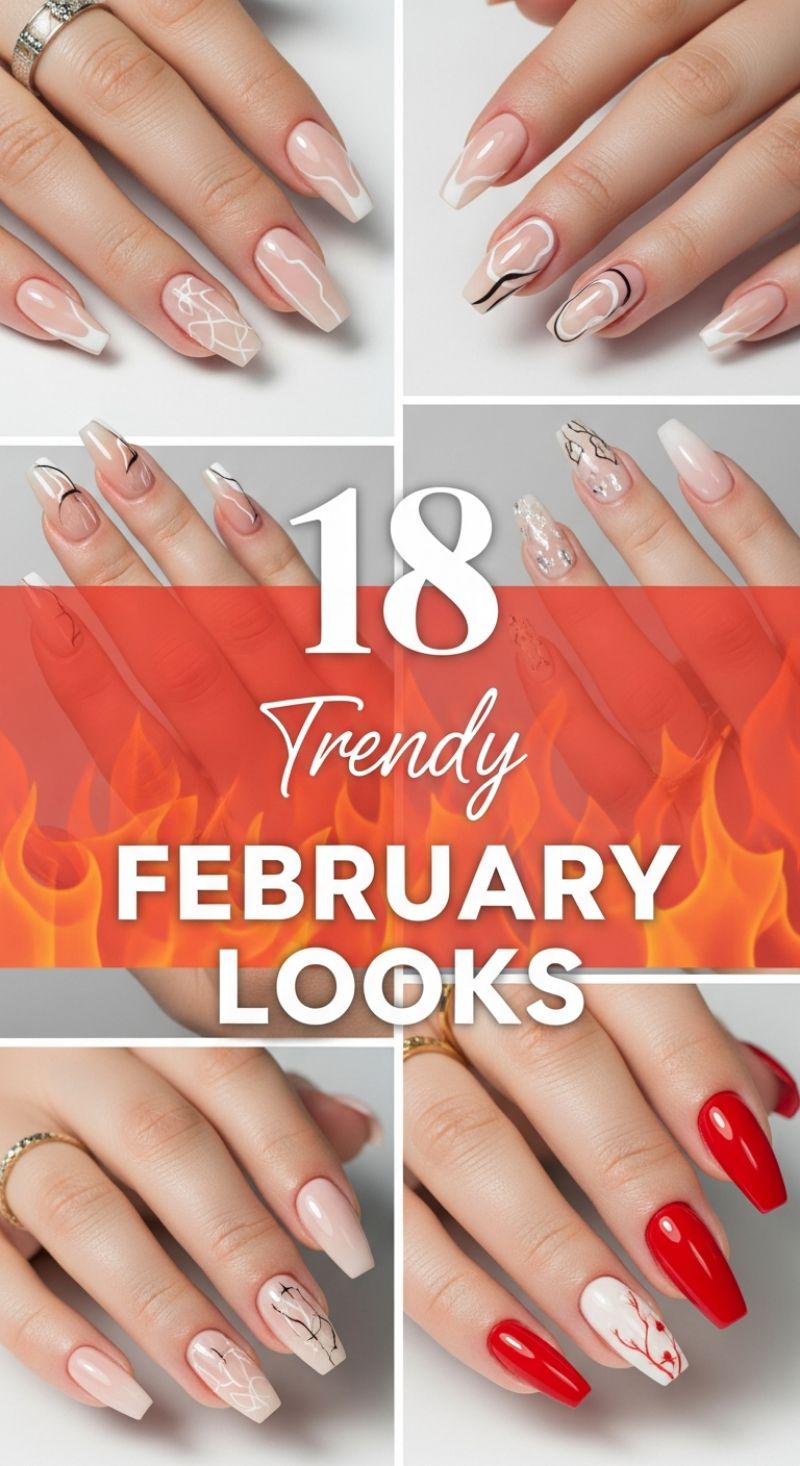
February is the quintessential month for embracing romance, sophistication, and a slight transition toward spring aesthetics. This collection of looks perfectly blends neutral elegance with pops of seasonal color, focusing heavily on modern abstract line work and clean, elongated shapes like the coffin or tapered square. To recreate the contemporary abstract styles seen in the upper section, start with a highly refined nude or milky pink base coat. Once cured, the key is mastering the delicate line work using highly pigmented white and black gel polishes and a precision striping brush (often 5-10mm long). Focus on creating continuous, flowing lines that utilize the negative space of the nail bed, often looping around the cuticle or forming a subtle, deconstructed French tip that ‘floats’ near the edge without fully defining it. For added intrigue, as seen on the accent nails, integrate shimmering silver foil or micro-glitter beneath a sheer coat before applying the fine lines, giving the design depth and dimension. Ensure you cure each separate line color individually if they overlap slightly, which prevents the colors from bleeding into each other and keeps the edges crisp.
To transition these looks seamlessly into Valentine’s Day and beyond, incorporate the high-impact red and soft, delicate detailing showcased in the lower half of the collection. The shift from abstract neutrals to bold color creates a perfect balance. For the striking red looks, ensure your application is flawless and fully opaque, using a high-quality, self-leveling crimson polish. The accent nail—often a stark white or pale pink base—serves as the canvas for delicate artistry. To achieve the intricate, thin branch or vine patterns, you will need a detail brush (size 00 or shorter) and a minimal amount of highly contrasting polish, such as red or black. Dip the tip of your brush, blot excess polish, and use light pressure to draw the main ‘trunk’ before lifting slightly to create the fine, tapering ‘twigs.’ This technique requires a steady hand and patience; consider resting your wrist on a stable surface. Finishing your bolder red designs with a high-gloss, UV-protected top coat will maximize the depth and shine, making the color appear more saturated and luxe.
Maintaining the longevity of these trendy designs largely depends on the foundation and finishing steps, particularly with the elongated coffin shape shown. Prior to application, meticulous cuticle preparation and gentle buffing are crucial for adhesion. Because many of these designs use a neutral or transparent base, any lifting or chipping will be immediately noticeable. Always “cap the edge” of the nail with every layer (base coat, color, and top coat) to seal the product and prevent premature wear at the tip. For the abstract line designs, consider finishing with a velvet matte top coat over the entire nail for an ultra-chic, modern aesthetic that contrasts beautifully with the shiny linear elements (if using metallic or chrome lines). These trendy looks are not just confined to February; by swapping the classic red for other seasonal accents like sage green for spring or deep navy for winter, the foundation of abstract lines and neutral bases remains effortlessly stylish year-round.
25 Vibrant Nail Designs
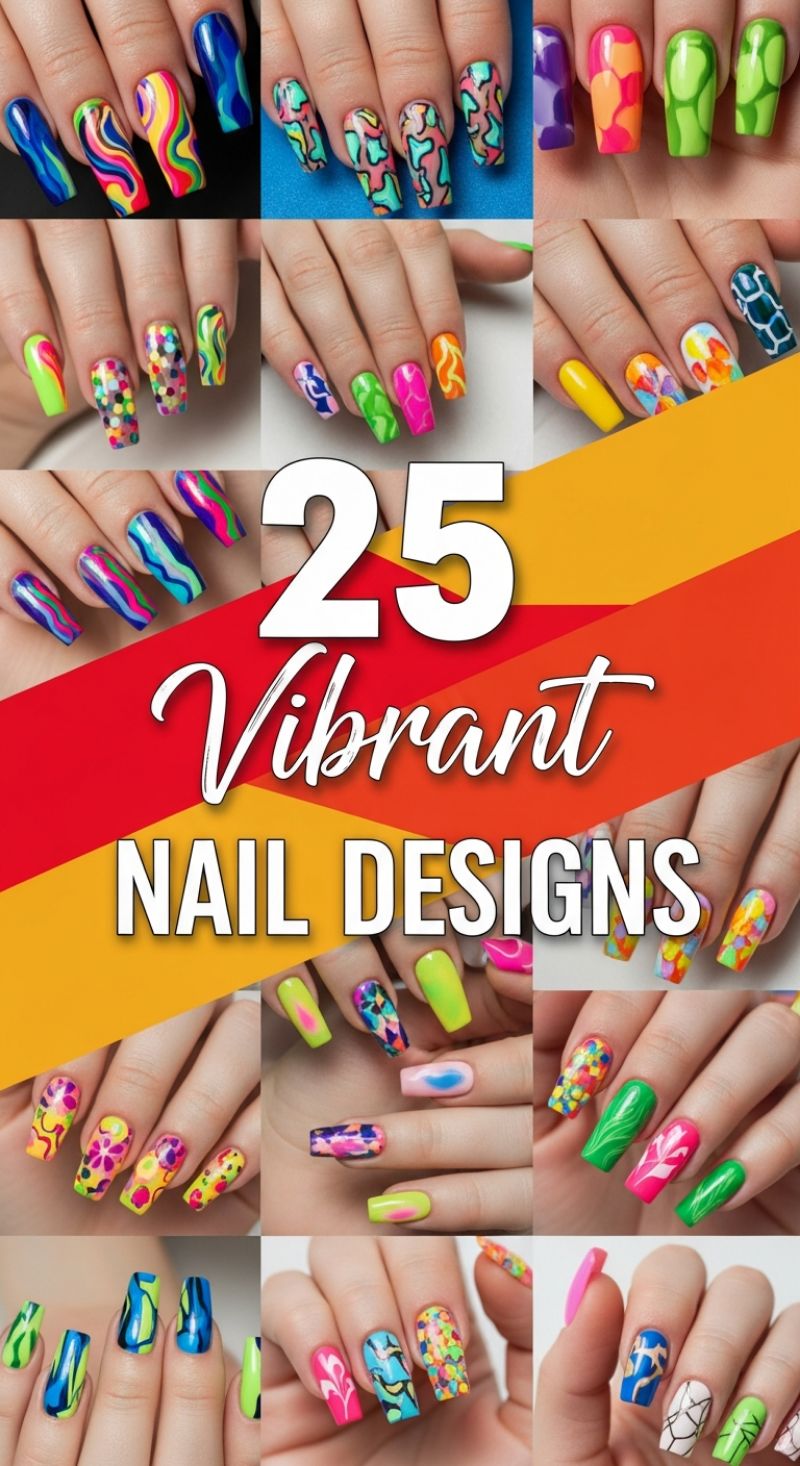
These designs represent the pinnacle of maximalist nail art, focusing on high-voltage, neon color palettes and complex, abstract patterns that draw heavily from psychedelic and Y2K aesthetics. The ‘Vibrant’ theme is achieved through the masterful use of highly pigmented gel polishes in contrasting pairings—think electric blue against sunny yellow, or lime green paired with hot pink. Key visual elements include the fluid ‘lava lamp’ or amoeba patterns, intricate multi-colored swirls, and playful confetti or splatter effects. Achieving this look requires precision and an understanding of gel consistency. For the flowing abstract designs, nail artists often employ the wet-on-wet technique, layering uncured colors on top of a tacky base coat and using a fine-point tool to gently drag the pigments into swirling, organic shapes before flash-curing to lock the movement into place. The final result is a dazzling, high-gloss finish that makes the colors look truly saturated.
Replicating the intricate psychedelic swirls often seen on the coffin-shaped nails requires controlled handling of viscosity. Start by applying two coats of your chosen vibrant base color, curing each fully. Next, apply a thin, smooth layer of clear builder gel or a non-wipe top coat, leaving this layer UNCURED. While the layer is wet, use a detail brush to paint thin, wavy lines or dots using 3-4 highly contrasting colors (e.g., orange, purple, and green). Immediately use the tip of a clean detail brush or a marbleizing tool to lightly pull the colors into each other, creating a blurred, mesmerizing, marbled effect. The speed of this process is critical; cure immediately once the desired pattern is achieved to prevent the colors from merging entirely. For the playful confetti or animal print variations, ensure patterns are layered over an opaque neon base, utilizing specialized stamping plates or meticulous freehand work to create crisp, defined edges between the disparate color blocks, maximizing the visual punch of the design.
These elaborate and intense designs are best suited for medium to long nail lengths, particularly squared or coffin shapes, as the larger canvas is essential to showcase the complexity of the patterns without overwhelming the nail plate. As a high-statement style, these vibrant nails serve as the centerpiece of any look, making them ideal for festivals, parties, or summer occasions where self-expression is prioritized. Due to the multiple layers of color and technique involved, longevity and proper sealing are paramount. Always use a robust, chip-resistant structure—like hard gel or acrylic—underneath the art to prevent breakage. Finish with a high-shine, UV-protective top coat to prevent neon colors from fading and maintain that crucial glossy appearance, ensuring your vibrant creation lasts four to six weeks.
15 Heartfelt RED & PINK SETS
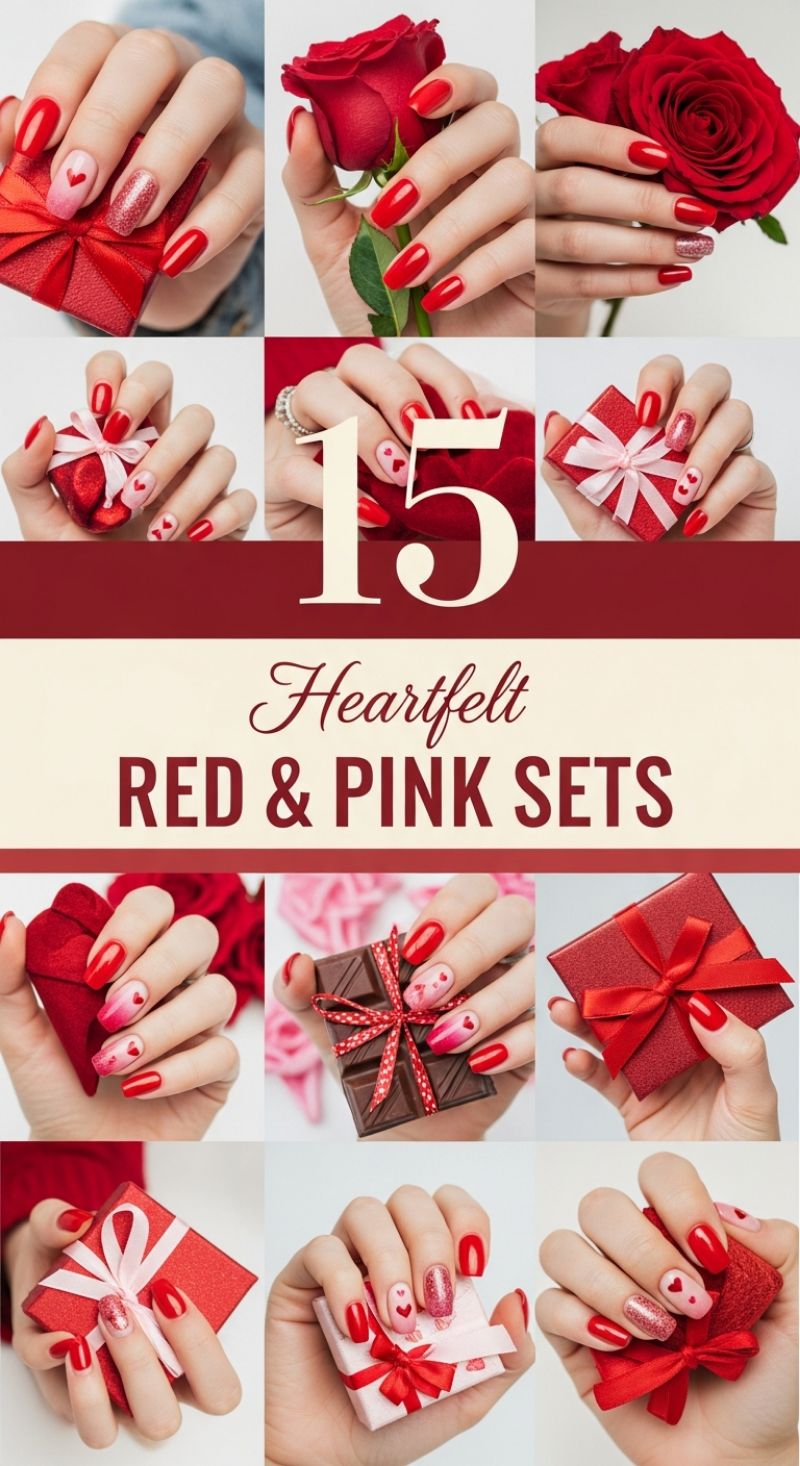
The juxtaposition of vibrant reds and soft pinks creates an undeniably romantic aesthetic, perfect for Valentine’s Day or any occasion demanding a dash of passionate color. To achieve these striking sets, begin by curating your color palette. Select a foundational shade of classic, high-pigment cherry red and pair it with a complementary pale blush or a bold fuchsia pink. Many of these designs utilize solid red on the majority of the fingers, reserving the accent nails for more intricate details. Master the gradient technique for a seamless transition shown on many nails; apply a base of pale pink, then sponge or brush a deep red polish onto the tip, blending quickly while the polish is still wet, or utilize gel polishes for more controlled blending time. Incorporating textural elements, such as glitter polish, is essential here—opt for a fine-grain shimmer on one nail to catch the light beautifully, providing visual contrast against the smooth crème finishes of the solid colors. Remember to always apply a high-quality base coat to protect the natural nail and ensure maximum color vibrancy before starting your design work.
Executing the signature heart motifs requires precision, but the tools are simple. For perfectly sized, symmetrical hearts, a nail dotting tool is your best friend. Start by placing two small, closely spaced dots of polish on the nail where you want the heart’s lobes to sit. While the polish is wet, quickly drag a fine-tipped striping brush or the pointy end of the dotting tool from the bottom center point up to connect the two dots, forming a clean ‘V’ shape beneath them. Alternatively, if freehand is challenging, consider using small heart-shaped vinyl stencils or pre-made nail decals. For the glitter accent nail, ensure you apply a sticky layer (like a clear gel polish or a specific glitter base) before gently patting loose holographic or chunky glitter onto the surface for maximum density and sparkle, or use a pre-mixed, heavily pigmented glitter polish for an easier application. The key to making these busy designs work is strategic placement: if you have a detailed heart design on one nail, balance it with a solid color on the adjacent nail.
To elevate these red and pink sets from amateur to expert, focus on the final finish and shape. These romantic designs typically look best on medium-length nails with a gentle oval or ‘squoval’ shape, as this classic silhouette softens the boldness of the colors. After all designs are complete and fully dried (or cured if using gel), apply two generous coats of a glass-like, non-yellowing top coat. This step is crucial not only for longevity and chip protection but also for deepening the saturation of the reds and making the glitters truly pop. Expert tip: when applying the top coat over glitter, ‘float’ the brush gently over the surface to avoid dragging the glitter texture. These ‘heartfelt’ sets are versatile, adapting easily to different settings from a romantic dinner to a playful weekend look simply by adjusting the ratio of red (for drama) to pink (for softness).
20 Easy Short Nail Art Ideas: Mastering the Classic French Manicure
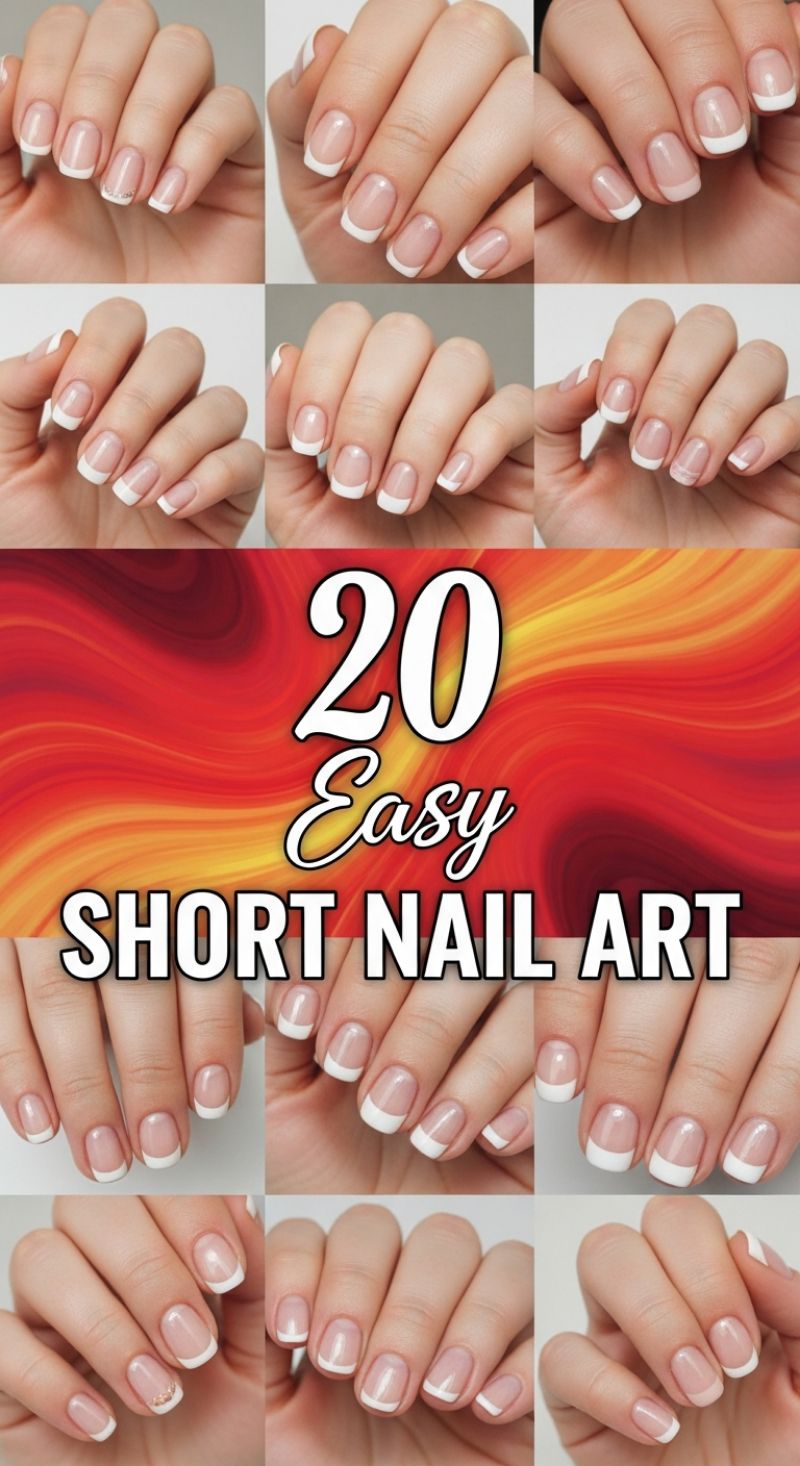
The French Manicure remains the undisputed queen of classic nail looks, offering timeless elegance and professional polish. Contrary to popular belief, this style thrives on short nails, providing a clean, manicured appearance that is incredibly functional and resilient to daily wear. Short nails naturally allow for a lower risk of breakage, making the traditional white tip surprisingly durable. To master the perfect French tip on a shorter canvas, start with proper preparation: file nails into a gentle square or soft oval shape. Apply a high-quality ridge-filling base coat, followed by a sheer, milky pink or nude polish to create a healthy-looking foundation. The key challenge lies in painting the crisp white tip (the “smile line”). For beginners, specialized French tip guides/stencils are invaluable. For those with a steady hand, a very fine, square-tipped brush loaded with opaque white polish is ideal. Keep the white line thin and consistent, ensuring it mirrors the natural curve of your nail bed. A thinner tip, often called a “micro French,” is particularly chic and visually elongates the fingers on shorter nails.
The collection showcased here highlights the versatility within this seemingly simple design. Notice the subtle but impactful differences in the smile line: some are deep and rounded, providing a slightly retro, defined look, while others are flatter, offering a more contemporary aesthetic. When adapting this style, consider integrating minimal embellishments, which can elevate the design without overcrowding the short space. For example, applying a single, minuscule rhinestone near the cuticle or along the edge of the smile line of an accent nail (often the ring finger) introduces sophisticated sparkle. Another visual element demonstrated is the subtle inclusion of thin metallic detail—a fine gold or silver line separating the sheer base from the white tip. Achieving these precise lines requires a detail brush (liner brush) and highly pigmented polish, ensuring the hand is rested on a stable surface during application for maximum precision.
Expert execution on short nails requires meticulous attention to both the nail structure and surrounding cuticles. Since there is less nail surface, any imperfection around the edges becomes more noticeable. Always push back and hydrate cuticles before polish application. To maximize the longevity of your French manicure, always “cap” the free edge of the nail with both the colored polish (the white tip) and the final top coat. This technique seals the manicure and prevents premature chipping, a crucial step for designs intended to last a week or more. While the classic clear-and-white pairing is universal, feel free to adapt the colors to seasonal trends—try a pastel lavender tip for spring or a deep burgundy for fall—while maintaining the elegant structure of the French Manicure for an instant, chic update.
12 Pastel Spring Nail Art: 3D Floral and Glitter Ombré
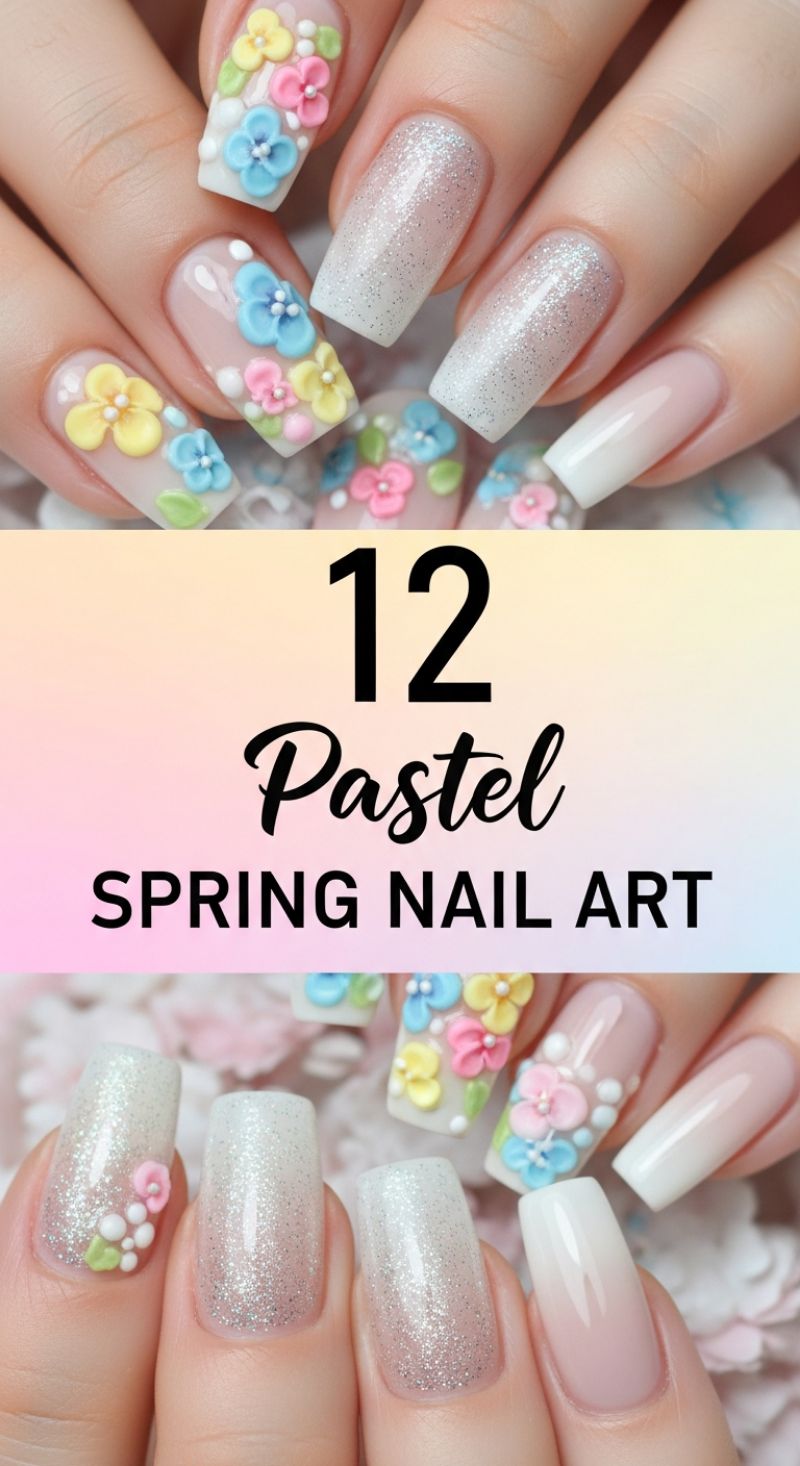
This breathtaking design flawlessly marries soft, airy pastels with striking dimension and high-impact shimmer, defining the ultimate spring manicure. To achieve this look, begin by ensuring a consistent base using a milky nude or sheer pink builder gel, which is essential for creating the sophisticated canvas needed for both the delicate ombré effect and the structural 3D elements. The preferred shape here is a medium to long length, whether a straight square or a tapered coffin, as the length is crucial for allowing the visual elements—specifically the gradient and the floral clusters—adequate space to shine. Expert tip for durability: File the side walls straight and ensure the apex is correctly built when using gel or acrylic to support the weight and height of the sculptural adornments. This sets a luxurious, salon-quality foundation perfect for Easter, wedding season, or everyday elegance.
The mixed-media approach requires two distinct techniques: the ombré shimmer and the 3D sculpting. For the sparkly accent nails, create a smooth gradient by applying a crisp white gel polish heavily to the free edge, blending it roughly halfway down the nail plate. Before curing, use a fine, loose silver holographic or iridescent glitter powder. Pick up the glitter with a fluffy eyeshadow brush or a dry sponge, concentrating the pigment at the white tip and lightly dusting it toward the cuticle area for a seamless, snowy fade. For the non-glitter gradient (the ‘Baby Boomer’ style), use a high-pigment milky pink near the cuticle and blend it carefully into a bright white tip using a blending brush or sponge, ensuring a soft, cloud-like transition without any harsh lines. Cure all gradients thoroughly and apply a thin layer of topcoat, skipping the accent nails where the 3D art will be placed to allow for better adhesion.
The hallmark of this design is the intricate 3D floral arrangement. These flowers are best sculpted using colored 3D sculpting gel or traditional colored acrylic powder for maximum height and permanence. Utilize soft pastel shades—sky blue, petal pink, and buttery yellow—to form simple four- or five-petal blooms, applying the medium with a specialized 3D brush or dotting tool. Cluster the flowers diagonally or along the tip of the nail, mixing in small mint green leaves for contrast. Once the flowers are cured or set, anchor a tiny pearl microbead or silver rhinestone in the center of each bloom for added depth and sparkle. Finish the overall design by placing random white gel dots around the flower clusters to mimic morning dew or playful polka dots. Seal the entire manicure with a final layer of high-shine topcoat, taking care to brush *around* the 3D flowers rather than over them completely, which would diminish their sculptural effect.
10 Gorgeous Pink Nails
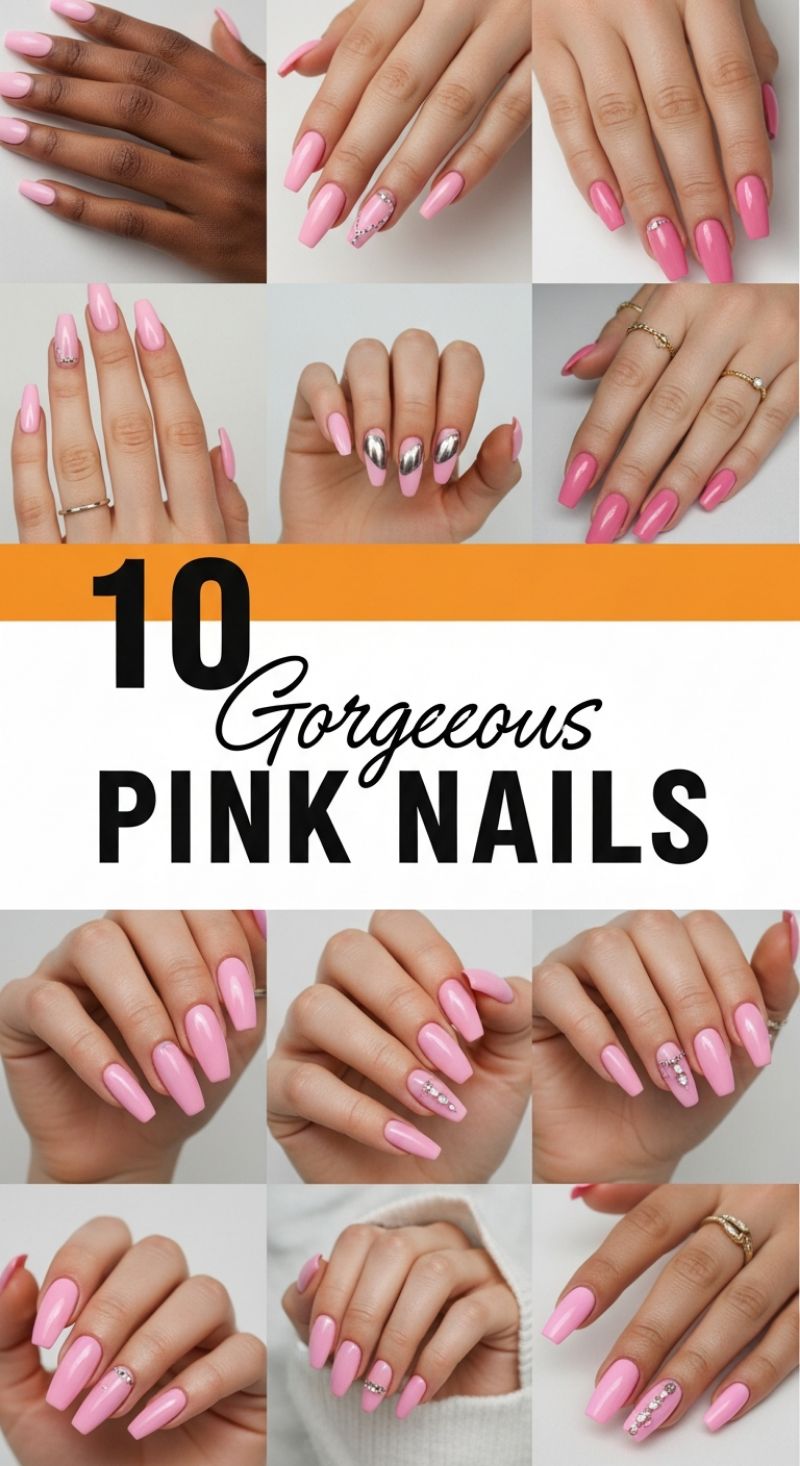
Pink nails are the epitome of chic versatility, offering a flawless look that ranges from soft sophistication to vibrant glamour. The designs showcased here rely heavily on the long, structured coffin or ballerina shape, which inherently provides an elegant canvas for any embellishment. To recreate these looks, begin with meticulous nail prep, ensuring a smooth surface and perfectly pushed-back cuticles. Select a high-quality gel or acrylic extension to achieve the desired length and shape. The pink hues vary greatly across the collection—from pale blush (ideal for cooler undertones and daily wear) to a bright bubblegum or vivid magenta (perfect for making a bolder statement). The key to a salon-quality finish is the application of two thin, even coats of opaque color, followed by a thick, ultra-glossy top coat, which locks in the color and enhances the elongation effect of the nail shape. Expert tip: When using brighter pinks, ensure the tips and sidewalls are fully saturated to prevent a ‘see-through’ look under bright lighting.
The transformative element in many of these designs is the strategic placement of rhinestones and metallic accents. For the dazzling looks, opt for high-quality flat-back Swarovski crystals in various sizes. The application requires precision: use a small dot of builder gel or specialized rhinestone glue on the cured color coat. The popular vertical line of crystals, seen on several accent nails, is highly effective in further elongating the finger—start with a larger stone near the base and taper down to smaller stones toward the tip. Alternatively, the eye-catching chrome accent nail introduces a modern, edgy element. To achieve the mirror finish, apply a non-wipe top coat over a fully cured pink base, cure briefly (but not fully), and then meticulously rub a silver chrome powder onto the nail surface using an eyeshadow applicator, finishing with another layer of non-wipe top coat to seal the effect. Keep embellishments restricted to one or two accent nails to maintain a refined balance.
These gorgeous pink designs are adaptable for every occasion. The solid-color manicures (especially the lighter shades) are perfect for professional environments or as an everyday staple, offering a clean, polished appearance. The heavily embellished or chrome-accented designs are ideal for parties, date nights, or events where you want your hands to sparkle. To maintain the longevity and brilliance of these complex designs, always cap the free edge when applying both the color and top coat. For maintenance, regularly apply cuticle oil to keep the skin around the nail healthy and prevent lifting, and gently wipe the nail surface with a lint-free cloth and rubbing alcohol every few days to remove residue and restore maximum shine to the high-gloss finish. Proper care ensures these stunning pink nails remain flawless for up to three weeks.
30 Ultimate Nail Guide: Seasonal Design Mastery
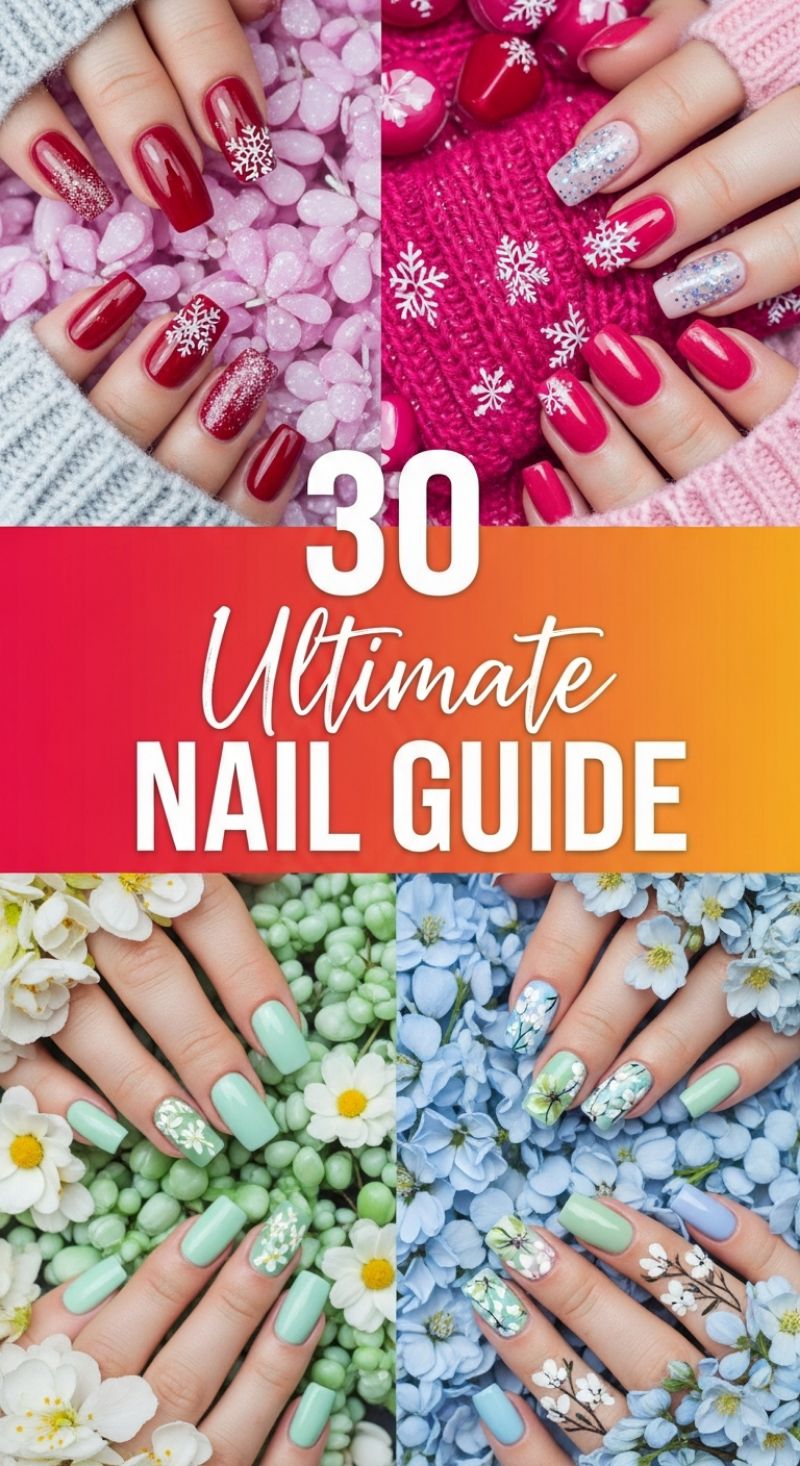
This comprehensive guide segment showcases how to effortlessly transition your nail wardrobe across the seasons, blending festive winter glam with delicate spring freshness. The key to mastering these looks lies in strategic color pairing and precise motif application. Observe the top half of the image, which epitomizes winter elegance through a rich palette of deep crimson, vibrant magenta, and cool, shimmering accents. The primary shape utilized here is a classic squoval, providing a modern yet durable canvas. For expert results, always apply two thin coats of your base color to achieve maximum saturation before detailing. The bottom section, in contrast, introduces the soft, invigorating tones of spring and summer—mint green, baby blue, and crisp white—demanding clean lines and a focus on nature-inspired artistry. Successfully executing this seasonal duality requires the right tools: fine-tipped brushes (00 or a striping brush) for detail work, high-quality stamping plates or decals for intricate designs like snowflakes and florals, and a high-gloss top coat to seal and protect the complex artwork.
To recreate the captivating Winter Snowflake design, begin with a heavily pigmented base—the vibrant red and magenta seen here. The accent nail is crucial: for the glitter effect, apply a full coverage silver or iridescent polish, or alternatively, use a fine glitter dust applied onto a tacky top coat before curing. The iconic white snowflake motif requires precision; professional nail artists often use stamping techniques for uniformity, but high-quality vinyl decals are an accessible alternative for the home enthusiast. Position the snowflake deliberately on the ring or middle finger to draw the eye, ensuring the decal contrasts sharply against the rich background color. For a deeper texture, consider using a matte top coat on the primary fingers while leaving the accent nail glossy or vice-versa, adding a sophisticated textural dimension that mimics snowy landscapes.
The Spring Floral segment demonstrates the beauty of soft pastels and delicate hand-painted artistry. The mint green base provides a rejuvenating foundation, perfectly complemented by the pale blue and white accents. To achieve the dainty floral patterns, start with a light layer of white or off-white polish where the design will sit (this provides a base for the flowers to pop). Use a very fine dotting tool or detail brush to create five small petals for daisies, building up the image gradually. The more complex green foliage requires layering—starting with a lighter shade and adding darker strokes for depth and shadow, giving the design a subtle three-dimensional effect. A top tip for maintaining the brilliance of these soft hues is preparation: ensuring the nail surface is perfectly buffed and oil-free prevents streaks and improves polish adhesion, allowing these beautiful, airy designs to last longer throughout the warmer months.
10 Simple Minimalist Nails
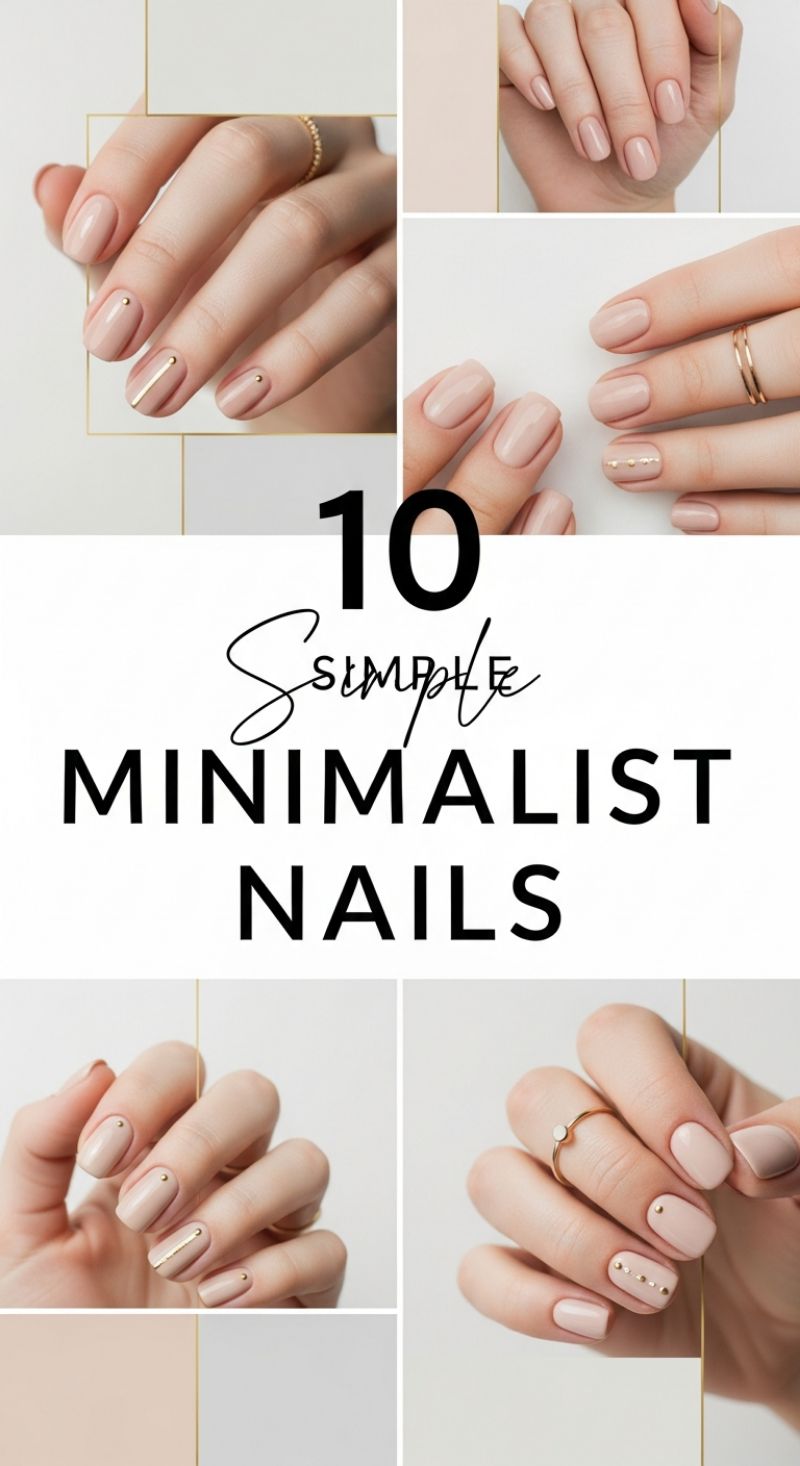
Minimalist nail art is the epitome of quiet luxury, offering sophistication without needing elaborate detail. This style relies on perfectly manicured, short to medium-length nails coated in soft, diffused neutrals—think dusty rose, creamy beige, or sheer blush. The foundation is critical: achieving a flawless, streak-free nude base that complements your specific skin tone is the first step toward achieving this high-end look. These designs are ideal for professional settings, formal events, or anyone seeking an effortlessly chic finish that seamlessly matches any outfit. Minimalist nails prove that less is truly more, providing a polished aesthetic that requires surprisingly little maintenance after the initial application.
The beauty of these designs lies in the precise, strategic placement of metallic accents, typically in gold. To recreate this look, start with two coats of your chosen nude polish, allowing them ample time to dry completely. For the embellishments, you will need either a fine dotting tool and metallic polish, thin gold striping tape, or small pre-cut metallic studs (known as caviar beads or micro-pearls). If opting for a single vertical line, as frequently shown on the ring or middle finger, use a specialty striping brush dipped in gold nail paint, ensuring the line is perfectly centered and crisp. If using metallic studs, apply a thin layer of clear polish or nail glue to the desired spot (often near the cuticle line) and carefully place the accent using tweezers or a wax pencil. For the popular accent finger featuring a row of three to five dots, ensure perfect symmetry and even spacing, aiming to position them either horizontally across the center of the nail bed or hugging the base.
Precision is non-negotiable for successful minimalist nails; even a slight misalignment can compromise the clean aesthetic. Expert Tip: If using delicate gold foil or striping tape, ensure your top coat is of high quality and applied generously over the entire nail to fully encapsulate the accent, preventing the common issue of lifting or snagging. For enhanced longevity, especially if you lead an active lifestyle, consider using a high-shine gel top coat, as the subtle designs hold up better on a durable, sealed surface. To elevate the final look, pair the manicure with complementary jewelry—dainty gold rings enhance the metallic detail on the nails, creating a cohesive, understatedly elegant ensemble that captures the essence of modern minimalism.
12 Simple Funky Nails
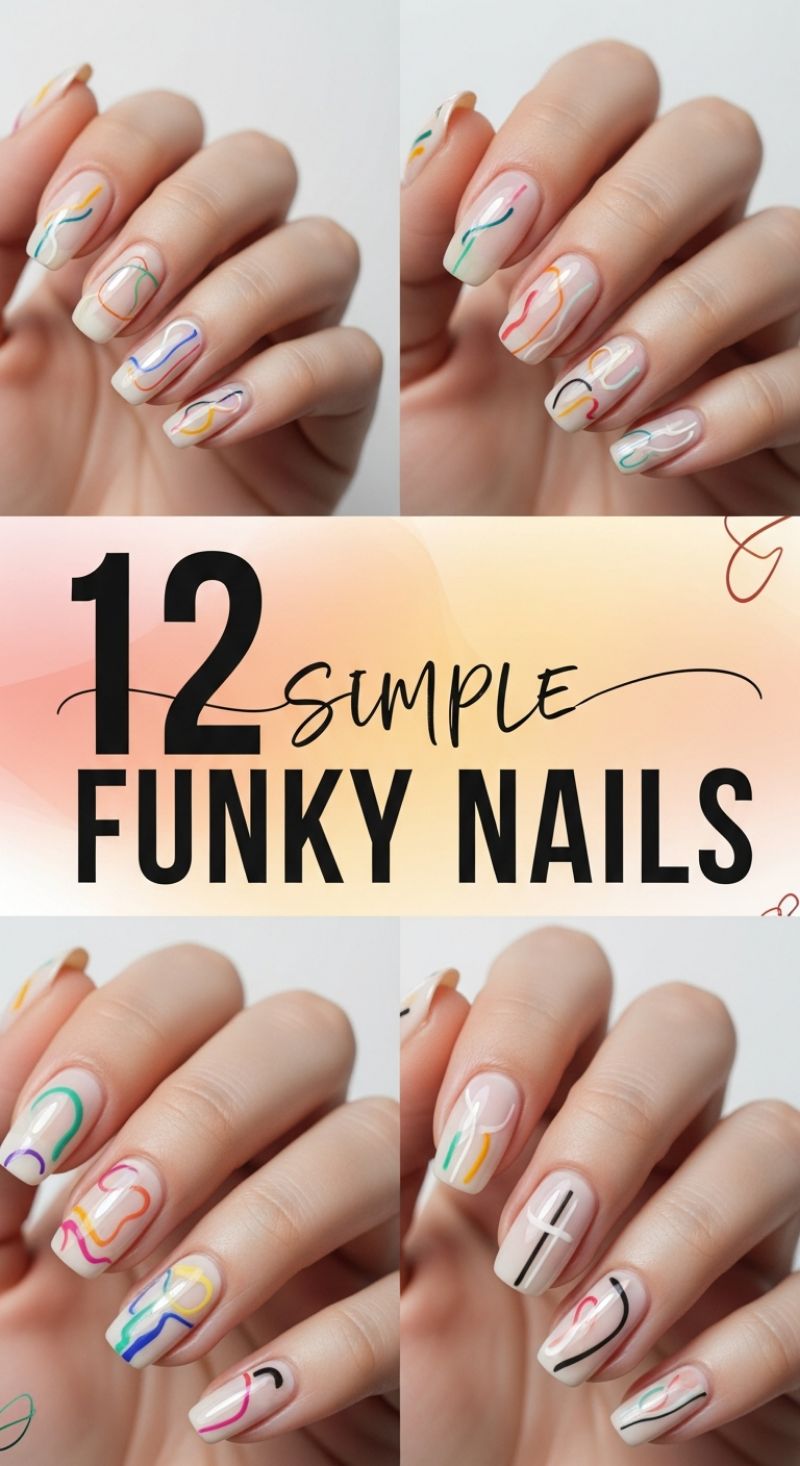
Abstract line art, often dubbed “simple funky nails,” offers a perfect blend of minimalism and vibrant expression. This design utilizes a sheer, natural base—think milky white, soft pink, or nude jelly polish—to allow the complex colorful lines to truly pop without overwhelming the look. The beauty lies in the contrast between the understated canvas and the bold, free-flowing strokes. To recreate this popular trend, you will need a set of highly pigmented gel polishes in various shades (primary colors and secondary brights work best), and, crucially, an ultra-fine, long-bristled striping brush (often called a detail or liner brush). Ensure your base color is fully cured and wiped clean before beginning the artwork, as even slight tackiness can disrupt the smooth flow of your line application.
The key technique here is executing a continuous line with consistent thickness across the nail plate. Dip your liner brush sparingly into your chosen color, ensuring the polish is evenly distributed but not dripping. Start by envisioning a single, unbroken curve that traverses the nail. Unlike geometric designs, these lines should be organic, wavy, and spontaneous. Begin tracing the first color, allowing it to meander and loop, often ending before the tip or curving back toward the cuticle. Cure this layer partially. Repeat the process with a different contrasting color, making sure the new line crosses over or runs parallel to the first, creating visual depth and complexity. Some lines in the examples utilize white or black, which serve as excellent grounding elements, defining the colorful curves and adding a sophisticated, graphic edge. The “funky” element comes from mixing and matching the colors and allowing the placement to be unique on every finger, turning each nail into a small, distinct abstract painting.
For an expert finish, focus on polish consistency and symmetry across the hands, even if the designs are individually abstract. While the lines themselves are random, try to maintain a balanced distribution of color and density across the entire set. If you’re using five different colors, ensure all five appear at least once on each hand. Pro tip: If your lines are shaking or inconsistent, stabilize your drawing hand by resting your pinky finger on the table or against your opposite hand. After all your lines are perfectly placed and cured, seal the design with a high-shine, non-wipe top coat. This style works exceptionally well on medium-length almond or soft square shapes, as the length provides ample space for the colorful lines to flow and intertwine, making it an ideal choice for a playful summer statement or adding a creative pop to any casual look.
10 Trendy Short Nails: Geometric Pastel Designs
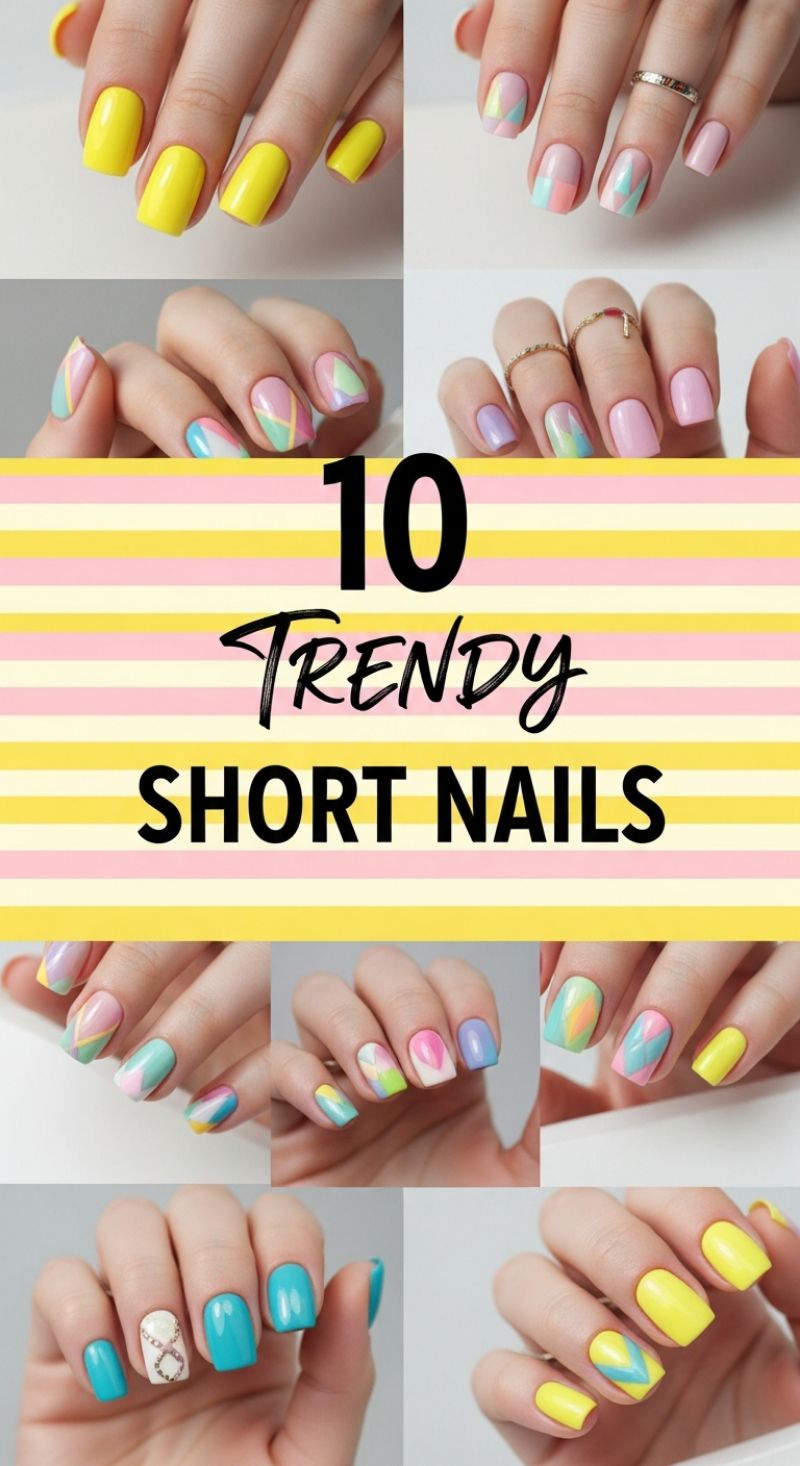
The rise of practical, short nails doesn’t mean sacrificing creativity. This collection focuses on maximizing impact on a minimal canvas using cheerful, geometric patterns perfect for spring and summer. The key shape here is the soft square or ‘squoval,’ which offers durability while providing a clean edge for crisp lines, minimizing the chances of chipping often associated with sharp corners. These designs utilize a neutral base (sheer nude or pale pink) to make the blocks of vibrant color—like lemon yellow, mint green, and coral pink—pop, creating a sophisticated yet playful contrast. The short length keeps these intricate designs feeling refined rather than overwhelming, proving that achieving major nail art doesn’t require excessive length.
To replicate the stunning color-blocked geometry shown, precision in application is paramount. Start by applying your base color and allowing it to dry completely before beginning the artwork. For perfect triangles, diagonals, or chevrons, professional striping tape or a very fine, thin nail art brush is essential. Apply the tape to segment the nail into the desired geometric shapes (such as diagonal halves, V-shapes, or multi-colored quadrants). Apply the contrasting pastel shades within the taped sections. Expert advice dictates that you must remove the tape immediately while the polish is still wet to ensure a clean break and prevent the lines from becoming jagged or the polish from setting onto the tape. When layering colors on top of the base, ensure the polishes are highly opaque to guarantee clean, crisp coverage, especially when working with pale pastels that can sometimes appear sheer.
While many nails feature complex patterns, the overall aesthetic is balanced by incorporating solid color accent nails, such as the vibrant teal or bright yellow shown in the examples. This strategic use of solid color prevents the manicure from looking overly busy or cluttered. You can also incorporate a single, specialized element, such as a delicate chain decal or an infinity symbol graphic on a neutral nail, for an extra touch of unique personalization. Once all layers of polish are completely dry and cured, seal the entire design with a high-shine, chip-resistant topcoat. For maximum longevity, be sure to ‘cap the edge’—running the topcoat along the very tip of the nail—to lock the layers in and significantly increase the wear time of your eye-catching, trendy geometric manicure. This bright, playful aesthetic is ideal for festivals, tropical vacations, or simply adding a cheerful lift to everyday wear.
18 Adorable Cute Nails: Mastering Pastel and 3D Kawaii Art
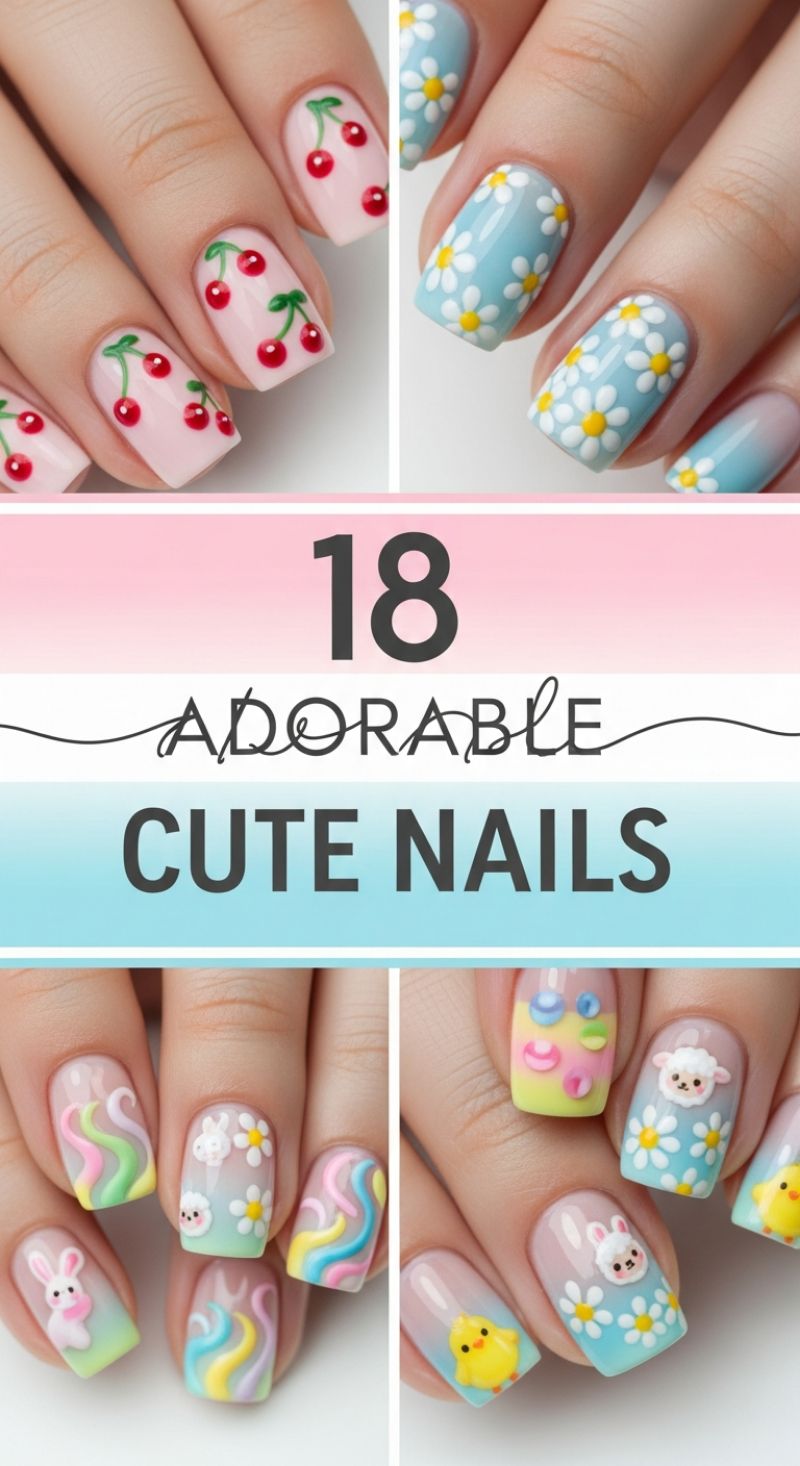
Cute nail art relies heavily on soft, inviting color schemes, primarily utilizing pastels (pinks, blues, yellows, mints) paired with stark accent colors (like cherry red or crisp white). To recreate the classic yet whimsical looks like the cherry or daisy patterns, preparation is key. Start with a sheer, milky base coat, which offers a clean canvas while minimizing imperfections. For the cherry design, use a precise dotting tool for perfectly round red berries; apply two dots close together, then use a very fine detail brush dipped in deep green polish to add the stems, converging them into a small V-shape near the cuticle line. The daisy motif is achieved by dipping a medium-sized dotting tool into white polish to form five petals around a central point, then using a smaller yellow dotting tool for the center. Ensure the base color (like the vibrant sky blue shown) is fully opaque before starting the floral details, ensuring the design pops against the background.
For truly “adorable” nails, incorporating dimensional elements elevates the design, transitioning it into the popular Kawaii or Easter-themed style, as seen with the 3D bunnies, chicks, lambs, and abstract swirls. These complex designs require specialized materials, typically sculpting gel, builder gel, or acrylic paste, which hold their shape when applied thickly. To create the dimensional animals, first sketch the outline (like a rabbit or lamb) with a liner brush on the cured nail. Then, use a ball tool or clean brush dipped in the thick sculpting material to build up the body, forming rounded, puffed shapes. Cure each layer quickly using a high-powered UV lamp to maintain the crisp edges and prevent slumping. The pastel swirl nails often use a thick, highly pigmented liner gel, applied in wavy, overlapping lines (pink, yellow, blue) over a soft ombré or clear jelly base, giving a highly desirable molten, candy-like effect. This technique requires patience and multiple thin layers of gel to achieve the desired 3D thickness without running.
When dealing with such intricate art, especially 3D elements, proper sealing is crucial for longevity and comfort. Apply a thin coat of topcoat around the base of the 3D elements to anchor them to the nail, but avoid coating the top surfaces of the sculptural gel animals unless they require extra sheen, as a completely encapsulated finish can dull the intentional texture. For the flat designs (cherries, daisies), a high-shine UV topcoat will enhance the freshness and brightness of the colors and protect the detailing. A professional tip for balancing these looks is to use accent nails wisely: if four nails feature bold 3D animals, balance the fifth nail with a simple pastel gradient or abstract swirl to prevent the overall look from appearing too cluttered. This collection of adorable designs is perfect for spring and summer occasions, evoking playful energy and youthful charm.
15 Gorgeous Nail Designs: Mastering Red and White Valentine’s Themes
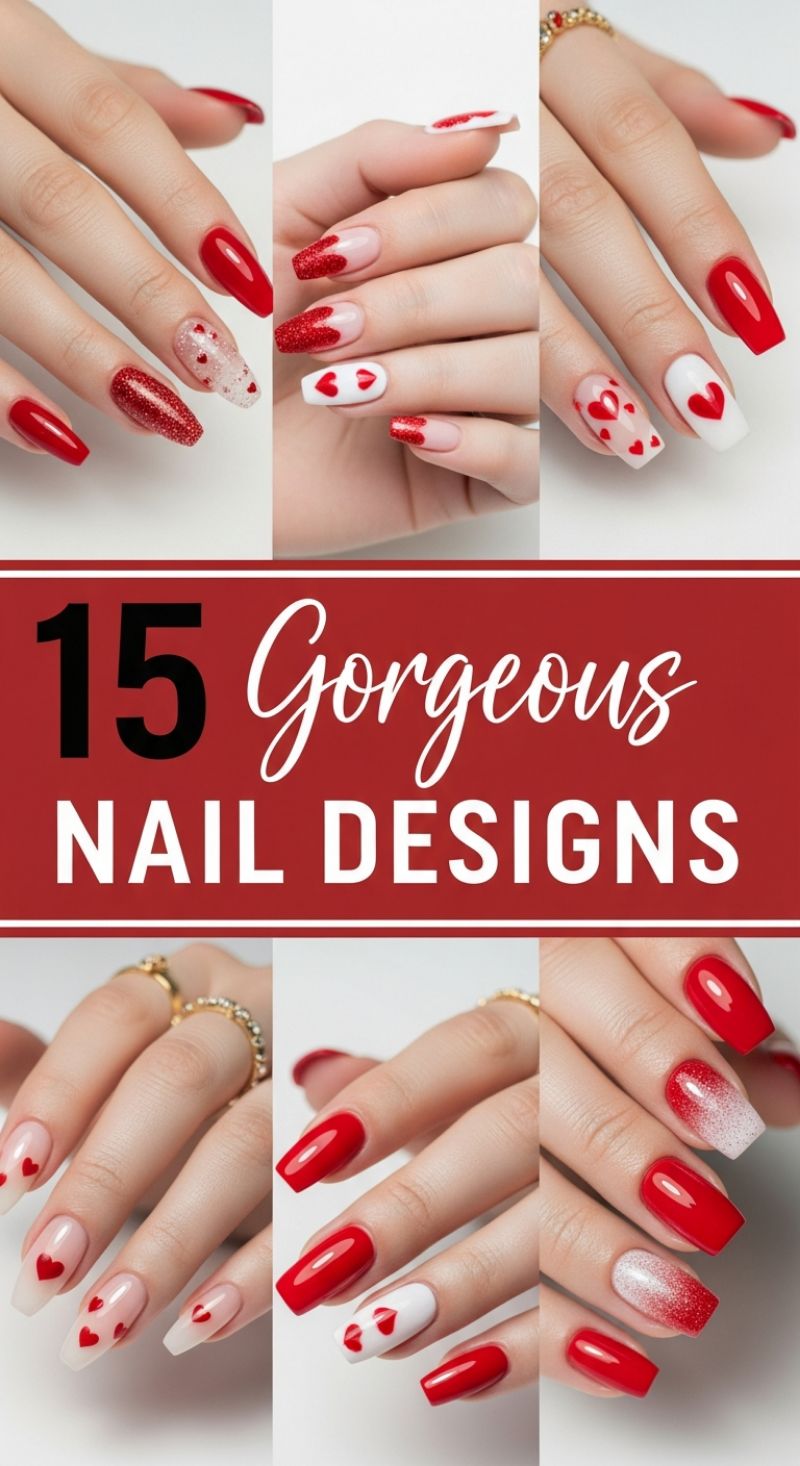
The vibrant energy of this collection stems from the powerful contrast of highly pigmented red and crisp opaque white, centered around the universally romantic motif of the heart. To recreate these dazzling looks, start with meticulous nail preparation, shaping the nail into a medium to long coffin or tapered square structure, which provides the ideal canvas for detailed art and French tip styles. Achieving a flawless base is critical; apply a high-quality rubber base coat followed by two thin, fully cured coats of your chosen base color—either a rich, true cherry red or a classic nude shade for the popular negative space designs. The brilliance of this aesthetic lies in mixing textures; notice the interplay between ultra-glossy solid red nails and those featuring dense, iridescent glitter. Expert advice dictates balancing the design; if you choose a heavily decorated accent nail (like the full glitter application or the crowded heart pattern), keep the adjacent nails solid and clean to prevent the overall look from appearing too busy.
Several designs showcased here rely on precise application of glitter and clever blending techniques. To replicate the stunning red glitter French tip, begin by painting the base with a clear or nude polish. Use a dense, highly pigmented red glitter gel polish and a fine, angled cleanup brush dipped in acetone or cleanser to perfect the sharp, deep ‘V’ shape of the smile line. For the gradient or ombre glitter effects—particularly the white tip fading into red—this is best accomplished using a cosmetic sponge. Apply the white glitter polish directly to the sponge tip, gently dabbing the product onto the nail tip, building opacity before lightly moving the sponge toward the center of the nail for a soft, diffused fade. Crucially, all textured elements, especially glitter, must be securely encapsulated. Apply a builder gel or a slightly thicker top coat over the entire nail surface, ensuring the edges are sealed, followed by a final high-shine topcoat to lock in the multidimensional sparkle and maintain a smooth finish.
Mastering the various heart motifs is essential for nailing this look. For crisp, symmetrical hearts, utilizing a small dotting tool or the tip of a toothpick can be more effective than a traditional brush. For simple, small hearts, place two adjacent dots and immediately drag a fine liner brush downwards from the center point to create the V-shape, then cure immediately. For the negative space designs, where hearts are outlined or placed sparsely on a nude base, consistency is key; using vinyl stencils or a fine, flexible detail brush allows for clean edges. Alternatively, consider using pre-made heart-shaped decals or foils for perfect symmetry, which are then applied to the tacky layer of the cured base coat and sealed in. The designs featuring one large, centralized heart on a solid white nail require patience; ensure the white polish is completely cured before carefully painting the red heart using a fine brush to achieve maximum color payoff and avoid bleeding into the base color. Finish every design with a UV-protective top coat to ensure the reds remain brilliant and do not fade or yellow.
20 FRESH LOOKS
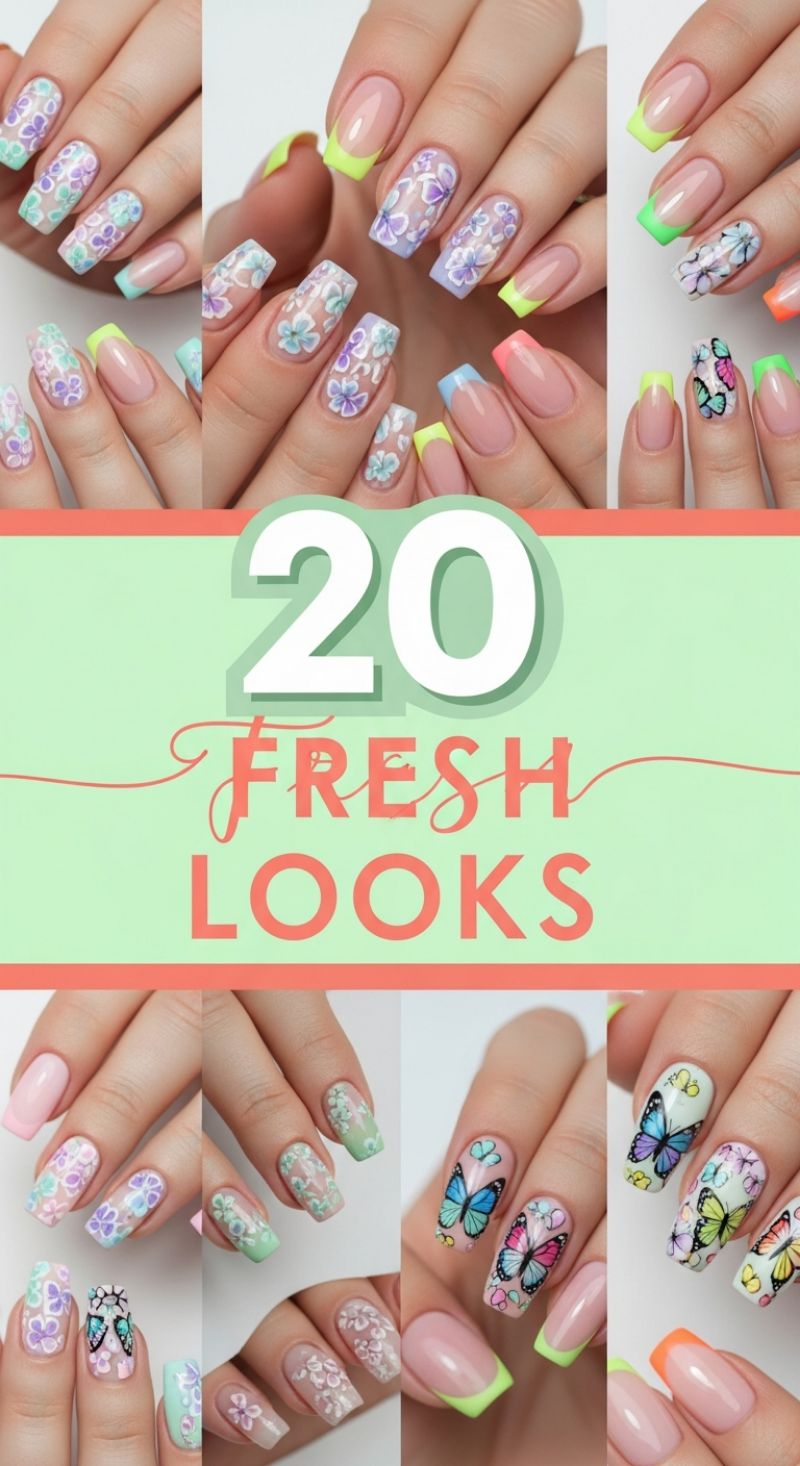
Capture the essence of spring and summer with these 20 incredibly fresh nail designs, marrying delicate artistry with bold, modern trends. Many of the featured looks utilize a sheer, milky pink base coat, instantly elongating the nail bed and providing a perfect, airy canvas for detailed artwork. The core of this collection focuses on intricate, delicate floral patterns achieved using soft pastel shades—think lavender, mint green, and baby blue—often defined by crisp white outlines to give them a dimensional, almost translucent appearance. To recreate this popular watercolor floral effect at home, you can employ a fine detail brush and the ‘bloom gel’ technique, allowing small dots of color to expand naturally, or use specialized stamping plates for consistent, complex flower clusters that look high-end and detailed. Focus on staggering the floral sizes and coverage to achieve the light, scattered look seen here.
To inject a high-energy contrast, several designs brilliantly incorporate the “French Remix” trend, swapping out traditional white tips for vibrant neon colors like electric lime green, fiery orange, or bright sky blue. Achieving a clean, sharp line is crucial for this style; utilize French tip stencil guides for flawless consistency, or stabilize your hand to master the fine-tip brush technique. The sophistication of these looks lies in their ability to mix patterns and color blocking seamlessly. For instance, pair five nails featuring a soft floral overlay with five nails sporting a neon French tip, or reserve the bold French color for an accent finger. This combination keeps the overall design playful yet polished, demonstrating how simple linear color application can modernize even the most classic manicure shapes.
For those seeking a truly transformative statement, the vibrant butterfly motifs seen in this collection offer unparalleled complexity and depth. These designs demand precision, as the wings feature intricate shading and multiple vibrant colors (e.g., deep sapphire blue blending into magenta). While professional artists often freehand these masterpieces, hobbyists can achieve salon-quality results using detailed nail art decals or specialized stamping plates designed for complex, multi-layered images. Expert tip: Ensure the longevity of these high-detail looks by properly sealing the design. After the artwork is complete, always apply a high-quality, non-yellowing top coat, making sure to ‘cap’ the free edge of the nail. This protective layer prevents premature chipping and maintains the high-shine, flawless finish that makes these 20 fresh looks a perfect choice for warmer seasons.
6 Quick & Minimalist Manicure Designs
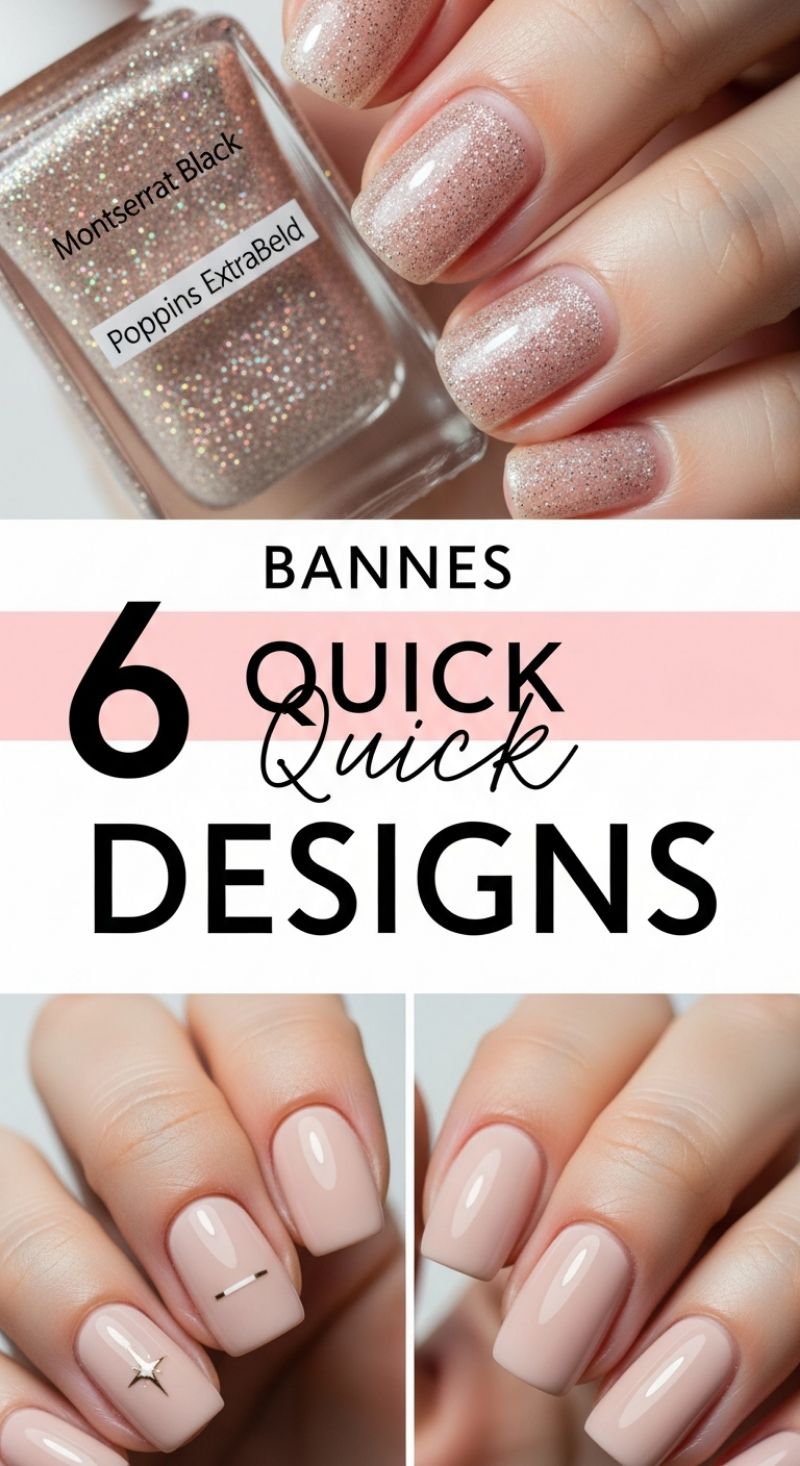
Achieving a salon-quality manicure doesn’t require complex freehand artwork. These six featured designs, centered around high-impact minimalist elements and flawless base colors, are perfect for the time-conscious nail enthusiast. The featured sparkling look uses a sheer, champagne-hued base packed with ultrafine holographic glitter. This style is deceptively simple but delivers maximum sophistication, catching the light beautifully from every angle. To recreate this look, choose a high-density, sheer glitter polish and apply two thin, even coats over a clear base. The key to ensuring the glitter remains smooth and non-gritty is using a specific “glitter smoothing” or extra-thick top coat, which effectively fills the texture gaps, followed by a standard high-shine top coat for ultimate brilliance. This neutral sparkle serves beautifully as a full manicure or as an accent layer over a plain nude base.
The core concept of the other looks involves leveraging the power of a perfect nude polish paired with precise, miniature hardware. A high-shine, creamy pale pink or beige acts as the perfect canvas, creating an elongating and clean aesthetic. The magic happens with the placement of simple gold accents. As demonstrated, a tiny four-point star, placed slightly off-center near the cuticle of the ring finger, adds unexpected interest without overwhelming the design. Similarly, the middle finger features a sleek horizontal bar—a piece of custom nail striping hardware—which provides a modern, geometric contrast. When applying these tiny details, use a specialized strong nail glue or a small dot of thick gel top coat to secure them. Using fine-tipped tweezers and an orange wood stick helps ensure precise, perfectly centered placement.
To elevate these quick designs to truly expert status, focus intently on flawless cuticle and nail preparation. Finding your ideal nude polish shade is also crucial; it should perfectly complement your skin tone, either matching your pink or yellow undertones to avoid a stark or sickly contrast. For optimal longevity of the accent pieces, after securing the hardware, gently seal the perimeter of the element with a thin layer of top coat using a fine detail brush before applying the final overall top coat across the entire nail surface. These quick designs are incredibly versatile. The simple nude base makes them suitable for formal office settings, while the subtle sparkle and metallic jewelry accents provide enough polish for evening wear or special occasions, proving that sometimes, the quickest designs are also the chicest.
11 Romantic VDay Trends
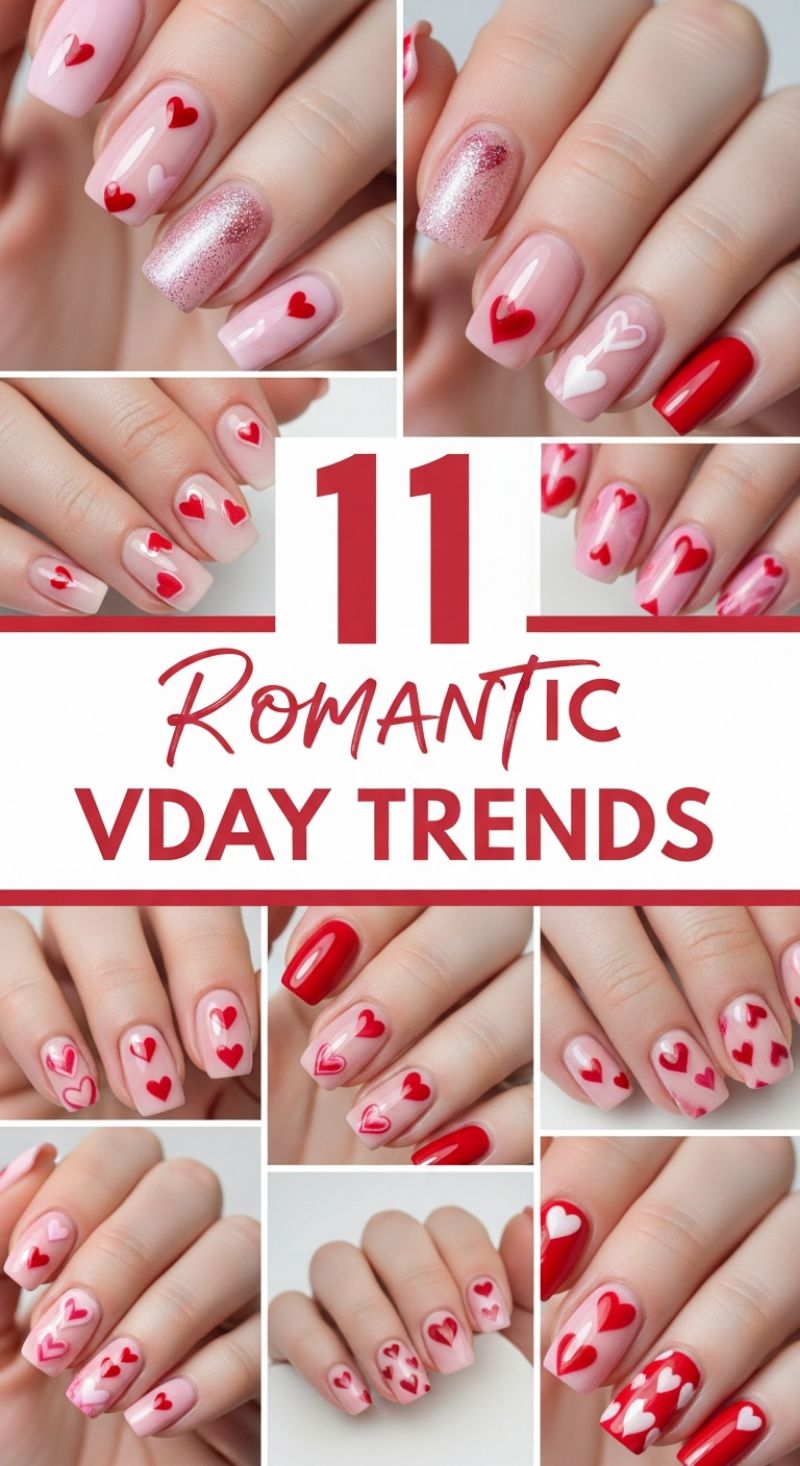
The quintessential Valentine’s Day manicure relies on a delicate balance of sweet femininity and bold romance. To achieve these prevalent VDay trends, begin with a sheer, milky pink or soft nude base coat. This translucent canvas provides the necessary contrast to make the primary design element—the heart—pop without overwhelming the nail. The majority of these looks utilize classic reds, pure whites, and varying shades of pink, often incorporated into a scattered heart pattern. For precision, use a fine-tip nail art brush or a small-to-medium dotting tool. To create a perfect solid heart, place two small dots side-by-side, then drag the polish down from the center point of the dots to form a precise V-shape point. Expert tip for layered designs: ensure the underlying polish is completely dry before applying an outline heart (typically white) or a contrasting shade of pink or red on top; this prevents color bleeding and maintains crisp definition.
Incorporating strategic variations is key to executing a high-impact, romantic manicure. Accent nails are crucial here. Consider dedicating one nail per hand to a solid, glossy, true-red polish to anchor the design palette, or use a shimmering rose gold or pink glitter polish for a dazzling statement nail. For advanced detailing, try mixing solid hearts with outlined hearts, varying the size and angle across the nail plate to create visual interest—some designs even incorporate the detailed ‘Cupid’s Arrow’ motif, which requires a steady hand and white polish on a light background. Another popular technique is the ‘floating’ heart look, where the design is intentionally placed off-center or near the cuticle, maximizing the negative space effect and giving a modern, airy feel to the classic symbol. Remember that placement is just as important as the execution of the shape itself; a well-placed scattering looks intentional, whereas overcrowding can make the design appear muddy.
To ensure professional longevity and maintain that undeniable romantic sheen, the right sealing technique is mandatory. After all heart motifs are cured or completely dry, apply a generous, non-smearing topcoat. If you used glitter on any accent nails, a dual-layer topcoat application might be necessary to fully encapsulate the texture and ensure a smooth, durable finish. While these designs are flattering on various nail shapes, the featured trends often showcase squoval or short square shapes, which provide an ideal, unassuming frame for the delicate artwork. These 11 VDay trends offer a versatile blueprint, allowing you to choose between subtle, micro-heart minimalism and full-blown romantic maximalism, all unified by the timeless theme of love.
16 Stunning Prom Nails: High-Glamour Looks Featuring Jewel Tones and Gold Foil
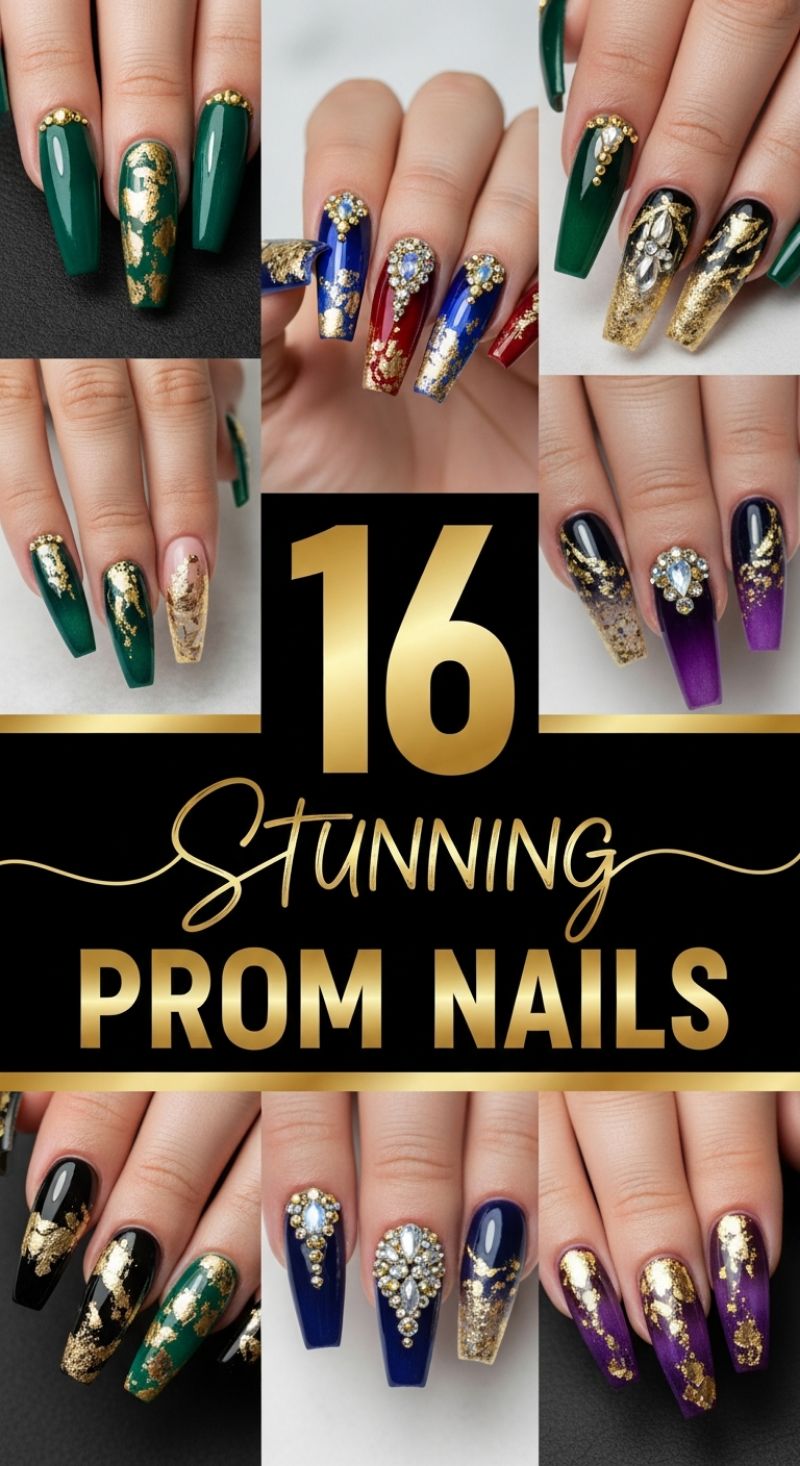
Recreating this high-octane, glamorous prom look relies on mastering depth, contrast, and meticulous application of metallics and heavy ornamentation. Start by choosing a sophisticated shape—long coffin or ballerina nails are ideal for maximizing the visual real estate needed for these detailed designs. The foundation must be a high-pigment gel polish in rich jewel tones: think deep sapphire blue, opulent emerald green, royal purple, or classic crimson red. For contrast, incorporate solid black or a nude base on strategic accent nails. To achieve the deep color saturation seen in these examples, apply two to three thin, even coats of your base color, curing thoroughly after each layer. Expert tip: Ensure your edges are perfectly sealed before moving to the foiling stage; chipping on the base layer will compromise the dramatic impact of the expensive embellishments.
The defining feature of these stunning prom designs is the liberal use of genuine gold foil or large metallic flakies, which adds texture and an ancient, regal feeling. To apply the foil, start by painting a thin layer of specialized foil transfer glue or a non-wipe tacky gel top coat onto the desired area (either full coverage, partial placement for an ombre effect, or scattered randomly across the nail). Allow the glue to cure or dry until it is perfectly clear and tacky. Gently press the gold foil transfer side down onto the sticky layer, rubbing firmly, and then peel quickly to reveal the transferred pattern. If using flakies, use a silicone tool or a dry brush to gently press them into the tacky layer before encapsulating them. To preserve the brilliance of the foil, apply a clear builder gel over the foiled area before applying your final top coat; this prevents the foil from wearing away prematurely during the night.
To elevate the look to prom-worthy status, finish with heavy gemstone application, focusing on the cuticle area or the center of the nail bed. For the featured regal cluster designs (often resembling a crown or a large teardrop jewel), use a very thick adhesive, such as specialized rhinestone glue or a high-viscosity builder gel, to anchor the largest central stone first. Surround this focal point with smaller, matching gems (pavé style) to create a cascading, dome effect. The thickness of the adhesive is crucial for ensuring these large stones survive a night of dancing; once placed, cure the nail with the gems firmly in place. Finally, apply a durable, high-shine non-wipe top coat around the gems, being careful not to coat the gems themselves, as this dulls their brilliance. Clean up any excess gel with a small detail brush before the final cure for a professional, durable, and truly unforgettable prom manicure.
Relaxing Beach Nails: The Ultimate Summer Vibe
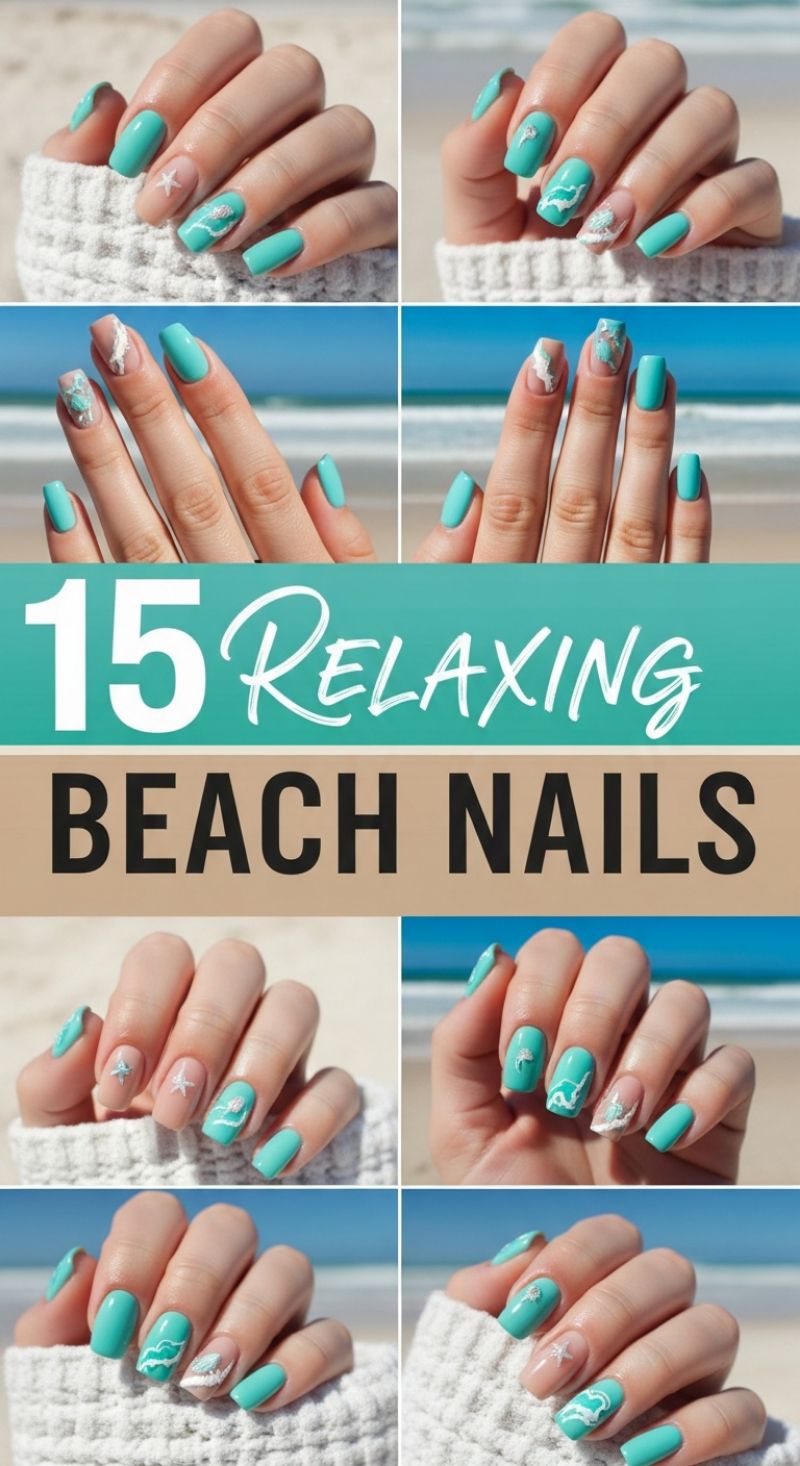
The “Relaxing Beach Nails” design is the quintessential look for summer vacations, perfectly capturing the tranquility and effortless beauty of the shore. To recreate this serene accent manicure, begin by selecting your primary palette: a highly pigmented turquoise or deep teal (to mimic clear ocean water) and a soft, sheer neutral beige or tan (representing wet sand). Proper preparation is crucial for such vivid colors; ensure your nails are clean, properly shaped (a soft square or squoval shape complements this look best), and protected with a ridge-filling base coat to prevent staining and ensure maximum longevity. This design thrives on strategic placement. Dedicate three fingers (typically the pinky, index, and middle finger) to the solid turquoise shade, and reserve the remaining accent nail(s) for the intricate, layered artwork over the sandy nude base.
The intricate details are what elevate this design from a simple summer manicure to a coastal masterpiece. For the accent nails, start with two coats of the sandy nude polish. The most striking element is the white, frothy wave design. Using a highly opaque white polish and a fine-tipped striping brush, paint sweeping, organic lines starting from the tip or the side of the nail, mimicking the natural movement of crashing water. An expert technique involves adding subtle texture or “foam” to the wave crests: use a dotting tool or lightly dab a dry brush through the white polish while it is still wet to create a realistic, airy texture. On a separate nude accent nail, add delicate sea life such as a white starfish or tiny seashells. For high precision, utilize stamping plates or specialized water decals, or freehand the shapes with a detail brush, keeping the lines as crisp and delicate as possible. For added visual dimension, consider incorporating small silver microbeads or a singular rhinestone at the center of the starfish or along a wave line to catch the light, reminiscent of sunlight reflecting off the ocean.
Once the nail art is completely dry, seal the entire manicure with a high-shine, UV-protective top coat. Applying two thin coats, making sure to carefully cap the free edge of every nail, is critical for protecting the detailed artwork and preventing premature chipping—essential if you plan on actually dipping your toes in the sand! For seasonal variation, you can easily adapt the color composition: swap the turquoise for a deep navy for a sophisticated evening look, or integrate soft sage greens and pastels for a sun-bleached coastal effect. While a super-glossy finish highlights the “wet look” of the ocean, applying a matte top coat over the solid turquoise nails while leaving the accent art glossy creates a wonderful, contemporary textural contrast. Remember, for a polished, effortless look, keep the ratios balanced: a maximum of two intricately detailed accent nails prevents the overall design from looking overwhelmed.
Edgy Goth V-Day Nails: Mastering Matte Black, Dripping Hearts, and Chrome Chains
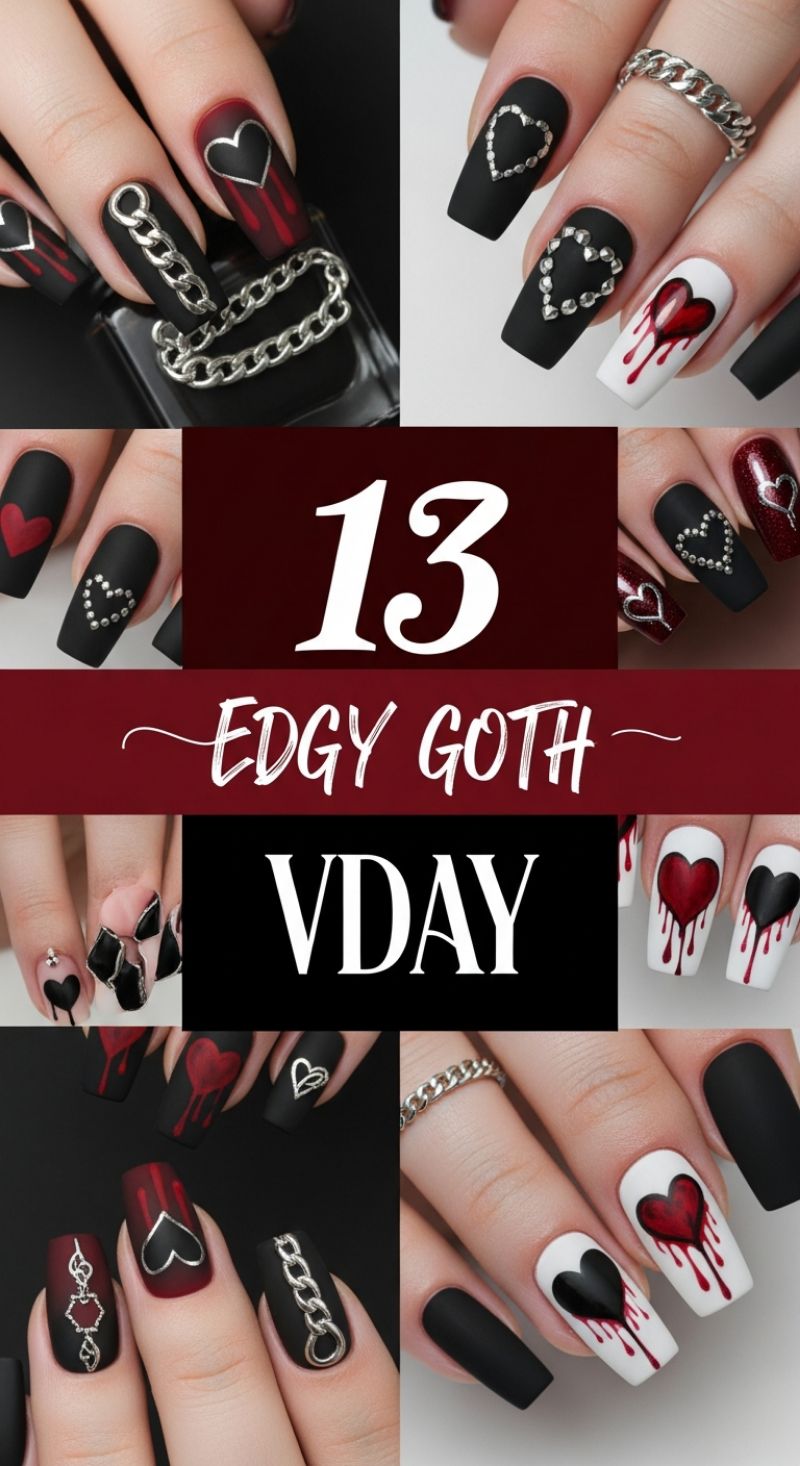
The Edgy Goth V-Day aesthetic requires a dramatic, cohesive approach, heavily utilizing stark contrast, rich texture, and industrial hardware. The foundation for this look is the perfect matte black finish, best achieved on a medium to long square or coffin shape to maximize the canvas. Begin by applying two opaque coats of a high-pigment black gel polish, followed immediately by a specialized matte topcoat. For the quintessential studded heart design, select miniature silver flat-backed rhinestones. Use a small amount of clear builder gel or rhinestone adhesive to trace the outline of a heart directly onto the cured matte surface. Carefully place the rhinestones along this line using a wax tip picker or dotting tool, ensuring they are tightly packed for maximum impact before curing the adhesive fully. For a less intense accent, incorporate simple painted hearts in deep crimson or contrasting white, keeping the base matte black for a unified, sophisticatedly dark look.
To capture the dramatic, anti-romantic spirit of this trend, introduce the “bleeding heart” motif, which relies on a stark background for maximum visual impact. The design featured pairs black or crimson hearts with dramatic drips running down a pure white nail. After curing a smooth white base, paint the central heart shape in your chosen color (blood red or jet black). While the polish is still slightly wet, or using a thin detail brush loaded with the same color, lightly pull small, irregular trails of color downward from the bottom tip of the heart, allowing the polish to pool slightly at the edges to simulate viscous drips. Varying the length and thickness of these drips is crucial for an organic, realistic effect. For the ultimate edgy finish, integrate 3D chrome hardware. Apply small pre-linked chains, individual chain segments, or abstract silver charms using a strong adhesive gel. Expert advice: If using individual charms, encapsulate the edges with a thin layer of topcoat (avoiding the top surface) to prevent snagging and improve retention, though this might slightly compromise the matte texture if applied carelessly.
This look is designed to be a collage; avoid applying the most intricate design to every nail. Instead, balance the highly detailed pieces (the dripping hearts and chain accents) with simple, striking elements like solid matte black nails, or a subtle black-to-red ombré fade near the cuticle line. To achieve the ombré, paint the cuticle area with a deep burgundy, and use a blending brush or sponge to gently feather the color into the upper half of the black nail, creating a soft, eerie transition. For maintenance, be mindful that 3D charms can be prone to catching—apply a layer of protective gel around the base of the charm every week. This complex, high-contrast manicure is not only perfect for alternative Valentine’s celebrations but serves as a powerful statement set year-round, embodying classic gothic elegance fused with modern industrial flair.
8 Chic Stellio Designs
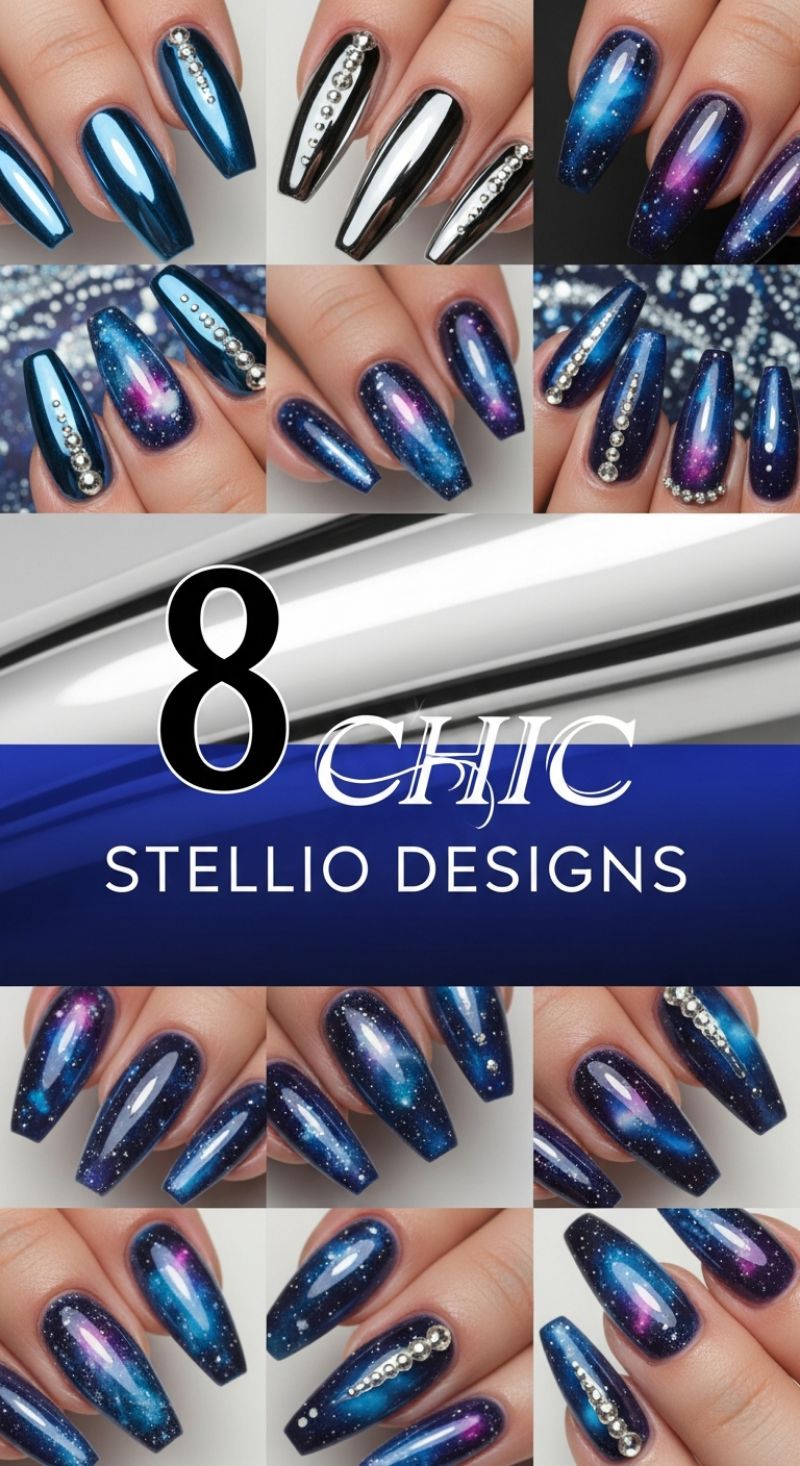
These Stellio designs showcase a masterful blend of futuristic high-shine chrome and cosmic galaxy artistry, creating a set of nails that are undeniably dramatic and chic. To replicate the striking metallic looks, start by prepping the nail with a solid dark base color (like black or navy) cured completely. The key to the mirror finish lies in the chrome powder application. Immediately after curing a tack-free, no-wipe top coat, gently rub a highly pigmented chrome pigment—such as the intense metallic blue or the sleek polished silver/gunmetal shown here—onto the warm surface using a silicone tool or a sponge applicator. The pressure must be even to achieve that seamless, liquid metal look. Seal the finished chrome nails with another layer of no-wipe top coat, taking care to cap the free edge completely to prevent chipping or dulling, which is crucial for maintaining the mirror effect.
The complementary cosmic designs provide the perfect contrast to the solid metal. Achieving this nebula effect requires careful layering and blending of multiple gel polishes over a very dark, often black, base. Start with a hazy wash of color (pinks, magentas, and bright blues) applied centrally and blended outward while still wet to mimic the gas clouds of a nebula. Use a clean, dry blending brush or a small piece of sponge to soften the edges, ensuring the dark base still frames the design. The stars are typically added last using a sparse white glitter gel or, for a more authentic look, highly diluted white polish flicked onto the nail using a fan brush, creating scattered, fine specks. Focus the highest concentration of ‘stars’ around the brightly colored nebula sections for maximum visual impact and depth.
Integrate these two distinct finishes across your hand for a balanced, high-fashion statement. The elegant, elongated coffin shape of these nails perfectly accommodates the long lines of the rhinestone embellishments, which serve to further define and elongate the fingers. When placing the gems, use a specialized builder gel or thick resin to anchor the stones securely, curing them thoroughly. Notice the strategic placement: some nails feature a single vertical line of silver domes to mimic a celestial path, while others use dense clusters at the base or tip to frame the galaxy art. For an expert finish, ensure the final top coat encapsulates the design elements but avoid coating the rhinestones themselves, as this dulls their sparkle. These designs are ideal for bold evening wear, cosmic-themed events, or whenever you want your manicure to be the ultimate focal point.
7 FIERCE BADDIE NAILS
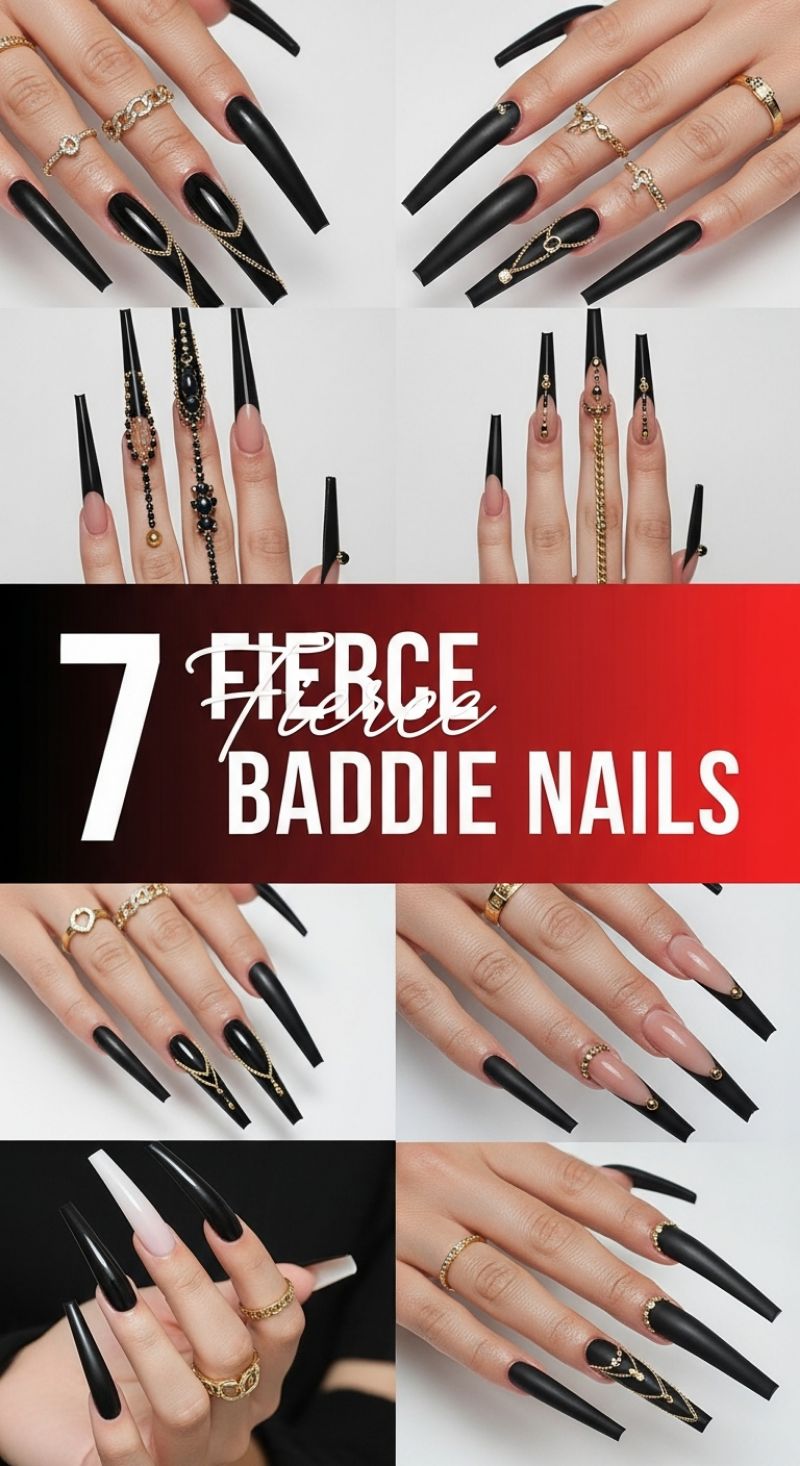
The “Fierce Baddie Nail” aesthetic is characterized by uncompromising drama, high contrast, and luxurious embellishment. This look demands extreme length, typically in a sharp stiletto or long coffin shape, serving as the perfect dramatic canvas for intricate designs. The foundation is almost always a deeply pigmented, velvety matte black, or occasionally a high-shine patent black, providing a rich, dark backdrop. The essential contrast is achieved through opulent gold hardware—a signature element of this style. This aesthetic rejects subtlety, utilizing the nails as statement jewelry. The designs often integrate heavy 3D elements like chains, charms, and strategically placed rhinestones, perfectly complementing existing hand accessories like chunky rings and knuckle bands to create a cohesive, modern look of intense confidence and luxury.
Mastering these designs requires precision in 3D art application. For the draped chain elements, opt for lightweight, non-tarnishing gold nail chains. These accessories must be secured using a durable builder gel or a thick structured topcoat cured under a UV/LED lamp to ensure longevity against snagging. Experiment with placement: some designs feature delicate chains draped across the nail horizontally near the cuticle, while others run vertically along the center line, mimicking layered necklaces. Other key variations involve incorporating small gold studs, micro beads, and larger rhinestones, often used to frame the cuticle area or create sharp V-shaped patterns near the tip. For those preferring a slight deviation from the solid black look, integrate the black polish with a nude foundation by executing an ultra-deep, V-shaped French tip in matte black, then framing the tip line with tiny gold ball bearings for added definition and sparkle. When applying heavy focal elements, such as large beads or connecting finger chains, ensure the underlying nail structure (whether acrylic or hard gel) is robust enough to bear the weight.
To truly embody the ‘baddie’ vibe, styling is paramount. These nails are inherently accessories, so pairing them with layered gold jewelry—as seen in the inspiration images—enhances the overall opulence. When choosing your shape, stiletto maximizes edginess and length perception, while the long coffin shape provides a slightly broader, more stable surface for intricate chain work. Maintenance is crucial for such an elaborate manicure. If you choose the popular matte finish, use a quality matte topcoat and avoid excessive use of cuticle oil or hand creams, which can cause unwanted shine spots. For the 3D elements, practice cautious handling to avoid snagging. Applying a thin, precise coat of topcoat only around the base of the charms (not over them, to preserve the dimensional texture) can help seal them securely. This style is high-impact, offering the ultimate bold fashion statement for any occasion.
10 Cozy Manicures
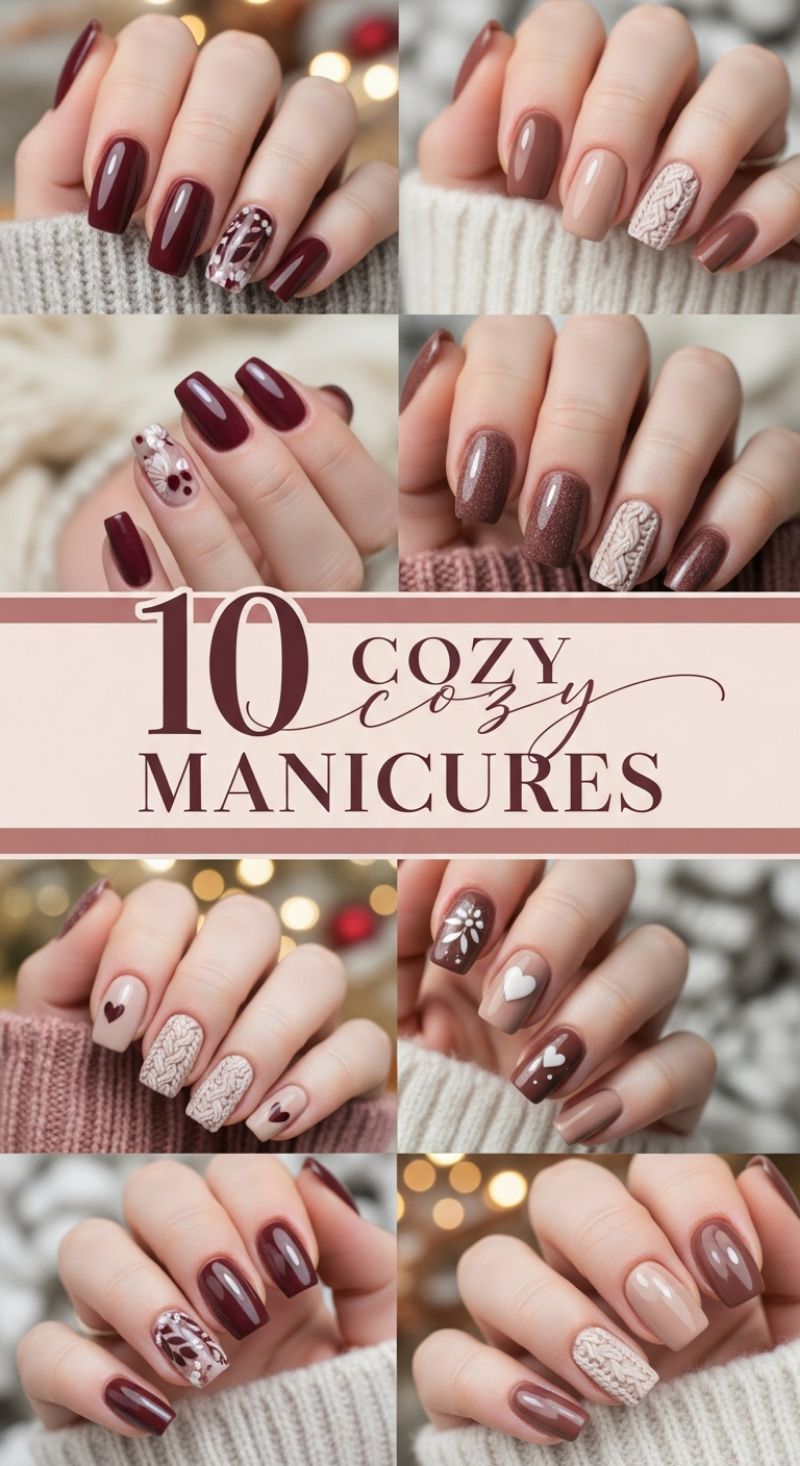
These 10 Cozy Manicures perfectly encapsulate the warmth and rich textures of the cooler months. The featured palette leans heavily into sophisticated autumnal and winter tones, including deep wine reds (burgundy or oxblood), various rich chocolate browns, and soft, creamy nudes and beiges. The key to achieving this “cozy” look is layering textures and incorporating contrasting finishes. Notice the integration of glossy solids, shimmering glitter polishes, and the iconic matte ‘sweater nail’ texture. This mix of finishes mimics soft winter fabrics, making the hands feel instantly wrapped in comfort. The designs maintain cohesion by keeping the colors within the same warm undertone family, ensuring that even elaborate mixed-media nails appear balanced and harmonious.
To recreate these high-end, textured designs, precision in application is crucial. The standout technique is the 3D cable-knit or ‘sweater’ nail, typically executed on an accent nail using builder gel or a mixture of gel polish and clear acrylic powder applied over a base color, cured, and finished with a matte top coat. For the delicate accent designs—such as the white hearts, snowflakes, and abstract floral/leaf patterns—use a thin striping brush and highly pigmented white or beige gel paint. Ensure the base color (like the deep burgundy or rich brown) is fully cured before detailing. For the glitter polish designs, opt for micro-shimmer formulas that provide high density coverage in 1-2 coats, enhancing the overall depth without overwhelming the sophisticated color scheme. Remember to file the nail shape into a classic squoval or rounded coffin, as seen in the examples, to complement the elegant nature of the colors.
Longevity is essential for these detailed manicures. Always prep the nail plate meticulously to prevent chipping, and cap the free edge with every coat (base, color, top coat). Given the rich pigment load of colors like burgundy and deep brown, using a high-quality peel-off base coat is advisable if you are prone to staining, though a professional base coat provides the best durability. For a perfect winter transition, swap out the standard glossy topcoat for a high-quality matte finish on some accent nails; this transformation immediately elevates the design, lending it a soft, velvety appearance that perfectly matches winter knitwear. These manicures are versatile, suited for holiday gatherings, comfortable weekends, or adding a touch of sophisticated color to your daily professional look.
5 Easy DIY Manicure Hacks for a Salon-Quality Finish
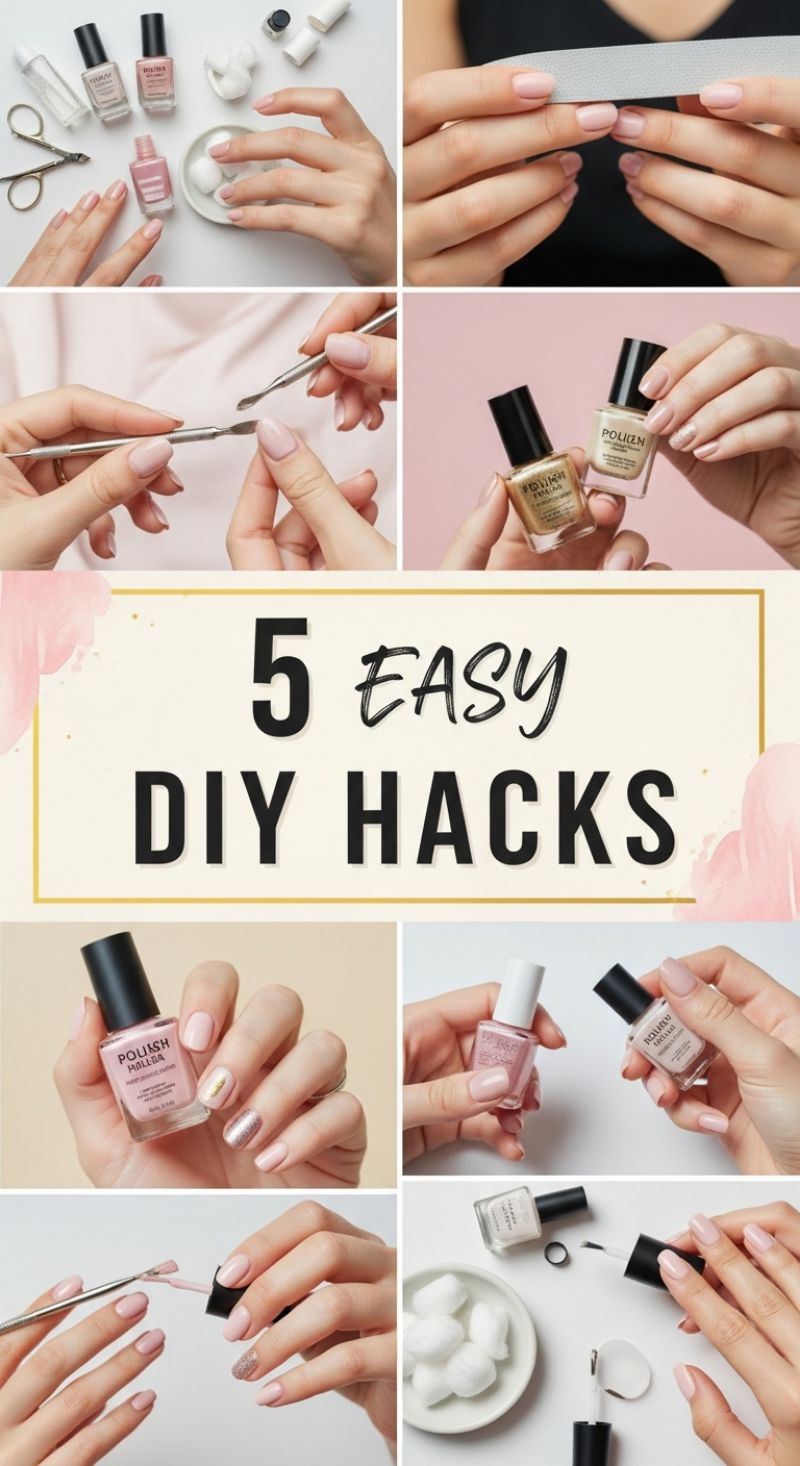
Achieving a professional-looking manicure at home requires more than just polish; it demands meticulous preparation and smart application techniques. As seen in the preparatory stages, the foundation of a lasting manicure starts with precise shaping and cuticle care. Begin by clipping and filing your nails into the desired shape, always using smooth, singular motions in one direction to prevent tearing or weakening the nail plate. Next, address the cuticles. Rather than cutting, use a specialized metal pusher (or an orange wood stick) to gently push back the cuticles after applying a softening agent or soaking the hands in warm water. A clean nail surface ensures optimal polish adhesion. Finally, before any color is applied, wipe the nail bed with alcohol or nail polish remover to eliminate natural oils, which are notorious for causing early chipping.
Once the canvas is prepped, the application process for this soft, nude manicure begins. The key to the subtle elegance pictured lies in thin coats and strategic layering. Start with a high-quality base coat, capping the free edge of the nail to seal it. Apply the primary nude or pale pink shade using the standard three-stroke method (one down the center, one on each side). Wait at least two minutes between coats. The visual elements showcase the popular ‘accent nail’ trend, achieved effortlessly with DIY hacks. For the shimmer, apply a thin layer of fine gold or rose gold glitter polish (Panel 7) to one accent nail, either covering the whole nail or creating a delicate tip. For the thin metallic stripe featured on the ring finger, use a thin detail brush dipped in gold polish, ensuring a steady hand or utilizing striping tape for extra precision. These simple additions elevate the monochromatic look instantly.
To ensure your DIY hack lasts, the final steps of curing and cleanup are critical. Apply a brilliant top coat over all nails, paying extra attention to wrapping the polish slightly under the free edge—this simple technique significantly reduces chipping and extends wear time. Allow the top coat to dry for at least 10 minutes before moving on to cleanup. Use a cotton swab or a small, angled brush dipped in acetone to carefully remove any polish that has leaked onto the skin or cuticle line (as suggested by the cotton balls and remover bottles in the final panels). This step defines the edges and gives the manicure that pristine, professional finish. For ultimate longevity, apply a quick-drying cuticle oil once the nails are completely dry to keep the surrounding skin hydrated and healthy.
10 Rustic Western Nails
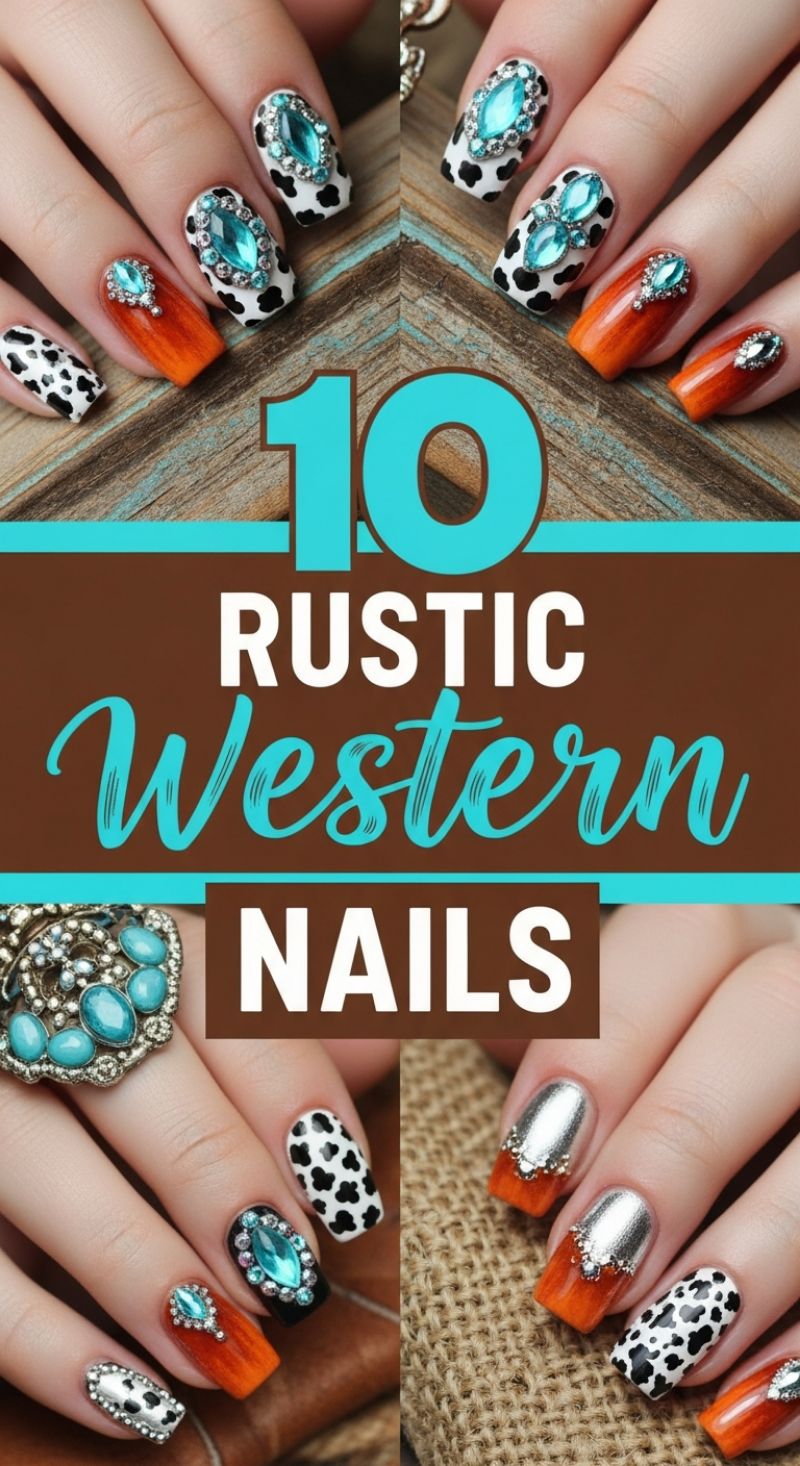
The Rustic Western nail trend seamlessly blends rugged cowboy aesthetics with glittering Southwestern glamour, creating a bold look perfect for festivals or adding a touch of country chic to your everyday style. To recreate this popular design, begin by establishing your core palette and patterns. The foundational elements showcased here are the classic cow print and a rich, earthy solid color, typically a deep burnt orange or rust hue that mimics aged leather or terracotta. For the cow print, ensure you use an opaque white base coat, allowing it to fully cure. Using a fine-tipped nail art brush or a specialized dotting tool, apply irregular, organic-shaped black blobs. The key to successful cow print is imperfection—avoid making the spots uniform or too perfectly round. For the solid accent nails, choose an intensely pigmented rust color and apply it evenly. The structural choice is equally important; a square, squoval, or medium coffin shape provides the necessary canvas for this visually robust style, offering maximum space for subsequent embellishments.
Once your base colors and prints are set, the true Western flair comes through in the elaborate embellishments, designed to mimic vintage turquoise jewelry and conchos. The centerpiece of this design is the strategic placement of large, faceted rhinestones. Opt for brilliant turquoise or teal stones, choosing prominent shapes like ovals or marquises. These large stones should be carefully framed by smaller, clear or silver rhinestones to simulate a decorative metal setting or bezel, drawing inspiration from traditional Navajo or rodeo buckle designs. Expert application is crucial for durability: apply these gems using a high-viscosity rhinestone glue or specialized hard gel, pressing them firmly into place and curing them under UV/LED light. Focus the heaviest embellishment on one or two accent nails (like the ring finger) while keeping others simpler, perhaps utilizing a silver chrome polish on the upper half of a nail, separated from the rustic orange tip by a line of tiny silver stud accents. This balances the design and prevents it from becoming overwhelmingly busy.
To ensure your elaborate Rustic Western nails stand the test of time, proper finishing is essential. After all rhinestones are securely attached, seal the entire design, excluding the surface of the large gems themselves, with a resilient, high-shine top coat. Be meticulous about “capping” the free edge of the nail and brushing the top coat around the base of the smaller studs to lock them in place without dulling their sparkle. For an authentic overall look, consider integrating metallic silver or gold elements that reflect the hardware and detailing found on Western saddles and belt buckles. This trend is highly versatile but pairs best with chunky silver and turquoise rings, distressed denim, and suede or leather accessories. This design transforms your manicure into a powerful statement, celebrating the wild spirit and refined craftsmanship of the Western aesthetic.
Celebration Manicures: Ombré Glitter, Character Silhouettes, and Modern French Tips
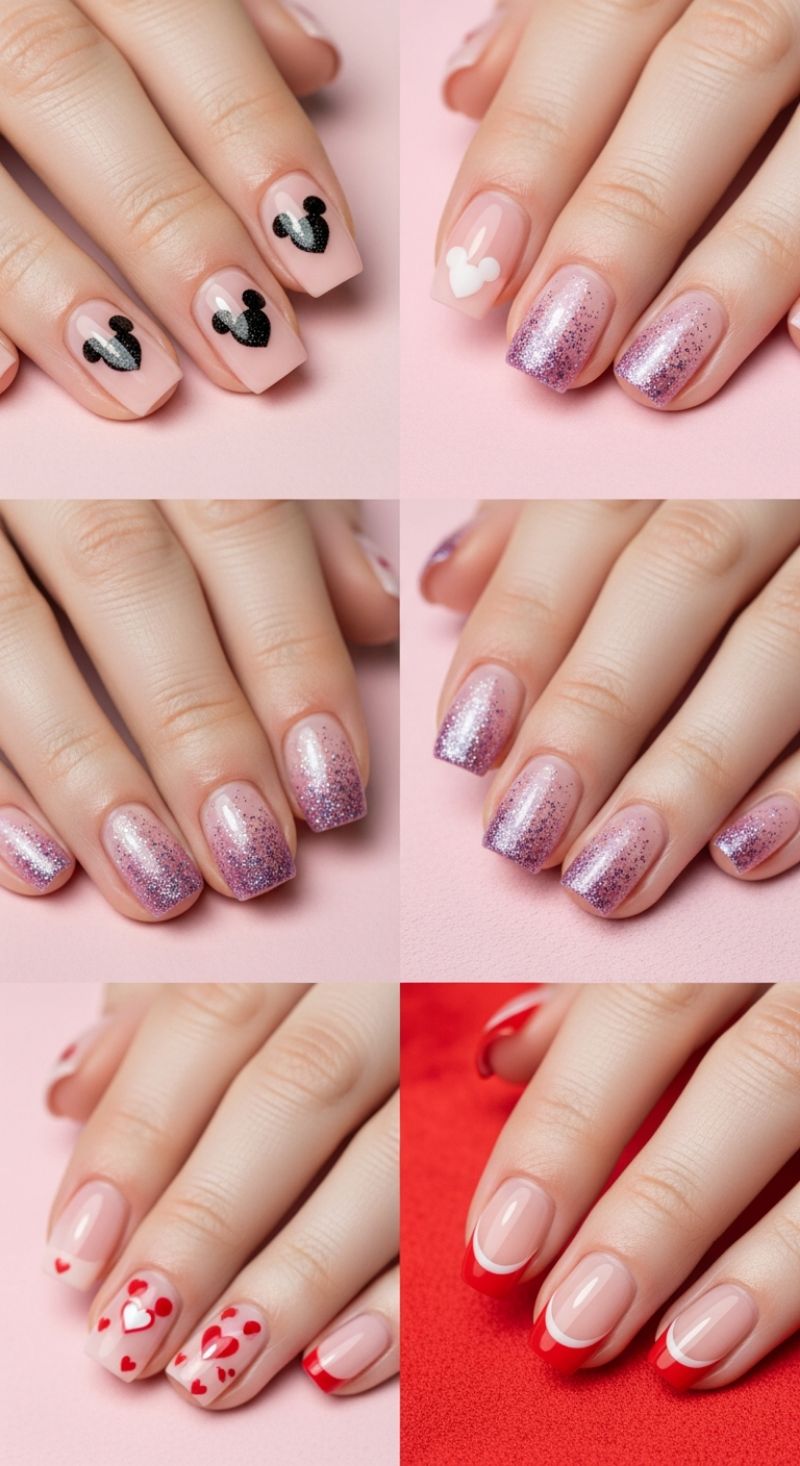
This compilation offers perfect inspiration for festive occasions, combining whimsical artwork with sophisticated modern techniques like ombré and graphic French tips. To recreate the subtle character silhouettes, begin by shaping nails into a soft square or squoval shape. Apply a sheer, milky pink base coat, ensuring a flawless, even canvas. The key to the character art is precision; use thin vinyl stencils or small detail brushes and highly opaque black or white gel polish. For the black silhouette (like the iconic mouse ears), ensure the shape is crisp and symmetrical on the nail plate. For the white heart silhouette, placing it near the cuticle or centrally on the nail adds a sweet, minimalist touch. The adjacent nails feature a stunning glitter ombré: start with the same milky base, then use a makeup sponge to dab a fine-to-micro purple or pink glitter mix onto the free edge of the nail, concentrating the pigment heavily at the tip and lightly feathering it towards the center to achieve a smooth gradient fade. Finish this design with a thick, self-leveling top coat to ensure the texture of the glitter is fully encapsulated and the surface is glass-smooth.
The lower half of the collage focuses on updating the classic French manicure for romantic occasions, specifically incorporating heart motifs and bold color blocking. The most intricate look features a combination of classic white French tips on some nails and vibrant heart accent nails. To achieve the precise heart placement, after curing the nude base, use small dotting tools or a fine-tip brush, utilizing both red and white polish to create hearts of varying sizes across the nail plate. For a faster, professional finish, consider using stamping plates specifically designed for tiny, detailed patterns. On the nails requiring the French tip, use a striping brush or crescent-shaped vinyl guides to apply the perfect crisp tip, ensuring the smile line is even across all fingers.
Finally, the bold red French manicure offers a striking, modern alternative to the traditional white tip. This look is sophisticated and ideal for holiday seasons or statement wear. To execute this, apply your preferred sheer nude base. Using a highly saturated, opaque cherry red, create a deep, pronounced smile line at the tip. For an elevated, graphic edge (as shown), use a contrasting white lacquer and a very fine striping brush to paint a thin, elegant secondary line just beneath the red curve, outlining the design. This dual-line effect adds dimension and emphasizes the perfect curve of the French tip. Always seal your finished designs with a high-quality UV top coat to prevent chipping and ensure maximum shine, which is crucial for making both the glitter and the high-contrast colors pop.
7 Glam Barbie Nails
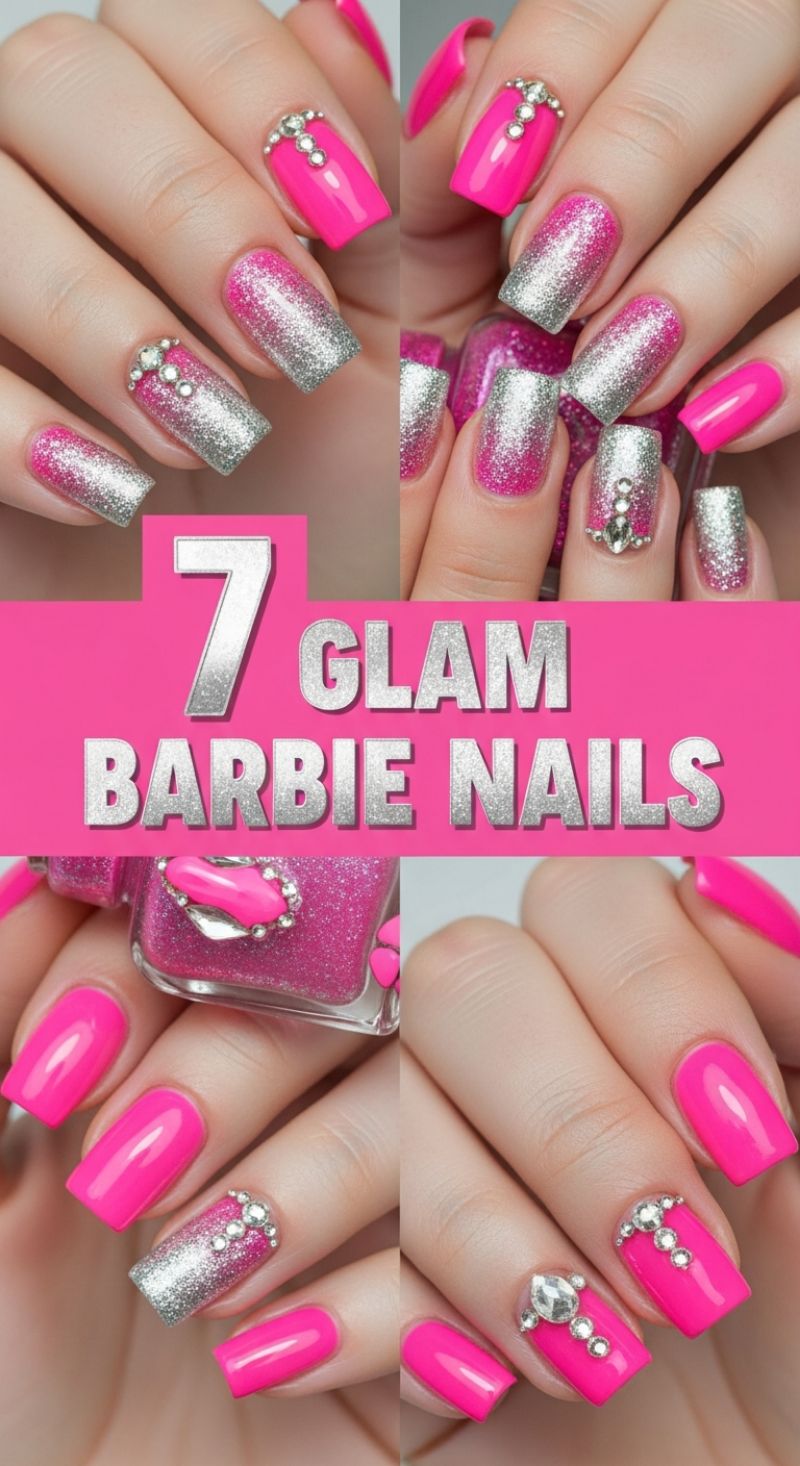
This iconic nail art captures the essence of the viral “Barbiecore” aesthetic, blending high-voltage glamour with playful, vibrant color. The foundation of this look is a striking contrast between ultra-bright, opaque neon pink and dazzling silver micro-glitter. To achieve the deep saturation required for the hot pink shade, always begin with a coat of stark white polish as your base before applying two thin coats of the neon color. The manicure utilizes both solid pink nails and show-stopping accent nails, ensuring maximum visual impact. The primary accent technique demonstrated here is a sophisticated glitter ombre, where the intense pink at the cuticle seamlessly transitions into a shower of sparkly silver toward the free edge. This gradient technique requires patience and precise application for a smooth blend, elevating the classic glitter nail to a high-fashion statement.
To recreate the signature pink-to-silver ombre, start by fully curing the solid neon pink base coat. Next, apply a generous amount of silver glitter polish to a cosmetic sponge. Lightly dab the sponge onto the nail, focusing heavily on the tip, and progressively lighten the application as you move toward the center of the nail bed, blending the silver upward into the pink. Do not fully cure this layer yet. Before the final topcoat, the most crucial step is securing the luxurious rhinestone embellishments. This design typically places the crystals—composed of various sizes, from large teardrops to tiny micro-rhinestones—in clustered patterns near the cuticle line or tracing the edge of the ombre boundary. Expert application requires a strong nail adhesive gel or specialized jewelry glue. Cure the stones thoroughly under an LED lamp to ensure they remain intact, as they are the crowning jewel of this ultra-glam style.
For longevity and a flawless finish, especially with dimensional art like rhinestones, seal the entire design with a high-shine, non-wipe topcoat. When applying the topcoat over the glitter, ensure you are pressing slightly to smooth any rough texture caused by the micro-glitter particles. When sealing the rhinestones, use a slightly thicker topcoat or builder gel to carefully wrap around the base of the gems without coating the top surface itself (which would dull their sparkle). As an alternative for a cooler look, swap the silver glitter for a holographic or chrome powder over a pink base coat to achieve a mirror-like metallic finish. Remember to maintain the health of your cuticles with daily oil application, as the extreme brightness of the neon pink draws all attention to your nail beds.
14 Luxe Purple Nails
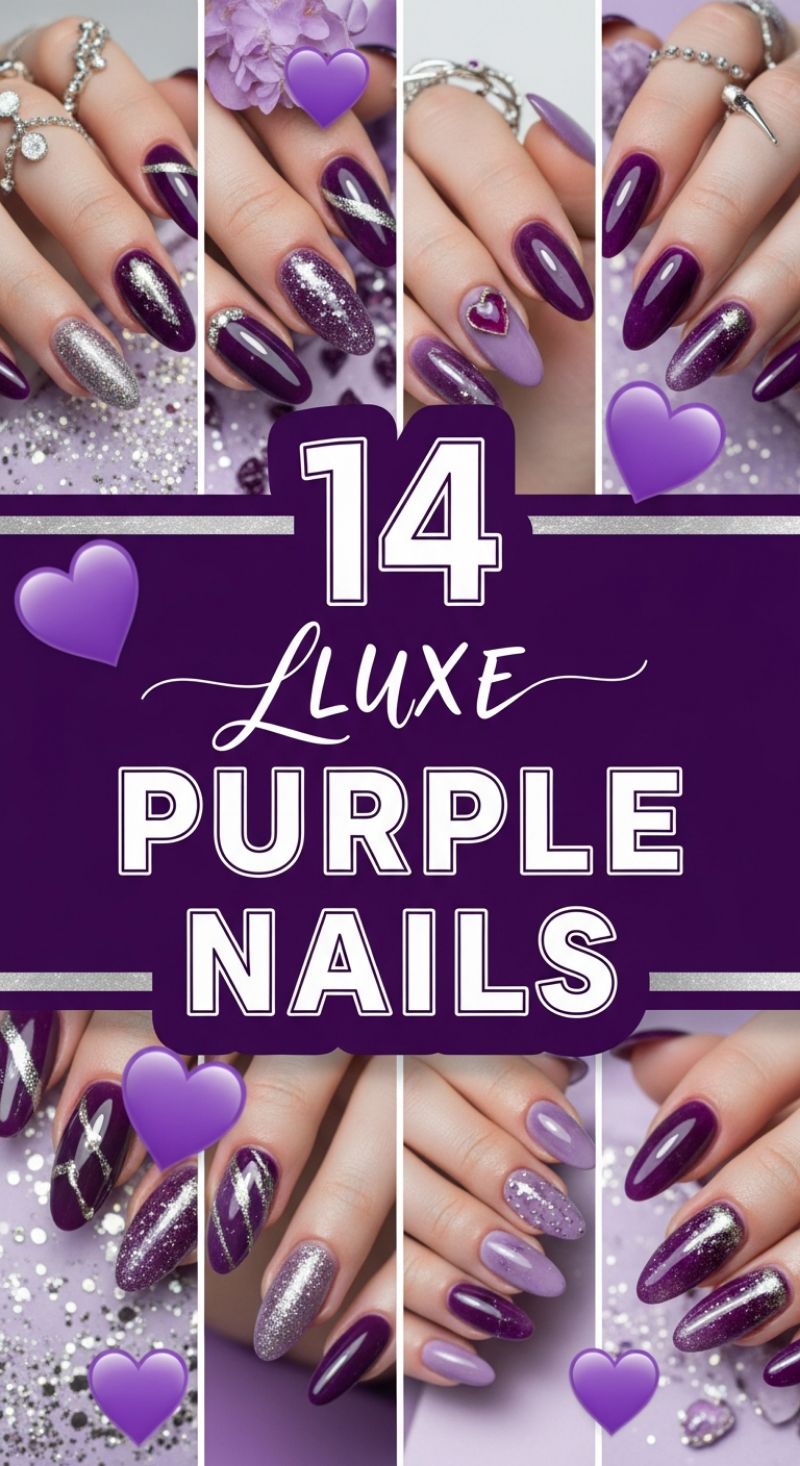
The “Luxe Purple Nails” trend elevates the classic color to sophisticated new heights by blending deep, high-pigment shades (like aubergine or royal purple) with softer, muted tones (lavender and lilac). This intentional contrast provides crucial dimension and keeps the design from being monochromatic or heavy. To achieve this opulent effect, focus on a long, sculpted shape—almond or stiletto is ideal, as this maximizes the canvas for rich color application. The key to making these colors truly pop is the finish: ensure an extremely high-gloss top coat is used for the solid shades, giving them a liquid mirror quality, while using finely milled, chunky, or iridescent glitters on accent nails to catch the light dramatically. Mixing matte lavender nails with glossy deep purple nails adds another layer of textural sophistication that speaks directly to the ‘luxe’ aesthetic.
Mastering the mixed-media approach is crucial for recreating this intricate look. For best results, choose two complementary accent techniques per hand. For example, pair a full coverage silver or iridescent purple glitter nail (apply using a sponge technique for maximum opacity) with a solid deep purple nail featuring fine silver striping tape. To apply striping tape precisely, ensure the base color is fully cured, lay the tape across the desired pattern (diagonal or crisscross designs are highly effective), press down firmly, and seal instantly with a thin, flexible layer of top coat to prevent lifting or snagging. For an extra romantic touch, such as the encapsulated heart charms seen here, apply the charm over a fully cured lighter base color using a small dot of thick builder gel or professional nail glue, then carefully encapsulate the base edges with a secondary layer of top coat or gel, ensuring the surface is smooth but the charm itself remains prominent and visible.
Due to the dark pigmentation and intricate application of these designs, longevity and durability are paramount. Opting for a professional-grade gel polish system is highly recommended, as lacquer chips will be far more noticeable and distracting against a deep purple background. If you must use lacquer, apply a ridge-filling base coat to ensure the color lays perfectly smooth, and reapply a rapid-dry top coat every two to three days to maintain that essential high-gloss finish and prevent fading. Stylistically, these dramatic purple nails pair beautifully with cool-toned jewelry, particularly silver, rhodium, or white gold accessories, helping to enhance the luxurious, cool-toned feel established by the silver glitter accents. This manicure is an ideal choice for evening events, winter holidays, or anytime you require a deeply saturated, sophisticated design that exudes high-end flair.
Vibrant Mardi Gras Nail Ideas: Purple, Green, and Gold
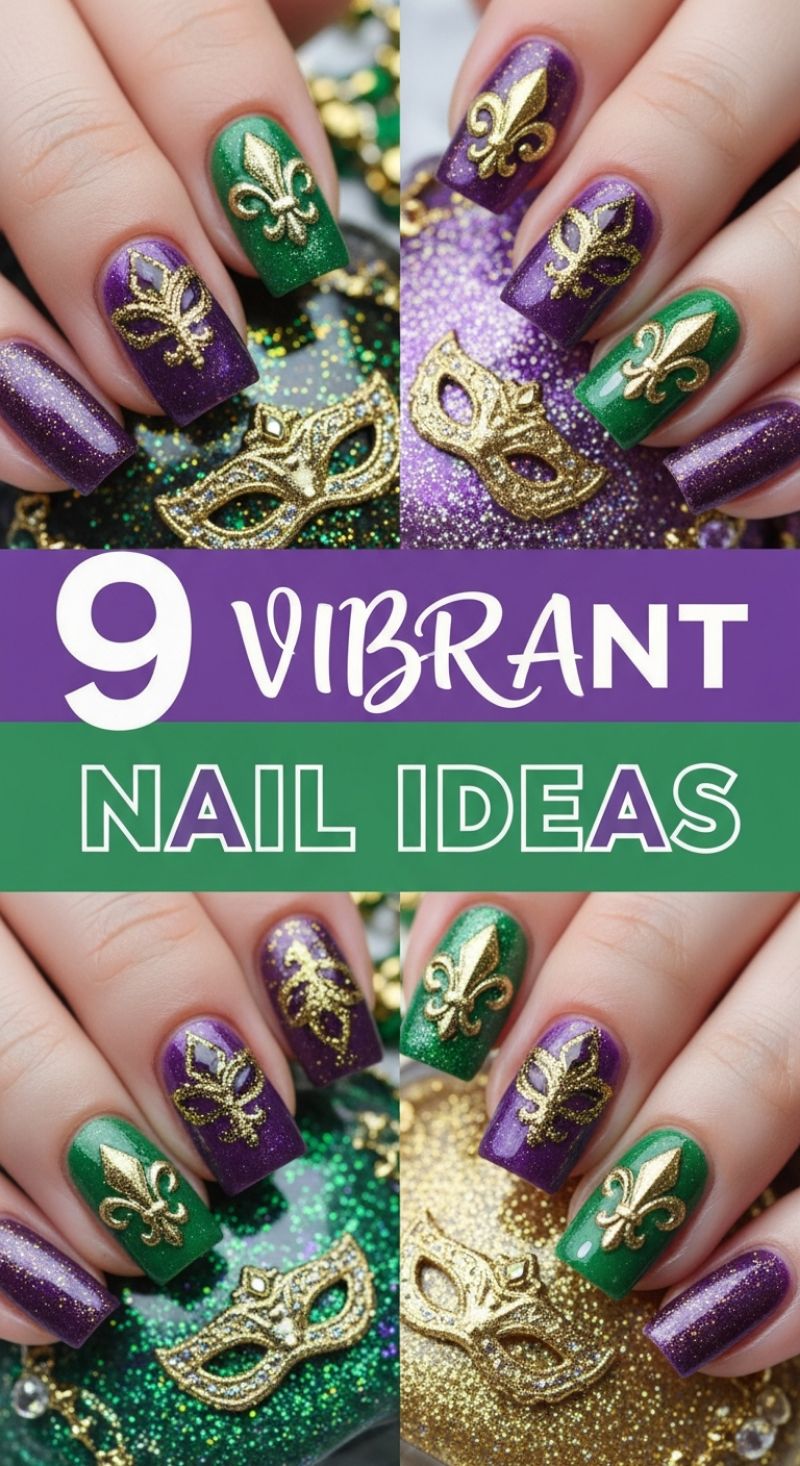
The “Vibrant Mardi Gras” look celebrates luxury and festivity, utilizing the iconic color triad of purple (justice), green (faith), and gold (power). To replicate this glamorous manicure, start by shaping your nails into a softened square or squoval form. Select highly pigmented, fine-glitter polishes for the base—deep regal purple and rich emerald green. Apply two even coats of color, alternating between the purple and green across your fingers to maintain a balanced yet dynamic appearance. The micro-glitter finish is essential here; it provides remarkable depth and captures light beautifully, simulating the shimmer of doubloons and confetti. Ensure your base coats are completely dry or cured before moving on to the intricate 3D elements. Choosing a quality glitter polish will ensure the vibrancy of the colors truly pops against the metallic accents.
The focal point of this design is the use of structured, gold-toned metallic charms, specifically the classic Fleur-de-lis and a decorative escutcheon or mask shape. These charms create high impact and require specialized application for longevity. Identify your accent nails—typically the ring and middle fingers—where the charms will reside. To secure large 3D metal pieces effectively, do not rely on standard top coat or thin nail glue. Instead, apply a small, non-wipe layer of thick clear builder gel or specialized jewelry glue exactly where the charm is to be placed. Carefully press the gold charm into the adhesive, ensuring it is level and centered. Once secured, use a small detail brush to “cushion” the base edges of the charm with more builder gel, sealing it tightly to the nail plate without allowing the gel to spill over the intricate detailing of the metalwork. Cure thoroughly under a UV/LED lamp according to the gel manufacturer’s instructions.
This dazzling design is tailor-made for celebratory occasions like Carnival season, New Year’s Eve, or upscale parties where making a statement is key. Expert tip: When applying your final glossy top coat, brush it carefully over the entire nail surface, avoiding coating the raised gold charms themselves. Coating the metal hardware with topcoat often dulls its natural metallic sheen, diminishing the desired “jewelry” effect. For long-lasting wear, always cap the free edge of the base colors and the builder gel used to secure the charms. For clients who prefer slightly less dimension but desire the visual impact, alternative methods include using large gold water decals or highly detailed gold stamping plates, which offer the intricate pattern without the bulky lift of the metallic hardware. Regardless of the technique chosen, the combination of rich jewel tones and metallic gold yields an undeniably luxurious and eye-catching manicure that commands attention.