
Future-proof your business with 20+ cutting-edge AI tools that automate tasks, boost productivity, skyrocket profits, and unlock unprecedented growth. Discover AI writing, video generation, marketing, data analysis, and more.
In today’s rapidly evolving business landscape, Artificial Intelligence (AI) is no longer a futuristic concept but a vital catalyst for growth and efficiency. For businesses looking to not just survive but thrive, embracing AI is paramount. From automating mundane tasks to generating groundbreaking insights and supercharging creativity, AI tools are transforming every facet of operations. This comprehensive guide introduces you to over 20 game-changing AI tools designed to future-proof your business, streamline workflows, unlock new revenue streams, and propel you ahead of the competition. Get ready to automate everything and skyrocket your profits!
1. AI Writing Assistants: Your Content Powerhouse
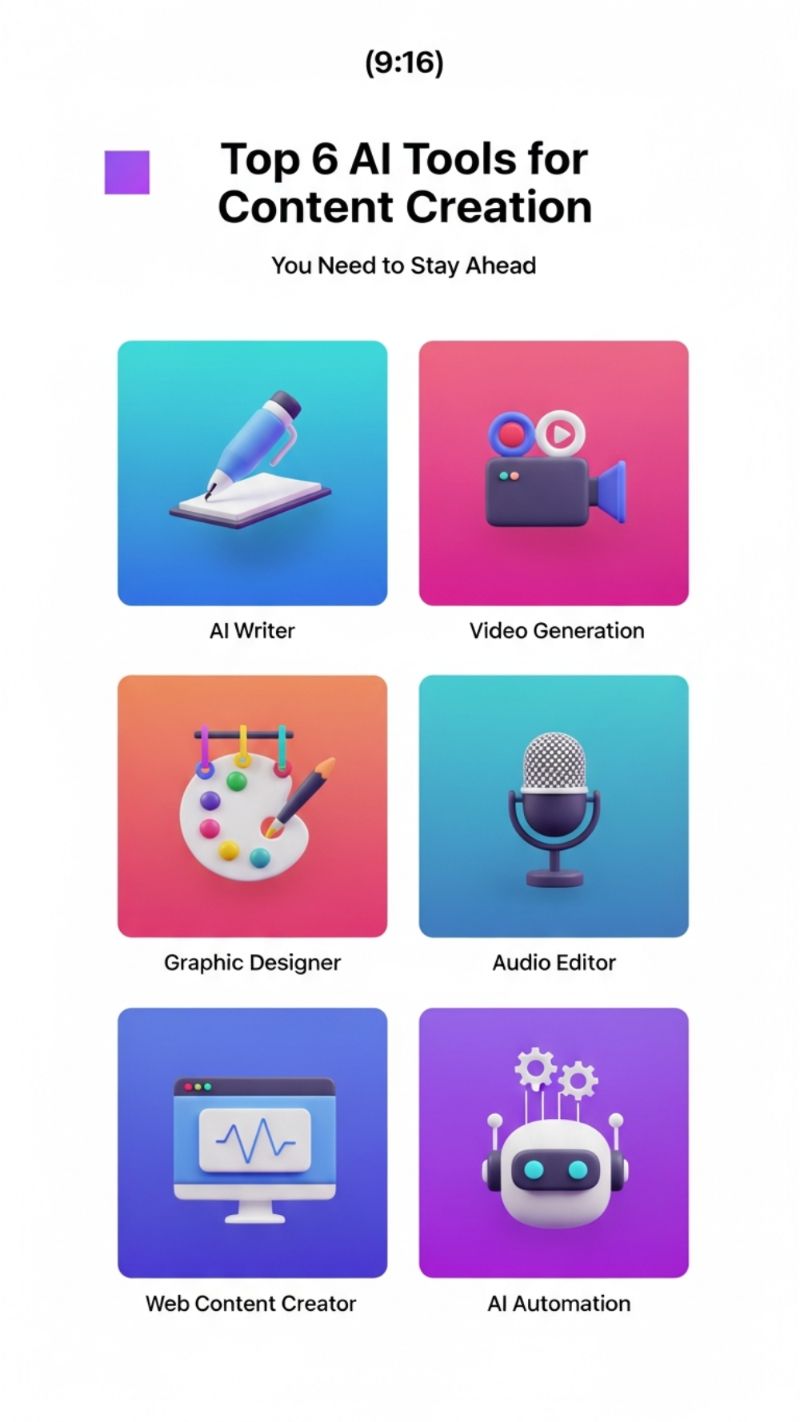
Why it’s a Game-Changer: AI writing assistants drastically cut down the time and effort required to produce high-quality content. They can generate articles, blog posts, marketing copy, social media updates, and even entire scripts in minutes, ensuring consistency and adherence to brand voice. This frees up human writers for more strategic tasks and allows businesses to scale content production exponentially.
How to Get Started: Explore platforms like Jasper.ai, Copy.ai, Rytr.me, or Writesonic. Many offer free trials or freemium models. Sign up, choose a plan that fits your business needs, and integrate it into your content workflow.
Step-by-Step Guide:
1. Define Your Goal: Decide what type of content you need (e.g., blog post, ad copy, email).
2. Select a Template: Most tools offer templates for various content types.
3. Input Key Information: Provide a brief description, keywords, tone of voice, and any specific points to include.
4. Generate & Refine: Let the AI generate multiple options. Review, edit, and fine-tune the output to match your exact requirements and brand.
Key Benefits:
- Increased Content Output: Produce more content faster.
- Enhanced SEO Performance: Generate keyword-rich, optimized content.
- Cost Efficiency: Reduce reliance on expensive freelance writers.
- Overcome Writer’s Block: Kickstart creative ideas effortlessly.
- Consistency: Maintain a consistent brand voice across all content.
2. AI Video Generators: Visual Storytelling Simplified

Why it’s a Game-Changer: Video content dominates online engagement, but its production is often time-consuming and costly. AI video generators transform text into compelling videos with realistic voiceovers, stock footage, and animations, making high-quality video creation accessible to businesses of all sizes without needing complex editing skills or expensive equipment.
How to Get Started: Look into tools like Synthesys, Pictory.AI, Descript, or InVideo. These platforms are web-based and offer intuitive interfaces.
Step-by-Step Guide:
1. Input Script/Text: Provide your video script or a blog post you want to convert.
2. Choose a Template/Theme: Select a visual style that aligns with your brand.
3. Customize Visuals & Voice: The AI will suggest visuals and voiceovers. Customize with your own media, select AI voices, or record your own.
4. Generate & Publish: Preview the video, make final tweaks, and render it for publishing on social media, websites, or presentations.
Key Benefits:
- Rapid Video Production: Create videos in minutes, not hours or days.
- Cost Reduction: Eliminate the need for expensive equipment, actors, or production teams.
- Increased Engagement: Leverage video content to capture audience attention.
- Scalable Marketing: Produce a high volume of diverse video content for campaigns.
- Accessibility: Empower anyone to create professional-looking videos.
3. AI Graphic Design Tools: Design at Your Fingertips

Why it’s a Game-Changer: Professional graphic design can be a bottleneck for many businesses due to cost and time. AI graphic design tools democratize design by allowing users to generate stunning visuals, logos, social media graphics, and marketing materials with minimal effort and no prior design experience. They leverage algorithms to suggest layouts, color palettes, and fonts, ensuring brand consistency and aesthetic appeal.
How to Get Started: Popular tools include Canva (with its AI features), Adobe Express, or designs.ai. Many are freemium or have affordable subscription models.
Step-by-Step Guide:
1. Select Design Type: Choose what you want to create (e.g., logo, Instagram post, presentation).
2. Input Prompts/Keywords: Describe your design idea, brand, or the message you want to convey.
3. Customize & Iterate: The AI will generate options. Customize elements like text, images, colors, and layout until you achieve the desired result.
4. Export & Use: Download your finished design in various formats.
Key Benefits:
- Instant Design Creation: Generate visuals quickly for any purpose.
- Reduced Design Costs: Minimize reliance on professional designers.
- Brand Consistency: Ensure all visual assets align with brand guidelines.
- Creative Inspiration: Overcome design blocks with AI-generated ideas.
- User-Friendly: Accessible to non-designers, empowering in-house teams.
4. AI Audio Editors: Perfecting Your Sound
Why it’s a Game-Changer: Audio quality is crucial for podcasts, video voiceovers, virtual meetings, and marketing jingles. AI audio editors can automatically remove background noise, enhance speech clarity, equalize sound levels, and even transcribe audio, saving countless hours of manual editing. This ensures professional-grade audio without needing a sound engineer.
How to Get Started: Explore tools like Adobe Podcast AI, Descript (which combines video and audio editing with AI), or Auphonic. Many offer free trials to test their capabilities.
Step-by-Step Guide:
1. Upload Audio File: Import your raw audio recording.
2. Apply AI Enhancements: Select features like noise reduction, speech enhancement, or automatic equalization.
3. Review & Adjust: Listen to the processed audio and make any manual adjustments if needed.
4. Export Clean Audio: Download the enhanced audio for your projects.
Key Benefits:
- Professional Audio Quality: Improve clarity and remove distractions automatically.
- Time-Saving: Automate tedious editing tasks.
- Cost-Effective: Reduce the need for specialized audio equipment or expertise.
- Versatility: Useful for podcasts, video voiceovers, virtual presentations, and more.
- Accessibility: Enables anyone to produce high-quality audio.
5. AI Web Content Creators: Building Engaging Online Experiences
Why it’s a Game-Changer: Creating compelling and SEO-optimized content for websites (landing pages, product descriptions, FAQs) is a continuous challenge. AI web content creators can generate structured, engaging, and search-engine-friendly text that drives traffic and conversions. They understand user intent and search algorithms, helping businesses maintain a fresh and relevant online presence.
How to Get Started: Many AI writing assistants (like Jasper, Copy.ai) have specific modules for web content. Also, consider specialized SEO content tools like Surfer SEO or Clearscope which integrate AI for content optimization.
Step-by-Step Guide:
1. Identify Content Need: Determine what type of web content is required (e.g., a new landing page, product description updates).
2. Provide Context: Input target keywords, product features, target audience, and desired tone.
3. Generate & Optimize: The AI will produce content drafts. Use built-in optimization features to refine for SEO and readability.
4. Integrate & Publish: Copy the optimized content to your website, ensuring it flows well with your site’s design.
Key Benefits:
- Improved SEO Rankings: Generate content that ranks higher in search results.
- Higher Conversion Rates: Craft persuasive copy that encourages visitor action.
- Accelerated Website Development: Populate new pages quickly and efficiently.
- Enhanced User Experience: Provide clear, concise, and helpful information.
- Scalable Content Strategy: Easily update and expand your website’s content library.
6. AI E-commerce Sales Optimization: Smarter Selling
Why it’s a Game-Changer: For e-commerce owners, maximizing sales and improving customer experience are top priorities. AI tools analyze vast amounts of customer data, purchasing patterns, and market trends to provide personalized product recommendations, dynamically adjust pricing, predict demand, and even detect fraudulent transactions. This leads to increased conversion rates, higher average order values, and reduced losses.
How to Get Started: Integrate AI apps with your e-commerce platform (e.g., Shopify, WooCommerce). Examples include ReConvert (upselling/cross-selling), Dynamic Yield (personalization), or tools with built-in AI for fraud detection like Kount or Signifyd.
Step-by-Step Guide:
1. Integrate Tool: Connect the chosen AI tool or app to your e-commerce store.
2. Configure Rules/Goals: Set up parameters for personalization, pricing strategies, or fraud thresholds.
3. Data Analysis & Learning: The AI begins collecting and analyzing your store’s data.
4. Automated Actions: Based on its learning, the AI will automatically implement recommendations, pricing changes, or flag suspicious activity.
5. Monitor & Optimize: Regularly review performance reports and make adjustments as needed.
Key Benefits:
- Increased Revenue: Drive higher conversion rates and average order values.
- Personalized Customer Experience: Offer tailored product suggestions.
- Dynamic Pricing: Optimize prices in real-time for maximum profit.
- Fraud Prevention: Minimize financial losses from fraudulent orders.
- Improved Inventory Management: Better predict demand and optimize stock levels.
7. AI Customer Support Chatbots: 24/7 Assistance
Why it’s a Game-Changer: Providing instant, around-the-clock customer support is critical for customer satisfaction. AI chatbots can handle a significant volume of routine inquiries, answer FAQs, guide users through processes, and even process simple transactions without human intervention. This reduces operational costs, frees up human agents for complex issues, and improves response times dramatically.
How to Get Started: Look for platforms like Intercom, Zendesk Answer Bot, Drift, or ManyChat. Many integrate directly with popular website builders and messaging apps.
Step-by-Step Guide:
1. Define Use Cases: Identify common customer queries and tasks your chatbot should handle.
2. Train the Chatbot: Input FAQs, scripts, and conversation flows into the AI platform.
3. Customize Personality: Give your chatbot a brand-aligned voice and tone.
4. Deploy & Monitor: Integrate the chatbot into your website, app, or messaging platform. Monitor its performance and continuously refine its knowledge base.
Key Benefits:
- 24/7 Availability: Provide instant support anytime, anywhere.
- Reduced Support Costs: Handle routine queries without human agents.
- Faster Response Times: Improve customer satisfaction with immediate answers.
- Scalable Support: Efficiently manage increased customer inquiry volumes.
- Lead Generation: Qualify leads and capture customer information.
8. AI E-commerce Analytics: Data-Driven Insights
Why it’s a Game-Changer: Understanding sales performance, customer behavior, and marketing effectiveness is crucial for e-commerce growth. AI analytics tools go beyond basic reporting by identifying hidden patterns, predicting future trends, and offering actionable insights from complex datasets. They can pinpoint conversion bottlenecks, suggest effective marketing campaigns, and optimize the customer journey, turning raw data into strategic decisions.
How to Get Started: Utilize AI-powered features within platforms like Google Analytics 4, Adobe Analytics, or specialized e-commerce AI analytics tools such as Crayon or Retention.com. Ensure proper data integration from your store.
Step-by-Step Guide:
1. Integrate Data Sources: Connect your e-commerce platform, marketing channels, and other data sources.
2. Set Up Dashboards/Reports: Configure AI-powered dashboards to visualize key metrics and trends.
3. Utilize Predictive Analytics: Leverage AI to forecast sales, identify churn risks, or predict product demand.
4. Generate Actionable Insights: Review AI-generated recommendations for improving sales, marketing, or customer experience.
5. Implement & Measure: Act on insights and track the impact on your business metrics.
Key Benefits:
- Deeper Customer Understanding: Gain insights into purchasing behavior and preferences.
- Predictive Capabilities: Forecast sales, trends, and potential issues.
- Optimized Marketing Spend: Identify the most effective channels and campaigns.
- Improved Decision-Making: Make data-backed strategic choices.
- Identification of Growth Opportunities: Uncover new avenues for revenue.
9. AI Business Process Automation (BPA): Streamlined Workflows

Why it’s a Game-Changer: Repetitive, rule-based tasks consume valuable time and resources across every business. AI Business Process Automation (BPA) combines Robotic Process Automation (RPA) with AI capabilities like machine learning and natural language processing to automate complex, end-to-end workflows. This includes everything from data entry and invoice processing to HR onboarding, leading to significant efficiency gains, cost savings, and reduced human error.
How to Get Started: Explore platforms like UiPath, Automation Anywhere, Blue Prism, or Microsoft Power Automate. Many offer detailed documentation and community support.
Step-by-Step Guide:
1. Identify Repetitive Processes: Pinpoint tasks that are high-volume, rule-based, and time-consuming.
2. Map the Process: Document the steps involved in the process.
3. Configure Automation: Use the BPA tool to build automation bots (e.g., drag-and-drop interfaces for RPA).
4. Test & Deploy: Thoroughly test the automated process to ensure accuracy and then implement it.
5. Monitor & Optimize: Continuously monitor the bot’s performance and refine the automation as business needs evolve.
Key Benefits:
- Enhanced Efficiency: Speed up operations and process tasks faster.
- Cost Reduction: Minimize labor costs associated with manual tasks.
- Reduced Errors: Eliminate human error in repetitive processes.
- Improved Compliance: Ensure consistent adherence to regulations.
- Employee Empowerment: Free up employees for more strategic, value-added work.
10. AI for Operations Management: Smarter Resources

Why it’s a Game-Changer: AI revolutionizes operations by optimizing resource allocation, predictive maintenance, supply chain management, and quality control. By analyzing vast datasets, AI can forecast equipment failures, suggest optimal production schedules, manage inventory levels to prevent stockouts or overstock, and identify bottlenecks, leading to smoother operations and significant cost savings.
How to Get Started: Consider integrating AI modules into existing ERP systems (e.g., SAP, Oracle) or specialized platforms like IBM Watson Supply Chain, E2open, or maintenance platforms with AI capabilities.
Step-by-Step Guide:
1. Integrate Data: Connect AI with operational data sources (e.g., sensor data, production logs, inventory records).
2. Define Optimization Goals: Specify what you want to optimize (e.g., reduce downtime, improve delivery times).
3. Train AI Models: The AI learns from historical data to identify patterns and make predictions.
4. Implement Recommendations/Automation: Use AI insights for predictive maintenance, demand forecasting, or automated scheduling.
5. Continuous Monitoring: Regularly assess the impact of AI on operational KPIs and refine the models.
Key Benefits:
- Optimized Resource Use: Maximize efficiency of machinery, labor, and materials.
- Predictive Maintenance: Reduce costly downtime by anticipating equipment failures.
- Efficient Supply Chains: Improve forecasting, inventory, and logistics.
- Enhanced Quality Control: Detect defects and anomalies faster.
- Strategic Operational Planning: Make data-driven decisions for long-term growth.
11. AI for Marketing & Outreach: Precision Campaigns

Why it’s a Game-Changer: AI transforms marketing by enabling hyper-personalization, intelligent ad targeting, predictive lead scoring, and automated campaign optimization. It analyzes customer behavior, market trends, and campaign performance to deliver the right message to the right person at the right time, maximizing ROI and reducing wasted ad spend. AI handles everything from content creation to audience segmentation and performance analysis, making marketing far more effective and efficient.
How to Get Started: Explore platforms like HubSpot (with AI features), Salesforce Marketing Cloud, Mailchimp (AI subject lines), or dedicated AI ad platforms like Albert AI.
Step-by-Step Guide:
1. Define Campaign Goals: Clearly outline what you want to achieve (e.g., lead generation, sales, brand awareness).
2. Integrate Data: Connect AI with CRM, website analytics, and advertising platforms.
3. Audience Segmentation & Targeting: Use AI to identify and target specific customer segments with personalized messages.
4. Automate & Optimize: Let AI generate ad copy, optimize bidding strategies, and schedule content distribution.
5. Analyze & Iterate: Continuously monitor campaign performance through AI-generated reports and adjust strategies based on insights.
Key Benefits:
- Higher ROI on Marketing Spend: Target effectively and optimize campaigns in real-time.
- Personalized Customer Journeys: Deliver tailored experiences across channels.
- Predictive Lead Scoring: Focus on the most promising leads.
- Automated Content Creation: Generate ad copy, emails, and social posts quickly.
- Deeper Market Insights: Understand customer preferences and trends better.
12. AI for Sales & CRM: Intelligent Client Relationships

Why it’s a Game-Changer: AI empowers sales teams to close more deals faster by automating mundane tasks, providing predictive lead scoring, identifying upselling/cross-selling opportunities, and offering real-time sales coaching. It transforms Customer Relationship Management (CRM) from a data repository into a proactive tool that predicts customer needs, personalizes interactions, and streamlines the entire sales cycle, fostering stronger client relationships and boosting revenue.
How to Get Started: Leverage AI features within leading CRM platforms like Salesforce Einstein, HubSpot Sales Hub, or Microsoft Dynamics 365. Many smaller CRMs are also integrating AI capabilities.
Step-by-Step Guide:
1. Integrate with CRM: Ensure your AI sales tool is connected to your existing CRM.
2. Feed Data: Provide customer interactions, sales history, and market data to the AI.
3. Configure Insights: Set up AI to score leads, predict next best actions, or suggest personalized communication.
4. Automate Tasks: Use AI for scheduling, email drafting, or updating CRM records.
5. Monitor & Learn: Track sales performance and allow the AI to continuously refine its predictions and recommendations.
Key Benefits:
- Increased Sales Conversion: Focus on high-potential leads and opportunities.
- Enhanced Customer Satisfaction: Deliver personalized and timely outreach.
- Automated Administrative Tasks: Free up sales reps for selling.
- Predictive Sales Forecasting: More accurate revenue projections.
- Improved Sales Productivity: Equip reps with data-driven insights and coaching.
13. AI for Business Intelligence: Actionable Insights for Growth

Why it’s a Game-Changer: Business Intelligence (BI) helps organizations make sense of their data. AI-powered BI tools take this a step further by automating data preparation, identifying complex patterns and anomalies that human analysts might miss, and even generating natural language explanations of findings. They provide deep, actionable insights into financial performance, market trends, customer behavior, and operational efficiency, enabling truly data-driven strategic decisions.
How to Get Started: Explore leading BI platforms with strong AI integration like Microsoft Power BI, Tableau, Qlik Sense, or Google Looker. Many offer robust documentation and tutorials.
Step-by-Step Guide:
1. Connect Data Sources: Link your AI BI tool to all relevant internal and external data (databases, spreadsheets, cloud apps).
2. Automated Data Preparation: Use AI to clean, transform, and integrate diverse datasets.
3. Query & Discover: Leverage AI-driven natural language processing to ask questions and explore data.
4. Visualize & Analyze: Create interactive dashboards and reports. Allow AI to highlight anomalies or key trends.
5. Act on Insights: Translate AI-generated insights into strategic business decisions and track their impact.
Key Benefits:
- Deeper Data Understanding: Uncover hidden patterns and correlations.
- Faster Insight Generation: Accelerate the path from data to decision.
- Reduced Data Prep Time: Automate cleaning and integration of data.
- Enhanced Predictive Capabilities: Forecast future outcomes with greater accuracy.
- Empowered Decision-Making: Make strategic choices backed by robust data.
14. AI for Innovation & Idea Generation: Sparking Creativity

Why it’s a Game-Changer: Innovation is the lifeblood of business, but generating fresh ideas can be challenging. AI tools act as creative partners, helping businesses brainstorm new product concepts, marketing angles, business models, and solutions to complex problems. By analyzing vast amounts of data and knowledge, AI can combine disparate ideas, identify gaps in the market, and suggest novel approaches, significantly accelerating the innovation process.
How to Get Started: Experiment with AI writing assistants for brainstorming (e.g., GPT-4 based tools), specialized ideation tools like Ideabot, or even AI tools for design (e.g., Midjourney, DALL-E) to visualize concepts.
Step-by-Step Guide:
1. Define the Challenge: Clearly articulate the problem you’re trying to solve or the area where you need innovation.
2. Input Constraints/Context: Provide AI with relevant information, market trends, or existing solutions.
3. Generate Ideas: Prompt the AI to brainstorm, generate variations, or explore unconventional angles.
4. Refine & Evaluate: Review the AI’s suggestions, combine the best elements, and assess their feasibility and potential impact.
5. Develop & Test: Take promising AI-generated ideas and move them into the development and testing phases.
Key Benefits:
- Accelerated Ideation: Generate a high volume of diverse ideas quickly.
- Overcome Creative Blocks: Get fresh perspectives when human creativity stalls.
- Data-Driven Innovation: Base ideas on market analysis and trends.
- Reduced R&D Costs: Explore concepts virtually before committing resources.
- Competitive Advantage: Discover unique solutions and market opportunities.
15. AI Data Analysis & Visualization: Unlocking Hidden Insights

Why it’s a Game-Changer: Data is abundant, but extracting meaningful insights requires sophisticated analysis. AI data analysis tools automate the process of sifting through massive datasets, identifying correlations, anomalies, and trends, and presenting them in easily digestible visualizations. This allows businesses to make smarter decisions, optimize operations, understand customer behavior better, and identify new opportunities without requiring a team of data scientists.
How to Get Started: Utilize AI features in tools like Tableau, Microsoft Power BI, Google Analytics 4, or specialized platforms like DataRobot (for automated machine learning) or Alteryx.
Step-by-Step Guide:
1. Upload or Connect Data: Load your datasets (sales, marketing, operational, etc.) into the AI analysis tool.
2. Define Questions: Ask the AI specific business questions you want answers to (e.g., ‘What drives customer churn?’).
3. Automated Analysis: The AI processes the data, identifies patterns, and runs statistical models.
4. Generate Visualizations & Reports: Receive interactive charts, graphs, and natural language summaries of findings.
5. Interpret & Act: Use these insights to refine strategies, optimize campaigns, or improve products/services.
Key Benefits:
- Rapid Insight Generation: Quickly uncover valuable patterns and trends.
- Improved Decision Quality: Make evidence-based strategic and tactical decisions.
- Reduced Manual Effort: Automate data preparation and statistical analysis.
- Enhanced Predictive Capabilities: Forecast future outcomes with greater accuracy.
- Accessibility: Empower business users, not just data scientists, to understand data.
16. AI for Startup Growth Strategy: Accelerating Your Trajectory

Why it’s a Game-Changer: Startups face immense pressure to grow quickly and efficiently with limited resources. AI tools provide a powerful advantage by automating market research, identifying target audiences, optimizing marketing spend, predicting business trends, and even assisting with fundraising strategies. This allows startups to make data-driven decisions, scale operations, and pivot faster, increasing their chances of success and accelerating their growth trajectory.
How to Get Started: Leverage a combination of tools: AI marketing platforms (e.g., for ad optimization), AI CRMs (e.g., HubSpot), AI market research tools (e.g., Crayon), and AI writing assistants for pitch decks and communication.
Step-by-Step Guide:
1. Define Growth Metrics: Identify key performance indicators (KPIs) relevant to your startup’s growth.
2. Integrate AI Tools: Implement various AI tools across marketing, sales, and operations.
3. Collect & Analyze Data: Feed market, customer, and operational data into the AI systems.
4. Generate Strategic Insights: Use AI to identify market opportunities, optimize customer acquisition channels, and predict demand.
5. Implement & Adapt: Execute AI-driven strategies, monitor results, and rapidly adapt based on continuous AI feedback.
Key Benefits:
- Optimized Resource Allocation: Make the most of limited startup capital.
- Faster Market Validation: Quickly identify viable market segments.
- Accelerated Customer Acquisition: Scale marketing and sales efforts efficiently.
- Data-Driven Decision Making: Reduce risk with informed strategic choices.
- Competitive Edge: Outmaneuver competitors with agility and insights.
17. AI for Market Research & Trend Spotting: Stay Ahead of the Curve

Why it’s a Game-Changer: Understanding market dynamics, consumer sentiment, and emerging trends is vital for strategic planning. AI market research tools automate the laborious process of data collection and analysis, sifting through social media, news, forums, and academic papers to identify patterns, predict shifts, and gauge public opinion. This provides businesses with real-time, actionable intelligence to refine product development, marketing campaigns, and competitive strategies, ensuring they stay relevant and proactive.
How to Get Started: Explore platforms like Brandwatch, Talkwalker, Crayon, or use AI features within survey tools like SurveyMonkey for advanced sentiment analysis.
Step-by-Step Guide:
1. Define Research Objective: Clearly state what market insights you need (e.g., competitor analysis, consumer preferences, trend identification).
2. Input Keywords/Sources: Provide the AI tool with relevant keywords, competitor names, or data sources.
3. Automated Data Collection & Analysis: The AI autonomously gathers and analyzes data from the web.
4. Generate Reports & Visualizations: Receive detailed reports on market trends, sentiment, and competitive landscapes.
5. Formulate Strategy: Use the AI-driven insights to inform product development, marketing, and business strategy.
Key Benefits:
- Real-time Market Insights: Stay updated on current trends and sentiment.
- Comprehensive Data Analysis: Process vast amounts of unstructured data.
- Competitor Intelligence: Gain deep insights into competitor strategies.
- Reduced Research Costs: Automate expensive and time-consuming manual research.
- Proactive Decision Making: Anticipate market shifts and capitalize on opportunities.
18. AI for Social Media Management: Engaging Your Audience Effectively

Why it’s a Game-Changer: Managing social media efficiently across multiple platforms while maintaining engagement and consistent posting is a huge challenge. AI social media management tools automate content scheduling, optimize posting times based on audience activity, analyze engagement metrics, and even generate personalized replies. They also help identify trending topics and suggest content ideas, ensuring your social media strategy is always optimized for maximum reach and impact.
How to Get Started: Look for platforms like Buffer (with AI features), Hootsuite (with AI integrations), Sprout Social, or specialized AI content creation tools that integrate with social platforms.
Step-by-Step Guide:
1. Connect Social Accounts: Link all your social media profiles to the AI management tool.
2. Content Curation & Creation: Use AI to suggest trending topics, generate post ideas, or even draft captions.
3. Smart Scheduling: Allow AI to determine optimal posting times for maximum engagement.
4. Performance Analysis: Get AI-driven reports on post performance, audience demographics, and sentiment.
5. Automated Engagement: Configure AI to suggest responses or even draft replies to common comments/messages.
Key Benefits:
- Increased Social Media Engagement: Optimize content and timing for better interaction.
- Time-Saving Automation: Schedule posts, analyze performance, and manage interactions effortlessly.
- Data-Driven Strategy: Base content and timing on audience behavior.
- Consistent Brand Presence: Maintain an active and relevant social media profile.
- Competitive Insights: Monitor competitor strategies and trending topics.
19. AI for Personal Productivity: Work Smarter, Not Harder

Why it’s a Game-Changer: Personal productivity is the foundation of business success. AI tools can revolutionize how individuals manage their time, tasks, and information. From intelligent assistants that schedule meetings and manage emails to AI-powered note-takers that summarize conversations and writing assistants that perfect communications, these tools streamline daily routines, reduce cognitive load, and allow professionals to focus on high-impact work, leading to better outcomes for the business as a whole.
How to Get Started: Explore popular tools like Calendly (for smart scheduling), Notion AI (for content and task management), Grammarly (for writing), or specialized AI note-takers like Otter.ai.
Step-by-Step Guide:
1. Identify Productivity Bottlenecks: Pinpoint tasks that consume too much time or effort (e.g., email management, scheduling, writing).
2. Select a Relevant AI Tool: Choose a tool specifically designed to address that bottleneck.
3. Integrate & Customize: Connect the AI tool with your existing workflows (e.g., calendar, email client, document editor).
4. Automate & Assist: Let the AI take over repetitive tasks or provide intelligent suggestions.
5. Review & Adapt: Monitor how the AI is improving your productivity and adjust settings for optimal results.
Key Benefits:
- Time Optimization: Automate scheduling, email sorting, and data entry.
- Improved Communication: Enhance writing quality and clarity.
- Better Information Management: Summarize meetings, organize notes, and find information faster.
- Reduced Cognitive Load: Free up mental energy for creative and strategic tasks.
- Enhanced Focus: Minimize distractions and prioritize high-value work.
20. AI for Brand Building & Identity: Crafting a Unique Presence

Why it’s a Game-Changer: A strong brand identity is crucial for standing out in a crowded market. AI tools can assist businesses in creating unique logos, developing consistent brand messaging, generating engaging visual content, and even analyzing brand perception. By leveraging AI, companies can rapidly experiment with different brand elements, ensure consistency across all touchpoints, and understand how their brand resonates with target audiences, accelerating the brand-building process and solidifying their market position.
How to Get Started: Use AI logo makers (e.g., Brandmark.io, Looka), AI graphic design tools (e.g., Canva with AI), and AI writing assistants for brand voice and messaging. Tools like Crayon can help monitor brand perception.
Step-by-Step Guide:
1. Define Brand Core: Outline your brand values, mission, target audience, and unique selling proposition.
2. Utilize AI for Design: Use AI logo generators and graphic design tools to create visual assets that reflect your brand.
3. Develop Brand Voice: Employ AI writing assistants to craft consistent brand messaging, taglines, and content.
4. Monitor Brand Perception: Use AI-powered social listening tools to track how your brand is perceived online.
5. Iterate & Refine: Continuously refine your brand elements based on AI feedback and market response.
Key Benefits:
- Rapid Brand Asset Creation: Generate logos, color palettes, and visuals quickly.
- Consistent Brand Messaging: Ensure a unified voice across all communications.
- Data-Driven Brand Strategy: Understand audience perception and market positioning.
- Cost-Effective Branding: Reduce reliance on expensive design and branding agencies.
- Unique Identity: Develop a distinct and memorable brand presence.
21. AI for Project Management: Seamless Collaboration and Execution
Why it’s a Game-Changer: Project management often involves complex scheduling, resource allocation, risk assessment, and task tracking. AI-powered project management tools automate these labor-intensive processes, predict potential delays, optimize resource use, and even suggest next best actions. By providing predictive insights and streamlining communication, AI ensures projects stay on track, within budget, and delivered efficiently, fostering better team collaboration and higher success rates.
How to Get Started: Explore platforms like Asana (with AI integrations), Jira (AI add-ons), monday.com (AI features), or dedicated AI project management tools such as ClickUp AI or Smartsheet AI.
Step-by-Step Guide:
1. Integrate Projects & Tasks: Input your project data, tasks, deadlines, and team members into the AI tool.
2. Automated Scheduling & Resource Allocation: Let AI optimize timelines and assign resources based on availability and skill.
3. Predictive Risk Assessment: Use AI to identify potential bottlenecks or delays before they occur.
4. Intelligent Task Prioritization: Receive AI suggestions for the most critical tasks to focus on.
5. Automated Reporting & Communication: Generate progress reports and streamline team updates automatically.
Key Benefits:
- Improved Project Timelines: Deliver projects on time and within scope.
- Optimized Resource Utilization: Allocate team members and assets efficiently.
- Proactive Risk Management: Identify and mitigate issues before they escalate.
- Enhanced Team Collaboration: Streamline communication and task delegation.
- Data-Driven Decisions: Make informed choices about project direction and adjustments.
22. AI for Financial Income Generation: Building New Revenue Streams
Why it’s a Game-Changer: For entrepreneurs, freelancers, and businesses, AI offers unprecedented opportunities to generate new income streams or boost existing ones. This can range from creating AI-powered digital products (e.g., content, art, code), automating investment strategies, running highly optimized affiliate marketing campaigns, or using AI to identify profitable niches for new ventures. AI provides the tools to build passive income, scale operations without scaling human effort, and make data-driven decisions on financial opportunities, empowering individuals and small businesses to achieve financial freedom.
How to Get Started: This requires a multi-tool approach: AI writing tools for content marketing, AI image/video generators for digital products, AI analytics for market research, and possibly AI trading bots for investments (use with caution and research). Explore platforms like Fiverr/Upwork for offering AI-powered services.
Step-by-Step Guide:
1. Identify Income Opportunity: Determine a niche or service where AI can add significant value (e.g., AI-generated blog posts for clients, AI-optimized ad campaigns).
2. Acquire Relevant AI Tools: Gather the necessary AI writing, design, marketing, or automation tools.
3. Develop an AI-Powered Product/Service: Create content, digital products, or automated services using AI.
4. Market & Sell: Use AI for targeted marketing and customer outreach to sell your offerings.
5. Automate & Scale: Leverage AI to automate client onboarding, content delivery, or service management to scale your income with minimal manual effort.
Key Benefits:
- New Passive Income Streams: Create digital products or automated services.
- Increased Profit Margins: Reduce costs and increase output with AI.
- Scalable Business Models: Grow revenue without proportional increase in human labor.
- Data-Driven Investment: Make more informed financial decisions.
- Entrepreneurial Empowerment: Access advanced capabilities previously reserved for large corporations.
The future of business is inextricably linked with Artificial Intelligence. From automating routine tasks and revolutionizing content creation to delivering profound insights for strategic decision-making, AI tools are no longer a luxury but a necessity for staying competitive. The diverse range of applications discussed – from writing assistants and video generators to e-commerce optimization and project management – demonstrates AI’s ability to touch every aspect of a business, driving efficiency, innovation, and profitability.
Embracing these AI tools is about more than just technology adoption; it’s about fundamentally reshaping how you operate, empowering your teams, and unlocking unprecedented growth. Start experimenting with these solutions today, integrate them into your workflows, and watch your business not just adapt but truly flourish in the AI era. The time to future-proof your business is now.