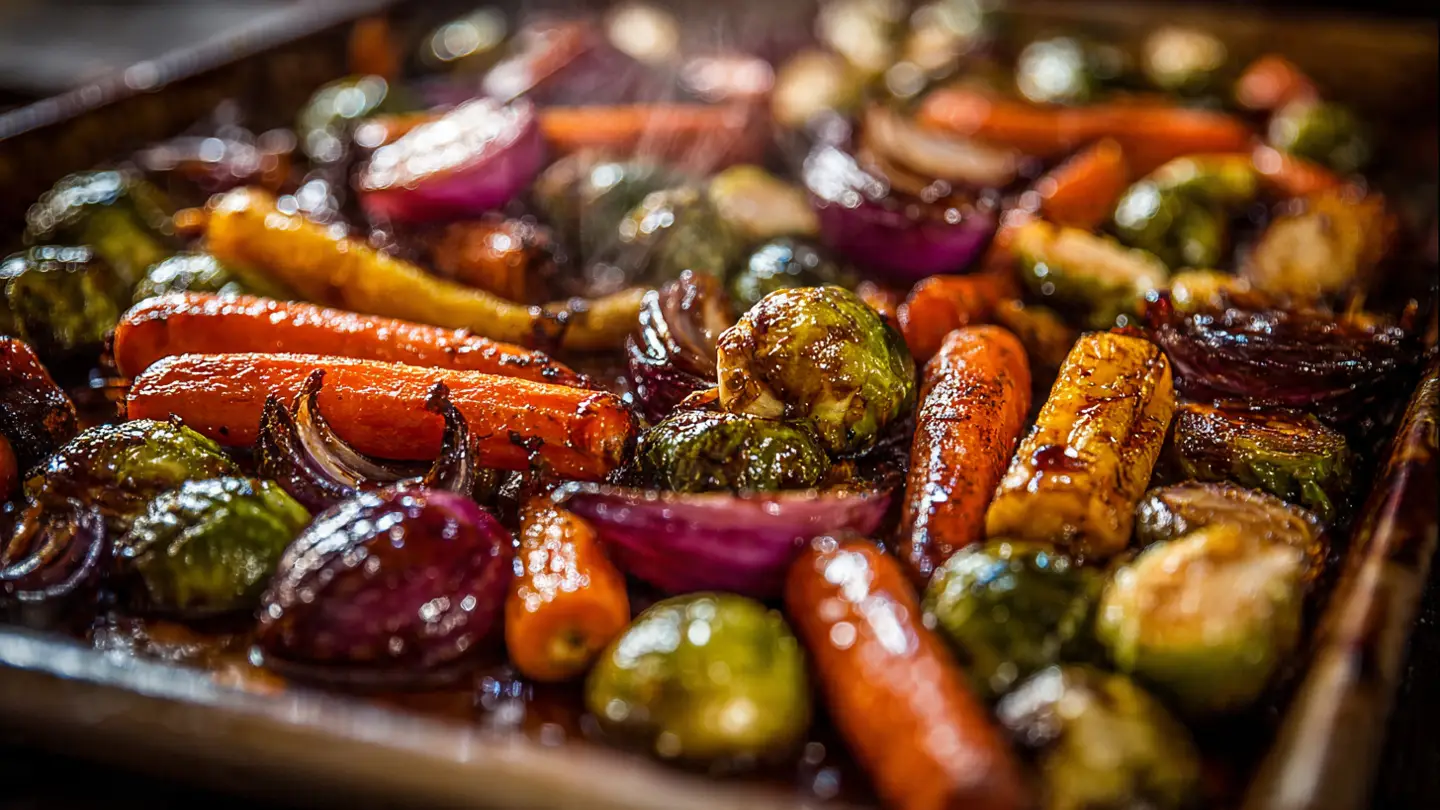
Balsamic Glazed Roasted Vegetables

I used to hate vegetables when I was a kid. My mom would boil carrots until they were mushy and gray. It was not a good time for my taste buds. Everything changed when I learned how to roast them in a hot oven. Roasting makes vegetables sweet and crunchy at the same time. Adding a balsamic glaze makes them even better because it adds a tangy kick.
In this guide, you will learn how to pick the best vegetables for roasting. I will show you how to cut them so they cook evenly. You will also see how to make a simple glaze that tastes like it came from a fancy restaurant. This dish is perfect for a big family dinner or just a healthy snack for yourself. It is easy, cheap, and very hard to mess up.
Are you ready to turn boring greens into something amazing? Let us get into the kitchen and start cooking.
Recipe Quick Info
- Prep Time: 15 minutes
- Cook Time: 35 minutes
- Servings: 4 people
- Difficulty: Very Easy
The Best Vegetables for Roasting
Not every vegetable belongs in a hot oven. Some things, like lettuce, would just turn into a wet mess. You want to pick vegetables that are sturdy. These are usually the ones that grow underground or have a lot of fiber. They can handle the heat without falling apart. Using a mix of colors makes the plate look great too.
The Ultimate Shopping List

You do not need a lot of money to make this recipe. I usually just grab what looks fresh at the store. Here is what I use to make a big tray of roasted goodness. You can change these based on what you like or what is in your fridge. Just make sure you have enough to fill up your pan without crowding it.
- 2 large carrots (peeled and sliced)
- 1 pound of Brussels sprouts (ends cut off and sliced in half)
- 1 large sweet potato (peeled and cubed)
- 1 red onion (cut into big chunks)
- 1 red bell pepper (cut into squares)
- 3 tablespoons of olive oil
- 1/2 teaspoon of salt
- 1/4 teaspoon of black pepper
- 1/4 cup of balsamic vinegar
- 1 tablespoon of honey or maple syrup
Why These Veggies Work

Sweet potatoes and carrots are full of natural sugar. When they get hot, that sugar turns into caramel. This is what makes them taste so good. Brussels sprouts get crispy on the outside but stay soft on the inside. The red onion becomes sweet and loses that sharp bite it has when it is raw. It is a perfect mix of flavors.
I like using red bell peppers because they add a pop of bright color. They also cook a bit faster, so they get those nice black char marks. If you want to try other things, broccoli and cauliflower work well too. Just remember that broccoli cooks very fast. You might want to add it to the pan halfway through the cooking time so it does not burn.
The Simple Steps to Success
Cooking should not be scary. Even if you have never roasted anything before, you can do this. The secret is all in the temperature and the timing. You want a hot oven so the vegetables brown instead of steam. If the oven is too cold, they will just get soft and soggy. Nobody likes soggy sprouts! Here is exactly how I do it every single time.
Prepping Your Vegetables

First, turn your oven on to 400 degrees. While that is getting hot, start washing your vegetables. Make sure they are very dry after you wash them. If they are wet, the oil won’t stick well and they will steam in the oven. I once forgot to dry my carrots and they came out very limp. It was a sad dinner. Now, I always use a clean towel to pat them dry.
Next, cut everything into similar sizes. This is a big tip most people skip. If your sweet potato chunks are huge and your carrots are tiny, the carrots will burn before the potatoes are soft. Try to keep everything about one inch thick. This helps everything finish at the exact same time. It makes your life much easier when you pull the tray out.
The Mixing and Roasting Process

Put all your chopped veggies into a big bowl. Pour the olive oil over them. Add your salt and pepper now. Use your hands or a big spoon to toss them around. Every single piece needs to be shiny with oil. If a spot is dry, it will stick to the pan. Once they are coated, spread them out on a large baking sheet. Do not let them pile up on top of each other.
Put the tray in the oven. Set your timer for 20 minutes. After 20 minutes, take a spatula and flip the vegetables over. This helps them get brown on all sides. Put them back in for another 10 to 15 minutes. You will know they are done when you can poke a fork through the sweet potato easily. They should look dark brown around the edges but not black like charcoal.
Making the Balsamic Glaze

While the veggies are in the oven, you can make the glaze. You can buy glaze at the store, but making it at home is cheaper. Put the balsamic vinegar and honey in a small pan. Turn the heat to medium. Let it bubble gently. It will start to get thick and look like syrup. This usually takes about 5 or 8 minutes. Don’t leave the stove! It can burn very fast if you start watching TV.
Once the glaze sticks to the back of a spoon, turn off the heat. When the vegetables come out of the oven, pour this sticky sauce all over them. Give them one last toss on the tray. The heat from the veggies will help the glaze coat everything perfectly. It smells amazing. The vinegar is sharp but the honey makes it sweet. It is the best part of the whole meal.
Tips for the Best Results
Even simple recipes have small tricks. After cooking this for years, I have learned what works and what doesn’t. Sometimes the weather or the type of pan you use can change things. FYI, a dark metal pan cooks faster than a light-colored one. I found that out the hard way when I burnt my first batch of sprouts! Here are some things to keep in mind.
Common Mistakes to Avoid

The biggest mistake is crowding the pan. If the vegetables are touching, they trap steam between them. This makes them soft instead of crispy. If you have a lot of veggies, use two pans instead of one. Another mistake is not using enough oil. The oil is what creates the crunch. Don’t be afraid of it! It is healthy fat that makes your food taste better.
Also, watch out for the sugar in the glaze. If you put the glaze on before you roast the vegetables, the sugar will burn in the 400-degree oven. It will turn bitter and black. Always wait until the end to add the balsamic mixture. This keeps the flavor fresh and bright. IMO, this is the most important rule for this recipe.
Pro Roasting Tips
- Dryness: Always pat vegetables dry with a paper towel before adding oil.
- Pan Choice: Use a rimmed baking sheet so the veggies don’t slide off when you flip them.
- Parchment Paper: Use parchment paper for easy cleanup, but the veggies might be slightly less crispy.
Serving Suggestions

These vegetables go with almost anything. I love serving them next to a roasted chicken or a grilled steak. They are also great on top of a big bowl of quinoa or rice for a vegetarian lunch. If you have leftovers, they are actually really good cold in a salad the next day. The glaze acts like a dressing.
You can also sprinkle some things on top right before you eat. A little bit of feta cheese or goat cheese adds a creamy taste. Toasted walnuts or pecans add a nice crunch. If you want it to look fancy for guests, chop up some fresh parsley and sprinkle it over the bowl. It makes the colors pop and looks like a professional chef made it.
Storing and Reheating
If you live alone or have a small family, you might have leftovers. Do not throw them away! These vegetables stay good for a few days. However, you should know that they will lose their crunch in the fridge. That is just how science works. The moisture in the vegetables comes out and makes the outsides soft. But the flavor is still there!
How to Store Safely

Let the vegetables cool down completely before you put them away. If you put hot food in a closed container, steam will build up. This makes them very mushy. Put them in an airtight glass or plastic container. They will stay fresh in the fridge for about 3 to 4 days. I do not recommend freezing them. When they thaw out, they turn into a watery mess that is not very tasty.
If you are meal prepping, keep the glaze in a separate small jar if you can. Then you can add it after you reheat the veggies. If you already mixed it, that is fine too. It will just be a little more sticky. I usually make a double batch of the glaze just to have extra for other salads during the week. It is a great time saver.
The Best Way to Reheat

Do not use the microwave if you can help it. The microwave makes the vegetables rubbery. The best way to get that “just cooked” feeling is to use the oven or an air fryer. Put them back in at 350 degrees for about 5 or 10 minutes. This will crisp up the edges again and warm the glaze back up.
If you are in a rush, a frying pan on the stove works well too. Just put a tiny bit of oil in the pan and toss them around for a few minutes. This is actually my favorite way to eat them for breakfast. I put a fried egg on top of the warm veggies and it is a perfect meal. It is fast, healthy, and fills me up until lunchtime.
Fun Questions People Ask
Can I use frozen vegetables for this?
You can, but they will not be as crunchy. Thaw them completely and dry them very well before roasting. Fresh is always better for roasting.
What if I do not have balsamic vinegar?
You can use apple cider vinegar mixed with a little extra honey. It won’t be as dark, but it will still have a nice tangy taste.
Is this recipe vegan?
Yes! Just make sure to use maple syrup instead of honey in the glaze. Everything else is plant-based and healthy.
Can I add garlic to the tray?
Yes, but add whole cloves. Minced garlic will burn and taste bitter in a hot oven. Whole cloves get sweet and soft like butter.
Enjoy Your Healthy Meal
Balsamic glazed roasted vegetables are a total winner for any dinner table. They are sweet, tangy, and so easy to make with just a tray and an oven. I hope you love this simple way to eat your greens and roots. Happy cooking!