Mastering Texture: 20 Ways to Incorporate Natural Fibers and Crochet into Your Decor
Texture is the often-understated element that transforms a house into a home, adding depth, warmth, and visual interest to any space. In contemporary decor, there is a distinct move toward organic, tactile elements that ground a room and provide a sense of authenticity. Natural fibers—such as jute, sisal, rattan, and linen—are essential components of this aesthetic, offering earthy tones and robust, inviting surfaces that contrast beautifully with sleek, modern materials. Incorporating these elements is not just about following a fleeting trend; it’s about creating a layered, sensory experience within your environment.
Complementing the rugged appeal of natural fibers is the delicate, artisanal charm of textile crafts, particularly crochet. Once relegated to vintage aesthetics, crochet has been reimagined as a sophisticated way to introduce soft, intricate patterns and comforting textures, whether through throw blankets, wall hangings, or unique accent pieces. This merging of raw, woven materials and finely crafted stitchwork creates a balanced, bohemian-chic or modern-rustic atmosphere. This comprehensive guide presents 20 expert ways to seamlessly integrate natural fibers and the timeless beauty of crochet into your existing decor scheme, offering practical inspiration for mastering texture throughout your home.
Woven Light Canopy: Using Cascading Fairy Lights to Define Space and Texture
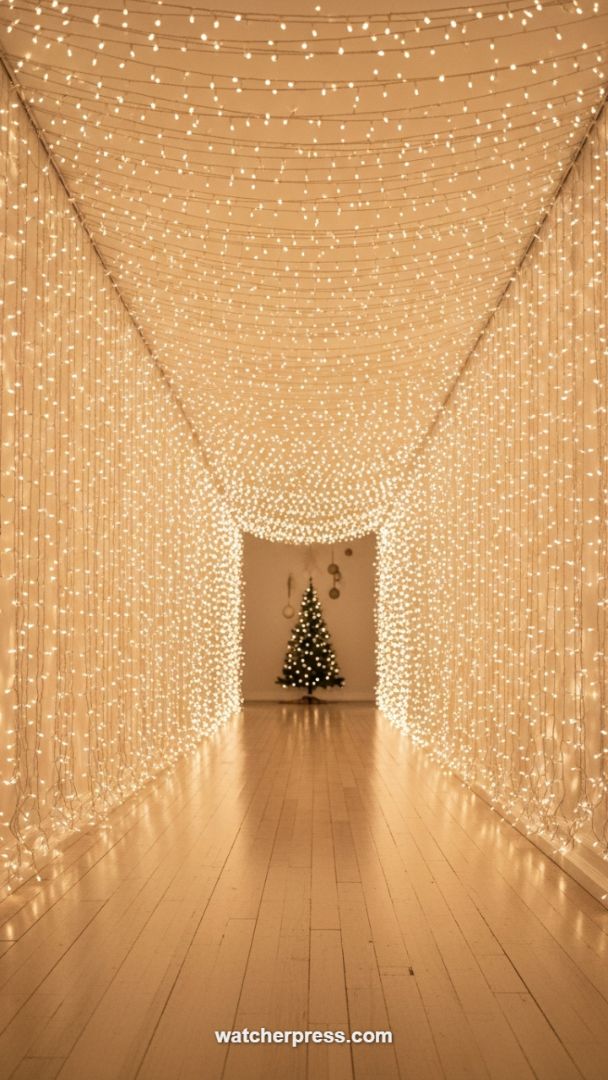
While the core article focuses on tactile materials like natural fibers and crochet, this installation demonstrates how strategic lighting can create a powerful visual texture, mimicking the delicate structure of woven materials. This stunning display transforms a simple, neutral hallway into an ethereal, immersive experience, showing how fine light strands can be utilized as a structural, shimmering element in high-impact decor. The dramatic use of warm light enhances the natural wood tones of the floor, drawing visitors toward the festive focal point at the end of the passage.
- Installation utilizes hundreds of fine-wire curtain lights, effectively draping the walls and ceiling to form a cohesive, textile-like enclosure that provides depth and visual softness.
- Creates a dramatic, immersive light tunnel, perfect for defining a high-impact transitional space, entry point, or feature walkway in both residential and event settings.
- The soft, warm white light temperature (approximately 2700K) minimizes harsh shadows and maximizes the cozy, inviting ambiance, making the space feel enclosed and intimate.
This lighting technique confirms that even electrical elements, when deployed densely and thoughtfully, can contribute significantly to the textural richness and magical ambiance of holiday or event decor.
The Crochet Core: A Textured Gallery Wall Featuring Fiber-Framed Mirrors
“`html
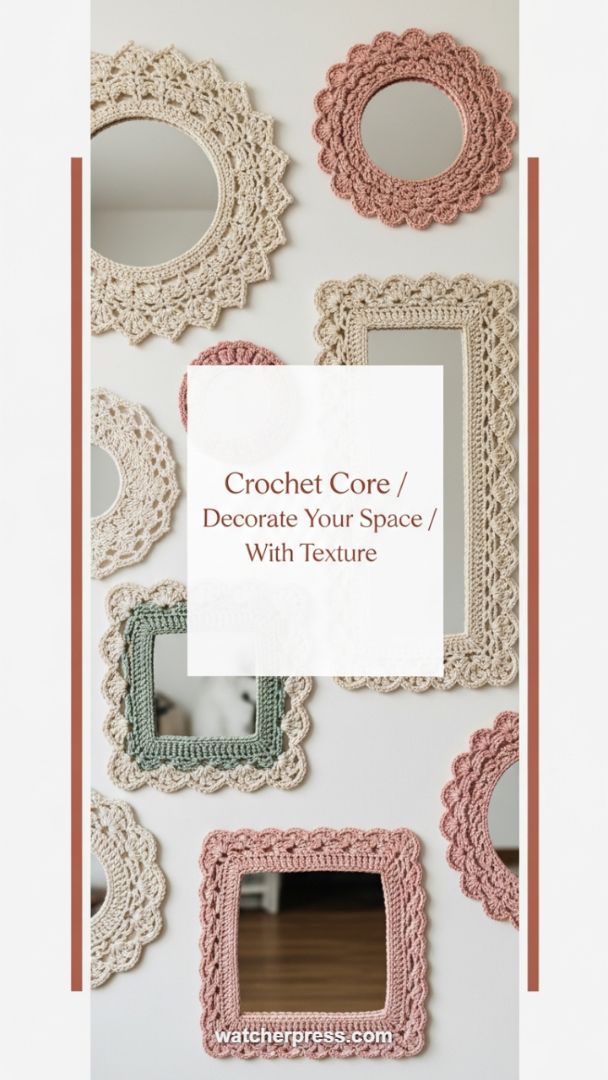
This image perfectly illustrates how to introduce significant tactile interest into a minimalist space. Moving beyond traditional wood or metal frames, these charming, small mirrors are encased in intricate crochet work. Hung together in a clustered gallery format, they transform a simple wall into a focal point rich with handcrafted texture, embracing the popular “Crochet Core” aesthetic.
- Varied Framing Techniques: The display utilizes both circular and rectangular mirrors, each bordered with distinct crochet patterns, including delicate scalloped edges and dense textural stitches, adding depth to the overall composition.
- Muted, Earthy Palette: The use of soft, natural hues—such as ivory, blush pink, and subtle sage green—ensures the display feels organic and warm, seamlessly blending with neutral or bohemian design schemes.
- High-Impact Clustering: By grouping multiple small, fiber-framed reflective surfaces tightly together, the installation maximizes light reflection and textural contrast against the flat wall surface, making a subtle statement.
This arrangement demonstrates a sophisticated and playful method for integrating delicate fiber art and reflective elements, proving that even small decor pieces can have a major textural impact.
“`
The Sensory Appeal of Jute and Wood: Crafting a Textured, Earthy Listening Nook
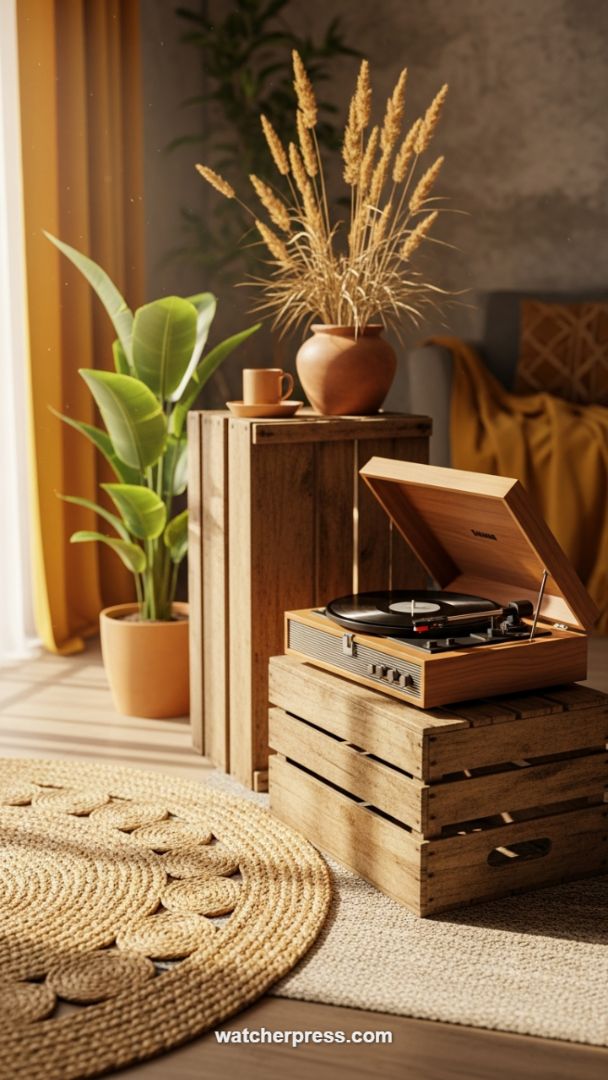
This image perfectly encapsulates the art of textural layering, demonstrating how natural materials—even when seemingly simple—can transform a corner into a rich, sensory experience. The warm, sun-drenched palette of deep ochre, terracotta, and raw wood immediately draws the eye, establishing a deeply grounded, bohemian aesthetic ideal for relaxation and contemplation.
- The central floor element is a striking circular jute rug featuring an intricate braided design punctuated by decorative crochet medallions, providing essential softness and a foundational layer of natural fiber.
- Utilizing stacked, lightly stained wooden crates as functional side tables introduces a raw, rustic texture that complements the natural fibers of the rug and provides a sturdy platform for the retro wooden turntable.
- The intentional contrast between the vibrant, glossy green foliage of the potted plant and the delicate, dried wheat stalks in the terracotta vase showcases diverse natural textures and brings organic life into the space.
This harmonious arrangement proves that mastering texture through natural, earthy elements is the ultimate key to sophisticated, comfortable interior design.
The Power of Contrast: Pairing Textured Natural Fiber Seating with Bold, Abstract Color Blocking
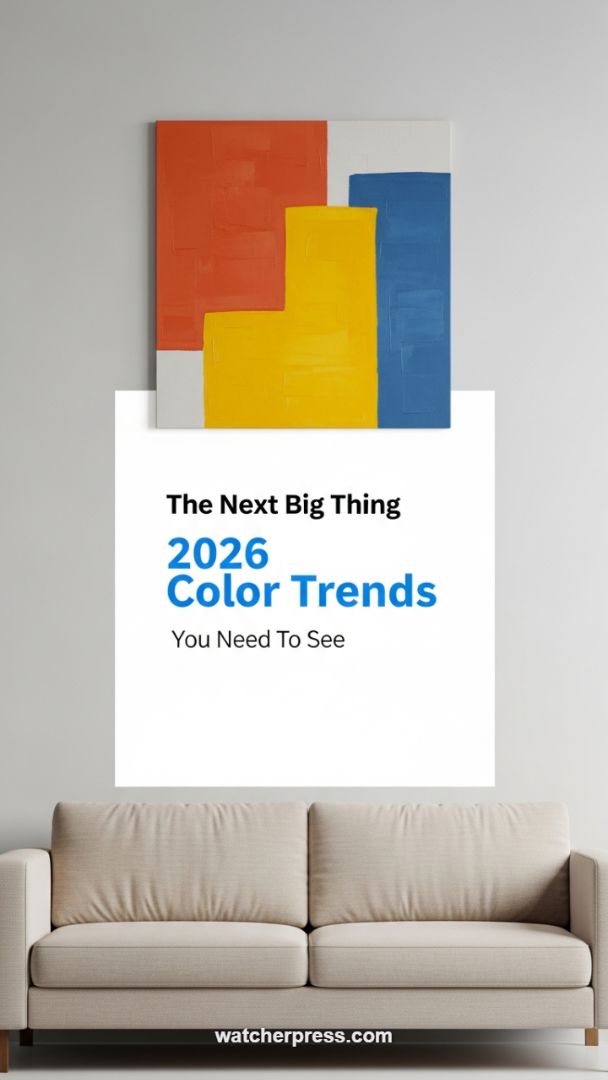
This modern living space expertly demonstrates how to use texture as a grounding element against vibrant color. The neutral, subtly textured linen-look sofa anchors the room, providing a calming foundation that highlights the dynamic energy of the abstract art installed above it. This pairing is a masterclass in using robust, natural-look fibers to soften a contemporary aesthetic, creating a balanced environment that is both visually stimulating and inherently comfortable.
- The sofa features a tight, slub-weave fabric (suggesting linen or a durable natural blend) that offers subtle visual texture, preventing the neutral palette from appearing flat and reinforcing the focus on natural materials.
- A highly structured, modern silhouette for the sofa maintains clean lines, ensuring the focus remains on the tactile and textural quality of the upholstery rather than excessive ornamentation.
- The strategic use of a bold, primary-colored abstract painting creates a stunning visual tension, proving that neutral, natural fiber furnishings are the perfect, grounding backdrop for high-impact statement art.
By prioritizing quality, textured upholstery, this design achieves both sophisticated comfort and high-impact visual appeal.
Curated Contrast: Elevating Gallery Walls with Textured Fiber Art and Natural Wood Frames
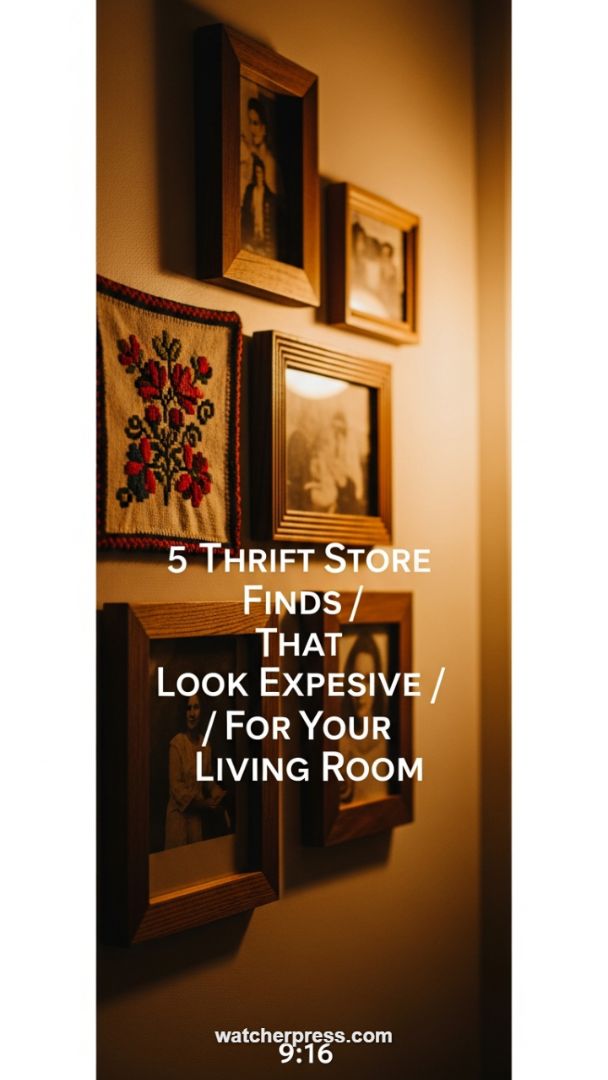
Integrating diverse textures is crucial for a dynamic gallery wall, moving beyond standard prints and photographs. This arrangement expertly juxtaposes the smooth, reflective surface of framed glass and photographs with the rich, matte texture of a framed piece of embroidered fiber art, adding immediate warmth and visual depth to the narrow hallway space.
- The central inclusion of a densely stitched, floral textile piece (likely cross-stitch or embroidery) introduces a critical, handmade tactile element that grounds the display in natural fibers.
- A consistent selection of warm-toned, natural wood frames provides material unity while allowing the varied contents—from black-and-white photos to saturated fiber art—to stand out.
- Strategic vertical placement and warm, directional lighting emphasize the dimensional depth and contrast between the smooth glass surfaces and the raised, textured stitching of the fiber artwork.
This example proves that combining the traditional formality of framed photography with the soft, tactile quality of fiber art is an effective way to inject personality and depth into any wall display.
The Art of the Stack: Deep Autumnal Hues and Layered Natural Textures
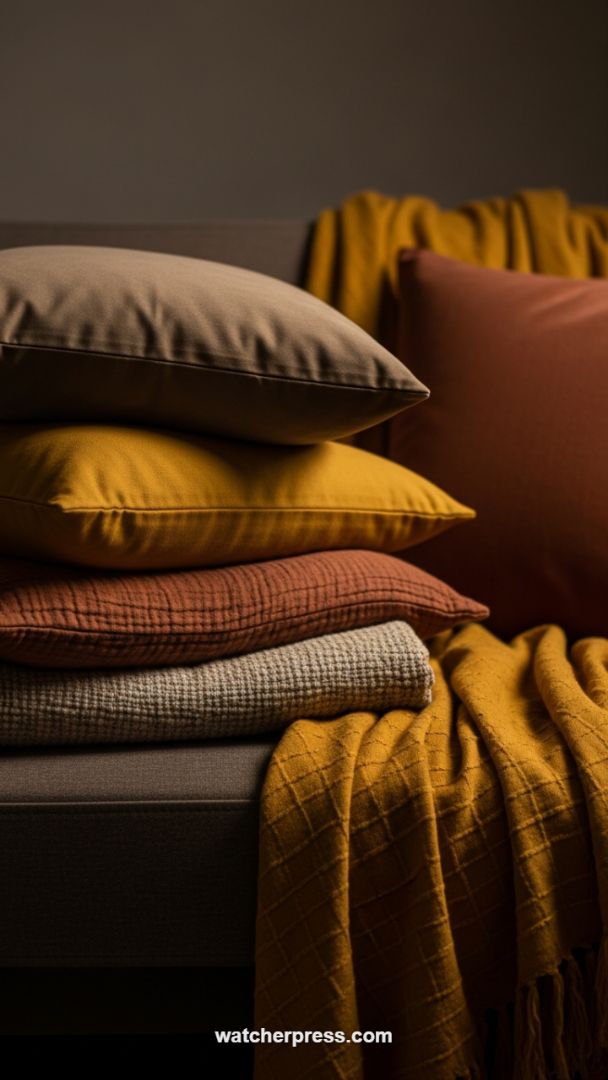
Achieving depth in living spaces relies heavily on the strategic use of layering. This collection exemplifies how combining rich, matte surfaces with highly textured natural fibers—like the subtle crinkle weave of the terracotta pillow and the chunky waffle knit of the mustard throw—creates immediate visual interest and undeniable warmth. The palette, featuring deep mustard, rust, and earthy taupe, is perfectly balanced for a sophisticated, cozy aesthetic that highlights the tactile quality of the materials.
- Layered Material Contrast: A masterful arrangement showcasing the contrast between smooth, solid cottons (top two pillows) and heavily textured, natural weaves (gauze, knit) to maximize tactile appeal.
- Deep Autumnal Palette: A cohesive color story built on saturated tones of turmeric/mustard yellow, burnt sienna, and warm taupe, ideal for adding warmth and visual richness to transitional or seasonal decor.
- Tactile Waffle Knit Throw: The prominent throw blanket features a deep, diamond-patterned waffle weave, providing a substantial, handmade feel that anchors the entire seating arrangement and invites comfort.
Utilizing varied textures and a unified color scheme is the simplest yet most effective way to elevate everyday comfort into high-end interior design.
Soft Textures and Ambient Lighting: Creating a Dreamy Makeup Sanctuary
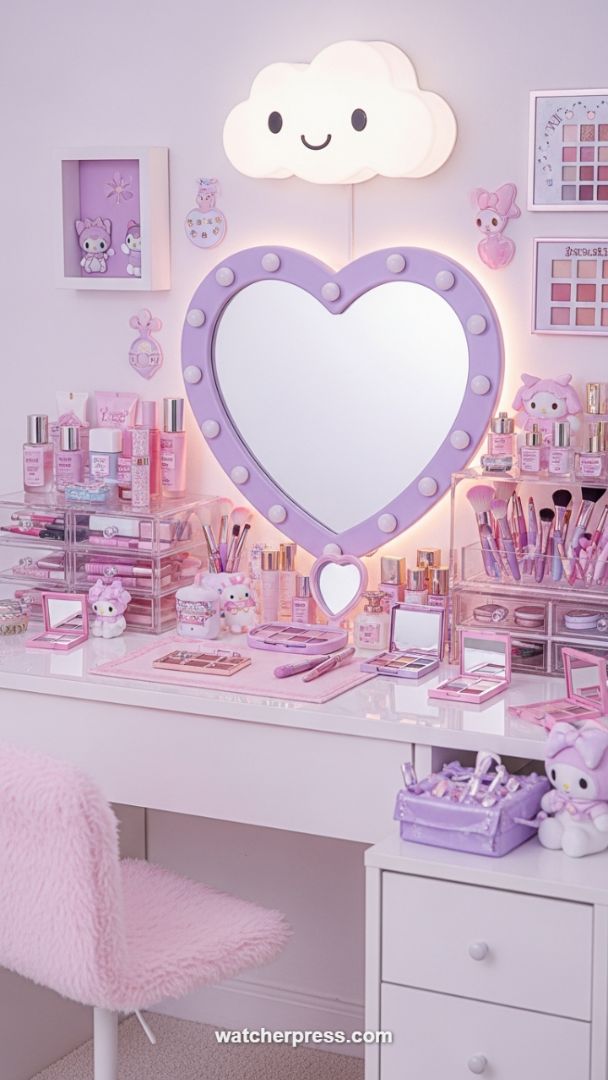
This dedicated vanity setup perfectly illustrates how combining diverse textures and a focused color palette can transform a corner into a dreamy, personalized retreat. Utilizing a soft spectrum of pastel pinks and lavenders, the space balances high-gloss functional surfaces with luxurious, tactile elements, demonstrating that texture mastery is key to crafting an environment that feels both whimsical and highly organized.
- The focal point is the plush, baby-pink faux fur chair, providing immediate tactile warmth and a delightful contrast to the sleek white desk surface, inviting relaxation during the morning routine.
- A large, heart-shaped vanity mirror framed in soft lavender and integrated with Hollywood-style bulbs provides optimal, flattering illumination, complemented by the whimsical, smiling cloud wall light above.
- Highly efficient, transparent acrylic organizers are utilized to maintain a clean aesthetic while displaying an extensive collection of cosmetics, allowing the pink and lavender hues of the products themselves to become part of the overall decor palette.
This space proves that incorporating contrasting textures—from glossy acrylic to sumptuous faux fur—is essential for crafting a layered, personalized, and highly functional retreat.
Hygge Hooks: Elevating Minimalist Spaces with Neutral Crochet and Woven Fibers
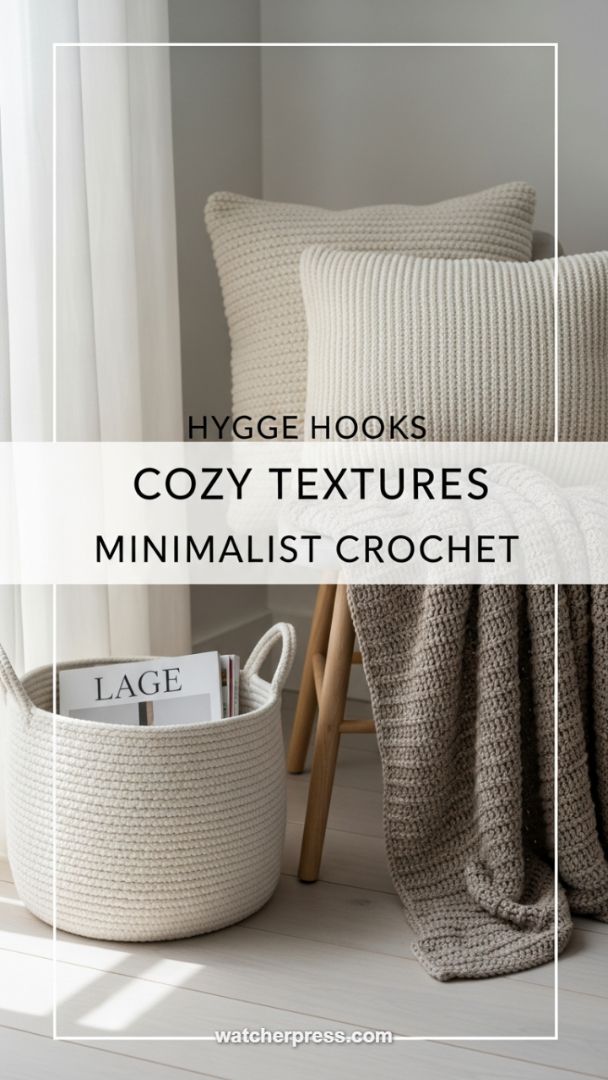
Achieving a cozy, yet refined aesthetic relies heavily on layered textures within a limited color palette. This vignette perfectly illustrates the “Hygge Hooks” philosophy, showcasing how chunky crochet and natural rope fibers transform a simple, neutral corner into a welcoming retreat without adding visual clutter. The key is combining diverse stitches and materials in harmonious tones to maximize tactile appeal.
- Layered Cushion Textures: Two cream-toned crochet pillows utilize distinct ribbing and stitch patterns (such as Tunisian knit stitch and traditional single crochet), adding visual depth while maintaining a sophisticated monochromatic scheme.
- Functional Woven Storage: A large, coiled natural rope basket provides essential, aesthetically pleasing storage for magazines and books, grounding the scene with its robust, textural structure and clean lines.
- Earthy Throw Contrast: A heavy, taupe-colored crochet throw blanket draped over a minimalist wooden stool introduces a subtle, grounding color contrast and exceptional softness, inviting immediate comfort.
By focusing on quality craftsmanship and subtle textural variation, this arrangement proves that warmth and comfort can thrive within a strictly minimalist design framework.
Earthy Drapery: Layering Textured Natural Fibers to Amplify Light and Space
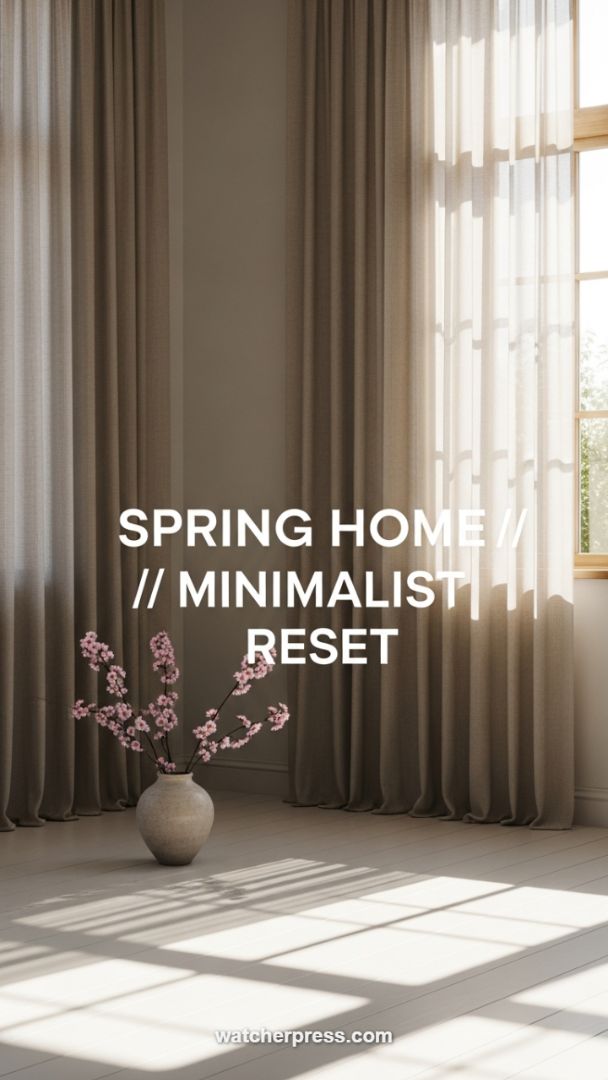
This stunning minimalist vignette showcases how simple, natural fiber textiles can redefine a space, perfectly aligning with a seasonal “reset.” Moving beyond heavy synthetic materials, these layered window treatments utilize the inherent texture and breathability of materials like linen or hemp to soften harsh light, diffuse shadows, and introduce organic warmth into an otherwise stark, clean environment. The careful selection of natural tones and rich weaves demonstrates that texture is paramount in achieving depth within a minimalist design.
- Dual-Layered Natural Fiber System: Combining a sheer inner scrim with a heavier, textured outer drape ensures optimal light diffusion while maintaining privacy and adding substantial visual weight to the window treatment.
- Organic Taupe and Beige Palette: The rich, earthy tone of the main curtains provides a grounding element against the light wood flooring, offering a sophisticated, warm alternative to traditional stark white or cool gray minimalist schemes.
- Visible Weave Texture: The coarse, textural weave of the primary curtain material (likely a linen or hemp blend) introduces tactile interest and a palpable sense of quality, fulfilling the requirement of incorporating natural fibers for a richer sensory experience.
This approach proves that texture, delivered through quality natural textiles and strategic layering, is the key ingredient for achieving a sophisticated, light-filled, and truly organic minimalist environment.
Elevated Greenery: Utilizing Natural Fiber Macrame for Vertical Garden Displays
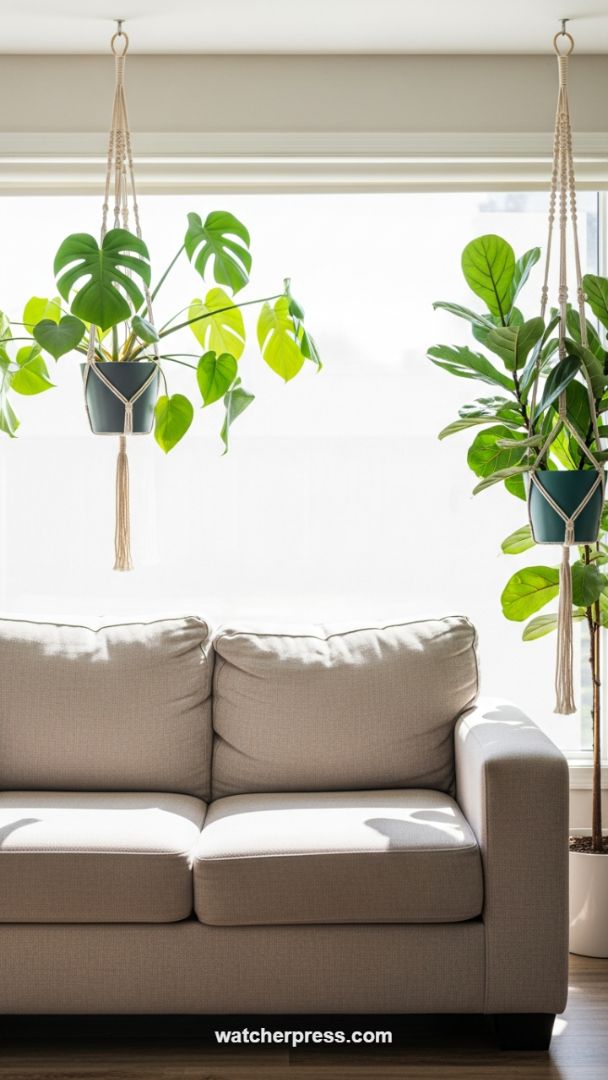
This image perfectly illustrates how natural fibers can enhance a minimalist space while seamlessly integrating biophilic design. The use of hand-knotted macrame plant hangers adds crucial visual texture and warmth, contrasting beautifully with the sleek lines of the modern sofa and the bright, expansive window light.
- Hand-knotted natural rope macrame, providing a sophisticated bohemian texture that softens the clean lines of contemporary interior design.
- Effective vertical integration of large houseplants (like the Monstera and Fiddle Leaf Fig), maximizing floor space while creating an airy, layered look near the window.
- The neutral beige tone of the fiber works as a perfect complementary element, drawing attention to the vibrant green foliage and the deep teal planters.
This simple addition of natural fiber textile elevates standard potting into a striking, light-filled decorative statement.
High-Gloss Lacquer Meets Prismatic Crystal: A Study in Contrasting Textures
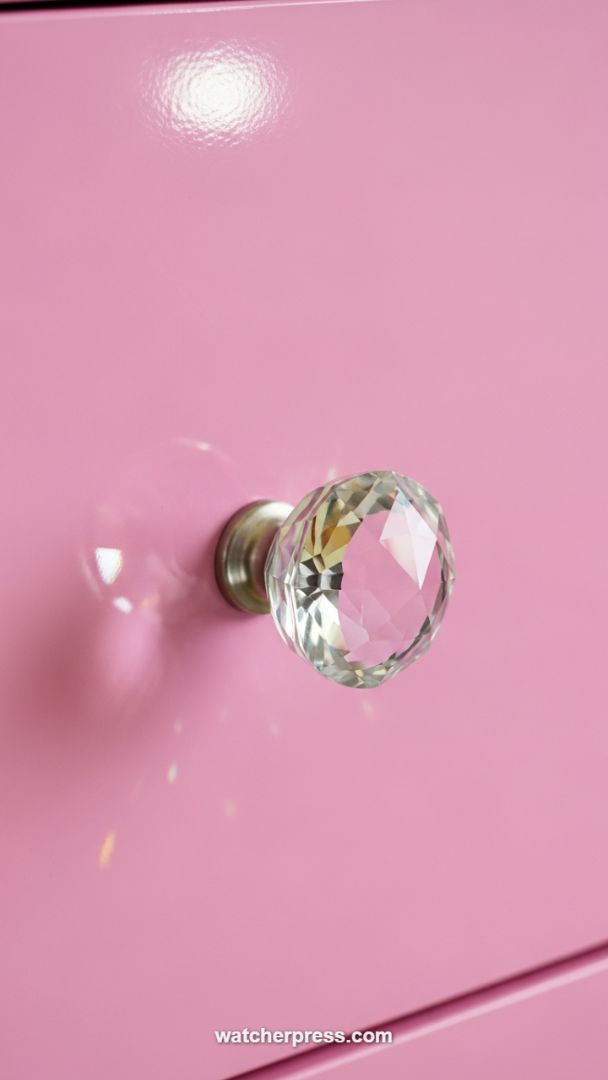
While the focus of textural design often lies in soft furnishings and natural weaves, the contrast achieved by incorporating highly polished, reflective materials should not be overlooked. This stunning close-up highlights how a single piece of statement hardware can dramatically alter the tactile feel of a piece. The juxtaposition of the slick, bubblegum-pink lacquered surface against the sharp, brilliant facets of the crystal knob creates a dynamic visual tension.
- Prismatic Facets: The multi-faceted crystal knob is designed to catch and refract light, casting dramatic shadows and subtle rainbows onto the surrounding surface, adding an element of movement and sparkle to an otherwise static piece of furniture.
- High-Gloss Contrast: The smooth, mirror-like finish of the pink cabinet drawer emphasizes the clarity and complexity of the knob, providing a modern, sleek backdrop that maximizes the crystal’s vintage, jewel-like appeal.
- Instant Glamour: Replacing standard metal pulls with decorative crystal hardware is an immediate, low-effort upgrade that infuses a touch of romantic glamor or art deco sensibility into any room, proving that texture extends beyond fabric.
This attention to detail transforms a simple storage piece into a decorative focal point, proving that even the smallest hardware choice influences the overall texture narrative.
The Soft Glow: Layering Ambient Lighting to Enhance Natural Textures
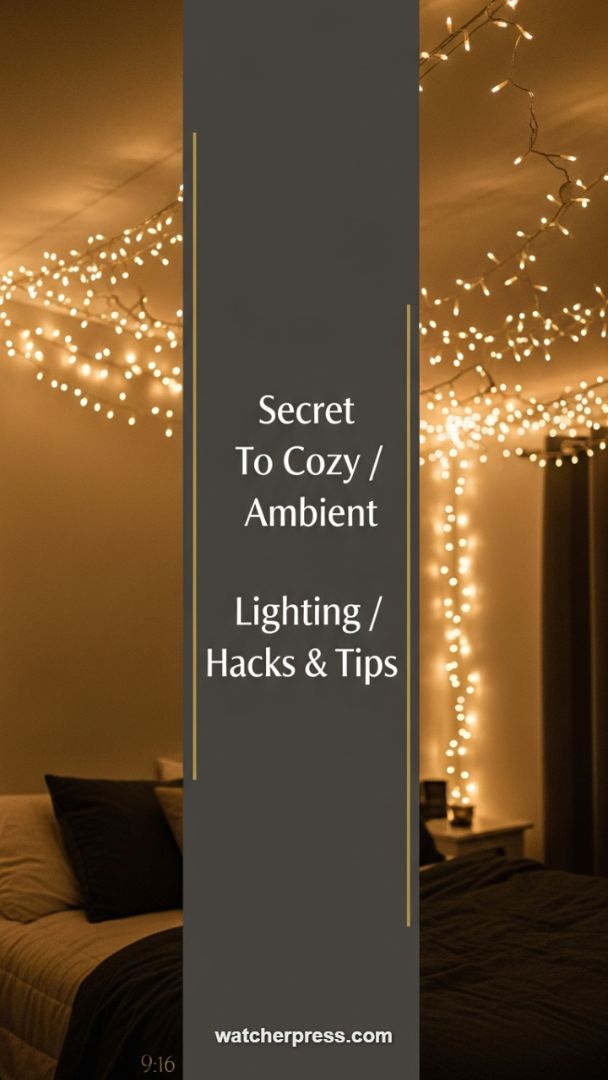
While natural fibers provide tactile comfort, warm ambient lighting is the secret ingredient to maximizing that cozy, ‘hygge’ feeling. This display of cascading fairy lights transforms a simple bedroom into a restful sanctuary, demonstrating how lighting design is crucial for complementing the soft, layered textures of bedding and decorative elements.
- Warm-Toned Illumination: Utilizing low-wattage, warm white LED string lights to cast a diffused golden glow that instantly promotes relaxation and visual warmth.
- Vertical and Overhead Cascades: Draping lights along the ceiling perimeter and down the walls creates a luminous canopy effect, eliminating harsh overhead shadows and softening the room’s architecture.
- Depth and Texture Enhancement: Ambient lighting is essential for highlighting the depth and tactile richness of soft furnishings, such as crochet throws or textured linen bedding, making the textures truly pop.
Strategic ambient lighting is the final, essential layer in designing a truly textured and inviting space.
Maximalist Comfort: The Art of Layering Rich Woven Textures
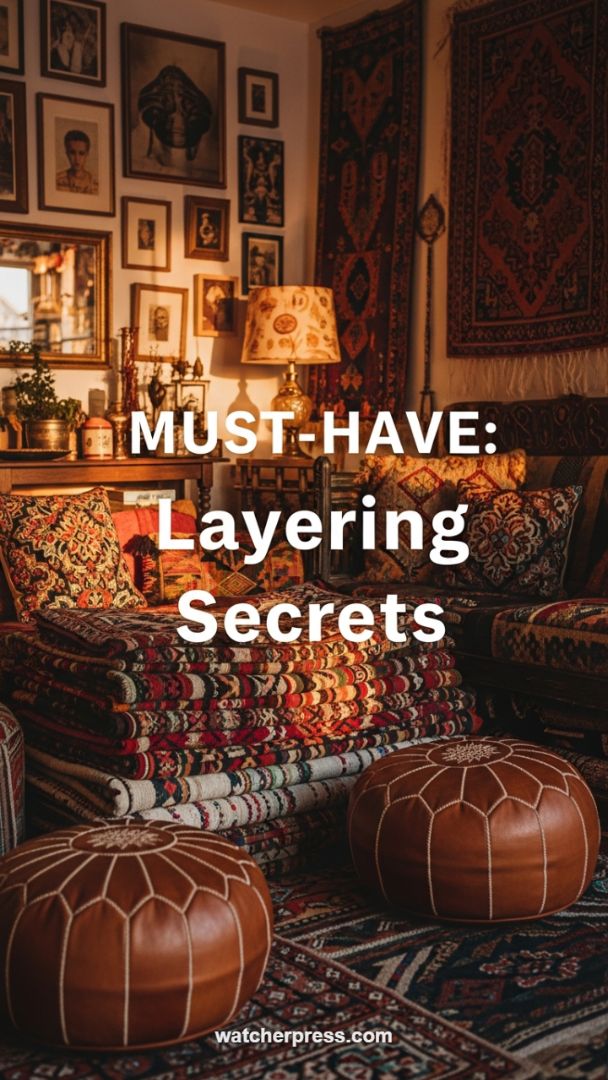
This stunning vignette exemplifies the maximalist approach to texture, creating a rich, immersive environment. The key to this deeply atmospheric look is the strategic layering of globally inspired, natural-fiber textiles, utilizing deep, warm colors and intricate traditional patterns to build visual depth and ultimate comfort in a highly personalized space.
- Textile Stacks for Depth: The dramatic focal point is the meticulously stacked collection of patterned throws and kilims, demonstrating how layering fiber-rich textiles instantly transforms a simple sofa into a luxurious, inviting lounge and showcases the beauty of woven materials.
- Moroccan Leather Poufs: Offering a geometric counterpoint to the woven patterns, the pair of stitched leather poufs grounds the space, introducing a smooth, durable natural material that serves as flexible seating or a stylish side element.
- Vertical Rug Displays: Utilizing intricate woven tapestries and rugs as wall hangings elevates the texture game, drawing the eye upward and reinforcing the global, maximalist aesthetic while enhancing the room’s sense of enclosed warmth.
By embracing diverse textures, from woven wool to rich leather, this space achieves a masterclass in deeply comfortable, personalized global design.
The Tactile Comfort of Sound: Layering Velvets and Warm Wood for a Retro Listening Corner
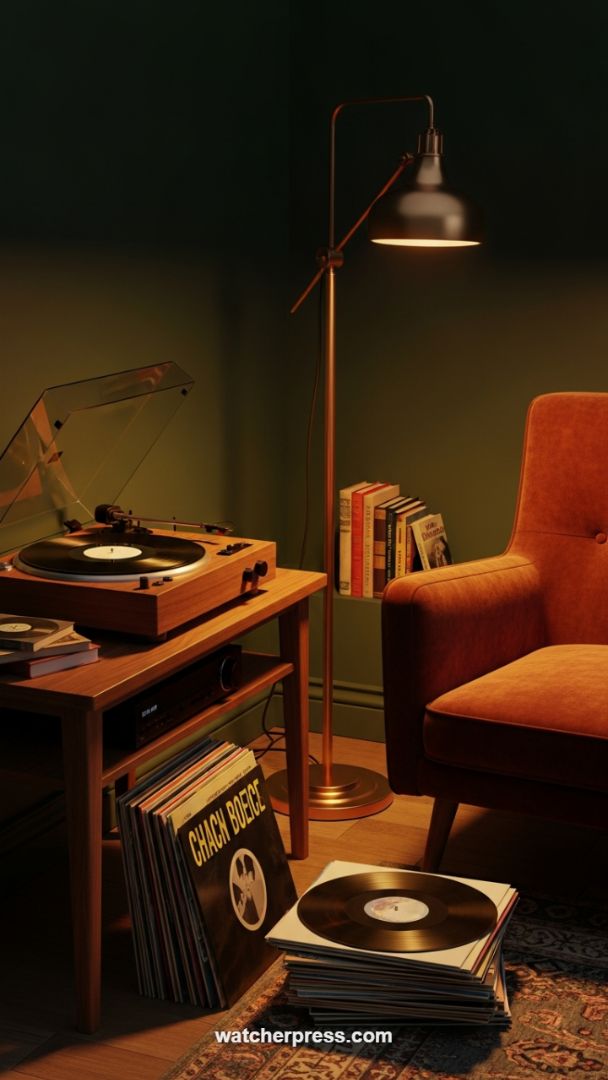
While this particular setup eschews traditional crochet, it is a masterclass in establishing texture through material contrast, color saturation, and ambient lighting—essential components of cozy decor. This intimate listening nook combines deep, moody wall colors with highly tactile surfaces, proving that texture extends beyond traditional fibers. The plush, rust-toned velvet armchair invites immediate relaxation, perfectly paired with the warm, analog glow of the adjacent lighting and the satisfying weight of vinyl records.
- Plush Velvet Upholstery: The striking burnt orange armchair provides the primary textural element, offering a soft, deep pile that contrasts sharply with the smooth surfaces of the wood and metal.
- Warm Wood Tones: A mid-century modern aesthetic is achieved through the rich grain of the turntable stand, anchoring the space and providing a natural, grounding material against the dark walls.
- Focused Task Lighting: The adjustable, metallic floor lamp casts a concentrated, amber glow, enhancing the visual texture of the materials below and creating an atmosphere ideal for reading or deep listening.
By thoughtfully combining these sophisticated textures and warm hues, this space transforms a simple corner into a highly personalized and luxurious sanctuary for enjoying analog audio.
Luxurious Layering: How to Stack High-Contrast Textures for Maximum Comfort
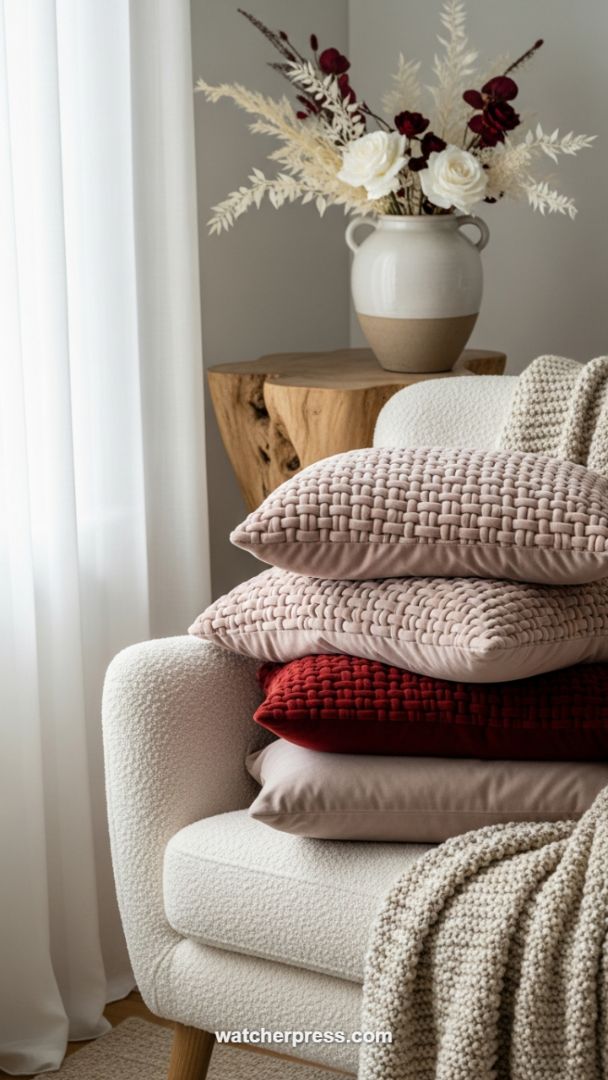
This image perfectly illustrates the power of mixing materials to create a deeply inviting and visually rich space. By combining the soft, nubby texture of the boucle armchair with a stack of plush, intricately woven pillows and a chunky knit throw, the arrangement achieves immediate depth and warmth, ideal for a cozy reading nook or living area.
- The foundational pairing of a creamy white boucle armchair with a thick, oatmeal-colored crocheted throw blanket provides a soft, tactile base layer that screams comfort.
- A curated stack of throw pillows utilizes contrasting textures—from deeply woven velvet patterns in blush and cranberry to smooth, solid velvet—demonstrating how varying weave styles amplify the visual interest of the arrangement.
- Natural Accents: The addition of a raw-edge wood slice side table and a ceramic vase filled with dried pampas grass and deep floral accents grounds the sophisticated textile arrangement in natural, earthy elements.
This thoughtful combination of fibers, weaves, and natural materials proves that texture is the most crucial element in designing a truly luxurious and inviting interior.
Coastal Chic: The Braided Jute Rope Mirror for Elevated Texture
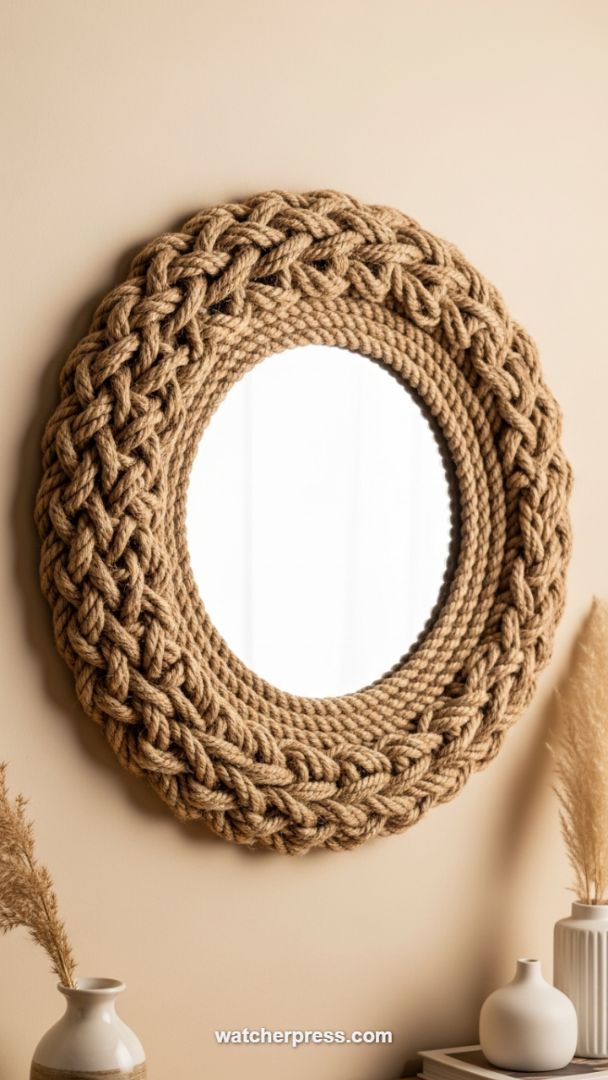
This stunning circular mirror exemplifies the power of natural fibers to transform a space. The robust frame, crafted from thick jute rope, uses a complex, handcrafted braiding technique that provides incredible visual weight and organic texture, instantly elevating any wall it adorns. It serves as both a reflective surface and a piece of tactile wall art, perfect for bohemian, coastal, or rustic interiors.
- The frame is constructed using heavy-gauge natural jute rope, offering exceptional durability and an authentic, earthy tone.
- Features an elaborate, densely woven braided pattern, mimicking a chunky crochet stitch, providing deep textural contrast against smooth walls.
- Ideal as a statement piece in entryways, bathrooms, or living areas, utilizing the natural material to inject warmth and depth into the design scheme.
This mirror is a definitive way to introduce masterful texture and organic appeal into your home environment.
High-Impact Hues and Hyper-Plush Textures: The Maximalist Velvet Bedroom
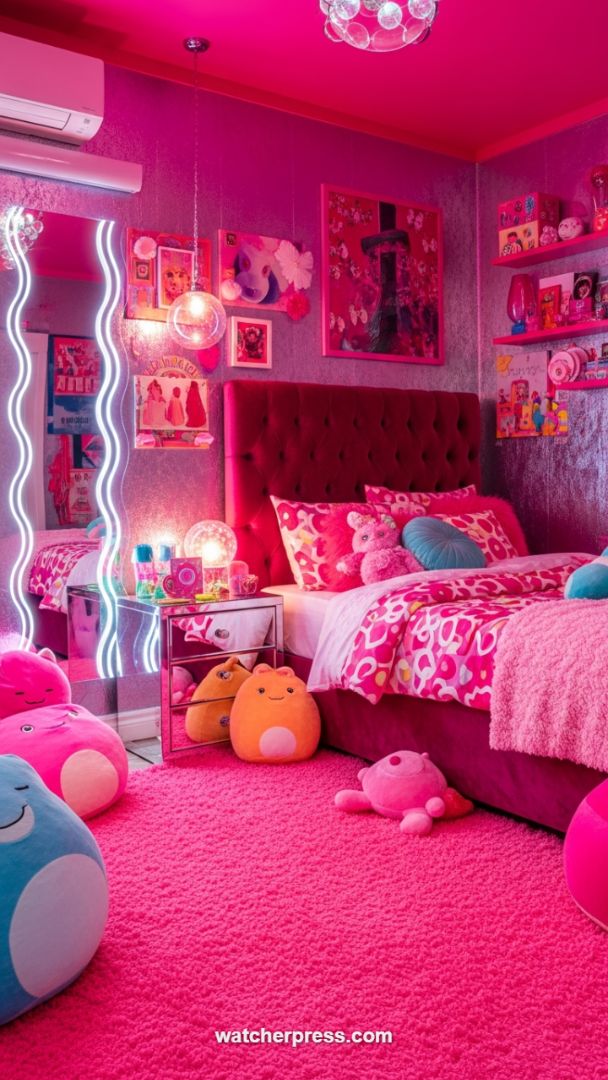
This bedroom is a masterclass in maximalist design, utilizing an intense palette of hot pink and fuchsia to create a truly immersive environment. While the color demands attention, the true success lies in the deliberate layering of soft, cozy textures—from the floor up—ensuring that this vibrant space remains warm and inviting despite its bold aesthetic. The strategic use of plush synthetic fibers and rich velvet elevates the sensory experience of the room.
- Ultra-Plush Shag Floor Covering: A wall-to-wall-like application of high-pile, deep pink shag carpet serves as the foundation, offering unparalleled softness and a luxurious, textural anchor to the room’s vibrant theme.
- Velvet Tufted Headboard: The deep crimson velvet headboard provides a sophisticated, tactile contrast to the bright pinks, utilizing diamond tufting to create depth and a rich, matte finish that absorbs the intense lighting.
- Layered Synthetic Textures: The bedding incorporates various fuzzy and faux-fur elements, including a bright pink shaggy throw blanket and plush decorative pillows, ensuring that every touchpoint is soft and inviting.
By prioritizing high-touch, layered synthetic textures, this design proves that bold color choices can be perfectly balanced with irresistible comfort.
Grounding the Loft: Utilizing Distressed Natural Fibers to Soften Industrial Shelving
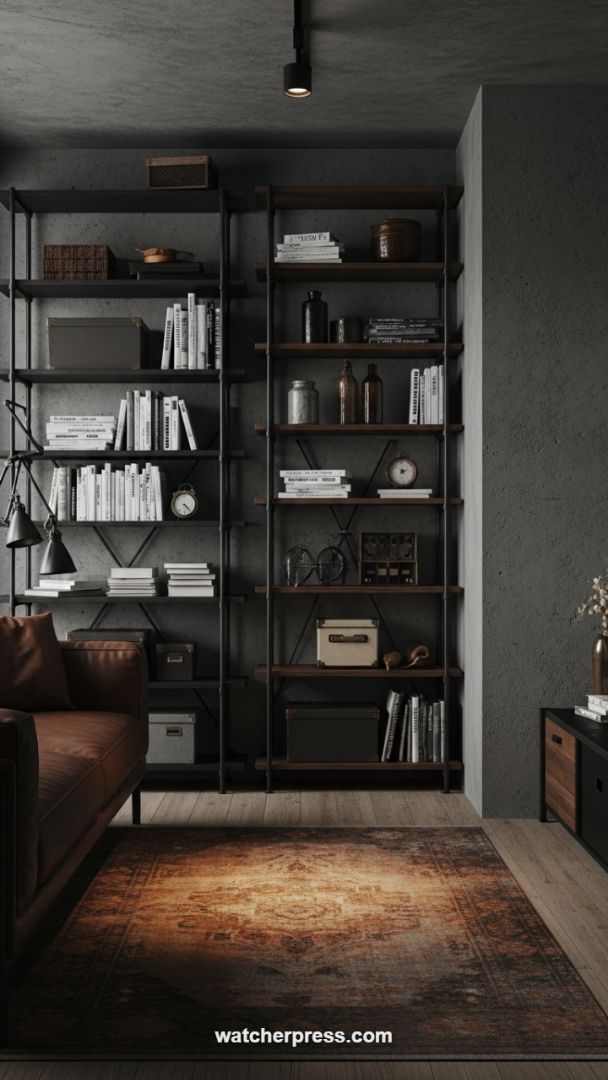
In high-contrast, industrial spaces defined by dark walls and strong metal lines, incorporating natural, soft textures is essential for creating warmth. This sophisticated loft setting expertly utilizes a distressed area rug and woven storage baskets to introduce tactile contrast, preventing the room from feeling cold or sterile while adhering to a refined, moody aesthetic.
- The Power of the Distressed Rug: A large-scale area rug featuring deep, earthy tones and a heavily distressed pattern provides the primary source of natural fiber softness, anchoring the imposing industrial shelving units and adding immediate warmth to the dark concrete floor.
- Woven Storage Accents: Strategically placed woven baskets and textured wooden boxes on the open shelving introduce subtle, organic texture, serving as functional yet decorative elements that break up the visual repetition of metal and books.
- Tactile Material Harmony: The combination of cold, smooth materials (concrete walls, metal frames) is expertly balanced by the rich, warm textures of the leather sofa and the soft wool/cotton fibers of the floor covering, creating a balanced and inviting atmosphere.
By integrating these key natural fiber elements, this design successfully marries rigorous industrial structure with cozy, livable comfort.
Rich Neutrals and Chunky Knit: Achieving Hygge Through Layered Bedroom Texture
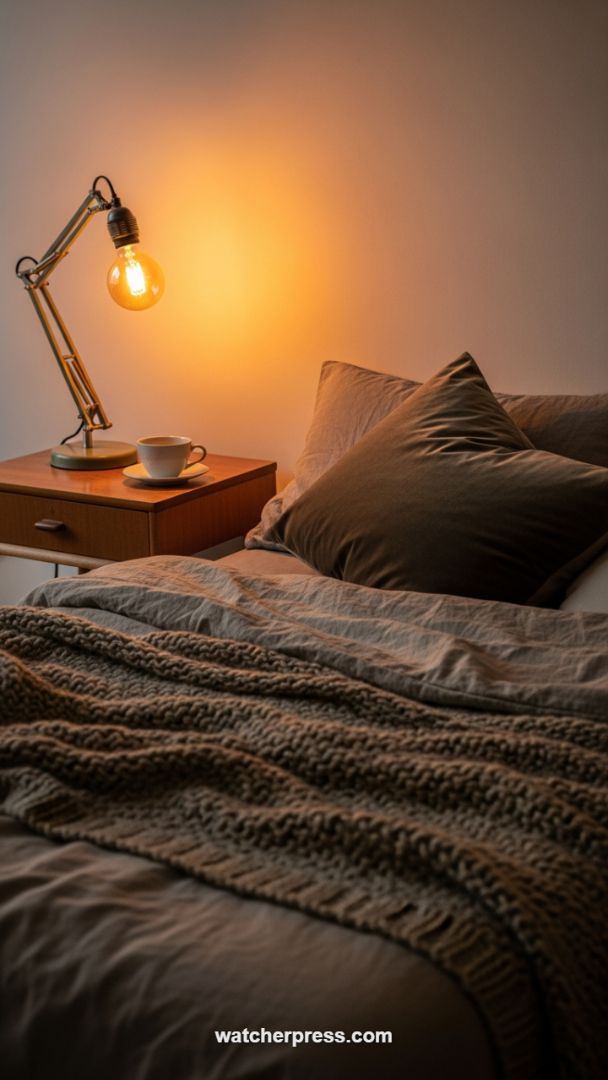
This intimate bedside vignette perfectly captures the essence of cozy, textured decor. The deliberate layering of natural fibers in rich, earthy tones—from deep olive to soft taupe—creates a deeply inviting and restful sanctuary. The combination of tactile materials, enhanced by the warm glow of the ambient lighting, serves as a masterclass in utilizing fiber and texture to build depth in minimalist spaces.
- The focal point is the deeply textured, chunky knit or crocheted throw, providing significant visual weight and tactile warmth, essential for adding a handcrafted, natural fiber element to the space.
- Strategic material layering, combining the crinkled texture of lightweight linen sheets, the plush depth of a dark velvet throw pillow, and the rugged weave of the blanket, maximizes comfort and sophisticated visual interest.
- The warm, amber glow from the industrial-style Edison bulb lamp emphasizes the shadows and highlights the complex topography of the bedding, ensuring that every fiber and stitch contributes to the overall atmospheric design.
This curated arrangement demonstrates how thoughtful material selection and mood lighting can transform a simple bedroom into a textural haven ready for deep relaxation.
Airy Elegance: Harnessing Sheer Linen for Natural Light and Movement
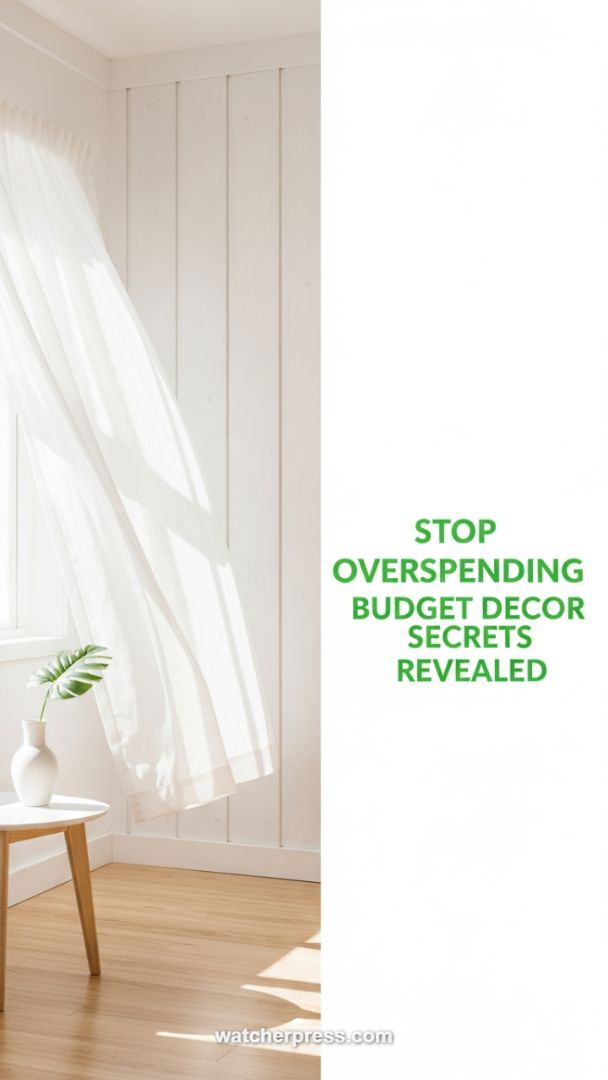
Achieving a serene and airy atmosphere often relies less on bold patterns and more on subtle textural interplay. This corner perfectly demonstrates how simple, natural elements—like the flow of sheer fabric and the vertical lines of wood paneling—can create profound depth and tranquility in a minimalist space. The choice of light filtering fibers is critical for maximizing daylight while maintaining privacy.
- Sheer Natural Drapery: Lightweight linen or cotton sheers introduce movement and soft, diffused light, serving as a primary textural element that defines the room’s mood and minimizes visual weight.
- Architectural Panel Texture: The crisp, vertical lines of the white shiplap wall provide a subtle, repeating texture that contrasts beautifully with the fluid softness of the curtains and adds depth to monochromatic palettes.
- Minimalist Wood Accents: The light blonde wood flooring and simple, mid-century inspired side table ground the bright space, showcasing how natural materials enhance the airy, clean, and contemporary aesthetic.
By prioritizing quality, natural materials and maximizing light filtration, this design scheme proves that less truly is more when crafting a textured, peaceful sanctuary.