In the fast-paced modern world, having a dedicated space for relaxation and solitude—often called an “escape nook”—is essential for mental well-being. However, those living in small apartments or compact homes often feel limited by square footage, believing a truly serene retreat is out of reach. The reality is that even the most cramped corners and overlooked areas can be transformed into luxurious havens with the right strategic approach.
We’ve compiled the Top 19 Designer Secrets specifically tailored to help you maximize every inch of your dwelling. These aren’t just decorative tips; they are expert strategies focusing on light manipulation, vertical space optimization, texture layering, and clever furnishing choices that trick the eye and soothe the mind. Prepare to unlock the potential of your small space and create the ultimate, personalized sanctuary you deserve.
The Biophilic Blueprint: Layering Texture, Light, and Greenery for Maximum Mood
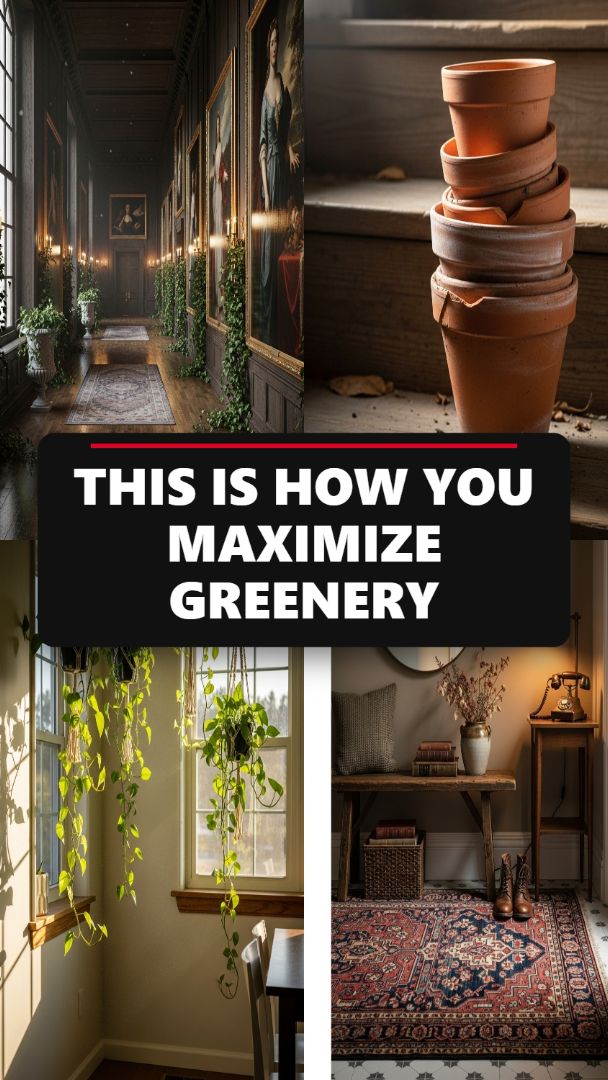
Creating a true escape nook relies on more than just furniture placement; it requires a sensory experience. Professional designers utilize biophilic principles, blending lush greenery, moody lighting, and rich textures to transport the occupant, transforming even the smallest corner into a luxurious, personalized retreat. This approach maximizes visual depth and natural comfort in confined areas.
- Vertical Greenery Integration: Whether cascading vines in a sunny window or dramatic ivy softening the hard lines of a traditional hallway, utilizing vertical space for plants draws the eye upward and maximizes the feeling of being immersed in nature without sacrificing floor space.
- Strategic Texture Layering: Designers combine soft elements (richly patterned Oriental rugs, textured throw pillows) with rustic, grounding materials like raw wood benches, stacked books, and rough terracotta pottery to build visual interest and sensory depth.
- Ambient Mood Lighting: The interplay of warm, focused light (lamps, candles, sconces) and natural sunlight defines the atmosphere. This technique highlights the richness of the textures and greenery, ensuring the space feels cozy and intentionally set apart from the rest of the home.
By strategically maximizing natural elements and embracing layered textiles, designers ensure that the escape nook feels grounded, lush, and deeply immersive.
The Golden Hour Balcony Formula: Combining Ambiance, Comfort, and Privacy for Small Outdoor Escapes
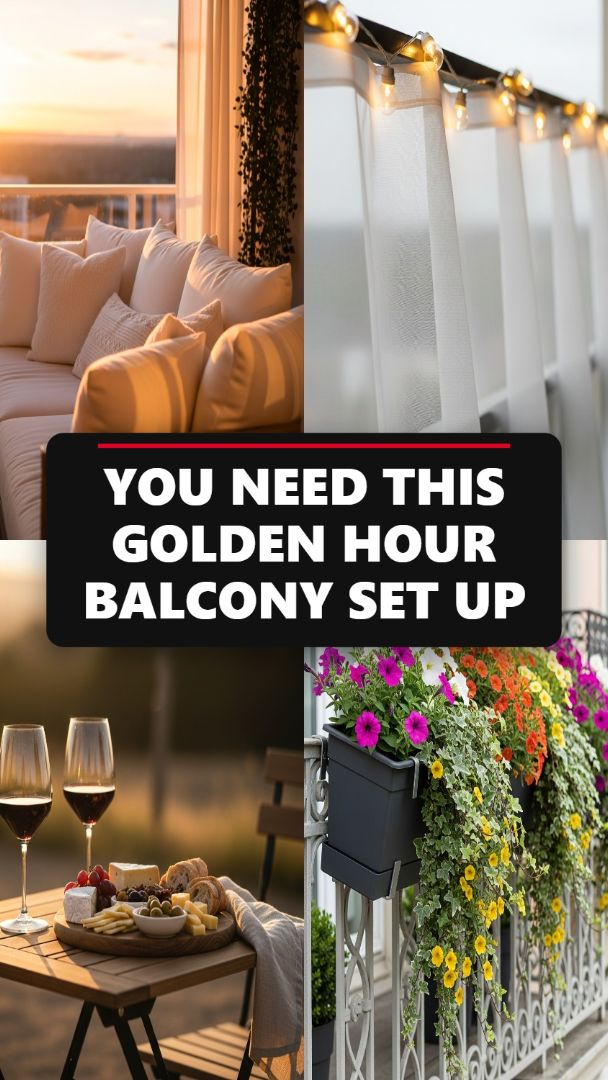
This image perfectly encapsulates the designer secret of transforming a tiny urban balcony into a luxurious, highly functional “escape nook.” The success of this setup lies in its multi-layered approach, utilizing strategic lighting, deep comfort, and vertical gardening to create an intimate, resort-like atmosphere that feels miles away from the city bustle, especially when bathed in the warm tones of sunset.
- Deep Seating and Textural Layering: Utilizing an overstuffed outdoor sofa or daybed piled high with soft, textured pillows maximizes comfort and encourages long periods of lounging, effectively turning the balcony into a seamless, cozy extension of the interior living space.
- Controlled Ambiance and Privacy: The integration of sheer, flowing curtains along the railing softens harsh edges, provides a crucial layer of privacy from neighbors, and diffuses the light. This is expertly paired with warm, low-hanging string lights (Edison bulbs) to capture and enhance the perfect “golden hour” glow long after the sun sets.
- Vertical Greenery and Functional Dining: Railing-mounted planters overflowing with cascading, vibrant florals introduce essential organic texture and color without consuming valuable floor space. This is balanced by a small, foldable bistro table setup, maintaining functionality for intimate, relaxed dining and entertaining.
By focusing on layered lighting, maximized comfort, and efficient vertical use of space, this balcony design proves that sophisticated outdoor luxury is achievable even within the tightest architectural constraints.
The Four Pillars of Evening Ambiance: Designing Your Digital Detox Nook
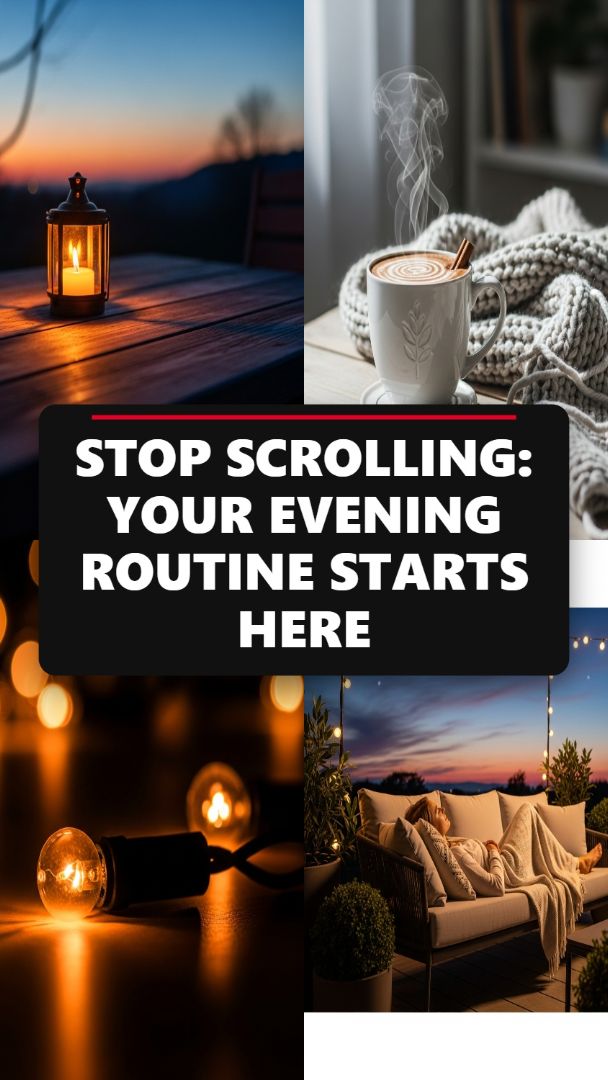
Transforming a small space into an effective escape nook hinges on creating a powerful sensory transition. This visual collage demonstrates the key design elements necessary to signal to the brain that it is time to relax, focusing on warmth, texture, and intentional illumination. By replacing harsh overhead light and digital blue light with these cozy cues, you establish a ritualistic evening routine that promotes genuine rest and mental disengagement.
- Strategic Warm Illumination: Use multiple sources of low-level, warm-toned lighting (lanterns, string lights, exposed filament bulbs) to create depth and a soft, flattering glow. This technique lowers cortisol levels and prepares the mind for sleep.
- Tactile Comfort and Hygge Elements: Incorporate plush, highly textured materials like chunky knit blankets, soft throw pillows, and comfortable seating (like the deep outdoor sofa shown) to maximize physical comfort and encourage settling in.
- Sensory Rituals: The inclusion of a steaming mug signals warmth, hydration, and a focused moment of enjoyment. Design your nook around simple rituals—reading, sipping, or quiet contemplation—to replace the urge to “scroll.”
By integrating these sensory design secrets, any small corner—indoors or out—can become a restorative haven that encourages true rest and mental disengagement.
Harvesting the Elements: A Coastal and Bohemian Design Mood Board

The secret to a truly restorative escape nook is authentic, multi-sensory inspiration. This design mood board captures the essence of a rugged coastal retreat, blending dramatic natural landscapes—from turquoise cliff walks to clear, rocky shorelines—with soft, inviting, bohemian textiles. It provides a blueprint for utilizing raw, earthy elements alongside plush comfort, ensuring your small space feels boundless and immersive.
- Layered Bohemian Comfort: The design emphasizes low-slung seating, abundant textured cushions (macrame, knit, woven patterns), and natural fiber poufs (jute, sisal) to create an incredibly inviting, grounded atmosphere ideal for sunset relaxation.
- Rugged Natural Palette: The color story is derived directly from the landscape, featuring clear turquoise and deep navy water tones contrasted with the warm, earthy hues of sun-bleached wood, distressed stone, and golden shoreline rocks.
- Emphasizing the Journey: Elements like the winding wooden walkway and rustic stairs suggest movement and transition, inspiring designers to incorporate natural wood planks, repurposed materials, and vertical garden elements to add depth and narrative to the nook.
By translating these dramatic, nature-based cues into your interior design, you can transform even the most cramped corner into a breathtaking, personal sanctuary.
The Sanctuary Suite: Integrating Built-In Storage and Layered Lighting for the Ultimate Personal Retreat
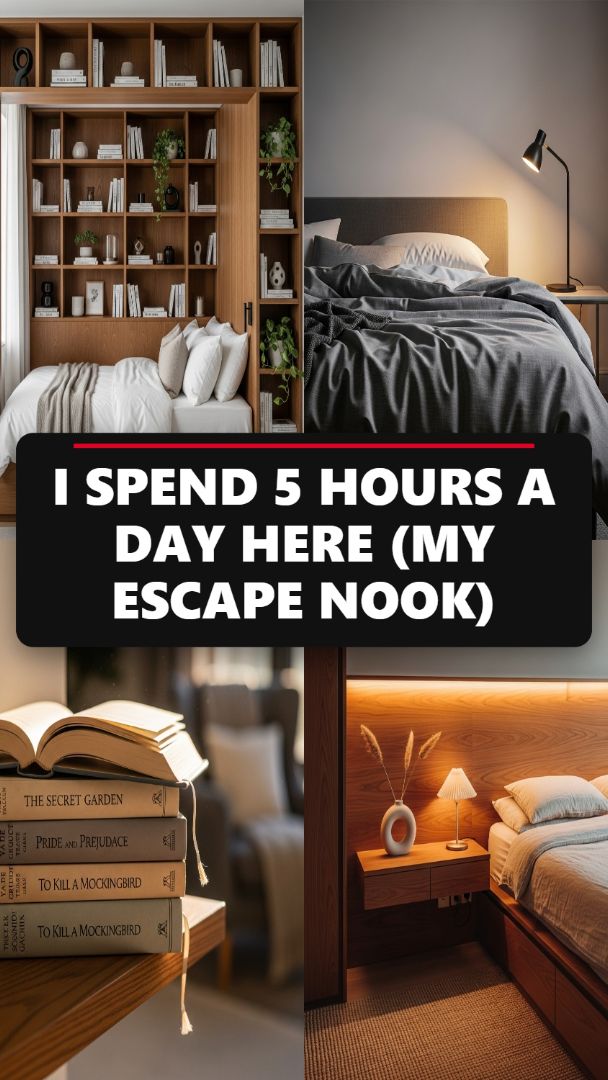
This collage illustrates the core principles of creating a restorative “escape nook” by blending high-impact design with functional comfort. It showcases how dedicated reading zones, integrated storage, and thoughtful lighting transform a standard bedroom into a personalized sanctuary, regardless of square footage. The key is merging high-level organization with sensory appeal.
- Maximizing Vertical Space with Custom Joinery: The use of floor-to-ceiling built-in shelving around the bed (top left) is a powerful designer secret. This technique minimizes clutter while providing essential storage for books and decor, turning a functional element into an architectural feature that enhances the feeling of being cocooned.
- Ambient and Task Lighting Design: Effective escape nooks rely heavily on layered lighting. Examples include subtle backlighting integrated into the headboard (bottom right) for soft warmth, alongside dedicated, adjustable task lamps (top right) perfect for reading without disturbing the room’s overall calming mood.
- A Focus on Warmth, Texture, and Literary Comfort: The design utilizes rich wood tones, plush, deep-colored textiles (gray bedding), and natural accessories (potted plants, dried grasses) to create a sensory experience. The prominent display of classic literature (bottom left) firmly establishes the space’s purpose as a true haven for escape and intellectual recharge.
By focusing on these strategic design elements, any small space can be elevated into a deeply personal and luxurious haven dedicated to rest and reflection.
The Enchanted Nook: Mastering the Fairycore Aesthetic for Ultimate Bedroom Serenity
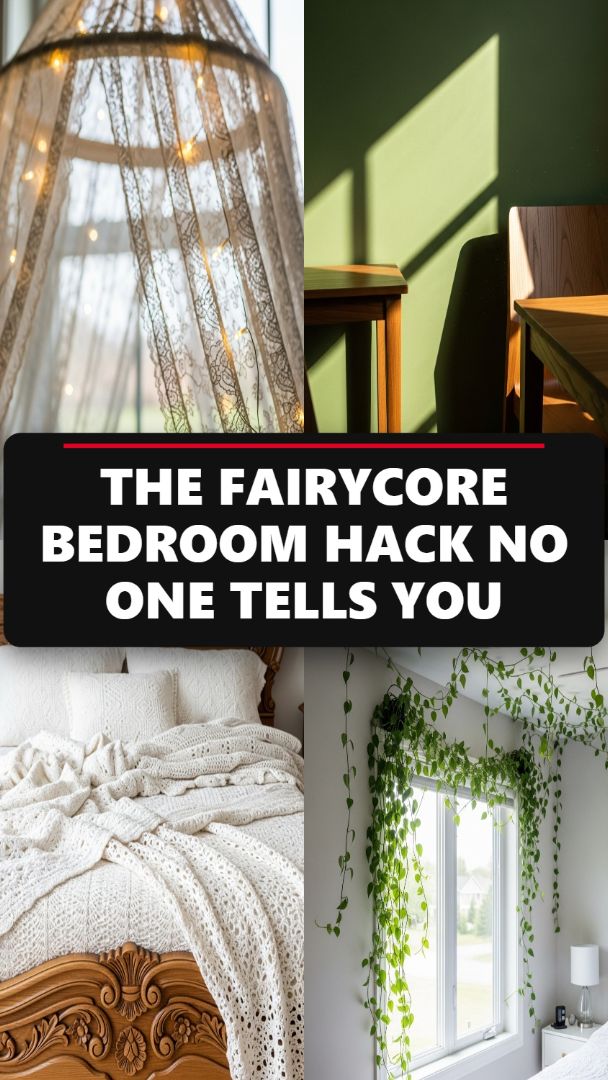
The Fairycore aesthetic is the ultimate design philosophy for transforming a small bedroom into a truly magical escape nook. This style leverages soft, diffused lighting, natural textures, and lush, organic elements to create an immersive, whimsical environment that feels detached from the everyday hustle. Achieving this look involves careful layering of materials and a deep connection to nature, turning a simple sleeping area into a personalized, serene sanctuary.
- Layered Textiles and Diffused Light: Utilize sheer, lace-trimmed canopies and subtle string lights (fairy lights) above the bed or window to create a soft, ethereal glow, enhancing the feeling of enclosure and security crucial for a cozy retreat.
- Biophilic Window Accents: Integrate faux or real trailing ivy and cascading vines around window frames to seamlessly blend the indoor space with the natural world outside, maximizing the feeling of a secluded, green sanctuary.
- Richly Textured Foundation: Anchor the space with natural materials like intricately carved wooden bed frames and thick, hand-knitted or crocheted throws in creamy, neutral tones for a foundation that prioritizes comfort and vintage elegance.
By combining these tactile and visual elements, any small space can be transformed into a deeply personalized and enchanting sanctuary designed specifically for relaxation and rejuvenation.
The Hygge Handbook: Integrating Rich Textures, Biophilia, and Warm Lighting for Deep Comfort

Transforming a small, functional space into a genuine “escape nook” relies heavily on sensory input—specifically, the strategic use of texture, light, and natural elements. This design mosaic illustrates the essential principles of Hygge, demonstrating how layering textiles, incorporating abundant greenery, and utilizing warm lighting can immediately elevate the perceived comfort and intimacy of any area, making it feel deeply grounding rather than stark or cold.
- Chunky Knit Comfort and Layered Rugs: Utilize highly tactile materials like thick wool, chunky knit throws, and textured pillows to invite touch and provide visual softness. Layering diverse patterned rugs (as seen on the wall display) not only adds visual interest but also absorbs sound, enhancing the serene atmosphere of the nook.
- Strategic Biophilia Integration: Place potted plants, especially trailing varieties, on shelves, stairs, or windowsills to connect the space to nature. Biophilic design reduces stress and adds vibrant color contrast against neutral textiles and warm wood tones, maximizing the feeling of a restorative sanctuary.
- Ambient Warmth and Natural Materials: Focus on materials that inherently feel warm, such as rich hardwood floors (herringbone pattern), exposed stone, and warm-toned wood furniture. Complement these with low-level, ambient lighting (like the soft glow on the staircase) to create depth and a comforting, enveloping atmosphere.
By meticulously applying these textural and atmospheric secrets, designers can ensure that even the smallest corner becomes a deeply restful and inviting personal retreat.
Integrating Nature, Light, and Comfort: The Blueprint for a Holistic Home Sanctuary
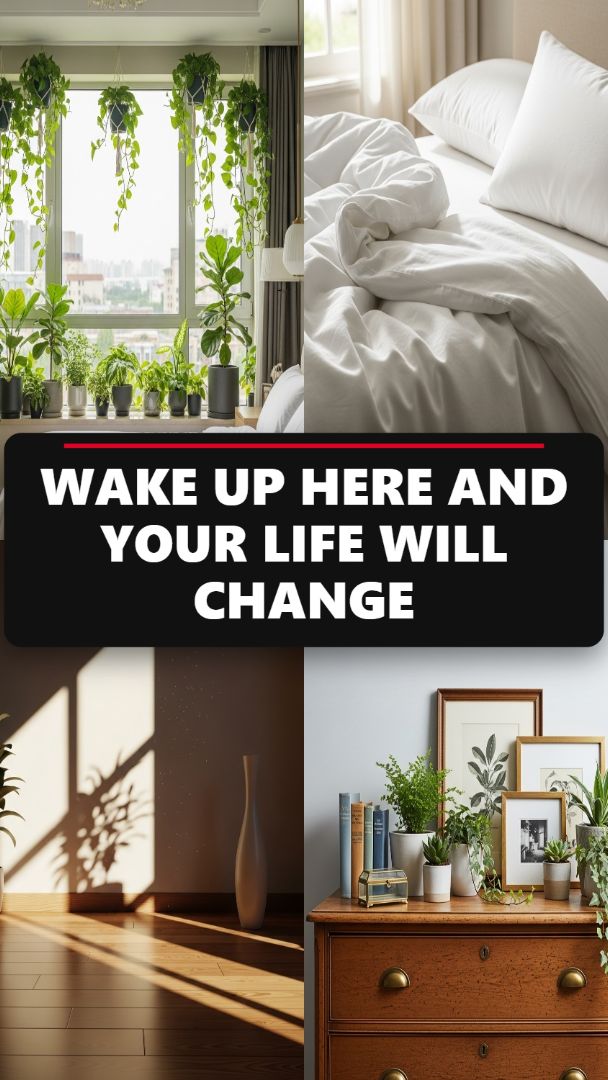
Creating a truly restorative escape nook requires a multi-sensory approach, focusing equally on tactile comfort, visual appeal, and connection to the natural world. This blueprint illustrates how combining crisp, inviting textures with abundant greenery and dynamic light creates a space that instantly lowers stress and promotes deep relaxation, proving that a feeling of spaciousness comes from atmosphere, not square footage.
- Biophilic Abundance: Maximize window space by incorporating hanging plants and windowsill gardens. This deep connection to nature not only purifies the air but transforms an ordinary view into a lush, vibrant focal point, essential for mental decompression.
- Uncompromising Comfort: The foundation of any true sanctuary is the bedding. Utilizing layers of pure white, high-quality textiles ensures the space feels fresh, clean, and supremely inviting, emphasizing softness and visual simplicity over clutter.
- Curated Personalization and Texture: Use wooden surfaces, framed art (especially botanical prints), and collected objects to add warmth and depth. This layering of personalized elements on functional storage (like dressers) creates visual interest without sacrificing the room’s tranquil purpose.
By mastering these essential visual and tactile elements, designers prove that even the smallest corner can be transformed into a powerful, restorative haven built for true escape.
Embracing Maximalism: Curating the “Cluttered” Aesthetic for Deep Coziness
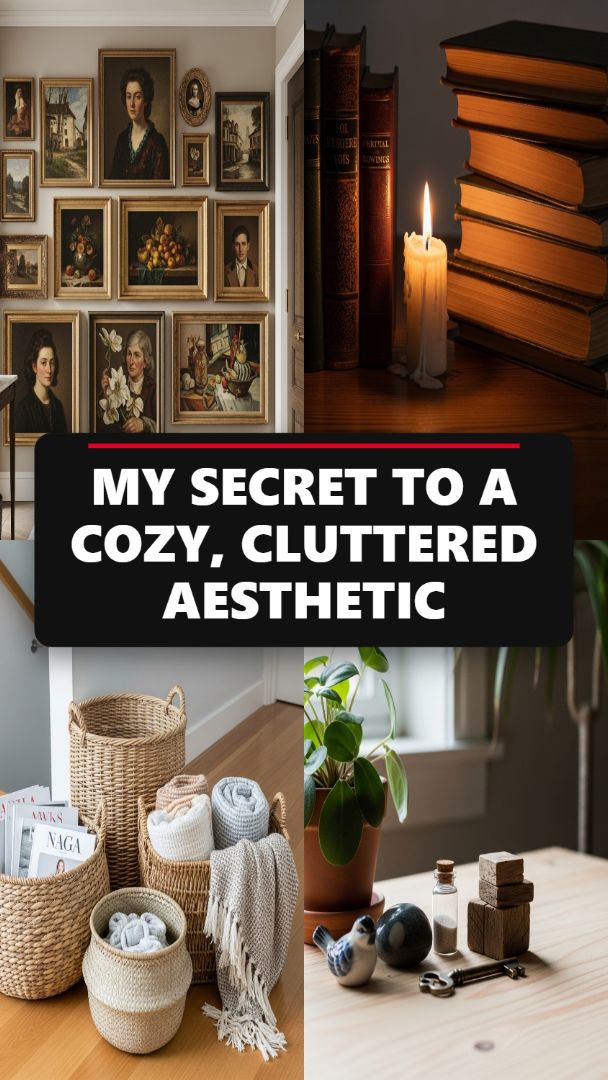
While conventional wisdom often dictates pure minimalism in small spaces, designers know that the key to a truly inviting “escape nook” is layering personalized items. This aesthetic, sometimes called “curated maximalism,” transforms simple corners into rich, sensory environments by utilizing texture, history, and warm lighting to achieve unparalleled coziness without feeling disorganized.
- Maximize Wall Space with Gallery Walls: Utilize vertical space for visual impact by creating layered gallery walls featuring antique or richly framed artwork, instantly adding historical depth and visual density to a flat wall.
- Strategic Texture and Containment: Employ natural materials like woven baskets to contain functional items (blankets, magazines, pillows). This maintains a tidy appearance while maximizing textural warmth and softness.
- Embrace Mood Lighting and Dark Hues: Use low, warm light sources (like candles or shaded lamps) alongside dark, rich tones (vintage books, deep wood) to create an intimate, secluded ambiance perfect for unwinding.
By prioritizing personal narrative and layered sensory details, this strategy proves that a small space can feel expansive and utterly welcoming when designed with intention.
Maximizing Vertical Real Estate: The Budget DIY Built-In Bed Nook with Integrated Shelving

One of the most powerful designer secrets for small spaces is creating dual-purpose furniture, especially in the bedroom. This concept illustrates how a simple, budget-friendly DIY built-in unit can transform a standard bed setup into a cozy, multifunctional “escape nook” by utilizing the vertical space traditionally left empty above and beside the mattress.
- Budget-Conscious Construction: Detailed plans and instructions illustrate how to achieve a high-end, built-in look for less than $200, proving that luxury design and custom functionality do not require a substantial investment.
- Integrated Multi-Use Design: The structure serves simultaneously as a sturdy bed frame support, a functional headboard, and substantial vertical shelving, eliminating the need for separate nightstands or bookcases in a tight footprint.
- Maximized Vertical Storage: By extending the shelving unit upward, this design exploits often-wasted space, providing deep storage for books, plants, and personal items, essential for keeping the sleeping area clutter-free and serene.
This intelligent carpentry solution transforms a cramped sleeping area into a highly efficient, aesthetically pleasing, and personalized sanctuary.
Secret #4: Layering Textures to Build a Hygge-Inspired Cozy Escape Nook
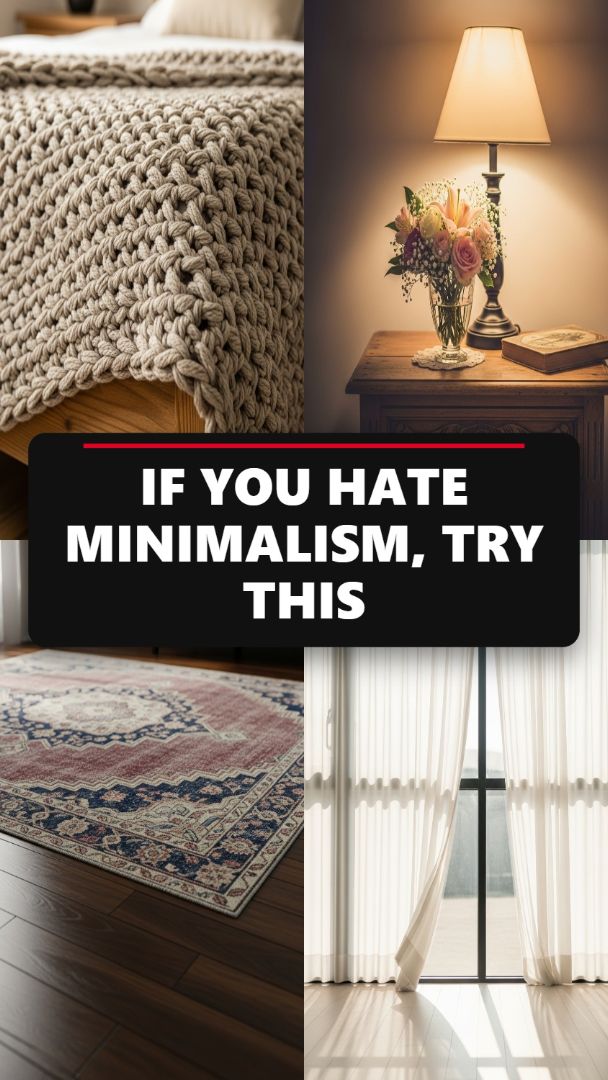
When designing a true retreat, the cold, stark lines of minimalism often fail to deliver the required warmth. The secret to a successful escape nook lies in embracing maximalist principles of layering texture, depth, and atmosphere. This approach transforms a simple corner into a deeply personal and sensory-rich environment that feels instantly comforting.
- Sensory Textiles: Use large-gauge, chunky knit blankets and throws (like chenille or wool) draped over furniture to invite touch and immediately soften the room’s edges.
- Ambient Lighting & Diffusion: Move beyond harsh overhead lighting by incorporating warm, shaded table lamps and utilizing sheer, flowing curtains to diffuse natural daylight, creating a soft, ethereal glow.
- Grounding Patterns: Anchor your space and inject personality by layering traditional or vintage-style patterned rugs over dark hardwood floors. This adds necessary contrast and visual depth.
By prioritizing these tactile and visual layers, you create a space that feels lived-in, comforting, and perfectly insulated from the outside world.
The Multisensory Nook: Integrating Biophilic Design, Gallery Walls, and Ambient Lighting

Transforming a small, overlooked corner into a restorative escape requires a strategic combination of texture, light, and natural elements. This design strategy utilizes four key components—layering textiles, maximizing greenery, controlling light temperature, and creating personalized visual interest—to build a space that feels instantly warmer and more remote, even within a bustling urban environment. The goal is to engage multiple senses to craft a true feeling of retreat.
- Biophilic Abundance: Integrating large, healthy houseplants (such as the Fiddle Leaf Fig and Snake Plant shown) is essential for biophilic design. Placing greenery near natural light sources instantly boosts mood, purifies air, and creates the visual depth necessary to mimic an outdoor or cabin environment.
- Curated Gallery Walls: A dense, thoughtfully arranged gallery wall featuring botanical prints or nature-inspired artwork provides significant visual anchors and personalization. This method adds depth and character to plain walls without the commitment of paint, effectively defining the nook as a unique zone.
- Intentional Ambient Lighting: Utilizing low-level, warm-toned corner lighting transforms the mood of the space. The soft, upward-cast glow creates deep shadows and an amber hue, essential for achieving the cozy, intimate atmosphere that defines an ultimate escape nook.
By focusing on layered textures and these intentional light and nature sources, any small space can be elevated into a deeply personalized and restorative sanctuary.
The Resort Effect: Utilizing Texture, Lighting, and Drapery to Transform Outdoor Patios
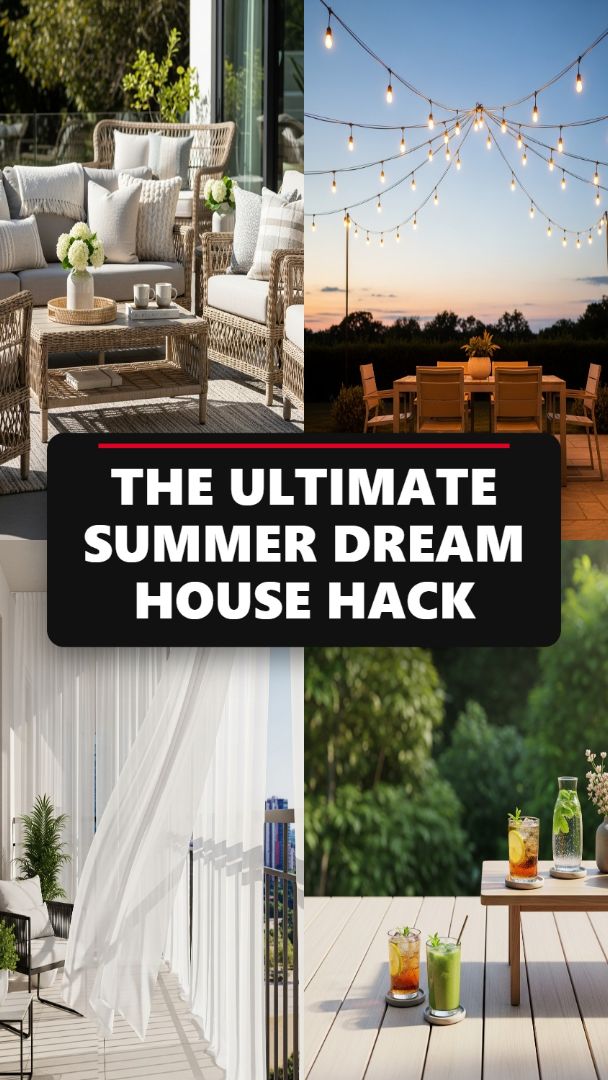
The ultimate design secret for expanding a small space is treating your balcony or patio as a true extension of your indoor living area. This approach focuses on creating a seamless, high-end resort experience by deploying specific textural and atmospheric elements that elevate the space from functional outdoor area to luxurious escape nook, regardless of square footage.
- Plush, Layered Comfort: Invest in high-quality, weather-resistant rattan or wicker furniture and layer it with deep, textured cushions and throw pillows in neutral, calming tones. This mimics the cozy, layered look of indoor furniture, instantly boosting the perceived luxury and comfort level.
- Strategic Ambient Lighting: Forget harsh overhead lights. Install overhead string lighting (bistro or festoon lights) arranged in a canopy or starburst pattern. This provides a warm, flattering glow that defines the dining or lounging area and creates a magical, intimate atmosphere after sunset.
- Breezy Textile Integration: Use sheer, lightweight outdoor drapery on pergolas or balconies. These textiles add movement, soften the architecture, provide essential privacy from neighbors, and create a sophisticated, flowing boundary that feels airy rather than enclosed.
By blending cozy textures, defining light sources, and incorporating soft, flowing textiles, you can successfully craft a high-impact, vacation-worthy escape right outside your door.
Choosing Organic Warmth: Why Natural Wood is the Essential Material for Your Escape Nook
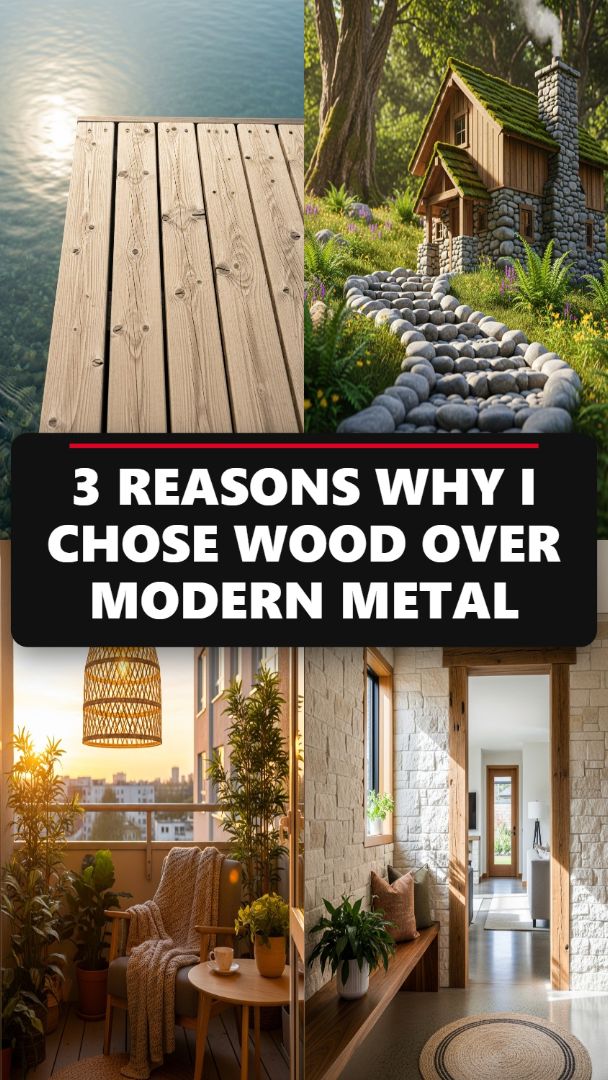
When designing a true sanctuary, the materials you choose dictate the mood. We deliberately eschewed cold, stark modern metals in favor of the rich, grounding textures of natural wood and stone. This approach ensures that even the smallest urban balcony or interior corner feels instantly connected to the outdoors, fostering deep relaxation and warmth necessary for a successful escape nook.
- Tactile Warmth and Texture: Wood’s inherent grain and imperfections provide a visual and tactile softness that metal cannot replicate, immediately increasing the cozy factor of any seating area, flooring, or architectural trim.
- Biophilic Connection: By incorporating raw materials like stacked stone veneer, wooden decks, and structural wood beams, the space instantly taps into biophilic design principles, reducing stress and simulating an authentic, natural refuge, whether indoors or out.
- Grounding Aesthetics: Natural wood provides a versatile, timeless element suitable for diverse applications—from rustic cabin exteriors and docks to sleek, minimalist interior benches—creating a deeply grounding foundation that keeps the small space from feeling sterile or temporary.
Prioritizing these organic elements creates a deeply resonant sanctuary where true unwinding can occur, proving that natural warmth always triumphs over industrial minimalism.
Biophilic Oasis: Integrating and Maintaining Lush Indoor Gardens for Small-Space Tranquility

No “escape nook” is complete without the restorative power of living greenery. Biophilic design principles dictate that bringing natural elements into a confined space instantly enhances mood, air quality, and visual depth. This collection of images highlights not just the aesthetic impact of plants like the dramatic Monstera, but also the crucial techniques required to keep them thriving—a necessary step if your sanctuary is to remain serene.
- Leveraging Plant Scale and Light for Dramatic Depth: Use large, sculptural plants (like the Monstera) to cast dramatic shadows, instantly adding texture and perceived depth to a flat wall, making the small space feel more expansive.
- Maximizing Display Density with Hydroponic Propagation Jars: Utilize vertical shelving for displaying propagation efforts. This is an excellent way to multiply your plant collection affordably while adding detailed, repetitive visual interest without sacrificing floor space.
- Mastering Watering and Soil Fundamentals: The foundation of a successful indoor garden is proper care. Ensure you understand species-specific watering needs and utilize rich, well-draining soil to prevent the common pitfalls that lead to plant failure.
By focusing on both smart display methods and diligent care, you can ensure your green elements transform your small nook into a truly vibrant, lasting retreat.
Mastering Layered Illumination: How Warm Tones Create Your Ultimate Cozy Escape
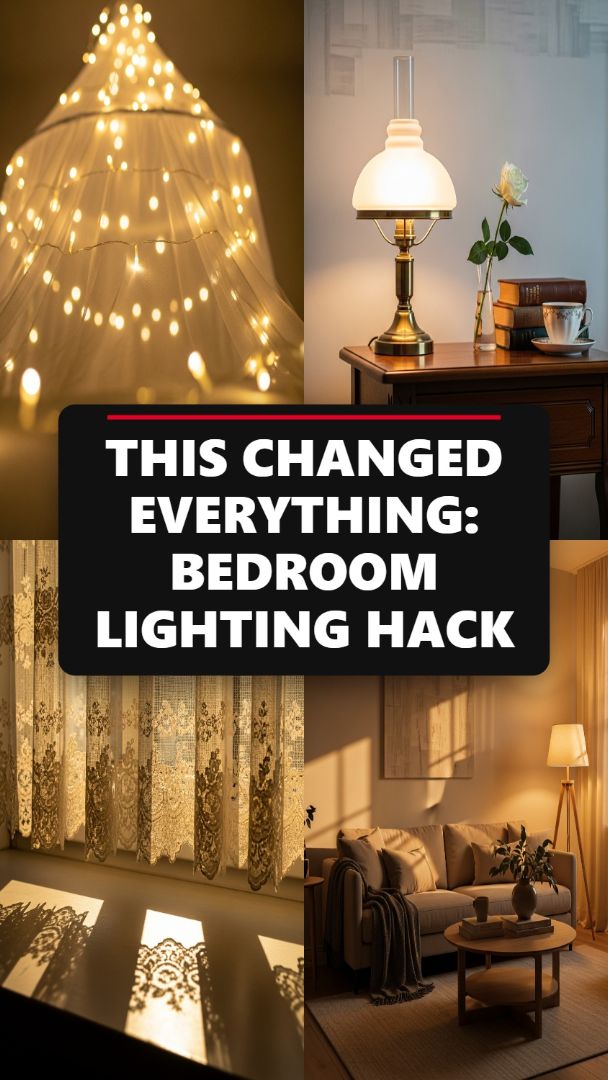
No design element is more critical to establishing a comforting escape nook than light. Forget harsh overhead fixtures; true sanctuary is built on layers of warm, golden illumination. This intentional lighting strategy instantly transforms a cold room into a deeply inviting haven, regardless of its size, by focusing on ambiance, diffusion, and warmth (a color temperature between 2200K and 2700K).
- Ambient Fairy Lighting: Incorporate soft, low-wattage string lights (especially within canopies or shelves) to create a magical, intimate glow that visually shrinks the space in a comforting way, providing pure, non-functional mood lighting.
- Diffused Task and Accent Lighting: Utilize brass table lamps or tripod floor lamps with opaque or frosted shades. This prevents harsh glare while providing necessary illumination for reading or relaxing, anchoring the nook visually with focused, warm light pools.
- Textural Light Filtering: Leverage patterned lace or sheer curtains to filter incoming natural sunlight. This technique not only controls brightness but casts beautiful, dramatic shadows, adding a rich layer of texture and movement to the space.
By combining these three lighting strategies, you move beyond simple brightness to curate a specific, deeply relaxing mood essential for the perfect small-space retreat.
Mastering Biophilia and Layering: Essential Elements for a Tranquil, Small-Space Retreat
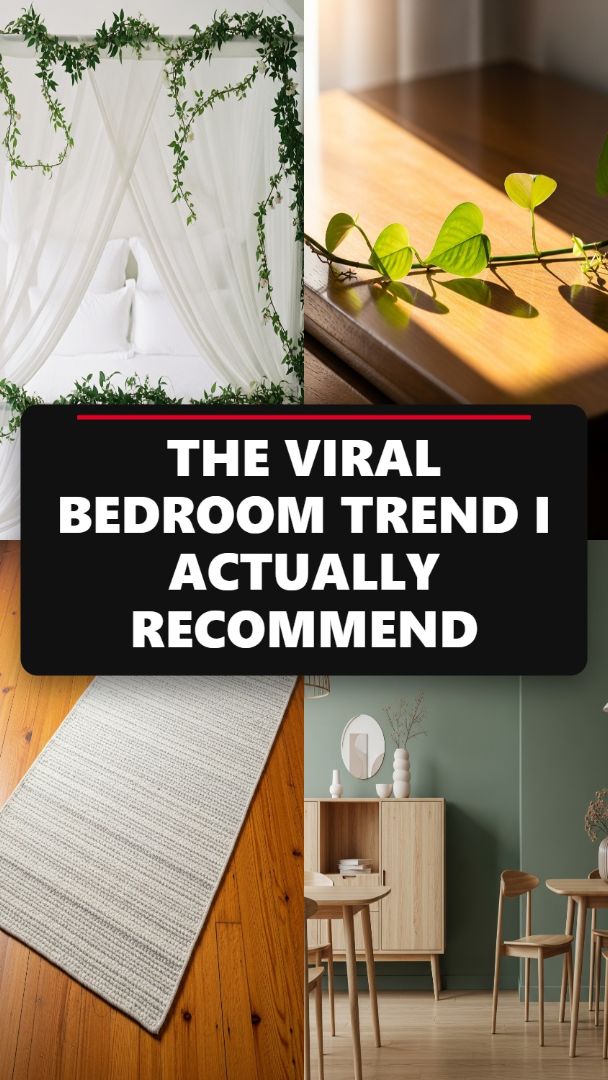
Creating a true retreat means engaging multiple senses and strategically blurring the lines between indoor comfort and outdoor tranquility. The most successful ‘escape nooks’ leverage a blend of natural textures, soothing colors, and intentional layering to transform a small corner into a sanctuary. This curated collection illustrates the core design principles—from maximizing natural light to integrating organic materials—needed to achieve deep, restorative relaxation in limited square footage.
- Biophilic Depth: Utilize cascading greenery (real or high-quality faux vines) combined with sheer fabrics to soften harsh lines and create a private, jungle-like ambiance around the resting space. The presence of natural elements immediately lowers stress levels and boosts the feeling of escape.
- Strategic Textural Zoning: Define the nook using area rugs or runners placed over hardwood floors. This layering adds necessary warmth, dampens noise, and clearly separates the relaxation zone from the rest of the room without the need for physical, space-consuming walls.
- The Soothing Scandinavian Palette: Anchor the space with calming, nature-inspired wall colors (like the featured sage green) paired with clean, light-toned wooden furniture. This combination maximizes perceived space while grounding the room in an organic, minimalist style that promotes calm.
By focusing on texture, light, and nature, you can effortlessly transform any cramped area into a highly functional and deeply restorative personal sanctuary.
Secret #4: The Luxury Textile Upgrade—Why Investing in Premium Bedding is Non-Negotiable

The quickest way to ruin the atmosphere of your cozy corner is with scratchy, low-quality textiles. Designer escape nooks rely heavily on sensory details; if it doesn’t feel good, the space fails its purpose. This collage perfectly illustrates the principle of investing in premium materials—especially bedding, throws, and pillows—to transform a simple sleeping area into a luxurious, tactile sanctuary that encourages deep rest and relaxation. Focus on materials that offer breathability and rich visual texture.
- Layered Tactile Textures: Move beyond flat cotton. Successful escape nooks incorporate at least three different textures, as shown here with chunky knit throws, woven pillows, and delicate lace details, creating visual interest and depth without needing bold patterns.
- The Power of Natural Fibers: Quality is paramount. Investing in linen, high-thread-count cotton, or organic wool ensures your bedding is not only durable but provides superior temperature regulation, making your nook comfortable year-round.
- Muted, Earthy Palette: The use of sage green, creamy white, and warm beige creates a calming, grounded environment. These natural tones reflect light softly and promote tranquility, essential elements for decompressing in a small space.
By prioritizing durable, beautiful fabrics over temporary trends, you ensure your escape nook remains a comforting and restorative retreat that justifies every penny spent.
Coastal Escape Palette: Rustic Wood, Woven Textures, and Stone Accents
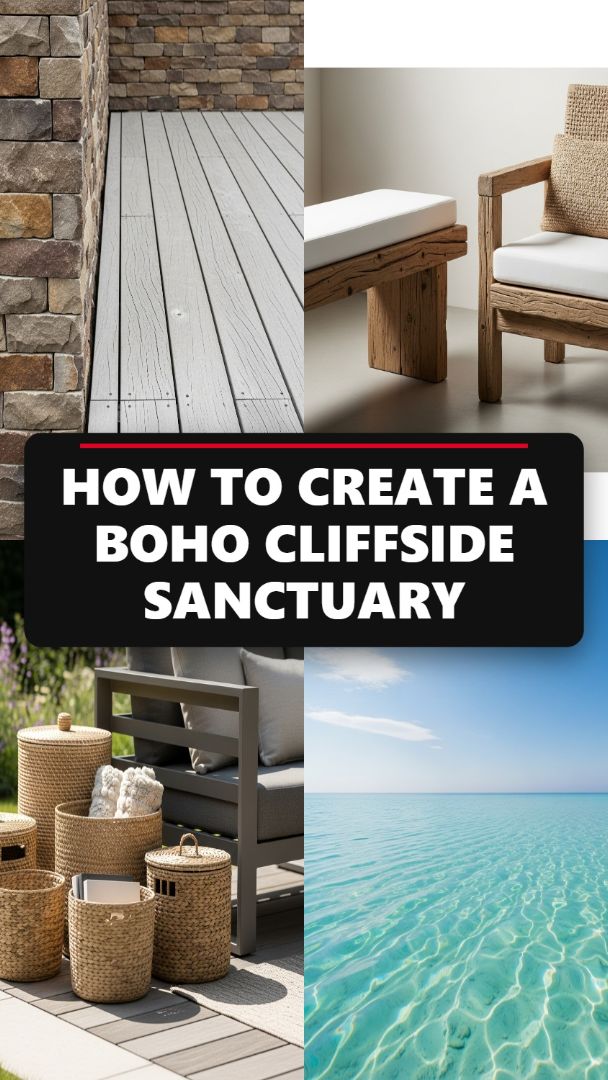
This design concept illustrates how to achieve a sophisticated, nature-inspired “escape nook,” blending rugged, earthy elements with the calming palette of the sea. The mood board focuses heavily on texture and natural materials—from raw wood to durable stone—to evoke a sense of grounding luxury suitable for any small outdoor or indoor space seeking a coastal bohemian vibe.
- Layered Grounding Textures: Utilizing stacked, multi-toned stone walls alongside weathered grey composite decking provides a durable, multi-dimensional backdrop that mimics natural cliffside topography and ensures longevity.
- Reclaimed Rustic Wood Furniture: Heavy, unrefined timber seating (like the bench and chair shown) paired with clean, crisp white upholstery offers a high-contrast blend of rustic style and modern luxury, essential for maximizing comfort in a sanctuary setting.
- Woven Storage and Organic Shape: Incorporating multiple sizes of seagrass or rattan baskets introduces necessary bohemian texture and functional storage, softening the modern lines of the main seating area while keeping the space tidy and organized.
By meticulously layering these natural textures and grounding elements, any small space can be transformed into a deeply relaxing, cliffside-inspired retreat.