
Master the moody aesthetic in photography. Discover 10 cinematic secrets using light, shadow, and texture to give your images depth, drama, and unforgettable atmosphere.
The Power of Pinpoint Lighting and Intentional Shadow

Achieving a moody, cinematic aesthetic hinges entirely on the mastery of focused light sources. As illustrated here, the technique involves introducing a single, highly directional source—in this case, a low-slung brass table lamp—that illuminates only the primary focal area. This creates a powerful high-key contrast against a predominantly low-key environment. To replicate this effect, select a lamp with a closed or heavily shaded diffuser that directs light downward or onto a wall, rather than broadly scattering it. The goal is to sculpt the scene, ensuring the light highlights the immediate objects (the lamp base, the wooden surface) while allowing corners and backgrounds to gracefully recede into atmospheric darkness. This strategic omission of light is the core secret to establishing visual drama and depth.
Texture plays a critical supporting role in enhancing the intensity of this low-key setup. Notice the dynamic material pairing: the highly reflective brushed brass of the lamp body contrasted sharply against the light-absorbing matte finish of the black decorative jug. The brass catches and reflects the warm light source with intensity, creating brilliant highlights that draw the eye, while the matte black element minimizes reflection, allowing it to become a solid, defined silhouette within the shadows. When curating your props, choose elements that offer extreme differences in light interaction (e.g., polished metal vs. raw ceramic, glass vs. textured fabric). This ensures that even in limited lighting, the varying surfaces maintain distinct tactile qualities and prevent the shadowed areas from appearing flat or homogenous.
Furthermore, the placement within the corner is an expert composition choice that maximizes the effect of shadow gradient. Corners naturally deepen shadow concentration, providing a swift transition from illumination to gloom. When arranging your elements, position the primary light source slightly off-center and closer to the wall to emphasize the shadow lines cast onto the vertical plane, adding architectural interest. The contrast between the illuminated, warm wood grain of the cabinet top and the rich, dark shadows on its vertical face establishes immediate spatial depth. By limiting the scope of the light and utilizing natural architectural elements like corners, you transform ordinary furniture placement into a scene that feels richly sculptural and intentionally dramatic.
Cinematic Shadows: Harnessing High-Contrast Silhouettes
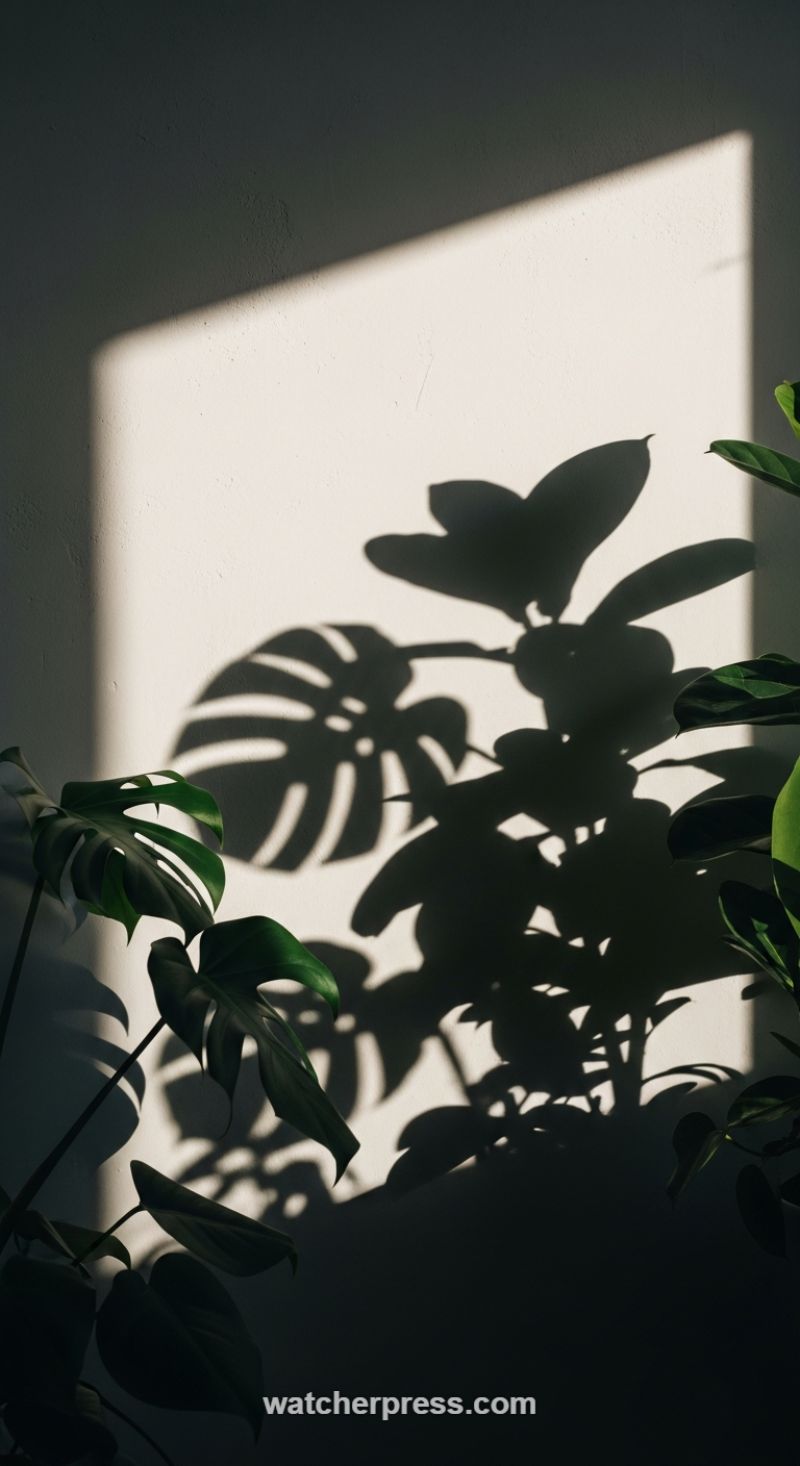
The moody aesthetic thrives on the tension between light and its absence, a principle perfectly illustrated by utilizing sharp, high-contrast shadows. To replicate this cinematic effect, the first crucial step is controlling your light source. This image relies on a single, hard light source (likely directional sunlight from a window, or a focused Fresnel light in a studio) to create highly defined edges. Position your subject—in this case, a plant with complex, legible shapes like the Monstera—close enough to the light source to ensure a sharp, well-resolved shadow, maximizing the umbral quality and minimizing the soft penumbra. The interaction of the shadow with the wall’s texture adds critical depth; choose a textured background rather than a flat, perfectly smooth one to catch the subtle gradient of the light beam itself. Crucially, the light should hit the scene at a steep angle (45 degrees or less), which lengthens and dramatically distorts the shadow, enhancing the feeling of a specific time of day or intended drama.
Compositionally, the shadow must become the true subject, relegating the physical object to a supporting role, often positioned along the edge or in the foreground as a framing element. The sheer size and detail of the silhouette dominate the composition, drawing the viewer’s eye into the negative space. When composing your shot, use the directional light source (the bright diagonal stripe visible here) as a leading line, guiding the eye from the brightly exposed upper wall down into the deep, mysterious shadows. Expertly controlling exposure is vital: you must meter for the brightest highlights on the wall, allowing the shadow areas to fall dramatically deep into the blacks. This purposeful underexposure maximizes the tonal separation and creates the desired silhouette effect, giving the photograph an immediate sense of weight and gravity.
For post-production, push the contrast further to solidify the deep blacks while retaining the warm, creamy tone of the illuminated wall. This technique emphasizes the dramatic split-toning often seen in film noir and moody photography. Do not be afraid to crush the blacks slightly to achieve a true silhouette, ensuring the shadow reads as pure form rather than detailed texture. The saturation of the actual foliage in the foreground should be gently boosted to anchor the image and provide a rich, dark green counterpoint to the stark white and black. By employing hard, directional light and prioritizing the shadow’s shape and definition over the physical object’s reality, you can transform a simple houseplant photograph into a powerful, high-contrast cinematic study.
Sculpting Drama with Brushed Metal and Raw Slate
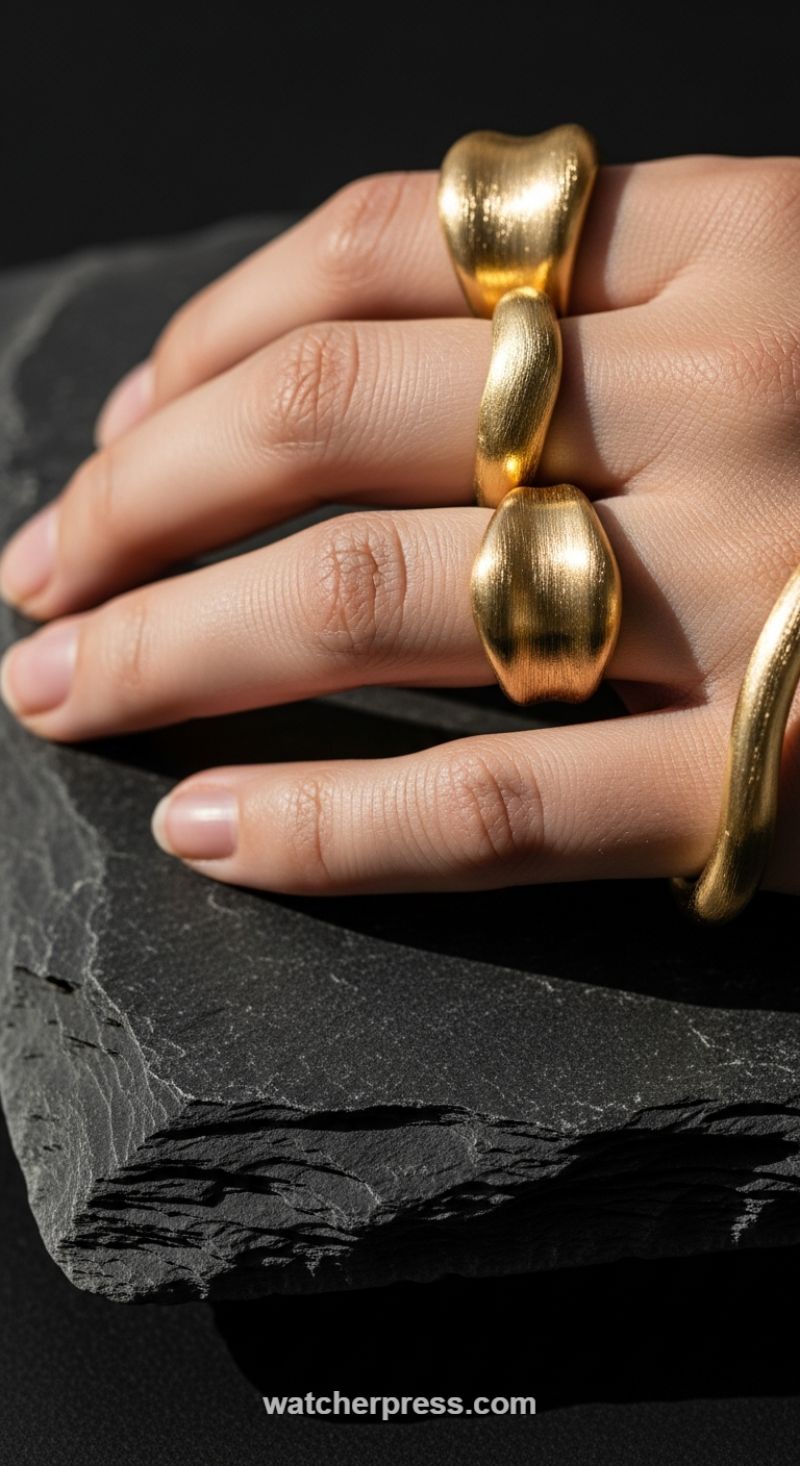
To achieve a truly cinematic moody aesthetic, you must treat your light source as a sculptor, not a floodlight. Notice how the light here is hyper-directional and unforgivingly hard, originating from a single, likely focused point above and slightly to the side. This technique ensures deep, true black shadows—the essential component of the moody style—that define the contours of the hand and the abstract gold rings. The resulting dramatic contrast isn’t just visually appealing; it elevates the subject, pulling the viewer’s focus directly to the intersection of the skin and the metallic texture. Ensure your background is non-reflective and entirely swallowed by the shadow to maximize the feeling of isolation and depth, forcing the viewer’s eye onto the illuminated textures.
Mastering the moody aesthetic relies heavily on tactile contrast. In this composition, the choice of raw, layered slate as a grounding element is genius. Its rough, fractured surface provides a stark, ancient counterpoint to the sleek, modern forms of the jewelry. When photographing luxury items, incorporating elements like slate, raw wood, or concrete adds necessary gravitas and a sense of tangible reality. The micro-textures of the slate catch the focused light, providing crucial visual interest and dimension without distracting from the main subject—the smooth, albeit brushed, surfaces of the rings and the subtle folds of the skin. This textural interplay is the backbone of the shot’s sophisticated drama.
For jewelry and product photography aiming for this atmosphere, opt for matte or brushed finishes, like the satin gold rings shown here, to significantly enhance the moody effect. Highly polished surfaces generate specular highlights that can often blow out the detail under intense directional lighting, detracting from the mood. In contrast, the fine vertical lines of the brushed gold scatter the light evenly across the surface, emphasizing the voluminous, organic shape of the rings and maintaining rich, saturated color and deep tonality. This technique allows the object’s form to be fully appreciated within the drama of the environment, proving that the secret to cinematic texture isn’t necessarily reflective shine, but rather how effectively a surface interacts with controlled darkness.
The Cinematic Magic of Backlight: Defining Texture with Rim Light
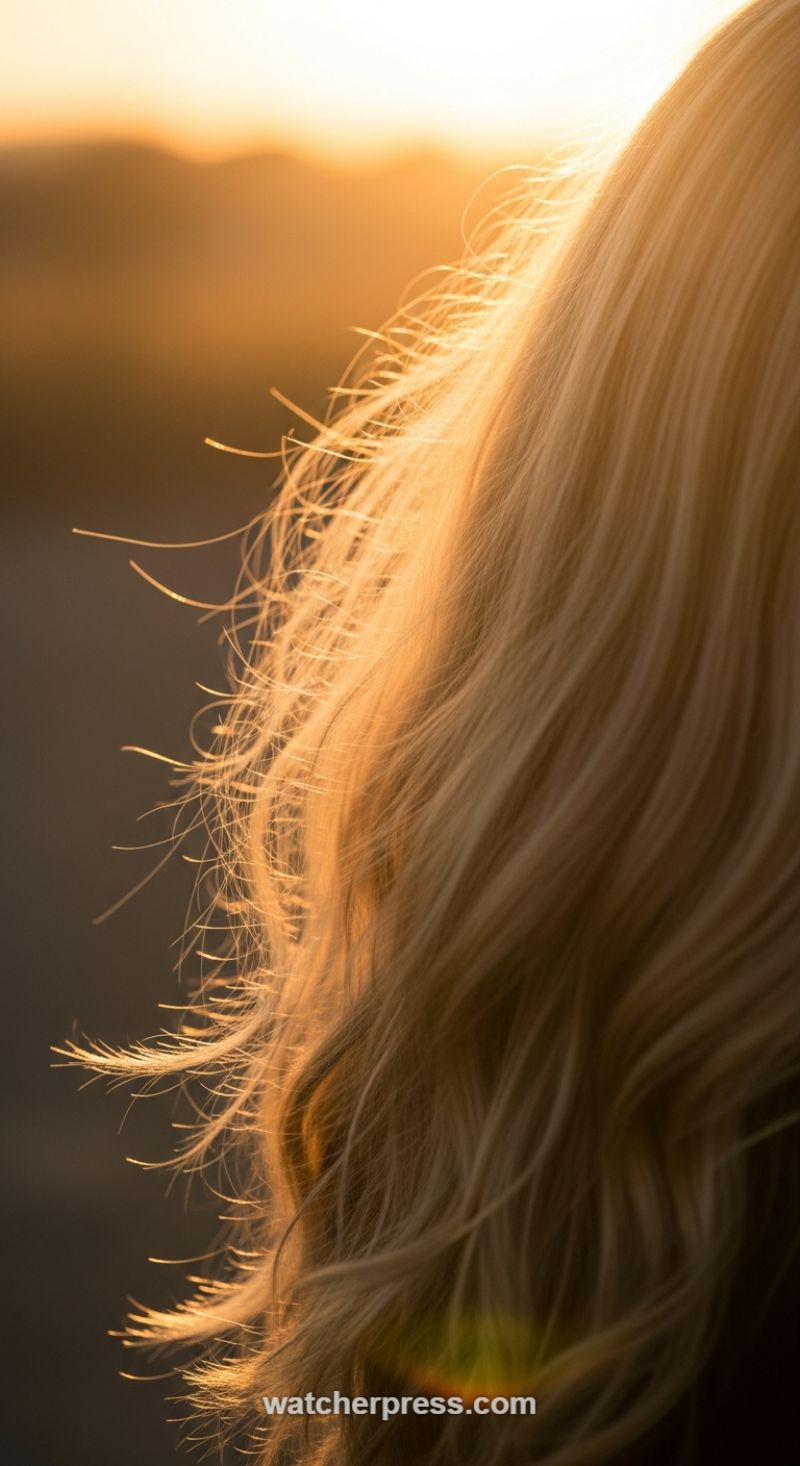
Mastering the moody aesthetic often relies on dramatic separation achieved through expert lighting placement, and nothing defines texture and creates ethereal contrast quite like strong backlighting. To replicate this cinematic effect, you must position your subject directly between your camera and the primary light source—ideally the setting or rising sun during the golden hour. This technique minimizes front light, plunging the main mass of the subject into shadow while allowing the brilliant, low-angle light to graze the perimeter. This creates an intense, golden rim light, turning the subject’s edges into a glowing boundary. The resulting high contrast—between the intensely lit strands and the deep, shadowed background—is fundamental to achieving that rich, dramatic mood that defines high-quality cinematic imagery. The key is to manage your exposure to capture the bright highlights without completely blowing them out, ensuring the golden hue remains visible.
To truly exploit the texture, as seen in the flyaways highlighted here, you must manipulate your depth of field. A shallow depth of field (using a wide aperture, typically f/1.8 to f/4) is essential to isolate the subject and transform the background into a soft, indistinct bokeh. This isolation focuses the viewer’s eye exclusively on the glowing texture of the hair. The flyaways, normally invisible, catch the light individually and become fine, glowing filaments, adding visual weight and delicate detail to the overall composition. Expertly focusing requires precision; you must lock focus specifically on the area where the rim light meets the fine texture. Furthermore, be mindful of stray light and flare; while a slight, controlled lens flare can add character, excessive light spill will wash out the necessary contrast that creates the moody atmosphere.
Finalizing this look requires judicious post-processing to intensify the existing light dynamics. Start by adjusting the color temperature, pushing the white balance slightly toward the warmer, amber tones to enhance the golden-hour quality captured by the backlight. Crucially, utilize the contrast sliders and tone curves to deepen the shadows—often referred to as ‘crushing the blacks’—while slightly boosting the highlight clarity to make the rim light pop even more intensely. This deep contrast reinforces the moody aesthetic by dramatically separating the bright, glowing texture from the rich, dark background. By emphasizing these warm tones and pushing the shadow depth, you transform a well-lit photograph into a high-impact, texturally rich, and truly cinematic piece.
Secret 4: Employing Monochromatic Light for High-Stakes Atmosphere
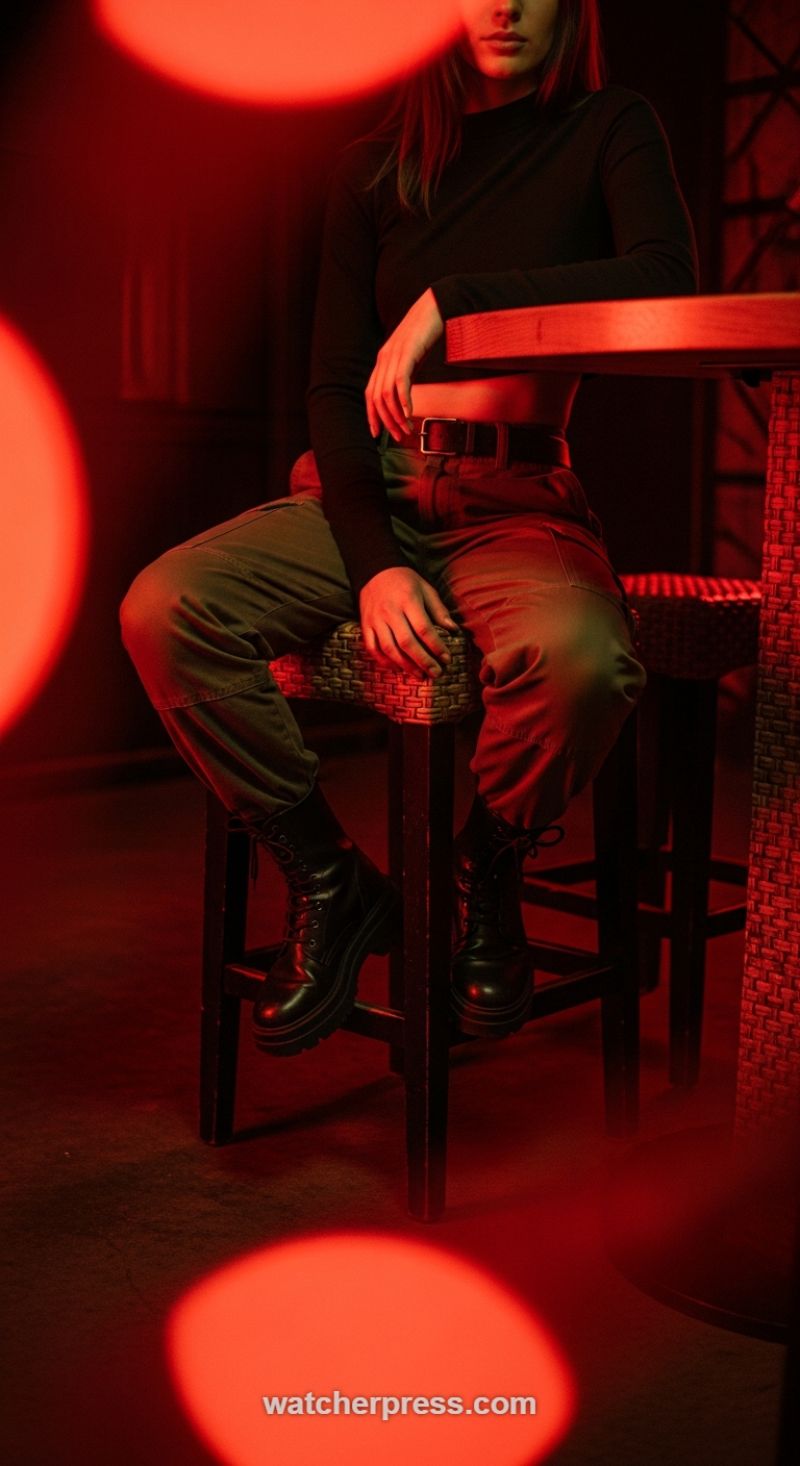
The judicious use of a highly saturated, monochromatic color scheme, as seen here with deep theatrical red, instantly elevates a simple portrait into a scene dripping with cinematic tension and narrative. To recreate this powerful mood, the secret lies in restricting your color palette entirely, forcing the viewer’s focus onto contrast and shape. Start by utilizing a single, strong light source (or main key light) fitted with a deep-colored gel—such as a Rosco Primary Red or theatrical crimson. Position this light not for soft, flattering illumination, but to rake dramatically across the subject and immediate environment. This technique ensures that only planes catching the direct light register as red, while areas facing away fall into true, dense shadow. The success of this lighting style hinges on allowing the darkest tones (like the subject’s black crop top and boots) to disappear almost completely into the background, merging them with the negative space. This intentional submersion enhances the ‘pop’ of the highlighted textures, transforming the atmosphere from a simple indoor setting to a high-contrast, moody stage.
Beyond the key light, a crucial element in achieving this depth is the masterful use of bokeh as a compositional framing device. Notice the large, soft circles of red light in the foreground and background; these are created by shooting wide open (using a very low aperture like f/1.4 or f/2.0) and placing small, highly concentrated light sources (like tiny LEDs or practical lights) close to the camera lens and slightly out of focus. This transforms point sources of light into abstract, glowing spheres that frame the subject and lead the eye, lending a dreamy, almost voyeuristic quality to the image. This technique is not just aesthetic; it’s a narrative tool, suggesting depth, environment, and the artificiality of the scene, which is paramount in the moody aesthetic. Furthermore, ensure that while the color is restricted, the light falloff is harsh, moving quickly from bright red highlight to impenetrable black shadow, which maximizes the sense of drama and concealment.
The interplay of lighting with texture and wardrobe is the final defining layer. In a monochromatic environment, texture becomes the replacement for color variation. The lighting highlights the rough weave of the bar stool and table, the soft wrinkles of the cargo pants, and the sharp gleam of the chunky combat boots. When planning your shot, choose materials that respond distinctly to light: matte cottons (the pants) absorb light differently than the shiny patent leather (the boots) or the skin. The subject’s styling—an edgy, cropped black turtleneck paired with utilitarian cargo pants and heavy boots—reinforces the high-stakes, cinematic tone established by the lighting. The limited palette and high contrast make every seam, fold, and woven surface highly visible, adding a palpable, tactile quality that anchors the viewer within the intense, red-soaked world of the composition.
Juxtaposing Warm Bokeh with Cold Urban Textures
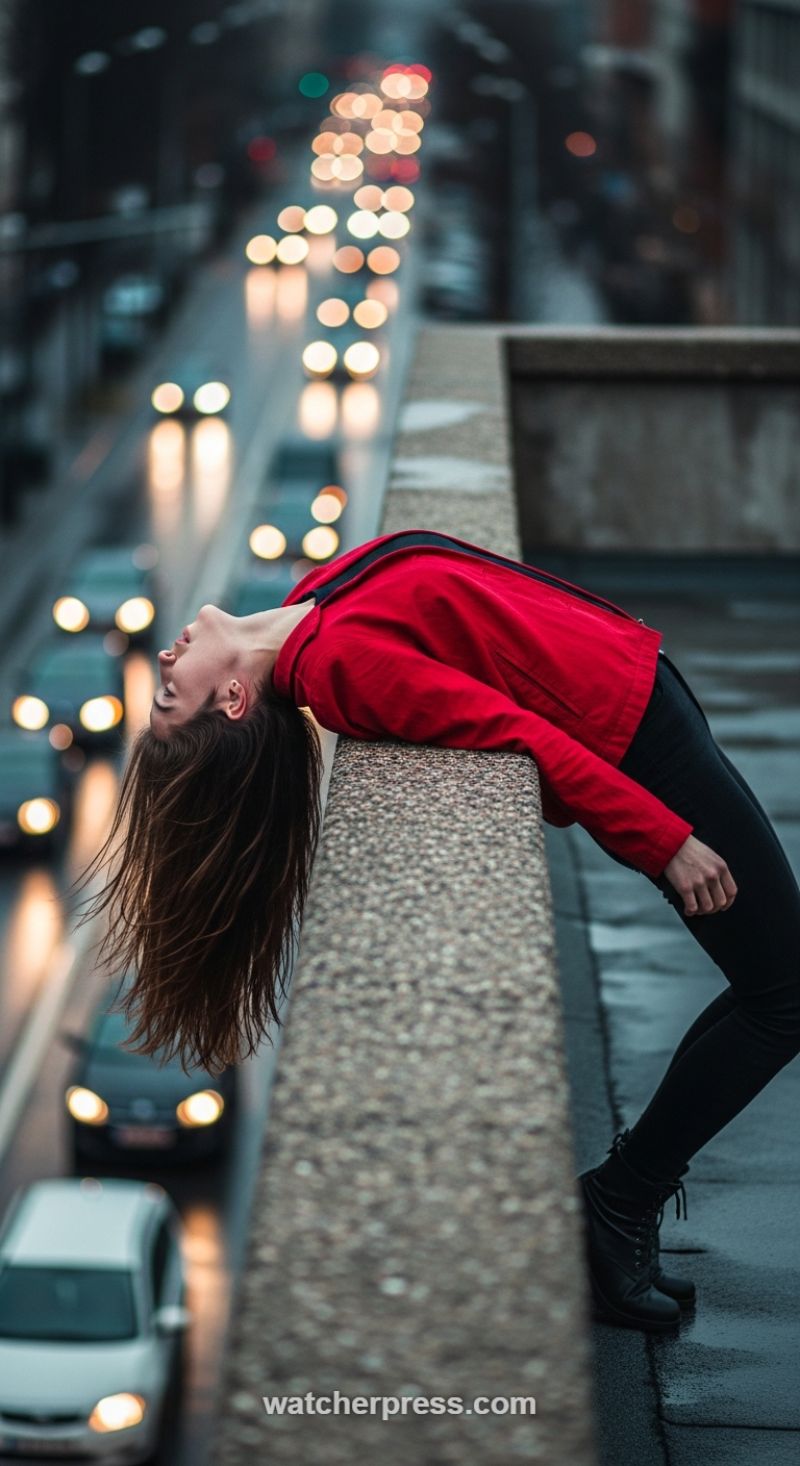
The key to achieving this specific cinematic mood is mastering the separation between foreground clarity and background diffusion. To replicate this effect, utilize a fast lens (f/1.4 to f/2.8) to shoot at twilight or night, focusing precisely on the subject’s nearest plane, such as the back or shoulders resting on the railing. This shallow depth of field is crucial, dissolving the busy urban traffic into mesmerizing bokeh spheres. These out-of-focus lights serve a dual purpose: they introduce a sense of dynamic movement and provide essential warm tones (headlights and streetlights) that dramatically contrast with the cool, damp, desaturated blues and grays of the wet urban environment. By ensuring your light source acts as an abstract compositional element rather than merely functional illumination, you elevate the shot from a simple portrait to a dramatic narrative piece.
Texture and composition play a vital, anchoring role in grounding this dramatic mood. Ensure the foreground object—here, the rough, exposed aggregate of the concrete ledge—is rendered sharply to provide tactile contrast against the visual softness of the bokeh. The concrete acts as a powerful horizontal anchor, framing the subject and emphasizing the dizzying vertical drop. To harness shadow effectively, position the subject so that ambient light creates clear dimension, especially along the curve of their body as they bend backward. Notice how the darkness below the subject enhances the sense of height and vulnerability, drawing the eye directly to the main visual element. Furthermore, the single bold color (the bright red jacket) is indispensable; in an otherwise muted, cool-toned palette, this intentional color ‘pop’ draws the viewer’s eye immediately, isolating the emotional focus of the scene and preventing the image from becoming overly monochromatic and flat.
To finalize the moody aesthetic, capitalize on reflections and damp surfaces. Shooting just after rainfall or during a light drizzle adds a necessary glossy sheen to the pavement and the top of the ledge, allowing light sources—even the distant bokeh—to subtly reflect and shimmer, adding significant depth and richness to the shadows. In post-production, amplify the cinematic feel through careful color grading. Apply a slight global desaturation to mute the secondary colors (greens and purples), while using split toning or targeted adjustments to push the shadows towards deep blues or cyans (the ‘cold’ element). Simultaneously, preserve or slightly enhance the warmth of the highlights (ambers and oranges in the bokeh). This technique perfects the high-contrast color dialogue that is essential for defining a truly striking, emotionally charged aesthetic.
Harnessing Direct Light to Sculpt Form and Texture
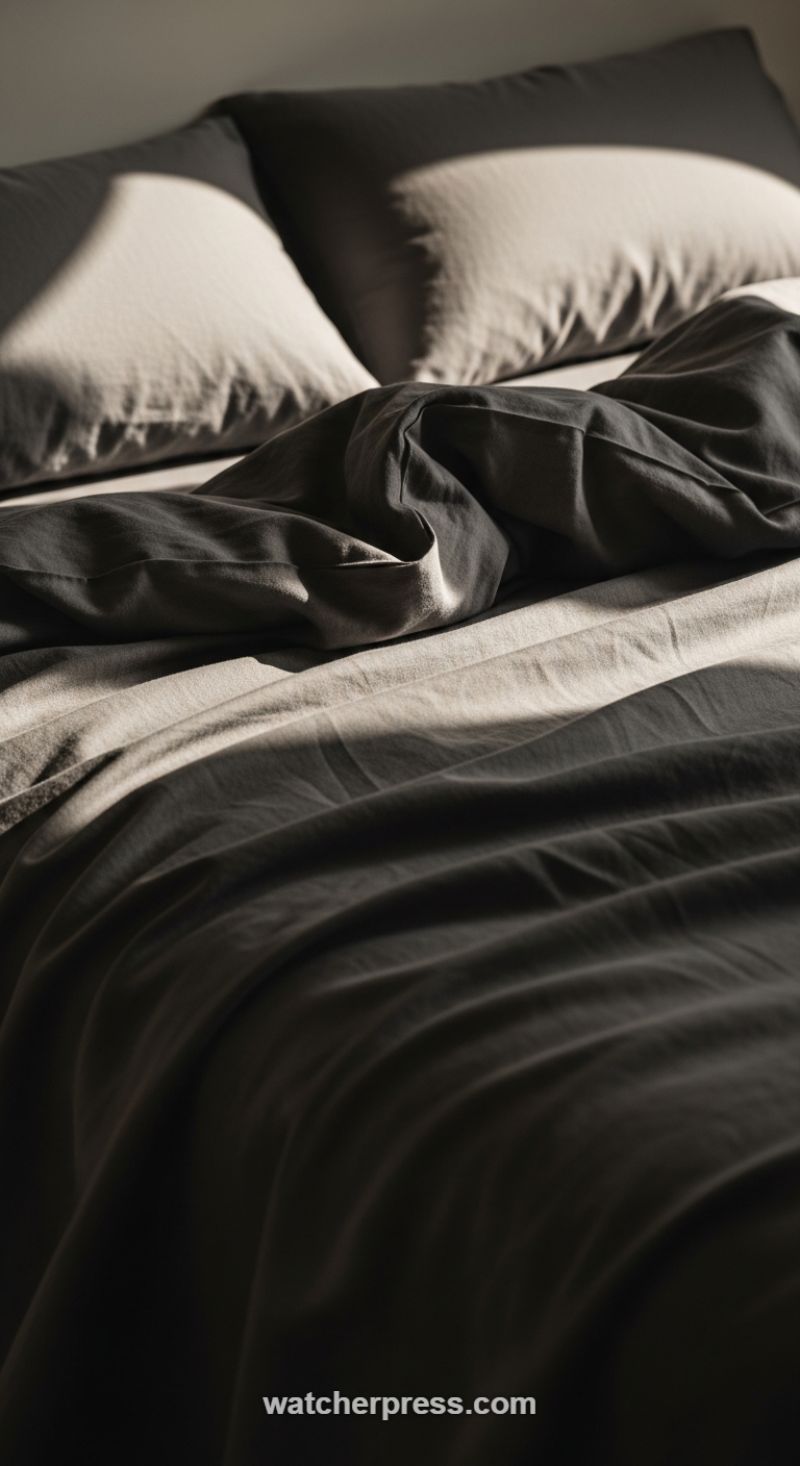
To achieve the intense, moody aesthetic demonstrated here, the most crucial step is controlling your light source. This image relies on dramatic directional lightinglit’s likely low, unfiltered sunlight streaming through a window during the ‘golden hour’ (early morning or late afternoon). The underlying technique is called chiaroscuro, an artistic practice where strong contrasts between light and dark create the illusion of three-dimensionality and drama. To replicate this, position your subject (in this case, draped, textured bedding) either perpendicular or at a sharp angle (45-60 degrees) relative to the light path. This aggressive sidelight ensures that every fold, crease, and wrinkle casts a deep, decisive shadow, effectively sculpting the fabric and transforming a flat surface into a topographical landscape of rich visual depth. Never diffuse this light source; the sharpness of the shadow line is key to maximizing the cinematic contrast.
The success of a moody image is inherently tied to your material choice and color grading. Note the use of deep, matte charcoal and muted grey tones in the bedding. Darker tones have a lower albedo, meaning they absorb more ambient light and instantly intensify the appearance of shadows, pushing the overall contrast ratio much higher than if you used bright white fabrics. Furthermore, select textiles, such as washed linen or heavy percale cotton, that possess a visible, inherent texture when rumpled. When the sharp sidelight catches the irregular surface fibers, it creates thousands of tiny highlights and micro-shadows, adding a rich, tactile dimension that elevates the image from flat to experiential. The contrast between the starkly lit highlight areas and the dense shadows defines the dramatic aesthetic, making it crucial to avoid any distracting or highly saturated colors that would undermine the monochromatic, cinematic feel.
Finally, refine the composition to elevate the mood from simple product shot to cinematic moment. This shot utilizes a close, intimate perspective, focusing almost entirely on the textures and the intense interaction of light and shadow. Use the natural lines created by the rumpled duvet and the sharp band of sunlight as strong leading linesthey should flow diagonally across the frame, adding dynamism and movement. Avoid showing the entire bed; instead, crop closely around the areas where the light interacts most effectively with the shadows and textures. This tight framing and the intentional shallow depth of field ensure that the viewer’s gaze is concentrated, making the delicate textures and high contrast the undisputed focal point of your moody narrative and maximizing the sense of intimacy and stillness.
Secret #5: Leveraging Practical Light Sources for Deep Contrast

The foundation of a deeply moody aesthetic lies in the strategic use of practical light sources—objects within the scene, like the desk lamp seen here, that actually emit light. Unlike broad ambient lighting, a focused practical source allows you to control exactly where illumination begins and ends, resulting in the dramatic high-contrast effect known as chiaroscuro. To recreate this cinematic look, position your light source very close to your main subject (the stack of books). This proximity maximizes the intensity on the focal point and creates rapid light falloff (governed by the inverse square law), plunging the surrounding environment into rich, dark shadow almost immediately. Expert tip: Ensure the light fixture itself is part of the composition; its physical presence helps ground the scene and explains the directional lighting to the viewer, adding to the visual storytelling.
Materiality and texture are crucial allies when working with intense, directional lighting. Notice how the single warm bulb reveals every detail in the scene: the subtle pitting on the metal lamp, the deep grain of the wooden shelves, and most importantly, the embossed, aged leather of the book spines. The key instructional technique here is called ‘texture grazing.’ By angling the light source so that it hits surfaces at a sharp, oblique angle, you cause minute shadows to form within the texture (like the cracks on the worn shelf edge or the tooling on the book covers). This enhances the perceived tactile quality of the materials and adds visual weight and realism that flat, evenly lit scenes cannot achieve. Select props that have inherent character and age—distressed wood, patinaed metals, and vintage fabrics—as these surfaces will absorb and reflect the light in complex, evocative ways.
To solidify the academic and nostalgic mood, pay close attention to color temperature. The light in this scene emanates a deep tungsten warmth, ranging into the amber and golden spectrums. This warmth provides an emotional counterpoint to the deep, cool shadows that frame the scene. In post-production or during initial setup (using warm bulbs or gels), exaggerate these colors slightly to push the cinematic feel, ensuring the highlights glow intensely and the reds and browns of the books become deeply saturated. Compositionally, use the darkness to your advantage: the heavy, dark background serves as a visual curtain, directing all focus toward the illuminated subject stack and the bright focal point of the lamp’s exposed bulb. This isolation makes the simple act of reading or studying feel intimate and profound, successfully mastering the moody, academic atmosphere.
Freezing the Moment: High-Speed Texture and Dynamic Contrast

Achieving this level of dramatic texture requires mastering the synchronization of extreme contrast and high-speed lighting. The foundation of this moody aesthetic lies in absolute darkness; notice the pure black background that consumes all ambient light. To replicate this, place your subject against velvet or black V-flats and ensure minimal light spill reaches the backdrop. The illumination should be tightly controlled, utilizing grid spots or narrow reflectors aimed only at the subject and the water element. The true secret to freezing water in such exquisite detail is not necessarily HSS (High-Speed Sync), but rather leveraging the incredibly short duration of the flash burst—the t.1 time—which can be far shorter than the camera’s mechanical shutter speed (often 1/8000th of a second or less at low power settings). By using powerful strobes dialed down, you ensure the flash duration acts as your ultra-fast shutter, turning running water into crystalline, sculptural forms.
To accentuate the complex textures of the water and skin, the placement of the primary light source is paramount. In this image, the effective lighting scheme suggests a powerful, focused source positioned to the side and slightly behind the subject. This creates strong rim and edge lighting on the water, separating the splashes and droplets sharply from the black abyss. This technique maximizes specularity, turning mundane water into glistening diamonds and revealing every tiny imperfection and contour on the skin. Experiment with feathering the light; instead of aiming directly at the center of the subject, point the light slightly past them, allowing only the softer edge of the beam to fall across the skin. This subtle adjustment dramatically increases the cinematic fall-off of light, deepening the shadows and enhancing the overall mood. Remember to pre-focus manually on where the splash will hit, as autofocus systems struggle with dynamic, chaotic motion.
The final element in achieving this cinematic quality is the composition and subsequent post-production enhancement of the captured textures. Framing should be tight and intense, using the water as a dynamic compositional element that cuts across the frame and partially obscures the subject, injecting narrative tension. In post-processing, resist the urge to lighten the shadows globally. Instead, use local adjustments to selectively increase clarity and micro-contrast on the water surfaces. This exaggerates the difference between the frozen water masses and the negative space. A final, subtle application of sharpening focused on the edges where the water meets the dark background will further emphasize the dramatic, high-definition texture, elevating the image from a simple splash shot to a powerful piece of visual storytelling.
Injecting Pace: Mastering the Panning Technique for Cinematic Motion
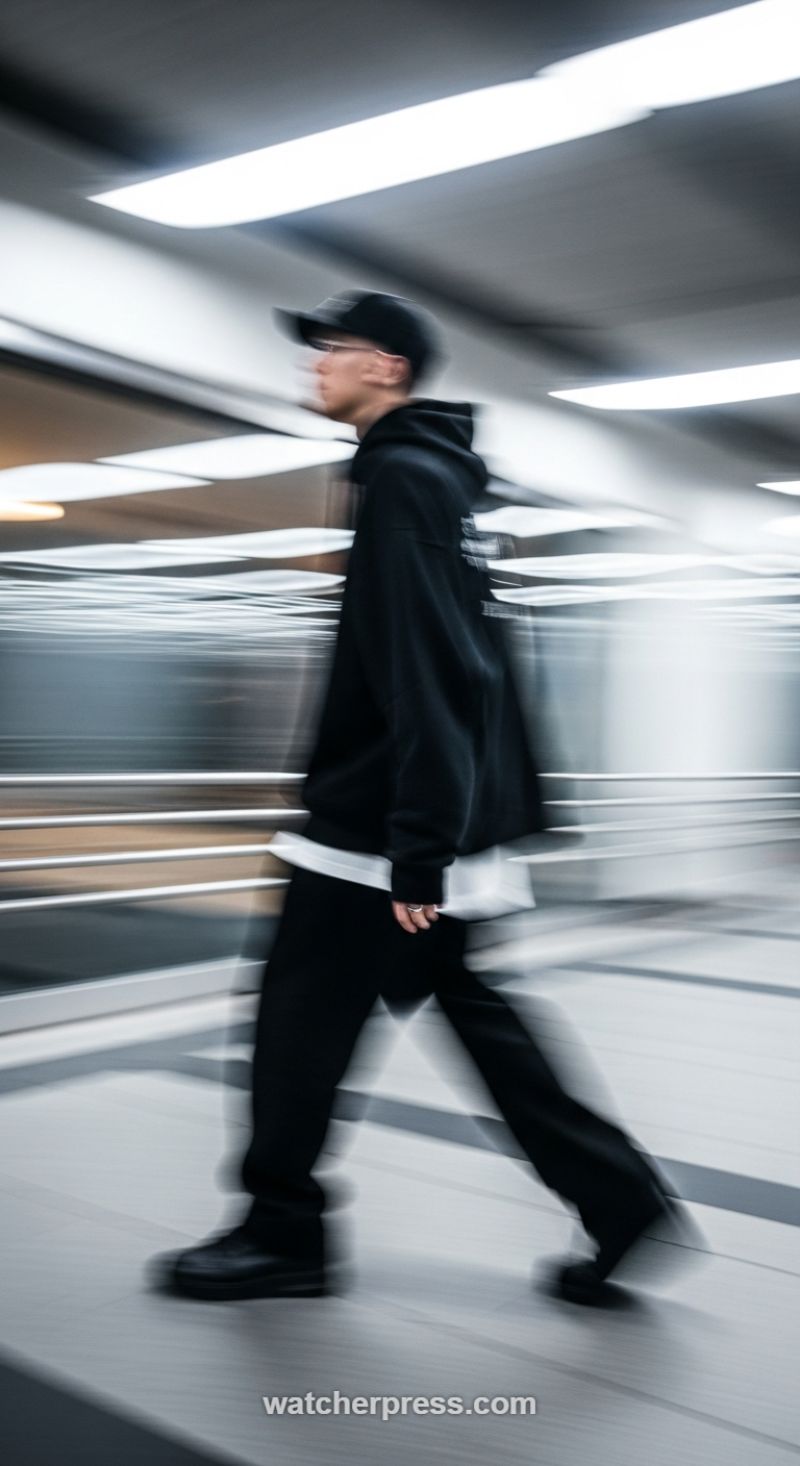
The moody aesthetic thrives on tension and movement, and there is no better way to capture determined momentum than by mastering the panning shot. The visual element at play here is intentional motion blur, achieved by selecting a slow shutter speed—typically between 1/15th and 1/60th of a second—and tracking the subject as they move. The result is striking: the primary subject, in this case, a figure sharply dressed in high-contrast black streetwear, remains relatively focused and defined, while the entire environment around them is transformed into abstract, dynamic streaks. This technique instantly elevates the mood, suggesting urgency, speed, and the isolation of the subject in their determined path. The streaking lights and metallic textures of the corridor cease to be mere background elements; they become powerful, directional lines that sweep the viewer’s eye across the frame, emphasizing the kinetic energy of the scene.
To successfully replicate this cinematic effect, precision is paramount. Set your camera to Shutter Priority mode (Tv or S) and begin practicing smooth, steady rotation. The goal is to move your body and camera in perfect tandem with the subject, maintaining their position within the frame from the moment the shutter opens until well after it closes. A common pitfall is stopping the tracking motion too early, which results in unwanted camera shake and a blurred subject. Pay close attention to your composition; for maximum impact, ensure your subject is wearing contrasting colors (like the stark black hoodie and white underlayer shown here) against a neutral, high-texture background. The cooler tones and reflective surfaces in this environment are ideal, as they intensify the appearance of speed when subjected to the motion blur, making the abstract streaking texture feel even more aggressive and cinematic.
This technique is not just about showing speed; it’s about simplifying complexity and guiding focus. Notice how the bright overhead lights are stretched into brilliant, luminous bands, acting as natural leading lines that frame the subject’s head and guide the gaze forward. Expert photographers utilize panning to deliberately sacrifice detail in a busy background, turning a potential distraction into an overwhelming visual force that reinforces the narrative of the subject’s journey. When applying this to a moody aesthetic, remember that the blur must serve the emotional impact. Practice finding environments that already possess linear elements—such as railings, long windows, or tiled flooring—as these structures are geometrically perfect for maximizing the effect of horizontal streak lines, solidifying the dynamic, determined, and isolated feel crucial to the moody style.
The Power of Silhouette: Defining Form with Backlighting
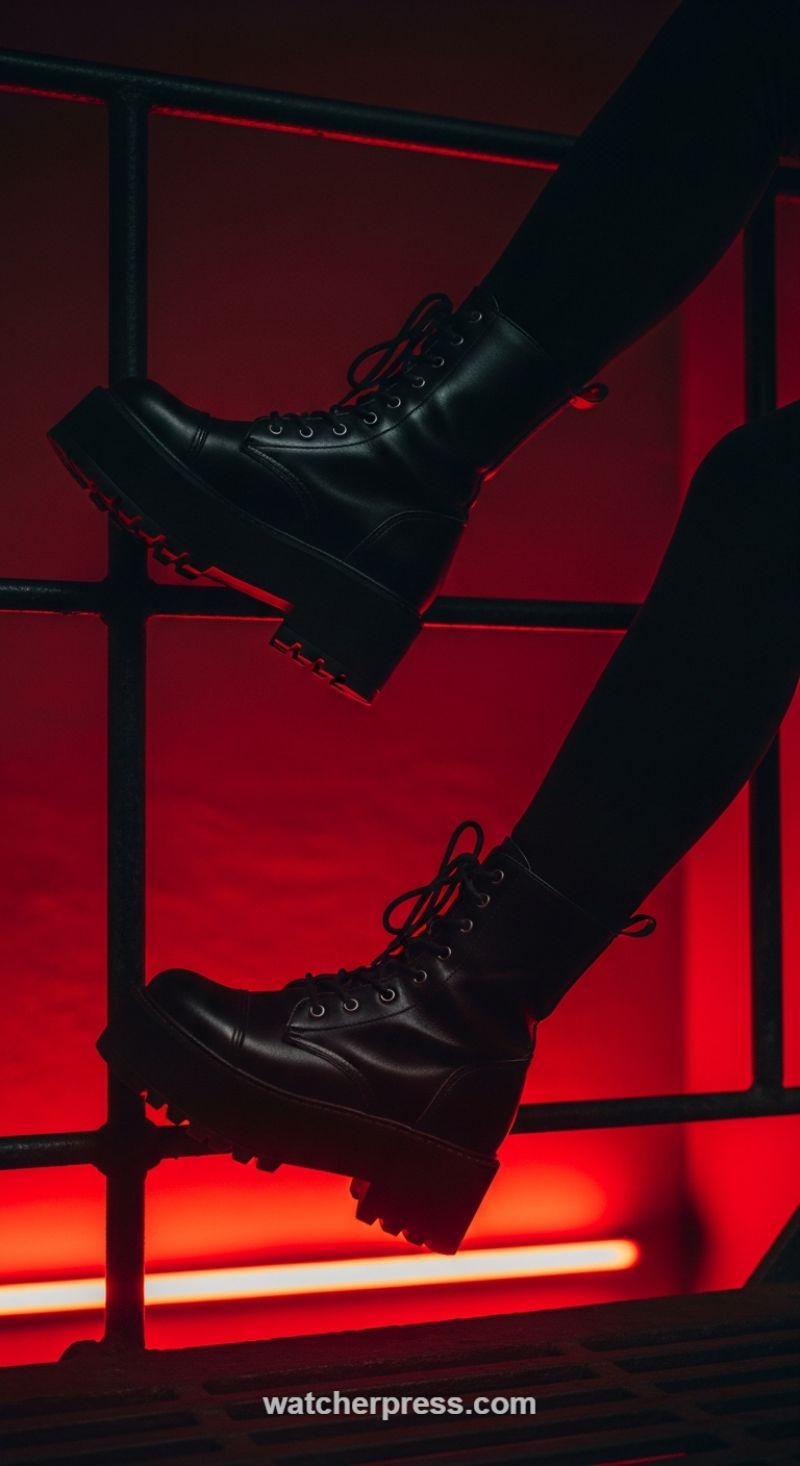
The moody aesthetic thrives on creating drama through high contrast, and this image perfectly demonstrates how to achieve visual intensity using hard backlighting and strategic color placement. To replicate this cinematic effect, the key is separating the subject from the background not through complex lighting setups, but through sheer light ratio. Position your primary light source, fitted with a deep, saturated gel (such as the vibrant red seen here), directly behind your subject. The goal is to maximize the contrast between the near-silhouetted foreground elements (the boots and legs) and the intensely lit backdrop. Set your exposure to prioritize the background light, forcing your subject into the shadows. This technique emphasizes the outline of the form, turning the rugged texture of the platform boot soles and the sleekness of the leather into defining graphic elements, rather than relying on full illumination to reveal detail.
Composition and texture selection are critical when working with such an extreme lighting schema. Notice how the image integrates industrial textures—the dark, geometric metal railing and floor grate—which serve as visual anchors within the overwhelming field of red. When planning your shoot, incorporate materials that contrast sharply in their light absorption. Matte fabrics, like the black leggings, help deepen the shadows and solidify the silhouette, while slightly reflective surfaces, such as the polished leather of the boots, are crucial for catching the red spill. This captured light creates essential rim highlights, preventing the subject from dissolving completely into an indistinguishable black shape. By positioning the subject to physically interact with these high-texture elements (the boot resting on the metal bar), you add a tangible sense of place and depth to the highly stylized, two-dimensional color field.
Finally, mastery of this aesthetic relies on meticulous control in post-production. Use a grading approach that pushes the saturation of the dominant color while simultaneously crushing the blacks and increasing overall global contrast. In the editing suite, fine-tune the color channels to ensure the red remains pure and deeply vibrant, avoiding muddying the shadows. Pay close attention to the falloff of the light around the edges of the subject; the glow should be noticeable but tightly controlled to maintain the dark integrity of the silhouettes. This tight control ensures the image retains its sense of mystery and edge, transforming a simple footwear shot into a compelling, graphic piece of neo-noir photography.
Harnessing the Magic of Wet Pavement: Reflective Light and Bokeh

This image perfectly encapsulates cinematic moodiness by leveraging high contrast and complementary colors. The primary secret here is utilizing a wet surface as a giant natural reflector. When shooting in the rain or immediately after, the street transforms into a mirror, intensifying light sources and transforming mundane cityscapes. Notice the dramatic interplay between the warm orange/red hues of vehicle lights and the cool, desaturated blue/teal tones of the ambient city light and deep shadows. To achieve this color juxtaposition, consciously seek out scenes with diverse, contrasting light sources (e.g., warm yellow headlights against cool turquoise traffic signals). In post-production, consider setting your white balance slightly cooler than normal to emphasize the blue undertones, making the warm reflections pop with greater saturation and intensity.
The strategic use of depth of field (DOF) and composition is crucial for converting simple streetlights into mesmerizing bokeh. To maximize the ‘orb’ effect, use a wide aperture (low f-number, typically f/1.4 to f/2.8) which ensures the background lights are pleasantly blurred into large, soft circles. Position your camera extremely low—almost scraping the ground—to maximize the surface area of the reflections captured in the foreground. This low angle exaggerates the sense of depth and immersion, drawing the viewer into the glistening texture of the sidewalk while simultaneously elevating the abstract quality of the background lighting. Ensure your focus point is precisely sharp on a nearby foreground element, such as the shoe shown here, which grounds the scene and provides necessary scale against the abstract light forms.
Texture adds the final critical layer of realism and grit to the moody aesthetic. The wet pavement shouldn’t be rendered as a flat, uniform reflection; it must be speckled with captured raindrops and nuanced color shifts across the concrete or asphalt. While the wet surface naturally increases reflectivity, you must capture the specular highlights reflecting off the small puddles and uneven terrain. In editing, attention must be paid to boosting clarity and minor localized sharpness around the wet ground texture. This technique enhances the perceived dimensionality of the water droplets, making the pavement feel tactile and visually rich. It is this careful attention to surface texture that separates a high-quality capture from a generic snapshot, solidifying the moody, lived-in feel.
Leveraging Extreme Texture and High Contrast
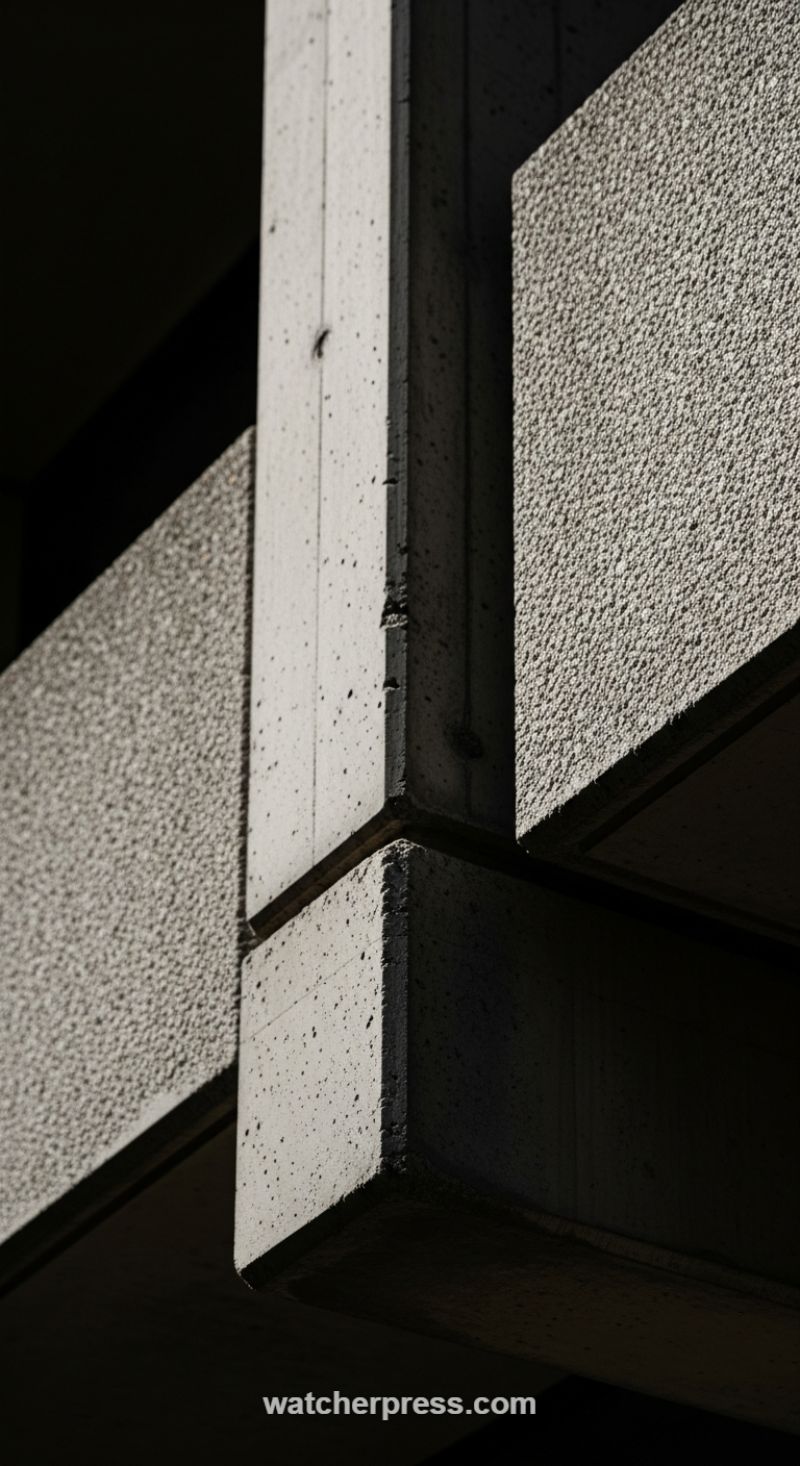
To achieve a truly moody aesthetic, utilize strong architectural geometry and unforgiving high-contrast lighting, often found in Brutalist structures or industrial settings. This technique relies heavily on maximizing the difference between illuminated surfaces and deep shadow, creating a dynamic sense of volume and abstraction known as chiaroscuro. When scouting locations, look for strong vertical elements meeting horizontal planes—like the column and parapet shown here—which act as natural light guides and shadow casters. Shoot during the hours when the sun is highly directional, such as late afternoon or early morning, or even harsh midday sun if your goal is to crush the shadows into pure black. Position your camera so that the light is skimming across the textured surface, rather than hitting it head-on. This raking light accentuates every imperfection, crack, and aggregated pebble, transforming mundane concrete into a tactile landscape. The deep, impenetrable shadow areas provide crucial negative space, anchoring the composition and emphasizing the clean, stark edges of the lit forms.
Crucially, master the contrast between different surface textures to add visual complexity. The photograph effectively juxtaposes two distinct types of concrete: the smoother, form-poured surface of the central column (displaying subtle pores and imperfections) against the heavily aggregate, stippled texture of the horizontal elements. This visual dialogue should be intentional; the difference in surface detail, when bathed in the same directional light, generates varying levels of visual noise. The rougher surface catches light more frantically, demanding attention, while the smoother surface offers a calm counterpoint, emphasizing linear clarity. Expertly isolate these surfaces using a narrow field of view or a telephoto lens to compress the depth, forcing the viewer’s eye to focus solely on the interplay of tactile material and geometric intersections. Ensure your focus is razor-sharp across the primary planes, allowing the extreme detail of the texture to translate directly into the final mood.
In post-production, push the tonal boundaries aggressively to solidify the cinematic mood. The goal is not just high contrast, but controlled contrast, mimicking the look of film noir or classic black and white photography. Manipulate the curves tool to slightly ‘crush’ the blacks, ensuring that the shadows truly reach 0% luminosity and become areas of pure void, devoid of detail. Simultaneously, manage the highlights so that the bright concrete surfaces retain just enough detail to show the texture without blowing out the highlights completely. Limit the overall tonal range by pulling back on the mid-tones; this graphic approach simplifies the image into striking shapes defined by light and dark, rather than gradual transitions. Converting the image to a high-fidelity black and white or deeply desaturated monochrome reinforces the focus on form, texture, and light, abstracting the architecture into a powerful, sculptural study.
The Texture of Analogue: Crafting Cinematic Flat Lays

To truly master the moody aesthetic, you must prioritize tactile depth, transforming simple objects into narrative elements. This flat lay composition expertly utilizes texture contrast to draw the viewer in. The foundation—the dark, rich wood floor—provides distinct grain and deep, elongated shadows, setting a low-key tone. Layered upon this are objects with contrasting surfaces: the cold, smooth metal and textured leatherette of the vintage SLR camera; the smooth, reflective plastic and vibrant labels of the film canisters; and most importantly, the soft, worn, deeply creased leather glove. When arranging a cinematic flat lay, ensure your composition encourages the eye to travel, perhaps in a subtle arc as shown here, leading the viewer from the periphery (the film and glove) toward the central subject (the camera and meters). The strategic placement of small, crucial tools, like the light meters, grounds the image in authenticity and process.
The defining characteristic of this moody setup is the expert manipulation of light and shadow—the core of cinematic visual language. Notice the directional, side-angle lighting; it is neither harsh nor flat, but perfectly calibrated to accentuate the relief and contour of every object. This light source creates defined, but not overly hard, shadows beneath the items, providing necessary separation from the dark background and giving the scene immediate visual depth, a technique often associated with chiaroscuro. For your own work, place your main light source at a 45 to 90-degree angle relative to the camera lens. This ensures that the texture of the wood grain is emphasized and that the subtle creases and folds in the leather glove are highlighted through distinct shadow lines. Avoid direct overhead light, which flattens the scene and kills the potential for cinematic drama.
Finally, integrate conceptual storytelling through your prop selection and final grading. The presence of analog film and exposure tools immediately introduces themes of craftsmanship, nostalgia, and intentionality—narratives that resonate deeply with the moody style. Use subtle color accents strategically; here, the yellow and blue film canisters provide essential, yet restrained, pops of saturation against an otherwise monochromatic palette of browns, grays, and blacks. In post-processing, lean into a desaturated color grade with crushed blacks and slightly deepened contrast to emulate the look of aged, high-quality film stock. This combination of rich texture, intentional directional light, and a carefully curated prop list is the secret formula for converting a simple overhead shot into a compelling, mood-drenched visual story.
Cinematic Pours: Mastering Texture and Chiaroscuro

To inject genuine depth and drama into your still life photography, you must treat texture not as a secondary element, but as the cornerstone of your composition. The moody aesthetic thrives on tactile surfaces—the rough, matte finish of the handcrafted ceramic mug, the rich, pronounced grain of the wooden tabletop, and the worn, metallic patina of the kettle all contribute to a powerful sensory experience. In this scene, the contrasting textures create a visual hierarchy. The speckled, earthy roughness of the mug is brought into sharp relief against the smoother, reflective flow of the dark liquid being poured. Expertly manipulating these surfaces ensures the viewer feels grounded in the moment, making the intimate setting feel more weighty and cinematic. Look for opportunities where natural or artificial imperfections—like scratches on metal or deep wood grooves—can enhance the story rather than detract from it, using these details to deepen the perceived history and ruggedness of your environment.
The secret to maximizing the visual impact of these textures lies entirely in the strategic placement of light. To achieve this high-contrast, moody look, employ strong side-backlighting or a pure rim light setup. Notice how the illumination strikes the kettle and the rim of the mug, creating a brilliant edge separation that pulls the subjects away from the intentionally dark, low-key background. Crucially, this application of light exaggerates topographical details; every bump, ridge, and pore on the ceramic surface casts a tiny, distinct shadow, transforming flat texture into three-dimensional volume—a technique known as chiaroscuro. Furthermore, backlighting is essential for revealing transient elements like steam. The light catching the rising vapor adds a crucial layer of atmosphere, signifying warmth and life, which is paramount in capturing a compelling hot beverage scene and communicating immediate sensory comfort to the viewer.
Finally, utilize composition and dynamic action to elevate the shot beyond a mere still life. The act of pouring creates a dramatic focal point—a vertical line of dark liquid connecting the operator (the hand and kettle) with the receiver (the mug). This dynamic element keeps the image engaging and focuses the viewer’s eye on the critical area of action. To reproduce this look, ensure your depth of field is carefully controlled; while the foreground wood grain can be slightly soft, the mug and the stream of liquid must be critically sharp to convey the intense focus and rich texture. Anchor your shot low and close to the subject to emphasize the scale and texture of the table, guiding the viewer’s eye into the illuminated scene. By combining intense, sculptural light with pronounced tactile elements and momentary action, you transform a simple kitchen ritual into a deeply evocative, cinematic experience.
Harnessing Texture and Mist: The Dramatic Coastal Silhouette
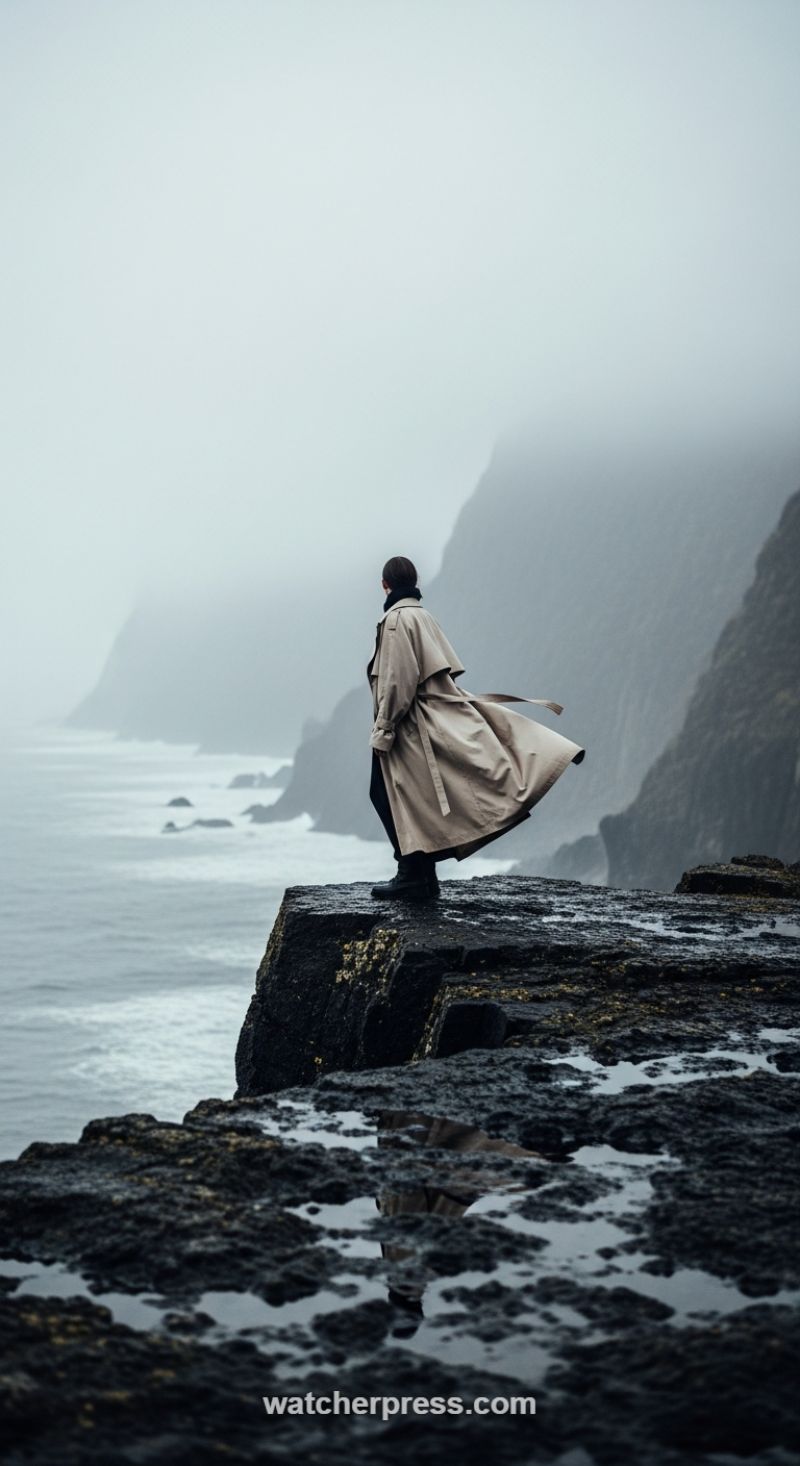
To achieve this dramatic, cinematic mood, the primary focus must be on maximizing the contrast between your subject and the overwhelming, texture-rich environment. The foundation of this aesthetic lies in selecting a day with high atmospheric diffusion—dense fog, heavy cloud cover, or light mist—which acts as a giant softbox, eliminating harsh shadows and creating a tonal gradient that fades the background into an ethereal grey void. This technique isolates the subject, emphasizing their small scale against the immensity of the natural world. Expertly, the lighting here is flat yet dense, meaning while there are no hard shadows, the dark cliffs retain deep saturation and rich tonal depth, contrasting starkly with the light-colored, reflective material of the trench coat. This single point of bright value immediately draws the viewer’s eye, establishing the focal point against the dramatic negative space created by the dissolving coastline.
The strategic use of texture in the foreground is critical for grounding the scene. The wet, dark, jagged basalt or volcanic rock in the image is intensely textural, providing a tactile anchor for the viewer. Water, especially pooled on these dark surfaces, serves a dual purpose: it increases the saturation and reflectivity of the dark tones, and it provides subtle, broken reflections that add depth and visual complexity to the base layer. When instructing models or shooting figures, choose clothing that not only contrasts in color (the light beige against deep charcoal) but also introduces implied motion. The way the trench coat billows in the wind adds a dynamic, narrative element, suggesting an ongoing journey or a momentary pause. This movement, captured sharply against the static landscape, is an essential ingredient in transforming a still photograph into a cinematic moment.
Compositionally, frame your subject facing into the vastness of the negative space—the foggy ocean—to generate tension and imply narrative contemplation. The subject is placed deliberately off-center, allowing the colossal scale of the environment to dominate the frame. For a truly moody aesthetic, prioritize deep, saturated blacks in the foreground to frame the scene; the wetness of the rock naturally facilitates this by increasing the density of the shadows. When processing, utilize grading techniques that mute overall color saturation while preserving the intensity of the blacks and whites to enhance the rugged, elemental feel. By manipulating the environment’s inherent light diffusion, emphasizing the rough textures of the earth, and using a contrasting, dynamic subject, you craft an isolated scene steeped in mystery and high drama.
Elevating the Moody Aesthetic with Tactile Texture
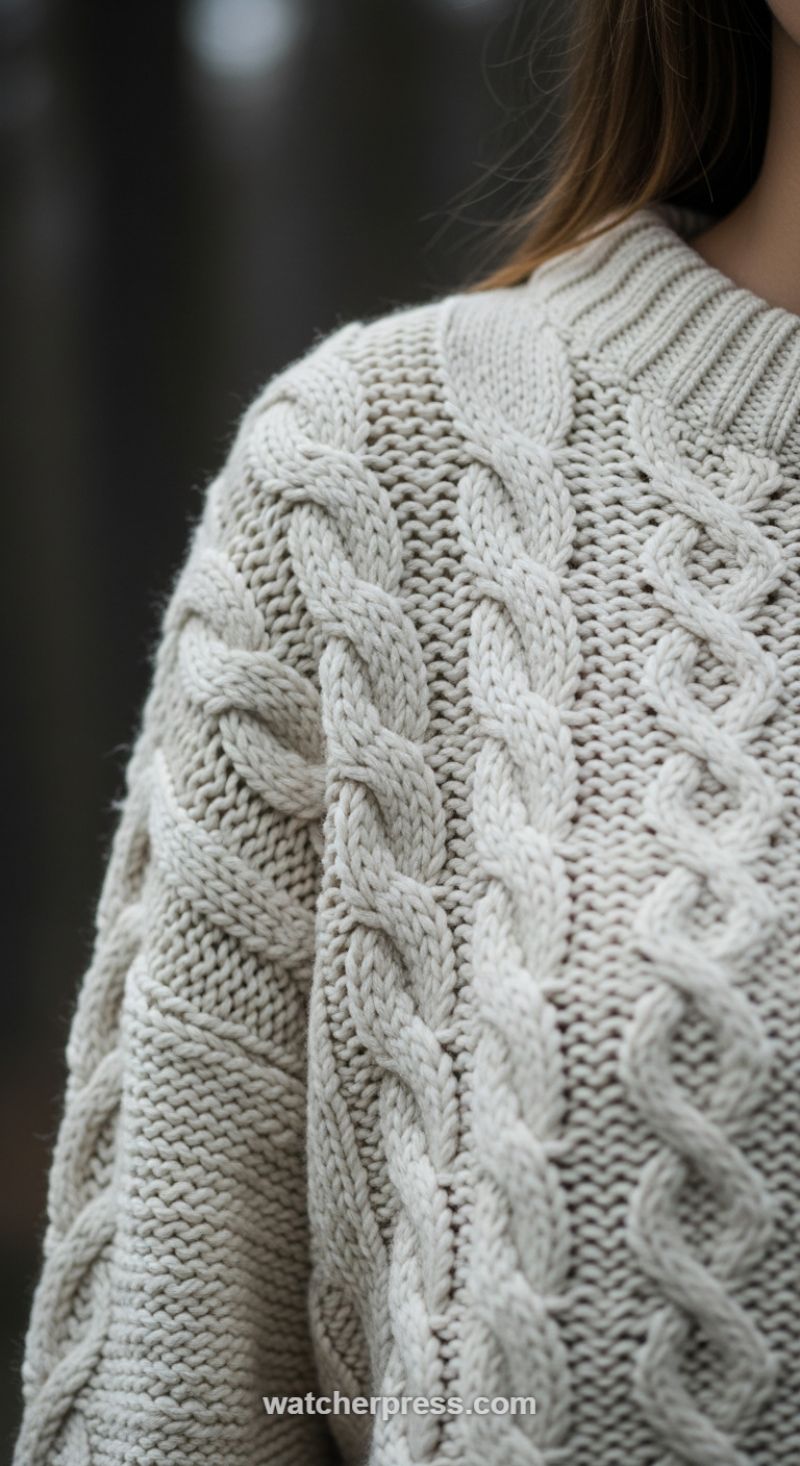
Texture is arguably the most critical component, aside from lighting, when building a truly moody or cinematic image. Flat surfaces often rely entirely on dramatic light placement to create visual interest, but by incorporating tactile textures—like the heavy, interwoven cables of an Aran knit sweater—you automatically introduce intrinsic visual depth and complexity. The raised ridges and deep valleys of the knitted pattern naturally interact with light, generating a powerful micro-level play of highlights and shadows. When selecting subjects for a moody shot, prioritize materials that are visibly rough, worn, or highly structured. This strategy ensures that even subtle shifts in illumination yield dramatic results, providing the viewer with a sense of immersion and warmth essential to the aesthetic.
To properly exploit these deep textures, you must shift away from broad, soft frontal illumination, which flattens surfaces and reduces dimension. Instead, employ highly directional or raking light sources—such as a key light placed sharply to the side, or even strong window light hitting the subject at a steep angle. This side-lighting technique is vital because it exaggerates the small shadows cast by every cable twist and stitch, turning the texture into a series of highly defined peaks and troughs. The goal is to create maximum contrast within the texture itself, making the fabric appear almost three-dimensional. Furthermore, pair this highly textured subject with a deliberately low-key and blurred background (deep bokeh) to isolate the rich detail, forcing the viewer’s eye to focus intensely on the intricate pattern and its dramatic shadows.
In cinematic close-ups, texture often serves as a proxy for intimacy and emotional depth. When photographing this detail, use a shallow depth of field (wide aperture) to ensure the sharpest focus lands specifically on the most intriguing part of the pattern—for example, the central intersection of cables on the shoulder. By framing the shot tightly, filling the frame predominantly with the garment, you intensify the tactile experience for the audience. This tight composition, combined with the volumetric lighting that emphasizes the density of the knit, crafts a powerful sense of coziness and brooding introspection, mastering the core principles of a sophisticated moody aesthetic where texture communicates mood as effectively as color or composition.
Secret #5: Leveraging Layered Textures to Capture Cinematic Depth
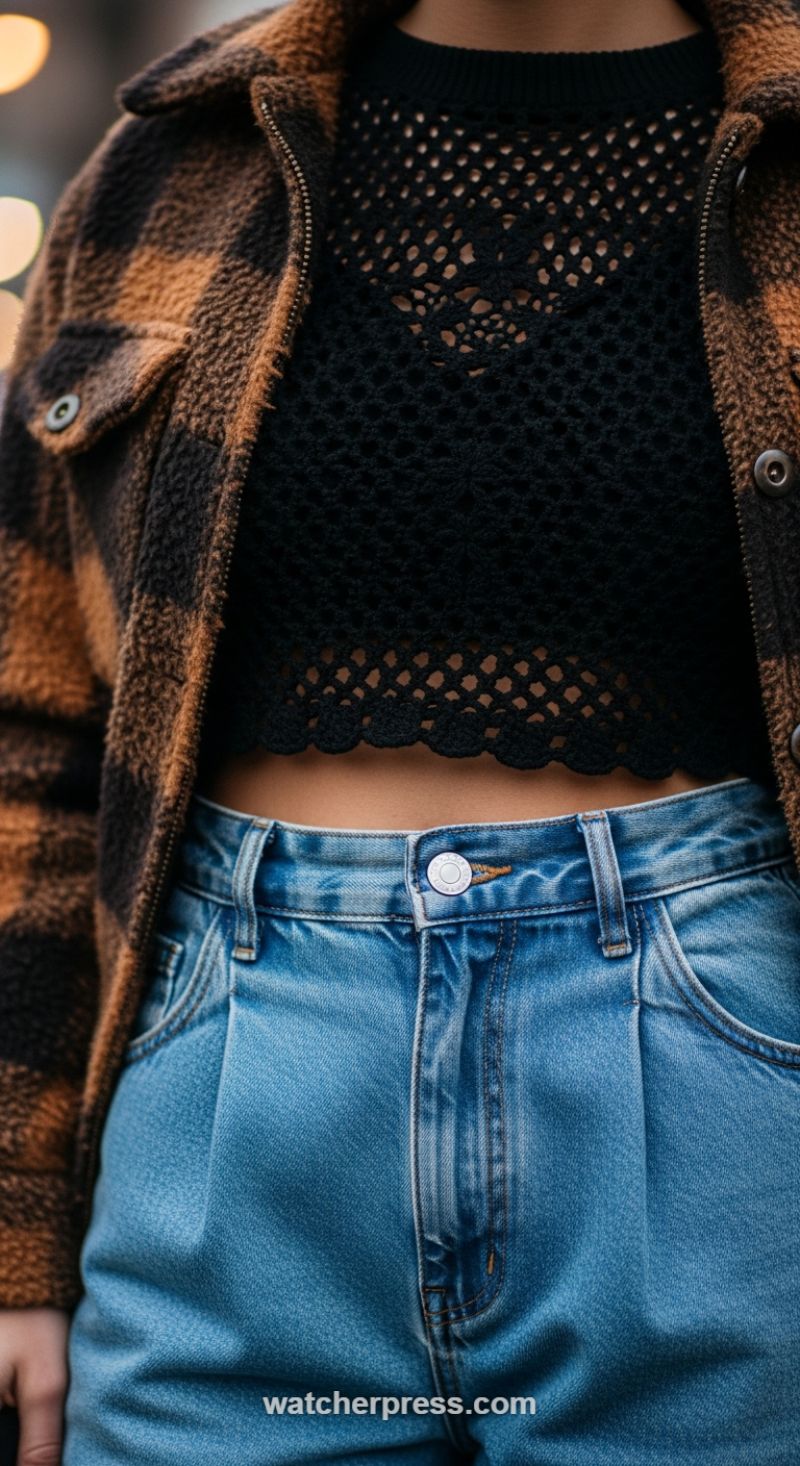
A key component of the moody aesthetic is creating visual saturation through tactile elements. This look exemplifies how juxtaposing three distinct textures—the rugged pile of the plaid fleece jacket, the delicate structure of the black open-weave crochet top, and the durable, rigid wash of the pleated denim—builds profound dimensional depth. For a cinematic composition, you must select fabrics that react dramatically to light and shadow. The fleece acts as a powerful light diffuser and shadow trap, absorbing ambient light and creating rich, deep pockets of darkness within its fibers. In contrast, the crocheted garment introduces micro-shadows due to its open pattern, allowing glimpses of skin (a smooth, non-textured surface) to act as visual breaks, maximizing the perceived contrast between the garments.
To master this technique, focus your lighting to highlight the tactile quality of the materials. Directional, low-key lighting (often achieved by shooting near a window or using a single light source slightly off-axis, as suggested by the soft background bokeh here) is essential. Notice how the light catches the raised, fuzzy surface of the brown and black jacket, giving it weight and warmth, while simultaneously passing through the sheer knit top. This play between opacity and transparency is crucial; the negative space of the crochet adds visual complexity without the harshness of a solid black block. This technique instructs the viewer’s eye to move across surfaces, mimicking the way high-quality cinema uses depth of field and environmental elements to make scenes feel tangible and immersive.
When styling your own shoot or outfit, ensure that your layers overlap significantly to maximize the creation of natural vignettes of shadow and light. For instance, the transition from the structured denim waistband to the exposed midriff, and then immediately into the delicate scalloped edge of the crop top, provides three distinct changes in texture and reflectivity within mere inches. Expert advice dictates that the base layer (the denim) should be the most rigid and light-reflective, while the outermost layer should provide the softest diffusion and the greatest capacity for deep shadow. This creates an anchor for your eye and prevents the overall image from becoming cluttered or overwhelming, reinforcing the layered complexity necessary for a rich, moody, and top-tier aesthetic.
Elevate the Flat Lay with High Contrast and Rich Texture
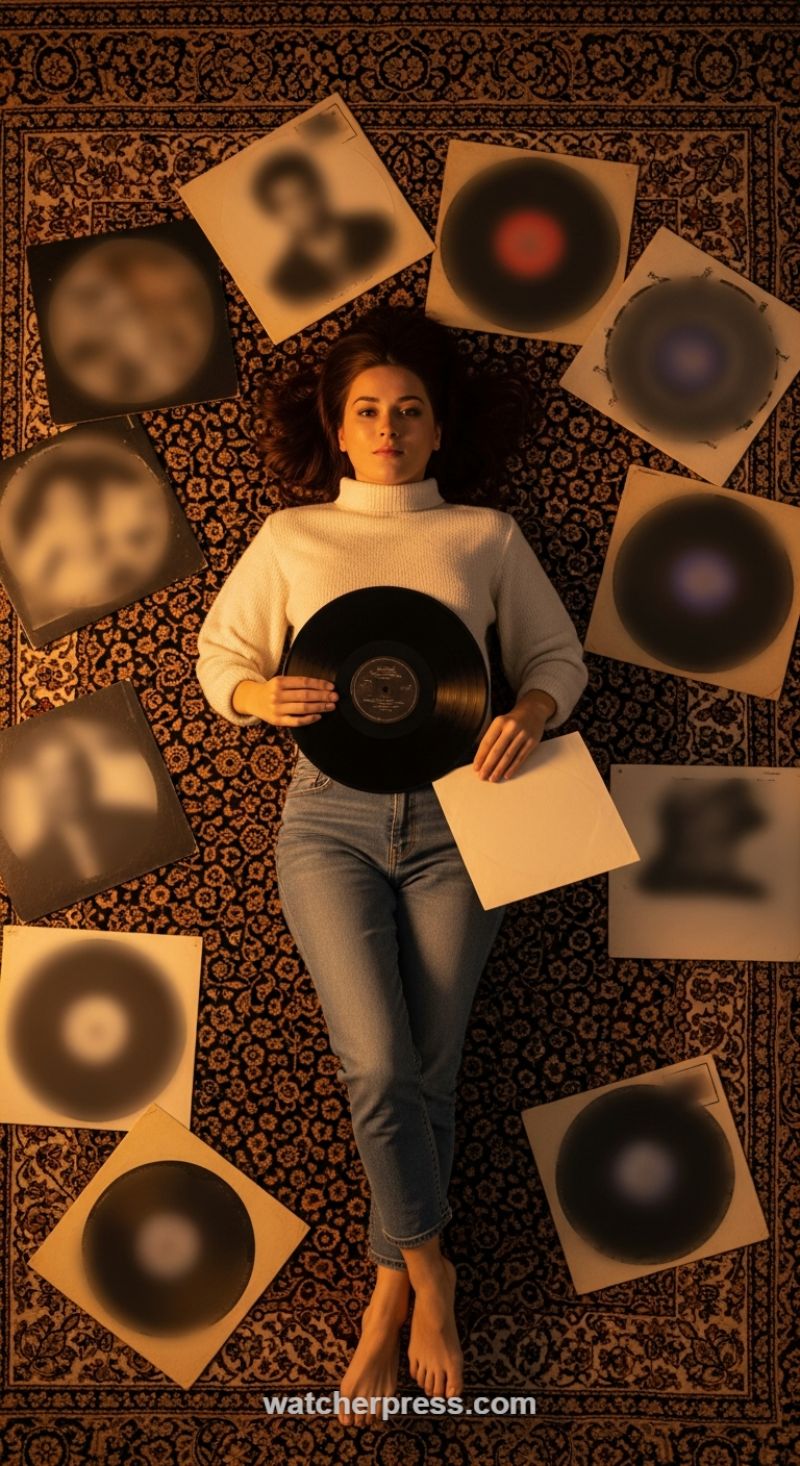
To capture this intimate, cinematic mood, the primary technique is low-key, highly directional lighting paired with strategic textural contrast. Begin by selecting a single, large, diffused light source positioned directly above the subject or slightly offset for dramatic fall-off. This setup ensures deep shadows dominate the edges of the frame, allowing the detailed background texture to absorb light and recede, lending instant depth and mystery. Utilize a warm color temperature—ideally setting the camera white balance around 3000K or employing amber gels—to saturate the scene with a nostalgic, golden glow. The bright elements on the subject, such as the white turtleneck and the sheen on the vinyl, become beacons of light, maximizing the critical contrast ratio that defines this moody aesthetic.
Successful execution of this overhead portrait relies heavily on intelligent textural layering. The choice of background is paramount; here, a dark, densely patterned Oriental or Persian rug provides both complexity and historical richness. This intricate pattern acts almost like natural film grain, preventing the deep shadows from feeling flat. Frame the subject using props that reinforce the theme of nostalgia and analog warmth, such as vintage vinyl records, distributing them unevenly to create an organized chaos that still guides the eye. Ensure the subject’s clothing offers a strong luminance contrast—the bright sweater against the dark rug ensures the person remains the visual anchor, drawing attention away from the busy surrounding details and toward the center of the frame. The subject’s casual, prone positioning adds an essential element of relaxed vulnerability and intimacy, crucial for establishing the overall cinematic tone.
For a polished, high-end result, focus on the subject’s interaction and final composition. The arrangement of props should feel organic yet purposeful; notice how the scattered record sleeves and the centered vinyl lead the eye along the natural lines of the body. Pay attention to small details that enhance the narrative, such as the tactile interaction with the physical record and the exposed bare feet, which communicate a sense of comfortable, private engagement. Post-processing should solidify the cinematic intent: slightly crush the black levels to deepen the shadow areas further, and apply a gentle, soft inner vignette. This technique concentrates the viewer’s focus on the warmly lit center, mastering that signature moody glow while highlighting the rich interplay of pattern and light.
The Dynamic Contrast: Juxtaposing Reflectivity and Texture
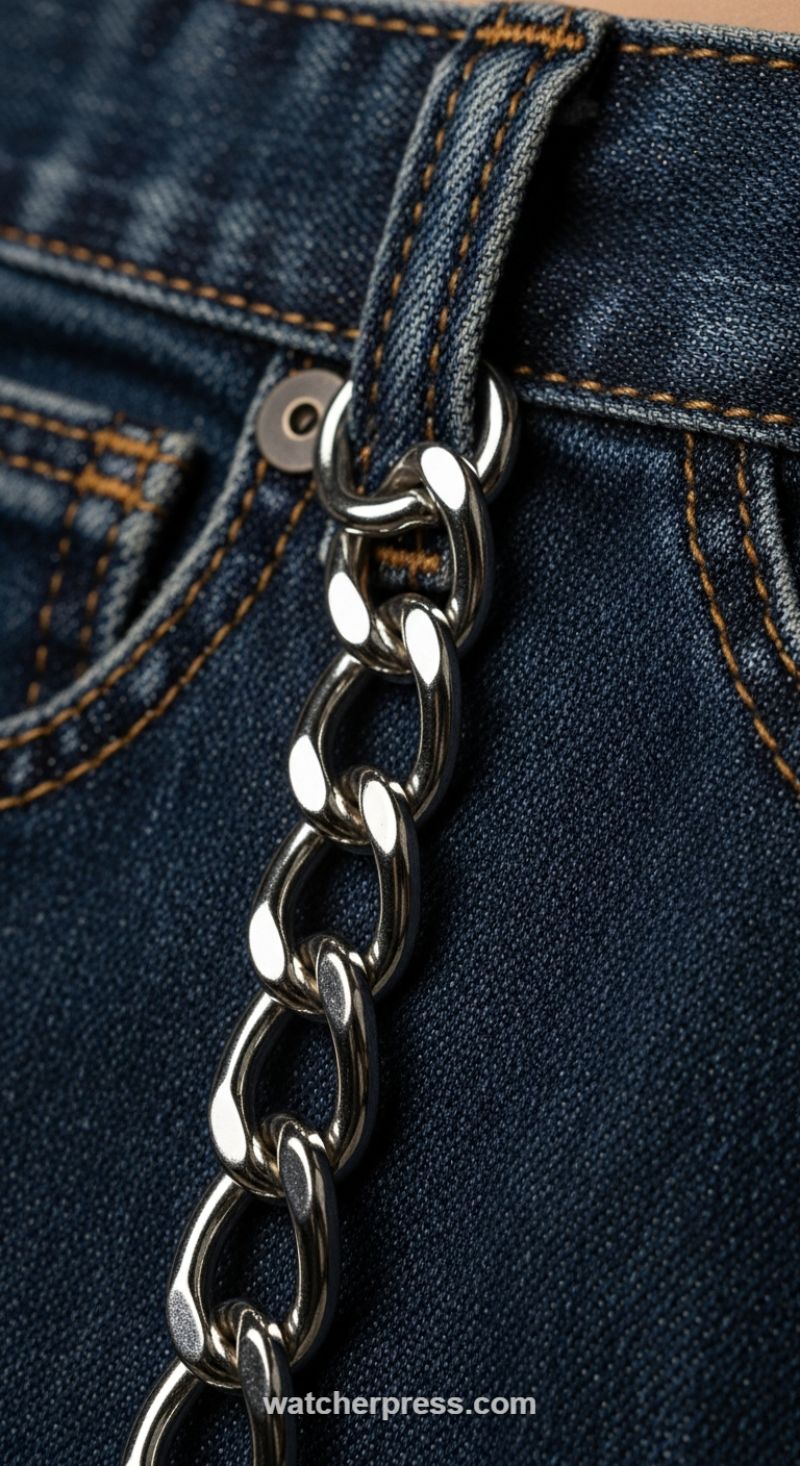
To achieve a truly cinematic moody aesthetic, you must master the art of material contrast, specifically pitting rough, absorbent textures against smooth, highly reflective surfaces. In this example, the deep indigo denim provides a rich, dark backdrop that swallows light, creating a sense of density and shadow. The key technique here is utilizing raking light—a highly directional light source positioned at a low angle relative to the surface—to define the micro-texture of the fabric. Notice how the light catches the weave of the denim and the thick, contrasting gold thread of the stitching, creating tiny highlights that immediately fall off into deep, rich shadows. This precise use of light separation is essential; without it, the denim would appear flat and the mood would be lost. Focus on bringing out the character and wear of the material through careful light positioning.
The critical counterpoint to the matte texture is the polished metal chain. Reflective surfaces interact with light completely differently, producing intense, specular highlights that sharply delineate shape and form. To maximize this dynamic tension, position your light source so that it casts clean, bright patches across the curvature of the links while simultaneously allowing the inner surfaces of the chain to fall into near-black reflection or shadow. The polished chrome acts as a magnet for the eye, demanding attention because its brilliance is so dramatically opposed to the light-absorbing denim background. This juxtaposition of rough (denim) and smooth (metal) elevates the image beyond a simple product shot into a study of tactile differences, dramatically enhancing the overall moody atmosphere and visual complexity of the frame.
From a compositional and technical standpoint, achieving this level of detail requires an extreme close-up, often necessitating a macro lens or extension tubes. Crucially, employ a shallow depth of field (a very low aperture, like f/2.8 or lower) to isolate the chain and the specific belt loop where it attaches. This technique renders the rest of the jeans, including the surrounding pocket detail and rivets, into a soft, hazy blur (bokeh). This isolation technique focuses the viewer’s attention squarely on the interplay between the materials and the high-contrast lighting, eliminating environmental distractions. Ensure your focus point is razor-sharp on the foreground element, as any softness on the chain will undermine the necessary brilliance of the specular highlights, dulling the powerful, dramatic impact of the scene.