
Unlock true financial freedom with the 11 smartest passive income streams. Discover how to earn recurring revenue through digital products, automation, and strategic investments that literally make money while you sleep.
1. Productizing Professional Side Hustles (Image 1: 9 Brilliant Side Hustles)

Many high-value services (like consulting or bookkeeping) are active income streams. The smartest passive strategy is to productize your expertise. Instead of doing the work 1:1, create templates, guides, or standardized digital systems based on your professional experience. This leverages your existing skills into scalable, downloadable products that eliminate the need for constant client interaction.
2. Launching Automated Online Courses and Masterclasses (Image 2: 15 Ultimate Online Ideas)

The rise of online learning means that virtual teaching is a highly effective passive stream. Unlike live webinars, truly passive income comes from pre-recorded, evergreen courses hosted on platforms like Teachable or Udemy. Once the content is created and the initial marketing funnel is established, your audience pays for access, delivering income 24/7 without your direct involvement.
3. Creating and Selling Digital Templates and Assets (Image 13: 10 Unique Digital Products)

Digital products offer the highest margin passive income. This includes planners, habit trackers, spreadsheet templates, resume designs, or social media dashboards. They require effort only once during creation, have zero fulfillment costs, and can be sold infinitely. This method perfectly embodies earning money while you sleep, as buyers worldwide can download them instantly.
4. Utilizing the Subscription Box Model (Image 18: 8 Best Subscription Boxes)

The subscription economy provides reliable, recurring revenue. While sourcing and packing are active tasks, the financial model is passive once the subscriber base is established. Using fulfillment partners (3PLs) and automated payment gateways ensures that revenue flows in automatically every month, turning a service into a predictable, hands-off income stream.
5. Smart Investment and Financial Goal Setting (Image 9: 6 Amazing Opportunities)

The most traditional and purest form of passive income is through investments. This involves strategically setting aside money for long-term growth, whether in index funds, dividend stocks, or retirement accounts. As depicted by savings jars and growing seeds, this strategy emphasizes compounding returns, allowing your money to literally grow itself with zero active effort required from you.
6. Leveraging High-Income Skills for Automation (Image 6: 10 Inspiring High-Income Skills)

Skills like coding, graphic design, and advanced data analysis are typically high-paying active jobs. To transform them into passive income, use them to create automated systems, software, or templates (SaaS products, premium website plugins, high-end design assets) that solve complex problems for others, charging a recurring licensing fee.
7. The True Definition of Passive Income (Image 10: 11 Smartest Passive Income)

This image perfectly illustrates the goal: generating earnings while engaged in non-work activities like sleeping, relaxing, or enjoying nature. Achieving this requires building scalable assets—like affiliate sites, automated e-commerce stores, or rental properties—where the systems are in place to handle sales, marketing, and fulfillment without constant attention.
8. E-commerce Dropshipping Strategy (Image 12: 7 Killer Dropship Products)
Dropshipping is a semi-passive e-commerce model where you sell physical products without holding inventory. The key to making it truly passive is leveraging automation software for order fulfillment and relying on a reliable supplier. Once the store is set up and the ad campaigns are running, orders are forwarded automatically, minimizing your active fulfillment time.
9. Selling Creative Assets and Intellectual Property (Image 7: 8 Creative Side Gigs)

For artists and creators, selling digital creative assets is highly passive. This includes licensing photography, stock video, music, or selling digital patterns and printables (like the drawing and crafting shown). Every time someone downloads or licenses your work, you earn a royalty, providing passive cash flow long after the initial creation is complete.
10. Recession-Proof B2B Service Automation (Image 8: 14 Recession-Proof Service Businesses)

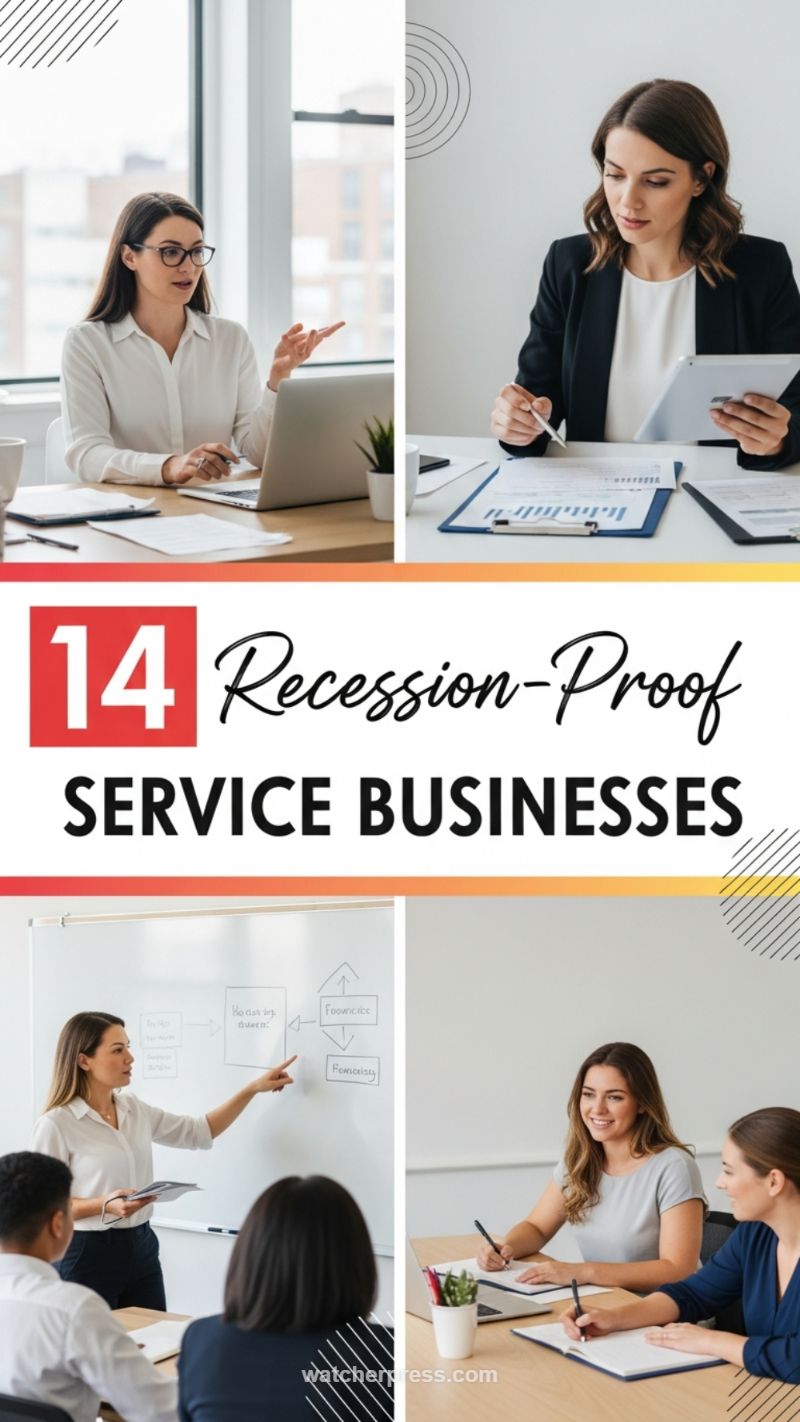
Service businesses are often seen as active, but they become passive when you automate client intake and deliverables. Focus on B2B services (like digital marketing reports or financial analysis) and create automated reports or templates that clients pay for monthly. This scalable approach targets businesses that always need data, providing strong income reliability.
11. Leveraging Strategic Business Planning (Image 3: 7 Essential Launch Steps)

Passive income requires robust initial planning. Shaking hands on partnerships or meticulously charting flowcharts indicates that the ‘zero effort’ stage is only reached after a high-effort planning stage. A solid business plan focused on scalability and automation is crucial for ensuring the income stream can run independently.
12. Finding Trending Product Niches (Image 11: 13 Trending Product Niches)

Successful passive e-commerce (like Amazon FBA or dropshipping) relies heavily on product selection. Identifying trending niches (like eco-friendly goods or small tech accessories shown) allows you to capitalize on high demand. By focusing on automated warehousing and fulfillment (FBA), your passive income stream is fueled by high-converting products.
13. Maximizing Revenue through Optimal Pricing (Image 19: 15 Crucial Pricing Strategies)

Pricing is the hidden lever of passive income profitability. Implementing dynamic or tiered pricing strategies ensures that your automated income streams maximize revenue per customer. Pricing decisions, shown by adjusting tags, are a one-time strategic effort that pays passive dividends indefinitely.
14. Scaling through E-commerce Fulfillment (Image 14: 5 Fastest Sourcing Ways)
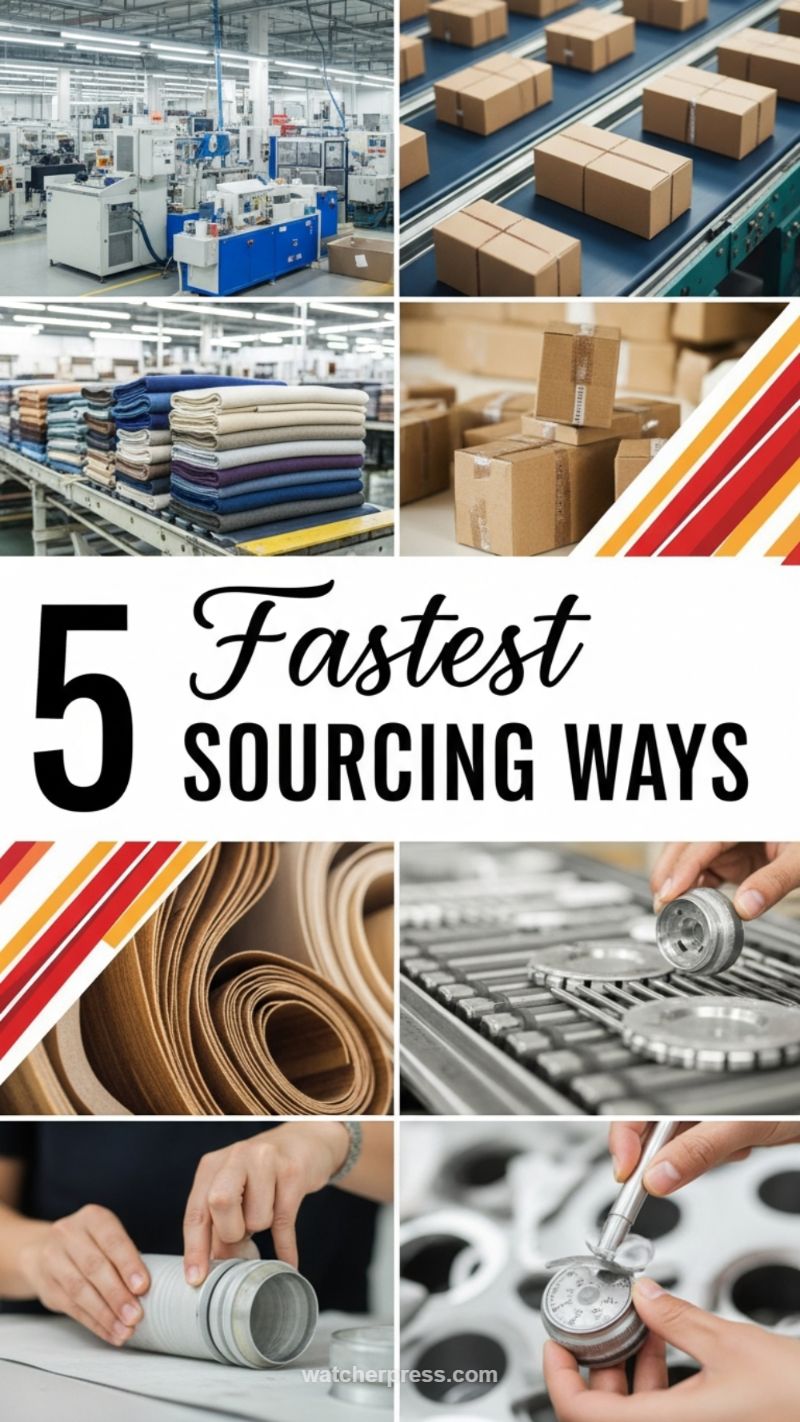
For physical goods passive income (like private labeling), the fastest path to hands-off operations is efficient sourcing and manufacturing. Utilizing automated production and logistics pipelines—like global sourcing platforms and 3rd party logistics providers—means the entire physical supply chain can operate passively, delivering goods to customers without your interference.
15. Building a Podcast or Content Library (Image 4: 12 Profitable Business Ideas)

Podcasting and digital content creation can be highly passive once the library is large enough. The initial work is active, but every piece of content you create (podcast episodes, tutorials, blog posts) becomes a long-term asset generating passive revenue through affiliate links, programmatic ads, or evergreen sponsorships.
16. Creating Systems for Home-Based Income (Image 5: 5 Game-Changing Home Businesses)

Home-based businesses are passive when they use systems that don’t require constant direct labor. This could be selling digital resources related to parenting, home organization, or remote work productivity. The goal is to move beyond active services and sell the knowledge or tools required for a successful home life.
17. Selling Sustainable and Eco-Friendly Products (Image 17: 6 Sustainable Product Concepts)

Niche selection is key. Targeting high-growth, high-retention markets like sustainable products ensures long-term passive sales reliability. Automating the supply chain for products with high ethical appeal (like recyclable packaging or eco-friendly cosmetics) positions the passive business favorably in a conscious consumer market.
18. Optimizing Product Photography for Automated Sales (Image 15: 9 Essential Photo Tips)

In passive e-commerce, your visual assets must do the selling for you. High-quality, professional photography is an initial investment that drastically increases conversion rates in automated sales funnels. Clear product representation minimizes customer service inquiries and maximizes passive sales velocity.
19. Selling DIY Blueprints and Kits (Image 16: 12 Brilliant DIY Products)

Instead of actively making and selling physical DIY products (candles, jewelry, crafts), the passive route is selling the blueprints, patterns, instruction manuals, or starter kits. This turns physical production into a digital, downloadable asset, eliminating inventory management and manual labor.
20. Selecting High-Demand Physical Goods for FBA (Image 20: 11 Must-Have Physical Products)

Amazon FBA (Fulfillment by Amazon) is a classic passive income method for physical products. By choosing small, light, and high-demand items (like small electronics, lifestyle accessories, or unique home goods), you leverage Amazon’s massive logistics network, allowing the platform to handle warehousing, packaging, shipping, and customer service—making the process almost entirely passive.