
Discover the ultimate hair style guide featuring 60+ trending looks! Find perfect styles for every hair length, texture (curly, straight, natural), and occasion (prom, VDay, daily, protective).
8 Charming VDAY Hair Styles
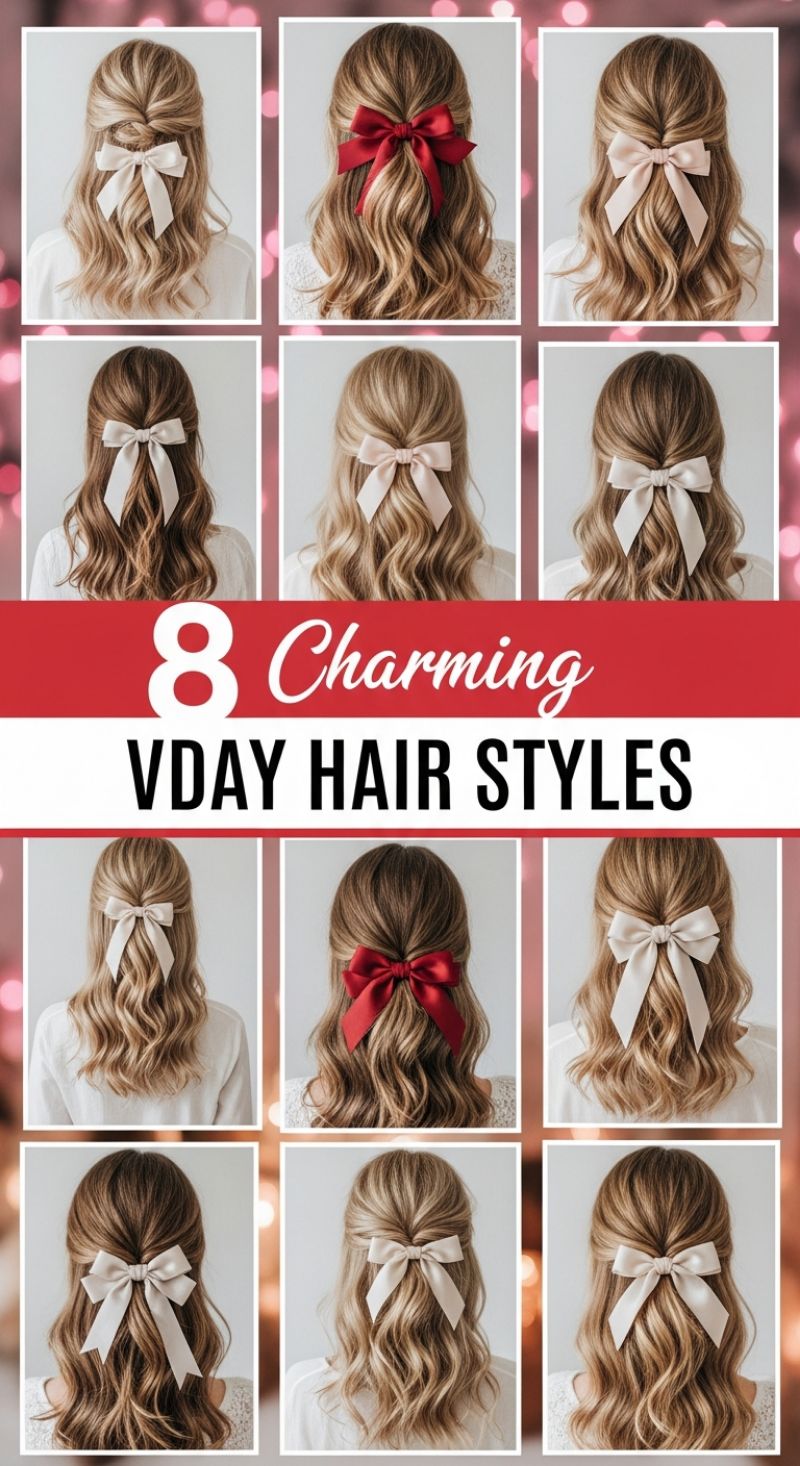
These eight stunning examples highlight the timeless elegance of the bow accessory, transforming a simple half-up hairstyle into a chic, ultra-feminine statement perfect for Valentine’s Day or any romantic occasion. The styles rely on soft, voluminous waves and rich, flowing ribbon bows in satin or silk finishes. Notice the strategic use of color: vibrant red for boldness and passion, and soft blush and creamy off-white tones for a subtle, ethereal look. This style works across various hair lengths, providing an instant uplift and drawing the eye to the delicate accessory placed gracefully at the back of the head. It’s the ultimate combination of effortless romance and polished sophistication, proving that sometimes, the simplest accessory makes the biggest statement.
To recreate this enchanting half-up style, begin by ensuring your hair has ample texture. Use a 1.5-inch curling iron or a wand to create loose, soft waves or bends throughout your hair, brushing them out gently for a natural, flowing look. Next, section off the top portion of the hair, starting from just above the ears or temples, depending on the volume desired. The key is the security of the base: either gather the section into a small, tight half-ponytail using a clear elastic, or execute a subtle half-up twist (as seen in some images) by crossing the two side sections over a central piece and securing them tightly underneath. Once the hair is secured and smoothed, clip or tie your chosen satin bow directly over the elastic or twist. Ensure the ribbon tails hang down symmetrically over the loose lower section of your hair, blending seamlessly with the waves for maximum effect.
To tailor this high-impact look, consider the size and placement of the bow. Larger bows (like the vibrant red examples) create a dramatic silhouette and are often best placed slightly lower to anchor the volume, while smaller, more delicate bows can be positioned higher on the crown for a subtle, youthful lift. For fine hair textures, back-combing the section before securing it will add essential height and fullness under the bow, preventing it from looking flat. Always finish the style with a lightweight flexible hold hairspray to smooth any flyaways, especially around the face and the secured twist. Expert advice for maximum charm is to ensure the silk or satin ribbon is freshly pressed and tied crisply, as the quality and precise shape of the bow are central to the overall high-fashion appeal of this effortlessly romantic look.
10 Stunning Prom Hair Styles
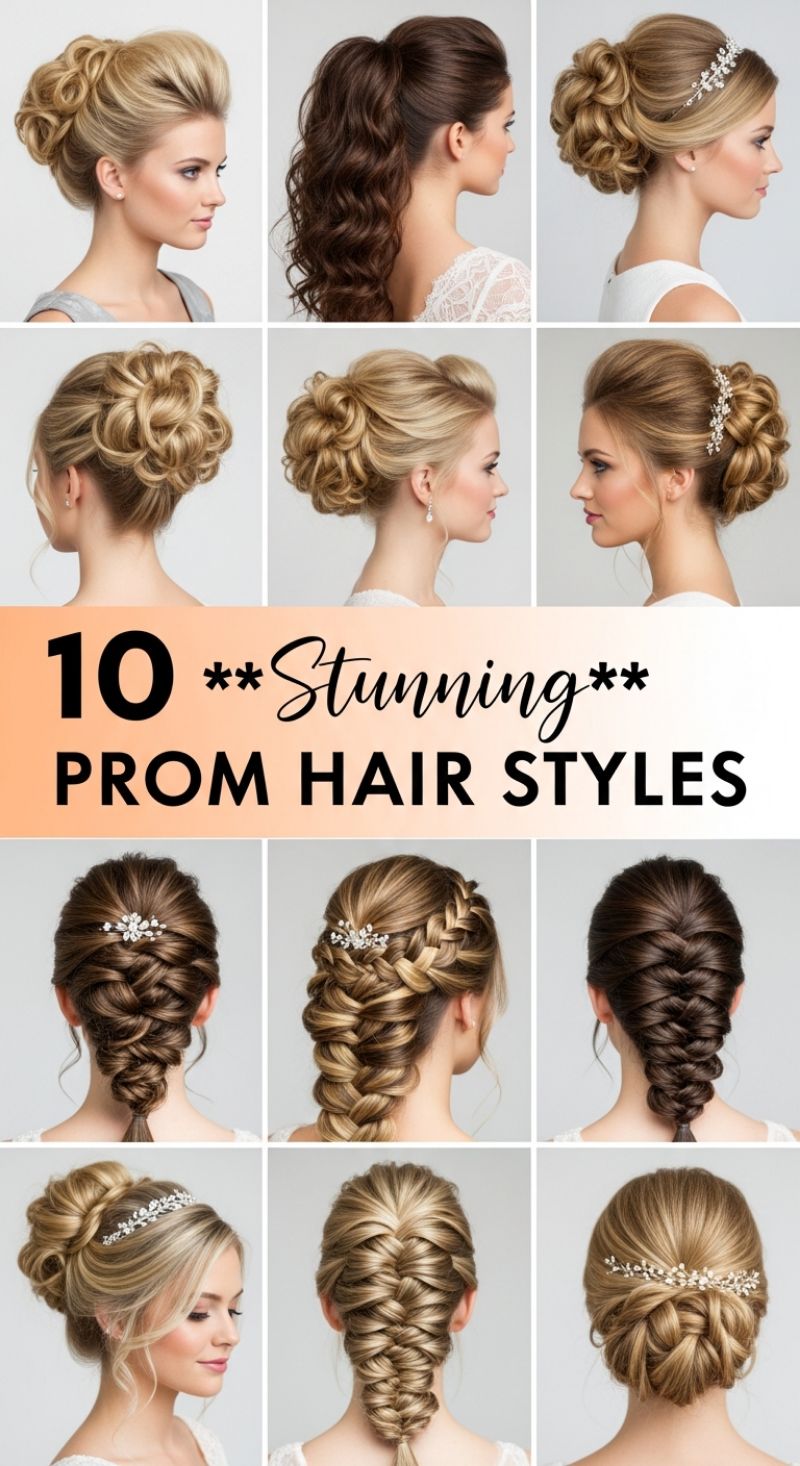
The gallery of stunning looks showcased here provides ultimate inspiration for formal events like prom, galas, or weddings, emphasizing structure, volume, and intricate detailing. The majority of the styles feature expertly crafted updos, focusing on romantic, textured curls pinned loosely to create soft dimension. To achieve the voluminous height seen in the high buns and swept-back styles (like the top left or middle right), start by prepping hair with a heat protectant and then curling the entire head in uniform sections. Next, backcomb heavily at the crown before sweeping the hair back. Instead of twisting the hair into a neat bun, pin the individual curled sections loosely around the base, allowing tendrils to overlap for that characteristic elegant chaos. Secure the final look with a strong-hold, flexible hairspray to ensure the style lasts through hours of dancing, focusing especially on the nape of the neck and behind the ears where updos tend to loosen first. For an even more dramatic effect, consider integrating clip-in extensions to boost the density and size of the finished bun or ponytail.
Several looks highlight advanced braiding techniques, moving beyond simple plaits to create complex visual textures suitable for making a statement. The bottom rows feature chunky, pancaked inverted braids (Dutch braids worked high on the back of the head) that cascade down into a tapered tail or feed into a low, structured updo. To replicate these large, defined braids, ensure your hair is smooth but not slippery—using a texturizing powder or dry shampoo at the roots can add necessary grip. When executing the Dutch or fishbone style, remember to gently tug and loosen the loops of the braid once complete, known as ‘pancaking,’ to maximize width and volume. This technique turns a standard braid into a show-stopping piece of hair architecture. Accessories are vital to completing these styles, ranging from delicate, crystal-encrusted hair vines placed over the crown (as seen in the bottom left updo) to small, floral-inspired clips strategically placed where braids converge or buns begin, drawing attention to the intricate work.
These hairstyles are ideal for those with medium to long hair seeking sophistication combined with durability. While the updos offer a timeless elegance, the braided styles provide a fashionable, bohemian edge that is still entirely appropriate for a formal setting. For personalization, soft, face-framing tendrils should be curled and left out of the updo to soften the jawline and give a more romantic, less severe appearance. If you opt for the voluminous high ponytail (top center), make sure to hide the elastic by wrapping a section of hair around the base and pinning it underneath. No matter the chosen style, meticulous preparation, including using the right volume-boosting mousse and professional-grade finishing sprays, is the secret to achieving a flawless finish that withstands the high energy of any special occasion.
The 5-Minute Half-Up Top Knot (Under 5miten)
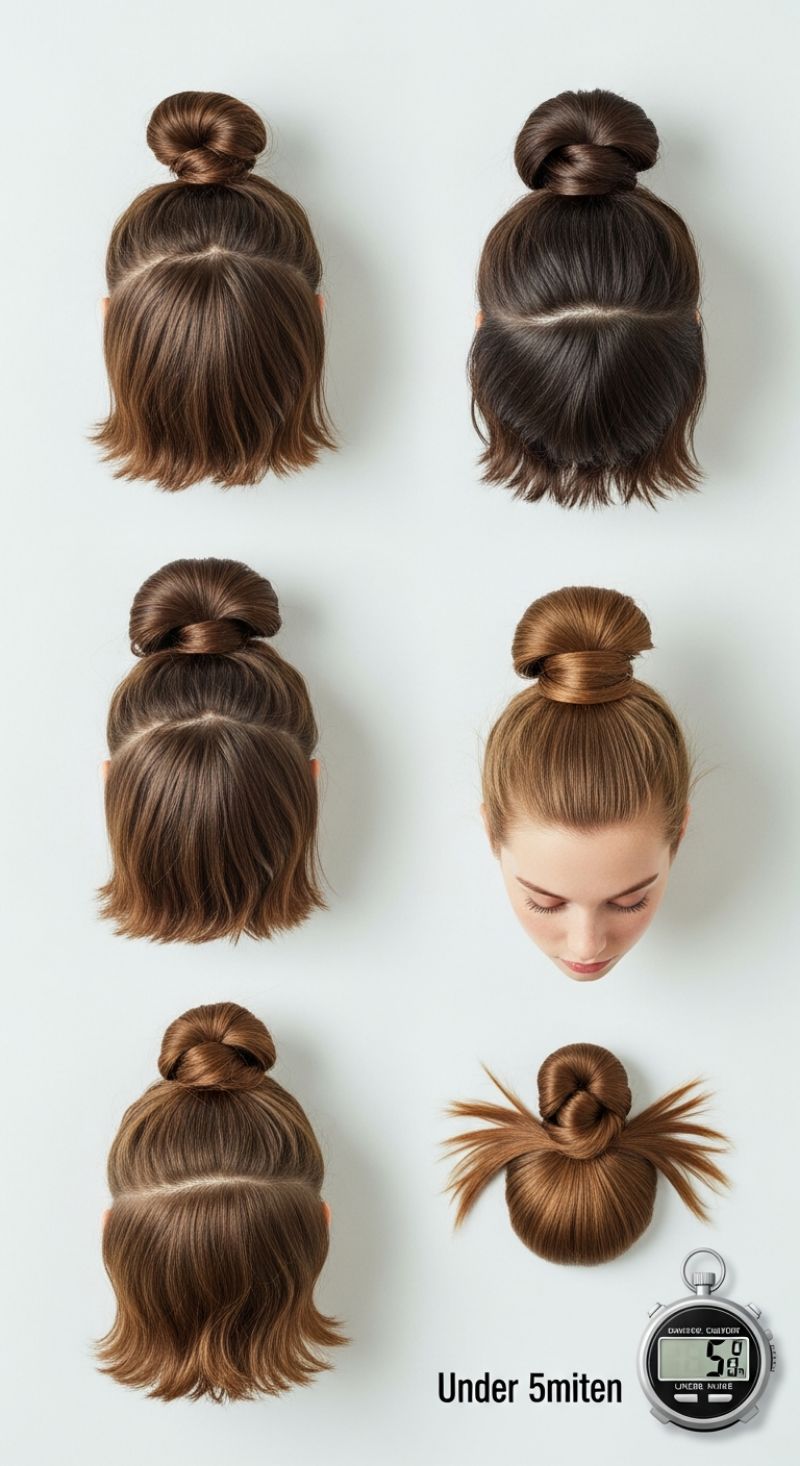
This iconic half-up, half-down style is the ultimate solution for chic looks when time is of the essence, as emphasized by the “Under 5miten” timer visible in the image. Perfectly demonstrated on medium-length hair and textured bobs, this look lifts the hair away from the face while maintaining length and volume throughout the bottom section. To begin, section off the top portion of your hair from ear to ear, extending back to the crown. The key to achieving the sleek, finished look seen in the visuals is to ensure this section is gathered smoothly and secured tightly with a sturdy elastic. For those with fine or silky hair, a slight back-combing or application of texturizing spray to the roots of the gathered section will add necessary grit and staying power before creating the bun. Pay attention to the part line shown in the images; maintaining a clean horizontal division ensures the style looks intentionally polished, even when executed quickly.Once the high ponytail foundation is set, forming the actual top knot is where variation and personal style come into play. For the smooth, polished appearance showcased in the lighter brown examples, twist the gathered hair tightly and coil it around the base of the ponytail, pinning the edges neatly against the scalp with bobby pins. Alternatively, to achieve the edgier, spiky look featured in the bottom right frame—which adds immediate visual interest and texture—simply twist the hair loosely and wrap it, leaving the ends intentionally sticking out or fanned around the bun’s base before securing with pins. Expert tip: Using a hair tie that matches your hair color ensures the base remains invisible, allowing the structured knot to be the focus. This style is incredibly versatile, adapting easily whether your hair is straight, wavy, or slightly tousled, and works brilliantly for hair that is a day or two post-wash, utilizing natural oils for better hold and shape retention.The speed component (“Under 5miten”) makes this hairstyle ideal for busy mornings or quick transition from day to evening. Because the bottom portion of the hair is left down, only minimal effort is required for styling that section—a quick run-through with a flat iron or a wave spray works perfectly. This half-up structure also provides an immediate facelift effect, drawing attention upward. For optimal longevity, finish the style with a medium-hold hairspray, concentrating on the edges of the sectioned part and the bun itself to prevent flyaways. This look works across nearly all hair colors and textures, from the deep chestnut brown to the bright auburn tones depicted, making it a universal go-to style for achieving maximum impact with minimum time investment across all casual and semi-casual occasions.
12 Protective NATURAL HAIR STYLES

Protective styles are foundational for natural hair care, offering a much-needed break from daily manipulation while promoting length retention and moisture balance. The twelve looks presented here offer a masterclass in versatile protective styling, ranging from long, flowing jumbo twists and voluminous natural afros to intricate cornrow patterns and impeccably sleek, braided high buns. The dominant aesthetic emphasizes clean parts, laid edges, and defined structure, making these styles suitable for professional settings, formal events, or everyday glamour. Notice the diversity in technique—from simple two-strand twists and box braids that minimize tension, to various forms of feed-in braids and tight cornrows where the hair is secured against the scalp, leading up into a secure, elegant updo. This selection highlights how protective styles can be customized through varying braid thickness, parting geometry, and the final silhouette, whether worn down for maximum impact or swept up for streamlined sophistication.
Achieving a perfect protective style starts with diligent hair preparation. Always ensure the natural hair is freshly washed, deep-conditioned, and thoroughly detangled before braiding or twisting, as this minimizes breakage and maximizes style longevity. For styles involving extensions, like the long box braids or the high braided buns, moisturizing the natural hair with a light oil or butter mixture before installation is crucial to seal in moisture for the full duration of the wear. When executing cornrow updos, as showcased extensively in the lower quadrants, technique is paramount: use consistent, firm tension to ensure the braids lie flat and last, but exercise extreme caution around the delicate hairline to prevent tightness and subsequent traction alopecia. Expert advice dictates covering the hair nightly with a silk bonnet or scarf, and periodically spritzing the exposed scalp and natural hair roots with a light, moisturizing refresher spray to combat dryness and maintain comfort.
The versatility of these 12 looks allows for effortless transition across occasions. The voluminous, loose styles, such as the natural afro or long individual twists, offer a casual, bohemian flair, perfect for relaxed outings. In stark contrast, the highly structured high braided buns and cornrow updos embody sophistication and polished elegance, making them ideal for corporate environments or upscale events. To customize the cornrow updos, experiment with different parting techniques; angular, diagonal, or curved parts add significant visual interest and architectural beauty, as demonstrated by the varied looks in the imagery. Furthermore, accessories like bold gold hoops or statement earrings complement the clean, vertical lines of these styles perfectly, ensuring the focus remains on the intricate braiding and flawless finish. Most of these high-quality protective styles can be worn confidently for four to eight weeks, provided the necessary nightly maintenance is observed.
8 Sleek Bun Hair Styles
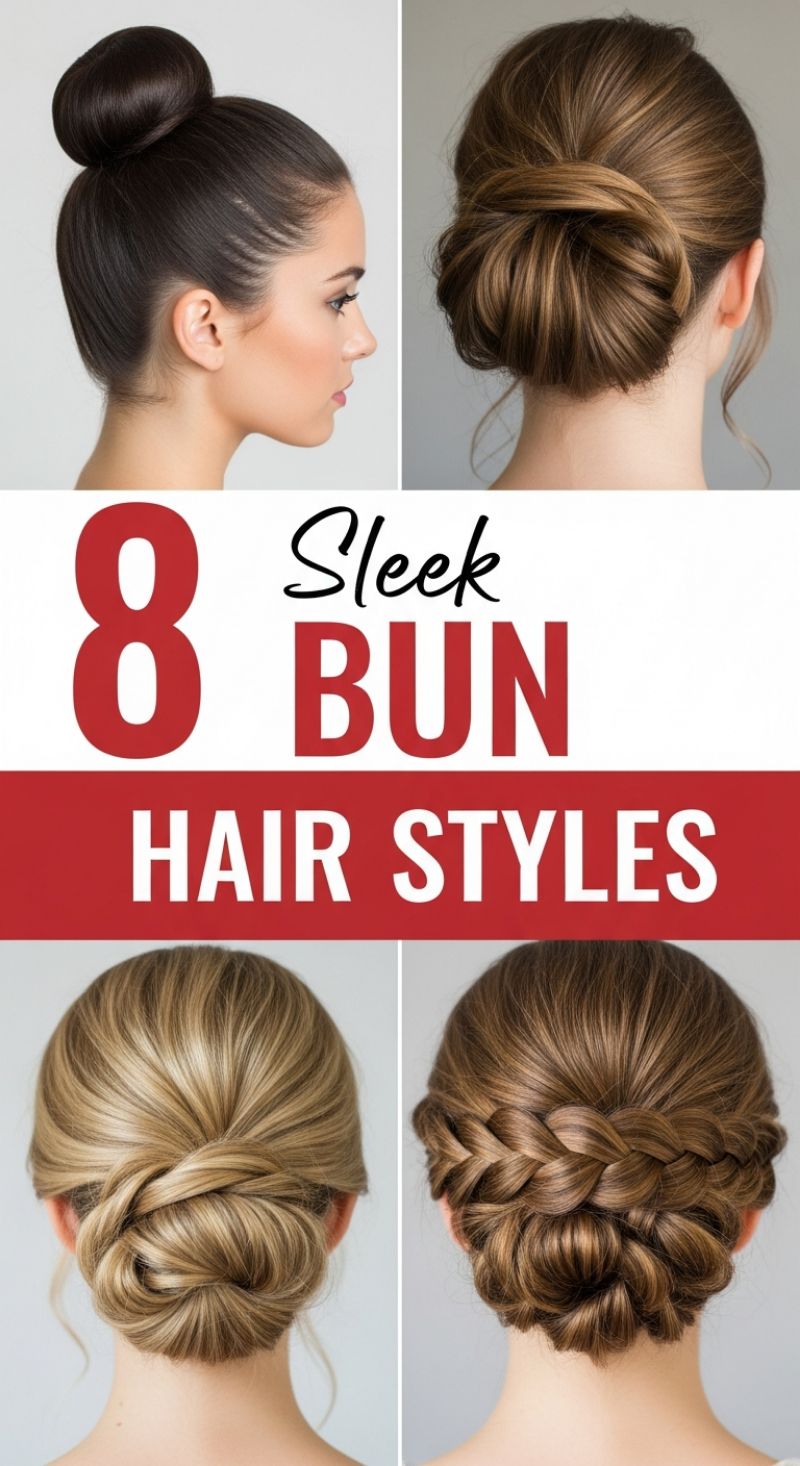
Sleek buns are the epitome of elegance and functionality, offering a refined look perfect for the office, formal events, or just keeping hair impeccably contained. The classic high ballerina bun, as seen in the top left image, demands maximum precision and shine. To achieve this timeless look, start by pulling the hair into a high, taut ponytail situated at the crown. Use a boar bristle brush and a smoothing serum or pomade to ensure every strand is flawlessly directed and free of flyaways. Once the ponytail is secured with a strong elastic, you can either twist the length tightly around the base for a dense, architectural bun, or use a specialized hair donut for guaranteed volume and symmetry, wrapping the remaining hair around the donut’s base. The key to this signature sleek finish is powerful, flexible-hold hairspray applied both before and after styling, paying special attention to the hairline and nape to firmly tame any baby hairs or wisps.
Moving toward the nape of the neck opens up opportunities for softer, more intricate chignons and low updos. The mid-level, twisted low bun (top right) offers a relaxed sophistication, where strands are swirled rather than pulled rigidly, creating beautiful dimension, especially visible with multi-tonal hair. For a slightly more formal, knotted low chignon (bottom left), begin by dividing the low ponytail into two or three smooth sections. Cross and knot these sections over each other, carefully tucking the ends underneath the main structure and securing them with bobby pins. The smoothness of the crossing sections is paramount; treat them with a lightweight shine spray before twisting. Expert tip: When pinning any low bun, insert the pins horizontally or diagonally, ensuring the pin catches both the external bun structure and a small amount of hair at the scalp. This technique guarantees maximum hold, preventing the bun from drooping, without having visible hardware.
To truly elevate the basic sleek bun, integrate structural details like braids, as showcased in the breathtaking braided low updo (bottom right). This elegant style often involves a horizontal Dutch or inverted French braid starting just above the nape of the neck, running across the back of the head like a decorative headband. The remainder of the hair, including the ends of the braid, is then gathered and twisted into a voluminous, structured bun positioned directly below the braid line. This combination adds texture and visual interest while maintaining an overall polished silhouette. For the braid itself, ensure the sections are smooth and evenly tensioned for that plump, ‘ribbon-like’ appearance. Finalizing any sleek bun requires precision tools: use a toothbrush sprayed lightly with hairspray for micro-corrections around the face, and follow up with a final mist of anti-humidity spray to lock the style against environmental factors, guaranteeing a picture-perfect look that remains impeccably sleek all day and night.
10 Flattering Medium Hair Styles
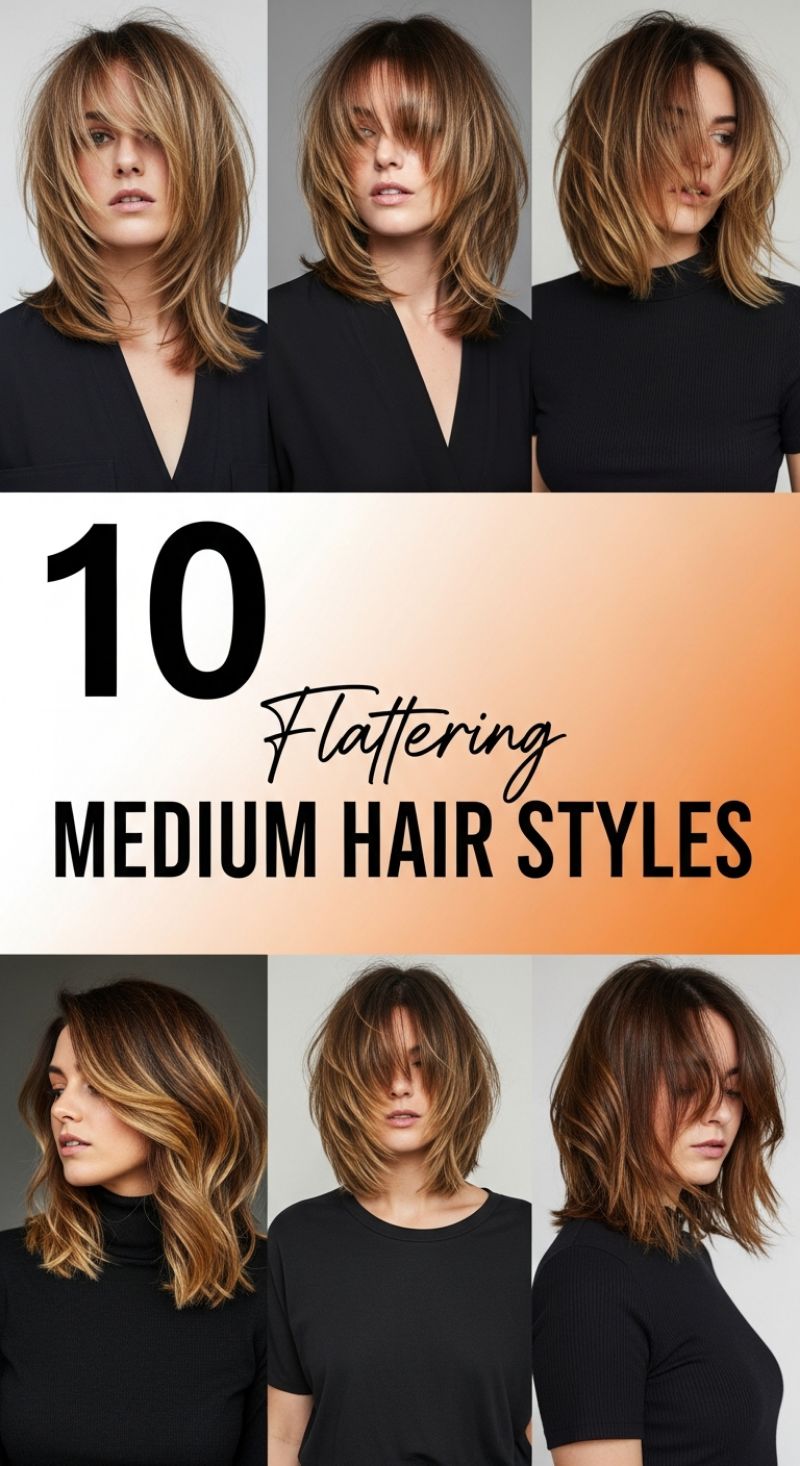
The collection of medium hairstyles showcased here is defined by intentional, voluminous layering and movement, often drawing inspiration from modern shags and heavily textured lobs (long bobs). These cuts are strategically designed to maximize dimension and minimize styling effort. Key characteristics include multi-tiered layering that begins around the cheekbones or jawline, creating a soft, face-framing effect ideal for softening angular features or adding width to narrow faces. The length typically hits between the collarbone and shoulders, which is universally flattering and versatile for various updos or half-up styles. The addition of a soft, eyebrow-skimming fringe or voluminous curtain bangs enhances the overall structure, ensuring that the finished style has dramatic body and natural-looking swing, making fine or medium hair appear significantly denser and full of life.
Achieving this sought-after voluminous texture requires specific cutting and styling techniques. For the cut itself, ask your stylist for internal layering and point cutting, which removes weight while maintaining the appearance of length and creates those effortlessly tousled ends. When styling, volume is paramount. Start by applying a heat protectant and a generous amount of volume-boosting mousse or root lift spray to damp hair. Blow-dry the hair using a large round brush, lifting sections at the root and over-directing the hair in the opposite direction of its natural fall to build maximum height. For the ultimate messy texture seen in these looks, finish by curling random sections with a 1.25-inch curling iron, leaving the ends out. Once cooled, vigorously shake the curls out and apply a dry texturizing spray or finishing powder throughout the layers to define the structure and create that perfect, lived-in separation, mimicking the movement of dry-cutting techniques.
Expert maintenance is crucial to keep these medium layered styles looking fresh and dynamic. Because these looks rely heavily on shape and movement, a trim is recommended every 6 to 8 weeks to prevent the layers from growing too heavy and flat, especially if you have naturally wavy or curly hair that tends to weigh down. Color placement is another powerful tool; incorporate subtle balayage or strategic highlightsparticularly around the face-framing layers and the endsto visually enhance the movement and depth of the cut, making the layers pop. For daily styling, focus on moisturizing the mid-lengths and ends to combat frizz, but avoid applying heavy conditioners or oils near the roots, which can compromise the critical volume. A lightweight dry shampoo applied on non-wash days will not only absorb oil but also add residual grit and texture, keeping the messy, effortless vibe intact without stiffness.
Mastering 7 Defined Curly Hair Styles
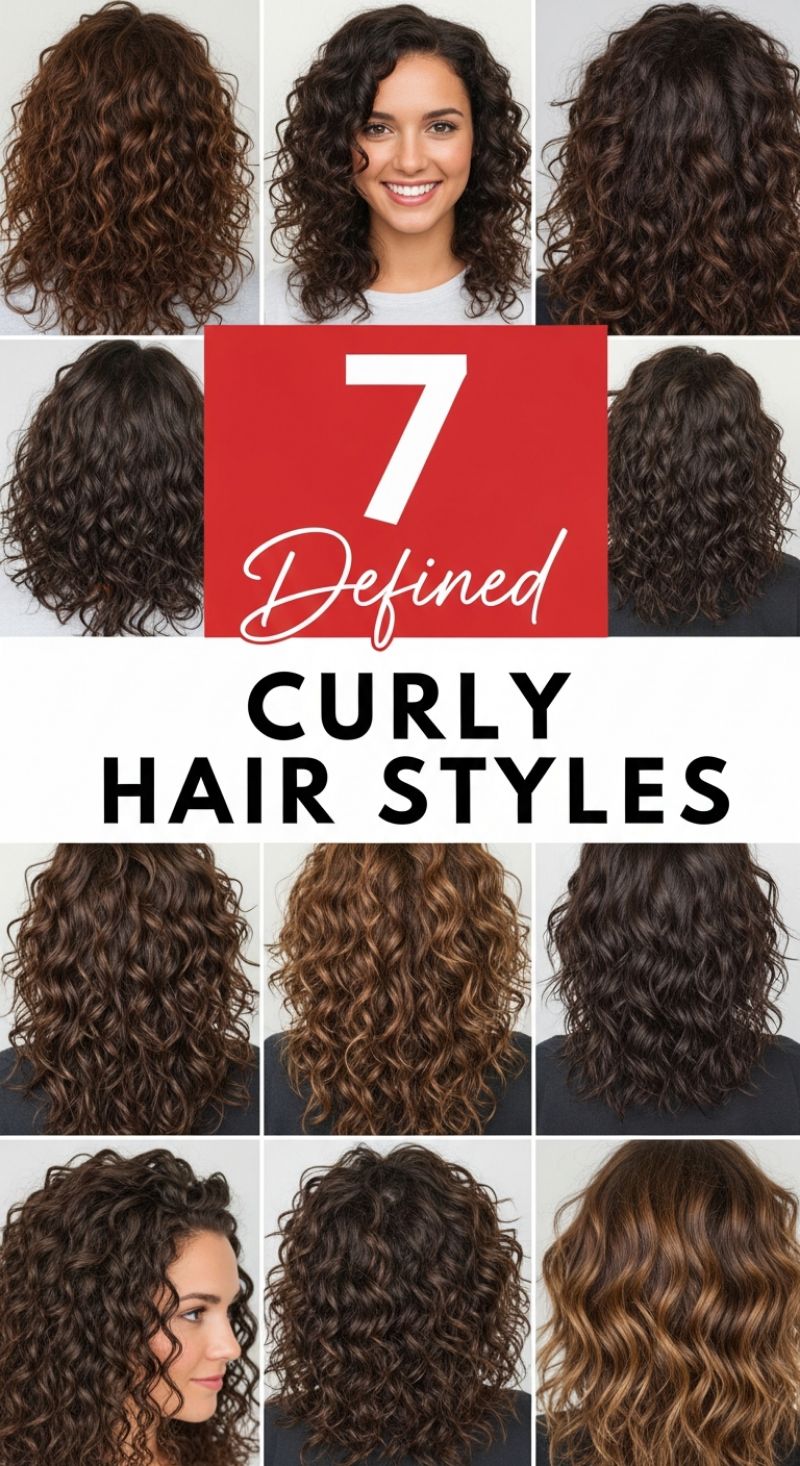
The stunning array of looks presented here showcases the versatility and beauty of well-defined, medium-length curly hair, ranging from tight coils to loose, voluminous waves. The foundation of this defined aesthetic lies in maximizing moisture retention and strategic product application. To replicate these styles, begin your routine in the shower. Deep hydration is non-negotiable; ensure your hair is thoroughly saturated with water and apply a moisturizing leave-in conditioner while the hair is still soaking wet. Immediately follow this up with a strong-hold styling agent—a cast-forming gel or curling custard is ideal for creating the distinct curl clumps seen in these examples. Distribute the product evenly by sectioning the hair and using the ‘praying hands’ method or gently raking the product through, carefully smoothing the length of the curl without disturbing its natural spiral. The goal is to set the curl pattern while the hair is elongated, minimizing shrinkage and frizz.
Once the styling products are applied, the method of drying is the final determinant for volume and definition. For the maximum lift and bounce exemplified by the woman in the center top, utilize a diffuser attachment on your hairdryer set to a low heat and low speed. Gently cup sections of your hair in the diffuser bowl and push them toward the scalp, holding each section until it is partially dry. Crucially, avoid touching the curls with your fingers until they are 100% dry; this preserves the integrity of the gel cast and prevents frizz formation. Notice that many of the styles feature subtle layering, which is key for weight distribution and promoting vertical definition rather than width. If you prefer a center part or a deep side part for dramatic volume, ensure this separation is established while the hair is wet, using clips at the roots to lift and set the volume before initiating the drying process.
After the hair is completely dry, the resulting firm gel cast must be gently ‘scrunched out’ (SOTC) to reveal soft, movable curls while maintaining definition. Apply a small amount of lightweight oil or serum to your hands before scrunching to smooth the cuticle and add natural shine, mimicking the healthy finish visible across all models. For upkeep, protecting the style overnight is vital: gather the hair loosely into a ‘pineapple’ on top of your head using a silk scrunchie, and sleep on a silk or satin pillowcase to minimize friction. These defined styles maintain their bounce best with minimal manipulation; refresh second or third-day curls by spritzing lightly with a mixture of water and a touch of leave-in conditioner, focusing the hydration only where definition has been lost, and scrunching lightly.
9 Bold Short HAIR STYLES
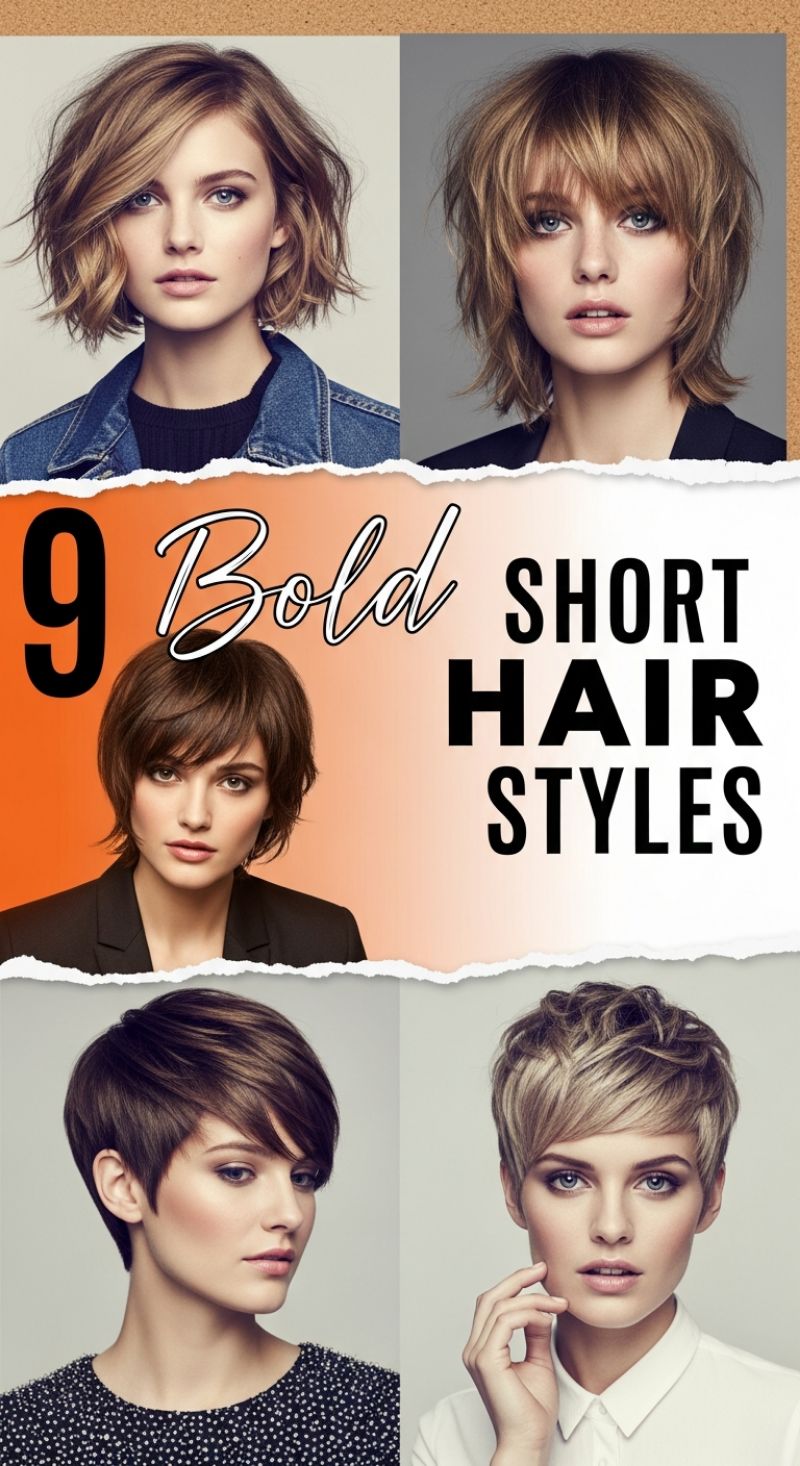
Short hair doesn’t mean sacrificing versatility or edge; in fact, these bold styles prove that cropped cuts can be incredibly dynamic, moving seamlessly from effortlessly casual to sharply professional. The textured bob and the modern shag, as seen in the top row, rely heavily on strategic layering and movement. To replicate the casual, voluminous wave of the bob (top left), ask your stylist for soft, internal layers that encourage natural body. Styling this look requires a lightweight heat protectant and a large-barrel curling iron or wand. Instead of holding the curl for long, quickly wrap small sections around the iron, releasing immediately, and then gently shake out the waves completely once cooled to prevent a stiff look. For the bolder, shaggy look (top right), deep, choppy layers are key, paired with a heavy, brow-skimming fringe. This cut works best when air-dried or diffused using a root-lifting product applied at the crown. Finish either style with a dry texturizing spray or sea salt mist to enhance the piecey, undone finish and maximize volume.
The image also highlights three distinct approaches to the pixie cut, demonstrating how different styling methods can transform this classic short look. The middle-row pixie and the bottom-left style showcase a polished, side-swept elegance. These cuts demand precision tailoring; ensure the nape and sides are closely cropped, leaving sufficient length in the crown and fringe for sophisticated sweeping movement across the forehead. To achieve this smooth, sleek effect, use a small amount of lightweight styling cream or a flexible hold pomade applied to damp hair, directing the fringe as desired while blow-drying flat with a narrow nozzle. In contrast, the bottom-right pixie embraces height and intricate texture. This style requires shorter, more defined layers on top, often enhanced with subtle highlights to bring out dimension and movement. To style, apply a small amount of matte texture paste or wax to dry hair, twisting or scrunching the top sections to create defined pieces and lift away from the scalp, resulting in an edgy, architectural finish.
When choosing one of these bold short styles, always consult your stylist regarding your natural hair texture and face shape. Longer pixie cuts or soft bobs with side-swept bangs (like the top left or bottom left) are universally flattering and excellent for softening angular features, whereas the shorter, highly textured styles (top right and bottom right) beautifully emphasize defined bone structure. Regardless of the style chosen, maintenance is paramount for short hair, as even a small amount of growth can change the cut’s essential shape dramatically. Expect to schedule precision trims every 4 to 6 weeks to maintain the integrity of the layers and the clean lines around the ears and nape. Finally, invest in high-quality styling products—such as a quality heat protectant for daily hot tool use and a strong, non-greasy texturizing product—to ensure your bold short cut looks perfectly sharp every day.
6 Speedy Natural Hair Styles
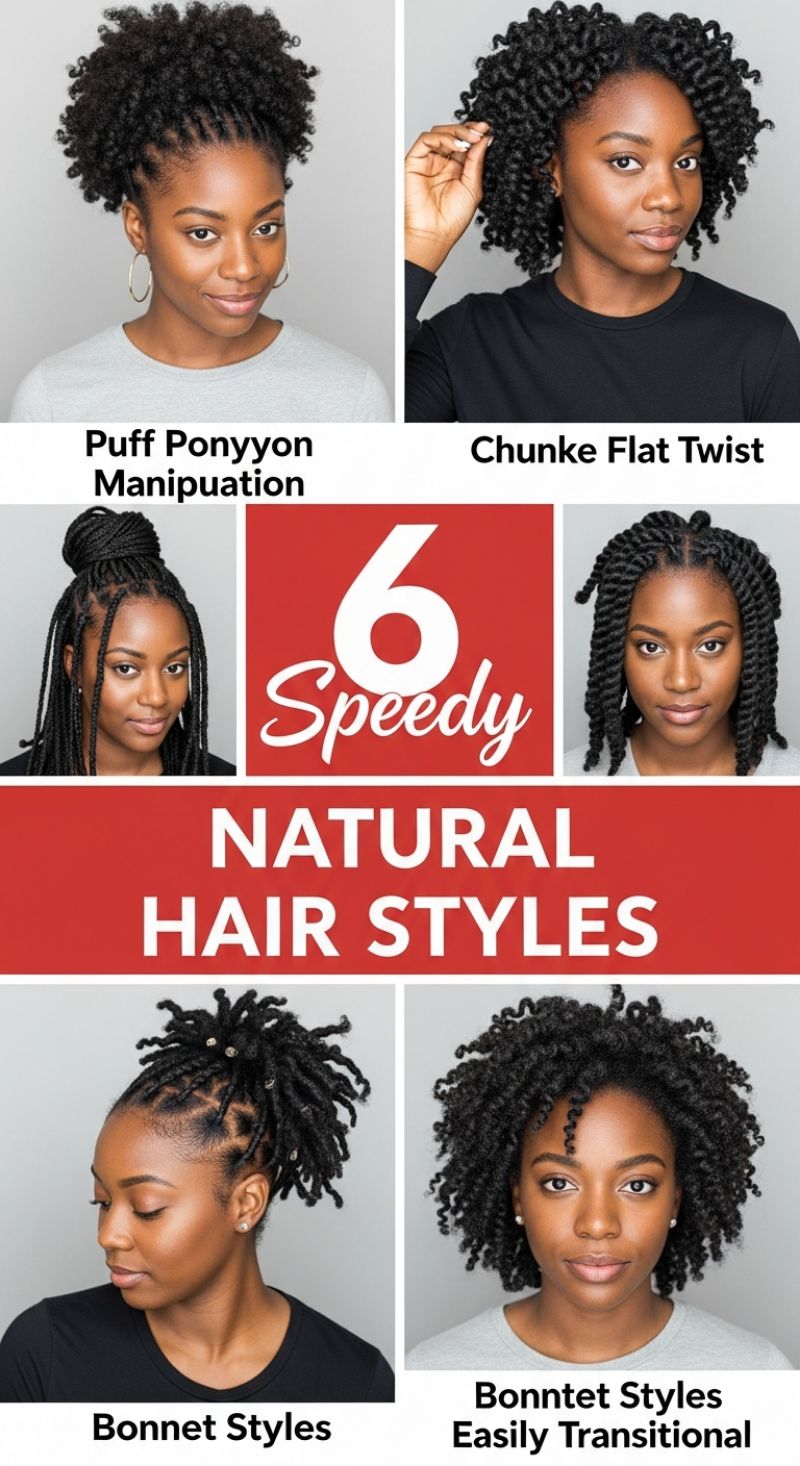
Mastering the art of natural hair styling often comes down to efficiency, and these six looks prove that beautiful, defined texture doesn’t require hours of dedication. The key to achieving these “speedy” styles is utilizing foundational techniques like flat twisting and strategic hair manipulation. For the “Puff Ponyyon Manipulation” style (top left), begin by thoroughly moisturizing and detangling your hair. Secure the majority of your hair into a high, taut puff or ponytail. The “manipulation” comes in the front: use a styling gel or pomade to section off the hair around the hairline. Create 3 to 4 small flat twists or cornrows leading backward, integrating them into the base of the ponytail. This technique elevates a simple puff, offering polished edges and a complex appearance in under 20 minutes, making it ideal for busy mornings or unexpected meetings.
For maximizing volume and reducing styling time, the “Chunke Flat Twist” method (top right) is indispensable. Unlike micro twists which can take hours, chunky twists involve dividing the hair into large, defined sections—typically 6 to 10 sections for medium-density hair. Apply a rich twist cream or butter to each section while the hair is damp (not soaking wet) to ensure maximum product penetration and shrinkage control. Execute simple two-strand flat twists, ensuring consistent tension from root to tip. Allow these to fully air dry or sit under a hooded dryer. The speed factor kicks in during the takedown: gently unravel the twists, applying a light oil (like jojoba or avocado oil) to your fingertips to minimize friction and frizz. Separate the sections only 2 or 3 times to maintain chunkiness, resulting in the defined, voluminous twist-out seen here.
Protective styles and transitional looks also fall into the speedy category by offering extended wear time. The “Bonnet Styles” (bottom left and middle left) refer to easy updos for established locs, twists, or braids. For a high braided bun, utilize a strong elastic band to gather the braids at the crown and wrap the excess into a tight knot. The advantage of these protective looks is their quick transition into the next style phase. For instance, the “Bonntet Styles Easily Transitional” look (bottom right) is the perfect second- or third-day style, often achieved after wearing the hair in a protective style (like twists or Bantu knots) overnight or while using a silk bonnet. Expert tip: To transition quickly and refresh curls without fully washing, spritz hair lightly with a water and conditioner mix, shake out the curls, and gently fluff the roots with an afro pick, focusing on the outer perimeter for immediate volume and shape.
8 Accessorized Hair Styles

Hair accessories are the ultimate secret weapon for instantly elevating any look, transforming a basic hairstyle into a runway-ready statement. This collection highlights the diverse ways headbands and scarves can be integrated, adding texture, color, and polish to both everyday styles and formal updos. The most prominent trend displayed is the thick, knotted velvet headband, seen in rich hues like magenta and neutral tones like tan. To replicate this look, start with dry hair, whether styled in loose waves or pulled into a high, slightly messy bun. Place the headband about an inch or two back from the hairline, ensuring the knot sits prominently at the center crown. For fine hair, gently tease the hair directly behind where the band will sit to create subtle lift; this prevents the hairstyle from looking flat and gives a luxurious, voluminous finish. The textural contrast of velvet is perfect for colder months or adding opulence to a simple outfit, while patterned silk or cotton versions maintain this dramatic silhouette during spring and summer.
For a softer, more bohemian or vintage aesthetic, incorporate patterned accessories. The image features several thin to medium-width headbands with delicate prints, ranging from abstract florals to geometric motifs, perfectly paired with long, loose waves or simple straight hair. These accessories are ideal for beginners, requiring minimal styling effort while providing maximal impact. A key technique seen here is the use of a hair scarf, which is a sophisticated alternative to a traditional headband. To achieve the half-up scarf look, fold a square silk scarf into a long band, secure the top section of hair into a half-ponytail, and then wrap the scarf around the base of the elastic, finishing with a graceful bow or knot that trails down the back. This style is particularly effective for accentuating volume and texture in wavy or curled hair. For evening elegance, opt for a minimalist piece, such as the thin, jeweled or beaded headband shown; this accessory adds sparkle without competing with other elements of a formal outfit, perfectly complementing a sleek low chignon or soft, face-framing waves.
Expert styling demands careful attention to how the accessory interacts with your overall look and face shape. When choosing prints, ensure the colors complement your outfit without exactly matching it—contrast often looks more elevated. If your face is rounder, select thinner headbands or wear the accessory farther back on the head to elongate the profile. For longer faces, thicker, wider knotted headbands are flattering as they break up the length. Regardless of the chosen style, always secure the accessory discreetly. If the headband tends to slip, anchor it with two small bobby pins placed immediately behind each ear, matching the pin color to your hair for an invisible hold. By mastering these simple placement and texture techniques, you can utilize hair accessories to instantly refresh your style portfolio and maintain a polished, fashion-forward appearance for any occasion.
7 Charming PIXIE HAIR STYLES
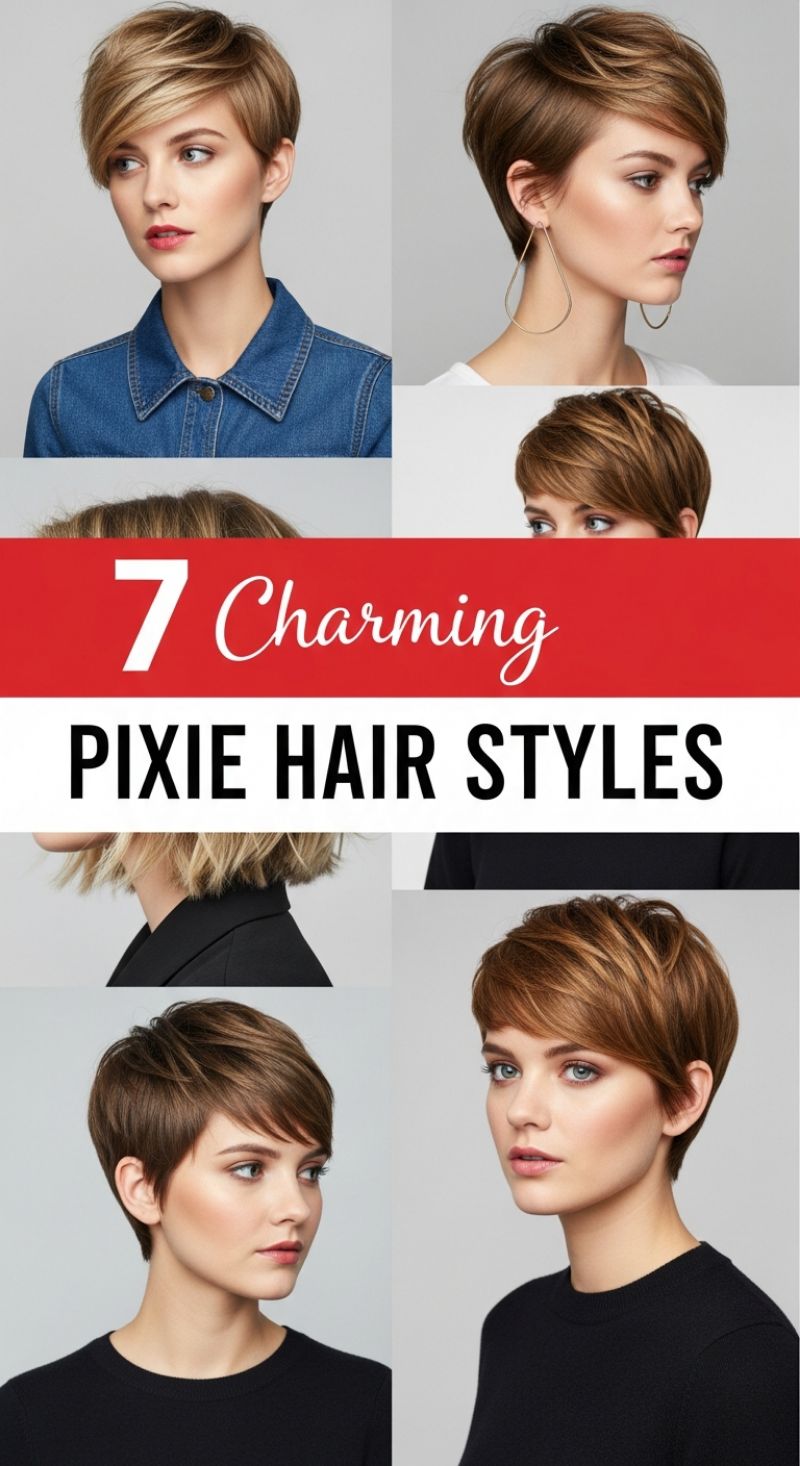
The modern pixie cut has evolved far beyond the simple, cropped look, embracing soft layers, volume, and sophisticated, face-framing fringes, as beautifully demonstrated by these seven charming examples. This section focuses on the textured, voluminous pixie, which is perhaps the most versatile and popular rendition today. The key structural feature is the significant length retained at the crown and the bangs, which are often swept dramatically to the side, maintaining a feminine softness that contrasts with the close taper at the neck and above the ears. The layered design is essential for creating movement and body, making it a fantastic choice for individuals with finer hair texture seeking lift, or those with thicker hair who need weight removal without sacrificing shape. This style flatters nearly all face shapes, particularly heart, oval, and square faces, by drawing attention upward and softening the jawline with the sweeping fringe. Note the subtle balayage techniques employed in these visuals; multi-tonal color is critical for adding depth and making the short layers truly stand out.
To successfully recreate the airy volume and defined texture seen in these styles, mastering your blow-drying technique is crucial. Begin by applying a golf-ball sized amount of volumizing mousse or thickening spray evenly through damp hair. Using a concentrator nozzle on your blow dryer, direct the hair forward and across the forehead while lifting the roots at the crown with your fingers or a round brush. This over-direction builds maximum lift and allows the hair to fall naturally into a voluminous shape. Once dry, the texture is refined. For the slightly messier, tousled look (like the bottom samples), rub a small amount of matte texture paste between your palms and work it into the mid-lengths and ends, defining individual layers and the fringe. For a sleeker, more polished appearance (like the top left sample), opt for a light styling cream or pomade to smooth flyaways while maintaining shine and structure.
Maintaining the integrity of this cut requires attention to detail and a commitment to frequent trims. Because the pixie cut relies heavily on a precise shape and structured layering, visiting your stylist every 4 to 6 weeks is necessary to keep the back tapered and the fringe sharp. Expert advice: experiment with parting your hair differently. While the deep side-swept part provides the most dramatic and flattering effect, changing the part slightly can instantly refresh the look and provide lift to areas that might be starting to fall flat. Lastly, invest in a quality dry shampoo or texture spray for second-day styling; these products are excellent for reviving volume at the roots without adding heaviness, ensuring your charming pixie maintains its dynamic movement from morning to night.
10 Flowing Long Hair Styles: The Romantic Half-Up Knot

This gorgeous, timeless style perfectly blends the sophistication of an updo with the freedom of flowing waves, making it ideal for anyone with long hair. To achieve the voluminous, bouncy foundation seen in these examples, begin by prepping clean, dry hair with a heat protectant and a volumizing mousse or thickening spray concentrated from the mid-lengths down. Use a 1.25 to 1.5-inch barrel curling iron to create soft, defined waves, curling all sections away from the face. For the most lasting and professional result, pin each freshly curled section in place until the hair is completely cool—this locks the waves in. Once cooled, release the pins and gently brush through the curls with a wide-tooth comb or your fingers to transform them into soft, continuous waves, setting the stage for the dramatic flow of the lower sections.
To construct the signature half-up knot, carefully section off the hair above the ears and up to the crown, ensuring the part is clean and smooth. Divide this gathered section into two primary working sections (A and B). Rather than simply tying a knot, take Section A and twist it inwards toward the center of the head, securing it temporarily with a clip. Repeat this inward twist with Section B. Now, carefully cross the ends of these two twisted sections over one another to form a soft, visually appealing knot or bow shape at the back of the head. Secure this junction using discreet bobby pins, pushing them inward along the twist line to hide them from view. Expert tip: Before securing the knot completely, gently pull a few millimeters of hair outward from the edges of the twist (known as ‘pancaking’) to add volume and a softer, more rounded finish around the crown.
This style is exceptional because it beautifully highlights hair dimension—notice how the balayage and highlights pop against the darker base, adding depth and movement to the secured knot and the flowing ends. For a truly romantic finish, pull out a couple of thin face-framing strands around the temples. Once the knot is secure, mist the waves and the half-up section with a flexible hold hairspray. This look transitions flawlessly from a daytime semi-formal occasion to a stunning evening event, serving as an elegant, undone alternative to a full updo. The key to its success lies in achieving high shine and substantial wave volume in the hair that remains down.
10 Essential Easy Hair Styles
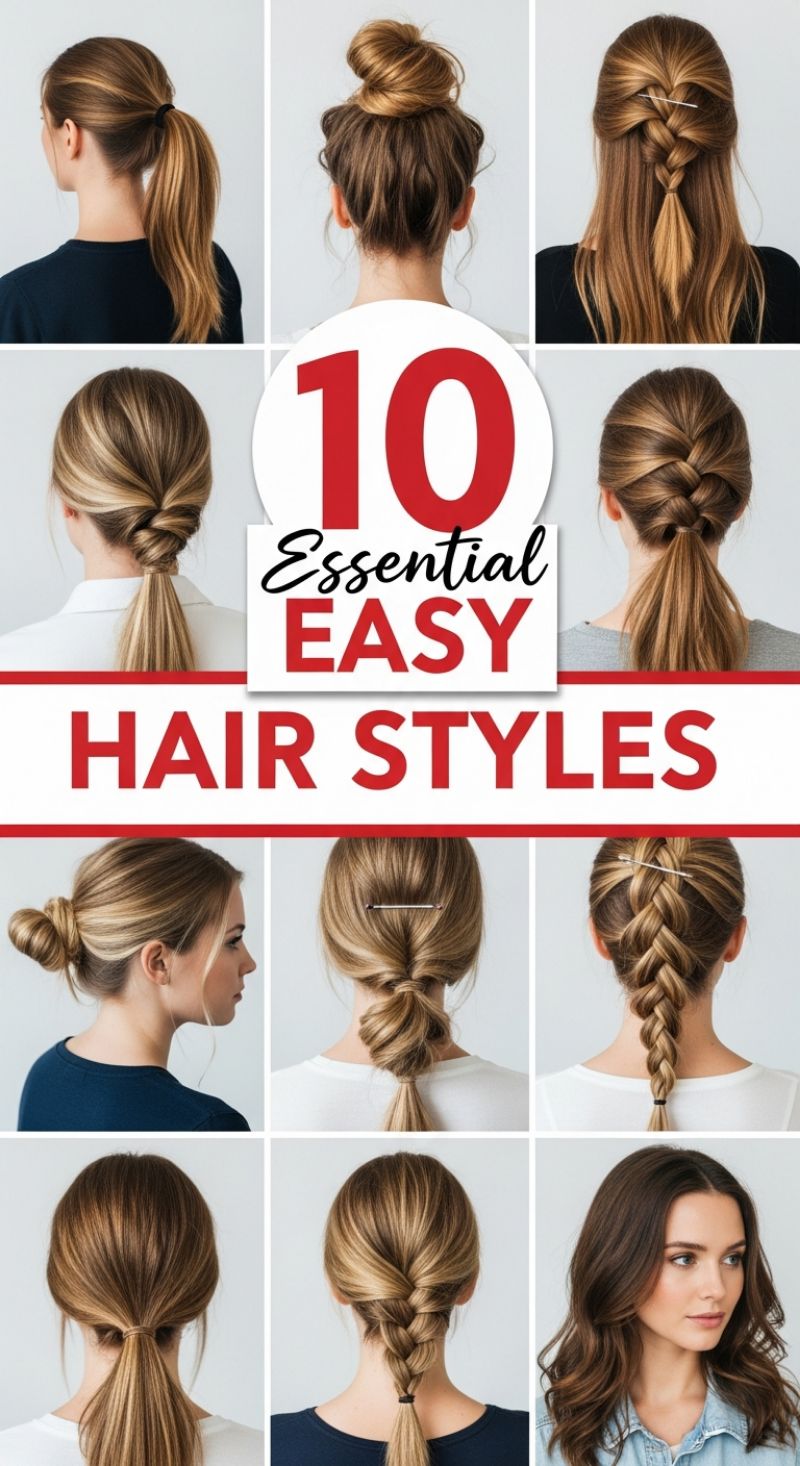
The collection of styles presented here forms the backbone of essential everyday hairdressing, focusing heavily on elevated ponytails and simple twists. The classic sleek ponytail (top left and bottom middle-left) serves as the perfect foundation. To transform this basic style into something more sophisticated, consider the low twisted ponytail or the topsy-tail knot technique (second row, left and third row, center). To execute the topsy-tail look, start with a low ponytail secured loosely. Create a gap above the elastic, flip the entire tail up and through the gap, and then gently pull the sides outward to add volume and conceal the elastic. This technique instantly creates a polished, intricate appearance ideal for the office or a casual dinner. For added durability and texture, prep the hair with a dry shampoo or texturizing spray before gathering it, ensuring the style holds securely without appearing too rigid or stiff.
The versatile bun and the timeless braid are also central to this essential style repertoire. The messy high bun (top center) is a perfect solution for second or third-day hair, offering effortless chic. To achieve this look, flip the head over, gather hair into a high ponytail, twist it loosely, and coil it around the base, securing it with several large bobby pins, focusing on allowing natural texture and flyaways—the key is controlled imperfection. For braiding, the images demonstrate both half-up braided styles (top right) and full low braids (second row, right and third row, right). The French or Dutch braid technique used here adds beautiful dimension. When executing a low braid, keep your hands close to the scalp for tension, and once finished, ‘pancake’ or gently pull the loops of the braid outward to thicken it and give it that sought-after soft, voluminous appearance—a trick that works wonders on fine or thin hair.
These ten looks are highly adaptable, making them indispensable for any style guide. Notice the frequent use of minimalist metallic barrettes (top right, third row center, and third row right) to instantly elevate an otherwise simple style. These accessories are functional, securing twists and braids, while adding a touch of modern sophistication. Furthermore, the final image showcasing loose waves reminds us that a great down style is the prerequisite for all upstyles. Whether you are aiming for the smooth finish required for the sleek low bun (third row, left) or the slightly tousled texture needed for the messy bun, starting with clean, healthy hair prepped with a heat protectant and a high-shine serum is crucial. Master these ten simple techniques, and you unlock a world of styling potential, guaranteeing a polished and fashionable look for any situation, from quick errands to semi-formal events.
5 Rugged Long Hair Styles for Men
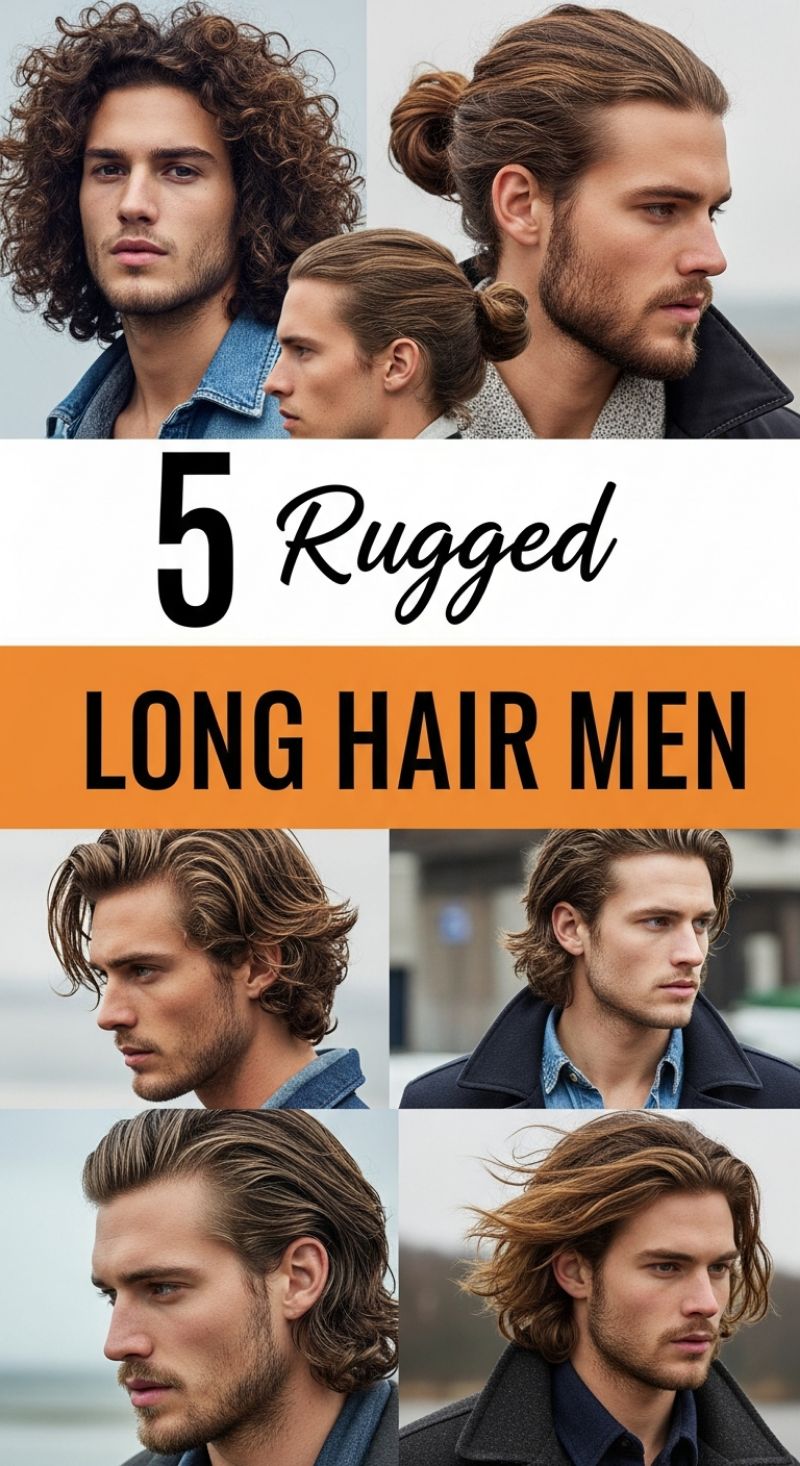
The image captures five distinct yet universally rugged ways to wear long hair, demonstrating that length does not preclude masculinity. The key to mastering these looks lies in maintaining exceptional hair health and structural volume. For highly textured hair (top left), the goal is definition without frizz. Use moisturizing shampoos and conditioners tailored for curls, followed by a curl-defining cream or sea salt spray applied while the hair is still damp. Scrunch the hair upwards and let it air dry or use a diffuser on low heat to enhance the natural ringlets and prevent breakage. For straighter, thicker hair (middle and bottom rows), foundational volume is achieved through strategic layering and product application. Apply a volumizing mousse or thickening tonic directly at the roots before blow-drying backward, using your fingers to create natural separation and lift that supports the sleek, pushed-back styles or the windswept center part.
Achieving the effortlessly rugged, loose styles requires specific techniques focused on maximizing movement. For the popular windswept look (bottom right), movement is paramount. After washing, rough-dry the hair until approximately 80% dry. Apply a dime-sized amount of medium-hold styling cream or a lightweight paste, then use a blow dryer and a flat brush to sweep the hair back and away from the face, encouraging a natural, soft wave pattern at the ends. The goal is flow and volume, giving the appearance of windswept texture. The side-swept look (middle left and bottom left) demands slightly more control in the crown area. Use a low-shine pomade or wax to gather the hair and sweep it dramatically to one side, tucking the sides slightly behind the ears while allowing the top layers to drape naturally over the forehead. Expert advice: Regular micro-trims every 8 to 12 weeks are essential for removing split ends and maintaining the structural integrity and thickness that defines these healthy long looks.
The modern man bun or top knot (top right) offers a clean, sophisticated take on long hair, contrasting the looser styles. This look is polished and slicked back for a neat profile. To achieve this, use a smoothing serum or light-hold gel on damp hair to eliminate flyaways before brushing the hair tightly back towards the intended placement (typically the crown for a bun, or higher for a top knot). Secure it firmly with a durable elastic band, ensuring the resulting bun or knot is compact and tidy. This style generally requires hair that reaches at least collarbone length when loose. Finally, remember that all five rugged looks shown are enhanced by well-maintained facial hair. Whether you opt for a full beard or strategic heavy stubble, ensure the cheek and necklines are clean and the beard is conditioned to complete the masculine, untamed aesthetic that pairs perfectly with long, healthy hair.
10 Intricate Natural Braids

This section highlights the versatility and artistry achievable with intricate natural braids, presenting three distinct examples of meticulous protective styling. The first features classic box braids elevated by geometric, clean-lined parting (such as triangle or square parts), which provides a striking visual contrast and structure. The second showcases a sophisticated cornrow updo, where small, uniformly sized cornrows sweep upward into a voluminous, accessorized bun, perfect for formal events. The third example demonstrates creative, freehand cornrow patterns, utilizing curves and waves that follow the contour of the head, creating a ripple effect. Key to all these styles is the flawless execution of parting, ensuring sharp, defined lines, which is crucial for achieving a professional, high-end finish. These styles are not just beautiful; they are optimal protective choices that minimize manipulation of the natural hair.
Achieving these intricate looks requires precision and proper preparation. Start by thoroughly cleansing and deep conditioning the hair, followed by blow-drying or stretching the hair to reduce shrinkage and tangles, which facilitates cleaner parts and consistent braid density. When creating the base cornrows or box braids, the use of a professional-grade rat-tail comb is non-negotiable for achieving the crisp, defined sections seen in the image. For the cornrow styles, the “feed-in” technique (adding braiding hair gradually) is often used to ensure the braids lie flat and appear seamless at the scalp, minimizing bulk and tension on the hairline. Maintaining uniform tension throughout the braiding process is vital to prevent breakage while ensuring the style lasts. Expert braiders often use a lightweight gel or pomade applied directly to the sections before braiding to seal frizz and enhance shine, particularly visible along the sharply laid edges (baby hairs) characteristic of the finished looks.
Once the intricate braids are installed, proper maintenance will extend their life and keep them looking fresh. Daily care involves using a light, non-greasy hair oil or spray to moisturize the scalp and the exposed natural hair within the braids. To combat frizz and maintain the sharp parts, sleep on a satin or silk pillowcase or wrap the hair in a bonnet. These styles are inherently versatile; they can be instantly upgraded using accessories, such as the gold cuffs shown in the bun and patterned cornrow styles, adding metallic sparkle. For the ultimate longevity (typically 4-8 weeks), avoid excessive manipulation or washing. When cleansing the scalp, opt for a diluted astringent or witch hazel applied via cotton swab along the parts. This complex braiding technique allows for diverse styling options, from loose, flowing box braids to tightly secured updos, adapting seamlessly from everyday wear to sophisticated occasions.
Fiery Red Hair: 7 Striking Styles for Maximum Impact
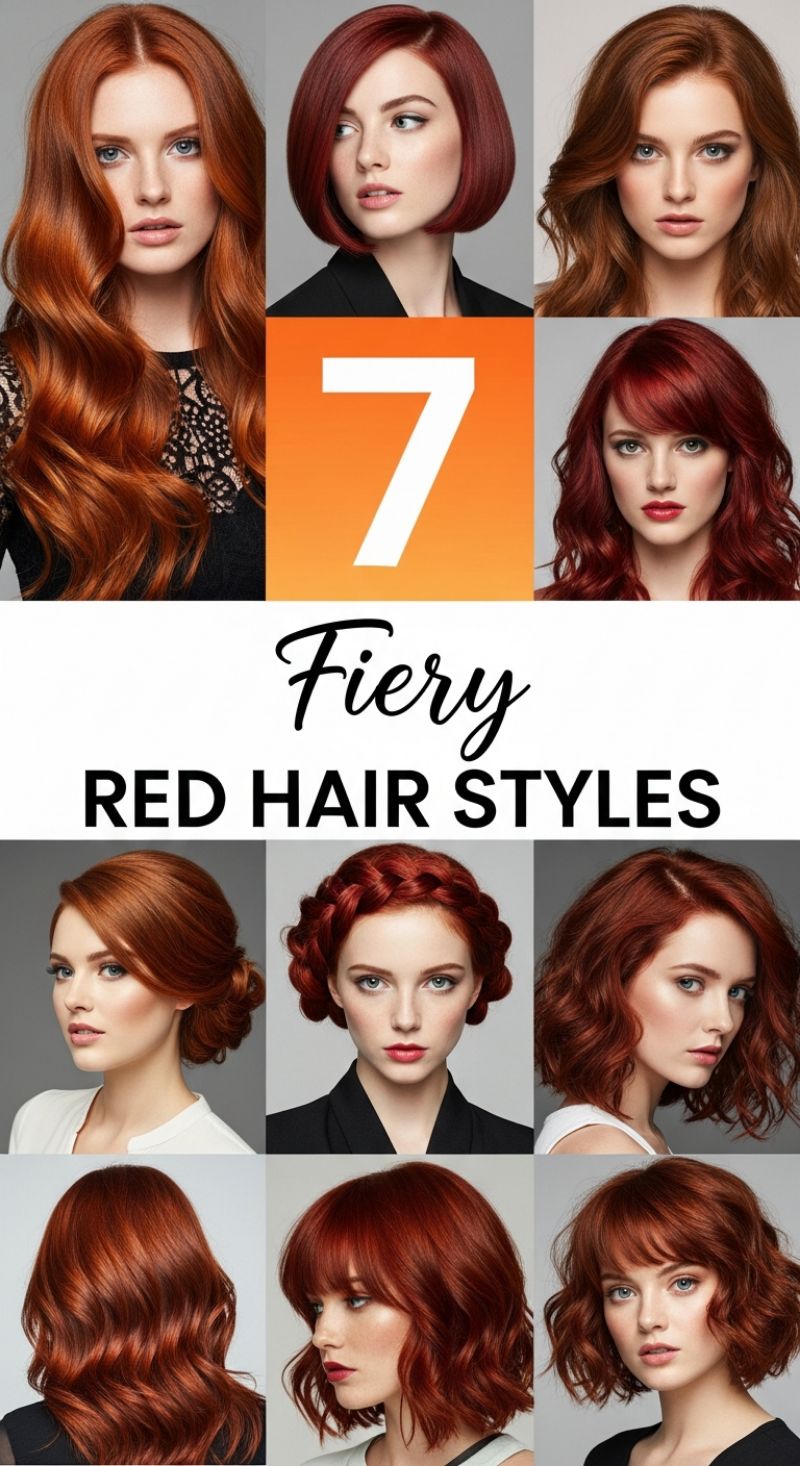
Red hair, in any shade from natural ginger and vibrant copper to deep ruby and rich auburn, is inherently high-impact. The key to mastering a truly fiery look is ensuring the style complements the intensity of the color. To achieve the voluminous, glossy finish seen in the longer styles, start with a professional color gloss treatment to maximize shine. When styling, prep damp hair with a heat protectant and a lightweight mousse designed for volume. Use a large-barrel curling iron (1.5 to 2 inches) and wrap sections away from the face, holding for 10 seconds. The secret to the natural-looking waves is immediately brushing them out gently with a paddle brush after the curls cool. This creates soft, flowing movement rather than defined ringlets, allowing light to catch the various tones of red for a multidimensional, luxurious effect. For color maintenance, always use sulfate-free products and incorporate a UV protectant spray, as red pigments fade faster than any other color.
For those opting for medium-length cuts, like the wavy bob and lob with bangs featured, texture is paramount. If you have natural waves, diffuse your hair upside down using a low heat setting to encourage definition and lift at the root. If your hair is straighter, use a texture spray or sea salt spray on dry hair before loosely curling random sections with a smaller wand (1 inch). The full, choppy bangs seen in these looks require minimal styling—a quick blast of warm air directed down onto the brush is usually enough to maintain their shape. This type of fringe dramatically frames the eyes, especially when paired with a deep, dramatic red shade like mahogany or cherry. Ensure your bangs hit just below the brow bone for that soft, yet bold, face-framing effect.
Mastering the structured and artistic red styles, such as the sleek asymmetrical bob, the messy chignon, and the stunning braided crown, requires precision. The sharp bob relies on a perfect, clean cut; achieve its glossy finish by using a flat iron along with a silicone-based smoothing serum to eliminate all flyaways. For elegant updos like the chignon, utilize a dry texture spray or backcombing to build a base of volume before pinning the hair loosely at the nape of the neck. The braided crown, a timeless look for weddings or formal events, requires practice: section the hair into two parts, starting at the temple, and execute a tight Dutch or French braid following the hairline. Secure the ends neatly beneath the opposite braid with bobby pins matching your hair color. These structured styles truly showcase the depth and richness of darker red hues, highlighting the hair’s overall health and shine.
12 Versatile Medium Hair Styles
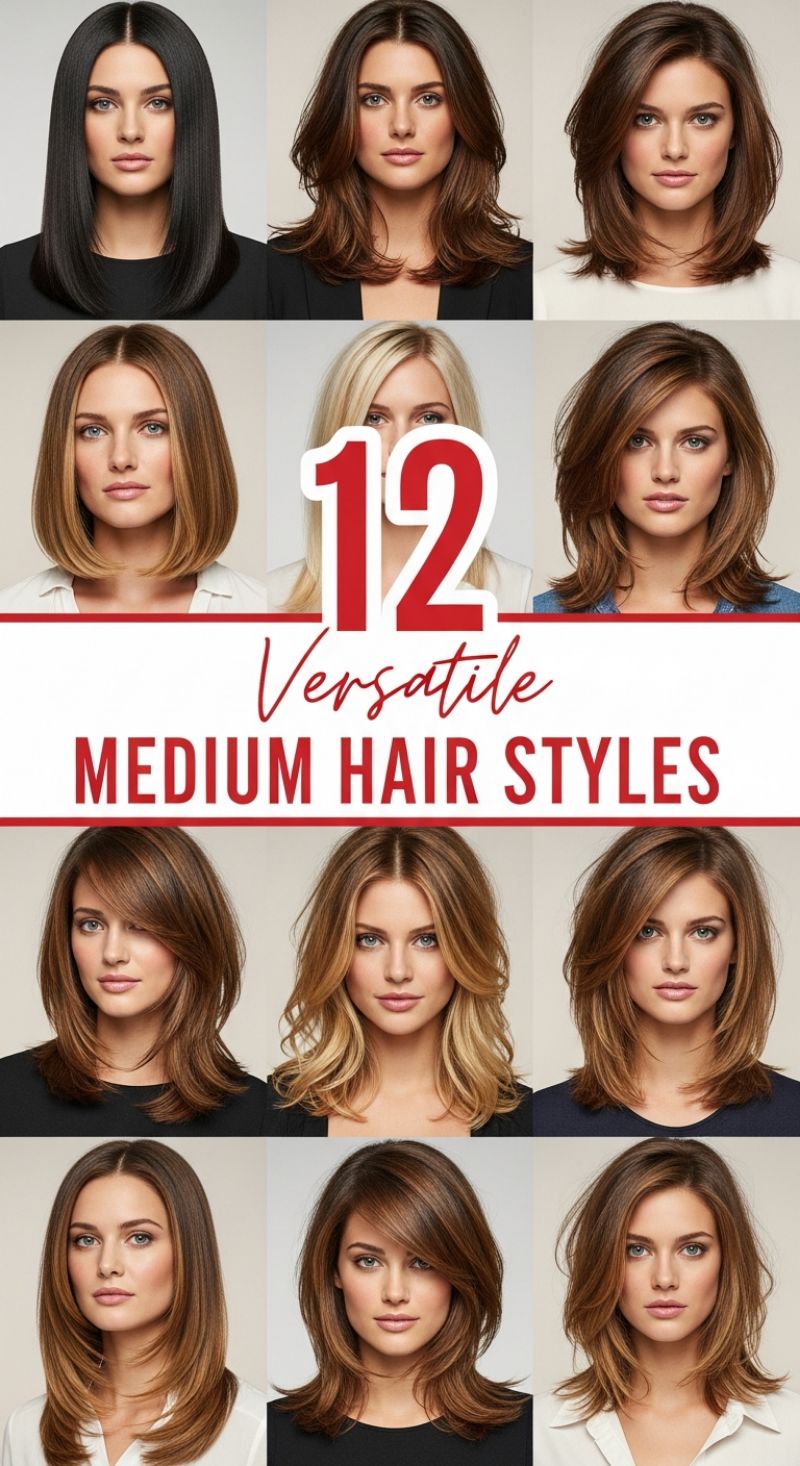
Medium-length hair, typically falling between the collarbone and the chest, is the ultimate sweet spot for versatility and manageability. The styles displayed here illustrate how foundational cuts—from the blunt, sleek lob to the heavily layered shag—can be transformed through styling and dimension. To replicate the most polished and structured looks, such as the straight black style (top left) or the neat, voluminous bob (middle row, right), the key lies in preparation and precision. Start with a smoothing shampoo and conditioner, followed by a heat protectant serum applied liberally before blow-drying. When aiming for the razor-sharp straight finish, use a flat iron in small sections, ensuring the ends are slightly curved inward or outward for a clean, non-stringy appearance. For structured volume, a large barrel brush is essential during the blow-dry to lift the roots and encourage a uniform bend at the ends, creating a cohesive silhouette.
The majority of the looks showcased rely on strategic layering to achieve movement and bounce, especially the popular ‘butterfly’ or feathered cuts. To master this texture, the technique revolves around maximizing lift. After towel-drying, apply a lightweight root-lifting mousse or texturizing spray, concentrating on the top section. When blow-drying, flip your head upside down for the initial 80% of drying time to naturally encourage volume away from the scalp. Once upright, focus on the face-framing layers. Use a round brush, pulling these sections up and back away from the face, slightly curling the brush at the ends to create that soft, sweeping flow that blends seamlessly into the rest of the hair. This method ensures that the layers stack beautifully without looking choppy.
For the more defined, casual waves and curls seen in the bottom rows, use a 1.25-inch curling iron or wand. Instead of curling all the way to the root, start the curl rotation from the ear level down, leaving the top smooth for a modern aesthetic. Alternate the direction of the curl (some toward the face, some away) to prevent the hair from melding into a single, uniform wave, which can appear dated. Once cooled, gently rake fingers through the curls—never brush—and finish with a flexible-hold hairspray or a dry texturizing spray to give the style that coveted ‘lived-in’ texture. Remember that color, especially subtle balayage or highlights, enhances these layered cuts by providing visible depth and movement, making maintenance and regular shape-preserving trims crucial to keep these medium styles looking fresh and sophisticated.
8 Gorgeous Short Black Hair Styles: Mastering the Tapered Pixie and Line Designs

The gallery showcases the incredible versatility of short black hair, focusing heavily on modern, sculpted looks achieved through precision barbering techniques. The foundation of many of these styles is the crisp taper or undercut, where the sides and back are closely shaved to create a dramatic contrast with the textured hair on top. Expert application of clippers is crucial here, whether achieving a smooth skin fade or a low taper. The visual element that elevates these cuts is the intentional hair art, featuring multiple parallel lines or abstract geometric designs shaved into the tapered sections. To maintain this razor-sharp aesthetic, a bi-weekly touch-up by a skilled stylist is non-negotiable, ensuring the shaved lines remain defined and the fade transitions flawlessly. When selecting your style, consider the height and angle of the fade; a higher fade emphasizes the design work and elongates the neck, while a low taper offers a slightly softer profile.
One striking aspect of these looks is the mastery of texture on the crown. The styles vary primarily between defined, soft curls—often achieved through wash-and-go methods using curl cream, or sometimes light heat styling with small perm rods for uniformity—and natural, tightly coiled afro textures maintained with hydrating products like shea butter or coconut oil to prevent dryness and breakage. For the curly pixie variations, advise clients to utilize a light gel or mousse to set the curls, ensuring volume without frizz. When transitioning between the sleek shaved sections and the voluminous top, use a strong holding gel or edge control product to define the front hairline (the line-up) for a polished, architectural finish that frames the face perfectly. The contrast between the smooth skin and the dark, textured hair creates depth and dimension, making this a powerful fashion statement.
To care for these intricate styles, focus on maintaining scalp health, particularly in the exposed shaved areas, by moisturizing daily with light oil to prevent irritation. For the textured top, employ the LOC (Liquid, Oil, Cream) method to lock in moisture. For versatility, these styles can be quickly transformed; use a matte paste on the coiled looks for an edgy, upright texture, or switch to a high-shine serum on the curly styles for a more formal, wet appearance. Since the cut exposes the neck and jawline, pair these hairstyles with bold accessories, such as the large hoop earrings seen in the images, to further enhance the look. This collection demonstrates that short hair is far from limiting; it is a canvas for artistic expression that requires commitment to precise cutting and dedicated moisture-centric care.
Artistic Braids: Mastering the Dimensional French and Dutch Styles
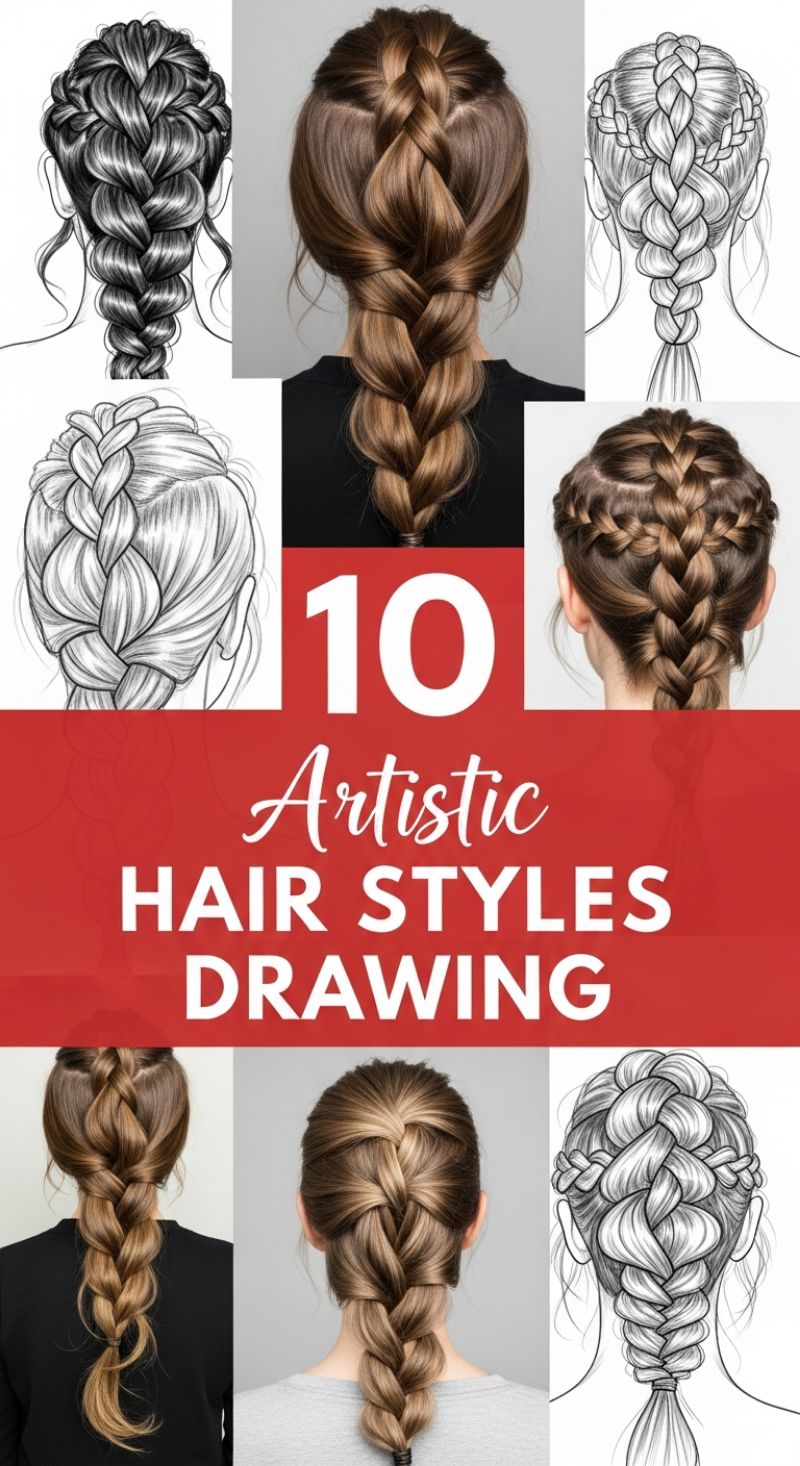
The image beautifully contrasts photographic realism with detailed monochrome drawings, illustrating that complex braids are truly works of hair art. These ‘artistic’ styles prioritize dimension, texture, and visual flow, making the interwoven strands the central focus. The key techniques demonstrated here involve variations of the French and Dutch braids—styles where the hair is continually fed into the main structure as you move down the head. The difference lies in the crossover: French braids cross sections *over* the middle strand, tucking the pattern inward for a flatter finish, while Dutch braids cross sections *under* the middle strand, pushing the woven pattern outward and creating a highly dimensional, raised effect. To achieve the dramatic volume seen in the central and bottom photographic examples, preparation is critical. Start with day-old hair or apply a volumizing mousse or texture spray to provide grip and expansion. Section the hair precisely (clean partings are crucial for an artistic look) and focus on maintaining even tension throughout the braiding process.
The most prominent and visually striking styles featured are the dimensional Dutch braids. To replicate this look, begin at the crown or the nape, depending on the desired outcome (a tight French braid near the hairline evolving into a loose Dutch braid is a popular hybrid technique). Divide your starting section into three equal strands. When adding new hair, always collect a clean, even segment from the side (known as ‘feeding’ or ‘picking up’ hair) and integrate it seamlessly into the strand *before* crossing it under the center. This under-cross motion is what elevates the braid, allowing each interwoven segment to pop. For true artistic flair, the secret lies in ‘pancaking’ or ‘pulling out’ the loops once the braid is complete and secured. Gently tug the outer edges of each loop outward and upward, starting from the bottom and working your way up. This technique softens the structure, dramatically increases the width, and showcases the texture, turning a standard braid into a full, voluminous masterpiece.
For those attempting the more complex patterns, such as the double-Dutch or the styles incorporating braided halos around the crown (as referenced in the drawn examples), meticulous sectioning is non-negotiable. Use fine-toothed combs to establish clean, straight lines, especially when separating the top section from the bottom. Expert advice suggests slightly dampening the hair with a light holding spray before braiding to minimize flyaways, ensuring the structure remains neat and polished—a necessity if you want your hairstyle to look as perfect as an artist’s rendering. Always secure the end with a discreet elastic tie that matches your hair color, or wrap a small section of hair around the elastic and secure it with a pin for a truly finished, professional appearance. These artistic braids are ideal for special occasions, requiring patience but rewarding the wearer with an undeniably elegant and architectural result.