
Discover The Ultimate Home Decor Playbook! Master 10+ diverse design styles, from serene Coastal Chic and cozy Country Comfort to bold Gothic Western and Modern Mexican Vibrant decor. Learn essential tips to elevate your space, boost resale value, and express your unique personality through decoration.
KITCHEN DECOR THAT BOOSTS RESALE VALUE
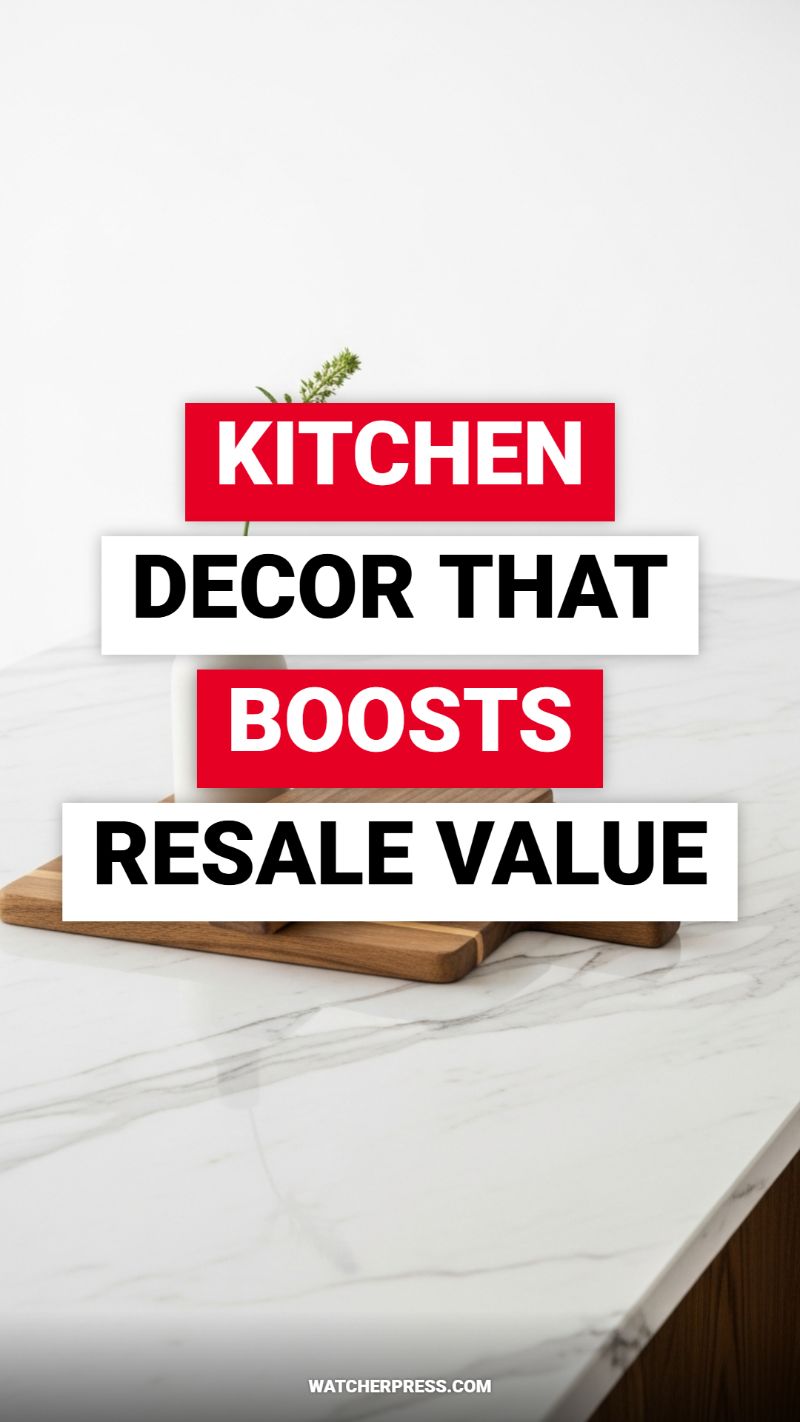
When staging a kitchen for resale, the decor strategy must pivot from personal taste to universal appeal. The underlying principle is to showcase cleanliness, ample space, and quality materials, suggesting high future value to potential buyers. As seen in the image, foundational elements like white, high-quality countertops—whether authentic marble or durable engineered quartz with a subtle veining—are non-negotiable anchors for modern resale value. The high contrast between the bright white stone and the rich, warm wood of the cabinets or chopping boards introduces necessary textural depth while maintaining a neutral, sophisticated color scheme that appeals broadly. Focus your investment on timeless upgrades: stainless steel appliances, modern cabinet hardware, and recessed or pendant lighting that highlights the workspace rather than distracting from it. Avoid overly trendy color palettes or highly specific backsplash designs; instead, opt for classic subway tile or a muted pattern that allows buyers to easily visualize their own future modifications.
The decorative accessories you choose should enhance the kitchen’s perceived functionality and freshness without introducing clutter. Adopt the minimalist staging approach demonstrated here: instead of displaying every gadget, use functional yet beautiful items like premium wooden cutting boards (teak or walnut are excellent choices) stacked artfully against the backsplash or resting on the counter. This introduces an organic element that counters the coldness of stone and metal. Further injecting life into the space is a small vase with a sprig of greenery or fresh herbs, which subtly communicates vitality and a connection to fresh cooking—key selling points for many buyers. Ensure these staging items are deliberately chosen, clean, and sparse. The goal is to imply activity and culinary excellence while simultaneously making the space feel expansive and easy to maintain. A cluttered kitchen signals a lack of counter space, which can instantly detract from perceived value.
Beyond the visible decor, boosting resale value is often about the perceived maintenance and light quality. Instructionally, you must maximize natural light by ensuring windows are spotless and uncovered. Supplement this with layered lighting that features bright under-cabinet task lighting and warm ambient ceiling fixtures. Crucially, a home’s value is judged by its details. Before showing the property, ensure all grout is freshly cleaned or sealed, sink fixtures sparkle, and the cabinetry shows no signs of scuffing or water damage. This meticulous attention to detail signals to buyers that the home has been lovingly maintained, justifying a premium price tag. Ultimately, kitchen decor for resale is less about fashion and more about demonstrating a move-in-ready, high-functioning environment where the buyer only needs to bring their groceries.
WHY QUIRKY DECOR MAKES YOU HAPPIER

Quirky decor isn’t just about accumulating odd objects; it’s a deliberate design strategy rooted in personal expression, and scientifically, it boosts well-being by stimulating curiosity and dopamine release. To master this style, first recognize that “quirky” means designing beyond conventional norms, choosing items that tell a story or evoke a specific emotion, often through bold color and unexpected form. Begin by curating personalized vignettes, like the shelf display shown here, which blends abstract sculpture (the iridescent, flowing piece) with hard geometric shapes (the blue and yellow triangle) and playful lighting (the retro rocket lamp). The key instruction here is selection: Every item must spark joy or memory. Avoid buying quirky items simply because they are trending; your collection should feel authentic, reflecting your hobbies, travels, or sense of humor. Placing these expressive elements against a neutral backdropsuch as the light wood shelf and gray wallprevents visual overload, ensuring that the unique character of each piece truly pops and commands attention.
The vibrant use of color is central to achieving a joyful, quirky aesthetic, but precision is necessary to maintain sophistication. Note how the stack of rainbow-spined books provides intense, saturated blocks of color (cyan, lime green, hot pink, orange) without chaos. This is achieved by limiting their functionthey act as a solid, graphic element rather than scattered distractions. When applying this technique, feel free to mix materials liberally: glossy ceramics, matte paper goods, high-polish metals, and smooth glass all belong together if they share an underlying narrative or color theme. Expert advice for composition involves practicing the “rule of three” or five within display areas, staggering heights, and mixing textures. For instance, contrast the fluid, organic shape of an abstract sculpture with the rigid lines of geometric artwork or the structured base of a modern lamp, creating dynamic visual tension that keeps the eye engaged and the space feeling energetic.
Integrating lighting and functional pieces into your quirky collection is essential for making the design style livable and refined. Quirky lighting often includes pieces that double as art, such as novelty shapes (like the aforementioned rocket lamp) or highly stylized mid-century forms (the glowing globe lamp). When selecting functional items, opt for pieces with personality, like colorful kitchen gadgets or geometrically unusual planters. The instruction for scale in this style is to defy expectation: pair small, intricate pieces with one oversized statement object. Ultimately, the successful deployment of quirky decor hinges on confidence. Treat your home as a gallery of your personality; ensure that while pieces are visually disparate, they harmonize through your authentic love for them, resulting in a space that feels deeply personal, happy, and utterly unique to you.
ELEVATE YOUR SPACE WITH DARK DECOR
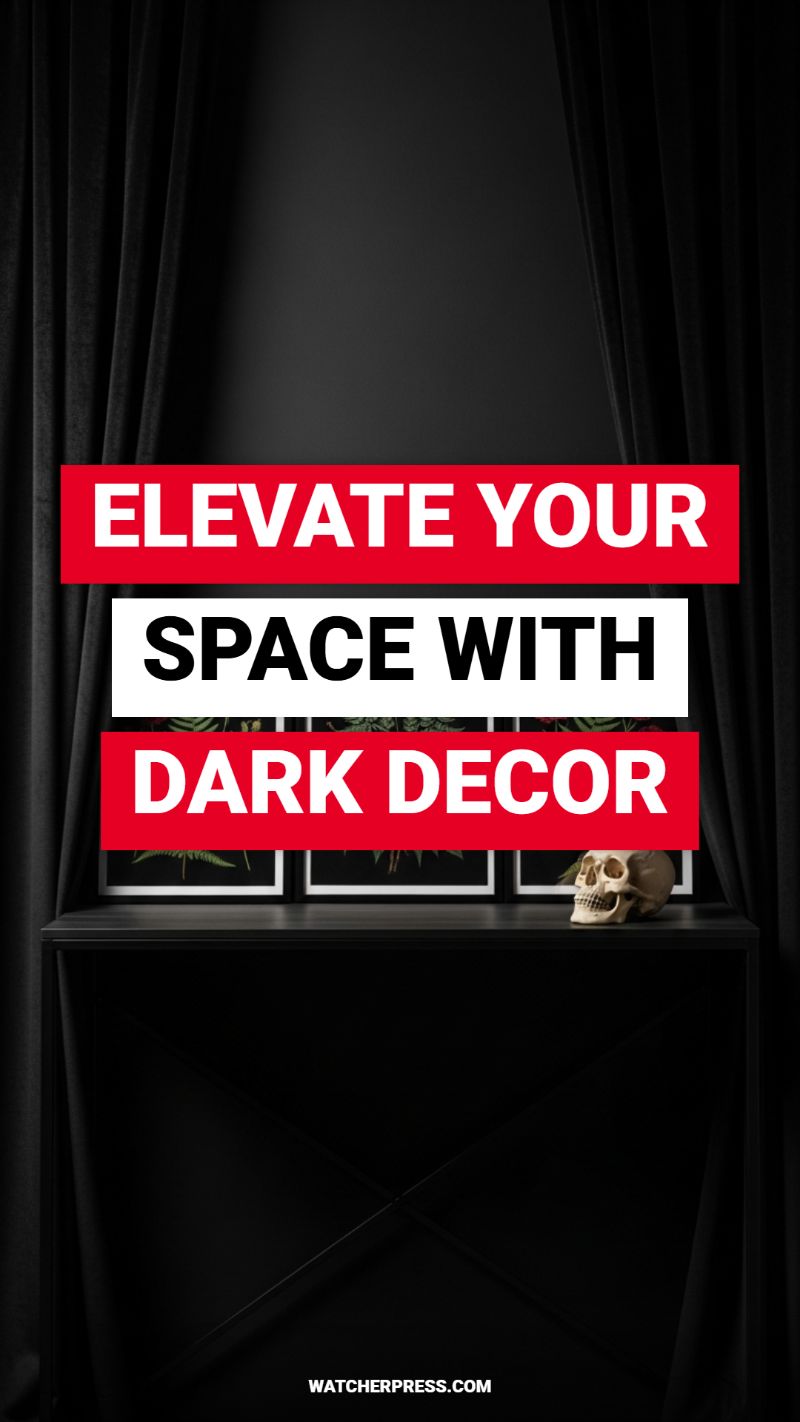
Dark decor is a powerful aesthetic choice, leveraging deep, saturated hues to create an atmosphere of unparalleled drama and sophistication. Rather than fearing darkness, this style embraces it, often utilizing a monochromatic foundation of black, charcoal gray, midnight blue, or deep forest green. The key to mastering this look is textural variation. Since color contrast is minimal, rely on rich materials—think plush velvet drapes that pool dramatically (as shown in the image), matte finishes on walls, glossy lacquer on furniture, and raw, dark wood grains. This layering of textures ensures the space feels dynamic and luxurious, preventing the deep palette from falling flat or appearing oppressive. The environment should feel like a curated, intimate sanctuary, offering a cocoon-like sense of retreat.
To prevent the deep-toned room from becoming heavy or monotone, strategic use of contrast is paramount. The image provides an excellent template: contrasting elements should be precise and intentional. Introduce stark white or metallic accents through framing, small sculptures, or hardware to provide focal points that draw the eye. Botanical elements, such as the white-framed fern prints pictured, inject necessary life and vitality against the dark backdrop. Furthermore, dark decor is the perfect canvas for embracing refined Gothic or Cabinet of Curiosities elements. Curated pieces, like the antique-toned human skull, add depth, history, and a touch of edgy intrigue, grounding the sophistication with a narrative element. Every decorative object in a dark room carries increased visual weight, so choose items that tell a compelling story.
Perhaps the most critical element in executing dark decor successfully is lighting. In the absence of natural brightness, the strategic placement of artificial light transforms the mood. Avoid harsh, centralized overhead fixtures; instead, employ layered lighting using dimmable sconces, table lamps, and floor lamps equipped with warm-toned bulbs (2700 Kelvin or lower). The goal is to create soft pools of golden light that illuminate specific textures or artistic elements, such as highlighting the drape folds or spotlighting the unique decor objects on a console table. This careful illumination prevents the room from feeling merely dim and instead renders it moody, upscale, and intentionally styled, confirming that dark decor is not about obscurity, but about elegant, dramatic definition.
Upgrade Your Walls: Stone Panel Ideas
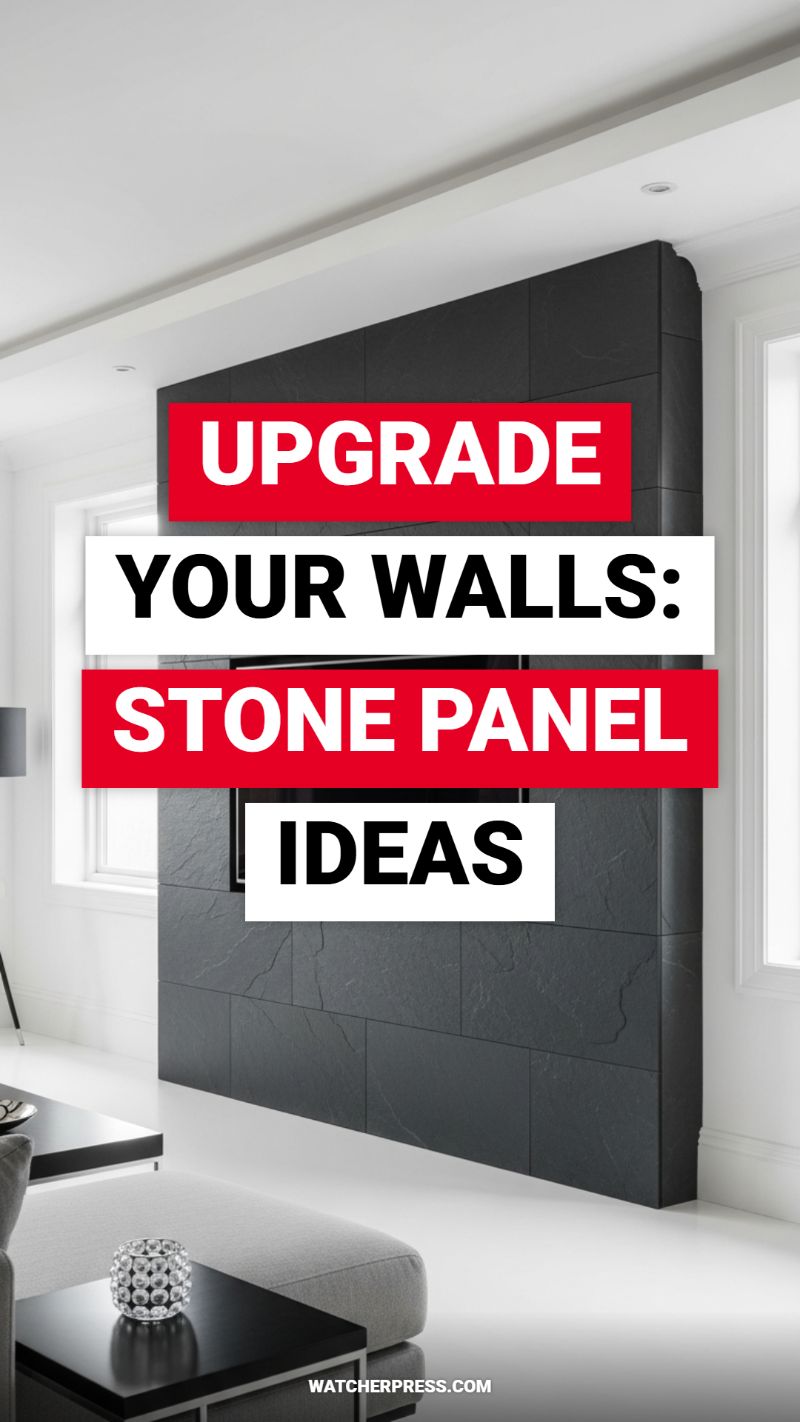
Stone paneling is a powerful architectural element that has moved far beyond simple rustic aesthetics, becoming a defining feature in high-end contemporary and luxury minimalist design. The striking dark slate panels featured here demonstrate how natural texture, when applied monochromatically, provides a grounded anchor point against otherwise light and airy interiors. This approach is fundamental to creating sophisticated visual contrast: the natural, rugged surface of the stone beautifully juxtaposes the smooth, clean lines of modern furniture and white walls, preventing the space from feeling sterile. To replicate this effect, strategically identify your room’s primary focal point—such as a media wall, a recessed fireplace, or a dramatic entryway column—and commit to large format, rectified stone tiles or seamless panels. Styles like Modern, Contemporary, and even Japanese-inspired Wabi-Sabi benefit immensely from the inherent depth and grounding force of natural stone.
Mastering stone panel integration hinges on careful material selection and professional execution, particularly concerning lighting. While real stone, such as thick slate or travertine, offers unparalleled authenticity and thermal mass, its weight demands rigorous structural assessment and specialized installation. For less structurally intensive projects, high-density composite stone veneers or thin-cut natural stone panels provide a lightweight alternative without sacrificing the visual impact. The single most important design principle when using textured stone is lighting: employ a technique known as “grazing light.” This involves installing linear lighting strips or recessed spotlights close to the wall surface, ensuring the light hits the panels at a shallow angle. This casts dramatic shadows that accentuate every ridge, cleft, and natural fissure, transforming the flat wall into a dynamic, three-dimensional art installation. For a sleek modern appearance, as shown, keep the grout lines minimal and use a dark, color-matched mortar to maintain the illusion of a monolithic surface.
Stone paneling is surprisingly versatile, allowing for adaptation across multiple design styles, a critical consideration when designing a holistic home aesthetic. If your style leans toward Coastal or Mediterranean, swap the dark slate for stacked white quartz, light-colored limestone, or even bleached river rock to maintain textural interest while reflecting light and evoking an airy feel. Conversely, for styles demanding a raw, moody ambiance—such as Industrial Chic or Gothic Western—choose ledger panels in warmer, variegated tones like deep rust, mahogany, or heavily textured granite. Regardless of the material chosen, always balance the weight of the stone with surrounding decor. If you use a heavy, dark panel, offset it with light upholstery and reflective surfaces (like glass or high-gloss tables) to ensure the space remains inviting. This strategic balance ensures the stone element upgrades the room without overpowering it, positioning the accent wall as a statement of architectural luxury.
COUNTRY HOME DECOR: MODERNIZED COMFORT
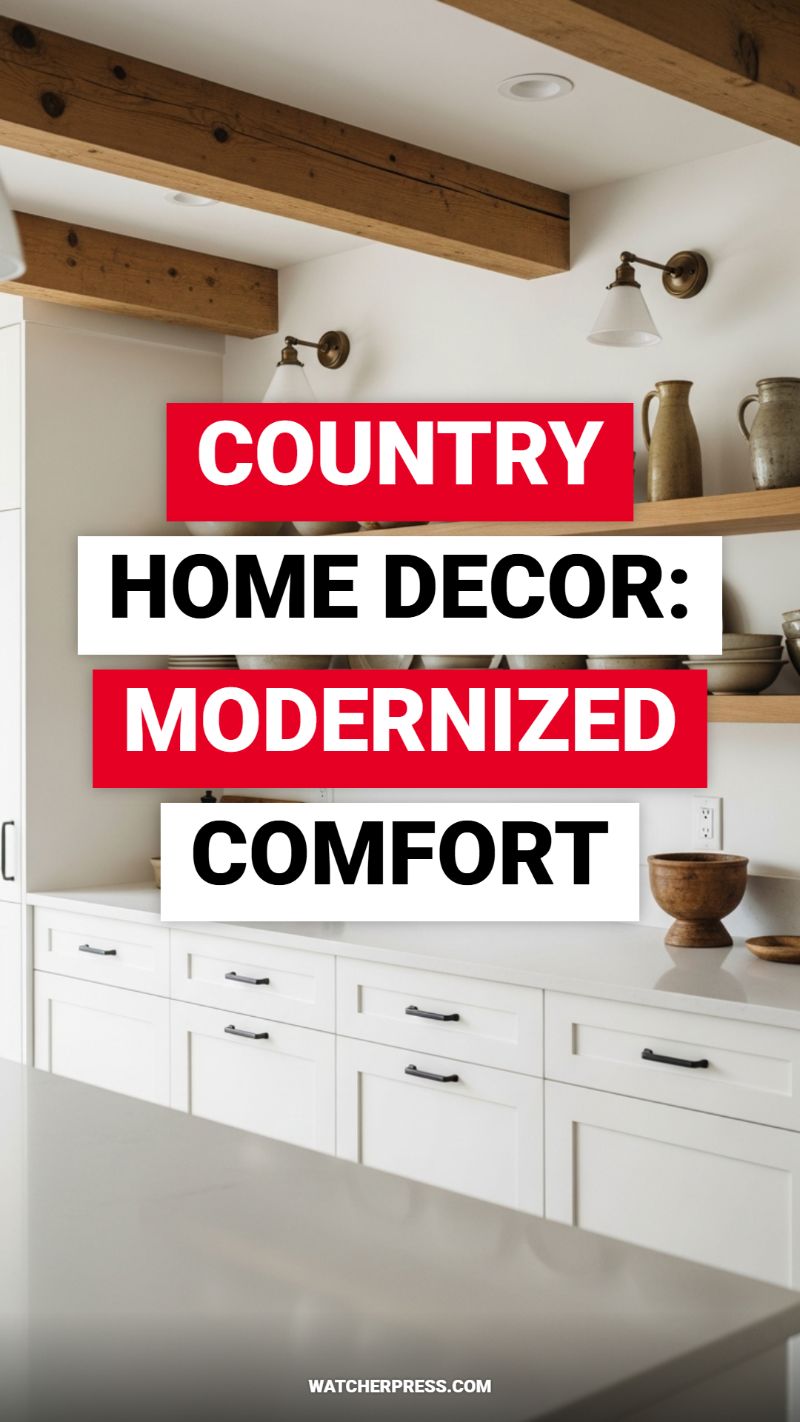
Modernized Country design successfully navigates the balance between rustic charm and contemporary sophistication, offering a look that feels both historic and impeccably current. To master this aesthetic, start with a highly controlled, neutral foundation. Unlike traditional country styles that might embrace vibrant patterns or darker woods, Modernized Comfort relies on expansive, clean surfaces, such as the bright white Shaker-style cabinetry and cool, smooth countertops visible here. The goal is to provide a minimalist backdrop that allows the raw, natural textures to become intentional design features rather than clutter. Install hardware in streamlined finishes—matte black pulls or simple steel handles provide a crisp contrast to the warm elements. This approach ensures that while the space retains the welcoming, cozy spirit of a country home, it functions with the sleek efficiency and clean sightlines characteristic of modern design principles.
The core of the ‘comfort’ element is introduced through strategic application of organic texture and structural warmth. Expertly leverage exposed wooden beams, preferably reclaimed or distressed, as ceiling accents to instantly ground the room and provide an essential architectural element reminiscent of an old farmhouse. Complement these overhead features with natural wood open shelving, using thick, raw-cut planks to display decor. For lighting, move away from ornate chandeliers and opt for industrial or transitional fixtures, such as the simple brass sconces shown. The brass introduces a vintage patina and warmth, while the clean-lined white shades keep the fixture from feeling overly historical. When selecting materials, focus on authenticity: rough-hewn wood, natural stone, and unlacquered metals are key to achieving depth without sacrificing polish.
Finally, the accessory layer must be curated and purposeful to maintain the ‘modernized’ ideal. Avoid the cliché country kitsch; instead, focus on artisanal pieces that celebrate form and utility. Stock open shelves with handcrafted items like large, unglazed stoneware pitchers, textured ceramic bowls, and simple wooden vessels. These items inject necessary warmth and earthy color (tans, ochres, deep browns) while remaining sculptural and refined. In spaces beyond the kitchen, integrate textiles made from natural fibers—think chunky knit wools, relaxed linens, and soft cottons—to enhance tactile comfort. By keeping the overall decorative scheme sparse and selecting only items with genuine handcrafted appeal, you ensure the final result is a welcoming, comfortable space that remains utterly sophisticated and current.
WELCOME HOME: ENTRYWAY DECOR DONE RIGHT
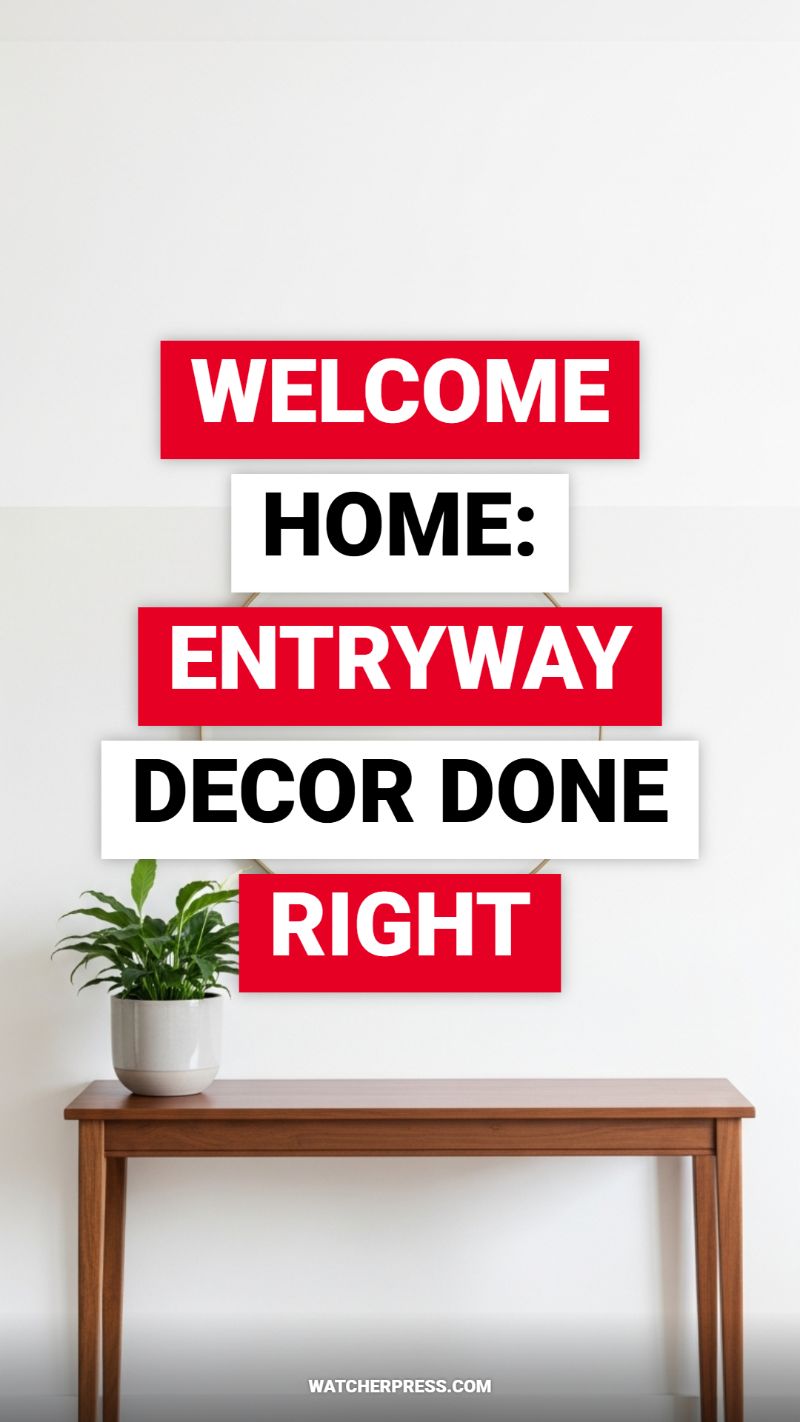
The entryway, or foyer, is the crucial transition zone that sets the tone for the entire home experience. Achieving “Entryway Decor Done Right” means perfectly balancing function with aesthetic appeal, creating an immediate sense of warmth and organization for both residents and guests. Start by selecting the foundational piece—typically a console or hallway table, such as the streamlined wooden example featured here. The scale must be precisely tailored to the space: narrow enough not to obstruct traffic flow, but substantial enough to serve as a designated drop zone. Expert advice dictates that the height should allow for comfortable key dropping and parcel placement. Prioritize functionality by incorporating stylish, designated storage solutions: a decorative bowl for keys and wallets, hidden drawers for mail, or a small upholstered bench nearby for removing shoes. This initial layer ensures the space works efficiently before any decorative elements are even introduced.
Once the functional foundation is set, focus on vertical and horizontal layering to build critical visual interest. The clean, neutral backdrop (like the white wall in the image) provides a versatile canvas, allowing your chosen decorative elements to pop. Vertically, every successful entryway needs a statement piece above the console—a large mirror (ideal for quick checks and maximizing natural light reflection) or impactful artwork that reinforces your home’s overarching style. On the console top itself, follow the principle of visual density, often achieved through the Rule of Three or Five, to prevent the surface from becoming cluttered. Integrate elements of biophilic design, as seen with the vibrant potted plant, which instantly introduces life and freshness. Balance the organic with structured pieces: use textured ceramic vases, elegant metallic accents (like lamps or trays), and stacked design books to vary height and texture, ensuring the arrangement feels intentional and curated.
Critically, the final, yet most impactful, element is lighting and ambiance. A properly lit entryway conveys immediate welcome and creates a sense of depth. Avoid relying solely on harsh, unflattering overhead light. Instead, incorporate ambient lighting via a stylish table lamp placed on the console, ensuring the light source is warm (in the 2700K to 3000K range) to cast a cozy glow. If space permits, a runner or area rug can anchor the entire setup, adding necessary color, pattern, and softening footsteps. Regardless of the broader design style you are incorporating—from Minimalist Scandinavian to maximalist Boho—the entryway must be easy to maintain. Dedicate specific, easily accessible spots for necessary items (coats, umbrellas, outgoing parcels) that are either visually concealed or neatly organized. By treating this space not as a passive hallway but as a curated gallery, you ensure the first and last impression of your home is one of intentional style and effortless calm.
The Viral Amazon Home Decor Finds List
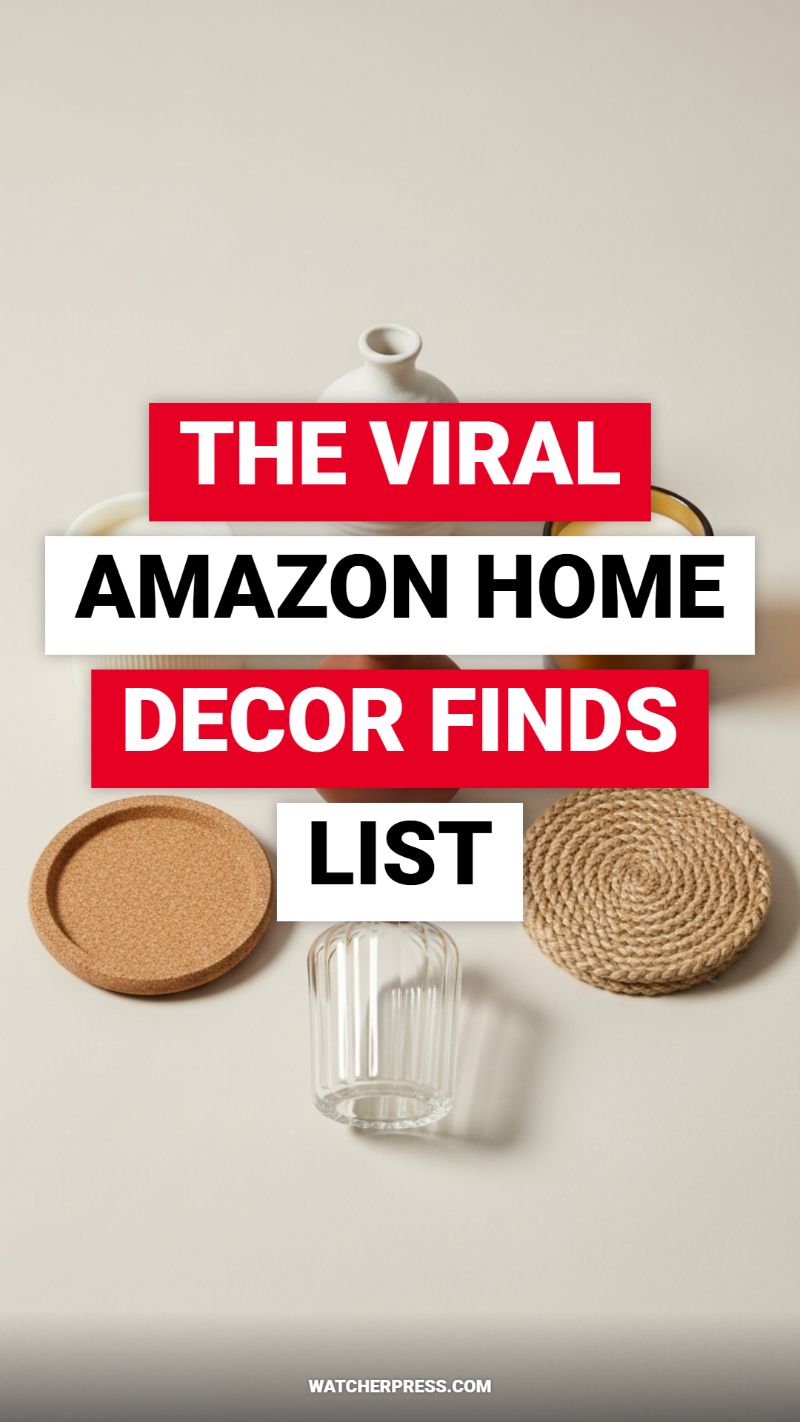
The secret to mastering diverse design stylesfrom crisp Coastal to textured Gothic Westernalmost always lies not in grand furniture changes, but in the strategic deployment of small, affordable, and trending accessories. The visual elements highlighted here, such as the matte ceramic vase, the natural cork coaster, and the ribbed glass tumbler, are perfect examples of “viral finds” because they hit key aesthetic notes: texture, minimalism, and versatility. To effectively incorporate these pieces, focus on the power of tactile materials. These items, particularly the woven jute and cork coasters, introduce organic, grounding elements that prevent a space from feeling too sterile or generic. Use these budget-friendly textures to create micro-moments of interest on tabletops, shelving, and nightstands, ensuring that every surface tells a complete story, rather than just acting as a dumping ground.
Integrating these accessible finds into a specific design playbook requires an understanding of cross-style compatibility. For instance, the coiled rope coaster is an effortless fit for Coastal or Bohemian aesthetics, immediately lending a handcrafted, relaxed vibe. However, don’t limit its use; paired with the clean lines of the minimalist white vase, it can add necessary warmth to a stark Modern or Japandi scheme. Conversely, the fluted clear glass provides an updated take on classic drinkware or a small bud vase. This subtle vertical texture is a hallmark of current Scandinavian and Transitional design trends. The ‘how-to’ expert advice here is simple: treat these neutral, textural items as the connective tissue between your larger statement pieces. They should be grouped in odd numbers (the Rule of Three) and layered with varying heights to maximize their visual impact, effectively disguising their low price point.
Mastering a diverse design playbook doesn’t mean purchasing new furniture every season; it means using strategic, high-impact accessories to quickly shift the mood. When selecting viral finds, prioritize items that offer high textural contrast against your existing furniture or wall coverings. These Amazon staples are ideal for homeowners testing the waters of a new style without major commitment. If you are transitioning your living room from Farmhouse to Transitional, simply swapping out heavy, distressed wood accessories for sleek, matte ceramics and clear, fluted glass objects (like those pictured) can instantly lighten and modernize the room’s energy. Use this list as a starting point to locate affordable, universally appealing accents that serve as the fundamental building blocks for whatever design style you decide to master next.
STOP PAYING FULL PRICE! THRIFTING SECRETS

Integrating thrifted and vintage objects is arguably the most effective way to add genuine character and depth to any interior design style, whether you’re building a Coastal retreat or a Mid-Century Modern homage. The secret isn’t just finding a bargain; it’s learning to identify objects that possess inherent design quality. Focus on materiality: look for colored glass, like the striking amber and teal pieces pictured, heavy ceramics, solid brass, and quality natural woods. These items, often overlooked, hold up better stylistically than cheap contemporary plastics or composites. When hunting, prioritize objects with unique silhouettes or rich, saturated colors that will stand out against a neutral backdrop. Expert thrifters always examine the weight and base of an item—a heavy base often signals better manufacturing, even if the piece is unlabeled. Furthermore, don’t shy away from pieces that require a minor clean or polish; surface grime can hide a valuable, beautiful accent piece that will cost pennies compared to retail alternatives.
Mastering the thrifted aesthetic involves strategic placement, transforming individual finds into cohesive vignettes. As seen in the example, grouping objects by varying heights, color temperatures, or material creates visual interest without clutter. Use the ‘rule of odds,’ typically three or five items, staggering the scale to create a dynamic flow across a mantlepiece, bookshelf, or side table. For instance, the small, brightly colored glass bowls and vase are elevated by being placed alongside a larger, neutral ceramic piece, providing necessary grounding. Remember that vintage colored glass pieces are especially valuable for décor as they catch and refract natural light, adding subtle, high-end shimmer to a room—a technique highly effective in styles like Bohemian Chic or Eclectic Modern, where texture and light play are key.
To truly maximize your thrifting yield, adjust your strategy based on location and timing. Weekday mornings, immediately after a thrift store opens, often yield the best selection before serious resellers arrive. When designing for specific aesthetics, know your material keywords: look for ‘pressed glass’ for retro charm, ‘teak’ for Scandinavian/MCM, or ‘tapestry’ for Gothic or maximalist layering. Finally, view thrift stores as an affordable testing ground. If you are uncertain about a bold design choice—like introducing deep emerald green or mustard yellow into your palette—buying a $5 accessory instead of a $500 piece of furniture allows you to experiment risk-free. By consistently curating pieces with quality materials and integrating them thoughtfully, you can achieve a sophisticated, layered look that feels collected over time, rather than instantly bought.
Your Home Needs This Modern Mexican Vibe!
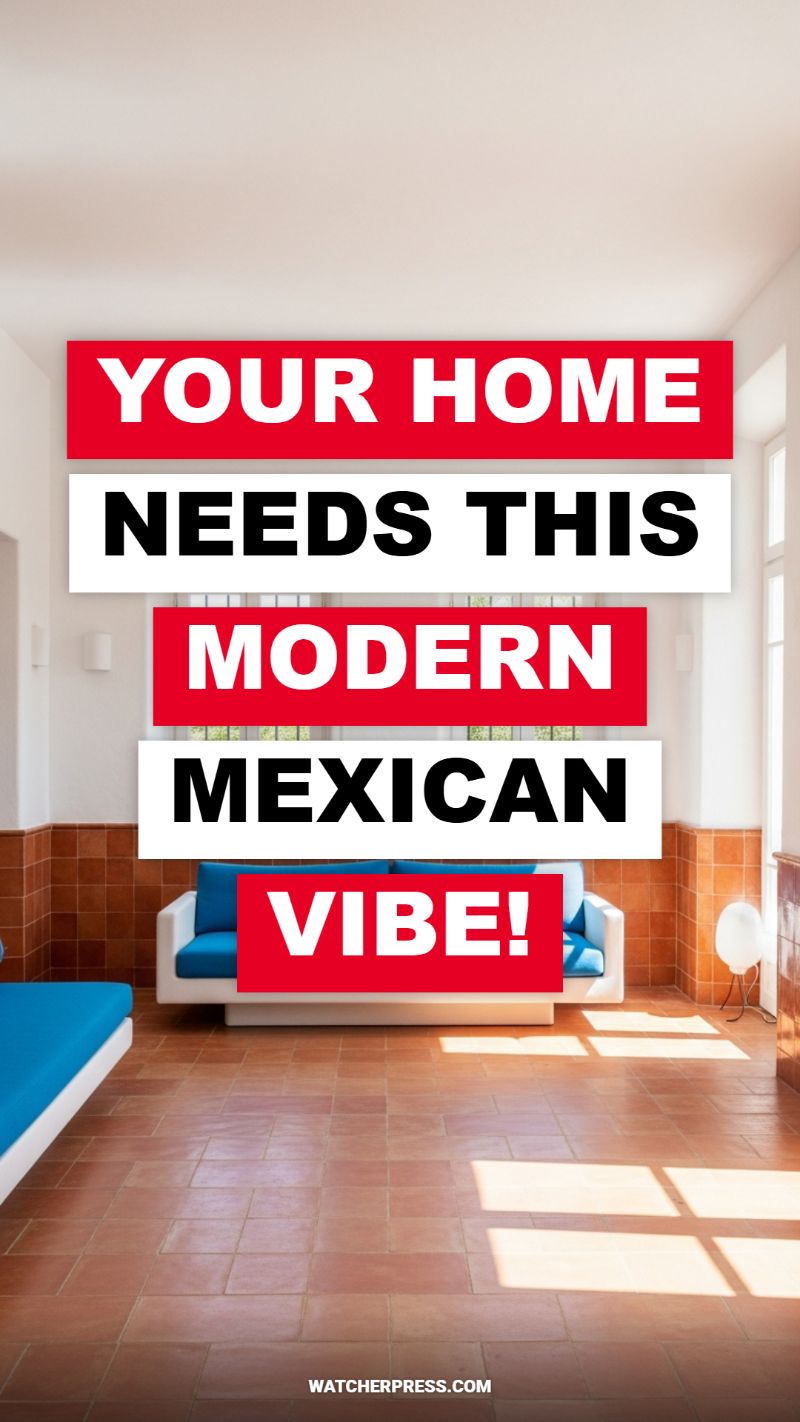
The Modern Mexican aesthetic successfully merges the inherent warmth and texture of traditional materials with the clean lines and stark contrasts required by contemporary design. To emulate the vibrant, yet disciplined, look displayed here, start with the foundation: terracotta or Saltillo tiles. These natural clay tiles, seen covering both the floor and the lower wainscoting, anchor the space with deep, rustic reds and browns. The ‘how-to’ lies in the contrast; pair these earthy tones with expansive surfaces of crisp, brilliant white. Paint ceilings and upper walls in the purest white available, ensuring the shift from textured, warm tile to smooth, cool plaster is dramatic. This bright white envelope not only highlights the geometric pattern of the tiling but also maximizes light refraction, preventing the rich, saturated tones of the tiles from overwhelming the room and keeping the atmosphere airy and modern.
Once the architectural shell is established, introduce high-contrast color through curated furnishings. Modern Mexican design is famous for its bold, saturated palettes—think cobalt blue, shocking pink, or deep turquoise, often drawing inspiration from the works of architects like Luis Barragán. In this example, the low-profile seating is upholstered in a stunning cyan blue. The expert advice here is restraint: use these powerful colors only as intentional accents on large, simple pieces of furniture. Choose silhouettes that are strictly contemporary and streamlined; avoid overly ornate or rustic furniture shapes, which would pull the aesthetic too far into traditional hacienda territory. The seating structure itself should ideally be minimalist (like the white base seen here) to create a striking visual separation between the furniture and the textured floor, emphasizing the clean geometry of the design.
Finally, the key to achieving the ‘vibe’ is mastering the interplay of light and shadow—a hallmark of true Mexican modernism. Ensure your space has access to strong natural light, ideally through large, unadorned windows, allowing sharp, geometric shadows to fall across the tiled floor, adding depth and dynamism throughout the day. Accessorize sparingly to maintain visual clarity. Instead of clutter, use sculptural elements—a single white orb floor lamp, a simple, massive plant in an unglazed pot, or geometrically framed artwork—to punctuate the space. Every element should feel deliberate. This style is about celebrating material honesty and bold color geometry, allowing the rich textures of the tiles and the saturated pops of color to be the star, requiring minimal decorative dressing.
5 Easy Ways to Get Coastal Chic Style

Achieving the Coastal Chic look is all about creating a bright, serene atmosphere that feels collected, relaxed, and inherently tied to the seaside without relying on kitsch. The foundation of this style begins with maximizing light and utilizing a refined color palette. Start by painting walls and trim in crisp, pure whites or the softest off-whites (think Benjamin Moore’s White Dove or Sherwin Williams’ Alabaster) to reflect as much available daylight as possible. This ensures the space feels airy and spacious. Layer in secondary hues pulled directly from the natural environment: pale linen, soft greys that mimic sea fog, sandy beige, and muted blues or seafoam greens. Crucially, address your windows—skip heavy drapes entirely and opt for sheer linen panels or roman shades, or if privacy allows, leave them bare to capture that essential, diffused light that defines the style shown in the image.
Texture is the essential ingredient that elevates Coastal Chic above basic beach decor. The space should feel comfortable, durable, and organic. Look to incorporate classic architectural details, such as the beadboard paneling featured in the visual, which instantly adds a layer of authentic, coastal cottage charm. For large furniture pieces, choose slipcovered sofas and chairs in washable, natural materials like thick linen or performance cotton in light oatmeal, cream, or dove grey. This choice prioritizes low-maintenance living and maintains the relaxed aesthetic. Integrate natural materials through accent pieces: consider using light or whitewashed reclaimed wood for side tables and introduce woven elements like jute, sisal, or rattan via area rugs, baskets, or accent chairs. The tactile contrast between the smooth walls and the rougher fibers is key to adding visual depth without complicating the scheme.
Finally, perfect the style through thoughtful, minimal accessorizing. Coastal Chic requires restraint; avoid overly thematic maritime symbols (like anchors or steering wheels). Instead, look for accessories that subtly echo nature and form. Throw pillows, like the simple grey and tan variations on the sofa, should utilize natural textures (linen, wool) and feature solid colors or extremely gentle patterns like thin stripes. Decorate with natural elements such as large pieces of driftwood, beautiful sea glass, or hand-thrown ceramics in soft blue and white glazes. Maintain negative space on shelves and surfaces. The goal is to cultivate an easy elegance that feels curated and breathable, ensuring the room functions as a peaceful, breezy retreat rather than a themed showcase.
SMALL HOME DECOR SECRETS REVEALED!
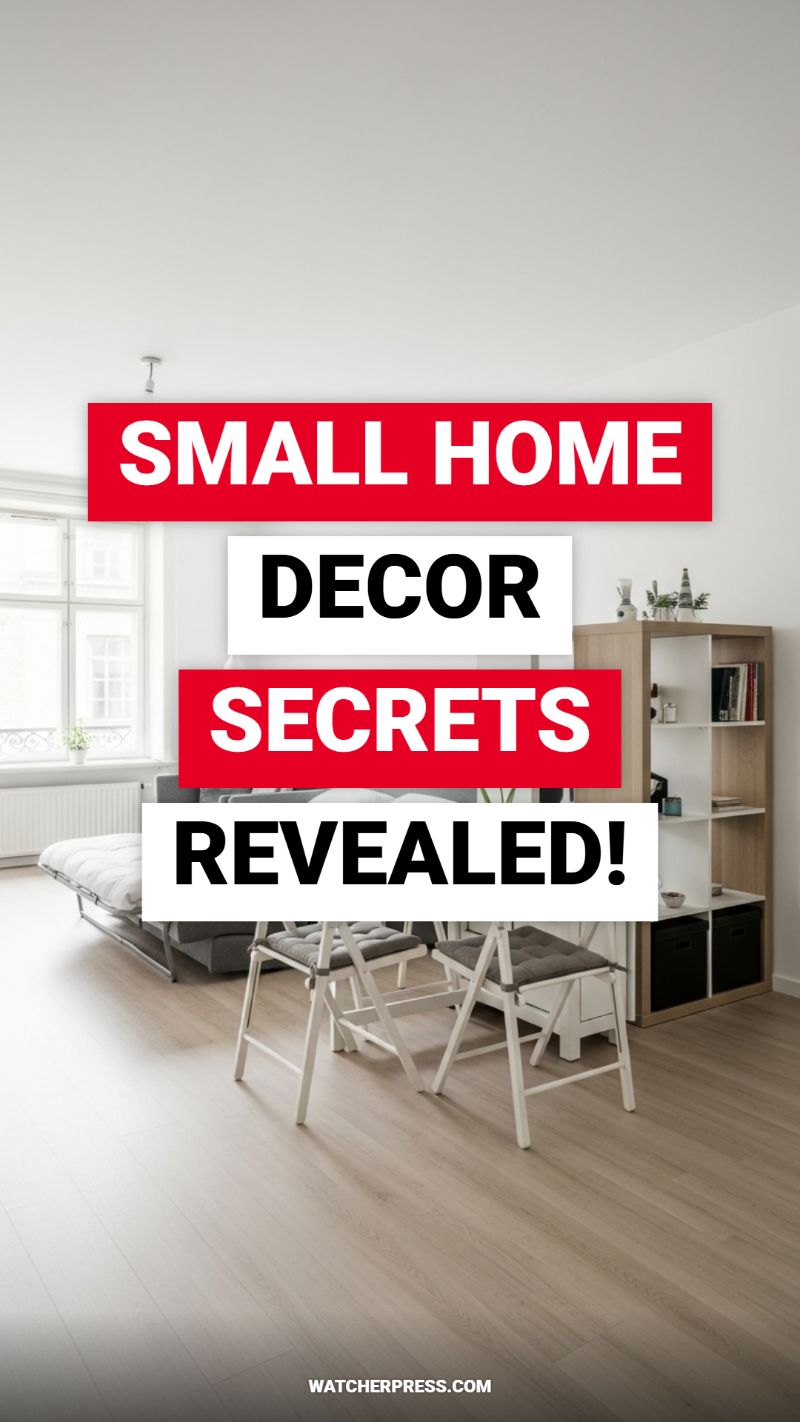
Mastering design in limited square footage requires a strategic approach focused on functionality, light, and visual expansion. The aesthetic demonstrated here—a bright, clean, minimalist space with pale wood flooring and white walls—is the foundation for making any small room feel significantly larger. The primary secret lies in color psychology: employing a monochromatic or near-monochromatic palette dominated by whites, off-whites, and soft neutrals ensures that light is maximized and reflected throughout the space, blurring the lines between walls and ceiling to create an illusion of height and depth. Furthermore, utilize materials with smooth or slightly reflective finishes, such as the polished floorboards or simple glass window panes, to enhance this light diffusion. When designing your layout, ensure the largest piece of furniture (like the convertible sofa seen here) is placed along the longest wall, keeping the center of the room open to maintain crucial flow and breathing room.
Functionality must override sheer aesthetics when selecting furniture for a small home. Every item should either serve multiple purposes or be easily concealed. Notice the use of lightweight, foldable dining chairs; they can be quickly stored away when not in use, instantly transforming the room from a dining space back to a living area. Expertly utilizing vertical space is non-negotiable. The open cubby shelving unit acts as an effective, light-filtering room divider while simultaneously providing essential storage. Opt for shelving that extends high but is not overly deep, drawing the eye upward and preventing the unit from protruding awkwardly into the limited floor area. Always prioritize modular or customizable storage systems that can adapt to changing needs and tightly fit into alcoves or corners.
Finally, the ultimate small-home secret is ruthless organization and editing. Clutter is the enemy of spaciousness. Every decorative object and functional item must have a specific, contained home. Utilize decorative baskets and closed bins (visible beneath the shelving) to manage smaller items and maintain the clean lines of the room. When adding decor, choose pieces that are intentionally scaled down or serve a dual purpose, such as a large mirror (a classic space-expanding trick) or a lamp that provides both ambient and task lighting. Keeping windows minimally dressed, as shown with the simple, bright framing, ensures that every drop of natural light is harnessed, reinforcing the airy, open atmosphere essential for successful small-home living.
Traditional Southern Charm: Mastering the Formal Dining Room
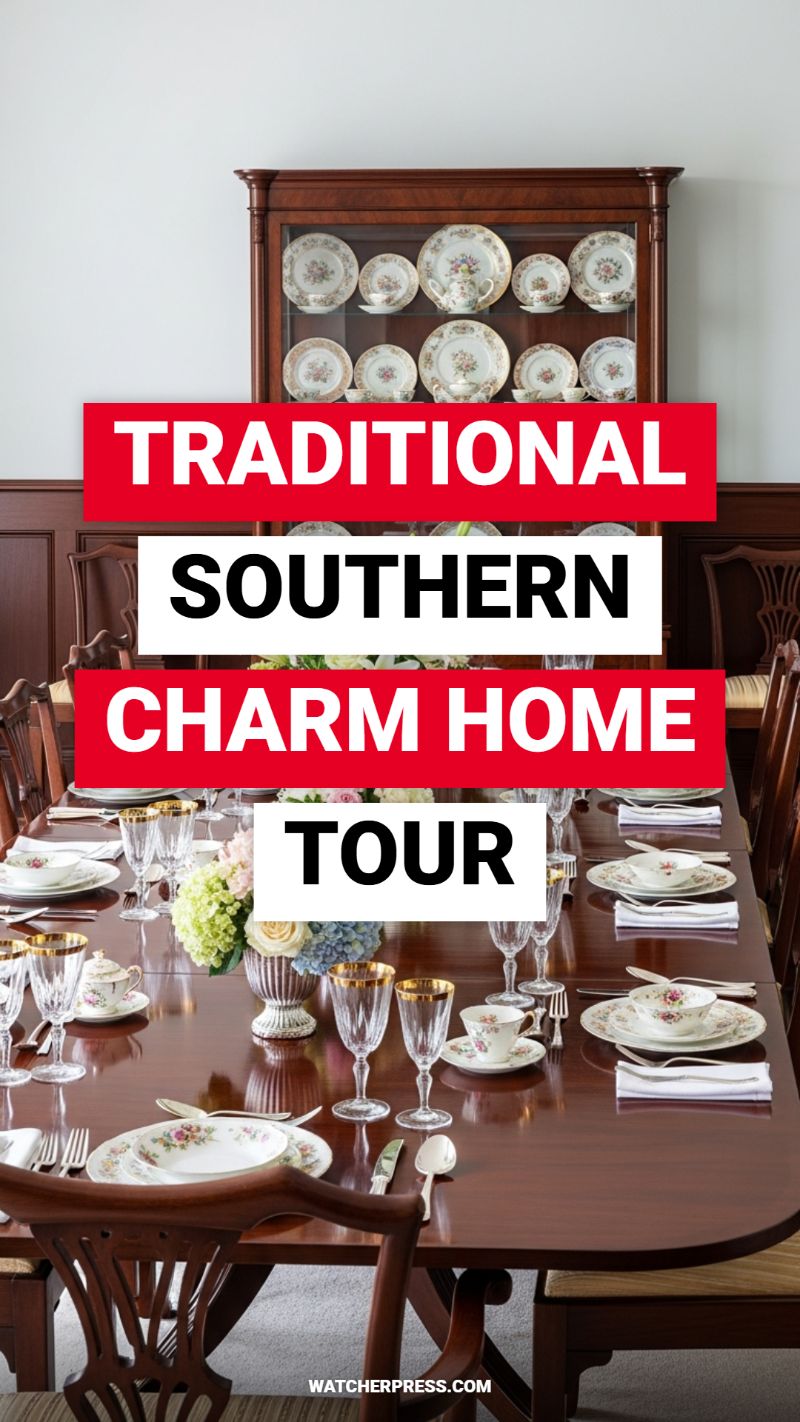
Achieving Traditional Southern Charm starts with a solid, classic foundation. This style relies heavily on dark, rich wood tones, typically mahogany or cherry, utilized in both architectural details (like extensive wainscoting and crown molding) and core furnishings. Invest in substantial, heirloom-quality pieces, such as a large pedestal or double-pedestal dining table paired with chairs featuring classic, detailed silhouettes, like the pierced backs characteristic of Chippendale or Hepplewhite designs. The essential element for showcasing this decor style is a stately china cabinet or hutch. This piece serves not only as storage but as a display venue for your fine tableware, acting as a focal point and introducing layered color and texture into the room’s deep wood palette. Ensure the room maintains an air of formality by keeping walls neutral (soft whites or pale creams) to let the wood grain and accessory displays command attention.
The ultimate expression of Southern Charm is found in the meticulous details of the place setting, reflecting a readiness for gracious entertaining. When setting the table, focus on layering patterns and materials. Select fine china featuring delicate floral motifs or gold rimming—patterns that feel vintage, romantic, and time-honored are ideal hallmarks of this aesthetic. Pair this china with heavy, etched or cut crystal stemware, ideally featuring a gold band to complement the tableware’s accents, adding a luxurious gleam to the surface of the polished table. Linens should be crisp and high quality, often white or ecru, neatly folded beneath the silverware to anchor the setting. Expert advice dictates balancing the formality; while the setting is complex and multilayered, ensure the silverware placement (e.g., formal five-piece setting) follows traditional etiquette rules, signaling an intentional, structured approach to hospitality.
To complete the “tour” of charm, attention must be paid to soft accents and ambiance. A centerpiece is non-negotiable; it should be robust yet graceful, typically featuring lush arrangements of fresh, classic blooms such as hydrangeas, roses, or peonies, often displayed in a mercury glass or silver-plated urn or vase. The scale of the centerpiece should be substantial enough to match the formality of the table without obstructing conversation. Illumination is crucial for atmosphere; opt for traditional lighting fixtures, such as a crystal chandelier or substantial brass sconces, designed to cast a warm, flattering glow on the highly reflective wood surfaces and glassware. This style thrives on visual richness, so incorporate subtle, textural elements—a velvet runner, small silver sugar/creamer sets displayed alongside the china, or patterned chair cushions—to ensure the room feels deeply layered, welcoming, and perpetually ready for a fête.
UNLEASH YOUR FUNKY HOME DECOR STYLE!
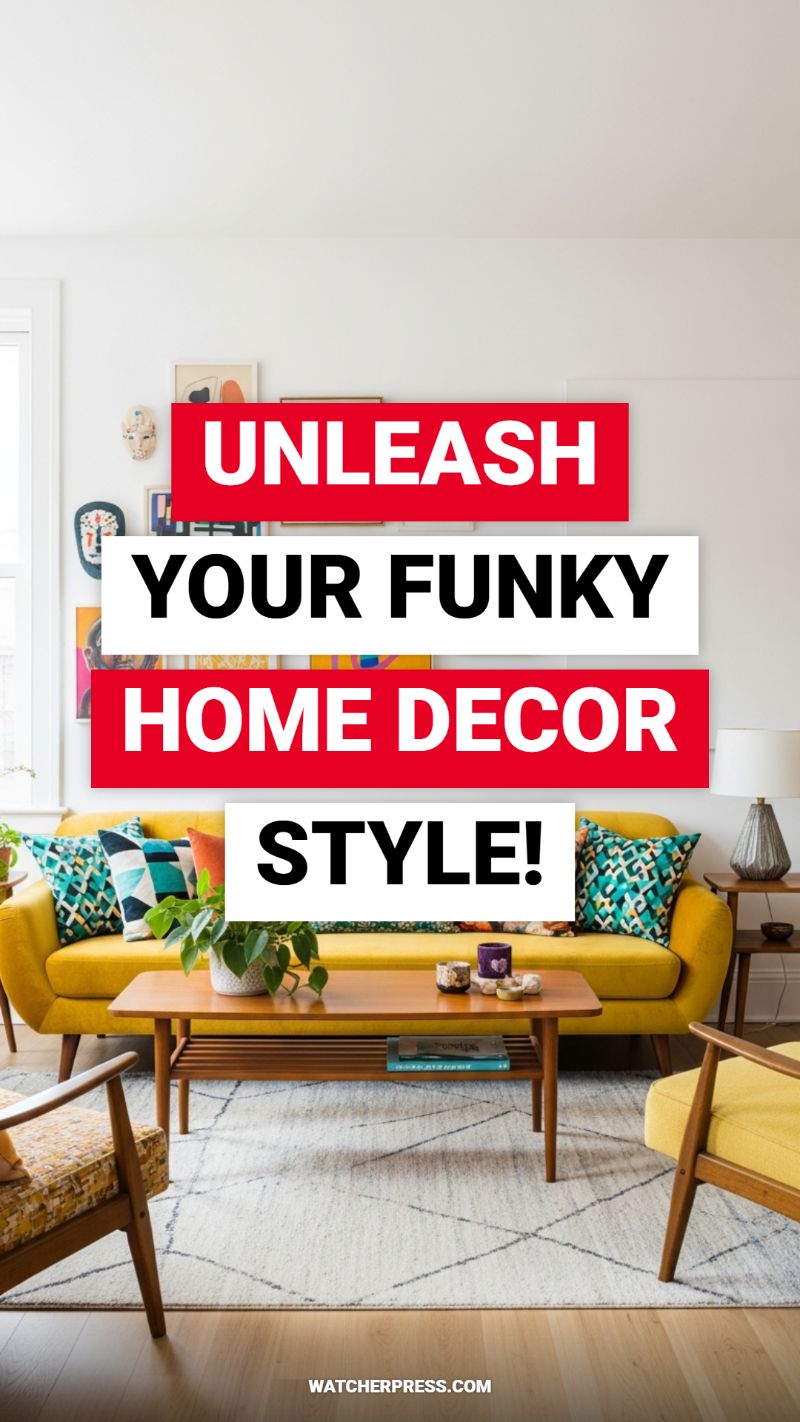
Funky decor is not just a style; it’s an attitude that injects personality, color, and playful energy into your space, often leaning heavily on Mid-Century Modern (MCM) silhouettes as a foundation for maximalist expression. To successfully “unleash” this style, start with a statement anchor piece, such as the vibrant yellow sofa seen in the example. This high-saturation color choice immediately sets a bold, non-traditional tone. Pair these foundational elements (which usually feature clean, tapered legs characteristic of MCM) with contrasting textures and patterns. The key to maintaining flow, despite the visual intensity, is keeping wall colors neutral, like the crisp white background shown here, allowing the furniture and accessories to pop without overwhelming the viewer. This white canvas provides necessary visual rest and highlights the intentional use of color blocking and eclectic layering, ensuring the space feels curated, not chaotic.
Mastering the funky aesthetic requires a deliberate approach to pattern mixing and accessory curation. Avoid being matchy-matchy; instead, aim for harmonious discord. Look at how geometric patterned toss pillows in turquoise, black, and white are juxtaposed against the solid yellow sofa. The patterns share a common high-contrast energy but vary in motif and scale, adding vital depth. When it comes to wall decor, embrace the gallery wall concept, but make it deeply personal and intentionally asymmetrical. Mix framed abstract art with dimensional objects, like masks or unique sculptural pieces, placing them unevenly across the wall. This collection should look curated over time, reflecting varied interests and color palettes. Ensure that some colors from the wall art echo the colors in the main seating area—for instance, if the art contains reds and blacks, introduce those colors subtly in throws or coffee table accessories, creating a cohesive visual loop that ties the composition together.
The final touches ground the playful chaos into a polished design statement. Opt for a rug that offers texture and subtle pattern rather than competing directly with the furniture. The example features a cream-colored rug with simple, hand-drawn geometric lines, which adds warmth and defines the conversation area without distracting from the primary, colorful elements. Lighting fixtures should follow the angular or sculptural lines common in mid-century design, utilizing forms like the ribbed, grey glass table lamp visible on the side table. Lastly, integrate natural elements to soften the bold lines and colors—a healthy houseplant in a decorative pot placed strategically on the coffee table brings life, organic texture, and a breath of freshness, preventing the room from feeling overly artificial or staged. By balancing bold, saturated hues with clean lines and strategic neutrals, you achieve a funky space that is joyful, energetic, and sophisticated.
90s Home Decor Making A Huge Comeback
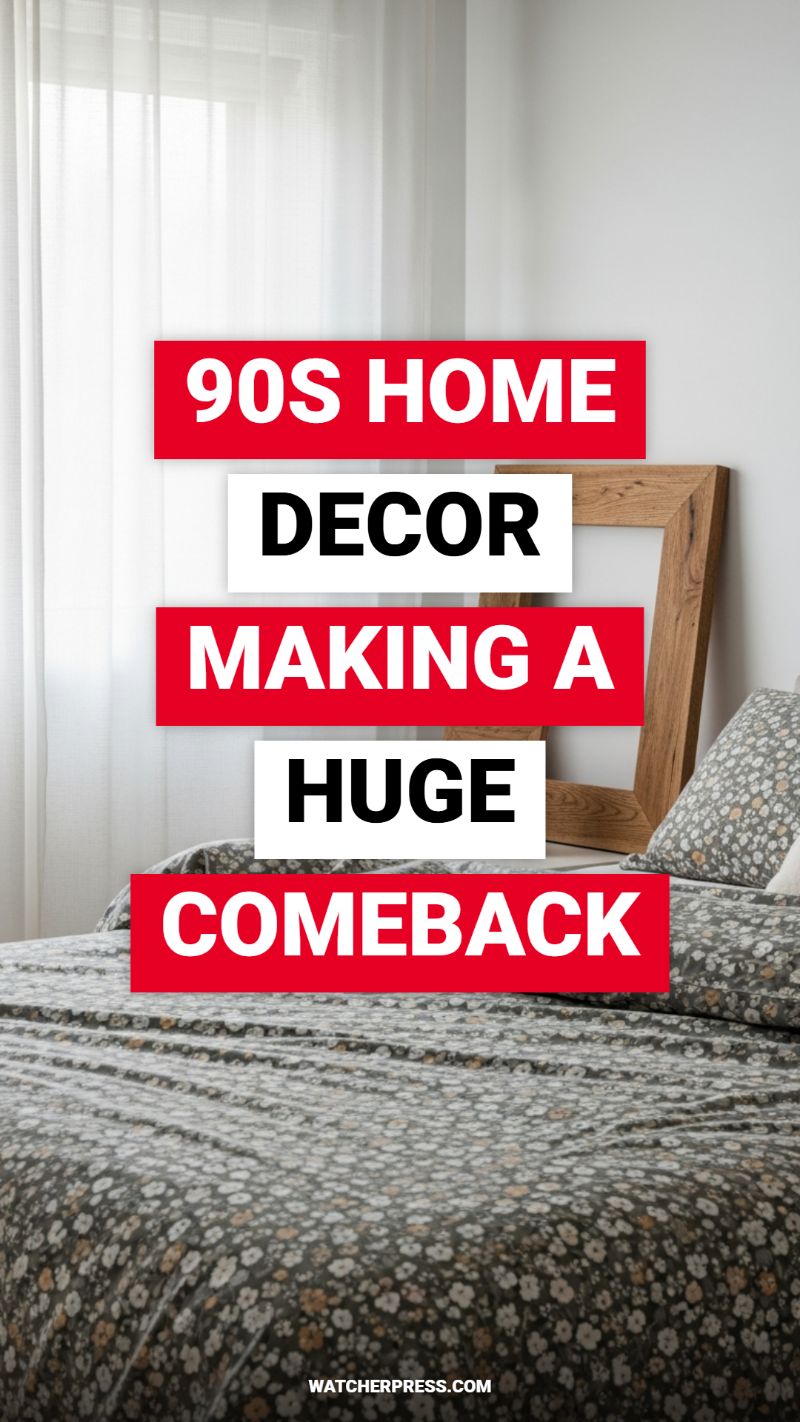
The resurgence of 90s interior design is less about oversized flannel and more about embracing comfort, muted natural tones, and an unpretentious approach to styling. Unlike the maximalist trends of the 80s, 90s decor favored clean lines, natural materials, and patterns that felt approachable and soft—a mood perfectly captured by the micro-floral bedding and sheer white curtains seen here. To master this look without recreating a college dorm, focus first on textiles. Swap out heavy drapes for sheer or linen panels that filter light, making the space feel airy and relaxed. For bedding or upholstery, seek out classic small-scale prints: soft florals, gingham, or subtle geometric patterns, ensuring the colors remain subdued (think dusty rose, sage green, beige, and cream) to prevent the look from becoming overwhelming or overly vintage. The key is to blend these nostalgic elements with contemporary structure to achieve balance.
Next, integrate the distinctive material palette of the era, which favored light-toned wood and utilitarian objects. The casual, leaning wooden frame visible in the image is a perfect example of 90s styling, which favored simple, natural wood finishes like pine or light oak. Incorporate these woods through simple, geometric furniture pieces, such as low coffee tables, storage cubes, or minimalist frames. Avoid heavily distressed or overly ornate pieces; the aesthetic is clean and unfussy. Introduce texture through matte black metal accents—often seen in lamp bases, shelf brackets, or cabinet hardware—to provide necessary contrast. Expert Tip: Reintroduce simple ceramics, such as matte white or terracotta vases and planters, and populate them with large, low-maintenance houseplants (like Ficus or Pothos) to capture that definitive indoor-meets-outdoor vibe of the decade.
To ensure your 90s revival feels current rather than kitschy, use restraint and emphasize minimalism where the pattern is present. If you opt for patterned textiles on the bed, keep wall decor, paint colors, and large furniture pieces neutral and streamlined. The modern take on 90s decor relies heavily on a foundational palette of white, off-white, and beige, allowing colorful accessories or patterned textiles to act as accents rather than anchors. Avoid iconic but often polarizing items like beanbag chairs or inflatable furniture unless you are highly confident in your styling ability. Instead, focus on the underlying comfort and casual functionality that defined the decade, ensuring every item serves a practical purpose while maintaining a soft, inviting aesthetic.
MUST-HAVE CROCHET WALL HANGING IDEAS
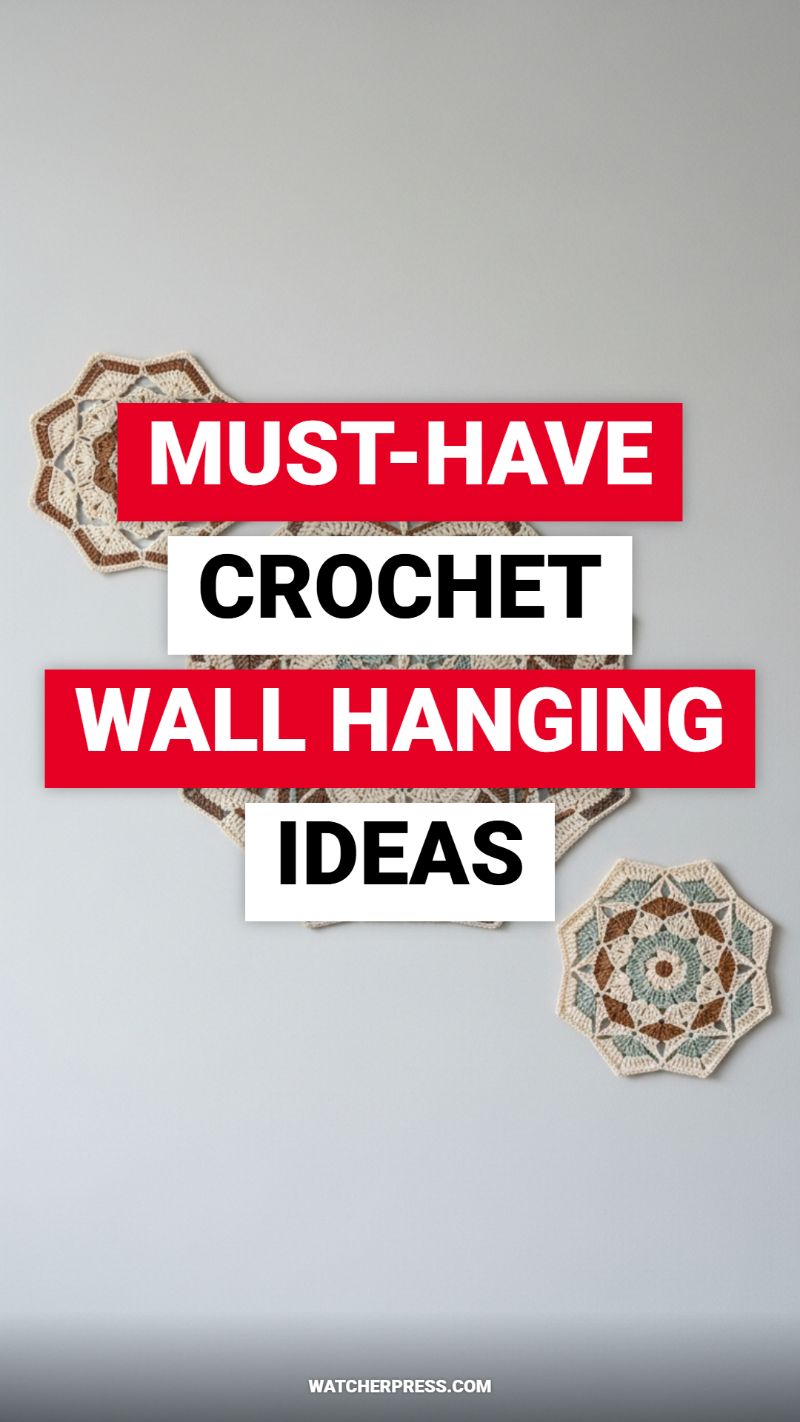
Crochet wall hangings, often featuring intricate mandala or doily patterns like those pictured, are highly effective tools for introducing softness, texture, and a touch of global aesthetic into any modern space. To master this look, the primary focus must be on fiber quality and strategic placement. Opt for natural fibers—such as cotton, wool, or jute blends—that hold their shape while providing rich texture. The key instructional move is in color selection: stick to muted, earthy palettes (creams, taupes, sage greens, and terracotta browns) to ensure these pieces feel sophisticated rather than overly rustic. For placement, avoid solitary display; crochet pieces thrive when grouped. As an expert technique, arrange an odd number of pieces (three or five) varying slightly in size and pattern to create an organic, layered composition above a console table or within a minimalist gallery wall setup. This grouping technique instantly elevates the craft item into an intentional art installation.
The real impact of these fiber creations lies in the contrast they provide against hard, flat surfaces. When installing, ensure the mounting method is discreet. For smaller or medium pieces, use fine pin nails hidden behind the top stitch so the piece appears to float directly on the wall. If dealing with larger, heavier crocheted motifs, threading the top edge onto a thin, natural wooden dowel or piece of foraged driftwood will help the textile hang flat and retain its precise geometric structure, maximizing the visual integrity of the design. Furthermore, utilize crochet work to define zones in open-concept living. A large-scale circular piece centered over a dedicated reading nook or workspace instantly anchors the area, providing a visually soft counterpoint to technology or rigid shelving.
To seamlessly integrate these crafty elements into a broader design scheme, think of them as textural accents rather than focal points. In a Scandinavian or transitional home, the neutral colors complement clean lines without cluttering the visual field. For a full-fledged Bohemian or Global interior, layer the crochet pieces alongside macrame, woven baskets, and indoor plants. The critical advice for a top-tier finish is lighting; positioning a directional light source, such as an adjustable track light or picture light, to graze the surface of the fiber art will highlight the dimensionality and complex stitching patterns. This subtle illumination elevates the hand-crafted nature of the piece, transforming a simple wall decoration into a genuine piece of textile art that actively contributes to the warmth and depth of your décor playbook.
COZY UP YOUR HOME WITH CROCHET MAGIC

The inclusion of chunky, handcrafted textiles, epitomized by the lush crochet throw pictured, is the quickest way to inject warmth and tactile interest into any design schema. This particular example showcases a magnificent scale—the thick yarn and prominent stitch pattern create deep relief, which is crucial for elevating a cozy neutral palette. To replicate this “crochet magic,” always prioritize texture over excessive pattern or color, especially in modern or minimalist settings like Scandinavian or Transitional styles. The key is dimension; look for yarns that are roving or super bulky, simulating the appearance of hand-knitted giant stitches, and ensure the resulting piece is large enough to drape generously, avoiding the look of a skimpy accent item. A well-styled throw should look like an invitation, casually folded or tossed over the back of a chaise or sofa arm, signaling relaxation and comfort, instantly creating that sought-after Hygge atmosphere.
Integrating these cozy elements seamlessly into diverse decor styles requires strategic material and color selection. For a Modern Farmhouse aesthetic, pair the cream crochet with distressed wood and metal accents to soften the rugged edges, adding an element of heirloom softness. If you are leaning into Coastal design, choose a slightly looser weave in a shade of white or light blue to evoke sea foam and summer clouds, juxtaposing the chunky weave with smoother linen pillows. Conversely, for styles demanding deeper saturation, such as Gothic Western or maximalist Bohemian, opt for the same chunky texture but in rich jewel tones (deep emerald, ruby red) or deep earthy browns. The unifying design principle is the high-contrast texture against smooth surfaces (like leather upholstery or polished wood tables), which prevents the room from feeling flat or sterile while providing essential visual weight.
When styling your space with these magical fibers, consider the advanced design concept of layering weights and fibers. Expert interior designers often utilize three textile layers on a primary seating area: a base textile (the sofa material), a mid-weight structured blanket (perhaps a woven herringbone or subtle plaid), and finally, the chunky crochet throw as the ultra-soft, visually appealing finishing layer. Furthermore, to maintain the luxurious aesthetic demonstrated here, select durable yet soft natural fibers like merino wool or high-quality cotton/acrylic blends that maintain their voluminous loft even after use. By placing these statement pieces thoughtfully—in the reading nook, over a storage bench, or the decorative end of the main sofa—you ensure they remain an element of intentional luxury rather than everyday clutter, transforming your room with softness and depth.
THE BEST AFRO CHIC DECOR IDEAS RIGHT NOW
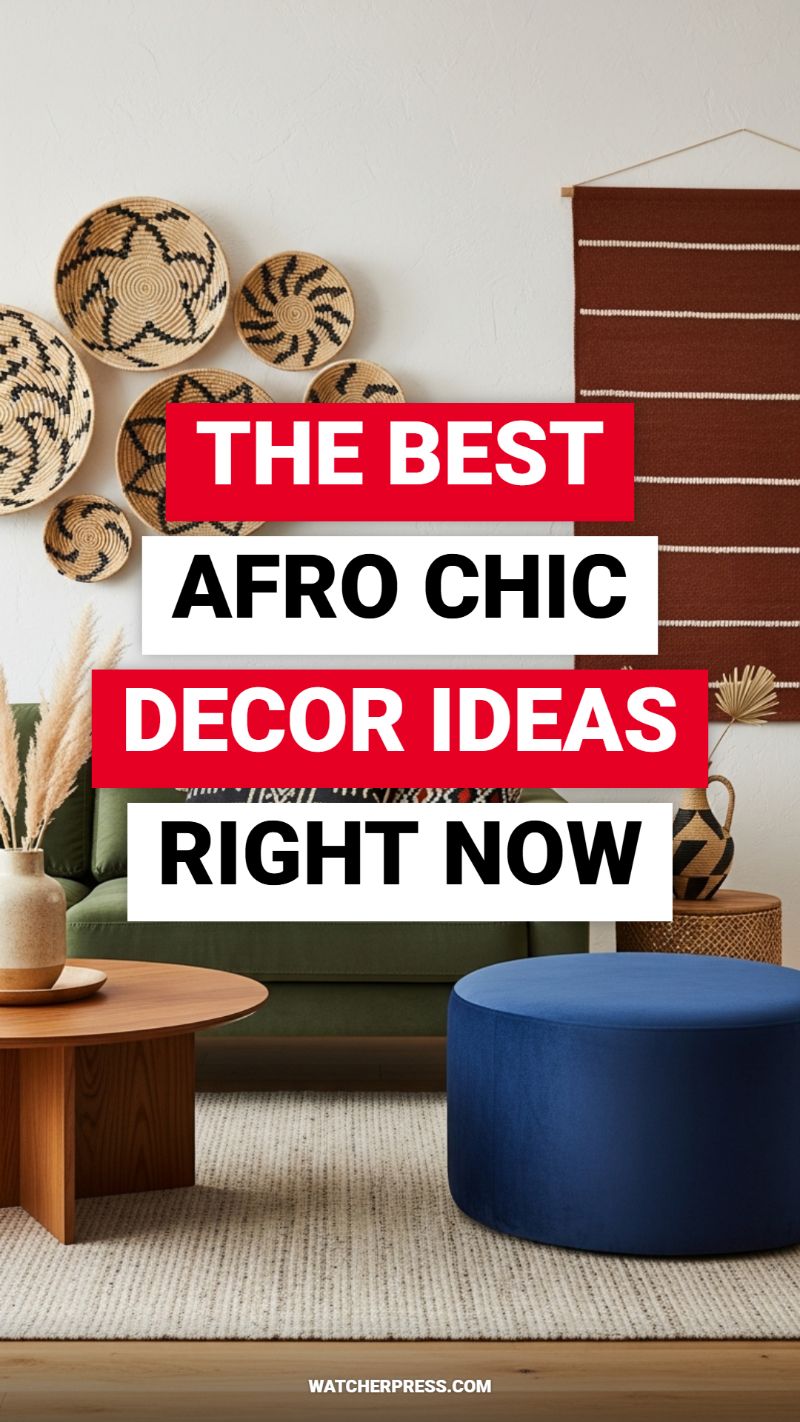
Afro Chic is a sophisticated design language that seamlessly merges contemporary luxury with the deep, earthy heritage of African craftsmanship. To master this look, the first step is to prioritize texture and authenticity, particularly in your wall treatments. As demonstrated by the striking visual elements in the feature image, a foundational component is the sculptural gallery wall created from traditional woven baskets. Source genuine, hand-crafted pieces—ideally those featuring natural fibers and graphic patterns created with dyed black material—and ensure they vary widely in size and depth. Arrange these pieces organically rather than in a rigid grid, allowing them to flow across the wall to create a dynamic, three-dimensional installation. This method introduces a crucial tactile element that grounds the clean lines of modern furniture and immediately establishes the cultural depth of the space. Complement this installation with a large, simple textile wall hanging in a rich, earthy color like terracotta or burnt sienna, using repetitive geometric patterns to subtly echo tribal motifs.
The color story and furniture selection are critical in balancing the heritage elements with contemporary sophistication. While the background (walls and large rugs) should remain light and neutral to allow the textures to pop, introduce highly saturated, organic colors through key anchor pieces. For instance, pair a sleek, clean-lined sofa in a deep olive green with a sculptural statement piece like a large, round velvet ottoman in a vibrant jewel tone, such as indigo blue. The contrast between the raw, woven textures and the plush, refined velvet is what creates the “chic” element of the style. Ensure the furniture silhouettes remain simple and modern—think rounded wooden coffee tables and low-profile seating—to prevent the room from feeling overly rustic or cluttered.
Final styling should reinforce the artisanal quality of the decor through deliberate placement of accessories. Choose elements that are visually weighty but sparsely placed, allowing each item to stand as a piece of art. Incorporate handmade pottery, such as hand-thrown ceramic vases in neutral glazes, and small patterned pieces like a black-and-tan zigzag vase. Introduce natural elements—such as tall dried grasses or palm spears—to add height and delicate texture. Expertly curating these finishing touches ensures the space maintains a sense of luxurious intentionality. The goal is to celebrate African craft not as an imitation, but as integrated, functional art that elevates modern living.
THE SECRET TO GOTHIC WESTERN STYLE
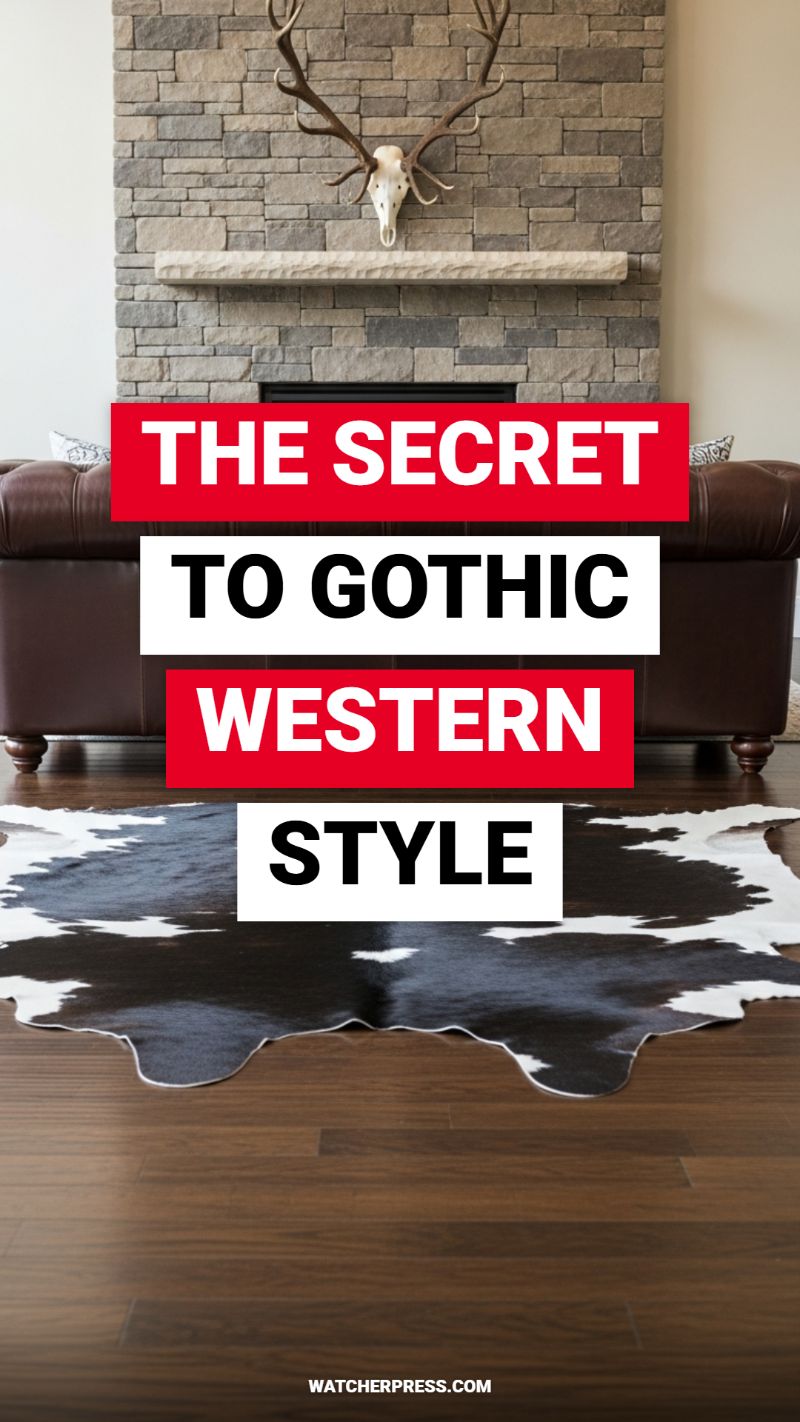
Gothic Western, sometimes dubbed ‘Dark Americana’ or ‘Ranch Goth,’ is a dramatic and complex design style achieved by carefully balancing the rugged simplicity of ranch life with the moody, opulent darkness of traditional Gothic design. The core of this aesthetic lies in establishing a weighty, serious foundation. As evidenced by the room pictured, this requires incorporating heavy, tactile, and natural materials. Start with architectural elements like dark, substantial wood flooring and a commanding fireplace clad in natural stacked stone. Furniture must reflect this solidity; choose deep-seated pieces, like the rich chestnut leather sofa shown, or heavy, carved wood items. The color palette is fundamental: eschew light coastal or farmhouse neutrals for deep, saturated tones—think charcoal, oxblood, deep indigo, and abundant black, complemented by natural browns, ivory, and cream highlights. This dark, textured backdrop is the essential starting point for merging the two distinct styles without overwhelming the space.
To truly master the Gothic Western fusion, integrate key Western iconography but treat it with dramatic flair. The mounted animal skull or set of antlers above the mantlepiece is the quintessential element, providing a powerful, primal focus that aligns with Gothic sensibilities while offering undeniable Western authenticity. Crucially, these raw elements should be displayed against refined surfaces, such as a smoothly finished stone mantle, to elevate their perceived value and sophistication. Texture layering is non-negotiable for depth. Contrast the rough texture of stone or raw wood with smooth, luxurious elements like polished leather. Introduce soft, yet rugged, textures through area rugs. A high-contrast black and white cowhide rug, like the one grounding the floor in the image, is perfect for providing both visual interest and authentic ranch texture while adhering to the moody, high-contrast Gothic color requirements. This intentional layering prevents the design from feeling too sparse or overly themed.
Final touches should harmonize the aesthetic and enhance the inherent moodiness. Lighting is key; avoid harsh overhead illumination in favor of diffused, low-level light that highlights textures and casts subtle shadows. Think heavy wrought-iron fixtures, candelabras, or lamps with dark, opaque shades that create atmosphere. Accessorize with purpose, focusing on items that tell a story. Incorporate antique metallic accents in bronze, copper, or dark brass for hardware and frames. While conventional Western decor often favors bright patterns, Gothic Western thrives on subtle, sophisticated patterns or solid dark textiles. Consider adding dark floral arrangements, framed botanical prints, or unique historical artifacts that speak to both the Old West and traditional European grandeur, ensuring every curated detail contributes to the overall narrative of rugged, sophisticated darkness.
STOP DECORATING BORING! TRY MMHD NOW

This section dives deep into Maximalist Mexican Home Decor (MMHD), a style characterized by fearless color, rich textures, and traditional artistry, serving as a vibrant antidote to minimalist fatigue. As seen in the striking visual elementssuch as the intense fuchsia of the bougainvillea contrasting sharply with the white backdrop and the intricate, hand-painted patterns of the Talavera-style ceramicsMMHD demands attention. To master this look, you must embrace saturation. Forget muted palettes; this style thrives on primary and secondary colors used generously: cobalt blues, sunny yellows, emerald greens, and deep reds. The key to making this maximalism feel curated, not cluttered, is using high-quality, authentic items that celebrate cultural heritage, ensuring each piece tells a story rather than just filling a space.
Implementing the MMHD aesthetic requires skillful pattern mixing and material layering. The foundation often rests on traditional Mexican craftsmanship, such as Talavera pottery, which features distinct, intricate folk designsthink stylized flowers, animals, or geometric spirals. Don’t limit yourself to just a few pieces; build collections. Pair the smoothness of the colorful ceramics with robust, textured elements like woven textiles (Oaxacan rugs or sarapes), hammered copper, and raw wood furniture. Expert tip: when mixing patterns, vary the scale. For example, place a small, tightly patterned ceramic pot next to a large, boldly striped textile. Use the white or neutral architectural elements of your room (like the crisp white table surface shown) as visual “breathing space” to prevent the explosion of color and pattern from becoming overwhelming.
To fully transform a space with MMHD, focus on high-impact focal points. In the kitchen, consider installing vibrant Talavera tile backsplashes that stretch floor-to-ceiling, or create a stunning gallery wall using colorful nichos, Milagros, and handcrafted mirrors with punched tin frames. In living areas, large, embroidered cushions and throws can instantly inject life onto neutral sofas. Lighting is also crucial: seek out wrought iron chandeliers or tin lanterns that cast dramatic shadows. Remember that MMHD is inherently celebratory and warm. The goal is to create an inviting, energetic environment that reflects a love for life and color, using the principles of abundance and artisanal excellence to elevate your decor far beyond “boring.”
How to Style Your Living Room: Mastering Transitional Minimalism
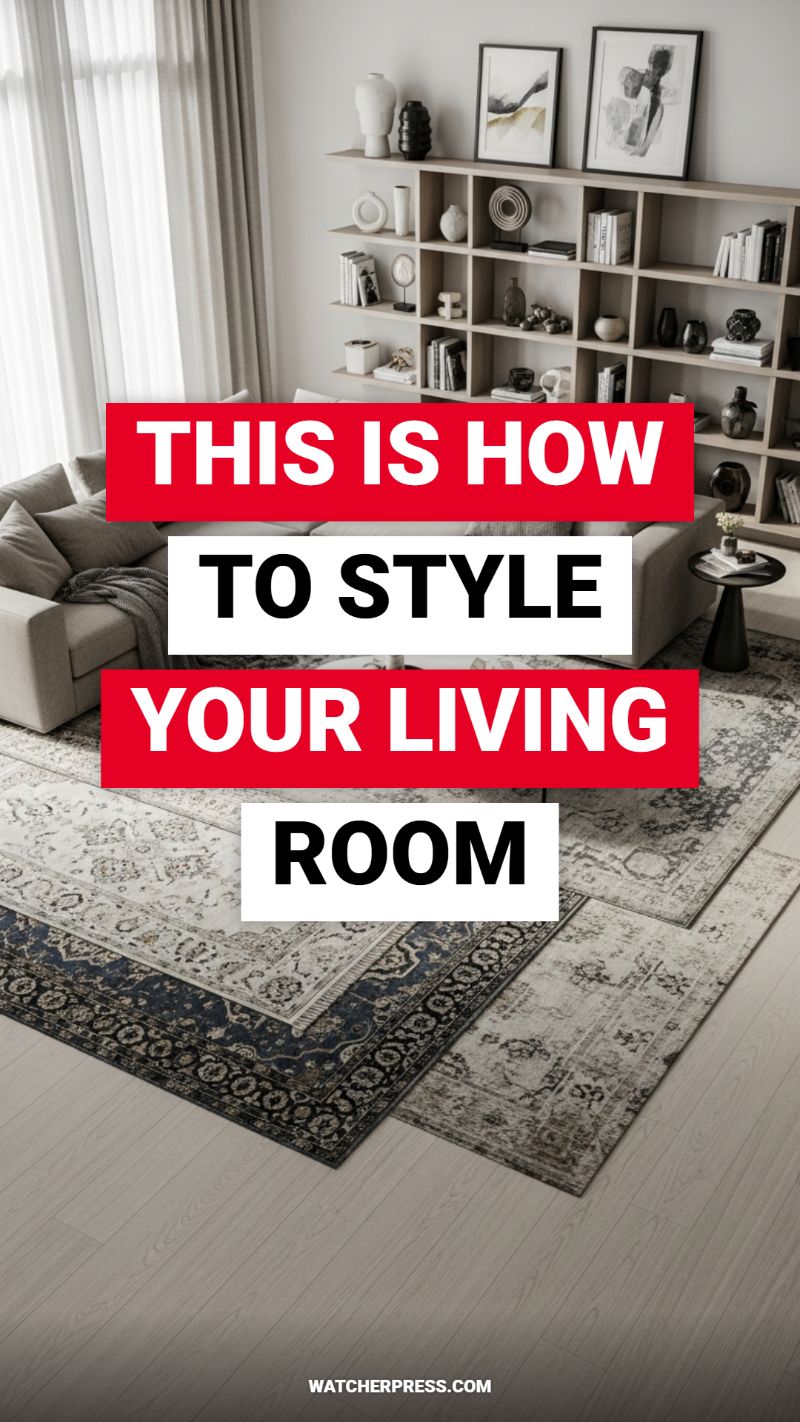
The foundation of sophisticated transitional design lies in a serene, neutral palette and abundant natural light, as expertly demonstrated in this living space. To replicate this look, begin by establishing a bright, expansive canvas: choose light wood flooring and sheer, floor-to-ceiling drapes that soften the natural light while maintaining privacy. Select large anchor furniture, such as the shown sectional sofa, in a durable, mid-tone neutral like light gray or beige. The goal here is tranquility; the palette should be restricted primarily to whites, creams, grays, and natural wood tones. This intentional restraint provides a calming backdrop that allows your curated accessories and architectural details to truly shine without creating visual noise.
Elevate the room by focusing on curated display and vertical interest, exemplified by the stunning floor-to-ceiling shelving unit. This is where the minimalist approach meets personality. Instead of filling every space, practice the art of the ‘shelfie’ by grouping items in odd numbers (rule of three or five), varying the heights of your objects, and intentionally leaving ample negative space. Stock the shelves with monochromatic items—think matte white vases, black sculptural objects, and tidy stacks of books—to add depth and visual contrast against the light wood structure. The repetition of form (circles, tall cylinders) and color (black and white) creates rhythm and harmony, turning a functional storage piece into the room’s primary focal point and a genuine piece of art.
Finally, inject texture and character through strategic layering of textiles, a crucial element in transitional style. The use of layered rugs is an advanced technique that instantly adds dimension and warmth to hard flooring. Start with a large, understated primary rug—like the faded, distressed Persian pattern shown—to define the seating area. Then, anchor the sofa further with a smaller, secondary rug in a complementary but higher-contrast pattern, such as the dark blue and cream medallion piece visible here. This layering provides visual complexity and anchors the furniture. Complete the ensemble by draping a soft, textured throw over the sofa, ensuring that every textile choice—from the window dressings to the cushion fabrics—contributes to a feeling of relaxed, unpretentious elegance.