
Discover the ultimate 2024 home decor trends! Explore styling secrets for Coastal Calm, Gothic Western, Modern Mexican, 90s revival, and sustainable DIY projects.
THE BEST HOME DECOR IDEAS FOR YOUR LIVING ROOM & KITCHEN
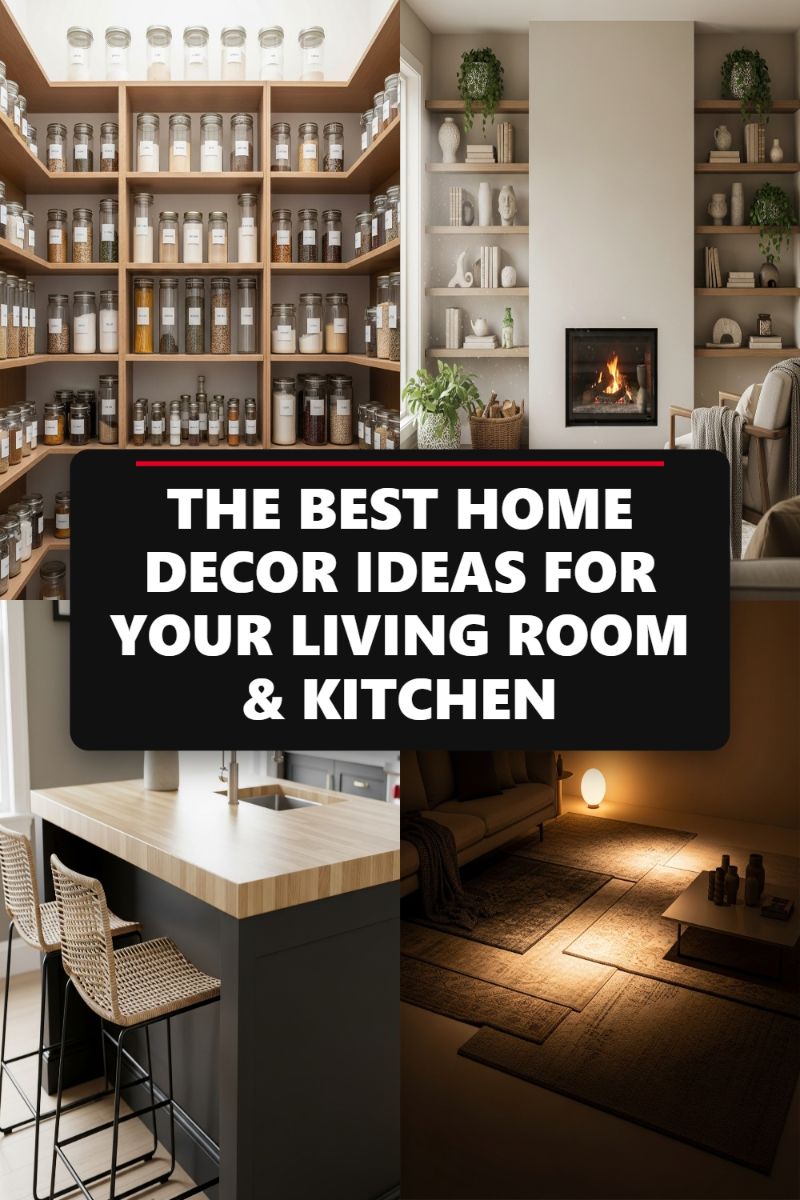
Achieving harmonious flow between the highly functional kitchen and the relaxing living space requires strategic attention to detail, balancing visible organization with enveloping comfort. For the modern kitchen, the primary trend centers on highly curated, visible storage that marries utility and aesthetic discipline. Take inspiration from the meticulously organized pantry shown, utilizing uniform, labeled glass jars for all dry goods. This technique, often referred to as ‘Scandi-Minimalist Storage,’ eliminates packaging clutter and introduces visual rhythm and texture through the various contents. Combine this with structural focal points, such as a dark-toned kitchen island featuring a light-toned butcher block or natural wood countertop. This contrast between light, warm wood and deep, moody cabinetry (charcoal or black) grounds the room, while woven bar stools introduce essential natural texture and prevent the clean lines from feeling too sterile. Remember to integrate a minimalist sink system, perhaps an undermount style, to maintain the clean, architectural integrity of the design.
In the living room, the focus shifts to creating structure, balance, and warmth through intentional layering. Expertly installed floating shelves flanking a clean-lined fireplace provide prime real estate for exhibiting personality without sacrificing sophistication. To style these shelves effectively, adopt the rule of ‘curated clusters’: group items in odd numbers (threes or fives), mixing materials like raw ceramic, antique brass, and stacks of monochrome books. Ensure plenty of greenery is incorporated, using trailing plants to soften the hard edges of the shelving and introduce organic life. The fireplace itself should be streamlined—a simple, flush-mounted insert within a clean plaster or light-colored stone surround—to serve as a quiet anchor, allowing the texture and detail of the surrounding decor to take center stage. Avoid over-accessorizing the mantlepiece; simplicity underscores the room’s overall tranquility.
Finally, master the art of atmosphere by focusing on layered textiles and ambient light, a technique crucial for injecting deep, enveloping warmth into any space. The most cutting-edge decor reports emphasize replacing harsh overhead lighting with multiple, lower-level sources, such as diffused orb floor lamps and small table lamps that cast warm, focused pools of light. This lighting strategy instantly elevates the mood and highlights textural elements. Critically, utilize layered rugs to define seating zones and inject visual depth. Start with a large, neutral foundation rug, then overlay smaller, tonally similar rugs—perhaps with subtle, muted patterns—to create a dynamic, tactile experience underfoot. This maximalist approach to texture, combined with soft throws draped over sofas, ensures the living space is not just visually appealing, but deeply comfortable and conducive to relaxation, fully realizing the potential of personalized home decor.
90S HOME DECOR: THE TRENDS WE NEVER THOUGHT WOULD RETURN
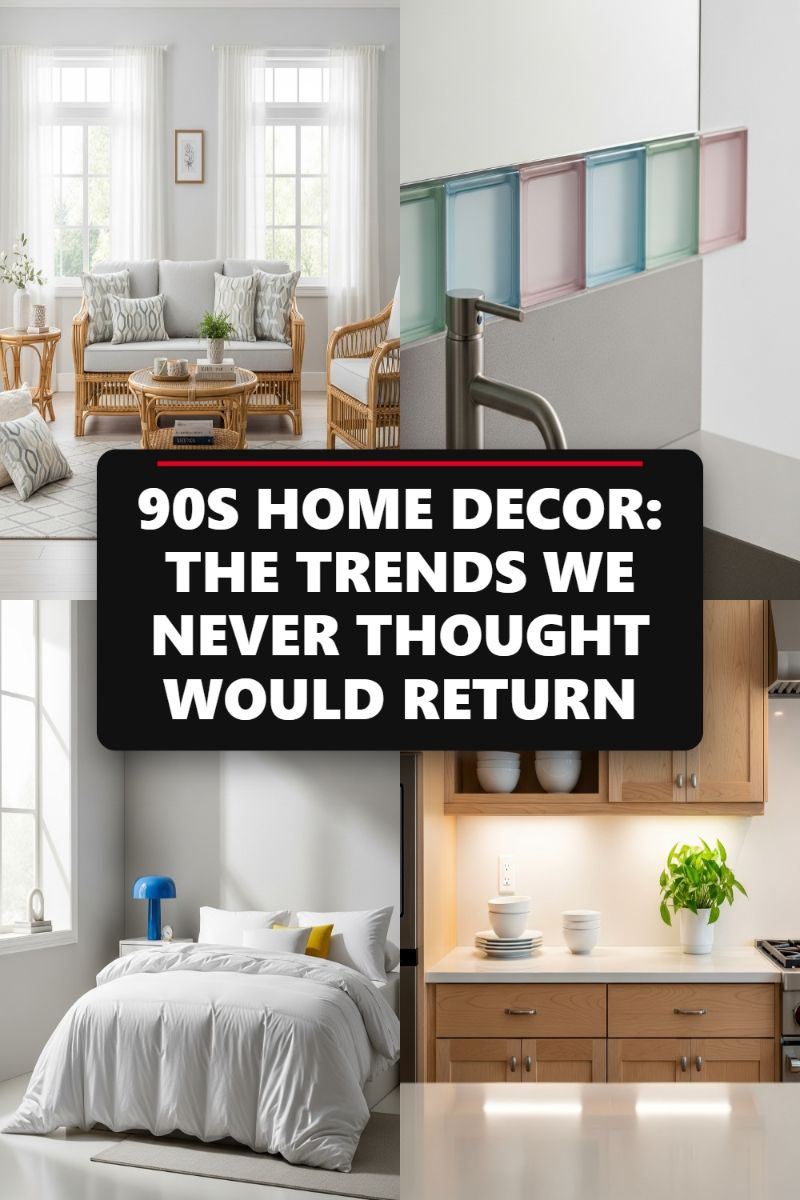
The return of 90s home decor is centered on embracing light, texture, and relaxed functionality, often filtered through a modern, sophisticated lens. To successfully incorporate this trend, start with foundational elements like natural wood finishes and an abundance of white textiles, as seen in the rattan living area. Invest in high-quality, lightweight rattan or wicker seating, ensuring the pieces have modern silhouettes—avoid overly bulky or complex weaves. Pair these textural items with strictly neutral upholstery (think linen or light gray performance fabric) and layer in sheer, floor-to-ceiling white window treatments. This combination maximizes natural light, provides that characteristic airy 90s ambiance, and grounds the room in a sophisticated, calm palette that prevents the look from feeling kitschy or dated.
Two of the decade’s most defining architectural features making a comeback are glass blocks and natural wood cabinetry. If incorporating the iconic glass block, step away from full, structural walls; instead, use them as subtle, decorative accents or partitions, like the colorful translucent blocks shown above a counter surface. Look for frosted or subtly tinted pastel blocks (such as the soft blues and pinks pictured) rather than clear ones, integrating them into half-walls or shower surrounds to introduce light dispersion and texture. Simultaneously, update light oak or maple kitchen cabinetry—a hallmark of 90s kitchens—by ensuring hardware is sleek and modern (stainless steel or brushed nickel, matching the faucet shown) and pairing the wood with pristine, white quartz or solid-surface countertops for a fresh contrast.
The instructional core of the modern 90s revival lies in restraint. Once the textural neutrals and wood elements are in place, the styling must lean toward minimalism, focusing on decluttering and sharp, simple forms. Notice the bedroom setup: perfectly crisp, all-white bedding punctuated by a single, bold splash of color via the contemporary cobalt blue lamp base. This technique is crucial for avoiding a stale, colorless space. Expertly choose one or two primary or near-primary colors (cobalt, chartreuse, or even a soft terracotta) and use them sparingly in lighting, small artwork, or throw pillows. Ensure the lines of these accessories are clean and sculptural. By balancing the warmth of natural materials (rattan, oak) with the cool, clean finish of white walls and strategic, deliberate color pops, you achieve a modern iteration of 90s aesthetic that feels fresh, nostalgic, and ultimately timeless.
DIY CROCHET HOME DECOR PROJECTS THAT WILL GO VIRAL
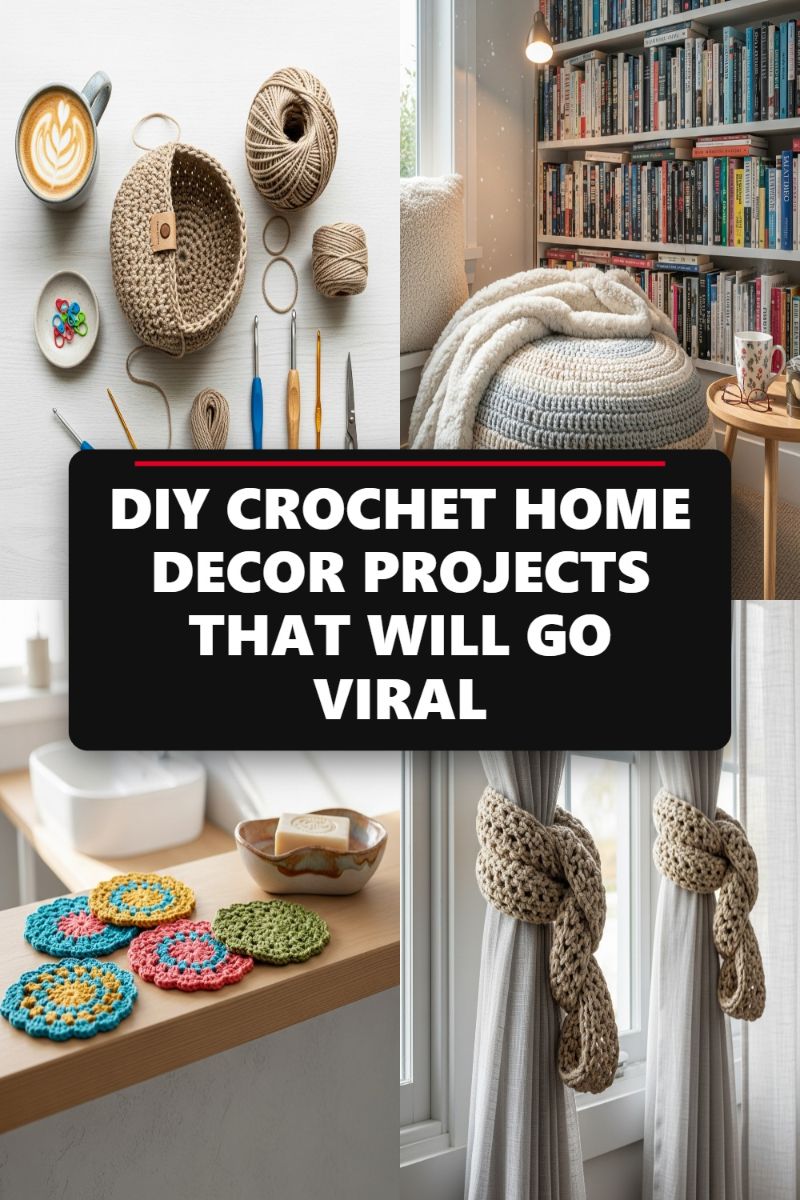
The secret to achieving truly aspirational home decor lies in texture and personalization, and nothing delivers on both counts quite like handmade textiles. This trend cycle is dominated by tactile surfaces and the cozy aesthetic, making DIY crochet projects the ultimate way to infuse warmth and unique character into your space. To begin, focus on structural, foundational pieces. For the chunky storage basket and minimalist pouf shown, select durable materials such as jute twine, thick cotton cord, or recycled T-shirt yarn (often referred to as ‘zpagetti’ yarn). Expert advice dictates that when creating structural items like these, a smaller hook size than recommended for the yarn weight should be utilized. This technique ensures tight stitches and density, preventing the finished piece from collapsing under its own weight or losing its shape when filled. These neutral, earth-toned pieces not only satisfy the current demand for organic textures but also offer scalable, practical storage solutions that blend seamlessly into Coastal Calm or Modern Farmhouse environments.
Beyond large furniture accents, strategic small-scale projects can transform the feeling of a room. Consider the visual dynamism of the crocheted accents displayed: vibrant, mandala-style coasters and dramatically knotted curtain tie-backs. The coasters, created using mercerized cotton for superior washability and crisp stitch definition, inject necessary color and pattern variation against a neutral backdrop. These pieces are ideal for anchoring specific seasonal palettes or tying together various accent colors within an open floor plan. Conversely, the chunky, braided curtain tie-backs offer an unexpected element of high-end, tailored craftsmanship. Achieving this look requires crafting long lengths of very thick, often chain-stitched or cable-stitched, crochet using bulky weight yarn. This instant elevation turns plain drapery into a focal point, mimicking the effect of expensive haberdashery and demonstrating a mastery of layered, textural styling.
To ensure your DIY decor achieves ‘viral’ status, integration and finish quality are paramount. Present these pieces not merely as handmade items, but as luxurious, customized accents. For instance, add a leather tag to a finished basket for a polished, professional touch, as demonstrated here. When styling, allow the handcrafted texture to be the star; pair the soft crochet pouf with sleek, contemporary furniture to create visual contrast, or use the colorful coasters on a reclaimed wood surface. The key takeaway for any trend-forward crafter is sustainability: opting for ethically sourced natural fibers or recycled materials enhances the value proposition of the finished item, aligning your decor project with the growing eco-conscious consumer movement and guaranteeing its relevance in the ultimate home decor trend report.
7 RULES FOR MIXING VINTAGE & MODERN HOME DECOR LIKE A PRO
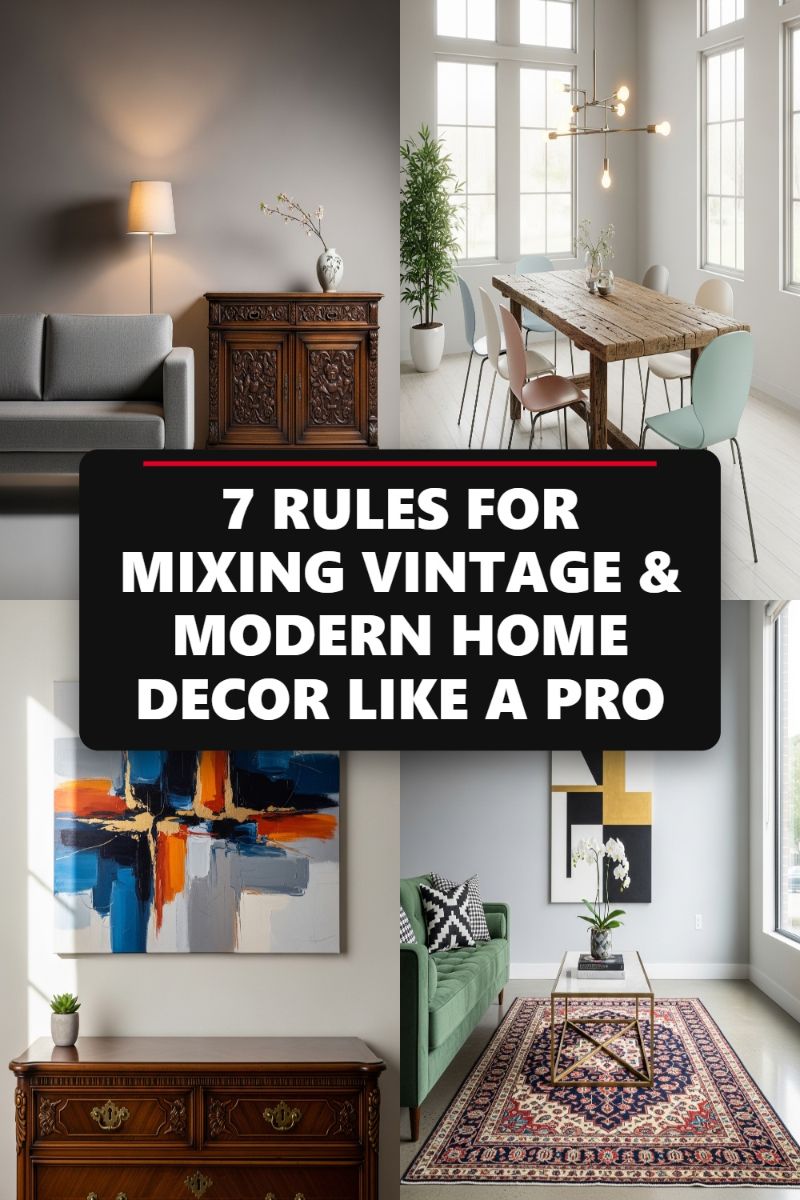
The seamless blending of vintage and modern design, often termed Transitional or Eclectic, is one of the most sophisticated approaches to contemporary interiors. To achieve this high-end look without making the space feel like a museum or a flea market, start by establishing a strong, neutral canvas. As seen in expert applications, modern elements like clean, monochromatic walls, simple window treatments, and streamlined lighting fixtures should dominate the structural backdrop. This intentional simplicity provides necessary visual rest, allowing the character-rich vintage pieces to truly shine. For instance, pairing a heavy, intricately carved antique credenza with a minimalist, low-slung sofa and an airy floor lamp (as demonstrated in the image) creates a dynamic tension. The modern furniture grounds the room with clean lines, while the vintage element introduces warmth, history, and texture. The key is intentional contrast: light modern fabrics against dark, detailed antique wood; crisp geometry against historical curves. Never force a match; celebrate the differences, using modern design to highlight the inherent beauty of the antique piece.
Mastering the art of juxtaposition often involves adhering to the 70/30 rule. In general, a successful transitional space should lean visually toward one style—70% modern foundational pieces and 30% strategic vintage accents, or vice versa—to maintain focus and prevent visual clutter. When placing items, prioritize balance over symmetry. For example, a rustic, distressed wood dining table (the vintage anchor) can be dramatically modernized by surrounding it with an assortment of sleek, colorful mid-century or contemporary molded plastic chairs, topped by an industrial or minimalist linear chandelier. Similarly, the artwork must act as a transitional bridge. If you feature a traditional, heavy dresser, hang a large-scale, bold abstract painting above it. This immediate contrast between the furniture’s rich history and the painting’s contemporary energy instantly elevates the entire vignette, proving that periods can coexist beautifully when scale and placement are deliberate.
Finally, cohesion relies heavily on unifying elements that thread the various eras together. While the furniture may be disparate, the palette and materials should speak a common language. Repeat a specific metal finish (like matte brass or polished chrome) in light fixtures, coffee table bases, and mirror frames to create a consistent sheen across the room. Similarly, use textiles and rugs to soften the lines and introduce pattern play. A traditional Persian rug, rich in deep blues and reds, works exceptionally well beneath a velvet green modern sofa and a clean-lined glass coffee table because it introduces historical depth while contrasting sharply with the solid, modern upholstery. Ensure that the modern pieces feature simple, solid colors, allowing the vintage textiles to carry the bulk of the pattern and detail. This technique ensures that even a collection of vastly different pieces feels curated and intentional, resulting in a space that is timeless and professionally styled.
THE VIRAL HOME DECOR TREND TAKING OVER PINTEREST (GOTHIC WESTERN)
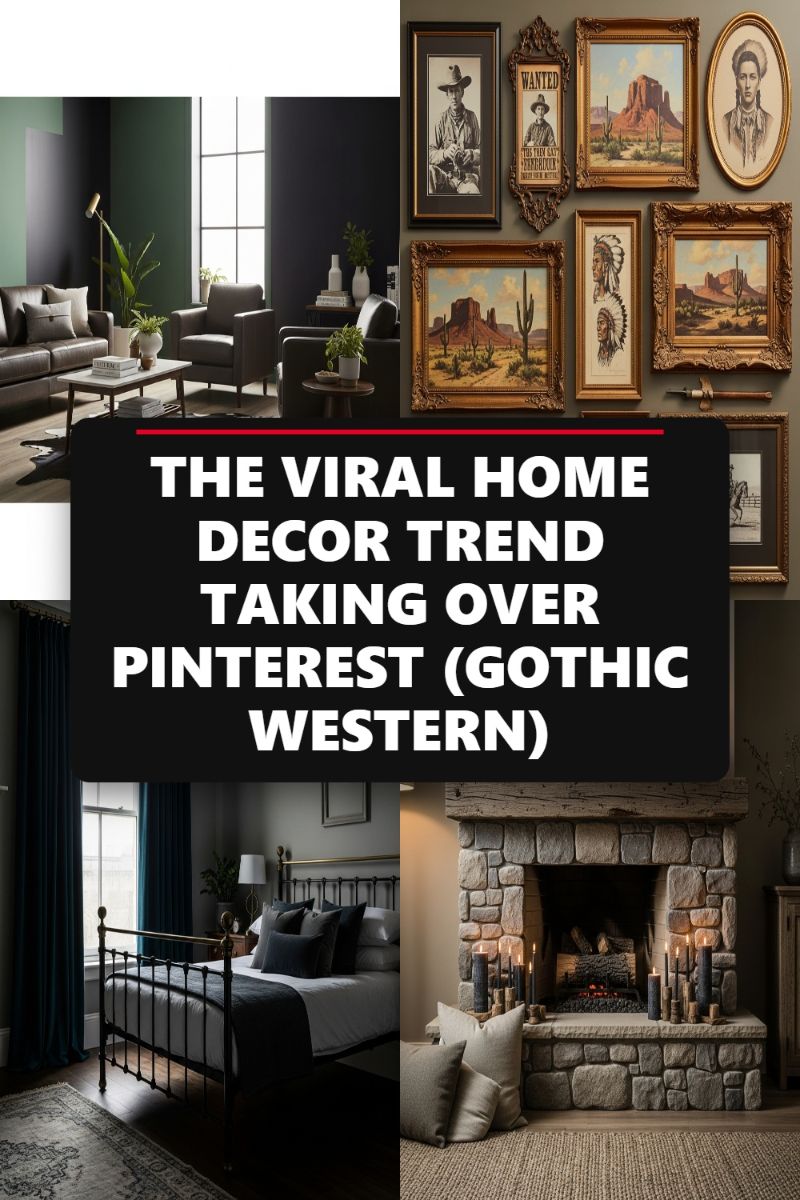
To master the Gothic Western trend, begin by establishing a deep, moody foundation characteristic of Gothic design. Select a sophisticated, dark color palette, integrating deep charcoal, true black, or rich jewel tones like the forest green or deep navy seen in the imagery. Apply these colors to walls or heavy, dramatic textiles, such as floor-to-ceiling velvet curtains, to create immediate visual weight and intimacy. Furniture should favor clean lines yet feel substantial—think dark brown or black leather upholstery. The key is contrast; while the walls are dark, use metallic accents (like the brass bed frame or lamp bases) or highly textural materials (like thick throws or a plush rug) to prevent the room from feeling monolithic and ensure a luxurious, layered atmosphere.
The Western element is often introduced through art and architectural features. Curate a gallery wall that serves as the centerpiece, mixing historical Western imagery—think black-and-white portraits of cowboys, “Wanted” posters, or classic desert landscape paintings featuring iconic mesas and cacti—all housed in heavy, ornate, gold or dark wood frames. This juxtaposition of rugged themes within highly decorative, traditional Gothic framing is the essence of the style. Complement this with rustic, earth-bound materials in your structural elements, such as a prominent, oversized stone fireplace with a thick, natural wood mantel. The fireplace becomes a crucial anchor, grounding the space and adding a rugged cabin feel against the elegant darkness.
Achieving a balanced Gothic Western look requires thoughtful layering of textures and strategic lighting. Contrast the smoothness of leather and the rigidity of dark metal furniture with soft, natural elements like a jute rug, faux animal hide patterns, and chunky knit pillows in neutral, sandy tones. Lighting should be low, warm, and intentional. Embrace candle lighting, using groups of thick, dark-colored pillar candles (charcoal or black) placed on the hearth or side tables to enhance the atmospheric, romantic feel. This trend succeeds when the brooding romance of the Gothic aesthetic perfectly meets the rugged, worn history of the American West, creating a unique, sophisticated, and deeply personal space.
MODERN MEXICAN HOME DECOR TRENDS PINTEREST IS OBSESSED WITH RIGHT NOW
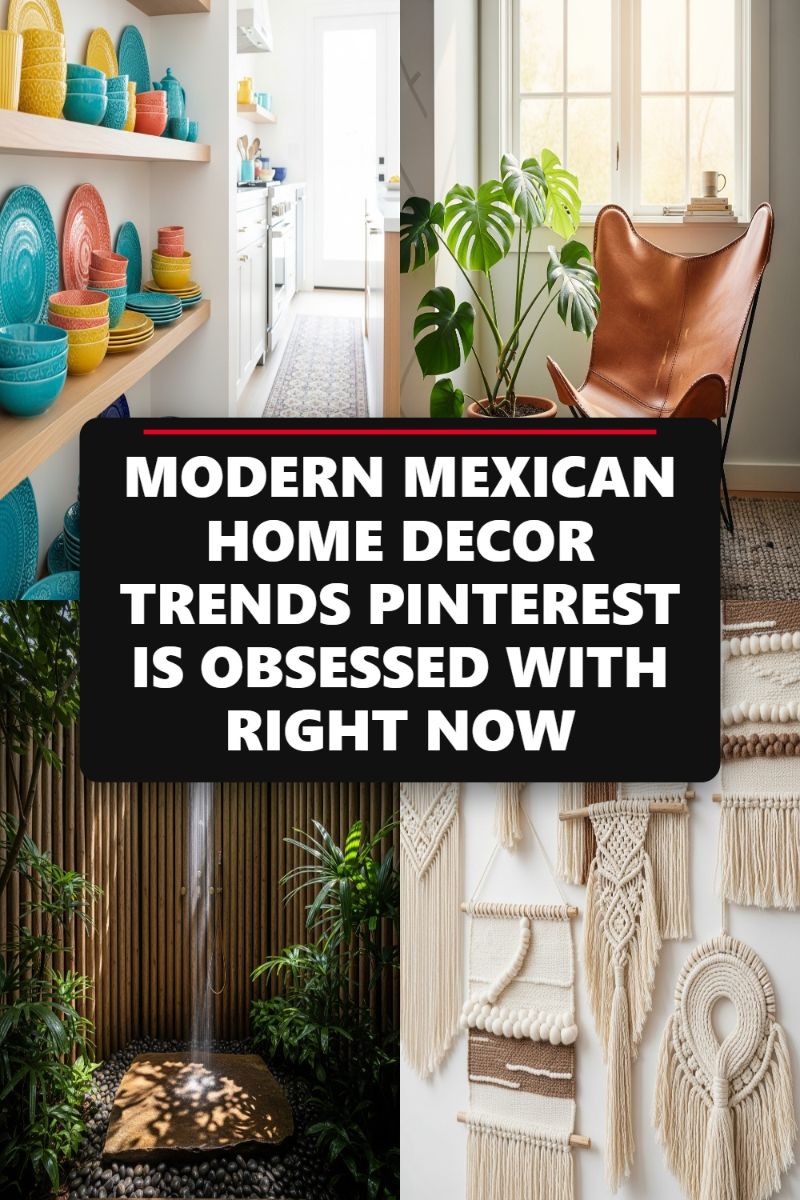
The Modern Mexican decor trend is a sophisticated evolution of traditional Hacienda style, stripping away the heavy, rustic elements and blending vibrant color palettes with clean, minimalist backdrops and natural materials. To successfully integrate this look, the key is controlled color saturation and maximizing texture. Start by adopting open shelving systems in spaces like the kitchen or dining area. This provides a perfect stage for showcasing artisanal ceramics. Think beyond simple white dishware; invest in high-quality, handcrafted pottery featuring deep blues, vibrant turquoise, sunny yellows, and coral reds—colors deeply rooted in Mexican folk art traditions. Display these pieces, stacked or arranged artfully, against stark white walls and light wood shelving to ensure the colors pop without overwhelming the space. This approach keeps the traditional artistry feeling contemporary and airy, avoiding a cluttered or overly rustic appearance, which is essential for achieving the ‘Modern Mexican’ aesthetic.
Moving beyond color, textural layering and biophilic design are paramount. Integrate natural, rugged materials that speak to the landscape and craftsmanship. A classic example is utilizing natural fiber textiles, like those seen in woven macrame wall hangings or chunky wool tapestries, typically kept in neutral palettes (cream, beige, off-white) to complement the bold colors elsewhere. When selecting furniture, prioritize natural materials such as unvarnished wood, wrought iron, and raw leather—the iconic leather butterfly chair being a perfect example of mid-century design that fits seamlessly into this warm, organic environment. Furthermore, embracing biophilia is mandatory. Introduce large, architectural indoor plants, such as the Monstera Deliciosa, to bring a lush, tropical feel indoors. Extend this natural connection to outdoor or transition spaces; the use of bamboo screening, smooth river stones, and simple rock bases (like those pictured in the outdoor shower setting) reinforces the connection to nature and water, creating tranquil, resort-like zones.
For a polished and expert execution of this trend, focus on the intentional curation of every element. Resist the urge to use mass-produced decor; the integrity of Modern Mexican styling relies on artisan pieces that tell a story. When integrating textiles, layer flat-woven rugs with natural jute or sisal textures. Use woven baskets for storage and planters to further enhance the organic feel. Lighting should favor natural daylight—keep window treatments light and sheer to flood the space with brightness, which vitalizes the warm tones and accentuates the shadows cast by the deep textures. Finally, while color is crucial, use it strategically as an accent rather than a foundation. Allow neutral, breathable wall colors (soft whites, muted greens) to act as a canvas, letting the saturated ceramics, lush greenery, and rich wood tones provide the warmth and character that defines this refined take on Mexican decor.
QUIRKY HOME DECOR: THE SECRET TO A UNIQUE & HAPPY HOME
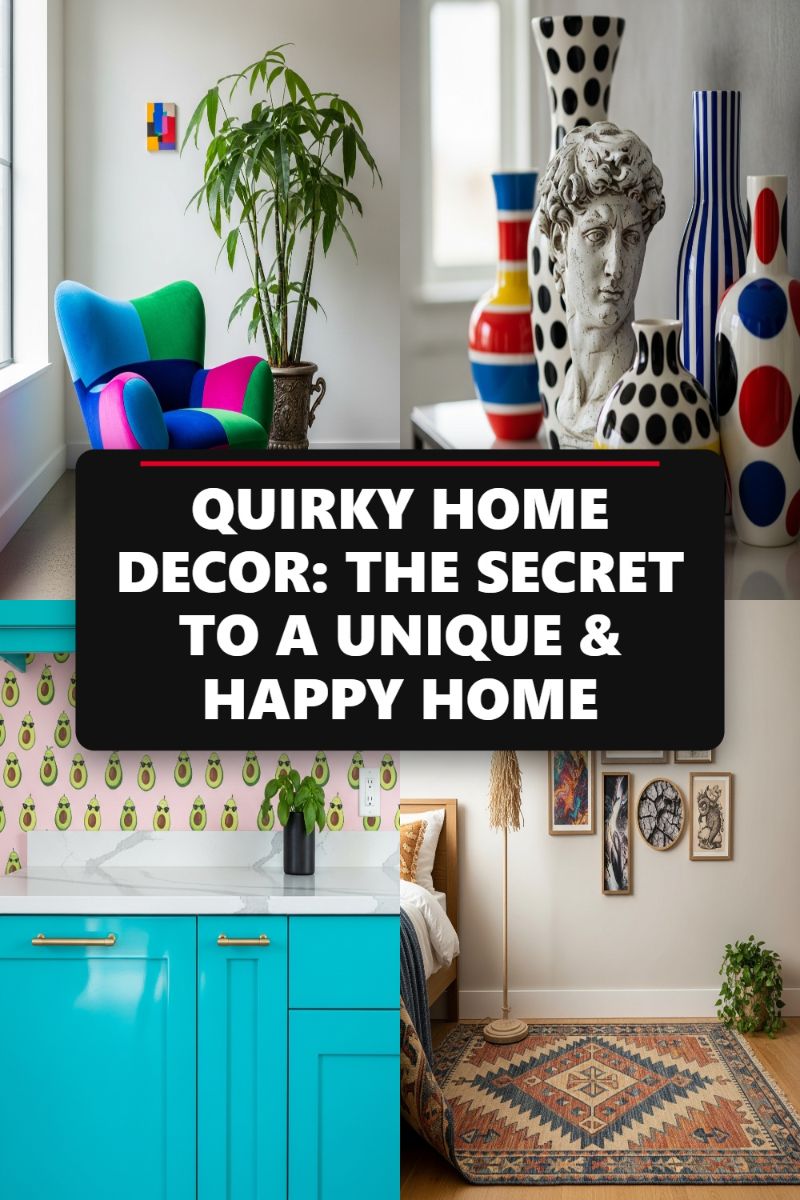
Quirky decor, often viewed as a personalized and joyful spin on Maximalism, is centered on intentional clashing and emotional resonance. The core instruction for mastering this look is to embrace bold, saturated color palettes and disregard conventional rules of coordination. Begin by anchoring your space with a few highly contrasting, high-impact pieces, such as a multi-hued, patchwork upholstered chair or bright, unexpected cabinetry, like the turquoise teal shown. Expertly layer these intense base colors with primary accents—red, yellow, and blue—applied via accessories like patterned vases and small, dynamic art prints. The key to maintaining cohesion amidst the chaos is strategic juxtaposition. For instance, pairing a refined classical element (like a marble bust) with aggressively patterned, contemporary vessels instantly establishes a dialogue between eras and styles, signaling that the space is curated rather than accidental. This method ensures that while the decor is vibrant and busy, it remains grounded by visual points of intellectual or historical interest.
Successful quirky styling relies heavily on fearless pattern mixing and varying scale. To achieve a look that feels eclectic rather than overwhelming, select patterns from different families—stripes, polka dots, global geometric prints (like the Southwestern rug), and whimsical illustrations (such as the avocado wallpaper). The trick is to use variations in scale to prevent them from blurring together; for example, large, widely spaced dots interact differently with thin, precise stripes than two similar-sized patterns would. Furthermore, integrate texture through materials like velvet, fringe, and rough-woven textiles to add depth that color alone cannot provide. A controlled strategy for incorporating multiple art styles is the personalized gallery wall. Mix media, frame shapes (circular alongside rectangular), and subjects freely, ensuring that the collection feels less like a display and more like a visual autobiography. This technique draws the eye vertically and offers a cohesive structure for otherwise disparate elements.
To ensure your quirky space translates into a truly “happy home,” inject humor and unbridled personality into the functional elements. Choose items that evoke a smile or represent a highly specific personal passion, whether it’s highly stylized fruit wallpaper or vintage collectibles. Quirky decor should feel inherently personal and often defies current trends, celebrating individuality above all. Finally, utilize simple design techniques to ground the high energy. Maintain clean, neutral walls (preferably white or pale gray) to serve as a visual palette cleanser between moments of intense color and pattern. Use large, sculptural plants, like the leafy bamboo showcased, to introduce organic shapes and natural texture, offering a necessary contrast to the sharp lines and artificial colors. These grounding elements prevent the high-saturation look from causing visual fatigue, keeping the space lively, fun, and utterly unique.
WHY GOTHIC WESTERN IS THE NEW COTTAGECORE
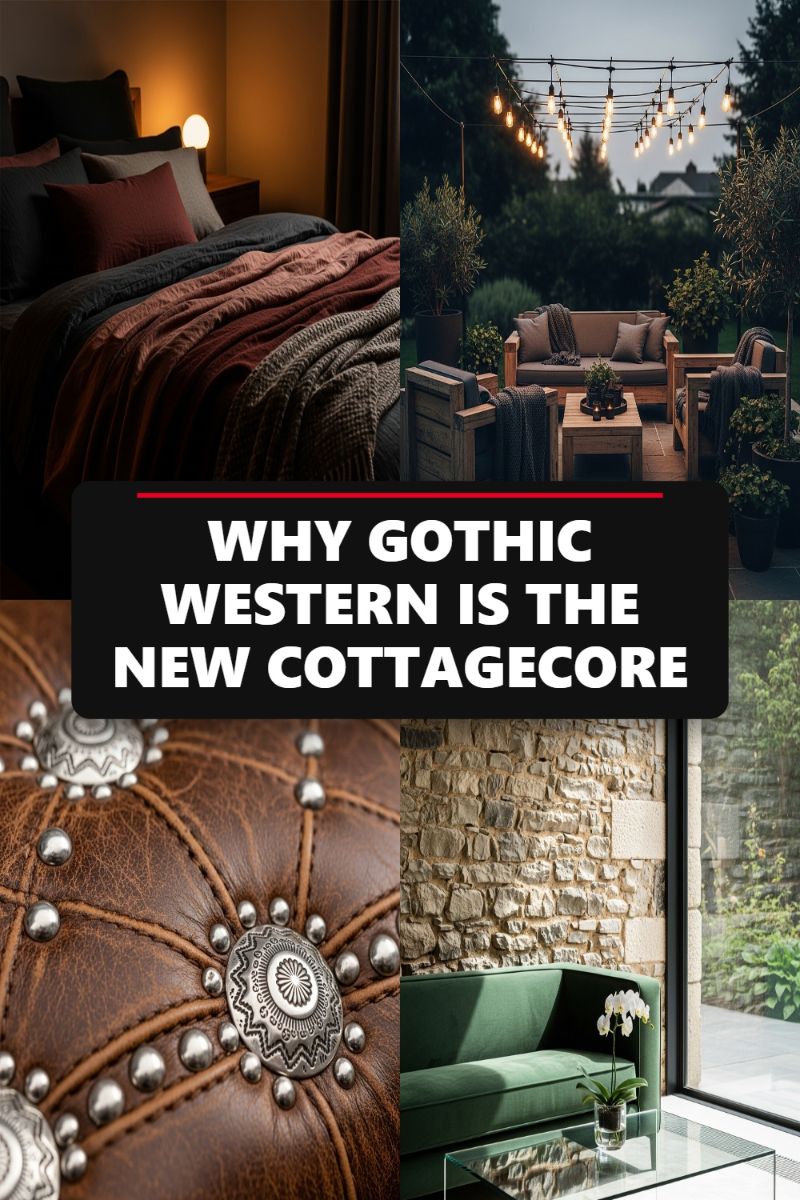
Gothic Western represents the shift in decor trends away from the soft pastels and whimsy of Cottagecore toward something more grounded, dramatic, and tactile. This style seamlessly marries the rugged, frontier-inspired elements of Western design tthink worn leather, dark woods, and heavy hardware twith the romantic, moody aesthetic of Gothic and Dark Academia palettes. The key is finding balance: introducing deep, saturated jewel tones and luxurious textures (the “Gothic” part) into typically rustic silhouettes (the “Western” part). It’s a sophisticated, cinematic approach to design that invites intimacy and storytelling into the home, offering an enduring style that feels both historic and dramatically current. This trend embraces depth and shadow, providing a rich, enveloping ambiance that light, airy styles often lack.
To execute the Gothic Western look successfully, focus heavily on textural contrast. Start with the foundational materials: leather and wood. Incorporate substantial, distressed brown leather pieces, particularly those featuring silver detailing like conchos and decorative studs, which are signature elements of the Western influence. These metallic accents provide the necessary flash against the deep, rustic browns. Pair these rugged elements with refined textures. For instance, contrast a heavily textured natural stone or exposed brick wall with a plush, jewel-toned velvet sofa colors like emerald green or deep sapphire work beautifully to introduce the Gothic color depth. In the bedroom, move away from bright whites; instead, layer heavy blankets and throws in muted, moody tones like charcoal, rust, and deep burgundy to evoke a cozy yet dramatic sensibility. Reclaimed or dark-stained wood furniture anchors the rustic feel while avoiding overly polished or modern finishes.
The essential element for capturing the style’s inherent drama is mastering the color and lighting. The Gothic Western palette relies on deep saturation and richness. Key colors include deep forest greens, oxblood red, rich chocolate browns, and slate gray, often used as primary base tones for walls, textiles, and large furniture pieces. Silver hardware, brass, or dark bronze accents are vital for adding highlights without disrupting the overall moodiness. Lighting is arguably the most crucial instructional element: it must be soft, warm, and highly layered. Avoid harsh overhead lighting entirely. Instead, utilize layered illumination from table lamps, floor lamps, and romantic string lights (Edison bulbs are perfect for the outdoor setting shown). This warm, low-level glow enhances the richness of the dark colors and heavy textures, making the space feel intimate and complex. By ensuring your lighting casts shadows rather than eliminating them, you successfully capture the mysterious, storied atmosphere characteristic of true Gothic Western style.
7 MUST-HAVE ELEMENTS FOR MODERN MEXICAN HOME DECOR
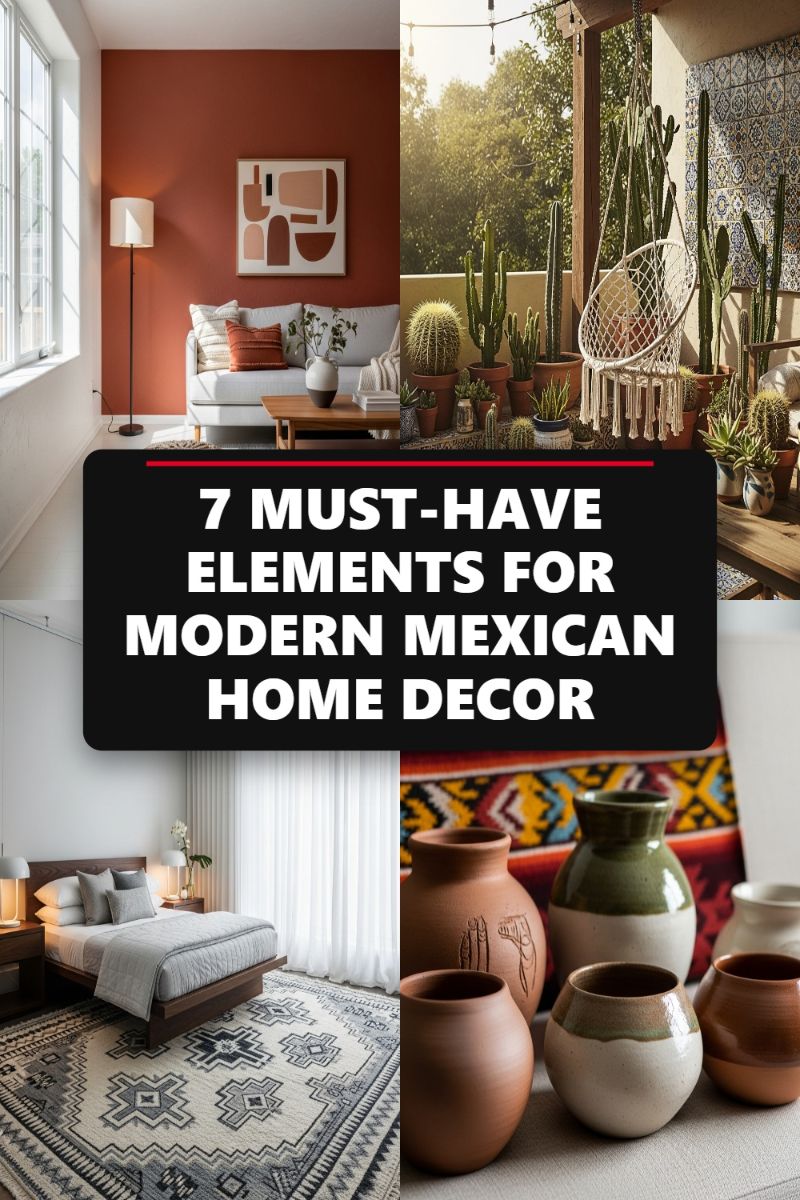
The Modern Mexican aesthetic seamlessly blends the warmth and artisan spirit of traditional Southwestern design with clean, contemporary lines, offering a look that is both grounded and highly sophisticated. To achieve this style, begin with a foundation of earthy and neutral tones, exemplified by bright white walls juxtaposed with a rich terracotta or burnt sienna accent wall. This palette immediately invokes the feeling of sun-baked adobe structures. Anchor the room with low-profile, minimalist furniture—a simple, structured sofa or a sleek wooden bed frame—which provides the ‘modern’ element. The design truly comes alive through texture: introduce natural materials like unpolished wood for coffee tables and nightstands, and layer the floor with a geometric-patterned rug. Look for motifs inspired by traditional textiles, such as those found in Aztec or Navajo design, typically featuring blacks, grays, and whites to maintain a crisp feel against the warm walls.
Authenticity in Modern Mexican decor relies heavily on integrating elements of the desert biome and celebrating handmade craftsmanship. Incorporate abundant greenery, specifically tall cacti and various succulents housed in a collection of terracotta planters. This connects the indoor space directly to the rugged landscape. Furthermore, curate a collection of artisanal pottery, mixing matte earthenware vessels, often hand-carved, with pieces featuring creamy white or muted green glazes. When styling, don’t overlook textural accents such as macrame—a hanging chair on a balcony, as pictured, or subtle wall hangings—and small doses of vibrant, woven patterns in pillows or throw blankets. This deliberate layering prevents the minimalist base from feeling sterile, injecting warmth and personality into the space.
Finally, focus on strategic use of pattern and light to complete the look. Geometric tiles, often used in Talavera style, can be utilized sparingly—perhaps as a backsplash or an accent wall on an outdoor patio—to introduce a colorful, traditional pop. Indoors, keep wall art contemporary; choose abstract pieces that utilize the same earthy color palette (rusts, creams, browns) as the textiles. Lighting should be warm and inviting; use minimalist black-frame floor lamps indoors, and consider string lights on patios to cast a soft, ambient glow. The key to successfully executing Modern Mexican style is balance: ensuring the clean, contemporary furniture and structure are harmoniously contrasted by rich textures, authentic artisanal items, and the inherent warmth of a desert-inspired color palette.
THIS IS HOW YOU BRING TULUM VIBES HOME (AFFORDABLE EDITION)
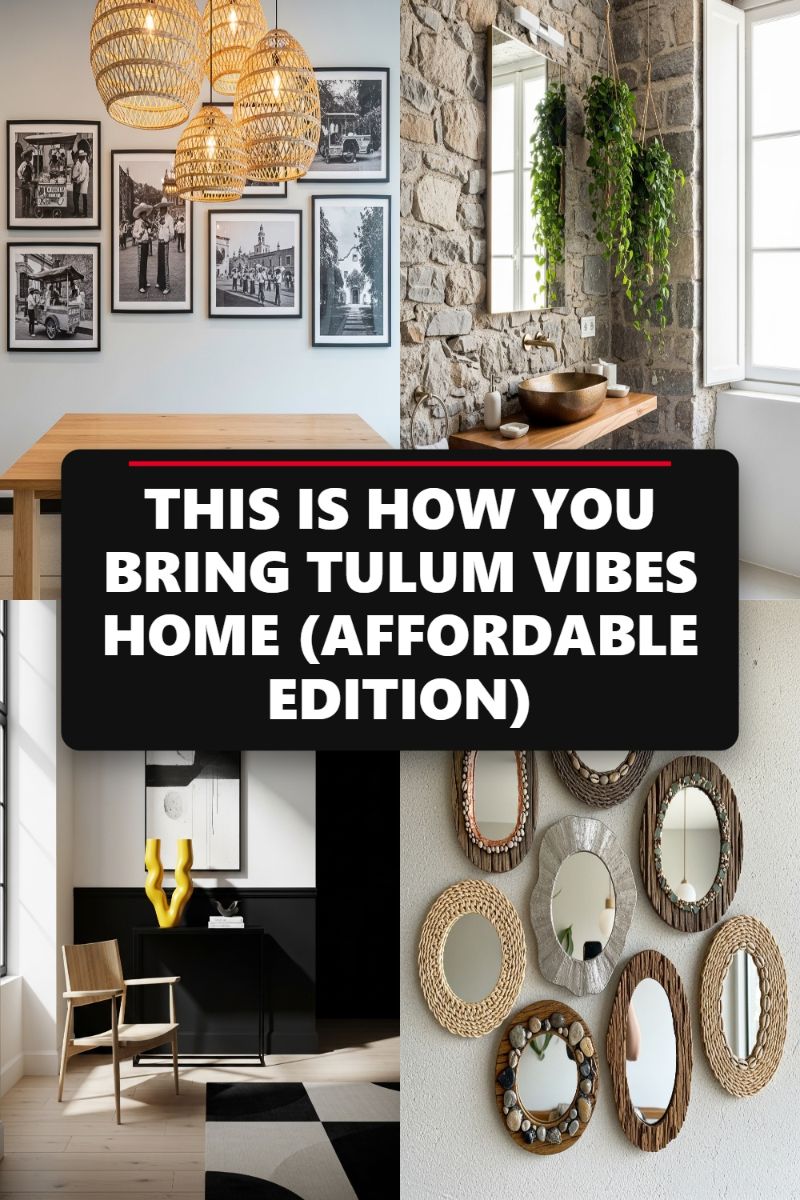
To capture the effortless, bohemian luxury of Tulum without a luxury price tag, the focus must shift entirely to texture and natural materials. Start by replacing standard light fixtures with woven elements. As seen in the dining area, several oversized rattan or wicker pendant lights instantly transform a space, casting warm, intricate patterns that mimic dappled sunlight and become immediate focal points. For an affordable approach, look for large woven baskets that can be creatively repurposed into light shades or used for storage. Incorporate raw, unpolished wood—think substantial floating shelves in the bathroom, a reclaimed wooden vanity, or a sturdy dining table—to ground the space. If structural elements like actual stone walls are unfeasible, use textured wall coverings or apply a rough trowel finish to paint for that coveted, imperfect, wabi-sabi concrete or stone look, ensuring the atmosphere feels earthy, tactile, and intentionally unpolished.
The key to affordable Tulum styling lies in creating visual interest through a curated collection of small, organically framed pieces. A gallery wall of mismatched mirrors, as beautifully demonstrated here, is highly impactful yet achievable on a tight budget. Seek out mirrors framed in natural raffia, driftwood, seashells, or river pebbles—often found in smaller, less expensive versions at craft markets, secondhand stores, or through DIY projects. This approach adds rich depth and artisanal charm far more effectively than one large, mass-produced statement mirror. Balance this organic texture with a disciplined art display, such as a black and white photography gallery wall. Using travel or landscape prints in simple black frames offers a classic counterpoint to the rustic elements and ensures the overall aesthetic remains chic, rather than feeling overly cluttered or overtly thematic.
Finally, master the use of organic accents, lush greenery, and strategic contrasts. The Tulum aesthetic thrives on life; long, trailing plants like Pothos or String of Pearls, draped near windows or mirrors, soften the hard lines of the architecture and introduce essential vibrant color and movement. While the palette is fundamentally neutral (whites, creams, and natural woods), elevate the look with subtle metallic accents. A brass or aged gold vessel sink, a simple faucet, or sculptural table décor adds a necessary touch of warmth and sophistication, moving the style beyond mere rustic beach shack territory. If you have modern furniture, integrate it thoughtfully by employing strong contrasts, such as the bold black and white color blocking seen in the corner vignette. This intentional blending of modern geometric shapes with soft, natural textures proves that Tulum vibes can blend seamlessly with contemporary design through careful material selection.
5 REASONS COASTAL DECOR IS THE ULTIMATE RELAXATION VIBE
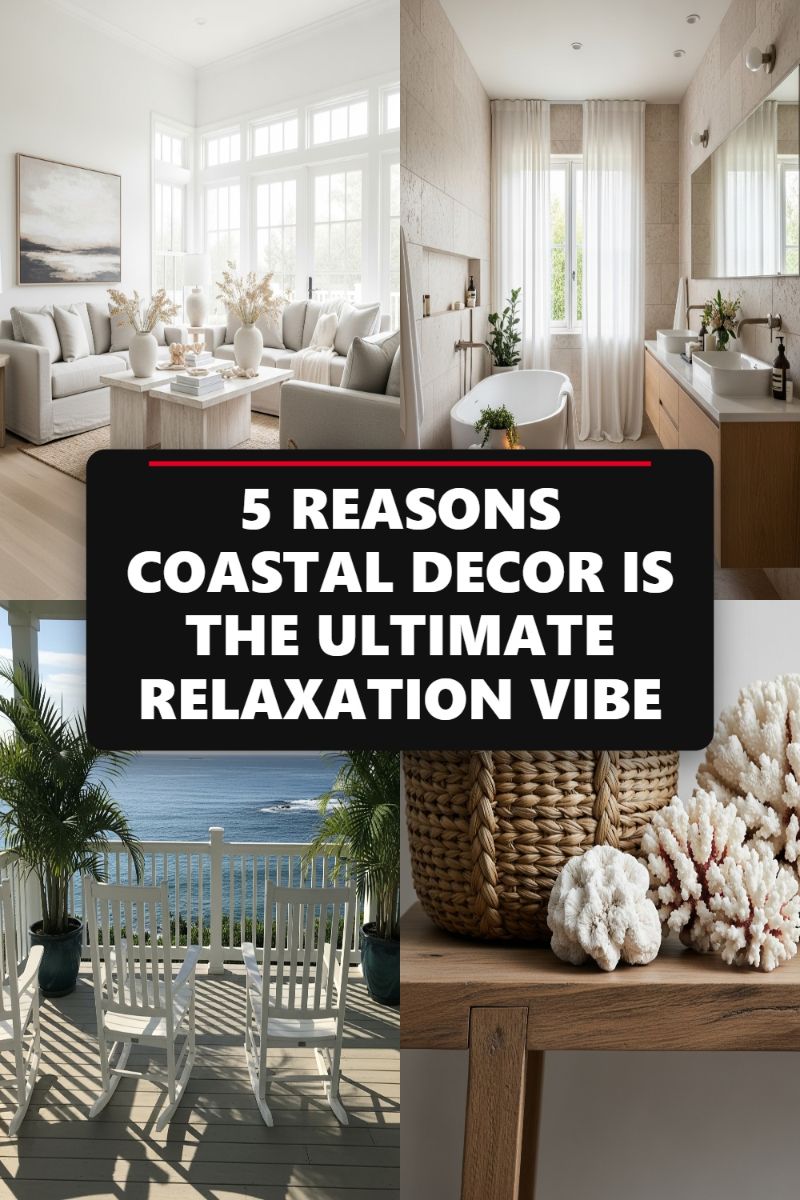
The ultimate coastal relaxation vibe is achieved by mastering the art of light, texture, and natural flow. To begin replicating this look, establish a foundation using a palette dominated by crisp white, cream, and soft neutrals—think sandy beige, shell pink, and linen gray. This bright base is crucial for reflecting and maximizing natural light, which is the cornerstone of coastal design, as evidenced by the expansive windows shown in the living space. When selecting furniture, opt for pieces with simple, comfortable silhouettes, ideally featuring machine-washable slipcovers in breathable fabrics like cotton or linen. Expertly layer neutral textures to avoid a monochromatic washout; for instance, pair a smooth linen sofa with a chunky jute rug and throw pillows in woven or ribbed materials. For large decor items like coffee tables and consoles, choose light-toned or bleached wood finishes that mimic driftwood, immediately grounding the space with an organic, beach-found aesthetic.
To fully embody the coastal aesthetic without venturing into thematic overload, focus on integrating authentic natural elements from the shore. The inclusion of materials such as rattan, wicker, and seagrass—as seen in the tightly woven basket—adds essential warmth and dimension to the neutral scheme. Incorporate these through accent chairs, storage solutions, or decorative accessories. When styling surfaces, introduce organic marine touches like pieces of coral, driftwood, and smooth, found stones, ensuring these elements are displayed naturally on raw wood shelving or tabletops. A crucial instructional tip is to use these accents sparingly; one or two well-placed specimens of textured coral or a piece of abstract coastal art are far more effective than a collection of nautical clichés. This intentional approach keeps the space feeling sophisticated and airy rather than cluttered or novelty-focused.
Finally, extend this seamless sense of tranquility to every corner of your home, blurring the line between indoor sanctuary and outdoor retreat. In spaces like the bathroom, utilize stone or tile with a natural, tumbled finish and opt for sheer, billowy white window treatments that diffuse the light beautifully, enhancing the feeling of spa-like serenity. For transitional spaces like decks or patios, replicate the interior’s comfort by using comfortable, durable white outdoor furniture, such as classic rocking chairs, and integrating large potted plants like palms to provide a lush, tropical frame for the view. The overarching goal is to maintain an atmosphere of serene simplicity; therefore, keep surfaces consistently decluttered. Every item should either be functional or contribute to the serene, open, and effortless feeling that defines the ultimate coastal relaxation vibe.
STONE WALL PANELS: AFFORDABLE LUXURY INTERIOR & EXTERIOR DESIGN
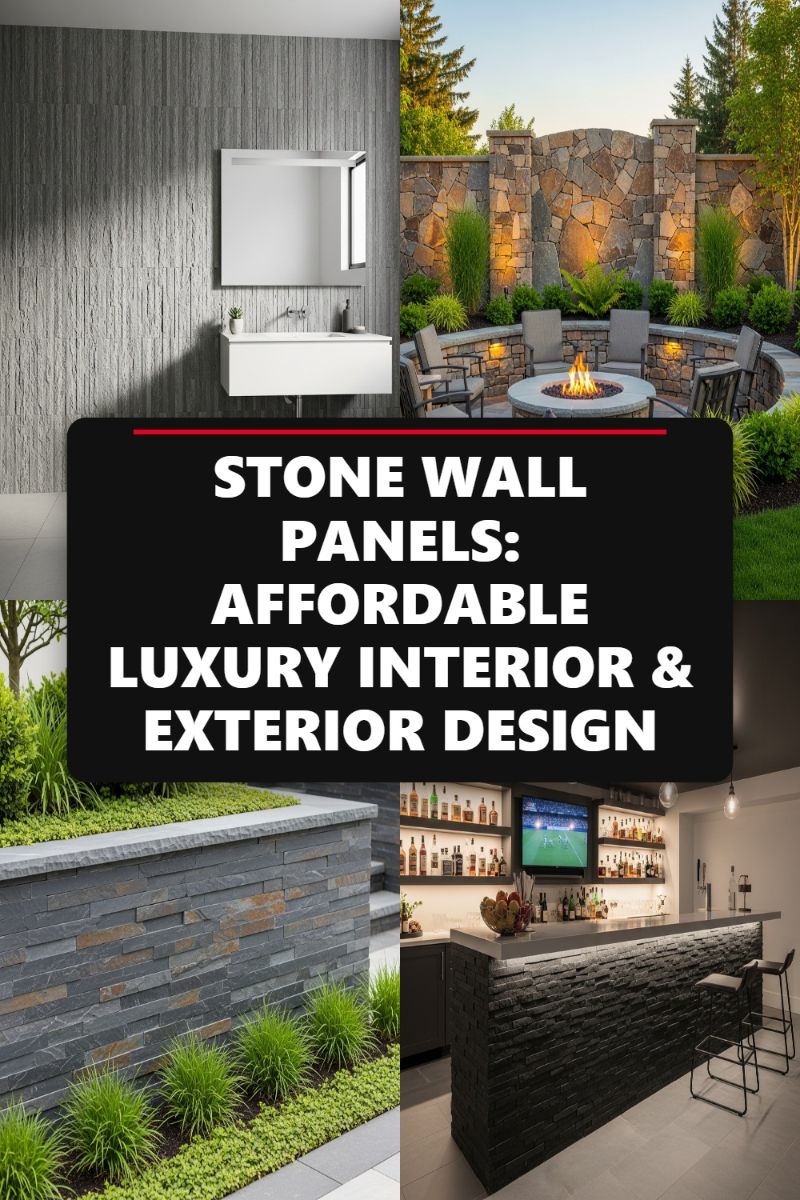
Stone wall panels are the ultimate design cheat, delivering the rich, textural depth of natural stone masonry without the immense cost, labor, and structural considerations of traditional installation. For interiors, the key is using these panels to create dramatic focal points that elevate everyday spaces into luxury retreats. To replicate the high-end look seen in the visuals, select vertically textured panels, such as the grey split-face quartz pictured in the bathroom, and utilize them exclusively on a feature wall behind key fixtures like a floating vanity or fireplace mantle. The vertical striations draw the eye upward, enhancing ceiling height and lending a sleek, spa-like quality. For entertainment zones, like the modern basement bar, opt for deeply textured, dark ledger panels (often black slate or volcanic rock) to visually anchor the space. Expert installation involves applying the panels directly over existing drywall or concrete, but ensure you select a durable, properly sealed panel—especially crucial for high-moisture areas like kitchens or beverage bars—to prevent staining and maintain longevity.
Outdoor applications offer the most dramatic transformation, defining functional areas and enhancing curb appeal instantly. When designing your exterior space, treat the stone panels as architectural elements, using them to create intimate outdoor ‘rooms.’ For instance, to recreate the cozy, high-design firepit area shown, use rustic, irregularly shaped stone panels (like fieldstone or river rock) to build retaining walls that partially enclose the seating area. This establishes a sense of privacy and permanence. The integration of landscape lighting is essential: install strategic uplights at the base of the stone walls to graze the surface, emphasizing the deep shadows and natural texture of the panels after dark. For garden edging or tiered landscaping, switch to a more streamlined, linear stacked slate panel, as seen in the bottom left visual, to introduce a modern, architectural counterpoint to the soft forms of surrounding greenery. This contrast between the rugged stone and the soft plantings is a hallmark of high-end landscape design.
Achieving this luxury look affordably comes down to smart product selection and simplified installation. Unlike full stone veneer, which requires specialized masonry skills, many modern panel systems are designed to interlock seamlessly, reducing installation time by up to 75%. To ensure an authentic finish, avoid panels with visible seams; invest in systems that feature tightly fitted, irregular edges for a genuine, mortar-less appearance. When planning your budget, remember that the cost savings on labor often allow for investment in higher-quality materials. Finally, professional advice centers on preparation: ensure the substrate surface is clean, flat, and structurally sound before application, and use the manufacturer’s recommended adhesive system. Depending on your climate, apply a commercial-grade, breathable stone sealant to exterior panels annually to protect them from UV damage, freeze-thaw cycles, and water intrusion.
CROCHET HOME DECOR THAT DOESN’T LOOK LIKE GRANDMA’S HOUSE
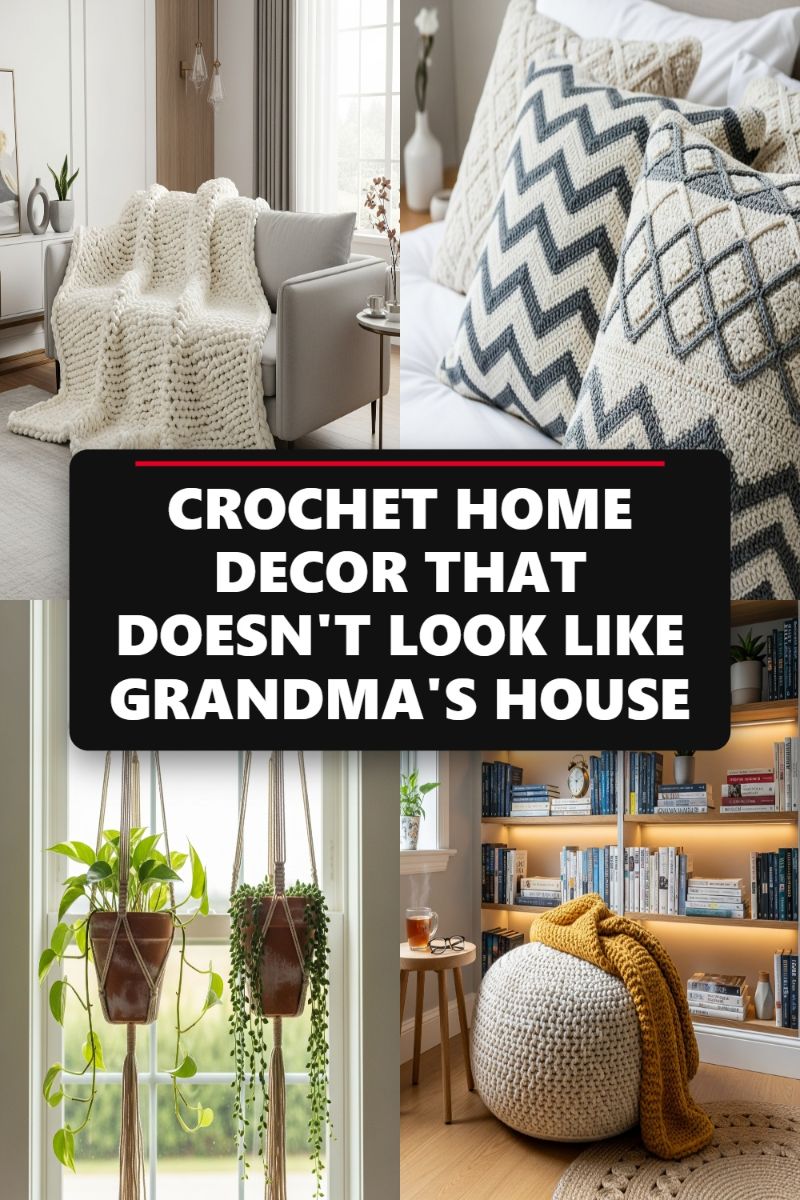
To successfully incorporate fiber arts like crochet and knitting without invoking vintage aesthetics, focus intensely on scale and material. The modern movement demands oversized, heavy-gauge textures, as exemplified by the chunky knit pouf and the voluminous throw blanket draping the armchair. Ditch synthetic acrylics and fine thread in favor of natural, tactile materials—think luxurious, un-dyed merino wool, thick cotton rope, or chunky yarn blends. The key is prioritizing a neutral or monochromatic palette (creams, taupes, charcoal grays). These solid, sophisticated hues allow the texture itself to act as the primary design feature, providing crucial depth and visual weight to otherwise minimalist or transitional rooms. When selecting pieces, choose items that serve a clear function—a substantial pouf for seating, a large throw for cozy layering—rather than small, purely decorative doilies or trims.
Modernity in fiber decor is also achieved through strict adherence to graphic patterns and disciplined color use. Avoid elaborate, lacey designs and instead select pieces featuring strong, repeating geometric motifs like chevrons, diamond repeats, or tight basket-weave textures, as seen in the contemporary scatter pillows. These structured patterns pair exceptionally well with the clean lines of modern furniture, anchoring the design with high-contrast graphic interest. When styling, limit your color story to two complementary shades (like the grey and cream shown) or utilize the natural, consistent texture of a single-color item. For accessories like rugs or oversized storage baskets, ensure the crochet or knit structure is tight and firm, avoiding any appearance of being floppy or overly soft. The tactile element should feel deliberate and architectural, not delicate or fussy.
The secret to contemporary fiber decor lies in strategic context and juxtaposition. These textured elements thrive when placed against sleek, often industrial, or minimalist surroundings. For instance, pairing a macrame plant hanger (a modernized nod to the 70s trend) with glossy foliage and clean window frames successfully integrates biophilic design with artisanal texture. Similarly, placing a chunky pouf next to streamlined shelving with integrated lighting and thin-legged side tables ensures the overall look remains light and current. When integrating these pieces, follow the expert styling rule of
SOFT TEXTURES: HOW TO STYLE CROCHET INTO YOUR MINIMALIST HOME DECOR
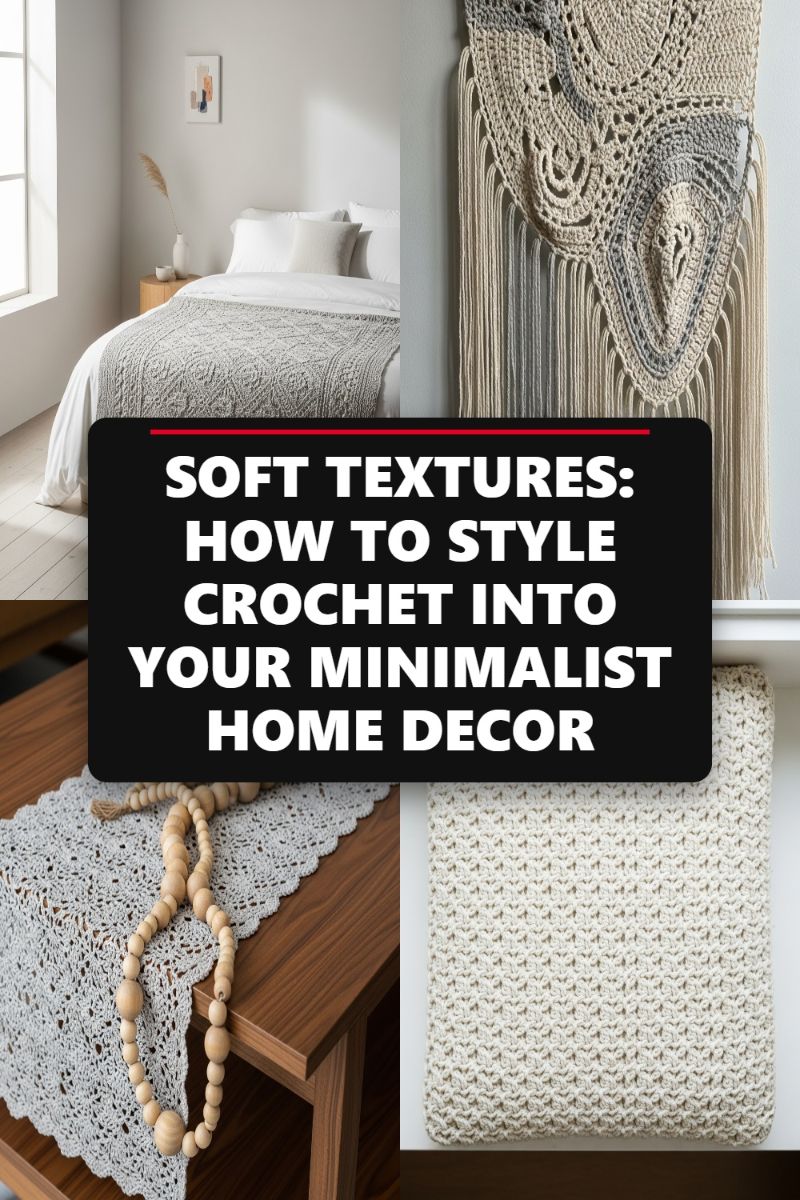
Minimalism is defined by clean lines, ample negative space, and a refined lack of clutter, yet it often runs the risk of feeling sterile or cold. The strategic integration of soft, handcrafted textures like crochet provides the perfect counterbalance, injecting warmth and tactile depth without sacrificing the sleek aesthetic. The key to successful integration is maintaining a strictly neutral, tone-on-tone color palette, as showcased in this trend: think soft creams, oatmeals, pale grays, and muted taupes. When selecting crochet pieces, prioritize materials like thick cotton, chunky wool blends, or high-quality alpaca, focusing on patterns that utilize complex stitching rather than overly fussy, delicate motifs. By adhering to a sophisticated monochromatic scheme, these textured pieces become subtle, intentional layers, adding immediate character and a sense of ‘hygge’ without visually overwhelming the streamlined environment.
To effectively implement this trend, treat large crochet items as primary anchors in the room. For the bedroom, drape a substantial, heavily textured crochet throw across the foot of the bed, ensuring it contrasts subtly with the crisp, smooth white linens beneath it. This contrast—smooth versus textured—is the essence of sophisticated minimalism. For wall decor, bypass traditional framed art in favor of oversized, elaborate fiber art pieces. Look for crochet or macrame wall hangings that employ geometric and organic shapes, mixing materials like thick rope fringes with intricate stitch work. The piece should be large enough to command attention but executed in neutral tones (like the beige and slate gray piece pictured) so that its impact is textural rather than color-based. This use of large-scale, handcrafted wall art maintains the artistic interest typically missing in stark minimalist rooms while embracing an elevated bohemian-minimalist aesthetic.
Finally, incorporate smaller, functional crochet accents to complete the layered look. A delicate, open-weave crochet runner on a console table or dresser adds a necessary softness to the harsh edges of wooden furniture, preventing the surface from appearing too severe. When accessorizing, pair these textiles with organic elements such as smooth ceramics, matte finish planters, or strands of large, unfinished wooden beads, as shown. These pairings introduce varied textures that complement the fiber art—the coolness of wood juxtaposed with the warmth of the yarn. Remember that in a minimalist space, every item must feel intentional; therefore, ensure that the scale of the crochet pattern fits the object. A dense, tight stitch works well for a sturdy blanket, while a more open, lacy pattern suits a table runner, allowing the negative space to breathe and preventing the minimalist design from becoming visually heavy.
GOODWILL FINDS THAT WILL INSTANTLY ELEVATE YOUR HOME DECOR
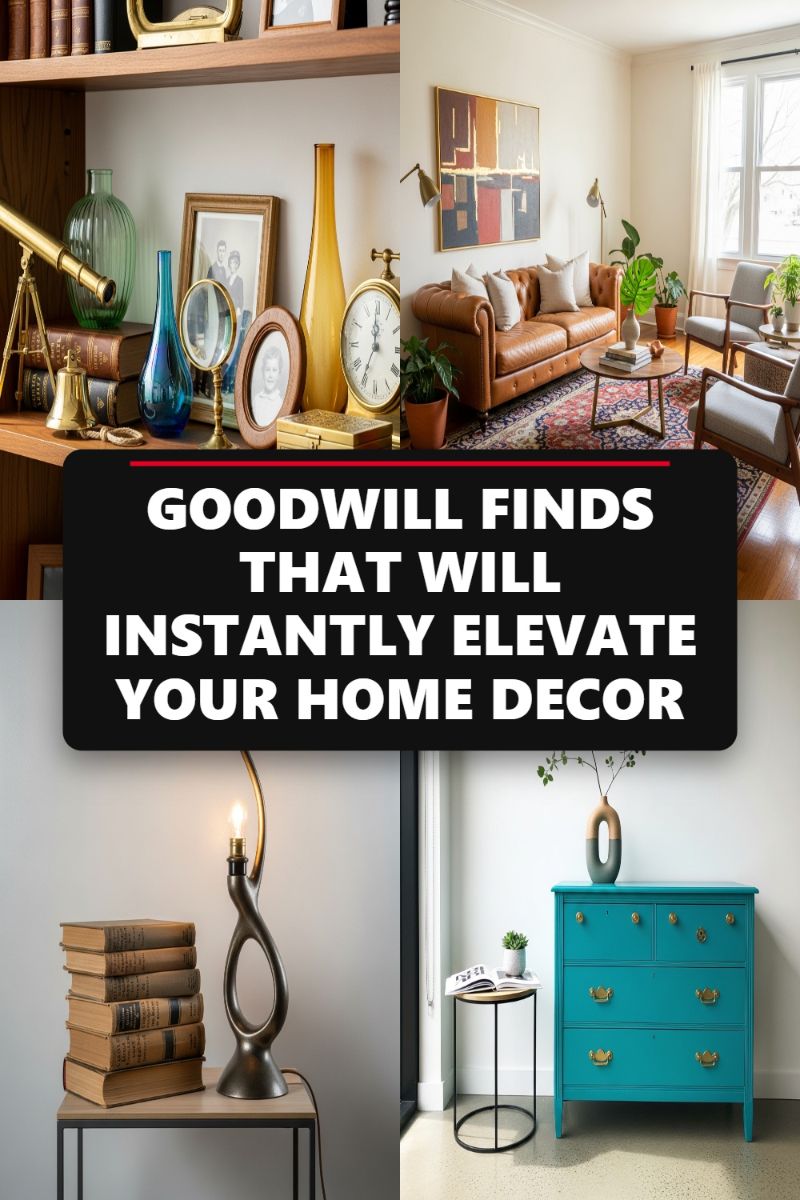
The secret to achieving a truly layered, high-end look is integrating pieces with history and character, something modern retail often fails to deliver. Goodwill and other thrift stores are goldmines for these unique items. To start elevating your home, focus on building intentional vignettes using small brass and glass objects. As seen in the display, highly reflective items like a brass telescope, magnifying glass, or antique clock instantly catch the eye and add a valuable sense of patina. Instructional advice: group items by color or material (e.g., all brass objects together, or a collection of colored glass bottles) to create cohesion. Use antique books, stacked horizontally or vertically, as pedestals to vary the height of your display and give importance to smaller items like framed photos or jewelry boxes. This styling technique ensures that even inexpensive finds look deliberately curated, not just cluttered.
Beyond small objects, look for large, high-impact pieces that can be easily transformed, which is the cornerstone of budget-friendly elevation. Focus on foundational items such as solid wood dressers, tables, and unique lighting. For instance, a basic antique dresser can be utterly transformed by a bold coat of saturated paint, such as the vibrant teal shown, turning it into a statement piece. Remember to replace outdated handles with modern or timeless brass hardware to instantly update the silhouette. Similarly, thrift stores often carry high-quality vintage rugs, which are essential for grounding any living space (as demonstrated by the traditional patterned rug anchoring the leather sofa area). Invest in cleaning these textile finds professionally—the rich colors and intricate patterns they offer are unmatched by most contemporary alternatives.
The final step in maximizing your Goodwill haul is mastering the blend of old and new. The most successful rooms pair thrifted items, rich in history, with sleek, modern elements. Notice how the streamlined, abstract table lamp pairs perfectly with a rustic stack of time-worn books, creating a dynamic contrast of texture and era. When shopping, prioritize items with interesting forms—look for unique silhouettes in lamps, vases, and even basic side tables. By mixing a modern vase or a minimalist metal side table with a vintage chest or a stack of worn books, you achieve a complex visual dialogue. This high-low mixing is what provides a room with ‘soul’ and authenticity, making the overall design feel collected and bespoke rather than assembled overnight.
THIS STONE WALL FEATURE WILL TRANSFORM YOUR BACKYARD OASIS
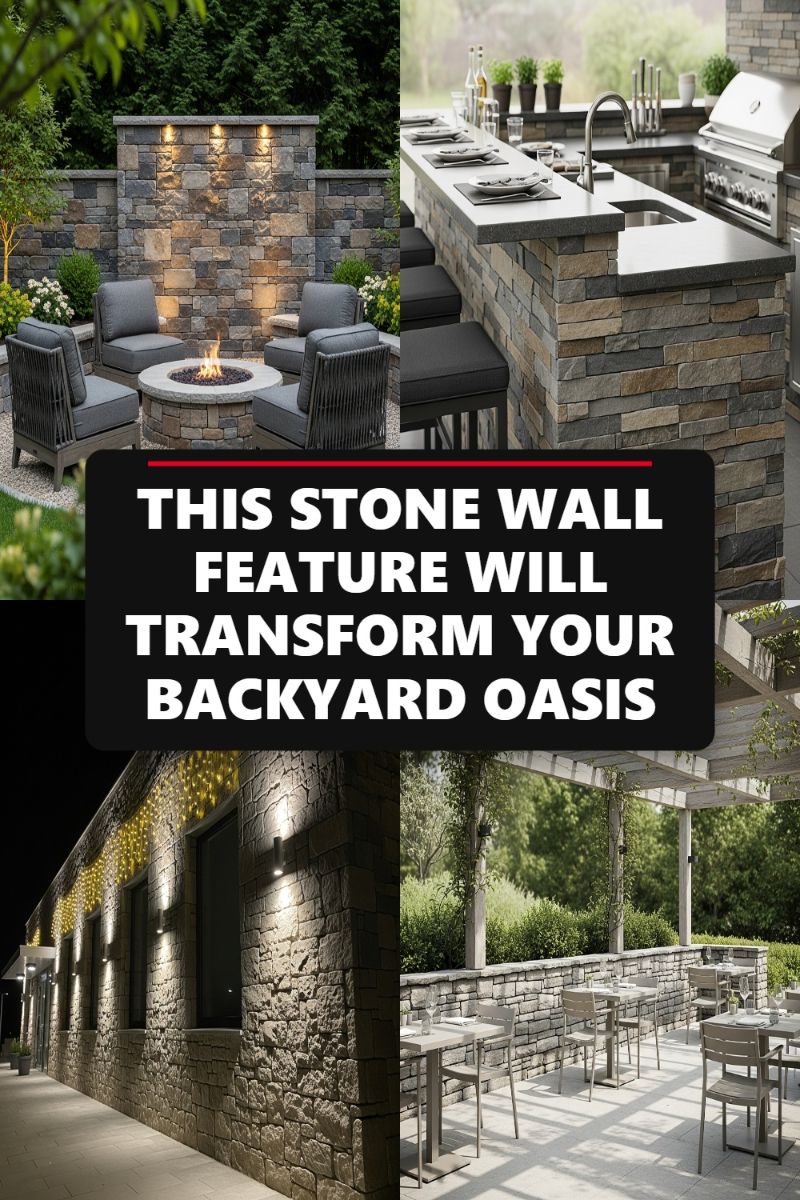
Integrating a prominent stone wall feature is the ultimate technique for grounding your outdoor living space and elevating it to the status of a sophisticated backyard oasis. The key lies in selecting a stone veneer or full-bed stone that offers rich, variegated textures and colors—as seen here, a mix of rugged greys, earthy browns, and slate blues creates visual depth and authenticity. To achieve this high-end look, the stone must serve as a backdrop and a cohesive structural element. When planning your feature, consider how the stone texture will interact with light and shadow; rough-cut or dry-stacked styles are superior for capturing the nuanced details that make the installation look permanent and bespoke. For a seamless integration, ensure the stone color palette complements surrounding materials, such as the dark, textured fabrics of the seating and the polished finish of outdoor kitchen countertops. This foundational design move instantly establishes a sense of enclosure, privacy, and rugged luxury, moving beyond simple landscaping into architectural design.
Functionally, the stone feature should delineate activity zones. In the fire pit area, the stone privacy wall not only shields the space but also provides a vertical canvas for dramatic lighting effects. Expert advice dictates using capstones or coping materials that contrast slightly in color or texture to define the top edge cleanly. For the outdoor kitchen or bar structure, the application of stone veneer is a practical and stunning alternative to standard materials. When cladding an outdoor bar, ensure the underlying structure is waterproofed (typically concrete board or block) before applying the veneer with a polymer-modified mortar for maximum durability against freeze-thaw cycles. The stone must wrap around all visible corners, creating the illusion of solid construction. This continuous use of material connects the relaxation area (fire pit) with the entertainment hub (kitchen), ensuring the flow of the ‘oasis’ is uninterrupted and visually harmonious.
To truly transform the space into an evening retreat, mastering the lighting design is critical. The stone texture is best accentuated using a technique called ‘grazing,’ where light fixtures (like low-profile LED strips or specialized uplights) are placed close to the wall surface. This technique casts dramatic shadows that highlight every contour of the stone, giving the feature an incredible three-dimensional depth after sunset. For large structures like a pavilion or building facade, wall sconces should be chosen to mimic the architectural style, providing soft, ambient light without overwhelming the space. When lighting the fire pit wall, focus fixtures towards the capstone ledge to spill warm light down the face of the stone, rather than simply illuminating the ground. Strategic, high-quality lighting turns the durable stone structure from a passive daytime element into a stunning, inviting centerpiece that defines the luxurious feel of the entire backyard oasis.
TRADITIONAL SOUTHERN HOME DECOR YOU CAN COPY IMMEDIATELY
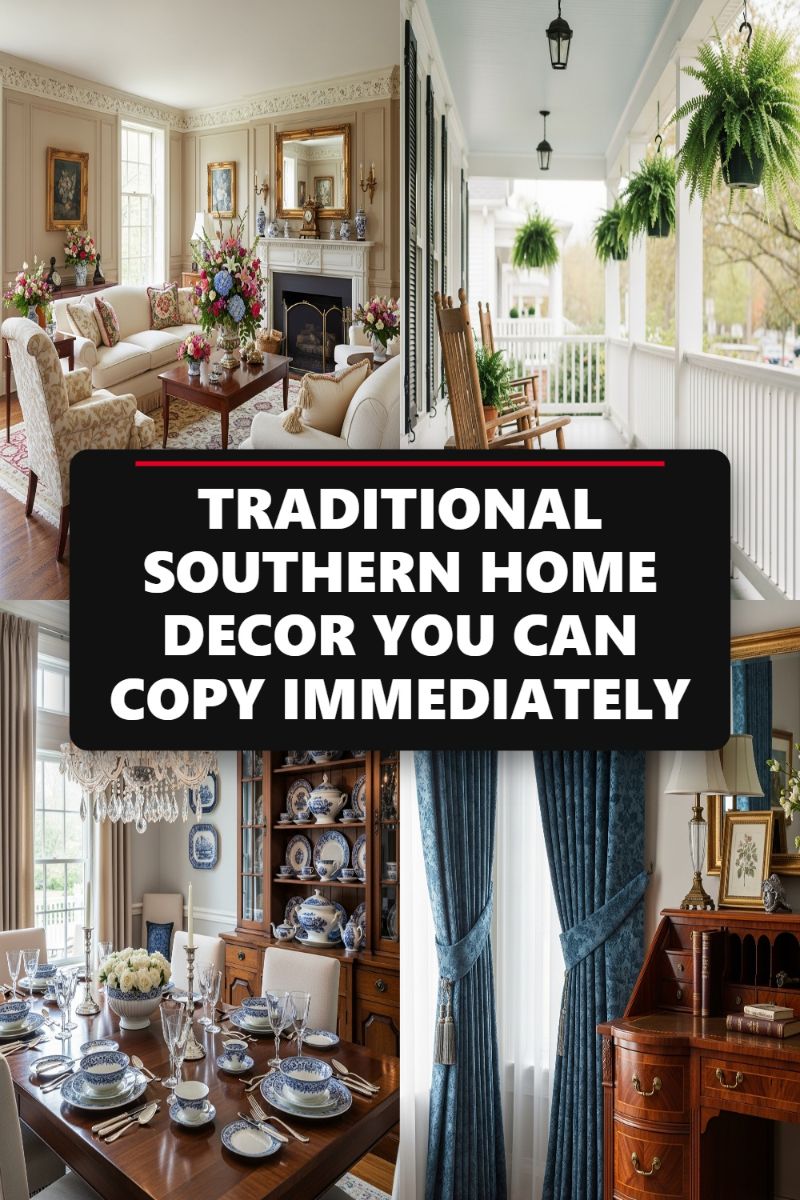
To successfully capture the essence of traditional Southern decor, start by establishing a classic architectural foundation that emphasizes elegance and longevity. This style relies heavily on layered textiles and rich, historic color palettes grounded in neutral walls. Begin by selecting a warm, creamy neutral for wall paint, and prioritize the installation of substantial crown molding and wainscoting—these architectural details instantly convey formality and tradition. When selecting furniture for the main living spaces, opt for upholstered pieces in durable materials like linen or cotton, often featuring muted floral or damask prints. The key to the Southern aesthetic is integrating pattern and color through accessories rather than overwhelming the structural components. Employ the timeless pairing of deep indigo or cornflower blue with crisp white in china patterns (like transferware or classic chinoiserie) and carry this through to pillows, lamps, and decorative objects displayed in dark wood hutches or on mantels. Complete the interior look by ensuring every room features fresh flowers—a lush bouquet of hydrangeas, peonies, or roses is non-negotiable for that gracious, welcoming Southern charm.
Achieving the perfect Southern ambiance means extending the living space outdoors, focusing specifically on the quintessential front porch or veranda. The porch functions as a true extension of the home, prioritizing relaxation and conversation. To copy this look, paint the ceiling of your porch a soft, pale blue—a practice known as “Haint Blue” in the South, historically believed to ward off insects and evil spirits, but now prized for its calming, airy aesthetic. Furnish this space with classic rocking chairs or sturdy wicker sets. Introduce life and texture instantly by hanging lush, full ferns (such as Boston or Kimberly Queen varieties) from the eaves in dark planters. Indoors, leverage symmetry to create formal balance, particularly in the living room and dining area. Pair matching occasional tables, use identical lamps on either side of a sofa, and hang large, ornate gold mirrors or artwork centered over key features like the fireplace or a buffet to anchor the room and reflect natural light.
Finally, the devil is truly in the curated details when perfecting this sophisticated style. Invest in high-quality, tailored window treatments that speak to refinement. Rich velvet or heavy silk-blend drapes, often patterned in jewel tones like deep teal or ruby, should be perfectly pleated and tied back with luxurious tassels that complement the fabric tone. Lighting should be traditional, ranging from crystal chandeliers suspended above formal dining tables to classic brass sconces flanking mirrors. Do not neglect the importance of dark, polished wood; pieces like mahogany secretary desks, china cabinets, and dining tables provide the necessary visual weight and historical depth to ground the soft textiles and patterns. The overall effect should feel collected, storied, and intentionally styled, inviting guests to settle in and enjoy a sense of inherited history and comfort.
COASTAL STONE WALL PANELS FOR A HIGH-END FINISH
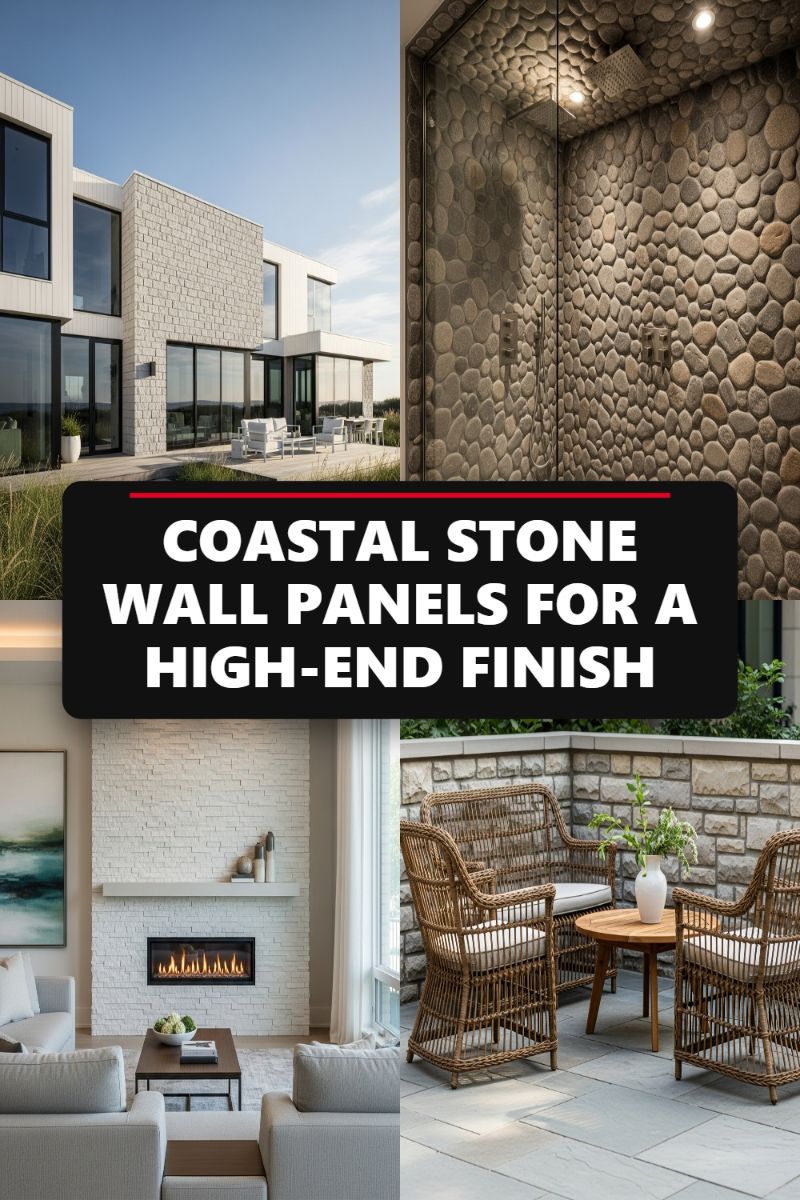
The ‘Coastal Calm’ trend is defined by a curated blend of sophisticated textures and natural elements, and nothing achieves this elevated look quite like stone wall panels. To integrate this high-end finish into your home, start with the exterior. As seen in modern luxury designs, stone veneer panels—often in light gray or sandy white stacked stone—can provide essential architectural contrast against smooth siding, creating a sense of permanence and rugged elegance. Focus on wrapping key structural elements, such as main feature walls, chimney chases, or foundation skirts, to anchor the design to the landscape. For maximum visual impact, ensure the chosen panel style (whether it’s thin ledger stone or larger ashlar cuts) is color-matched to the regional environment, allowing the home to feel organically rooted. Remember that high-quality exterior stone veneer must be rated for outdoor use, capable of withstanding freeze-thaw cycles, and properly sealed to maintain its pristine coastal aesthetic for years.
Bringing the coastal stone aesthetic indoors requires a more refined approach, particularly in high-traffic or restorative areas. For the living room or great room, a white-washed or pure white linear stacked stone panel offers a contemporary update to the classic fireplace surround. This application instantly transforms a simple gas fireplace into a striking focal point, providing subtle texture without overwhelming the space. Expert advice for this interior application is to integrate a floating mantelpiece or minimalist hearth that complements the stone’s linear flow, maintaining a clean, modern profile. Furthermore, leverage specialty panels for wet areas to create a true spa retreat. River stone or pebble panels, installed on shower walls and ceilings, offer an immersive, tactile experience. When designing a stone shower, meticulous preparation is key: use high-performance waterproof backer board and specialized thin-set mortar. Sealing the natural stone panels rigorously and using dark, complementary grout lines will ensure longevity and protect the installation from moisture, simulating the feel of a natural beach environment in a private, luxurious setting.
To complete the high-end coastal installation, consider unifying the indoor and outdoor spaces using stone panels on patios or terraces. Cladding a low perimeter wall or an outdoor kitchen with medium-cut, robust stone paneling enhances the continuity of design and durability against the elements. The ‘high-end finish’ isn’t just about the material choice; it’s about execution. Ensure consistent joint sizes and pattern repeats, opting for professional installation, especially for large exterior or complex wet-area projects. By strategically applying stone panels—from the grand exterior façade to the intimate details of a pebble shower—you introduce a layer of organic texture and sophisticated depth that perfectly captures the aspirational, yet tranquil, spirit of Coastal Calm design.
FUNKY HOME DECOR IDEAS THAT PROVE MAXIMALISM IS BACK
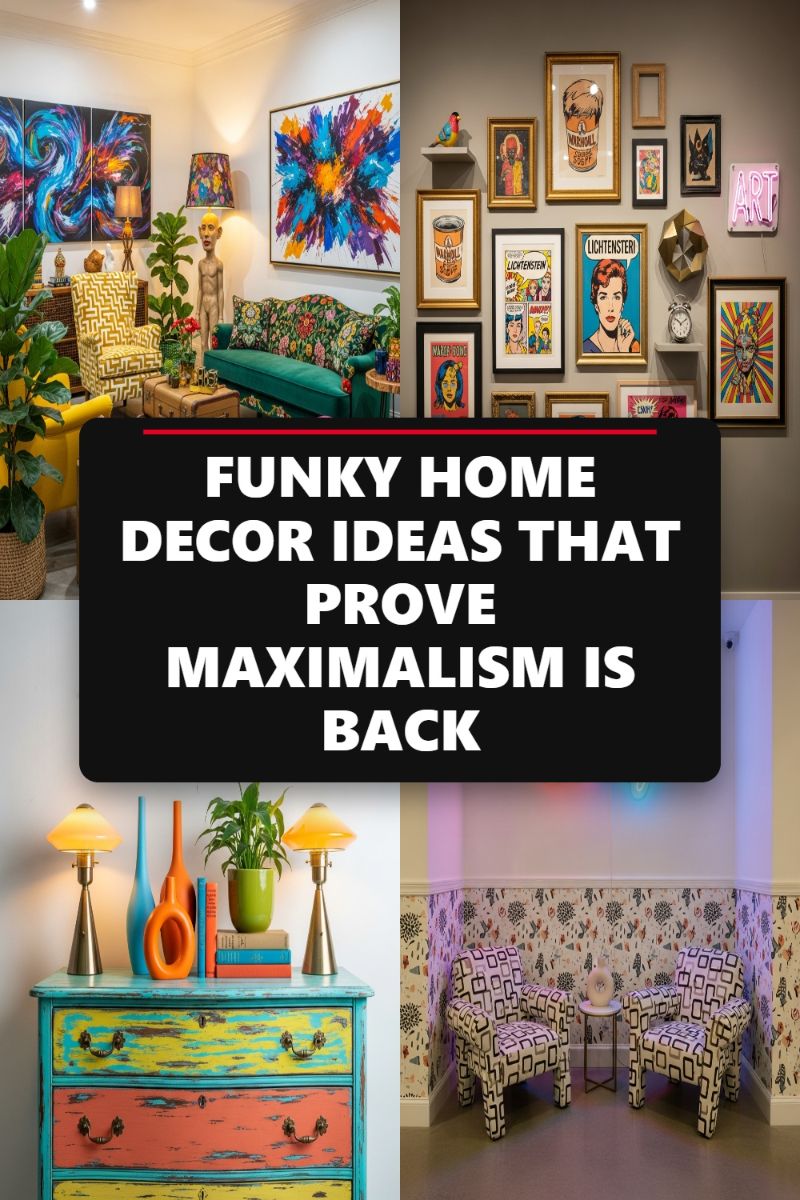
Maximalism stands as the vibrant antithesis to stark minimalism, championing the idea that more is always more, especially when it comes to expressing personality and confidence in design. To successfully embrace this trend, you must master the art of color saturation and pattern clashing. Begin by selecting a statement foundation piece, such as a large piece of art or a dramatically patterned sofa—like the emerald velvet floral piece seen here. Next, introduce contrasting patterns in surrounding elements. The key is intentionality; pair high-energy geometrics (note the yellow patterned armchair and the black-and-white geometric accent chairs) with organic florals or swirling abstracts. Don’t shy away from saturated hues; use highly pigmented colors like bright yellow, teal, magenta, and poppy red to create a visually rich environment that feels alive and curated, not chaotic. The instructional step here is to ensure all chosen colors, though diverse, share a similar level of saturation and temperature, which helps them harmonize rather than fight for attention.
Elevating the maximalist look depends heavily on layering and integrating personal collections. The ultimate canvas for this style is the gallery wall, where rules are meant to be broken. Instead of uniform spacing, a maximalist wall demands density and variety, mixing fine art prints, dimensional objects (like the gold geometric sculpture), pop art posters (Richtenstein, Warhol-esque cans), and unexpected lighting elements (such as the neon ‘ART’ sign). When styling surfaces, treat every dresser or shelf as a micro-display. Take inspiration from the distressed, multi-colored chest of drawers: the furniture itself is already a riot of color, providing a perfect base for retro-inspired table lamps and carefully grouped stacks of colorful books and vibrant sculptural vases. The ‘how-to’ involves creating visual triangles and varying heights across the surface, ensuring that the collected items feel like a treasure trove rather than random clutter, unified perhaps by a specific aesthetic era (like Mid-Century Modern or Art Deco).
Finally, maximalism requires textural depth and a commitment to the slightly eccentric. Focus on tactile materials that invite touch—plush velvets, rich brocades, natural fiber rugs, and highly patterned wallpapers, as evidenced by the floral print anchoring the geometric accent chairs. The ultimate expert advice for this trend is to commit to your narrative. Incorporate pieces that tell a story, whether it’s through travel souvenirs, found objects (like the intriguing lampshade or the quirky statue), or art that speaks directly to your interests. Layering warm, strategically placed lighting (like the downward and upward sconces) is crucial, as it softens the intense visual density and ensures the space feels inviting and atmospheric, proving that Maximalism isn’t just about accumulation—it’s about luxurious, confident display.
YOU NEED TO TRY THESE GOTHIC WESTERN STYLING HACKS
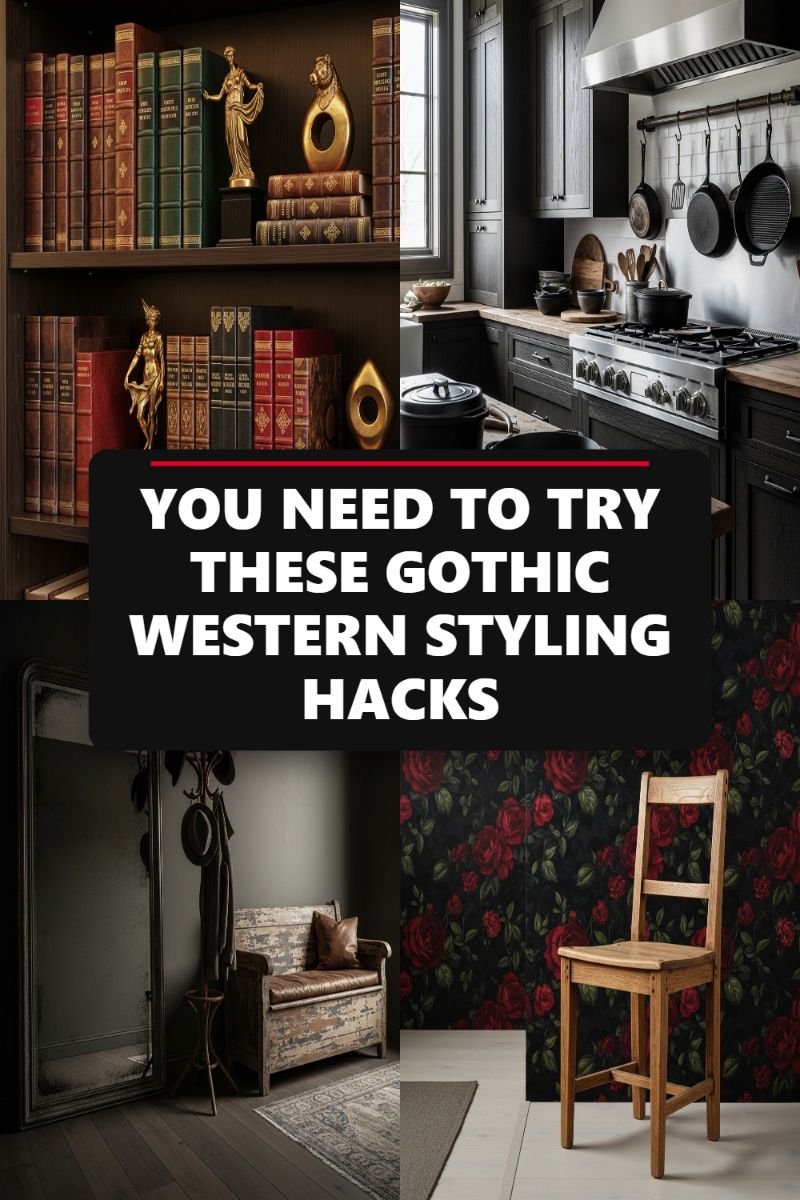
The Gothic Western aesthetic is the perfect marriage of rugged, earthy ranch-house elements and the dark, opulent drama of Victorian design. To master this challenging yet highly rewarding look, begin by establishing a deeply saturated backdrop. This style demands moodiness, utilizing colors like charcoal gray, pitch black, oxblood red, and deep forest green, often applied via paint or through the use of high-impact, romantic wallpaper, such as the dramatic black and red floral motif seen here. The instructional key is texture; contrast the dark wall depth with raw, distressed materials. Seek out furniture with a heavy patina—think aged, chipped wood benches with rugged leather cushions, or distressed mirrors with cloudy glass. These elements provide the authenticity and worn-in feel necessary to ground the theatrical Gothic drama in the lived-in reality of the Western aesthetic.
Integrate the ‘Gothic’ elements through curated, historically inspired accents and sophisticated functionality. In spaces like the kitchen, maintain the dark color scheme using black or deeply stained cabinetry, offset by substantial wood countertops and professional-grade stainless steel appliances. For shelving units, move beyond mere storage and create a curated library display. Stack antique-style books with heavy, embossed bindings (like the reds and greens shown) and punctuate the rows with classical gilded artifacts, statuettes, or weighty brass objects. This juxtaposition—modern industrial kitchen functionality meeting the formality of a 19th-century library—is central to the Gothic Western style. Ensure your metals reinforce the aesthetic: use matte black or cast iron for hanging cookware and light fixtures, reserving polished brass or gold accents strictly for the ornamental pieces.
Finally, focus on transitional elements and functional accessories that bridge the two worlds. The Western influence provides essential warmth and utility: heavy, textured area rugs in muted patterns, rustic coat racks displaying wide-brimmed hats, and utilitarian leather goods. To prevent the look from becoming cluttered or overly dark, introduce strategic visual breaks. This can be achieved through lighter wood tones, such as a simple, natural wooden chair placed against the dramatic floral backdrop, creating a moment of visual tension and relief. The overarching expert advice for this trend is intentionality: every piece, from the functional cast iron cookware to the purely ornamental golden statue, must contribute to the story of sophisticated, rugged drama.