
Discover the ultimate home decor trend report! Explore and master every must-try interior design style, including modern, quirky, coastal, southern, and vintage looks, to transform your space now.
LIVING ROOM & KITCHEN COMBO GOALS
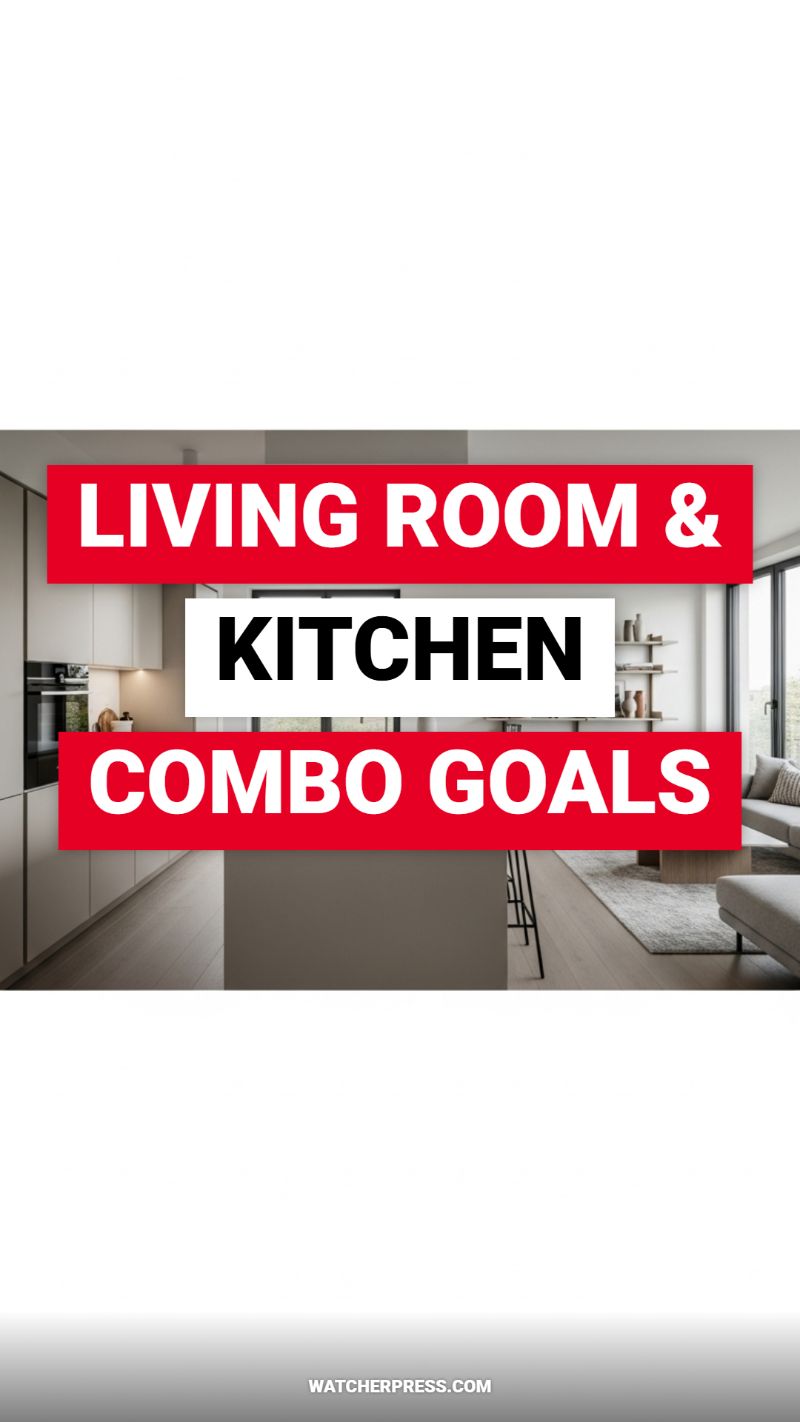
The key to achieving flawless “Combo Goals” in an open-plan layout is mastering visual continuity. The biggest mistake homeowners make is treating the living room and kitchen as two separate design projects; instead, they must function as a cohesive whole. As demonstrated by this sleek, modern example, unification begins with a restrained material palette. Notice how the same muted greys and taupes used for the streamlined, handleless kitchen cabinetry are echoed in the sofa upholstery and accent decor of the adjacent living area. Crucially, selecting a single flooring type—here, a light, wide-plank wood—that flows uninterrupted across both zones is non-negotiable for maximizing spatial flow and perceived size. Use large elements, like the kitchen island, not just for function, but as a subtle architectural element to delineate the dining/prep zone from the relaxation area without physically blocking the sightlines.
While aesthetics drive the initial design, expert implementation requires rigorous attention to practical functionality and acoustic management. High-performance ventilation is paramount in a kitchen that shares air with a living space; invest in a powerful, low-decibel range hood that is concealed or integrated into the design (like a downdraft system) to keep the air clean and the design sleek. For effective zoning, use layered lighting design. The kitchen demands bright, specific task lighting (under-cabinet strips, recessed ceiling fixtures), while the living room thrives on warmer, adjustable ambient lighting (floor lamps, sconces). This manipulation of light temperature subtly shifts the mood and purpose of each area when transitioning from cooking to socializing. Furthermore, maintaining the minimalist aesthetic relies heavily on maximizing hidden storage—the kitchen must utilize floor-to-ceiling cabinets, ensuring all small appliances and clutter are out of sight to preserve the room’s overall serenity.
To prevent a neutral, modern open-plan space from feeling cold or sterile, strategically introduce texture and curated moments of personality. In this style, the emphasis shifts from abundant accessories to quality, tactile finishes. Observe the use of soft textiles—a plush area rug anchors the seating area, contrasting beautifully with the sleek wood floor and smooth cabinetry. This softens the hard edges prevalent in modern design. For styling, adhere to the principle of “less is more”; utilize floating shelves in the transition zone for displaying sculptural vases or a limited selection of hardcover books, ensuring these items complement the overall color story. The intentional choice of large windows and glass doors also emphasizes natural light, a crucial component that connects the interior architecture to the outdoors, ensuring the space feels airy, inviting, and truly reflective of high-end contemporary living.
EFFORTLESS COASTAL KITCHEN REFRESH
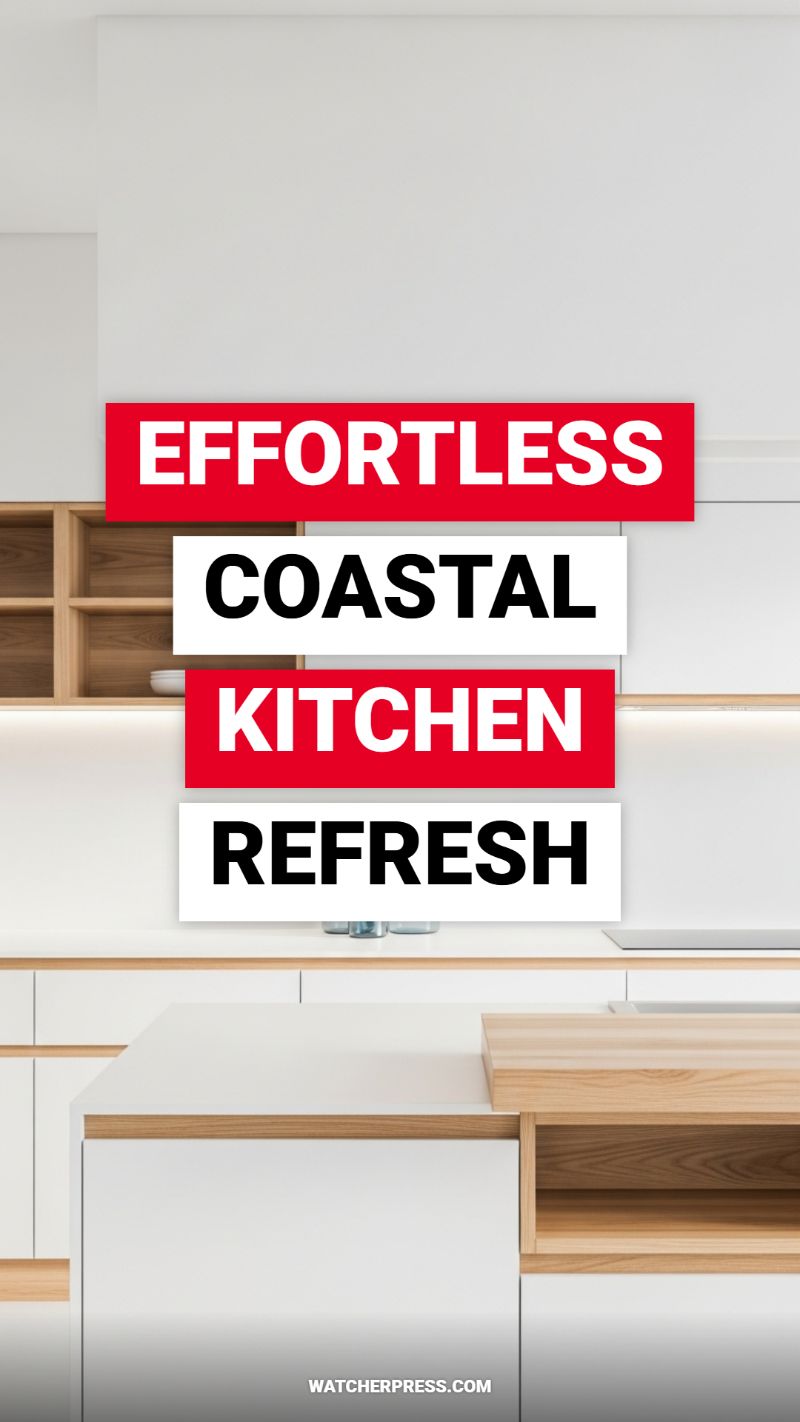
The Effortless Coastal Kitchen Refresh is the perfect evolution of beach-inspired design, moving away from kitschy nautical themes toward sophisticated, minimalist relaxation. The key to achieving this look lies in a pristine, high-contrast palette anchored by pure white and light, natural wood tones. Begin by selecting flat-panel, handleless cabinetry—the smooth surfaces emphasize clean lines and a modern sensibility, which is essential for the ‘effortless’ feel. Reserve bright white paint for the majority of the perimeter cabinets, walls, and countertops to maximize light reflection, mimicking the bright, open feeling of the seashore. Introduce warmth by incorporating pale, untreated woods, such as rift-sawn oak or birch, for shelving, open niches, and island accents, ensuring these wooden elements act as subtle frames for the larger white surfaces rather than dominating the space.
To prevent the high-gloss white surfaces from feeling sterile, strategically layer in textures that nod to the ocean environment. While this look emphasizes clean lines, the coastal connection is subtly woven through organic materials. Look to implement woven textures in bar stool seating or introduce a few carefully selected decor pieces, such as hand-blown aqua or seafoam glass jars or ceramic vases with slightly uneven, tactile finishes. Functionally, the success of the ‘effortless’ look depends heavily on impeccable organization. Expert advice mandates adopting deep drawer storage and clever pantry solutions to ensure countertops remain virtually clear. Integrated appliances and minimized hardware help maintain the clean visual plane, allowing the interplay between the light, simple color blocking and the natural wood grain to take center stage.
Illumination is crucial for maintaining the bright, airy quality inherent to coastal design. Implement recessed, warm-toned LED lighting underneath upper cabinets and along toe kicks to highlight architectural features and cast a gentle glow that avoids harsh shadows. This integrated lighting enhances the clean, streamlined look and contributes to the feeling of spaciousness, especially in the evening. Furthermore, adopt simple, functional layout solutions, such as a large, uncluttered island that serves as the central hub for cooking and gathering. By prioritizing natural light, maximizing white space, and using wood accents sparingly yet deliberately, you achieve a kitchen design that is relaxed, upscale, and truly timeless.
COZY CROCHET DECOR FOR EVERY ROOM
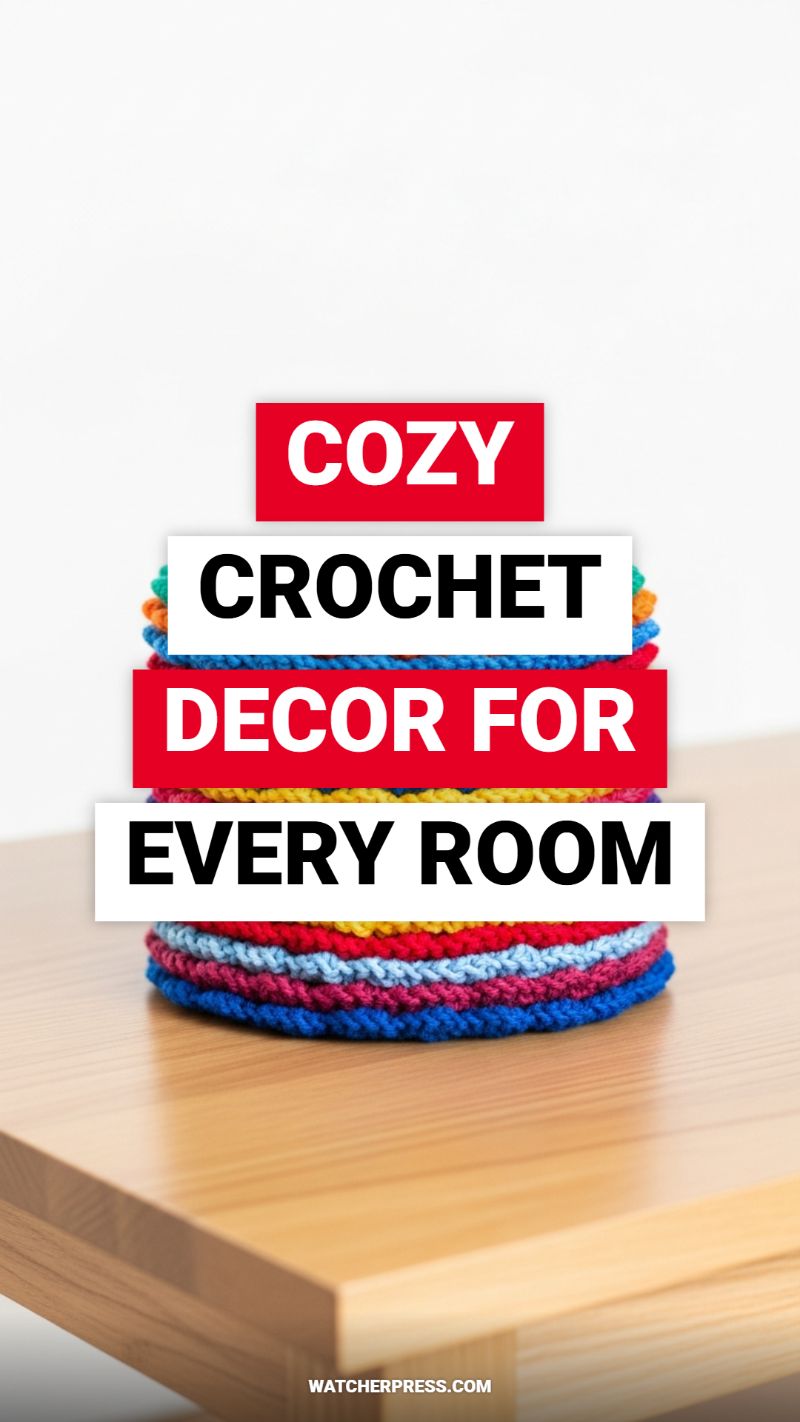
The rise of texture in interior design makes crocheted elements indispensable for achieving comforting aesthetics such as Cottagecore, Hygge, and sophisticated Bohemian styles. As evidenced by the vibrant stack of coasters shown, crochet instantly injects warmth and a playful, artisanal character into any setting. To master this trend, select pieces that provide a tactile contrast to smoother surfaces like wood, glass, or polished stone. Opting for chunky stitches and natural fibers—such as thick cotton or durable merino wool—ensures both visual weight and longevity. When incorporating bold color palettes, like the primary and secondary shades displayed, use them as deliberate, contained accents against a predominantly neutral backdrop. This strategy ensures the warmth and handmade quality of the craft remains the focal point without resulting in visual clutter.
Integrating crochet decor means moving beyond the traditional throw blanket to utilize smaller, functional pieces in every space. In the living room, crocheted coasters, trivets, or small pouf covers introduce texture subtly and practically. For the kitchen or bathroom, leverage crocheted baskets for stylish storage; choose durable materials like recycled t-shirt yarn (zpagetti) or heavy-duty cotton twine for increased rigidity and washability. For the bedroom, lightweight crocheted pillow shams or layered throws add dimension to the bedding ensemble. The key is thoughtful distribution: every piece should serve a practical purpose while simultaneously boosting the room’s overall tactile appeal and contributing to the desired cozy atmosphere.
To ensure your cozy crochet decor looks sophisticated and curated rather than cluttered, focus intensely on color harmony and scale. If you choose brightly colored pieces, limit them to 2-3 specific spots within the room and ensure their hues complement other existing textiles or artwork. For instance, a stack of rainbow-colored coasters on a simple wooden table, as pictured, is a powerful yet contained focal point. Conversely, if your space already features strong color patterns, stick to tone-on-tone crocheted items (e.g., varying shades of white, cream, or charcoal gray) to maximize textural impact while maintaining a calming, cohesive aesthetic. The true luxury of incorporating crochet lies in its inherent handmade quality; prioritize items that showcase excellent craftsmanship and, whenever possible, support local artisans to truly elevate your interior design scheme.
Traditional Southern Home Charm
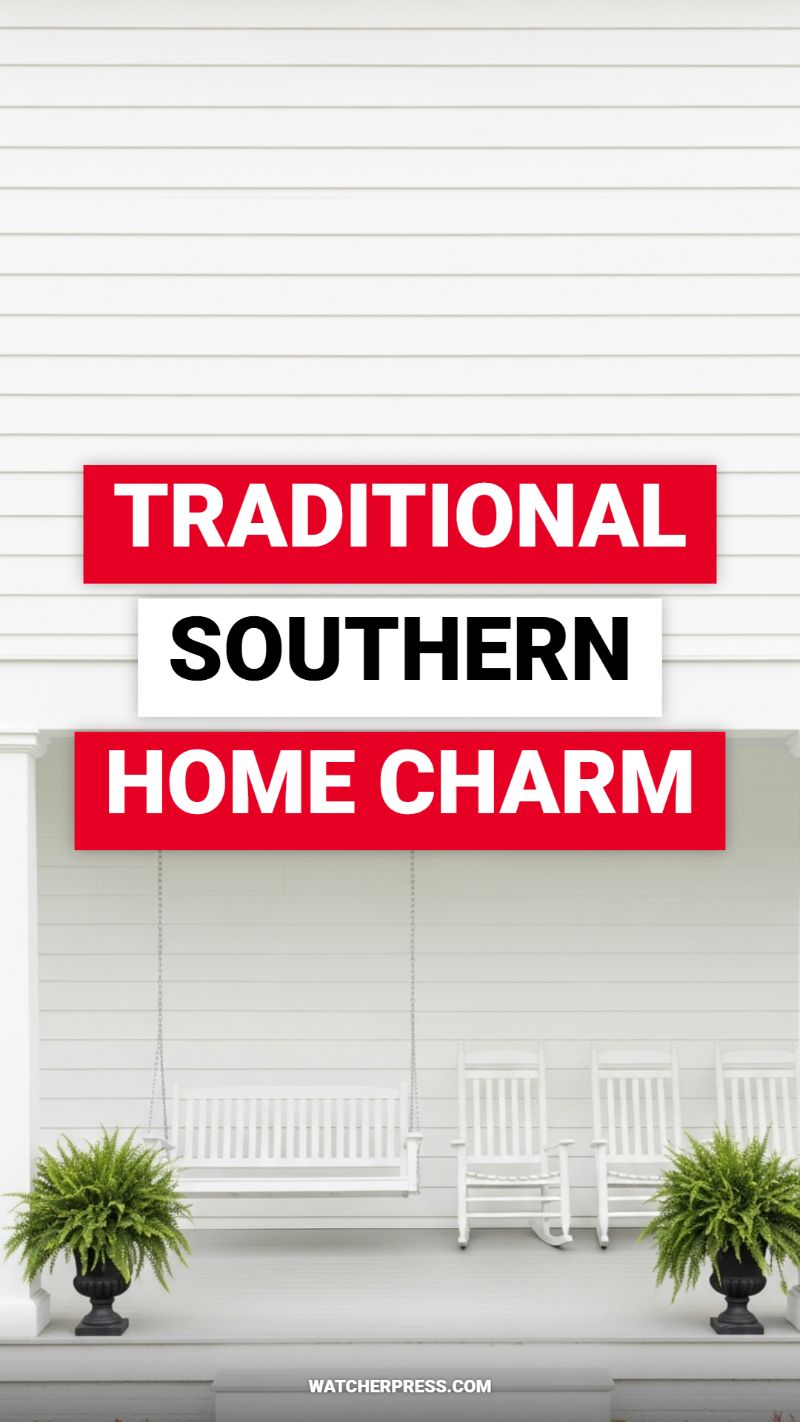
Traditional Southern Home Charm is inherently tied to the architecture of welcome, primarily manifested through the expansive, deep-set front porch. To master this style, begin by embracing a clean, crisp palette, typically dominated by bright white or cream clapboard siding—a classic look that reflects sunlight and signifies pristine hospitality. The porch itself should be treated as an outdoor living room. Essential architectural details include sturdy, often fluted, columns and a ceiling painted “haint blue” (a traditional light shade believed to ward off spirits), which subtly expands the perceived space and cools the area. Ensure your entryways are prominent and symmetrical, often flanked by classic lanterns or gaslights to set a warm, historical tone even before guests step onto the decking. Furnishing the porch requires pieces that balance elegance with durability and comfort, inviting extended relaxation. The cornerstone of Southern porch décor is the seating arrangement, which must include both stationary seating and a moving piece—typically a classic white porch swing or glider, paired symmetrically with several wooden or wicker rocking chairs. When selecting furniture, prioritize materials that can withstand humidity, such as painted hardwood, sturdy wicker, or all-weather synthetic alternatives that mimic natural materials. Upholstery should be kept simple and durable, leaning towards Sunbrella fabrics in classic patterns like ticking stripes, gingham, or solid neutrals, always ensuring there are ample, deep cushions and throws for those cooler evenings. Finally, achieving authentic Southern charm hinges on the incorporation of lush, vibrant greenery and curated details. The signature botanical elements for this style are large, majestic Boston ferns or potted boxwoods, often displayed in substantial, black-painted cast iron or concrete urns placed symmetrically on the porch steps or flanking the primary seating area, as demonstrated in the quintessential Southern home. Avoid clutter; the goal is timeless refinement, not farmhouse overload. Expert tip: integrate small details like antique doorknobs, polished brass hardware, and a welcoming mat featuring a classic monogram or simple, elegant script. These touches elevate the space from a mere exterior to a deeply personal and genuinely charming extension of your home’s hospitality.
Goodwill Thrifting Decor Haul: Sourcing Unique Style Sustainably
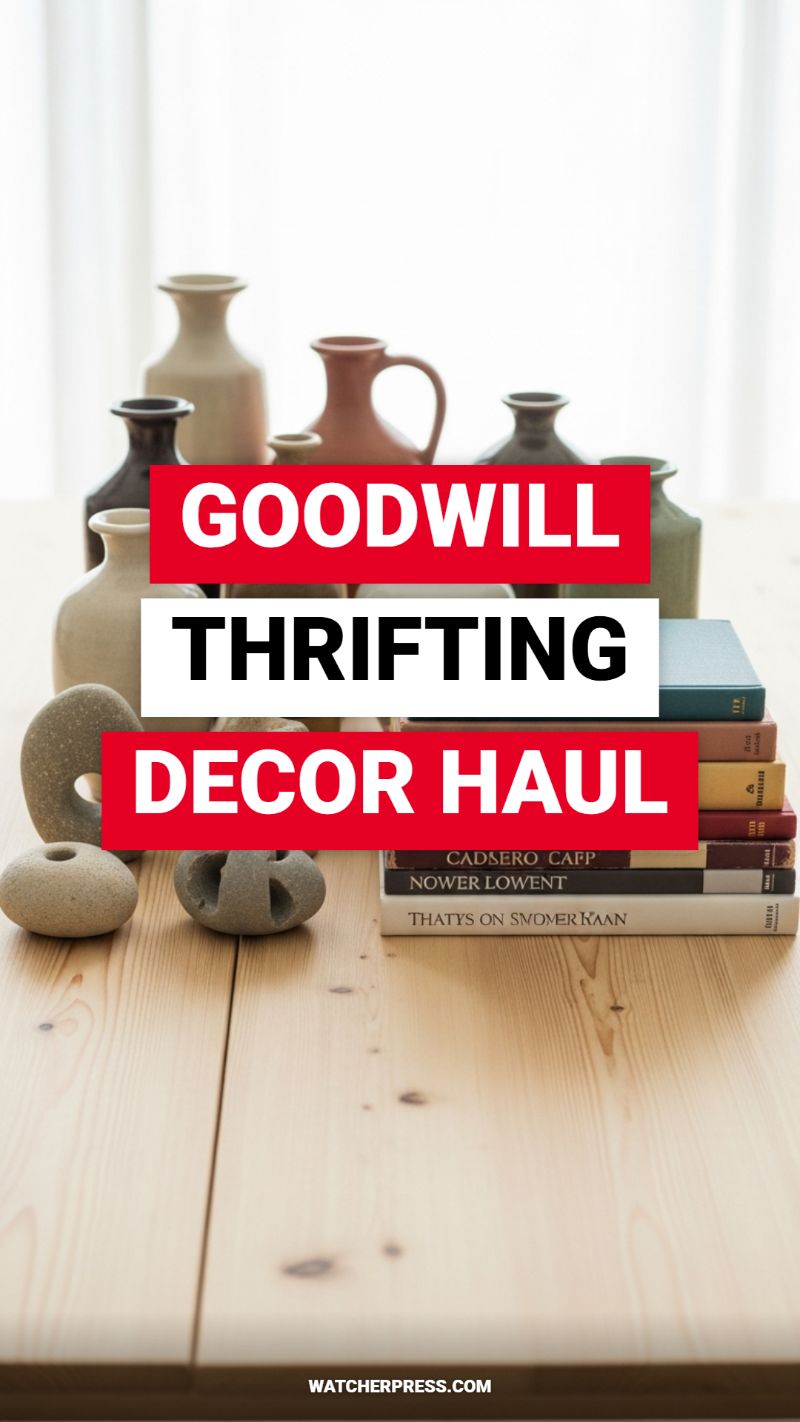
The modern home trend leans heavily into sustainability, unique textures, and the stories behind objects—making the curated thrift haul an essential strategy for mastering styles like Organic Modern and Wabi-Sabi. To replicate this look, your hunting strategy should focus on identifying objects based on form and texture rather than immediate function. Prioritize ceramic or stoneware vessels in muted, earthy tones: matte beige, deep terracotta, forest green, or charcoal brown. Look specifically for pieces that show signs of character or imperfection, such as uneven glazes or subtly asymmetric shapes, as these are the hallmarks of a soulful, high-end collected aesthetic. Avoid anything overly glossy or brightly colored; the goal is to create a serene, neutral base that feels grounded and timeless. Additionally, keep an eye out for found objects, like the sculptural, holed stones shown here, which introduce a natural, tactile element and an unexpected organic contrast to the ceramic forms.
Once you have collected your haul, the magic lies in the arrangement of the vignette. Start by establishing varying heights using an odd number of primary items (vases and vessels). Grouping in threes or fives is visually dynamic. Use stacked books, especially those with worn or textured spines, to elevate smaller pieces and add a layer of intellectual richness. When arranging your display, utilize the concept of ‘visual weight’—placing darker, heavier items closer to the base or center of the grouping to anchor the composition, while allowing lighter, taller vessels to provide vertical flow. The key instructional element is layering: ceramics behind stones, and books creating a visual platform to prevent the arrangement from looking flat. Ensure that you mix textures (rough stone next to smooth book cover next to matte ceramic) to give the eye multiple places to rest and explore the grouping.
This thrifting approach is not just about collecting items, but about integrating them seamlessly into an existing modern interior. These secondhand treasures should serve as punctuation marks against a backdrop of clean lines and minimalist furniture. To elevate the overall feel of the room, ensure your overall color palette is restricted to these muted earth tones, allowing the texture and form of the found objects to take center stage. This technique of ‘high-low’ mixing—placing unique, sourced items alongside contemporary basics—is the ultimate expert move in contemporary design, demonstrating a commitment to mindful consumption and individual style. Always consider the lighting; setting your vignette near a natural light source, as seen here, highlights the nuances of the natural materials and makes even inexpensive finds feel luxurious and high-quality.
MODERNIZING COUNTRY HOME DECOR
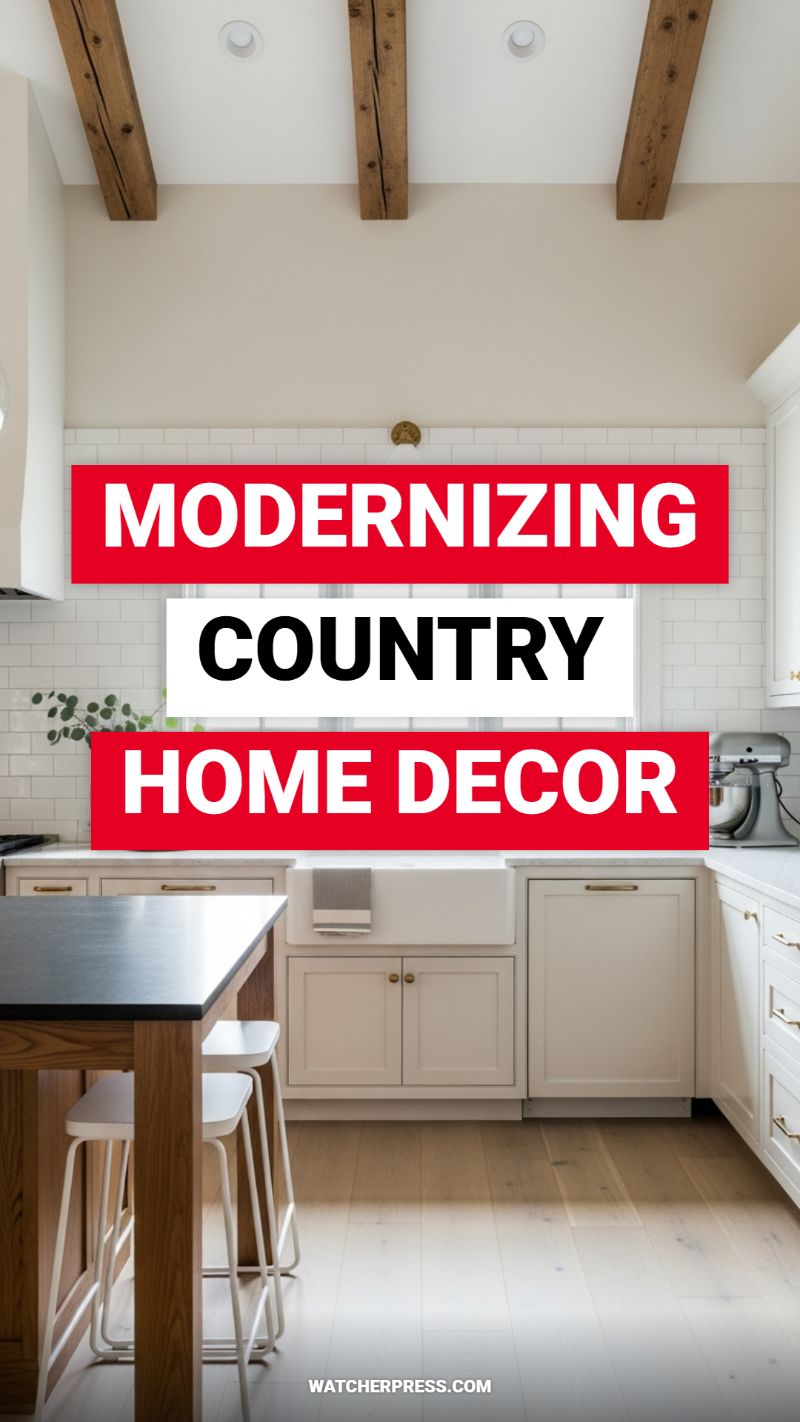
The ‘Modernizing Country Home Decor’ aesthetic, often referred to as Rustic Modern or Elevated Farmhouse, is defined by the intentional balance between cozy, aged textures and sharp, contemporary minimalism. To master this style, begin with a foundation of light neutrals. As shown in the image, walls and primary cabinetry should be painted in crisp whites or soft greiges, maximizing natural light and creating an airy, open feel that is characteristic of modern design. The rustic element is then introduced through structural features, such as reclaimed wood beams on the ceiling or light-toned wood flooring. The key is moderation: use raw wood sparingly and intentionally to add warmth and history without making the space feel heavy or cluttered. These elements ground the room, providing contrast to the sleek surfaces and acting as organic architectural art. This approach moves the design far beyond traditional country kitsch toward sophisticated, livable elegance.
The kitchen is the centerpiece for executing this modern update. Maintain a nod to the past by incorporating classic fixtures, such as the prominent apron-front (farmhouse) sink, but surround it with streamlined materials. Opt for simple Shaker-style cabinetry—its recessed paneling is traditional but clean, ensuring a tailored look. For countertops, create striking contrast by pairing white perimeter cabinets with a dark, honed surface (like soapstone or matte black quartz) on the central island. When selecting a backsplash, stick to foundational classics like white subway tile, but ensure the grout lines are narrow and the finish is simple and non-beveled, emphasizing texture over complexity. Finally, modernize all the metallic accents: swap out bulky, traditional hardware for sleek brass, stainless steel, or matte black pulls, which instantly elevate the space and introduce contemporary geometry.
Completing the look requires careful selection of furnishings and functional elements that prioritize clean lines. Avoid overstuffed seating or overly ornate decorative pieces. Instead, look for contemporary furniture, such as the minimalist white bar stools pictured, which offer sculptural form and lightweight appeal. Lighting should be functional and understated; recessed canister lights work perfectly to illuminate the space without competing with the exposed beams, which serve as the primary ceiling feature. When selecting textiles and decor, lean toward texture (like linen or waffle weaves) and muted palettes, keeping patterns subtle or absent altogether. The successful implementation of Modern Country ensures that the space feels warm and inviting, honoring heritage design while meeting the demands of modern efficiency and refined taste.
COASTAL DECOR SECRETS REVEALED

Mastering the Coastal aesthetic requires balancing natural tranquility with sophisticated design, moving beyond the traditional ‘beachy’ kitsch. The foundation of this look is a serene, airy color palette built primarily on crisp whites and layers of neutrals—think sandy beige, driftwood gray, and natural linen. Introduce color sparingly using soft, muted shades pulled directly from the ocean and sky: seafoam green, powder blue, and pale azure. As demonstrated by the elegant table setting in the image, pairing a serene blue tablecloth (representing water) with a natural linen runner and napkins (representing sand or dune grass) immediately establishes the core mood. The goal is to mimic the light-filled, expansive feeling of a seaside retreat, prioritizing organic flow and maximizing natural illumination in the space.
To achieve true Coastal sophistication, texture is paramount. This style thrives on tactile materials that reflect natural environments. Incorporate woven elements like jute rugs, rattan seating, and light-filtering linen or cotton textiles for drapes and slipcovers. For furnishings, favor natural or bleached wood finishes; distressed textures add character without feeling rustic. The image cleverly uses polished shell-inlaid napkin rings and subtle, clean seashells as decorative accents. This illustrates the key expert tip: accents should feel organic and carefully curated, never overwhelming. Avoid bright, jarring colors or overly thematic accessories like large anchors or novelty signs. Instead, opt for glass objects that mimic sea glass, subtle rope details on lamps, and artwork that features abstract interpretations of water movement or soft coastal landscapes.
In terms of layout and practical application, the Coastal style demands a focus on comfort and spaciousness. In living areas, choose plush, comfortable seating often covered in washable fabrics, as this enhances the relaxed, effortless vibe. Maintain clear sight lines and avoid clutter to keep the atmosphere breezy and open. For final styling touches, bring in living greenery (like simple potted succulents or ferns) to inject natural vibrancy. If you lack a view of the actual ocean, use large mirrors or high-key photography of coastal scenes to visually expand the space and reinforce the light-filled environment. The ultimate secret to this enduring trend is creating a haven that feels effortlessly elegant, ensuring every piece contributes to a continuous sense of calm and retreat.
VINTAGE FINDS THAT LOOK EXPENSIVE

The hallmark of truly sophisticated interior design isn’t price tag, but curation. One of the most impactful ways to elevate a space on a budget is by strategically incorporating vintage finds that carry an air of history and perceived wealth. As demonstrated by the classic gallery wall aesthetic, the secret to making thrifted art look like priceless heirlooms is the framing. Forget thin, contemporary frames; the goal is to hunt for heavy, ornately carved, or richly gilded frames. These traditional casings, often found for a steal at flea markets or estate sales, instantly upgrade even the most basic print or reproduction. When assembling your collection, focus on unifying the metallics—a cohesive wall of warm gold tones, as seen here, ties together diverse subject matter, from detailed botanical studies and moody portraits to pastoral landscapes, resulting in a cohesive, museum-quality display.
To successfully mimic an expensive collection, pay close attention to the subject matter you acquire. Pieces that evoke the grandeur of European historical art—think 19th-century oil paintings, detailed scientific illustrations, or classic sepia portraits—naturally convey a sense of sophistication. These subjects often utilize rich, muted color palettes (deep emeralds, ochres, maroons) which feel inherently luxurious. When selecting prints, opt for matte, thick paper or canvas texture to avoid a flimsy appearance. Expert tip: Contrast is key. Hanging these heavily detailed, traditional pieces against a clean, minimalist backdrop, like a crisp white wall, amplifies their visual impact and ensures they look intentionally placed and curated, rather than dusty or dated.
Mastering the placement is the final step in achieving this expensive look. Instead of placing frames too far apart, arrange them closely, sometimes even slightly overlapping, to create a feeling of abundant depth and inherited collection. This technique suggests a history of collecting over time, which reads as high-end. When sourcing, always prioritize the frame’s quality and condition over the art inside; artwork can be easily swapped out. Look specifically for weighty materials and intricate plasterwork on the frames. Furthermore, consider mixing mediums—a grouping that includes oils, sketches, and block prints adds textural interest. By focusing on substantial presentation and classically refined subjects, you turn inexpensive second-hand scores into the focal point of a richly layered, high-design room.
10 FUNKY DECOR PIECES YOU NEED

Mastering the dopamine decor trend, as showcased in this vibrant living space, requires a fearless approach to high saturation and intentional layering. The foundation for such a maximalist design must be sturdy; here, a deeply tufted, velvety yellow sofa acts as the commanding anchor. To successfully execute this look, select one or two large pieces of furniture in an unexpected, highly saturated hue—think emerald green, electric blue, or in this case, sunshine yellow—and allow them to anchor the room’s energy. The surrounding walls and large surfaces should remain neutral (crisp white is ideal) to prevent visual overload and provide necessary negative space for the color explosions happening lower down. Texture is also crucial for sophisticated maximalism; note the interplay between the smooth velvet of the sofa, the geometric texture of the rug, and the high-gloss finish of the accessories, ensuring that the room feels multi-dimensional and rich, rather than just colorful.
Once the furniture base is established, the real magic happens in the layering of textiles and architectural elements. Throw pillows are not merely comfort items; they are essential canvases for introducing secondary and tertiary colors and abstract patterns that read as modern art. For a truly funky aesthetic, select patterns that are bold and graphic, utilizing large blocks of color that clash harmoniously with the main furniture piece. Notice how the bright blue and pink in the pillows create a lively contrast against the yellow, keeping the eye constantly engaged. Furthermore, abandon the idea of flat surfaces; stacks of colorful books should be used as sculptural pedestals on the coffee table and floor, elevating smaller decor items and injecting color at varying heights. This technique turns everyday objects into deliberate, colorful design elements, adding to the room’s curated, playful energy.
Finally, the selection of the eponymous “funky decor pieces” is where you express pure personality. Look for accessories that offer unexpected form and sculptural texture, steering clear of traditional shapes. Items like the spiky, matte-finish vases in jewel tones (teal and magenta) and the bright orange, coral-shaped object provide a tactile contrast to the sleek marble-top table. These items serve as conversation starters and focal points. Crucially, integrate biophilic elements to ground the vibrant scheme. The towering fiddle-leaf fig tree and the fresh, sculptural green flowers provide essential natural texture and a deep, calming green hue, ensuring that the space, despite its loudness, feels organic and balanced. The key is to display collections and objects intentionally, making the abundance feel like a carefully composed gallery of joy rather than simple clutter.
STOP BEING BORING! TRY QUIRKY DECOR
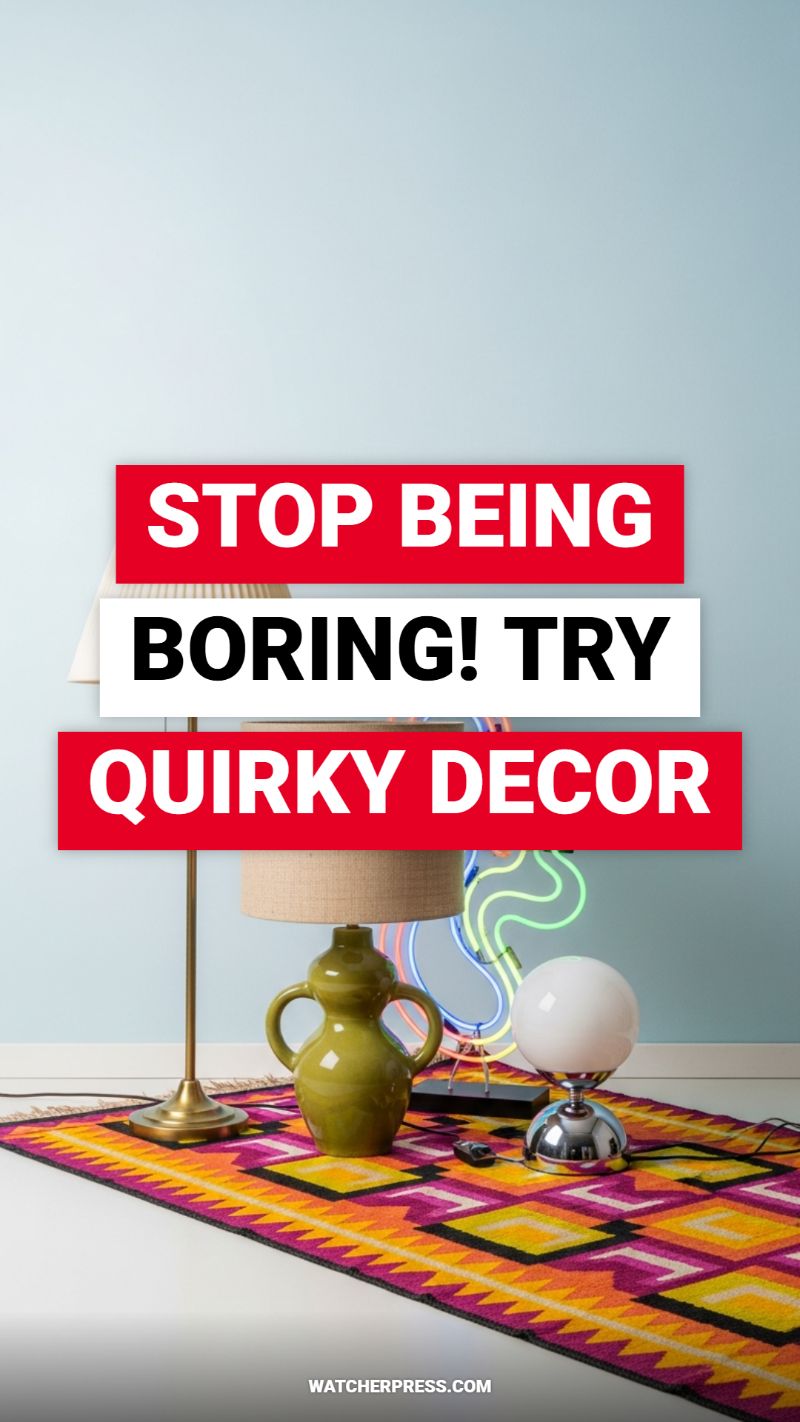
Quirky decor is the antithesis of the beige aesthetic, embracing personality through deliberate, yet unexpected, design choices. This style excels at mixing high and low, old and new, creating spaces that feel authentic and lived-in. To master the look, begin with a calming, relatively neutral backdrop, such as the soft pale blue featured here, which prevents the vibrant accessories from overwhelming the eye. The key is in thoughtful juxtaposition: successfully pair the elegance of a classic brass floor lamp with the whimsical modernism of a chrome-based globe light. This blend of metallic finishes and varied silhouettes immediately adds depth and suggests a collected history rather than a store-bought set. Ensure that despite the different styles—from mid-century modern chrome to traditional floor lamps—a unifying thread exists, often related to color family or scale, to keep the arrangement feeling intentionally cohesive rather than chaotic. The foundation of quirky decor is confidence in clashing, but always with a controlled hand.
The heart of quirky decor lies in the confident use of saturated color and bold pattern. Rather than matching, aim for harmonious contrast. Introduce a visually arresting anchor piece, such as a brightly patterned, woven runner rug featuring hot pinks, fiery oranges, and sharp geometric motifs. This pattern serves as the immediate focal point and dictates the complementary color palette for surrounding accessories. Notice how the bright, complex rug is grounded by the deep, organic shade of the olive-green ceramic vase, which is a sculptural piece in its own right. When layering textures, combine matte (burlap lamp shade) with shiny (chrome and neon) and soft (rug) with hard (ceramic). Furthermore, lighting should be diverse; incorporate at least three distinct sources—ambient (the tall floor lamp), functional (the table lamp), and accent (the neon sign)—to create atmospheric layers that enhance the eccentric display and highlight different pieces.
True quirky design relies on conversation pieces that evoke joy and surprise. Nothing embodies this spirit more than incorporating personalized, unexpected elements like custom neon signs or distinctly sculptural objects, such as the double-handled vase, which challenges traditional forms. When selecting accent pieces, opt for items that tell a story or feature an exaggerated shape or unexpected color pop, like the bright neon glow juxtaposed against the earthy colors of the other lamps. Expert advice dictates that while maximalism is embraced, clutter should be avoided. Each quirky element must feel carefully placed and curated. The goal is intentional eccentricity—a gallery of personality where every piece, from the functional lighting to the decorative textile, contributes to a cohesive, joyful narrative, proving that ‘boring’ is simply a choice, not a design necessity.
ELEVATE YOUR SPACE: AFRO CHIC STYLE
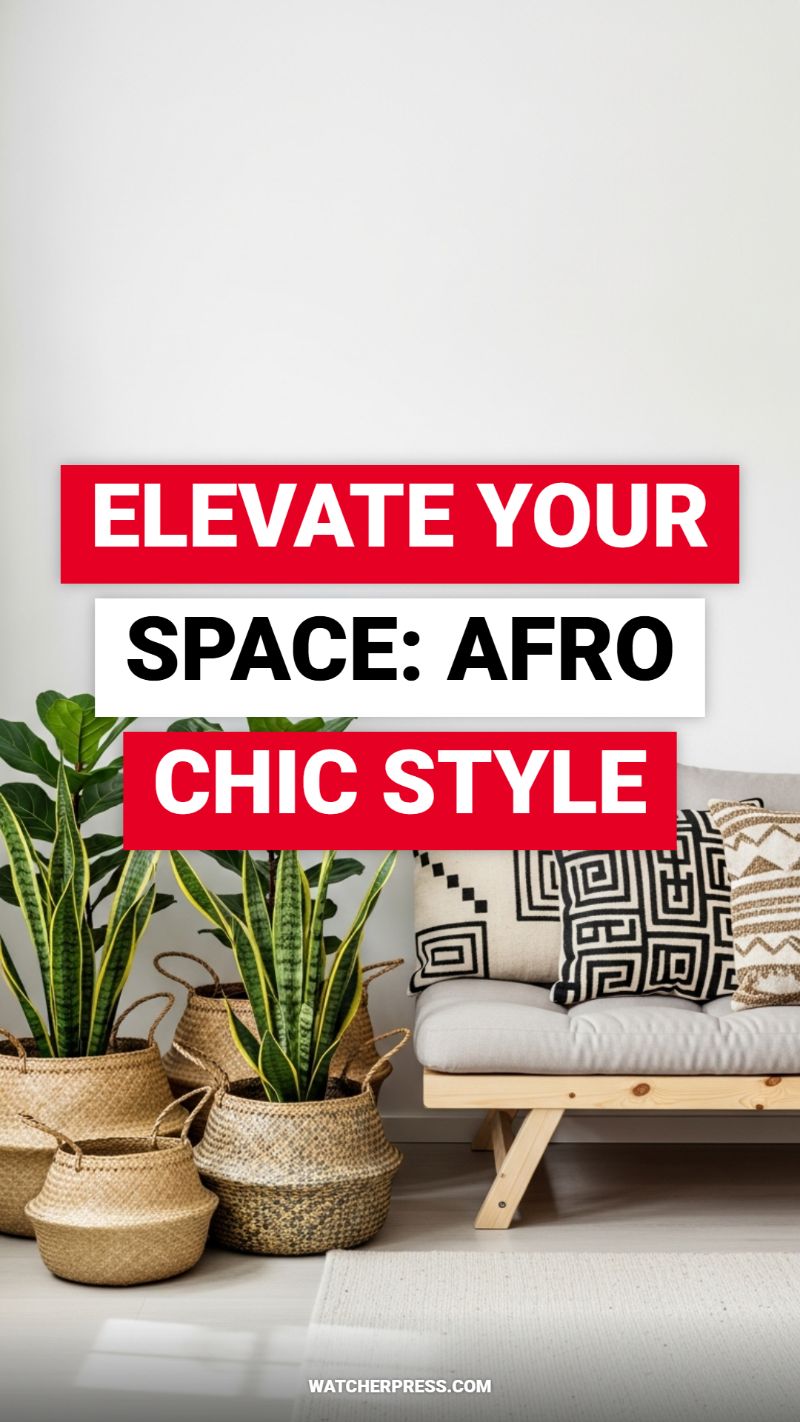
The essence of Afro Chic style lies in harmoniously blending modern minimalism with the rich, earthy textures and patterns inherent to the African continent. To master this look, start with a neutral, grounding palette
think crisp white walls, light woods, and natural fiber flooring, as seen in the foundational image. The instructional foundation involves integrating organic materials that evoke an organic, handcrafted feel. Prioritize rattan, jute, raffia, and light-toned wood for major furniture pieces, mirroring the simple, geometric structure of the sofa bench shown here. Crucially, introduce vibrant greenery using large, architectural plants like Snake Plants (Sansevieria) or Fiddle Leaf Figs, potting them exclusively in woven grass or seagrass baskets. These natural vessels replace traditional ceramic containers, instantly injecting that essential tribal warmth and textural depth, successfully moving the space away from stark modernity toward relaxed, global luxury.
Pattern and textiles are the defining, non-negotiable characteristics of Afro Chic design. This style avoids subdued color palettes and relies heavily on high-contrast, impactful prints, typically executed in monochrome (black and white) or saturated earth tones (ochre, rust, deep indigo). Seek out textiles featuring traditional West African Adinkra symbols, geometric Kuba cloth motifs, or dynamic Zulu patterns. The pillows in the accompanying scene perfectly illustrate this high-impact technique: dense black and white geometric patterns that stand out dramatically against the neutral upholstery. When layering, combine distinct pattern scales (large scale with smaller details) but ensure the color family remains tight and focused. Expert advice for integrating these textiles is to use them strategically: as throw pillows, blankets draped over furniture, or as large, framed wall hangings made from authentic fabrics like Bogolanfini (Mudcloth).
To complete the Afro Chic narrative, focus on incorporating sculptural and artisanal accessories that feel hand-forged or culturally relevant. Look for elements like carved wooden stools (often doubling as side tables), minimalist metalwork (such as aged iron candleholders or hammered copper vessels), and expressive ceramic pieces. The finishing touch involves layering the floor space with organic rugs
a chunky woven jute or thick, cream-colored wool rug, as depicted, which softens the hard lines of the furniture and enhances the feeling of sanctuary. It is paramount to avoid clutter; Afro Chic is characterized by intentional, meaningful placement. Each item should serve as a functional piece of art or a conversation starter, ensuring the overall design remains sophisticated and uncluttered, balancing the vibrant, ethnic patterns with refined, thoughtful curation.
90S DECOR IS BACK: DO THIS!
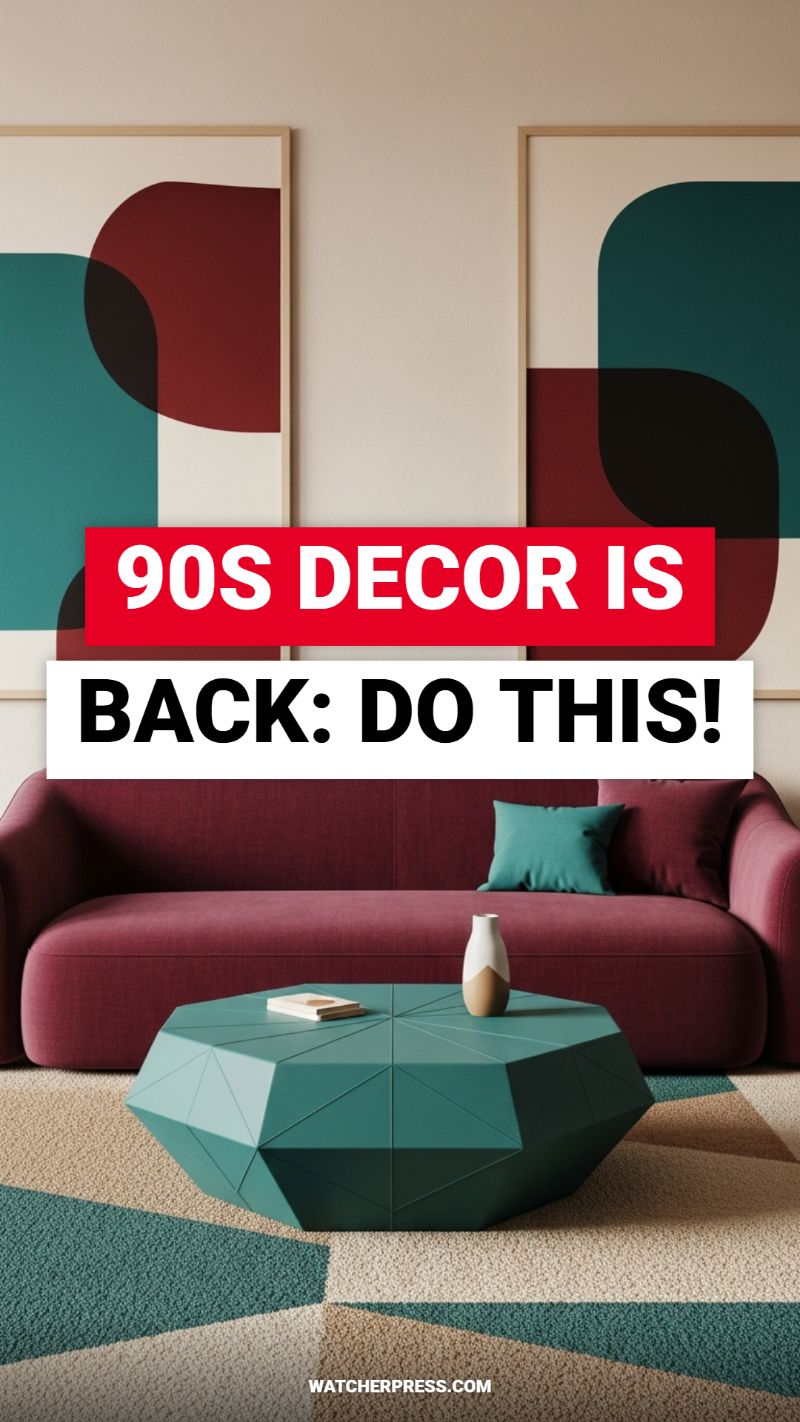
The bold, postmodern aesthetic often associated with the late 80s and early 90s is officially experiencing a sophisticated revival, moving far beyond dated chintz and pastels. This new iteration embraces saturated color, sculptural geometry, and expressive layering, drawing heavily from the Memphis Group movement but with a refined, modern finish. To master this trend, your first step is strategic color blocking using jewel tones. Look past soft neutrals and anchor your space with one primary, deeply pigmented piece, such as a magenta or burgundy velvet sofa. This piece sets the mood and dictates the secondary colors you introduce—in this visual, the deep teal of the coffee table and accent pillow provides a necessary, high-contrast counterpoint. Ensure your selected colors are rich and matte, avoiding high-gloss or fluorescent finishes that can quickly veer into kitsch. The success of this style relies on intentional clashes and visual weight, so don’t be afraid to pair warm reds with cool greens or blues, using crisp white or cream walls as breathing room.
Next, the geometry must be deliberate and architectural. The key instruction for implementing modern 90s style is to integrate sculptural, unexpected forms in your foundational pieces. Note how the faceted, gem-like coffee table provides a rigid, angular counterpoint to the smooth curves of the sofa. When selecting side tables, lighting, or primary furniture, look for elements that appear carved, stacked, or asymmetrical. This strong geometric theme must continue into your textiles and wall art. Invest in large-scale abstract prints featuring color-blocked shapes that echo your room’s palette; these pieces serve as dramatic backdrops rather than subtle decorations. Similarly, the area rug should introduce texture and pattern without overwhelming the floor. Opt for low-pile or shaggy textures with graphic patterns (like the geometric diamonds shown) that anchor the arrangement and tie all the disparate colors into a cohesive narrative.
To ensure your 90s revival feels current rather than nostalgic, focus on editing and scale. While the original decade often embraced maximalism through sheer volume of objects, the modern approach is elevated maximalism, utilizing large, impactful pieces but minimizing clutter. Keep accessories spare; a single, two-toned ceramic vase or a small stack of books on the coffee table is sufficient. Furthermore, prioritize texture to add depth. The interplay between the smooth velvet upholstery, the hard angles of the coffee table, and the plush, high-pile geometric rug is crucial. This layering prevents the bold colors and shapes from falling flat. By focusing on rich materials, high-contrast color pairings, and strategic, sculptural geometry, you can transform your space using this dynamic and playful trending aesthetic.
TOP 5 AMAZON DECOR UNDER $50
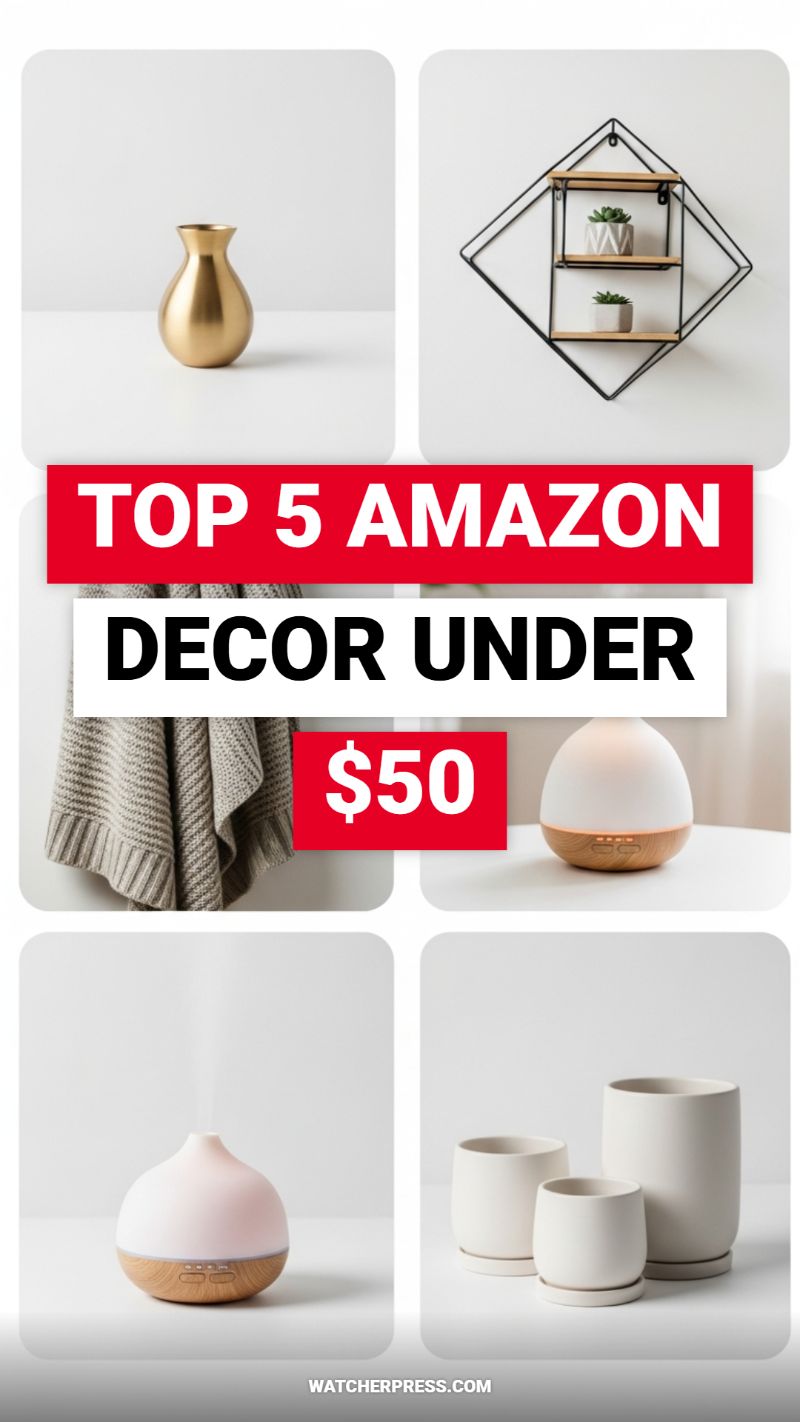
To elevate any space, mastering the art of accent styling is crucial, especially when working with a strict budget. This visual guide demonstrates how pieces under $50 can anchor a room’s aesthetic, proving that high style doesn’t require a high price tag. Start with structural elements like the pictured geometric wall shelf. This iron and wood combination is a staple in both Industrial Chic and Modern Bohemian design, providing necessary vertical dimension and a canvas for curated items. Use it to display small succulents or air plants, introducing natural texture without the bulk of larger flora. Pair this structural piece with a contrasting element, such as the matte gold bud vase. Metallics, particularly brushed brass or gold, act as immediate focal points, lending sophistication to minimalist tablescapes or fireplace mantles. The key to successful styling is strategic placement: use one bold metallic piece per surface to avoid visual competition, ensuring the item feels curated rather than cluttered.
Contemporary interior design increasingly emphasizes comfort and well-being, a nod to the enduring Hygge and wellness trends. Introduce immediate softness through textiles; the chunky knit throw blanket shown is essential for softening the hard lines often found in modern furniture. Drape it casually over the arm of a sofa or a storage basket to invite warmth and layered texture. Simultaneously, integrate wellness through functional decor, exemplified by the essential oil diffusers. These items, often featuring minimalist, organic shapes and natural wood bases, seamlessly blend technology with organic aesthetics, fitting perfectly into Scandinavian or Japandi styles. Place the diffuser on a side table alongside a reading lamp to signal a space dedicated to relaxation and intentional living, turning a simple appliance into a key decor element.
For small-scale decor to make a significant impact, proper grouping and material cohesion are non-negotiable. Notice how the plain white ceramic planters are displayed in varying heights—this trick, often following the rule of three, creates dynamic visual interest and prevents a flat display. When sourcing affordable items, maintain a strict color palette (e.g., sticking to muted whites, natural woods, and one consistent metal tone). This cohesion ensures that items sourced from different places look intentionally collected rather than cheap or mismatched. These budget-friendly pieces serve as versatile transitional elements, proving that a high-style home requires thoughtful curation and strategic styling, not simply limitless spending.
7 Pieces for a Gothic Western Home
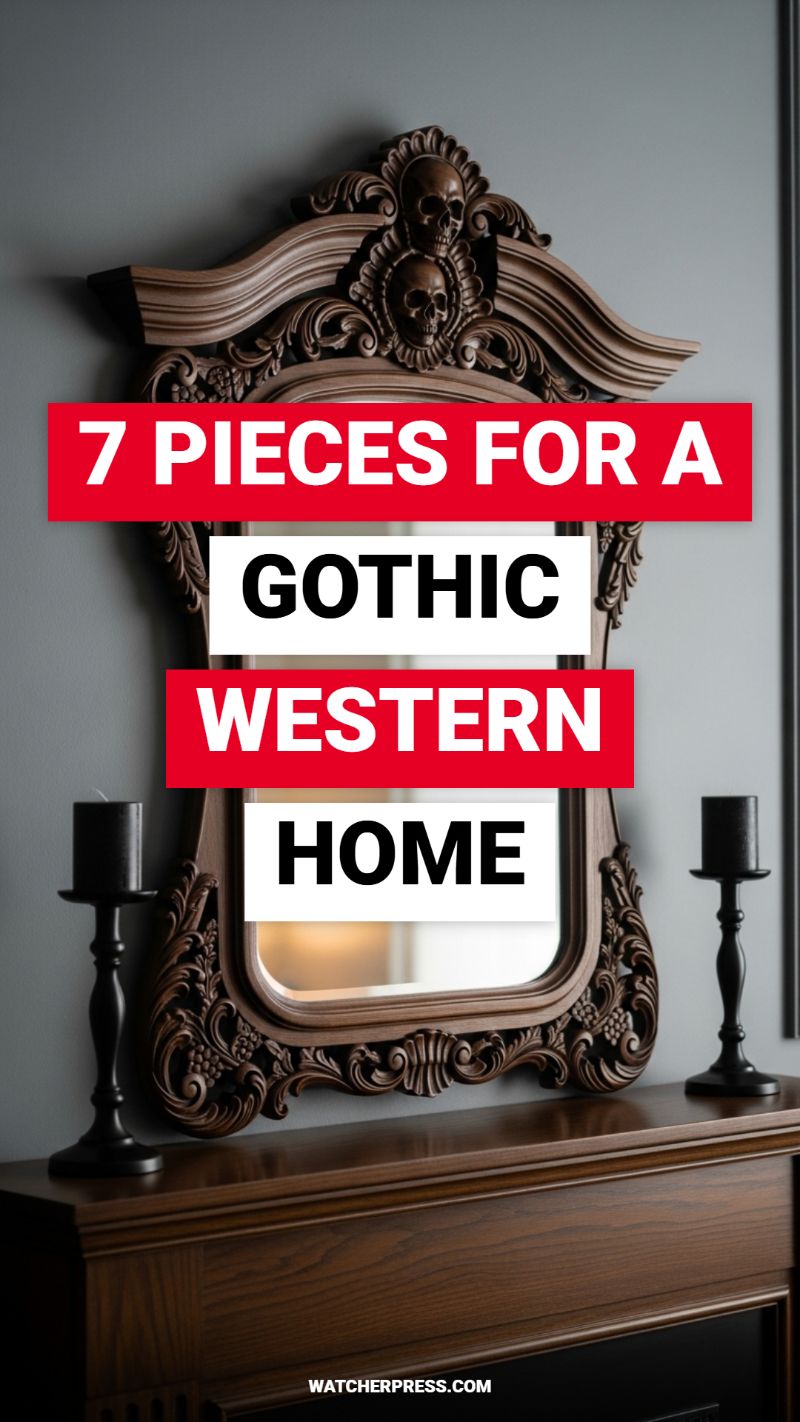
The Gothic Western aesthetic, sometimes known as Cowboy Goth or Westerncore, is a highly theatrical yet grounded style that marries the dark opulence and ornate carving of Victorian Gothic design with the rugged, earthy grit of frontier living. To master this fusion, begin with substantial, dark wood pieces, exemplified by the deeply carved mirror shown here. This style demands heavy, dramatic furniture that looks salvaged from an antique saloon or a Transylvanian manor house. Look for woods stained in espresso or walnut, often featuring elaborate scrollwork, finials, or, in the true spirit of the aesthetic, morbid motifs like skulls and filigree. The backdrop should be subdued—deep charcoals, slate grays, or rich forest greens—to allow the dark wood and accessories to create striking contrast and mood. This is not a style for bright, airy spaces; it requires intentional shadows and a rich, saturated palette that hints at mystery and age.
To successfully blend the ‘Gothic’ and ‘Western’ elements, focus on textural integration and carefully curated lighting. Introduce rough, natural textures typical of the frontier: worn leather, distressed iron, rough-spun wool, and possibly a faux cowhide or sheepskin rug. These elements prevent the ornate carving from feeling overly fussy. Lighting should be low, warm, and strategic, creating deep atmospheric shadows essential for the Gothic mood. Ditch modern recessed lighting in favor of candelabras, heavy wrought iron chandeliers, or, as pictured, simple black pillar candles in classic black holders. These provide a flickering, dramatic glow that enhances the heavy, dramatic weight of the furniture. Avoid bright chrome or polished gold; instead, opt for blackened bronze, aged brass, or raw iron for all hardware and metal fixtures, reinforcing both the historical weight and the frontier toughness.
Completing the look requires thoughtful layering of specific decor pieces. Beyond a central statement item like the mirror, incorporate accessories that lean into the macabre or the ruggedly repurposed. Consider using industrial or salvaged items—think heavy iron hooks, repurposed industrial machinery, or even framed Western prints rendered in black and white. Items like taxidermy (or high-quality faux pieces), antique pistols (safely displayed), or detailed animal skulls can tie the frontier theme directly into the Gothic drama. Maintain a sense of scale; every piece in a Gothic Western home should feel substantial, heavy, and purposeful. The goal is to create an environment that feels both historically rich and slightly dangerous, balancing the high romance of the past with the hardiness of the Old West.
WHY EVERYONE LOVES SOUTHERN DECOR

The Southern Decor style, particularly in its formal entertaining setting, is rooted in the tradition of gracious living and deep hospitality. To master this look, begin with the foundation: the textiles. A formal dining space necessitates a heavy, luxurious tablecloth, often in crisp white or ivory, featuring subtle damask or brocade patterns, as depicted here. This provides a clean yet opulent backdrop for the place settings. Southern decor favors rich, dark wood furniture (like mahogany or walnut visible in the background) juxtaposed against lighter linens and wall treatments. The contrast between the heritage wood tones and the brilliant white linens is key to achieving that elegant, high-contrast look that feels simultaneously grand and welcoming. Ensure your dining room maintains excellent lighting, often utilizing chandeliers or sconces, to highlight the sparkle of the settings and the texture of the fabrics.
Authentic Southern formal dining is defined by layered textures and materials that evoke history and quality. Start with chargers or dinner plates featuring metallic accents, typically gold banding, which adds a necessary warmth often missed with plain white sets. Layer upon this with salad or dessert plates to achieve visual depth. Crucially, the flatware should be sterling silver or high-quality silver plate, contributing to the room’s weight and heritage feel; look for traditional patterns like fiddlehead or similar scrolled designs. Complement the silver and gold with clear, cut crystal glassware. Unlike simple modern tumblers, the multifaceted facets of crystal catch the light beautifully, adding a layer of depth and visual richness that is quintessential Southern style. The deliberate layering of plates, polished silverware, and sparkling crystal communicates intentionality and deep respect for the tradition of the meal.
No Southern table setting is complete without a lush, natural centerpiece that brings the outside in. The use of large, creamy magnolia blossoms, flanked by their glossy, deep green leaves, is the ultimate signature touch, representing permanence and regional identity. When crafting your own, aim for arrangements that are full but low enough to allow for easy conversation across the table. Beyond the centerpiece, the overall ambiance must convey effortless warmth despite the formality. This means ensuring everything is impeccably polished—the silver gleaming, the crystal sparkling, and the linens pressed. Southern decor achieves its beloved status because it successfully marries structured formality with profound, heartfelt comfort, transforming a simple meal into an elaborate event where guests feel honored and cherished.
MAXIMIZE SPACE: SMALL HOME IDEAS
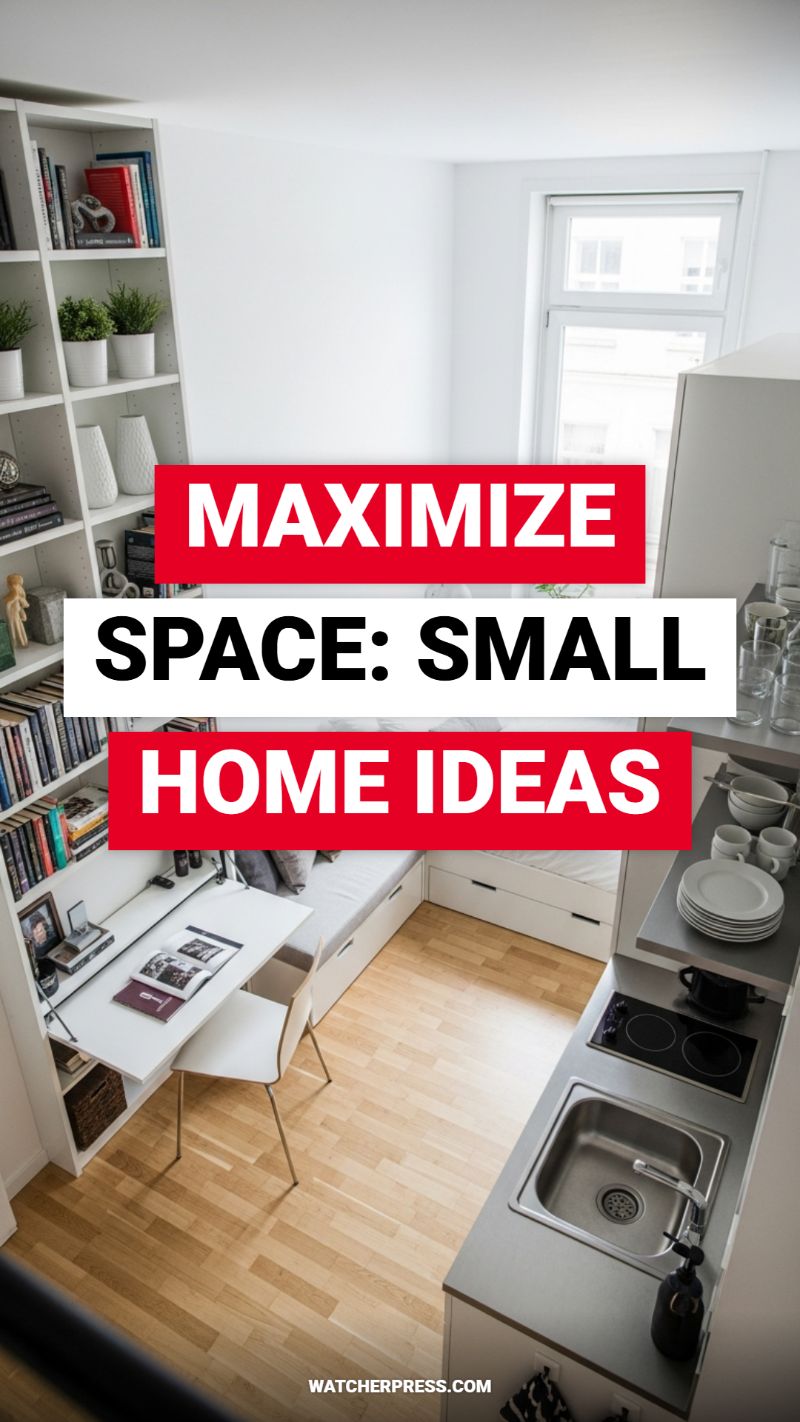
Achieving a sense of spaciousness in a small home or micro-apartment hinges entirely on incorporating highly strategic, multi-functional furniture. As demonstrated in this setup, the foundation is adaptive design: a bed that seamlessly transforms into a daybed or seating bench with integrated under-storage drawers ensures no floor space is wasted on dedicated bedroom storage. Complement this with transformable elements, such as a drop-leaf or fold-down desk/table, allowing the “office” or “dining” area to vanish when not in use. Crucially, utilize the third dimension verticality. Install tall, narrow shelving units that draw the eye upward and provide massive capacity for books, d cor, and essential items. These units should be open and light-colored (like the white one pictured) to maintain an airy feel, turning storage into an intentional design feature rather than clutter containment.
The secret to successful small-space design is treating utility areas, particularly the kitchen, with hyper-efficiency. Notice the narrow, streamlined kitchenette here: it bypasses bulky full-size appliances in favor of compact, integrated solutions like a two-burner stovetop and a smaller sink basin. When designing your compact cooking zone, choose sleek, light-colored countertops (like the grey seen) and incorporate open shelving rather than heavy upper cabinetry. Open shelving for frequently used items (plates, glasses) maintains visual lightness, preventing the area from feeling heavy or enclosed. Furthermore, amplify the natural light using white walls and light-toned wooden floors not only reflects light deeper into the space but also establishes a clean, minimalist aesthetic, making the boundaries of the room feel less defined and thus, visually larger.
Mastering the small home means becoming an expert in visual zoning and rigorous organization. Even in a studio setting, it’s vital to mentally and physically divide the different functions (living, sleeping, working, cooking) to maintain mental clarity and spatial order. Use rugs, subtle differences in lighting, or the placement of multi-functional furniture itself to denote these zones. For instance, the placement of the desk facing the wall shelf clearly zones the work area separate from the kitchen. Finally, adopt a “less is more” philosophy; maximal storage capacity requires near-minimalist habits. Every item must have a specific home within the integrated drawers or shelving. This commitment to decluttering is not just about aesthetics it is a functional requirement to ensure that maximizing space leads to comfort, not claustrophobia.
MUST-HAVE CROCHET HOME FINDS

The cornerstone of mastering cozy, layered interiors lies in the strategic placement of tactile elements. The rise of crochet and oversized knits represents a critical shift towards prioritizing comfort and texture in contemporary design, moving beyond purely smooth or metallic finishes. Unlike traditional fine needlework, these “must-have finds,” as exemplified by the dramatically draped chunky blanket, utilize thick, voluminous yarn—often natural wool or high-quality cotton—resulting in pronounced loops and a high-relief, sculptural texture. This immediate visual and sensory warmth is essential for grounding modern minimalist spaces or adding complexity to transitional, rustic, and especially Scandinavian-inspired interiors. To effectively replicate this trend, prioritize large-scale items, such as a substantial throw, ensuring it is thick enough to drape dramatically over seating. The color choice, typically an organic off-white or natural cream, is strategic; it ensures versatility, allowing the texture to become the primary focal point rather than competing with vibrant hues, thus integrating seamlessly into diverse color palettes.
Integrating these heavy textiles successfully requires thoughtful styling, focusing intensely on contrast and intentional casualness. As demonstrated by the way the thick, hand-stitched blanket spills over the clean lines of the tailored gray armchair, the key is juxtaposition: pairing the soft, voluminous texture against structured, smooth, or angular furniture pieces. Expert designers recommend positioning these finds in areas that receive abundant natural light, as the sunlight catches the depth of the weave and dramatically enhances the three-dimensional quality of the fiber—a technique known as ‘textural highlighting.’ Furthermore, maximize the trend by extending beyond blankets; look for equally chunky knitted floor poufs, oversized cushions, or textured area rugs. When layering patterns, ensure that the crochet piece remains the dominant textural element, opting for subtle accompanying prints or solid colors in surrounding soft furnishings to maintain a sophisticated balance and prevent the space from feeling cluttered or overtly craft-focused. This careful layering ensures the look is elevated and intentional, not accidental.
While the aesthetic impact is immediate, consider these chunky, textile-rich pieces as investment elements in long-term comfort and style. High-quality crochet and knit items made from durable, thick wool or specialty yarns often retain their structure and appeal much better than lighter synthetic alternatives. When sourcing these key finds, look for pieces with visible, consistent stitches, which signal quality and prevent excessive pilling or shedding over time. For a truly bespoke feel, consider commissioning a local artisan to create pieces with specific dimensions and colors tailored to your unique interior design scheme; this adds a unique, narrative element to your decor, enhancing the overall curated feel of your home. Ultimately, the “must-have crochet find” transcends fleeting trends by offering enduring warmth, necessary textural complexity, and a soft, inviting counterpoint to the clean geometry and hard surfaces often favored in contemporary architecture, solidifying its place as a staple element for achieving masterfully layered living spaces.
Ultimate Guide to Modern Mexican Style
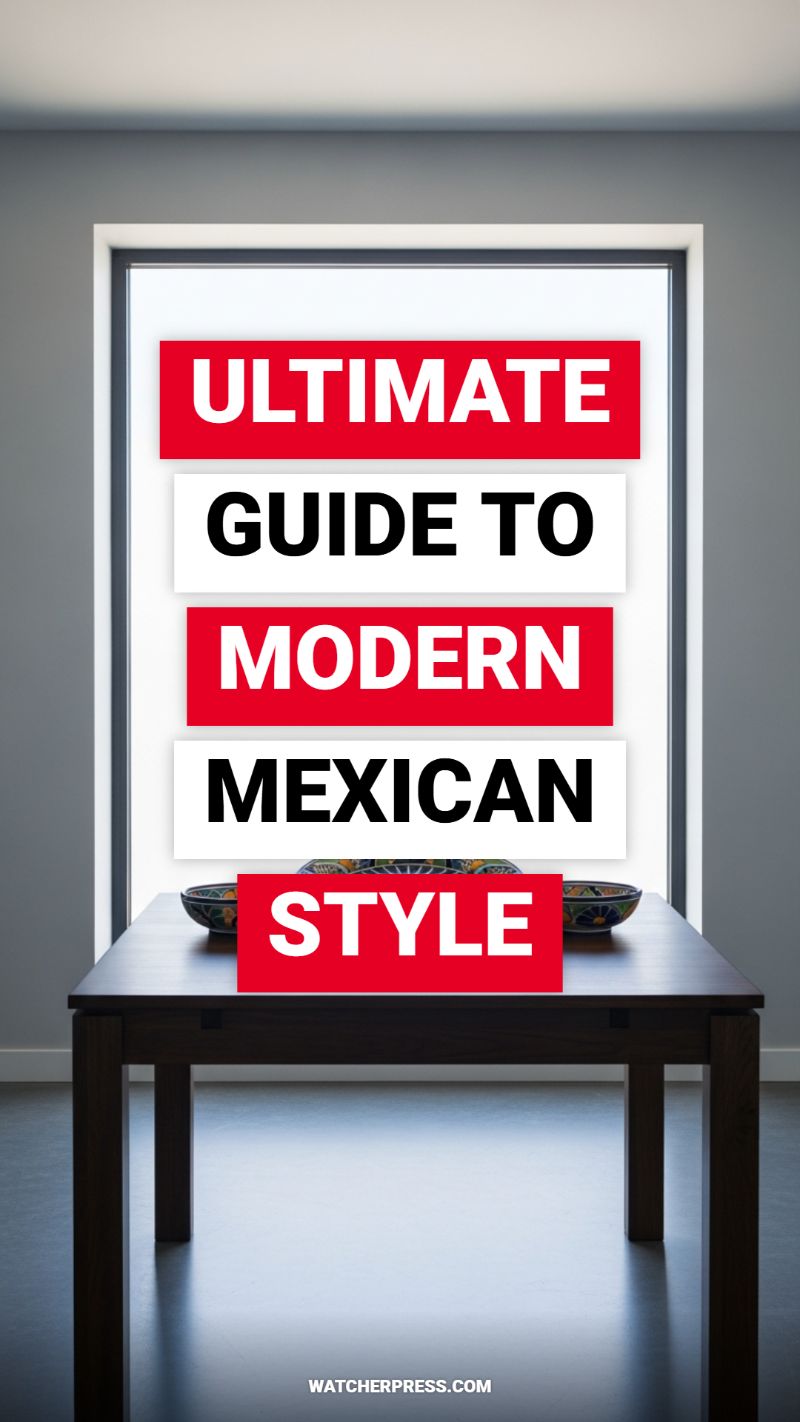
Modern Mexican style, often referred to as Mexi-Chic, masters the delicate balance between the rich, artisanal heritage of Mexico and the clean, functional simplicity of modern design. To successfully incorporate this aesthetic, start with a foundation of stark neutrality. Walls should be finished in materials like polished concrete or smooth white stucco, maximizing the ample natural light characteristic of Mexican architecture—a concept beautifully highlighted by the large window in the image. The structural elements should remain linear and uncluttered, relying on dark, deeply stained hardwoods (such as Parota or walnut, as seen in the dining table) for necessary contrast. Color is not avoided, but it is introduced strategically through texture and accent pieces rather than dominating the walls. Focus on integrating deep earth tones, terracotta, and subtle indigo or turquoise hues to anchor the space and prepare it for the vibrant details to come. The overall atmosphere should feel open, breathable, and slightly sun-drenched.
Craftsmanship is the soul of this design approach. The instructional aspect lies in curating high-impact artisanal items that tell a story without creating clutter. Seek out authentic Talavera pottery—like the intricate bowls seen in the image—or hand-blown glass fixtures that cast interesting light patterns. Textiles are essential for warmth; look for hand-woven Oaxacan or Chiapanecan textiles used as throws, pillows, or area rugs. When selecting rugs, juxtapose clean-lined furniture with traditional geometric patterns or abstract interpretations of traditional designs. Avoid pairing too many large, bulky pieces; instead, let one feature piece, such as a large copper pendant lamp or a set of Saltillo tiles in a specific zone, command attention. This careful curation prevents the space from feeling like a museum and maintains the ‘modern’ directive of thoughtful simplicity.
Executing the Modern Mexican style successfully requires intentional layering and respecting negative space. Furniture should follow clean, often rectilinear lines but utilize natural materials like leather, wood, and sometimes rattan or wicker for texture. Unlike traditional styles that fill every corner, the modern application prioritizes flow and visual rest. If you are using a dramatic color (like deep fuchsia or electric blue), confine it to a single wall or a piece of statement artwork, allowing the rest of the room to breathe. Finally, emphasize the indoor-outdoor connection; if possible, use large sliding doors or strategically placed windows to blur the line between the interior and an outdoor space. This approach not only maximizes light but honors the traditional Hacienda lifestyle, reinterpreted through a contemporary, streamlined lens.
DARK ACADEMIA MEETS WESTERN FLAIR
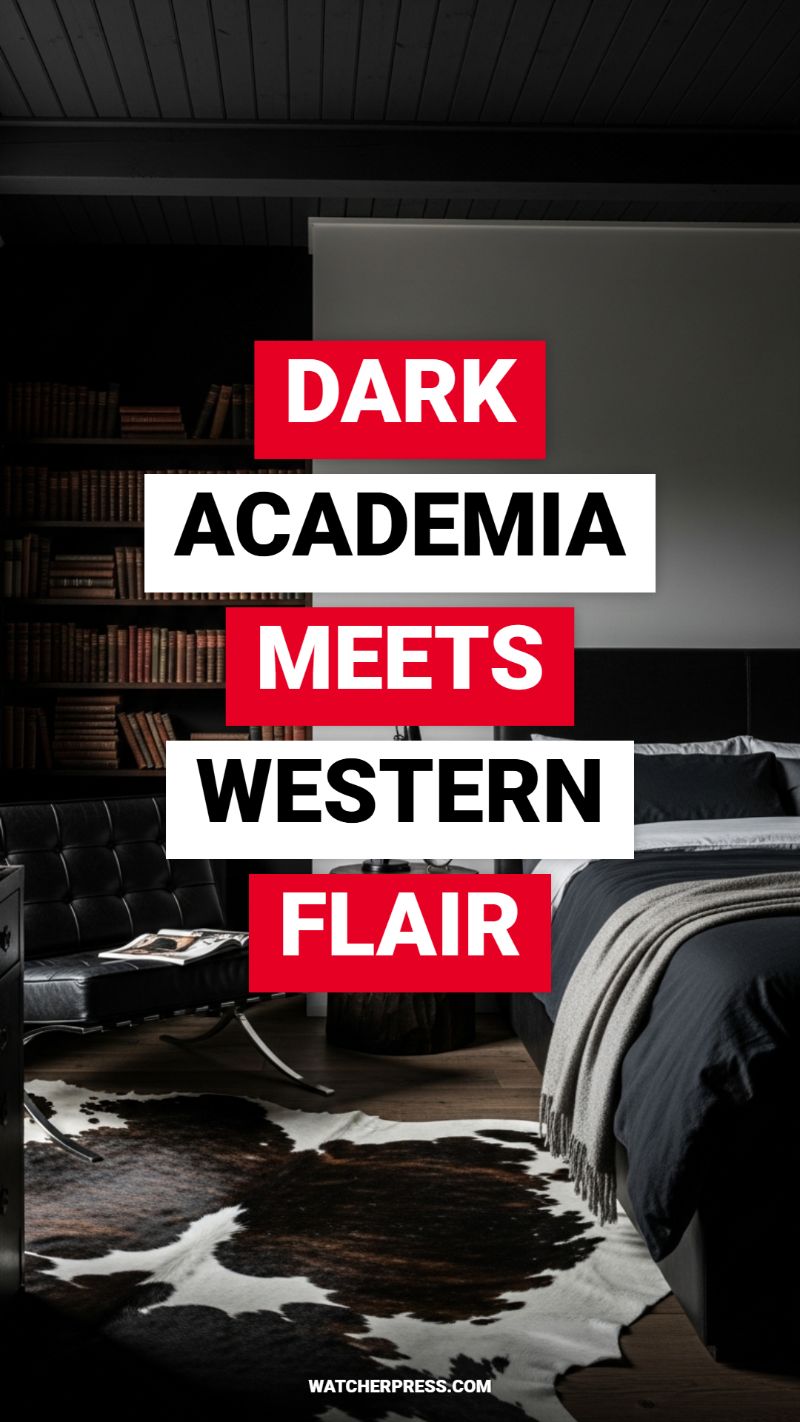
The seamless integration of Dark Academia and Western Flair results in a dramatic, personalized space that feels both intellectual and ruggedly authentic. To master this look, begin by establishing the Dark Academia foundation: a moody, contemplative backdrop defined by deep, saturated colors like charcoal, ebony, and rich forest green. Embrace architectural depth by painting the ceiling dark or incorporating reclaimed wood beams, fostering an intimate, library-like atmosphere. Essential furniture pieces should lean toward timeless classics, such as iconic leather lounge chairs or deep, dark tufted seating, complementing built-in or freestanding bookshelves laden with vintage volumes. The key to the ‘how-to’ here is maximizing texture within this dark envelope, pairing smooth, polished surfaces with heavy fabrics and subtle brass or bronze hardware that reflect low, warm light.
Once the intellectual base is set, introduce the unexpected energy of Western Flair to prevent the space from becoming overly severe. The most impactful way to achieve this, as seen in the inspiration image, is through a striking, authentic cowhide rug—its irregular shape and organic brown-and-white pattern serve as the perfect high-contrast counterpoint to the room’s formal geometry and dark palette. Beyond the rug, integrate smaller, rugged elements sparingly: think weathered wooden side tables, distressed accent pieces, or wrought iron lamps. Expert advice dictates selecting pieces that suggest the ‘high desert’ aesthetic—refined, natural, and high-quality—rather than frontier kitsch. The goal is to bring an earthy, grounded counterpoint that speaks to adventure and natural materials, balancing the formality of the academic setting.
Achieving cohesion between these two disparate styles relies heavily on skillful material layering and controlled lighting. Ensure all textiles share a common thread of quality, whether it’s the fine grain of the academic leather chair or the natural texture of the Western hide, mixing in soft, textured throws (like wool or chunky knits) for comfort. For lighting, ditch harsh overhead fixtures in favor of task lighting, utilizing desk lamps and floor lamps with antique finishes to cast pools of warm, inviting illumination, highlighting the texture and color variations of the wood, leather, and textiles. Finally, personalize the space with curated ephemera: globes, geological samples, antique maps, or framed botanical prints—objects that appeal equally to the curious scholar and the intrepid explorer. When executed correctly, this blend creates a luxurious, sophisticated sanctuary that celebrates both knowledge and rugged nature.
5 MODERN MEXICAN DECOR HACKS
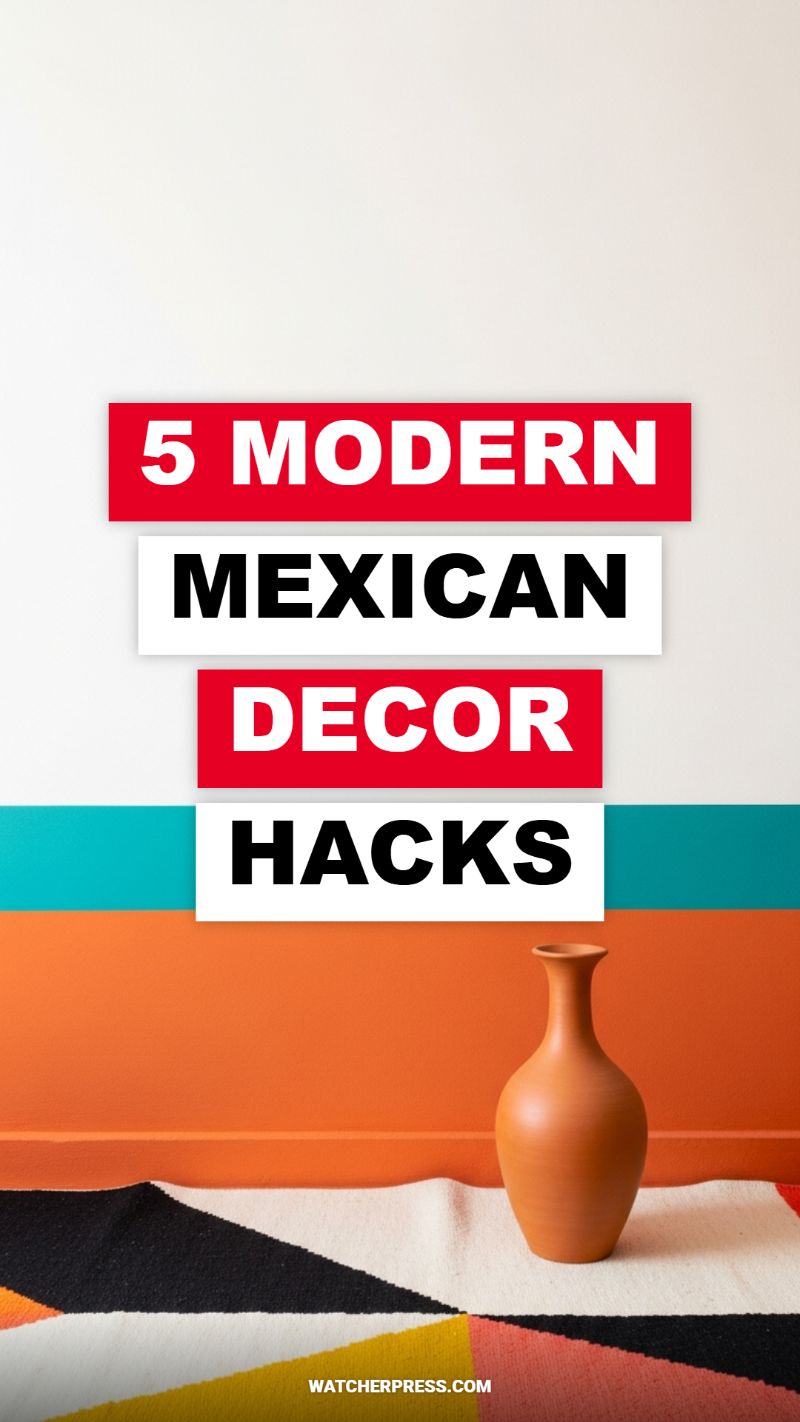
To successfully integrate Modern Mexican decor into your home, the first crucial step is mastering the art of color blocking, a hallmark of this vibrant style. Move beyond simple accent walls by employing highly saturated colors—think deep terracotta, vivid turquoise, sunny marigold, and rich cobalt blue—used in distinct, graphic sections. As seen in the inspiration image, balance these intense lower segments (like the brilliant orange wainscoting) with large swaths of clean, bright white or neutral tones on the upper walls. This technique prevents the space from feeling overwhelmingly colorful, lending a sophisticated, contemporary edge. Expert tip: Use a crisp, thin line of a contrasting color, such as a sharp teal band between the white and orange, to introduce a geometric dimension and modernize the traditional use of vibrant plaster.
Secondly, anchor the design with authentic, texturally rich elements. Modern Mexican style relies heavily on natural materials to provide warmth against the bold color palette. Incorporate handcrafted textiles, particularly those featuring strong, graphic patterns, such as the geometric rug displayed. Look for high-quality woven wool or cotton pieces that utilize traditional motifs but rendered in a clean, high-contrast manner (like black, white, and primary colors). When selecting decorative accessories, prioritize organic, unpolished finishes. A simple, sculptural terracotta vase—left unglazed and earthy—is the perfect contrast to the sharp lines of the paintwork, bringing a foundational, artisanal authenticity that elevates the entire room. Avoid overly rustic or busy pieces; the key is intentional placement of a few significant, well-crafted objects.
Finally, maintain a disciplined approach to curation to ensure the look remains unequivocally ‘modern.’ While traditional Mexican decor often embraces maximalism, the modern iteration thrives on simplicity of form and thoughtful spacing. Choose furniture with clean lines, allowing the colorful backdrops and statement textiles to serve as the primary focus. Adopt the philosophy of using bold color as art and accessories, rather than cluttering surfaces. This approach allows essential design elements, such as a striking piece of pottery or a vibrant piece of Oaxacan folk art, to breathe and command attention, ensuring the final result is a balanced, curated space that feels simultaneously deeply cultural and perfectly contemporary.