
Discover how dark and moody hues are transforming interiors. Explore 10 dramatic decor ideas that use deep colors as the new neutral for sophisticated, stylish, and unforgettable home designs.
DON’T DECORATE UNTIL YOU SEE THESE GOTHIC WESTERN MUST-HAVES!
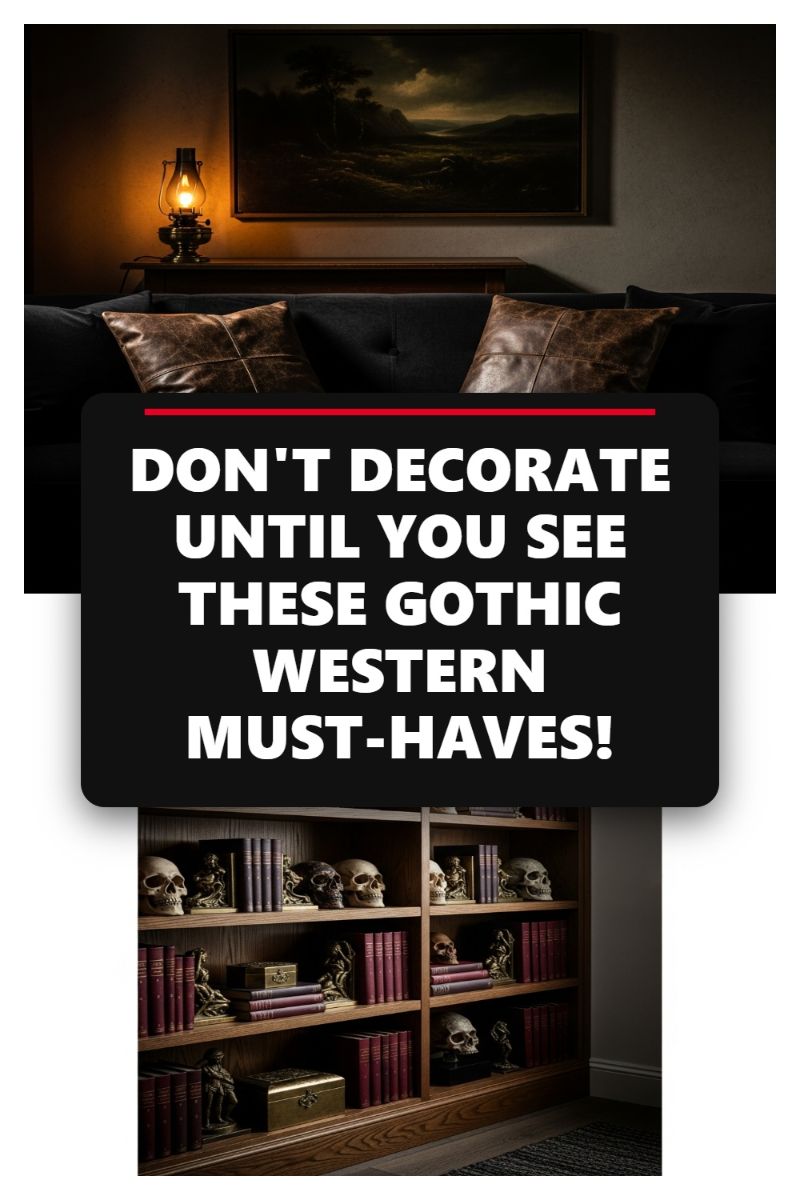
The “Gothic Western” aesthetic is a masterclass in utilizing moody hues and rich textures to create an atmosphere of dramatic opulence. Start by anchoring your space with deep neutrals—think matte black, charcoal gray, or a very dark indigo. These colors serve as the perfect canvas for your layered materials. Invest in foundational pieces that carry significant weight, such as a luxurious, deep-colored sofa, perhaps upholstered in black velvet or a rugged, heavily textured fabric. Crucially, introduce distressed leather through throw pillows or accent seating; the rich brown patina of aged leather instantly injects that rugged, frontier element, creating a compelling textural dialogue against the smooth dark walls and soft upholstery. This combination is essential for bridging the gap between gothic formality and Western grit, demonstrating how moody hues provide the necessary depth to handle heavy, tactile materials.
The success of this style hinges on highly intentional curation, transforming standard storage into a dramatic focal point. The image showcases this perfectly with a dark wood bookcase dedicated to displaying curiosities. To replicate this, fill your shelves primarily with uniform, deep-hued books (maroon, burgundy, black) to create visual continuity, then punctuate the rows with evocative, thematic accessories. Skulls, antique bronze figurines, or even geological specimens function as powerful, macabre bookends, lending a feeling of a well-traveled, darkly intellectual den. Lighting is non-negotiable for drama: employ warm, focused, low-level illumination, such as the flickering glow of an oil lantern or targeted picture lights. This high-contrast lighting is vital, as it prevents the dark palette from feeling oppressive, instead making textures pop and guiding the eye toward your most cherished (and dramatic) display items.
To complete the look, ensure your vertical surfaces contribute to the overall mood. Select artwork that complements the dark palette, such as 19th-century-style landscape paintings dominated by muted earth tones, somber skies, and dramatic perspective. Framing the art in dark, heavy wood adds further gravitas. Expert tip: the entire aesthetic relies on a sense of authenticity and age. Avoid overly polished or modern items. Seek out pieces with a history—a weathered brass box, a vintage oil lamp, or intentionally distressed wood furniture. By prioritizing patina and layering these rich, storied materials, you execute the Gothic Western trend with sophistication, achieving a home environment that is less spooky and more profoundly, dramatically chic.
DIY DREAM! 7 WAYS TO USE CROCHET THAT DON’T LOOK LIKE GRANDMA’S

Fiber arts—be it the knotted complexity of macrame or the delicate looping of crochet—are essential tools in modern interior design, proving that texture is often the missing link in a successful moody aesthetic. While the image displays these textiles in classic creams and light grays, the true ‘Dark Revolution’ lies in how you apply or reinterpret these materials. To ensure these pieces feel contemporary and dramatic, scale is crucial. Forget tiny doilies on end tables; we are talking about oversized, statement-making wall hangings or carefully curated groupings that provide a crucial textural contrast against a backdrop of deep charcoal, slate blue, or forest green. The dense, three-dimensional nature of these woven patterns prevents the dark walls from falling flat, adding layers of visual weight and sophistication that elevate the space far beyond the realm of dated crafts.
To achieve the highly refined look of the framed crochet grouping shown here, begin by ditching the traditional white thread and sourcing high-quality, matte cotton or linen thread in a rich, moody hue—think deep eggplant, obsidian black, or warm espresso brown. This simple color swap instantly transforms the perceived age of the craft. If using vintage doilies, consider dyeing them using a high-quality fabric dye to achieve a uniform, deep color. The key to the modern presentation is the mounting method: use clean, light wooden embroidery hoops (ensure they are tightly secured) to frame the crochet pattern, creating a beautiful juxtaposition between the natural wood and the dense, dark textile. Arrange these framed pieces in a staggered gallery wall format, mixing sizes and occasionally shifting the hue (e.g., mixing deep indigo hoops with charcoal gray ones) to create depth. This technique transforms what was once considered ornamentation into deliberate, structured wall art that demands attention.
For larger, macrame-style anchors, increase the drama through sheer volume and sculptural form. Use heavy-gauge cotton rope or thick jute, focusing on intricate knot work that creates substantial shadow lines. While neutral ropes (as pictured) work beautifully when mounted against a dark-painted wall, for the boldest statement, consider immersing the entire wall hanging in a highly saturated dye bath, resulting in a rich, velvety color like oxidized copper or faded burgundy. The ultimate expert tip for integrating these textured fiber pieces into a moody space is strategic lighting. Use narrow-beam directional lighting (or picture lights aimed downward) to highlight the textile art. This technique exaggerates the shadows and contours created by the knots and loops, maximizing the textural dimension and ensuring the piece feels dramatically lit, pulling the entire dark-toned design scheme together seamlessly.
NEXT LEVEL KITCHEN DESIGN: DARK WALLS & WOOD ACCENTS
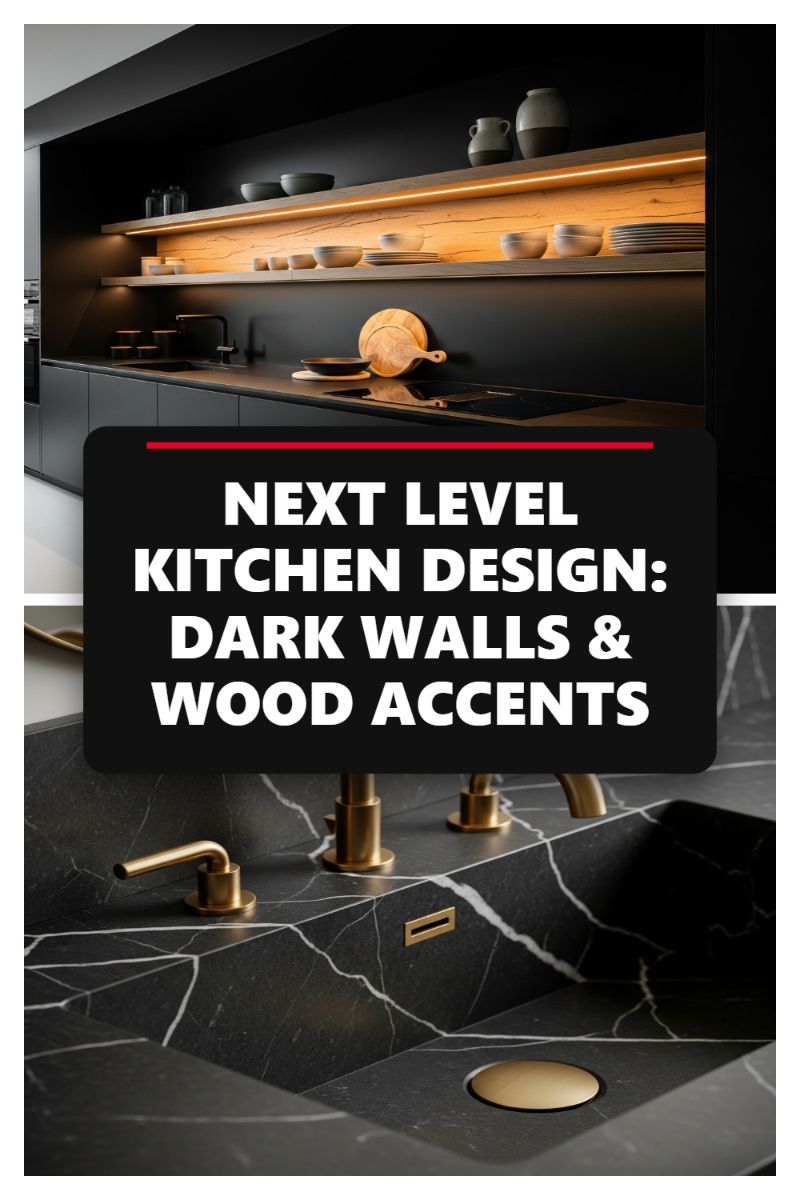
To truly embrace the moody aesthetic in a functional space like the kitchen, the foundation must be a cohesive, ultra-matte charcoal or true black finish on both walls and cabinetry. This monochrome approach—where cabinets seem to disappear into the backdrop—establishes immediate drama and depth. The secret to making this highly saturated environment feel luxurious rather than heavy lies in texture and light management. Opt for flat-front cabinetry and minimalist, integrated hardware to maintain sleek lines. When applying these dark hues, ensure sufficient daylight is available or implement a three-tiered lighting strategy (ambient, task, and accent) from the outset. By making the main structural components uniformly dark, you effectively prepare a dramatic stage for contrasting elements to shine. The contrast is further refined by selecting a striking black stone, such as Nero Marquina marble, for the countertop or integrated sink, ensuring the material itself offers dynamic movement through its light-colored veining.
The essential counterbalance to an all-black kitchen is the strategic introduction of warm, natural wood and focused lighting. As seen here, utilizing a light-toned, richly textured wood slab (such as rift-sawn oak or walnut with minimal stain) as the backsplash or floating shelves prevents the space from feeling cold or oppressive. The key instructional element is the integration of hidden LED strips, strategically placed to wash light over the wood accent surfaces. This under-shelf or back-panel lighting highlights the material’s grain and creates a warm, atmospheric glow that spills onto the dark countertop below. This deliberate placement of light turns the open shelving area into a functional, glowing focal point, maximizing visual interest and emphasizing the contrast between the organic warmth of the wood and the industrial sleekness of the dark architecture.
To complete this sophisticated design, focus on high-impact metallic accents, particularly in the plumbing and hardware selection. The use of warm metals—specifically brushed brass or satin gold—is non-negotiable against the backdrop of dark stone and cabinetry. Brass acts as the kitchen’s jewelry, providing essential light reflectivity and a touch of opulent glamour that prevents the space from feeling flat. Ensure all metallic elements—faucets, drain covers, and potentially any visible cabinet pulls—are consistently finished in the same warm tone to achieve a highly cohesive and visually impactful installation. The combination of rich textures (veined stone, grainy wood) and reflective metals ensures the dark color palette remains inviting and complex.
THE TRADITIONAL DECOR ELEMENTS WE’RE OBSESSED WITH THIS SEASON
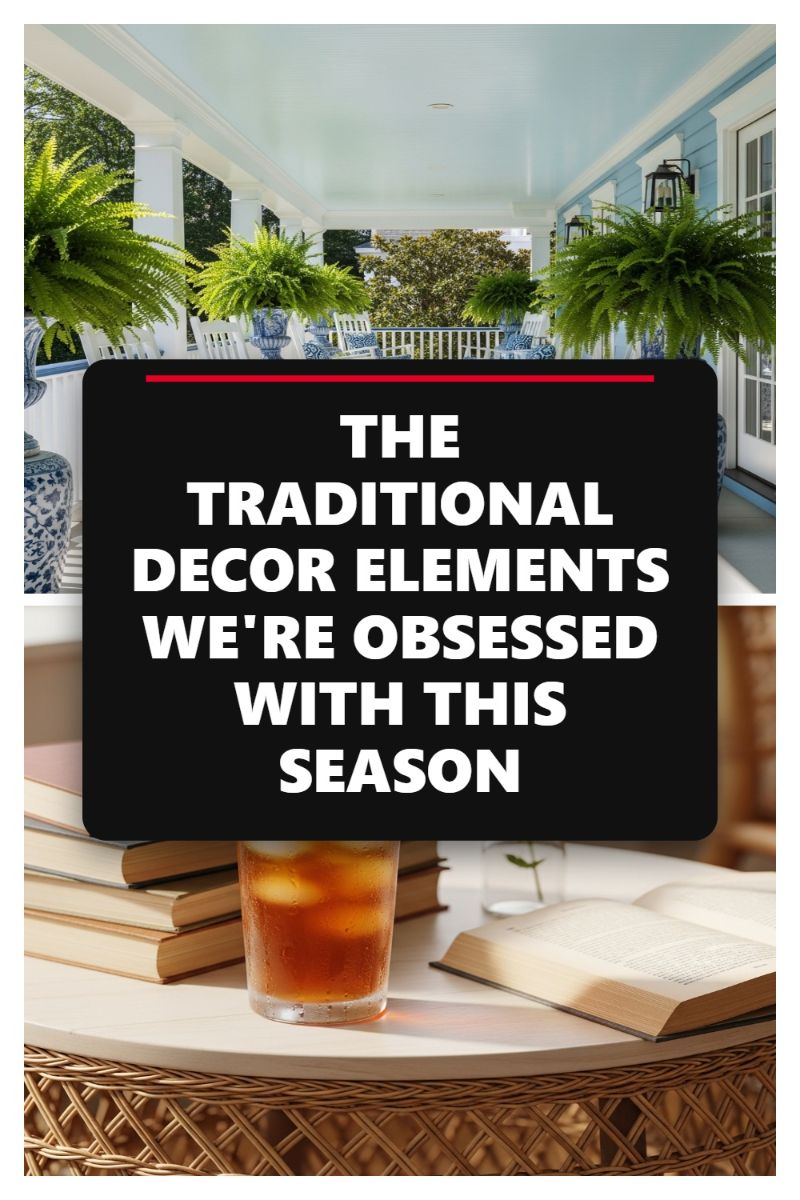
The image showcases the epitome of refined Southern traditionalism: a light blue “haint” porch ceiling, crisp white trim, and the timeless elegance of blue-and-white porcelain planters housing lush Boston ferns. While our ‘Dark Revolution’ centers on dramatic color palettes, these classic traditional elements are indispensable for adding necessary grounding, contrast, and visual breathing room. To prevent an overly heavy, moody space from feeling oppressive, you must introduce anchor elements that speak to history and refinement. The key is using these traditional fixtures—the blue-and-white motif, the natural textures of wicker, and structured greenery—as focal points that cut through the deep saturation, offering an intentional lightness that makes the surrounding dark hues feel richer, not darker; they become high-contrast highlights that elevate the entire design scheme.
Blue-and-white porcelain, exemplified by classic ginger jars and decorative planters, is arguably the most powerful traditional tool for enhancing a moody interior. When placed against a wall painted in a deep charcoal, midnight navy, or even black lacquer, the crispness of the white and the complexity of the cobalt pattern explode with visual energy. To utilize this strategy effectively, expert curation is essential: forgo a single item and instead curate groupings of varying heights and patterns—from large floor planters flanking a dark console to smaller lidded jars arranged on a mantelpiece or bookshelf. This high-contrast placement ensures the drama of your chosen moody hue is celebrated, not softened; the traditional element acts as a sharp, historic highlight, proving that a dark backdrop is the perfect stage for showcasing timeless collectibles with undeniable sophistication.
The traditional appeal often relies on texture and curated vignettes of comfort, as seen here with the rattan or wicker accent table, stacked books, and the inviting glass of iced tea. Integrating such natural textures—like rattan side chairs, sisal rugs, or chunky woven throws—into a darker room introduces an organic counterpoint to luxurious velvet upholstery or highly polished dark wood. For example, if you are designing a dramatic dining room with deep emerald walls, swap out heavy formal chairs for dark-stained wicker Chippendale chairs to soften the structure. In a reading nook featuring deep wall colors, ensure your side table is a piece of substantial, intricate woven texture. This blend of structured tradition and tactile, organic materials guarantees that the moody aesthetic feels complex, highly sophisticated, and, most importantly, welcoming and lived-in, rather than severe or austere.
WE FOUND THE BEST 90S DECOR THAT DOESN’T LOOK DATED

The resurgence of 90s aesthetics—from chunky purple rotary phones to organized bins of brightly colored scrunchies—is undeniable, but integrating these playful, often vibrant pieces into a contemporary home requires a dramatic anchor. The secret to ensuring these nostalgic accents don’t look kitschy or juvenile is setting them against a deeply moody, sophisticated backdrop. Instead of mimicking the stark white walls and neon splashes of the original era, embrace the ‘dark revolution’ by painting walls in deep charcoal, rich forest green, or matte black. This dark canvas provides high contrast, allowing the chunky, sculptural shapes of vintage technology and the plush texture of velvet accessories to become intentional focal points, rather than competing elements. Treat items like the colorful hair ties shown, stored in sleek, modern acrylic, not just as organizational pieces, but as miniature color installations that intentionally break the seriousness of the deeper color scheme.
To translate the electric 90s color palette into an adult, moody context, focus on jewel tones and deep saturation for main furniture and textiles. If you love 90s magenta or bright teal, use the deepest versions of these shades for larger investments, such as a luxurious velvet armchair or heavy drapery. The truly bright, sometimes blinding, pastels and neon pinks should be strictly reserved for small, highly textural accents. For instance, a selection of vibrant cotton or chenille hand towels, or the aforementioned scrunchies, become necessary pops of visual relief against a deep navy or plum bathroom wall. The heavy materials (velvet, suede, chunky plastic) common to 90s fashion and utility must be highlighted. Place these items under targeted, warm lighting to ensure they reflect light and texture without making the dark room feel overwhelmingly heavy or oppressive.
Crucially, mastering 90s decor in a moody setting relies heavily on curated minimalism. The chaotic, overloaded look is what dates the style; a controlled deployment of key nostalgic pieces is what modernizes it. Ensure that decorative vintage elements, like the purple dial phone, are displayed sparsely on matte, dark-toned surfaces, allowing their unique shape and singular color to take center stage. Pair these accents with updated features, such as the streamlined vertical LED lighting and crisp subway tile shown in the top half of the image—but reimagine that tile in a dramatic, gloss-finished black or deep hunter green. This juxtaposition of the sleek, modern infrastructure with the bold, often playful color and texture of the 90s accessories results in a space that feels both deeply personality-driven and utterly sophisticated, proving that a dark palette elevates, rather than diminishes, colorful nostalgia.
Transform Your Space into a Luxury Hamptons Retreat (On a Budget!)

The classic Hamptons aesthetic, traditionally defined by an abundance of natural light, white slipcovers, and light-washed wood, offers a perfect foundational structure for experimenting with the ‘Dark Revolution’ trend. The core principles of this style—layered textures, natural materials, and relaxed formality—are easily translatable to a moody palette. To achieve a moody Hamptons retreat, pivot the color strategy: instead of crisp white walls, anchor your space in deep, sophisticated neutrals such as matte charcoal, rich midnight blue, or even a deep forest green. These dramatic hues serve as the ocean backdrop, providing immediate depth and sophistication. Keep major upholstered pieces, like the generous sofa pictured, in contrasting light materials (think creamy linen or soft beige textured fabric) to maintain the signature crispness and high contrast. Introduce the moody hue selectively—perhaps on a fireplace mantel, built-in shelving, or a single accent wall—to define the architecture while ensuring the overall room remains light-reflective and inviting.
Texture is non-negotiable when adapting this style to a darker scheme, as it prevents the rich colors from feeling flat or heavy. The distressed, rope-trimmed coffee table visible here is an excellent template: its highly tactile surface and nautical elements are key. Against a dark wall, these natural elements—bleached driftwood, woven rattan, and thick braided rope—pop dramatically. Focus on layering natural fibers; pair a deep indigo area rug (perhaps a textured wool or jute blend) with luxurious cashmere or chunky cotton throws draped over your light upholstery. This juxtaposition of soft, light texture against hard, dark color is the secret to elevating the Hamptons style. Expert designers often suggest incorporating reflective materials sparingly, such as aged brass hardware or brushed bronze accents, to catch the light and add depth without compromising the laid-back coastal atmosphere.
Achieving this elevated look on a budget involves smart curation and dedication to detail. The nautical theme should be referenced subtly through elegant accents, not overt kitsch. Look for affordable art prints depicting subtle ocean scenes, vintage sailing sketches, or abstract indigo watercolors, framed simply in black or distressed white wood to define the lines of your dark walls. The stacked books shown here—a simple grouping of three color-coordinated titles—is a perfect, low-cost way to reinforce the theme and add a personal touch to your coffee table. Finally, maximize the warm ambiance essential to a luxury retreat by focusing on lighting. Dark spaces require multi-level illumination; utilize oversized ceramic lamps or glass vessels with warm-toned bulbs, placed strategically to create inviting pools of light that highlight the beautiful textures and rich color saturation of your transformed, sophisticated, moody Hamptons space.
THIS IS THE MODERN MEXICAN BATHROOM TREND YOU’VE SEEN EVERYWHERE
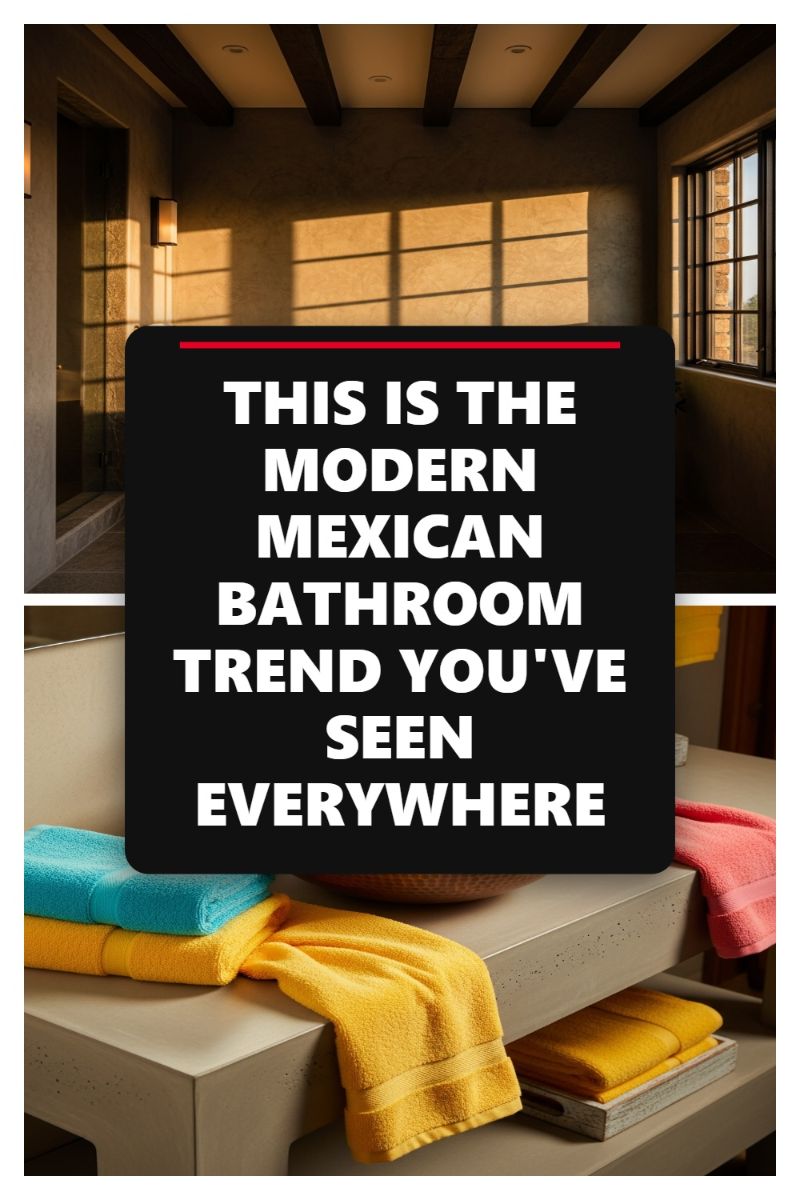
The Modern Mexican aesthetic, or Hacienda Nouveau, is the perfect example of how moody neutrals and high contrast create undeniable drama. This style intentionally moves away from sterile white bathrooms, opting instead for heavy, tactile surfaces that absorb light and create atmosphere. To replicate this look, start with the walls: apply a deep, sun-baked neutral finish like Venetian plaster, Tadelakt, or a heavily textured stucco in shades ranging from dusty taupe to rich, terracotta brown. The goal is a highly porous, organic texture that feels grounding and ancient. Complement these earthy walls with dark structural elements, such as thick, exposed ceiling beams finished in a deep walnut stain or modern black window mullions, which dramatically frame the view and anchor the space. The intentional contrast between the light streaming in and the deep shadows cast upon the textured walls is the design’s essential feature, embodying the principle of chiaroscuro to achieve maximum moodiness.
Achieving this trend successfully requires balancing the weight of the traditional materials with modern functionality. While the walls and structure are heavy, the fixtures should remain streamlined and minimal. Opt for integrated vanities made of poured concrete or polished limestone to maintain the earthy texture palette without introducing fussy ornamentation. Lighting is critical; avoid bright, overhead general lighting. Instead, rely on architectural lighting—such as concealed cove lights or rough-hewn metal sconces—to graze the textured walls, emphasizing the plaster’s dimensionality and ensuring soft, flattering illumination. For the shower area, use frameless glass enclosures to keep the sightlines clean and prevent the space from feeling enclosed or oppressive. Remember that dark, earthy colors are the new neutral, providing a sophisticated backdrop that feels both rugged and luxurious.
Finally, inject the necessary life and vitality that defines this style through highly saturated accents. Against the quiet, moody backdrop of the earth-toned structure, introduce textiles in bold, jewel-toned hues like marigold yellow, turquoise blue, and vibrant coral. Since these textiles (towels, bath mats) are small, interchangeable elements, they provide necessary color pops without overwhelming the primary dramatic aesthetic. Use matte or unpolished hardware (think aged bronze or wrought iron) to maintain a handcrafted feel. This technique proves that a dark, moody foundation does not equate to gloom; rather, it allows selective, intensely saturated colors to truly pop, creating a bathroom space that is instantly atmospheric, unique, and deeply relaxing.
STOP SCROLLING! THE ONLY VINTAGE PIECES WORTH HUNTING FOR

When implementing a dark or moody decor scheme, the key challenge is preventing the space from feeling sterile or flat. This is where high-quality vintage materials excel, providing necessary visual weight, warmth, and texture. To achieve the grounded, rich look shown here, prioritize items with deep, saturated tones like mid-century amber and caramel glassware (such as Pyrex or Anchor Hocking). These translucent bowls range from burnt orange to rich, smoky brown and act as perfect visual anchors against charcoal walls or deep navy cabinetry. Display these pieces on open wooden shelving, ideally near a light source, allowing sunlight to filter through the glass. This technique leverages the vintage item’s color intensity to cast warm, reddish shadows, preventing the dark backdrop from absorbing all the light and ensuring the space retains dimension.
The ultimate secret to grounding this aesthetic lies in embracing genuine patina and contrast. Focus your hunt on distressed enamelware canisters. Note how the chipped edges in the image reveal the dark iron beneath the cream coating; this intentional damage introduces essential layers of history, authenticity, and grit. This high contrast between the distressed black and the creamy white/blue rim is visually striking and instantly breaks up monochromatic dark surfaces. When searching flea markets or estate sales, do not shy away from chips or wear; they are proof of age and resilience, making the pieces far more interesting than perfect modern replicas. Use these heavy-duty items strategically in the kitchen or laundry area, pairing them with rough-hewn wooden surfaces, like the reclaimed lumber shown, to maximize the textural interplay between smooth ceramic, rough wood grain, and aged metal.
Successfully integrating these vintage elements requires intentional curation, treating each piece as an artifact rather than simple clutter. The inclusion of aged ephemera, such as a handwritten ledger or faded recipe card, serves as a subtle yet powerful link to the past, reinforcing the depth and narrative of the moody design. To style a shelf or sideboard effectively, group objects by hue and material (e.g., placing all browns together and ensuring metal pieces are balanced), making sure the darkest, most opaque items are juxtaposed with lighter, reflective pieces. The final rule for the Dark Revolution aesthetic is to let these aged objects provide the color depth and history, while the background provides the enveloping, sophisticated frame. By hunting for pieces defined by deep, aged tones and genuine wear, you ensure your dramatic decor remains warm, authentic, and impeccably styled.
WAVE GOODBYE TO DRAB: COASTAL DECORATING HACKS FOR ANY HOME
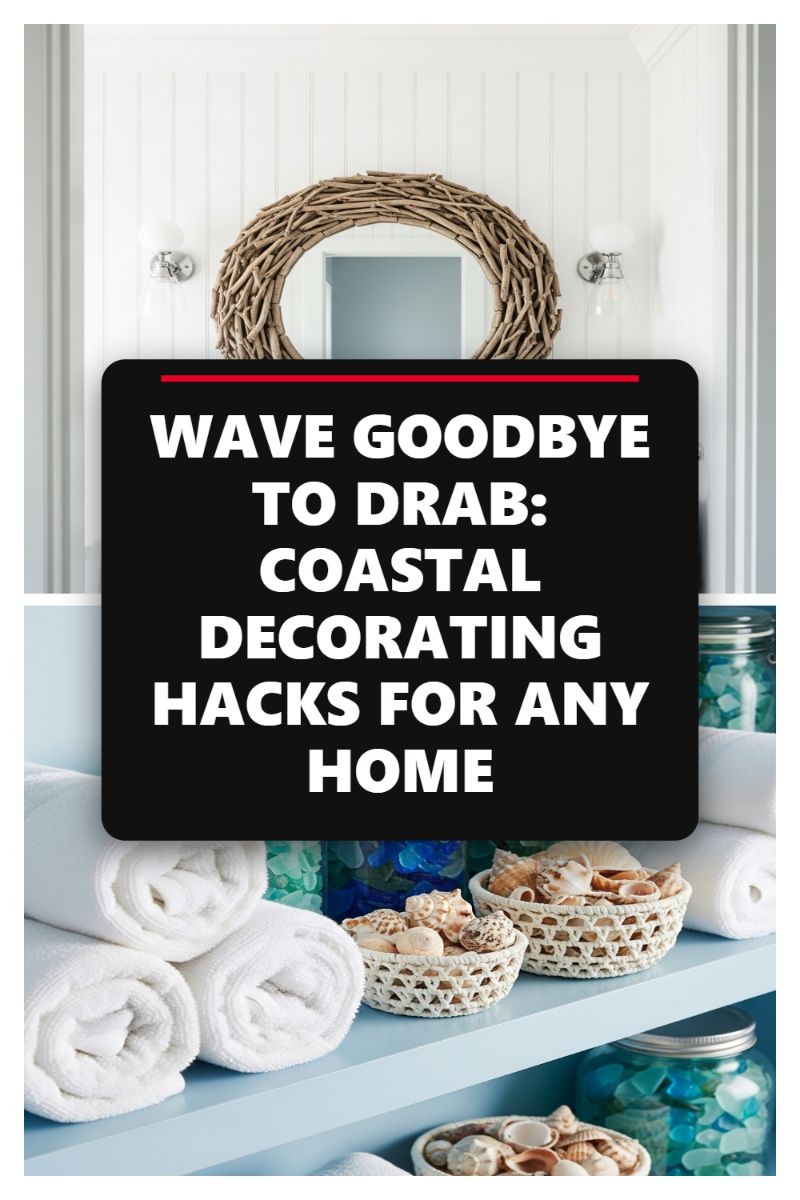
While traditional coastal decor often relies heavily on bright white walls and light blue accents, the inherent tranquility and textural richness of the seaside style can be dramatically enhanced when interpreted through a moody lens. To seamlessly integrate the coastal aesthetic into a “dark revolution” theme, begin by swapping the ubiquitous bright white shiplap for wall treatments featuring deep, matte neutrals like charcoal gray, marine navy, or a rich slate blue. These colors immediately create a profound depth, transforming the space from airy cottage to sophisticated, atmospheric retreat. Look for furniture and shelving, such as the utility shelf shown, in deep espresso stains or weathered, almost black, driftwood tones. The key is maintaining the natural, textural integrity of coastal elements—like rough wood, woven baskets, and natural fibers—but selecting items that lean toward the dark side of the color spectrum. For instance, replace bright white linen towels with ones in deep indigo or storm cloud gray, ensuring the contrast remains crisp against the dark backdrop.
Effective moody coastal design relies on showcasing natural texture and high contrast. The collection of shells and sea glass, visible in the image, must be strategically highlighted against the dark wall or shelf color to prevent them from getting lost. Instead of clear jars of light turquoise glass, opt for oversized, simple apothecary jars filled with deep cobalt blue or forest green sea glass, allowing the dark material to absorb and reflect ambient light, creating a jewel-box effect. When selecting decorative baskets for storage, choose tightly woven materials dyed deep brown or black, which hold the space and ground the lighter elements, like the seashells. Furthermore, exchange high-shine chrome fixtures, typical of bright bathrooms, for aged metals such as oil-rubbed bronze or blackened steel on sconces, mirror frames (like the one featuring a rustic wreath frame), and cabinet hardware. These dark metallic accents add a necessary layer of drama and historical weight, ensuring the space feels curated and luxurious rather than simply rustic.
To perfect the atmosphere, focus on lighting and soft textiles. A moody coastal space thrives on layered, warm illumination; avoid overhead, harsh white light. Instead, use dimmable wall sconces, perhaps utilizing warmer-toned bulbs (around 2700K), to cast a soft, inviting glow that emphasizes the textures of the dark walls and accessories. Introduce chunky, tactile elements to contrast with smooth dark finishes: a thick jute rug in a natural dark hemp color, or heavy, textured linen shower curtains. The goal is to make the space feel deeply comfortable and enveloping, capturing the profound calm of the ocean at twilight. This approach allows you to wave goodbye to drab while embracing both the inherent elegance of coastal design and the sophisticated drama of the moody decor trend, proving that even a beachy home can be dramatically dark.
SORRY MILLENNIALS, THE 90S DECOR COMEBACK IS REAL

While the overall theme of embracing moody hues focuses on saturation and depth, the 90s revival demonstrates how nostalgic, lighter palettes can function as dramatic accents within a dark framework. The key to integrating the playful, soft shapes and pastels of the early 90s—like the featured mauve, curved sofa and mint accents—is treating them as singular, purposeful focal points against rich, grounding neutrals. If this room were transplanted into a moody environment, the lilac sofa would shift from a soft pastel anchor to a powerful, saturated color block, especially when set against walls painted in deep navy, charcoal, or forest green. To execute this sophisticated blend, focus on materiality: choose textiles like brushed velvet or chenille for your centerpiece sofa to absorb and reflect light dramatically. The light, airy quality of the 90s must be offset by deliberate heaviness; pair the pastel upholstery with coffee tables featuring dark, matte metal bases or deeply stained mahogany wood to prevent the aesthetic from feeling juvenile.
To authentically capture the spirit of this revival while maintaining a refined edge, attention must be paid to the styling details. The pictured ensemble showcases the perfect balance: clear acrylic storage, nostalgic artwork featuring Memphis-style abstract shapes, and the quintessential lava lamp. When layering these elements into a moody space, use the inherent transparency of acrylic and lucite items to your advantage. These clear organizers—used for everything from office supplies to media storage (hello, cassette tape!)—add necessary lightness and reflection without introducing color clutter, allowing the dark wall color to shine through. Furthermore, ensure any art pieces featuring the iconic 90s palette (bright squiggles, mint, peach, and black) are framed in sleek, thin matte black or brushed metal frames. This containment helps the playful pattern read as contemporary pop art rather than kitschy retro wallpaper, cementing its role as a dramatic color counterpoint.
Finally, expert execution of this trend relies heavily on lighting and texture to avoid flatness. The iconic Lava Lamp, with its undulating, warm red glow, is an essential tool for contrast, acting as a soft, atmospheric alternative to harsh overhead lighting. In a moody room, this red light introduces a vital layer of warmth and kinetic energy, dramatically opposing the cooler undertones typically found in deep blue or grey wall colors. Beyond the accessories, layer textures aggressively. Introduce contrast through the flooring—perhaps a dark, plush shag rug under the curved sofa—and incorporate tactile throws in materials like chunky knits or faux shearling. By meticulously grounding the playful, soft elements of the 90s aesthetic with deep, dark, and highly textured modern foundations, you achieve a dramatic tension that proves this colorful decade can be elegantly assimilated into the dark revolution.
STOP PLAYING IT SAFE! 10 FUNKY DECOR PIECES YOU NEED
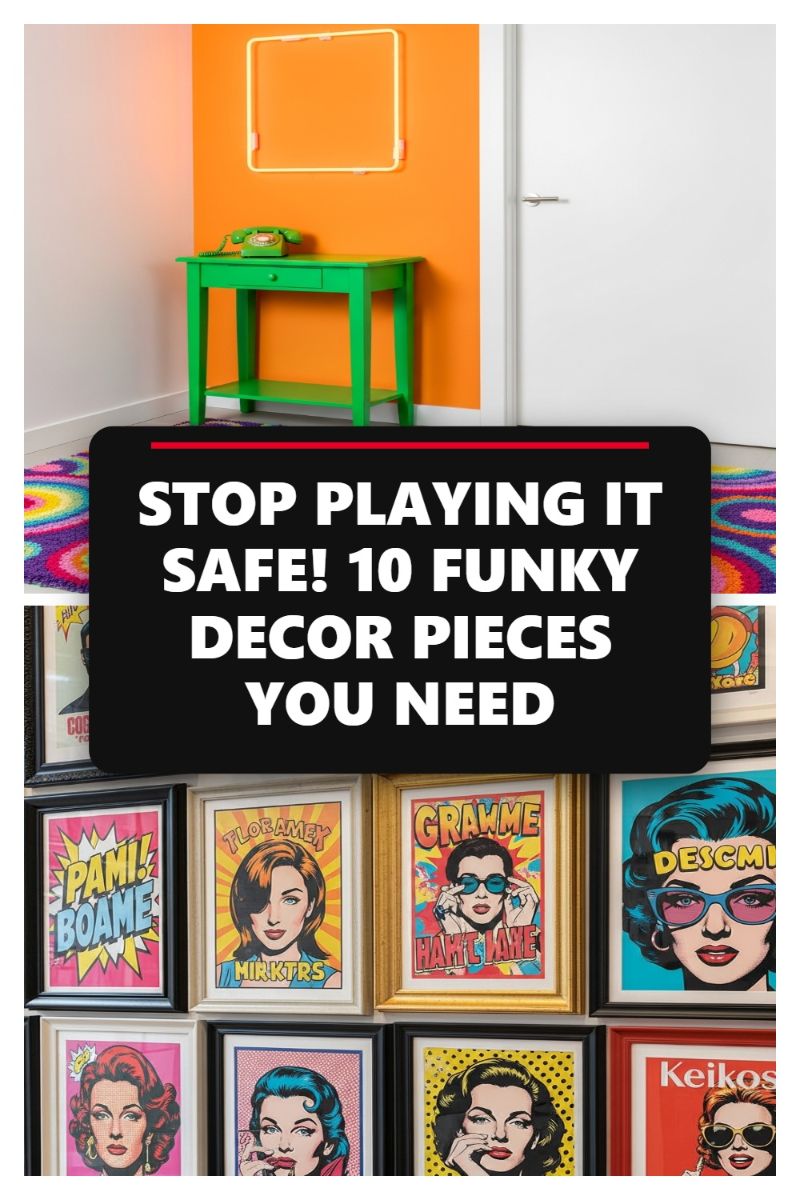
While the accompanying image showcases a vibrant explosion of electric orange and acid green, the underlying principle—strategic, high-impact contrast—is essential for mastering moody interiors. When adopting deep charcoal, slate gray, or midnight blue as your new neutral wall colors, it is imperative to introduce elements that prevent the space from becoming visually monolithic. The key is saturation, not necessarily neon brightness. Look for dramatic, single-piece accents in jewel tones like rich emerald, deep sapphire, or ruby red, setting them against your dark backdrop. Just as the image utilizes a crisp, saturated green console table against a bright orange wall, you should select one anchor piece—perhaps a velvet armchair or a lacquered side table—in a highly reflective finish and a pure, powerful color to provide necessary visual tension and depth in your darkened space. The commitment to a bold accent piece is what truly elevates a moody scheme from cave-like to captivatingly dramatic.
To translate the electric energy of the pop art gallery wall seen here into a dark revolution context, focus on framing and graphical intensity. Instead of light backgrounds and cartoon colors, opt for prints and photography that feature high contrast—such as stark black and white imagery, deeply saturated florals, or abstract art dominated by one or two intense colors (like a single swipe of magenta or gold leaf) against a dark field. Mount these pieces in heavy, substantial frames, perhaps antique gold or matte black, allowing them to truly jump off a flat navy or black wall. Remember that texture and material are amplified in darker rooms; the choice of glass, metallic finishes, or thick matting becomes crucial. Furthermore, sculptural lighting, exemplified by the neon square in the image, is critical. In a moody room, general ambient light is minimal, meaning all visual emphasis falls on task and accent lighting. Introduce architectural or statement lighting—such as industrial floor lamps, exposed bulb sconces, or custom neon art in white or soft amber—to carve out focal points and give the dark paint depth and dimension.
Expert advice dictates that in a dramatic, darker space, every piece must earn its place. The saturation and simplicity of the green console in the original image demonstrate a focused investment in a single, perfectly proportioned item. Emulate this by avoiding clutter and instead investing in fewer, higher-quality pieces that carry significant visual weight. If you’re hesitant to commit to a deeply saturated color in large upholstery, integrate it through smaller, unexpected elements like the vintage telephone shown. A glossy, primary-colored accessory placed on a dark wood or metal surface provides that perfect ‘stop-and-stare’ moment. This is how you stop playing it safe: by utilizing intensely colored or reflective accents as deliberate exclamation points that command attention against the sophistication of your moody, dark canvas.
STOP MAKING YOUR WALLS BORING: THE BEST DARK & DRAMATIC DECOR
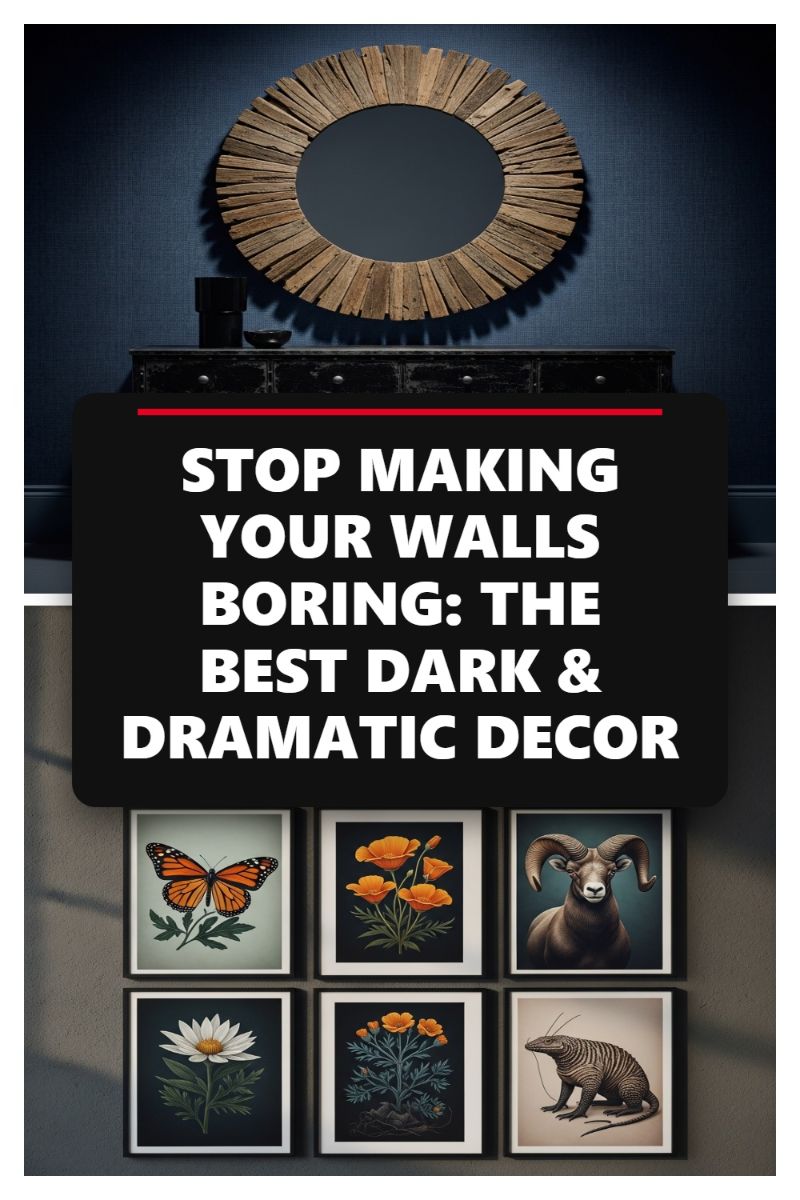
The secret to maximizing drama in your space lies in treating your walls not as blank canvases, but as foundational textural backdrops. To achieve the sophisticated, moody aesthetic seen here, begin by selecting a deeply saturated color—such as midnight blue, deep charcoal, or rich forest green—and apply it using a textured finish, like grasscloth, linen wallpaper, or even a specialized matte paint that absorbs light dramatically. This depth prevents the wall from feeling flat or oppressive. Notice how the top vignette utilizes a round mirror with a rustic, reclaimed wood frame placed above a distressed black console. This pairing is crucial: the dark, smooth wall contrasts sharply with the raw, natural texture of the wood and the worn finish of the furniture, creating visual interest and dimension. When employing dark colors, always introduce opposing textures—smooth against rough, matte against reflective—to ensure the space feels dynamic and layered, rather than cave-like.
Once the dark foundation is set, elevate the aesthetic with intentional art curation, moving beyond typical white walls and sparse placements. The gallery wall is an ideal way to inject focused color and thematic complexity. When choosing art for a moody setting, select pieces that feature dark, rich backgrounds or subjects with deep, saturated colors, like the vintage botanical and zoological prints displayed. A powerful technique is employing a high-contrast framing system: here, the dark-themed artwork is presented with bright white matting inside slim black frames. The matting provides necessary visual breathing room and prevents the dark artwork from disappearing into the dark wall or adjacent dark subjects, while the consistent framing (using the same size and orientation) creates a crisp, structured grid that anchors the entire display. This consistency allows you to mix disparate subjects—from butterflies and flora to large rams—without the arrangement feeling chaotic.
Mastering dark and dramatic decor is ultimately about balancing visual weight and light. Because dark hues naturally absorb light, strategic illumination is mandatory. Incorporate adjustable picture lights above key art pieces or use focused spotlights to graze the textured wall, highlighting its dimensionality. Furthermore, understand that dramatic decor benefits from boldness in scale. Instead of peppering the wall with small items, commit to large, commanding features, such as the oversized round mirror or the tightly packed grid of six substantial frames. These substantial elements ground the design and ensure the wall becomes a focal point, rather than just a boundary. By consciously layering texture, contrast, and light, these deep, dramatic hues transition seamlessly from bold statement colors into highly sophisticated, functional neutrals that redefine the space.
OBSESSED WITH COZY? GET READY FOR THE CROCHET HOME CRAZE

In a decor scheme dominated by moody hues, texture is paramount—it prevents deep colors from feeling flat and introduces necessary softness. The current craze for chunky crochet and heavy knits is the perfect foil for the “Dark Revolution.” While the image showcases light, airy neutrals, expert application involves choosing deeply saturated, dramatic textile colors. To incorporate this element into a moody space, seek out oversized throws crafted from substantial, tactile fibers like velvet yarn, chunky merino wool, or alpaca blends in shades of deep charcoal, obsidian black, or midnight blue. These dark, weighty textures should be draped across smooth, sleek furniture, such as a black leather sectional or a dark velvet armchair, creating an intense visual and tactile contrast that grounds the entire room’s aesthetic.
Successful application hinges on strategic layering and intentional placement. Instead of merely folding a throw, use an “artful toss” that highlights the volume and depth of the stitches. Place a large, dark crochet blanket at the foot of the bed, contrasting with smooth, high-thread-count dark linens. If you wish to incorporate pattern, like the granny square design shown, ensure the color palette remains muted and sophisticated—think deep espresso and plum mixed with a neutral slate gray, rather than bright pastels, which would instantly dilute the dramatic ambiance. This ensures the coziness factor is elevated without compromising the sophisticated, moody tone. The chunkiness of the crochet itself catches shadows, adding another layer of dimension to the dark environment.
Finally, use crochet elements to introduce texture across various accessories. Beyond throws, consider utilizing dark, chunky crocheted baskets, floor poufs, or pillows to tie the textile theme together. When working in a predominantly dark space, balance is key; if the walls and major furniture pieces are deep, the textiles should follow suit, reinforcing the overall enveloping atmosphere. However, you can use one small, extremely light-colored throw (like the cream color pictured) strategically draped over a dark surface to create a single, intense point of visual focus, ensuring the light contrast is deliberate and impactful, rather than accidental.
SOUTHERN CHARM: WHY THIS CLASSIC STYLE IS BACK ON TOP
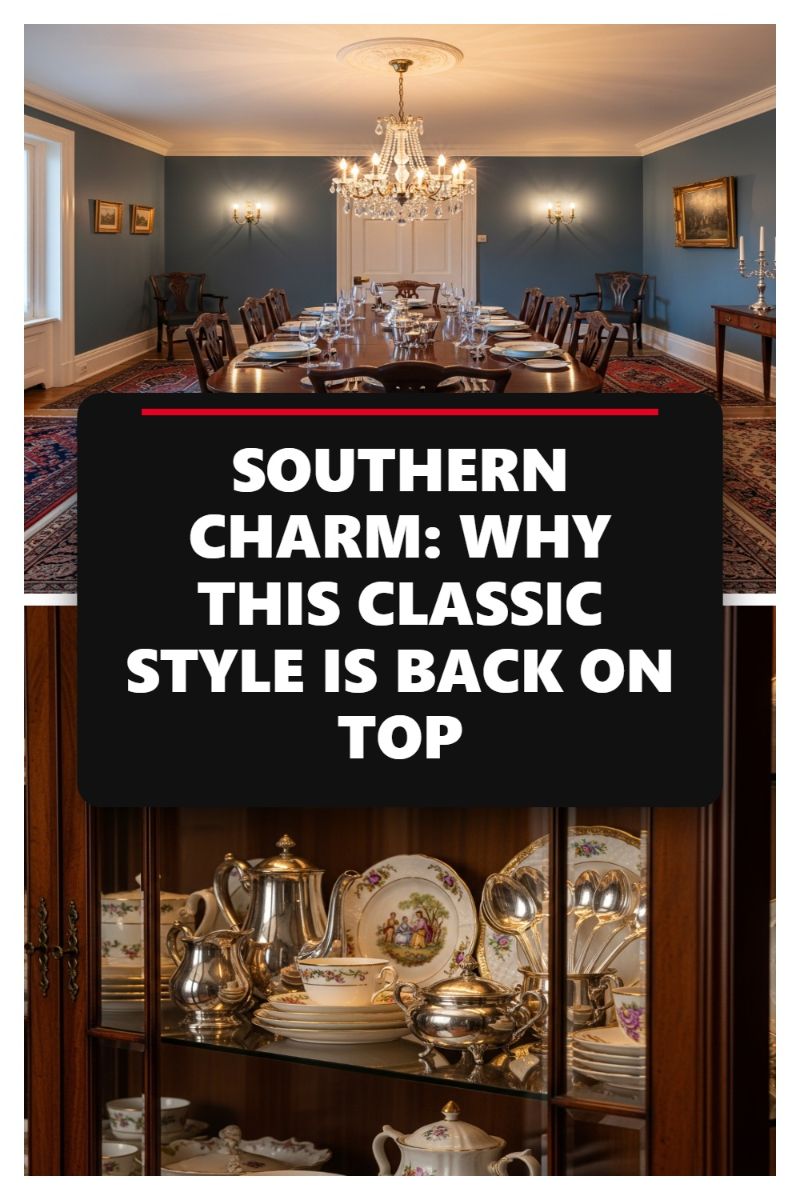
Southern Charm, often synonymous with light-filled, airy spaces, is embracing the Dark Revolution by leveraging deep, historic color palettes that transform formal dining rooms into intimate sanctuaries. This particular design choice utilizes a rich, saturated teal or dark blue hue on the walls—a perfect example of a moody color functioning as a grounding neutral. To successfully execute this dramatic yet classic look, ensure high-contrast trimwork remains crisp and white, allowing the architectural details (like the window casings and thick crown molding visible here) to stand out sharply against the deep backdrop. The dramatic ceiling medallion and crystal chandelier are non-negotiable accents; they provide necessary sparkle and vertical dimension, reflecting light dramatically to ensure the mood remains sophisticated rather than cavernous. Always opt for layered lighting, incorporating wall sconces to cast pools of warm, flattering illumination that highlights texture over general brightness.
The foundation of classic moody decor rests on pairing dark walls with equally robust furniture pieces. The heavy, polished mahogany dining table and matching traditional chairs anchor the center of the room, preventing the deep wall color from overpowering the space. When selecting textiles, choose rich, densely patterned Oriental or Persian rugs, which introduce a necessary complexity of color (like the deep reds and navy) and texture underfoot. This layering prevents the room from appearing flat and adds acoustic warmth. Furthermore, ensure your chosen wood finishes possess a high sheen; a polished tabletop will reflect the overhead chandelier, distributing light and adding depth and richness to the overall aesthetic rather than absorbing it.
Finally, embrace the opulence of display. The traditional china cabinet, often reserved for inherited silver and fine porcelain, becomes a focal point when placed against deep-toned walls. The dark wood of the cabinet provides a powerful frame that allows the reflective metals and delicate, floral patterns of the china to pop with exceptional clarity—a subtle theatrical element often missed in lighter settings. If you are showcasing glassware or silver collections, install discreet interior LED lighting within the cabinet. This specialized illumination ensures that your treasures are not lost to the moody shadows, turning everyday storage into a curated, dramatic gallery that completes the Southern traditional style’s pivot toward deeper, more impactful color schemes.
THE ULTIMATE GUIDE TO CREATING A SOUTHWEST SANCTUARY

While traditional Southwest design often leans into bright, sun-drenched palettes, incorporating dramatic elements allows this style to seamlessly integrate into the “moody hues” movement. The key to creating a dramatic Southwest sanctuary lies in deep saturation and high contrast. Start by anchoring your space with textural, thick-walled architecture (stucco or adobe style) painted a crisp white, which acts as a powerful canvas for shadow play. The drama is then introduced through intensely pigmented accents. For instance, swap out muted terracotta tiles for deep indigo or cobalt blue mosaics, as shown in the featured image, creating a focal point that absorbs light and adds a surprisingly opulent layer of color saturation. Pair these dark, watery tones with textiles in rich garnet, burnt orange, and navy blue—avoiding pastels entirely—to ensure every visual element contributes to a sophisticated, dramatic atmosphere.
To further capitalize on the visual drama inherent in the desert landscape, focus on manipulating light and shadow. The iconic silhouettes of large potted cacti or succulents, like those resting against the wall, become architectural elements themselves when bathed in harsh sunlight, casting elongated, dynamic shadows that change throughout the day. To translate this effect into evening ambiance, utilize directional, warm-toned lighting (such as copper lanterns or wrought-iron sconces) positioned specifically to highlight textures—the rough grain of wood, the weave of a serape blanket, or the ridged structure of a cactus. This strategic lighting approach ensures that even after sundown, your sanctuary maintains a sense of depth and mystery by creating concentrated pockets of warmth against deep, enveloping shadow.
Materiality and grounding elements are essential for pulling the entire look together. Introduce heavy, distressed materials to solidify the moody aesthetic. Think dark, oil-rubbed bronze hardware, deeply stained wood furniture (mesquite or walnut), and large planters made of oxidized metal or charcoal-hued concrete. These weighty components balance the bright white walls and the vibrant textiles. Furthermore, when selecting blankets and pillows, opt for hand-woven or heavily textured pieces that utilize deep geometric patterns. The richness of the wool or cotton in these serapes allows the deep reds and blues to truly read as sophisticated, moody tones rather than mere pops of color, solidifying the idea that this classic, sun-drenched style can evolve into a dramatic, high-contrast retreat.
MAXIMALIST MAGIC: HOW TO MAKE YOUR HOME QUIRKY, NOT CHAOTIC
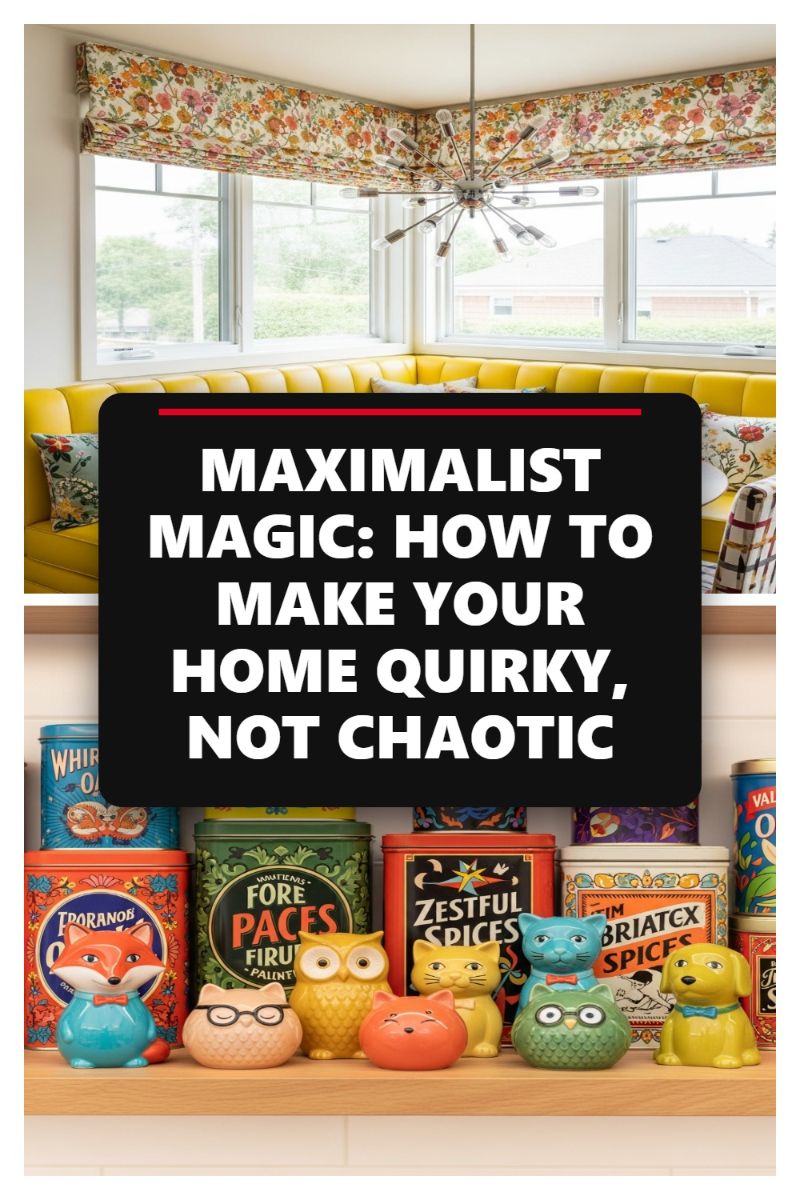
While often associated with deep jewel tones and velvety textures, maximalism is fundamentally about high-impact drama and confident curation, whether achieved through dark hues or highly saturated brights, as shown in this lively sunlit corner. To successfully pull off a maximalist scheme without dipping into chaos, start with an anchor piece defined by an unexpected color and form. Here, the deeply tufted, angular yellow banquette provides a powerful structural element and a splash of pure, sunny saturation. Contrast this solid foundation with pattern and movement. The floral Roman shades introduce complexity, but notice how they share a color temperature with the yellow base—warm reds, oranges, and deep greens are present in both the upholstery’s shade and the fabric print. The rule of thumb is to select three primary colors (here, yellow, green, and red/pink) and ensure they are repeated across different materials and scales throughout the space to create visual dialogue, rather than random noise.
The real magic of controlled maximalism lies in the artful organization of cherished collections. Observe the curated display below the seating area: a tightly packed arrangement of vividly colored spice tins and playful ceramic animal figurines. This collection works because it is displayed on a dedicated, contained shelf, and the items, though diverse, share unifying traits—high gloss finishes, punchy primary and secondary colors, and whimsical character. For your own home, group your collections by type, color, or thematic purpose. If you have disparate objects, try unifying them by placing them on trays or within shadow boxes to impose boundaries. Furthermore, remember the role of lighting; the Sputnik-style chandelier acts as a geometric focal point, its radial design injecting modern, metallic structure that contrasts beautifully with the soft seating and organic patterns, ensuring the drama feels modern and polished, not vintage attic.
To ensure your vibrant, dramatic space remains ‘quirky’ and never ‘chaotic,’ rigorous editing is essential. After assembling your layers of color, pattern, and collection, step back and evaluate negative space. Even in a maximalist room, every item must earn its spot. If an object doesn’t contribute to the overall mood or repeat a necessary color or pattern, it’s clutter. For smaller decorative elements, vary the scale and texture significantly; this prevents the eye from becoming overwhelmed by similar sizes. For example, the large scale of the yellow banquette cushions is balanced by the small, detailed faces of the ceramic creatures. Finally, always maintain a clean backdrop, such as the crisp white window frames and walls. This serves as a vital visual resting point, allowing the intense colors and dramatic patterns to pop forward, demonstrating that even the brightest maximalist schemes rely on structure and smart contrasts to achieve their dramatic impact.
WHY EVERYONE IS TRADING FARMHOUSE FOR DARK RANCH STYLE

The evolution of interior design is currently undergoing a major shift, moving away from the bright, airy aesthetics of traditional farmhouse toward a more grounded, sophisticated look: Dark Ranch style. This aesthetic embraces moody, rich hues and rugged textures to create a deeply layered and dramatic environment. As seen in the visual, the foundation starts with a monochrome palette dominated by deep charcoals, slates, and blacks. Unlike classic farmhouse, which relies heavily on whites and distressed shiplap, Dark Ranch uses dark colors as the primary neutral canvas—a strategy that instantly elevates the space. The visual contrast is crucial: thick, textured knits and natural linen bedding in deep grey tones are set against dark, matte wall finishes and heavy wooden furniture. This combination introduces depth and tactile interest, preventing the dark palette from feeling flat or sterile while maintaining a cozy, lived-in luxury.
To successfully transition your space into the Dark Ranch aesthetic, focus on anchoring the room with three key elements: deep color, worn wood, and sculptural natural accents. Begin by painting walls in a very dark charcoal or matte black; this instantly provides the moody backdrop necessary for the style. Next, integrate heavy, espresso-toned or black-stained wood furniture—a solid dresser or console with antique hardware, as pictured, is ideal. The wood grain should remain visible to retain that essential rustic, grounded feel. Layering textiles is paramount: swap out light cottons for dark linen bedding and chunky, oversized knit throws in complementary shades of grey and black. Finally, introduce sculptural, rustic statement pieces. The quintessential Dark Ranch accent is a steer or longhorn skull (or a high-quality replica), which brings a rugged, authentic Western element without requiring clutter. Place this piece centrally, perhaps beside a textured, dark-framed mirror to maximize its impact.
Expert designers recognize that the power of Dark Ranch lies in its ability to feel simultaneously dramatic and deeply comforting. The secret to maintaining this balance, especially when employing such a dark palette, is thoughtful lighting and material quality. Ensure your lighting scheme includes soft, diffused warm light sources rather than harsh overhead illumination; warm incandescent bulbs enhance the richness of the dark walls and prevent the space from feeling cold or cavernous. While the style is inherently rustic, material quality matters greatly; invest in high-thread-count linens, soft natural fibers, and solid wood pieces to ensure the look feels luxurious rather than heavy or cheap. The combination of tactile luxury and dramatic color solidifies the Dark Ranch aesthetic as the sophisticated successor to the bright farmhouse trend, proving that moody colors are indeed the new foundation for modern, dramatic interiors.
UPGRADE YOUR LIVING ROOM INSTANTLY WITH THESE TIPS

Achieving a high-impact, dramatic interior starts with architectural definition, even in moody palettes. The core instruction here is pairing a deep charcoal or black paint (like Farrow & Ball’s ‘Railings’ or Benjamin Moore’s ‘Kendall Charcoal’) with traditional wainscoting or picture frame molding. Painting the trim the exact same color as the wall eliminates visual distraction, allowing the texture and shadow play of the molding to provide subtle depth instead of stark contrast. This approach transforms a flat room into a sophisticated, tailored space, providing the perfect dark canvas necessary for the “Dark Revolution” aesthetic. To instantly amplify the mood, ensure you select an ultra-matte finish; matte paint absorbs light, enhancing the dramatic shadows cast by the architectural details and making the entire room feel richer and more enveloped.
The key to ensuring dark rooms feel luxurious rather than cavernous lies in calculated material contrast. Against the cool backdrop of the black walls, introduce rich, tactile warmth. Opt for a substantial piece of furniture, such as the featured sofa in cognac or chestnut brown aniline leather. This specific material not only provides a powerful, essential color contrast but also develops a beautiful patina over time, softening the room’s severity. Further amplify the warmth through strategic, sculptural lighting: utilize a brass or bronze floor lamp that casts a focused, soft, downward glow. This layered lighting is essential—it sculpts the room, highlights the textures of the leather and wall paneling, and prevents the corners from becoming visually dead zones, making the space instantly inviting.
Finally, instantly elevate the space by mastering curated staging. In a dark room, every accessory must earn its spot. Instead of clutter, focus on high-contrast, sculptural elements. Stack heavy, black-bound art or design books (with subtle titles or rich paper texture) near the light source to anchor the vignette and ground the room visually. Crucially, introduce organic life with a vibrant, tall snake plant (Sansevieria) housed in a minimalist matte black planter. The sharp, saturated green contrasts powerfully with the deep wall tone and the warm leather, providing necessary visual freshness and vitality. This minimalist approach, focusing on quality materials, texture, and strategic pops of life, completes the sophisticated, dark living room makeover instantly.
THRIFT FLIPS THAT LOOK LIKE $1000 BUT COST $10

The secret to achieving expensive-looking decor on a dime lies in presentation and patina. This maximalist display, featuring vintage botanical prints and leather storage, illustrates the principle perfectly. To recreate the high-impact gallery wall, source inexpensive or free digital prints (many university archives offer high-resolution downloads of 18th and 19th-century illustrations) and pair them with thrifted, ornate gold frames. The magic is in the frame choice: look for heavy, baroque, or deeply distressed styles. These antiqued metals, with their rich, aged color, contribute significantly to the “dark revolution” aesthetic, providing a moody, textured contrast to the delicate artwork. Arranging them in a tight, asymmetrical grid, often extending floor-to-ceiling or edge-to-edge, maximizes their collective impact, transforming budget art into a collector’s trove. The repetition of the dark gold framing is the crucial element that ensures visual continuity and perceived high value.
Beyond wall decor, incorporate dramatic texture through functional, layered storage. The stack of weathered leather and canvas suitcases shown here serves as a potent example of utilizing high-patina pieces as foundational decor. These rich, warm brown tones—ranging from deep saddle to mahogany—act as perfect moody neutrals, essential for grounding any dark palette. When thrifting for luggage or storage crates, focus specifically on pieces with intact brass hardware, scuffed corners, and visible travel stickers or labels; these details tell a story and enhance the perceived age and authenticity. Stack the suitcases intentionally by size, utilizing them as unconventional side tables, storage chests, or even the base for a floor lamp. To maintain the luxurious look, ensure the leather is thoroughly cleaned and conditioned, preserving the deep, textured surface that instantly elevates the room’s entire feel.
The final step in mastering this $10 high-end look is achieving intentional cohesion between disparate thrifted elements. Notice how the antique gold tones of the botanical frames are intentionally mirrored in the brass hardware of the suitcases, and the deep greens and reds of the artwork echo the rich brown leather textures. To replicate this masterful styling, select a single unifying metal (antiqued brass or dark gold is mandatory for the moody aesthetic) and repeat it consistently across frames, hardware, and small accent accessories. The key takeaway in transforming a few dollars into a thousand-dollar look is volume and repetition: a single framed print or one isolated suitcase looks budget; twenty items grouped thoughtfully and unified by color and texture create an immediate sense of curated abundance, history, and unmatched dramatic flair.
YOU NEED TO STEAL THESE 5 MODERN MEXICAN DECOR SECRETS
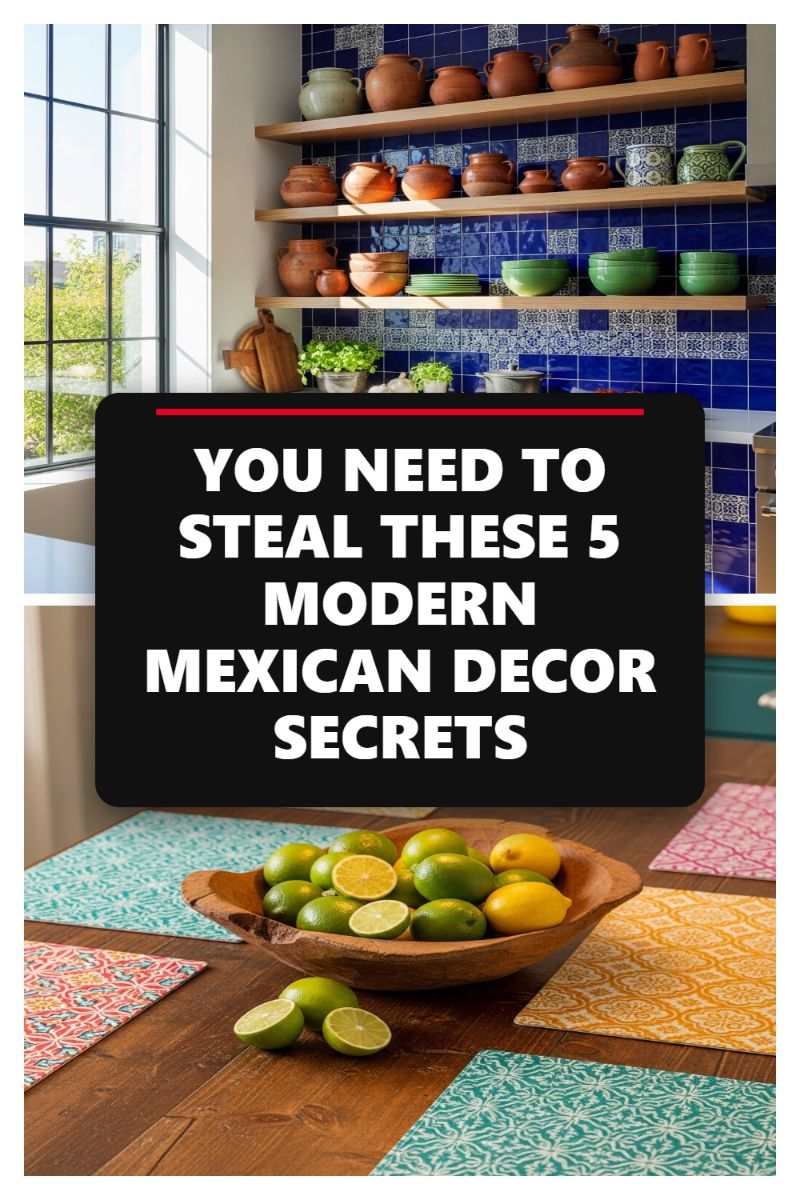
The secret to integrating vibrant, globally inspired decor like Modern Mexican style into a moody scheme lies in utilizing intensely saturated colors as your primary dramatic neutral. Instead of painting walls charcoal, look toward deep, resonant shades like cobalt or indigo blue, as seen in this kitchen’s high-gloss tile backsplash. This deep blue provides the requisite drama and depth foundational to a moody design, while simultaneously setting a culturally appropriate stage for the vibrant accents to follow. Select tiles that offer textural interest—either through handcrafted patterns (like traditional Talavera, depicted here) or a high sheen finish—to ensure the dark wall actively catches the light, preventing the area from feeling flat or cave-like. This intense backdrop serves as the perfect contrast to showcase the warmth of natural materials and the exuberance of saturated color.
To balance the cool, saturated blue, introduce warmth through unfinished, organic materials. Open shelving crafted from thick, raw lumber provides a much-needed horizontal break and a resting place for the eye. The display strategy on these shelves is crucial for achieving the modern Mexican aesthetic: group authentic, handmade pieces like terracotta pottery, earthenware, and unglazed ceramics. The matte texture and earthy tones of these pieces dramatically contrast with the glossy, cold blue tile, creating a rich visual texture. For intentional bursts of color, integrate items with saturated hues that maintain a link to the natural world—think emerald green serving bowls, deep saffron yellow pitchers, or turquoise glazed cups. This technique ensures the palette is bright and lively while maintaining the sophisticated intensity required for a dramatic, moody space.
Finally, ground the room with dark, substantial wood elements and strategically placed, intricate patterns. A deep-toned wooden dining table not only anchors the space but also provides a sturdy foundation that emphasizes the vibrancy of anything placed upon it. Incorporate pattern and secondary color through textiles, using smaller scale prints in electric hues (such as pink, teal, and yellow placemats) to add complexity without overwhelming the scene. Complete the look by emphasizing organic, living elements. A large, simple wooden bowl filled with fresh limes and lemons adds a pop of natural, vivid color and soft curves, softening the angular lines of the modern shelving and windows. This blend of highly saturated color, natural texture, and deep, dramatic backdrops successfully merges the cheerfulness of Mexican design with the sophisticated depth of the moody decor trend.