Buttermilk Pancake Recipe

Making pancakes at home is a special treat. Most people think they need a box mix to get them right. I used to think that too until I tried making them from scratch. This buttermilk pancake recipe will change how you look at breakfast forever. It makes cakes that are tall, soft, and full of tiny air bubbles. You do not need any fancy tools or rare skills to master this dish. Just a few simple steps will lead you to the best breakfast of your life.
In this guide, you will learn exactly how to mix the batter. I will show you how to heat your pan so nothing sticks. You will also find out why buttermilk is the secret star of the show. By the time you finish reading, you will be ready to flip pancakes like a pro. Your kitchen will smell amazing, and your family will be very happy. Let us get started on this tasty path together.
Want to see the full list of what you need? Keep reading to find the perfect mix of ingredients.
Gathering Your Tasty Ingredients
Before you turn on the stove, you need to get your tools and food ready. Having everything on the table makes cooking much easier. I learned this the hard way when I once ran out of eggs halfway through mixing. Now, I always check my pantry first. This recipe uses things you likely already have in your kitchen. It is a budget-friendly way to make a meal that feels very fancy.
Each ingredient has a big job to do. The flour gives the pancake shape. The sugar adds a tiny bit of sweetness. The leavening agents, like baking soda, make them grow tall. Using real buttermilk is the most important part of this whole plan. It reacts with the baking soda to create those big bubbles we all love. If you do not have buttermilk, do not worry. You can make a quick version with regular milk and a little lemon juice or vinegar.
The Complete Shopping List

You will need a few basic things to make about twelve large pancakes. Most of these are staples in any home. Make sure your ingredients are fresh for the best results. Old baking powder can make your pancakes flat, which is a sad way to start the morning. Here is what you should grab from your cupboards:
- 2 cups of all-purpose flour
- 2 tablespoons of white granulated sugar
- 2 teaspoons of baking powder
- 1 teaspoon of baking soda
- 1/2 teaspoon of salt
- 2 cups of fresh buttermilk
- 2 large eggs
- 4 tablespoons of unsalted butter (melted and cooled)
- 1 teaspoon of vanilla extract
- Vegetable oil or extra butter for the pan
Choosing the Right Flour and Milk

Not all flour is the same when it comes to breakfast. I suggest using all-purpose flour because it is strong enough to hold bubbles but soft enough to stay tender. If you use bread flour, your pancakes might get a bit too chewy. For the milk, full-fat buttermilk is the gold standard. It has a thick texture and a tangy taste that cuts through the sweetness of the syrup. It also makes the batter thicker, which helps the pancakes stay round and tall on the griddle.
Recipe Quick Info
- Prep Time: 10 minutes
- Cook Time: 15 minutes
- Servings: 4 people
- Difficulty: Easy
The Step-by-Step Cooking Process
Now comes the fun part where we actually cook. The key to a great pancake is not overworking the batter. Many people stir until every single lump is gone. That is a big mistake! If you stir too much, the gluten in the flour gets tough. Your pancakes will turn out like rubber discs instead of soft clouds. I made this mistake many times before I learned to put the whisk down early. A few lumps are actually your friends in this recipe.
Heating the pan is the next big hurdle. If the pan is too hot, the outside burns while the middle stays raw and gooey. If it is too cold, the pancake will soak up all the oil and get greasy. You want a medium-low heat that stays steady. A heavy skillet or a flat griddle works best because they hold heat well. Once you find the right temperature, you just have to keep it there for the whole batch.
Mixing the Dry and Wet Parts

Start by taking two bowls. In the first bowl, whisk together your flour, sugar, baking powder, baking soda, and salt. Use a fork or a whisk to make sure everything is mixed well. This ensures you do not get a big clump of salt in one bite. In the second bowl, beat your eggs gently. Add the buttermilk, melted butter, and vanilla to the eggs. Whisk these wet items until they look like a pale yellow liquid. Keeping them separate at first is a trick that helps prevent over-mixing later.
Combining into a Lumpy Batter

Pour the wet mixture into the dry mixture all at once. Take a big spoon or a spatula and stir gently. Do not use an electric mixer! Just move the spoon until the white streaks of flour mostly disappear. Stop as soon as it looks combined. It is totally okay if there are lumps the size of peas. Let the batter sit for about five minutes while you heat up your pan. This resting time lets the buttermilk soak into the flour and activates the baking soda for a better rise.
Cooking to Golden Perfection

Put your pan over medium heat and add a tiny bit of oil or butter. Wipe most of it away with a paper towel so there is just a thin film. Scoop about one-fourth of a cup of batter onto the hot pan. Wait for bubbles to form on the top. When the edges look dry and the bubbles stay open, it is time to flip. Use a fast motion with your spatula. Cook the other side for about one more minute until it is golden brown. Only flip your pancakes one time for the best texture.
Pro Pancake Tips
- The Bubble Rule: Wait until the bubbles in the center pop and stay as holes before flipping.
- Wipe the Pan: Wipe out old butter between batches to prevent black burnt spots on your food.
- Do Not Press: Never press down on the pancake with your spatula. It squeezes out the air!
Keeping the Pancakes Warm

If you are cooking for a big group, you do not want the first ones to get cold while you finish the last ones. Set your oven to the lowest setting, which is usually around 170 degrees. Put a wire rack on a baking sheet and slide it into the oven. As each pancake comes off the stove, place it on the rack. The air can move around them so they do not get soggy. This keeps them crisp and hot until everyone is ready to sit down and eat together.
Customizing Your Breakfast Plate
Pancakes are like a blank canvas for your favorite flavors. While plain buttermilk pancakes are amazing, you can easily change them up. My kids love it when I add fruit or chocolate. You can mix things into the batter or just pile them on top at the end. It is a great way to use up extra fruit in the fridge. FYI, frozen berries work just as well as fresh ones if you are cooking in the winter.
The toppings you choose can turn this from a simple breakfast into a dessert. Traditional maple syrup is always a winner. However, some people like honey, peanut butter, or even a squeeze of lemon and a dusting of powdered sugar. IMO, a big pat of salted butter on a hot stack is the most important topping of all. It melts into the nooks and crannies and makes every bite rich and savory.
Adding Fruit and Chocolate

If you want to add blueberries or chocolate chips, do not stir them into the big bowl of batter. Instead, pour the plain batter onto the pan first. Then, sprinkle a few berries or chips onto the wet top of the pancake. This keeps the fruit from sinking to the bottom of the bowl. It also prevents the blueberries from turning your whole bowl of batter a strange purple color. This method gives you perfect fruit placement in every single bite of every pancake.
Serving Suggestions and Sides

To make this a full meal, serve your pancakes with something salty. Crispy bacon or savory sausage links balance the sweet syrup perfectly. A side of scrambled eggs also adds protein to keep you full longer. For a lighter side, a bowl of fresh melon or citrus slices works wonders. If you are feeling extra fancy, you can whip some heavy cream with a little sugar to put on top. It makes the breakfast feel like a party.
Best Ways to Store Leftovers

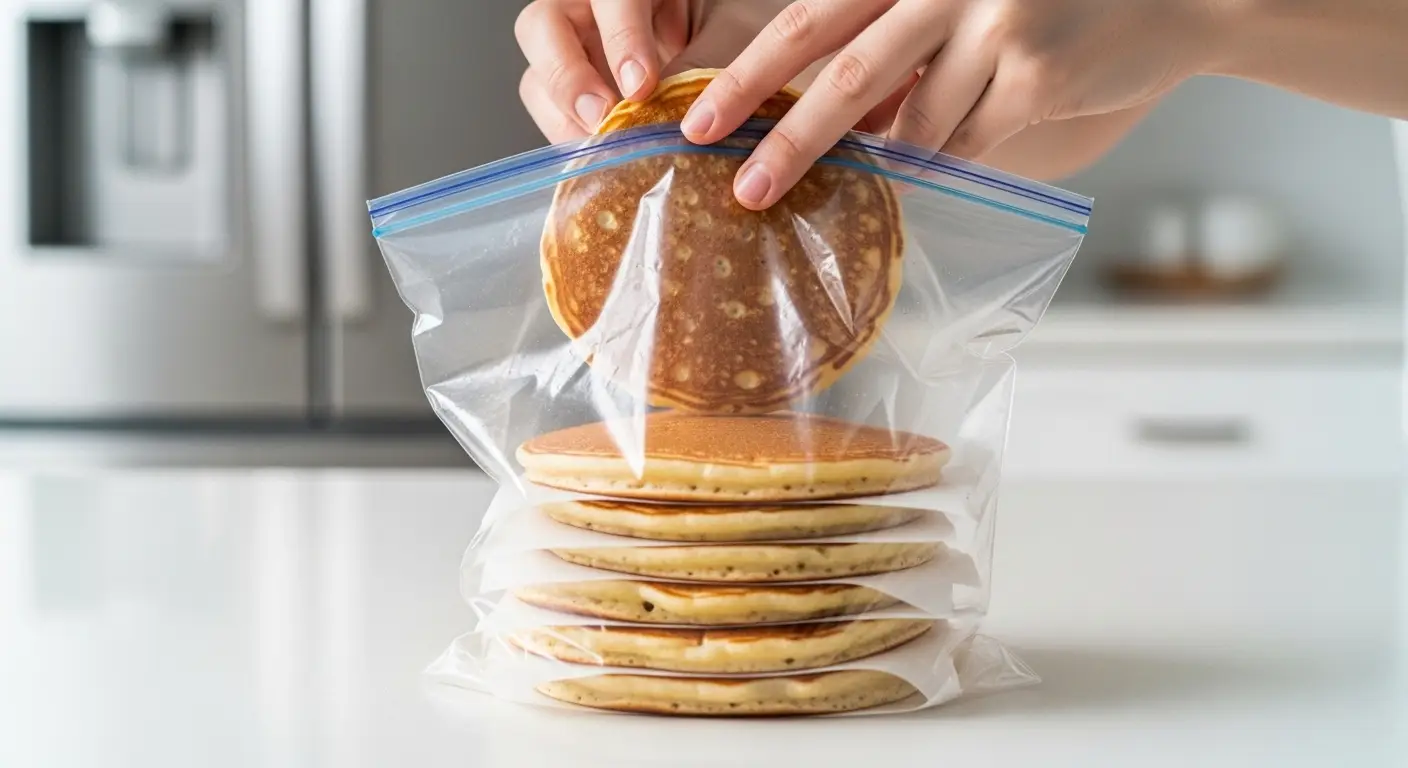
If you have extra pancakes, do not throw them away! They save very well for later. Let them cool down completely on a wire rack first. If you put them in a bag while they are warm, they will get mushy. Place a small piece of wax paper or parchment paper between each pancake so they do not stick together. Put the stack in a freezer bag. You can keep them in the fridge for three days or the freezer for a month. Just pop them in the toaster to make them hot and crispy again.
Common Questions About Pancakes
Why are my pancakes flat and thin?
Your baking powder might be old and weak. Also, make sure you did not over-mix the batter, which removes the air bubbles that help them rise.
Can I use regular milk instead of buttermilk?
Yes, but add a tablespoon of lemon juice or vinegar to one cup of milk. Let it sit for five minutes before using. It will not be as thick as real buttermilk.
What is the best pan for pancakes?
A heavy cast iron skillet or a non-stick griddle is best. They spread heat evenly so the pancakes cook at the same speed across the whole surface.
Why does my first pancake always look bad?
The first pancake is like a test. The pan is usually still getting to the right heat, and the oil is not spread perfectly yet. The second one is always better!
Can I make the batter the night before?
It is not a good idea. The baking soda starts working as soon as it touches the buttermilk. If you wait too long, the bubbles will pop and the pancakes will be flat.
Enjoy Your Homemade Breakfast
Making buttermilk pancakes from scratch is a skill that brings a lot of joy. It turns a normal morning into a special event for your family. Once you taste these fluffy cakes, you will never want to go back to a mix again. Just remember to keep those lumps in the batter and watch for the bubbles on the pan. Now it is time to grab your whisk and get cooking!