
15 ultimate decor hacks to give your home a high-end glow up without the splurge. Learn styling secrets that make every room look instantly expensive on a budget.
THE KITCHEN GLOW UP: 5 COUNTERTOP ACCESSORIES THAT LOOK INSTANTLY HIGH-END.

One of the fastest ways to elevate a kitchen is by treating the countertop as prime real estate for curated decor, shifting from utility storage to intentional styling. To achieve an instantly high-end look, focus on functional items that double as sculptural elements. As demonstrated in the visual, swapping out a bulky drip coffee maker for a sleek matte black French press or pour-over kettle instantly modernizes the space, signaling thoughtful design choices. Pair this centerpiece with a high-quality, textural fruit bowl—opt for materials like dark wicker, glazed ceramics, or polished stainless steel over plastic or wire—and ensure it’s filled with vibrant, fresh produce. This setup utilizes contrasting textures (smooth ceramics, matte metal, organic fruit) to create visual interest and suggests a lifestyle of quality and abundance, requiring minimal monetary investment for maximum impact.
The second secret to a luxurious countertop is mastering the art of utility presentation. Essential items, like coffee mugs or canisters, should be uniform and presented with precision. Replace mismatched kitchenware with a matching set of quality ceramics; the image showcases how neatly stacked white mugs create verticality and order, suggesting professional styling. For other necessary countertop staples, implement the ‘upgrade or hide’ rule: if it must be visible (like olive oil or salt), decant it into stylish vessels made of materials like dark glass, marble, or wood. When selecting finishes for small appliances or accessories, stick to cohesive, rich tones like matte black, brushed brass, or stainless steel to unify the look. Remember that lighting plays a critical role in making these items shine. Ensure your counters are well-lit, as ambient light highlights textures and reflectivity, turning everyday objects into architectural details.
Finally, adhere strictly to the principle of “less is more” and use the Rule of Three for grouping accessories. Countertops should remain largely clear; excessive gadgets or paper clutter instantly cheapens the aesthetic. Select three related, high-quality items—perhaps a marble mortar and pestle, a chic wooden cutting board leaning against the backsplash, and your upgraded salt cellar—and cluster them slightly off-center. This intentional grouping creates a focal point, drawing the eye to coordinated textures and sophisticated material choices. Other key accessories to upgrade are soap dispensers (switch plastic for refillable glass or ceramic) and paper towel holders (opt for heavy, sculptural metal designs). By treating your countertop accessories as true design elements rather than mere storage, you mimic the intentional minimalism and material richness found in luxury kitchen designs.
TEEN ROOM MAKEOVER: 10 DIY PROJECTS THAT DON’T LOOK LIKE TRASH!

The biggest challenge in elevating a space on a budget, especially a room prone to trends like a teen’s room, is ensuring DIY projects don’t look cheap or rushed. The secret to making handmade decor look expensive lies in two key areas: material quality and precision of execution. Instead of opting for overly complex, busy projects, focus on high-impact textural items and simple, clean designs. For example, the modern macrame wall hanging seen in the image utilizes high-quality natural cotton cording and a clean wooden dowel. To replicate this upscale look, stick to monochromatic, neutral palettes (creams, linen tones, or matte black) and geometric patterns rather than overly ornate, dated weaves. The scale is also crucial; an impressive, large-scale piece commands attention and looks more like a curated artwork than a simple craft project. Ensure your knots are consistent and that the piece hangs straight and taut to achieve that polished, professionally-made appearance.
Another powerful technique for creating high-end decor on a dime is transforming basic, inexpensive ceramics through sophisticated painting techniques. The visual of painting a terracotta jug demonstrates this perfectly. Terracotta and simple glazed ceramic vases are readily available and affordable, but they can be instantly upgraded with matte paint in designer-inspired colors. To replicate the expensive, artisanal look, ditch glossy finishes and select a high-quality chalk or mineral paint in matte neutrals—think Farrow & Ball-esque taupes, warm grays, or off-whites. The key instructional component is using precision color blocking, which instantly mimics expensive studio pottery. Apply high-quality painter’s tape to create crisp, geometric lines, ensuring absolutely no bleed under the tape for flawless segmentation. When removing the tape, pull it off slowly before the final coat is completely dry to prevent tearing or lifting the paint, resulting in clean boundaries that signal superior craftsmanship.
To ensure these DIY pieces successfully transition from a ‘craft project’ aesthetic to ‘designer decor,’ presentation is everything. Avoid cluttering the display area. Each DIY item should be given space to breathe, whether it’s the macrame acting as the central focal point above a bed or desk, or the painted vase resting on a stack of art books. Pair your handmade items with natural elements and existing high-quality decor—a potted plant next to the macrame or a textured tray under the vase. By focusing on simple, clean lines, high-quality finishes (matte paint, natural fibers), and intentional placement, these DIY projects move beyond temporary teen trends and become sophisticated accent pieces that elevate the overall perceived value of the room, proving that high-end style doesn’t require a high-end budget.
EASY DIY V-DAY: 5 LAST-MINUTE DECORATIONS THAT LOOK EXPENSIVE!
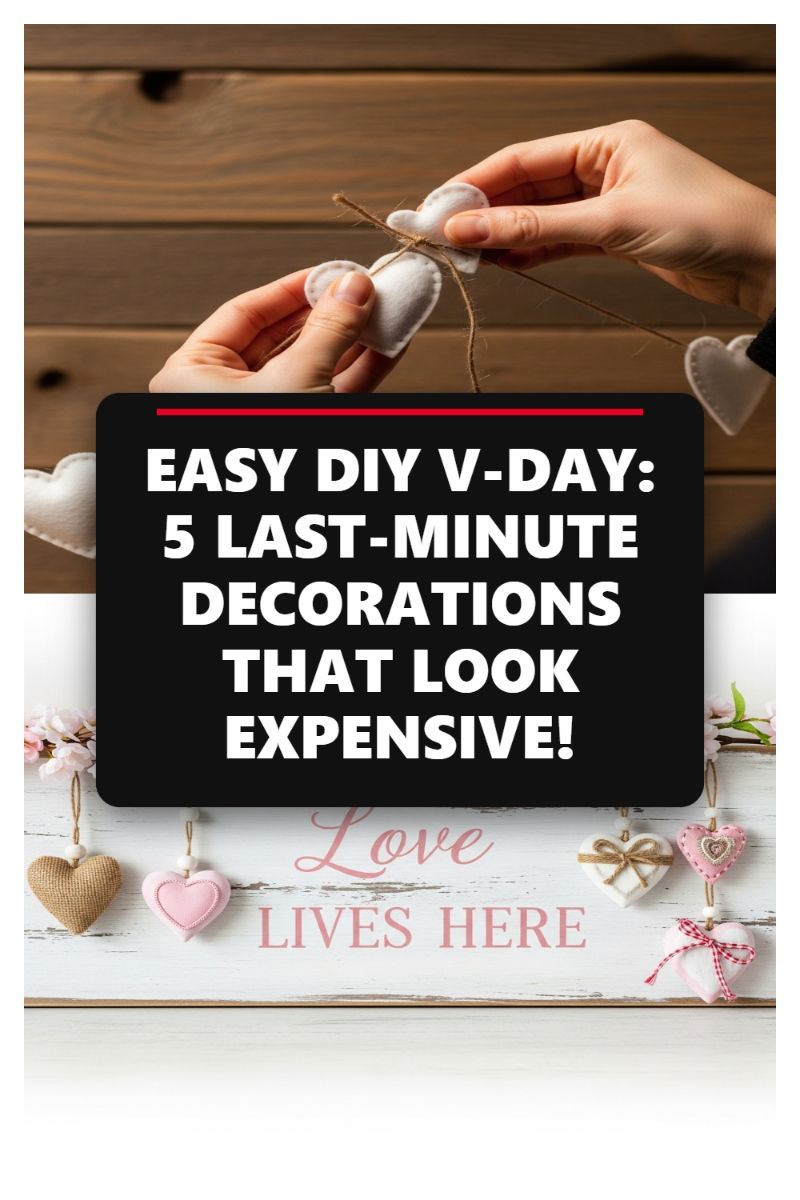
To create DIY decorations that defy their last-minute nature and look genuinely expensive, the secret lies in material choice and uniformity. Abandon synthetic fibers and glitter; instead, opt for natural textiles like wool felt, linen, and jute or burlap. For a simple heart garland—a staple of chic holiday decor—cut your hearts (ensure precision, perhaps using a template) and then use a needle and substantial natural jute or hemp twine, rather than thin polyester string, to thread them. The heft and texture of the natural twine immediately upgrade the look, suggesting artisanal craftsmanship. For an even more refined finish, gently stuff the felt or linen hearts with poly-fill before stitching them closed, giving them a three-dimensional, plump appearance that catches the light beautifully, mimicking high-end boutique ornaments.
The key to achieving an expensive aesthetic is layering textures and providing intentional detailing, as demonstrated by the varied heart ornaments in the image. Integrate several materials within the same display: pair the soft, plain felt hearts with structured burlap hearts for contrast. If adding color, keep the saturation low; use dusty rose or soft blush pinks, avoiding primary reds, which often read as cheap. Further elevate these small pieces with meticulous accents. For instance, tie small, crisp bows made of natural twill or thin gingham ribbon around the center of some hearts, or use decorative hand-stitching (like a blanket stitch or simple embroidery) to outline the edges of the felt pieces. This small addition of labor conveys bespoke quality—a hallmark of costly decor.
Once your individual elements are complete, their placement is crucial for completing the expensive illusion. These delicate, handcrafted pieces should be used to subtly enhance existing decor, not overwhelm a room. Drape the natural heart garlands across a minimalist white mantelpiece, frame an antique mirror, or weave them through a high-quality bookshelf display. If utilizing a sign or backing (like the rustic white shiplap seen here), ensure the painted text is simple and script-based, contributing to the “shabby chic” or farmhouse luxe vibe. By focusing on a coordinated, muted color palette and ensuring that every element appears intentionally selected and painstakingly crafted, these simple materials transform from basic craft supplies into sophisticated, high-end seasonal accents.
INSTANT VACATION: EFFORTLESS SUMMER DECOR THAT BRINGS THE COAST HOME.

To achieve a luxurious coastal aesthetic without investing in new furniture, focus first on layering textures and perfecting the backdrop. The visual trick here is creating a sense of spa-like serenity, which is inherently high-end. Start with a foundational piece, such as a large, sturdy woven jute or rattan basket—natural materials immediately signal quality and warmth. Fill this container not with clutter, but with plush, coordinated textiles. The key is mixing patterns and solids within a tight color palette: classic ticking stripes (blue/white) paired with a heavy, textured white throw or towel. This combination provides visual interest and tactile richness, making the space feel instantly layered and expensive. Ensure your walls and window treatments are kept light and airy (think soft grays or crisp whites with sheer curtains) to maximize the diffusion of light, replicating the expansive feel of a beach house.
The secret to elevating simple coastal accents beyond cheap souvenirs lies in meticulous curation and display. Instead of scattering dozens of small trinkets, select a few large, visually impactful pieces, such as large conch shells or detailed scallop shells. Group them intentionally, perhaps placing them on a distressed white surface (like shiplap shelving or a reclaimed wood console) to provide contrast. The brilliant hack shown here is the inclusion of polished sea glass. This material, often found cheaply online or collected from nature, reads as precious, semi-translucent gems when grouped together in a dense pile. Using only blue/aqua glass maintains a cohesive, sophisticated color story that mimics the high-end look of aqua geodes or antique glass floats.
Finally, solidify the high-end coastal look through careful accessorizing, especially with ceramics and botanicals. Choose matte, monochromatic vessels over glossy or patterned ones; the soft, pale blue sphere shown here anchors the display with a comforting, sophisticated weight. Matte finishes absorb light, conveying depth and luxury, whereas high gloss can sometimes look cheap. Pair this refined vessel with voluminous, low-maintenance flowers like hydrangeas (fresh or high-quality faux) in colors that mirror your sea glass and textiles (dusty blues, cream, or seafoam green). Keeping the color scheme tight and consistent across all accessories—from the throw pillows to the vase—is the design element that truly signals that the space was professionally styled, giving your home that sought-after expensive glow up.
The Sentimental Vignette: Curating High-End Keepsake Displays

A key principle in achieving an expensive-looking interior is dedicated presentation. Rather than cluttering shelves or scattering personal memorabilia, create a singular, high-impact ‘sentimental vignette’ that anchors a room or hallway. Start by selecting your most meaningful documents, awards, or photographs—like the framed graduation portraits and rolled diplomas seen here—and commit to consistent, high-quality framing. Mixing finishes like polished silver and burnished gold (as demonstrated in the image) adds depth, but ensure the frames share a similar profile and size proportion for a cohesive, gallery-level look. Arrange these items on a designated console or side table, utilizing the rule of odds (grouping items in three, five, or seven) and varying heights to create visual interest. The display should feel deliberate and archival, suggesting that every item has significant value, which is a hallmark of high-end styling.
Elevate the display further by integrating functional decorative elements. The open guest book in the image, often used for parties, can be reinterpreted in a home setting as an antique ledger or a pristine coffee table book. Pair it with an elegant writing instrument—a substantial metal pen or a fountain pen—resting beside it. The rolled diplomas, tied with a luxurious silk ribbon, add texture and verticality; these can be substituted with decorative scrolls, high-quality maps, or architectural blueprints. The perceived value of a space is often tied to the textures used, so ensure all surrounding textiles, from the table runner to the ribbon, are natural fibers like linen, velvet, or heavy silk. This layered approach turns simple souvenirs into sophisticated decor, transforming a corner of your home into a personalized museum display.
Finally, maximize the ambiance using intentional accent lighting, drawing inspiration from the warm, soft glow of the bistro lights visible in the party setup. High-end spaces avoid harsh overhead light; instead, they rely on layered illumination. Incorporate a small, directed spotlight (a picture light or tiny LED puck light) above the display to highlight the framed items. Alternatively, place a lamp with a warm-toned bulb (2700K or lower) adjacent to the vignette to cast a gentle wash over the entire presentation. This subtle lighting trick enhances the metallic finishes on the frames and makes the entire area feel intimate, refined, and significantly more expensive than relying solely on standard room lighting.
DIY GALENTINE’S: THE AESTHETIC PARTY YOUR FRIENDS WILL OBSESS OVER!
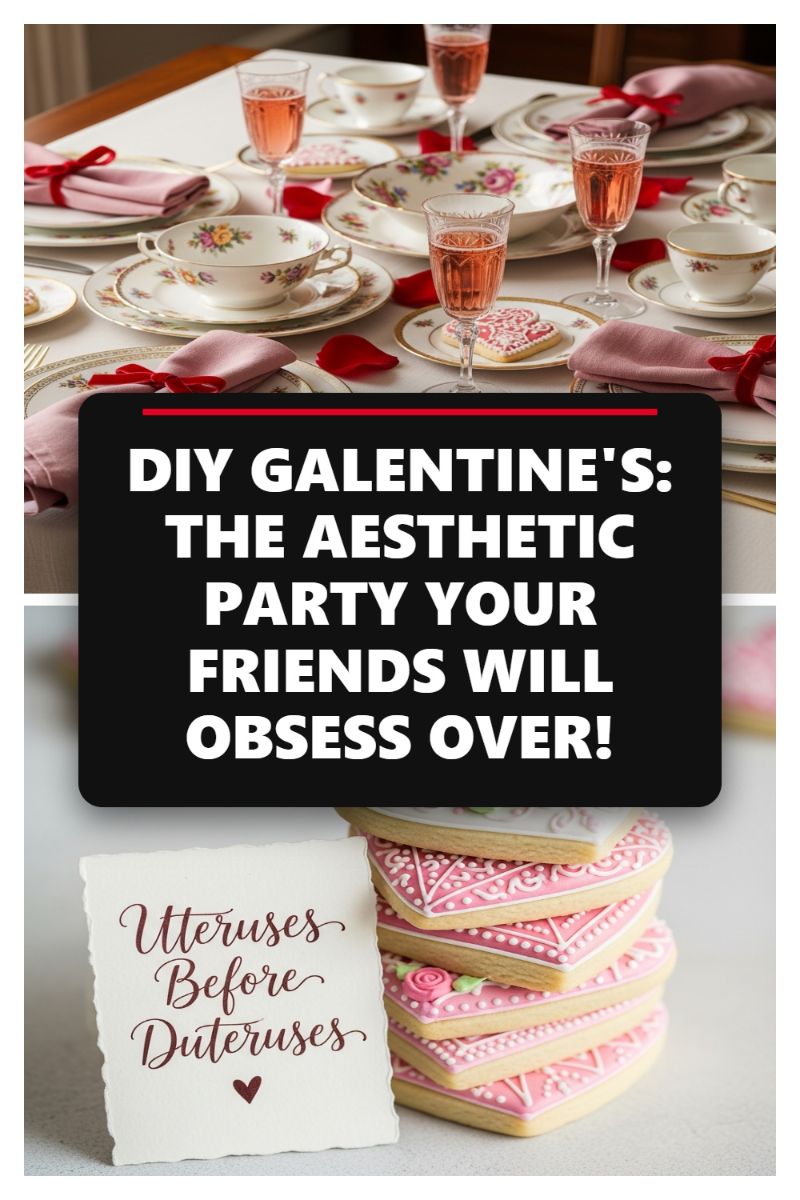
Achieving a regally set table is one of the quickest and most effective ways to make your dining area look inherently high-end, even if you are using budget or thrifted elements. The key strategy here is professional layering, which involves building the place setting up from the base layer to the accent pieces, mimicking the structure of formal fine dining. Start by hunting for ornate, gilded, or floral vintage china sets at antique stores or estate sales; these pieces, especially those with gold rims, instantly communicate heritage and expense far better than modern, plain white tableware. Layer a stack consisting of a charger plate, a main dinner plate, and a smaller accent or salad plate. Top this visual pyramid with a teacup or soup bowl. This deliberate layering of varied patterns and sizes adds depth and interest, transforming the table from a simple meal setup into a curated decorative display. Ensure that the gold or metallic accents across the different pieces harmonize for a unified, opulent effect.
Next, elevate the soft elements through thoughtful textile choices. Swap out standard cotton or paper products for heavy, substantial linen napkins, ideally in a rich color that complements the china’s palette (here, the soft pink works perfectly with the vintage floral prints). The way you present the napkin is crucial to the luxurious feel. Instead of a simple fold, secure the napkin with a decorative touch—a velvet ribbon tied in a bow, a rustic twine wrap, or a simple, budget-friendly brass napkin ring. This small detail elevates a functional item into an accessory. Furthermore, incorporate subtle thematic elements that act as miniature art installations on the table, such as scattering a handful of deep red faux rose petals or placing a beautifully iced, custom cookie (like the heart shapes shown) on the dessert plate. These tiny, personal touches signal that careful consideration was given to every guest and every detail, a defining characteristic of high-end entertaining.
Finally, the choice of glassware and atmosphere solidifies the upscale aesthetic. Avoid heavy, casual tumblers in favor of delicate, stemmed glassware. Even if serving non-alcoholic beverages, using champagne flutes or wine glasses (as pictured) adds immediate sophistication and a celebratory air. The color of the beverage itself can also become a decor element; here, the rose-colored sparkling drink mirrors the pink theme of the linens and cookies, reinforcing the cohesive, high-fashion color story. To complete the ambiance, ensure lighting is warm and soft—table lamps or strategically placed candles will highlight the shimmer of the gold trim and the delicacy of the glassware, creating an inviting, expensive glow. By focusing on layered texture, gilded accents, and deliberate color coordination, you can host a memorable, aesthetically flawless event that makes your everyday dining space look like it was styled by a professional event designer.
High-Impact Entertaining: Master the Art of the Luxe Home Bar Setup
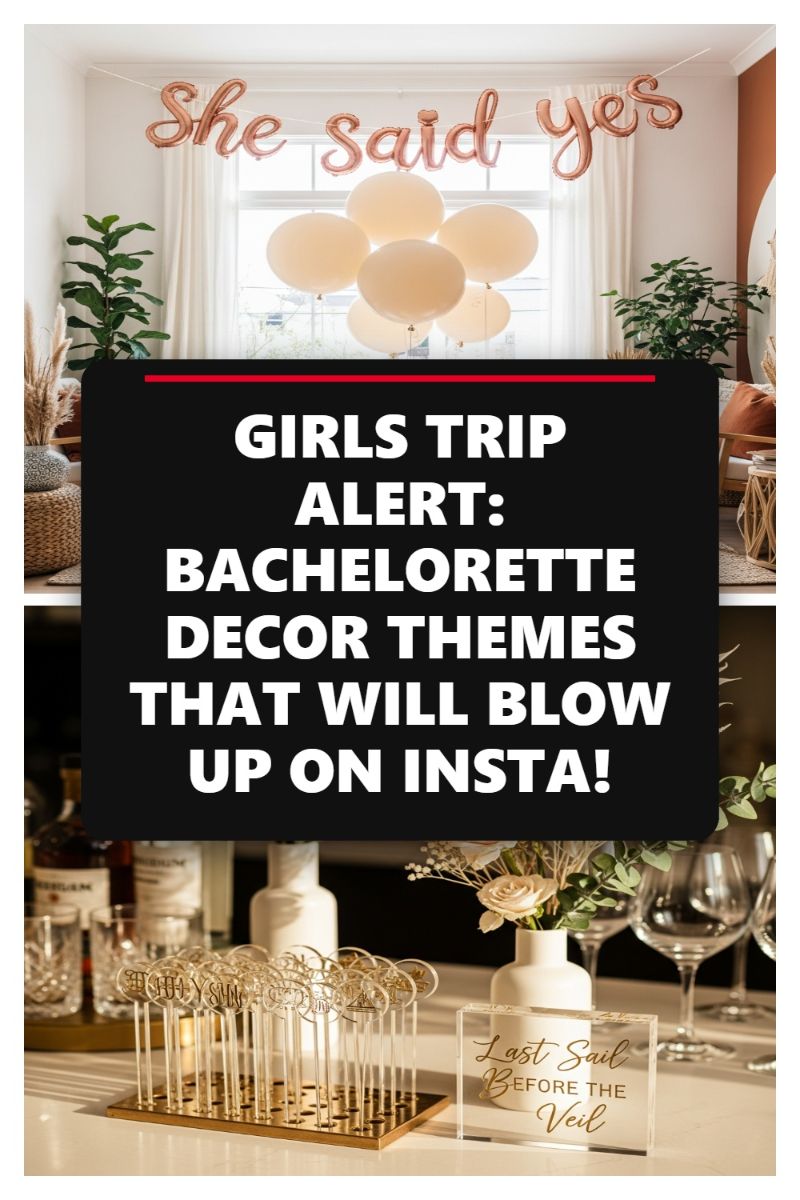
While this image captures temporary bachelorette party decor, the principles used to elevate the styling are essential for making any home look high-end, especially when hosting. The secret to achieving an expensive aesthetic lies in swapping out cheap disposable items for curated, reusable materials. Focus on the core surfaces: use reflective materials like mirrored trays or polished gold stands (as seen with the cocktail stirrers) to group liquor and glassware. This instantly transforms clutter into a defined, intentional vignette. Invest in a set of quality, heavy-based glassware, even if you only use them for special occasions; the light refraction and solid feel instantly signal luxury over thin, fragile alternatives. Finally, ensure your staging area is pristine—a clean, white surface coupled with organized bottles (labels facing uniformly backward or removed if possible) provides the sleek backdrop necessary for a refined look.
To bridge the gap between temporary party decor and permanent luxury, introduce details made from acrylic or metallic foil rather than flimsy paper or plastic. For instance, the clear acrylic signage and custom laser-cut gold stirrers shown here use materials typically associated with bespoke wedding decor, making them appear sophisticated and curated rather than generic party store fare. When choosing metallic accents, limit yourself to one or two complementary tones, such as rose gold and matte gold, and utilize them across different items—from balloon letters to display stands—to create visual cohesion. For a hack that lasts beyond the weekend, incorporate natural, textural elements like oversized, simple greenery and large matte forms (like the subtle, cream balloons) that fill space without introducing distracting patterns, aligning the temporary setup with the home’s existing sophisticated, neutral palette.
Expert stylists know that presentation is everything. Elevate utility items into decorative statements. Instead of simply having cocktail napkins or stirrers tossed on the counter, display them in custom holders or stands that match your chosen metallic accents. The use of custom signage, even for entertaining cues like “Last Sail Before the Veil,” utilizes elegant, scripted typography, which is a hallmark of high-end design. This attention to customized detail signals that the host has invested time and resources into the ambiance, providing a luxury feel without requiring permanent structural changes. Remember: expensive design is about thoughtful execution and high-quality finishes, even when the decor itself is meant to be temporary.
Vintage Vibes: Unexpected Ways to Use Birdcages in Home Decor

Reimagining functional objects as decorative statements is a hallmark of truly expensive design. The vintage birdcage, often relegated to garden decor, can be transformed into a dramatic, high-end centerpiece or terrarium. To replicate the stunning table display shown, choose a generously sized, distressed metal cage—the patina of an aged white or light gray finish instantly reads as authentic and upscale. Fill the base with layers of preserved moss and hardy succulents or echeveria, ensuring they look lush and abundant. The secret ingredient that elevates this from a simple plant display to a sophisticated vignette is strategic lighting: weaving battery-operated, warm-toned micro fairy lights amongst the greenery adds depth and a beautiful, ethereal glow, especially in the evening. Place this impactful piece on a dark wood console or dining table to maximize contrast and scale.
For a more whimsical, curated look that showcases character, utilize a hanging birdcage as a display structure for small, delicate items. The antique brass or bronze finish seen in the lower example works perfectly for this application, offering rich texture. This method requires careful styling: instead of filling the bottom, focus on suspending tiny decorative elements. Use air plants (Tillandsia) as they require minimal substrate and thrive in open environments, allowing you to showcase their unique forms. The addition of miniature framed photos or meaningful keepsakes hung from the bars transforms the cage from a simple container into a personal gallery. The key to high-end execution here is restraint; select frames in a unified, muted color palette (such as dusty rose, sage green, and soft brown) to maintain a cohesive, boutique feel.
This hack works because it repurposes an item designed for enclosure into an eye-catching display, signaling thoughtful, unconventional design choices that expensive homes often feature. When sourcing your cage, always look for quality craftsmanship—thick metal bars, intricate detailing at the base, and a sturdy latch. Avoid cages with brightly colored plastic coatings, which can immediately downgrade the look. If you purchase a budget find, give it a quick DIY glow-up using chalk paint or a matte metallic spray paint to achieve that desirable, non-shiny, antique patina. By turning these architectural pieces into miniature worlds, you create layered visual interest and conversation starters that are far more impactful than typical store-bought decorative objects.
NEW TREND ALERT: THE 2026 SPRING DECORATING RULES YOU NEED TO KNOW!
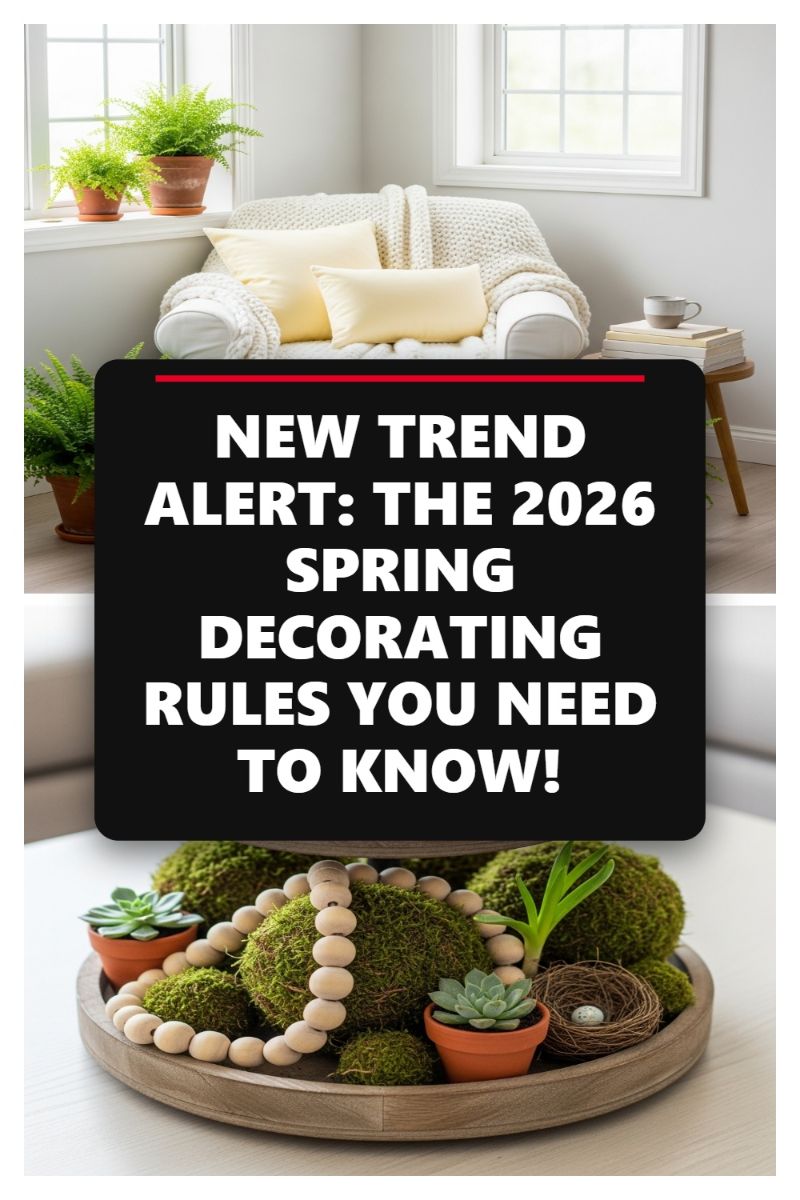
High-end decor relies fundamentally on tactile luxury, and this cozy corner demonstrates how to achieve that expensive feel through strategic layering and texture play. To emulate this look affordably, swap out heavy winter fabrics for lighter, breathable knits and linens in a monochromatic palette of pale neutrals (think cream, ivory, and soft yellow). Notice how the chunky cable-knit throw provides substantial texture against the smooth linen pillows, instantly elevating the furniture below. This subtle layering prevents the neutral palette from falling flat, making the space feel deeply curated and intentional. Furthermore, maximizing natural light—the cheapest form of luxury—and incorporating large, healthy houseplants, like the potted ferns shown here, instantly injects life and draws the eye outward, completing the serene, spa-like atmosphere characteristic of high-end styling.
The secret to making small decor items look luxe lies in sophisticated grouping and emphasizing natural materials, a principle perfectly illustrated by the organic centerpiece arrangement. Instead of scattershot placement, use a contained vessel, such as a sturdy wooden tiered tray, to anchor a collection of seasonal, textural elements. This particular vignette is a masterclass in mixing organic materials: preserved moss spheres provide a soft, rich texture, contrasted by smooth wooden prayer beads and matte terracotta pots holding small succulents. The inclusion of a delicate, faux bird’s nest adds a touch of bespoke seasonality. The success of this arrangement lies in varying the scale and texture of these inexpensive items; the hard wood and clay provide necessary structure while the soft moss ensures visual depth, creating a complex and custom feel without any high-cost investment.
To successfully implement these high-end spring rules without overspending, focus on the details that signal intention and grounded warmth. The use of natural wood tones, seen in the side table and the decorative tray, grounds the bright white setting, a common trick in expensive design to prevent a space from feeling stark. The overall palette, built on subtle earth tones, various shades of white, and natural green, feels sophisticated and calming. For the ultimate glow-up, make the conscious switch from generic, mass-produced accents (like plastic or shiny metal decor) to these organic elements—wood, clay, and preserved greenery. This focus on natural textures and deliberate, contained arrangements is the quickest, most affordable way to inject custom, high-end appeal and signal that every detail in your home has been thoughtfully considered.
AVOID THESE MISTAKES: THE ULTIMATE VANITY SETUP FOR HIGH-VIBE BEAUTY ROOMS!
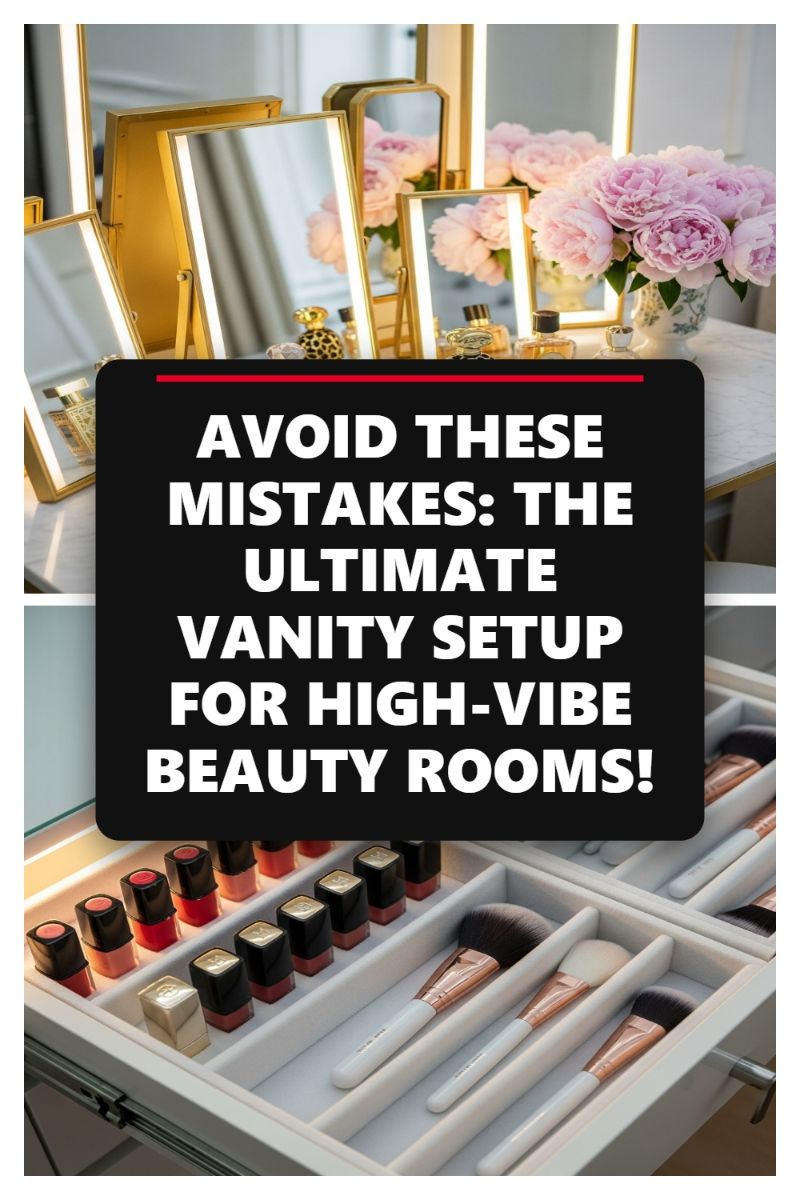
A high-end beauty room doesn’t rely on designer makeup—it relies on aspirational presentation and flawless lighting. To achieve the luxe, high-vibe look seen here without buying an expensive, custom vanity, focus on layering functional mirrors and maximizing surface reflection. Instead of purchasing one giant lighted vanity mirror, source several smaller, affordable gold-framed LED mirrors (often sold for travel) and cluster them. This clustering creates visual weight and depth, mimicking an expensive custom installation. Pair this cluster with a marble or marble-look surface (a simple slab or even contact paper applied to a plain desk works) to anchor the setup. Finally, use the area surrounding the mirrors for strategic display: fresh flowers like peonies instantly elevate the space, and decanting or organizing perfumes and fine jewelry items into cohesive trays gives the impression of a boutique display rather than everyday clutter.
True luxury is found in meticulous organization, particularly inside the drawers. To translate the look of fine cabinetry and curated tools into your space, adopt the ‘jewelry box’ aesthetic for your beauty storage. Clutter in drawers is the quickest way to downgrade expensive products. Invest in modular velvet or custom-fit felt drawer organizers that dedicate specific slots to your items. As demonstrated, perfectly aligned lipsticks and makeup brushes resting in specialized compartments transform routine tools into cherished valuables. For a truly high-end effect, ensure your visible tools (like brush sets) have matching handles and metallic accents (rose gold ferrules or chrome finishes) to create visual harmony and professional uniformity, suggesting quality curation rather than random accumulation.
To ensure your beauty station exudes ‘high-vibe’ elegance, master the ambient light. The illuminated mirrors provide soft, flattering front-facing light, which is crucial for makeup application but also sets a decadent mood. Avoid relying solely on harsh overhead fixtures. The final hack involves metal cohesion: ensure all metallic elements—the mirror frames, the perfume bottle caps, and the drawer pulls—are within the same warm or cool tone family (gold, brass, and rose gold work seamlessly together). By focusing on these structured organization methods and strategic lighting clusters, you transition the space from a simple functional area into a dedicated, glamorous haven that feels curated, organized, and undeniably expensive.
SHOCKINGLY EASY: EASTER MANTLE DECOR IDEAS THAT AREN’T CHEESY!
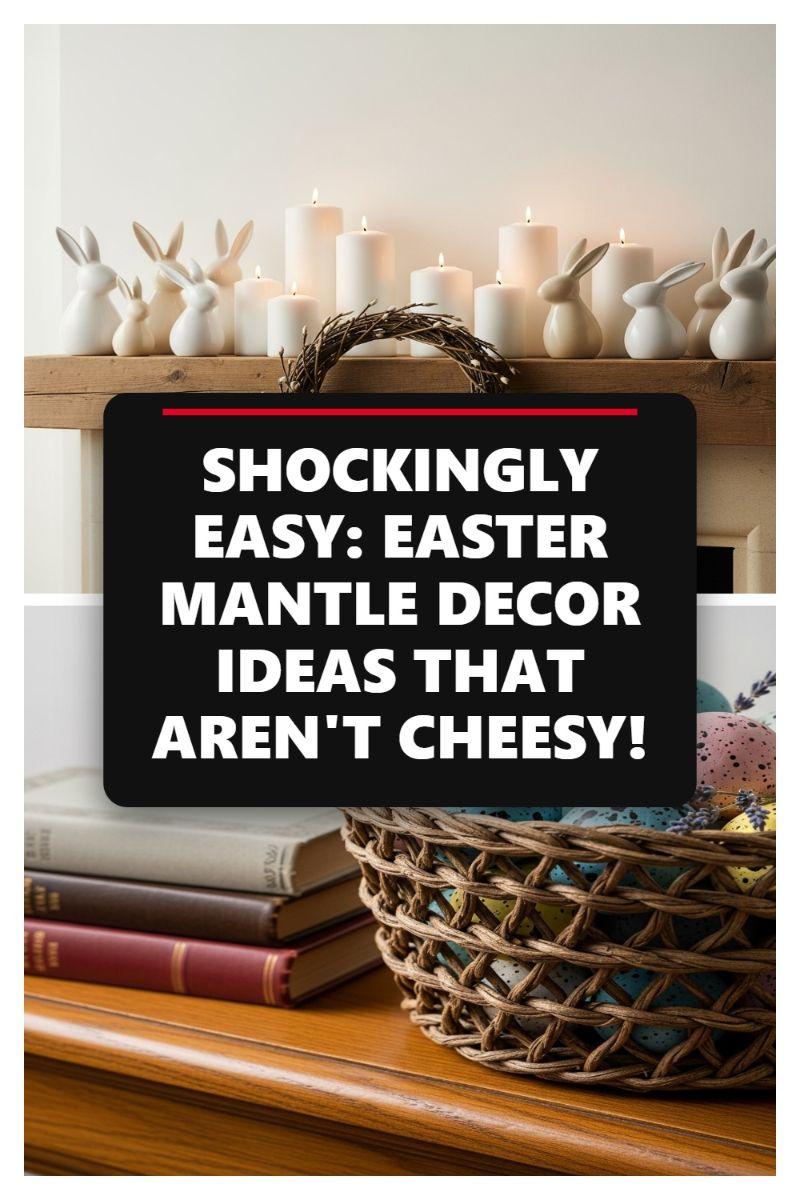
Achieving high-end seasonal décor, like the Easter mantle shown, relies heavily on editing and material selection. The ultimate hack for making temporary holiday decorations look expensive is adopting a strictly monochromatic or ultra-neutral palette. Here, the designer foregoes standard pastel pinks and yellows for a sophisticated ensemble of white and cream ceramic bunnies paired exclusively with white pillar candles. Ceramic figurines inherently read as more elevated than plastic or plush options. Furthermore, the repetition of shapes—multiple bunnies and varying candle heights—creates visual abundance and depth, a hallmark of luxury styling, without the clutter of numerous disparate items. The inclusion of the small, rustic twig wreath introduces necessary organic texture, grounding the display on the rough-hewn wooden mantelpiece.
To execute this high-impact display, focus on layering and creating dynamic variation in height. Begin by establishing your foundation; if your mantel is dark, the white pieces will pop dramatically, magnifying the luxurious contrast. Arrange your tallest elements (the largest pillar candles) towards the back and center, gradually stepping down the heights towards the ends. Next, strategically nestle the ceramic figurines amongst the candles. Crucially, mix different finishes—some bunnies are glossy white porcelain, others a matte beige stoneware—which adds subtle complexity and dimension that simple uniform items lack. The soft, ambient glow provided by the lit candles is non-negotiable; lighting immediately elevates any display, lending a warm, expensive ambiance that simple daylight cannot replicate.
This hack proves that restrained color palettes are the secret weapon of expensive-looking seasonal design. By limiting the colors to neutrals and focusing on high-quality materials (ceramic, wax, natural wood), you ensure that your temporary decor integrates seamlessly with existing permanent fixtures, rather than jarring against them. When applying this principle to other holidays, replace the bunnies with similarly high-quality, monochromatic icons (e.g., brass or matte black pumpkins for autumn, white flocked trees for winter). The resulting look is always curated, understated, and timeless, projecting an image of careful, high-end design sensibility that costs significantly less than buying large, statement seasonal pieces.
STOP CLUTTER: GENIUS CORNER DECOR IDEAS FOR SMALL KITCHENS!
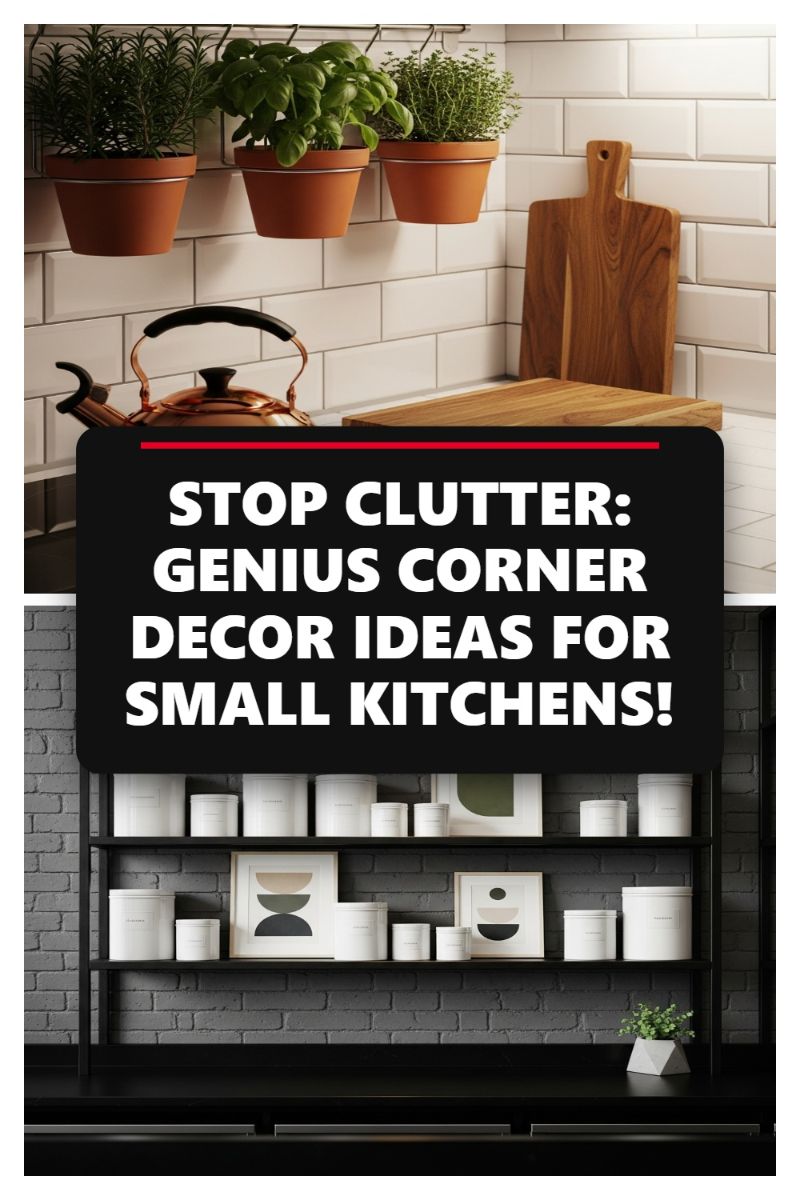
In small kitchens, corner real estate is invaluable. Transforming these often-ignored spaces into functional, stylized displays is a high-end hack that suggests deliberate design and excellent organization. To elevate your look instantly, follow the example in the image by utilizing vertical space. Install a minimalist rail system (often found affordably at home improvement stores) to hang fresh herbs in terracotta or metallic pots. This frees up crucial counter space while adding vibrant texture and color—a sure sign of a well-cared-for home. Furthermore, move away from storing cutting boards randomly in cabinets; instead, lean attractive wooden boards (look for thick grain or deep walnut finishes) against the backsplash in the corner. Their natural warmth against clean subway tile or brick adds a layer of depth that feels professionally styled. Finish the vignette with a single, sculptural item like a copper kettle or a unique ceramic utensil holder to introduce a curated focal point.
To achieve true sophistication, address organization with strict uniformity, especially on open shelving. The second image demonstrates how easily this can be accomplished: use sets of matching, labeled white canisters in varying sizes. The visual consistency provided by these containers instantly elevates the black open shelving against the dark brick wall, turning everyday storage into modern art. This hack works because it eliminates visual noise; when everything is cohesive, the space reads as structured and luxurious, rather than cluttered. Ensure your open shelves are not purely functional. Intersperse the storage containers with minimalist, abstract art pieces that share a complementary color palette (like the muted greens, blacks, and creams shown). This balance between utility and aesthetics is crucial for achieving that expensive, ‘gallery-wall’ effect in an unconventional area.
Implementing this high-end corner treatment requires adhering to a cohesive material and color strategy. Notice the limited palette in the images: wood, copper, black, white, and greenery. When decorating a small space, fewer colors and materials equal greater impact. To replicate this look, start by decanting all your pantry staples and spices into your uniform containers—this small step has the biggest visual return on investment. Next, treat your shelving like a professional stylist would, grouping items by height and alternating between functional containers and decorative objects. Remember, the goal is to convey effortless curation; every item should look intentional, not simply abandoned. By maximizing vertical storage and imposing visual order, you master the art of making a small kitchen look expansively organized and undoubtedly expensive.
CUTE & CLASSY: FRONT PORCH EASTER DECORATIONS THAT GROW UP WITH YOU!
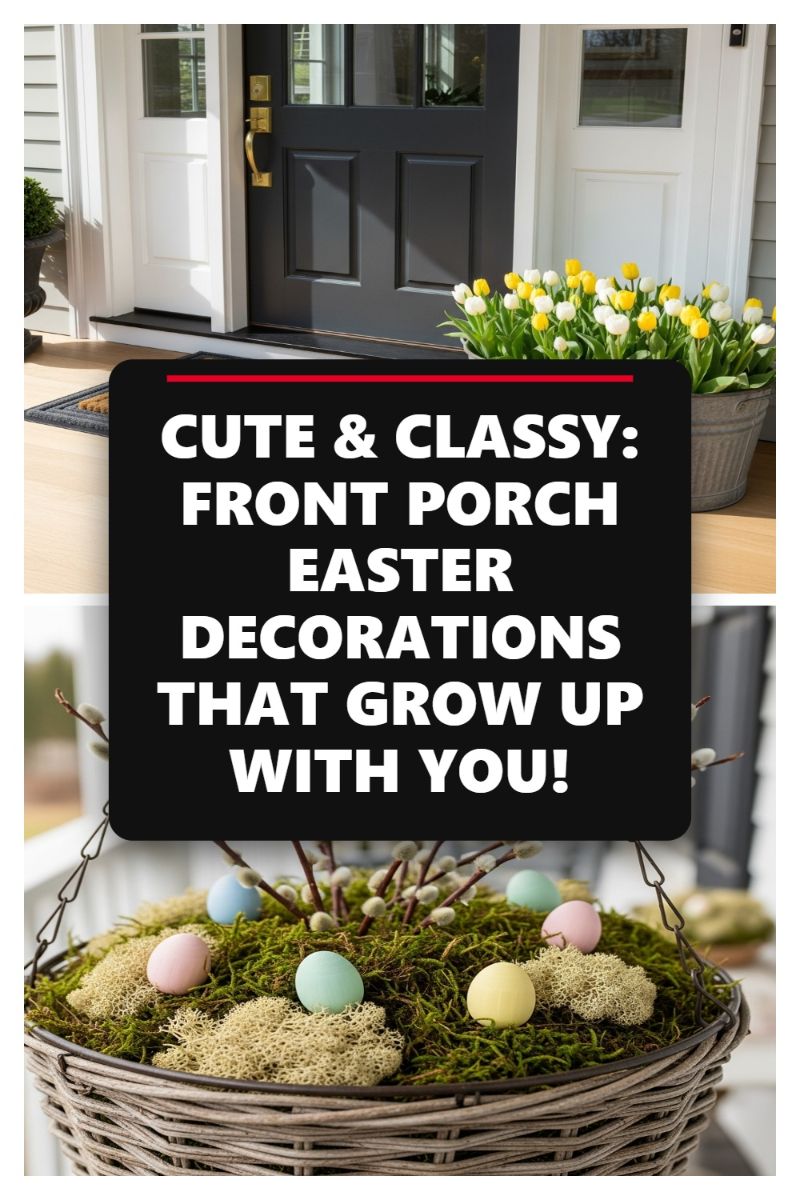
To transition seasonal decor from “cute” to “classy,” focus entirely on texture and a sophisticated color palette. The key to making any holiday display look high-end is avoiding bright, inexpensive plastic and integrating natural, tactile elements. Mimic the look seen here by using sophisticated neutrals and muted pastels. Instead of neon colors, opt for sage, robin’s egg blue, or pale butter yellow for your Easter eggs or accent pieces. The visual depth in this example comes from layered textures: the rough, woven basket, the varied green and beige tones of preserved moss and lichen, and the smooth, simple finish of the decorative eggs. This intentional selection of materials ensures your decorations feel organic, cohesive, and curated, instantly elevating the perceived value of your entryway.
Achieve an expensive, welcoming spring entryway by employing intentional layering and strategic plant choices. The entryway shown utilizes a strong contrast between the crisp white trim and the dark, substantial door—a classic element of high-end design. For the floral elements, choose substantial, classic flowers that thrive in the spring, like tulips, hyacinths, or daffodils. If using faux flowers, invest in high-quality varieties that mimic real texture and color complexity. Place these blooms in containers that speak to quality, such as weighty dark planters, aged terracotta, or galvanized metal buckets, as pictured. Avoiding thin plastic flower pots is essential, as these instantly detract from the high-end aesthetic; heavy, substantial vessels suggest permanence and quality.
The secret to crafting “grown-up” Easter decor that transcends typical holiday clichés lies in the details of the centerpiece or accent arrangement. Take inspiration from the woven hanging basket arrangement, which uses a textural foundation of Pussy Willow branches—a refined symbol of early spring—embedded in rich, preserved moss. To replicate this effect, secure the branches in hidden floral foam and cover the top entirely with high-quality preserved moss and lichen, creating a lush, natural bed. The eggs should be simple, scattered lightly to suggest a discovered nest rather than a formal arrangement. Opt for matte or subtly speckled eggs in your chosen muted palette, avoiding glossy or highly decorated finishes. This method of using understated, textural elements ensures the decor feels sophisticated enough to transition seamlessly into general spring decor, allowing it to “grow up” with your home’s enduring style.
LUCK OF THE IRISH: ST. PATRICK’S DAY DECOR THAT’S MORE CHIC THAN CHEESY!
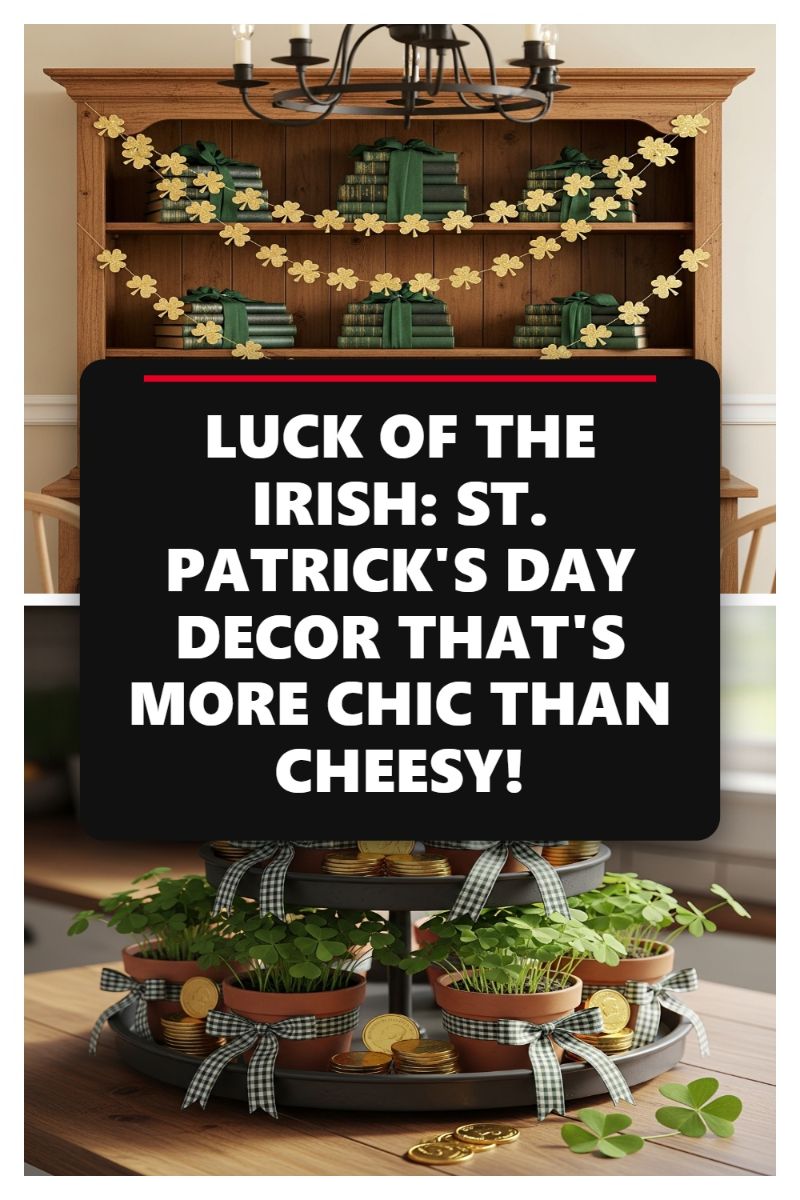
The secret to upgrading seasonal decor from ‘party store aisle’ to ‘designer boutique’ lies in materiality and restraint. For St. Patrick’s Day, abandon the fluorescent green plastics and cheap beer paraphernalia in favor of deep, sophisticated greens and tactile natural elements. Focus your color palette on forest green, emerald, olive, and use rich metallic accents like antique gold or copper, as opposed to bright yellow gold. Notice how the featured display utilizes terracotta pots and gingham ribbon—these natural textures and subtle patterns instantly ground the look. When selecting accents, look for quality materials: a shimmering glitter garland or a deep velvet ribbon will always outperform standard paper or polyester items, ensuring your holiday touches look intentional and expensive, not hastily thrown together.
To truly elevate seasonal themes, treat the holiday elements as integrated vignettes rather than standalone clutter. The use of a tiered tray for display, as shown here, is an immediate high-end hack. Instead of using fake plastic shamrocks, invest in live Oxalis (or shamrock plants) potted in simple terracotta, which signals quality and freshness. Arrange these living accents alongside small, intentional fillers, such as antique-style gold coins or polished river stones. On shelving, create a cohesive backdrop by wrapping existing books in deep green paper or tying them with satin ribbons. This technique transforms everyday objects into a stylized, holiday-appropriate foundation, allowing smaller celebratory items—like a simple gold clover garland—to become striking focal points rather than distracting additions.
Ultimately, high-end seasonal decor is about subtlety and integration. You should aim for your holiday pieces to enhance, not overshadow, your existing home style. If your home leans modern farmhouse, utilize wood, matte black metals, and plaid ribbons. If it’s traditional, incorporate deep velvets and glossy brass. By selecting just a few high-quality, muted accents and incorporating them into your existing tiered trays, bookshelves, and tabletops, you ensure the decor feels curated and refined. This strategic placement and material focus is the difference between a temporary holiday theme and a luxurious seasonal transformation that screams custom design.
PRINCESS CORE: Injecting Romantic Elegance for a High-End Look
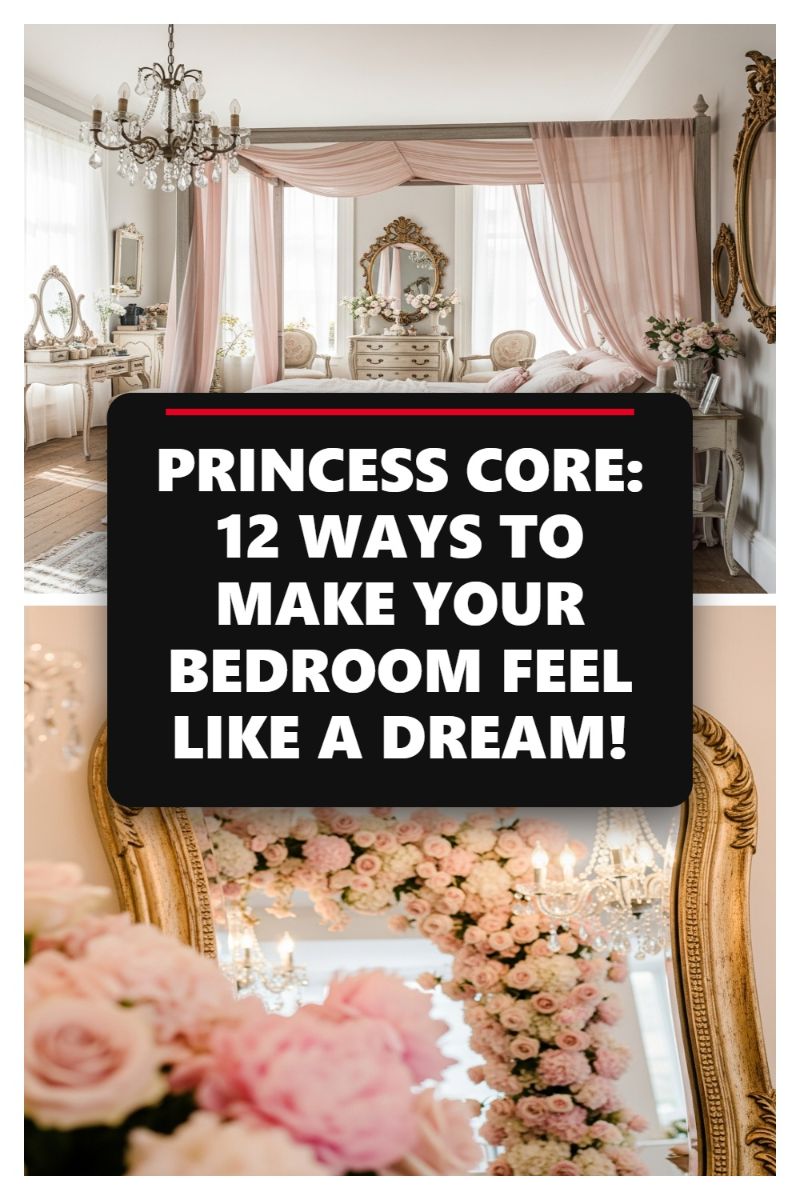
The ‘Princess Core’ aesthetic, popularized by luxury French Rococo design, is a masterclass in achieving an expensive, bespoke bedroom look through layering soft textures and focusing on ornate detail. To replicate this opulent style on a budget, start with the foundation: the color palette and the lighting. Adopting a scheme of blush pinks, creams, and aged golds instantly elevates the space. The visual focal point should be the bed; if a grand, expensive canopy is out of reach, use sheer, voluminous fabric—like inexpensive organza or tulle—draped over a simple four-poster frame or secured to the ceiling with decorative hooks. This provides the ethereal, flowing look seen in high-end design magazines without the custom tailoring cost. Secondly, swap out standard modern light fixtures for a crystal chandelier. Even a small, thrifted, or inexpensive reproduction chandelier can drastically improve ambiance, scattering light across the room to highlight textures and mirrors, thereby maximizing the perception of luxury.
The second critical element is the distressed, antique furniture. Authentic Rococo vanities and dressers are costly, but you can hack this look using basic wooden furniture found at thrift stores or online marketplaces. The technique lies in the finish: apply a chalk or milk paint in a soft cream or white shade, then use a light sanding technique to create a distressed, aged patina that mimics years of delicate handling. Complement this with highly ornate mirrors; the grand, gilded mirror is a non-negotiable hack for this style. If purchasing a solid gold-framed mirror is too expensive, opt for a simple large mirror and apply cheap, decorative resin appliques to the frame perimeter before painting the entire frame with a quality metallic gold spray paint that leans towards an antique, matte finish rather than a bright, cheap gloss.
Finally, the finishing touches must embody romantic abundance. Layering texture is key to making a space feel deep and rich. Introduce high-end textiles like velvet throws, faux silk pillows, and soft chenille blankets. Avoid rigid, modern patterns, focusing instead on solid colors and subtle damasks. The signature element of Princess Core is the abundance of flowers. Since maintaining massive fresh floral arrangements is impractical, invest in high-quality faux roses and peonies (blush, pale pink, and white). Place these in delicate, vintage-style vessels on the vanity and bedside tables. Grouping items like perfumes, jewelry trays, and candles on small, gilded trays completes the illusion of old-world extravagance, ensuring every surface reflects a pampered, curated lifestyle.
HOSTING SEASON IS HERE! 7 SPRING TABLE SETTING IDEAS FOR ELEGANT GATHERINGS.
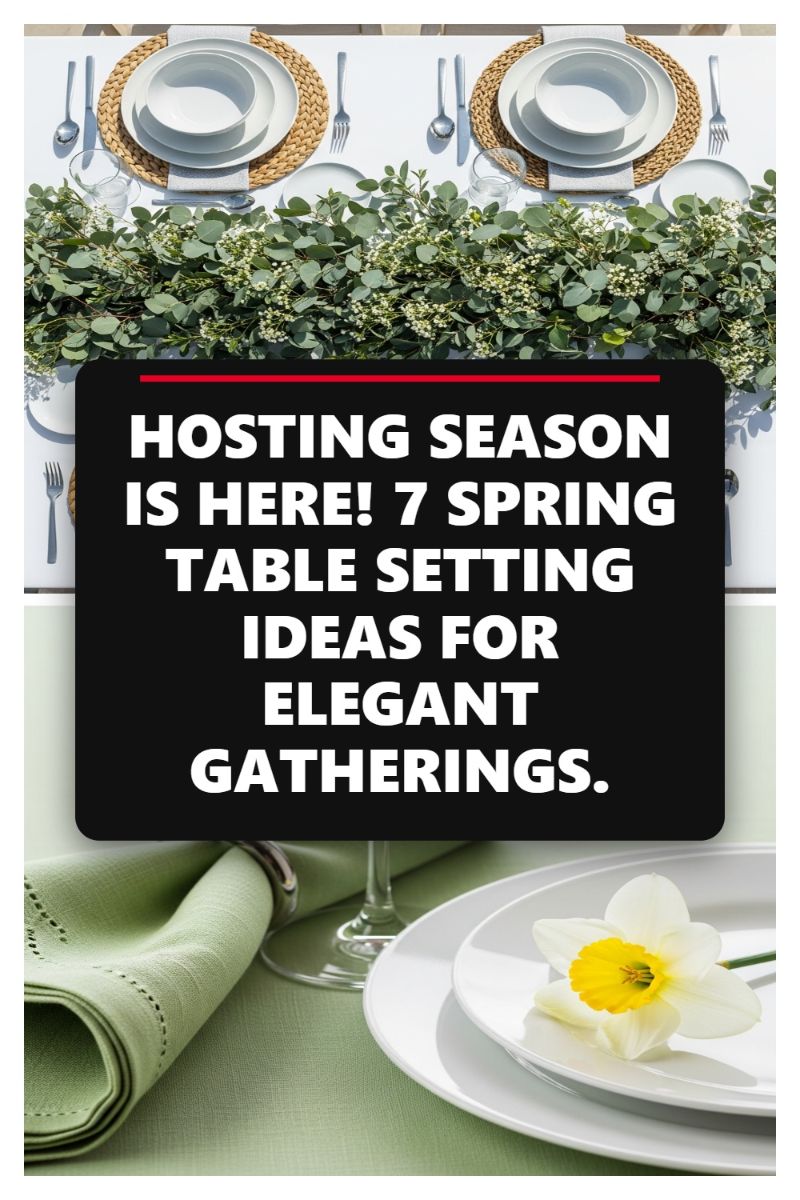
Creating an elegant tablescape that looks expensive but utilizes budget-friendly finds is centered on texture and layering. Start by grounding your setting with tactile elements like the woven placemats seen here; natural materials such as jute, rattan, or seagrass add immediate depth and contrast beautifully against crisp white china. The key to achieving that luxurious, multi-course feeling is vertical layering. Always use three components: a large dinner plate or charger, a salad plate, and a soup bowl, even if you are only serving one dish. Keeping all your dinnerware in a simple, cohesive color (like bright white) ensures the focus remains on the texture of the placemats and the lush centerpiece, projecting a sophisticated, timeless aesthetic that belies the low cost of standard ceramic dishes.
The ultimate hack for an upscale centerpiece that lasts is investing in high-quality faux greenery. While a bouquet of fresh flowers can drain your budget and wilt quickly, a dense garland of artificial eucalyptus, such as the one featured, provides dramatic impact and coverage across the entire length of the table. Look for garlands that blend varying shades of green and incorporate small, subtle filler flowers (like tiny white buds or faux baby’s breath) to give the arrangement a natural, organic flow. The opulence comes from the sheer volume and continuity; a full, uninterrupted runner of greenery looks much more bespoke and expansive than several smaller, isolated floral arrangements, instantly transforming a simple table into a grand feasting area.
Final details elevate the setting from pleasant to truly exclusive. Swap polyester or cotton blends for linen-blend napkins and tablecloths in sophisticated muted tones, like the sage green shown. Linen wrinkles beautifully, providing a relaxed, high-end texture that instantly feels expensive. Skip costly, heavy centerpiece items and instead use the element of surprise: a single, fresh, seasonal bloom placed directly onto the plate or tucked into the napkin fold. A daffodil, tulip, or small peony adds a vibrant pop of color and shows thoughtful attention to detail, making each guest feel special. This highly personalized touch is one of the quickest and most affordable ways to mimic the feeling of a catered event, ensuring your gathering radiates elegant sophistication without requiring a significant financial outlay.
SUMMER READY: 5 MISTAKES THAT RUIN YOUR OUTDOOR PATIO VIBE!
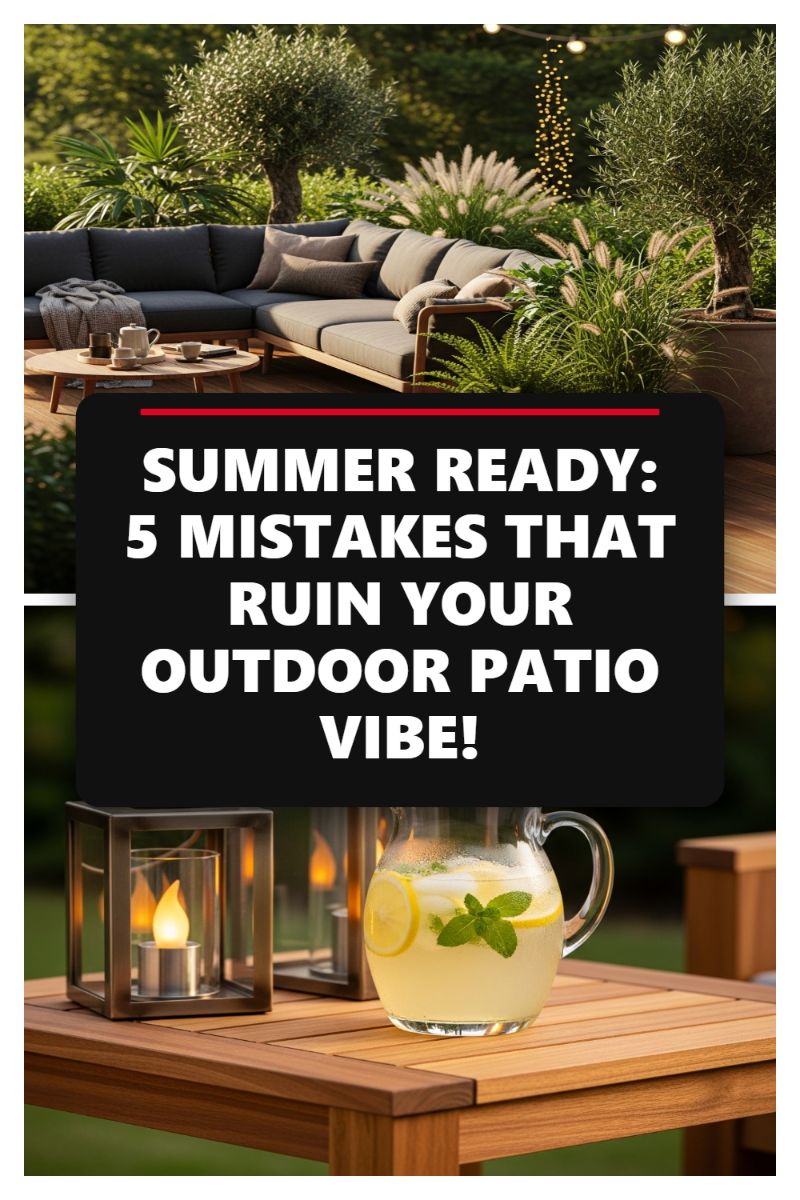
The biggest mistake homeowners make when designing an outdoor space is treating it as an afterthought, relying on mismatched furniture and cheap plastic accessories. To achieve the expensive, resort-like vibe seen in this image, you must prioritize deep, comfortable seating and a unified color palette. Instead of opting for bulky wicker or low-quality plastic, invest in a sectional or sofa set that features a substantial wooden or metal frame paired with dark, high-density cushions, like the charcoal grey used here. Deep seating instantly conveys luxury and encourages lingering. To pull the entire look together without replacing your existing set, focus on neutral, high-texture textiles. Layering a substantial knit throw over the back of the sofa, as shown, along with a mix of neutral-toned, weather-resistant outdoor pillows (think linen-look solids, subtle stripes, or woven textures) elevates the space from basic to boutique. The contrast between the warm wood elements of the coffee table and the sleek, dark fabric is crucial for achieving high-end contrast.
Another critical element for an expensive patio aesthetic is strategic landscaping and layered lighting, which transforms a backyard into an intimate, private retreat. The image utilizes lush, varied greenery—such as potted olive trees and wispy ornamental grasses—to create natural boundaries and visual depth. This is a crucial hack for increasing perceived value. You don’t need a fully landscaped yard; rather, use large, simple planters (avoiding garish colors or patterns) to house tall, architectural plants that provide texture and height variation. Once the sun sets, harsh, single-source lighting will destroy the ambiance. Emulate the visual here by utilizing soft, layered light: install warm, low-hanging string lights (often called bistro lights) for ambient glow, and place several lanterns or flameless candles on the side and coffee tables. This low-level, diffused lighting adds sparkle and instantly makes the space feel curated and upscale.
Finally, elevate your entertaining with thoughtful styling details. A messy patio looks cheap, regardless of the quality of the furniture. The wooden coffee table in this setting is styled minimally but intentionally, featuring a simple white porcelain tea set and a clear glass pitcher filled with refreshing, herb-infused lemonade. This intentional presentation signals that the space is cared for and ready for company. Ditch plastic serving ware and opt for durable, attractive acrylic or even real glassware for drinks to maintain that high-end feel. Ensure essential comfort items—like attractive coasters, a neatly folded throw blanket, and a small, subtle centerpiece (like the lanterns)—are always accessible and in place. This attention to small, curated details is what separates a truly luxurious outdoor patio from a mediocre one, and it is the most affordable way to achieve that sought-after “patio vibe.”
CURB APPEAL BOSS: THE 7 MUST-HAVES FOR A VIRAL SPRING FRONT PORCH!
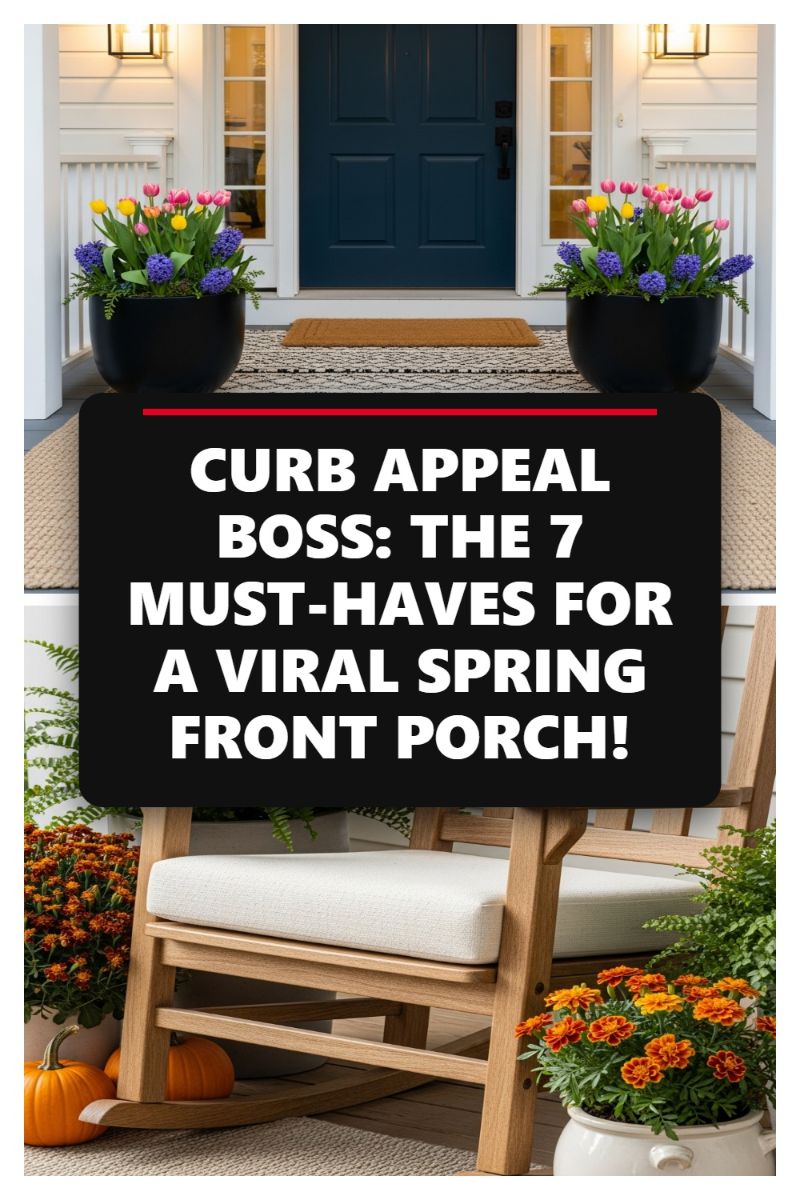
The key to achieving expensive-looking curb appeal without overspending lies in harnessing strategic symmetry and dramatic contrast. Start by treating your front door as the centerpiece; a fresh coat of paint in a saturated, deep tone—like the classic navy shown here—immediately elevates the entrance, signaling quality and intentional design. For maximum impact, choose a high-gloss or modern matte finish, depending on your home’s style. Crucially, flank the door with perfectly matched, oversized planters. These vessels should be substantial and modern (like simple black cylinders) rather than small or overly ornate. The visual tension created by placing vibrant seasonal florals, such as deep purple hyacinths and bright tulips, against these dark, weighty containers maximizes visual impact, transforming a basic entry into a sophisticated, balanced focal point that looks professionally styled.The next high-impact hack involves texture layering at your doorstep, a trick borrowed directly from high-end interior design. Avoid using a single, small doormat which often looks skimpy. Instead, utilize an expansive, durable woven outdoor rug (think jute, sisal, or a patterned flatweave) as the foundation, ensuring it extends well beyond the width of the door and beneath any flanking planters or seating. Center a smaller, contrasting coir mat directly on top, using a pattern or personalization to break up the color. This technique adds undeniable depth and warmth, defining the porch as an elegant extension of the home’s interior. Additionally, true high-end homes pay attention to detail; ensure your hardware and lighting are up to standard. Swap out tiny, builder-grade fixtures for oversized, statement wall lanterns that frame the entry and cast a warm, inviting glow, highlighting the elevated aesthetic.Finally, incorporate elements of comfort and permanence that signal a well-appointed home. If space allows, include comfortable, high-quality outdoor seating, such as the handsome wooden rocking chair pictured, outfitted with thick, performance-fabric cushions. This immediately suggests the porch is a functional, elegant outdoor room, significantly boosting perceived home value. To ensure this look is maintained throughout the year—a telltale sign of continuous, high-end upkeep—keep the foundational elements (planters, layered rugs, and furniture) consistent and robust. Simply rotate the seasonal plantings: swap out spring bulbs for lush ferns in summer or rich fall mums and gourds, ensuring the entry remains dynamic, welcoming, and always ready for its close-up.
CROWD PLEASER: VIRAL SUPER BOWL PARTY DECORATIONS YOU CAN SET UP IN 10 MINUTES.

The secret to making any home event feel instantly high-end, even if you are just serving standard party fare like sliders and chips, lies entirely in presentation—a decor hack that requires zero renovation. To achieve this ‘crowd-pleaser’ level of sophistication quickly, ditch the mismatched plasticware and focus on developing a cohesive visual narrative using reusable serving pieces and intentional placement. As seen in the top portion of the image, the table spread is anchored by a strict color palette (deep reds, greens, and blues) applied through placemats, bowls, and platters, which instantly elevates the scene from casual to curated. Arrange items with height and density: place crudités vertically in a deep bowl and stack appetizers like wings or sliders in tight, organized rows on large white or black platters. This technique creates visual structure and abundance, tricking the eye into perceiving luxury, making it appear as though a professional caterer styled the setup, all achievable in minutes simply by grouping items smartly and sticking to a consistent dishware choice.
For the ultimate splurge-free centerpiece, master the art of the decorative grazing board. Instead of expensive floral arrangements, a beautifully constructed charcuterie spread—especially one utilizing a large, natural base like slate, wood, or a faux-stone charger, as demonstrated by the football-shaped presentation—provides an anchor of sophisticated texture. The hack here is transforming simple foodstuffs into intricate, temporary decor. Focus on geometric cuts (square cheese cubes, neat rows of crackers) and strategically placed textural elements (olives, nuts, dried fruit) to fill the space without looking cluttered. By using contrasting colors (e.g., dark salami next to light cheeses) and incorporating small thematic items—like the goalpost centerpiece or the tiny football toothpicks—you create focal points that are both functional and decorative. The grazing board minimizes the need for extra serving dishes and instantly serves as the room’s main visual draw, conveying effortless elegance.
The final touches that make this setup feel like a premium experience are rooted in textile and detail management. Notice the use of coordinating, themed napkins (the green napkins with the stitched football design) used under the serving bowls and layered under plates. Investing in high-quality, reusable linen-look napkins is a major decor upgrade that costs less than disposable options over time and instantly signals a higher caliber event. Ensure your setup has ambient lighting that highlights the food presentation; recessed lighting or simple, soft overhead fixtures work best to showcase the textures on the boards. By focusing only on these visual presentation hacks—coordinated colors, dense arrangement, and quality serving textiles—you can transform a simple party spread into a high-end visual feast in ten minutes, delivering maximum impact without the premium price tag typically associated with elaborate party decor.
BUDGET PORCH DECOR: HOW TO MAKE YOUR ENTRYWAY LOOK LUXE FOR LESS!

To transform a standard porch or entryway into a high-end retreat on a modest budget, focus on soft architectural elements and purposeful staging. The immediate and most effective hack demonstrated here is the instant elevation provided by outdoor drapery. Installing ceiling-to-floor sheer, white curtains—even simple panels hung from tension rods or inexpensive conduit pipes—immediately imparts a resort-like quality. This simple addition adds privacy, softens harsh sunlight, and creates a defined, intimate space that mimics expensive cabanas. Ensure the curtains are bunched thickly and tied back elegantly (use a piece of rope or ribbon for a custom look) to give the illusion of costly volume. Pair this with one piece of comfortable, textured seating, such as a salvaged wicker chair. The key to making the seating look luxe is upgrading the accessories: invest in oversized, plump, weather-resistant throw pillows in crisp neutrals like white or ivory. The combination of flowing fabric and structured comfort, achieved largely through textiles, is a hallmark of sophisticated outdoor design.
The second critical component for achieving an expensive look is the strategic use of lush, abundant greenery. High-end entryways are rarely sparse; they feel organic, manicured, and vibrant. Utilize large planters to flank pathways or steps, filling them with vibrant, textural plants such as ferns, hostas, or small dwarf palms, as seen in the visual. The size of the pot matters more than the cost of the plant—use large, substantial planters (even if budget-friendly plastic pots painted matte black) to avoid a cluttered look and create a strong visual anchor. Arrange plants in layers, mixing broad leaves with fine foliage to generate depth and three-dimensionality. To save money, opt for hearty, fast-growing varieties or propagate cuttings. Finally, pay attention to the surface materials: ensure wooden steps or decking are clean, perhaps lightly stained, providing a rich, dark backdrop that makes the white fabrics and deep greenery pop, signifying meticulous maintenance and high value.
This entire “luxe for less” strategy relies on maximizing contrast and texture while minimizing clutter. Beyond the textiles and plants, consider the ambient glow. While the filtered sunlight in the image provides natural warmth, this effect must be maintained after dusk with thoughtful, low-cost lighting. Install simple solar-powered spike lights along the perimeter of the steps or tuck battery-operated fairy lights into the planters for a soft, inviting sparkle. The cohesive result is achieved by sticking to a tight color palette—natural wood tones, stark white textiles, and deep green foliage—which tricks the eye into perceiving the intentional design and quality typically associated with professional styling. This disciplined approach ensures every element contributes to an atmosphere of cultivated elegance, making the entryway feel significant and far more costly than its actual budget.