
Use these viral home decor hacks to make your house look 10X more expensive instantly. Achieve high-end luxury design on a budget with quick, affordable fixes.
ENTRYWAY GLOW UP: FIRST IMPRESSIONS
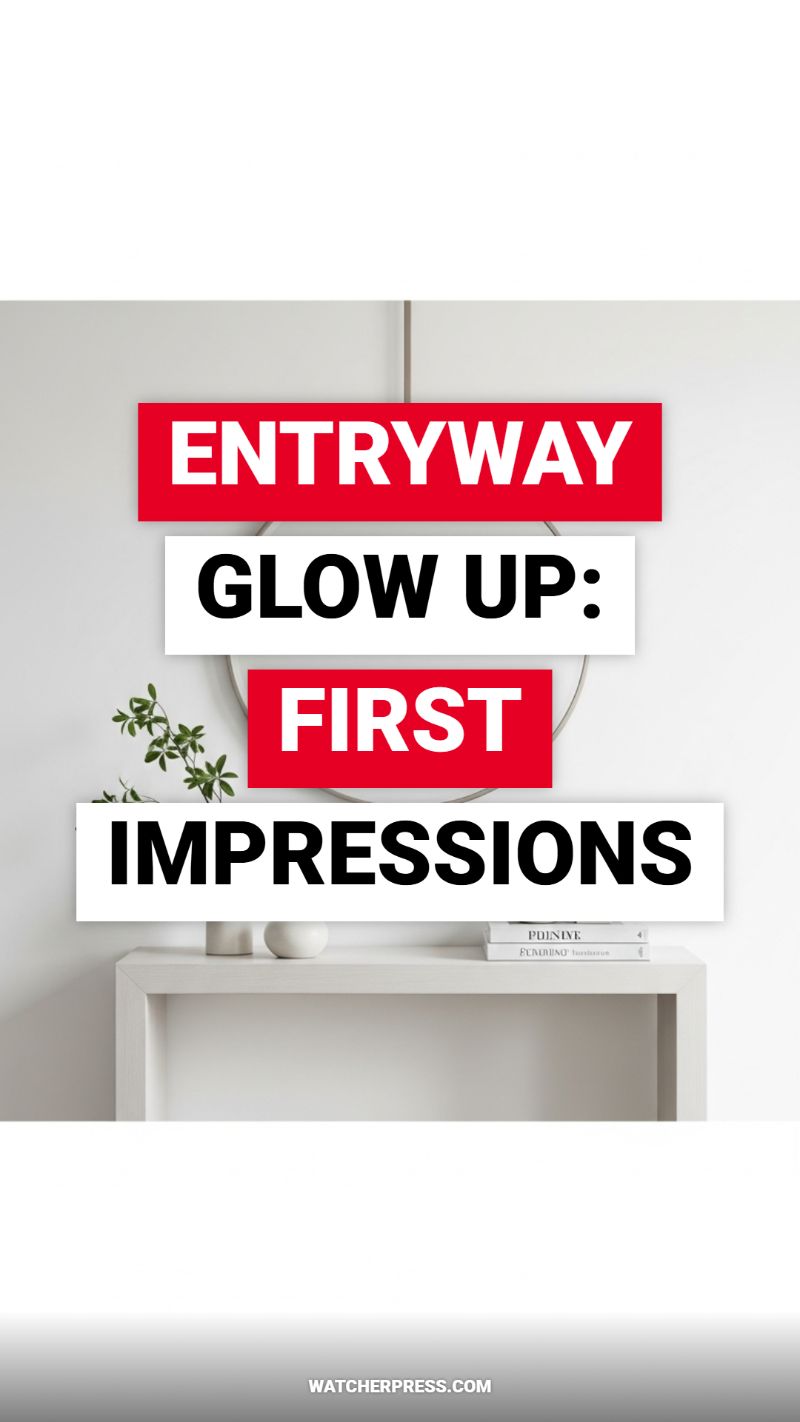
The entryway is the prologue to your home’s story, and to make your house look 10X more expensive, this area demands intentional design that emphasizes curation over clutter. A high-end first impression starts with the anchor piece: the console table. As illustrated by the minimalist white console in the image, selecting furniture with clean lines and premium materials (such as light-grained wood, polished lacquer, or marble) immediately elevates the space. Avoid bulky, heavy furniture that absorbs light. Instead, opt for pieces that offer visual breathing room and integrate seamlessly with the wall color—often white or light neutrals—to maximize the sense of space and sophistication. Crucially, address lighting; harsh overhead fixtures detract from a luxury feel. Instead, introduce layered light using a statement sculptural pendant or a pair of elegant table lamps on the console, casting a warm, inviting glow that highlights the decor rather than exposing every flaw. The combination of clean lines, intentional materials, and diffused lighting signals refined taste immediately upon entry.To truly achieve the ‘glow up’ and convey an expensive aesthetic, master the art of the console vignette. This is not about simply placing objects, but composing a balanced visual narrative. Follow the rule of three or five when grouping items to avoid visual noise. Start with a vertical element—a large, circular mirror or an oversized piece of abstract art, like the one hinted at behind the text in the image—which serves to reflect light, visually expand the area, and ground the composition. Next, introduce varying heights and organic shapes. Stack a few curated books (select titles focused on design or art, suggesting intellectual curiosity), add a sculptural vase with a few simple sprigs of greenery (like eucalyptus or small olive branches), and incorporate a functional yet stylish piece, such as a ceramic catch-all bowl or a crystal diffuser. Expert advice dictates that all accessories should adhere to a cohesive, muted color palette (creams, blacks, metallics) to maintain the seamless, expensive look that screams ‘designer-approved.’Functional luxury is the final touch that separates a basic entryway from one that looks significantly more expensive. Practicality should be disguised as decor. Maintain the minimalist aesthetic by integrating hidden storage for keys, mail, and other small items, perhaps through drawers in the console or stylish woven baskets placed neatly underneath. A critical, often-overlooked detail is scent marketing: a high-quality reed diffuser or a beautifully packaged candle (even unlit) placed subtly on the console instantly engages the sense of smell, creating a lasting, positive sensory memory associated with your home. Finally, anchor the entire area with a well-chosen rug or runner. Opt for natural fibers like wool or jute, or a low-pile velvet, selecting a subtle pattern or solid tone that complements your flooring. This intentional layering of textures defines the transition space, absorbs sound, and communicates that every detail, down to the floor covering, has been carefully selected for maximum impact and enduring style.
7 MUST-HAVE GOTHIC WESTERN PIECES

The secret to achieving an elevated, custom look that screams expensive isn’t about buying the latest minimalist trend; it’s about unexpected, highly stylized fusion. The ‘Gothic Western’ aesthetic, or Ranch Noir, masters this by blending the rugged authenticity of the frontier with the dark, sophisticated drama of historical gothic elements. To successfully execute this viral home decor hack, focus on utilizing heavy textures and deeply symbolic, high-contrast items. The objects shown—such as a dark, stylized cowboy boot, a metallic skull pendant, a horseshoe, and a brass compass—illustrate the perfect balance between practical Americana and mysterious elegance. The ‘hack’ lies in integrating these elements as substantive, weighty accents within a modern or traditional setting, instantly signaling a curated, well-traveled, and luxurious taste that is far from mass-produced.
To ensure this look translates into high-end appeal rather than a thematic costume, focus intensely on material quality and scale. Avoid anything flimsy or plastic; the investment should be in real, distressed leather, oxidized black iron, and deep, polished metals. For structural elements, consider substituting standard hardware with custom, heavy-gauge pieces. Swapping out generic drawer pulls for hand-hammered dark metal handles, or using a large, antique horseshoe as an ornamental wall hook, injects immediate character and weight. When selecting textiles, incorporate materials like dark velvet, heavy tweed, or sheepskin throws to mimic the rugged yet luxurious feel of a high-country ranch interior, ensuring depth and tactile quality that cheapens cannot replicate. The overall effect must be tactile and grounded, suggesting age and durability, two markers of genuine luxury.
Integrating these pieces effectively requires restraint and strategic placement. Think of these items as focal points that introduce narrative without cluttering the space. For instance, instead of using the decorative boot merely as a trinket, employ it functionally as a stylish umbrella holder in an entryway or a unique vase for dried grasses on a mantelpiece. Similarly, the compass and skull charms, while small, should be treated like sculptural art: displayed prominently on a stack of coffee table books or used as unique paperweights on a clean desk surface. To amplify the expensive effect, paint the surrounding walls in a rich, dark hue—like deep charcoal, navy, or black—to allow the metallic sheen and textural differences of the Gothic Western items to stand out dramatically. This high-contrast staging is the final instructional step that transforms themed accessories into museum-quality display pieces, making your home look exponentially more customized and high-value.
THIS SMALL CHANGE ELEVATES YOUR KITCHEN
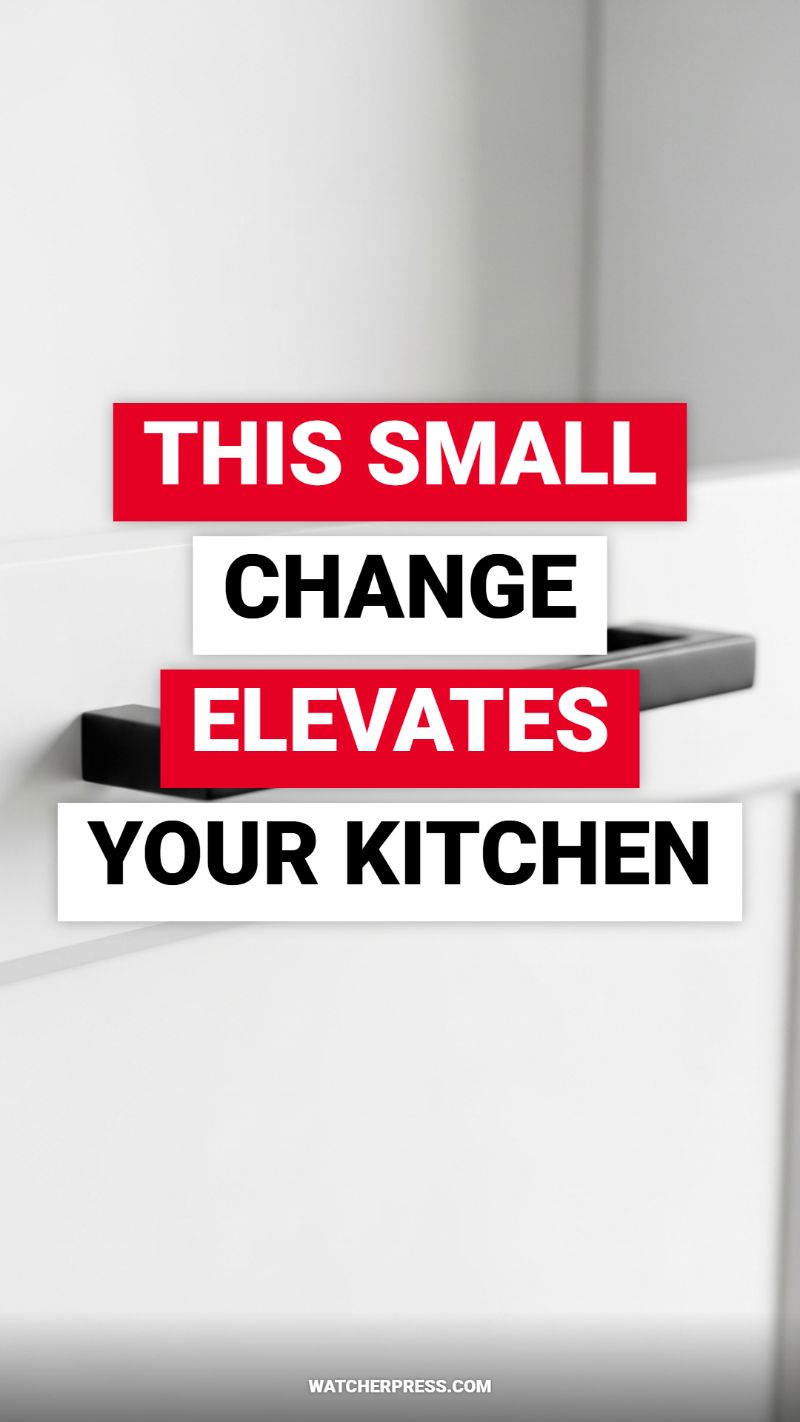
The secret to achieving an instantly high-end kitchen aesthetic often lies not in a costly renovation, but in swapping out tired, builder-grade hardware for sophisticated, modern alternatives. Cabinet and drawer pulls are the jewelry of your kitchen; they are high-touch points that, when upgraded, signal meticulous attention to detail and design coherence. As seen in the accompanying visual, choosing a sleek, minimalist style—such as a long, linear pull in a matte black or dark bronze finish against bright white cabinetry—provides stark, luxurious contrast and anchors the entire room. This simple switch immediately transitions the space from standard to custom, giving the impression that every element was intentionally curated by a professional designer. Focus on finishes that feel heavy and substantial in your hand, avoiding flimsy materials that detract from the overall perceived value of your home.
To execute this upgrade flawlessly, start by meticulously measuring your existing hardware. The most critical measurement is the center-to-center distance between the existing screw holes (known as the ‘bore’). Finding handles that match this exact measurement will allow for a seamless swap without drilling new holes, making this truly a 15-minute DIY project per cabinet. If you are starting fresh or opting for a dramatic change in size (like shifting from small knobs to long, elegant pulls), investing in a hardware installation jig will ensure perfect alignment and consistency across all doors and drawers. For a truly elevated look, consider trending options like champagne bronze or satin brass, especially if your faucet or lighting fixtures share a warm tone; however, the classic, grounding effect of matte black (as depicted) remains a perennial favorite for its ability to provide definition in bright, minimalist spaces.
The actual installation process is straightforward: unscrew the old hardware and use those same screws (or new ones provided with the purchase) to attach the new pulls. Ensure all pulls are oriented consistently, whether vertically on doors or horizontally on drawers. For expert-level execution, utilize the “rule of thirds” when deciding on handle length, particularly for drawer pulls; choosing longer hardware (e.g., pulls that span approximately one-third of the drawer width) lends a custom, scaled appearance that feels dramatically more expensive than standard small knobs. This seemingly minor decision about cabinet pulls contributes significantly to the visual weight and modern sophistication of your kitchen, proving that the most impactful design hacks are often the smallest and most affordable ones.
THRIFT STORE FLIPS THAT LOOK EXPENSIVE
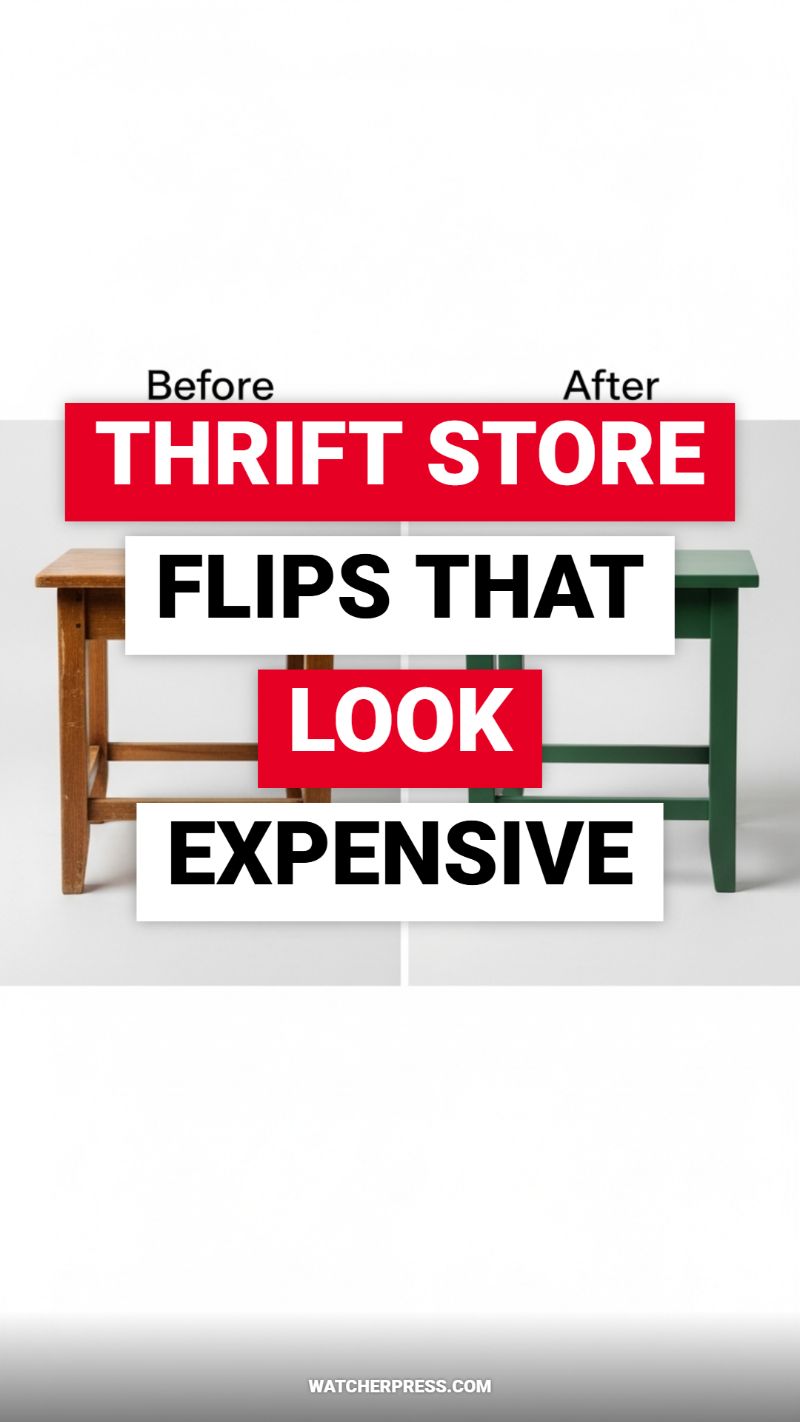
The secret to making affordable furniture look bespoke and high-end often lies in two key elements: color saturation and a flawless finish. As demonstrated by the simple transformation of a basic wooden stool, moving away from dated or raw wood tones and embracing sophisticated color palettes can instantly elevate a piece from thrift-store reject to designer statement. Before applying any paint, preparation is paramount. Begin by thoroughly cleaning the piece, followed by aggressive sanding (starting with 100-grit and finishing with 220-grit) to smooth out imperfections and create a proper tooth for adhesion. If sanding is impossible due to intricate details, use a liquid deglosser. Follow this with a high-quality primer, crucial for blocking wood tannins and ensuring the subsequent paint color is true and rich. For high-impact transformations, select colors that appear frequently in luxury interiors—think deep jewel tones like hunter green, navy blue, or eggplant, or go for dramatic contrast with a perfect matte black or crisp high-gloss white. These saturated, deliberate choices are the foundation of expensive style.
Once the prep work is complete, focus intensely on the application technique to achieve that coveted smooth, factory-grade finish. Visible brush strokes immediately signal a DIY project, undercutting the perceived value. For the absolute best results on flat surfaces, invest in a small paint sprayer. If spraying is not an option, use a high-density foam roller for large areas and a premium synthetic brush (like those from Purdy or Wooster) for details, ensuring you apply several thin coats rather than two thick, heavy ones. Allow proper cure time between coats. Beyond the paint, pay critical attention to the functional details. If your piece involves hardware (such as drawers or cabinet doors), replacing the existing knobs or pulls is perhaps the fastest, cheapest hack to achieve an expensive look. Opt for hardware with substantial weight and quality materials—solid brass, heavy-duty matte black, or geometric acrylic—as cheap, hollow hardware will instantly betray the piece’s origins. This small update completely changes the tactile experience and visual appeal.
When sourcing furniture to flip, seek out pieces with “good bones.” Look for solid wood construction and simple, classic silhouettes—these are much easier to update than flimsy particle board or overly ornate, detailed designs. Mid-century tables, simple benches, and solid dressers are ideal candidates. The goal isn’t just to paint it, but to elevate its entire presence. Once your flip is finished, ensure the surrounding décor complements its new status. A beautifully painted piece of furniture placed in a well-styled vignette, perhaps featuring high-quality textiles or curated accessories, reinforces the expensive illusion. By combining careful sourcing, meticulous prep, professional painting techniques, and high-end hardware, you turn a twenty-dollar investment into a piece that looks like it cost hundreds, successfully transforming your home on a budget.
SCORE BIG: GOODWILL HOME DECOR HAUL
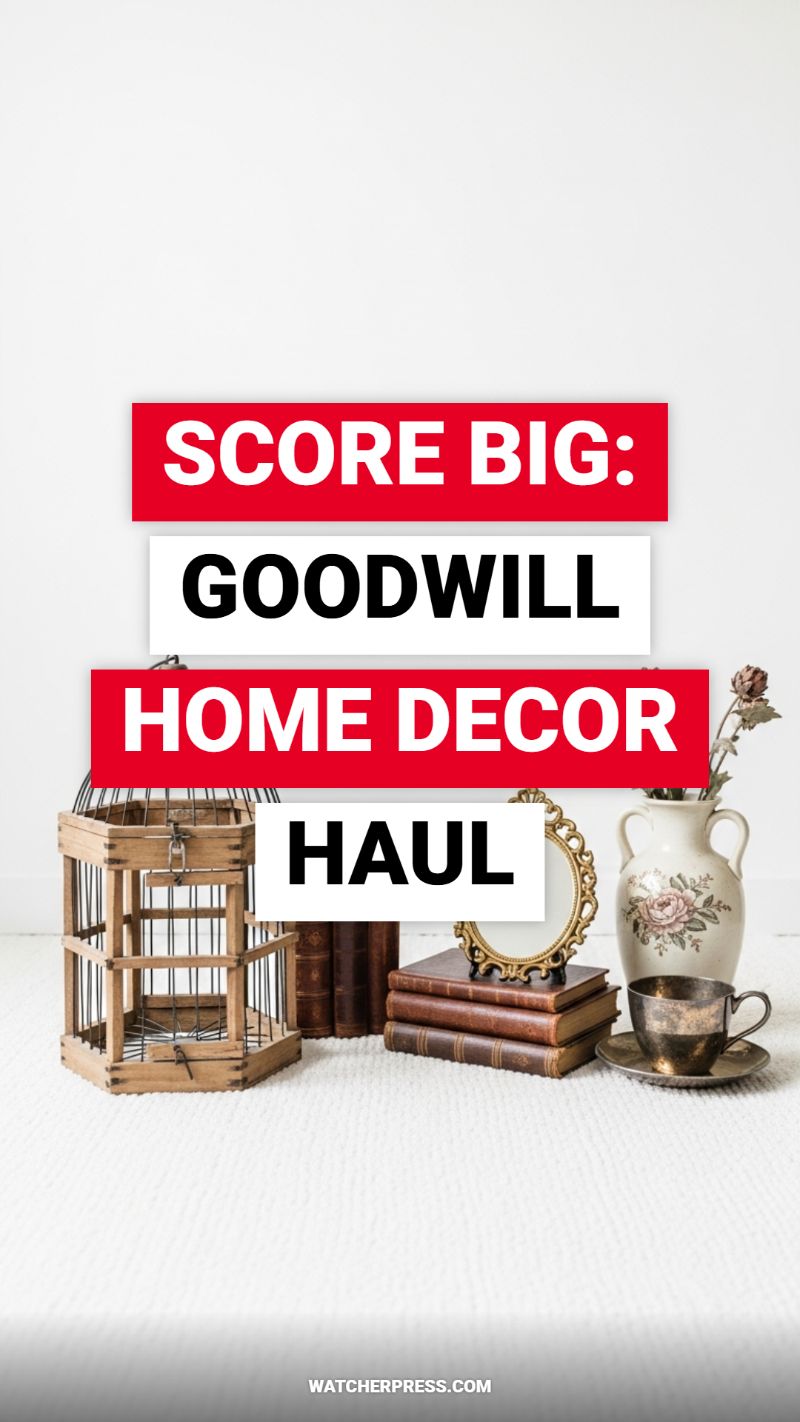
Achieving that coveted ‘expensive’ aesthetic doesn’t require a designer budget; in fact, the most viral high-end decor hack involves strategic thrifting. The secret lies in curating unique pieces that possess character, quality materials, and timeless silhouettes—items often overlooked by fast-furniture retailers but abundant in places like Goodwill. Look for foundational elements that hint at history and depth, such as the genuine leather-bound books and the distressed wooden birdcage featured in the photo, which serve as excellent textural anchors for any vignette. True luxury design avoids uniformity, opting instead for a mix of textures and eras. Focus your search on items made of solid brass, carved wood, real porcelain, or heavy crystal. These substantial materials instantly elevate a space compared to plastic or cheap composite substitutes, providing the weighty, quality feel that characterizes expensive interiors. These finds, often just a few dollars, become the foundation of a curated, high-value look.
To execute a truly successful decor haul, you need a precise strategy rather than simply rummaging. Begin by targeting specific categories known for hidden gems: the housewares aisle for detailed ceramic vases, unique glassware, and quality dish sets; the frame and mirror section for ornate, heavy metal frames (like the small, gilded oval mirror shown) that can be easily refurbished; and the book section for neutral-toned, leather, or linen hardcovers. Pay close attention to texture. For instance, the vintage-style vase with the muted floral pattern and the metallic teacup in the image introduce subtle patterns and sheen that break up the solid colors of the room, adding complexity. A crucial ‘how-to’ styling tip is using books as decorative risers. Stacking three to five quality books creates a stable, visually interesting pedestal for smaller, impactful items like sculptures, small mirrors, or plants, immediately lending height and architectural interest to a console table or shelf.
Once you’ve scored your treasures, the final step is integration and refinement, which transforms a used item into a luxurious accent. Many thrift finds require minimal refurbishment: a thorough cleaning, perhaps some brass polish for hardware, or a fresh coat of high-gloss or matte spray paint for metal objects. The key is presenting these pieces intentionally. Pair the thrifted vintage items with modern or sleek elements already in your home to create a high-contrast, curated mix—the essence of expensive decor. For example, placing a rustic wooden cage next to a sleek ceramic lamp. Furthermore, always consider the backdrop and base layer. In the example photo, the collected items rest on a soft, textured white rug, which provides a clean, neutral, and cozy foundation that highlights the texture and detail of the thrifted finds, ensuring they read as cherished antiques rather than mere hand-me-downs.
THE HOME DECOR MISTAKES YOU’RE MAKING
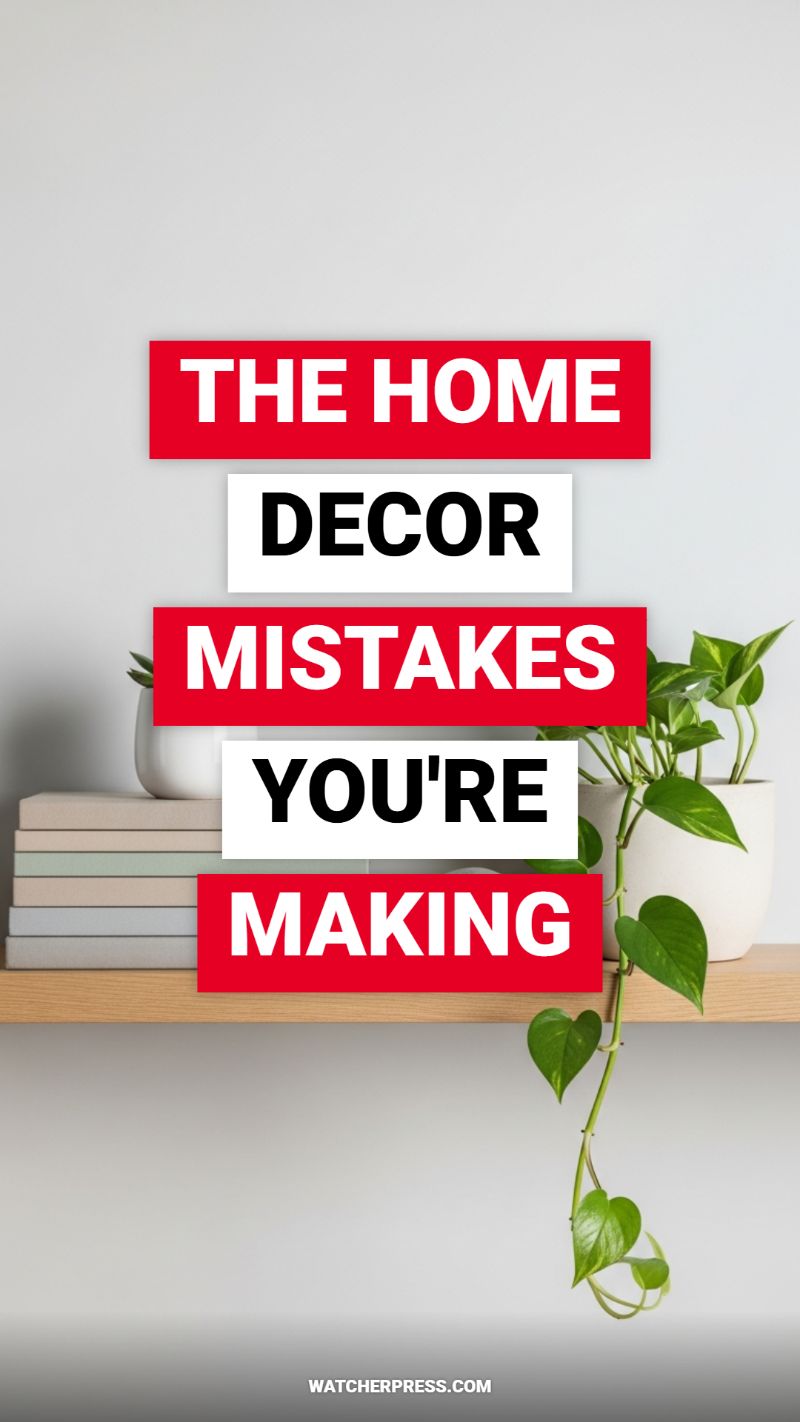
One of the fastest ways to downgrade a space is by making fundamental mistakes related to scale and placement, leading to a look that feels accidental rather than intentional. The key difference between a curated, expensive aesthetic and a cheap, cluttered one lies in recognizing and embracing negative space. Many homeowners err by filling every surface—tables, mantels, and shelves—with too many small, unrelated objects, resulting in visual chaos. Instead, adopt the philosophy of ‘less is more, but bigger is better.’ Always ensure your decorative accessories are appropriately scaled to the furniture they accompany; an oversized piece of art or a hefty vase makes a statement, whereas a multitude of tiny knick-knacks creates clutter. When styling surfaces, aim for balance, like the vignette in the image where the stack of neutral books provides height and weight against the trailing plant, allowing the rest of the wall and shelf to serve as clean backdrop. To instantly elevate your decor, group objects in odd numbers (threes or fives) and consciously leave space around these groupings, giving your eyes a place to rest.
Another critical error that instantly cheapens a home is a lack of textural variation and poor lighting design. Flat, monochromatic rooms that rely heavily on synthetic or shiny materials feel lifeless and uninviting. To achieve that high-end, tactile experience, you must layer textures. Introduce organic elements like natural wood, stone, linen, leather, and, crucially, live plants. Notice how the vibrant, glossy leaves of the potted plant in the image contrast beautifully with the matte surface of the books and the clean lines of the wooden shelf; this introduces necessary organic texture and life. Furthermore, relying solely on a single overhead light fixture flattens a room and casts unflattering shadows. True luxury lighting is layered, utilizing ambient (overhead), task (table/floor lamps), and accent lighting (spotlights on art). This allows you to control the mood, highlight focal points, and add depth and warmth, transforming a generic space into a bespoke, custom-lit environment.
The third major decorating mistake involves incorrect hanging height and inappropriate rug sizing, two factors that fundamentally disrupt the visual flow of a room. A common blunder is hanging artwork too high or selecting rugs that are far too small for the seating area, which makes the entire arrangement float aimlessly. For wall art, the center point should generally be placed at eye level, around 57 inches from the floor, regardless of ceiling height, ensuring the viewer’s gaze lands naturally on the piece. When decorating around furniture, art should typically fill two-thirds to three-quarters of the width of the piece below it. Similarly, rugs should be large enough to at least fit the front legs of all primary seating elements. Correcting these foundational mistakes—scaling your accessories up, layering natural textures like the greenery shown here, and mastering the proper placement of art and rugs—is the secret hack to making your home feel effortlessly expensive and professionally designed.
HOW TO USE COLOR IN MEXICAN DECOR
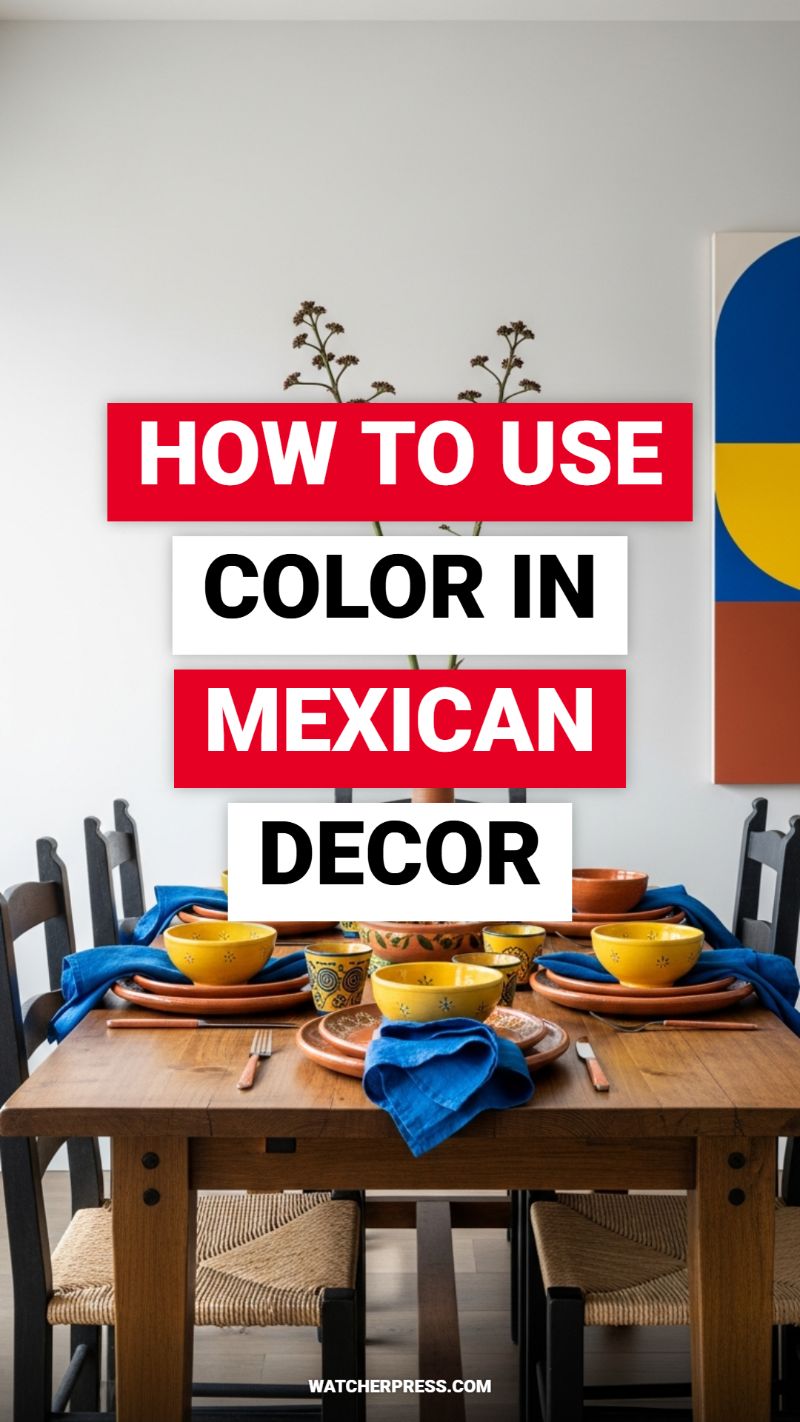
Bold, saturated colors are the ultimate design secret for achieving a space that feels worldly, curated, and inherently expensive. The secret to elevating vibrant Mexican-inspired decor, as seen in this sophisticated dining setup, lies in confident color blocking and mixing high-impact hues with rich, grounding textures. To successfully execute this hack, start with a solid, high-quality foundation—like the substantial, dark-toned wood table and the chairs featuring woven texture. This foundational richness prevents the brighter colors from floating or looking juvenile. Next, introduce your primary saturation points. Here, royal cobalt blue serves as the dramatic textile anchor (napkins and runner), providing a deep, cool contrast to the warm earth tones of the terracotta plates and the richly hued wooden furniture. This intentional juxtaposition of cool and warm, deep and bright, is what creates instant visual complexity and depth, signifying high-end design.
To make this palette truly shine, layering is essential. Notice how the setting utilizes three distinct color layers: the earthy foundation (wood/terracotta), the cool accent (cobalt blue linen), and the vibrant pop (sunshine yellow ceramic bowls). When selecting these accents, prioritize pieces with visible quality and artisanal texture. Thick, glazed ceramics or pottery that shows handwork instantly elevate the setting, suggesting they were sourced from a high-end boutique or during international travel. This technique leverages color not just for visual interest, but to draw attention to the quality of the materials themselves. The key to making this work in a modern context is restraint in the surrounding elements: a clean, white wall backdrop and minimalist modern art featuring the same palette (blue and yellow) tie the whole scene together, proving that even maximalist color schemes require careful curation to look luxurious.
For a final touch that guarantees an elevated aesthetic, remember that luxury lies in balance. While the table setting is rich and vibrant, the surrounding architectural elements are kept clean and simple. If you are unsure about committing to colorful paint on the walls, utilize this hack by focusing your bold color investment on easily swappable, high-impact accessories: linen textiles, art, and dining ware. This allows you to rotate colors seasonally, maintaining a fresh and intentional look without permanent commitment. By focusing on saturated textiles and authentic, high-quality ceramics paired with warm, grounding woods, you achieve a layered look that instantly translates to opulence, suggesting a home full of collected treasures rather than mass-produced items.
STYLING YOUR OPEN SHELVES LIKE A PRO
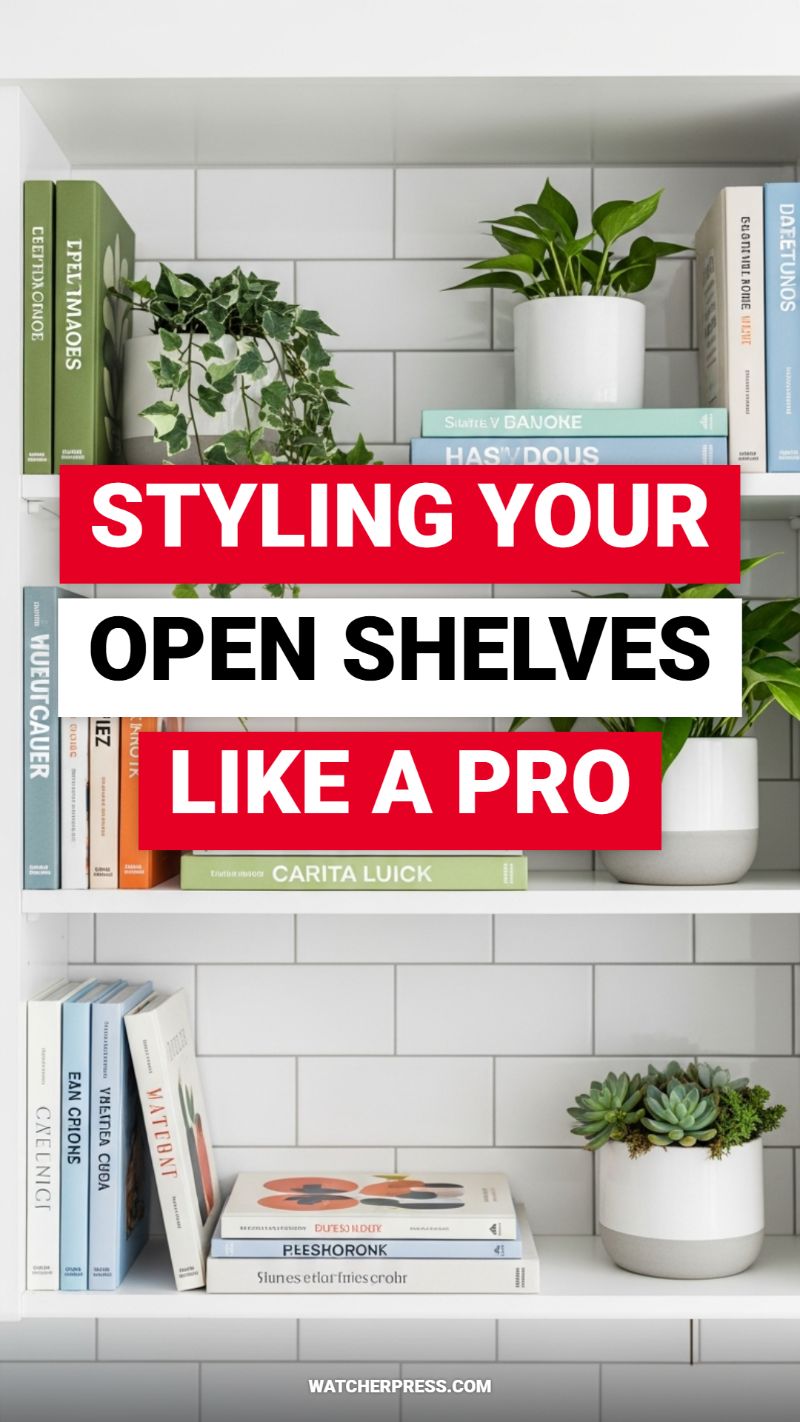
To achieve a high-end look on open shelving, mastering book arrangement is paramount. Avoid simply lining up every volume; instead, vary the orientation by stacking some horizontally (ideal for grounding larger decor items or creating a platform) and standing others vertically. A professional styling hack involves color cohesion. Notice how the shelves in the example are thoughtfully grouped by color palettegreens and blues dominate, punctuated by clean whites and terracottas. While you don’t need to wrap all your books in neutral paper, selecting sections where spine colors complement each other or the surrounding decor creates a unified, sophisticated aesthetic. Furthermore, utilize substantial objects, like large books or pottery, as visual anchors on each shelf to give the arrangement stability and weight.
The incorporation of living elements is a non-negotiable step for elevating open shelving. Plants immediately inject warmth, texture, and a touch of effortless luxury. The use of varied greeneryfrom trailing ivy to structured succulents and leafy potted plantsadds complexity. When selecting decorative items, apply the ‘Rule of Three’ (or other odd numbers) for grouping, ensuring objects vary in height, depth, and material. For instance, pair a tall stack of books, a medium-height vase, and a small sculptural object. Note the contrast in the image: tall vertical books stand beside low, wide planters. This interplay of heights creates dynamic movement that draws the eye across the entire display, a characteristic found in expertly styled interiors.
The ultimate sign of expensive design is the strategic use of negative space. Overcrowded shelves scream clutter, diminishing the perceived value of the items displayed. Treat each open shelf as its own vignette, ensuring there is ample white space around the objects to allow them to “breathe.” Balance is key; rather than placing a heavy grouping of books on both sides of a shelf, alternate the arrangement from shelf to shelf. For example, if the top shelf features a plant on the left and vertical books on the right, the shelf below should reverse this pattern. This alternating rhythm maintains visual equilibrium without being symmetrical or boring. By prioritizing curation over accumulation, you transform utilitarian storage into a display of art, instantly upgrading your space.
The Secret to a Welcoming Front Porch
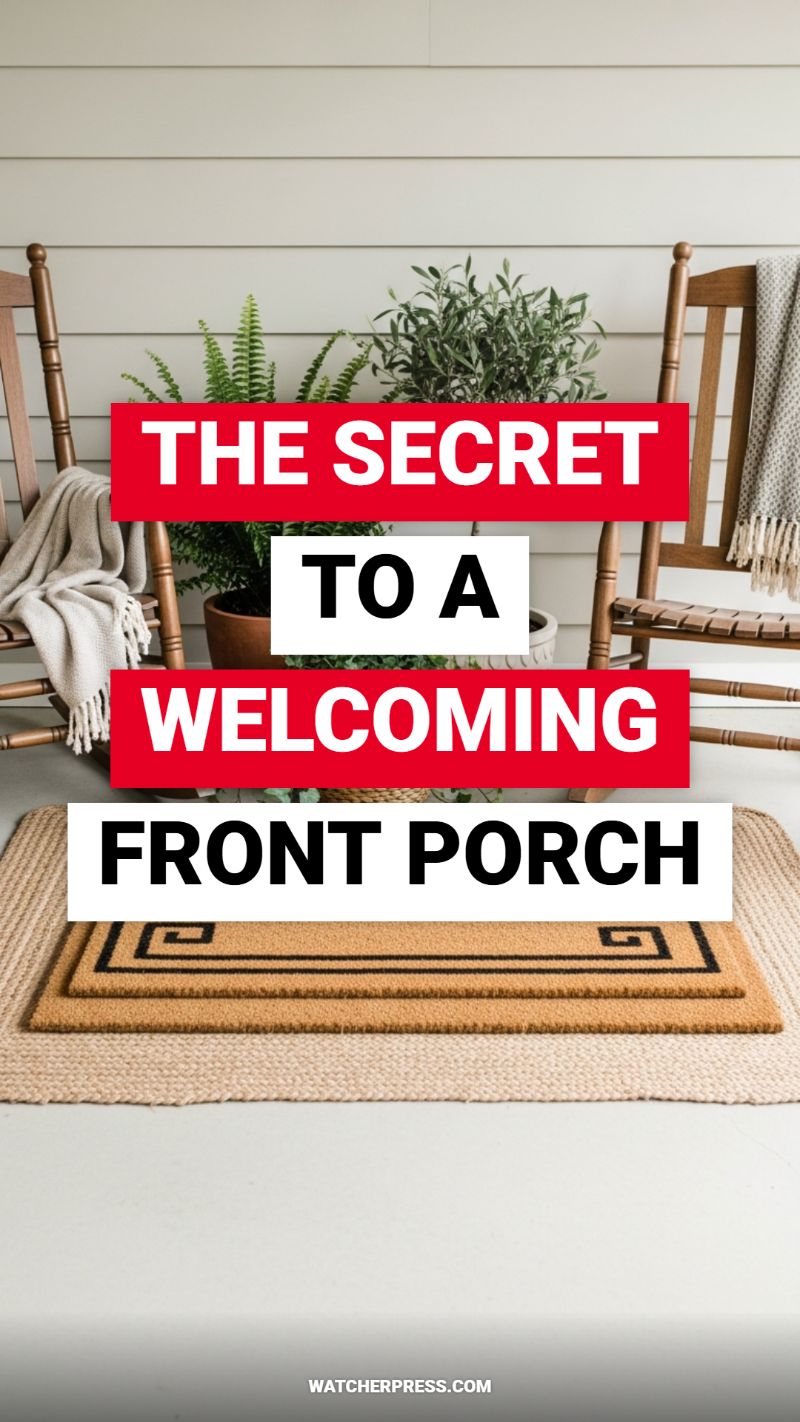
The front porch is your home’s first impression, and turning it into a welcoming, well-styled extension of your interior is the fastest way to add 10X curb appeal. This transformation hinges on creating functional, layered zones. Start with quality seating; ditch the plastic or faded patio furniture for timeless pieces, such as the classic wooden rocking chairs seen here. The inclusion of seating immediately signals an invitation to linger, elevating the space from a mere thoroughfare to an outdoor room. Crucially, introduce soft elements via textiles. A textured throw blanket draped over one arm of a chair—even if it’s an outdoor-safe blend—adds immediate warmth, depth, and a touch of lived-in luxury that contrasts beautifully with the hard lines of the structure and furniture. When styling your porch, think about designing an experience, not just decorating a space; this focus on comfort and function is a signature of high-end design.
Next, master the viral hack that instantly upgrades any entryway: the layered doormat. A single, standard-sized mat often looks lost and diminutive, cheapening the overall scale of your front door. The solution is to layer an oversized, textured base rug (like jute, sisal, or a large woven mat) beneath your smaller, decorative mat. The base rug should extend well beyond the width of the front door and provide a striking textural contrast to the top mat, which often features a simple pattern or bold graphic. This layering trick expands the visual footprint of the entrance, creating a more substantial and grounded look that mimics the luxurious scale of high-end homes. For maximum impact, ensure the bottom rug is large enough that the top mat sits entirely within its frame, leaving at least 4 to 6 inches of the base rug visible on all sides.
Finally, integrate lush greenery to inject life and sophistication. Nothing says “cared for”—and thus, expensive—like healthy, well-potted plants. Avoid small, flimsy containers and opt instead for substantial planters (terracotta or neutral ceramics) that match the scale of your furniture and doorway. Use plants with rich textures and deep colors, like architectural ferns or dwarf olive trees, and position them symmetrically or in well-balanced arrangements to frame the seating area or the doorway. The presence of healthy biophilic elements softens the architectural edges of the home and provides a rich contrast against the siding, transforming a sterile exterior into a vibrant, high-end facade. Remember, the investment in large, healthy plants pays dividends in perceived value and aesthetic appeal.
COZY UP: DARK ACADEMIA BEDROOM
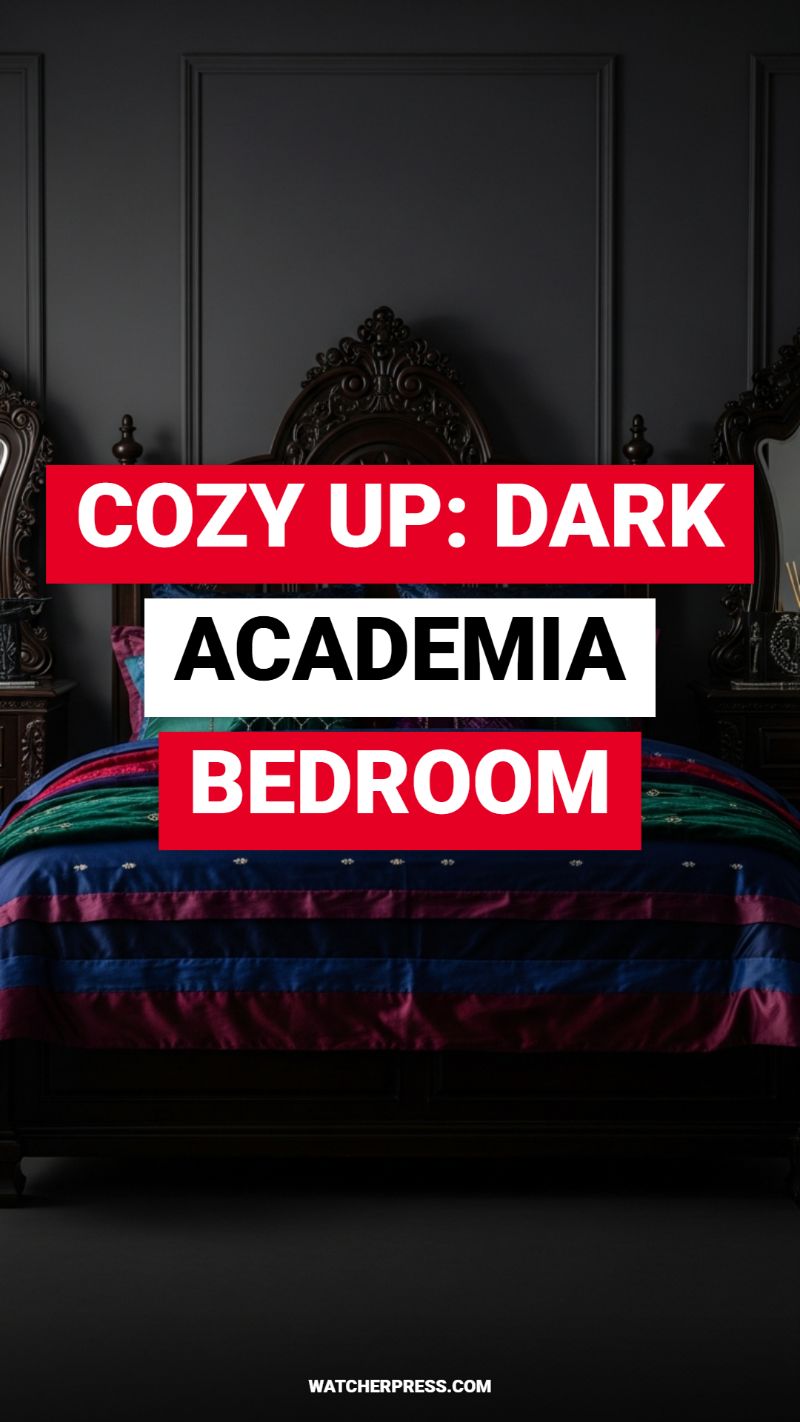
The Dark Academia aesthetic is perhaps the easiest route to achieving an instantly elevated and expensive-looking bedroom, primarily because it relies heavily on depth, shadow, and visual weight—all hallmarks of luxury design. To replicate this look, start with the foundation: the wall color. Ditch the safe beige or standard white and commit to a deep, matte, highly saturated color like charcoal gray, midnight blue, or deep hunter green. These dark tones absorb light, making the architectural details (like the paneled molding seen in the image) pop with sophisticated contrast, even when painted the same color. The effect is enveloping and intimate, signaling a deliberate design choice rather than a budget compromise. Crucially, the matte finish ensures the color looks velvety and rich; a glossy or semi-gloss finish will reflect light poorly and ruin the moody atmosphere that defines this aesthetic.
Next, focus on incorporating substantial, heritage-inspired furniture. The core of Dark Academia is referencing classical study halls and libraries, which means moving away from minimalist or light-toned woods. The centerpiece should be a grand bedframe, preferably featuring intricate carvings or heavy detailing in a deep espresso or black-stained wood. Look for pieces with genuine visual weight, like the Baroque-style headboard shown in this example. If antique solid wood is outside the budget, choose high-quality reproductions or refinish existing pieces with a rich, dark stain and new, substantial brass hardware. The goal is to make every piece of furniture look like it has history and gravity, transforming the room from a typical sleeping space into a dramatic, high-end sanctuary.
Finally, the bedding and textiles are essential for achieving the “Cozy Up” mandate. Against the dark, neutral walls, you must introduce layered textiles in rich jewel tones (ruby, sapphire, emerald, deep garnet) to prevent the room from feeling stark or drab. Opt for high-quality, tactile fabrics such as heavy velvet throws, densely woven cottons, or linen blends. The bedding itself should look curated, not matching a store set. Combine a richly patterned duvet (like the striped version featuring maroon and deep blue shown here) with solid-colored European shams and a coordinating throw blanket draped casually across the foot of the bed. This layered approach adds complexity and texture, which reads as custom-designed and high-budget. Ensure that lighting fixtures and decor elements feature aged metals like brass or oil-rubbed bronze, providing warm, scholarly accents that complete the expensive, vintage look.
EASY DIY ART THAT LOOKS HIGH END
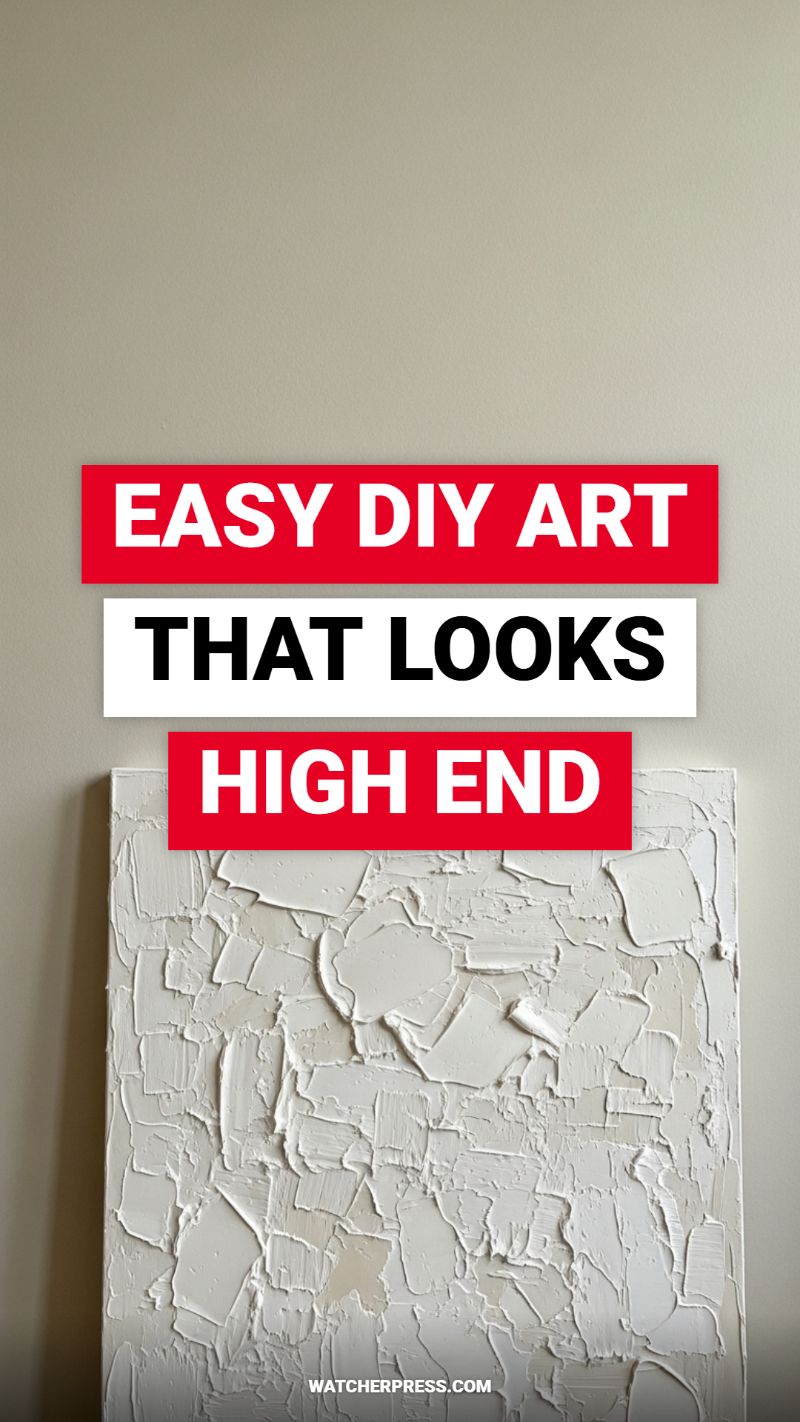
Nothing elevates a space faster than large-scale, minimalist abstract art, but gallery prices often make this look unattainable. Fortunately, the secret to achieving this expensive, sculptural texture is found not in oil paints, but in your local hardware store: joint compound or spackle. This viral hack allows homeowners to create stunning, high-relief artwork that screams quiet luxury. To begin, select a sturdy canvas (the larger the piece, the more impactful the result—aim for at least 30×40 inches to make a statement). Next, gather your primary tool: a wide joint knife, putty knife, or trowel, which you will use as your palette tool. The key to the high-end appearance is consistency, so ensure you have enough joint compound to cover the surface thickly, allowing for significant peaks and valleys that catch the light beautifully, mimicking authentic impasto technique.
The application process is where you define the ‘expensive’ texture. Start by applying a liberal, uneven base coat of the joint compound across the entire canvas. Do not attempt to smooth it; the goal is deliberate imperfection. Use your tool to swipe, press, drag, and dab the compound, creating varied areas of texture. For maximum visual interest, incorporate both large, flat sections (achieved by pressing the knife down and lifting sharply) and fine, rugged peaks (achieved by dragging the knife lightly over the surface). Allow some natural canvas color to peek through subtly if you are aiming for a raw, organic look, or cover it entirely for a dense, architectural finish. This process should feel intuitive and relaxed; overthinking the pattern will result in a stiff, less authentic piece. Once the texture is complete, let the art dry completely, which can take 24 to 48 hours depending on the thickness of the application. Placing the canvas in a dry, well-ventilated area is crucial to prevent cracking.
To truly sell the ‘high end’ illusion, the finishing touches are paramount. While the art is naturally textural, color choice is non-negotiable for achieving sophistication. Ditch bright hues and instead focus on a tight, monochromatic palette, such as off-whites, creamy beiges, pale greiges, or subtle charcoal grays—colors commonly associated with luxury materials. Once fully dry, prime the compound with a quality sealing primer, then apply two coats of high-quality matte or eggshell latex paint in your chosen shade. The use of a flat or low-sheen finish is vital, as it enhances the dimension and reduces glare, making the texture itself the focal point, rather than a glossy reflection. Finally, if budget permits, consider adding a simple, streamlined floating frame (in natural wood or black) to give your DIY piece the polished, finished look of custom gallery art, instantly multiplying its perceived value and anchoring your living room or entryway with sophistication.
Update Your Space With Paint Instantly: The Geometric Accent Wall
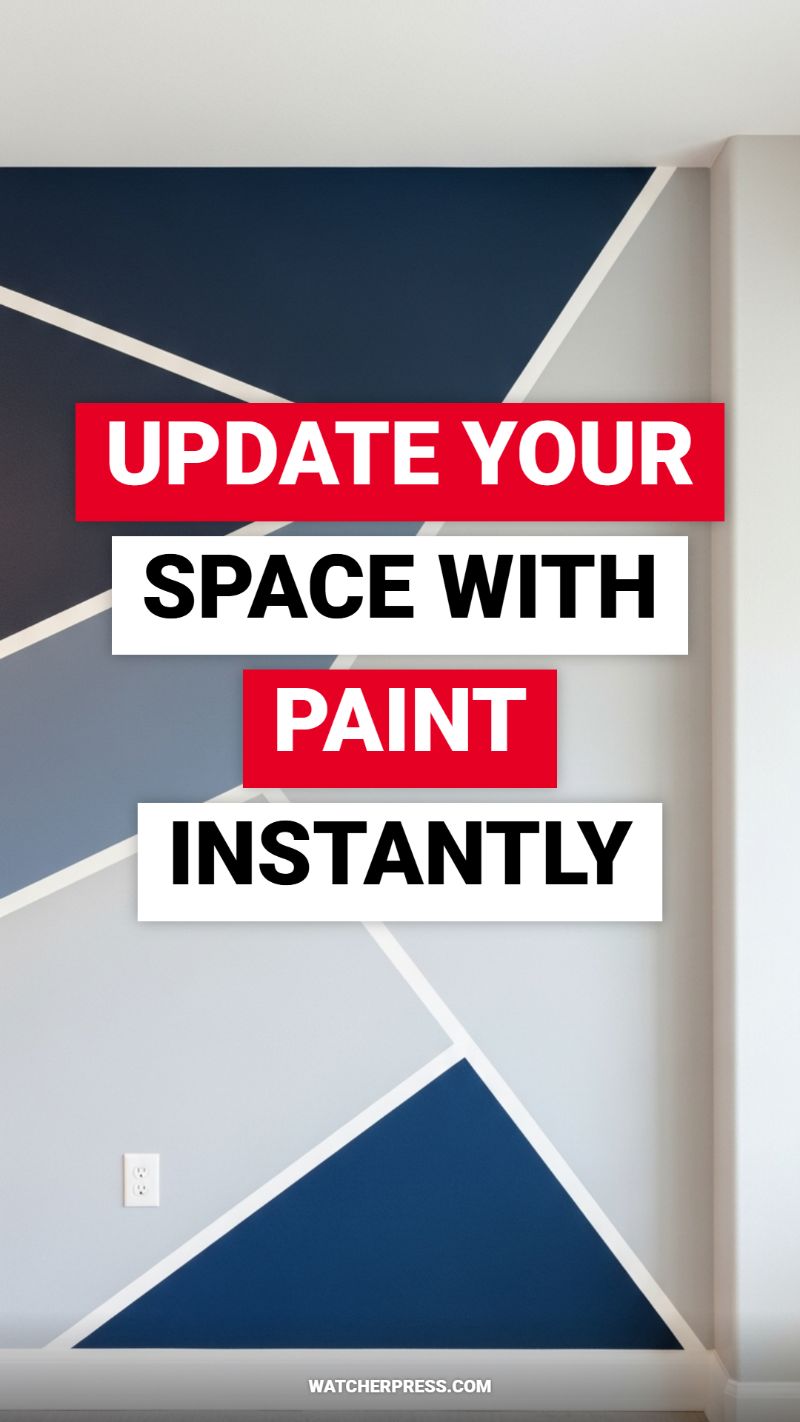
Nothing transforms a room faster or more affordably than a fresh coat of paint, but to truly make your home look 10X more expensive, you need to elevate beyond a simple monochrome application. A geometric accent wall, as pictured, creates the illusion of custom-built architectural features or high-end designer wallpaper at a fraction of the cost. This technique utilizes high-contrast color blocking and angular lines to add incredible dimension and a modern focal point. By choosing a sophisticated palette—such as the deep navy, mid-tone gray, and icy white shown here—you achieve an instantly curated look that feels intentional and bespoke, moving the space from basic to highly polished. This design hack is effective because it introduces complexity and visual movement, signaling thoughtful interior design rather than a rushed paint job, transforming a flat surface into a dynamic piece of art.
To execute this professional look successfully, meticulous planning and the right tools are essential. First, sketch your design on paper, focusing on asymmetrical lines and large blocks for a contemporary feel; smaller, repetitive shapes tend to look less luxurious. Once you have your design, use a laser level and measuring tape to transfer the lines onto your wall lightly in pencil. The most critical step is taping: invest in high-quality painter’s tape specifically designed for crisp lines. Firmly press down along all edges to prevent bleeding. For the ultimate clean line hack, paint a thin coat of your *base color* (the color of the wall before any geometry) directly over the edges of the applied tape. This seals the tape edges, ensuring that when you apply your accent colors (the navy and grays), any bleed-through is the same color as the background, leaving a pristine line when removed. Paint your largest color blocks first, moving sequentially to your smallest.
Expert application requires perfect timing for removal. Never wait until the paint is fully cured and dry, as this can cause cracking and peeling along the edges when the tape is pulled off. Instead, begin peeling the tape while the paint is still slightly tacky, pulling slowly and at a 45-degree angle. This crucial step guarantees the sharp, gallery-quality lines that define this high-end look. For color selection, sticking to either a monochromatic scheme (varying shades of one color family) or a highly curated complementary palette ensures the design reads as expensive and cohesive. This custom-painted approach provides the visual interest and complexity of costly architectural detailing, proving that clever use of paint is one of the quickest, most effective ways to drastically increase the perceived value and sophistication of your interior space.
TOP 10 AMAZON DECOR FINDS UNDER $50
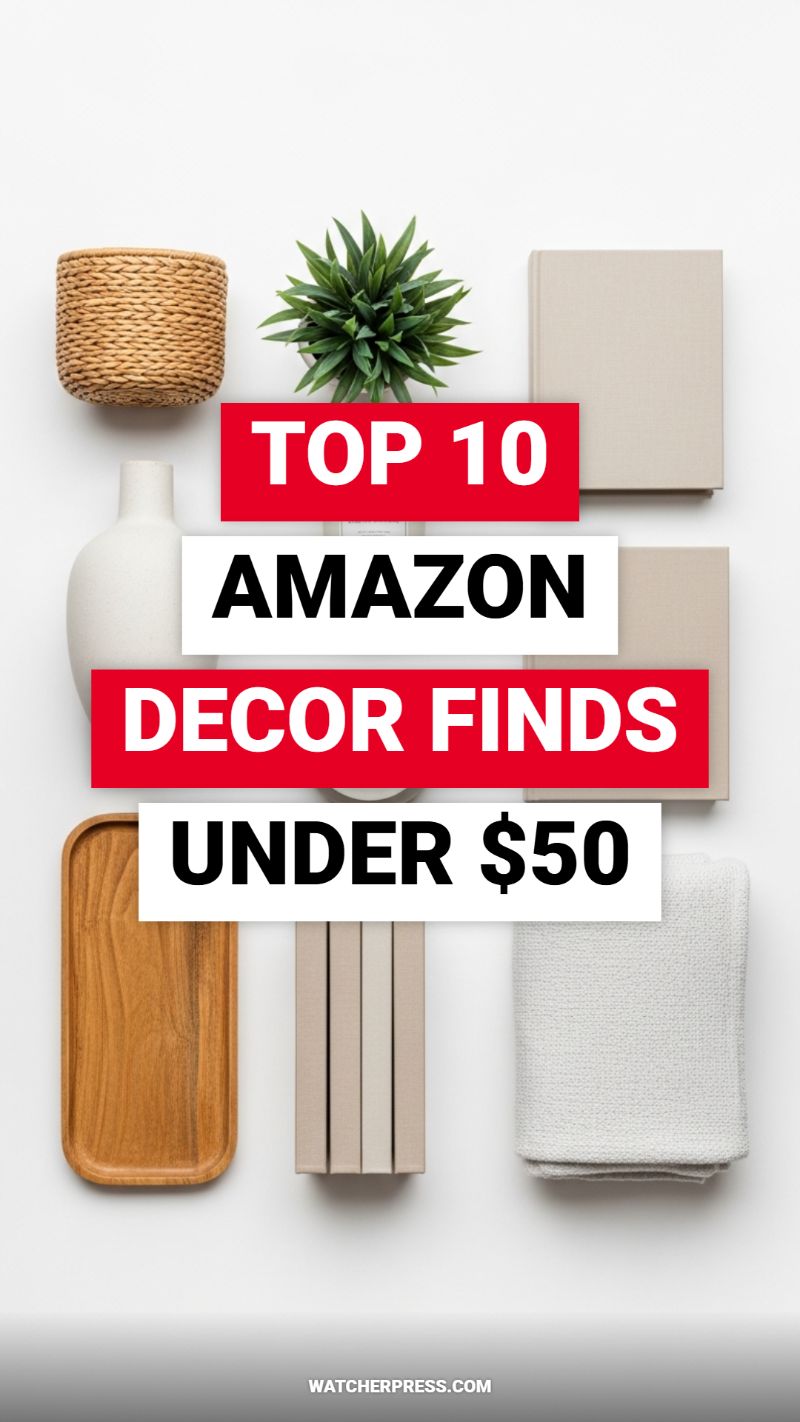
The secret to making budget decor look bespoke is mastering the art of the neutral vignette. As demonstrated by the image, limiting your palette to whites, creams, muted beiges, and natural wood tones instantly elevates the perceived value of your space, mimicking the quiet luxury seen in high-end design magazines. The primary instructional focus here is texture variation. Since you are intentionally foregoing bold colors, you must rely on tactile elements to provide visual interest and depth. Note the contrast between the rough, natural weave of the wicker basket, the smooth, matte finish of the ceramic vase, the warm grain of the wooden tray, and the soft texture of the woven textile. When sourcing these “under $50” finds, prioritize items with visible, organic textures—this intentional layering prevents the arrangement from appearing flat or cheap, ensuring that the affordable pieces hold up visually alongside much costlier items.
To transition these affordable Amazon finds from scattered purchases into a cohesive, high-end display, you must master the “how-to” of staging small objects. Focus on creating layered moments, often referred to as styling vignettes, utilizing the “rule of three” or the “odd number principle.” For instance, use an element like the wooden tray as a grounding element, or “anchor,” which immediately defines the boundary of the display and adds a layer of sophistication. Next, utilize the neutral-toned books. This simple act of tightly grouping similar items (known as stacking) makes them appear intentional and collected, simultaneously serving as a pedestal for smaller accessories like the minimalist vase or the faux succulent. Never scatter single decorative items across a surface; grouping them enhances their collective visual weight and presence, instantly transforming mundane, inexpensive objects into a curated, expensive-looking art display.
When leveraging budget-friendly finds, the key differentiator between looking cheap and looking luxurious is the finish. Expert shoppers know to avoid overly shiny or brightly colored plastics or metals, which are immediate giveaways of low cost. Instead, seek out items described as “matte,” “stoneware,” “woven,” or “natural wood finish.” Notice how the faux plant in the image is successful because it is dense and features realistic, saturated green tones, avoiding the sickly pale appearance of low-quality plastic greenery. By applying this discerning eye to material quality and adhering strictly to a neutral, textured palette, you ensure that every item you select, even those costing less than $50, contributes powerfully to the overall illusion of luxury. This strategic focus on subdued materials and thoughtful arrangement proves that looking expensive is truly about curation and presentation, not the price tag.
AMAZON SECRETS: VIRAL HOME PRODUCTS

Achieving a luxury aesthetic often means mastering organization in the spaces guests don’t usually see, making the closet a prime target for high-impact upgrades. The first and most crucial step in elevating your wardrobe area to look 10x more expensive is establishing visual uniformity. This starts with replacing all mismatched plastic and wire hangers with a single style. Slim, velvet, non-slip hangers in a neutral color (like black, gray, or the white shown here) are a viral, budget-friendly hack that instantly creates clean sightlines, maximizing space while giving the illusion of a custom boutique build. Furthermore, implement a structured system for garment arrangement, either by color saturation or item type. This disciplined approach eliminates visual chaos, transforming the functional act of storage into a sophisticated design element.
The secret to high-end storage is blending textures and strategically concealing clutter while displaying curated items. Incorporate woven, natural-fiber storage baskets, like water hyacinth or rattan, onto open shelving. These pieces introduce warmth and texture, acting as stylish catch-alls for bulkier items like folded sweaters, linens, or seasonal accessories that don’t need to be on display. Pair these opaque, rustic elements with modern, clear acrylic organizers for accessories such as ties, belts, or jewelry. By using clear stackable drawers, you treat these smaller items like curated collections, allowing them to be both visible and perfectly organized, mimicking the look of custom cabinetry drawers and adding practical functionality without appearing messy.
To solidify the luxurious appeal of this space, ensure all storage components are consistently sized and positioned, drawing attention to symmetry. The structured uniformity of the closet system itself—using uniform shelving depth and height—is foundational. If budget allows, integrating subtle, warm lighting (such as battery-operated strip lights under shelves) adds dramatic effect and highlights the meticulous organization, a key characteristic of expensive design. Finally, remember that the most luxurious spaces are highly edited. Regularly cull items that don’t belong or are rarely used. An organized, clean closet suggests intention and care, signaling that the entire home operates with the same level of thoughtful curation, making this viral organization hack a powerful investment in perceived value.
Afro Chic Decor Trends for 2026: Elevated Global Style
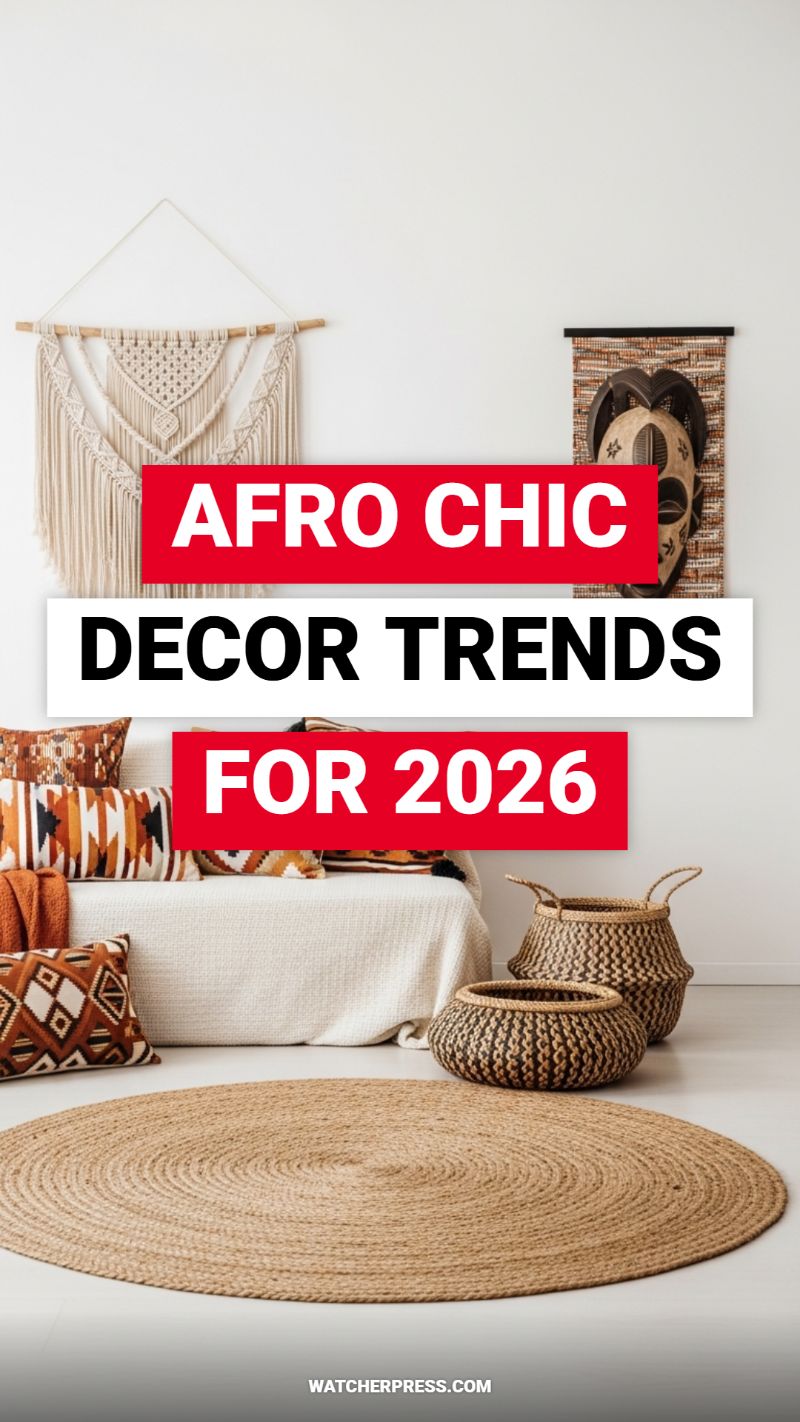
To implement the Afro Chic look in a way that signals luxury rather than travel souvenir kitsch, focus on elevated texture and curated authenticity. This aesthetic relies heavily on sophisticated natural materials, such as raw cotton, linen, jute, and hand-carved wood. Start by using high-impact, conversation-starting pieces as anchors. In the example provided, the traditional African mask mounted above a finely woven tapestry immediately acts as a focal point, suggesting history and quality craftsmanship. Pair this with a large-scale macrame wall hanging on the adjacent wall to balance the composition, ensuring that both textile pieces use natural, unbleached fibers. The key hack here is ensuring all materials look rich and tactile—a cheap polyester throw will instantly undermine the expensive effect created by quality woven baskets and rugs.
Master the art of layering natural textures on a neutral foundation. A crisp white or cream backdrop (walls and main furniture pieces) is crucial for making the rich earth tones and detailed patterns pop cleanly. For flooring, utilize large natural fiber rugs, such as circular jute or sisal, which instantly add architectural grounding and a custom, bespoke feel to the room. Expert tip: when choosing accent pieces like throws and baskets, stick within a tight color family (e.g., variations of tan, rust, terracotta, and black). Notice how the woven baskets are not just practical storage but sculptural elements, their intricate weave patterns adding depth. High-end design is achieved through dimension; layer a chunky knit throw over the sofa back and use different forms of weave in the rug and storage containers.
Finally, elevate your pillow game through thoughtful pattern mixing. Avoid using mass-produced, identical pillow sets. Instead, the luxury hack is to coordinate pillows with different scales and geometrics—such as chevron, diamond, and abstract tribal motifs—all adhering strictly to your pre-selected, sophisticated color palette (like cream, burnt orange, and black). This intentional curation prevents the space from looking chaotic and makes each textile selection seem deliberate and expensive. When executed correctly, the Afro Chic aesthetic offers a layered, tactile, and globally informed look that elevates any living space far beyond basic bohemian styles.
MUST-TRY TEXTURES FOR AFRO CHIC STYLE
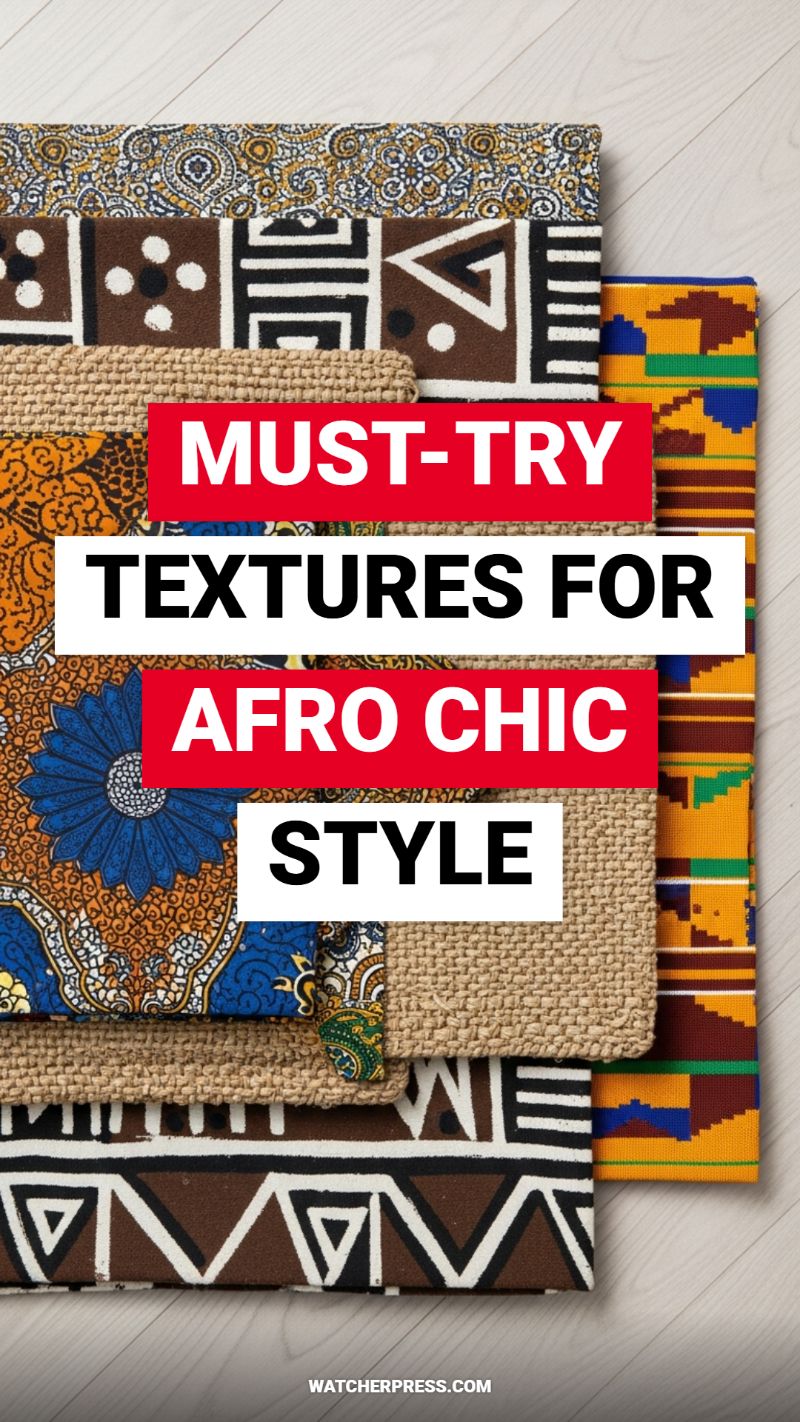
Sophisticated global texture layering is a foolproof method for making your interiors look custom and curator-designed, immediately boosting the perceived value of your space. To execute the Afro Chic style masterfully, you must strategically layer high-impact prints with grounding, natural weaves. Start with textiles that offer deep cultural authenticity, such as Bògòlanfini (Mudcloth), characterized by its earthy browns, blacks, and graphic geometric shapes. Mudcloth serves as the perfect neutral base because its texture is rugged and matte, providing an ancient, organic counterbalance to sleeker modern furniture. Reserve these patterns for large-scale items like area rugs, structured throws, or wall hangings. Once the grounding texture is established, introduce high-gloss, high-color prints like Ankara (Dutch wax prints), seen here in vibrant blues and oranges. The key is using these prints only as accents—think throw pillows, lampshade coverings, or bespoke chair upholstery—to ensure the complexity adds visual depth without tipping into clutter.
To elevate this look further, introduce materials that offer severe tactile contrast. The woven burlap or jute texture visible in the image is essential for preventing the space from feeling too soft or pattern-heavy. Integrate these coarse, natural fibers through elements like storage baskets, textural poufs, or even as durable, easy-to-clean floor mats. These organic textures act as visual rest points between the intense patterns of the traditional fabrics. Furthermore, incorporate the prestigious, tightly woven Kente cloth (the yellow, blue, and red strip) sparingly. Kente’s highly symbolic, structured appearance makes it an excellent choice for items meant to be true focal points, such as framed artwork, dramatic window treatments, or decorative piping on custom furniture. The difference in weave—from the flat print of Ankara to the nubby hand-loomed feel of Kente and the roughness of jute—is what makes the entire composition feel rich and meticulously curated.
The ultimate ‘expensive’ hack when utilizing global textiles is avoiding mass-produced items and focusing on bespoke execution. Instead of buying pre-made decor, source authentic yardage of Mudcloth, Kente, and high-quality wax prints. Use the fabrics to create custom elements that look built-in: for example, lining the back of a simple bookcase with a vibrant Ankara print, or using small squares of Kente as matting inside shadow boxes for a gallery wall. Finishing touches are critical; pair these rich textures with dark woods (like ebony or mahogany) and brass or copper metallic accents. The sheen of the metal alongside the matte, fibrous nature of the fabrics creates a luxurious visual tension, signaling that every element in the room has been intentionally selected and custom-fitted for a truly high-end finish.
Vibrant Mexican Home Styling Tips
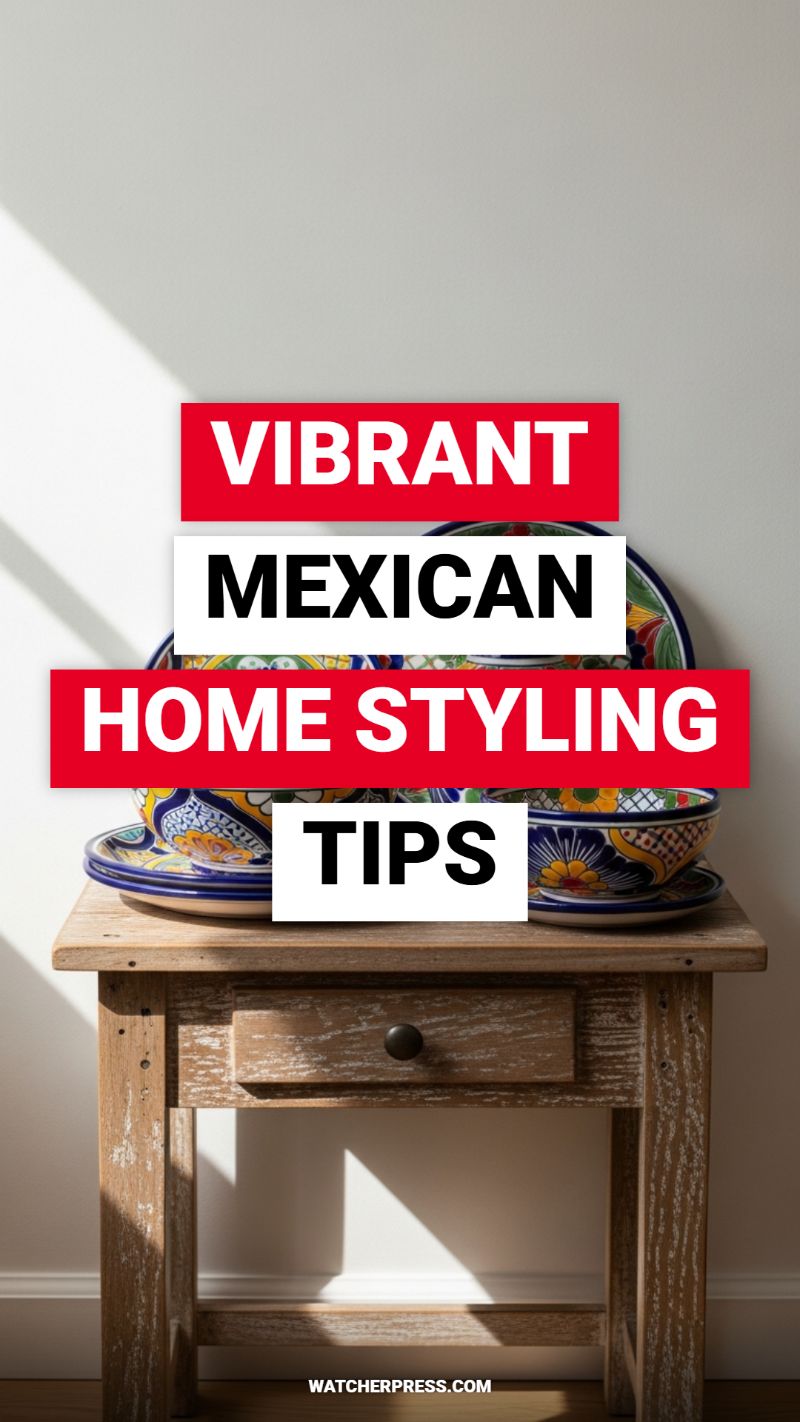
To achieve a truly bespoke and expensive aesthetic, move beyond generic decor and integrate high-quality, authentic handcrafted pieces, exemplified perfectly by vibrant Mexican styling. This hack centers on using items with significant visual weight and cultural depth, such as Talavera pottery or rich Oaxacan textiles, to anchor a space. Unlike mass-produced items, genuine artisan pieces inherently convey a sense of quality and history, making your home feel curated rather than merely decorated. When adopting this look, choose a few statement items—like the beautifully glazed, detailed bowls and plates shown here—and display them prominently. The key is strategic contrast: place these richly colored, complex items against a neutral, calming backdrop, such as a white wall or light, rustic wood. This contrast ensures the vibrant colors feel luxurious and intentional, not overwhelming or cluttered. This method turns your decor into art, signaling investment and taste.
Effective execution requires mastery of color saturation and strategic grouping. The Mexican aesthetic thrives on brilliant hues—cobalt blue, sunny yellow, and deep emerald green. To prevent this boldness from looking kitschy, treat these pieces as deliberate focal points. Instead of scattering small colorful items throughout a room, group them together, as seen with the stacked plates on the side table. This clustering technique creates a strong visual anchor that grounds the high saturation levels. Furthermore, play with texture juxtaposition. The photo expertly pairs the smooth, highly glazed, cool surface of the pottery with the rough, distressed, warm texture of the wooden table. This dialogue between materials is a classic trick used by high-end designers to add complexity and depth to a tableau. Ensure the quality of the wood (or other material used to display the items) matches the implied quality of the handcrafted ceramics; wear and distressing should look purposeful and authentic, not cheap.
Finally, maximize the dramatic impact of these show-stopping pieces using professional lighting techniques. Notice how the directional natural sunlight hits the highly glazed surfaces of the pottery, illuminating the intricate hand-painted designs and casting sharp, architectural shadows on the wall and table. This use of dramatic lighting elevates the display from simple home goods to a museum-quality vignette. When styling your own space, place these vibrant elements near a window or use targeted accent lighting to highlight the depth and shine of the glaze. This simple adjustment amplifies the colors and adds three-dimensional interest, a hallmark of sophisticated, expensive design. By balancing the warmth and complexity of cultural crafts with refined placement and lighting, you integrate a global sensibility that screams curated luxury.
MOODY WESTERN DECOR SECRETS REVEALED
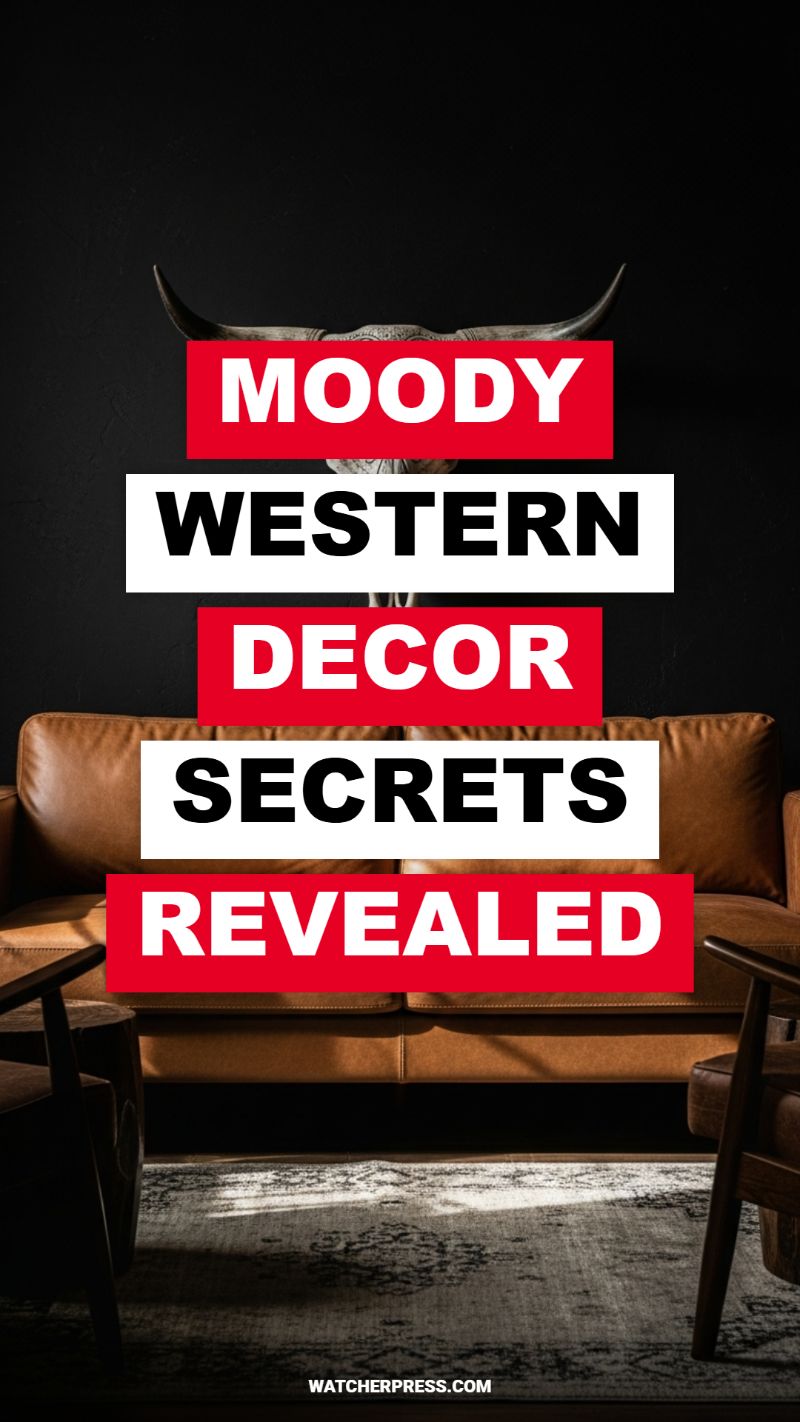
Achieving the “Moody Western” aesthetic is a high-impact way to instantly elevate your home’s perceived value, shifting from rustic chic to luxurious sophistication. This look hinges on a dramatic, saturated color foundation. Begin by covering your walls in deep, matte colors, such as charcoal black, rich matte navy, or deep moss green, which serves as a powerful backdrop for showcasing curated, high-quality furniture. The key to making these dark shades feel luxurious rather than heavy is texture; opt for matte finishes or Venetian plaster effects to give the walls depth. This intense backdrop provides a museum-like setting where every object stands out, ensuring that the entire room looks intentional and well-designed, dramatically enhancing its perceived cost.
The investment in substantial, quality furniture is non-negotiable for an upscale Western retreat. Focus specifically on top-grain leather seating, as showcased by the warm, caramel-toned sofa in the image. Quality leather introduces essential warmth, durability, and a rich patina that improves with age—all hallmarks of high-end, timeless design. Pair this seating with foundational textiles, particularly a statement area rug. Instead of relying solely on expected materials like cowhide, choose a large area rug with muted, complex patterns (think distressed traditional or stylized geometric motifs in deep greys, blacks, or indigos). A large, quality rug anchors the entire seating arrangement, softens the hard lines inherent in the Western theme, and defines the space, a critical technique used by interior designers to make open-plan areas feel refined and complete.
To finalize the expensive, sophisticated atmosphere, integrate bold, authentic Western accents and master the art of ambient lighting. The longhorn skull motif serves as a perfect example of a powerful, sculptural focal point that speaks to the theme without cluttering the space. When selecting these accents, choose elements that feel substantial and unique, such as hand-forged iron, carved wood, or high-quality resin materials. Finally, leverage dramatic, low-level illumination instead of bright overhead lights. Rely on strategically placed floor and table lamps with warm bulbs to create deep shadows and highlights. This subtle, intentional lighting enhances the moody aspect, draws attention to the luxurious textures and finishes you’ve invested in, and is the ultimate trick used by professionals to make any dark room feel exclusive and costly.
STOP: DECORATING WITHOUT THIS DARK TREND
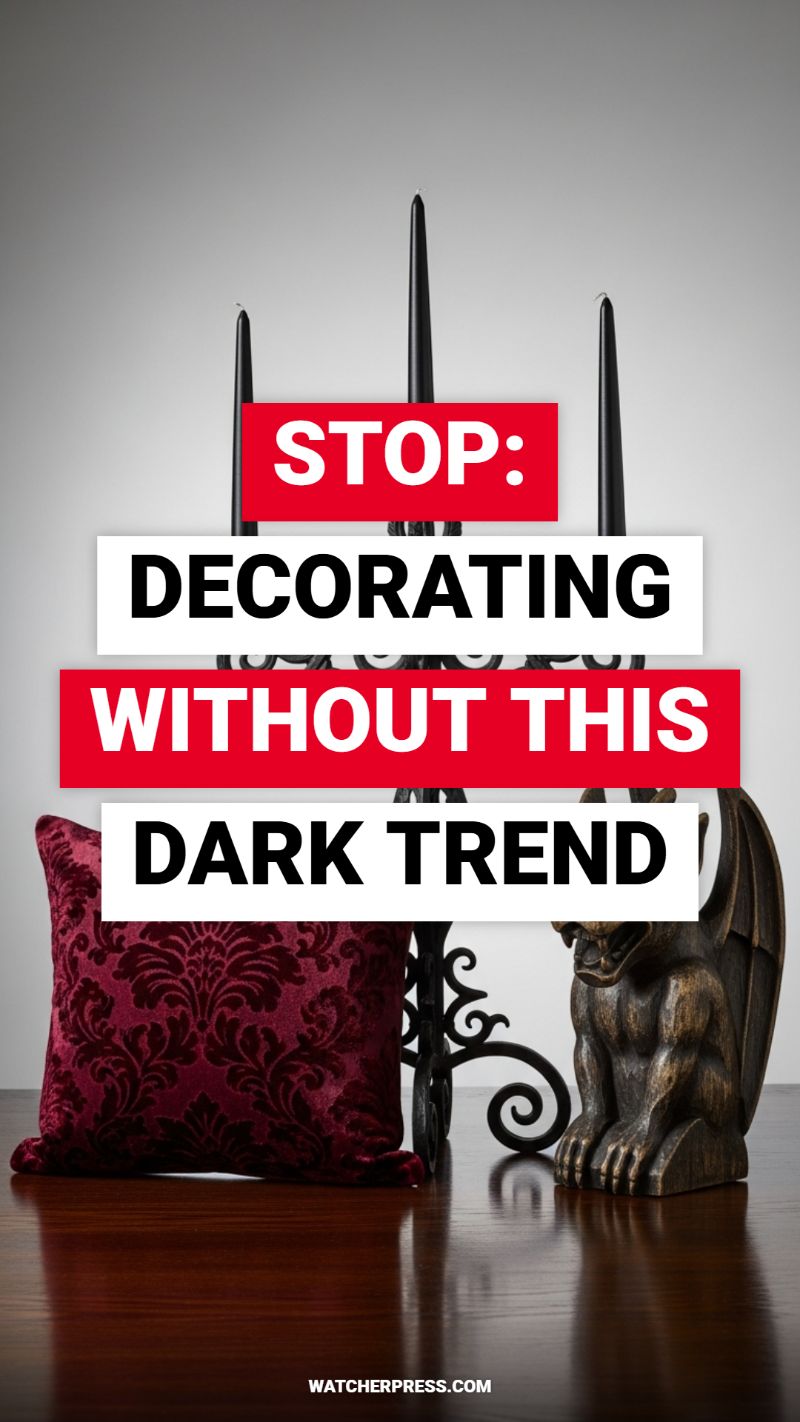
The “Dark Trend” that instantly elevates any space into looking vastly more expensive is the embracing of moody, textural maximalism—often referred to as ‘Gothic Glam’ or ‘Moody Luxe.’ To master this look, you must first focus on grounding your space with deep, saturated tones and rich textures. Start by incorporating deep mahogany or espresso-stained wood surfaces, as seen here, which instantly convey permanence and quality far beyond lighter woods. Layer this foundation with sumptuous textiles; the ruby-red velvet cushion with its tone-on-tone damask pattern is a perfect example. Velvet, especially in jewel tones, reflects light differently, adding necessary complexity and a tactile dimension that screams bespoke luxury. Avoid flat colors; instead, opt for materials that absorb and reflect light, creating a sense of depth and curated age. This high-contrast approach—dark materials against a neutral or soft backdrop—is the key hack to making standard decor feel dramatically high-end.
To execute the drama inherent in this trend, incorporate deliberate vertical elements and striking black accents. The tall, sleek black taper candles set in an ornate, dark metal candelabra serve several purposes: they introduce height, draw the eye upward, and provide striking visual contrast against both the dark backdrop and the rich wood. When selecting lighting or decorative holders, choose pieces with intricate metalwork or antique finishes, like wrought iron or dark bronze, as these details suggest history and meticulous design, distinguishing your space from mass-market aesthetics. Furthermore, utilizing deep black is crucial; it acts as a visual anchor and allows the richness of the surrounding colors—the deep reds and browns—to truly pop. Ensure these accents are used sparingly but intentionally to create pockets of intense visual interest, rather than overwhelming the room.
Finally, the secret to making this trend appear 10X more expensive lies in the deliberate inclusion of unexpected, high-quality sculptural elements. The bronze-toned gargoyle figure on the tabletop is not just a decoration; it’s a statement of curated taste, suggesting a collector’s sensibility rather than simple interior decorating. Look for detailed architectural salvage, busts, or weighty, figurative objects that possess a sense of gravity and history. These pieces should feel heavy and permanent. The hack here is to balance the visual weight of these unique, darker items. Pair your heavy, sculptural piece (like the gargoyle) with softer textures (the velvet cushion) and refined vertical elements (the candles) to ensure the arrangement looks intentional and sophisticated, not cluttered or overtly themed. By layering these deep colors, rich textures, and dramatic, historical accents, you successfully adopt this dark trend, giving your home the coveted look of an impeccably furnished, high-value estate.
Mastering the Dream Kitchen & Living Room Layout for High-End Impact
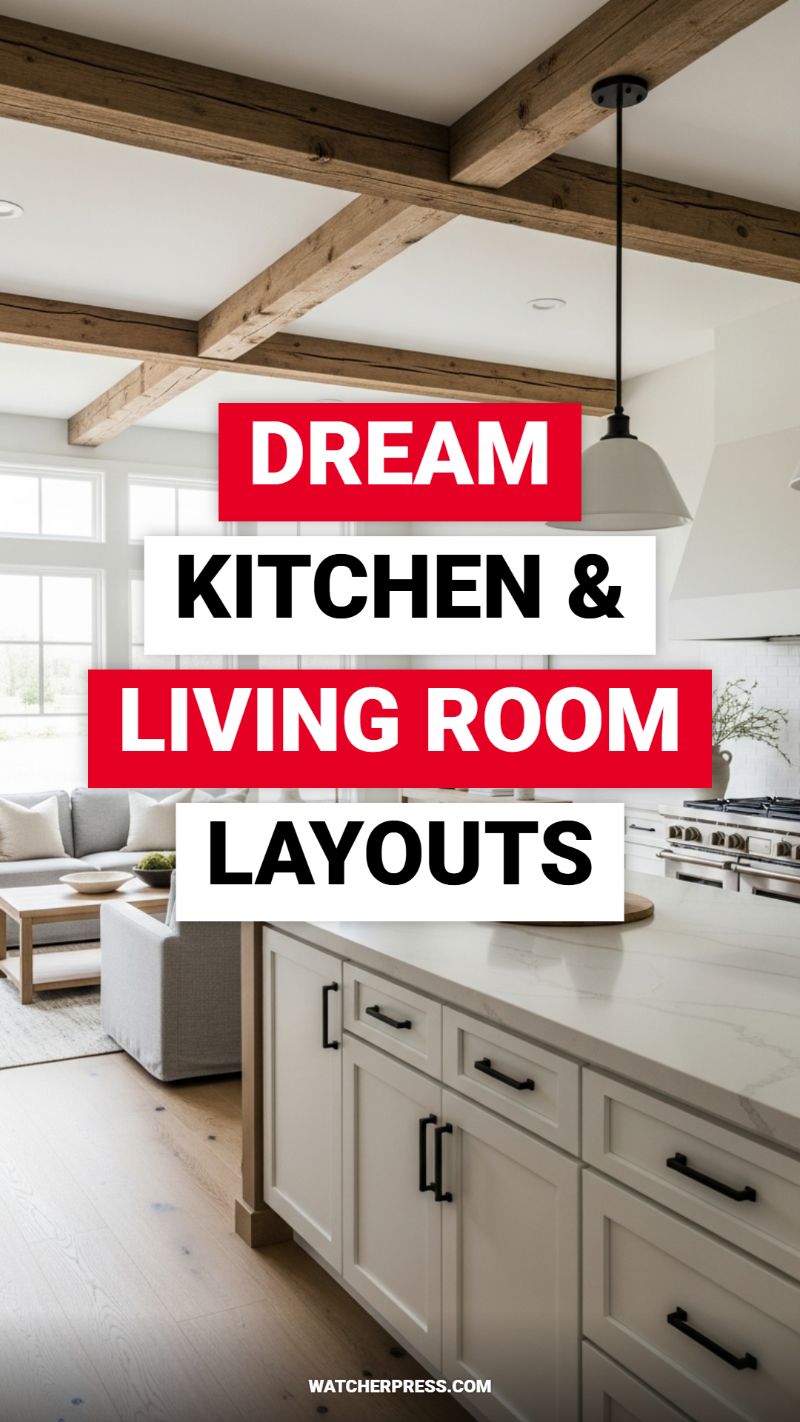
The secret to making an open-concept space look drastically more expensive lies in architectural details and sophisticated material continuity. As seen in this aspirational layout, the inclusion of substantial wood ceiling beams instantly elevates the room from standard drywall to custom, high-end construction. This hack works because it draws the eye upward, giving the illusion of greater volume and adding a rich, rustic texture that contrasts beautifully with the clean white walls and cabinetry. To replicate this effect affordably, consider installing high-quality faux beams, ensuring they are stained or finished to complement the undertones of your primary flooring. Furthermore, maximize natural light; large, grid-style windows are essential for diffusing light throughout the space, which helps finishes like marble countertops and hardwood floors appear brighter and richer. Avoid heavy window treatments in favor of sheer fabrics or minimalist shades to keep the view unobstructed and the ambiance airy, reinforcing that coveted sense of spacious luxury.
For the kitchen portion, achieving a 10X more expensive look centers on strategic contrast and quality hardware. The pictured design utilizes classic, clean white Shaker-style cabinetry paired with substantial, modern black hardware—a crucial high-contrast move that provides visual weight and definition, instantly communicating bespoke quality. When choosing countertops, select materials like quartz or a high-quality marble look-alike that offer consistent veining and generous depth, extending the slab over the island and perhaps even incorporating a thick waterfall edge for maximum impact. A common mistake is using low-quality fillers or hardware; always invest in solid, weighty pulls and knobs. To complete the luxurious flow, ensure your hood vent is integrated or custom-designed, blending seamlessly with the cabinetry and avoiding any appliance distractions that might detract from the room’s elegant composition.
Integrating the living area seamlessly requires a disciplined approach to color and scale. Since the kitchen often features complex textures (stone, metal, wood), the adjacent living area must maintain a sophisticated neutrality to ensure flow rather than interruption. Stick to a limited palette of soft greys, creams, and natural wood tones, as demonstrated by the simple, tailored sofa and light wood coffee table in this image. The most critical hack for connecting these spaces is using continuous flooring; running the same light oak or wide-plank wood flooring throughout both the kitchen and living room eliminates visual breaks, making the entire area feel significantly larger and intentionally designed. Finally, select furniture that is simple, structured, and proportional to the room—avoid oversized or overly detailed pieces—and anchor the space with a low-pile, textured rug that complements the light tones without distracting from the overall architectural grandeur.