
Discover the hottest 2024 interior design trends experts are obsessed with right now. Dive into Gothic Western, Shabby Chic, Architectural Arches, and more!
MY KITCHEN SINK CHANGED MY LIFE (BLACK SINK TREND GUIDE)
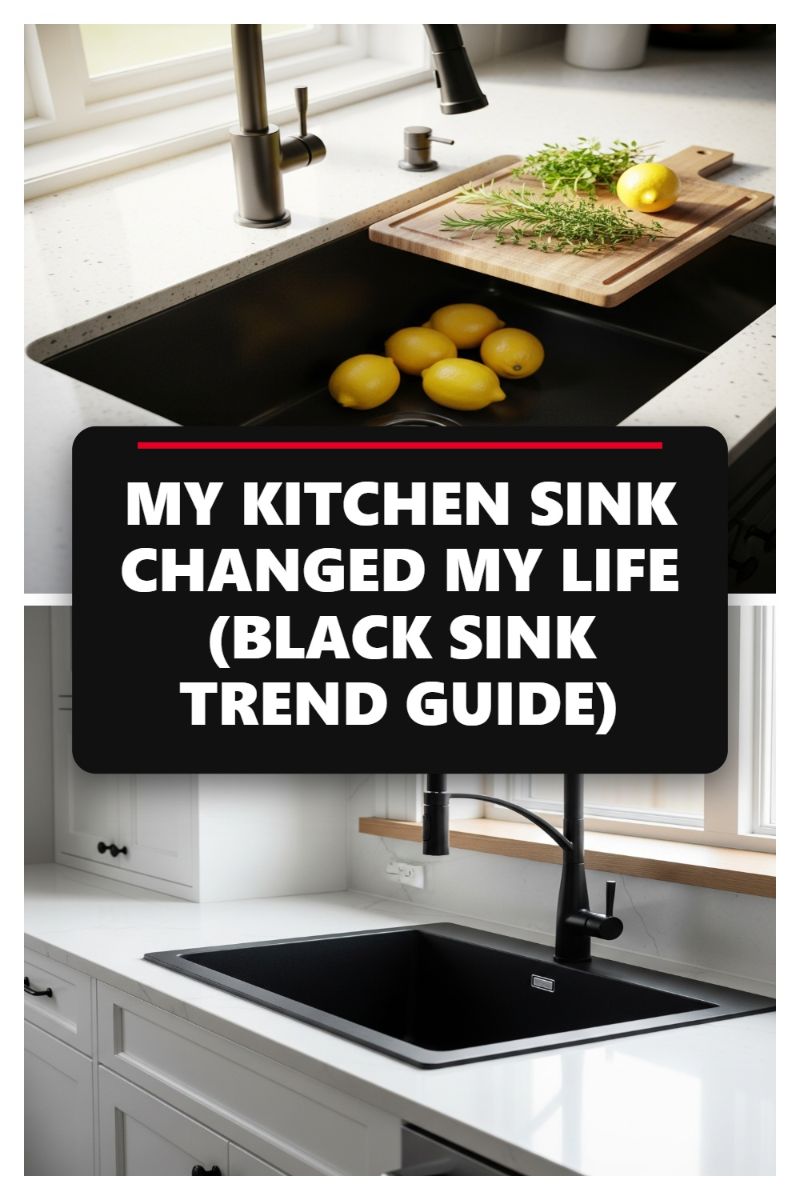
The days of stainless steel dominating the kitchen sink market are fading as homeowners and designers embrace the sophisticated drama of a matte black basin. This trend is less about fleeting fashion and more about architectural grounding; a black sink acts as a powerful anchor in an otherwise bright, airy kitchen, delivering stunning high contrast that instantly elevates the space. To achieve the look pictured, invest in a quality granite composite or quartz composite sink, which offers superior durability against heat and scratching compared to standard porcelain or enamel. The visual impact is maximized when pairing the black sink with crisp white or light-toned quartz countertops. Crucially, ensure the faucet is also a coordinating matte black finish to maintain a monolithic, streamlined appearance. This monochromatic approach to the wet zone transforms a purely functional element into a deliberate design focal point.
Integrating the black sink seamlessly requires careful consideration of the surrounding hardware and lighting. If your aesthetic leans ultra-modern, choose a deep, sharp-cornered undermount sink for a flush look that emphasizes the unbroken line of the countertop. For kitchens embracing a modern farmhouse or transitional style, look for an apron-front sink in a matte black finish; this bold choice merges classic structure with contemporary color. Expert advice suggests mirroring the matte black finish in other small elements throughout the room—think cabinet pulls, pendant light fixtures over the island, or even the handles on major appliances—to create visual rhythm. When designing your layout, remember that a black sink requires more focused lighting directly above it, as it naturally absorbs light, preventing the area from appearing cave-like or recessed.
While black sinks are undeniably beautiful, mastering maintenance is key to their longevity. Unlike shiny materials that highlight every dried water spot, high-quality composite black sinks are non-porous and naturally resistant to staining. However, hard water areas may still leave white calcium deposits. The best maintenance instruction is simple: routinely wipe down the sink with a soft cloth and a diluted vinegar solution to combat mineral buildup. Avoid abrasive scouring pads or harsh chemicals like ammonia, which can dull the matte finish over time. For an added layer of protection and to enrich the deep black color, occasionally treat the composite material with a small amount of mineral oil, buffing it in thoroughly. By treating the sink as a premium surface, you ensure this sophisticated trend remains timeless and maintains its striking depth for years.
STOP IGNORING YOUR CEILING: WHY WOOD BEAMS ARE WORTH THE SPLURGE

The ceiling is often referred to as the ‘fifth wall’ in design, yet it is perpetually the most neglected. Integrating exposed or decorative wood beams is the single most effective way to add architectural depth, character, and texture, transforming a bland space into a focal point of artisanal craftsmanship. The visual success of this trend hinges on high contrast and authenticity. As seen in this elegant kitchen, dark, rich mahogany-stained beams create a striking geometric pattern against a light, vaulted ceiling. This immediately draws the eye upward, increasing the perceived scale and grandeur of the room. When planning your installation, consider the overall style you are aiming for: smooth, darkly stained beams lend themselves to transitional or formal designs, while hand-hewn, distressed, or reclaimed wood (like the supporting column pictured) grounds the space in rustic, modern farmhouse, or even the trending Gothic Western aesthetic. The blend of sleek white cabinetry and marble with the raw texture of the wood introduces a dynamic interplay of materials that feels both historic and impeccably current.
Implementing wood beams successfully requires careful consideration of both material and scale. While genuine structural beams are ideal for authenticity, modern interior design often utilizes high-quality faux beams, which are lighter, easier to install, and considerably more cost-effective. These can be crafted from lightweight wood wraps or high-density polyurethane and still achieve a remarkably realistic, distressed finish. The critical design decision is beam thickness and spacing. As an expert rule of thumb, beams should appear substantial enough to be structural; thin or narrow beams detract from the intended effect and can look cheap. For a standard 8- to 10-foot ceiling, beams should be at least six inches wide. If you have vaulted or cathedral ceilings, as shown here, you have the opportunity to implement a full truss or a complex radial pattern, demanding much thicker dimensions (8 to 12 inches) to anchor the immense height. Always map out the pattern on the ceiling first using painter’s tape to confirm the visual balance before committing to installation.
To maximize the investment, use the beam structure to seamlessly integrate functional elements like lighting and to connect other wood elements throughout the room. Recessed lighting is best placed symmetrically between the beams to provide targeted task lighting without competing with the architectural feature itself. If installing beams over a kitchen island, ensure the central chandelier or pendant lighting hangs low enough to break the vertical lines but not so low as to obscure the view. Furthermore, look for opportunities to echo the wood finish in other fixtures, such as rustic floating shelves, hood surrounds, or, as demonstrated in the image, a robust, textured support post integrated into the island design. This repetition of natural materials and tactile finishes creates a cohesive, high-end environment that elevates the entire home, ensuring that this structural addition is a worthwhile splurge that offers timeless value far beyond a temporary trend.
TRANSFORM YOUR SPACE INTO A PINK PARADISE: FRENCH BOUDOIR EDITION
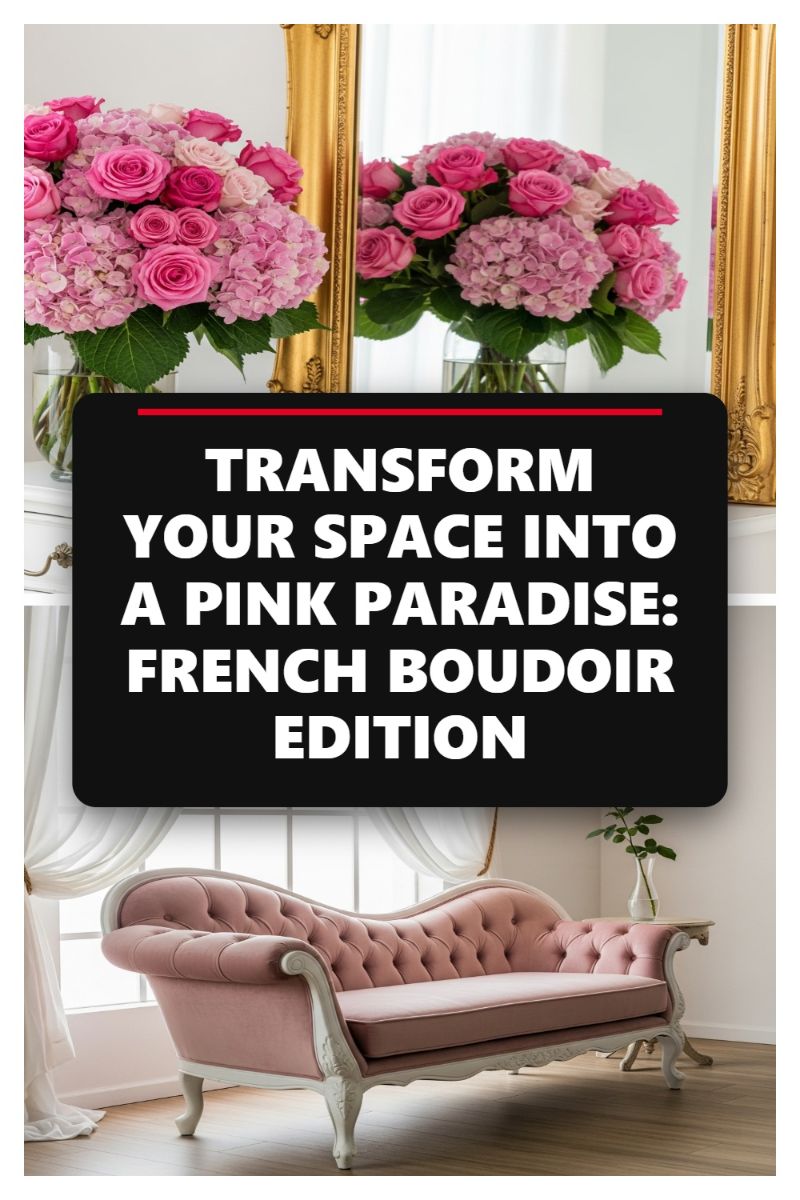
The French Boudoir trend offers a luxurious escape, embracing unapologetic femininity, soft textures, and romance, making it one of the most sought-after emotional design styles today. To successfully execute this look, begin with the foundation: color and core furniture. As illustrated, the palette is centered around delicate blush and rose tones, which must be implemented through textiles, not just paint. Source a signature seating piece—a luxurious fainting couch, chaise lounge, or deeply tufted sofa—upholstered in plush, touchable fabrics like velvet, satin, or silk. Ensure the silhouette is decidedly vintage or neoclassical; look for carved, often distressed, white or gilded wood frames. If a full chaise is too dominant, incorporate these elements through a velvet vanity stool or richly textured drapery. The goal is to create layers of softness that invite relaxation and intimacy, setting a tone that is less sterile bedroom and more private, opulent dressing room.
Layering opulence through strategic accessories is crucial to elevate the boudoir from feminine room to French paradise. A key component, highly visible in the imagery, is the use of dramatic florals and reflective surfaces. Opt for large, generous arrangements of classic blooms like hydrangeas and roses, choosing colors that echo the textile palette. These flowers should be placed near reflective surfaces—ideally an oversized mirror with an elaborate, distressed gold frame. The mirror not only maximizes light and visual space but reflects the beauty of the florals, amplifying the sense of lushness. Further enhance this aesthetic by introducing diffused, romantic lighting; ditch harsh overhead lights in favor of wall sconces, petite crystal chandeliers, or table lamps with fringed silk shades. Finally, finish the floor space with a thick, plush area rug (think sheepskin or a vintage Oriental design in faded colors) to anchor the room in softness.
To ensure your Pink Paradise feels sophisticated and not juvenile, balance the sweetness with rich architectural details and contrasting textures. While the essence is pink, incorporate grounding neutrals like creamy white, warm ivory, or even touches of muted gray in the surrounding walls, trim, and sheer window treatments, as seen in the photograph. This prevents the space from becoming overwhelming. Expertly chosen hardware—gilded drawer pulls or antique bronze finishes—on vanities and chests will add necessary weight and period authenticity. The ultimate test of the French Boudoir aesthetic is the tactile experience: every surface should invite touch. Drape a lightweight, perhaps slightly shimmery, throw over the chaise, scatter feather-filled cushions, and ensure the curtains are voluminous and puddle slightly on the floor. This attention to detail transforms the space into a truly luxurious, sensorial environment worthy of a Parisian apartment.
I DYED THIS VIRAL FAIRY LIGHT NOOK (UNDER $100!)
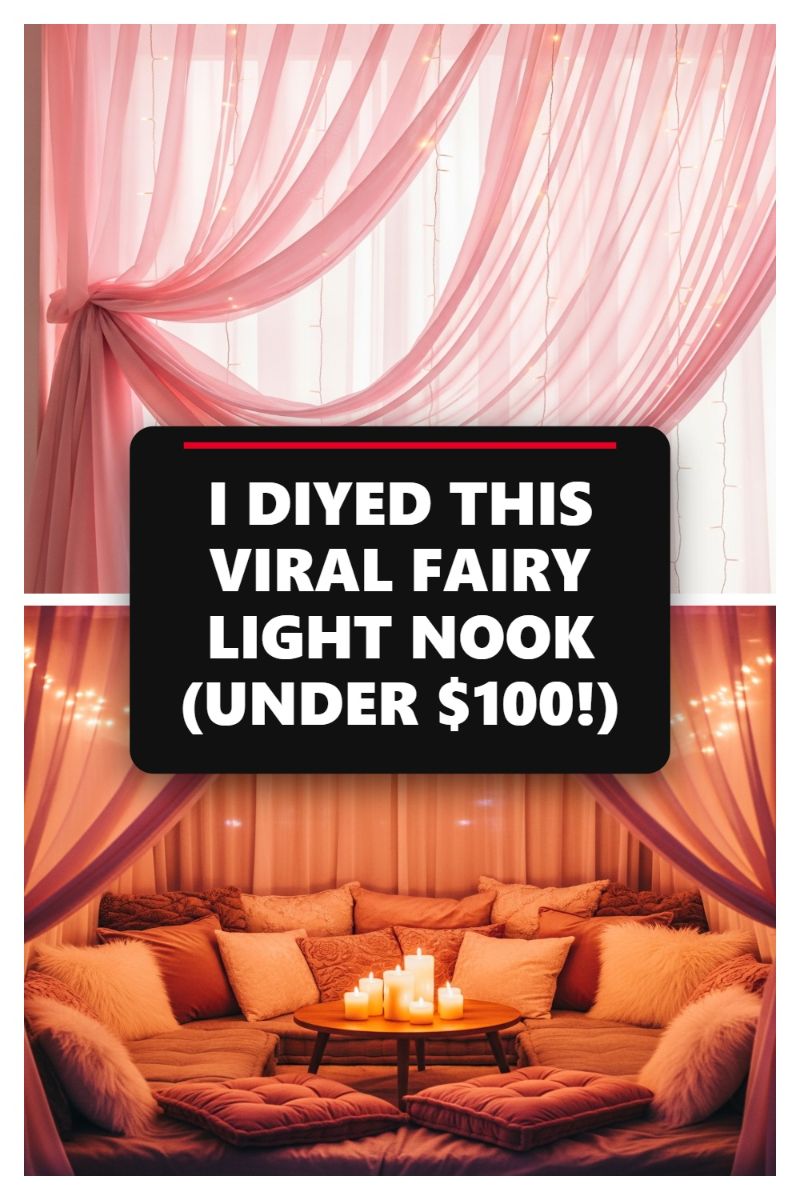
Creating an escapist, highly personal retreat within your home is one of the most significant trends right now, moving away from stark minimalism towards environments we call “Dopamine Decor.” This viral fairy light nook perfectly encapsulates the Romantic Boho movement, prioritizing texture, warmth, and ethereal lighting. The secret to achieving this bespoke, rich salmon hue without the bespoke price tag is simple: targeted dyeing. To replicate this look, start by sourcing budget-friendly, sheer curtain panels—often found in white or pale pink in sets of two or four. Calculate the yardage needed for a full canopy effect (it’s more than you think!) and purchase a high-quality fabric dye in a rich shade like Terracotta, Rust, or Dusty Rose. Since most sheer curtains are made of synthetic fibers like polyester, you must use a synthetic dye designed specifically for these materials. Follow the instructions precisely for a uniform soak, ensuring your fabric is submerged completely and agitated throughout the process. This controlled DIY approach allows you to customize the exact shade, guaranteeing a warm, inviting glow that high-street retailers often fail to capture.
Once the fabric is dyed, dried, and ready, the construction phase focuses on light diffusion and structural integrity. For a full-scale nook, you will need overhead support—often achieved by securing four ceiling hooks and looping curtain rods or lightweight PVC piping between them to form a frame, or using existing canopy bedposts if available. Drape your newly dyed fabric over this frame, allowing generous folds and sweeps; the key to the “viral” look is volume and softness. Next, integrate the fairy lights. Expert tip: Do not simply string the lights across the opening. Instead, use curtain string lights, or multiple strands of copper wire lights, and layer them *behind* the sheer fabric. This technique diffuses the light, transforming harsh pinpoints into a soft, atmospheric amber haze. The depth of color achieved by dyeing the sheer material enhances this effect, making the light appear warmer and more saturated.
The final step is maximizing comfort and ensuring the space feels truly intimate. The base of this nook requires low, modular seating. Instead of purchasing an expensive custom sectional, layer several floor cushions or low poufs. Anchor the space with a soft, plush rug and pile on decorative pillows—mix textures like faux fur, velvet, and intricate quilting in complementary shades of rust, cream, and deep mauve. A small, round coffee table keeps the center grounded while providing a surface for essential ambiance elements. Given the amount of draped fabric, ditch the open flames and opt for high-quality, battery-operated pillar candles. These provide the same warm, flickering light as real candles but eliminate the fire risk associated with enclosed fabric spaces, completing your luxurious, under-$100 sanctuary.
GOODWILL FINDS WORTH FIGHTING FOR: MY TOP 5 HAUL ITEMS

The current obsession with ‘collected’ interiors hinges entirely on the art of the sophisticated thrift haul. This trend moves away from sterile, matching decor and embraces curated maximalism, where every piece tells a story. To successfully incorporate the look exemplified by this display, focus first on material mixing. Seek out brass pieces with natural patina, like the three-arm candelabra shown, which provides instant visual height and antique weight. Balance this metallic element with natural, tactile textures, such as the cracked plaster bust and the simple, dark-stained wooden bowl. Expert designers advise grouping items from disparate origins—the classical sculpture, the rustic wood, the gilded landscape painting—to create tension and depth. Furthermore, restrict your color palette primarily to neutrals, earth tones, and metallics (creams, tans, amber, brass) to ensure that the variety of objects feels intentional rather than cluttered. The visual appeal lies in achieving cohesion despite the eclectic sourcing.
Mastering the collected look requires precise styling, turning a random assortment of items into a cohesive vignette. Start by establishing strong anchor points, such as the stack of vintage books visible on the bottom shelf. Use these anchors not just for decoration but also as subtle risers to introduce varying levels, which is crucial for dynamic display design. Notice the deliberate placement of the tall, translucent amber glass vase; its rounded form and rich color offset the square, woven texture of the nearby box. When grouping small items like the miniature framed painting, use the surrounding negative space (the wall or shelf top) to highlight the object’s small scale. The key instructional takeaway here is to employ the ‘Rule of Three’ or ‘Rule of Odd Numbers’ in your groupings, ensuring that no single element competes for attention, but rather contributes to a collective narrative.
Finally, the genius of the vintage haul trend is its ability to elevate found objects into high-end decor through context. If you are placing your thrifted treasures on modern, clean white shelving (as suggested by the image), the contrast between the worn, antique textures and the sharp, contemporary lines instantly updates the aesthetic. Avoid overcrowding; while this style is maximalist, it must maintain a sense of airiness. Ensure that the largest pieces, like the candelabra and the vase, have enough breathing room. This integration of high-low elements—the budget-friendly finds styled with the intentionality of museum curation—is what makes this particular design movement sustainable, deeply personal, and highly sought after by top interior professionals.
SCORE BIG AT THRIFT STORES: HOW TO SPOT HIGH-VALUE DECOR

To score authentic, high-value furniture pieces—like the ornately carved, dark wood chest depicted in the image—you must become adept at evaluating craftsmanship over superficial condition. Skip the flimsy MDF or veneer pieces and head straight for items with significant heft. Inspect the joinery: high-end antique furniture typically utilizes time-tested construction techniques like irregular, hand-cut dovetail joints or sturdy dowels, rather than modern staples or standard machine screws. For carved items, run your hand over the detailing. Deep, crisp carvings that show subtle variations in depth and contour are usually hand-executed, indicating greater value and age than uniform, shallow machine routing. Real solid wood pieces, often dark oak, walnut, or mahogany commonly found in Victorian or Gothic styles, develop a natural patina over time that modern veneers cannot replicate. Focus your attention on pieces that need minimal structural restoration; a solid frame is paramount, while surface scratches, water rings, and dull finishes are easily remedied with simple sanding and refinishing.
When hunting for decorative art, recognize that the frame often holds as much or more intrinsic value than the artwork itself. The heavy, gilded frame surrounding the portrait is a prime example of antique quality. To spot value in framing, look for structures made from gesso (a thick plaster applied over wood) that has been finished with genuine gold leaf, rather than cheaply sprayed metallic paint. A quick check involves tapping the frame; solid gesso or wood will sound robust and substantial. Regarding the art itself, learn to quickly differentiate an original painting (oil or acrylic) from a print. Original oils will show distinct texture and dimensionality—you can visibly see the brushstrokes and feel the ridges of the applied paint—whereas a print, even a high-quality reproduction, will be perfectly flat and uniform. Always flip the piece over to look for provenance: old paper labels, gallery stamps, or handwritten notes detailing the artist, date, or previous owner can exponentially increase the market value and desirability, especially for pieces contributing to the trending Gothic maximalist aesthetic.
Beyond large furniture and framed art, high-value thrifting requires an educated eye for material quality in smaller decorative items. Always prioritize natural, heavy materials—solid bronze, heavy brass, marble, true porcelain, and genuine cut crystal—over lightweight, composite, or plated alternatives. Use weight as your initial guide: a genuine, antique brass candlestick or marble bust will feel substantial, solid, and cold to the touch. Furthermore, familiarize yourself with common maker’s marks and hallmarks; these distinctive stamps, usually found on the underside of ceramics, metalware, or glass, identify the manufacturer, country of origin, and potentially the era. For instance, knowing the subtle marks of specific European pottery houses, American glassmakers, or English silversmiths can turn a $10 thrift find into a collectible worth hundreds. By combining an assessment of robust structure, detailed craftsmanship, and verifiable material authenticity, you can confidently score the historic, high-quality décor that perfectly aligns with today’s most coveted design trends.
INCORPORATING RATTAN & JUTE FOR THE PERFECT BOHO RETREAT
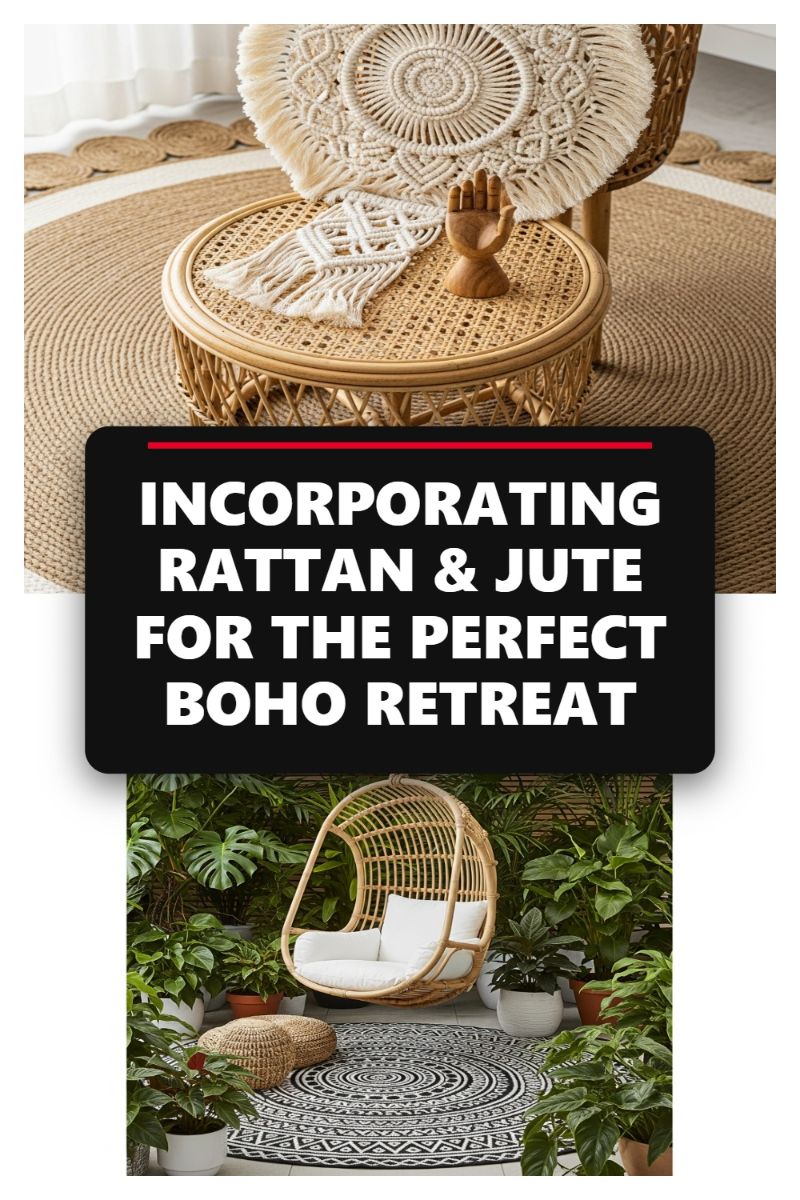
Rattan and jute are the cornerstones of the contemporary Bohemian aesthetic, providing essential texture, warmth, and an earth-bound elegance often lacking in overly structured interiors. To successfully build a true Boho retreat, you must start with foundational pieces crafted from these resilient and sustainable materials. Jute, prized for its durability and rough, organic texture, is best utilized as a grounding element. Look for large, circular area rugs that define the space and offer a neutral, inviting base, often featuring subtle patterns or contrasting borders (such as white stripes or macrame detailing) to add visual interest without overwhelming the inherent natural fiber look. Rattan, being more structural and flexible, should be the material of choice for furniture. Invest in key rattan pieces such as accent tables, low-slung chairs, or statement lighting fixtures. The open, airy weave of rattan furniture is essential as it allows light and shadows to filter through, preventing the space from feeling heavy and maintaining that breezy, relaxed Boho vibe.
The true mastery of the Boho retreat lies in the deliberate layering of varied textures and the seamless integration of indoor and outdoor elements. Once the large jute foundation is set, introduce softer, contrasting textiles like intricate macrame, woven throw blankets, and decorative cushions to juxtapose the roughness of the natural fibers. As demonstrated by the images, incorporating lush, live greenery is absolutely essential; it instantly brings the outdoors in and amplifies the sanctuary feel. Utilize large-leafed plants (such as Monsteras, palms, or ferns) placed in simple, matte white or terra cotta planters. For a sophisticated, high-impact styling, strategically introduce an element of contrast. While the core palette should remain natural browns, creams, and whites, a bold, graphic black and white circular rug or dark, oversized ceramics can prevent the look from becoming monochromatic, injecting a modern, global flair into the rustic environment and creating visual dynamism.
To achieve the crucial
DUSTY ROSE DREAM: THE MOST VIRAL SHABBY CHIC BEDROOM INSPO
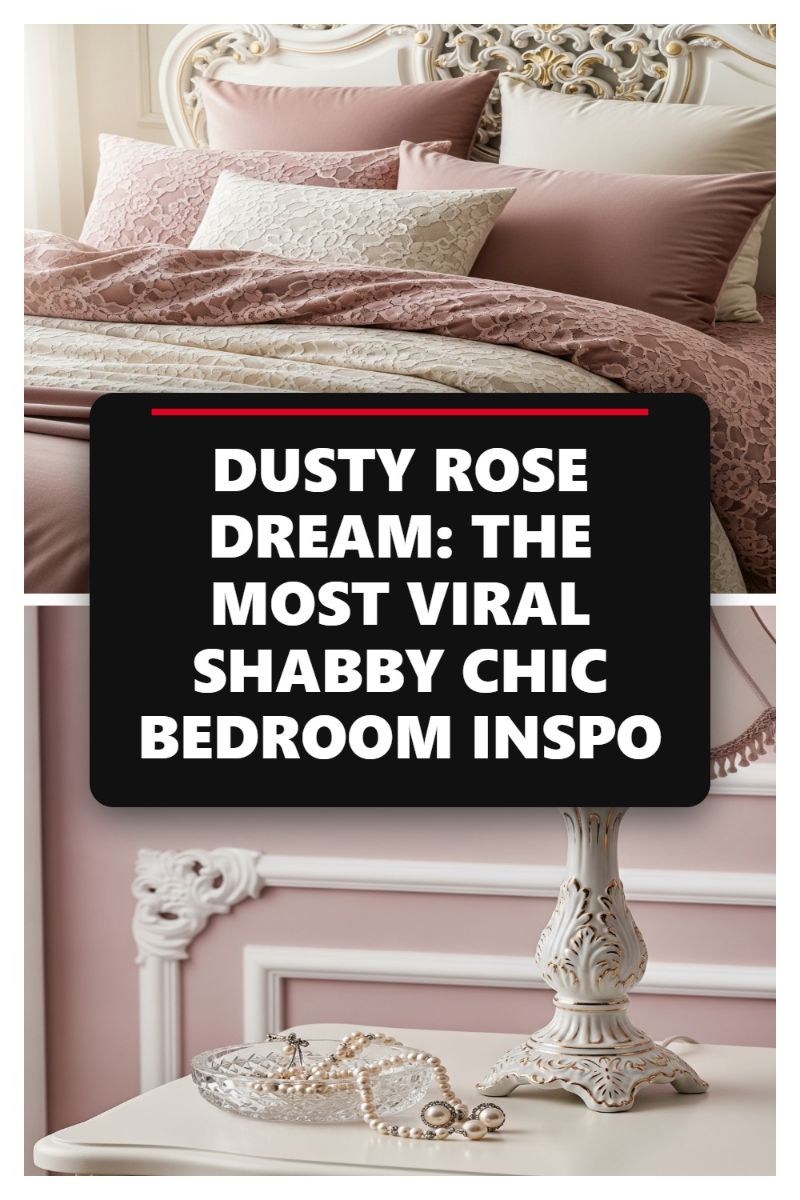
The resurgence of Shabby Chic is being defined not by floral prints and overwhelming clutter, but by muted, sophisticated color palettes and elevated vintage textures—epitomized perfectly by the ‘Dusty Rose Dream’ trend. To recreate this look, the bedding is your primary canvas. Start with a foundational layer of deep, solid dusty rose or mauve sheets, choosing fabrics like brushed cotton or Tencel for softness. The essential element is layering: overlay the solid color with textiles featuring subtle lace or brocade patterns in contrasting off-white or cream. Notice how the look utilizes solid, heavy velvet or suede throw pillows in the same muted rose tone to anchor the delicate lace textures, providing necessary weight and depth. The goal is textural complexity in a tightly controlled monochromatic palette, preventing the room from appearing too saccharine and ensuring the ‘shabby’ component reads as sophisticated vintage, not merely old.
Moving beyond textiles, achieving the ‘chic’ in Shabby Chic requires significant attention to architectural details and classical elements. The bedroom must be anchored by stately furniture, such as a carved white or ivory French Provincial headboard. Look for pieces with ornate detailing that appear slightly distressed or feature subtle gold leaf accents, hinting at historical grandeur. For the walls, incorporate pronounced molding, wainscoting, or applied picture framing details painted a crisp, bright white. This structural definition serves two purposes: it elevates the entire room from casual to opulent, and it beautifully contrasts against the soft, cool-toned dusty rose wall color, mimicking the effect of a classic Parisian apartment. This interplay between highly structured, aged furniture and soft, feminine linens is the hallmark of the modern interpretation of this aesthetic.
Finally, curate your accessories to complete the dreamy, nostalgic atmosphere. Bedside styling should feel personal, delicate, and slightly antique. Select a table lamp with an ornate, ceramic base painted in aged white or ivory with subtle gold embellishments—this piece carries the visual weight of the headboard to the foreground. Skip modern, stark accessories in favor of vintage finds: a heavy, cut-crystal bowl used to hold delicate, timeless jewelry such as pearls, or small silver picture frames. The key is balance; every soft textile should be paired with a weighty, highly detailed object. By focusing on the muted rose palette, utilizing heavy, carved furniture, and layering in antique-inspired accessories, you transition Shabby Chic from a potentially cluttered style into a deeply romantic and highly Instagrammable interior design trend.
The Only Cowhide Rug Styling Guide You Need
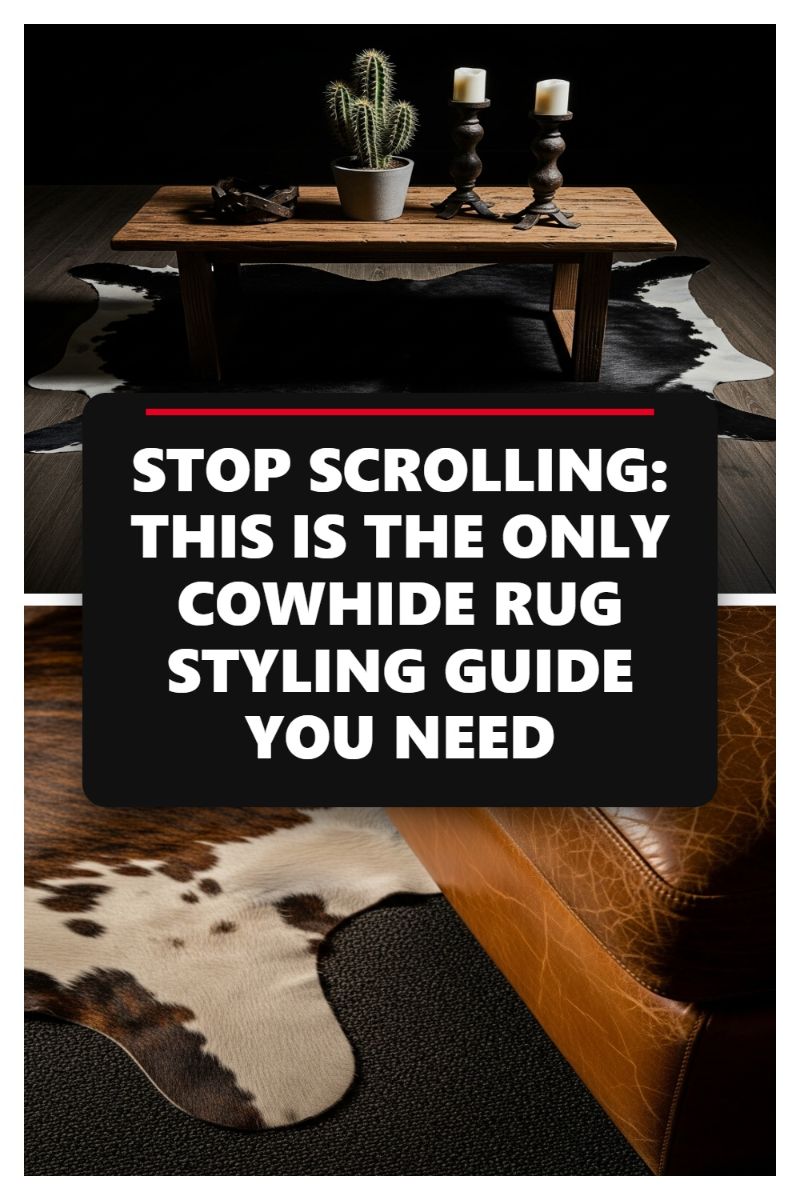
The cowhide rug has transcended fleeting trends to become a staple of sophisticated interior design, perfectly embodying the Rustic Luxe and emerging Gothic Western aesthetics. Unlike traditional rugs that demand strict symmetry, the cowhide’s organic, irregular shape is its greatest asset, demanding to be styled as a focal point. To achieve the moody, rich look seen here, begin by anchoring your hide on a darker wooden floor or, for added depth, layer it over a large, neutral foundation rug, such as a black flat-weave or a deep grey natural fiber rug (like sisal or jute). Position the hide so its most appealing pattern or color variation is centered beneath the main furniture grouping—a coffee table or the front legs of a key armchair—allowing the natural curves to spill out into the open space, guiding the eye across the room. Resist the urge to straighten it; the goal is an effortlessly dramatic drape that contrasts with the room’s hard lines.
Integrating the cowhide means doubling down on rich textures and deep palettes. The Gothic Western style relies on material contrast: the soft, glossy hair of the hide should be paired with the rugged patina of aged leather, distressed woods, and wrought iron accents, much like the antique candlesticks and rustic coffee table shown. For color, lean into deep jewel tones (like oxblood, forest green, or sapphire blue) or stick to an elevated monochrome palette of stark black, creamy white, and rich caramel browns—often found naturally in brindle or tricolor hides. Expert tip: Treat the hide as an organic piece of art for the floor. Complement its texture with other organic elements, such as the sculptural form of a cactus or dark, unglazed pottery, ensuring the surrounding elements are equally tactile and moody to prevent the look from becoming kitschy. Low, strategic lighting—like candlelight or an iron floor lamp—will enhance the hide’s natural shimmer and the room’s intimate ambiance.
When selecting your hide, consider scale and pattern carefully. A solid black or pure white hide offers maximum versatility and drama in a minimalist space, while a complex brindle or tricolor pattern (as suggested in the close-up detail) injects warmth and complexity, especially when paired with heavily cracked or distressed leather furniture. Since cowhide rugs are inherently durable and easy to maintain, they are excellent choices for high-traffic areas, acting as both insulation and a stylistic anchor. Remember that placement is critical: avoid centering the hide geometrically in the room. Instead, let it float slightly off-center, or use its shape to subtly designate an area, such as a reading nook or a fireside seating arrangement. The irregular perimeter is key to breaking up the monotony of rectangular furniture, lending an instant sense of relaxed, curated luxury.
THE COOLEST WALL DECOR: HOW TO HANG THAT LONGHORN SKULL
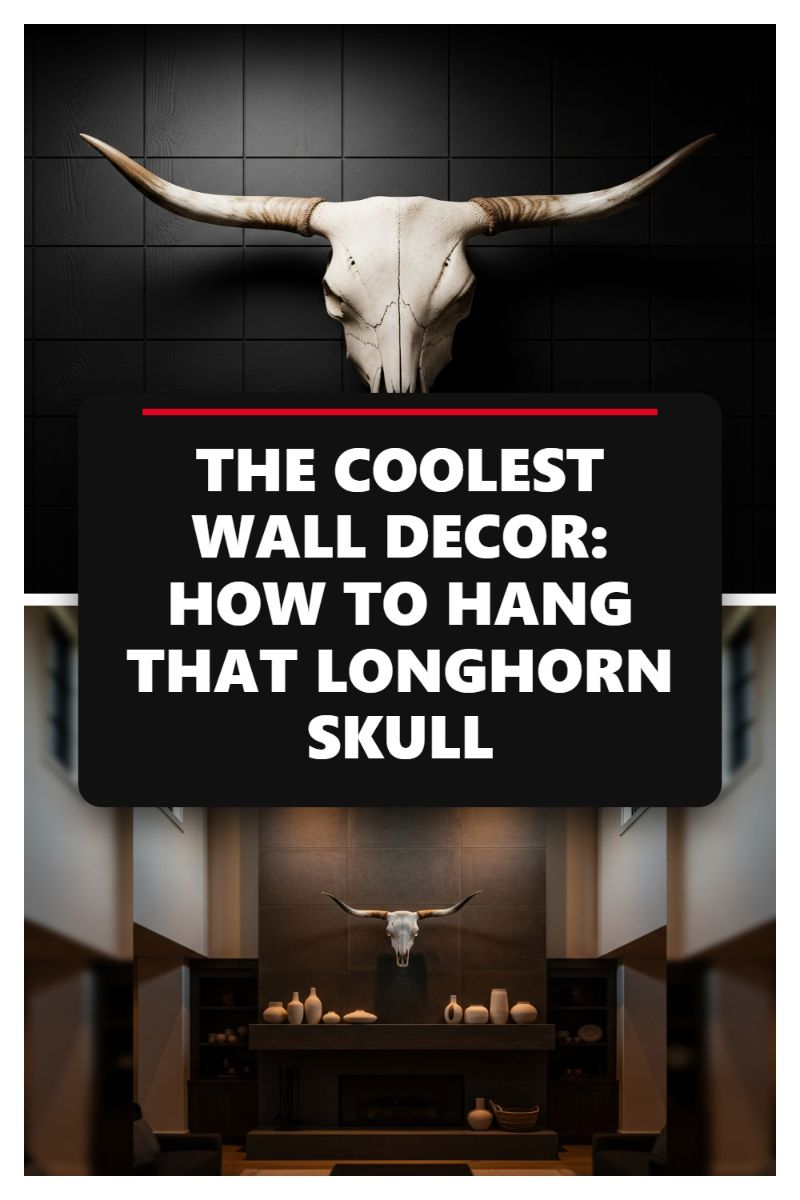
The longhorn skull is the ultimate statement piece for the current Gothic Western revival, transforming any room into a high-drama ranch estate. Before hanging, the most critical step is considering scale and placement. A large, authentic skull demands to be the focal point—typically centered high above a substantial fireplace or in a great room with high ceilings, as depicted in high-end design settings. Ensure the piece is properly prepared; if it is a real skull, it should be thoroughly cleaned, sealed, and ethically sourced. Most skulls intended for mounting come with a pre-drilled hole or specialized metal mounting bracket on the back of the cranium. Confirm the desired height, aiming for the center of the skull to be roughly 60 to 66 inches from the floor for eye-level placement, though placement above a mantel must be adjusted upward to respect the surrounding architectural scale and chimney breast height.
Due to the significant visual and actual weight of a large longhorn skull, secure mounting is non-negotiable for safety and longevity. First, use a stud finder to locate a solid anchor point in the wall. If a stud is not directly centered where you need the skull, you must use heavy-duty wall anchors, such as toggle bolts or high-capacity sleeve anchors, rated for at least double the total weight of your skull and horns. Mark the wall using the skull’s pre-attached bracket or mounting point as a template, always double-checking for perfect horizontal alignment with a level. Drill pilot holes, install your chosen mounting hardware, and securely fasten the bracket or peg to the wall. Once the hardware is fixed, carefully lift the skull, align the receiving end of the cranium, and slide it onto the mounted hardware. Step back immediately to ensure the vertical axis is straight and stable before releasing your grip entirely.
Expert styling advice centers on utilizing high contrast to fully modernize this inherently rustic piece. In the featured image, the stark white bone contrasts dramatically with the dark, modular wall paneling and monochromatic fireplace, elevating the look from expected cabin décor to high-end sculptural design. To replicate this dramatic effect, pair the skull with modern, low-profile furnishings and a deep, neutral or black palette. Avoid cluttering the mantel or surrounding wall space; instead, use carefully curated, minimalist vessels or ceramics—like the matte cream-colored pieces shown—to complement the texture of the bone without competing with the skull’s massive presence. The expansive horns themselves create dynamic negative space and visual interest, so allow them room to breathe and command the entire eye line without intersecting awkwardly with shelving, art, or ceiling fixtures.
WHY LACE BEDDING IS MAKING A MASSIVE COMEBACK IN 2026
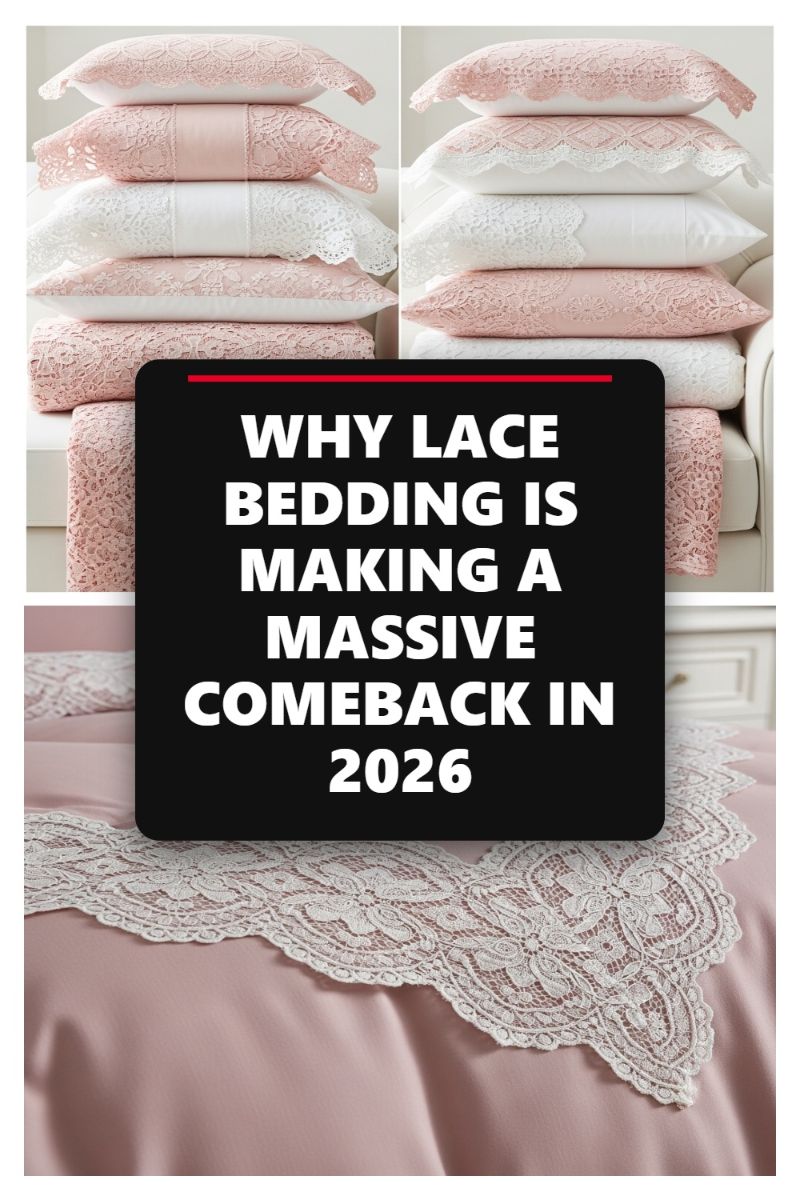
The interior design world is steadily pivoting away from severe modern minimalism, ushering in a robust return to romanticism and tactile luxury, making lace bedding a cornerstone of the emerging Shabby Chic and Grandmillennial trends anticipated for 2026. The key to successfully adopting this revival is ensuring the look feels intentional and layered, not merely inherited. As demonstrated by the beautiful stacks of blush and cream linens, the modern interpretation relies on strategic textural contrast: crisp, high-thread-count white cotton is complemented by delicate, sweeping lace trims and full lace overlays used on accent pieces like throw blankets or pillow shams. This method transforms lace from a dated element into an elegant, high-impact textile, adding depth, softness, and a romantic, heirloom quality to the bedroom. Focus on soft, muted color palettes—blush, warm ivory, pale gold, or sage—to keep the aesthetic airy and sophisticated, avoiding overly dark or saturated tones that can weigh down the delicate texture of the lace itself.
To integrate this trend successfully, expert designers recommend utilizing lace as a focal accent rather than the entirety of the textile ensemble. Begin by grounding your bedscape with high-quality, solid-colored sheets—matte linen or smooth cotton sateen—in complementary neutrals. The lace element should then be introduced strategically through two primary mechanisms: European shams that feature deep, scalloped lace borders, or a specialized duvet cover where the lace forms a tailored, geometric panel or a wide, impactful border along the foot of the bed. When selecting lace, prioritize natural fibers like cotton eyelet or embroidered tulle, as these materials offer a superior drape and hand-feel compared to synthetic alternatives. A crucial styling step is balancing the inherent visual detail of the lace pattern by pairing it with simple, minimalist furniture or accessories, such as uncluttered bedside tables or a streamlined metal headboard. This juxtaposition of delicate craftsmanship and modern simplicity defines the contemporary refinement of this traditional trend.
Achieving the visual depth and high-end feel seen in expertly styled lace bedding requires thoughtful layering techniques. Start with your largest pillows (often King or standard size) clad in simple, plain-colored cases; then, layer slightly smaller pillows (Queen or decorative squares) in front that showcase the most intricate lace detailing—this effectively frames the primary design element and prevents the bed from appearing visually flat. For maintenance, which is essential to keeping light-colored lace fresh and luxurious, opt for items clearly labeled as machine-washable on a gentle cycle, preferably in a protective mesh bag. Finally, elevate the overall design by unifying the aesthetic with a single non-lace element that shares a similar historical weight, perhaps a plush velvet bolster pillow or a detailed quilted bed skirt. This strategic combination ensures the lace acts as a textural highlight rather than an isolated period piece, transforming the bedroom into a sanctuary of refined, personalized elegance suitable for the modern home.
TRADING MY FARMHOUSE FOR GOTHIC WESTERN
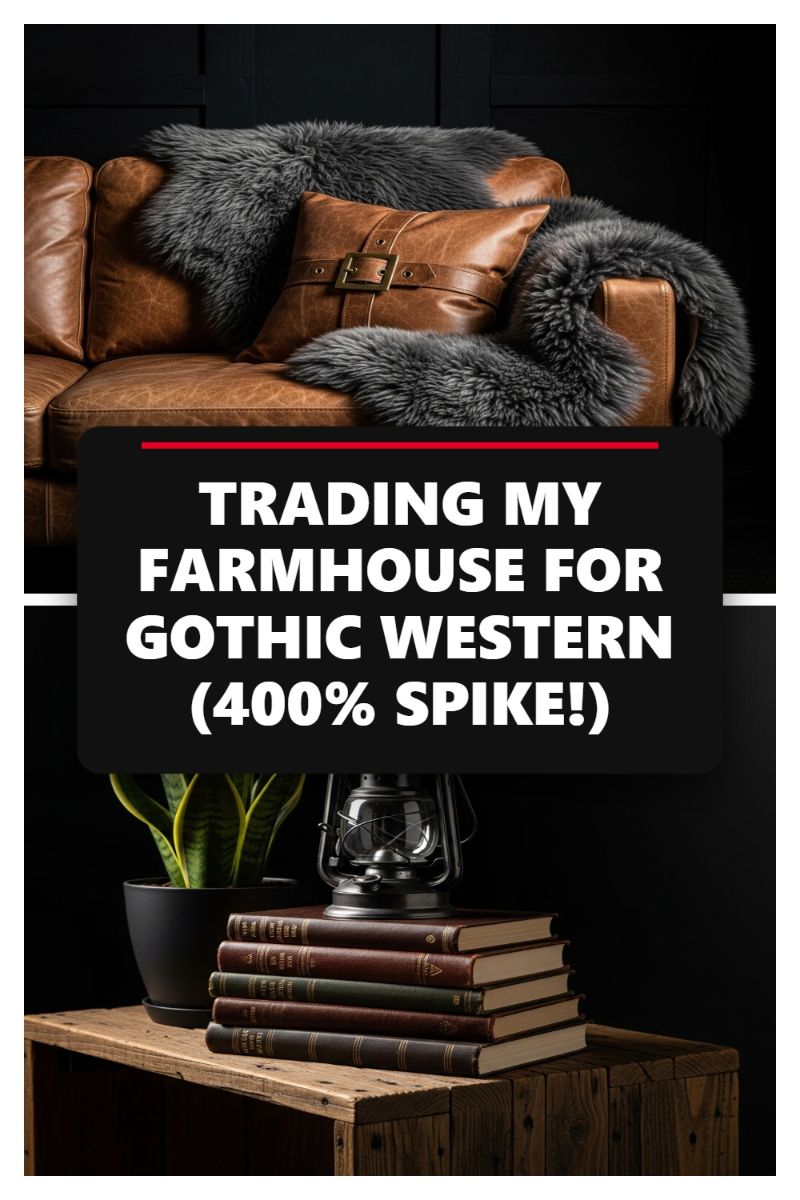
The recent explosion of interest in Gothic Western—a trend seeing massive spikes in search and design influence—marks a deliberate shift away from the bright, airy sensibilities of traditional farmhouse style. This aesthetic masterfully blends the rugged masculinity of the Old West with the moody, dramatic intellectualism often associated with Gothic design. To successfully execute this look, anchor your space in deep, saturated colors like charcoal, espresso, and oxblood, reserving black as your primary backdrop color for architectural elements or wall treatments. The foundation must be rich texture; think supple, distressed leather for seating—like the classic sofa pictured—and pair it immediately with highly tactile elements, such as shaggy Mongolian sheepskin throws or faux fur accents in deep grays or natural ivory, ensuring the materials feel luxurious despite their rustic context. This contrast between ruggedness and refinement is the absolute key to unlocking the trend’s sophisticated appeal.
Implementing the Gothic Western style requires careful curation, focusing heavily on layered textiles and authentic, aged elements. Look for statement furniture pieces that convey strength, such as a sturdy wooden trunk or a reclaimed timber console, which serves as a perfect pedestal for displaying accessories like antique books and metal lanterns. The Western influence should manifest through details like belted pillows, heavy brass hardware, or geometric patterns reminiscent of traditional saddle blankets, but these accents should remain dark and subdued rather than brightly colored. For the Gothic touch, introduce height and drama with stacked, vintage leather-bound books—their worn spines add intellectual weight and texture—and opt for deep, jewel-toned velvets or dark, textured wall coverings to enhance the overall sense of drama and enclosure.
Atmosphere is paramount in Gothic Western design, meaning lighting should be intentionally low and warm, designed to highlight textures rather than flood the room with light. Utilize task lighting via industrial-style table lamps or classic oil lanterns, like the one shown, which cast a cozy, localized glow. Avoid overly polished or modern fixtures; everything should feel slightly aged or heavily constructed. To prevent the look from becoming too heavy or thematic, introduce modern contrast through simple elements: a clean-lined black planter holding a structural, green plant provides necessary life and breaks the sea of brown and black. The expert advice here is restraint: select three or four high-impact pieces that embody the theme rather than cluttering the space, allowing each rugged material and moody shadow to tell its own story.
Why Everyone Is Obsessed With ‘Gothic Western’ Interiors Right Now

The ‘Gothic Western’ trend is the ultimate fusion of dark academia, historical drama, and a curated sense of adventure. Rejecting the fleeting nature of hyper-modernity, this style embraces rich maximalism rooted in storytelling and texture. As seen in this image, the aesthetic is anchored by deep, moody color palettes—think highly pigmented shades of hunter green, charcoal gray, or deep indigo—which provide a dramatic backdrop for heavy, warm wood furnishings. Essential elements include built-in or freestanding wooden shelving stacked with antique books, bound volumes, and collected curios like apothecary bottles and small metal sculptures (such as the bronze horse shown here). This creates an intellectual, library-like atmosphere that feels both cozy and sophisticated, inviting contemplation and exploration.
To successfully implement the Gothic Western look, focus on integrating materials that feel authentic and aged. Start by transforming your walls into a dark canvas; this sets the serious, moody tone. Next, introduce furniture pieces featuring substantial, natural wood—look for items with vintage character, such as carved details or turned legs, like the accent stool displaying the map and key. The ‘Western’ aspect is subtle, manifested through specific accessories rather than overt iconography. Swap out typical decorative items for framed vintage maps, historical documents, botanical illustrations, or mirrors with heavy, dark frames. Lighting should be warm and layered; utilize table and floor lamps with dark shades to cast soft, directional light, enhancing the dramatic shadows intrinsic to the Gothic style.
Curation is the key to mastering this trend without crossing into clutter. Every item should look like it has a history. When styling shelves, mix functional items with narrative pieces: group items by texture or color, staggering heights to create visual interest. Incorporate textiles that add luxury and weight—deep-toned velvets, distressed leathers, or heavy wool plaids work perfectly for upholstery and throws. Final touches include incorporating aged metals like dark bronze or tarnished iron, often seen in hardware or decorative pieces such as antique keys or writing tools. The goal is to build a space that feels deeply personal, well-traveled, and full of enduring, brooding elegance, creating a sanctuary that speaks to a love of history and romance.
AFRO CHIC MEETS CALIFORNIA CASUAL: PATIO OASIS REVEAL
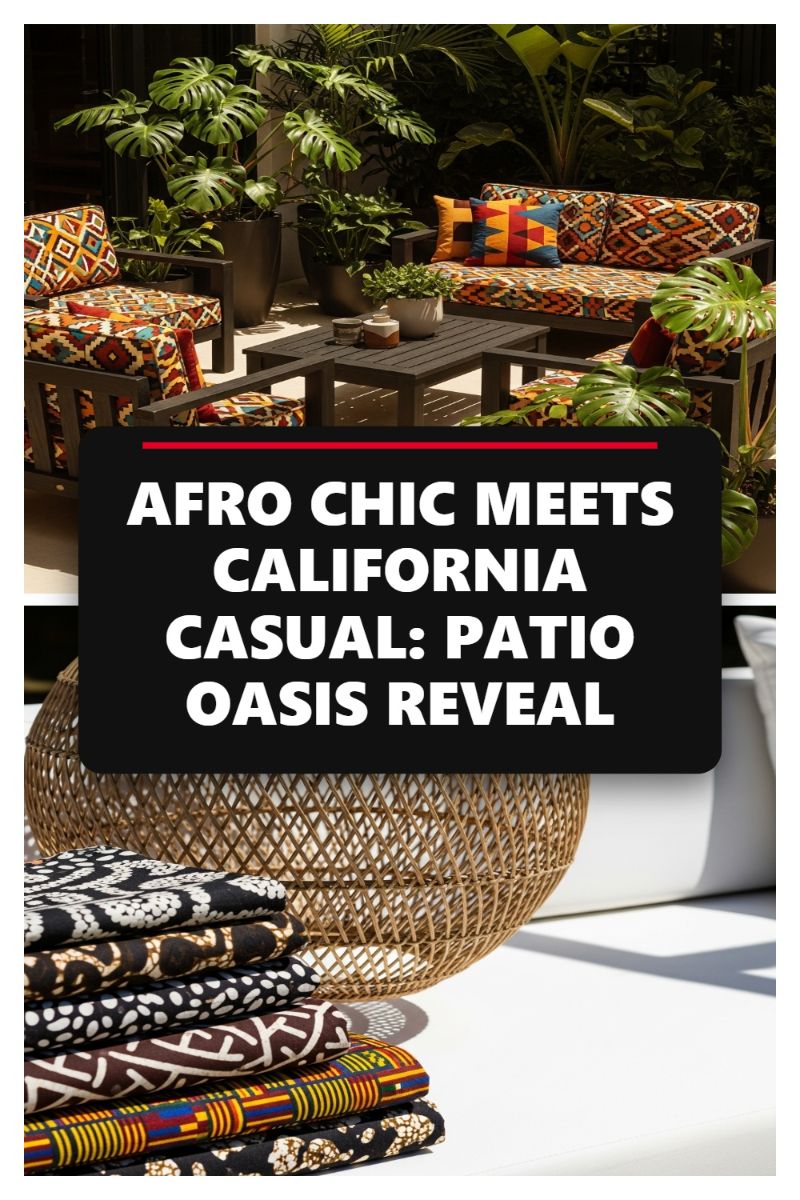
The fusion of Afro Chic and California Casual is redefining high-end outdoor design, moving beyond basic neutrals to embrace cultural richness and vibrant energy while maintaining laid-back sophistication. To successfully blend these two aesthetics, you must first establish a relaxed, modern foundation, typical of California design. Begin by selecting sleek, low-profile outdoor furniture constructed from dark wood, teak, or matte black metal. This provides a contemporary, grounding element that allows the subsequent cultural layers to pop. The ‘California Casual’ requirement also demands an integration of abundant plant life; choose oversized, dramatic tropical foliage like Monstera deliciosa or large-leafed philodendrons in minimalist planters to instantly transform the space into a lush, private oasis. This jungle-like backdrop maximizes the resort feel, setting a high-contrast stage for the textile elements.
The crucial next step is the introduction of Afro Chic textiles and patterns, which bring the necessary warmth and visual storytelling. To achieve the layered complexity seen in expert design, focus on highly saturated prints, such as those inspired by Ankara, Kente, or mudcloth. Instead of using a single accent piece, incorporate these bold prints onto the main seat cushions of your sofa and chairs for maximum impact. When layering throw pillows, mix scale and texture: pair large geometric patterns with smaller, tightly woven textiles or solid-colored pillows that pull a single shade from the primary print. Expert designers recommend maintaining a cohesive warm palette—think deep yellows, burnt oranges, rich reds, and cobalt blues—to ensure the mix of patterns feels intentional and luxurious, rather than chaotic. This textile-first approach is what truly elevates the patio from a seating area to an exotic, culturally informed retreat.
Finally, refine the space by integrating natural materials and strategic lighting to enhance the overall ambiance. Introduce earthy, woven accessories like rattan light fixtures, wicker baskets (perfect for storage or holding extra throws), or jute area rugs to soften the dark furniture and reinforce the natural feel inherent in both design styles. Pay attention to small details, such as selecting matte ceramic serving ware or unique decorative objects with organic shapes for the coffee table. The resulting look relies heavily on dynamic contrast: the sharp lines of the dark, modern furniture juxtaposed against the softness of the lush greenery and the high-energy patterns of the textiles. By grounding the scheme in nature and allowing the cultural prints to function as the primary color source, you create a harmonious, immersive outdoor environment that is both trend-forward and timelessly inviting.
$25 AMAZON MUST-HAVES THAT LOOK LIKE WEST ELM
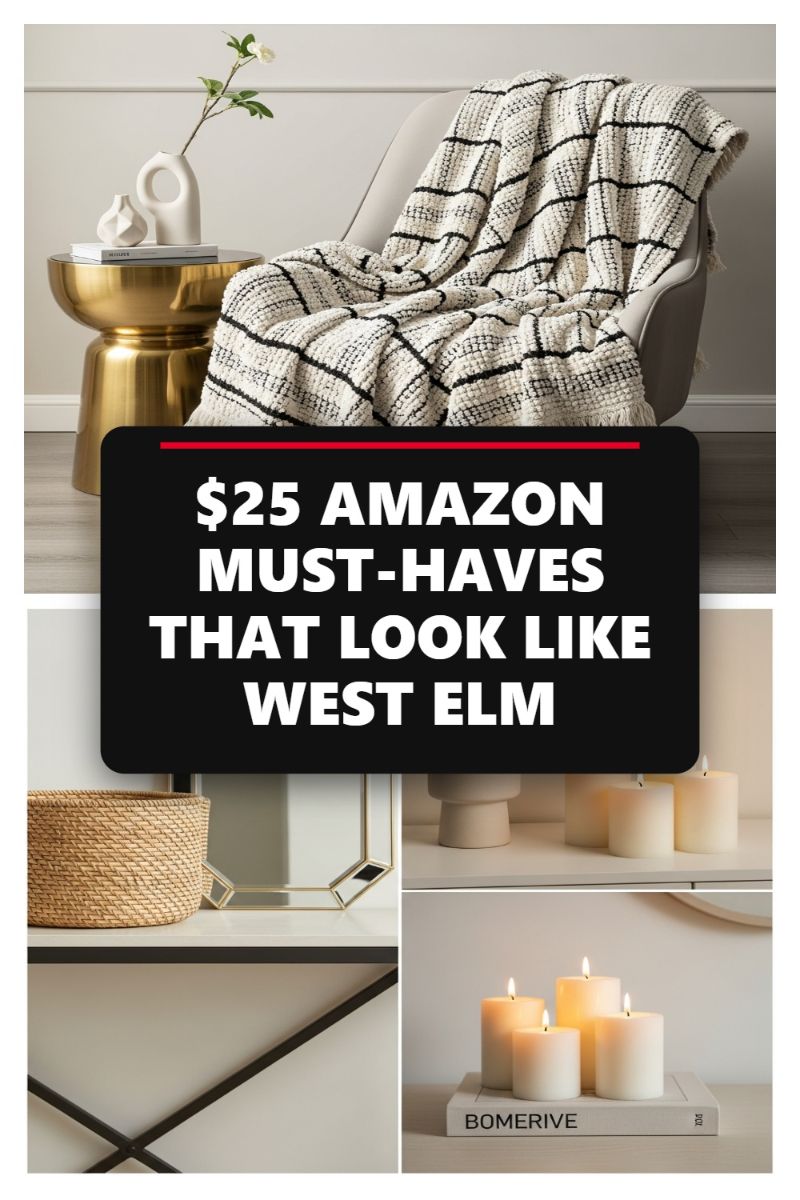
The secret to achieving the coveted West Elm or high-end modern aesthetic without the luxury price tag lies in mastering the art of the “elevated neutral” palette and prioritizing impactful texture. To replicate this look, begin by focusing on your textile choices. The chunky, woven, black-and-white checked throw blanket seen here is a cornerstone of the style—it provides immediate visual weight and tactile coziness. When shopping for throws, look specifically for items described as chunky knit, textured loop, or high-pile bouclé, as these mimic the expensive hand-loomed appearance. Pair this texture with soft, neutral seating (cream, light gray, or oat) to create a relaxed but refined foundation. Next, select sculptural accent pieces that introduce warm metals. The key is restraint: one polished gold or brass side table serves as a statement piece, functioning both as furniture and art, and immediately raises the perceived value of the surrounding items. This strategy avoids clutter while ensuring every piece feels intentionally curated.
To further define the space, introduce organic and abstract forms. Notice how the simple, matte white ceramic vases are distinctly modern thanks to their geometric cut and negative space. To recreate this at home, group three to five decor items that vary in height but share a cohesive color (like matte white or natural clay). This rule of odd numbers creates visual interest. Complement the clean lines and neutral colors with natural, grounded elements. The woven basket, for example, provides a necessary organic texture, breaking up the severity of the black and white scheme and the hardness of the metal. Instructional Tip: When selecting storage, choose woven materials like jute, rattan, or seagrass in neutral tones. Use these for discrete storage on open shelving or console tables (like the white-topped unit with geometric black legs) to maintain a tidy, high-end appearance while preventing visual clutter.
The final touch in any high-end neutral space is the strategic use of ambient lighting and carefully constructed vignettes. Skip the harsh overhead lighting and lean into diffused warmth. Grouping multiple pillar candles, whether real or high-quality LED flameless options, immediately adds depth and softness to a room. Place these groupings on top of large format coffee table books—a common trick used by interior designers to add scale and height to small accessories. The book serves as a pedestal, grounding the vignette and making the arrangement feel more permanent and considered. The overall goal is to mix materials (smooth metal, matte ceramic, chunky textile, natural fiber, and soft light) to create rich visual interest, ensuring that the finished space feels luxurious and layered, regardless of the individual item’s price point.
ARCHITECTURAL ARCHES ARE THE NEW FEATURE WALL (GET THE LOOK!)

Architectural arches are quickly becoming the defining design trend replacing the standard accent wall. Rather than relying on paint or wallpaper to draw the eye, designers are now leveraging structural geometry to create focal points and define transitions between rooms. The image exemplifies this perfectly, using a series of repetitive, cleanly framed arches down a long hallway. This technique not only introduces classical elegance
—reminiscent of Mediterranean or traditional European architecture
—but also profoundly influences the perception of depth and movement within the home. The arch acts as a natural frame, guiding the eye toward subsequent spaces and creating a sense of visual continuity that rectangular doorways simply cannot achieve. This method adds softness and sophistication while elevating basic passageways into deliberate design statements.
Incorporating the architectural arch trend requires careful consideration of scale and integration. For those undertaking a renovation or new build, defining key traffic areas (like entrances to living rooms, dining rooms, or main hallways) with wide, gentle archways is crucial. To achieve the defined, elegant look seen here, focus heavily on the surrounding millwork. The trim should be substantial—a wide casing and baseboard treatment highlights the curve of the arch and makes the feature feel robust and intentional, rather than an afterthought. If retrofitting existing rectangular doorways, consider utilizing pre-fabricated arch kits that can be inserted into the existing opening. Always ensure the arch radius is sufficiently broad and high; a tight, squat arch can look dated or awkward. The repetition of arches, as shown in the visual, maximizes the impact, creating a stunning visual corridor of light and shadow.
Once the architectural bones are in place, the finishing details elevate the trend from simple structural change to high design. The power of the arch trend lies in its subtlety; therefore, keep the color palette neutral and monochromatic. The image utilizes calming, tone-on-tone neutrals (light greige walls and crisp white trim) which allows the form and silhouette of the arches to dominate the visual field. For added texture, if your structure allows, echoing materials seen through the arch, such as the natural wood ceiling beams visible in the top portion of the image, adds organic contrast. Lighting is also paramount: recessed lighting placed strategically along the hallway emphasizes the shadows and highlights cast by the repeated arches, drawing attention to the depth and perspective created by the installation. Treat the framed opening as sculpture, ensuring surrounding furnishings or decor do not compete with its innate elegance.
THE BEST AMAZON DECOR DUPES FOR THE GOTHIC WESTERN LOOK

The Gothic Western aesthetic is one of the most compelling trends of the year, flawlessly marrying the brooding drama of traditional Gothic style with the rugged, earthy textures and motifs of the American desert landscape. To successfully implement this look, start with the visual foundation: the gallery wall. As seen in this example, high-contrast, black-framed art is essential. Seek out prints that tell a desert story, such as stark black-and-white photography of Joshua trees, skeletal landscapes, or moody illustrations of desert creatures like snakes and vultures. The frames themselves should be simple and modern—thick black borders provide the necessary visual weight to ground the “Gothic” side of the theme. Expert advice suggests ensuring the prints themselves are either monochrome or heavily muted in sepia tones, allowing the dark framing and subject matter to deliver the dramatic punch without being overwhelmed by color. Placing the art on a neutral, off-white wall allows the composition to pop, acting as the primary focal point of the room.
The physical elements of the space must balance the visual severity of the artwork. This is where the “Western” influence takes over, relying heavily on natural, unrefined textures. Introduce furniture pieces crafted from raw, substantial wood, like a live-edge console or a solid plank bench, featuring warm but muted tones—avoid overly glossy or light finishes. Layering textiles is crucial for creating depth and comfort. Look for throws or rugs that incorporate traditional Southwestern geometric patterns but executed in a modern, high-contrast palette of black, cream, and deep rust or burnt sienna. These geometric patterns, often seen in tribal blankets or saddle blankets, bridge the gap between the wild Western influence and the graphic intensity required by the Gothic mood. Materials should lean toward the rugged: think heavy wool, woven cottons, or rich, worn leather.
Finally, the accessories are the elements that tie the narrative together and are often the easiest pieces to source as affordable dupes online. Emphasize items that look aged, found, or slightly weathered. The distressed metal planter, for instance, adds an antique, rugged patina that contrasts beautifully with the clean lines of the bench and the starkness of the gallery wall. When selecting greenery, avoid bright, lush varieties in favor of low-key options like faux succulents, dried grasses, or muted greenery to maintain the desert atmosphere. When shopping for these transitional pieces on major online retailers, search using terms like “distressed dark metal,” “Southwestern geometric throw,” and “matte black frame desert prints” to curate a high-end, cohesive Gothic Western aesthetic without breaking the bank. This careful selection of color, pattern, and texture ensures the space feels intentional, moody, and deeply rooted in this trend.
THE COZY KITCHEN LAYOUT THAT WORKS FOR EVERY HOME SIZE
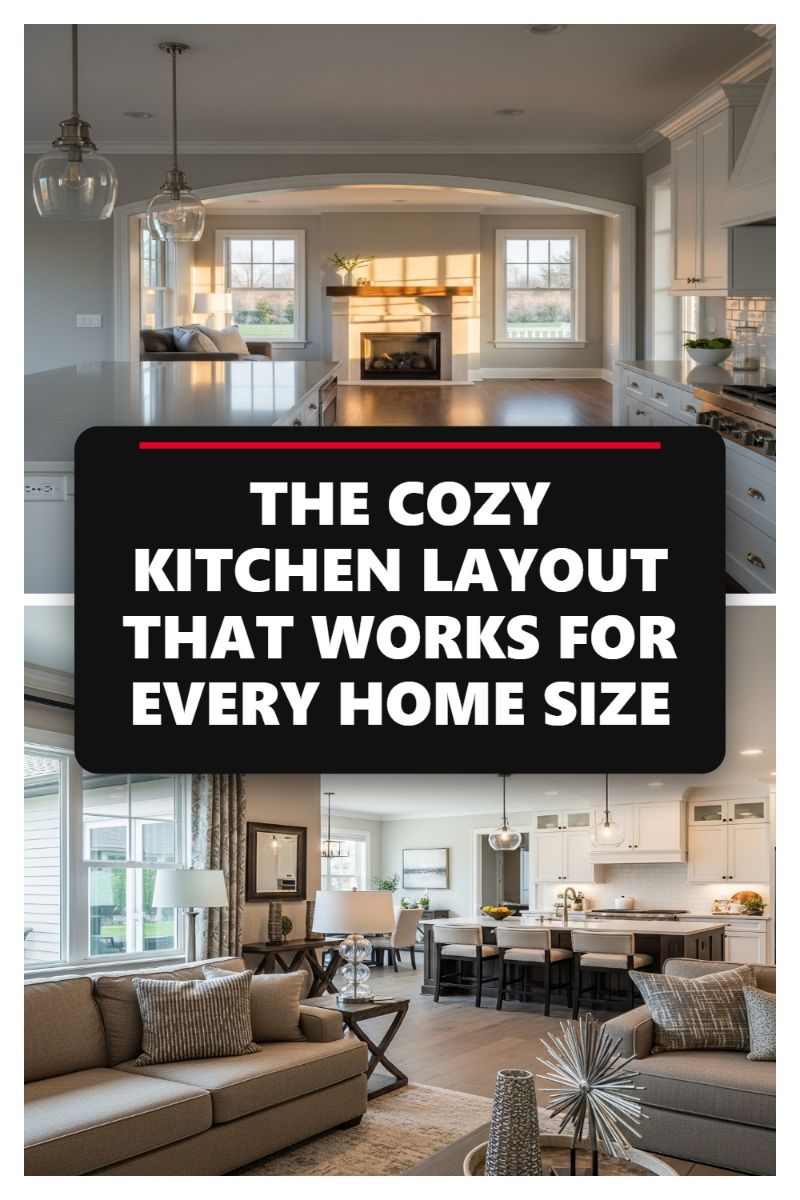
The open-concept floor plan remains a foundational trend in modern interior design, but experts are now pivoting toward strategies that maximize flow while retaining intimacy. This ‘cozy kitchen layout’ achieves that balance perfectly by establishing distinct zones of function within a single sightline. The key instructional element here is the strategic placement of the island, which serves as the physical and aesthetic anchor. In this example, the dark, substantial island grounds the crisp white cabinetry and acts as the perfect transitional boundary between the working kitchen and the casual dining/living areas. To emulate this in your own space, ensure your island size is proportionate to the room, allowing for adequate pathway clearance (ideally 36 to 42 inches). Further enhance the visual connection by maintaining a cohesive flooring material across all zones, utilizing pendant lighting exclusively over the island to define the hub, and integrating comfortable, counter-height seating that encourages gathering without obstructing the view into the adjacent living spaces.
Achieving the ‘cozy’ component in such a spacious, open setting relies heavily on a thoughtful, layered material and color palette. This design expertly employs a transitional aesthetic, blending the classic warmth of wood tones and soft furnishings with the clean lines of modern cabinetry. To successfully replicate this look, start with a neutral backdrop of light grays and crisp whites, used on walls and perimeter cabinets to keep the space airy and bright. Introduce warmth through dark, rich woods on the flooring and the base of the central island. The material contrast—like the bright, reflective quartz countertops against the plush, woven textures of the sofas and throw pillows—is essential for balancing elegance with approachability. This approach ensures the large, functional space doesn’t feel cold or sterile; instead, it becomes a sophisticated haven that draws people in, whether they are cooking or relaxing.
Finally, focus on architectural details and strategic sightlines to ensure the layout is universally appealing, regardless of home size. Notice how the large arched entryway leads the eye seamlessly to a focal point fireplace, demonstrating how visual corridors can extend perceived space. For smaller homes, you can achieve a similar effect by using continuous molding and trim work between rooms or integrating large mirrors (as seen in the living area) to reflect natural light and deepen the space. Expert advice for any size kitchen is to maximize natural light—using large windows and light-colored window treatments—and to supplement with soft, dimmable ambient lighting, which is essential for creating that intimate, evening coziness. By maintaining a clear, direct path from the kitchen to the main seating area, you ensure that even during entertaining, the host remains connected to the action, making this layout highly functional for modern life.
WELCOME HOME VIBES: ENTRYWAY DECOR THAT WOWS GUESTS
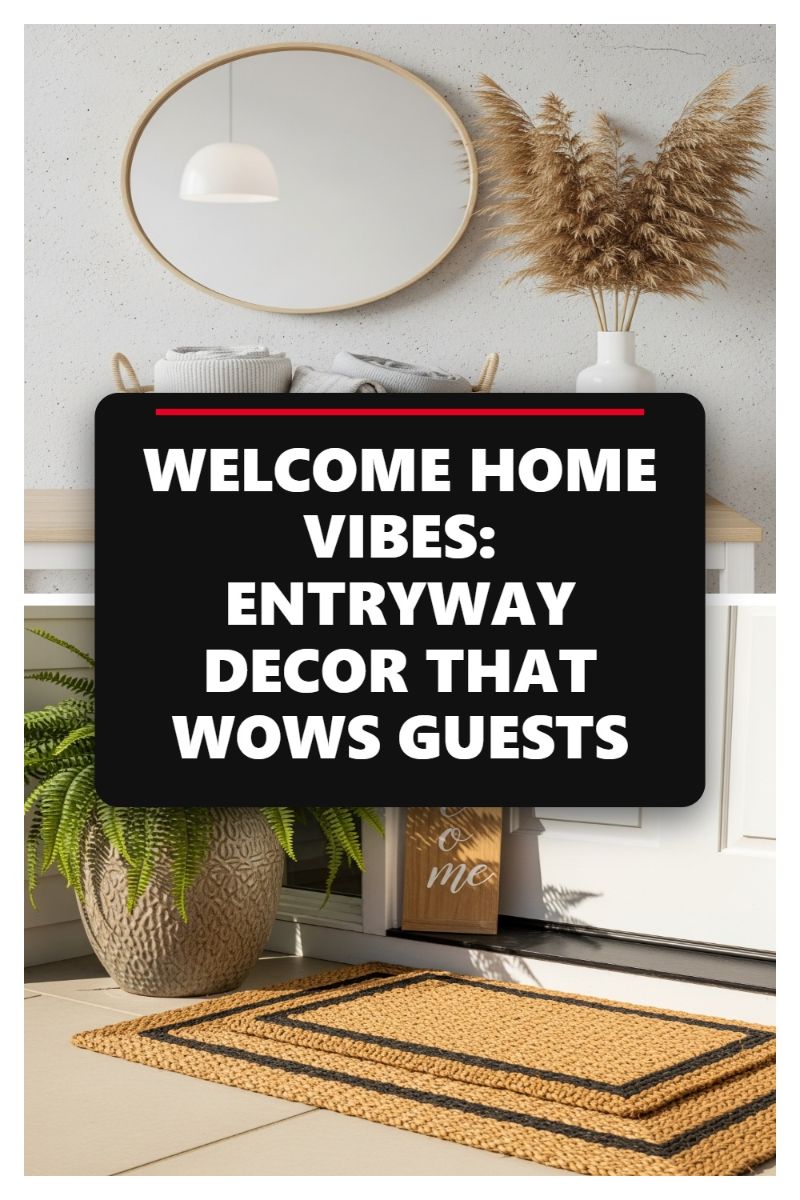
The entryway is the narrative introduction to your home, and to achieve the coveted “Welcome Home Vibe,” contemporary experts are focusing on marrying utility with serene organic aesthetics. To execute this look, start with your foundational elements, emphasizing natural materials to ground the space. The console table should be a functional anchor; choose one with simple, clean lines (like the bright white shaker style visible here) to maintain a sense of calm and visual lightness. Crucially, layer your textures from the floor up. A durable, natural fiber doormat—such as jute or coir, perhaps with a subtle black border for added definition—not only functions impeccably but immediately introduces a tactile, organic element. Above the console, ensure practical storage is chicly contained: use oversized, hand-woven baskets or vessels for keys, mail, and other everyday detritus. This blending of essential functionality with rich textural variety is the hallmark of sophisticated natural design.
Elevate the design by strategically utilizing vertical elements and light reflection. An oversized, round mirror, ideally framed in natural wood, serves several vital purposes: it dramatically reflects light (making smaller entryways feel larger and airier), offers a last-minute spot check before leaving, and softens the often-hard, rectangular angles of the surrounding architecture. Balance this reflective surface with organic height using preserved or dried botanicals, such as airy pampas grass or delicate bunny tails, displayed in a minimalist white ceramic vase. These elements draw the eye upward, complementing the rich green foliage of a large, potted indoor plant placed on the floor. When selecting planters, opt for earthy, neutral tones and heavily textured finishes, like stucco-effect ceramic or natural terracotta, to reinforce the connection to the outdoors and the overall sense of tranquility.
The final step is thoughtful curation, as the organic modern aesthetic thrives on intentional minimalism; resist the urge to over-accessorize or clutter surfaces. Instead, focus on small, curated details that add personality without causing visual noise. A small, framed piece of art or a personalized wooden sign leaning against the wall adds a warm, bespoke layer. Experts recommend engaging another sense by incorporating a subtle, high-quality welcoming scent—a ceramic diffuser or a single scented candle works beautifully. Remember that the overall color palette should remain firmly grounded in sophisticated neutrals (white, cream, beige, light wood), allowing the textures (wovens, coir, concrete finishes) and the single pop of deep green from the living plant to provide the majority of the visual depth and interest. This restrained yet textural approach ensures the space feels immediately calming, welcoming, and intentionally curated, setting a premium, on-trend tone for the rest of your home.
TROPICAL HOT TUB RETREAT: INSTANT BACKYARD UPGRADE

The integration of spa-like luxury into residential outdoor spaces is one of the most compelling trends shaping modern landscape architecture, often referred to as “Spa-Core” or “Resort Living.” This specific application, the Tropical Hot Tub Retreat, demonstrates a masterful blending of clean contemporary lines with the wild, rejuvenating energy of lush greenery. The core visual elements include an integrated, often flush-mounted, soaking tub set within expansive, light-toned composite decking. Crucially, the boundary between the hardscape and softscape is blurred by utilizing large, minimalist planters filled with oversized tropical plants, such as Bird of Paradise (Strelitzia) or various types of banana plants. These strategic planting choices not only provide immediate, stunning visual impact but also engineer privacy and create a sense of secluded escape, instantly transforming a standard deck or patio into a five-star resort environment. The use of light wood tones for the decking and stark white planters ensures the focus remains on the vibrant green foliage and the inviting blue water of the tub.
To successfully replicate this high-end look, material selection and detailed staging are paramount. Begin by investing in durable, low-maintenance surfaces; high-quality composite or treated wood decking is essential for longevity around high moisture areas. When integrating the tub, consider building multi-level steps or benches around it—like the gentle, stacked steps shown—to enhance accessibility and provide surfaces for decor and towels. For the tropical element, choose plants with dramatically large leaves; if you live in a colder climate, opt for potted versions that can be moved indoors during winter. The final touches elevate the space from functional to fabulous: incorporate soft, textural accents in neutral tones. This means natural woven materials, such as water hyacinth or rattan baskets, used to house smaller potted accents (like orchids) or store essential items. Stacked white, plush outdoor cushions or towels complete the sensory experience, emphasizing cleanliness and relaxation.
Interior design experts are obsessed with this trend because it perfectly aligns with the principles of Biophilic Design—the innate human desire to connect with nature—while simultaneously addressing the growing demand for home wellness solutions. Placing the hot tub, a known stress-reliever, directly within a dense, private green canopy maximizes its therapeutic value. Beyond aesthetics, the surrounding foliage naturally filters sound and provides a microclimate effect, making the space feel cooler and more sheltered. To truly optimize this retreat, enhance the atmosphere with subtle technology: install waterproof speakers for relaxing ambient music and concealed, warm-toned LED strip lighting beneath the deck edges or planters for sophisticated evening ambiance. This layered approach ensures the retreat is not just beautiful, but a fully operational, restorative sanctuary accessible right outside your door.