
Get the expensive, custom look you crave! Discover 7 genius DIY hacks that elevate your home decor and create a high-end aesthetic for less than $100 each.
THE SECRET TO A HIGH-END LOOK WITHOUT RENOVATION STRESS

The true hallmark of a high-end interior isn’t the furniture, but the foundational architectural detail. The images illustrate this perfectly, showcasing custom millwork like elegant paneled walls (wainscoting), ornate coffered ceilings, and detailed arched entryways. While traditional renovation to achieve this level of detail costs thousands, the secret is that you can replicate nearly all of these effects using inexpensive, lightweight molding applied directly to existing drywall—often for under $100 per feature wall or small hallway. To achieve the luxe paneled look seen in the hallway, measure your desired wall height (typically 36 to 48 inches) and install a horizontal chair rail, followed by carefully spaced rectangular ‘picture frames’ below. Using pre-primed 1.5-inch or 2-inch MDF trim strips will keep costs down dramatically. Once installed, the entire section—including the wall space between the frames and the trim itself—must be painted the exact same color, preferably a muted neutral like the grey pictured, to trick the eye into seeing solid, deeply recessed paneling.
Don’t let your ceilings remain bare; they are the fifth wall and a prime opportunity to introduce luxury. To mimic the grandeur of the decorative coffered ceiling shown, look into using lightweight polyurethane or adhesive foam ceiling tiles. These often come in intricate designs and can be glued directly to the ceiling surface, forming the decorative inserts within a grid pattern you create using simple wood lattice strips. Alternatively, if your style leans more contemporary, recreate the eye-catching wood slat ceiling. Purchase thin, lightweight strips of wood (or MDF ripped down to size) and stain them. Apply them parallel to each other at equal distances, creating striking shadow lines and a sense of depth that dramatically elevates a plain white room. This faux exposed beam or slat look is incredibly budget-friendly as it uses minimal, low-profile material to create maximum visual impact.
The ultimate secret to selling this high-end illusion lies in the finishing process. Inexpensive molding only looks cheap if the seams are visible. After installing the trim using construction adhesive and finishing nails, run a bead of high-quality painter’s caulk everywhere the trim meets the wall or ceiling. This step closes any gaps and makes the added molding look integral to the structure. After caulking and patching nail holes, use a self-leveling semi-gloss paint. The slight sheen of the paint reflects light beautifully, emphasizing the contours and shadows of the millwork, which is what gives these features their rich, custom-built appearance. This careful attention to preparation and paint finish is what transforms a budget DIY project into the sophisticated, high-end look you crave without any major construction stress.
LIVING ROOM MAGIC: LIGHTING SECRETS PROS DON’T TELL YOU
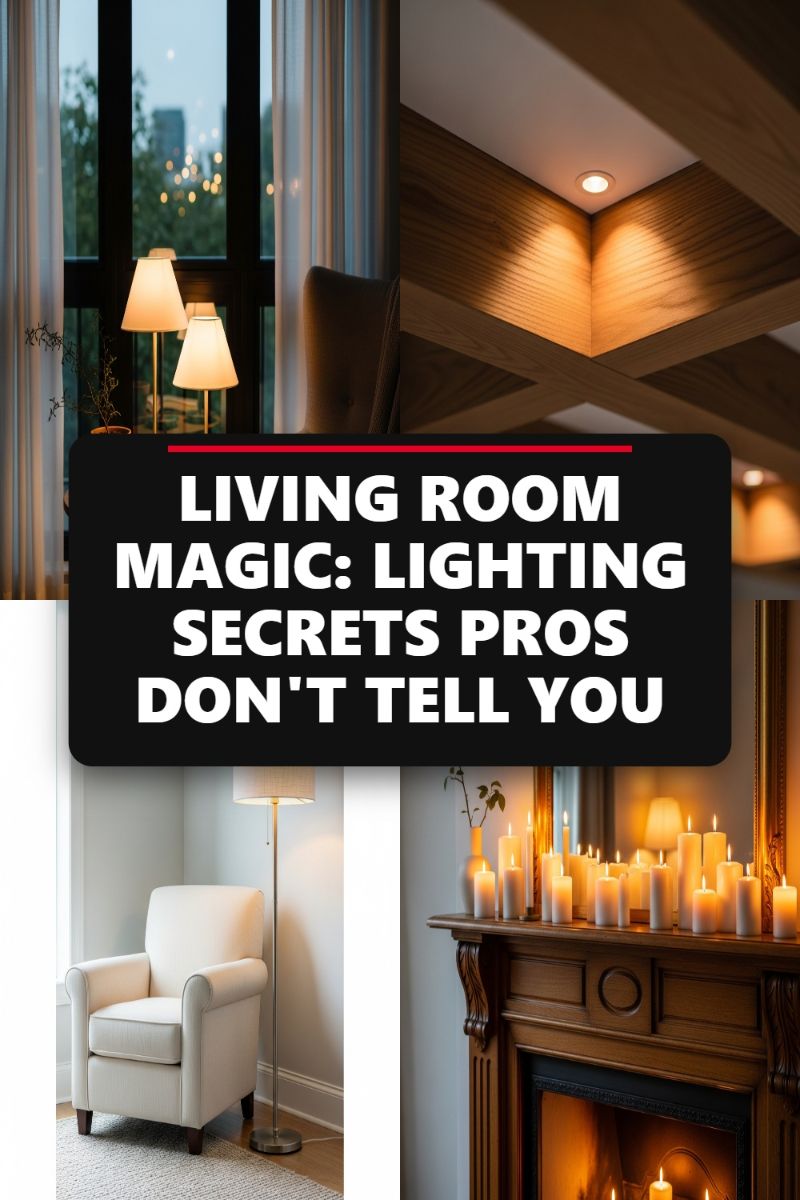
The single most effective, yet often overlooked, element for achieving a high-end look is sophisticated lighting design. Professionals call this ‘layering,’ and it involves strategically using three types of light—Ambient (general illumination), Task (functional light for activities like reading), and Accent (light used to highlight architectural details or decor). The key to keeping this under the $100 budget is shifting your focus from purchasing expensive chandeliers to mastering light quality and placement, often using existing or thrifted fixtures. The visuals here perfectly illustrate this strategy: note the combination of table lamps, reading lamps, recessed spotlighting, and atmospheric candlelight. Your goal is to eliminate harsh, single-source overhead lighting and replace it with multiple points of warm light (aim for LED bulbs in the 2700K color temperature range) placed at different heights, adding depth and dimension instantly.
To tackle ambient and task lighting affordably, focus on upgrading your light sources rather than replacing them entirely. For task lighting, incorporate a stylish floor lamp next to a favorite armchair, as seen in the bottom left quadrant, or small table lamps strategically placed on side tables (top left). The DIY hack here is to splurge on quality light bulbs and light shades, not the fixture base. A high-quality, woven, or linen shade (often available for under $30) diffuses light beautifully, eliminating shadows and lending a soft, sophisticated glow that plastic or cheap paper shades cannot replicate. Furthermore, invest in a simple set of Wi-Fi enabled smart plugs (a four-pack is often under $40). By connecting your table lamps and floor lamps to these plugs, you can control your entire layered lighting scheme with a voice command or single tap, instantly replicating the seamless automation found in multi-million dollar homes.
Finally, use inexpensive accent and mood lighting to achieve dramatic architectural effects similar to the subtle ceiling spotlights (top right) and the warm fireplace glow (bottom right). Accent lighting, which pros use to draw the eye, can be replicated by utilizing affordable, battery-operated LED strip lights or puck lights. Tucking a short strip light behind a piece of art, under a floating shelf, or above a window valence can create a wash of light that highlights texture and detail, costing less than $20 per installation area. For instant luxury ambiance, forgo expensive designer candles. Instead, group varying heights of quality, long-lasting LED flameless candles (look for options with a realistic wax coating) on a mantel or console table. A large arrangement of these (a solid set can be purchased for under $50) mimics the intimate, warm light texture of real fire, defining a cozy zone and adding immediate visual weight to your decor without running up your electric bill.
You Need To Try This Sheer Fabric Ceiling Hack
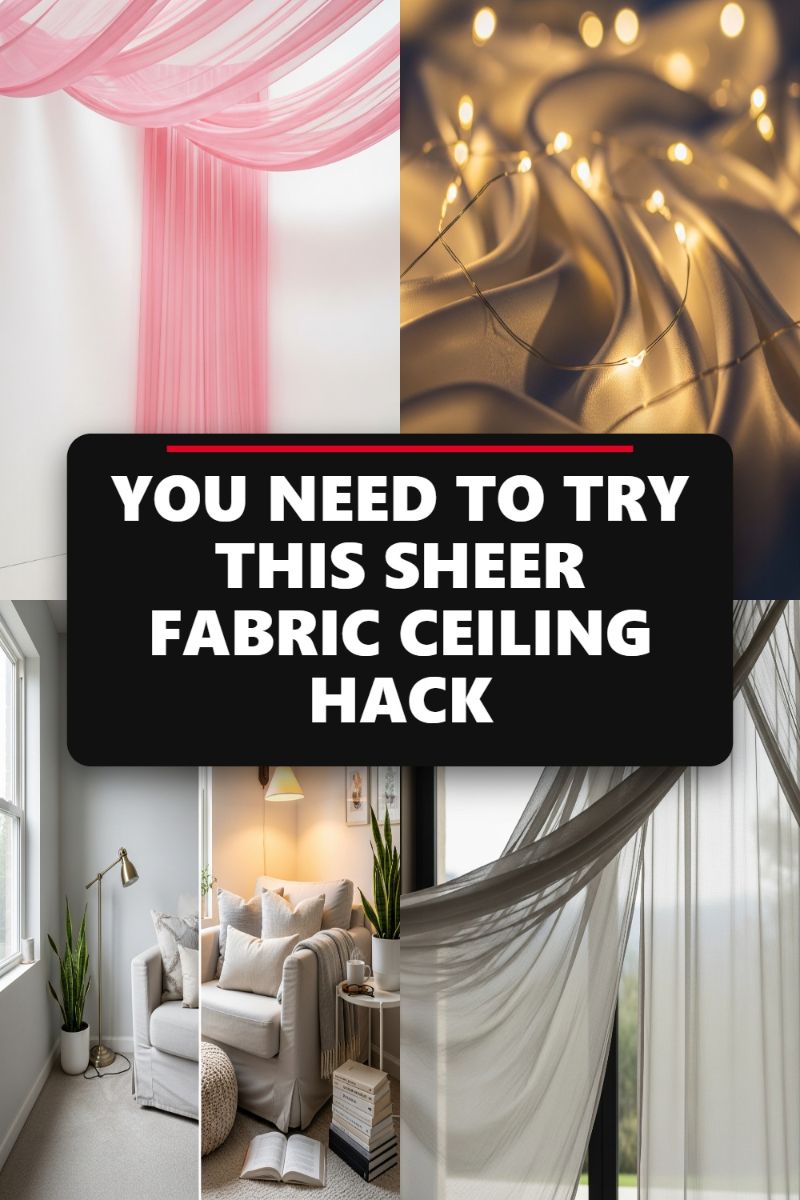
Transforming a dull or low-ceiling room into a romantic, high-end sanctuary is surprisingly achievable using nothing more than sheer fabric and minimal hardware. This sheer fabric ceiling hack is the ultimate budget decorator’s secret weapon, capable of mimicking the look of expensive custom installations like canopies or vaulted ceilings. The key is selecting the right material—lightweight fabrics such as voile, chiffon, or organza, which offer maximum transparency and soft drape. Aim for neutral tones (creams, whites, soft grays) for timeless elegance, or a dramatic color (like the pink shown) for a specialized area like a nursery or event space. For a standard 10×12 foot room, plan to purchase 20 to 30 yards of fabric to ensure generous, luxurious folds, which is critical for elevating the overall effect beyond a simple draped sheet.
Installation should prioritize a seamless, flowing appearance. Depending on your ceiling type, you can use adhesive hooks, small eye hooks, or thin tension wires spanning the width of the room. Expert tip: avoid pulling the fabric taut. Instead, gather the material loosely at the attachment points and let it cascade gently downwards in swags. If you want a centralized canopy effect (perfect over a bed or reading nook), attach all fabric ends to a large decorative hoop or fixture secured at the center of the ceiling, letting the material billow out towards the walls. Ensure all securing hardware is hidden by the gathered fabric folds, maintaining the illusion that the fabric is effortlessly floating. This technique not only softens the room’s hard architectural lines but also adds dimension and depth.
To truly unlock the high-end potential of this hack, incorporate strategic lighting. As illustrated in the image, warm-toned LED fairy lights woven discreetly through the sheer fabric swags create a magical, ambient glow. The sheer material acts as a natural diffuser, softening the light source and casting a flattering, gentle illumination across the space—a sophisticated effect often associated with luxury interior design. Combine this dreamy ceiling treatment with other soft textures in the room, such as a plush armchair, throw pillows, and soft rugs (as seen in the living nook quadrant), to complete the layered aesthetic. This hack provides an incredible visual return for minimal cost and effort, instantly lending warmth and a customized feel to any room for under the $100 budget cap.
STOP MAKING THESE 5 OPEN-CONCEPT FLOW MISTAKES
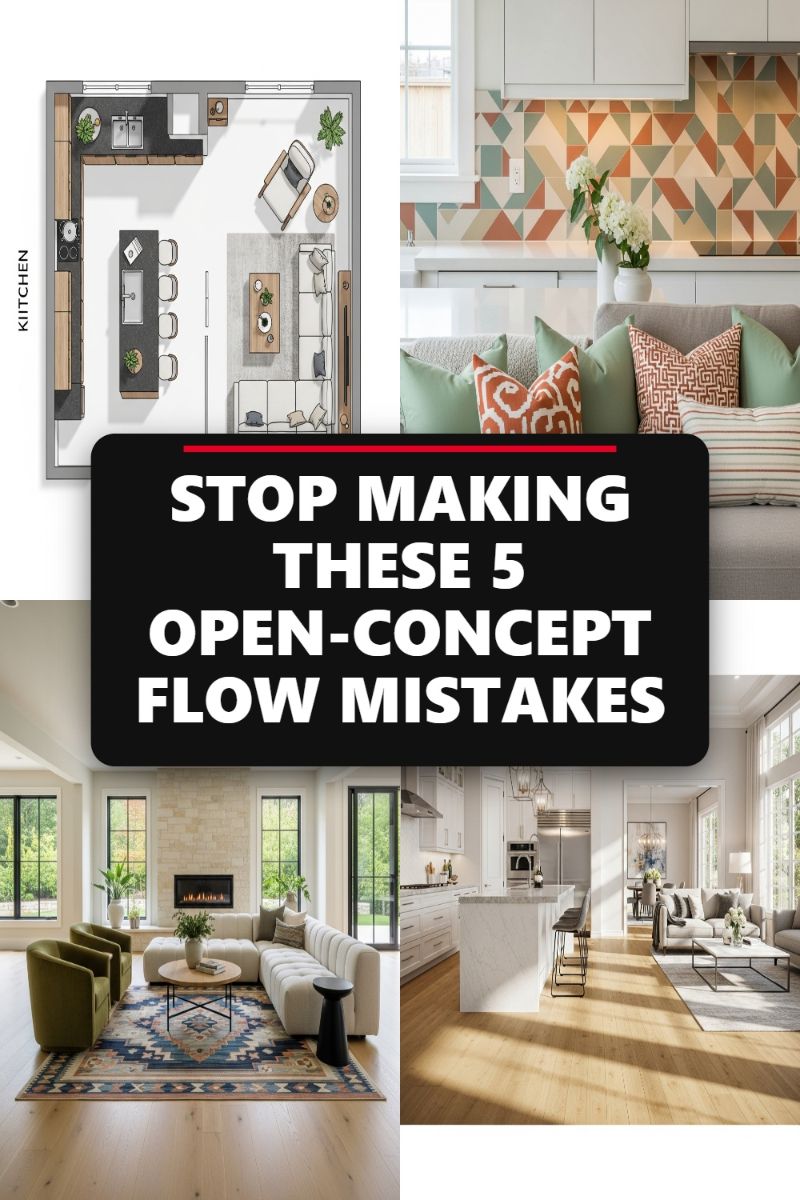
The biggest visual mistake in open-concept living is the lack of defined zones, which immediately makes the space feel cluttered and low-effort. Correcting this flow issue is a powerful DIY hack that instantly elevates your home’s aesthetic without requiring costly structural changes. To achieve a high-end, compartmentalized look for under $100, focus on strategic furniture placement and smart textile layering. First, anchor your main seating area (as seen in the image’s floor plan) with a properly sized area rug. This rug must be large enough that at least the front two legs of your primary seating (sofa, sectional) rest on it; a rug that floats disconnectedly in the center shrinks the room. Shop affordably by looking for durable jute or synthetic options that mimic higher-end wool textures, or hunt for large, quality rugs at thrift stores or flea markets. This singular act visually separates the living area from the adjacent kitchen or dining space, giving each zone its own identity and improving the flow immediately.
Next, master the art of directional furniture placement to create intentional pathways, a key component of sophisticated design. Avoid the common mistake of pushing all furniture against the walls, which leaves a cavernous, empty center. Instead, use the back of your largest pieces—the sofa or a kitchen island, as pictured—to act as soft barriers. Ensure you are maintaining clear sight lines and generous walkways; designers recommend a minimum of 3 feet of clearance for major traffic paths. If you lack a permanent island or half-wall, use an inexpensive, tall, narrow bookshelf or a strategically placed large floor plant (purchased from a wholesale nursery for under $50) to mark the transition point between the activity zones. This psychological division mimics the effect of walls, adding structure and sophistication to an otherwise fluid space.
Finally, the secret to high-end cohesion is textile repetition, achievable for pennies on the dollar. An open concept demands that the eye travels smoothly between the kitchen, living room, and dining area. Achieve this seamless transition by implementing a unified color palette across all three zones. Identify a primary accent color (like the sage green or burnt orange visible in the image’s throw pillows and backsplash) and repeat it subtly throughout the space. Purchase inexpensive pillow covers, a small matching kitchen towel, or a simple decorative object in that accent shade. Distribute these items—two pillows on the sofa, one matching throw draped over an accent chair, and a single item on the kitchen counter. This inexpensive coordination creates a visual ribbon that ties the entire open floor plan together, giving the impression of a thoughtfully curated, custom design that looks far more expensive than your sub-$100 investment.
THIS ARCHWAY DESIGN HACK CHANGED EVERYTHING
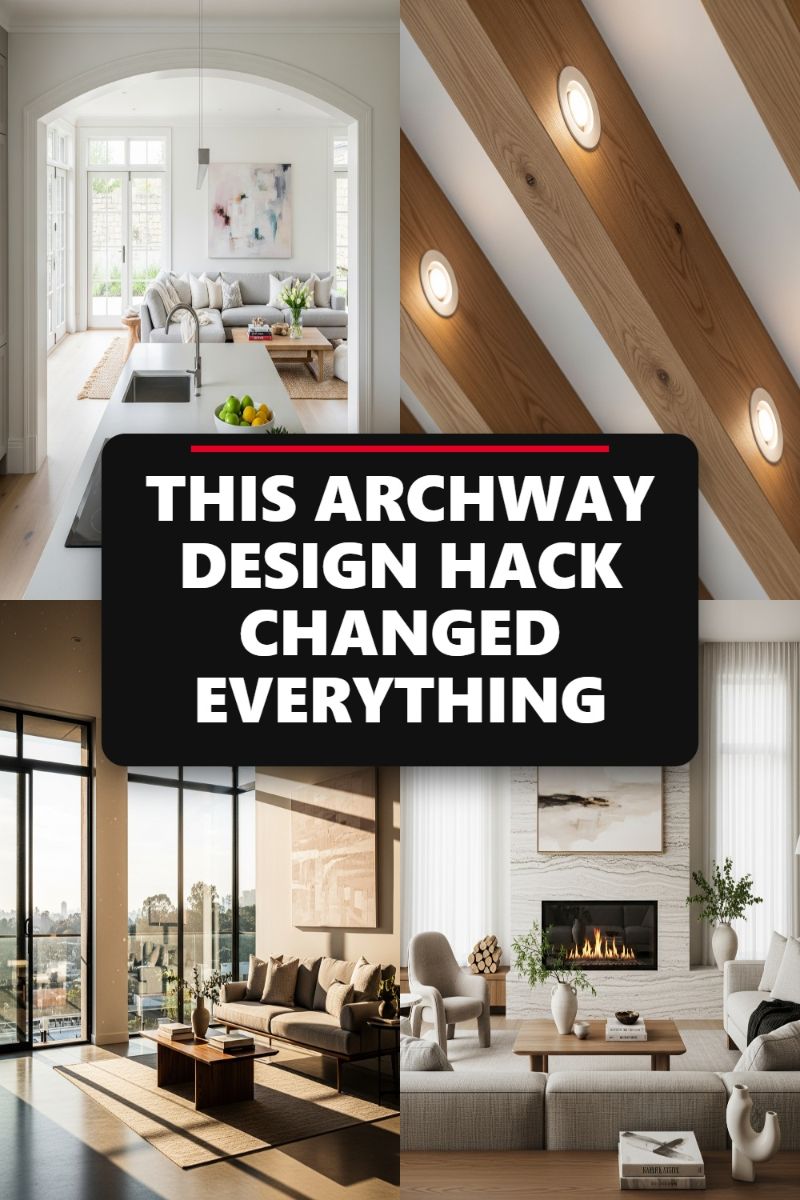
A simple rectangular doorway is functional, but a deeply cased, graceful archway is architectural art. This hack focuses on transforming standard, boring openings into luxurious, custom-built features for a fraction of the cost you’d pay for professional millwork. The secret to achieving this high-end look is not just the curve itself, but the substantial, layered trim that defines the opening, mimicking historical or custom detailing typically found in multi-million dollar homes. To start, you’ll need to create the curve: if you aren’t comfortable with sheetrock work, inexpensive flexible arch kits (available online or at specialty trim suppliers) offer a manageable DIY solution. These kits guide you in bending thin strips of MDF or plywood into the desired radius and securing them to the existing frame, providing the perfect structure for your molding application.
The real upgrade comes from layering inexpensive flat trim to create massive visual weight, which is the key architectural detail shown in the image. Instead of purchasing one piece of thick, expensive casing, buy several simpler profiles—like standard 1×4 flat stock or thin colonial casing—and stack them around the perimeter of the arch. For example, install a thinner, flexible trim profile directly along the edge of the curve, then step back a quarter-inch and install a larger, flat piece of flexible molding adjacent to it. This technique creates a deep ‘reveal’ and adds depth, making the doorway appear much thicker and more substantial than the actual wall. When budgeting, focus on buying basic MDF or pine profiles in bulk; these can be primed and painted to look identical to high-end custom wood once installed correctly.
Once the layered trim is fully secured with construction adhesive and small brad nails, the finish work is critical for success. Caulk every seam, gap, and nail hole meticulously. The entire archway assembly, from the wall interior to the outermost trim edge, should be painted in a single, crisp, semi-gloss or high-gloss white. This monochromatic finish is what unifies the stacked profiles, disguises any budget-friendly materials, and maximizes the elegant contrast against surrounding wall colors. Furthermore, the arch serves as a beautiful frame, drawing the eye into the next space (as shown connecting the kitchen and living area). Expert designers use features like this to control the visual flow, making the entire home feel more cohesive and intentionally designed, proving that sometimes the best detail is the frame, not the picture itself.
KITCHEN CONFESSIONS: MY FAVORITE DESIGN ELEMENT
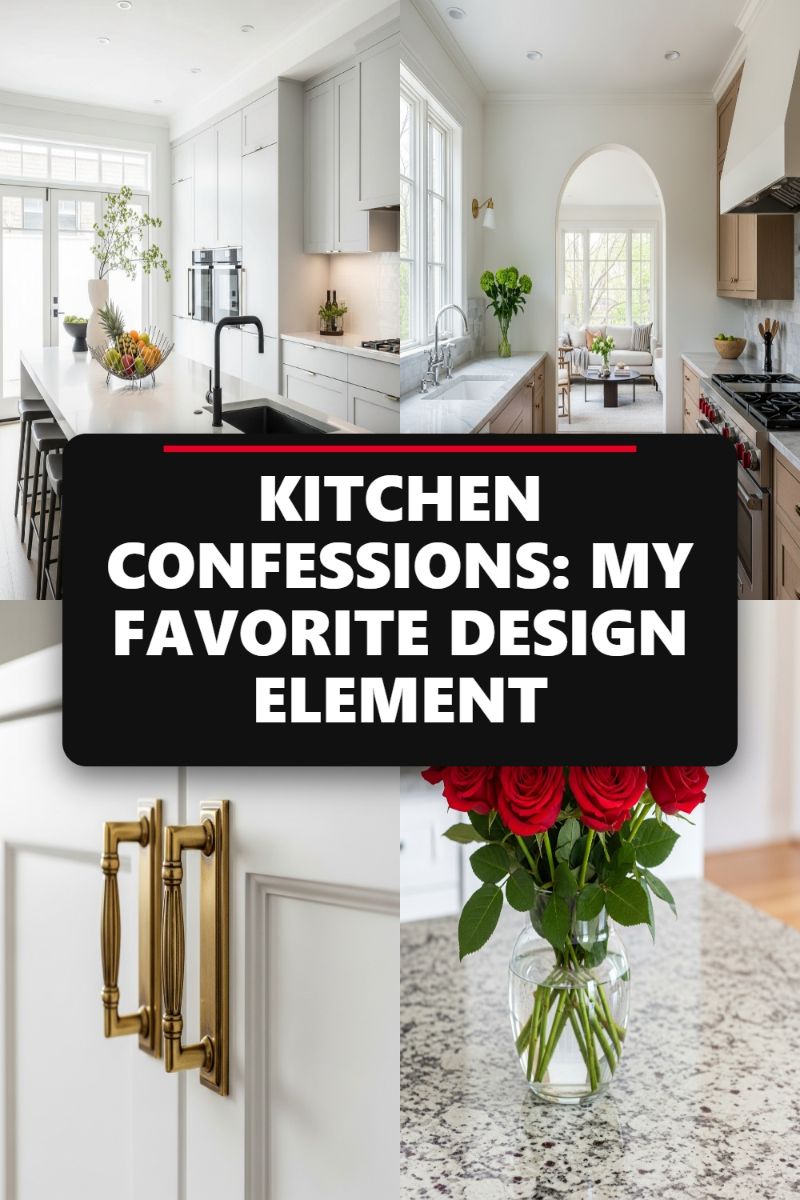
It’s an open secret among designers: cabinet hardware is the jewelry of the kitchen. While expensive cabinetry sets the foundation, it’s the finishing details—specifically the pulls and knobs—that truly elevate the space from builder-grade to custom luxury. The image beautifully illustrates this, showcasing substantial, antique brass-finished pulls that add a rich, historic counterpoint to the clean, modern white Shaker doors. This simple swap is one of the most effective DIY hacks to achieve a high-end look for minimal investment. Standard pulls are often lightweight and dull; upgrading to fixtures with a commanding presence, textural detailing (like the fluting seen here), or a rich metal tone immediately signifies quality and craftsmanship, creating an expensive visual anchor that instantly updates your entire kitchen’s aesthetic.
The key to executing this DIY hack successfully while keeping it under the $100 budget is precise measurement and smart sourcing. Before purchasing, you must measure the “center-to-center” (CC) distance of your existing cabinet holes. Choosing a new pull that matches this distance avoids the costly and time-consuming task of filling, sanding, and repainting cabinets. Look for handles that offer a mix of finishes and textures. The brass pulls pictured feature backplates, a detail often found on high-end custom millwork, which adds visual heft and sophistication. Search specialized online hardware bulk sellers or discount home improvement sites; often, you can find pulls priced around $3-$5 each, allowing you to outfit a moderately sized kitchen with 20-30 pieces for well under the budget constraint. Select a finish like brushed or antique brass, oil-rubbed bronze, or matte black, as these tend to look richer than highly polished chrome or silver.
To ensure your new hardware truly reads as high-end, focus on the weight and feel. Avoid pieces that feel hollow or thin. Expert tip: If you are working with existing knobs, consider switching to pulls on the drawers for a more functional and tailored look. If you must drill new holes, use a hardware jig (a cheap tool) to ensure perfect alignment and consistency across all doors and drawers. Beyond the kitchen, this same hardware philosophy applies to bathroom vanities, built-in shelving, and even dressers. By standardizing the hardware throughout your visible living spaces, you create a cohesive, custom-designed feel that is the hallmark of luxury homes, all achieved with a minimal financial outlay and a few hours of simple DIY installation.
EASIEST DIY CANDLE HACK FOR A SPA-LIKE HOME
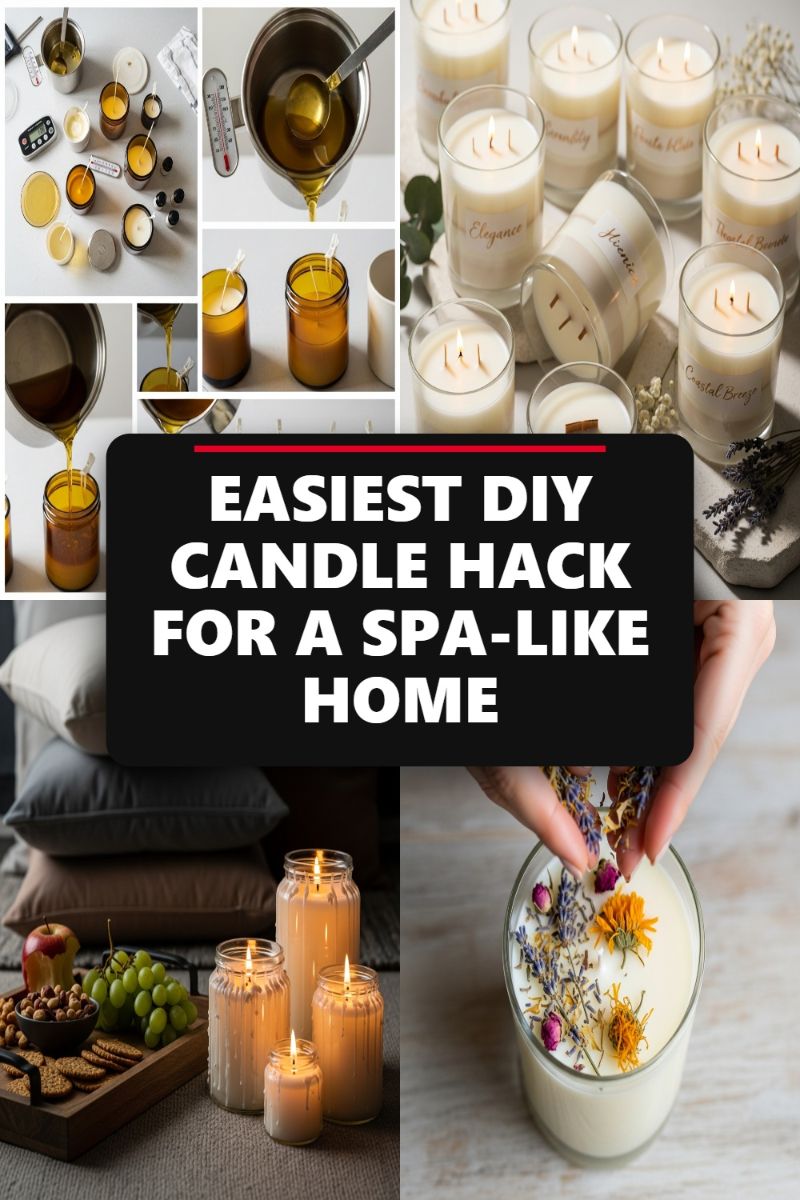
Creating high-end, professionally scented candles at home is the ultimate under-$100 luxury hack that instantly transforms your home ambiance. To achieve the premium, clean burn seen in boutique candles, start with the right foundation: choose natural soy or coconut wax flakes, as these provide a cleaner, longer burn compared to traditional paraffin. The core of this hack involves precise temperature control—a requirement often overlooked in beginner guides. Use a double boiler method (or dedicated melting pitcher) and monitor the temperature with a reliable thermometer (visible in the top-left image). Melt the wax slowly until it reaches approximately 185°F. This high temperature is vital because it allows the wax to properly incorporate and bond with the maximum fragrance oil load. Once melted, remove from the heat and allow the wax to cool down to between 175°F and 185°F before stirring in your high-quality, phthalate-free fragrance oils. The selection of jars—such as the thick, clear glass or amber vessels shown—also contributes significantly to the final high-end aesthetic, often signaling a sophisticated scent profile.
The next step demands attention to detail for a professional finish: wicking and pouring. Secure the wick (or multiple wicks, as shown in the multi-wick vessels) to the bottom center of the vessel using a specialized sticker or a dot of hot glue. Use clothespins, chopsticks, or a dedicated wick centering device across the top of the jar to ensure the wicks remain rigid and centered during the pour, which prevents uneven burning and tunneling later on. The most critical step for achieving a smooth, flawless candle surface is pouring at the optimal low temperature, generally between 135°F and 145°F. Pouring too hot can cause the wax to pull away from the edges as it cools, resulting in wet spots or deep sinkholes, whereas pouring too cool can lead to lumpiness. Pour slowly and steadily, aiming to fill the jar in one go. If you are creating layered color candles (like the amber jars showing dual tones), ensure the first layer is completely set but still slightly warm before pouring the next layer at the lower end of the temperature range.
To achieve the final spa-like aesthetic and elevate your creation beyond a basic DIY project, focus on expert decoration and proper curing. Once the candle has been poured, allow it to cool for about 30–60 minutes—the surface should be firm but still pliable. This is the perfect time to gently arrange dried botanicals (such as lavender, rosebuds, or calendula petals, as shown in the bottom right corner) on the surface. Expert caution is necessary here: never place dried materials too close to the wick or embed them deeply into the wax, as this poses a serious fire hazard. Use just a sparse, artistic scattering around the edges. Finally, the true secret to a high-end candle is patience: the candle must cure. While it will be solid within a few hours, the fragrance needs time to fully bind with the wax molecules. Allow the candle to cure uncovered for a minimum of 48 hours, but ideally one to two weeks, before the first burn. This curing period dramatically improves the cold and hot scent throw, ensuring your candles truly deliver that luxurious, spa-like experience.
IS YOUR LIVING ROOM TOO BRIGHT? TRY THIS DARK HOME HACK
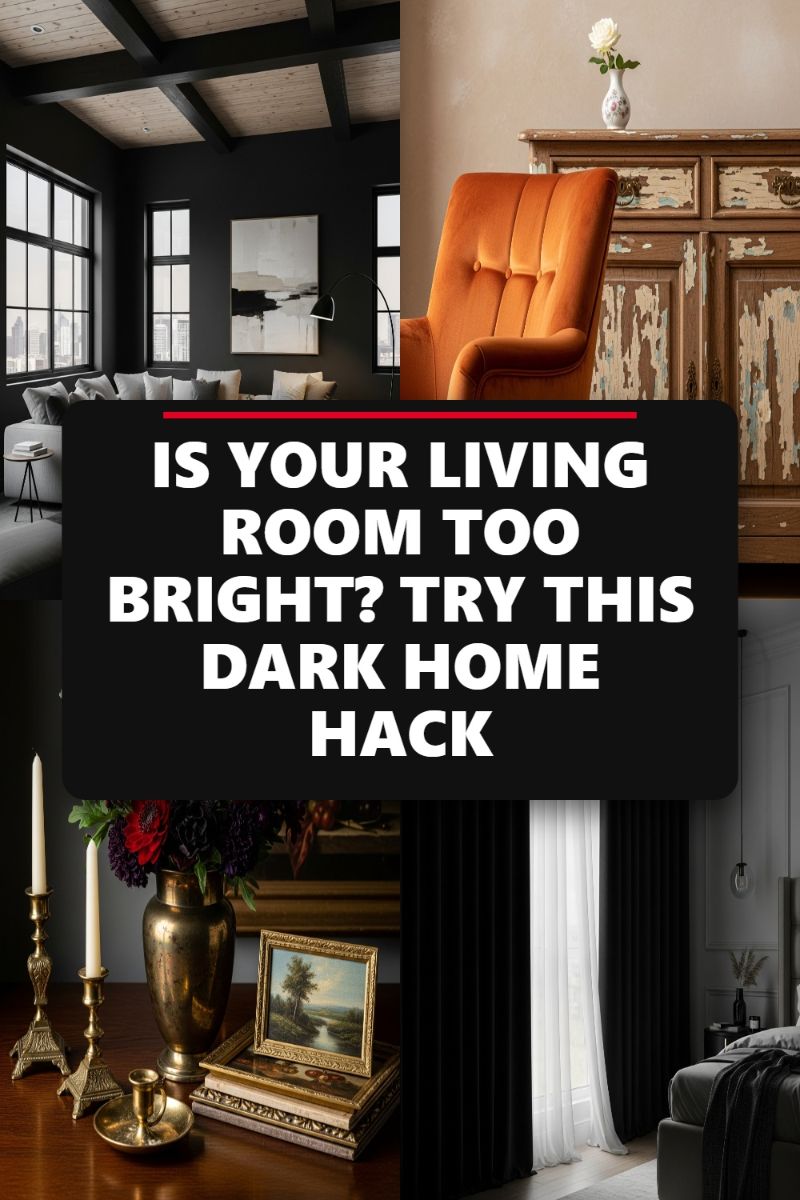
High-end interior design relies heavily on drama and contrast, elements often lacking in standard, bright, builder-grade homes. The visual solution, demonstrated across these images, is to embrace deep, saturated colors to create intimacy and sophistication. Instead of flooding the space with light, we aim to strategically anchor it. The DIY hack focuses on creating contrast for under $100, primarily through paint and textiles. If a full room repaint is too daunting or costly, opt for an accent wall in a deep charcoal gray or true matte black (a single gallon of quality paint is typically under budget). Dark colors absorb light, making surrounding lighter elements, like art, white trim, or a plush, colorful chair, stand out with gallery-like precision. This technique immediately elevates the perceived value of your decor by giving it a deliberate, curated background.
To achieve this moody luxury without heavy painting, focus on large-scale textile implementation. Blackout curtains, as seen in the bottom right, are a phenomenal hack. By choosing a heavy, deep-toned curtain (velvet or thick linen works best), you add necessary weight and drama to the room. Install these curtains wider and higher than the window frame itself—ideally floor-to-ceiling and wall-to-wall if possible—to maximize the sense of height and architectural grandeur. This is crucial: the volume of the dark fabric is what creates the high-end visual impact. Additionally, use inexpensive pillows or throws in deep jewel tones or rich textures (like faux fur or heavy wool) to layer onto existing light-colored furniture, further deepening the color palette of the room.
The final step in this transformation is incorporating metallic and distressed accents, which reflect light and break up the darkness, crucial for preventing the space from feeling cave-like. Look for thrifted or inexpensive brass and gold accessories, such as candlesticks, picture frames, or vases (like the grouping in the bottom left image). The warm, reflective sheen of brass juxtaposed against the deep backdrop is a hallmark of expensive design. If items are tarnished or not quite the right color, a simple $5 can of gold or brass spray paint can transform them instantly. Pairing these bright, reflective metals with natural textures—like the distressed wood cabinet or a rustic coffee table—injects necessary warmth and history, completing the sophisticated, dramatic ambiance of this low-cost hack.
DON’T BUY THAT SKULL! 7 AFFORDABLE WESTERN GOTHIC DIYS

To master the Western Gothic aesthetic without breaking the bank, focus on high-contrast drama and rich textures. Start with key structural pieces, like the ornate mirror or the distressed mantelpiece shown here. You don’t need expensive antiques; scout flea markets and thrift stores for large, detailed frames. Transform them instantly using a flat, matte black spray paint, followed by a light application of dark antiquing wax to settle into the crevices, highlighting the baroque details. For the distressed farmhouse look of the mantel, cheap pine can be given a high-end, aged appearance using white chalk paint and strategic sanding, revealing the raw wood underneath. The key is juxtaposing this pale, chipped texture with deep, dark accessories—like a simple black candle holder—to establish that signature moody atmosphere.
The ‘Western’ element thrives on natural, rugged materials. A genius hack is repurposing items like a worn leather boot into a unique planter for succulents, which naturally fit the desert-adjacent theme. Ensure drainage is adequate by drilling small holes in the bottom of the boot, then fill with a mix of gritty soil and cascading greenery like String of Pearls or small Hens-and-Chicks. This introduces life and unexpected texture. Furthermore, elevating basic wood pieces is essential. As illustrated, cheap lumber can be transformed into robust, high-quality shelving or decorative elements simply by applying a dark walnut or ebony stain. This simple step masks imperfections, lends weight and depth, and provides the perfect backdrop for your newly thrifted or DIY gothic pieces, making the entire setup look custom and costly.
The collective success of the Western Gothic look relies on intentional styling and strict adherence to a dark, moody palette. Avoid clutter; select a few powerful elements that speak to the theme—a faux skull placed next to a taper candle, dark-stained floating shelves, and an oversized, black framed piece. Your budget goes further when you mix DIY finishes. Calculate your costs: a gallon of dark stain ($20), a can of matte black spray paint ($7), and thrifted accessories/wood ($50–$70). By prioritizing texture (leather, chipped paint, ornate carvings) and high contrast, you achieve a dramatic, sophisticated aesthetic that feels curated and expensive, proving you don’t need to buy mass-produced novelties when strategic DIY delivers far superior results.
400% GROWTH! WHY WESTERN GOTHIC IS THE NEW NEUTRAL
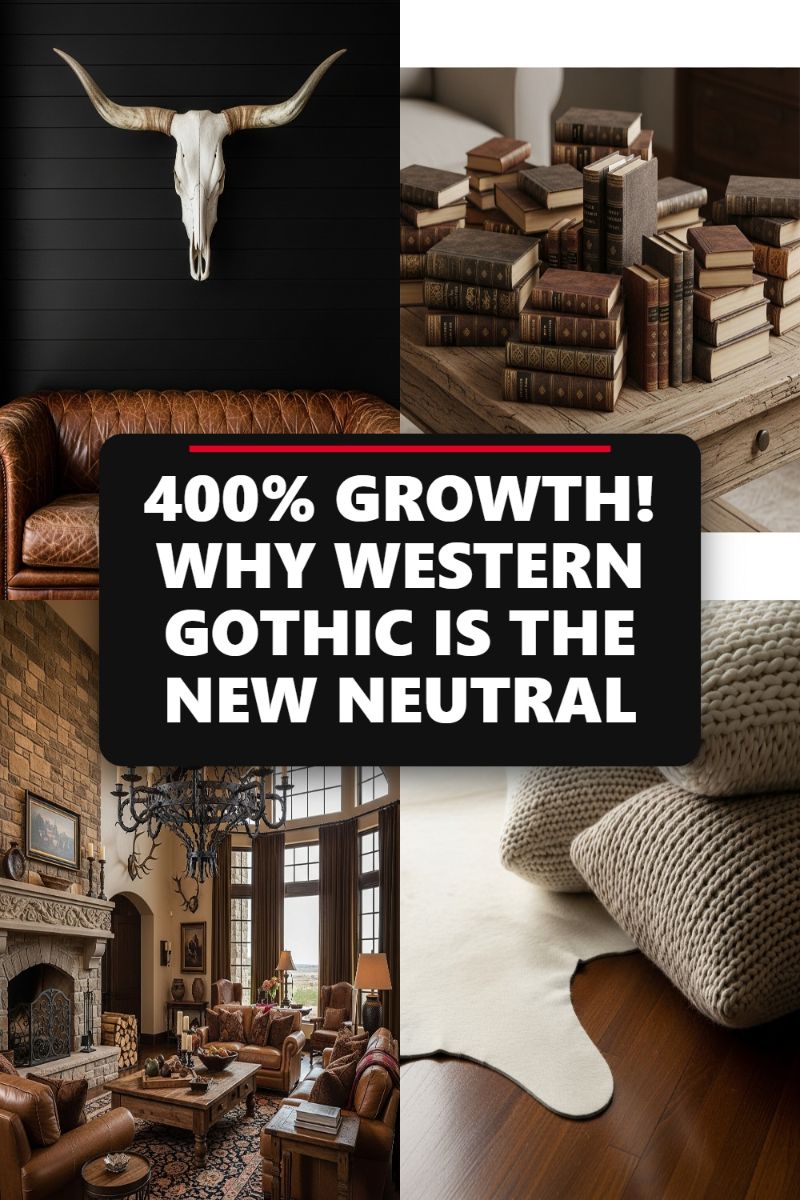
The “Western Gothic” trend is about merging the rugged, earthy textures of the West (think leather, hide, stone) with the moody, sophisticated drama of traditional Gothic style (deep colors, rich wood, intricate details). This aesthetic, often associated with high-end lodges and bespoke interior design, can be recreated affordably by focusing on high contrast and texture. Start by tackling the foundational element: achieving that instant high-drama backdrop, like the dark paneled wall showcased behind the longhorn skull. A gallon of deep matte black or charcoal paint is often under $50, making this the most impactful DIY hack. Opt for a dead-flat finish to absorb light, lending depth and a velvety, custom feel to your space. By committing to a single dark feature wall (or even a small, high-visibility area like a reading nook or entryway), you instantly mimic the luxurious, tailored feel seen in expensive design magazines without investing in costly architectural changes. Expert tip: Ensure your trim is painted in a complementary crisp white or semi-gloss black to maximize the visual contrast and clean lines.
The key to Western Gothic luxury lies in textural layering, contrasting the rough (stone, hide) with the refined (deep leather, knits). To integrate these textures for under $100, look for thrifted or discounted materials that mimic the rich aesthetic shown. While genuine distressed leather furniture (like the chesterfield sofa) is expensive, you can introduce high-quality faux leather or vinyl throw pillows, or even wrap existing seat cushions in an affordable leather-look fabric. Secondly, incorporate soft, chunky knits, such as the oversized, neutral-colored throw pillows pictured, to soften the masculine lines of the room. You can often find affordable knit throw blankets that can be repurposed as cushion covers or purchase chunky yarn and utilize a basic arm-knitting technique for a custom look. Finally, emulate the grounding effect of the cowhide rug (also visible in the image) using an inexpensive flat-weave rug in a pale, creamy hue. If a cowhide shape is desired, purchase a simple white fabric piece and stencil the dark trim yourself—a cost-effective alternative to a specialty rug.
The final touch of the high-end Western Gothic look involves carefully curated details that speak to history and nature. The iconic white longhorn skull mounted against the dark wall provides a powerful focal point. Instead of purchasing an expensive authentic skull, look for lightweight resin reproductions or even create a dimensional paper mâché or painted cardboard version for a fraction of the cost. Paint it bone-white for maximum contrast. Next, address tabletop decor. The image features stacked, antique-looking books on a rustic wooden table—a hallmark of “Dark Academia.” Raid your local thrift store for hardback books with dark or richly colored spines (browns, oxbloods, greens). Remove the dust jackets, and arrange them in non-linear stacks to create visual interest and intellectual richness. Pairing these elements—the painted wall, layered textures, and dramatic focal points—allows you to achieve the sophistication of Western Gothic while keeping your total investment well within the under-$100 DIY budget.
I FOUND $400 WORTH OF DECOR FOR $20! (GOODWILL HAUL)
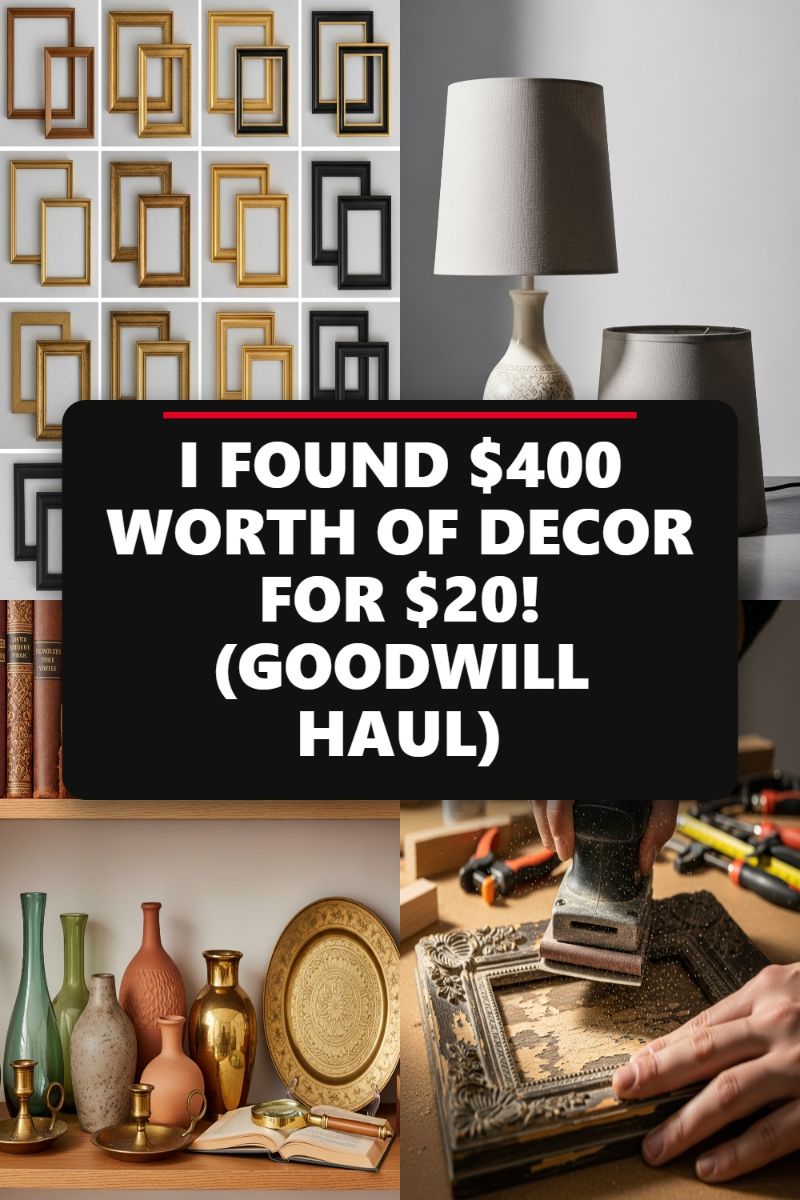
The secret to achieving a high-end, curated aesthetic doesn’t lie in purchasing new, expensive items; it lies in selective thrifting and strategic transformation. As the visuals suggest, the foundation of this hack is finding quality raw materials—heavy frames, unique lamps, and textured vessels—and treating them as blank canvases. When hunting at thrift stores or flea markets, ignore the existing color (like chipped black or tarnished gold) and focus solely on the shape and construction. Look for solid wood frames with interesting bevels, or weighty ceramic lamp bases that feel substantial. These are the elements that scream ‘quality’ and retain their value, even when they’re priced to move. Once you’ve secured your haul, such as a collection of ornate frames for a gallery wall or a classic urn-style lamp, you’ve saved hundreds on retail costs and are ready for the transformation stage, which is remarkably simple.
To achieve the ‘after’ look, prioritize transformation hacks over simple cleaning. The key is surface renewal, particularly for frames. As shown in the image, sometimes an intricate frame needs serious intervention; a small electric sander can quickly strip off years of cheap finish or flaking gold leaf, prepping it for a modern upgrade. For frames, use high-quality spray paint in a matte black or a rich, oil-rubbed bronze to instantly modernize ornate detailing. Expert Tip: If you find a lamp base with great shape but a dated finish (like glossy brass or speckled ceramic), apply a coat of white or beige chalk paint for a refined, matte stone finish. Then, swap out the shade for a simple, drum-style linen shade in a neutral tone, instantly mimicking designer lighting that costs upwards of $150.
The final, and perhaps most crucial, step is the art of curation, transforming your thrifted items into a cohesive display. The styled shelf demonstrates a masterclass in combining textures—mixing glossy glass vessels with matte terracotta, and adding metallic accents via brass candlesticks or an antique plate. Never display thrifted items alone; group them in odd numbers (the rule of three is your best friend) and vary the height and scale dramatically to draw the eye. Furthermore, cheap glass vases can be elevated by painting the exterior with a mixture of baking soda and acrylic paint to give them a rough, stoneware texture, making a dollar-store find look like a $50 artisan piece. This layering of transformed items ensures that your $20 thrift haul looks like a professionally curated collection valued at the full $400.
YOU WON’T BELIEVE THIS PINK PARISIAN VIBE!
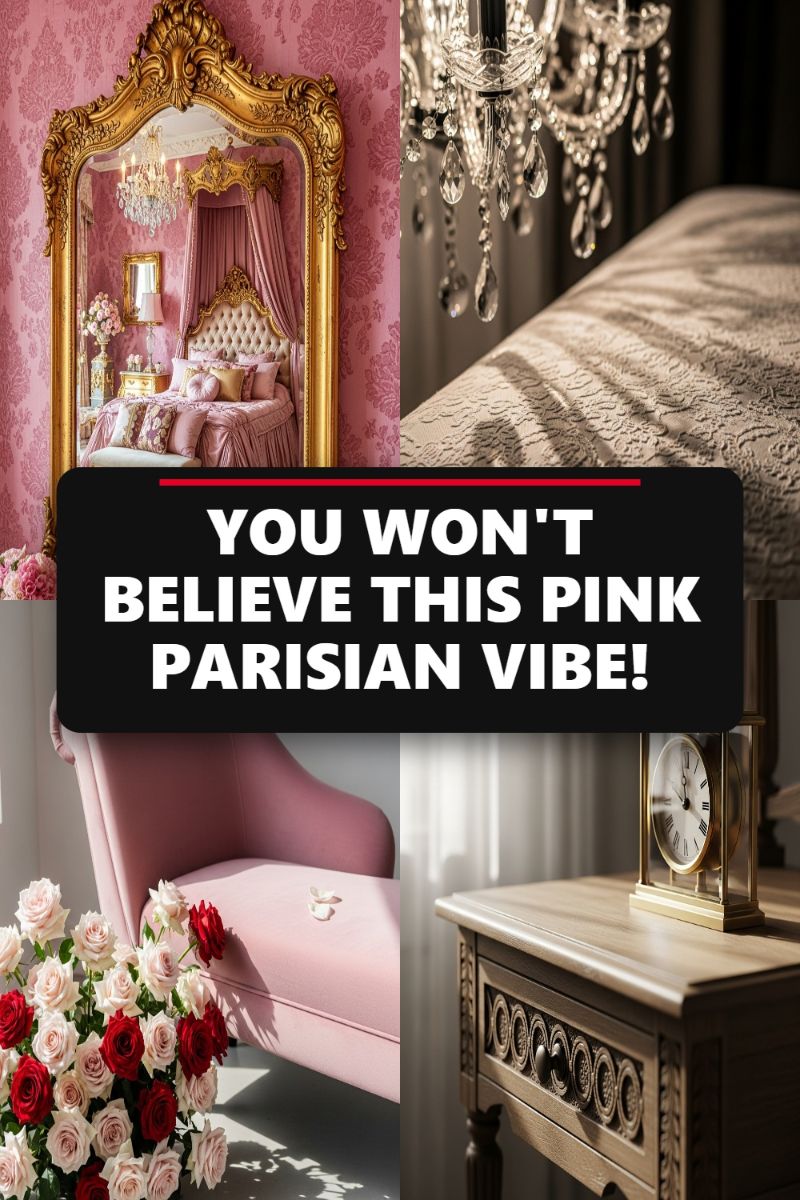
To truly capture the ‘Pink Parisian Vibe’ depicted here—a symphony of plush textures, gilded drama, and romantic hues—your first, most impactful hack is mastering the art of affordable color and pattern application. Instead of splurging on custom silk damask wallpaper, invest in high-quality blush or dusty rose paint. For that essential patterned backdrop, look into peel-and-stick vinyl wallpaper featuring a subtle damask or fleur-de-lis motif, which can cover a significant accent wall for under $50. If you’re feeling extra crafty, buy an inexpensive stencil kit and use a metallic paint (think soft gold or pearl) to apply a raised pattern directly onto the matte pink wall, replicating that high-end textured look. Crucially, introduce tactile luxury through textiles: purchase two or three velvet pillow covers in coordinating shades of mauve, rose, and gold. Velvet instantly signals opulence, and covers are incredibly budget-friendly, often found for less than $10 each, making this an easy way to elevate any sofa or bed on a tight budget.
The next essential step in achieving this baroque elegance is the transformation of commonplace objects into gilded masterpieces, specifically addressing the stunning, oversized mirror and the presence of ornate gold accents. You do not need to buy an antique gilded mirror; instead, source a large, basic mirror from a second-hand store or a budget retailer. The hack involves utilizing simple plaster appliques or resin moldings (available cheaply at craft supply stores) and adhering them directly to the plain mirror frame using strong adhesive. Once secured, use a premium metallic spray paint—specifically a matte or soft gold finish, avoiding anything too brassy—to unify the frame and the newly attached carvings. This technique elevates the mirror from plain to palatial for less than $40. Complement this with other small accents; spray-paint a thrifted clock or a small picture frame in the matching gold tone to create cohesion and reinforce the expensive visual motif seen on the side table, ensuring every metal element appears luxurious and intentional.
Finally, amplify the luxury quotient by incorporating strategic lighting and high-impact vignettes. The dramatic crystal chandelier is intimidatingly expensive, but you can achieve a similar sparkling effect by replacing standard light fixtures with multi-arm chandeliers from a budget home store and then adding inexpensive, clip-on crystal prisms or teardrop glass pendants (often sold in bulk for DIY jewelry) to the arms or bulb bases. This adds sparkle and refracts light beautifully, mimicking the high-end look. Complete your Parisian vignette by focusing on lush arrangements: purchase fresh grocery store roses in pale pinks and deep reds (or use excellent quality faux flowers) and arrange them dramatically by a chaise or armchair. Pair this with a dark, carved side table (which can be easily refinished with a dark wood gel stain to enhance its antique appearance) and place your newly gilded clock on top. These carefully curated, layered elements establish the depth and richness of a true high-end space without exceeding your $100 budget.
THE ULTIMATE COZY CORNER: HOW I CREATED MY HYGGE ESCAPE
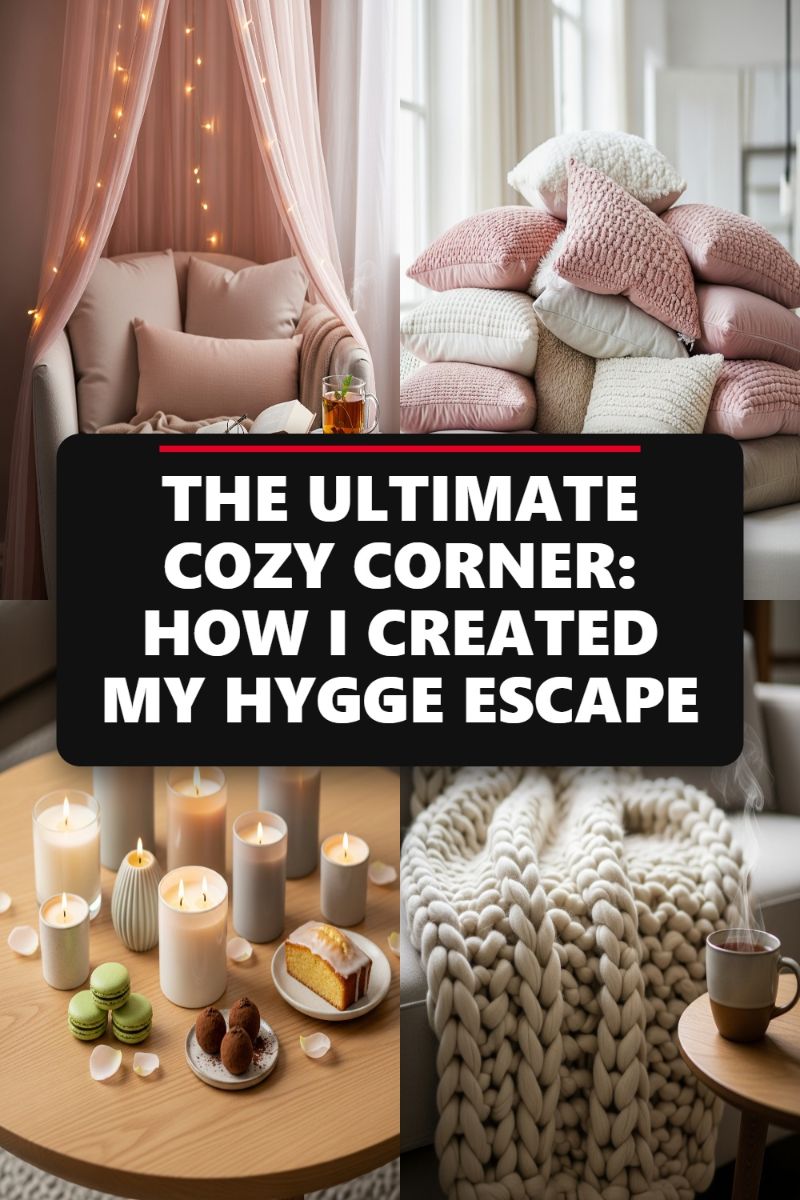
Creating a luxurious, Hygge-inspired retreat doesn’t require thousands of dollars; it relies on strategic layering of texture, manipulation of light, and DIY textiles. The foundation of this high-end look is the abundance of plush cushions and the draped canopy. Instead of buying expensive designer pillows, shop for affordable, plain inserts and focus your budget on diverse cover materials. Look for faux sheepskin, chunky cable knits (like the blush pink ones pictured), and textured chenille in a monochromatic palette (creams, whites, blush) to achieve immediate depth and sophistication. For the ethereal canopy effect, purchase inexpensive sheer fabric or netting (often available for less than $20 per yard) and hang it from a simple ceiling hook or lightweight curtain rod. Thread battery-operated LED fairy lights through the fabric. This single trick instantly elevates a mundane reading chair into a romantic, high-end sanctuary, masking standard furniture with soft, glowing ambiance.
To perfect the sensory experience—the core of Hygge—turn your attention to the accent table and the power of grouping. The key DIY hack here is volume and variety in the candle arrangement. Purchase plain white or neutral-toned pillar and jar candles in bulk from discount retailers. Avoid using just one or two; the visual appeal comes from grouping at least seven candles of varying heights and diameters. To make them look bespoke and expensive, place them on small, mismatched ceramic plates or wooden coasters rather than directly on the table surface. This simple elevation gives them a curated feel. Furthermore, the light emitted by multiple small flames is far softer and more flattering than overhead lamps, instantly establishing a cozy, upscale mood. Incorporate small culinary details, like macarons or simple baked goods displayed on minimalist serving ware, to complete the visual vignette.
Finally, the most impactful element is the oversized, chunky knit throw, which usually costs hundreds of dollars in high-end home stores. To replicate this substantial luxury for under $100, invest in several skeins of jumbo acrylic or cotton blend yarn. This is a perfect opportunity for a massive DIY finger-knitting project, which requires no needles and can be completed in an afternoon. The result is a massive, highly tactile throw blanket that provides the ultimate cozy aesthetic without the hefty price tag. By combining layered textiles, inexpensive ambient lighting hacks, and voluminous, curated candle displays, you successfully hack the high-end Hygge look, transforming a corner of your home into an extravagant escape for less than a single expensive throw would cost.
GOTHIC WESTERN BEDROOM: DARK ROMANCE YOU NEED TO SEE
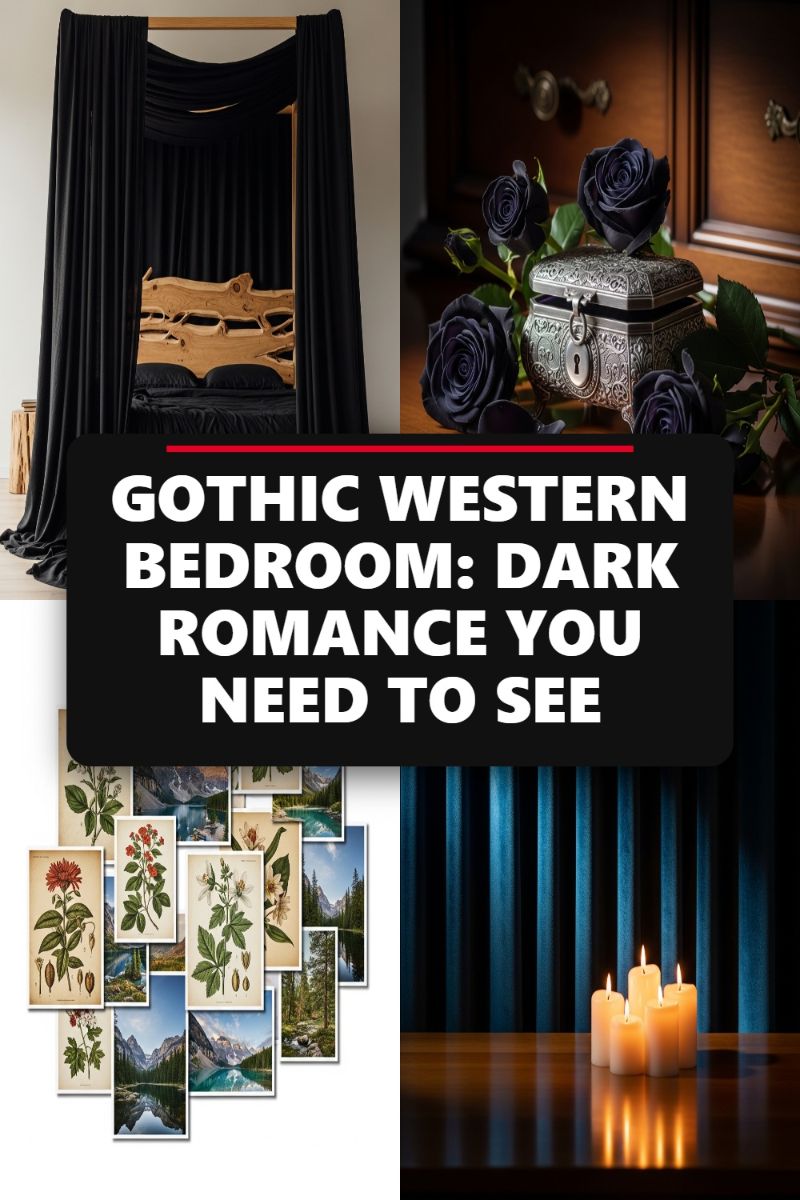
Achieving the dramatic flair of a Gothic Western bedroom does not require an aristocratic budget; the key is utilizing affordable textiles and thrifted elements for maximum impact. To recreate the striking black canopy seen here, skip the expensive custom drapes. Instead, purchase several yards of heavy, inexpensive black broadcloth or blackout fabric (often available for under $5 a yard during sales). The structure can be built using simple metal piping or thick wooden dowels secured to the ceiling with inexpensive L-brackets or hooks. The trick to the high-end look is the luxurious pooling of fabric, ensuring you buy enough material to drape heavily and pool generously on the floor, giving the illusion of immense depth and volume. For a unified, high-end finish, ensure all bedding is also solid black, allowing the rustic wooden elements, like the headboard, to provide the necessary contrast and grounding Western appeal.
The romantic and ornate details, crucial to the Gothic aesthetic, can be faked convincingly using simple DIY methods. To replicate the heavy, ornate silver box featured in the image, source a plain wooden or metal trinket box from a thrift store. Clean it thoroughly and use a cheap can of textured metallic silver spray paint. For added detail, use a hot glue gun to create simple scrollwork or damask patterns on the lid before painting; when painted over, the raised glue mimics expensive carved or cast metalwork. Pair this centerpiece with pillar candles—battery-operated ones are safest and can often be bought in bulk for under $20. Position these elements on a highly polished or dark, reflective surface to maximize the light’s glow and double the visual impact, enhancing the deep, velvety shadows that define dark romance.
Finally, the marriage of the dark, refined elements with rugged Western texture is perfected through smart wall art and rustic accents. While a custom wooden headboard can be costly, you can mimic this look by using stained reclaimed pallet wood or inexpensive faux-wood adhesive panels affixed behind the bed area. For the eclectic art collage, avoid the expense of buying multiple framed prints. Instead, utilize the wealth of public domain images available online, such as vintage botanical prints or high-resolution landscape photography that evokes the Western wilderness (like the mountain scenes shown). Print these images affordably on matte cardstock at home or at a local print shop. Arrange the prints in an overlapping, gallery-style cluster, foregoing frames entirely or using simple clips or washi tape, which saves hundreds of dollars while achieving a curated, antique-inspired aesthetic that perfectly blends the dark elegance and the rugged frontier charm.
7 REASONS WHY THRIFTING WILL SAVE YOUR DECOR BUDGET

The first step in leveraging thrift stores to elevate your home decor is adopting a curator’s eye. Instead of viewing items individually, look for pieces that can contribute to a cohesive collection or vignette, a technique designers use to add visual weight and sophistication. As shown in the visual, grouping vintage books by color (such as rich greens and reds) and texture creates an instant heirloom feel. To execute this DIY hack, search for hardback books at yard sales or thrift shops. Remove the dust jackets for a more uniform, timeless look, and then stack them strategically. Use small, unusual ceramic or metallic figurines found in the same thrift hauls—like the whimsical cat or gnome—as bookends or display toppers. This simple practice of grouping and color-coding transforms potential clutter into intentional, high-end shelving decor, proving that the secret to luxury often lies in mindful arrangement rather than high cost.
Furniture and foundational pieces are where thrifting offers the most dramatic savings and DIY potential. Mismatched chairs, often discarded due to wear or clashing styles, can be unified and transformed into striking contemporary art pieces using nothing more than a few cans of high-quality paint. Select a bold, singular hue, such as the vibrant turquoise displayed, and apply it uniformly across all pieces. This technique creates an immediate visual dialogue, turning disparate finds into a cohesive, sculptural grouping suitable for a modern dining space or entryway display. Similarly, elevating comfort and texture is easily achieved by finding large, intricately patterned throws or tapestries. Drape these textiles—look for heavy cotton or wool blends—over an old armchair. A strategic, oversized throw not only hides imperfections but introduces depth, pattern, and an expensive, layered feel to even the most basic furniture structure.
Organizational hacks provide a perfect opportunity to blend functionality with decor on a minimal budget. High-end design often features clear, uncluttered storage solutions that subtly reveal their contents. You can replicate this by collecting various shapes and sizes of clear glass jars—mason jars, old pickle jars, or inexpensive thrifted apothecary containers. Clean them thoroughly and repurpose them to store everyday items like spices, dried herbs, or craft supplies like buttons and twine. The key to the high-end look is consistency in labeling: use small, uniform chalkboard labels or custom-printed adhesive labels applied neatly to each jar. Displaying these organized collections on open shelving—whether in the kitchen, craft room, or laundry area—turns utilitarian necessity into charming, bespoke decor. This practice introduces transparent consistency, making your home feel meticulously organized and effortlessly stylish, all for the minimal cost of the jars and labels.
VIBRANT VIBES: THE TOP 5 AFRO CHIC TEXTURES FOR YOUR HOME
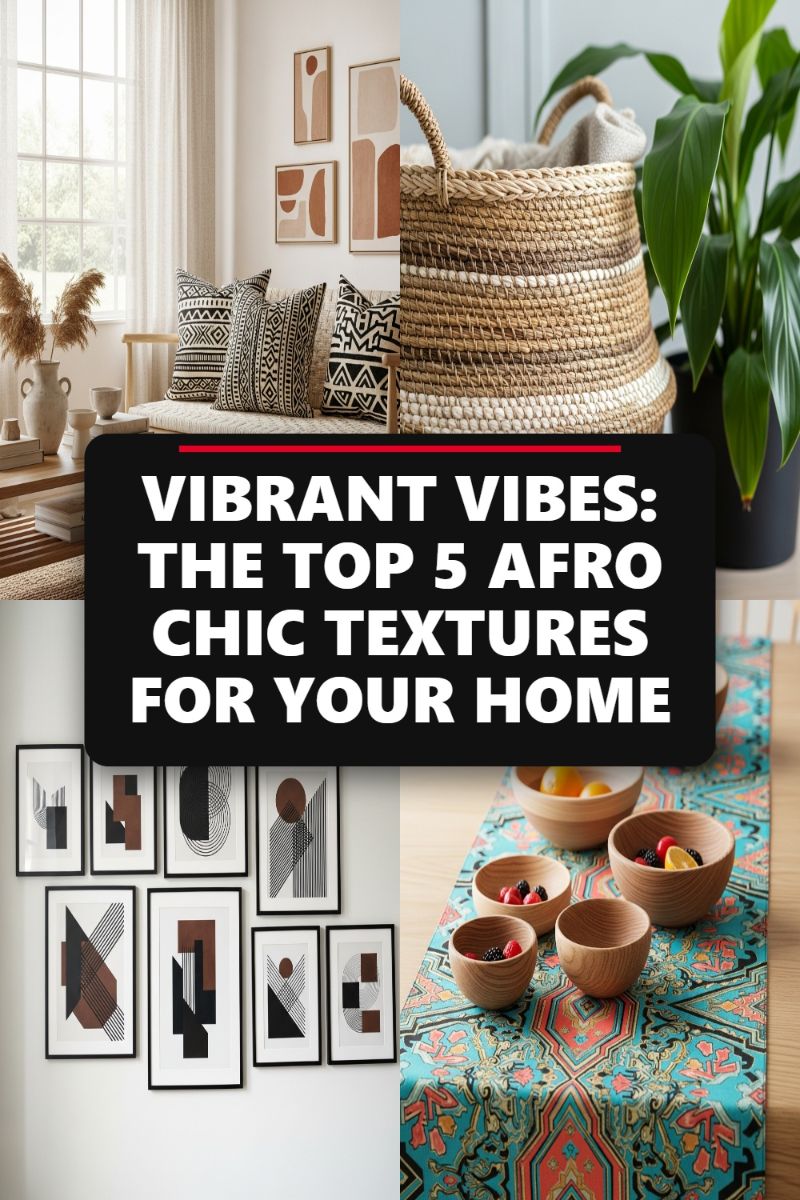
The Afro Chic aesthetic is defined by its deep appreciation for natural materials, bold geometric patterns, and rich textures—elements that instantly inject warmth and bespoke luxury into any room. To achieve this high-end look on a budget, start with tactile woven storage, specifically inspired by the large, earthy basket seen in the image. This piece is not just decor; it’s a functional textural anchor. DIY this element by sourcing an affordable, basic wicker or rattan hamper (check thrift stores or clearance sections). The trick to elevating it is adding contrast and definition: use thick, natural-fiber rope (jute or cotton) to wrap the handles or create horizontal stripes, securing them with strong craft glue, or use simple white fabric dye to create the dipped white base shown. Remember to incorporate real greenery, such as the large potted plant, which complements the natural fiber textures and adds the final touch of organic vitality, making the entire vignette look professionally styled for almost no cost.
Next, focus on integrating high-impact textile patterns, which is a powerful yet inexpensive DIY upgrade. The pillows and the table runner showcase the duality of this style: grounding black and white geometric patterns (reminiscent of traditional Mudcloth or Kuba designs) paired with vibrant, richly colored ethnic prints. You can emulate this sophistication for under $50 by purchasing small remnants of patterned canvas or linen fabric. Measure your existing cushions and sew simple envelope-style covers—this requires minimal sewing skill and zero zippers. For the table runner, search for unique printed cotton fabric yardage, hem the edges, and drape it across your dining surface. The visual effect of the deep turquoise and rust runner paired with simple, smooth wooden bowls creates a stunning contrast of raw texture and vivid color, instantly transforming a simple dining setup into a statement piece. Wooden bowls and accents are easily found and sanded down for a fresh, high-end finish.
Finally, solidify the high-end Afro Chic look by curating a DIY gallery wall using graphic and abstract art. Notice the two different styles in the image: one features warm, terracotta-toned abstracts above the couch, and the other utilizes strong, monochromatic geometric designs. Creating this art yourself is the ultimate budget hack. Purchase inexpensive poster board or canvas panels. Use stencils, tape, and three simple paint colors (black, white, and a warm brown or rust) to replicate the geometric or freeform shapes. Frame the resulting pieces in matching, simple black frames for cohesion, ensuring the total cost per piece is minimal. Expert Tip: When styling this vibrant aesthetic, ensure your foundational elements (walls, curtains, large furniture) remain neutral and light. This crucial step prevents the bold textures and colors from overwhelming the space, allowing each carefully curated DIY piece to truly pop and achieve that coveted high-end, gallery-worthy finish.
THIS CHANGED HOW I LOOK AT THRIFT STORE PAINTINGS
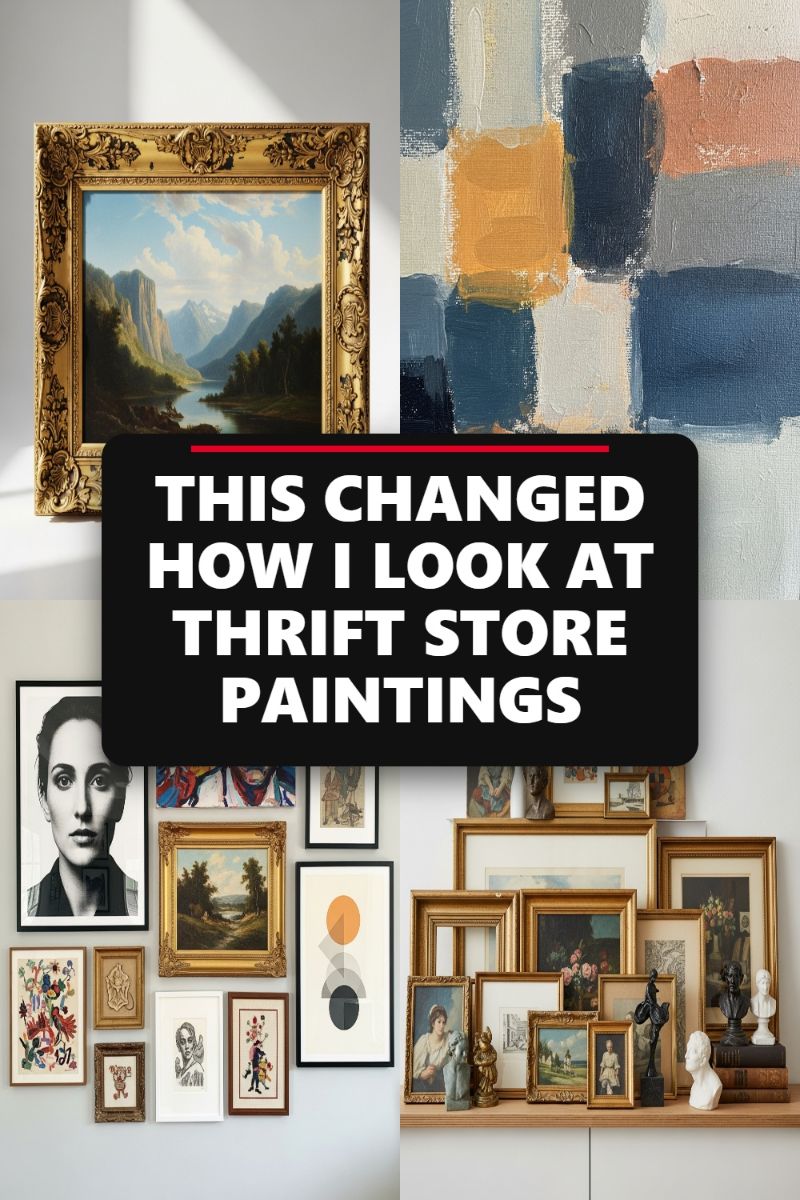
Stop viewing thrift store paintings as disposable background decor and start seeing them as high-quality framing opportunities. Often, the true value of a vintage piece lies solely in its solid wood or heavily ornamented gold frame, which would cost hundreds if custom-made. Your goal for this budget-friendly hack (easily achieved for under $100) is to hunt specifically for these frames. Look past garish colors, faded canvases, or poor subject matter; if the frame has weight, intricate detailing, and substantial size, it’s a winner. Focus on pieces with classic landscape or portrait subjects, as these lend themselves best to the desired high-end, collected aesthetic when grouped together. This strategy builds visual interest and suggests a history of thoughtful curation, a hallmark of expensive interior design.
Once you have secured the piece, the DIY transformation begins. You have two primary options: preservation or replacement. If the art is salvageable (a decent landscape or simple still life), clean the painting and frame with gentle solutions to remove years of dust. For truly hideous or damaged artwork, the real hack is replacement. Carefully remove the existing canvas or print and replace it with affordable, modern alternatives. This might be a high-resolution digital art download printed locally, a simple abstract color block created on inexpensive canvas (like the mustard and navy example shown), or even a sophisticated black and white portrait printed on matte photo paper. If the frame itself is tarnished or lackluster, a quick application of Rub ‘n Buff in Antique Gold can instantly elevate its appearance, making a $5 roadside find look like a centuries-old heirloom ready for museum display.
The key to selling this inexpensive collection as high-end is the arrangement. Avoid symmetrical rows, which can look sterile; instead, embrace the ‘Salon Style’ or maximalist gallery wall seen in the bottom half of the image. This requires mixing disciplines—oils, prints, small sculptures, photography, and contemporary graphics—to create a visual dialogue between disparate pieces. Arrange the warm-toned gold frames tightly together, utilizing different orientations (portrait and landscape) and sizes to fill the vertical space completely. Where space permits, ground the collection by placing smaller framed pieces and objets d’art, like antique books or small marble busts, directly onto a console or shelf beneath the wall grouping. This density and layering, combining classic elements with modern prints, are essential for achieving that sophisticated, maximalist depth that suggests a well-traveled and well-funded collector lives here.
THE BEST LEATHER COUCH STYLING TIPS FOR GOTHIC WESTERN VIBES

To instantly elevate a basic leather couch—whether it’s genuine or a high-quality faux piece—into a statement fixture of Gothic Western design, the secret lies in strategic textile layering, keeping the overall budget under $100. This aesthetic hinges on rich contrast and texture. Start by investing in four to five substantial throw pillows in a monochromatic palette of charcoal, slate, and deep gray, mixing materials like velvet, chunky knits, and simple cotton twill for dimension. The cost-saving hack here is finding affordable pillow covers and using existing inserts. Drape the arms of the couch with a heavy, yet neutral, light-colored throw (think creamy off-white or light heather gray) to soften the leather’s edges and create a visual ‘landing zone’ for comfort. This initial layer ensures the high-contrast patterns you introduce next don’t overwhelm the space, providing a polished foundation reminiscent of a high-end ranch retreat.
The defining characteristic of the Gothic Western style is the bold use of black and white patterns, which you can inject via affordable blankets and floor textiles. Source a woven throw or blanket featuring a large-scale geometric or Southwestern-inspired design in stark black and white, preferably one with a substantial fringe detail, as seen in the top right of the inspiration image. Fringed elements add a tactile, high-end, bespoke finish; if you find a simple patterned blanket cheaply, consider adding a DIY fringe border using white yarn for a true hack. For the floor, instead of an expensive hide, purchase a small runner or rug featuring mixed animal prints—like the zebra/leopard combination shown—in the same powerful black and white scheme. Placing this dramatic runner adjacent to the couch anchors the space and instantly introduces a wild, luxurious texture that defines the style, often available at under $50 from discount home goods stores.
To complete this high-end look affordably, focus on the accompanying side pieces. The natural, light wood side table depicted offers a rustic counterpoint to the dark textiles. If your existing tables are dark, consider lightly sanding or simply cleaning them well; if they are composite, a quick coat of matte black or deep walnut stain (a small can is inexpensive) can transform them. Place a minimalist, low-maintenance green plant in a simple ceramic pot—the juxtaposition of natural life against the dark leather and textiles is key. By focusing your budget on layered, high-impact textiles in the mandated black/white/gray palette and utilizing simple DIY techniques for surrounding furniture, you can achieve this dramatically sophisticated Gothic Western aesthetic while maintaining the under $100 budget requirement.
STOP USING BEIGE! HOW TO USE MEXICAN HOME COLORS BOLDLY
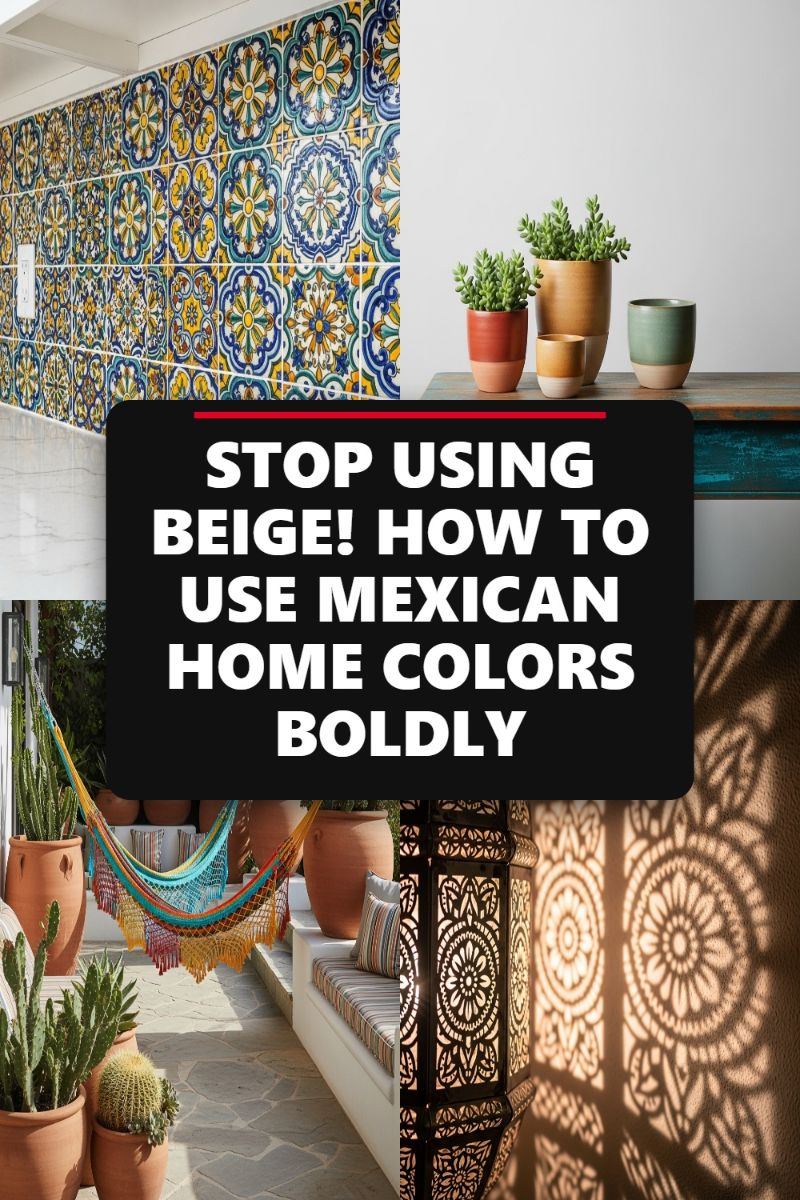
The quickest way to elevate a space from drab to designer is to commit to a bold color story, and nothing is more invigorating than the palette inspired by Mexican design, as demonstrated by the vibrant colors and patterns in this space. Your high-end hack here is ditching expensive patterned tile installations for strategic stenciling or using premium peel-and-stick tile decals, focusing on a small area like a kitchen backsplash, a bathroom border, or the risers of a staircase. To emulate the look of traditional Talavera ceramic tiles (seen in the top left), commit to a core triad of colors: a deep cobalt or marine blue, a rich canary or ochre yellow, and an emerald or turquoise green, set against crisp white grout lines or paint. When choosing your stencil design, opt for dense, repeating geometric or floral patterns that give the illusion of depth and craftsmanship. By restricting this powerful pattern to one wall or surface, you maximize the visual impact while keeping the material costs well under budget. This concentrated application of color draws the eye immediately, making the room feel thoughtfully designed and custom-finished.
Once the bold primary color hack is established, shift focus to texture and accent pieces, which is where you can further trick the eye into seeing high-end design using thrifted items. The earthy, sun-baked look of Mexican style relies heavily on terracotta. Rather than buying expensive imported planters, source inexpensive standard terracotta pots from a garden center (they often cost just a few dollars). To achieve the sophisticated, two-tone pottery look seen in the top right, simply use exterior-grade paint to color the lower half of the pots in varying shades of matte green, rust, or ochre, allowing the natural terracotta color to serve as the contrasting rim. This simple detail instantly transforms standard planters into curated design objects. Furthermore, infuse the space with inexpensive but highly saturated textiles—think throws, pillow covers, or a vibrant cotton hammock—in fuchsias, oranges, and deep reds to provide warm contrast against the cool blues and greens of your faux tile work. This layering of color and texture is the signature of a maximalist, high-end look.
Finally, exploit the power of light and shadow, an often-overlooked high-end trick that costs virtually nothing to execute. The dramatic shadow patterns cast by the lantern in the bottom right corner demonstrate how intricate light play adds architectural depth. You can replicate this effect by purchasing an inexpensive metal lantern or even an intricately cut paper shade and placing it strategically so the light source casts a dramatic pattern onto a plain wall at night. This visual drama makes the walls themselves feel textured and rich. Pair these high-impact DIYs with low-maintenance, inexpensive greenery like cacti and succulents, which naturally fit the aesthetic and require minimal upkeep. By using concentrated color patterns, upgraded terracotta, and dramatic lighting effects, you create a dynamic, curated environment that looks like it cost thousands more than your sub-$100 material investment.
DIY Backyard Oasis: Get the High-End Spa Look for Less

Recreating the exclusive, resort-level aesthetic of an outdoor spa doesn’t require installing a costly hot tub; it relies entirely on mastering the surrounding visual elements—primarily privacy, texture, and lush greenery. To achieve the dramatic high-end look shown, focus first on installing a sleek, vertical slatted privacy wall. This is a crucial DIY hack that adds instant architectural sophistication. Purchase inexpensive pressure-treated fence pickets or pine furring strips. To keep costs low (under $50 for a small section), use budget-friendly strips and treat them with a rich, exterior-grade stain that mimics expensive tropical hardwoods. Install these slats vertically over an existing fence or wall, ensuring they are cut to uniform lengths. Leave a uniform gap (e.g., 1/2 inch) between each slat—this simple detail transforms basic lumber into a modern design feature, providing texture and drawing the eye upward, thereby making the space feel taller and more expansive. This backdrop sets the stage for a truly luxurious retreat atmosphere.
Once the architectural element is in place, layer in natural textures and curated amenities to cement the spa illusion. The secret to the resort feel lies in the details: specifically, integrating woven materials. You can replicate the stunning rattan pendant lights shown by purchasing affordable bamboo or woven basket shades and adapting them to cover existing outdoor light fixtures, instantly upgrading the ambiance for under $30. Next, focus on the practical styling seen in the image, which communicates luxury and preparedness. Source a large, structured woven storage basket and use it exclusively for freshly rolled white towels. Place this basket prominently near your relaxation zone (whether it’s a simple patio chair or an existing pool area). This simple act of staging transforms common items into high-end spa amenities, signaling relaxation and care. To maximize the lush visual impact, incorporate large, tropical-looking plants like Monsteras or large ferns in simple, modern planters. The rich green foliage contrasts beautifully with the wood tones, adding depth and organic luxury.
Finally, perfect the mood with intentional lighting and charming rustic accents. The high-end look relies on ambient lighting rather than harsh overhead fixtures. For a cost-effective solution, drape solar-powered string lights across your covered seating area or strategically place solar spotlights aimed at your new privacy wall and feature plants to highlight the textures at night. This technique mimics professional landscape lighting without requiring electrical work. To tie in the charming, distressed element seen in the bottom right corner, source a small piece of salvaged wood and perform a quick DIY paint and sanding job to achieve a rustic, whitewashed, peeling texture. Use a simple stencil or freehand paint a phrase like “good vibes only” or “relax” to add a personalized, quaint touch. These small, thoughtful additions provide necessary visual warmth and complete the transition from standard backyard to bespoke outdoor sanctuary, all while easily staying within the $100 budget.