
Get the designer look for less! Discover 12 genius DIY home decor projects, each costing under $50, that instantly elevate your space to high-end luxury.
isolated
from elevated furniture flips to unique art
that look like they came straight from a boutique, but cost less than $50 to make. Stop settling for cheap-looking quick fixes. It’s time to learn how to trick the eye, maximize your dollar, and create a truly bespoke, designer-quality space without the sticker shock.
MAXIMIZE YOUR SMALL SPACE WITH CLEVER STORAGE HACKS
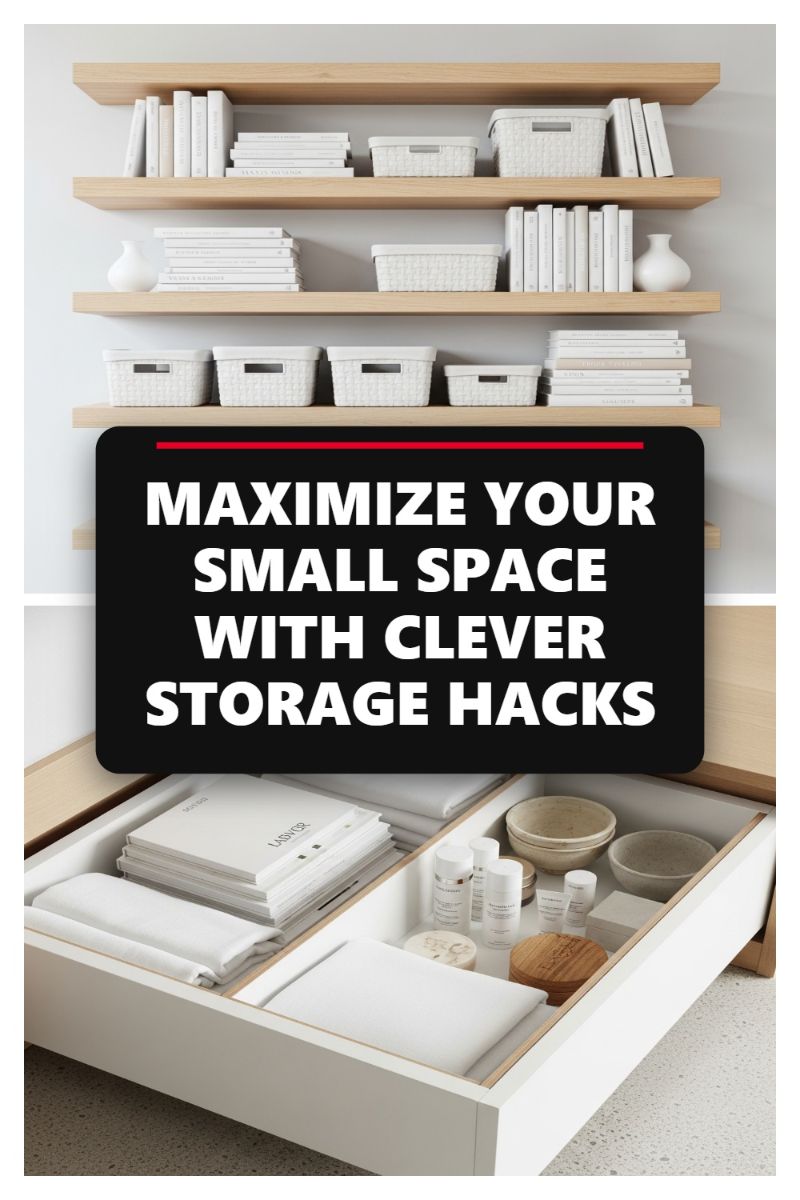
The essence of high-end small space design lies in controlled visual organization. The floating shelves displayed here serve as functional storage but are curated to act as decor themselves. To achieve this look on a budget, uniformity is essential. Start by installing simple, inexpensive floating shelves—you can often find minimalist slab shelves and hidden brackets for less than $40 per pair. The designer secret lies in the items you place on them: adopt a strictly monochromatic palette (as shown, white and natural wood). Utilize matching, budget-friendly woven or felt baskets to corral items that aren’t aesthetically pleasing, ensuring all visible storage containers are the exact same shape and color. Finally, maximize impact by ‘styling’ your books; wrap disparate book spines in crisp white paper or turn them spine-in to create an immediate sense of sophisticated calm and order, effectively transforming functional storage into a minimalist architectural feature.
While the shelves handle visible clutter, the true test of maximizing small spaces comes from the organization that happens behind closed doors, as evidenced by the meticulously arranged drawer below. This is where you implement the “clever storage hacks” that drastically improve efficiency and maintain the overall minimalist aesthetic. To replicate this system, first, measure the exact dimensions of your drawer. The goal is partitioning, transforming one large cavernous space into several specialized compartments. You can purchase pre-made modular acrylic or bamboo drawer dividers, but for a true under-$50 DIY, construct custom dividers using thin strips of balsa wood or sturdy foam core board covered in contact paper. Ensure the heights of the dividers are snug and create sections tailored specifically to your items—folded textiles, standing products, or accessories.
Successful execution of this organization hack relies heavily on technique. Inside the partitioned drawer, adopt vertical folding methods (such as the KonMari method) for textiles like washcloths or small linens; items folded to stand upright utilize the drawer’s depth more efficiently and are instantly visible, preventing items from getting lost or wrinkled. For small beauty or vanity items, utilize small, inexpensive ceramic bowls or repurposed budget containers within the partitioned sections to prevent bottles from tipping and rolling. This layered approach—uniform visible shelving coupled with hyper-efficient, custom-sized internal organization—is the defining characteristic of designer-level storage. By utilizing inexpensive materials for the build (wood strips, simple shelves, budget baskets) and focusing your effort on the organizational layout, you elevate a simple storage necessity into a sophisticated design solution without breaking the bank.
WHY DARK GREEN KITCHEN CABINETS ARE ALWAYS IN STYLE
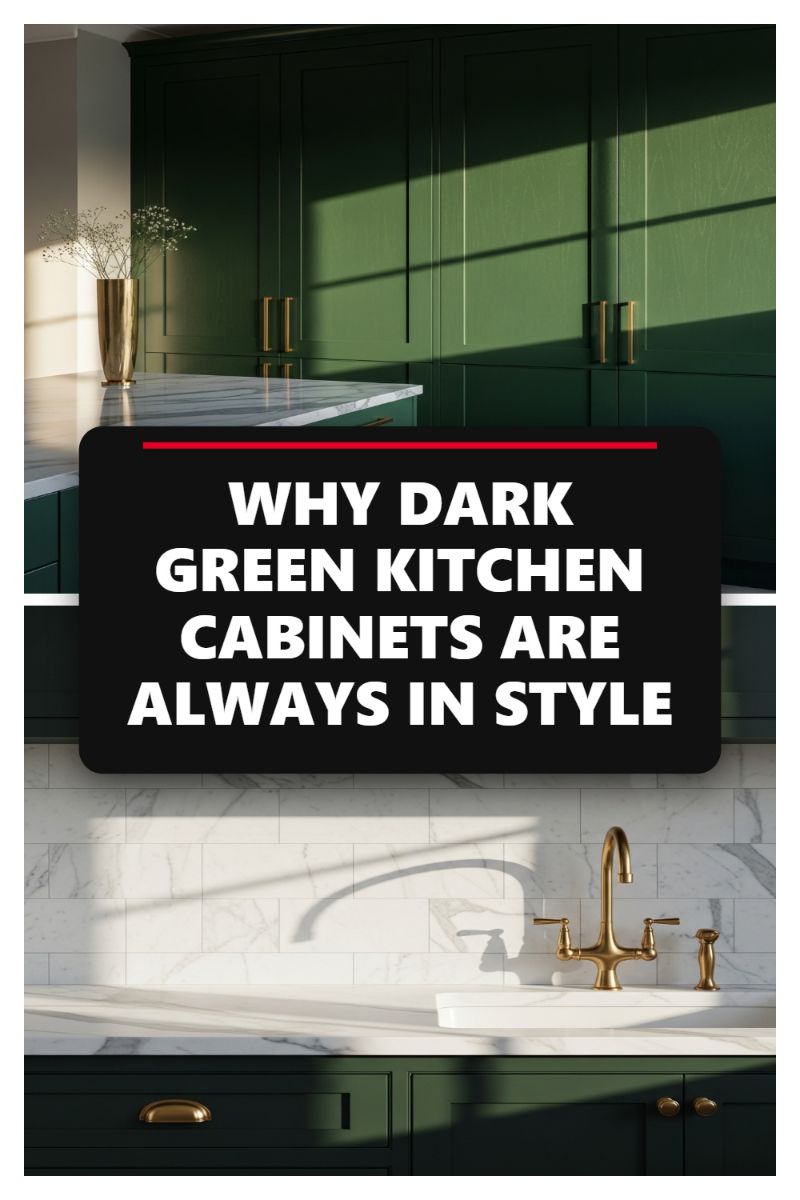
The secret to achieving the opulent, bespoke look of this dark green kitchen is mastering two high-impact, low-cost transformations: deep color saturation and strategic hardware replacement. While custom cabinetry costs thousands, you can achieve this rich, designer aesthetic for under $50 by painting existing cabinets (or just your island) with a sophisticated, saturated green, such as deep emerald or forest shade. Start by thoroughly cleaning and degreasing your cabinets. For durable results, a light sanding is crucial, followed by a quality bonding primer (if your existing cabinets are laminate or glossy). When selecting paint, look for a durable enamel or semi-gloss finish, as the sheen reflects light beautifully, mimicking the rich texture seen here. Since you only need enough to cover the visible areas or a small section, look for “oops” paints in similar deep hues or purchase high-quality samples that can be mixed to achieve the perfect depth, maximizing your budget.
The second, most critical element in replicating this high-end look is the brass hardware contrast. The dark green provides the drama, but the bright, brushed brass pulls and knobs provide the necessary jewelry and visual lift. Replacing all your hardware with new, solid brass pieces would certainly exceed the $50 limit, but there are two fantastic DIY hacks: either source inexpensive bulk-buy brass-toned pulls online (often available for less than $2 per piece if you buy 20 or more), or, even cheaper, revitalize your existing pulls. If your current handles are the correct shape, clean them thoroughly and lightly sand them before applying two thin coats of a specialized metal primer. Follow this with a few fine, light passes of premium spray paint in a “Brushed Gold” or “Satin Brass” finish. This subtle but effective contrast against the dark green instantly elevates the cabinets from builder-grade to custom-designed.
Expert advice for maximizing the luxury factor involves managing light and material pairings. Notice how the look relies heavily on sunlight creating dramatic shadows and highlights across the dark panels. To mimic this depth, ensure your kitchen has sufficient lighting, perhaps by installing affordable, stick-on LED under-cabinet strips (easily found for under $15). This accent lighting will highlight the brass hardware and prevent the dark color from feeling heavy. Additionally, the dark green works because it is paired with classic, bright white elements—like marble-look countertops and a simple subway tile backsplash—which provide crisp contrast. If you already have white or neutral countertops, the paint transformation alone will create this sophisticated pairing. If your backsplash is dated, consider a simple, large-format white peel-and-stick tile or painting the existing tile white to ensure the dark green remains the luxurious focal point of your transformed space.
$5 THRIFT FINDS THAT LOOK LUXURY IN YOUR HOME ✨

Achieving a luxury aesthetic doesn’t require high-end department store prices; it requires a sharp eye and strategic styling. The secret to transforming inexpensive thrift store finds into designer-worthy vignettes, as seen here, lies in prioritizing materials, scale, and texture. When hunting, skip over anything flimsy or obviously mass-produced. Instead, focus your efforts on heavy, high-quality ceramics, genuine brass or bronze, and natural stone elements. The image beautifully illustrates this principle: the top vignette features a solid brass candlestick paired with an agate slice coaster (often found for a few dollars) and anchored by a weighty, dark book. Look for items with a rich patina, as that worn finish instantly adds depth and history, masking the low cost. For ceramics (like the stunning collection of blue and rust-colored vases below), pay attention to the glaze—deep, speckled, or layered glazes suggest artisanal quality, regardless of the brand or price tag.
The real magic happens not in the finding, but in the curation and display. To elevate thrifted items, group them in thoughtful collections, adhering to the Rule of Odds (grouping items in sets of three or five). The bottom image demonstrates a perfect high-impact collection, using various heights and profiles but maintaining a cohesive, moody color palette of deep blues, terracotta, and subtle creams. Furthermore, the background environment is crucial: inexpensive items placed against a rich, dark backdrop (like the black paneled wall or the dark wooden credenza shown) absorb light dramatically, creating a gallery-like effect that screams sophistication. Ensure you mix textures within your grouping—the cold, smooth metal of the brass, the rough edge of the agate, and the glossy finish of the ceramics create necessary visual contrast that prevents the display from falling flat.
Finally, maximize the perceived value of your finds with minimal upkeep and strategic accessorizing. If a thrifted brass piece is dingy, a simple polish will restore its shine, but sometimes a dull patina is preferable; experiment to see what suits your decor best. For items like the candlestick, using a quality, unscented taper candle enhances the sophisticated feel. If you find a grouping of mismatched frames, a quick coat of matte black or antique gold spray paint can unify them instantly. Remember that items gain perceived value when they serve as risers or anchors—stacking books beneath a prized piece, as shown with the brass candle holder, elevates the item literally and figuratively, making it feel like a centerpiece worthy of high praise, all while keeping your total investment well under the $50 budget.
MOODIEST LIVING ROOMS ON PINTEREST RIGHT NOW!

Achieving the dramatic, high-contrast, moody aesthetic popularized on design blogs requires mastering two key elements: deep color saturation and purposeful texture. The dark walls featured in the image (a deep slate gray or charcoal) provide a rich backdrop that makes warm-toned furniture pop. To replicate this designer look affordably, choose a flat or matte finish for your dark paint color. While a high sheen can reflect light, a true matte finish on a dark wall absorbs light beautifully, creating incredible depth and preventing the room from looking flat. For a feature wall that needs to cost under $50, consider opting for a dark, textile-inspired peel-and-stick wallpaper rather than paint, which instantly introduces texture while maintaining that desired moodiness. Always prime dark walls properly to ensure the saturated color holds its vibrancy and doesn’t require excessive coats, which keeps material costs low.
Expertise in a moody aesthetic involves layering textures, not just colors. Notice the difference between the smooth painted wall and the rugged, stacked stone of the fireplace surround in the image. This interplay between soft and hard surfaces is crucial for high-end design. You can DIY this textural element by sourcing lightweight faux stone veneer panels for your fireplace surround or a small accent nook, which are much cheaper and easier to install than natural stone. Another budget-friendly option is using joint compound and an inexpensive spackling tool to create a distressed, textured wall effect, which you can then paint in a deep gray or black. This technique mimics the look of high-end Venetian plaster or concrete, costing only a few dollars for materials but yielding a million-dollar look. Ensure your faux texture is strategically lit to highlight the depth, leading to our next DIY secret: lighting.
Lighting is the ultimate low-cost tool for defining mood. The warm, angled light highlighting the sofa in the image creates immediate drama. Replicate this effect using affordable, concealed lighting fixtures. Instead of expensive architectural lighting, purchase warm-toned LED light strips (2700K color temperature) and hide them behind existing moldings, floating shelves, or fireplace mantels. This provides dramatic indirect light that skims the textured wall surface, enhancing its appearance. Finally, introduce the rich, warm elements seen in the sofa and side table through small investments. Use a DIY approach to elevate an ordinary piece into the modern, dark side table shown: source a cheap unfinished wood stool or cube, and finish it in a matte black spray paint. Top it with a few secondhand velvet pillow covers or a luxurious faux fur throw blanket in a burnt orange or mustard hue to introduce that inviting warmth and complete your high-end, moody living room transformation.
DIY FLIP THAT MADE ME $1000 (GOODWILL EDITION)
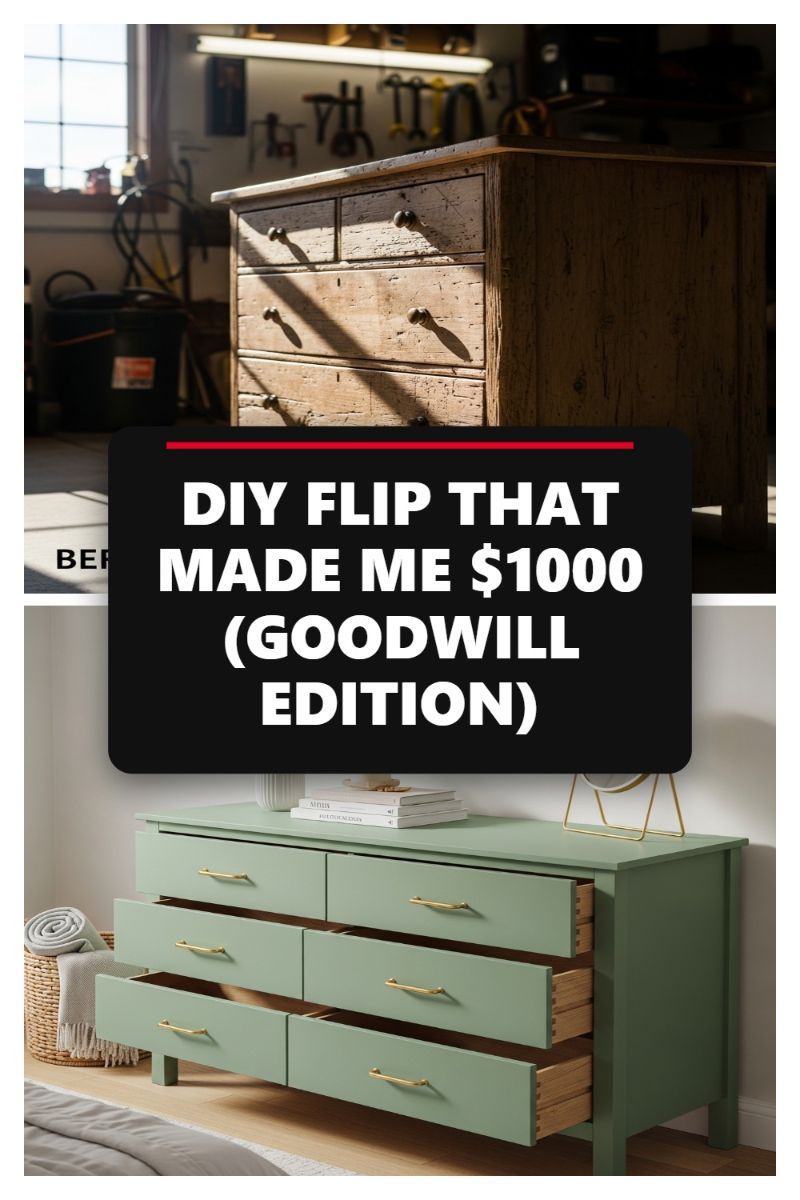
The secret to transforming a beat-up thrift store dresser into a high-end, designer-worthy piece is rooted in meticulous preparation and strategic finishing choices. Start by selecting a structurally sound piece—the rough, distressed look of the original dresser (often found for $20-$40 at a Goodwill or yard sale) provides excellent bones. The first step, crucial for a professional finish, is rigorous sanding. Strip away old varnish, dirt, and chipped paint. Use wood filler liberally on any deep gouges, chips, or holes, especially if you plan to switch the hardware placement. Once sanded smooth (aim for 220-grit), clean the entire piece thoroughly with a degreaser like TSP substitute. A high-quality shellac-based primer is non-negotiable for blocking stains and ensuring your new paint adheres perfectly and lasts for years, creating a seamless, factory-finish base that immediately elevates the perceived value of the flip, all while keeping your initial material costs below $25.
Achieving the modern aesthetic seen in the ‘after’ image requires precision in paint application. Choose a trending, muted color—like the dusty sage or soft mint green pictured—as these sophisticated tones mimic high-end furniture brands. Do not skip quality paint; a self-leveling cabinet or furniture paint is worth the slight investment because it minimizes brush strokes, giving that flawless, sprayed appearance. Apply two to three thin coats rather than one thick one. Allow ample drying time between coats and perform a light sanding (400-grit) between the first two to knock down any dust nibs or imperfections. The difference between a cheap DIY look and a $1000 designer piece is almost always the smoothness of the finish and the depth of the color. Once painted, protect your investment with a durable topcoat, such as a water-based polyurethane, applied thinly for maximum protection without yellowing.
The final, and arguably most impactful, step in maximizing your flip’s value is the hardware upgrade. The original wooden knobs instantly date the dresser; replacing them with sleek, modern brass or gold drawer pulls transforms the piece instantly into a contemporary marvel. You can often find sets of modern bar pulls online or at big box stores on clearance for under $20. Ensure they fit the existing drill holes, or, if you filled the old holes, measure precisely to center your new handles for a balanced look. Proper styling is also key to marketing your successful flip: stage the finished dresser simply with minimalist accessories, neutral textiles (like the rolled blanket), and perhaps a few books. This visual context helps potential buyers see the dresser not as a used item, but as a crucial, integrated piece of modern home décor, easily justifying a high resale price point and turning your under-$50 investment into a lucrative $1000 profit.
DIY HOME DECOR PROJECTS THAT LOOK DESIGNER (SERIOUSLY!)
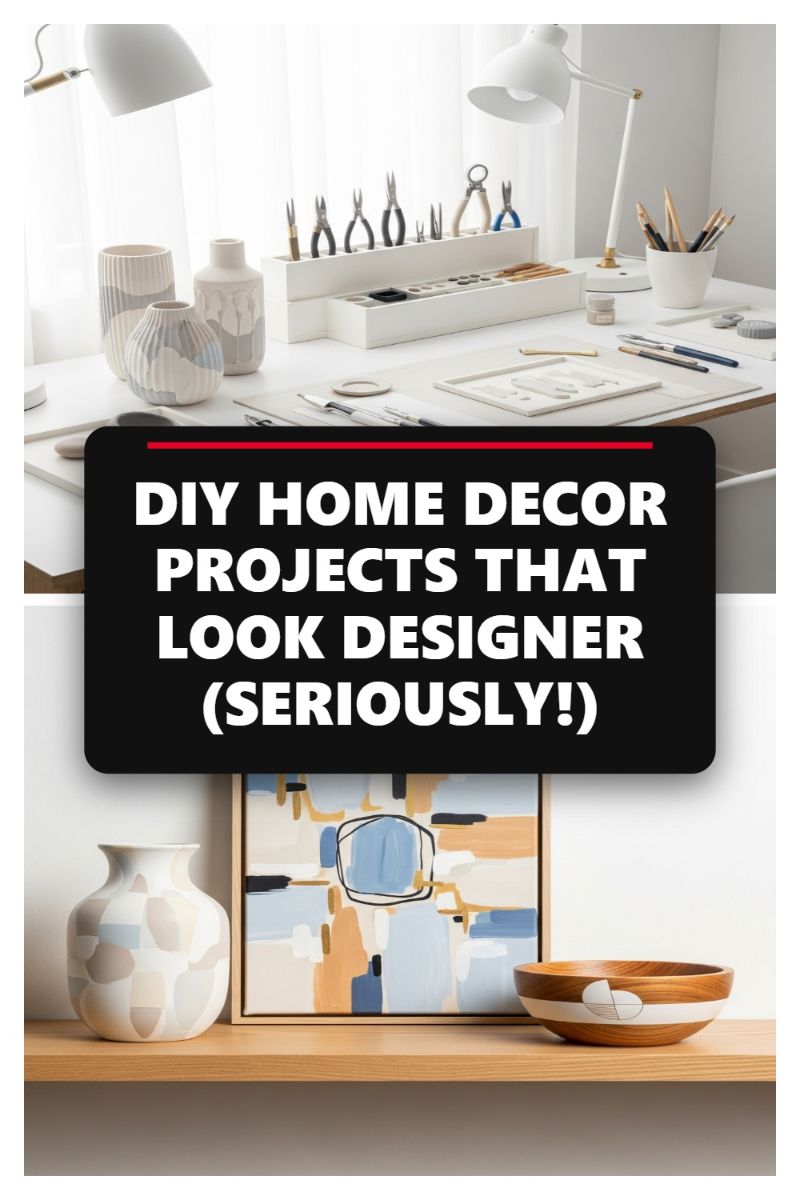
The secret to replicating high-end artisanal decor, such as the abstract vases and contemporary paintings seen in boutique shops, lies in embracing texture and maintaining a curated, minimalist color palette. These visual elements suggest projects centered around transforming simple, inexpensive base materials (like thrifted ceramic vessels or budget canvases) into textural masterpieces. To achieve the matte, raw clay look so popular in modern design, start by preparing your surface. Mix standard acrylic paint with a tablespoon of baking soda (for every half cup of paint) until it thickens to the consistency of pancake batter. This creates an immediate, inexpensive stucco or stone effect. Apply this textured paint base to your ceramic pieces with a wide, stiff brush, using short, cross-hatch strokes to ensure a uniform, thick coating that completely obscures the original finish. Allow this base layer to dry completely before moving on to the abstract design work.
To capture the sophisticated abstract patterns seen on the vases and artwork, choose a highly muted color scheme—think pale slate blue, taupe, blush pink, and creamy off-white. The goal is depth through layering, not contrast through bright colors. The designs themselves should be organic and painterly. Avoid precise lines unless you are replicating the specific geometric blocking seen on the canvas or the striped wooden bowl. For the free-form abstract patterns, use a small, flat-tipped brush to apply irregular shapes (curved blocks, squiggles, and circles) across the textured base coat. When designing, remember the rule of thirds: distribute the shapes unevenly to make the pattern feel deliberate and artistic, rather than uniform. For replicating the high-contrast wooden bowl, mask off the area for the clean white stripe using low-tack painter’s tape, paint the stripe, and then use a very fine-tipped brush to sketch in the subtle geometric details within the white band, which elevates the simple stripe into a custom, detailed element.
Presentation is the final, non-negotiable step to ensuring your DIY project looks truly designer. Once your painted pieces are fully dry, seal them with a high-quality matte clear varnish. Avoid glossy finishes entirely, as the matte look is central to the expensive, handcrafted aesthetic. Arrange your finished pieces in a deliberate vignette, mirroring the styling seen in high-end showrooms. Pair items of varying heights, such as the cluster of three vases shown, and display them on a clean, simple surface—like the white desk or the light wood shelf. The contrast between the warm wood and the cool, textural ceramic items enhances the perceived quality of the pieces. Integrating a complementary, small abstract painting (created using the exact same paint palette as your ceramics) ties the entire display together, confirming that the pieces were designed as a cohesive collection, a key indicator of designer-level curation.
SKIP BOHO, TRY GOTH-WESTERN FOR YOUR BEDROOM REFRESH!
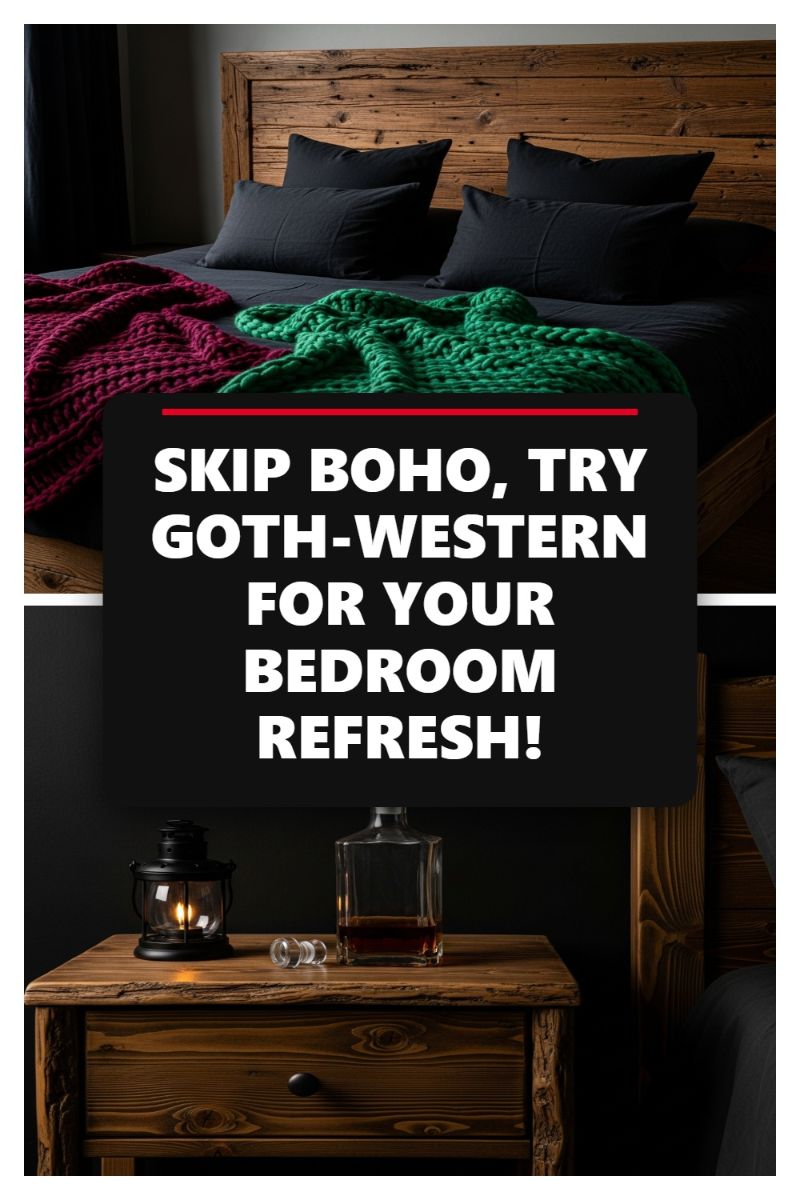
The ‘Goth-Western’ aesthetic is the perfect marriage of rustic warmth and dramatic, moody sophistication, moving far beyond the oversaturated look of modern bohemian decor. To achieve this high-end bedroom refresh for under $50, you must focus on texture and depth rather than expensive furniture swaps. The key starting point is the dramatic bedding. If you can’t afford new black linen sheets, DIY the look by purchasing a budget white or light-colored duvet cover and pillows and using a high-quality fabric dye (often under $10) to transform them into matte black or deep charcoal. Once the backdrop is set, introduce rich, tactile color through chunky knit throws. The image showcases striking emerald green and deep burgundy—jewel tones that pop dramatically against the black canvas. You can achieve this texture economically by purchasing inexpensive skeins of thick, roving yarn and arm-knitting a small, dramatic throw blanket or bed runner. This single item instantly elevates the space, mimicking luxury designer textures without the high cost.
The next crucial element is replicating the heavy, rustic wooden elements, specifically the nightstand and headboard, without buying new pieces. For the headboard, if you have a plain existing one, consider sourcing inexpensive reclaimed pallet wood (often free or very cheap) or thin pine boards and staining them deeply with a gel stain, then attaching them directly to the wall or the existing frame to create that thick, weathered paneling effect. For the nightstand, upcycle a thrifted side table. Clean and sand the piece, then apply a deep walnut or espresso gel stain (easy to use and forgiving) to mimic the rich, aged timber shown. Crucially, replace any existing hardware with simple, matte black knobs or pulls, which gives a sophisticated, contemporary edge to the rustic wood. Focus on dark, moody wall color if possible; a deep charcoal accent wall, achieved with discounted ‘mistake’ paint from the hardware store, ties the whole look together.
Finally, style the space with atmospheric, budget-friendly accessories. The ‘Goth-Western’ look relies heavily on dramatic lighting and masculine, curated accents. Purchase an inexpensive black decorative lantern (often found in home goods or garden centers) and swap out any standard bulb for a flickering, battery-operated LED candle. This creates the warm, slightly mysterious glow necessary for the vibe. For the decorative decanter seen on the nightstand, visit a local thrift store for a heavy, square glass bottle or vintage carafe. To mimic the expensive liquor inside, fill it with strongly brewed iced tea or a mix of water and food coloring—this provides the visual weight without the cost. Remember to keep surfaces uncluttered; this style favors a few curated, impactful pieces over numerous small items. By focusing on dye, cheap wood, affordable lighting swaps, and clever styling, this dramatic refresh is easily achievable on a tight DIY budget.
STOP BUYING NEW: THRIFTING THE PERFECT GALLERY WALL
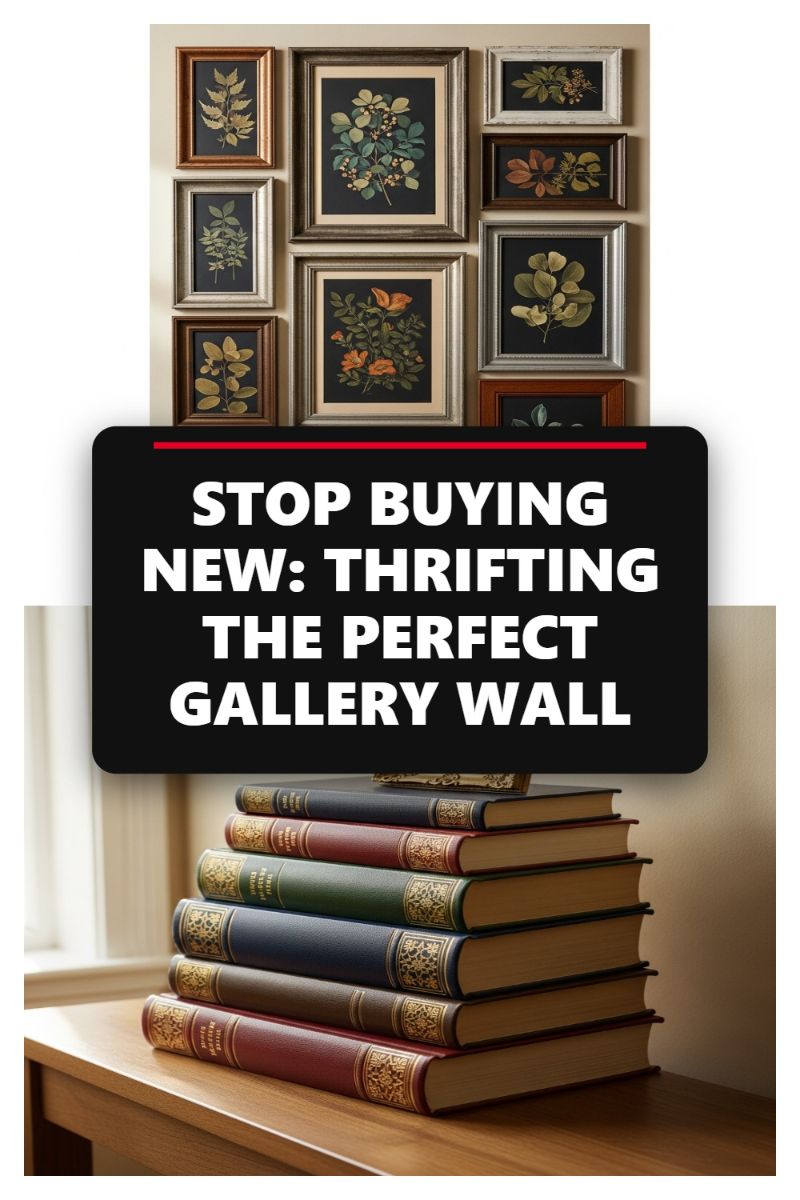
The secret to a truly high-end, designer-curated gallery wall isn’t spending thousands on matching sets; it’s mastering the art of the thrifted mosaic. The image showcases a classic, sophisticated aesthetic achieved through a mix of metallic and wood frames displaying dark-background botanical prints. To replicate this look for under $50, begin by hitting local thrift stores and garage sales with a specific goal: acquire 8-12 frames in diverse sizes and shapes (rectangles, squares, large, and small). Crucially, ignore the art inside; focus solely on the quality and structure of the frame itself. Look for frames with interesting textures or ornate detailing that you can later enhance with paint. Aim for a mix of dark wood and distressed metallic finishes, ensuring the collection, though varied, shares a cohesive color temperature, like warm browns and tarnished golds. This initial thrifting trip is the foundation, and keeping the frame haul under $20 is easily achievable if you buy mismatched pieces.
Once the frames are collected, the DIY transformation begins. Unifying mismatched frames is simple and highly effective: use spray paint. For the rich look seen here, select a high-quality matte black, a sophisticated antiqued silver, and a brassy gold spray paint. The distressed, high-end appearance is achieved by lightly applying the metallic paints over a dark base, often allowing some of the original wood or black paint to peek through. For the artwork, the key is free or low-cost printing. Search public domain archives (like the New York Public Library or various university archives) for high-resolution botanical illustrations. Print these digitally downloaded images at home or at a cost-effective print center. To achieve the deep, dramatic contrast seen in the inspiration image, use dark navy or black cardstock as the background ‘matting’ inside the frame, centering the printed botanical image on top. This depth immediately elevates the final product, making a simple print look like expensive, custom artwork.
Finally, the installation must be executed thoughtfully to appear curated, not cluttered. Before hanging, arrange all frames on the floor, planning the layout until you find a pleasing balance of sizes and orientations. Use paper templates cut to the size of each frame to map out the exact placement on the wall, ensuring the gaps between frames are consistent (typically 2-3 inches). To keep the cost budget low, use Command strips or small finishing nails. This entire process—frames, spray paint, digital prints, and cardstock matting—should comfortably total less than $50, resulting in a designer-quality gallery wall that boasts genuine character and history, unlike generic, mass-produced decor sets.
OPEN CONCEPT LAYOUT MISTAKES YOU’RE STILL MAKING 🤦♀️

One of the biggest mistakes in open-concept living, as illustrated by the sprawling space in the image, is the failure to properly zone the area, making it feel vast and disjointed. You can fix this design flaw using high-impact, low-cost DIY decor secrets. The primary way to define distinct areas (like the dining room, living space, and kitchen shown here) is through anchoring rugs. While designer-sized rugs can cost thousands, a DIY secret is sourcing large, durable natural fiber rugs (like jute or sisal, often found affordably at wholesalers or discount home stores) and layering them with smaller, visually impactful throw rugs. For under $50, you can often find a suitable 5×7 jute rug or purchase two coordinating smaller rugs to layer, instantly grounding the dining set or sofa area and physically separating it from the adjacent spaces. Similarly, address high-end lighting for cheap: if your open plan uses standard builder-grade fixtures (like the pendant lights over the island shown), a simple $10 can of matte black or antique bronze spray paint can transform them into custom, high-end pieces that coordinate perfectly across all zones, giving the space designer cohesion.Another common layout pitfall is chaotic styling across shared sightlines. Because the eye sees the kitchen island, living room built-ins, and dining area simultaneously, maintaining visual continuity is crucial. Focus your under-$50 DIY budget on curating the visible shelving and surfaces. The key is editing and texture. Instead of buying expensive decor, create your own high-end textural pieces. Purchase a few inexpensive glass vases from a thrift store or dollar section, and use a mix of baking soda and flat latex paint to create a stunning, matte, custom-colored textured stoneware finish. This DIY project costs less than $20 and allows you to create matching decorative accents (like the plants/vases seen on the counter and shelves) that subtly tie the different functional zones together. Ensure the scale of your DIY decor is large enough to register in a vast space, but keep the color palette restrained (monochrome, neutrals, and metallics look most expensive).Finally, use textiles to create intimacy and flow, addressing the mistake of a room feeling cold or overly exposed. The plush leather couch in the image needs texture contrast. For less than $50, you can source high-quality fabric remnants or inexpensive woven throw blankets that you can DIY into custom pillow covers or sofa throws. The secret is selecting fabrics with complex textures—think faux fur, thick linen, or bouclé—and making sure the colors echo throughout the entire space. For instance, if your kitchen island has black cabinetry (as seen in the image), introduce black-and-white patterned pillows in the living area and dining chair cushions. This strategic use of cohesive, budget-friendly DIY textiles creates soft visual boundaries, ensures every area feels intentionally styled, and elevates the entire open-concept space into a sophisticated, designer-quality environment.
MAXIMALIST GOTH WESTERN LIVING ROOM REVEAL!
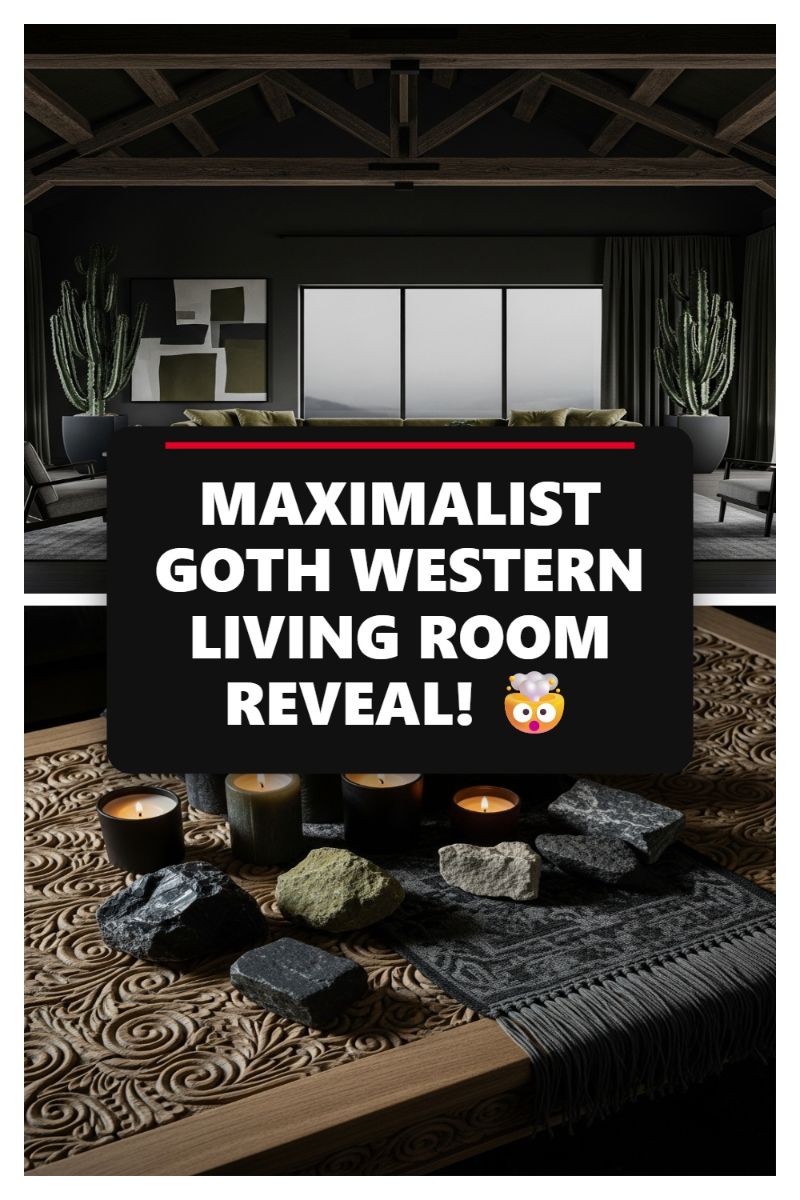
The Maximalist Goth Western aesthetic—characterized by moody colors, raw textures, and opulent, layered detailing—screams high-end, bespoke design, but you can achieve its core impact on a shoestring budget. Instead of tackling major architectural changes like those heavy exposed beams, we focus on replicating the sophisticated table vignette featured in this reveal, which acts as the visual heart of the space. The secret lies in textural contrast: pairing the raw simplicity of natural stones and dark textiles against highly detailed, almost ancient-looking carved wood. This DIY approach concentrates the drama into a focal point that requires minimal investment but yields maximum designer appeal. Aim to source elements that prioritize deep, muted colors (charcoal, forest green, black) to maintain the signature Gothic moodiness.
Our first DIY project focuses on creating that stunning, heavily carved wooden base without purchasing an expensive artisan coffee table. You can achieve this effect on a budget by purchasing an unfinished wooden tray, shallow box, or even a basic MDF plaque (aiming to spend less than $10). Next, use wood filler or air-dry clay and a simple rolling pin stamp or stencil to press an intricate, repetitive pattern onto the surface, mimicking deep carving. Once dry, sand lightly and apply a dark walnut or espresso stain, followed by a matte clear coat. This faux carving technique instantly elevates a humble piece of wood into an ancient, bespoke artifact. Complement this with the crucial natural elements: gather a selection of rugged, visually interesting rocks, focusing on varying sizes and textures (slate, rough granite, mossy stone). Clean them thoroughly and seal them with a matte varnish to give them a polished, intentional look, ensuring the entire stone and wood setup costs well under the $25 mark.
Finally, layer the centerpiece with the perfect textile and lighting to complete the opulent look. For the textile runner, avoid expensive fabrics; instead, seek out dark, heavily patterned woven placemats or long fabric remnants from the clearance bin (look for deep greys, black, or distressed patterns under $15). If the edges are unfinished, simply fray them yourself to create a dramatic fringe, adding rustic texture. For the candles, buy simple, inexpensive pillar candles or basic jar candles. If they are light-colored, spray paint the exterior of the glass jars black or dark green using high-heat matte paint for a cohesive, expensive look. Arrange the candles in asymmetrical clusters on the runner, weaving the gathered rocks among them. This strategic placement creates shadows and highlights, emphasizing the textures and producing a moody, high-contrast focal point worthy of any Maximalist Goth interior—all while staying firmly within our sub-$50 budget.
THRIFT HAUL ALERT: MY BEST HOME DECOR FINDS EVER!
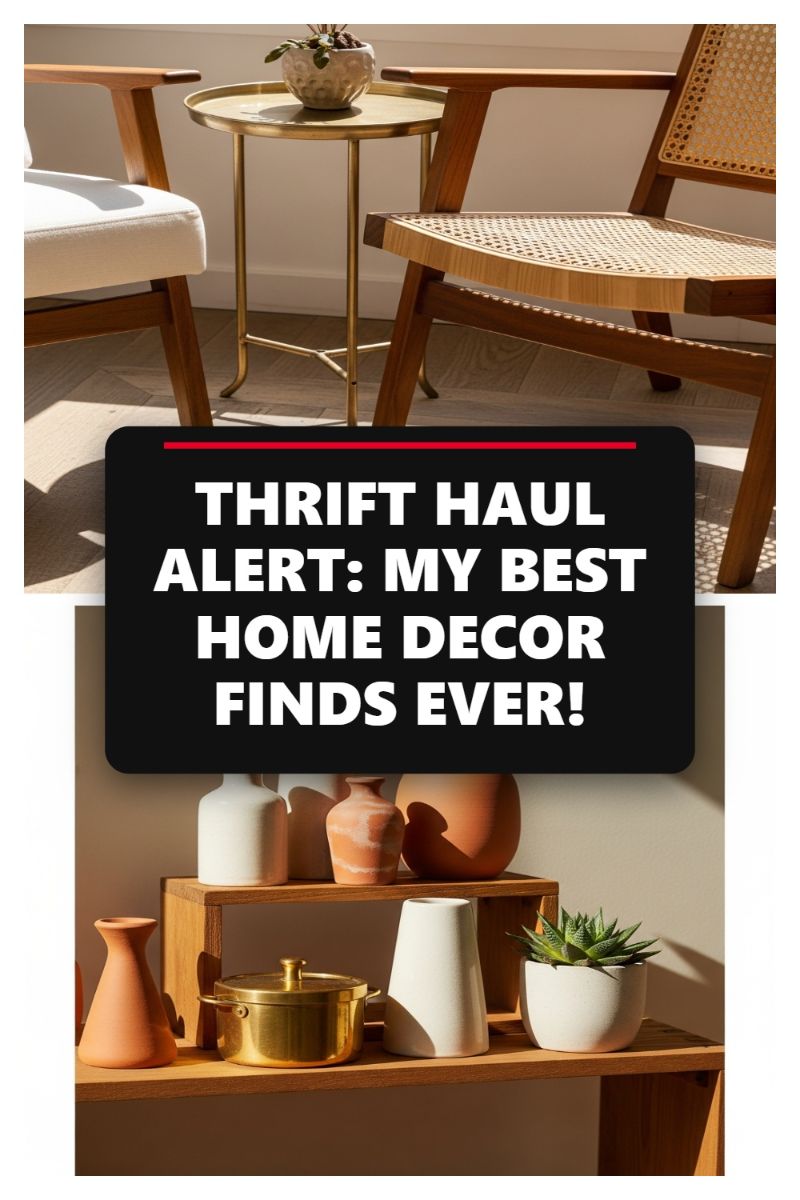
To achieve the highly desirable, curated aesthetic seen in high-end design catalogs using only thrifted items, the key lies in selecting pieces based on texture and form rather than relying on color or pattern. When sifting through thrift store shelves, look specifically for sculptural, minimalist vessels made of materials like matte ceramic, rough terracotta, or natural stone—often overlooked items that cost mere dollars. These raw, earthy finishes instantly read as sophisticated. Grouping these vessels in varying heights and shapes creates a visually rich vignette, as demonstrated in the image. For instance, if you find a plain white ceramic vase, consider sanding it slightly or applying a thin coat of concrete-effect paint to eliminate a cheap, glossy finish and instantly elevate it. Complete this look with a single metallic element, such as a small brass pot or container (these are frequently available in the kitchenware section of second-hand shops), to introduce a valuable reflective contrast. This brass piece often requires no more than a quick polish to look high-end, completing a styled display that costs less than $20 but achieves a designer finish.
Moving beyond small accessories, the most significant impact comes from strategic furniture sourcing and restoration. Look for pieces featuring natural wood and specific design elements like caning or woven textures, which are hallmarks of mid-century modern and Scandinavian design and currently command premium prices. While finding a perfect cane chair may be rare, focus on solid wood frames with clean lines that can be easily updated. A simple wooden side table or chair frame, even if slightly damaged, can be sanded down and treated with a light natural stain or furniture oil to bring out the depth of the wood grain, instantly transforming a $30 find into a piece that mimics $300 furniture. If the item is upholstered, prioritize simple, neutral fabrics (like the cream seating shown) that don’t distract from the structure. If the fabric is dated, reupholstering a small seat cushion or armrest using inexpensive linen or bouclé fabric remnants is a DIY trick that maintains the high-end, textured look necessary for this style.
Finally, expert staging brings your thrift haul to life. The high-contrast, shadowed lighting in the visual is crucial to making inexpensive materials look rich. Place your styled wooden shelves and accessory groupings near a strong natural light source (a window) to allow shadows to play across the various textures—this is what makes the matte terracotta look so dramatic next to the glossy brass. When arranging your shelves, adhere to the principle of visual weight; place heavier or taller items in the back and center, using plants (like the easy-care succulent shown) to add necessary organic softness and color variation. By keeping the display minimal and adhering to a cohesive color palette of warm neutrals (wood, cream, terracotta) accented by a single metallic tone (gold/brass), you maximize the perceived value of each piece, transforming a collection of thrift store items into a highly styled, magazine-ready ensemble.
WOVEN WONDERS: THE BEST MEXICAN HOME DECOR FINDS
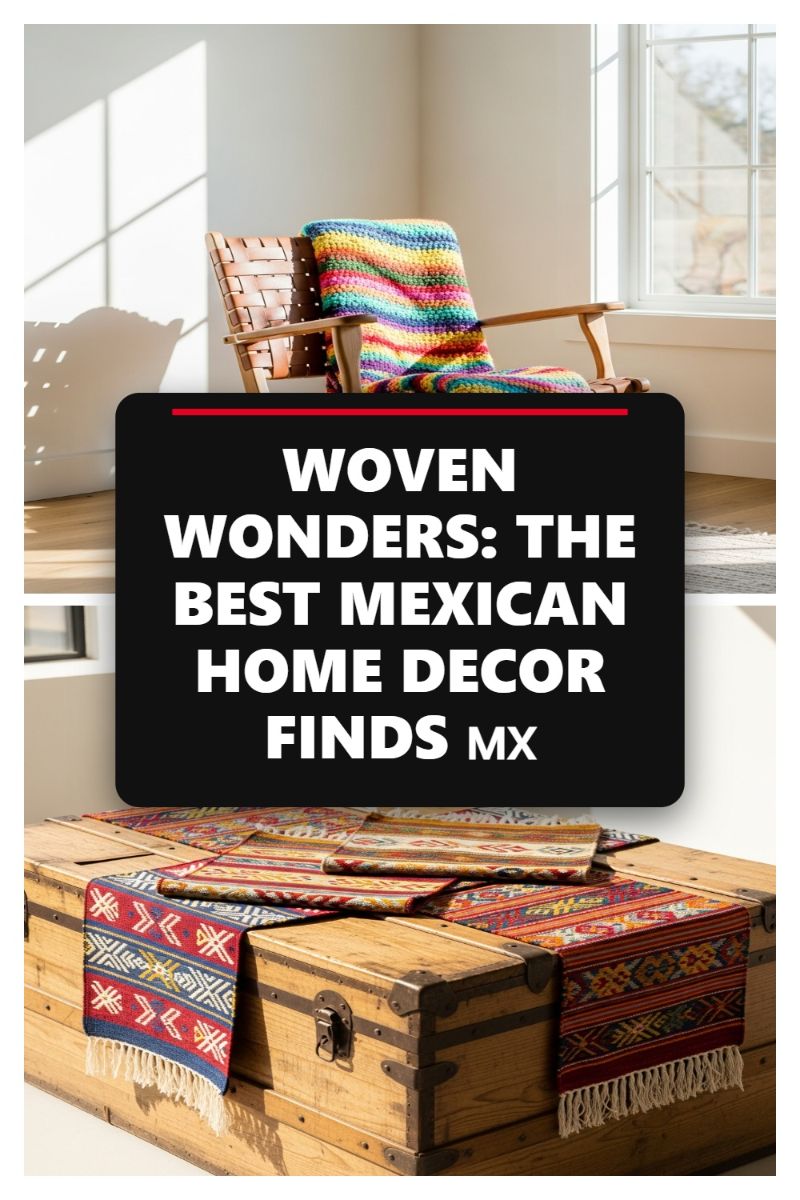
Recreating this high-contrast, texturally rich look for under $50 involves smart sourcing and simple crafting to introduce vibrant woven elements into a modern, neutral space. The immediate visual impact comes from the chunky, multicolored throw draped over the leather chair. To achieve this luxury textile look affordably, skip boutique retailers and instead focus on materials. You can purchase several skeins of budget-friendly, highly saturated acrylic or wool blend yarn (look for clearance multi-packs) and knit or crochet a simple garter or single-stitch throw. If crafting isn’t your forte, hunt for inexpensive serape blankets or discounted woven throws at importers or thrift stores. The key designer trick here is volume: make the throw oversized and drape it casually—tucking one corner behind the chair back and letting the rest pool naturally onto the seat and floor—to add immediate warmth, depth, and a playful punch of color that breaks up the formality of the clean lines and white walls.
The second centerpiece of this design is the upcycled trunk, serving as a functional, rustic coffee table adorned with layered patterned textiles. To replicate this look, source a vintage wooden chest or even a sturdy, large wooden crate from a flea market for under $20. The transformation requires minimal tools: a light sanding to remove grime and old finish, followed by a dark walnut stain or a simple Danish oil rub to deepen the wood tone and highlight the natural grain, giving it that rich, aged appearance. Once the base piece is perfected, the magic lies in the layering. Instead of purchasing pricey, custom-sized table runners, buy two or three yards of inexpensive woven cotton or patterned fabric (like budget Mexican zarapes or Southwestern prints) and cut them into strips of varying widths and lengths. Use a simple no-sew hemming tape or minimal stitching to finish the edges. Expert advice dictates mixing patterns of similar color palettes (e.g., reds, oranges, and deep blues) to ensure the layering feels cohesive rather than chaotic. Scatter the pieces slightly askew to create an effortless, collected aesthetic.
To ensure your DIY ‘woven wonder’ looks high-end rather than crafty, focus on balancing the visual weight. The room in the image succeeds because the intense colors and textures of the textiles are grounded by bright white walls, light wood flooring, and minimalist furniture silhouettes. This juxtaposition elevates the colorful patterns. When sourcing your textiles, ensure they feature traditional elements like thick fringe (which you can easily add yourself using inexpensive macrame cord or embroidery floss if the fabric lacks it). Finally, keep the surrounding decor sparse. Let the layered textiles and the refinished trunk be the statement pieces, achieving a high-impact, designer aesthetic that celebrates global weaving traditions without requiring a significant financial investment. This project perfectly encapsulates how strategic textile layering transforms ordinary furniture into a striking design focal point.
COZY LIVING ROOM IDEAS THAT FEEL LIKE A PERMANENT VACATION
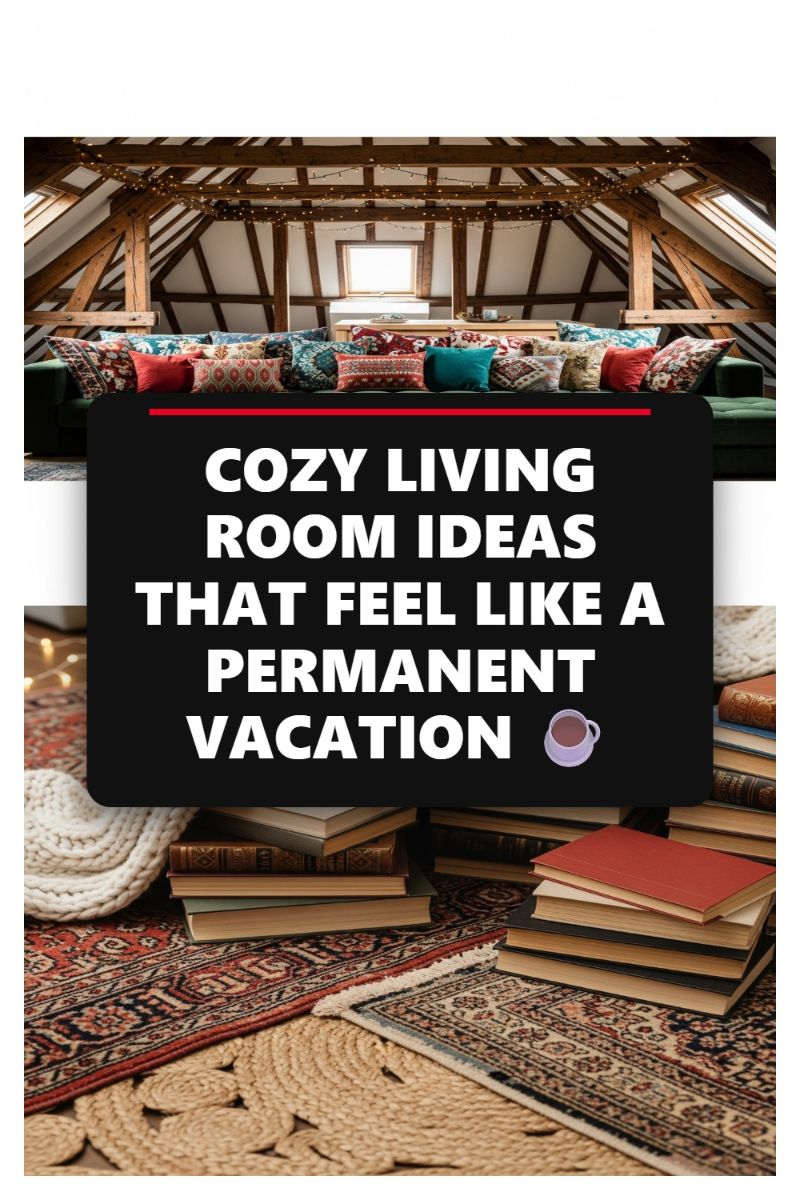
Achieving the abundant, high-end textile look shown in this image—where deep colors, rich patterns, and varying textures collide—doesn’t require purchasing expensive designer throw pillows. The secret to this “permanent vacation” aesthetic is calculated layering using budget materials. Start by selecting two or three core colors (like the deep greens, reds, and teals seen here) and source affordable remnants of quality fabric like velvet, linen blends, or heavy brocades from clearance bins. Instead of buying whole pillows, focus on creating removable covers. Look for thrift store textiles, such as patterned scarves or heavy curtains, which can be easily repurposed into zippered or envelope-style pillow covers for minimal cost. The key to the designer finish is mixing scale: ensure you have large prints, small geometric patterns, and solid textures (like a chunky knit or solid velvet) to create visual depth that looks intentionally curated, not cluttered. Keep the total cost under $50 by utilizing existing pillow inserts and focusing your budget on four to six high-impact fabric pieces that dramatically elevate the sofa.
The visual foundation of this cozy loft is its raw, textural depth, stemming from the exposed wooden beams and the multi-layered flooring. While installing actual architectural beams might be outside the $50 scope, you can mimic this high-impact rustic warmth. Use faux wood grain painting techniques or purchase lightweight, budget-friendly foam beams (often found at home improvement stores) and stain them for an authentic, aged appearance. For the flooring, replicate the luxurious, layered rug look by starting with the most affordable textile—natural fiber rugs. Purchase a large, inexpensive jute or sisal rug as the base layer, which provides texture and defines the space. Then, layer one or two smaller, highly patterned, and richly colored accent rugs (like Oriental or Persian styles, as shown) on top. These accent rugs can often be found at flea markets or clearance sales. By using a natural base, you minimize the cost while maximizing the visual impact of the small, expensive-looking patterned textiles placed strategically in high-visibility areas, achieving that bohemian designer finish.
The feeling of being on a permanent retreat is solidified through soft, ambient lighting and deeply personal accessories. The image beautifully utilizes warm-toned fairy lights strung across the structural beams, immediately softening the hard architecture and adding a touch of romance. This is one of the easiest, most affordable high-end DIY upgrades; a quality string of battery-operated LED fairy lights can often be purchased for under $15. Complement this with curated vignettes that suggest relaxation and history. Gather stacks of old hardcover books (the key is the texture of the spines, often found for pennies at library sales or yard sales) and pile them haphazardly but elegantly on the floor or side tables. Finish the setup with a chunky, knitted throw blanket. If you can knit, this is a material-only project; otherwise, look for clearance or DIY kits for arm knitting to create a high-texture, inviting blanket that completes the luxurious, retreat-like atmosphere, proving designer style is built on texture and light, not high price tags.
UPGRADE YOUR SPACE WITH TEXTURES: AFRO CHIC EDITION
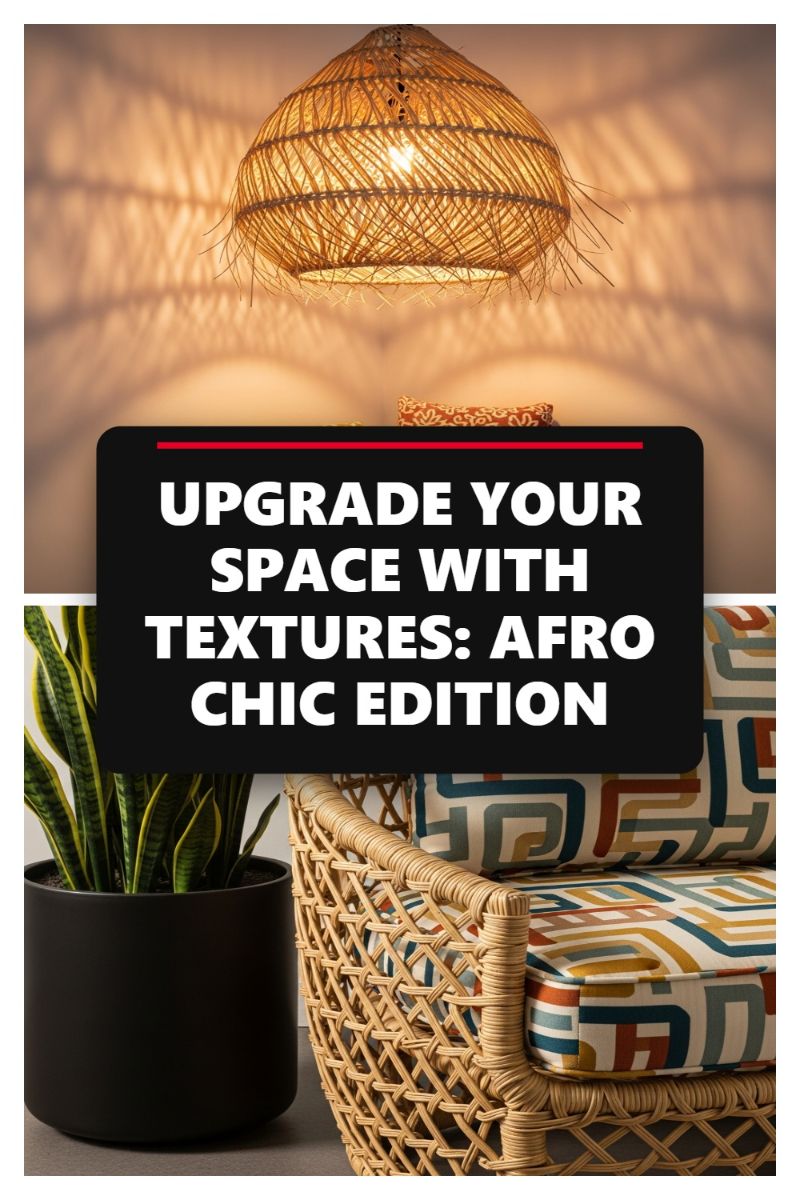
Creating a truly high-end, globally-inspired interior relies heavily on tactile texture and visual depth, elements that are often achieved through expensive imported goods. However, you can master the warm, inviting look of Afro Chic and Modern Bohemian design—which relies on woven textures and geometric patterns—without breaking the bank. The critical components seen here are the dramatic woven light fixture and the boldly patterned textile, both of which are achievable DIY projects under our $50 budget. Focus first on the lighting: that dramatic, basket-weave shadow play adds instant architectural interest. To replicate this, purchase a basic pendant light kit and an affordable wire wastebasket or a large paper lantern (the base structure). Using natural jute twine or raffia ($10-$20), start at the top and meticulously wrap and hot-glue the fiber around the frame. Vary the tightness of the weave slightly as you work downward to mimic a true artisan piece, allowing small gaps for the light to escape. The real secret to this high-impact look is the bulb; use an exposed, clear LED filament bulb (or a mirrored top bulb) to maximize the amount of patterned shadow cast onto the surrounding walls.
The second major element is the high-impact, geometric cushion pattern, which provides the ‘chic’ contrast to the raw texture of the rattan chair and light fixture. While genuine patterned textiles can be costly, reproducing a dynamic, globally-inspired print is a simple weekend DIY. Start with two yards of inexpensive, natural-colored linen or heavy cotton canvas. Instead of attempting a complex freehand design, create a custom stencil using cardboard or vinyl for a repeating motif—like a simplified interlocking maze or a bold, blocky pattern characteristic of West African textiles. Purchase small containers of fabric paint in rich, earthy colors such as ochre, burnt sienna, deep teal, and mustard yellow (total cost approx. $15). Lay your fabric flat, secure the stencil, and apply the paint sparingly with a sponge applicator or stippling brush to achieve an authentic, hand-printed appearance rather than a flat, manufactured look. Once dry, sew your fabric into custom cushion covers, ensuring a clean, tailored finish to keep the project feeling high-end.
To complete the overall aesthetic, balance these new textured additions with grounding, simplified elements. The Afro Chic style thrives on the juxtaposition of natural roughness (the light and the chair weave) against sleek, modern lines (the bold patterned cushion and the solid black planter). Ensure your greenery, such as the hardy snake plant shown, is housed in a vessel that is modern and unadorned to prevent the space from feeling cluttered or overly busy. This strategy—pairing two high-impact texture DIYs (the woven light and the custom textile) with simple, contemporary anchors—will instantly transform your seating area into a designer-grade space, easily staying within the $50 budget for materials.
How to Inject Vibrant Colors into a Minimalist Space
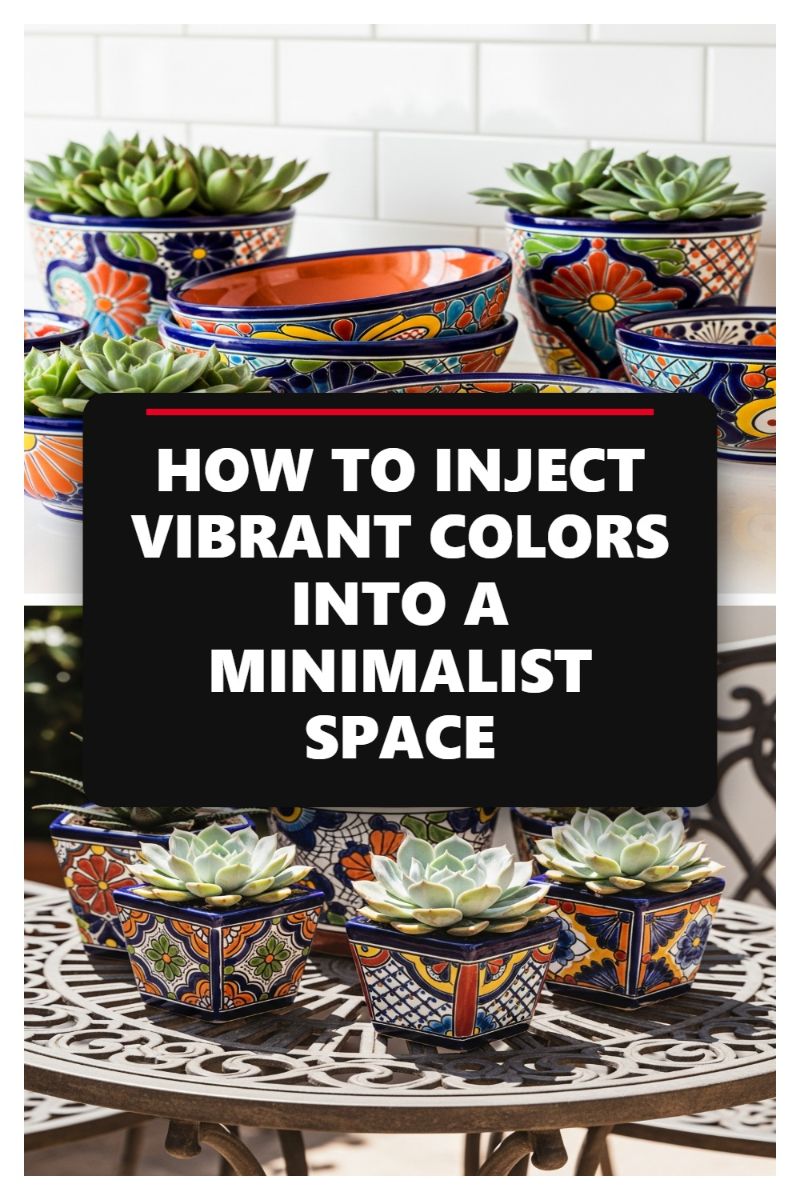
Minimalist design, defined by clean lines and neutral palettes, provides a sophisticated foundation, but it often risks feeling cold or sterile. The secret to bridging this gap while staying under budget is the strategic introduction of highly saturated, artisanal objects that function as living art. The stunning visual impact seen here comes from grouping multiple vibrant, hand-painted ceramic planters in the style of Mexican Talavera or Spanish Majolica. Since purchasing enough authentic pieces to create this display would far exceed a $50 budget, the high-end hack involves replicating this look using inexpensive materials. Begin with plain terra cotta or simple white ceramic pots purchased from a discount store. Your budget priority should be investing in quality, high-pigment acrylic or enamel paints (cobalt blue, fiery orange, emerald green, and bright yellow are key) and a high-gloss sealant. Prep your pots by cleaning and priming them, then select one primary color (like deep indigo) as the base for most pieces, unifying the collection.
The instructional DIY process focuses on mimicking the characteristic complex patterns of traditional ceramics. Start by freehand sketching simple geometric or floral outlines onto your pre-painted pots with a pencil. Talavera style relies on heavy outlines; use a fine-tipped brush and black or dark blue paint to define the motifs. Next, fill in the defined shapes using your remaining vibrant colors, varying the complexity—some pots can feature large, simple blossoms, while others showcase intricate quilt-like patterning, mixing checks, swirls, and dots. A key technique for achieving an authentic look without needing expert painting skills is creating uniformity in the *type* of pattern, even if the patterns themselves vary. For example, ensure all patterns utilize thick outlines and heavy color saturation. Once the paint is completely dry, apply several coats of a durable, high-gloss epoxy or varnish. This step is crucial, as the deep shine is what transforms a simple painted pot into a designer-level glazed ceramic piece, ensuring the vibrant colors truly pop against the neutral backdrop of your minimalist home.
Placement is paramount when integrating these colorful items into a stark environment. The visual effectiveness hinges on the strong contrast these pots create against white subway tile, clean counters, or simple black wrought iron tables, as demonstrated in the image. Group the painted ceramics together in odd numbers (three or five works best) to form a focused ‘color cluster.’ Housing easy-care succulents or small, textural cacti adds organic life without introducing visual clutter or distracting from the pottery itself. By concentrating the color in this small, curated display, you avoid overwhelming the minimalist aesthetic while achieving maximum decorative impact. This method turns humble terra cotta pots into sophisticated, attention-grabbing pieces that fulfill the function of high-end decor while keeping the entire project cost well under the $50 threshold.
STOP SCROLLING: THE ULTIMATE BOHO BEDROOM GLOW UP! 🌴

The image perfectly encapsulates the sophisticated side of bohemian design, relying on saturated color, high-impact textures, and organic focal points. The most dominant feature is the intricate rattan headboard, which typically breaks the bank. Our secret is achieving this designer look for less than $50 by focusing on the illusion of natural texture and scale. Instead of purchasing an expensive rattan piece, build the visual impact using a deep, matte olive green on a single accent wall behind the bed—a small section requires only a sample pot or quart of paint, easily keeping you under budget. To replicate the headboard’s ornate silhouette, source thick, light-colored sisal or jute rope and craft a simplified coiled or fan design on a large piece of foam core or thin plywood. Once the frame is secured, heavily wrap it in rope, using a hot glue gun to create the rich, coiled texture reminiscent of natural wicker. This DIY method leverages affordable fiber materials to mimic high-end craftsmanship, transforming a plain wall into a luxurious, custom focal point.
Once the foundational backdrop is complete, focus on layering textural contrast. The bedding in the image combines plush velvet cushions (the red and solid green) with bold geometric prints (the black and white pillows). Achieving this layered look affordably means hitting up thrift stores for inexpensive pillow covers and utilizing fabric paint and simple geometric stencils to create high-contrast, graphic patterns on basic cotton or linen. A second critical element is the round rattan-framed mirror. Buy a budget-friendly circular mirror (check clearance sections or hardware stores) and attach a custom frame made entirely of jute rope composite. By coiling thick rope tightly and gluing it securely around the perimeter, you can replicate the robust, woven look of a genuine designer piece. Finish this corner with a tropical houseplant placed inside a natural woven basket, introducing life and organic shape that grounds the entire aesthetic.
Finally, master the ambient glow that defines a cozy, high-end boho space. The lighting should be warm, low, and diffused, creating flattering shadows against the dark wall. Replace harsh overhead lighting with a warm-toned smart bulb, or create a custom lampshade. You can DIY a stunning fixture by wrapping a thrifted wire shade frame with thin raffia or natural yarn, filtering the light beautifully. If your budget allows for a minimal macrame piece (easily made with cotton cord and a found stick for under $10), hang it adjacent to the mirror. The combination of the deep wall color, the coiled natural fibers (headboard and mirror), and the layered textiles results in a curated, globally-inspired retreat that looks entirely custom-made, all while adhering strictly to our $50 DIY cap.
THE STUNNING BEAUTY OF MUDCLOTH & AFRICAN TEXTILES
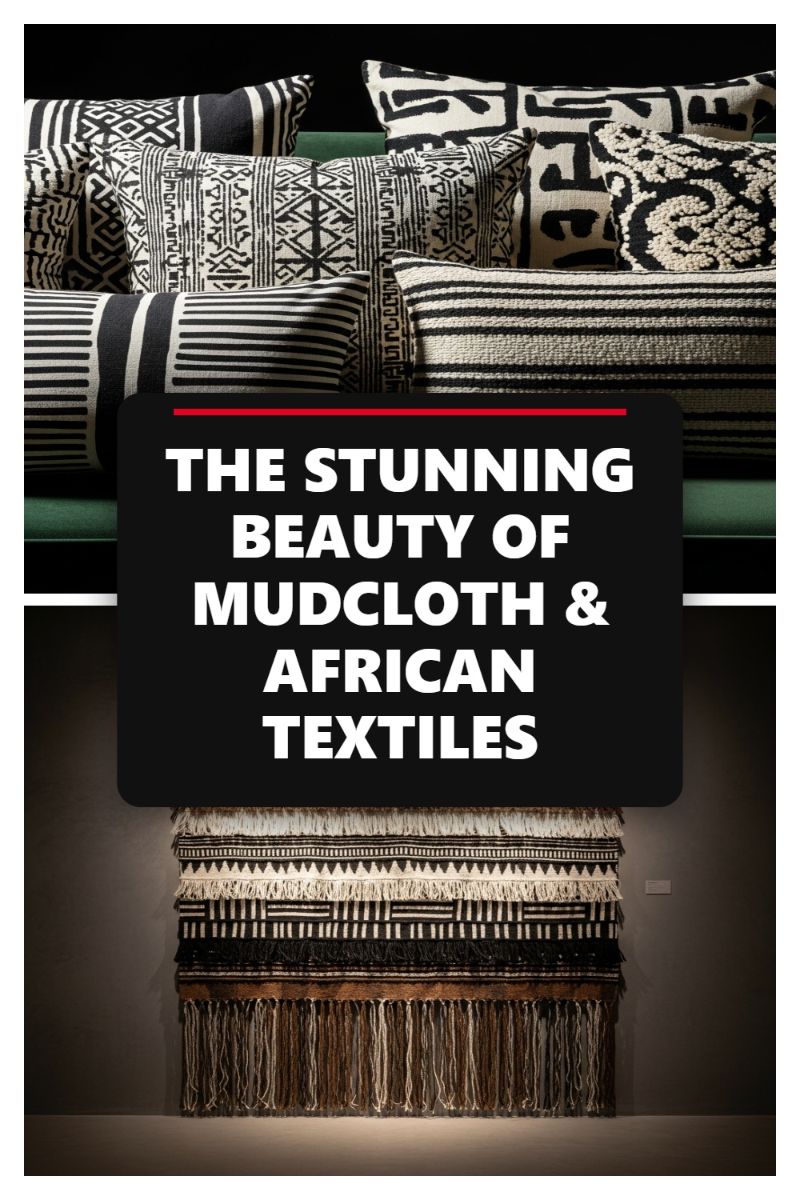
African textiles, particularly those inspired by Mali’s traditional Bògòlanfini (Mudcloth) and Congolese Kuba cloth, are revered for their rich visual language, deep cultural history, and stark, powerful aesthetic. The defining characteristics seen in this image—high-contrast black and cream, heavy geometry, and deliberately imperfect, hand-drawn lines—translate into instant high-end sophistication in any modern interior. To replicate this designer look for under $50, we focus on DIY pattern application. The secret to achieving the authentic Mudcloth look lies in understanding the traditional visual components: vertical bands, repeating geometric shapes (chevrons, diamonds, dashes), and the characteristic use of negative space. Instead of investing hundreds in genuine textiles, you can source inexpensive, raw linen or cotton fabric (or pre-made pillow covers) in a neutral cream shade, which serves as the perfect canvas for your high-impact transformation.
To execute this DIY, gather your low-cost materials: matte black fabric paint or a thick black fabric marker (like a specialty laundry marker or Sharpie Pro). Place a stiff piece of cardboard inside your pillow cover or under your fabric to prevent bleed-through. The core instruction is to draw the patterns freehand or use simple stencils (like masking tape for sharp lines or stripes). The key to making faux Mudcloth look truly authentic is embracing imperfection; the small wobbles and slight asymmetry inherent in hand-painting are what differentiate it from cheap factory prints. Begin with large, simple motifs and then fill in borders with repetitive small patterns, such as sequences of small dots or short perpendicular dashes. For inspiration, study common symbols—the fish bone, the zigzag path, or the tree of knowledge—and simplify them down to basic lines and forms. Layering different patterns, as shown in the image, is critical for achieving a multi-dimensional, curated appearance that screams designer.
To elevate your completed textile piece from a simple craft to a luxe decor element, pay close attention to texture and finishing details. If you chose a smoother cotton base for ease of drawing, you must introduce textural complexity to mimic the natural, woven quality of the authentic cloth. Expert advice suggests adding DIY tassels or fringe made from raw jute or chunky cream yarn to the edges of your pillows or wall hanging—this immediately replicates the beautiful texture seen in the lower wall tapestry of the inspiration photo. Finally, focus on strategic styling. Pair your newly created black-and-white patterned item with materials that offer high contrast in texture and color: place the pillows on a lush velvet sofa (like the deep green visible here) or hang the textile art against a minimalist, warm gray wall. This juxtaposition of rough, patterned textile against sleek, solid materials ensures the piece reads as an intentional, imported statement, maximizing its perceived value far beyond your minimal investment.
DIY Secrets for a Western Goth Kitchen Vibe
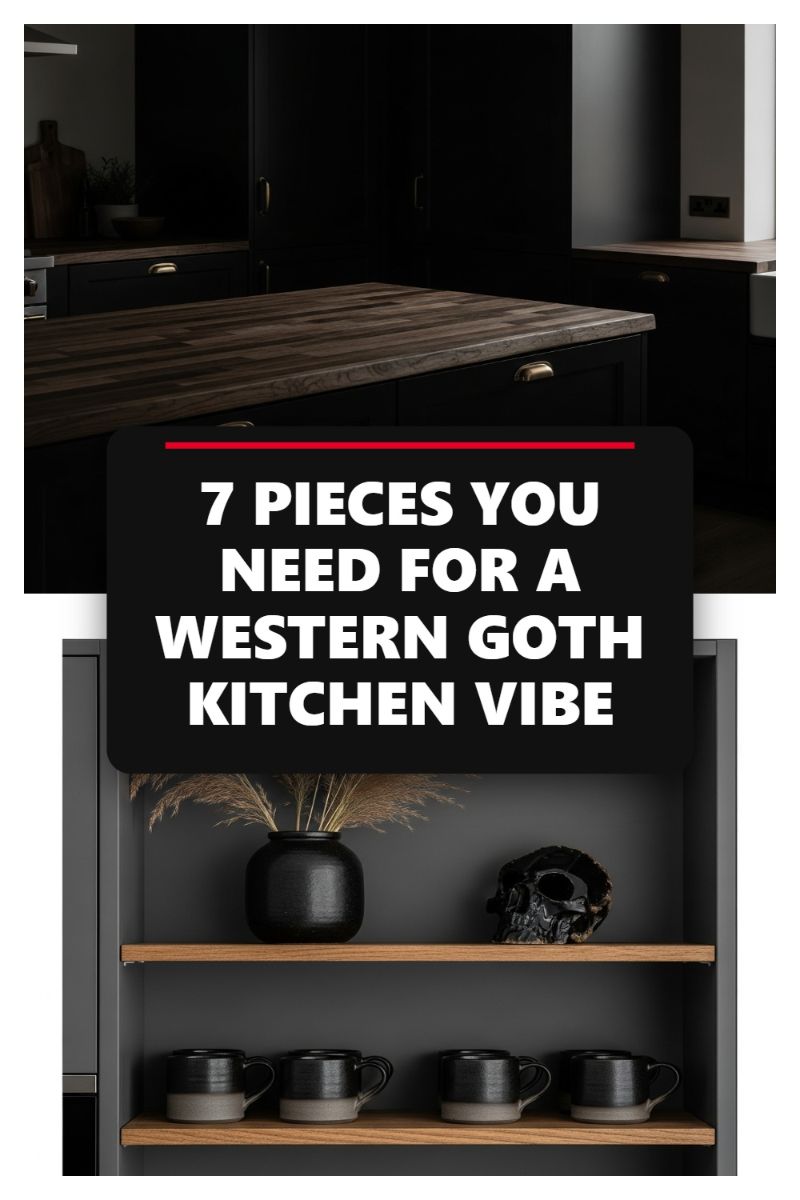
The ‘Western Goth’ aesthetic is all about blending high-contrast moodiness with rugged, natural textures. While the image showcases expensive black cabinetry and dark wood countertops, achieving this dramatic look on a DIY budget under $50 focuses on strategic accents. Our primary focus is the hardware and the open-shelf styling. To replicate the crucial contrast of matte black cabinets and warm brass, source affordable cup pulls or knobs, either new or thrifted. Use a high-quality, oil-rubbed bronze or aged gold spray paint formulated for metal (a $12-$15 can is usually sufficient). Clean and lightly sand your existing or purchased hardware for optimal adhesion before applying several thin, even coats. This simple swap instantly upgrades basic utility handles to sophisticated metallic accents, setting the luxurious, dark tone required for the Goth element.
Next, focus on transforming budget pieces into display-worthy art for your open shelving. The key decorative items here are the textured black skull and the two-tone artisanal mugs, both achievable for minimal cost. Purchase an inexpensive ceramic or plastic skull decoration (often found cheaply at craft or seasonal stores) and give it a designer finish using matte black chalk paint. Chalk paint adheres well and eliminates the shiny, cheap plastic look, giving the object the appearance of weighty obsidian or carved wood. To replicate the custom stoneware mugs, buy plain, inexpensive white or beige ceramic mugs. Using black ceramic paint, carefully tape off and paint the upper half of the mug, leaving the bottom portion exposed. Once cured, these pieces mimic handcrafted pottery textures that look high-end but cost less than $3-$4 per mug.
Finally, integrate the ‘Western’ element through natural texture and dark wood accents. Instead of installing a dark wood island, use large, thick cutting boards or small serving trays that you can stain yourself. Use a budget-friendly dark walnut or ebony gel stain ($8-$10) on lighter wood pieces to achieve that deep, moody tone seen in the backdrop. Display these vertically next to your shelving to add grounding warmth. Complete the look by filling your DIY painted vase (P2) with dried pampas grass, wheat stalks, or other inexpensive dried foliage. This organic touch softens the heavy black elements and ties the whole aesthetic together, proving that sophisticated, dramatic styling doesn’t require a major renovation budget.
THE TREND TAKING OVER PINTEREST: GOTHIC WESTERN HOME DECOR!
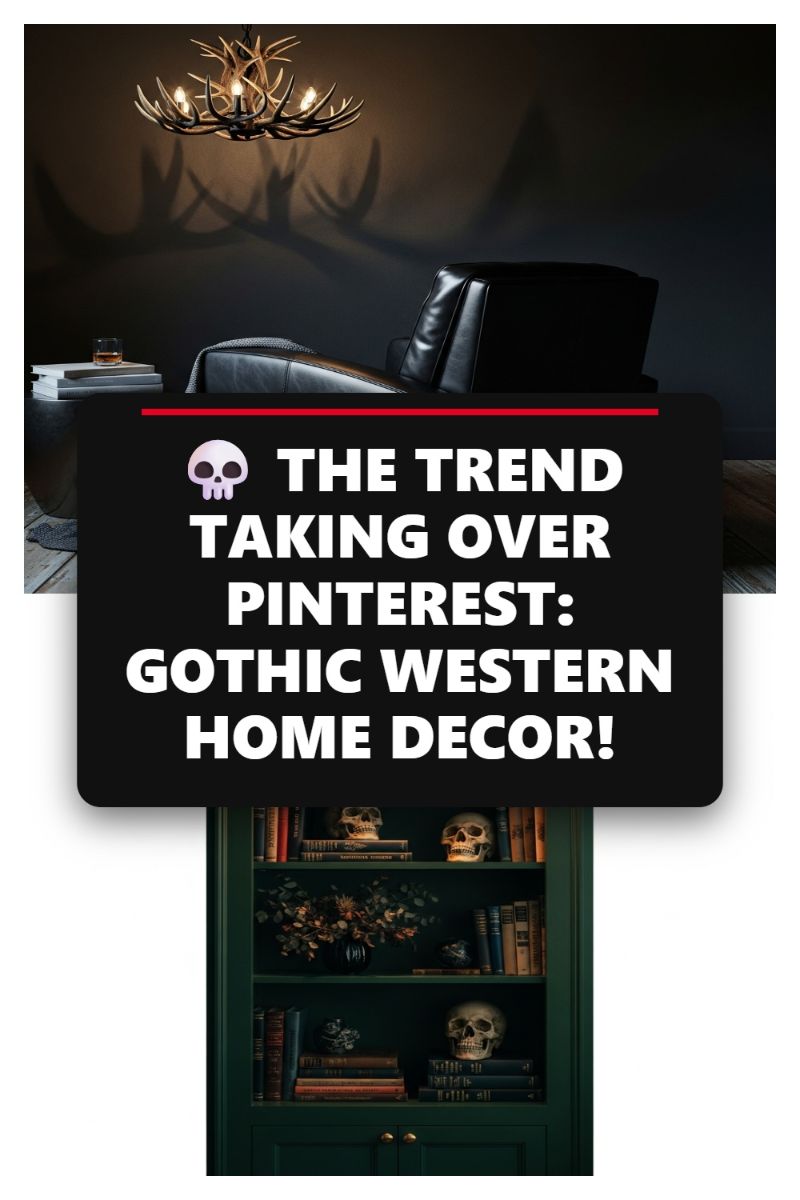
This aesthetic merges the moody, luxurious depth of Gothic interiors—think dark velvets, deep emerald green, and rich mahogany—with the rugged, natural textures of the American West, such as bone, antler, and worn leather. The high-end secret to achieving this look on a budget is mastering the art of the sophisticated vignette. Focus on replicating the dark, saturated color palette seen in the image, particularly the deep charcoal walls and the sumptuous, dark green shelving. Since painting an entire room is outside the scope of a quick $50 project, select a small corner or console table. Your goal is to use strategic dark colors and lighting to create an intimate, moody atmosphere that grounds the space, contrasting sharply with raw, natural elements like the faux skulls and the antler-inspired chandelier visible in the background. High contrast is key to this designer look, so layer dark paint samples, thrifted fabrics, and warm, dim lighting sources.
The most impactful and affordable way to capture the macabre, intellectual side of the Gothic Western style is through skull accents, as prominently featured on the green bookshelf. Skip the expensive resin pieces and invest $5 in a can of ultra-matte black spray paint and $15-$20 on inexpensive plastic skulls (often found in the party or seasonal sections). Ensure the skulls have distinct, realistic contours. Clean them thoroughly and apply 2-3 even coats of the matte paint; the flat finish immediately elevates them from novelty items to designer objects. Place them strategically among stacks of thrifted books (remove the dust jackets for a uniform, aged look) and mix in greenery or dried florals for textural contrast. To integrate the green shelving color, purchase a small paint sample pot ($4-$5) in a shade like deep forest or hunter green, and use it to transform a mundane object, like a cheap ceramic vase or a small wooden box, into a bespoke accent piece.
To bring in the crucial “Western” element, bypass the cost of a real antler chandelier by creating a high-impact, low-cost antler-inspired centerpiece or wall mount. Collect several interesting, naturally shed branches or purchase inexpensive faux branches. Clean them well and spray-paint them in a metallic bronze or a uniform matte black to mimic the dark finish of the light fixture in the image. Group these branches dramatically in a heavy, dark vase on your console, or mount a large, asymmetrical arrangement on the wall as a focal point. Finish the entire vignette by incorporating rich textures—a remnant of faux leather or velvet draped carelessly—and ensure your lighting is ultra-warm (2700K or lower) and localized. The interplay of low light and high contrast is what sells this trend, making your under-$50 accessories look like high-end estate finds.
HOW TO ACHIEVE THE VIRAL SPOOKY COWBOY AESTHETIC
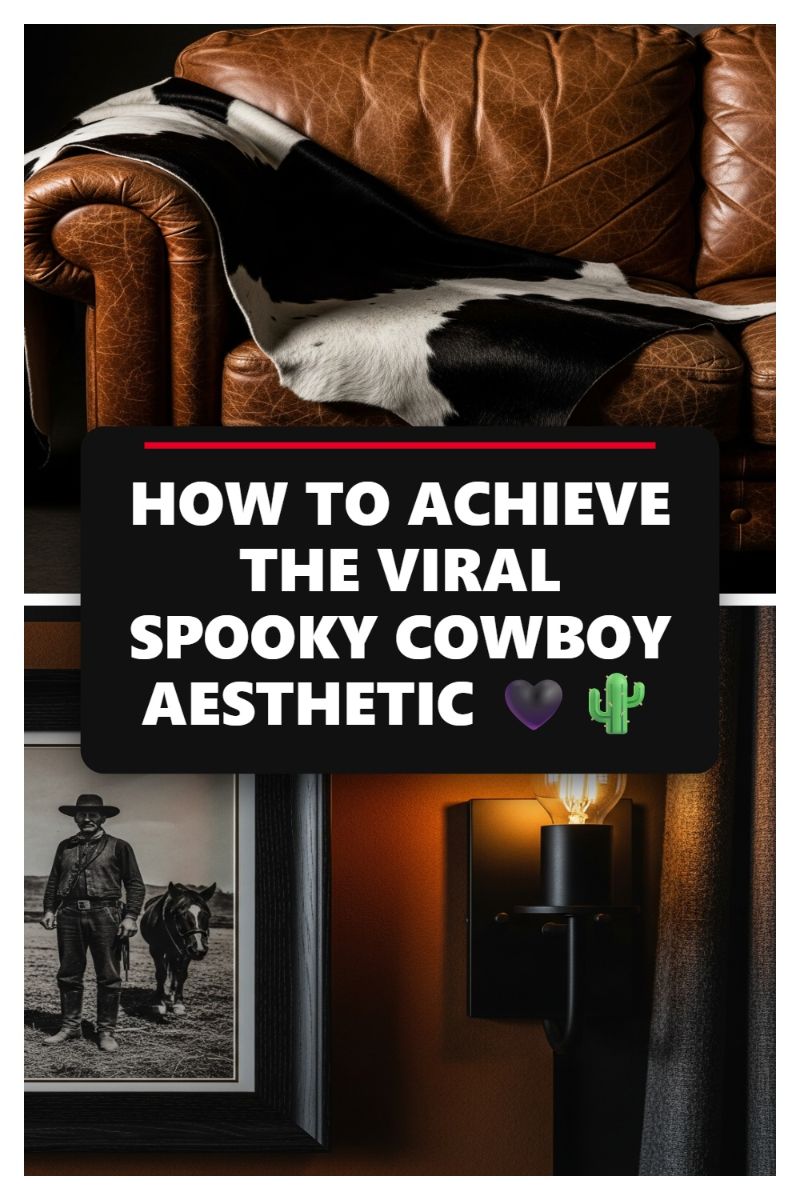
The core of the Spooky Cowboy aesthetic relies on rich, natural textures juxtaposed with dark, atmospheric colors. Since genuine antique leather sofas and real cowhide rugs are well over budget, the DIY solution focuses on sourcing inexpensive, high-quality faux alternatives. For under $50, you can purchase a large faux cowhide throw or blanket (often made of acrylic or velvet-backed polyester) and drape it dramatically over an existing chair or sofa, mirroring the luxurious look seen in high-end design catalogs. Focus specifically on hides that feature deep black and stark white contrast to maximize the visual impact. Simultaneously, if you cannot repaint an entire room, invest in a quart of deep terracotta or matte black paint—this costs under $20 and can be used to create a contrasting accent wall or frame out a specific corner, providing the necessary atmospheric backdrop that instantly elevates the whole space beyond typical rustic decor.
The visual centerpiece of this look often involves vintage or Gothic Western photography. Instead of paying hundreds for commissioned or antique framed art, source high-resolution public domain images (such as historical tintypes of cowboys and horses) online. Print the image yourself at a local print shop (costing around $5 to $10 for a large poster size) and frame it using an inexpensive, oversized black wooden frame from a discount store or flea market. To make a cheap frame look high-end, give it a quick DIY matte black finish using chalk paint or flat spray paint. Crucially, the lighting must be warm and moody. Look for basic, inexpensive wall sconces or thrifted lamp bases; purchase matte black spray paint (under $10) and transform the fixtures into sleek, modern accents. Replace standard bulbs with amber-tinted LED Edison bulbs—which provide that essential, warm, spooky glow—to complete the high-end, atmospheric lighting effect without breaking your budget.
Finally, the difference between successful budget decor and true high-end design lies in the details and the perceived age or patina. To achieve this aged look, lightly sand the edges of your DIY framed art or wooden accents to simulate wear. For thematic flair, incorporate inexpensive, symbolic elements. Purchase small, unpainted ceramic cacti or other desert props from a craft store and paint them a deep, mossy green or, for a more dramatic effect, matte black. Integrating small metallic elements—like dark bronze hardware or tarnished brass hooks used as wall decor—further grounds the aesthetic. Remember that this style thrives on curated darkness; utilize heavy, inexpensive black or charcoal curtains (easily sourced at budget home goods stores) to limit natural light, thereby enhancing the dramatic, saloon-like atmosphere that defines the successful Spooky Cowboy style, all while staying firmly within the strict $50 budget.