
Uncover the top 5 home decor vibes of the year! From minimalist modern to maximalist Barbiecore and moody Gothic Western, learn how to incorporate 2024’s hottest trends affordably.
DIY ACCENTS: HOW TO NAIL THE GOTHIC WESTERN LOOK CHEAPLY
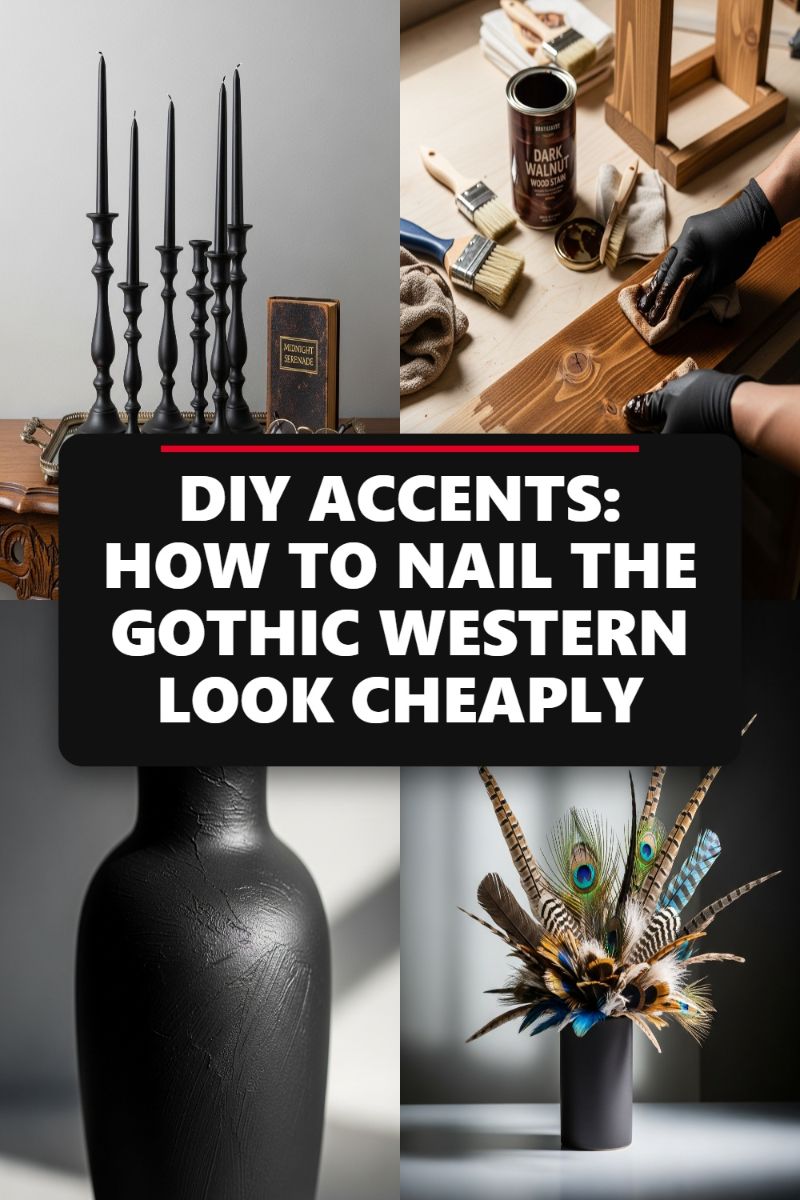
The Gothic Western aesthetic is rapidly emerging as a leading interior trend, blending the moody romance of Victorian goth—think velvet, black iron, and dramatic lighting—with the rugged, earthy textures of the American West. Achieving this look affordably relies heavily on DIY transformations that emphasize dark stains and matte black finishes. To begin, focus on the ‘Western’ foundation: dark wood furniture. The look often uses rustic materials like pine or inexpensive oak, but the key is staining them a rich, deep hue like ‘Dark Walnut’ or ‘Espresso’. Purchase unfinished or thrifted wood pieces and apply an oil-based stain using black gloves for a controlled, professional application. Wiping away excess pigment ensures an even, deep color that instantly introduces gothic moodiness. This simple staining process transforms cheap, light wood into sophisticated, substantial pieces reminiscent of a dimly lit saloon or a European manor, providing the necessary contrast for the lighter, natural accessories you’ll layer on top.
True drama is injected through carefully curated black accent pieces, which are perfect DIY candidates. Instead of buying expensive designer ceramics, acquire inexpensive glass or mismatched ceramic vases and apply a specialized paint, such as ultra-flat black chalkboard or chalk paint. For an extra layer of visual texture—essential in the gothic style—consider applying a textured medium or simply using uneven, visible brush strokes to mimic an aged, crackled finish. Once the vase is fully dry, pair it with striking natural filler. The combination of black ceramics with natural elements provides the definitive Western touch. Seek out inexpensive bundles of feathers (pheasant, barred, or even vibrant peacock) or dried grasses. The earthy browns, rich teals, and light patterns of the feathers pop intensely against the matte black surface, making the piece feel both luxurious and historically rugged without the high cost of custom décor.
Finally, solidify the neo-Victorian atmosphere through lighting and specialized styling vignettes. Black taper candles are an absolute must and are incredibly inexpensive to source. To elevate them, place them in repurposed metal candlesticks that have been stripped and spray-painted ultra-flat black; this removes any residual traditional shine and modernizes the silhouette for a sleek, gothic feel. Group these dramatically tall candles with small, antique-looking objects to create meaningful vignettes. Thrift stores are excellent sources for vintage books (look for dark, worn covers and obscure titles), old spectacles, or small, tarnished metal trinkets. Display these collected items on a dark wooden surface or an ornate silver tray. The key to the ‘cheaply’ approach is painting existing items black, staining existing wood dark, and utilizing natural elements found easily, creating a high-impact, low-cost transformation that screams sophisticated, curated moodiness.
BARBIECORE OFFICE? YES, PLEASE. PINK DESK GOALS
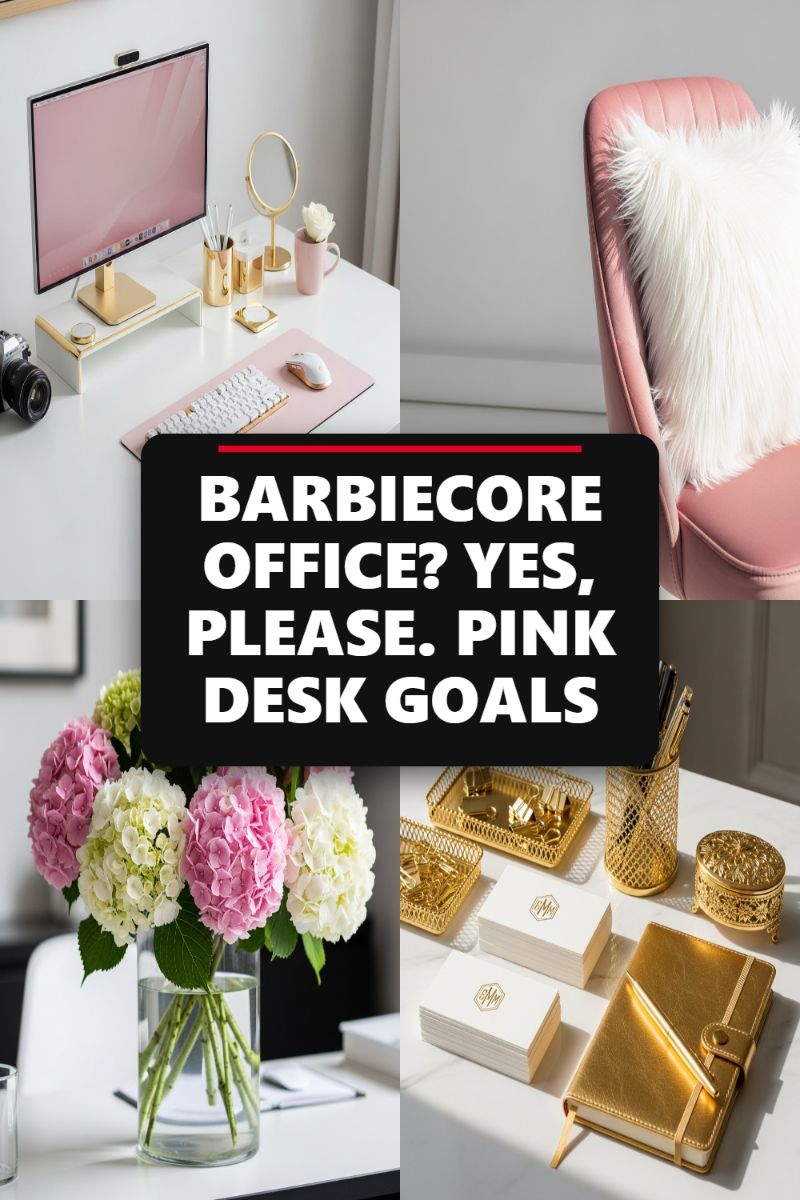
The ‘Barbiecore’ aesthetic, when applied to a home office, elevates the space beyond playful whimsy into a realm of curated femininity and polished luxury. To achieve this sophisticated look, begin by establishing a foundation built on crisp white surfaces (like a clean desk or white walls) to serve as a neutral canvas. The key color strategy is pairing rich pinks with opulent gold or brass accents. Integrate pink through functional items—a soft pink desk mat or monitor background immediately sets the tone. For hardware, choose accessories that feature gold trim or are entirely gilded, such as a monitor stand, pen holders, or a desktop mirror. This metallic element is crucial; it prevents the pink from feeling juvenile, grounding the palette in grown-up glamour. Ensure your tech peripherals, like the keyboard and mouse, align with the white and gold theme for a seamless, intentional setup.
Next, focus on maximizing comfort and incorporating tactile luxury. The Barbiecore desk setup thrives on texture. Introduce plush, inviting elements through seating, such as a velvet pink chair paired with a voluminous, faux fur white pillow. This combination softens the office environment and adds high-end visual interest. Organization is essential for maintaining the chic aesthetic; every functional item must also double as a decorative piece. Swap out plastic containers for detailed metallic alternatives—think gold mesh trays for paperclips, ornate boxes for storage, and a striking gold faux leather journal. By ensuring all office supplies are inherently beautiful and color-coordinated, you transform everyday clutter into intentional design elements, reflecting a high level of style control.
Finally, personalize the space and add natural vibrancy to complete the look. Fresh flowers are non-negotiable in this aesthetic; large, lush blooms like hydrangeas in shades of pink and white add softness, life, and a touch of classic femininity. For personalized branding, incorporate monogrammed business cards or stationery in white and gold. The expert touch for Barbiecore is ensuring the space feels deliberate, not accidental. Avoid overcrowding the desk; instead, choose 3-5 high-impact, statement accessories that reinforce the pink and gold theme. This curated approach ensures the office remains a functional, inspiring, and undoubtedly glamorous workspace, living up to its ‘desk goals’ title.
LIVING ROOM UPGRADE: WHY YOU NEED A COGNAC LEATHER SOFA NOW
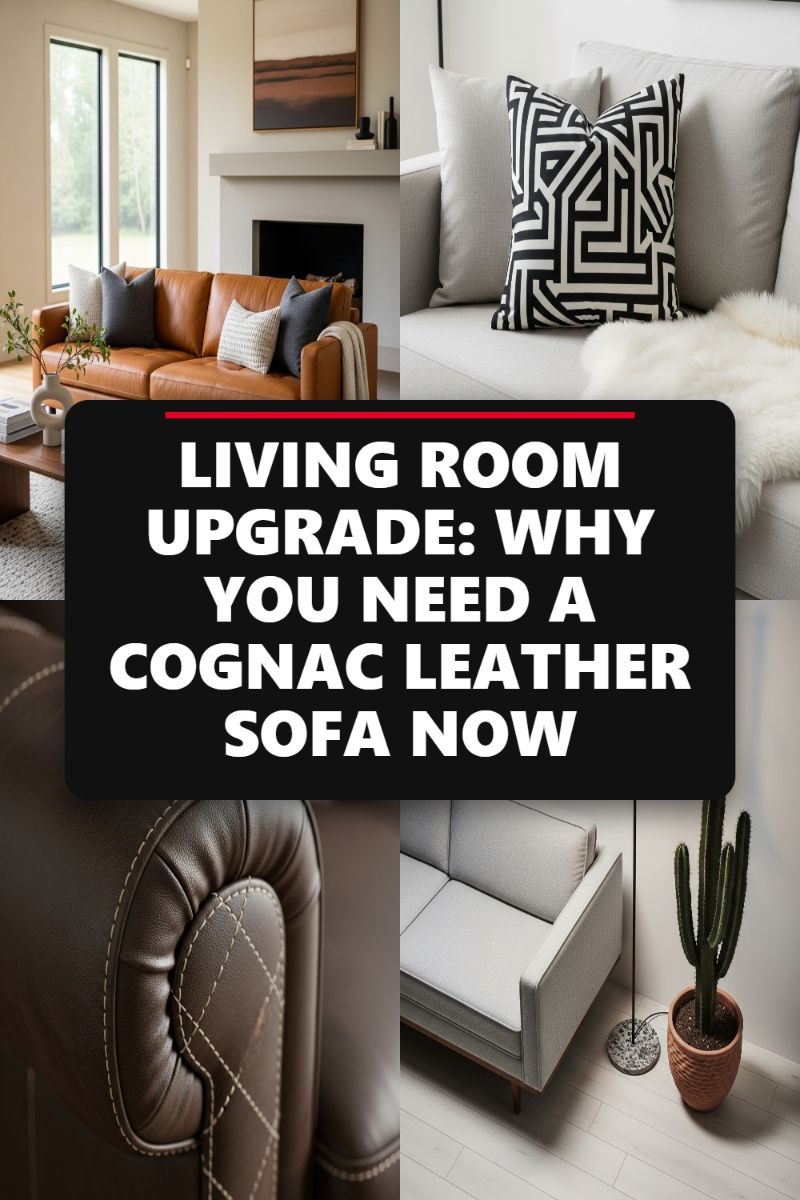
The cognac leather sofa is rapidly emerging as the cornerstone of the ‘Elevated Modern Comfort’ home vibe, offering a timeless warmth that beautifully anchors contemporary design schemes. Unlike its darker, traditional counterparts, the rich, complex orange-brown hue of cognac provides a lively counterpoint to the prevailing cool grays and crisp whites of modern interiors, transforming a room from minimalist to inviting. The beauty of cognac leather lies in its ability to age, developing a unique patina over time that adds character and depth—a tangible investment in style. To successfully integrate this striking piece, treat it as the primary color statement. Surround the sofa with soft, textural neutrals like high-pile wool rugs in cream, linen curtains in off-white, and walls painted in subtle taupe or bone white, creating a sophisticated backdrop that prevents the leather from overwhelming the space.
Successfully styling a cognac sofa hinges on achieving balance through strategic layering and high-impact accessories. Due to the leather’s natural richness, it is crucial to introduce contrast via pattern and texture. Look to throw pillows in stark black-and-white geometric prints or graphic maze designs, mirroring the dynamic contrast visible in the featured image. Alternatively, layer deep, muted tones like charcoal gray or forest green in heavy textures such as ribbed velvet or chunky merino wool. A key instructional technique is bridging the warm tones of the leather with any cooler secondary seating: draping a faux-fur or white sheepskin throw over a nearby light-gray accent chair, for example, establishes a visual connection across the room. Avoid accessorizing with items that are too heavy or ornate; the inherent texture and color of the leather should remain the star, suggesting a focus on quality over quantity.
Finalizing the Cognac look involves meticulous attention to lighting and sculptural accents that elevate the overall aesthetic. Leather upholstery is highly reflective, and it looks its best when bathed in warm, diffused light. If utilizing artificial sources, opt for fixtures with matte black or brushed brass accents and install bulbs in the 2700K range to enhance the leather’s warmth without casting a harsh glare. Placement is also critical: position the sofa to maximize natural light exposure, allowing the leather’s color depth to shine. Complete the vignette by incorporating sculptural, organic elements, such as the tall, architectural cactus shown in the image or large leafy plants, which introduce necessary verticality and natural texture. When selecting surrounding furniture—like coffee tables or shelving—favor clean lines, opting for materials like light, natural wood stains or sleek metal frames to maintain the contemporary, sophisticated appeal inherent in the cognac leather trend.
THIS IS THE FASTEST GROWING HOME TREND OF 2026 (400% GROWTH!)
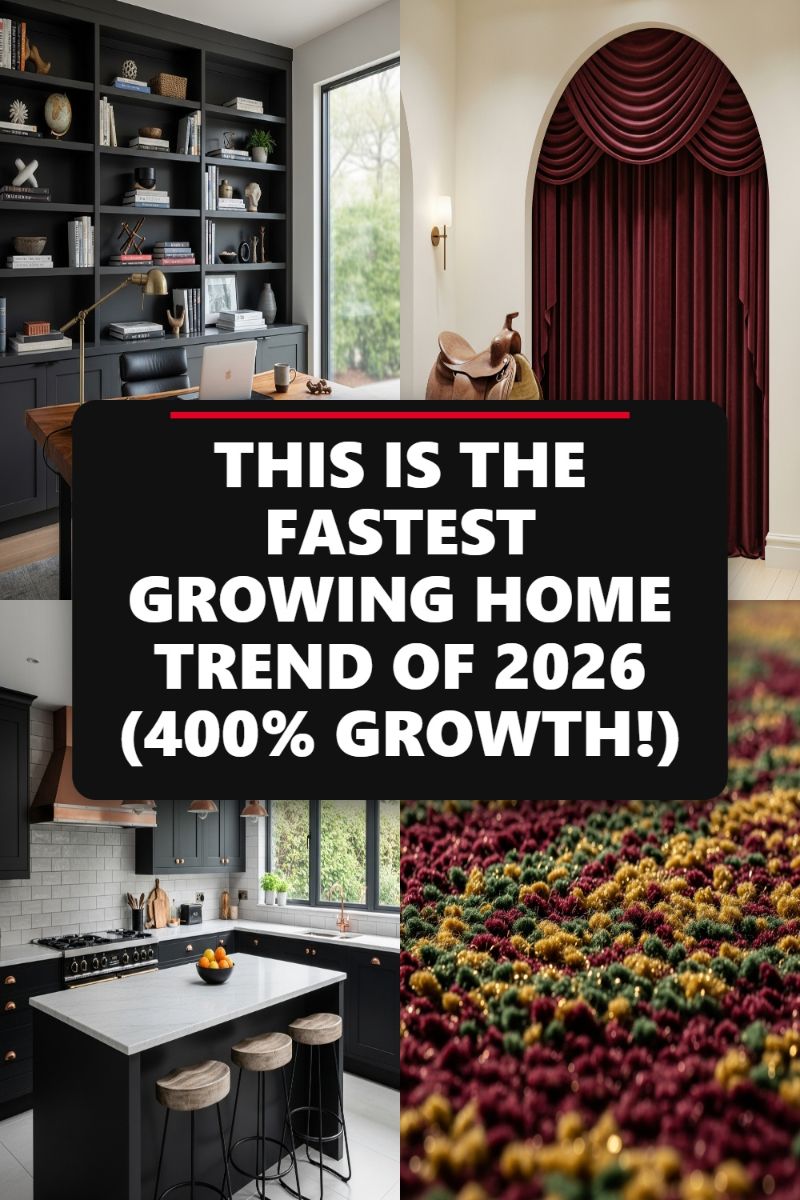
This surging home trend, often characterized as ‘Moody Maximalism’ or ‘High-Contrast Heritage,’ signals a decisive shift away from purely minimalist aesthetics toward spaces that embrace richness, texture, and deep, saturated color palettes. To successfully replicate this look, start with a foundation of high-contrast elements. This means utilizing deep, enveloping colors like charcoal, matte black, or deep midnight blue for permanent fixtures such as built-in shelving and kitchen cabinetry, as seen in the examples. The ‘how-to’ here involves painting or installing custom millwork in these dramatic tones to anchor the room. The contrast is then achieved by pairing these dark elements with brilliant whites—think thick-veined marble countertops or crisp, subway-tiled backsplashes. This juxtaposition ensures the space feels sophisticated and cozy, not heavy or enclosed. Expert tip: Ensure you have ample artificial lighting (especially layered lighting from pendants, task lamps, and wall sconces) to prevent the dark palette from feeling cavernous during evening hours.
The execution of this style relies heavily on incorporating luxurious, traditional materials in updated contexts. Take inspiration from the study, where floor-to-ceiling dark bookshelves create a prestigious library aesthetic, or the archway, draped dramatically in deep burgundy velvet. Instructional advice dictates focusing on materiality: Choose warm metal accents (brass or copper) for hardware and fixtures, which beautifully offset the moody backdrops. In the kitchen, matte black cabinets require the grounding warmth of natural wood, demonstrated by the simple, round wooden island stools. For the library or office, a substantial wooden desk is essential for providing tactile warmth. When selecting textiles, opt for heavy, plush fabrics like velvet for curtains or upholstery, utilizing drapery techniques (like the swag seen in the image) that echo classical architecture and provide a palpable sense of historical luxury.
Finally, the maximalist element of this trend is achieved through deliberate curation and layering of unique textures. This look is about personality, and expert designers suggest incorporating unexpected textural pops to prevent the dark scheme from falling flat. Notice the vibrant, multi-colored high-pile textile (likely a custom rug) which injects energetic color and plushness. Similarly, the decorative elements should feel storied and personal, such as the curated antique books and artifacts on the shelves, or the striking equestrian saddle featured in the archway niche. To embrace the trend’s reported 400% growth, focus on collecting and displaying items that tell a narrative, allowing your room to feel lived-in and deeply expressive. Layer patterns and textures in complementary color families (e.g., mixing various reds, golds, and greens) to achieve a sophisticated visual depth that marks this style as distinctly non-minimalist and exceptionally luxurious.
$5 TO $500: THE BEST FLIPS YOU CAN DO THIS WEEKEND!

Achieving a high-end look on a budget is the essence of smart home styling, and furniture flipping offers the greatest return on investment (ROI) for a quick weekend project. The geometric side table showcased here perfectly encapsulates the movement towards customized, statement pieces that bridge mid-century modern lines with contemporary pattern play. To execute this sophisticated look, start with a solid wood base, often found for under $50 at flea markets or yard sales. Preparation is critical: light sanding (120-220 grit) and thorough cleaning are crucial for paint adhesion and ensuring a smooth, professional finish. For the bold geometric design, map out your pattern using a ruler and low-tack painter’s tape, ensuring the tape is firmly pressed down for crisp edges. Utilizing a limited color palette—such as deep navy, mustard yellow, and charcoal gray—against the remaining natural wood grain provides visual complexity without overwhelming the piece. This project is highly impactful, transforming a standard piece into a focal point that seamlessly fits into personalized, maximalist, or Scandinavian-influenced aesthetics currently trending in home design, and often doubles the value instantly.
Weekend flips are not limited to large furniture; transforming smaller decor items like art and ceramics offers instant gratification and high profit potential. For the highly textured vase look, embrace heavy patina over smooth finishes. A simple thrifted glass or ceramic vase can be dramatically elevated using a mix of acrylic paint and either baking soda or lightweight spackle—this combination creates a rough, porous finish that mimics expensive stone, stucco, or volcanic glaze. Apply the mixture in uneven coats, allowing strategic patches of the base color or even a metallic undercoat to peek through, achieving an aged, Wabi-Sabi aesthetic perfect for modern, minimalist shelving arrangements. Simultaneously, address outdated wall art by applying contemporary flair. The visual juxtaposition of classical landscape painting and neon abstract splatters is a powerful statement. Protect the frame, and using high-quality acrylics or enamel paint, strategically fling or brush bold, saturated colors (cyan, magenta, yellow) across the canvas. This instantly converts a traditional piece into a modern street-art statement, giving it incredible resale appeal and aligning perfectly with the current desire for bold, personality-driven decor.
Finally, elevate overlooked vintage pieces by investing time in traditional restoration techniques, specifically cane weaving or rush replacement. Many beautiful, vintage stools and chairs are discarded simply because the seat webbing is damaged or fraying. Replacing the cane seating—a task requiring patience but yielding incredible results—can take an inexpensive, broken piece and turn it into an heirloom-quality object valued significantly higher than the initial purchase price. For successful cane replacement, start by soaking the cane webbing or rush materials in water for several hours to make them pliable. Following the traditional weaving pattern, secure the material tightly to the chair or stool frame using a spline. This type of detailed craftsmanship provides textural richness that contrasts beautifully with slick modern finishes and speaks directly to the cozy, vintage-inspired, and sustainable ‘home vibe’ that currently dominates sophisticated interiors.
STOP SLEEPING ON THESE DECORATING SECRETS! (AFRO CHIC EDITION)
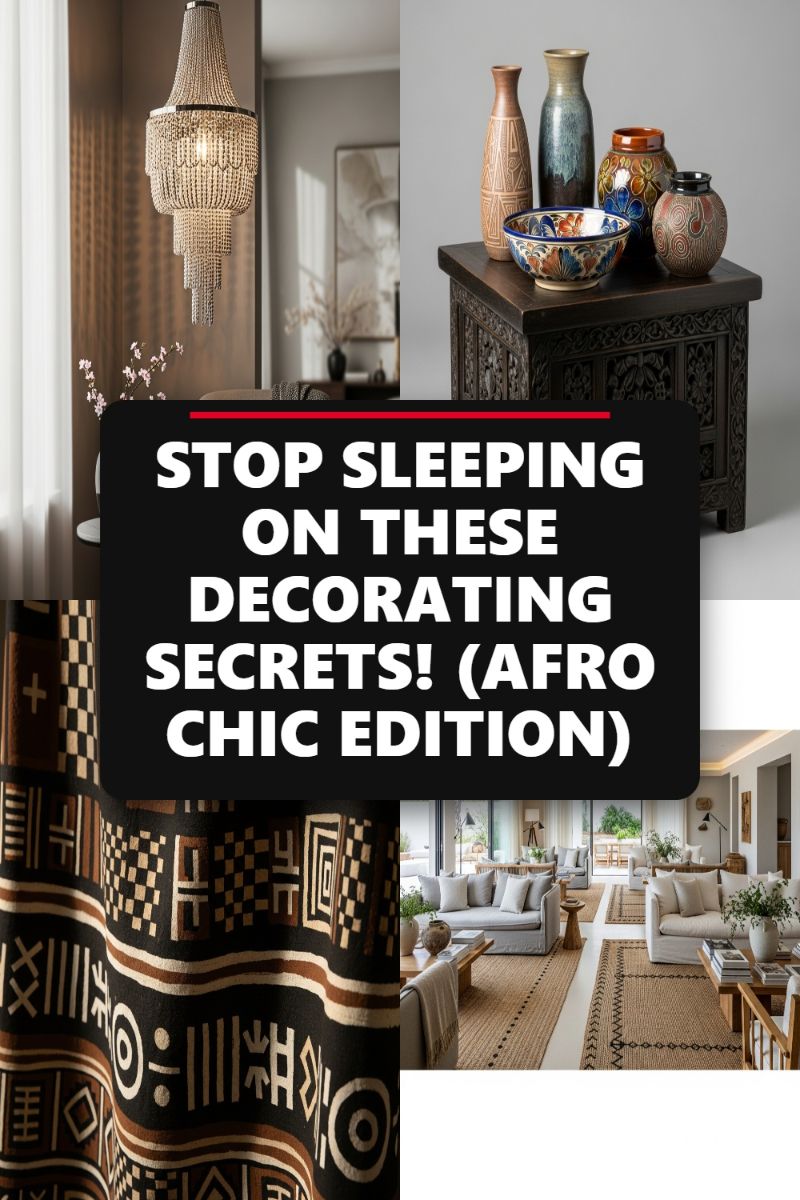
The Afro Chic aesthetic is defined by its masterful fusion of contemporary comfort with the rich, handcrafted history of the African diaspora, creating spaces that feel globally curated and deeply personal. To successfully integrate this style, start with a light, modern foundation—think bright, open rooms, neutral walls (creams, taupes, or soft greys), and large, functional furniture pieces in linen or light upholstery, as seen in the expansive living area. This minimalist backdrop is essential for allowing the highly textured and patterned elements to truly pop without overwhelming the senses. Expertly layer natural materials such as jute or sisal rugs—often featuring simple geometric borders—and incorporate raw wood coffee tables or consoles. The goal is to establish an airy, sophisticated envelope that grounds the historical and cultural artifacts you introduce, making the design feel deliberate and balanced, rather than merely themed.
The true secret to the Afro Chic look lies in the deliberate application of authentic textiles and geometric patterns. The prominent use of materials like Malian Bògòlanfini (mud cloth), vibrant Kente, or even Indigo-dyed fabrics is non-negotiable. These textiles should be incorporated as significant anchor points: draped over a sofa as a throw blanket, utilized as large-scale wall art, or used in cushion covers to break up monochromatic seating. Notice the featured mud cloth panel with its intricate, hand-painted geometric symbols; these patterns instantly inject soul and narrative into a room. When integrating these powerful prints, maintain a cohesive color palette—typically relying on earthy tones of black, brown, cream, and ochre—to ensure continuity and prevent visual chaos. This technique elevates the space, turning functional items into pieces of conversation and history.
Finally, maximize the “chic” aspect by curating your artifact display and selecting unexpected lighting fixtures. Invest in highly detailed, handcrafted items, such as heavily carved wooden side tables, ceremonial stools, or a collection of varying ceramic and clay vessels, as demonstrated in the image. Group these artisanal pieces in odd numbers (3 or 5) to create visually appealing vignettes that draw the eye. The lighting choice is where the style often takes a luxurious turn: instead of rustic fixtures, pair the earthy decor with unexpected glamour, such as a multi-tiered crystal chandelier, juxtaposing rough textures with refined sparkle. This play of contrast—between raw wood and shimmering crystal, or bold patterns and soft neutrals—is the hallmark of sophisticated Afro Chic design, ensuring the space feels both culturally rooted and utterly contemporary.
5 MISTAKES EVERYONE MAKES DECORATING GOTHIC WESTERN STYLE!
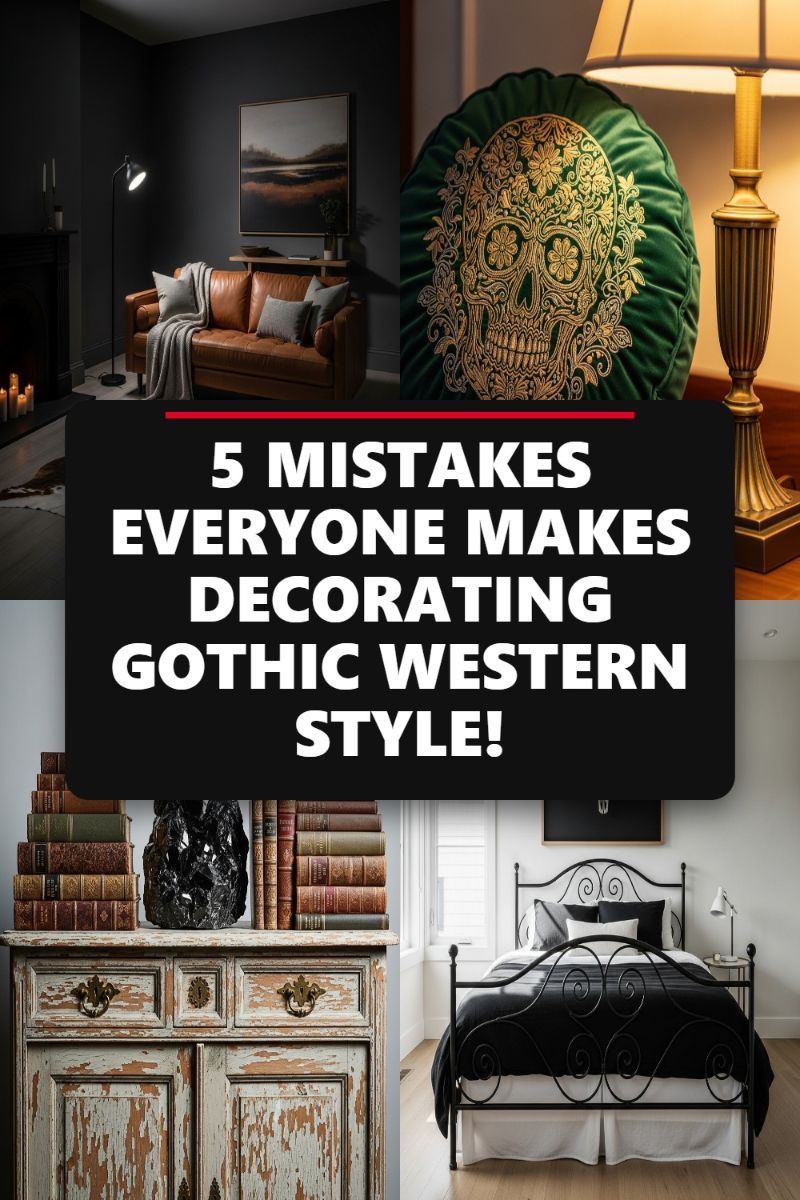
The ‘Gothic Western’ aesthetic, sometimes dubbed ‘Ranch Noir’ or ‘Dark Americana,’ is one of the most sophisticated emerging trends, blending the moody romance of Gothic interiors with the raw, rugged textures of the Western frontier. The primary mistake DIY decorators make is mismanaging the contrast; they either go too overtly spooky or too heavily rustic. To execute this look successfully, establish a dark, saturated foundation—think deep charcoal, navy, or even forest green walls, but use them as a backdrop, not the entire scene. The instructional key is balancing light and shadow: while the atmosphere must feel brooding, functional lighting is non-negotiable. Layer warm, low light sources, such as brass task lamps (like the one pictured) and multiple candle groupings, to highlight textures and objects rather than flooding the room. This layered approach prevents the dark palette from feeling oppressive or cliché, instead establishing a dramatic, lived-in depth.
Successfully bridging Gothic opulence and Western grit relies heavily on a precise textural interplay. A common error is neglecting the rougher elements, resulting in a room that feels overly formal. Instead, juxtapose materials intentionally. Take the distressed, chipped paint cabinet or the rugged leather sofa seen in the visual elements: these pieces inject the essential Western ‘worn-in’ quality. Counterbalance this roughness with luxurious, highly tactile gothic accents, such as deep emerald velvet (the embroidered skull pillow provides a perfect example of merging a dark motif with high-end fabrication), heavy linen, or thick, chunky wool throws. Invest in quality antiquarian pieces; stacks of aged, leather-bound books lend instant gravitas and a sense of ‘dark academia,’ fitting seamlessly between the two styles. The mistake is defaulting to sleek, modern materials; everything should feel historic, weathered, or intentionally rich.
The final, and arguably most crucial, element is managing ornamentation and thematic balance. Avoid obvious tropes; skip generic faux fur rugs and plastic skull décor. Instead, the accessories should suggest the theme through silhouette and material. Incorporate refined wrought iron elements, such as the elaborate bed frame shown, which nods to Victorian Gothic architecture. For the Western element, incorporate natural materials like petrified wood, obsidian (the dark sculpture on the cabinet), or artwork depicting dark, sweeping landscapes. The goal is to ensure neither the frontier nor the castle dominates. The expert approach involves using the contrast in scale and finish: a large, dark painting is balanced by the light patina of an aged dresser. Ultimately, the ‘how-to’ instruction for perfecting this style is to let the materials speak for themselves—choosing quality, textured pieces that tell a story, thus avoiding the pitfalls of a thematic costume party.
MY BEST 5 GOODWILL FINDS THIS MONTH (YOU WON’T BELIEVE #3)

Thrifting is the ultimate secret weapon for achieving a high-end, curated look without requiring a massive budget, perfectly embodying the sustainable style trend dominating this year’s interiors. The key to successful “Goodwill glow-ups” is developing an eye for potential, particularly when it comes to distressed furniture pieces like the wooden dresser shown in the ‘Before & After’ shot. This project powerfully illustrates the transformative effect of simple restoration: a new paint job and updated hardware. When starting a furniture flip, prioritize durable, well-built pieces with solid construction, ignoring minor surface scratches or dated knobs. For an updated, sophisticated aesthetic, select a high-quality chalk paint or milk paint in a contemporary shade, such as a pale sage, muted taupe, or soft blue-gray. Proper prep is non-negotiable—ensure you lightly sand the existing finish and use a specialized bonding primer if the wood is highly damaged or glossy. The most impactful detail is replacing the hardware; swapping out simple wooden knobs for modern brass cup pulls and subtle round knobs elevates the item from a worn storage piece to a designer statement dresser.
Beyond large furniture, smaller, strategically sourced accessories are essential for layering personality and depth into a room. The image showcases several classic vintage finds that collectively establish a rich, academic, and slightly maximalist vibe. Curating a ‘gallery wall on a shelf,’ as demonstrated in the top left, is achievable by mixing various sizes of ornate gold frames often found for mere dollars. The unifying factor should be the color or finish—the consistent use of gold and the repetition of sculptural white busts (classic Greco-Roman style remains timeless) creates a cohesive, high-impact display, even if the contents of the frames are mixed or evolving. Similarly, investing in antique books with richly colored, textural spines (deep reds, forest greens, and aged leathers) instantly injects warmth, often functioning both as decorative objects and stylish risers for other items.
Finally, the foundational textile elements, like the striking Persian-style area rug, are crucial for defining the mood of the entire space. When sourcing vintage rugs, always look for genuine wool pieces with naturally faded colors; the subtle imperfections and patina add an authentic character that modern reproductions can’t replicate. Focus on traditional designs featuring saturated jewel tones (deep reds, navies, or ochres) grounded by creamy neutrals. For placement, aim for large pieces that ground your furniture, and always utilize a high-quality felt rug pad to protect the fibers, ensure it lies flat, and enhance its longevity. The versatility of quality thrifted finds lies in their ability to integrate seamlessly across various decor styles, ensuring your home feels custom, collected, and entirely unique.
THRIFTING HACK: THE SECRET FORMULA FOR FINDING VIRAL PIECES
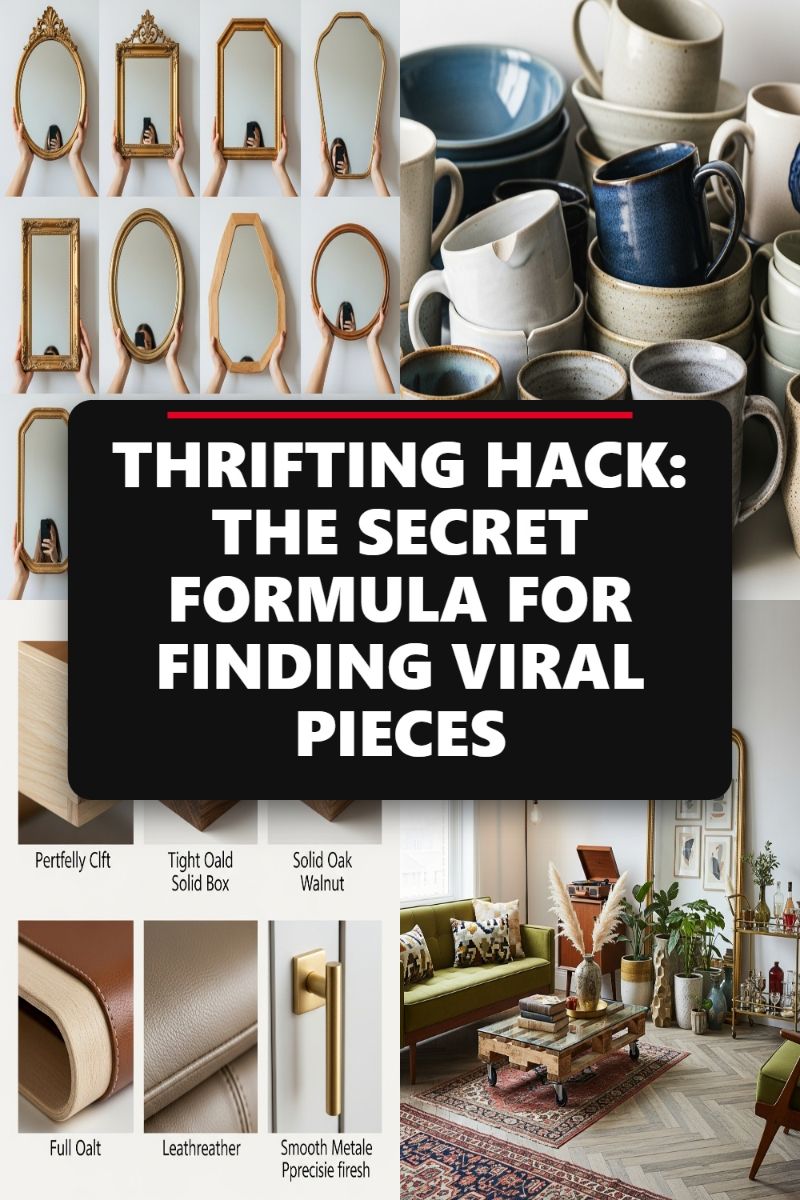
The secret to transforming thrift store finds into viral home decor lies in discerning quality materials and unique silhouettes that mimic high-end vintage retailer curation. Begin your hunt by focusing on the composition rather than the current condition. For furniture and smaller accent pieces, prioritize solid woods—like the Solid Oak Walnut or Tight Oald Solid Box shown here—over veneers or particleboard. These durable materials often polish up beautifully and carry a visual weight that instantly elevates a space. Similarly, inspect metallic details: seek out smooth, precision-finished metals, such as the matte gold hardware, which suggest lasting quality, even if the item requires a simple cleaning or polishing. Do not overlook textural elements; look for durable Leathreather or quality stoneware and ceramics that feature rich, organic glazes, as these subtle textures add depth and warmth to any vignette.
To achieve true virality, you must hunt for distinct shapes that break the mold of mass-produced decor. The array of mirrors pictured perfectly illustrates this principle. Bypass standard rectangles and circles and look for ornate gold frames, unique oval shapes, or unusual, undulating silhouettes. These pieces serve as immediate focal points and are the elements that viewers pause to admire online. Apply this rule to all categories: seek out lamps with sculptural bases, vases with asymmetric forms, or frames with intricate crests. These intentional deviations from the ordinary are the anchor pieces that make a room feel carefully curated and expensive, signaling that the piece was an extraordinary find rather than a common retail purchase.
Finally, the ultimate thrifting hack is in the high-contrast presentation. A viral room is often a masterclass in blending eras, textures, and price points. Once you’ve acquired your high-quality, unique pieces—such as a series of gold mirrors or a collection of artisan ceramics—style them dynamically. The curated living room shown exemplifies maximalist styling: pairing a rich texture (velvet sofa) with rustic elements (pallet coffee table), layered textiles (Persian rug), and large, statement botanical features (pampas grass). The formula is to mix something classic (the ornate mirror) with something modern (the sofa color) and something textural (the pottery) to create an aspirational tension. This sophisticated layering provides endless visual engagement and demonstrates the true transformative power of skilled thrifting, ensuring your finds are not just functional, but genuinely shareable.
COWHIDE, VELVET, AND BLACK WALLS: GET THE GOTHIC WESTERN VIBE
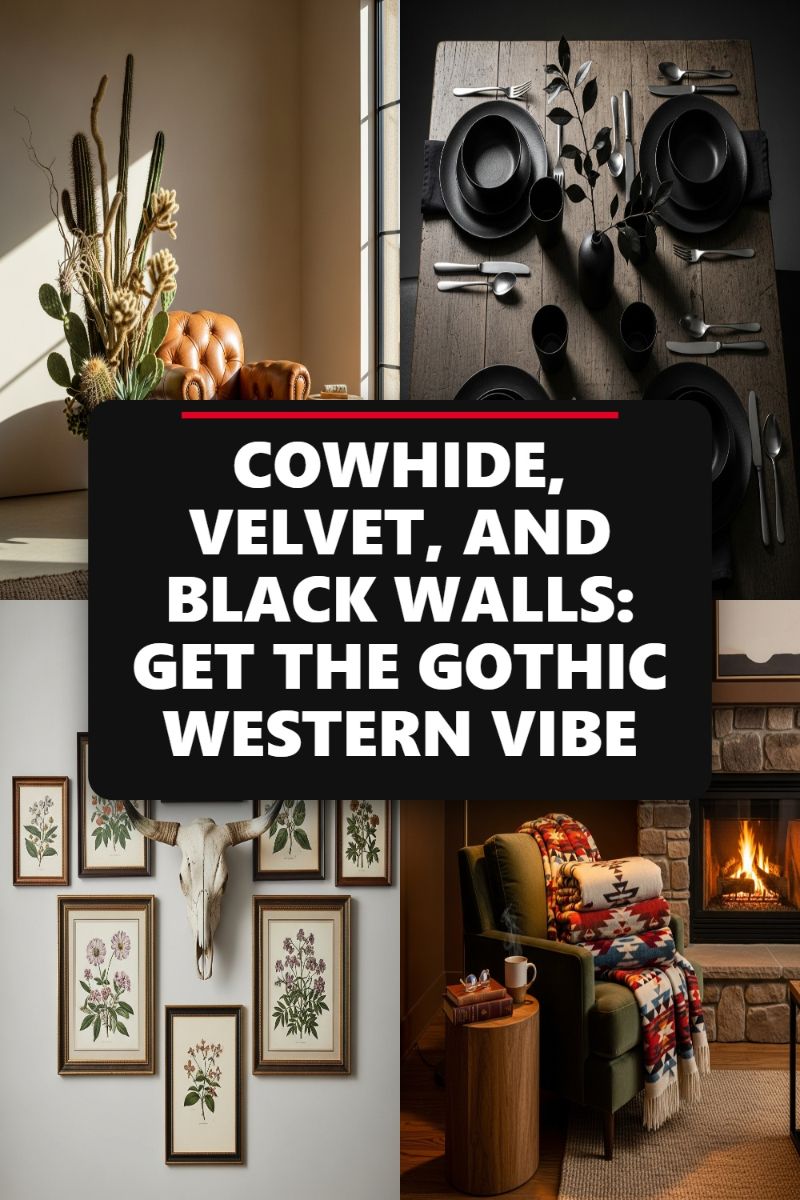
The Gothic Western aesthetic is a masterclass in controlled contrast, blending the moody drama of deep, rich tones with the rugged, earthy textures and artifacts of the frontier. To initiate this vibe, ground your space with a saturated color palette. While black walls are the quintessential choice for maximizing drama, balancing them with lighter elements—such as a pale taupe or cream accent wall, as seen in the backdrop of the large cactus grouping—prevents the room from feeling oppressive. Introduce charcoal, deep burgundy, or black through key structural elements like dark stained wooden floors, window frames, and primary textiles (velvet drapery or rugs). The Goth component demands luxurious, high-touch materials; therefore, opt for sumptuous velvet seating, deep-piled area rugs, and polished black matte ceramics, creating a sophisticated backdrop for the rugged Western elements to shine.
The Western influence relies heavily on texture and natural materiality. Incorporate raw, distressed wood elements, such as a thick, rustic slab dining table or a solid, cylindrical tree-stump side table, to anchor the room with rugged authenticity. Seating should feature high-quality materials like full-grain leather—think a tufted leather ottoman or a hunter-green velvet armchair—layered with tactile, patterned throws, such as a Southwestern-style blanket or an authentic cowhide accent piece. For decorative elements, curation is paramount. Move beyond simple kitsch and select genuine, striking artifacts: a dramatic steer skull centerpiece, flanked by framed antique botanical illustrations, is a perfect example of this fusion. The skull provides the wild West drama, while the delicate botanicals soften the effect and add a Victorian-era Gothic detail. Ensure these artifacts are displayed in gallery wall arrangements, using dark or brass frames, enhancing their historical and moody appeal.
Lighting is critical to achieving the requisite moody atmosphere. Rely heavily on ambient and warm, low-level light sources rather than harsh overhead fixtures. A natural stone fireplace, if available, becomes the focal point, casting flickering warm light that instantly enhances the cozy, frontier feeling. If a fireplace is not possible, use industrial or antique-style lamps with exposed Edison bulbs or deep bronze finishes. For greenery, swap traditional houseplants for sculptural, dramatic desert flora—tall, striking cacti and succulents—which echo the rugged landscape and provide striking shadows against lighter wall sections. Finally, for tablescaping, maintain the high-contrast drama; utilize stark black matte dinnerware and glassware against the natural grain of the wood table, offsetting the darkness with polished, cool-toned silverware, ensuring every element reinforces the compelling tension between Gothic elegance and Western grit.
7 Must-Have Rattan Pieces for an Effortless Boho Look
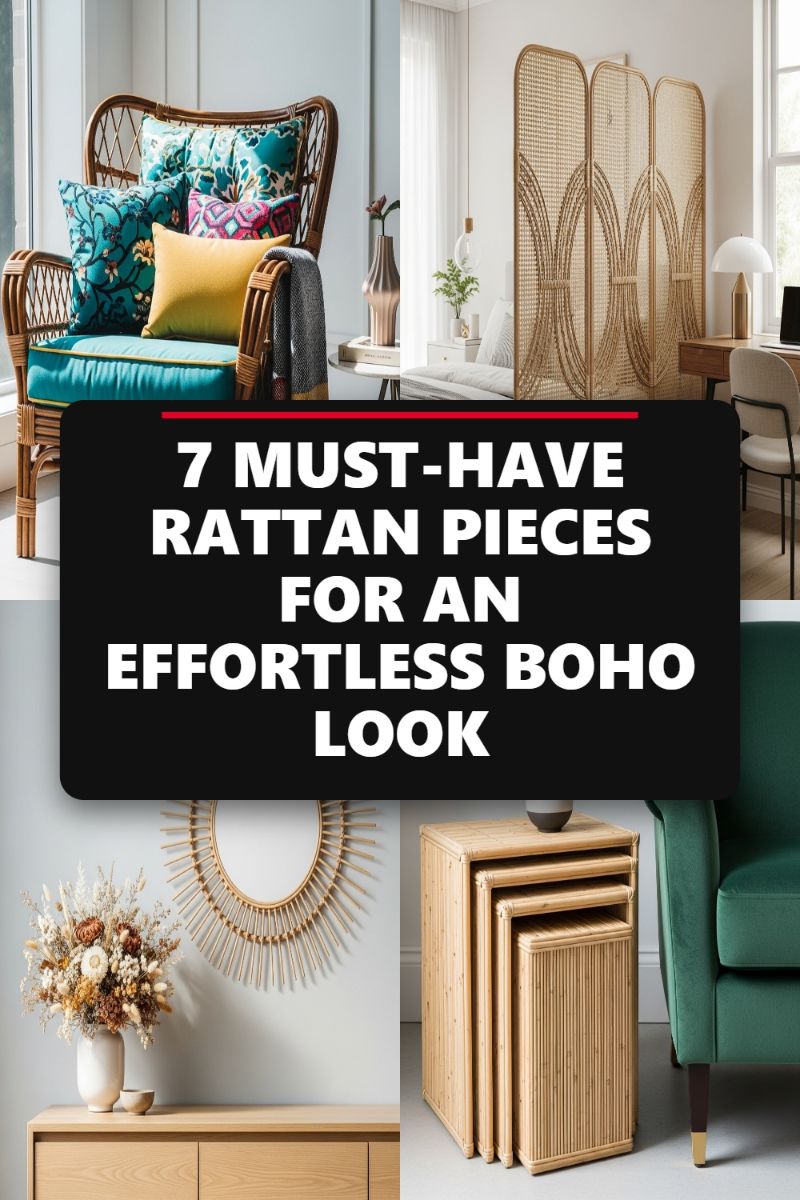
The modern Bohemian aesthetic thrives on texture, organic shapes, and a relaxed, global sensibility, making rattan and cane weaving essential materials for achieving this vibe. To anchor your space, start with a statement seating piece, such as the high-back wicker chair featured here. When selecting, prioritize robust weaves and sculptural silhouettes—these natural fiber pieces instantly introduce warmth and character. The key to styling this foundation piece is maximalist layering; contrast the dark, earthy tones of the rattan with vibrant, saturated jewel tones found in cushions and throws. Use a mix of globally inspired patterns (paisleys, florals, geometrics) set against solid color bases, like a rich turquoise seat cushion, to create a sophisticated yet unfussy gathering spot. Furthermore, incorporating a three-panel cane room divider is expert-level boho styling; this allows you to subtly delineate zones in open-plan spaces, providing necessary division and privacy without sacrificing the room’s airy, light-filled quality.
Beyond the primary furniture, the true secret to an effortless boho home lies in strategic accessorizing and leveraging multi-functional pieces. Rattan nesting tables are invaluable for small spaces, providing flexible surface areas that can be deployed for drinks or decor and then tucked away cleanly. Look for pieces with unique textures, like the vertical bamboo-style cane siding shown, which offers a sleeker, more contemporary twist on traditional wicker. A sunburst rattan mirror is another high-impact element; its radiating spokes mimic natural light, instantly making the room feel larger and brighter, while its intricate design serves as a compelling focal point above a console or dresser. To balance the lightweight feel of the cane, ground the area with heavier textures, such as a deep emerald velvet armchair, proving that mixing natural fibers with luxurious materials is the hallmark of modern bohemian design.
To finalize the look and ensure it feels curated rather than cluttered, focus on organic finishing touches and soft textiles. Utilize natural wood console tables as platforms for showcasing dried botanical arrangements—pampas grass, bleached wheat, and preserved florals—which provide a permanent touch of nature without the maintenance. This element reinforces the connection to the outdoors, a core tenet of boho style. Finally, ensure all rattan elements are integrated seamlessly by layering natural fiber rugs and cozy knitted throws (linen or chunky cotton) nearby. The “effortless” quality stems from allowing the diverse textures and colors to coexist naturally, embracing imperfections, and selecting pieces that feel handcrafted and loved, creating a final atmosphere that is inviting, lived-in, and deeply personal.
Using Color Without Overdoing It: The Modern Mexican Style
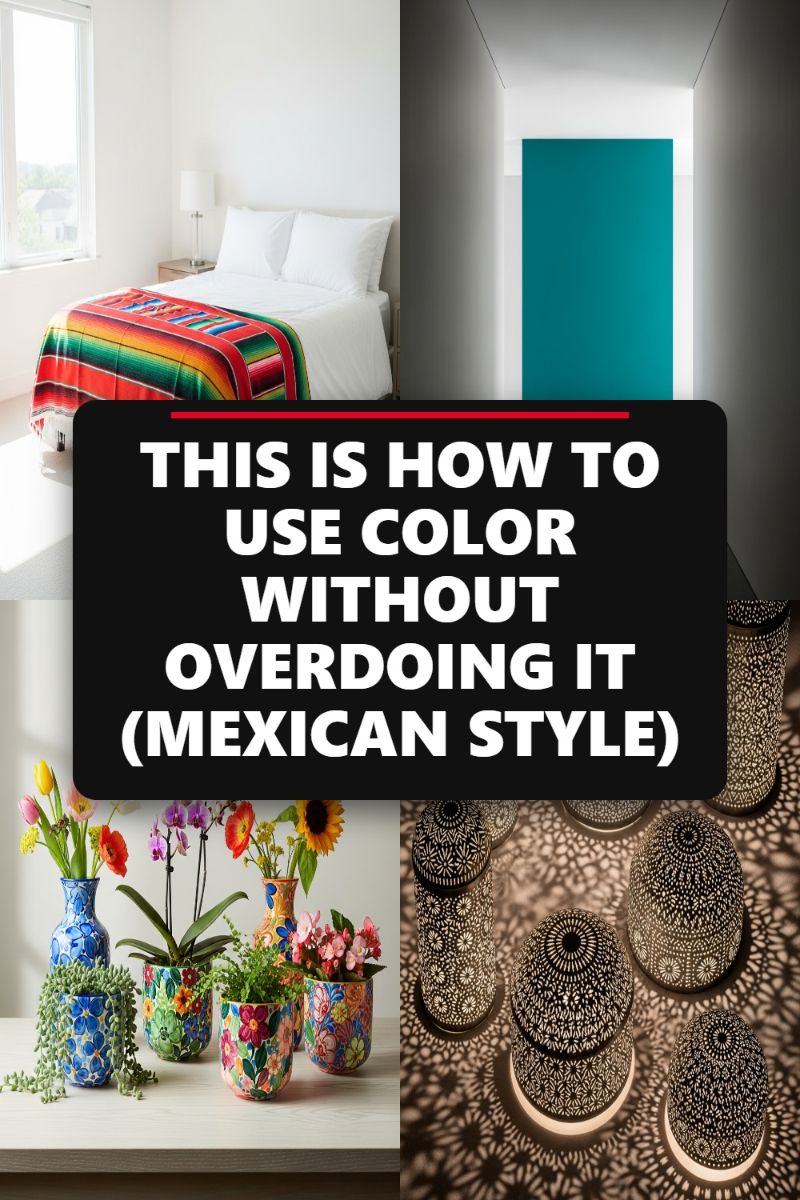
The fundamental secret to mastering Mexican-style vibrancy without crossing into chaos is strategic contrast. As showcased in the image, the foundation of the room must remain strictly neutralthink crisp gallery white walls, light flooring, or expansive gray/concrete tones. These neutral backdrops act as vital breathing room, preventing the saturated colors from visually collapsing the space. To implement this, select one or two high-impact accents: either a significant textile (like a brilliantly striped serape blanket draped over a simple white bed) or an architectural color-block (such as painting a recessed door or a single niche in a bold turquoise, magenta, or cobalt blue). The eye is drawn immediately to the controlled color pop, appreciating its intensity because the surrounding environment is subdued and clean, adhering to the principle of 80% neutral space supporting 20% saturated color.
Once the broad strokes are defined, the style relies heavily on texture and pattern introduced through smaller, curated details. Focus on localized bursts of intense color and intricate design, primarily utilizing authentic hand-painted ceramics. Incorporate groupings of Talavera-style planters, vases, or bowls, allowing intense floral motifs and deep blues and yellows to congregate on tabletops or shelving. This approach satisfies the desire for maximal color saturation and pattern layering while maintaining visual containment. Pair these vibrant accessories with complementary textural elements, such as ornate, pierced metal lanterns. These objects introduce intricate light and shadow patterns, which ground the bright hues and add a layer of sophistication by transforming the surrounding walls and floors into subtle, dynamic canvases.
To ensure the style remains sophisticated and balancednot “overdone”it is crucial to limit the number of large colorful items. If you choose a vibrant serape blanket for the bed, keep the headboard and surrounding furniture simple and streamlined. The goal is controlled maximalism. For practical application, always pair the saturated hues with natural materials such as unpolished wood, woven sisal, leather, or wrought iron. These tactile, organic elements offer a necessary counterweight to the glossy intensity of the paints and ceramics, lending authenticity and depth to the final design, proving that bold color can coexist beautifully with modern, minimalist structure.
YOU NEED THIS OUTDOOR SANCTUARY (SIMPLE DIY)
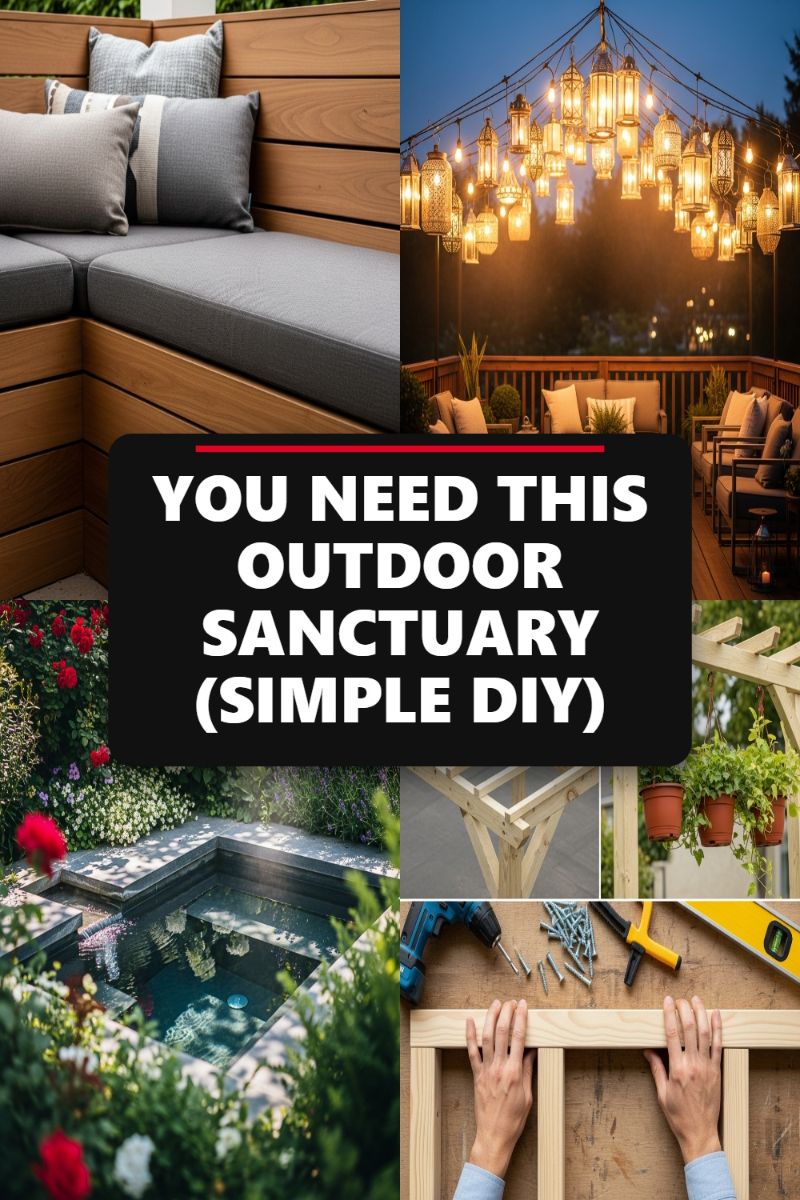
Creating a personalized outdoor sanctuary requires blending sturdy construction with curated ambiance, turning a simple patio into a luxurious extension of your home. The first crucial step is establishing the core structure, often involving built-in seating or a modular deck system designed for both comfort and spatial efficiency. As seen in the image, an L-shaped sectional built from high-quality, weather-resistant wood—such as pressure-treated pine, cedar, or composite decking—maximizes corner utility while providing generous seating. For a seamless, high-end look, design the bench frame to accommodate standard outdoor cushion sizes, ensuring the materials (cushions and wood stain/sealant) are UV and moisture-protected. Proper planning and cutting, combined with the use of essential DIY tools like a drill, level, and structural screws (as hinted in the construction visuals), are key to ensuring the structural integrity of this foundational element, making it a sustainable retreat for years to come.
Once the physical structures are in place, the focus shifts entirely to layered ambiance, primarily through strategic lighting and the introduction of soothing water features. To replicate the enchanting atmosphere shown on the deck, invest in strings of decorative, heavy-duty outdoor lights. Instead of simple bistro lights, opt for varied Moroccan or lantern-style fixtures hung from a central point, creating a dramatic, tented canopy effect. Expert lighting advice dictates using warm-toned LED bulbs (around 2700K) to cast a soft, flattering glow. Furthermore, integrating a water element, whether a custom-built, sunken hot tub, or a simplified, recirculating tiered fountain surrounded by lush plantings and smooth stone, introduces calming auditory and visual texture. The surrounding greenery—red roses, dense shrubbery, and low-lying florals—frames the water feature, making the space feel private and deeply connected to nature.
The final touches involve vertical dimension and personalization, often provided by a DIY pergola or arbor structure. If the overhead structure is not inherent to the deck, building a simple wooden frame (as shown in the partially constructed insert) provides both necessary shade during the day and a perfect anchoring point for the overhead lighting array at night. Utilize this vertical space for planting; hanging baskets of ivy or ferns, combined with climbing plants trained up the posts, instantly soften the angular lines of the wood and enhance the feeling of enclosure and shelter. When executing this DIY project, remember the importance of anchoring posts properly and ensuring all wood joints are level and square. By thoughtfully combining functional built-ins, captivating ambient lighting, and rich layers of landscaping, even a complex-looking “sanctuary” becomes a rewarding and achievable weekend project.
Afro Chic Bedroom Vibes! Step Up Your Style Game
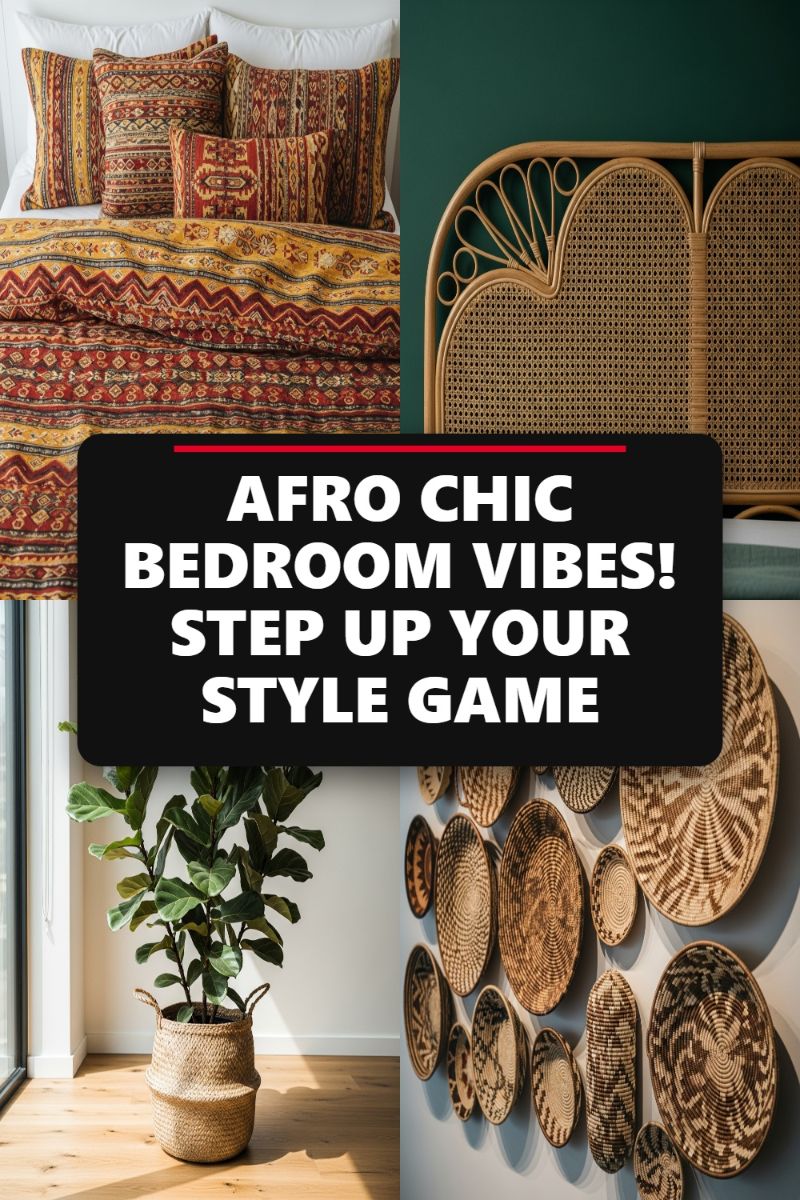
This distinct aesthetic is defined by grounding textures and vibrant, global-inspired textiles, serving as a sophisticated counterpoint to minimalist trends. To achieve the core “Afro Chic” look, begin with the bedding, which acts as the largest canvas for expression. Opt for rich, complex patterns reminiscent of traditional West African Mudcloth, Kuba textiles, or intricate global ikat prints, as seen in the image. Focus on a warm color palette dominated by deep reds, terracotta, mustard yellows, and burnished ochres. Layer various patterns judiciously—mix a large, graphic duvet pattern with smaller, coordinating throw pillow designs to create visual depth without clashing. Contrast these warm, patterned textiles against a calming backdrop, such as the deep, saturated hunter green or jewel-toned wall shown, which provides an instantly luxurious and enveloping feel.
Integrating natural, structural elements is crucial for achieving this vibe’s handcrafted authenticity. Move beyond traditional upholstered furniture and select pieces made from organic, woven materials like rattan, bamboo, and cane. The arched, intricately woven rattan headboard pictured is an exemplary centerpiece, immediately injecting a breezy, bohemian elegance and serving as a light, textural anchor. When curating accessories, focus on artisanal items. The stunning wall display of varying sizes and patterns of woven baskets is a signature technique in Afro Chic and global decor. To recreate this, source baskets made from different natural fibers (sisal, grass, palm), vary their depth and weave density, and arrange them dynamically on a feature wall, ensuring they complement the room’s primary color scheme. This curated grouping replaces traditional framed art, offering undeniable texture and cultural narrative.
Finally, complete the atmosphere by focusing on lighting, grounding elements, and greenery. Introduce live plants, such as the popular fiddle-leaf fig or a snake plant, placed in large, woven floor baskets to connect the room to the outdoors and add essential height and life. The natural wood flooring paired with abundant natural light streaming in highlights all the textures and prevents the warm tones from feeling heavy. Expert advice for finishing touches includes selecting lighting fixtures made from aged brass or dark metals to provide a sophisticated contrast to the rattan. Maintain a sense of balance: while pattern and texture are key, ensure ample white or neutral space (like crisp white sheets or wall space) to allow the statement pieces—the bedding, the headboard, and the basket wall—to truly shine as artistic focal points, ensuring the final result feels curated, cultural, and undeniably chic.
COZY READING NOOK VIBES: LAYERED FINDS YOU NEED
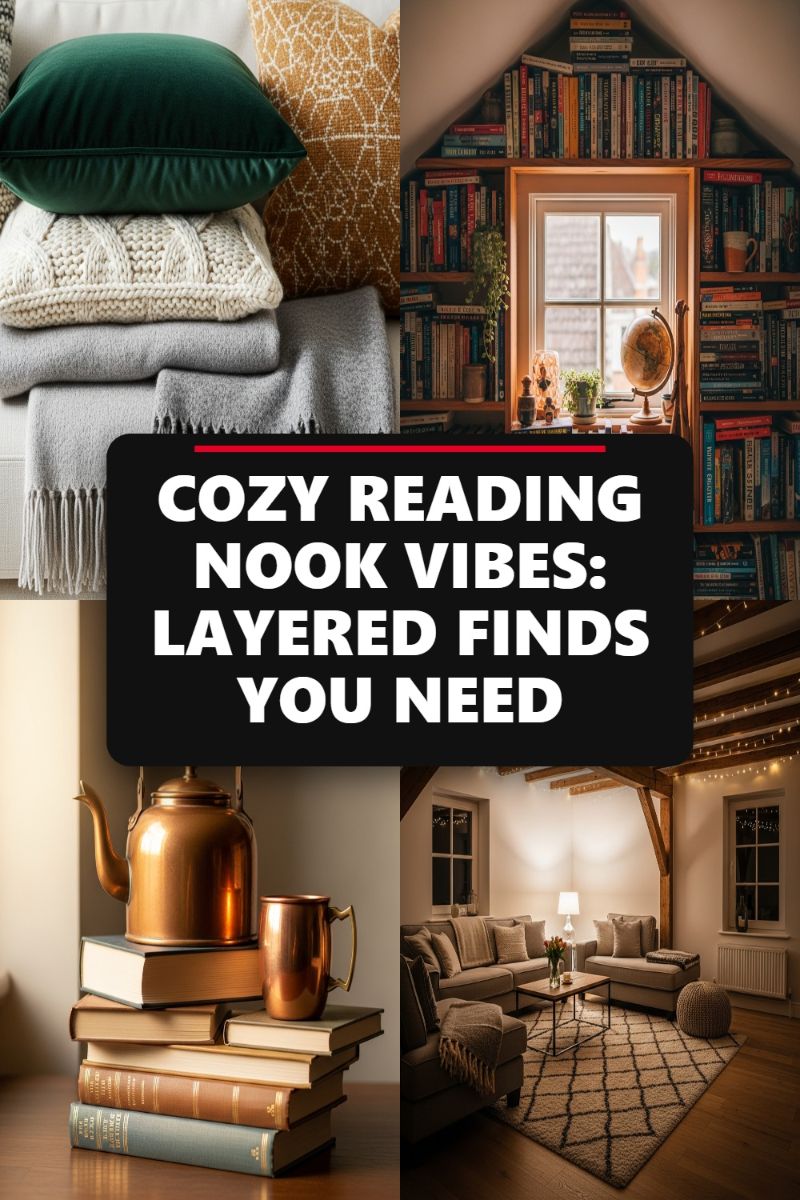
The ‘Cozy Reading Nook’ trend moves beyond a simple armchair and demands an environment built for complete sensory retreat. To successfully integrate this vibe, begin by defining the space. The visual core of this aesthetic often utilizes tucked-away architectural features, such as an attic corner or a deep window recess, transforming what might be considered dead space into a sanctuary. As demonstrated in the image, framing a natural light source (the window) with floor-to-ceiling built-in shelving is the ultimate design move, instantly creating intimacy and maximizing storage. Expert home stagers recommend painting the interior of the nook a warm, slightly darker hue than the surrounding room to visually separate the space, ensuring that even a small corner feels like a destination. For the ultimate reading experience, ensure the shelf height around the window accommodates a small globe, plants, or a decorative lamp, optimizing both function and visual appeal.
The secret to moving a reading space from merely comfortable to truly ‘cozy’ lies in the strategic deployment of layered textiles, a concept vital to the success of this trend. This is where you introduce high contrast in textures, rather than relying solely on color. Start with a foundational element, such as a sturdy knit or chunky woven throw (like the cream cable-knit shown), which offers structure and bulk. Next, drape a softer, fringed item—think merino wool or brushed fleece in a neutral gray—over the back of the chair or ottoman for accessible warmth and visual softness. Finally, accent with pillows featuring diverse finishes, such as a deep emerald velvet for a touch of luxurious jewel tone, alongside a patterned, rustic texture (like the gold geometric pillow). The variation in materials—smooth, rough, structured, flowing—is crucial for creating a tactile richness that invites relaxation.
Completing the cozy nook requires attention to ambiance and functional accessories, mastering the Hygge-inspired mood. Ditch harsh overhead lighting in favor of multiple, low-wattage ambient sources. This includes string lights strung across ceiling beams (if applicable) or a low-slung table lamp that casts a warm, downward glow, minimizing glare. Functionally, incorporate elements that support extended reading sessions: a stack of vintage, leather-bound books doubles as a sturdy side table, while metallic accessories, such as a copper kettle and mug, inject rustic warmth and the implied promise of a hot beverage. The overall goal is to curate a space where every element—from the soft rug anchoring the room to the scent of old paper and warm metals—works together to isolate the occupant from the outside world.
STOP MAKING YOUR KITCHEN LOOK GENERIC! TRY THESE 4 TRENDS
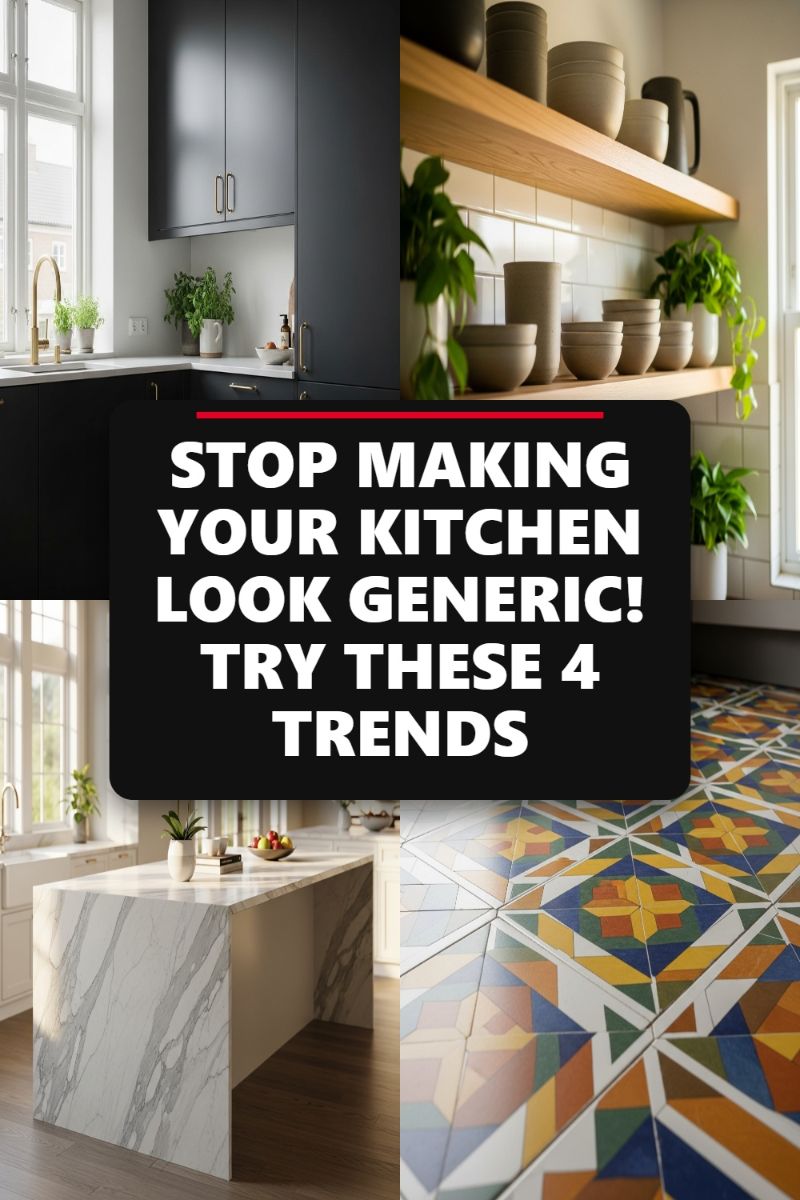
The all-white, sterile kitchen has officially had its moment. Today’s top design trend is personalization and character, meaning homeowners are actively seeking ways to move beyond builder-grade uniformity and inject deep personality into their culinary spaces. To start, embrace high contrast and material depth. The shift toward deep, moody cabinetry—think matte black or charcoal gray, as seen in the upper left quadrant—immediately elevates the room, providing a grounded, sophisticated anchor. Pair these dark finishes with strategically placed metallic hardware, such as brushed brass or warm gold pulls, to act as the “jewelry” of the room. This combination adds an instant layer of luxury and ensures the space feels intentional and custom rather than prefabricated. Furthermore, consider how lighting interacts with these dark surfaces; focusing task lighting under the cabinets enhances the contrast and makes the space highly functional yet dramatic.
The next step in de-genericizing your kitchen involves a thoughtful balance between curated display and dramatic materiality. Wave goodbye to cluttered upper cabinetry in favor of organic, floating wooden shelves (top right). This move opens the sightline, making the kitchen feel airy, and provides the perfect backdrop for styled vignettes using natural materials, minimalist pottery, and trailing greenery. When done correctly, this approach feels less like storage and more like gallery curation. Simultaneously, introduce a powerful statement piece using high-impact stone. The trend now favors bold, monolithic islands, exemplified by the thick, waterfall-edge marble slab (bottom left). Choosing a stone with high-contrast, dramatic veining (such as Calacatta Viola or high-grade Carrara) ensures the island functions as a sculptural centerpiece, providing undeniable drama and grounding the entire design scheme.
Finally, to truly break the mold of the mass-produced kitchen aesthetic, look downward and introduce pattern through the flooring. While wood and neutral tiles are safe, they often lack soul. By adopting bold, colorful, and geometric patterned tiles—like the encaustic or cement tiles shown in the bottom right corner—you introduce an element of maximalism and global texture that immediately tells a story. This choice turns a purely functional surface into a visual focal point, eliminating the need for excessive wall décor. When working with such a dominant floor pattern, keep the surrounding elements balanced: use classic subway tiles for a subtle backsplash and stick to two main cabinet colors. By focusing on these four areas—deep contrast, display-focused storage, sculptural stone, and high-impact pattern—you can transform your kitchen from bland to bespoke.
BRING THE JUNGLE INDOORS: THE BEST PLANTS FOR AFRO CHIC STYLE
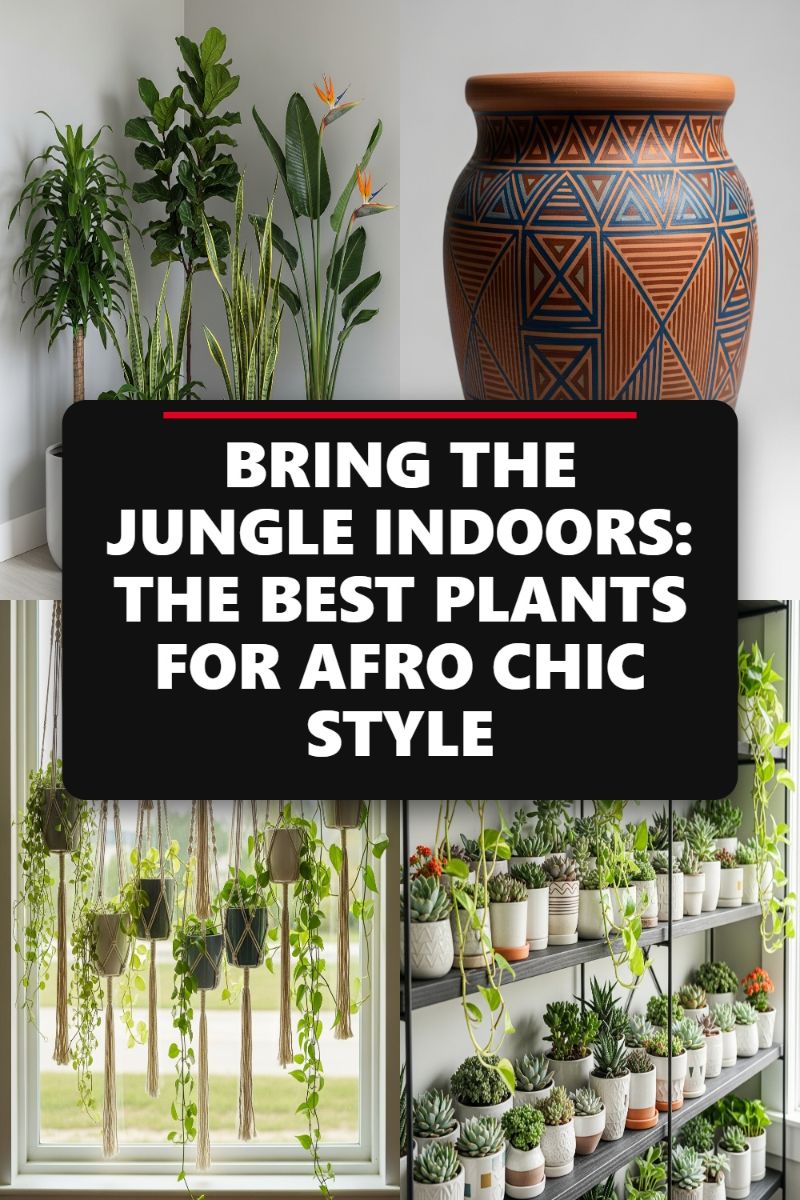
Afro Chic design is inherently linked to vitality, earth tones, and craftsmanship, making the careful integration of houseplants essential for achieving this coveted look. More than just decorative accents, plants in Afro Chic spaces serve as living sculptures, connecting the interior environment to the lush, vibrant landscapes of the African continent. To master this aesthetic, focus on high-impact greenery combined with authentic, handcrafted textures. The goal is a controlled maximalism where the foliage acts as the primary textural element, balanced by pottery, woven materials, and rich, earthy color palettes (terracotta, deep indigo, and ochre). This foundational approach transforms a simple room into a grounded, restorative sanctuary that feels both vibrant and deeply natural.
To truly “bring the jungle indoors,” you must establish a sense of scale and verticality. Start with large, architectural plants that command attention, such as the Strelitzia Nicolai (Bird of Paradise), known for its massive, tropical leaves, or the ever-popular Ficus Lyrata (Fiddle Leaf Fig). These plants instantly mimic a tree canopy and provide dramatic focal points, filling out corners beautifully. Crucially, the vessel holding these giants must complement the style. Look for oversized ceramic or earthenware planters featuring bold, geometric patterns—like the striking blue and burnt orange design seen in the inspirational imagery—which nod to traditional African art and textiles. These patterned pots ground the exuberant foliage and introduce a crucial cultural element. Positioning tall, trunked plants alongside structural, vertically-growing specimens like the Sansevieria (Snake Plant) ensures varied heights and rich visual interest at floor level.
Once the main canopy is established, focus on layering smaller, textural plants to enrich the space. The Afro Chic style thrives on handmade details, so utilize macrame hangers, crafted from natural jute or cotton, to suspend trailing varieties like Pothos (Devil’s Ivy) or String-of-Hearts near windows. These vertical green lines soften the space, introduce movement, and capitalize on natural light. For shelf displays, like those featuring succulents and cacti, choose planters that emphasize texture over high gloss—think unglazed terracotta, stamped white ceramic, or small woven baskets. Arranging these smaller pots in tidy rows, as shown on the black shelving unit, allows the variation in shape and texture of the pots to become a subtle, secondary pattern, harmonizing with the bolder patterns found on your statement pottery. Expert tip: Ensure all your planters adhere to a limited, earthy color palette (neutrals, white, clay red) to let the diverse foliage colors and shapes truly pop against the design’s inherent warmth and texture.
THE 1-HOUR CHANGE THAT ELEVATES YOUR WHOLE LIVING ROOM
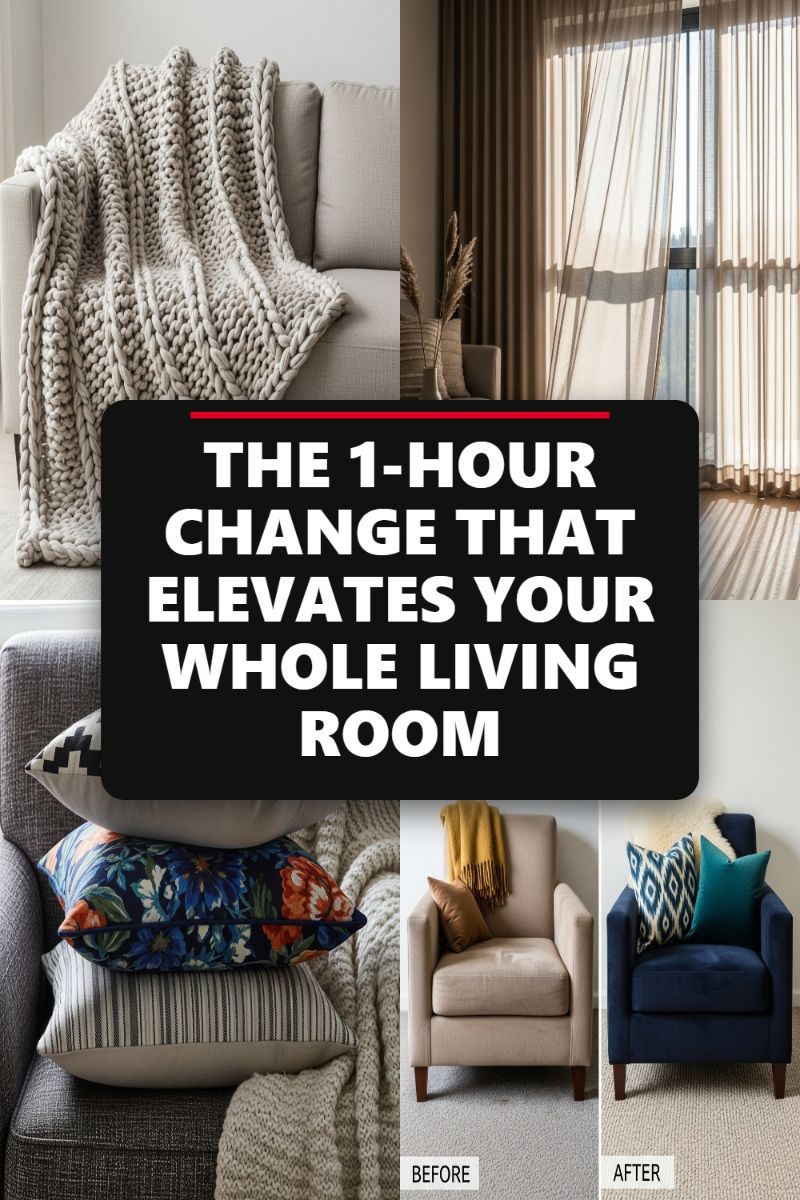
To achieve a truly sophisticated and personalized living space, the quickest and most effective upgrade involves strategically manipulating soft furnishings and texture—all achievable in less than sixty minutes. Begin by mastering the art of layering on your main seating areas. For couches and armchairs, ditch sparse, matched sets of pillows and instead embrace the ‘Rule of Five’ or ‘Rule of Odd Numbers.’ This means mixing three large base pillows with two smaller, highly textural accents. For example, combine a large solid linen pillow, a medium-sized floral or striped pattern, and then layer on a small square of deep velvet or a shaggy sheepskin to create dynamic contrast. Crucially, pay attention to the scale of the patterns: mixing large prints with tiny geo-patterns and solid colors prevents the arrangement from looking too busy. Finish the setup with a weighty, oversized throw, like the chunky knit style shown, which instantly communicates comfort and luxury. Draped effortlessly over one arm or across the back cushion, the throw adds tactile warmth and an immediate visual softness that a bare sofa cannot replicate.
Another critical element in this rapid transformation is controlling and enhancing natural light through updated window treatments. The image demonstrates the power of using a double-rod setup: combining light-filtering sheer panels with heavier, opaque drapes. The sheer curtains diffuse harsh midday sun, bathing the room in a soft, ethereal glow that professional designers rely on to make spaces feel inviting and airy. The heavy drapes, often in a complementary neutral tone like taupe or beige, provide necessary structure, privacy, and insulation. When installing, always mount your curtain rods significantly wider and higher than the window frame—a minimum of six inches above the frame and eight to ten inches past the sides. This technique tricks the eye into perceiving larger windows and dramatically taller ceilings, adding a grand, architectural feeling to the room without any actual construction work. This simple hardware adjustment can be completed in minutes but offers maximum impact.
Finally, focus on high-impact color shifts via accent furniture and accessories, as beautifully illustrated by the ‘Before’ and ‘After’ armchair vignette. If you have a neutral or dated accent chair (the ‘Before’ beige version), you can instantly modernize its aesthetic by introducing saturated color and a new silhouette through a slipcover, or simply by maximizing the accessories around it. The ‘After’ chair transforms into a rich, deep navy velvet, anchored by a mix of geometric and solid teal pillows, sitting atop a new, plush rug texture. The expert take here is using the chair as a focal point to introduce a bold color story that contrasts with the room’s main palette—if your sofa is light, choose a dark chair. Use accessory textures like velvet, silk, or sheepskin to emphasize the luxe feel. This strategic use of texture and color, rather than a full room overhaul, achieves an elevated, designer-approved look that feels complete, cozy, and refreshed in under an hour.
WHY MEXICAN HOME DECOR IS BACK (40% WEEKLY JUMP!)
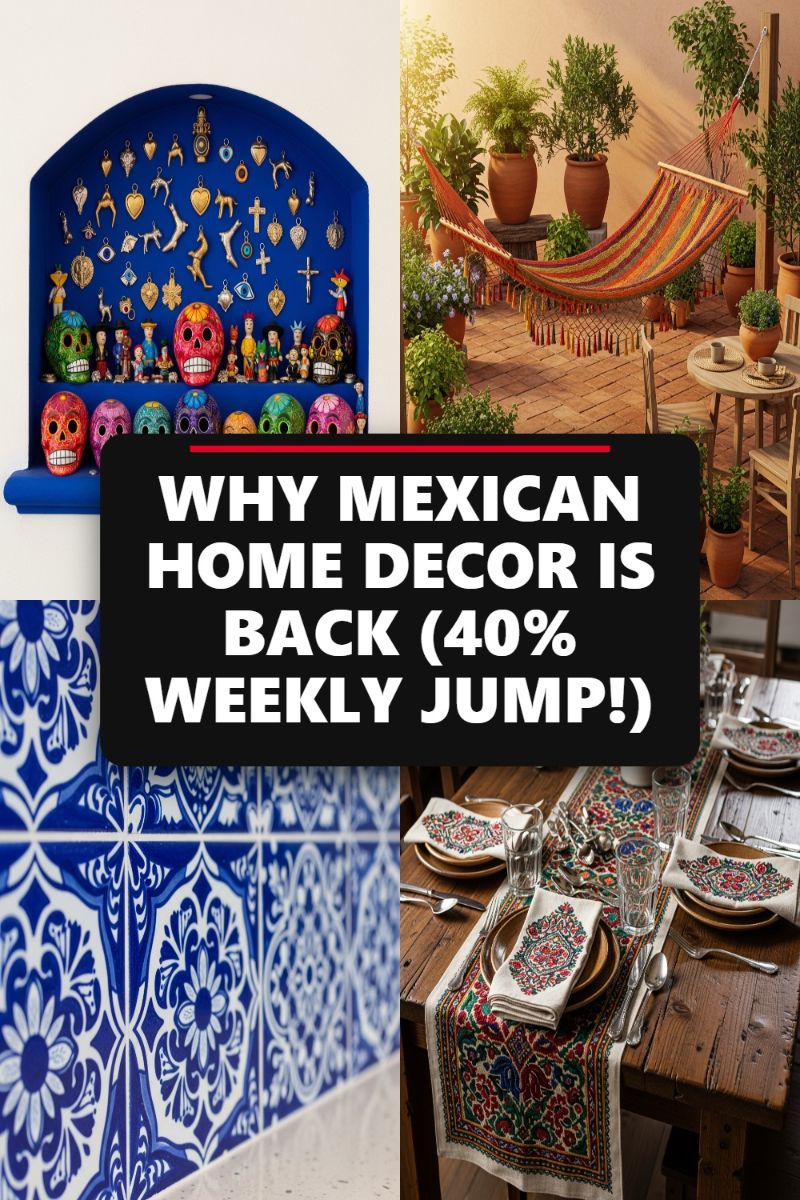
The explosive 40% weekly jump in interest proves that Maximalism’s cousin—vibrant, spirited Mexican home decor—is making a spectacular return. This trend offers a refreshing antidote to years of neutral Scandinavian aesthetics, favoring saturated color palettes, handcrafted textures, and a profound appreciation for folk art. To successfully integrate this look, start with a foundation of high-impact color, best exemplified by the iconic pairing of crisp white walls against deep cobalt blue accents, often seen in traditional Talavera tiles or architectural niches. This high-contrast pairing immediately grounds the space. Instructional advice for visual impact involves integrating natural materials like dark, distressed wood (as shown in the dining table) or rustic terra cotta and combining them with rich, hand-loomed fabrics. Focus on incorporating elements that tell a story, like equipping your windows with natural fiber curtains or hanging a few carefully chosen artisanal mirrors, ensuring every element feels warm, lived-in, and authentic rather than manufactured.The key to mastering Mexican decor lies in the art of the curated collection and intentional layering. Look to the folk art displayed in the image—a niche dedicated to colorful sugar skulls and silver milagros—as inspiration for building a meaningful display. To recreate this specialized aesthetic, select a small, recessed shelf or cabinet and paint the interior a deep, energetic shade (like Lapis Blue or Emerald Green). Fill this space with meaningful small sculptures, handcrafted ceramics, or retablos. For textiles, ditch synthetic materials and embrace the complexity of patterns; authentic pieces like a woven Saltillo throw or an embroidered Otomi table runner are essential. When setting a table, layer patterned fabric runners over a rustic wooden surface, using simple, durable dinnerware (e.g., plain wooden plates or sturdy earthenware) to prevent the setting from feeling overwhelmingly busy, letting the intricate embroidery or print of the napkins and runners take center stage.Furthermore, Mexican design excels at blurring the lines between indoor and outdoor living, making it perfect for patios and sunrooms. To transform an exterior space into a vibrant oasis, emulate the image by utilizing abundant potted greenery (such as cacti, succulents, or ferns) housed in large, unglazed terra cotta pots, which provide crucial textural balance against bright colors. Introduce comfortable seating like the striped, woven hammock, which serves both as a relaxation zone and a stunning focal point due to its tassels and vibrant hues. Expert tip for achieving the perfect lighting: opt for warm Edison bulbs or string lights draped across the patio ceiling or pergola. Ensure the hardscaping complements the look; if you don’t have existing terracotta or brick pavers, consider using patterned outdoor rugs that mimic traditional tiles to define the space and solidify this spirited, sun-drenched aesthetic.
LIVING ROOM MAGIC: WHERE TO INVEST & WHERE TO SAVE
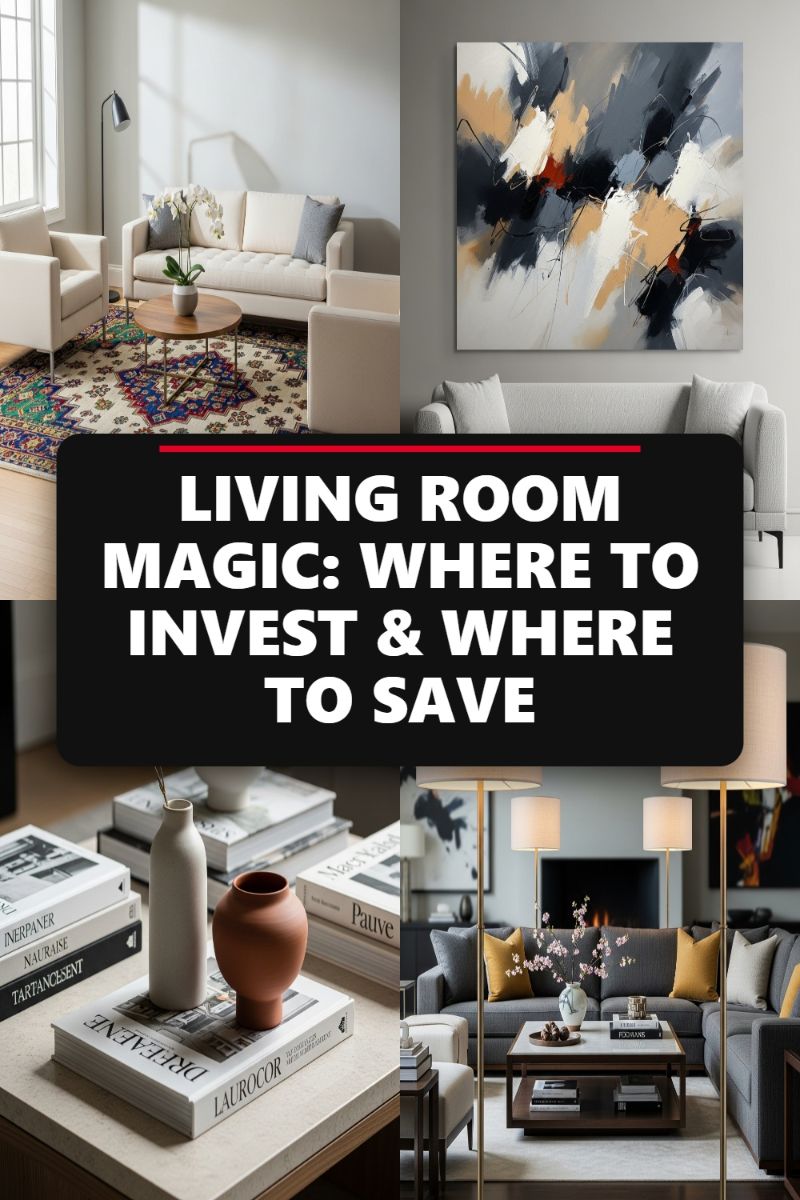
The living room is the heart of the home, balancing comfort, function, and aesthetic appeal. When crafting a magazine-worthy space, the key is knowing where to allocate your budget for lasting impact versus where you can cut costs without sacrificing style. Strategic investment should always center on foundational pieces that dictate comfort and longevity. Prioritize a high-quality sofa or sectional, like the clean-lined beige and gray models featured here, choosing durable, stain-resistant fabric in a neutral tone to ensure it remains a timeless anchor regardless of evolving trends. Additionally, invest in a quality rug. While area rugs can be pricey, a well-made rug with rich color and texture, such as the vibrant patterned piece shown in the top left, serves as critical grounding for the space, offering insulation, defining zones, and enduring heavy foot traffic for years.
Once the foundational investments are secure, look for high-impact elements where strategic savings can be realized. Lighting and artwork offer exceptional opportunities for cost-effective style elevation. Rather than custom-built lighting, opt for elegant, standalone floor lamps, like the chic brass models seen in the bottom right, which provide sophisticated ambiance, flexibility, and architectural height without requiring costly installation. Similarly, impactful, large-scale abstract art, such as the dynamic piece with black, white, and ochre swaths, is a powerful visual investment that doesn’t need a gallery price tag; many online vendors offer stunning, high-quality prints or original works from emerging artists that capture the same modern, sophisticated feel. These elements immediately elevate the perceived value and design intent of the room.
Finally, maximize visual appeal through intentional styling and accessories—the prime area for saving. Coffee table styling, as perfectly demonstrated in the lower vignettes, is highly effective and relatively inexpensive. Curate stacks of design or art books (often found secondhand or during sales) and pair them with simple, textural objects like ceramic vases or sculptural vessels. These accessories add personality, texture, and layering depth. Use budget-friendly throw pillows to introduce seasonal color (like the pops of mustard yellow) or textural variety, refreshing the look without purchasing new furniture. By balancing substantial, comfortable investments with highly curated, visually rich accessories, you achieve the perfect harmony between luxurious feel and smart budgeting.