Master diverse home aesthetics with our ultimate style guide. Dive into authentic Mexican decor, moody Gothic interiors, and ultra-cozy living room inspiration, plus viral finds and thrifting tips.
15 VIRAL AMAZON FINDS

The foundation of the popular “Cozy Home” or modern organic aesthetic rests heavily on a sophisticated, layered neutral palette and an abundance of rich textures. To master this look, begin by limiting your primary colors strictly to creams, whites, off-whites, and muted beiges. When working with such limited color, texture becomes paramount to prevent the space from falling flat. Notice the selection of ceramics: the fluted/ribbed vases, seen here in varying heights, immediately introduce linear texture and depth without relying on bold patterns. Similarly, the use of a chunky loop or ‘popcorn’ textured throw pillow on simple wooden seating provides a tactile and inviting contrast. This focus on textural variety—from smooth ceramic finishes to woven fibers—is the key to making a monochromatic room feel layered, warm, and utterly contemporary.
Grounding this soft, light aesthetic requires incorporating elements of natural material to add warmth and a rustic, authentic touch. A round jute or seagrass rug, as displayed, is an expert choice for introducing organic texture underfoot, breaking up linear spaces, and providing visual grounding, especially beneath lighter furniture. Further enhance this natural feel by strategically deploying wooden elements. The use of large wooden bead garlands draped in a bowl is a simple yet high-impact styling trick that is essential for this aesthetic, adding rustic character to tabletops. Pair these elements with soft, fringed throws casually draped over upholstery—the contrast between the rough natural fiber (jute) and the soft textile (throw) balances ruggedness and comfort beautifully.
Finally, elevate your styling through intentional accessorizing using highly sculptural and modern forms. The distinctive ceramic loop or ‘doughnut’ vase is currently a viral centerpiece because it acts as both a vessel and a piece of abstract sculpture, providing a focal point on stacks of coffee table books. Speaking of styling books, select volumes based on their spine colors (neutral whites, blacks, or muted grays) and use them to create purposeful risers for your decor items, ensuring objects are displayed at varied heights. When sourcing these finishing touches, focus on pieces with sculptural, minimalist silhouettes—like the framed abstract art in muted earth tones—which reinforce the clean, calm, and effortlessly cozy vibe of the entire aesthetic.
6 STUNNING KITCHEN IDEAS
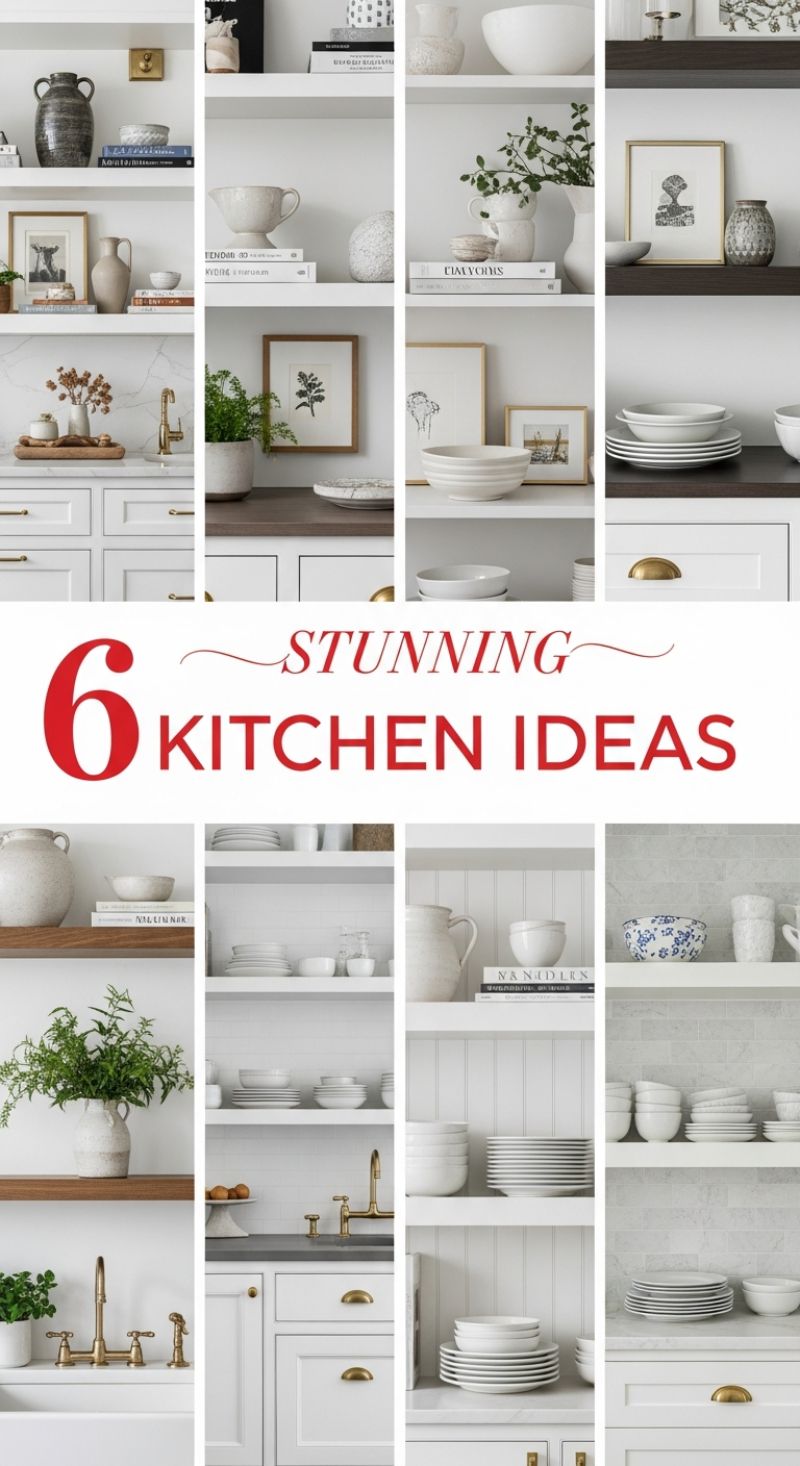
To successfully integrate the cozy aesthetic into a hardworking space like the kitchen, focus on utilizing warm, natural materials set against a clean, neutral canvas. As showcased here, the foundation relies on bright white cabinetry, often in a classic Shaker style, paired with light countertops and backsplashes (subway tile or subtle marble veining). This minimalist backdrop prevents the space from feeling cluttered, even with extensive open shelving. The crucial element that injects instant warmth and character is the hardware. Move beyond chrome and opt for aged brass, antique gold, or bronze in fixtures, faucets, and cabinet pulls. Notice how the brass bridge faucet and the mix of cup pulls and bar handles act as visual counterpoints to the stark white cabinets, elevating the design from purely modern to modern transitional. This strategic use of warm metals is the first step in ensuring the space feels inviting and lived-in, rather than cold or sterile.
The heart of this aesthetic lies in the thoughtful styling of open shelving, which transforms functional storage into a curated display. When organizing plates and bowls, maximize the cozy factor by grouping items by color and material—predominantly matte white ceramics, stoneware, and creamy neutrals, creating a cohesive, collected look. Interweave these functional stacks with decorative elements, ensuring a balance between hard and soft lines. Incorporate organic shapes through textured vases, large pitchers, and sculptural objects, often finished in speckled or distressed glazes. Expert tip: Introduce life and dimension by adding fresh or dried greenery, placing small arrangements in simple ceramic crocks, and using stacks of design books horizontally to create subtle risers for smaller items like framed art or small bowls. This intentional layering is essential for giving the kitchen depth and personality, a hallmark of the cozy style.
Finally, layer natural textures on the counter surfaces to complete the look. The use of materials like wood (visible in the floating shelves or a wooden serving tray) or dark, matte stone for secondary counter space grounds the otherwise airy design. The sink area itself should be a focal point; a large apron-front or farmhouse sink paired with an elevated faucet design (like the classic bridge faucet shown) lends immediate timeless appeal. Finish the counter styling with purposeful, tactile objects, such as a marble mortar and pestle, a wooden cutting board leaned against the backsplash, or a simple collection of herbs in a planter. Every surface should feel inviting to touch, blurring the line between utility and comfort, thereby successfully mastering the sophisticated, cozy kitchen aesthetic.
5 PERFECT FOCAL POINTS
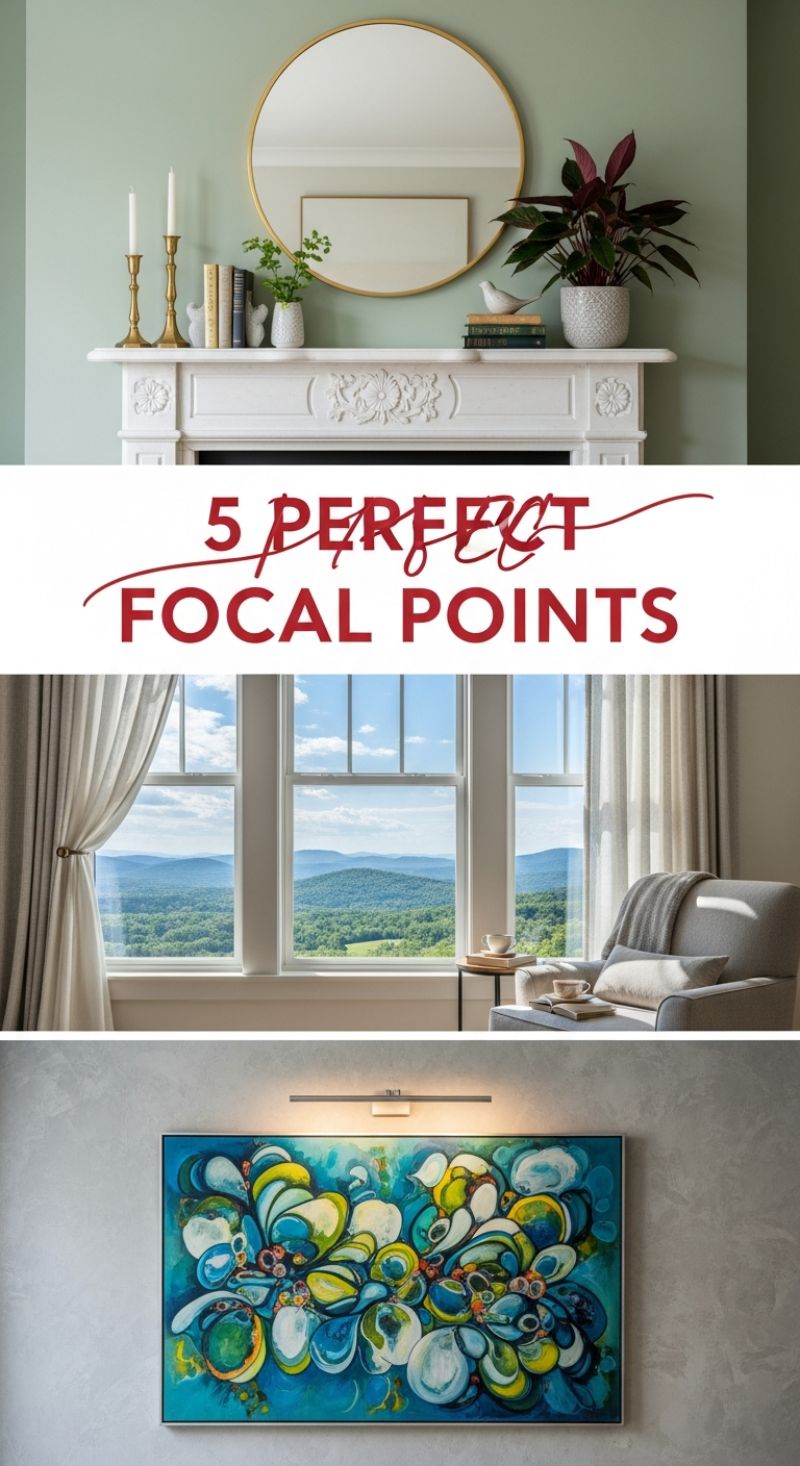
Mastering any interior aesthetic—be it the drama of Gothic, the vibrancy of Mexican, or the calm of Cozy—starts with establishing a compelling focal point. A focal point is the first thing a visitor’s eye lands on, instantly communicating the room’s purpose and style narrative. The most effective points are often architectural features, like a fireplace or a vast window, as these naturally ground the space. For example, a crisp, ornate white mantelpiece provides a classical anchor, perfect for transitional or Gothic styles. When styling, employ symmetry: use pairs of items (like the brass candlesticks shown) flanking a central, scaled piece (such as a round mirror or oversized painting) to create instant visual equilibrium. Ensure all accessories on the mantel relate in scale and texture, building layers of interest without cluttering the main feature.
If your room lacks inherent architectural drama, artistic focus provides an excellent solution. A large, impactful piece of modern or traditional art, as seen in the example, can instantly define a wall. When selecting artwork, scale is paramount; the piece should command the space without overwhelming it. For styles like the maximalist Mexican aesthetic, select vibrant colors and bold patterns that pop against the wall texture. Crucially, lighting must be used to enhance this focus. A dedicated picture light draws attention directly to the artwork, emphasizing texture and color while adding a layer of sophisticated, tailored ambiance that elevates the entire room’s design, functioning like gallery illumination.
Finally, never underestimate the power of a natural focal point. If you possess a spectacular view, that landscape should become the central element of the room. Design the interior around this external feature by using minimal window treatments—such as light, flowing sheer curtains—that frame the view rather than obscuring it. This approach is highly effective in the Cozy aesthetic, promoting a sense of connection to nature and tranquility. Position comfortable seating, like a reading chair and side table, directly adjacent to the window so the space encourages lingering and contemplation. Regardless of whether you choose a feature wall, a fireplace, or a stunning vista, the key is to ensure the focal point is proportionate, well-lit, and seamlessly integrates with the overarching style and color palette you are cultivating.
5 PRICELESS GOODWILL HAULS
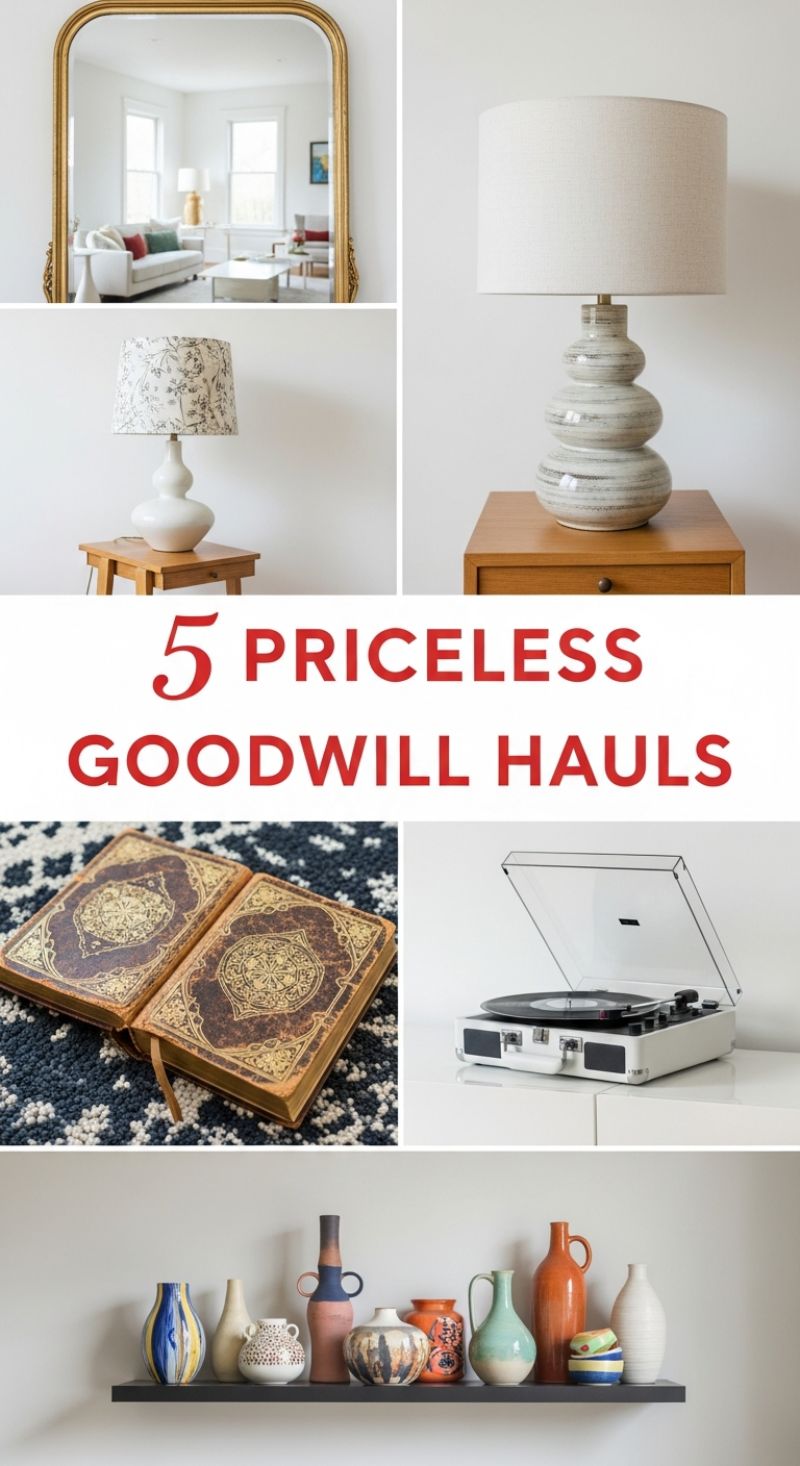
Mastering a specific home aesthetic, whether it’s the rich complexity of Mexican style or the moody depth of Gothic interiors, requires patience and a discerning eye, especially when hunting for foundational pieces. The key to successful thrifting is understanding how specific vintage items can translate across various design languages. When you encounter a piece like the ornate gold-framed mirror or the unique ceramic lamps shown here, focus less on its immediate surroundings in the store and more on its inherent quality, silhouette, and potential for transformation. A sturdy, elegant gold frame, for example, serves as a luxurious counterpoint in a minimalist Cozy interior or acts as a decadent accent in a Gothic-inspired hallway. Look for pieces with substantial material weight—heavy ceramics, solid wood, or thick glass—as these items typically possess the lasting quality necessary to anchor a room and prevent your curated aesthetic from feeling flimsy or temporary. These hauls prove that the real value lies in the unique character and history that second-hand items bring to a contemporary space.
Lighting and large decorative elements are often the most impactful thrift store finds. Lamps, in particular, offer unparalleled opportunities for customization. While you may find a base with excellent sculptural form, like the stacked grey ceramic base or the smooth white silhouette, the shade might be outdated. Expert thrifters always factor in the cost of a replacement shade—perhaps a tailored linen drum for a modern look, or a patterned botanical fabric, as seen on the white table lamp, to integrate a Cozy or Bohemian element. Furthermore, statement items like floor-length mirrors, regardless of the frame style, create immediate visual depth and amplify light, a crucial technique for both cozying up large Gothic rooms and brightening vibrant Mexican-themed spaces. Always check the wiring and structure, but remember that cosmetic flaws on frames can often be fixed with a simple cleaning or paint job, yielding massive savings for huge visual impact.
Beyond furniture and lighting, small groupings of textured objects are essential for grounding any aesthetic. The antique leather-bound books and the diverse collection of pottery pictured are perfect examples. These items add texture, patina, and history. If aiming for a Mexican or Bohemian aesthetic, look for brightly colored or earthy-toned ceramics and terracotta pieces, similar to the eclectic vases displayed on the floating shelf, and arrange them in odd numbers to create visual interest. For a Gothic or academic Cozy style, seek out heavy volumes with beautiful tooling or aged covers, using them as risers or stacked decorative elements. Even a modern thrift find like the portable record player adds a functional vintage focal point. The secret is grouping items by color palette or material (e.g., all earthy pottery together, or all metallics together) to ensure your diverse haul translates into a cohesive, high-end design statement rather than feeling cluttered.
9 Edgy Gothic Western Decor
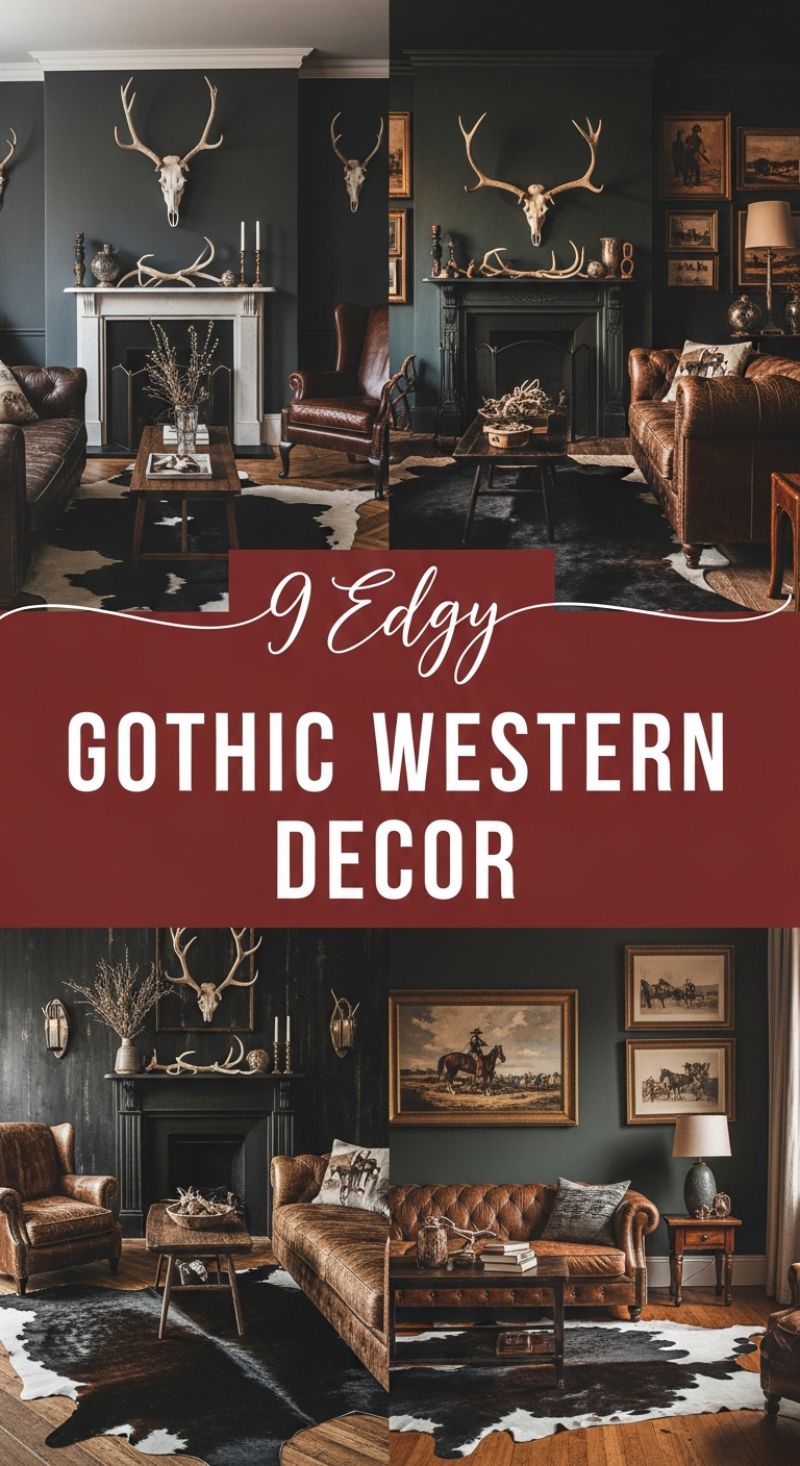
The Edgy Gothic Western aesthetic is a masterclass in mood, merging the rugged, natural textures of a high-end ranch lodge with the dramatic, layered darkness of Gothic design. To achieve this sophisticated blend, you must first establish a deep, monochromatic foundation. Paint walls in rich, saturated colors such as deep charcoal, hunter green, or true black. This instantly provides the necessary gravitas and intensity. Unlike traditional Western styles which rely on browns and reds, the Gothic element demands heavy contrast and deep saturation. Layering various black, grey, and dark brown shades on vertical surfaces (walls, mantle, trim) is key, while using natural textures—like the varying pile heights of a cowhide rug or the deep tufts of leather furniture—prevents the space from feeling flat or one-dimensional. The atmosphere should feel less like a barn and more like a moody, high-society library that happens to be decorated with hunting trophies.
The furniture selection is where the Western roots truly shine. Opt for heavy, distressed leather pieces, such as a traditional Chesterfield sofa with deep tufting or substantial wingback chairs, providing both durability and a vintage feel. Pair these structured pieces with raw, dark wood elements for coffee and side tables; reclaimed wood or antique finishes work best to maintain the historical, masculine energy of the space. Anchor the seating area with a statement cowhide rug (typically black and white or dark brown) which is perhaps the most essential Western element. The contrast between the animal hide and the surrounding dark floors and walls elevates the style beyond rustic into the realm of high-drama luxury. Furthermore, strategic, warm lighting is crucial. Rely on layered sources like ornate table lamps with heavy bases, wall sconces, and candelabras to cast a golden glow, mitigating the intensity of the dark walls and highlighting the textural elements.
To complete the aesthetic, focus on curated, dramatic accents. The fireplace serves as the central altar, demanding imposing décor like large, bleached stag skulls, mounted antlers, or dark metal candelabras. Avoid excessive clutter; every decorative object should carry visual weight. On walls, implement a dark gallery display using traditional oil paintings or antique prints, favoring equestrian scenes, dark landscapes, or wildlife, all housed in heavy, ornate gold or dark wood frames. This detail adds the final touch of Victorian Gothic formality. Finally, incorporate subtle organic elements—such as bundles of dried grasses in heavy vases, decorative branches, or bowls filled with natural wood or stone—to soften the edges and remind the viewer of the natural, rugged setting that underpins this beautifully edgy design style.
12 Savvy Thrift Hacks
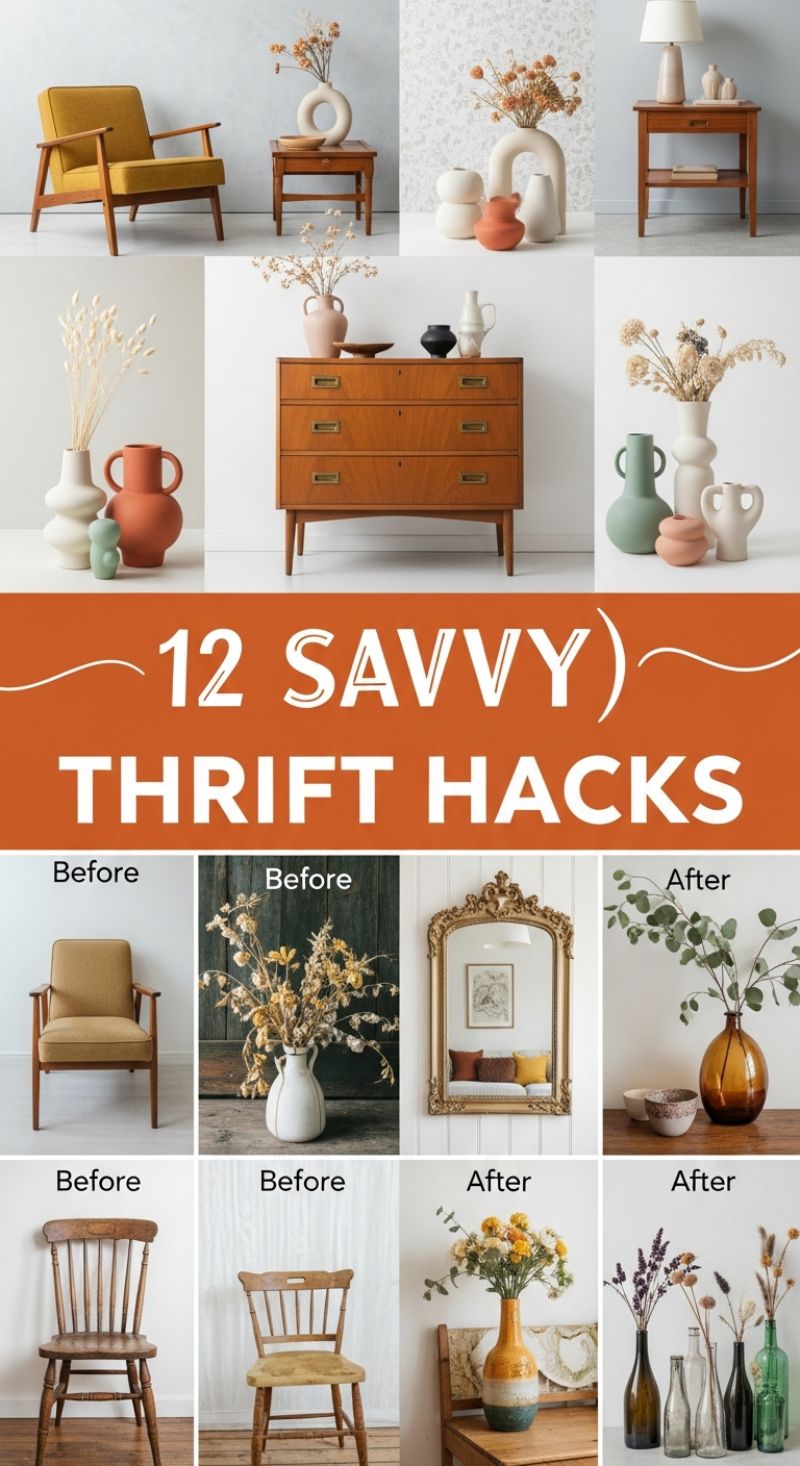
Mastering a complex aesthetic like Cozy Scandinavian or even Maximalist Gothic doesn’t require a high-end budget; it requires a discerning eye for potential. The foundation of any collected, lived-in style is often thrifted furniture, which provides instant character and history. When seeking furniture like the featured mid-century armchair or wooden dresser, prioritize strong bones and classic lines over surface condition. Expert thrifters know that poor upholstery or dated hardware are simple fixes. For example, replacing brass handles on a dresser with matte black pulls can instantly modernize a piece, while reupholstering a vintage chair in a textured mustard velvet (as suggested by the image) instantly transforms it into a statement piece suitable for both a Cozy or Mid-Century aesthetic. Look for solid wood pieces that can be easily sanded and stained to fit your chosen palette—darker stains for a Gothic look, or natural, lighter woods for a more Minimalist or Cozy feel.
Beyond large furniture, the secret to high-impact thrifting lies in small, sculptural decor and careful vignette assembly. The contemporary trend shown here utilizes chunky, matte, or textured ceramics in sophisticated, earthy tones like terracotta, sage green, and cream. You can replicate this expensive look using a simple hack: purchase mismatched, cheap thrift store vases and apply textured paint (like stone-effect or chalk paint) to homogenize them into modern art pieces. Grouping these newly unified pieces in odd numbers (like three or five) on top of furniture, paired with natural elements like dried grasses, provides visual interest and texture. This technique ensures that even if the underlying furniture is disparate, the cohesive styling of the accessories ties the entire space together into a singular, intentional aesthetic. This strategy is critical when trying to blend different design periods, such as pairing a rugged wooden chair with modern, smooth ceramics.
Finally, maximize the utility of inexpensive finds through creative repurposing. Look for ornate elements that instantly inject drama—an oversized, gilt mirror, often found cheaply at estate sales, adds immediate opulence and can anchor a wall in a Gothic or Old World Cozy interior. Furthermore, common household items like glass bottles can become essential styling elements. Collect various shapes and shades (browns, clear, greens) and use them as minimalist bud vases. Arranged in a casual cluster, they offer texture, color variation, and a sense of effortless, collected beauty, perfect for rustic or Boho styles. This simple hack proves that often, the most sophisticated decor is simply thoughtful arrangement of humble, everyday objects.
10 BUDGET THRIFTING TIPS

Mastering distinct aesthetics like the opulent, dark drama of Gothic interiors or the vibrant, textural richness of Mexican design often requires collecting unique, quality pieces that can quickly strain a budget. Thrifting is the ultimate secret weapon for achieving a high-end look without the high-end cost. As seen in the variety of items held by the individuals in the top panel—from ornate lamps and brass accents to colorful textiles and handcrafted ceramics—the goal is to hunt for core materials and shapes that align with your chosen style, rather than focusing solely on condition. For a Gothic look, prioritize dark woods, heavy metal items (like brass candelabras or pewter dishes), and framed portraits. For a Mexican style, seek out colorful pottery, patterned blankets, woven baskets, and hand-painted mirrors. The key is strategic selection: look past superficial flaws, knowing that a little polish or paint can transform a $5 find into a statement piece.
To successfully integrate these thrifted treasures into your home, focus on creating curated vignettes, much like the examples shown in the bottom quadrants of the image. The arrangement featuring the layered stack of books and a simple vase evokes a cozy, lived-in academic feel, perfect for a relaxed interior. In contrast, the display featuring the ornate brass lamp, dark patterned vases, and the heavy candelabra leans heavily into a dramatic, vintage aesthetic that is essential for both Gothic and highly decorative maximalist styles. When styling, employ the principle of layering: use textiles (rugs, throws) to ground the space, stack books for varying heights, and then introduce decorative objects, ensuring you mix textures and heights to create visual interest and depth. Never place a single item alone; thrifted finds gain impact when grouped cohesively.
Finally, maximize your thrift finds through minor restoration or smart transformation. Many thrifted objects, especially wooden furniture or metal accents, require only minimal effort to fit seamlessly into a sophisticated interior. Consider using matte black spray paint on basic frames or accessories to instantly elevate them to a Gothic sensibility, or look for richly hued, remnant velvet and satin fabrics to reupholster small cushions suitable for a cozy armchair. For the Mexican aesthetic, consider sourcing brightly colored paint to revive tired ceramic pieces or old wooden stools. The most successful thrifters know that the value isn’t just in the bargain price, but in the potential of the piece to be reborn into an intentional part of a larger, carefully designed aesthetic.
9 COLORFUL MEXICAN STYLES
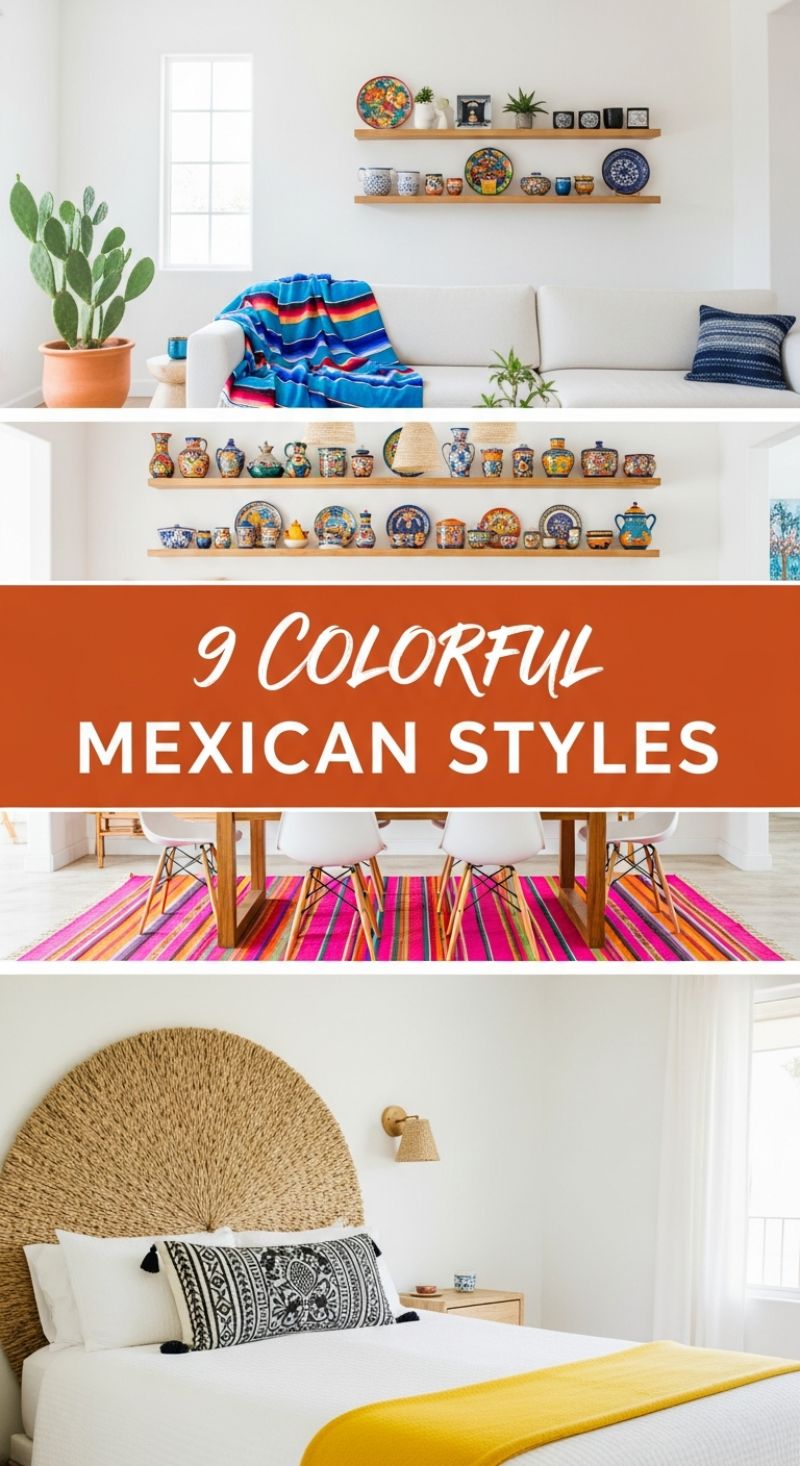
To successfully embrace the Colorful Mexican Aesthetic, the first step is creating a clean, bright canvas. The foundation of this vibrant style relies heavily on contrasting maximalist details with minimalist architecture; think bright white walls and light-toned flooring to allow the saturated hues and intricate patterns of the décor to truly pop. Once the backdrop is set, introduce textiles that embody the spirit of Mexico, such as authentic Saltillo serape blankets and vibrant striped rugs, often featuring fuchsia, turquoise, orange, and electric yellow. These textiles should be used strategically as focal points—draped over a simple white sofa, covering the floor in the dining area, or even framed as wall art. The goal is a lively, high-energy environment where color feels joyful and uninhibited, yet balanced by ample negative space.
Collecting and displaying hand-painted Mexican ceramics is integral to this aesthetic. Look for traditional Talavera or Majolica-style pottery, characterized by their detailed blue, yellow, and green floral or geometric motifs. Rather than scattering these pieces, create curated, high-impact vignettes on floating wooden shelves, as demonstrated in the image. Layer bowls, pitchers, small pots, and decorative plates closely together, allowing the sheer volume and variety of patterns to make a statement. Furthermore, integrate natural textures to ground the bold colors. Incorporate large-scale plants, especially succulents or cacti in simple terracotta pots, and utilize woven materials for lighting fixtures, accents, or statement furniture pieces, like the impressive circular raffia headboard shown in the bedroom. These earthy elements prevent the bright colors from becoming overwhelming, anchoring the space with organic warmth.
When selecting furniture, adhere to clean lines and neutral materials, letting the decorative accents carry the weight of the style. Sofas and dining chairs should remain simple and either white, cream, or constructed from light-toned wood. For the bedroom, select a minimalist bed frame and use bedding that is predominantly white, adding color only through strategic elements like a bold throw blanket or an intricate, long lumbar pillow. The key to mastering the Colorful Mexican style is understanding balance: the furniture and architecture act as quiet supporters, while the artisan crafts, folk art, and textiles are the loud, colorful stars of the show. By thoughtfully grouping your collections and using authentic, high-quality pieces, you can achieve a sophisticated and festive interior that celebrates Mexican design heritage.
5 EASY DIY PROJECTS
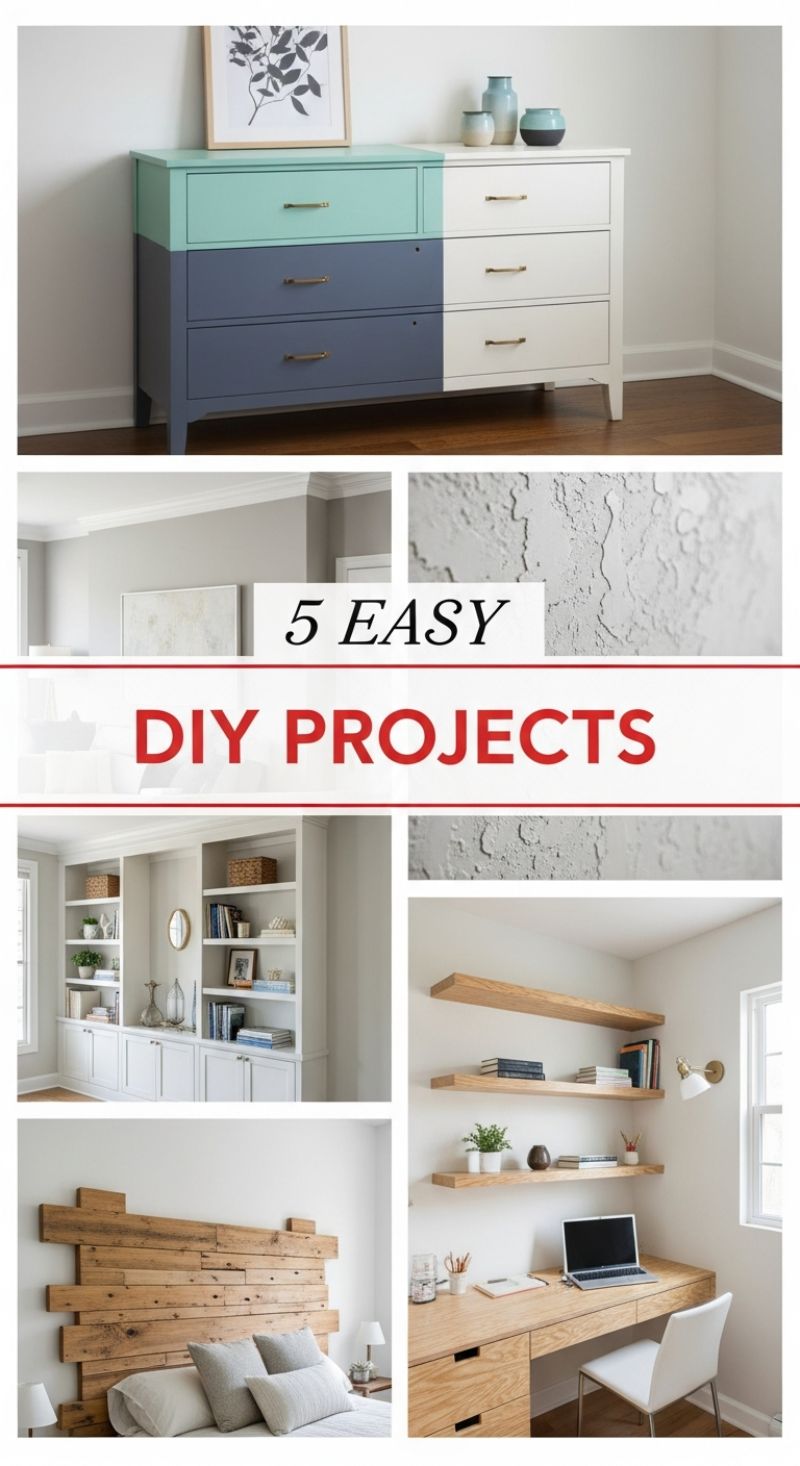
The visual guide presents five diverse DIY projects that are essential tools for customizing any interior aesthetic, particularly those focusing on warmth and personalization like the Cozy style. The first project, a multi-tone dresser paint job, demonstrates how strategic color blocking can transform an ordinary piece into a modern statement. For a Cozy home aesthetic, consider selecting muted, natural tonesmdashlike the soft mint, deep navy, and crisp white seen heremdashwhich are calmer and more inviting than vibrant hues. When undertaking this project, ensure you thoroughly sand the piece and use a high-quality primer suitable for the furniture material. Use painter’s tape to achieve razor-sharp lines between colors, essential for a professional finish. This technique not only refreshes dated furniture but allows you to integrate specific color palettes required by your chosen style guide, whether it’s the bright whites and woods of Nordic design or the soft greys and taupes of a Hygge-inspired space, providing immediate visual impact without large-scale remodeling.
Two other key projects illustrated are permanent fixture installations: custom built-in shelving units and minimalist floating desks with integrated shelving. Built-ins, like the white floor-to-ceiling units shown, immediately elevate a room, offering invaluable storage and a sophisticated architectural feel. When designing these, plan the proportions meticulously so they don’t overwhelm the space; using cabinet bases for concealed storage and open shelving above for display creates vital visual balance. To tie them into a Cozy aesthetic, style the shelves with layers of texturemdashtextile storage baskets, stacks of worn books, and small indoor plantsmdashinstead of purely utilitarian items. Conversely, the floating desk and shelving unit provides a clean, airy workspace, maximizing floor space. When mounting floating shelves, always locate wall studs or use heavy-duty toggle anchors, as the load capacity is critical, especially when storing books. The natural wood tone used here is inherently warm and inviting, fitting perfectly within a rustic or Cozy design scheme, offering a grounding counterpoint to lighter wall colors.
Finally, introducing intentional texture is a powerful DIY technique for mastering an aesthetic. The rustic plank wood headboard offers a dramatic focal point, injecting immediate warmth, depth, and character into a bedroommdasha defining feature of both Cozy and rustic styles. When recreating this look, source reclaimed barn wood or inexpensive lumber that can be stained or distressed to achieve that appealing, aged appearance. Ensure all planks are properly treated, sanded to remove splinters, and securely fastened to a hidden frame or directly to the wall structure. Equally important is managing wall texture, as shown in the subtle image detail of a distressed or stucco-like wall finish. While a smooth wall is clean, adding a light, organic texturemdashlike orange peel or a skip trowel applicationmdashcan prevent a space from feeling sterile and add dimension, especially when paired with the soft, layered lighting characteristic of a truly Cozy interior. Mastering these foundational DIY skills allows you to personalize your space and accurately translate complex style guides into tangible, beautiful home elements.
8 Affordable Luxury Finds
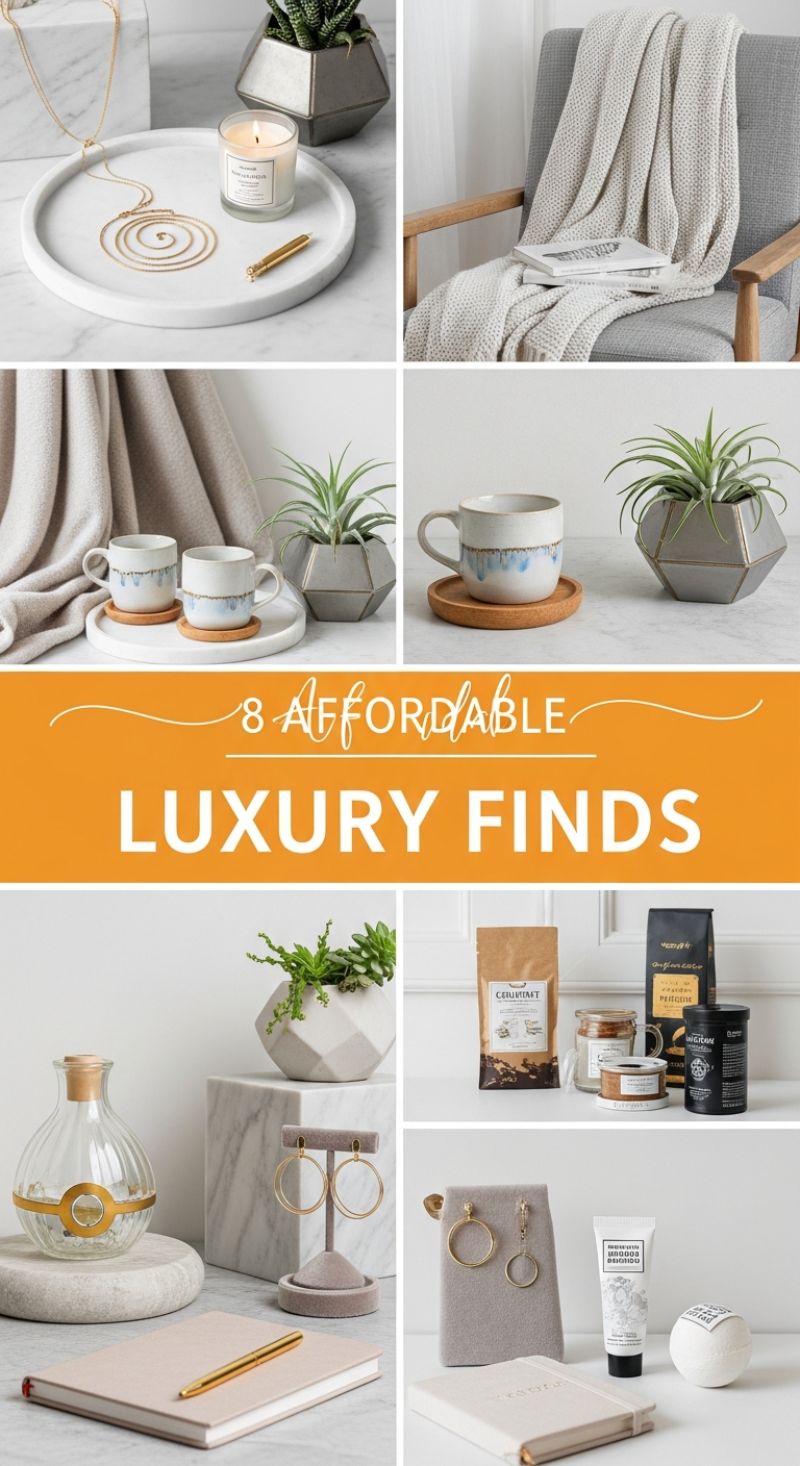
To achieve a truly luxurious and cozy aesthetic without breaking the bank, focus on incorporating sensory details that elevate daily rituals. The secret lies in pairing tactile textures with subtle metallic accents and intentional lighting. Notice how the look utilizes soft elements like the chunky knit throw blanket draped effortlessly over the armchair, immediately signaling warmth and relaxation. This effect can be replicated by integrating velvet accessories (like the jewelry display stand), natural fibers (such as linen or wool throws), and warm wood or cork elements (the mug coasters). Lighting is crucial; swap harsh overhead lights for the gentle, inviting glow of a scented candle set atop a sophisticated marble tray. This small shift transforms a functional space into a serene retreat, proving that luxury is often felt, not just seen. The key is prioritizing softness and ambiance in every corner of the room.
The key to making affordable finds look expensive is smart styling using foundational materials like marble and brass or gold. Marble provides an unparalleled sense of permanence and quality; utilizing small marble risers or round trays as decorative platforms instantly elevates the objects placed upon them, from simple planters to precious jewelry. Contrast the coolness of marble with warm metallic details, such as gold trim on a glass decanter, a sleek gold pen, or delicate gold hoop earrings displayed prominently. These elements introduce visual weight and refinement. Even everyday objects like coffee and bath products are carefully curated, often packaged in minimalist black or brown paper, suggesting a premium, artisanal quality. Treat these consumables not just as necessities, but as integral parts of your décor story, enhancing your daily routines and personal care moments.
Mastering the cozy luxury aesthetic requires moving beyond mere display and focusing on function wrapped in beauty. Every item should serve a purpose while contributing to the overall visual harmony. For instance, the selection of ceramic mugs, featuring a muted color palette and handcrafted look, turns a simple coffee break into a stylish moment. Similarly, incorporating sculptural, low-maintenance greenery, like succulents or air plants housed in modern geometric planters, adds life and contemporary flair without demanding excessive upkeep. The final step is thoughtful curation: arrange items in vignettes—small, intentional groupings—on bedside tables, shelves, or coffee tables. A small blush notebook paired with a quality pen suggests intention and introspection, reinforcing the idea that this is a space dedicated to comfort and well-being. By focusing on these accessible, curated details, you effortlessly unlock an atmosphere of attainable, everyday luxury.
Master the Dramatic Home Decor
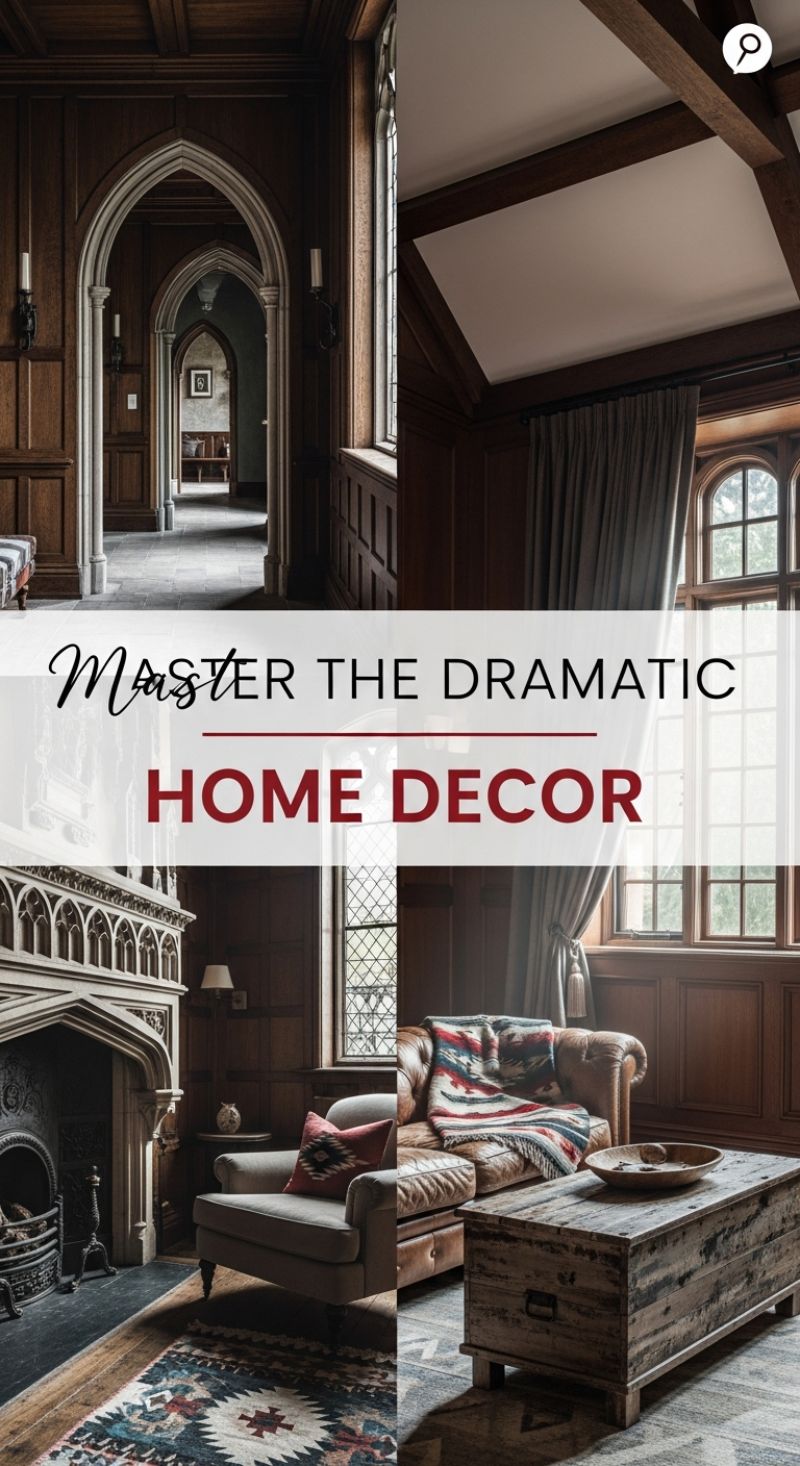
The dramatic aesthetic—often overlapping with refined Gothic or high-end Dark Academia styles—is built upon a foundation of deep saturation, architectural weight, and rich textural contrast. To achieve this mood, you must first commit to a deeply saturated color palette, centered on materials like espresso-stained oak, walnut, or mahogany. The visual elements captured here—floor-to-ceiling wood wainscoting, exposed ceiling beams, and pointed archways—provide instant historical gravitas. If your home lacks these intrinsic architectural features, simulate the depth by painting walls in matte charcoal, deep navy, or moss green, and investing in substantial millwork or oversized furniture pieces that visually anchor the room. Crucially, lighting must be controlled; move away from harsh overhead fixtures and instead utilize wall sconces, lamps, and candelabras to highlight textures and create pockets of intentional shadow, thereby heightening the inherent moodiness of the space.
The effectiveness of dramatic decor lies in its skillful layering of textures. Against the backdrop of dark wood and stone (note the intricate carved stone fireplace), introduce textiles that offer warmth and tactile comfort. The furnishings must be substantial in scale, such as the classic tufted leather sofa and the deep-seated upholstered armchair, providing a necessary counterpoint to the room’s severity. Layer in natural, heavy materials like thick linen drapery that puddles slightly on the floor, hand-knotted woolen or kilim rugs with complex, muted patterns, and throws made of mohair or aged velvet. Even functional pieces, like the rustic, heavy-planked wooden trunk used as a coffee table, should possess visual weight and a worn finish, signaling age and permanence.
Finally, the dramatic aesthetic requires a curated approach to decorative detailing. Every item should feel intentional and slightly nostalgic. Use decorative elements like a stone mantlepiece or leaded, arched windows as natural focal points, minimizing the clutter elsewhere. When accessorizing, lean into objects that convey history or craftsmanship, such as dark ceramics, antique brass accents, or heavy carved wooden vessels. The key is balance: while the room utilizes deep colors and dark architecture to establish its grandeur, the addition of cozy, high-quality textiles ensures the space remains inviting rather than imposing. Master this juxtaposition of grandeur and comfort, and you will successfully capture the essence of dramatic home décor.
10 COZY LIVING ROOMS
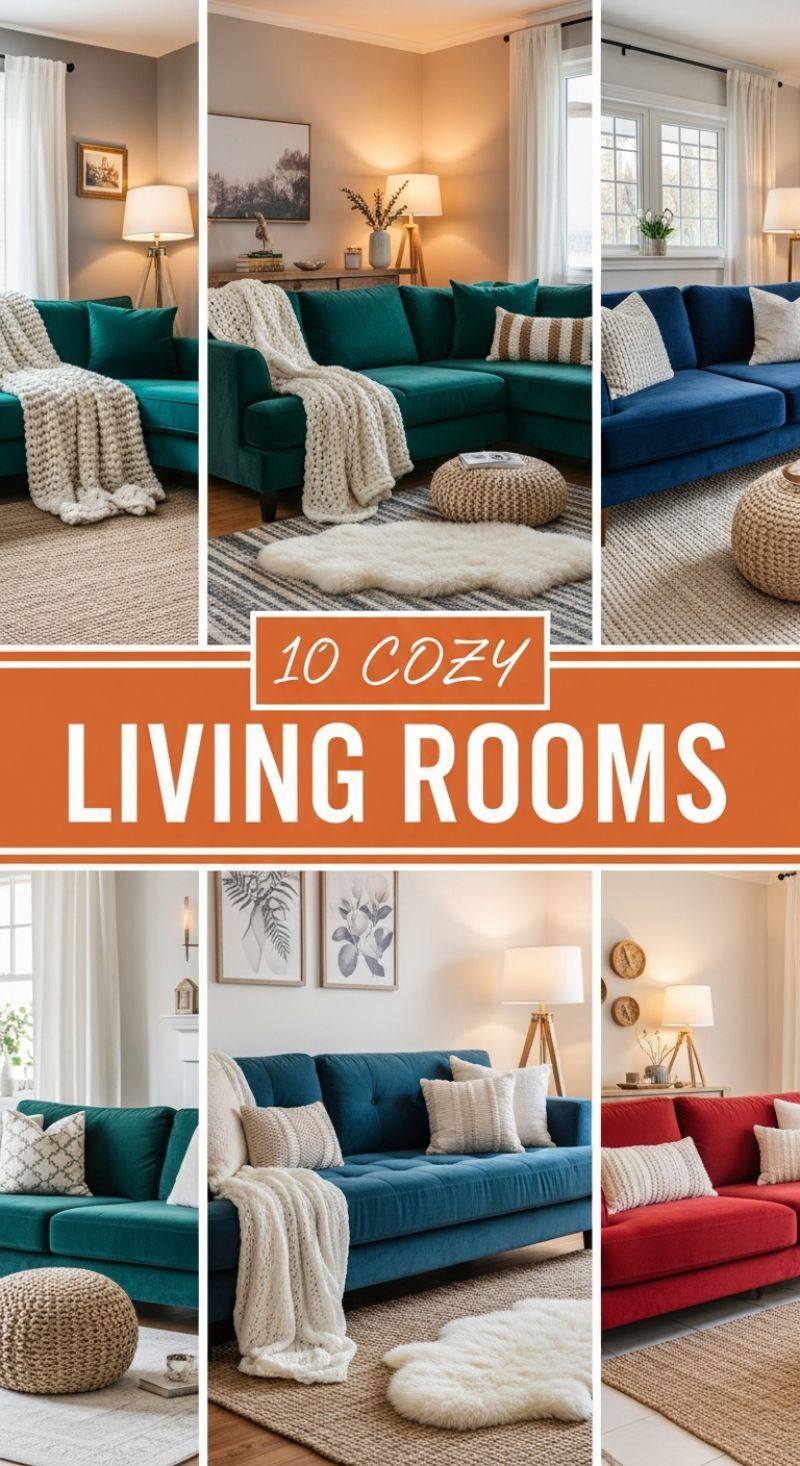
To successfully master the ‘Cozy Home Interior’ aesthetic, the foundational principle is deep texture layering, achieved by juxtaposing luxurious foundational pieces with an abundance of soft, touchable textiles. Start by selecting major furniture items in rich, saturated jewel tones—deep emerald green, navy blue, or even a bold ruby red velvet—which provide an immediate sense of plush luxury and warmth, as seen in these examples. Crucially, these rich colors must be balanced by extensive use of neutrals and natural materials throughout the rest of the space. Utilize natural fiber rugs, such as large woven jute or sisal, to ground the room with an earthy texture. This rough texture then serves as the perfect backdrop for adding ultra-soft elements, such as faux sheepskin rugs or chunky cable-knit poufs, maximizing sensory appeal and ensuring warmth underfoot.
Mastering the soft elements is key to achieving that irresistible invitation to lounge. The couch should be covered in a carefully curated selection of throws and pillows. Opt for oversized, hand-knitted blankets in cream or off-white, draped casually over the back or arm of the sofa to imply effortless comfort. Pillows should focus on texture over complex patterns—think ribbed wool, subtle waffle knits, or slub cotton in various shades of beige and cream. These elements elevate the tactile experience of the room. Furthermore, the lighting must be treated as a crucial design element; avoid harsh, clinical overhead fixtures. Instead, layer warm, ambient lighting using floor and table lamps featuring white shades and natural wood bases (like the popular tripod style). This technique ensures a low-level, golden glow that softens wall colors and highlights the textures of the room, instantly creating an intimate and relaxing atmosphere.
Finally, complete the cozy aesthetic by integrating organic and natural accents that reinforce the relaxed, welcoming vibe. Introduce natural wood elements through side tables, lamp bases, or textured, woven poufs. Decorative elements should be simple and earthy—vases filled with dried grasses or simple greenery, and artwork featuring botanical prints or soft landscapes. The overall goal is to make the room feel lived-in and nurturing, not staged. Ensure sofas are deep-seated and large enough to truly sink into, and that every material choice—from the velvet sofa to the sheepskin accent rug—is selected for maximum tactile comfort. The resulting space is an effortlessly elegant retreat that embodies hygge and promotes true relaxation.
MASTERING BOLD AFRO CHIC
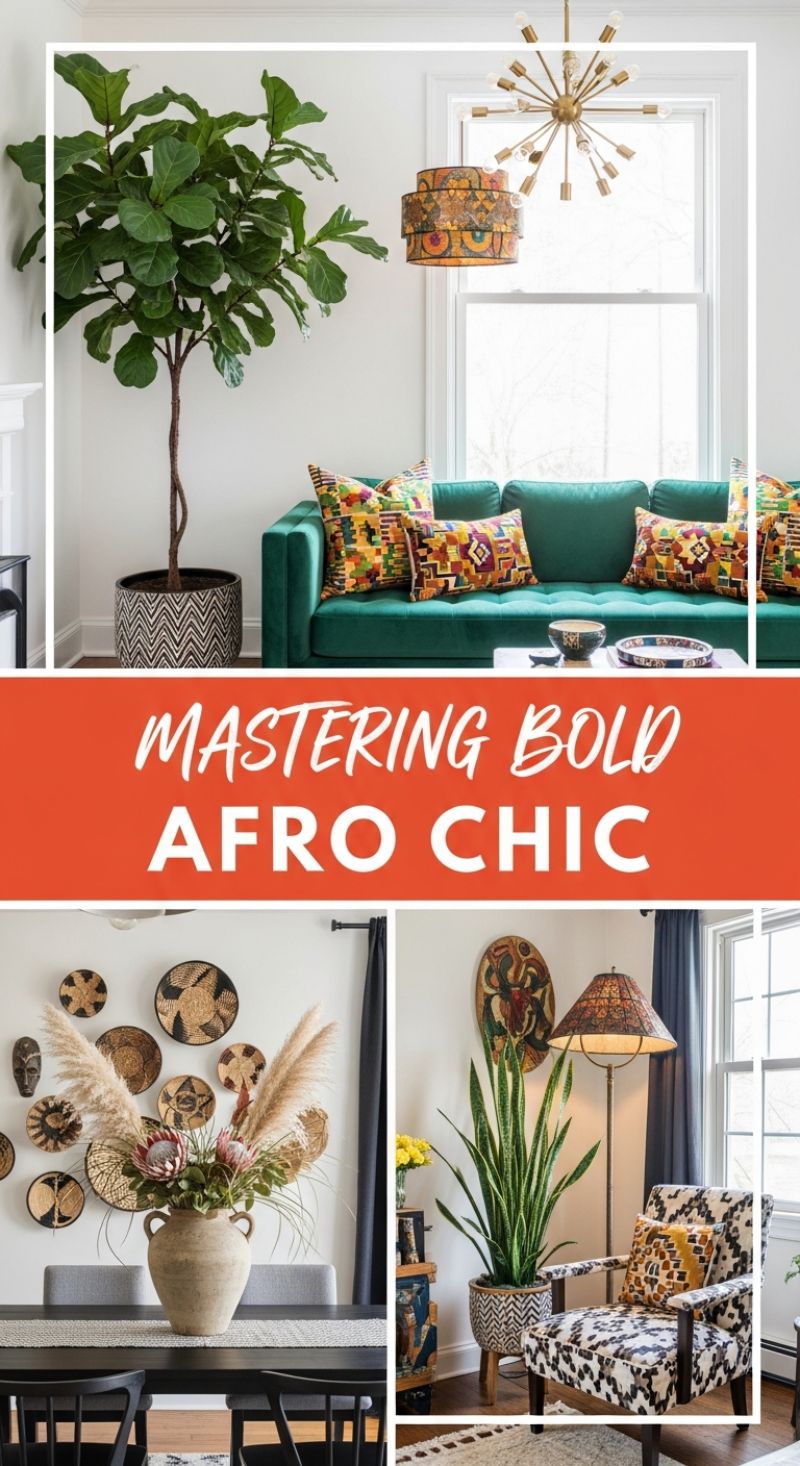
Mastering the bold Afro Chic aesthetic requires a deliberate balancing act between vibrant color, global patterns, and organic texture. To anchor this style, begin with a strong, saturated piece, such as the jewel-toned green velvet sofa seen here, set against crisp white walls to prevent the space from feeling heavy. This juxtaposition allows the cultural elements to truly pop. Layer in rich, geometric patterns via throw pillows, drawing inspiration from textiles like Kente or Mudcloth. For expert grounding, incorporate large, architectural houseplants, such as the Fiddle Leaf Fig or Snake Plant, housed in striking patterned planters (like the chevron design) to connect the plant life seamlessly with the decorative motifs. Finish the main seating area with warm metallic accents, like a modern brass Sputnik chandelier, which bridges contemporary design with African artistry, often exemplified by an accompanying layered, patterned drum shade pendant. The key is using bold anchor colors strategically and balancing them with organic greenery and white space.
The essence of Afro Chic lies in the curated display of handmade and natural elements. In dining or entryway spaces, create depth and narrative by installing a gallery wall of woven baskets and carved wood artifacts, varying their sizes, materials (raffia, wicker, seagrass), and weave tightness. This textural wall serves as a stunning backdrop for organic centerpieces; opt for large, earthy ceramic vessels filled with striking botanicals like pampas grass and proteas rather than traditional flowers. When selecting foundational furniture, keep larger items—like dining tables and chairs—in solid, dark finishes (black or deep espresso) to provide a sophisticated, quiet framework that highlights the complexity and vibrancy of the accessories and textiles, ensuring the focus remains on the cultural artistry and handcrafted detail.
To complete the look, focus on introducing intentional warmth and pattern through accent furniture and lighting in secondary zones. Select an occasional chair upholstered in a dramatic, graphic pattern—such as an animal print or strong black-and-white motif—to stand out as a piece of functional sculpture. Pair this seating with a floor lamp featuring a detailed, often artisan-crafted lampshade, which casts a cozy, diffused light, enhancing the room’s welcoming atmosphere. Don’t shy away from mixing materials; combine the rough weave of a rug with the smooth texture of polished pottery or the raw surface of a carved wood side table. Successful Afro Chic relies on high contrast and authenticity—every object should look thoughtfully sourced and rich in story, avoiding mass-produced uniformity in favor of unique, handcrafted charm.
7 INVITING ENTRYWAY IDEAS
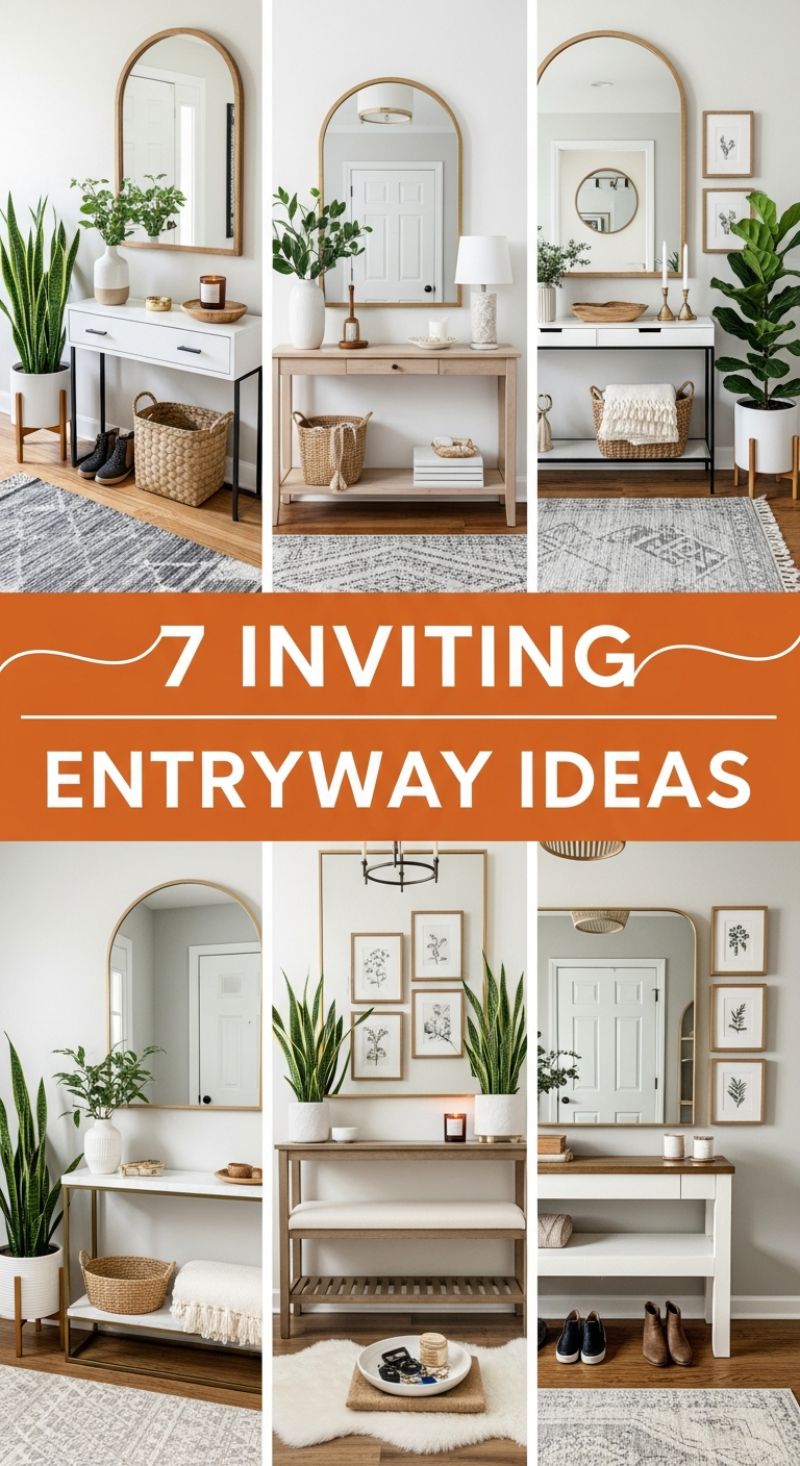
The entryway sets the tone for the entire home, requiring a careful balance of aesthetic appeal and practicality. The foundation of a welcoming space is the console table and mirror pairing. Opt for a console that provides essential storage—whether a single drawer for keys, an open lower shelf for baskets, or a combined bench/storage unit. To achieve the cohesive, cozy aesthetic seen in these examples, stick to neutral palettes using natural wood tones (like light oak or reclaimed wood) or clean white surfaces contrasted with black or brass hardware. Crucially, install an oversized mirror directly above the console. Arched mirrors are particularly effective as they soften the geometry of the room, while a large reflective surface amplifies natural light, making the often-cramped entry feel open and expansive. The material of the frame—whether a light wood, polished gold, or matte black—will ultimately determine the accent tone for the rest of the decor.
Introducing texture is vital for translating minimalist furniture into a truly inviting space. Use large, woven jute or wicker baskets placed beneath the console to serve as stylish, immediate storage for shoes, umbrellas, or seasonal accessories. This prevents visual clutter while adding essential organic warmth that is characteristic of the cozy aesthetic. Layering textiles on the floor is equally important; a durable but soft area rug, often featuring subtle geometric patterns in gray, cream, or charcoal, grounds the space and defines the transition zone while dampening sound. If using a bench-style console (which doubles as a helpful spot to sit and remove footwear), always add a soft cushion or a fringed throw blanket to encourage a momentary pause and enhance comfort, aligning perfectly with the ‘cozy home’ mantra.
Finalizing the aesthetic involves thoughtful styling of the console surface, focusing on curated pieces rather than excessive decoration. Adopt the ‘rule of three’ by grouping items of varying heights: a tall element (like a lamp or large vase filled with fresh greenery or branches), a medium element (like stacked books or a wooden catch-all bowl for mail), and a low element (such as a scented candle or small jewelry dish). Incorporating tall, low-maintenance plants, such as the ubiquitous snake plant (Sansevieria), adds indispensable life and height variation, drawing the eye vertically. When lighting the space, opt for warm-toned bulbs in a simple table lamp or a woven rattan pendant to cast a soft, welcoming glow, completing the intentionally inviting and functional atmosphere that defines the modern, cozy entryway.
7 MOOD-SETTING GOTHIC FINDS
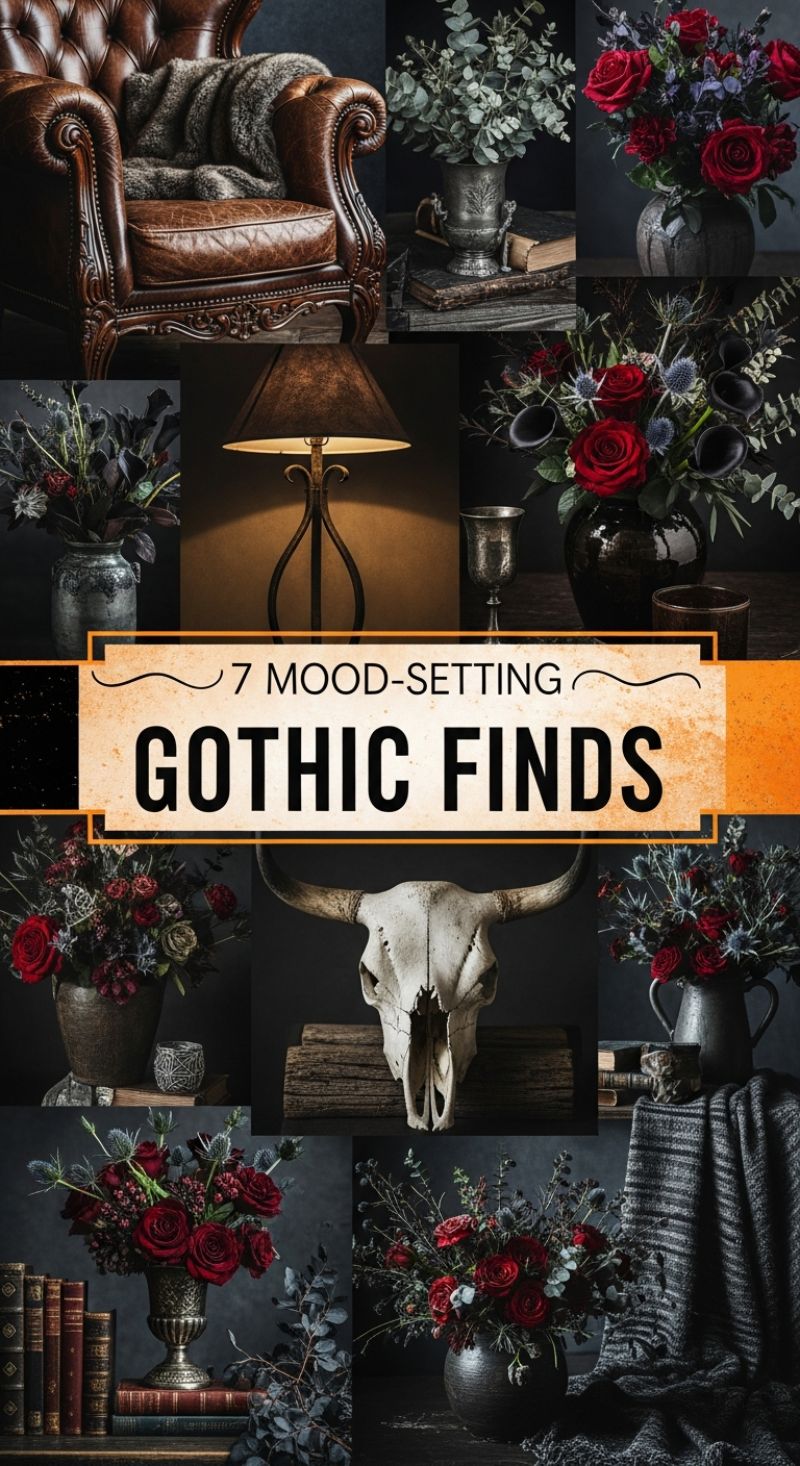
The Gothic aesthetic thrives on drama, texture, and a sense of dark romanticism, transforming a space into a luxurious, brooding sanctuary. To master this look, begin by establishing a deep, moody color palette. Forget light neutrals; your foundation should be built on charcoal grey, black, deep navy, and rich forest green. These dark backdrops allow specific elements to truly pop, utilizing a chiaroscuro lighting effect that is central to the style. Layer in opulent textures such as aged, button-tufted leather (like a classic Chesterfield chair), heavy velvet, and thick, luxurious faux fur throws. These materials should look worn and loved, suggesting a history, not brand new perfection. Focus on materials that convey enduring quality and somber luxury, using dark wood tones, distressed metal finishes —especially tarnished silver or matte black iron —and weighty, woven textiles draped casually to invite comfort amid the darkness.
Expertly integrating natural and macabre elements is key to achieving authentic Gothic flair. Unlike brighter styles, Gothic florals are intentionally dramatic and slightly decayed-looking. Curate arrangements using deep crimson roses, black calla lilies, purple scabiosa, and dark, dusty foliage like dried eucalyptus or thistle. These flowers should be housed in distressed vessels —think heavy, tarnished pewter urns or dark, matte ceramic vases, rather than clear glass. Furthermore, incorporate elements reminiscent of a cabinet of curiosities: antique books bound in dark leather (arranged vertically and horizontally), vintage glassware (such as stemmed goblets), and evocative natural artifacts. The inclusion of a mounted skull or taxidermy, like the longhorn skull pictured, adds a powerful, historical focal point that anchors the room in this dramatic aesthetic.
Finally, the mood of a Gothic room relies heavily on meticulously controlled lighting. Harsh overhead lighting is strictly forbidden. Instead, rely on warm, low-wattage bulbs placed in strategic accent pieces to create pools of light and accentuate dramatic shadows. Choose lamps with bronze or wrought iron bases and dark, opaque shades that cast a soft, downward glow. Complement this with candlelight or LED alternatives that mimic the flickering flame. Remember, the goal is atmosphere over illumination. Complete the aesthetic with finishing details: ensure all metallic accents, from picture frames to vase details, have a vintage or tarnished appearance. Everything in a truly Gothic room should whisper stories of the past, creating an intimate, opulent, and slightly mysterious environment.
Authentic Mexican Decor: A Vibrant Style Guide
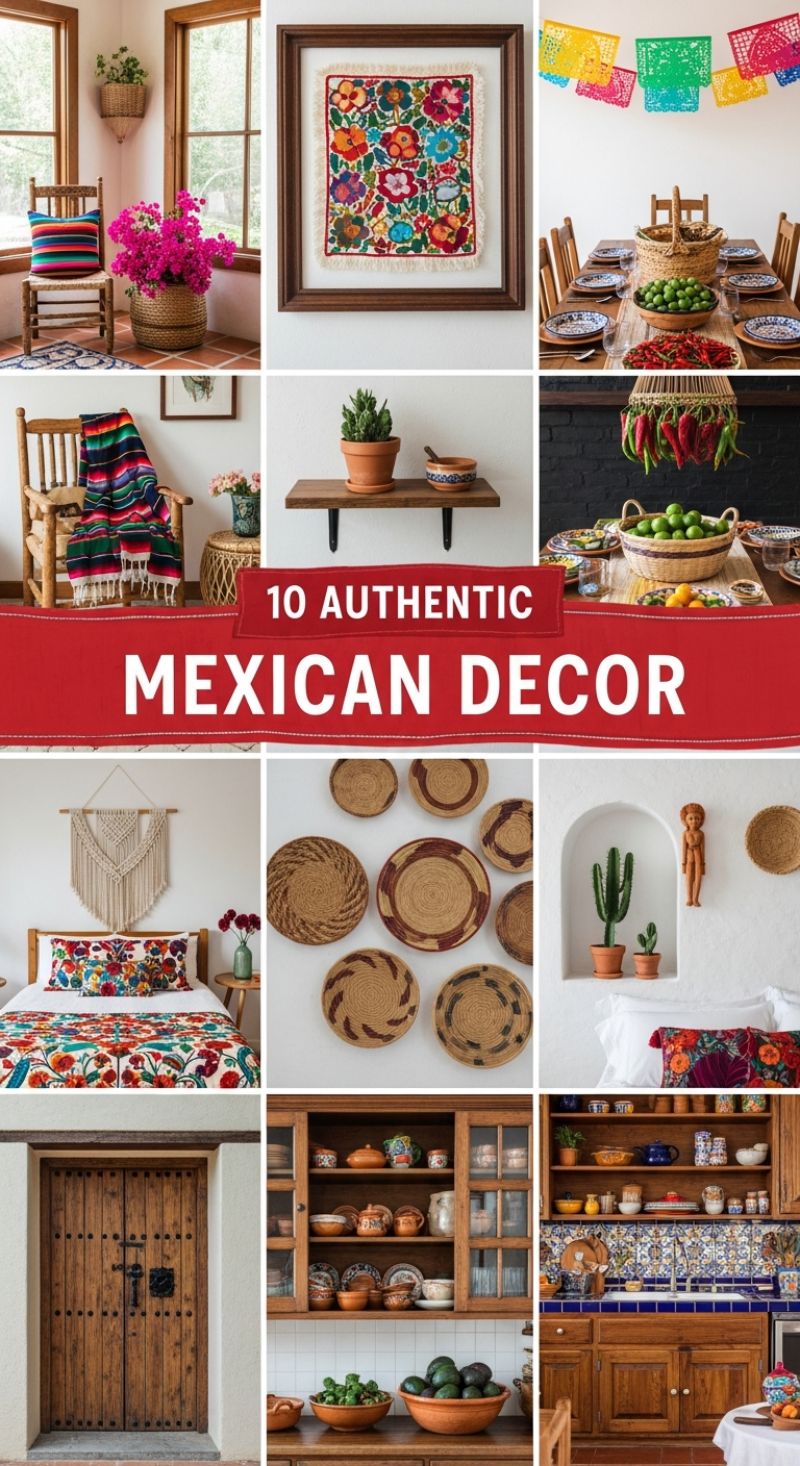
Mastering authentic Mexican decor is about embracing vibrancy, rustic craftsmanship, and a genuine love for natural materials. The foundation of this aesthetic lies in its bold color palette, contrasting warm, earthy neutrals (terracotta, unpolished wood, white stucco walls) with saturated, deep hues like fuchsia, cobalt blue, sunny yellow, and chili red. To achieve the layered look seen in traditional Mexican homes, prioritize textiles. Look for hand-embroidered pieces, such as Otomi-style floral patterns, for bedding, pillows, and framed art. Crucially, integrate structured patterns like those found in serape or saltillo blankets, using them as throws over wooden rocking chairs or as colorful accents on bench seating. These textiles shouldn’t be reserved just for soft furnishings; framing a piece of detailed folk embroidery transforms it into centerpiece wall art, providing texture and focal interest against simple white walls. The strategic layering of these rich colors prevents the space from feeling monochromatic, instead creating an atmosphere that is both festive and profoundly welcoming.
To capture the rustic spirit, focus on structural elements and furniture crafted from natural wood. Avoid overly sleek or modern finishes; the desired look requires sturdy, slightly rough-hewn pieces, often incorporating dark metal or wrought iron hardware, as evidenced by the heavy wooden door shown. Architectural elements play a key supporting role; embrace features like arched wall niches (perfect for housing potted cacti or small artisan sculptures) and terracotta or saltillo tile flooring, which grounds the vibrant design in earthy tones. Windows should maximize natural light, often framed in warm wood to complement the rustic interior palette. For kitchen and dining spaces, cabinetry should follow suit, featuring medium-to-dark wood and often displaying collections of pottery behind glass or on open shelving. This aesthetic celebrates the handmade and the natural, meaning materials like jute, woven grasses (used for baskets or decorative wall plates), and clay are essential.
Accessorizing is where the true character of Mexican decor shines, transforming a pleasant room into an authentic experience. Display functional items beautifully: large terracotta bowls filled with limes or avocados on kitchen countertops, or dried chili peppers hung decoratively over a dining area to introduce organic texture and color. Talavera pottery, with its distinct blue, yellow, and white hand-painted patterns, is fundamental, appearing as dishware, planter accents, or a dramatic backsplash in the kitchen. Integrate folk art pieces, whether small wooden sculptures or practical items like macrame wall hangings, to complete the look. Remember, the goal is not strict minimalism but a curated, collected feel—a home that tells a story through its commitment to traditional craftsmanship and explosive color.
10 Authentic Textiles
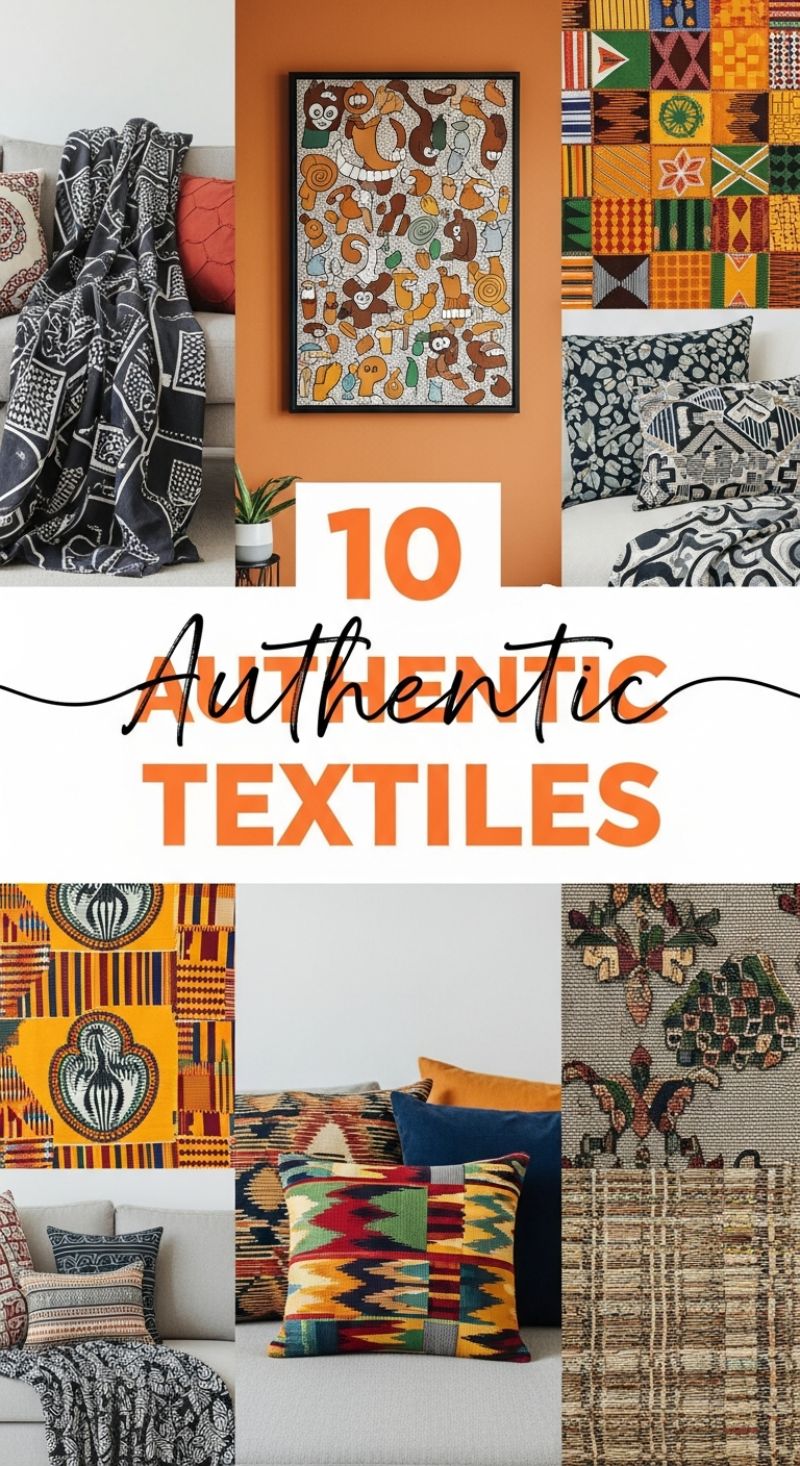
Authentic textiles are the cornerstone of a globally-inspired or bohemian aesthetic, grounding your space with history, texture, and vibrant color stories. Unlike mass-produced items, genuine textiles—such as Ghanaian Kente cloth, Malian Bogolanfini (mudcloth), or intricate tapestry weaves—carry a profound narrative and instantly elevate the perceived quality of a room. To master this look, start by treating these textiles as focal points. Use a large, geometrically patterned throw (like the black and white textile draped over the sofa) to introduce a bold graphic element. Balance this dominant pattern with smaller, contrasting pieces. For example, pair a highly structured, multicolored piece (like the woven pillow visible in the lower center, reminiscent of Kente patterns) with a more muted, natural fiber rug or throw (as seen in the bottom right quadrant) to prevent the space from becoming visually overwhelming. The key is curating patterns that share a complementary color temperature, allowing them to harmonize rather than compete.
Integrating these culturally rich pieces requires deliberate styling and strategic layering. When arranging textiles on a sofa or bed, group patterned pillows in odd numbers (three or five) using varying sizes and textures to create depth. Mix highly saturated colors—deep indigos, rich reds, and golds—often found in African or Latin American weaving traditions, with neutral bases (linen sofas, white walls) to let the patterns truly pop. When utilizing textiles with significant cultural motifs, such as the intricate patterns visible in the collaged squares or the large central yellow piece, consider them forms of soft art. They work beautifully as wall hangings, providing a textural alternative to traditional framed prints and amplifying the artisanal feel of your home. Expert tip: ensure your styling is intentional; if you incorporate multiple vibrant prints, introduce solid, textural anchor pieces (like velvet or corduroy pillows) to give the eye a resting place and maintain a sophisticated, curated balance.
Authenticity in textiles goes beyond the pattern; it speaks to the method of creation and the quality of the fiber. When selecting items, prioritize natural materials like cotton, wool, jute, or silk, focusing on hand-dyed or hand-woven pieces that show slight imperfections—these are hallmarks of genuine craftsmanship. For those aiming for a maximalist home aesthetic, layering is crucial: drape multiple complementary throws over furniture, stack pillows, and even use smaller pieces as table runners. For a cleaner, more minimalist global aesthetic, choose one or two intensely patterned items and let them shine against a very neutral backdrop, such as placing a single, vibrant, woven pillow on a monochromatic sofa. This focused approach allows the textile’s unique story and craftsmanship to be the undisputed hero of the room, providing deep cultural richness without sacrificing modern design sensibilities.
7 MUST-HAVE AMAZON DUPES

Mastering a specific home aesthetic, especially those characterized by expensive materials or highly customized forms, often seems unattainable on a modest budget. However, the secret lies in strategic sourcing of high-quality “dupes”—pieces that replicate the essential visual DNA of designer items. When curating diverse styles like maximalist Gothic, which relies on heavy ornamentation and rich finishes, or the textural layering of a Cozy interior, focus on matching the original’s defining features: ornate carving, luxurious metals, or distinct silhouettes. By successfully capturing the original’s proportions and primary texture, the cost savings allow for greater investment in supporting elements like lighting or textiles, ultimately creating a cohesive and high-impact look without financial compromise.
Consider the contrasting approaches necessary for successfully duplicating high-concept aesthetics. For example, to achieve the opulent look often associated with Gothic or Baroque revival—as exemplified by the heavily carved, gold-accented console table—the dupe must successfully mimic deep relief work and substantial presence. When sourcing, look for materials like resin or composite overlays treated with an antiqued gold finish, which can achieve the visual density of heavy mahogany or gilt bronze. Conversely, for the quintessential Cozy interior, the duplication strategy shifts entirely to texture and comfort. The popular oversized, rounded bouclé chair, defined by its looped fabric and embracing shape, requires a dupe that prioritizes a high-density, rich bouclé fabric and maintains the original’s generous scale to deliver the intended sensory experience of luxurious relaxation, proving that sometimes, the material hand-feel is more critical than complex structure.
When utilizing large online marketplaces like Amazon for furniture dupes, careful quality control is non-negotiable. Always scrutinize customer reviews focusing on durability and the fidelity of the finish—especially when dealing with items meant to mimic natural materials like marble, high-end wood parquetry (as seen in the transitional cabinet comparison), or premium fabrics. Pay particular attention to the often-overlooked details like hardware quality and seam finishing, as these are frequently the betrayers of a cheaper imitation. A successful budget strategy allows you to confidently integrate affordable finds into sophisticated, specialized aesthetic plans, whether you are building a bold Mexican hacienda vibe with intricate textures or the moody elegance of a neo-Gothic parlor.
VIBRANT AFRO CHIC STYLES
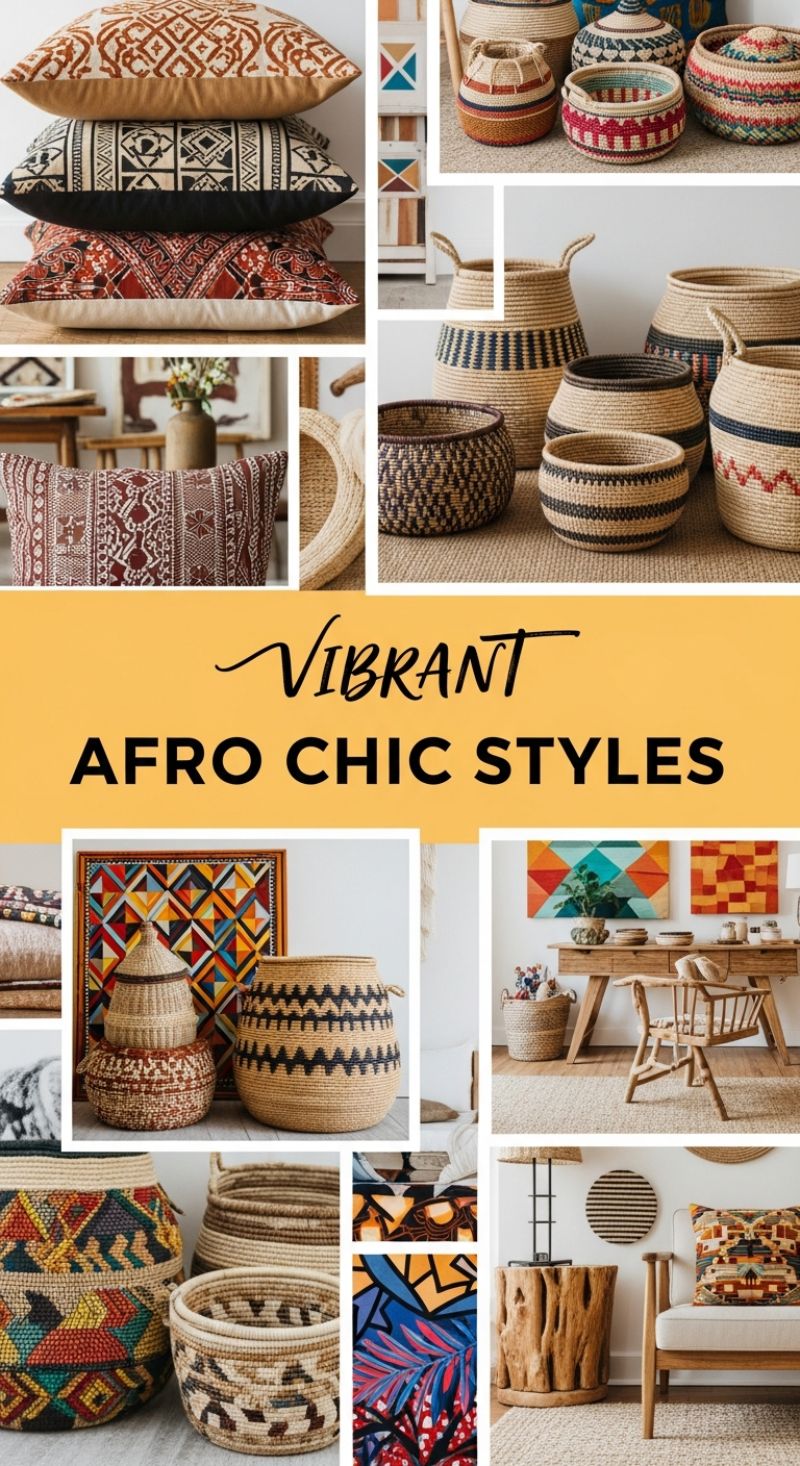
Mastering the Afro Chic aesthetic means embracing rich textures, deep earthen tones, and vibrant, global patterns. The foundation of this style relies heavily on incorporating natural, handcrafted elements, most notably through high-quality woven storage and decor. To start, curate a collection of baskets in varying sizes, weaves, and patterns
—from tightly coiled dark raffia to chunky jute—using them not just for storage but as sculptural elements in their own right. Next, focus on textiles. Layering is crucial here; think mudcloth-inspired pillows, intricate batik prints, and geometric patterns in warm, earthy colors like terracotta, sand, cream, and deep indigo. The interplay of texture, such as soft cottons against rough weaves and raw wood, gives the style its defining complexity and warmth.
To inject the required vibrancy, balance the neutral background of your natural materials with curated pops of intense color. This is typically achieved through statement artwork and small, carefully selected accessories. Look for bold, abstract paintings or prints featuring strong geometric shapes and an arresting palette of jewel tones (e.g., emerald, sapphire, burnt orange) that echo traditional African textile and craft designs. When selecting furniture, prioritize raw, organic wood pieces that feel weighty and authentic, such as hand-carved console tables or unique tree-stump side tables. These natural, weighty elements anchor the space and provide a sophisticated contrast to the softer, patterned textiles.
To truly master the Afro Chic look, the key is thoughtful curation rather than chaotic collection. Ensure that while patterns are abundant, they share a common tonal language, usually grounded in the earth tones, allowing the brighter accent colors to shine without overwhelming the senses. Integrate sculptural, artisan-made objects—like stacked baskets, handcrafted ceramic vases, or wooden figurines—to emphasize the global and handcrafted nature of the aesthetic. The final result should feel personal, well-traveled, and deeply comfortable, celebrating the rich heritage and artistry of the African diaspora through texture, pattern, and warmth.
Incorporate Festive Talavera Tiles
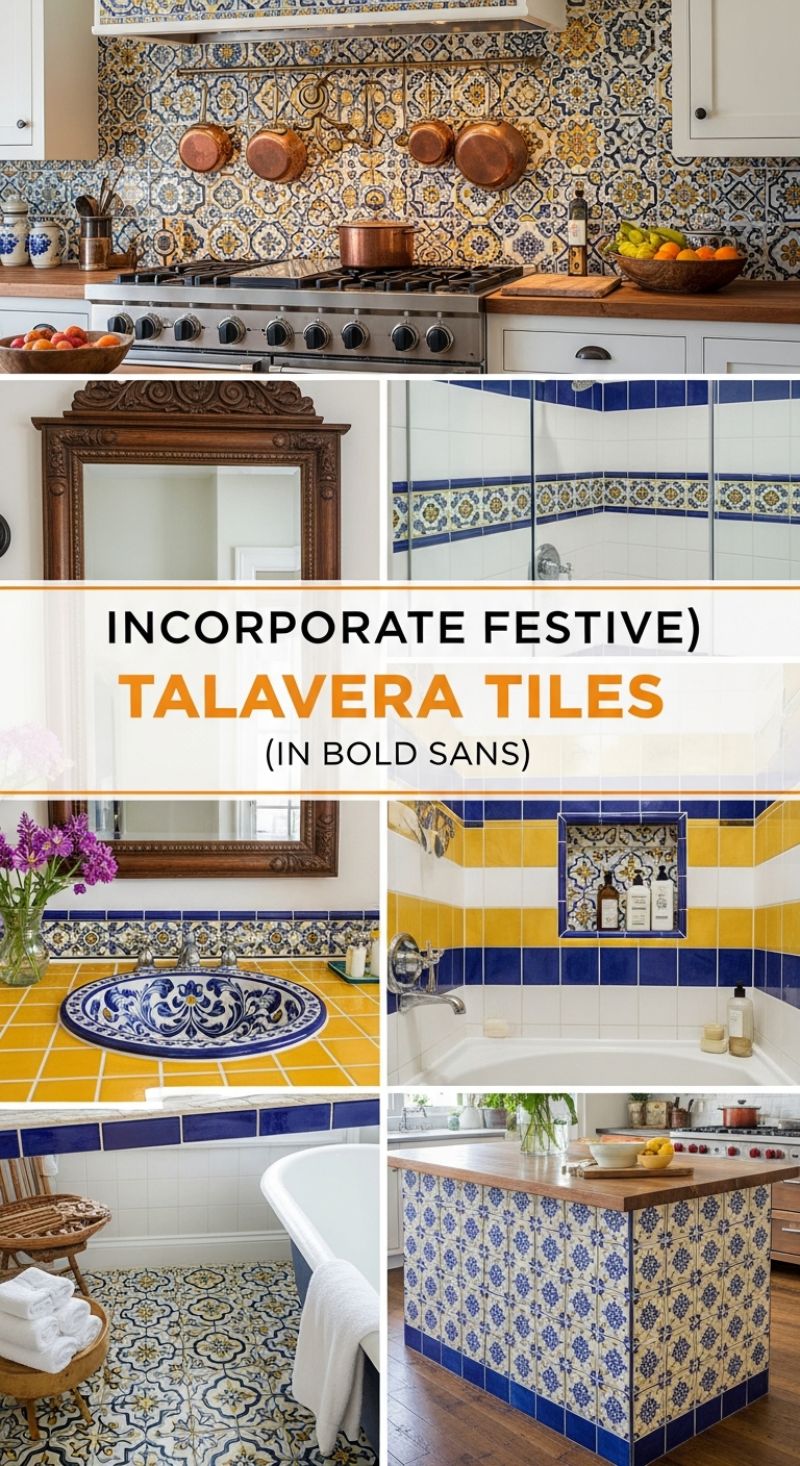
Talavera tiles, originating from Puebla, Mexico, are the cornerstone of authentic Mexican interior design, immediately injecting spaces with warmth and historic charm. To master this aesthetic, start by embracing the tiles’ inherent boldness. As demonstrated in the kitchen area, a full backsplash application using densely patterned tiles creates a spectacular focal point behind major appliances. When utilizing such a vibrant pattern over a large surface, it’s crucial to balance the visual energy with subdued surrounding elements, such as clean white cabinetry and natural wood countertops. Note how the use of copper pots complements the earthy tones found within the blue, yellow, and white tile patterns, adding a necessary rustic texture that grounds the entire design. The choice of pattern doesn’t need to be uniform; mixing solid accent tiles with intricately detailed patterns is key to achieving depth and dimension.
In the bathroom, Talavera provides endless opportunities for customization and visual segmentation. Rather than tiling every surface, select specific zones to highlight. For instance, utilize highly detailed patterned tiles on the floor or inside shower niches, then employ solid-color Talavera in key Mexican palette hues (cobalt blue and bright yellow) for wall stripes or borders, as shown in the shower and vanity areas. This strategy prevents pattern fatigue while maintaining vibrancy. Furthermore, incorporating a hand-painted Talavera sink basin elevates a standard vanity into a piece of functional artwork, especially when set against a contrasting solid-colored tile countertop, like the sunny yellow shown. Expert tip: Ensure your grout lines are clean and perhaps a slightly darker tone than the white background to accentuate the traditional, slightly irregular edges of genuine handcrafted tiles.
For those looking for a high-impact, low-commitment application, consider using Talavera to clad architectural elements. The image beautifully illustrates this with the tiled kitchen island base. This approach turns a basic piece of furniture into a custom statement without requiring major structural changes to the room. When deploying tiles on a lower structure, always frame the patterned panels with a border of solid blue tile to give the piece a finished, intentional look that anchors it to the floor. By focusing on rich colors, traditional patterns, and high-quality materials, you effectively transport the vivid and soulful spirit of Mexican design into your home, resulting in an interior that is both festive and timeless.