Discover the 12 hottest home decor aesthetics trending right now. From the cozy elegance of Coastal Grandma to the dramatic flair of Gothic Western, find your next obsessed-over style and learn how to implement it.
The Ultimate Guide to Vintage Home Decor Layering Like a Pro
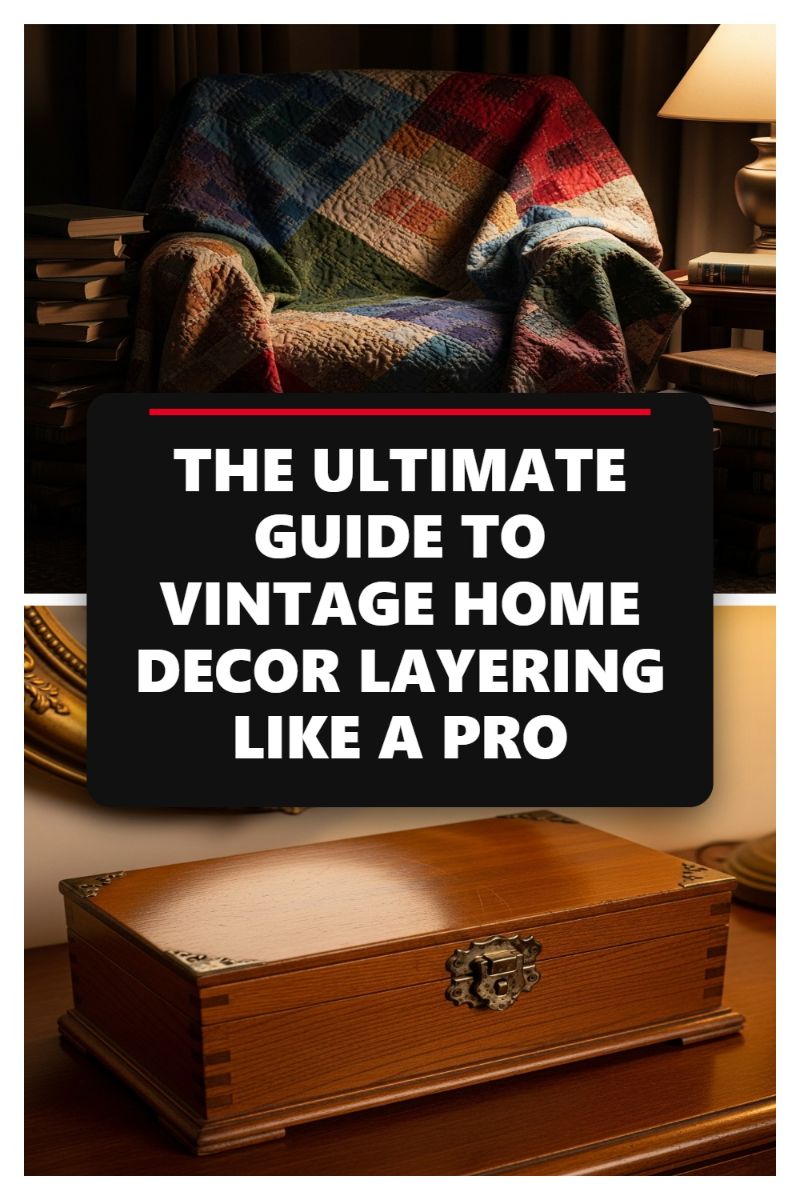
The secret to achieving a truly rich, lived-in interior—one that looks curated over decades rather than simply purchased—lies in mastering the art of layering, particularly when incorporating vintage finds. This aesthetic thrives on depth and texture, transforming a simple room into a comforting, maximalist haven. Start by establishing a strong foundation with your largest pieces, often featuring dark, warm wood tones or historically inspired shapes, like the ornate wooden box and classic armchair seen here. These substantial pieces provide the necessary anchor. Once the foundational furniture is set, begin layering textiles and small objects that contrast yet complement the base. For instance, pair the moody palette of dark walls and aged leather with an explosion of color and pattern via a handcrafted quilt or throw. The key is allowing the layers to overlap and intersect naturally, creating visual pathways that draw the eye around the space without feeling cluttered.
Expert layering relies heavily on the strategic use of textiles to inject personality and unparalleled coziness. Look at how the patchwork quilt drapes effortlessly over the armchair—it doesn’t appear folded or placed, but rather settled and used, inviting immediate relaxation. To replicate this, use multiple weights of fabric: start with heavier textures like wool or velvet on the furniture, then add lighter textures like linen or knitted throws. Don’t be afraid to mix and match patterns; if your foundation is neutral (like solid upholstery), you can introduce complex prints (like the geometric pattern of the quilt) and balance them out with a subtle, textured pillow. Furthermore, use stacks of vintage books not just for reading, but as sculptural elements to vary the height on tabletops and shelving, providing a tactile, scholarly layer to the decor.
The final, professional layer involves curating smaller items and manipulating ambient lighting to enhance the mood. The vintage wooden box, featuring rich grain and antique metalwork, acts as a point of historic interest on a surface, signifying a collected life rather than mass-produced uniformity. When arranging these smaller items, follow the rule of three (or odd numbers) and vary materials (wood, metal, ceramic, glass) and height to avoid a flat display. Lighting is paramount; this style flourishes in warm, low light, achieved through table lamps with soft, amber bulbs, rather than harsh overhead fixtures. The goal is to create pockets of intimacy and warmth, ensuring that every vintage layer—from the largest textile to the smallest heirloom—feels intentionally placed, functional, and deeply personal.
Thrift Haul: My Best Goodwill Finds That Look High End
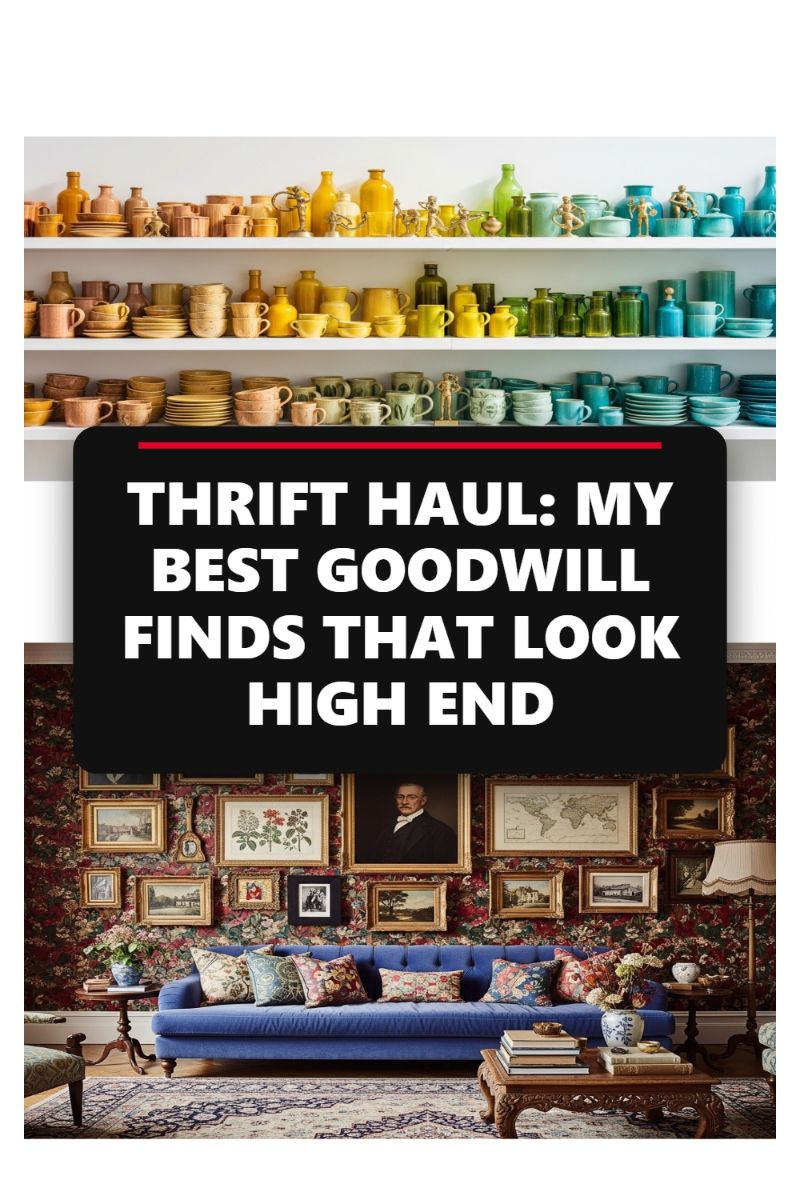
This aesthetic thrives on intentional collection and arrangement, proving that high-end style is achievable regardless of budget. The secret to making thrifted pottery and glassware look sophisticated isn’t just the objects themselves, but the display strategy. To emulate the vibrant, color-coded shelving shown, gather similar items (vases, mugs, bottles) and then organize them strictly by color, creating an ombre or gradient effect that transitions from warm to cool tones. This meticulous method instantly unifies disparate items sourced from various places and eras, transforming what could be perceived as clutter into a highly curated, sophisticated visual library. Focus on utilizing materials that possess inherent quality—like heavy ceramics, textured earthenware, or colored glass—and ensure consistency in visual weight across shelves to maintain balance and avoid a chaotic, junk-shop feel. This organizational technique is the hallmark of elevated maximalism, demonstrating that even a vast collection can be perfectly polished.
Achieving the cohesive, high-end maximalist room seen in the bottom half of the image requires layering rich textures and patterns that are prime candidates for thrifting. The foundational elements are critical: start with a bold, atmospheric backdrop, such as a moody, detailed floral or damask wallpaper, which immediately signals luxury and depth. Anchor the space with a substantial, high-quality centerpiece, such as the featured deep jewel-toned velvet sofa. The ultimate high-end illusion, however, lies in the dense, curated gallery wall. To execute this successfully with thrifted art, mix various subject matters (portraits, botanical prints, antique maps, and landscapes) and unify them by selecting frames with similar metal or wood tones. The key is density; hang the pieces closely together, breaking the typical rules of spacing, to create a singular, lush texture that visually merges with the background. This intentional layering elevates the space from merely furnished to intensely designed.
To ensure your “Goodwill finds” genuinely read as luxury pieces rather than second-hand goods, attention to detail is paramount. When thrifting larger items, prioritize good bones and structure, knowing that simple cosmetic fixes—like adding new brass hardware, a fresh coat of high-gloss paint, or reupholstering a chair in premium velvet or linen—can instantly elevate a piece from flea market to designer staple. For smaller decorative items, focus on polishing metals, thoroughly cleaning ceramics, and discarding any pieces that show irreversible wear. Finally, lighting and context matter immensely. Use ambient light sources, such as vintage floor and table lamps with decorative shades, to highlight the rich textures and deep colors in the room. This targeted illumination creates an overall warm, historical atmosphere that makes every item, regardless of its original price tag, feel like a treasured, expensive heirloom.
VIRAL LIVING ROOM LAYOUTS THAT BOOST PRODUCTIVITY & STYLE
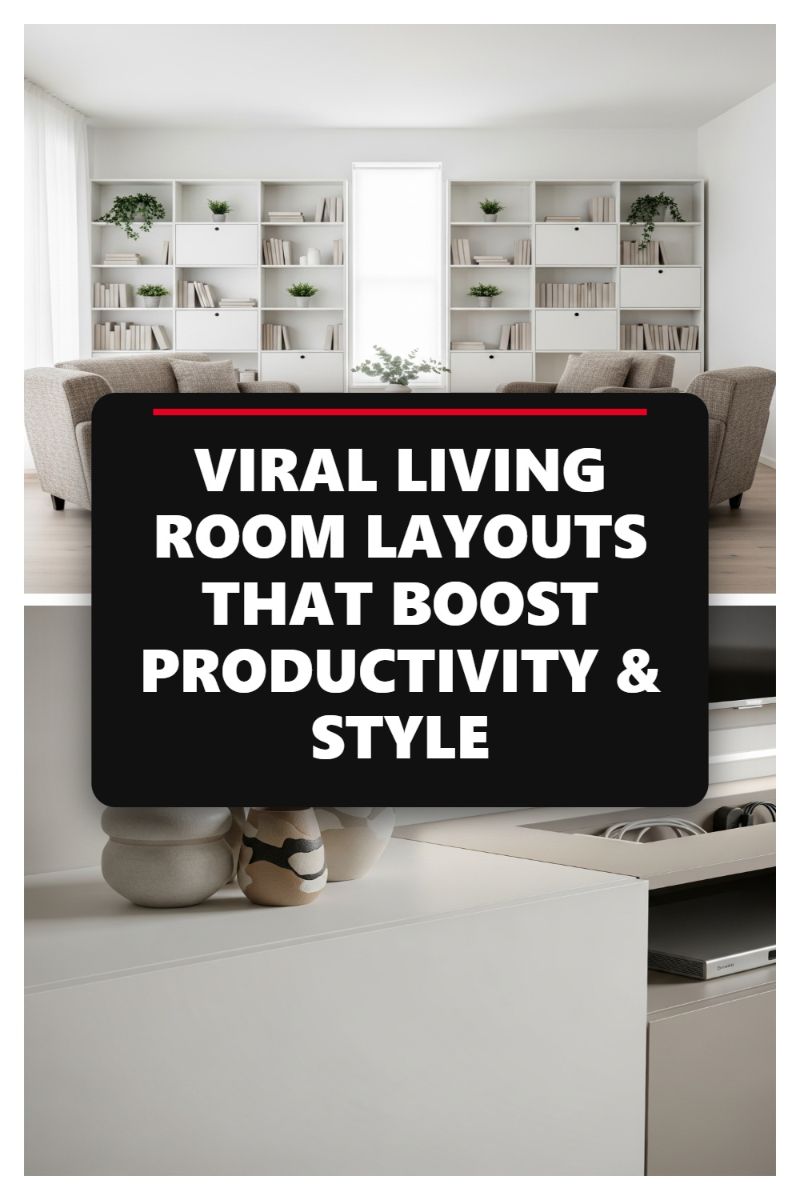
The rise of flexible work schedules and the demand for multi-functional living spaces have popularized the “Productivity-Focused Layout,” an aesthetic that brilliantly merges minimalist style with high-level organization. To recreate this layout, your primary focus must be maximizing natural light and minimizing visual clutter, key factors known to improve concentration and mood. Begin by selecting a neutral, non-distracting color palette—think bright whites, soft greys, and light taupes, as seen here. Position your main seating area (like comfortable, structured armchairs or a streamlined sofa) to face the light source, or, if possible, face an uncluttered wall rather than a screen or busy window. Expert designers recommend using large, sheer window treatments to diffuse light softly, eliminating harsh shadows while maintaining brightness. This approach fosters a serene, focused atmosphere that feels both airy and intentionally designed.
Central to this aesthetic is the symmetrical, floor-to-ceiling organization system. Invest in modular shelving units, preferably in white, to flank a central feature such as a window, fireplace, or television. The symmetry is vital; it creates visual balance and a sense of order, reducing cognitive load. When filling these shelves, adopt the principle of curated display over mere storage. Use the closed compartments (drawers or solid cubes) along the lower sections to hide all functional clutter—cables, remotes, office supplies, and miscellaneous items—which is essential for maintaining productivity. Reserve open shelving for decorative elements that serve a dual purpose, such as aesthetically organized books (consider facing some spines inward for color uniformity or organizing them by color family) and small, low-maintenance indoor plants, which inject organic texture and life without overwhelming the space. The visual density should be carefully controlled; if a shelf looks too busy, your mind will feel busy.
Finally, implement subtle material contrasts to prevent the monochrome scheme from feeling stark or sterile. While the overall look is minimal, the texture adds warmth and sophistication. Choose seating upholstered in natural fibers like linen, bouclé, or subtly patterned woven textures. Accentuate low surfaces, like side tables and media consoles, with a maximum of three large, abstract decorative objects—ceramic vases, sculptural elements, or textured stone bowls—in complementary earth tones. Avoid small knick-knacks and intricate patterns, which instantly detract from the productive calm you are aiming to achieve. This approach ensures the room remains a chic retreat that promotes focus, blending high style with high function seamlessly.
DOPAMINE DECOR: HOW TO MAKE YOUR HOME FUNKY AND FABULOUS

Dopamine Decor is the maximalist, mood-boosting aesthetic that champions vivid colors, playful textures, and deeply personal collections, serving as a joyful rebellion against minimalist trends. The core principle is simple: decorate your home with items and colors that genuinely make you happy. To integrate this highly saturated look, start by embracing bold color blocking and high-contrast pairings. As demonstrated by the pairing of the electric blue sofa against the hot pink wall, the aesthetic thrives on sensory stimulation. Don’t shy away from painting entire rooms in unexpected hues like lime green, deep indigo, or citrus yellow. Once the color foundation is set, layer in tactile elements through upholstery (think plush velvet or boucle) and dramatic area rugs, opting for saturated versions of typically neutral textures, such as a shaggy, magenta rug.
The true essence of Dopamine Decor lies in maximizing personality through statement art and quirky accessories. This look moves far beyond subtle styling, emphasizing objects that spark genuine joy and act as conversation starters. Curate collections of eccentric, three-dimensional wall art, moving beyond traditional framed prints to embrace sculptural masks, neon signs, and unique taxidermy (or faux taxidermy) mounts. The goal is to build a visual narrative that reflects your most whimsical interests. Lighting fixtures should also be sculptural and expressive; amorphous, mushroom-shaped lamps or brightly colored globe pendants serve as art pieces during the day and cast playful light at night. Embrace the philosophy that if an item is unique and brings a smile to your face, no matter how kitsch, it absolutely belongs.
While the look is intentionally maximalist, successful Dopamine Decor requires careful application to avoid visual chaos. A crucial expert tip is to ensure every statement piece feels intentional. Balance high-impact colors with furniture that incorporates soft, organic, or curved shapes—a rounded sofa or an unusually shaped cabinet will add a layer of whimsy that softens the intensity of the color palette. For those new to the aesthetic, begin by dedicating one smaller space, like a powder room or home office, as a dedicated “dopamine zone.” Use this room to test out vibrant wallpapers, bold pattern mixing, and your most eccentric accessories without committing the entire home. Remember, the ultimate metric for success in Dopamine Decor is authenticity: your home should look like a joyful expression of you.
THE COZIEST BEDROOM AESTHETIC YOU HAVEN’T TRIED YET
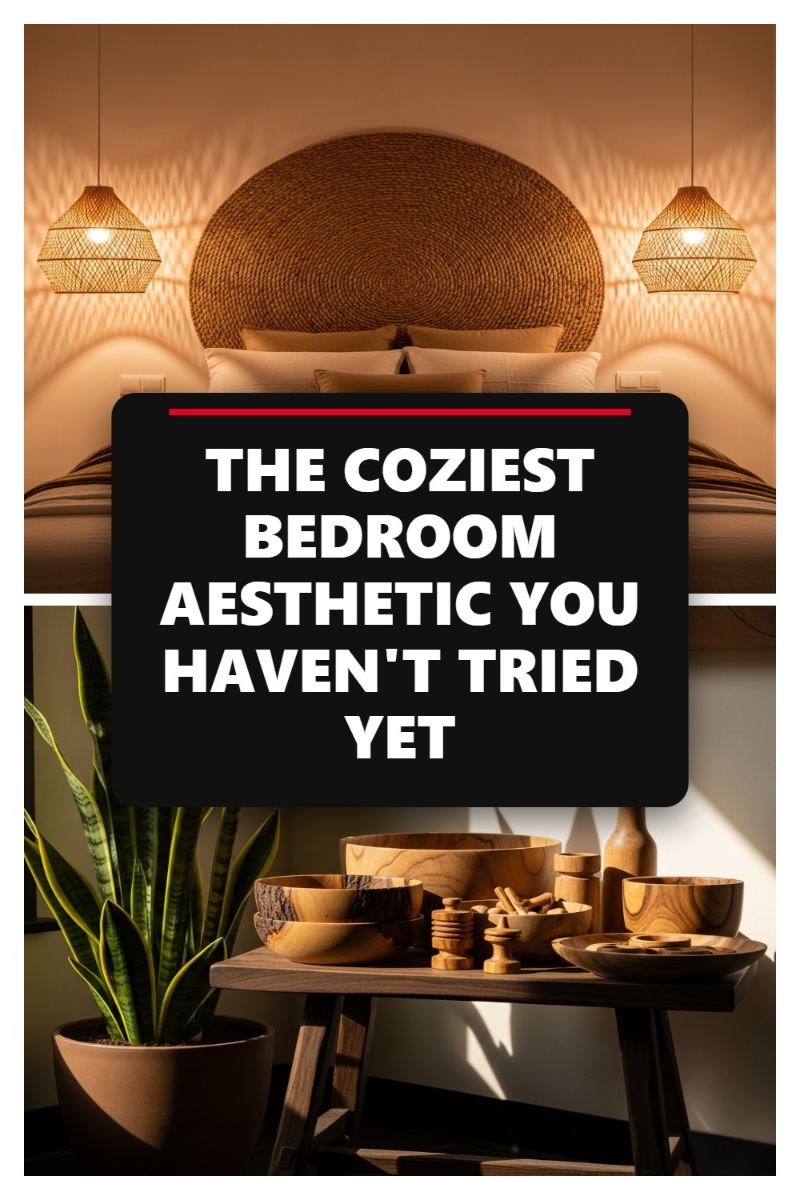
This aesthetic, often categorized as Organic Modern or Earthy Boho, masters the art of creating a sanctuary through texture and warmth. The foundation is built upon natural, tactile materials that feel grounding and calming. As evidenced by the image, key visual elements include large, impactful woven pieces, such as the circular rattan headboard, which serves as a statement piece by introducing immense texture and an organic shape. Ambient lighting is crucial; pendant lights crafted from natural fibers like jute or bamboo cast intricate, soft shadows on the walls, instantly elevating the sense of intimacy. The color scheme is strictly warm neutrals—think deep creams, dusty ochre, and rich, unprocessed wood tones—creating a monochromatic yet highly texturally diverse environment.
To successfully execute this “coziest aesthetic,” prioritize raw, unprocessed materials over highly polished or synthetic surfaces. In the bedroom, swap out traditional upholstered headboards for woven alternatives, or install large macrame or fiber art pieces above the bed. Bedding should focus on layered linen or organic cotton in muted earth tones. The surrounding furniture and decor should be weighty and textural, incorporating natural wood with visible graining, such as teak or acacia (as seen in the collection of wooden bowls). Expert tip: When selecting wooden decor for styling, opt for pieces that retain the natural irregularities and live edges of the wood to emphasize the organic, Wabi-Sabi influence. These textural elements should be complemented by structural indoor plants, like the tall snake plant, which introduces necessary green life and vertical contrast.
The true “coziness” in this look stems from meticulously planned atmospheric elements, primarily lighting. Avoid harsh overhead or cool-toned lighting entirely. Instead, rely on indirect and layered light sources—table lamps, floor lamps, and natural pendant fixtures—all utilizing warm, low-Kelvin bulbs (around 2200K to 2700K). This warm light enhances the natural tones of the wood and fiber materials, making the space feel like it is perpetually bathed in a sunset glow. For styling smaller areas, focus on groupings of handcrafted, artisanal objects. Display collections of handmade ceramic pottery or irregularly shaped, carved wooden vessels rather than mass-produced decorative items. This commitment to rich texture, organic form, and deliberate warmth is what transforms the space from merely decorated into a deeply restful, cozy haven.
AFRO CHIC AESTHETIC: HOW TO BLEND HERITAGE AND MODERNITY
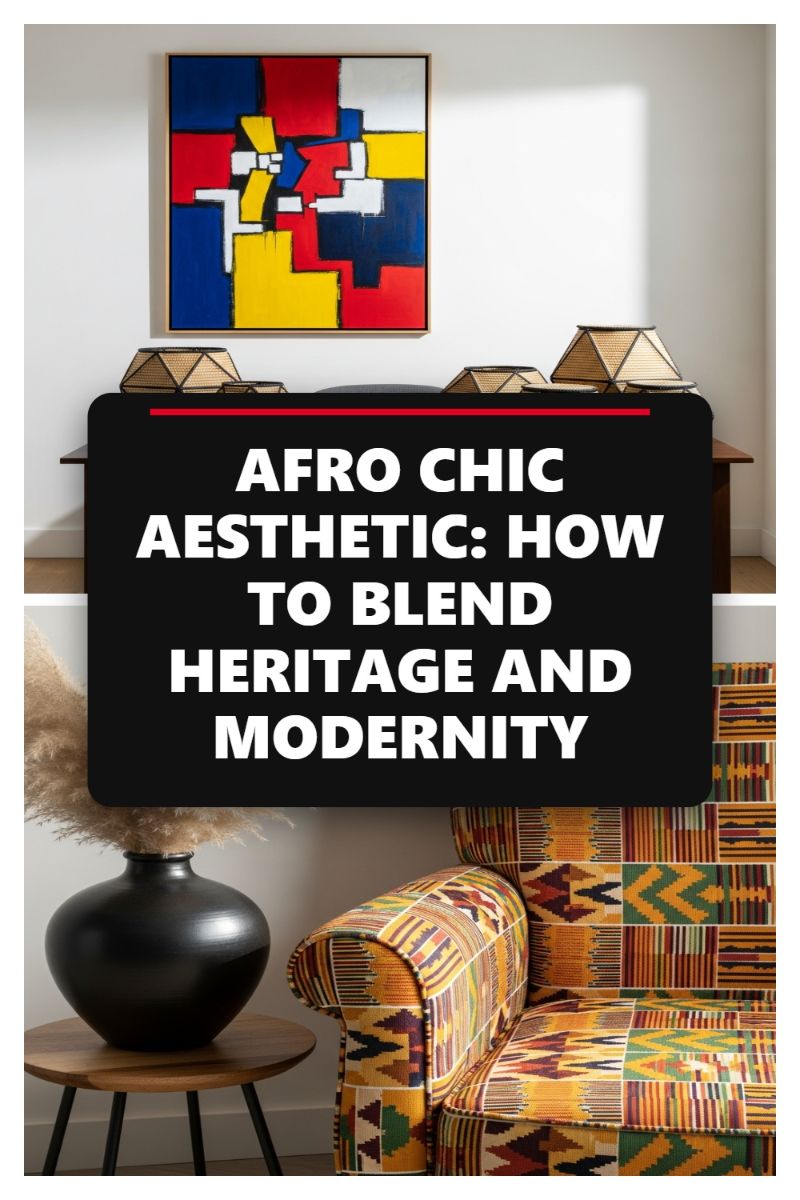
The Afro Chic aesthetic is a celebration of global heritage, creating a sophisticated environment by intentionally blending traditional African textiles, artwork, and natural materials with clean-lined contemporary design. To master this look, you must first establish a neutral, modern foundation. Start with minimalist architecture and a palette dominated by crisp whites, rich charcoals, or deep earth tones. This backdrop is crucial because it allows the vibrant heritage pieces to truly pop. Incorporate African artistry through significant textile applications, such as reupholstering a mid-century modern armchair in a bold Kente or Bogolan (Mudcloth) print, or draping a hand-dyed Adire cloth across a simple sofa. The key instructional advice here is to use pattern strategically and sparingly; one or two large statement pieces are far more impactful than many small scattered items, ensuring the space feels curated and cosmopolitan rather than merely ethnographic. The clean modernity of the surrounding architecture acts as a frame, elevating these cultural artifacts into true design statements.
Next, focus on introducing contrasting textures and natural, grounding elements. The Afro Chic aesthetic requires balancing the high energy of geometric prints with raw, organic materials. Look for furniture crafted from dark, rich woods—such as pieces with Wenge or Mahogany tones—or lightweight, woven natural fibers like rattan, bamboo, and seagrass, often seen utilized in striking geometric light fixtures or baskets. Expertly pair these earthy materials with sleek, modern forms, such as matte black metal table legs, polished ceramics (like the sculptural black vase pictured), or minimalist side tables. This juxtaposition of natural texture and streamlined manufacturing prevents the space from leaning too rustic and maintains the ‘chic’ factor. When selecting accessories, prioritize craftsmanship; favor items with a palpable sense of history or handwork, such as brass figurines, intricately carved wooden stools, or textured clay pottery, ensuring they are placed alongside smooth, contemporary counterparts to maintain visual tension.
Finally, integrate your art and color story to tie the two worlds together. While the textiles provide immense color, the surrounding art should reinforce modernity. Abstract expressionist pieces or color-block paintings, especially those utilizing strong primary colors (red, blue, and yellow) or deep jewel tones, harmonize beautifully with the warmth of traditional African prints without competing with them. When styling, introduce sculptural, simplified forms that provide visual weight and grounding—think large, bulbous vases holding dried botanicals like pampas grass, or simple architectural planters. The aim is to achieve a dialogue between two distinct eras: the ancient, vibrant storytelling inherent in the textiles and the disciplined, refined elegance of modern design. This mindful layering creates an aesthetic that is both deeply personal and universally sophisticated.
SPOOKY SEASON YEAR-ROUND: HOW TO NAIL THE GOTHIC WESTERN BEDROOM
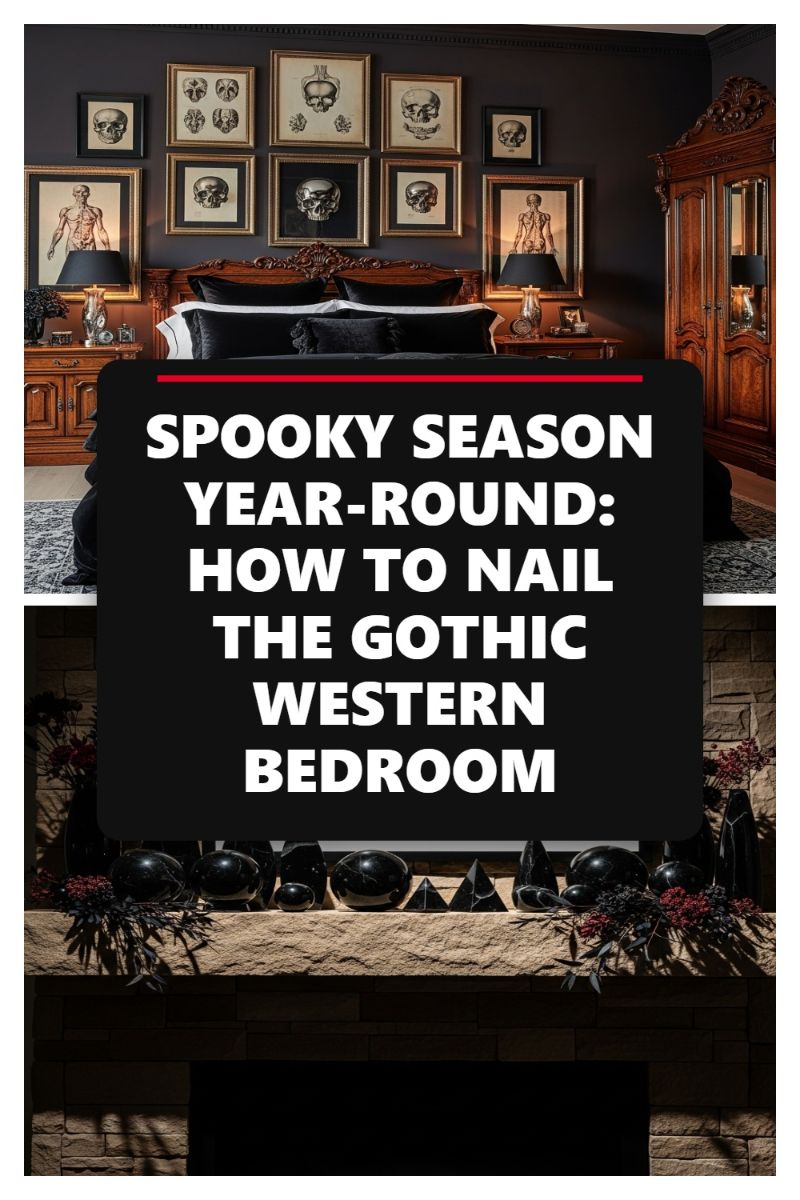
The Gothic Western aesthetic is the perfect intersection of drama, luxury, and moody romance, transforming a simple sleeping space into an evocative, year-round haunted retreat. To establish this look, begin with a commanding color story. This aesthetic relies heavily on rich, enveloping tones: deep matte black walls, charcoal ceilings, and accents in espresso, oxblood red, and antique gold. Unlike traditional minimalism, Gothic Western requires substantial, historically inspired furniture. Look for heavy, dark wood pieces—think ornate Victorian or Baroque-style carved mahogany headboards, massive armoires, and nightstands with intricate detailing. The goal is a feeling of permanence and inherited drama. To avoid making the room feel flat, introduce high-contrast textures, such as plush black velvet bedding, faux-fur throws, and distressed leather elements in seating or decorative pillows. These materials capture light differently, adding necessary depth to the dominant dark palette.
The heart of the Gothic Western bedroom lies in its deliberate, dramatic accessorizing. A signature feature is the gallery wall, curated to include macabre, academic, or historical themes. Frame vintage anatomical illustrations, antique skull prints, or botanical drawings in heavy, distressed gold or black frames. Expert tip: Ensure your frames vary slightly in size and style, but keep the matting consistent to maintain cohesion amidst the variety of subject matter. Lighting must be moody and atmospheric. Trade bright overhead fixtures for bronze or wrought-iron table lamps featuring black or heavily textured shades, casting intimate pools of light rather than harsh illumination. The low light quality enhances the theatrical nature of the room and highlights the rich materials.
Finally, integrate the rugged ‘Western’ elements to balance the formal ‘Gothic’ foundation. This juxtaposition prevents the space from feeling too stiffly Victorian. Incorporate raw, natural textures like stone or unpolished marble, particularly in fireplace mantles or side tables, as a nod to the frontier landscape. Accessorize these surfaces with dark, polished geometric objects (obsidian or black onyx spheres and pyramids), dark florals (dried pampas grass, deep red hydrangeas), or subtle skull replicas. Avoid overly rustic items; the Western influence should be refined. Focus on using materials that look heavy and eternal—cast iron, carved wood, deep leather, and weighty stone—to solidify this high-drama, elegant aesthetic.
GOODBYE CLUTTER! MY 5 SECRETS TO AN AESTHETIC KITCHEN
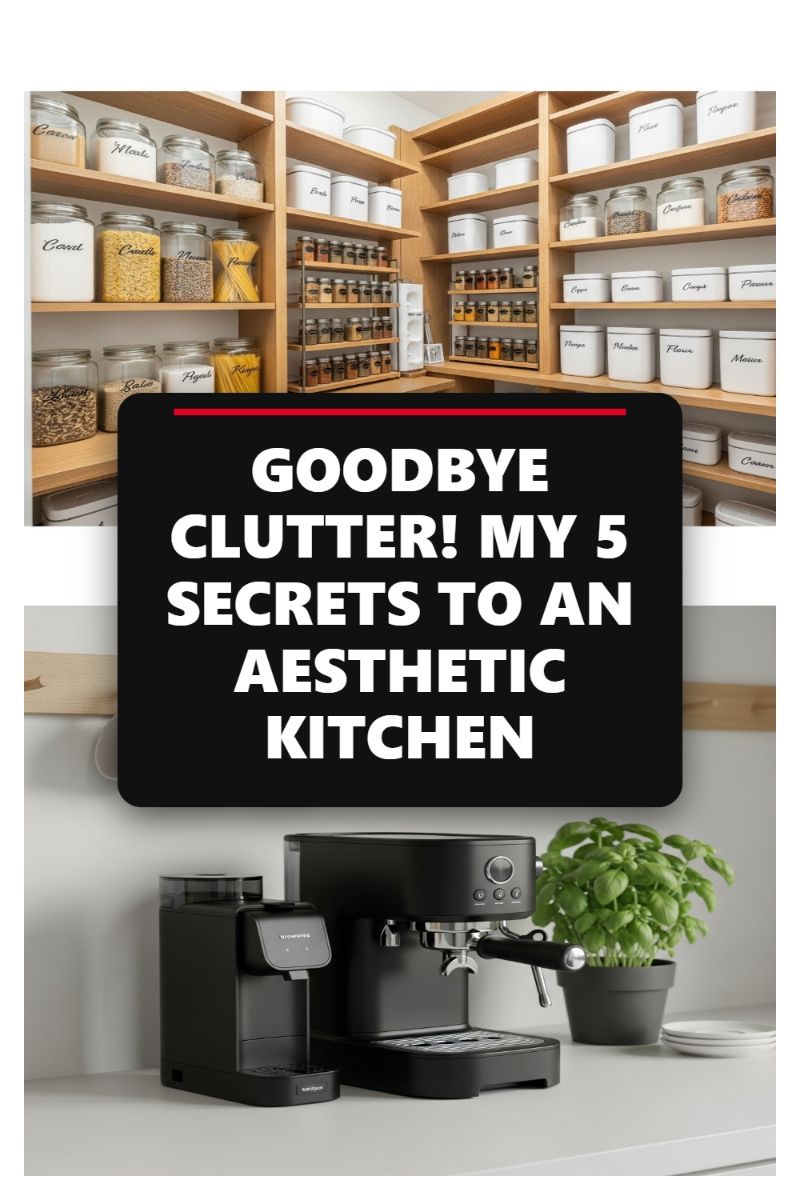
The core tenet of the Aesthetic Kitchen trend is organization so meticulous it transforms into decorative display. As highlighted by the highly organized pantry in the image, achieving this look begins with eliminating original packaging and embracing uniformity. Decant all dry goods—pasta, grains, cereals, flour, and sugar—into matching containers. You should strategically use clear glass jars for visually appealing items (like colorful lentils or specialty pasta) and reserve opaque, matching canisters (like the crisp white ones shown) for staples that are less aesthetically interesting. The true secret to this visual calm is the consistency of the containers, regardless of their contents. Finally, invest in a cohesive and clean labeling system. Opt for minimalist script or sleek block fonts rather than handwritten or busy designs, ensuring that function elevates form.
Once the pantry is streamlined, attention must turn to exposed surfaces. The Aesthetic Kitchen strictly adheres to a limited, high-impact color palette, utilizing natural wood tones, crisp white surfaces, and matte black appliances. When selecting countertop items, choose pieces that complement this restrained palette. Modern appliances, such as the sleek black espresso setup shown, should function as sculptural elements rather than visual disruptions. Expert advice dictates treating everyday items as small vignettes: for instance, adding a potted basil plant not only introduces organic texture and a pop of natural color but also maintains a commitment to functionality. Surfaces must remain largely clear; only display items that actively enhance the aesthetic or are essential for daily use.
Maintaining this ultra-organized look requires implementing smart, strategic storage solutions beyond standard shelving. Embrace verticality by utilizing tiered spice racks, stacking transparent containers, and installing pull-out drawers to maximize deep pantry space. For cabinets and drawers, completely eliminate the “junk drawer” mentality by using modular dividers for utensils, linens, and cleaning supplies. The goal of the Aesthetic Kitchen is complete visual transparency and accessibility—you should be able to instantly locate every item. This level of organization is not just about surface beauty; it’s about establishing a sustainable system that minimizes future clutter accumulation, ensuring the kitchen remains a functional sanctuary of purposeful design.
MUST-HAVE MACRAME! COZY CROCHET DECOR YOUR BEDROOM NEEDS RIGHT NOW
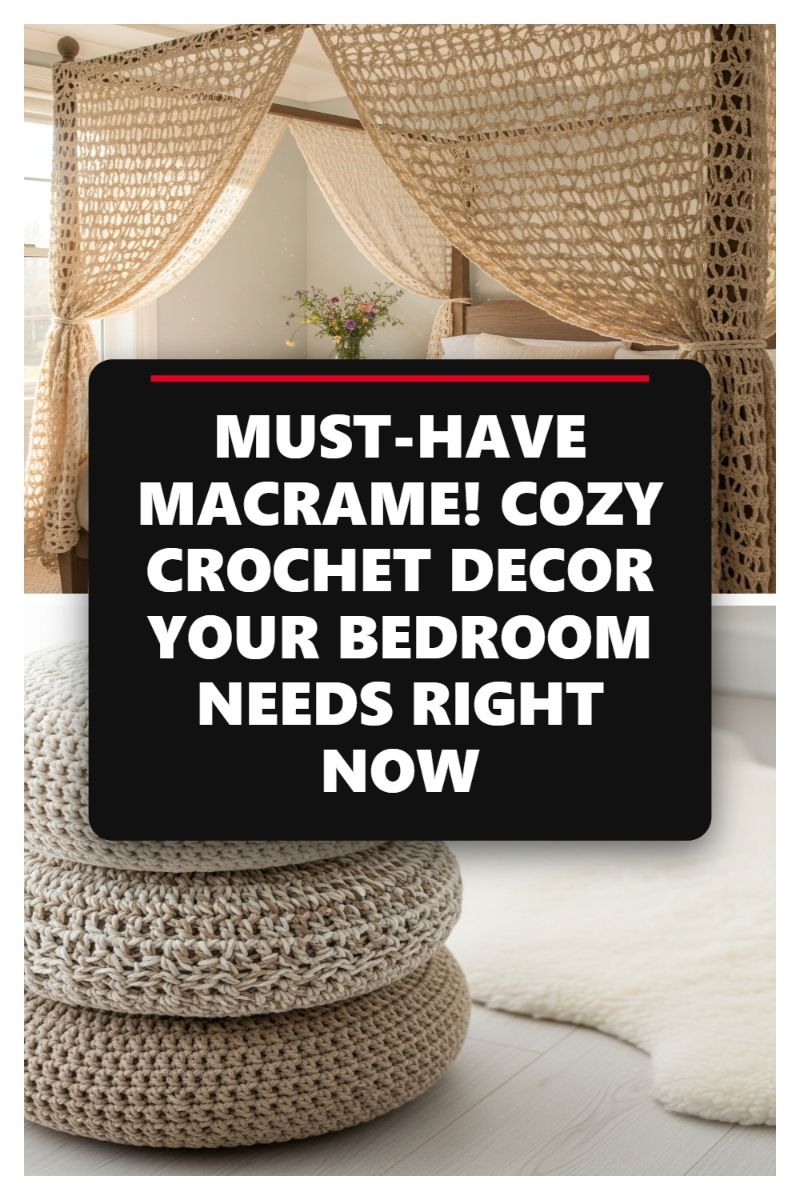
The rise of the “Textural Bohemian” aesthetic is driven by a collective desire for softness, authenticity, and natural elements in the home, moving decisively away from sleek, cold minimalism. The defining characteristic of this style, as demonstrated by the striking four-poster bed canopy, is the intentional use of large-scale, handcrafted textile elements. Instead of employing heavy, opaque drapery, designers are selecting open-weave materials like chunky crochet or macrame netting, typically crafted from sustainable, undyed natural fibers such as thick cotton cord, jute, or hemp. This choice achieves an intimate, defining space while still allowing significant light filtration, preventing the room from feeling closed off. When styling a four-poster, ensure the draping is voluminous yet relaxed; use simple, rustic ties, often made of the same fiber or leather, to cinch the fabric back, exposing the clean lines of the wooden frame. This technique transforms a basic piece of furniture into a sanctuary, injecting rustic, handcrafted warmth immediately.
To fully realize this cozy aesthetic, texture must be incorporated at every level, especially in soft furnishings. Crochet and macrame floor poufs serve as essential foundational elements, adding both low-level visual weight and immediate functionality. Expert execution of this trend requires mixing varying knit densities and a rich palette of natural tones—creams, sands, warm taupes, and light browns—to prevent the space from appearing flat or overly uniform. When grouping these elements, such as in a stacked arrangement near the bedside, ensure you vary the specific fiber thickness and stitching pattern of each pouf to create subtle, engaging contrast. These pieces are highly versatile; they can function as casual seating, impromptu side tables (when topped with a sturdy tray), or comfortable, easy-to-move footrests. Always ground these soft furnishings with another textural layer, such as a large woven jute rug or a luxurious sheepskin throw, amplifying the inviting, tactile quality of the entire bedroom floor.
The final layer of mastery involves balancing the overwhelming softness of the textiles with grounding, intentional design choices. To avoid an overly cluttered or
400% GROWTH ALERT! MOODY GOTHIC WESTERN DECOR SECRETS
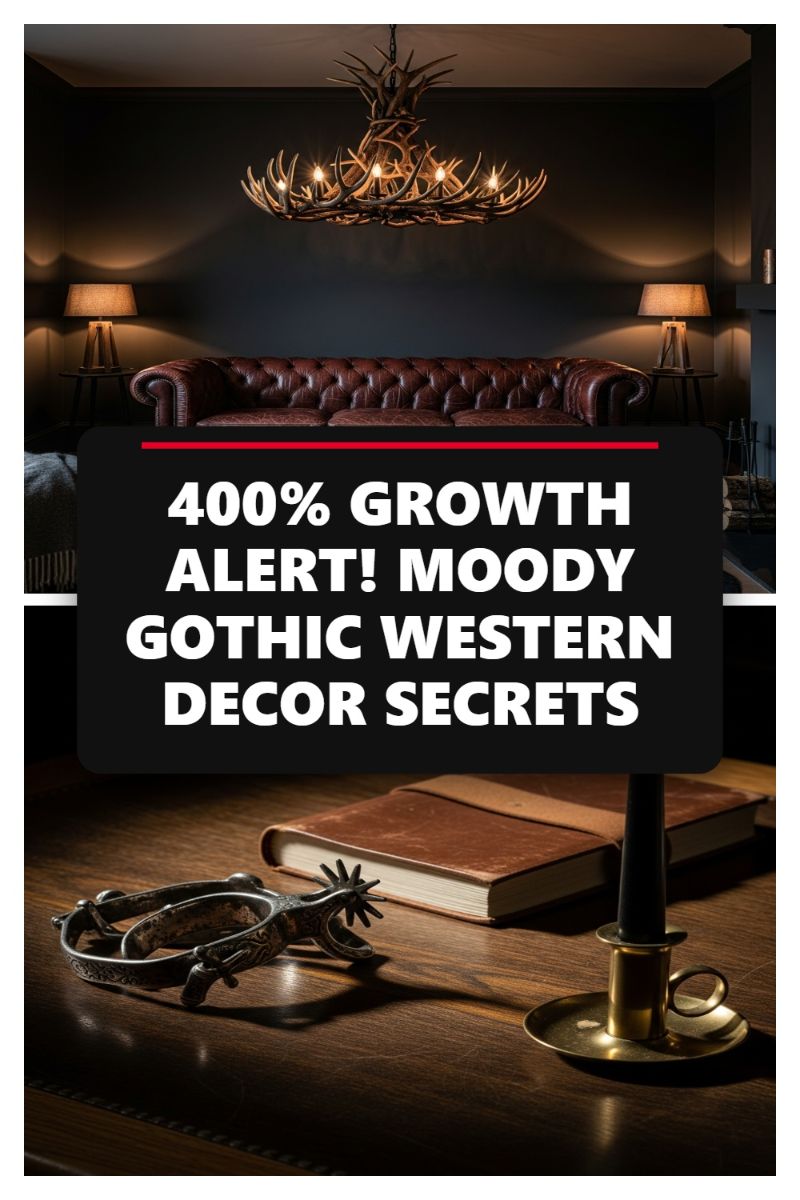
To master the Moody Gothic Western aesthetic, begin with a foundation of dramatic, saturated color. Think deep charcoal, matte black, or an oxidized forest green for the walls. The key to preventing darkness from overwhelming the space is strategic lighting. You must introduce high-contrast, warm illumination, typically achieved through multiple low-level sources like paired table lamps flanking a major piece of furniture. These lamps should emit a golden glow to highlight the texture of the materials and create deep shadows, enhancing the ‘moody’ aspect. Architectural trim painted in a slightly glossier black than the walls adds dimension, giving the room a polished, historical depth reminiscent of old European libraries mixed with a rugged saloon.
The centerpiece of this style is the fusion of rugged Western elements with classic, sturdy Gothic-inspired furniture. Invest in pieces that tell a story, like a deep-buttoned, distressed leather Chesterfield sofa
—the ultimate blend of masculine sophistication and durability. Pair this with rich, dark woods like mahogany or reclaimed oak for side tables and case goods. The Western component is usually introduced overhead; ditch standard fixtures for an impactful antler chandelier. This piece immediately anchors the room in the rustic wilderness and serves as a powerful, non-traditional focal point. For seating beyond the sofa, consider club chairs upholstered in heavy fabrics like tartan wool or dark velvet, balancing the leather’s texture.
The secret to authentic Gothic Western lies in highly curated accessories, which must appear earned and aged. Style surfaces with a mix of academic and ranching artifacts. For the Gothic touch, use stacks of heavy, leather-bound books, brass candelabras holding black candles, and perhaps a skull motif or dark floral arrangement. The Western elements should be vintage and tactile: display antique spurs, bits and bridles, or framed maps of the Old West on a dark wood desk. Avoid anything overly kitschy; authenticity is paramount. Layering textures is crucial: throw a thick, cable-knit blanket or a sheepskin rug over the leather sofa to soften the rugged lines and increase the visual richness, cementing this look as both historically grand and comfortably frontiersman.
COASTAL GRANDMA VIBE: THE ULTIMATE AIRY BEDROOM REFRESH
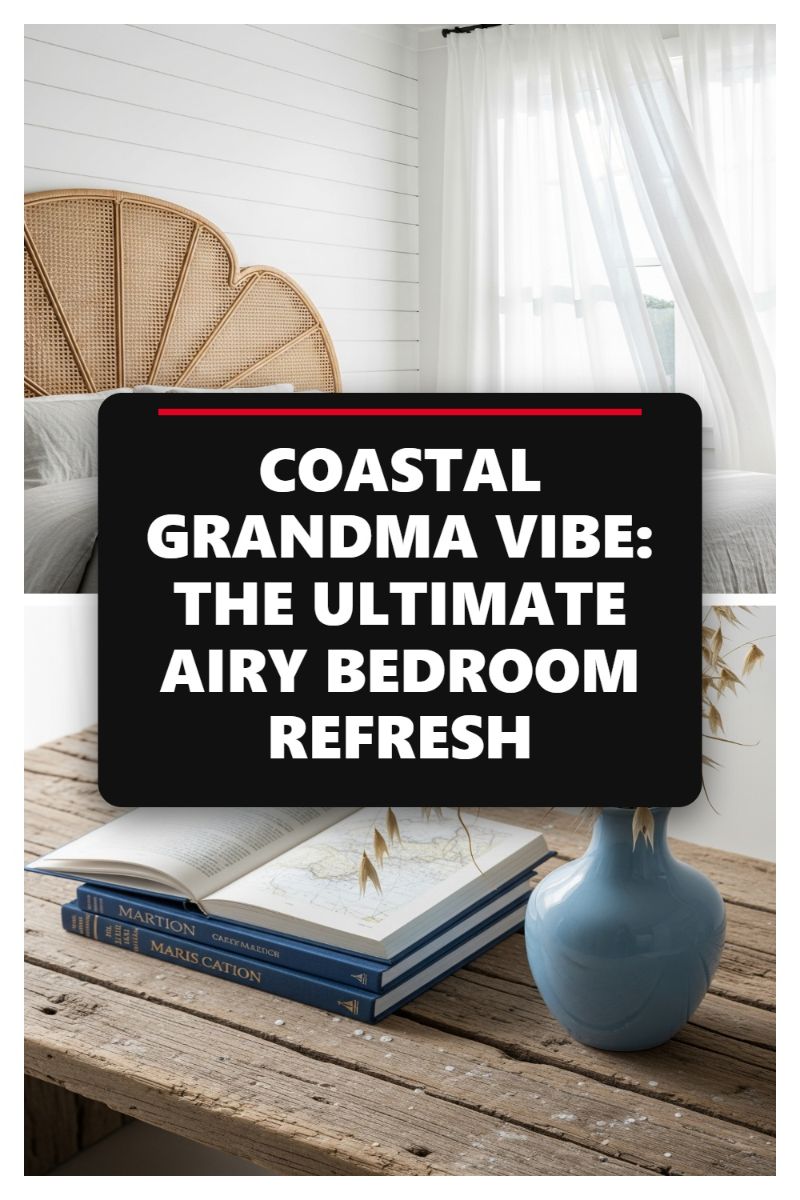
Achieving the coveted Coastal Grandma vibe—a style blending cozy, nostalgic charm with the light, breezy elegance of coastal living—starts with establishing an airy foundation. The primary goal is maximizing natural light and openness. Begin by painting walls in crisp whites or soft creams. The image exemplifies this with horizontal shiplap or beadboard paneling, which adds subtle texture without overwhelming the space, instantly evoking a beach cottage feel. Crucially, outfit windows with long, flowing sheer linen or cotton curtains. These window treatments diffuse light beautifully, preventing the room from feeling stark while ensuring privacy and maintaining that characteristic breezy movement. For the main textiles, opt for soft, natural fabrics like washed linen or breathable cotton in muted shades of gray, beige, or white, prioritizing comfort and simplicity over heavy patterns, making the bed itself an inviting cloud of relaxation.
The Coastal Grandma aesthetic thrives on layered texture and incorporating pieces that feel inherited or found. Look to natural materials to furnish the space. A statement piece like the scalloped rattan or cane headboard seen here instantly injects warmth, vintage flair, and organic texture. Contrast this organic element with sturdy, weathered pieces, such as a side table crafted from reclaimed or distressed wood. This juxtaposition of delicate woven materials and rugged wood mimics the contrast between sand and sea. Accessorizing should be subtle and meaningful. Incorporate classic coastal blues through ceramic vases, throw pillows, or stacks of antique-looking books (the deep blue spines in the image provide a rich anchor). To add that perfect touch of effortless rusticity, place dried botanicals, like sea oats or light grasses, in the ceramic vessel, keeping arrangements simple and untamed, reinforcing the relaxed, natural feel of the coast.
To successfully execute the “Grandma” aspect of this trend without becoming cluttered, focus on intentional curation. The look should feel collected over time, not bought in a single trip. Source items that suggest travel and history, such as framed nautical maps, vintage brass items, or shells, but display them sparingly to maintain the serene quality. Expert advice is to avoid harsh contrasts; keep all metals muted (brushed nickel, bronze) and ensure your wood tones harmoniously blend (no stark modern finishes). The key differentiator is comfort—make sure throws are soft, pillows are plentiful, and seating is inviting. By focusing on light, texture, and a palette rooted in sand and sea, you create a space that feels both nostalgic and utterly refreshing—the ultimate sanctuary for a seaside escape, whether you live by the ocean or not.
SOUTHERN CHARM SECRETS: HOW TO MAKE YOUR HOME LOOK EXPENSIVE
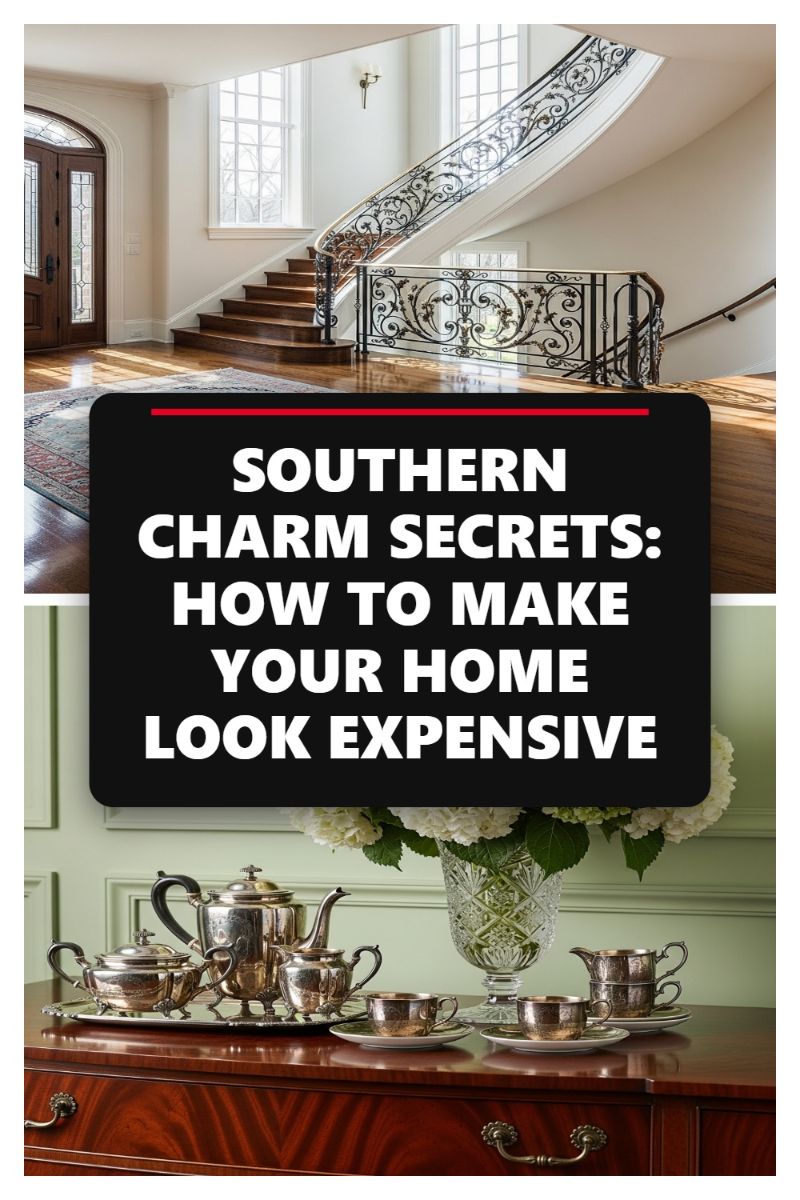
Achieving the look of expensive Southern Charm begins with establishing strong, classic architectural bones. Invest heavily in substantial millwork—deep crown molding, intricate wainscoting, and robust baseboards painted in a crisp, clean white. For the entry, which sets the tone, focus on quality flooring such as rich, dark-stained hardwood or classic marble tiling, allowing it to anchor a statement piece like a sweeping staircase with intricate wrought-iron banisters. If a grand architectural element is out of budget, ensure all fixtures, from door handles to wall sconces, are made of polished brass or historically styled metals, emphasizing weight and permanence. Maximize natural light through large, traditionally gridded windows, often softening the glare with high-quality linen or silk drapery hung floor-to-ceiling to emphasize height and luxury. The foundation of this style is quality over trend, demanding materials that look and feel enduring.
The key difference between merely decorated and truly expensive is the patina of collected items. Southern charm relies heavily on antique or heirloom-quality furniture, often in deep mahogany, cherry, or walnut finishes, such as a Chippendale-style chest or Federalist sideboard. Avoid cheap reproductions; seek out pieces with a historical resonance. Layering is crucial: place fine Persian or Oriental rugs over the hardwood floors to introduce complexity, color, and softness. Accessorizing should focus intensely on polished metallics—a high-shine sterling silver tea service, polished brass candlesticks, or mirrored trays—paired with clear, faceted crystal. These reflective elements catch light and introduce a subtle, constant sparkle that instantly elevates a space, signifying formality and tradition without feeling stuffy. Every piece should feel curated, not purchased on a single shopping trip.
To maintain the “expensive” aesthetic, focus relentlessly on scale and presentation. Furniture should be substantial and well-proportioned to the room, preventing the space from feeling sparse or juvenile. The color palette should lean into historical, genteel hues—soft sage greens, pale blues, buttery creams, and warm taupes—which provide a refined backdrop for the dark woods and bright silver. Final touches should always include elements of natural life; nothing conveys luxury like a lush arrangement of fresh white hydrangeas or garden roses in a beautiful cut-glass vase. Keep main surfaces meticulously organized and clutter-free, allowing the quality of the few, carefully chosen items—a framed portrait, a leather-bound book stack, or an antique silver box—to speak volumes about the home’s sophisticated and elegant history.
COZY CABIN VIBES: TRENDING STONE WALL PANELS YOU CAN DIY
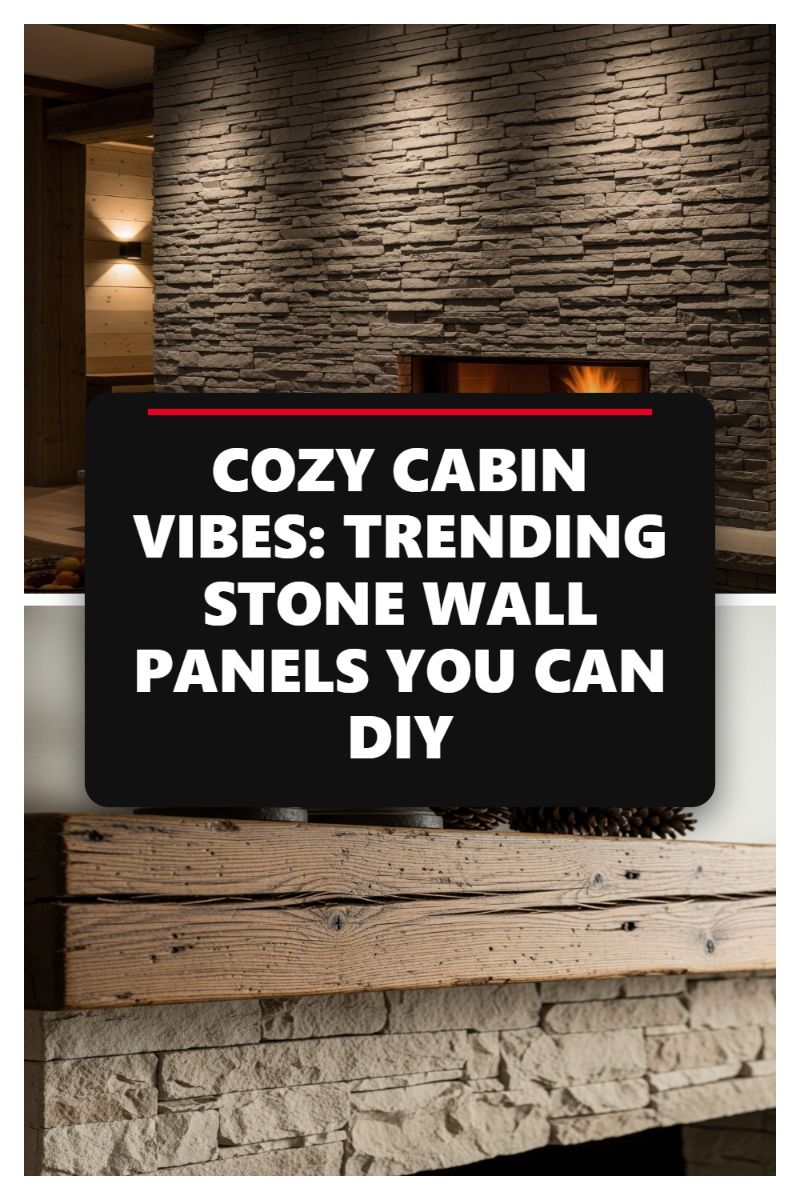
The Cozy Cabin aesthetic, often blending seamlessly with Mountain Modern or Chalet Chic, hinges entirely on highly textural, natural materials. Nothing captures this vibe quite like an expansive, rugged stone fireplace surround, which serves as the ultimate focal point for warmth and luxury. The key visual element here is the use of stacked ledger stone veneer—thin strips of stone (like slate or quartzite) mounted onto panels. This creates a deeply layered, three-dimensional look that absorbs light and adds visual weight. Unlike traditional masonry, stone veneer panels are lightweight, require no footing, and are specifically designed for DIY installation, making this high-impact aesthetic surprisingly accessible. To achieve the specific contrast shown, pair a darker, multi-toned stone facade with a rustic, heavily distressed wood mantelpiece, ensuring the mantel is thick and imposing enough to balance the rugged texture of the stone below it.
To successfully incorporate this look into your own home, begin by selecting high-quality stone veneer panels. While real stone is available, many excellent faux stone options made from lightweight composite materials exist, offering easier cutting and installation, especially critical for novices. When installing, remember that the goal is seamless continuity; ensure your panels interlock tightly and staggering seams is crucial to avoid vertical lines that betray the panel construction. Expert tip: the lighting in this aesthetic is paramount. Notice how the wall sconces and recessed lights are directed across the stone face, casting shadows that dramatically emphasize the deep texture and ruggedness of the stacked layers. Without proper accent lighting, the full impact of the stone is lost, appearing flat and monotone. Always plan your lighting strategy before installation to conceal wires and position fixtures optimally to graze the surface.
Completing the Cozy Cabin aesthetic requires balancing the stone’s intense texture with soft, complementary organic elements. Surround your stone feature with natural wood elements—whether that is shiplap, tongue-and-groove paneling, or rustic exposed beams—to maintain a cohesive, warm environment. Avoid overly modern or glossy finishes elsewhere in the room, favoring materials like wrought iron, distressed leather, and thick, chunky knit fabrics. For the mantel, keep decor minimal and natural; simple arrangements of organic items like large pinecones, dried branches, or heavy ceramic vases work best. By concentrating on deep textures, natural finishes, and dramatic accent lighting, you can transform any living space into a luxurious, inviting cabin retreat that feels both timeless and perfectly on trend.
Mexican-Inspired Outdoor Oasis
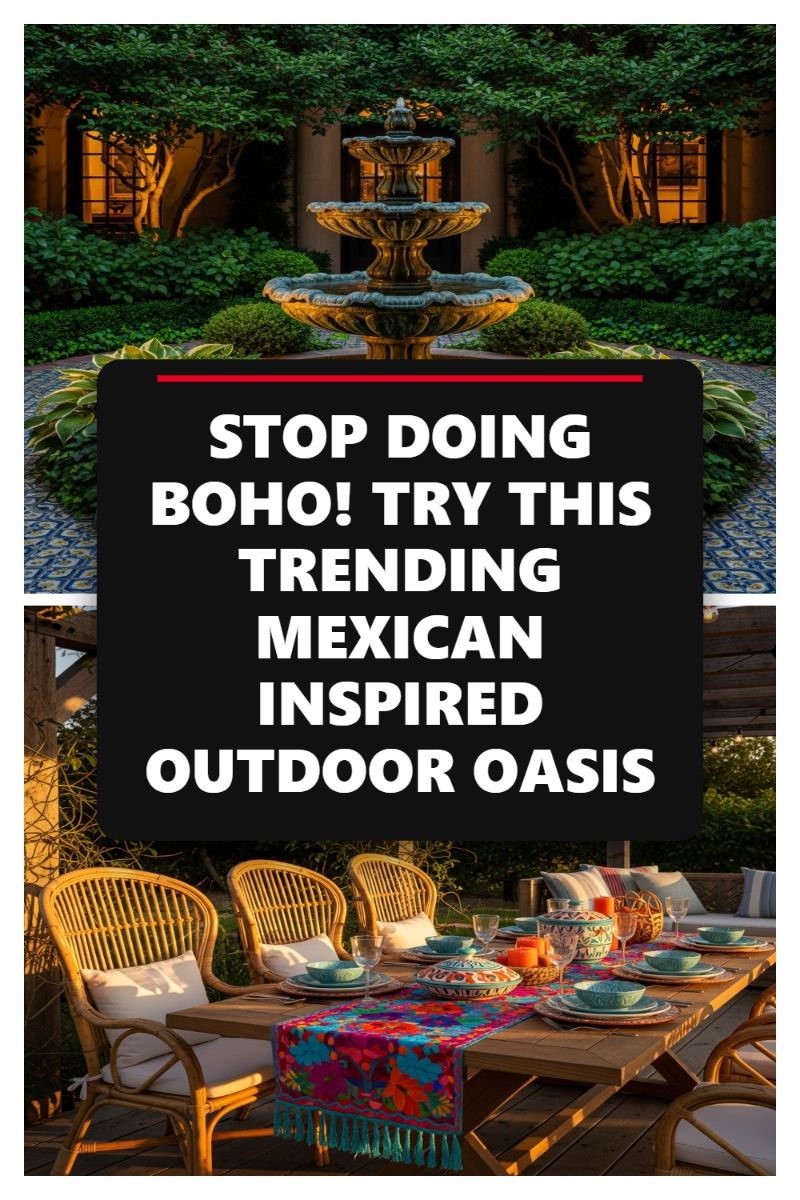
To transition away from minimalist boho toward a richer, trending Mexican-inspired aesthetic, focus first on establishing a foundational courtyard feel. This style often borrows heavily from hacienda design, emphasizing architectural elements like stucco walls, terracotta accents, and lush, structured greenery. Expertly framing your space means incorporating heavy stone or tiered fountains, as seen in the image, to provide a central focal point and soothing soundscape. If a permanent fountain isn’t feasible, integrate Talavera tilework on patio floors or wall accents to inject traditional Mexican color and pattern (often geometric blues and yellows). Keep planting structured with manicured hedges or thriving container gardens featuring dramatic, sculptural plants like agaves or cacti to maintain a sense of classic formality mixed with desert romance. The dining and gathering areas demand a tactile mix of sturdy, natural materials. Opt for heavy wooden dining tables paired with organic seating, such as woven rattan chairs or comfortable, low-slung bancos. Unlike the muted tones prevalent in typical boho design, the Mexican oasis thrives on high-saturation color. Introduce this vibrancy through high-quality textiles. Replace simple macram
é with brightly embroidered table runners or throws, like those found in Oaxacan or Chiapan textiles, featuring deep reds, fuchsia, turquoise, and electric blues. Layer cushions and pillows liberally, ensuring they offer comfort but also incorporate textured, striped, or handwoven patterns to deepen the visual complexity of the setting. Final styling is critical for capturing this aesthetic’s warmth and festive spirit. Ditch plain white tableware and embrace earthenware, stoneware, or artisan-made ceramics in saturated colors0deep turquoise, fiery orange, or rich cobalt blue0echoing the textiles. Integrate elements of Mexican folk art; large, brightly colored candle holders, hand-painted ceramic serving bowls, and perhaps a few subtle paper picado banners can elevate the celebratory atmosphere. For expert ambiance, prioritize warm lighting. Instead of harsh overhead lights, string fairy lights or market lights (as hinted in the image) across the pergola or surrounding trees, and rely on numerous pillar candles or hurricane lamps arranged down the center of the table to cast a soft, inviting glow, making the space perfect for long, luxurious evenings outdoors.
DREAM BACKYARD REVEAL: STONE FIREPLACE AND OUTDOOR SEATING
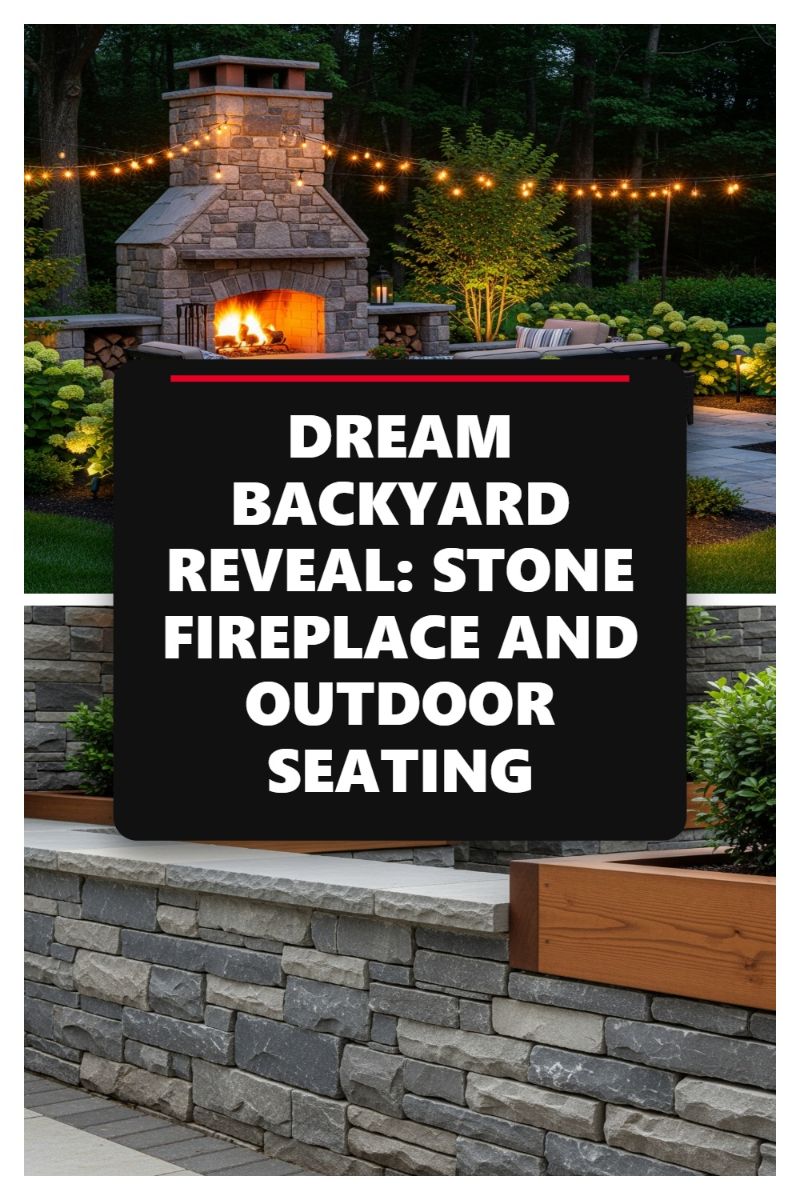
The modern home aesthetic is defined by blurring the lines between indoor and outdoor living, and this ‘Elevated Rustic’ retreat illustrates the concept perfectly. The centerpiece is undoubtedly the towering, natural stone fireplace. To replicate this look, prioritize permanent structures built from natural, local materials such as granite, slate, or stacked fieldstone. The fireplace acts as the anchor for the entire space, drawing the eye and providing essential warmth and ambiance. Expert advice suggests integrating functional elements directly into the structure, as seen here with the integrated wood storage nooks on either side. This keeps the necessary elements tidy while reinforcing the rugged, organic texture of the design. When selecting stone, opt for varied tones (like the rich greys and blues shown) to add depth and complexity, preventing the structure from looking flat or monolithic. A substantial, contrasting capstone or hearth material is also essential for a polished, finished look that balances the inherent ruggedness of the stone veneer.
Transforming an exterior space into a true ‘outdoor room’ requires thoughtful furniture placement and material choices. Ditch the flimsy bistro sets and invest in deep, comfortable outdoor seating that rivals your indoor sofa. Look for weather-resistant frames (aluminum or teak) paired with high-quality, quick-drying cushions that utilize neutral or earthy tones to complement the natural stone. Positioning the seating directly around the focal point (the fireplace) mimics a traditional living room layout, encouraging conversation and comfort. Furthermore, notice how the space is defined by low retaining walls and planter boxes faced with coordinating natural stone veneer, effectively creating the ‘walls’ of the outdoor room. Integrating greenery, such as the lush hydrangeas shown, softens the hardscape materials and provides a vital connection to the surrounding landscape, adding texture and a pop of natural color.
Finally, the magic of this aesthetic is unlocked through layered lighting. Relying solely on the firelight is charming but impractical; you need sophisticated supplemental lighting to create true depth and coziness after dusk. Begin with ambient overhead lighting, such as commercial-grade string lights (or ‘bistro lights’), strung high to provide a warm, enveloping glow across the patio area. Next, incorporate accent lighting: strategically placed low-voltage uplights illuminate the retaining wall textures and highlight the surrounding trees and foliage, adding drama and security. For task and decorative lighting, place durable, weather-appropriate lanterns (powered by batteries or low-voltage wiring) on nearby ledges or side tables. This combination of firelight, overhead ambient light, and focused accent lighting ensures the space is functional, safe, and irresistibly inviting, making it a year-round extension of your home.
SKIP FARMHOUSE! 9 SOUTHERN DECOR RULES TO ELEVATE YOUR STYLE
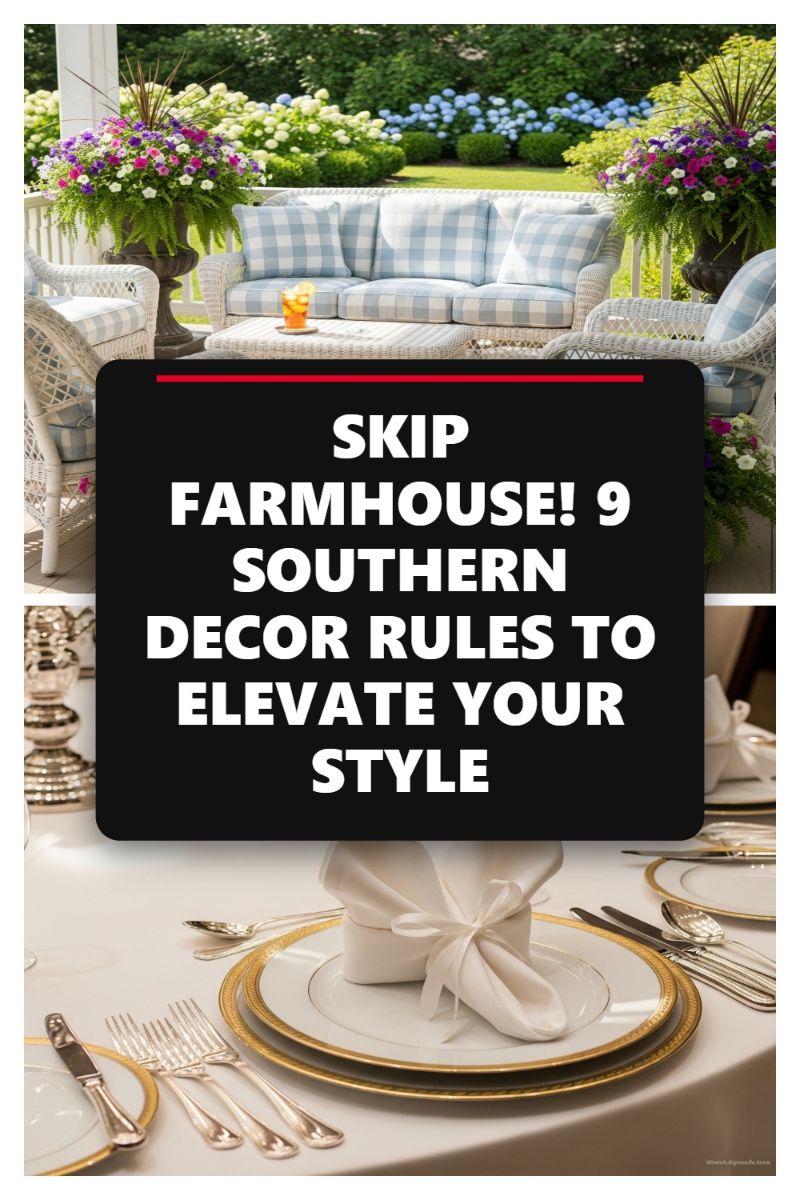
This aesthetic, which might be dubbed “New Southern Traditional” or “Refined Grandmillennial,” offers a fresh alternative to the ubiquitous rustic farmhouse look, emphasizing formality, tradition, and impeccable hosting. Visually, the style begins outdoors, often centered around a welcoming, lush porch setting. Achieve this look by investing in classic outdoor furniture, such as the white wicker or rattan pictured, paired with cushions in timeless, often pale-hued patterns like light blue gingham, stripes, or toile. The color palette is intentionally soft and airy, relying heavily on whites, creams, pale blues, and verdant greens pulled from surrounding nature. Horticulture is paramount: large, ornate planters (urns or weighty cast iron) overflowing with vibrant annuals (petunias, hydrangeas) add dramatic color and formality, framing the seating area and reinforcing the elegance of the setting. The goal is to create an outdoor extension of the home that feels sophisticated and ready for sweet tea and conversation.
Moving indoors, the elevated Southern style is defined by a commitment to hosting and refined materials. The tablescape shown perfectly illustrates this emphasis on formality. To replicate this look, prioritize layering: use crisp white linens as the foundation, followed by quality china with subtle, traditional detailing, such as gold rims or classic motifs. Sterling silverware, often a family heirloom or vintage find, is essential, signaling a dedication to timeless elegance over modern minimalism. For decorative accents, look for polished metals—brass or gold—used in chargers, candle holders, and hardware to introduce warmth and luxury. This is not about overly casual dining; it’s about making everyday moments feel special through attention to detail, such as impeccably tied linen napkins. The key is curating an environment that honors heritage while offering gracious hospitality.
To truly master this aesthetic, focus on collecting rather than buying a set. Mix older pieces—like a Chippendale chair or a vintage chest—with new, high-quality upholstery. Layer texture through traditional fabrics such as damask, velvet, or embroidered linen. While color and pattern are signature elements (florals, chintz), they should be used thoughtfully and balanced by solid, grounding colors. Expert advice suggests ensuring the space feels comfortable and lived-in, avoiding museum-like stiffness. Introduce abundant natural light, display collections (like blue and white porcelain), and always ensure there are fresh flowers or potted plants indoors. This style is about celebrating heritage, tradition, and making guests feel deeply welcomed in an environment that is both beautiful and comfortably elegant.
Sizzling Southwest Style: 7 Ways to Use Terracotta Indoors
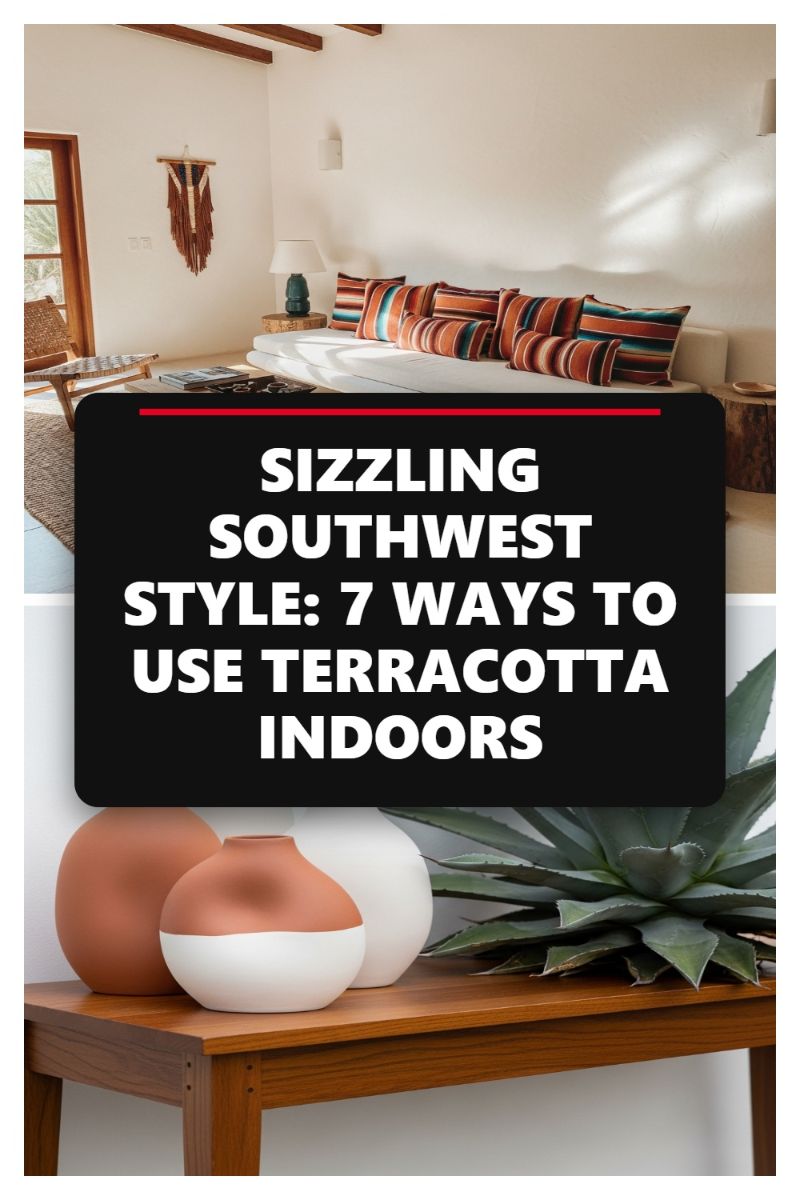
The Southwest aesthetic has evolved far beyond rustic kitsch, settling into a sophisticated design space often dubbed ‘Desert Modern.’ This look relies on raw texture, natural earth tones, and the feeling of abundant sunlight. To achieve this foundation, begin with a canvas of textured, light-hued walls—think matte white, sandy beige, or cream finishes that mimic traditional stucco or adobe. Ground the space with exposed architectural elements like wooden ceiling beams, or introduce substantial, raw wood furniture pieces. The instructional secret to a modern Southwest space is maximizing light; minimize heavy window treatments, opting instead for sheer linen or simple natural shades to allow the sun to flood the space and highlight the textural components of the room, creating that essential sun-drenched desert atmosphere.
The strategic use of terracotta and complementary textiles is what truly defines this style. Move beyond basic plant pots; terracotta should be integrated as an intentional design element. This is best accomplished through accessorizing with unglazed earthenware vases, particularly those that feature contemporary detailing, such as being dipped or partially painted with a contrasting matte white (as seen in the image). For a richer layering effect, incorporate terracotta coloring through textiles: look for deep rust, burnt orange, and paprika hues in throw pillows, blankets, and natural fiber rugs. Pair geometrically-patterned textiles (inspired by traditional Sarape or Navajo designs) with soft, chunky woven materials like macrame or sheepskin to provide tactile contrast against the clean lines of the walls and furniture.
To ensure your space reads as ‘Sizzling Southwest’ rather than ‘Old Western,’ focus on curated accessorizing and organic shapes. Select low-profile, solid furniture pieces—like built-in benches or substantial wooden daybeds—that reinforce the grounded, earthy feeling. Complement these with side tables made from raw materials, such as polished stone or simple sliced logs. Finally, breathe life into the space using desert botanicals; large, architectural plants like agave, snake plants, or cactuses belong in simple, unadorned terracotta or clay vessels. Keep the color palette disciplined, utilizing strategic pops of deep, saturated color (such as a single teal lamp or deep indigo stripes) to offset the extensive warmth without compromising the overall serene, natural feel of the desert aesthetic.
8 KITCHEN TRENDS THAT MAKE EVERY DAY FEEL LIKE VACATION
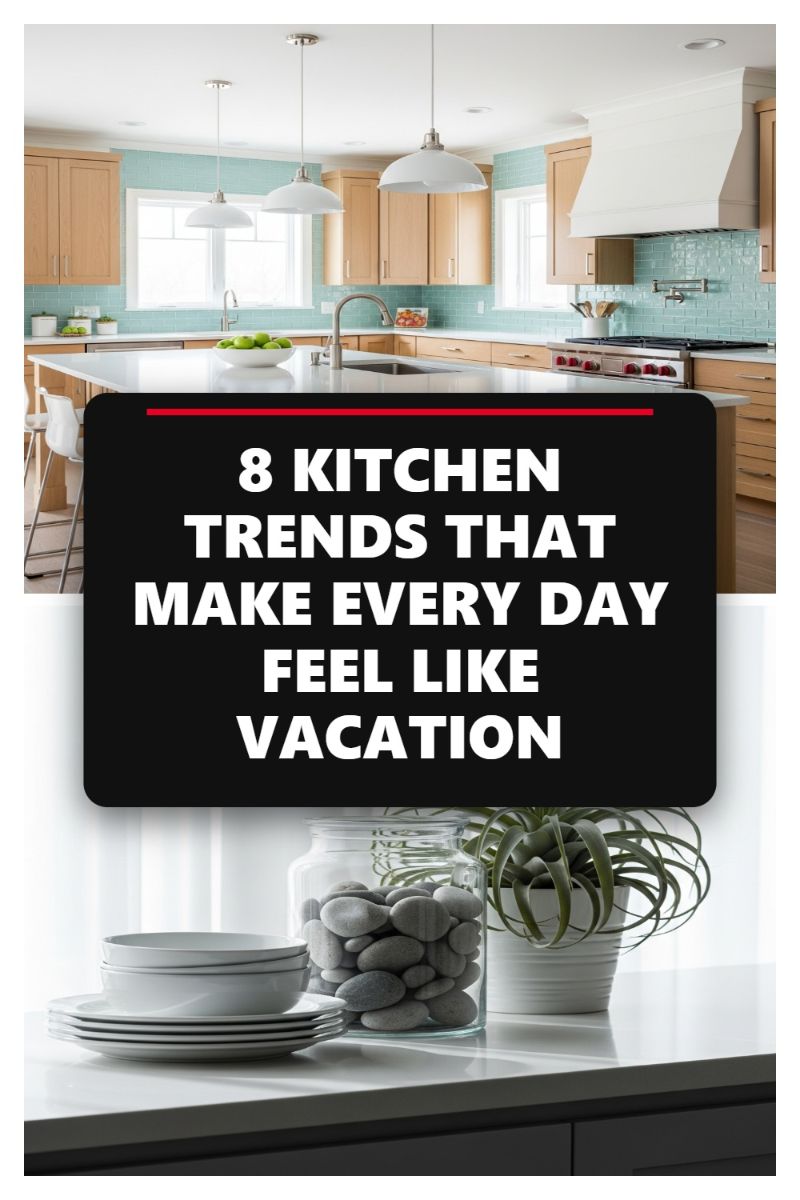
This particular kitchen design flawlessly captures the spirit of a high-end coastal retreat, leveraging bright colors and natural wood tones to evoke perpetual relaxation. The foundation of this aesthetic lies in the cabinetry and the bold use of color via the backsplash. Opt for natural, light-toned wood cabinetry—think white oak or light maple—to keep the space feeling open, airy, and grounded. The crucial element, however, is the backsplash: here, a seafoam or robin’s egg blue subway tile is deployed floor-to-ceiling, creating a continuous wall of vibrant, watery color. When replicating this, choose tiles with a handmade or slightly distressed finish (like a subtle crackle glaze) to add textural interest and prevent the expansive color field from feeling too sterile. Paired with crisp white trim, clean quartz countertops, and a traditional white range hood, this palette ensures that the coastal inspiration feels sophisticated rather than overtly thematic, achieving a balance between modern function and beach-house serenity.
To successfully execute this “vacation kitchen” trend, the material selection must prioritize durability and light reflection. Utilize bright white quartz or a marble-look composite for countertops to maximize light flow and provide a clean, uncluttered workspace, contrasting beautifully with the light wood cabinets. Lighting is another key factor: the pictured oversized white pendant lights, reminiscent of industrial or schoolhouse fixtures, add a layer of functional chic above the island. Expert advice suggests ensuring these fixtures use warm-spectrum bulbs (around 2700K) to soften the bright blue and white elements, making the kitchen feel inviting rather than clinical. For hardware and faucets, polished chrome or brushed nickel reinforces the sleek, often nautical-inspired, metallic accents prevalent in high-end coastal design, allowing the colored tile to remain the undisputed focal point of the room.
The final, essential step in curating this aesthetic is the introduction of organic, low-maintenance decorative elements that reinforce the connection to nature and the seashore. Rather than relying on traditional floral arrangements, adopt minimalist, nature-inspired vignettes. As seen in the image, grouping simple white dishware alongside natural textures—like smooth grey river stones collected in a clear glass apothecary jar—adds immediate visual texture and a calming, tactile quality. Incorporate easy-to-care-for greenery, such as air plants (Tillandsia) or small succulents in plain white pots, to bring life without demanding significant upkeep, perfectly aligning with the “easy living” ethos of a vacation home. These small styling choices transform a beautiful kitchen into a personalized, serene sanctuary that promises relaxation every time you step into it.
QUIRKY KITCHEN DESIGN: STOP BORING APPLIANCES NOW!

The Quirky Kitchen Design aesthetic is a direct revolt against the homogenous stainless steel and muted color palettes that have dominated modern kitchen design for decades. This style, deeply influenced by Mid-Century Modern and 1960s pop art sensibilities, seeks to infuse the most utilitarian room in the house with unapologetic personality and saturation. It transforms appliances from functional necessities into sculptural statement pieces. A core tenet is the embrace of retro-styled, highly colorful major appliances, exemplified by the iconic turquoise SMEG refrigerator and matching toaster visible here. This aesthetic demands bold choices, mixing vibrant, curved forms with clean, contemporary lines to create a juxtaposition that feels both nostalgic and utterly current.
Achieving the Quirky Kitchen look is all about strategic saturation and pattern mixing. Start by selecting your anchor colors. In this example, the bright turquoise (refrigerator and small appliances) is juxtaposed with warm oranges and yellows found in the geometric backsplash and the dramatic yellow-and-gray checkered flooring. When layering patterns, ensure they operate on different scales. The busy, small-scale pattern of the backsplash works because the floor features a large-scale, repeating check, preventing visual conflict. To avoid overwhelming the eye, balance these elements with clean, grounding neutrals, such as sleek white cabinetry and countertops. The goal is to distribute color and pattern across different planes—vertical (backsplash), horizontal (floor), and volumetric (appliances)—creating visual interest that moves around the room.
Expert execution of this style involves extending the quirky color story beyond the kitchen workspace and into the adjacent dining area. Utilize period-appropriate furniture styles, such as Eames-inspired molded plastic chairs paired with warm wood tones, to reinforce the mid-century vibe. When selecting accent pieces, opt for items that echo the appliance colors—like the multi-colored bowls on the counter—to create cohesion. Remember, “quirky” doesn’t mean cluttered; maintain clean lines and prioritize functionality. Invest in high-quality, colorful small appliances that intentionally break the minimalist mold. By treating your everyday tools as pieces of functional art, you successfully cultivate a space that is not only highly efficient but also a vibrant reflection of fun, retro-inspired living.
The Crochet Aesthetic: Viral Textured Home Finds (No Knitting Required!)

The ‘Crochet Aesthetic’ is one of the most accessible and rapidly growing home trends, prioritizing cozy, tactile texture and handmade warmth over sleek modern lines. This style moves beyond simple doilies, embracing chunky, structural pieces like storage baskets, statement wall art, and updated lighting fixtures. The key to mastering this look is adhering to a sophisticated, neutral color palette—think unbleached cotton, cream, taupe, and soft grey—which prevents the texture from overwhelming the space and keeps the overall aesthetic feeling contemporary rather than overly rustic. Look for items with varying degrees of density and stitch patterns, such as tightly crocheted coasters alongside lampshades adorned with delicate, shaggy fringe, to create visual interest and depth.
For the DIY enthusiast, integrating this trend is surprisingly simple, leveraging ‘hacks’ that deliver maximum impact with minimal effort. Instead of labor-intensive knitting projects, focus on fast crochet techniques using oversized hooks and bulky materials. For making structural pieces like the layered trays seen here, use thick rope or recycled T-shirt yarn, which naturally holds its shape and dramatically reduces the time required for completion. A standout method is the immediate decor update: take a large-scale crocheted blanket or throw (often available affordably second-hand or imported) and treat it as a fiber art tapestry by simply hanging it flush against a wall, creating an instant focal point like the impressive sampler square piece shown below. This utilizes an existing item as dramatic, high-texture wall decor.
When styling these textured elements, the goal is balance. Expert advice suggests pairing the softness and intricacy of crochet with minimalist, clean-lined furniture and lighting, such as simple wood side tables and spherical lamps, as depicted in the image. This juxtaposition keeps the final look fresh and sophisticated, grounding the bohemian texture within a modern framework. Avoid clutter; let each crocheted piece serve a distinct purpose, whether functional (like defined coasters and sturdy storage) or decorative (like an artisanal lampshade or wall hanging). By maintaining a consistent color scheme and strategic placement, the crochet aesthetic transforms your home into a sanctuary of layered comfort and curated, handmade style.