Discover the top haircuts dominating 2026: the versatile Soft Shag for women and the effortlessly cool Men’s Flow. Learn why these styles are trending globally and how to achieve the look.
93% PIN SAVE RATE: THE PROM UPDO THAT NEVER FAILS
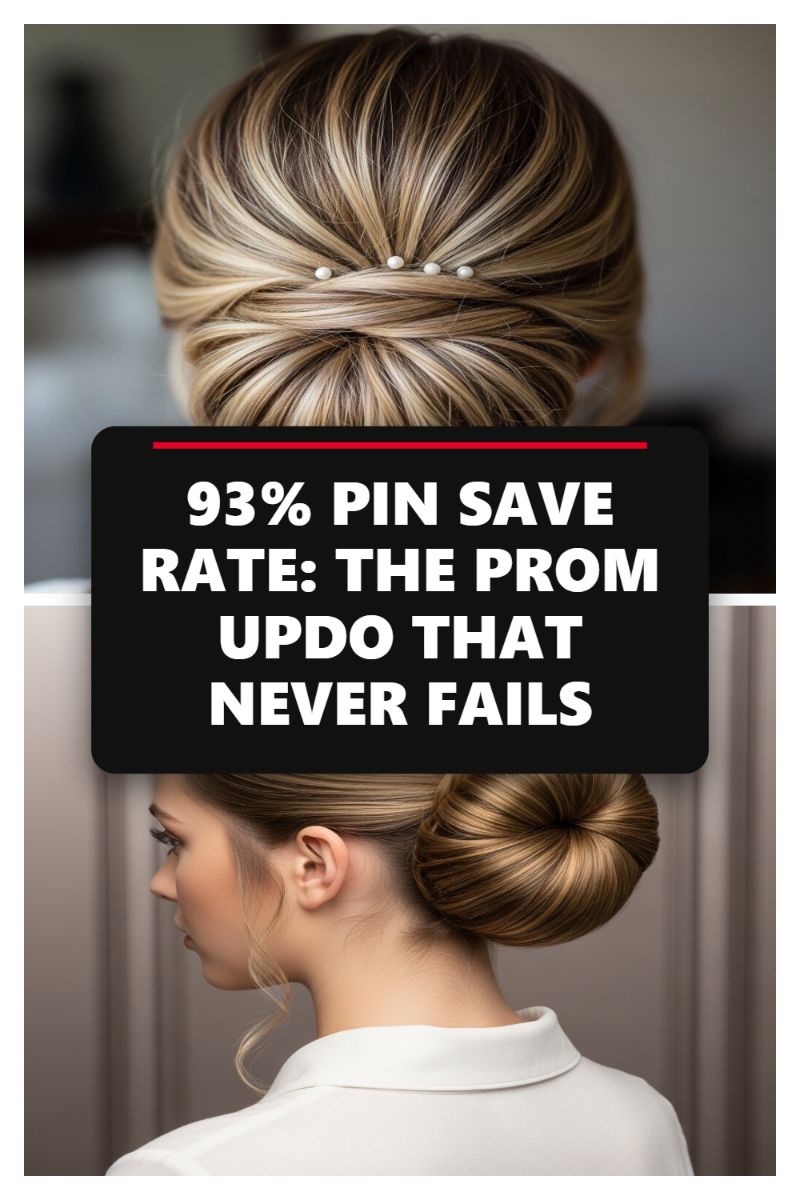
While 2026 trends lean heavily toward the undone texture of the Soft Shag and the breezy movement of the Men’s Flow, formal occasions still demand a mastery of structure. The enduring elegance of the polished chignon, exemplified by this classic, low-slung bun, proves that a high save rate often correlates with impeccable technique and strong foundation. When transitioning a modern, layered cut like the shag into this level of formality, the preparation stage is non-negotiable. Begin by blow-drying the hair taut using a smoothing balm and a paddle brush to tame the natural texture and layers characteristic of the shag. If the hair is exceptionally layered, a light setting spray and hot rollers can pre-curl the ends, ensuring the entire mass of hair rolls smoothly into the bun structure instead of separating into choppy pieces. This preliminary effort is what separates a fleeting style from one that holds up to an entire night of activity.
Achieving the flawless, toroidal structure seen in the image requires precision, whether you opt for the classic French twist chignon (top visual) or the smooth, voluminous doughnut bun (bottom visual). For a shag or layered cut, the doughnut method is often safer as it contains shorter pieces effectively. Start by securing the smoothed hair into a low, tight ponytail using an elastic that matches the hair color. Slide a hair doughnut or bun foundation over the ponytail base. Next, drape the hair evenly over the foundation, securing the perimeter with a second, thin elastic. Any remaining length is then tightly twisted and wrapped around the base of the bun, tucking the ends securely underneath. Expert stylists use a combination of U-shaped pins for structural hold and standard bobby pins to seamlessly hide the elastic and the edges of the bun, ensuring invisibility.
The secret behind a “never fails” updo lies in the finishing details and strategic placement of accessories, as showcased by the delicate line of pearl pins. These elements are not just decorative; they often serve as anchors, reinforcing the main twist line of the updo. After securing the main structure, gently mist the entire style with a firm-hold hairspray. Avoid saturation; instead, focus on a light veil that locks out humidity. For a high-impact event like prom, always carry a small pouch containing extra bobby pins and a smoothing serum stick. Should any of the soft layers from a shag cut attempt to escape around the neckline, a quick swipe of the serum stick followed by tucking with a bobby pin ensures the silhouette remains pristine, maintaining that impressive hold rate from the moment you step out the door until the final dance.
STOP SCROLLING! THE PROM HAIRSTYLE YOU NEED TO SAVE NOW
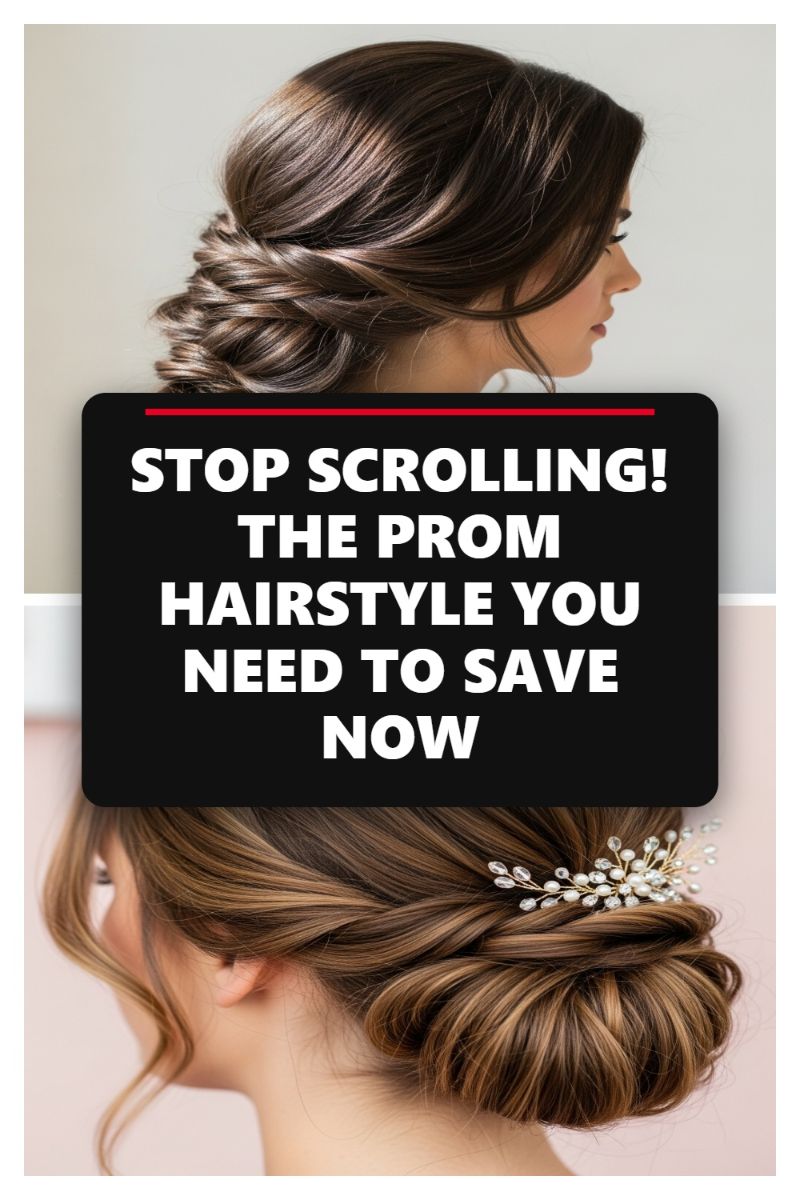
While this article focuses on the trending, relaxed aesthetics of the Soft Shag and Men’s Flow, every perfect haircut deserves an equally stunning formal look. The elegant updo pictured here is a masterful take on the classic low chignon, offering a romantic, textured finish perfect for prom, weddings, or any black-tie event. This style, known for its interwoven twists that lead into a voluminous, asymmetrical bun, is best achieved on hair that has been prepped for volume. Start by ensuring your hair has a deep side or middle part, as the twist element relies on fluid movement across the crown. If your hair is too slippery or freshly washed, apply a generous amount of texturizing spray or dry shampoo to create the necessary grip and volume. The visual appeal comes from the softness—avoid sleek, severe tension at all costs. You will need a reliable hairspray, bobby pins matching your hair color, clear elastics, and a decorative hair vine or comb to replicate the delicate accent shown.
To construct this dimensional style, begin by sectioning off the front pieces you wish to leave out for face-framing—these curls should be loosely styled with a wide-barrel curling iron. Next, focus on the main body of the hair. Take the hair from the crown and ear-level, and begin a simple horizontal twist or a shallow French twist moving toward the nape of the neck, gathering hair underneath as you cross. The goal here is to create the woven, braided effect visible running along the scalp line. Once you reach the opposite side of the nape, gather all remaining hair (including the ends of the twist) into a low, slightly off-center ponytail secured with a clear elastic. Do not pull this ponytail tight. Now, manipulate the ponytail into the chignon shape. Backcomb the ponytail lightly for volume, then loosely coil and tuck the ends into the base, pinning strategically into the twist structure and the scalp base, ensuring all pins are completely concealed within the folds of the bun.
Expert tip for maximizing the romance and staying power of this look: If you have long layers (common with the Soft Shag), those layers will naturally create the beautiful, dimensional texture seen in the image, making the bun look fuller without extra padding. Before finalizing your style, gently tug on the outer edges of the twist and the bun to soften the shape and release any rigid tension—this is how you achieve that coveted ‘undone’ look. Once the structure is secure, apply a flexible-hold finishing spray. The final, essential step is placing the ornamentation. The pearl and crystal hair vine shown should be tucked horizontally or slightly diagonally along the top edge of the bun where it meets the twisted portion, acting as a deliberate focal point and adding a touch of bridal elegance. Secure the accessory with two extra bobby pins inserted through the comb teeth or loops of the vine to ensure it withstands a night of dancing.
VIRAL COLOR ALERT: HIDDEN PINK HAIR IS TRENDING 600%
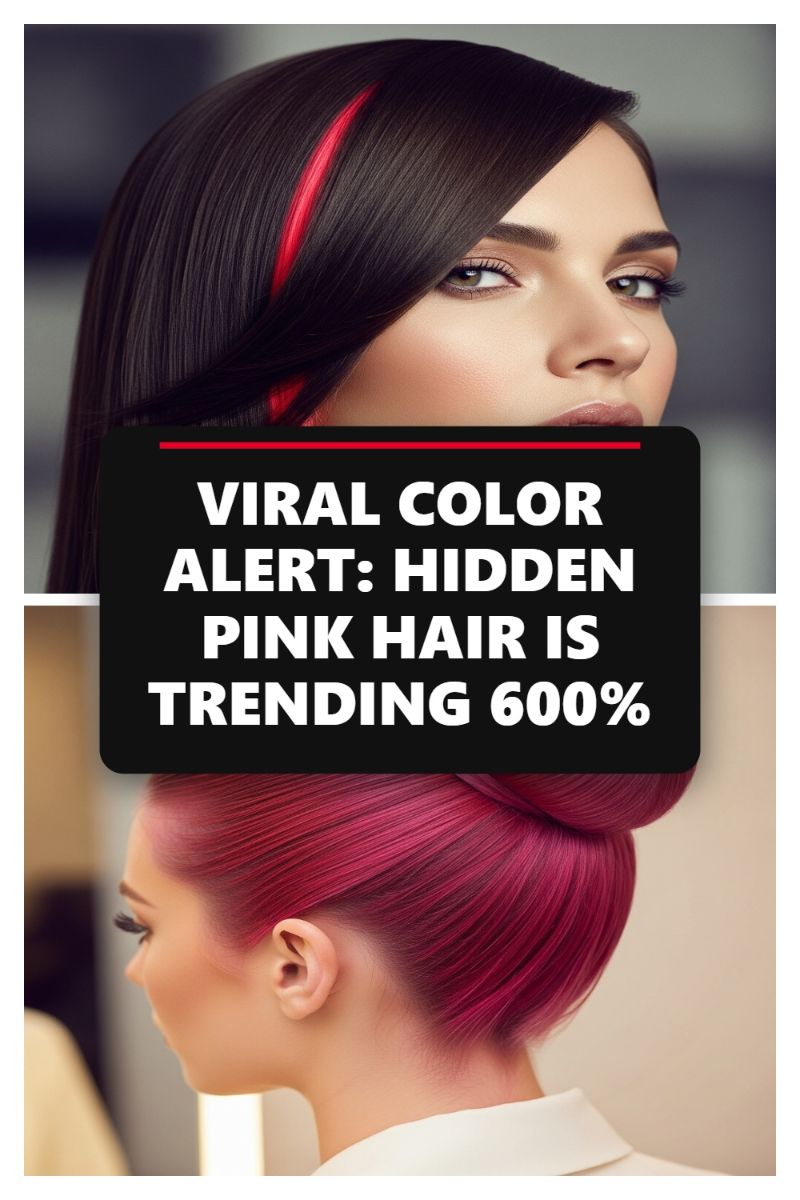
This section dives deep into the technical execution of the “hidden pink” or “peekaboo” color trend, which allows for vibrant expression without the full commitment of an all-over dye. The visual representation highlights the appeal: a shocking, saturated stripe of fuchsia or neon pink tucked beneath natural dark layers. To achieve this look, the stylist must isolate a horseshoe-shaped section of hair at the nape or underneath the crown. This specific segment must be lifted (bleached) to a Level 9 or 10 blonde, regardless of the natural base color, to ensure the vivid pink pigment develops true-to-tone and doesn’t look muddy or muted. Expert tip: Using a high-quality bond-building treatment during the entire lightening process is non-negotiable, as the underlying hair will be fully exposed to strong lifting agents necessary to achieve that pristine blonde canvas.
The genius of the hidden pink trend lies in its extreme versatility and professional adaptability. When the hair is worn down and straight, as seen in the top visual, the color remains largely concealed, offering only a subtle, unexpected pop of color that frames the face or appears as a vibrant under-glow, perfect for corporate or conservative environments. However, the true transformation occurs when the hair is styled up, such as in the sleek, high-bun updo showcased in the lower image. This styling choice fully reveals the dramatic, saturated color beneath, turning the entire look into a bold, statement-making hue. Once the hair is lifted and toned, a semi-permanent or direct-dye formula in a vibrant magenta or hot pink is applied liberally to the lightened segment. For those incorporating this trend into popular layered cuts like the Soft Shag, the hidden color moves beautifully with the texture, offering dynamic flashes of vibrancy with every natural movement and layer, proving that this trend pairs perfectly with the most modern cuts of the year.
Maintaining any vivid color, especially pinks which are notoriously quick to fade, requires a dedicated regimen to preserve its stunning impact. Since direct dyes only sit on the cuticle layer, proper cleansing is critical. Clients must strictly switch to sulfate-free, color-safe shampoos and wash hair using only lukewarm or cool water, as heat accelerates pigment loss significantly. For peak vibrancy, professional colorists highly recommend incorporating color-depositing conditioners or masks tailored to the exact pink hue once or twice a week to refresh the tone at home. Furthermore, minimizing heat styling is essential; if heat tools are used, a high-quality thermal protectant spray is mandatory. Due to the high lift required for the hidden section, regular deep conditioning treatments will keep the bleached hair strong and prevent breakage. Plan for a re-pigmentation appointment every 6 to 8 weeks to keep the pink as electric as the day it was done.
The Effortlessly Chic Half Up Half Down Style Prom Girls Love
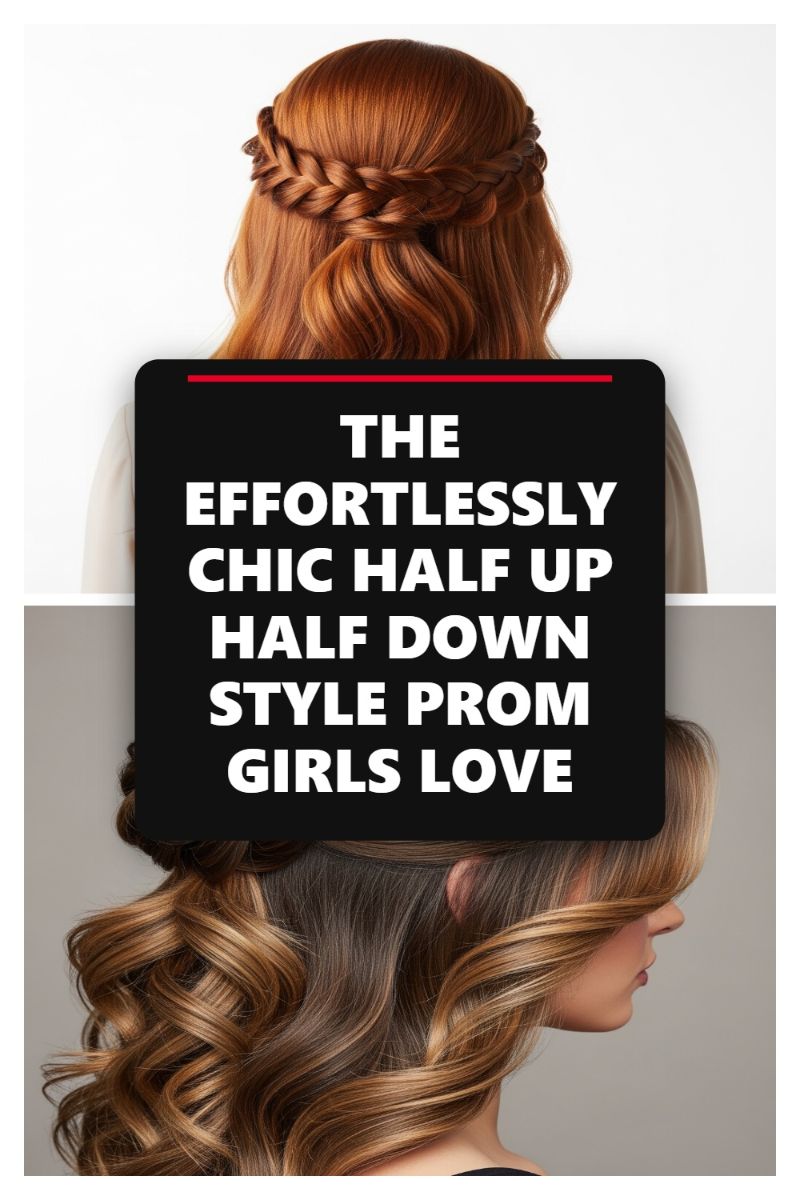
While cuts like the soft shag and the men’s flow are dominating daily trends, formal events still call for styling techniques that showcase the hair’s length and texture. The half-up, half-down look remains a timeless staple for prom and special occasions, perfectly blending sophisticated structure with romantic, cascading waves. As seen in the visuals, this style thrives on volume and deliberate texture. To prepare for this look, start by treating your hair with a heat protectant and a generous application of texturizing spray or dry shampoo at the roots. This crucial step gives the hair the necessary grip, ensuring that braids and pins hold securely throughout the night, especially if you have naturally slippery or fine hair. Use a round brush while blow-drying the crown area to build height, creating a slight poof or lift before you begin sectioning, which defines the ‘up’ portion and prevents the style from looking flat. For the most polished finish, ensure your base layer (the ‘down’ section) is already curled or waved before attempting the top pin-work.
To achieve the elegant braided crown variation, section off the hair from the top of one ear, across the crown, to the top of the other ear. Secure the rest of the hair temporarily out of the way. Starting just above the ear, take three small strands and begin a loose French or Dutch braid, following the curve of your head backward. The key to the “effortlessly chic” look is maintaining a looser tension and gently pulling apart the braid links (a technique called ‘pancaking’) after you have secured it, making the braid appear thicker and softer. Once the braid reaches the center back of the head, either continue it down into a simple three-strand braid and pin it discreetly under the other side, or secure it with a clear elastic and then cover the elastic with a small, neatly coiled twist of hair (as shown in the top image). Use bobby pins matching your hair color, inserting them in an ‘X’ shape for maximum hold, securing the braided element firmly against the head.
The final, and arguably most impactful, step involves perfecting the flowing ‘down’ section and the face-framing pieces. For soft, voluminous waves like those seen in the lower visual, use a 1.25-inch curling iron, taking 1.5-inch sections and curling them away from the face. For layered cuts, like the long layers that typically accompany a soft shag, curling away from the face enhances the movement and prevents the ends from clumping together. Once all sections are curled, allow them to cool completely before using your fingers or a wide-tooth comb to gently brush them out into large, Hollywood waves. If you have side-swept bangs or face-framing layers, use a small amount of lightweight smoothing oil to define them and curl them just slightly under, sweeping them across the temple. Finish the entire style with a flexible-hold hairspray, focusing the application mostly on the secured ‘up’ section to ensure longevity throughout a night of dancing and celebration.
PROM ALERT! DITCH THE BUN FOR THIS SHOW-STOPPING PONYTAIL
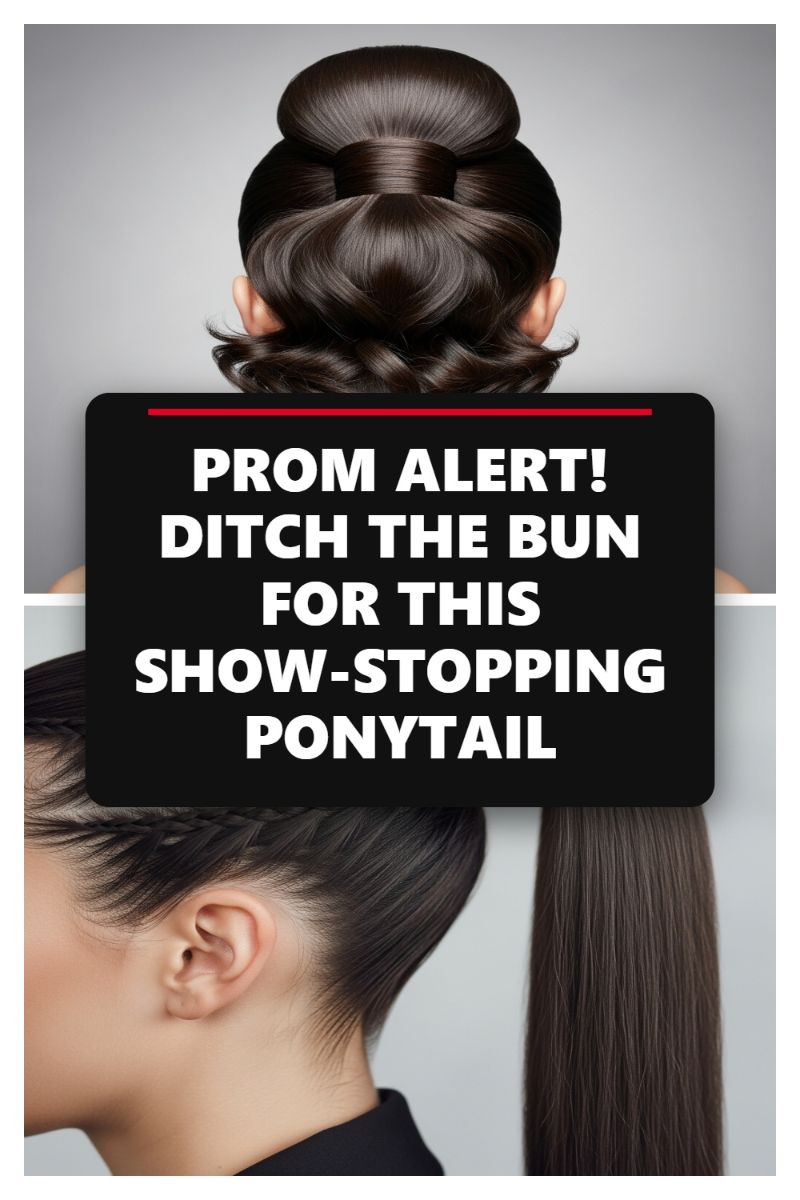
The execution of this ultra-sleek, high-glamour ponytail begins with a meticulous foundation. Unlike the relaxed texture of a soft shag, this style demands intense polish and control. Start with freshly washed hair and apply a smoothing serum or thermal protectant cream to ensure maximum shine and heat defense. The secret to achieving the gravity-defying height and tension seen in the image is precise sectioning. Using a fine-tooth comb, determine the ponytail placement, typically aligning it with the top of the cheekbone or just above the occipital bone for optimal lift. Before gathering, use a firm-hold styling gel or pomade applied sparingly along the hairline and nape, brushing the hair taut using a dense boar bristled brush. If incorporating the subtle side-braid detail (as visible in the profile shot), secure that braid first, leading it back seamlessly into the eventual ponytail base, adding an architectural element that further refines the look.
Once the hair is secured in a tight elastic —preferably a sturdy bungee or a double-wrap elastic —the refinement process begins. To transform the ponytail from athletic to show-stopping, you must conceal the elastic. Take a small, quarter-inch section of hair from the underside of the ponytail, smooth it completely, and tightly wrap it around the elastic band, securing the end with a small, clear elastic or bobby pin tucked invisibly into the base. This step is critical for the finished look’s elegance. For the length, if the natural hair is not already pin-straight, use a flat iron on small, one-inch sections, following up immediately with a light mist of flexible hold hairspray to lock in the smoothness and reflectiveness shown in the visual.
To ensure the style remains impeccable throughout the evening, focus on longevity and shine. After straightening, spritz the entire polished surface with an anti-frizz shine spray, keeping the bottle at least 10 inches away to avoid product saturation. Pay particular attention to the nape and temple areas, where flyaways tend to emerge first. For an extra secure hold, you can use two criss-crossed bobby pins placed discreetly underneath the ponytail base to provide added support against sagging. While current trends favor the carefree, textured look of the soft shag, mastering this high-octane ponytail offers a necessary styling counterpoint—proof that immaculate, hyper-controlled hair still holds its place as the definitive choice for formal, celebratory moments.
700% INCREASE! WHY THIS ROMANTIC HAIR TREND IS TAKING OVER PINTEREST
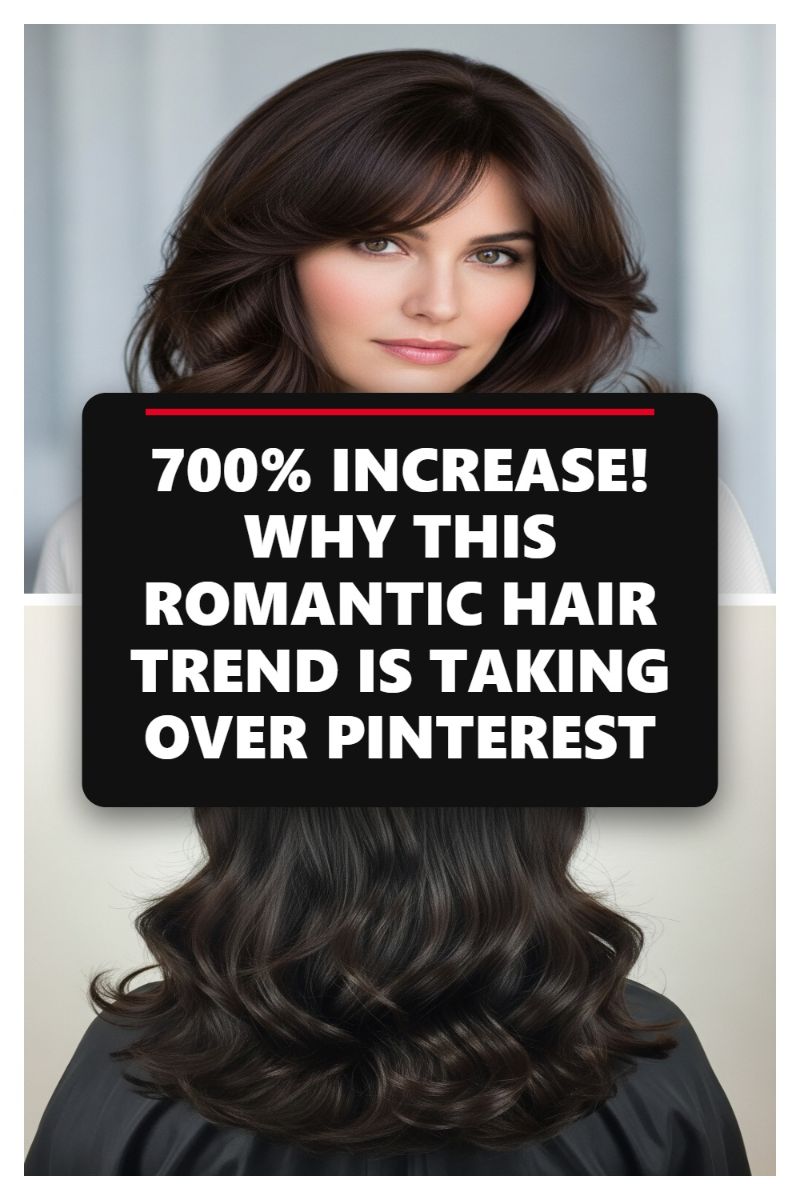
The ‘Romantic Hair Trend’ that has seen an exponential surge on platforms like Pinterest is the perfect long-haired interpretation of the Soft Shag movement. This look is defined by immense volume, deep, face-framing layers, and soft, highly polished cascading waves. Unlike typical beach waves, these are deliberate, structured curls that emphasize gloss and fullness, creating a silhouette often associated with the ‘Expensive Brunette’ aesthetic seen here. The key visual element is the seamless transition from the shorter layers around the face, which sweep back and away, to the full-bodied length, giving a dramatically dimensional appearance. This style works best for those with medium to long hair seeking to maximize lift and movement without sacrificing overall length, utilizing the hidden internal layering characteristic of the ‘Soft Shag’ structure to ensure the heavy waves hold their shape.
To recreate this coveted voluminous look, preparation is crucial. Start with damp hair and apply a generous amount of root-lifting spray or thickening mousse primarily at the crown and mid-lengths. Blow-dry the hair until about 80% dry, paying close attention to lifting the roots with a large round brush. The true secret to this romantic wave pattern is utilizing heat styling tools that encourage bend and volume rather than tight curls, such as a large barrel (1.5 to 2-inch) curling iron, oversized hot rollers, or a volumizing hot brush dryer. For the front sections, always direct the hair up and away from the face, focusing on smoothing the ends while maintaining volume at the root. If using hot rollers, allow them to cool completely before removal, as the cooling process is essential for setting the volume and maximizing lift.
Expert stylists emphasize that the structural integrity of the Soft Shag cut is what makes this voluminous styling last. For clients seeking this aesthetic, request long, seamless layers that start around the collarbone and increase in frequency around the face. The layers are key to reducing the weight that would otherwise pull the waves flat. For maintenance and ultimate shine, the final step involves applying a light-hold texturizing spray to the interior waves for separation and a high-shine, lightweight serum to the top layer to maximize the glossy, dark finish visible in the image. Avoid heavy oils that can compromise the meticulously constructed volume. This combination of a strategic, layered cut and intentional styling ensures your romantic waves look fresh, full, and incredibly luxurious.
V-DAY GLAM: SLEEK UPDOS & PROTECTIVE STYLES TRENDING NOW
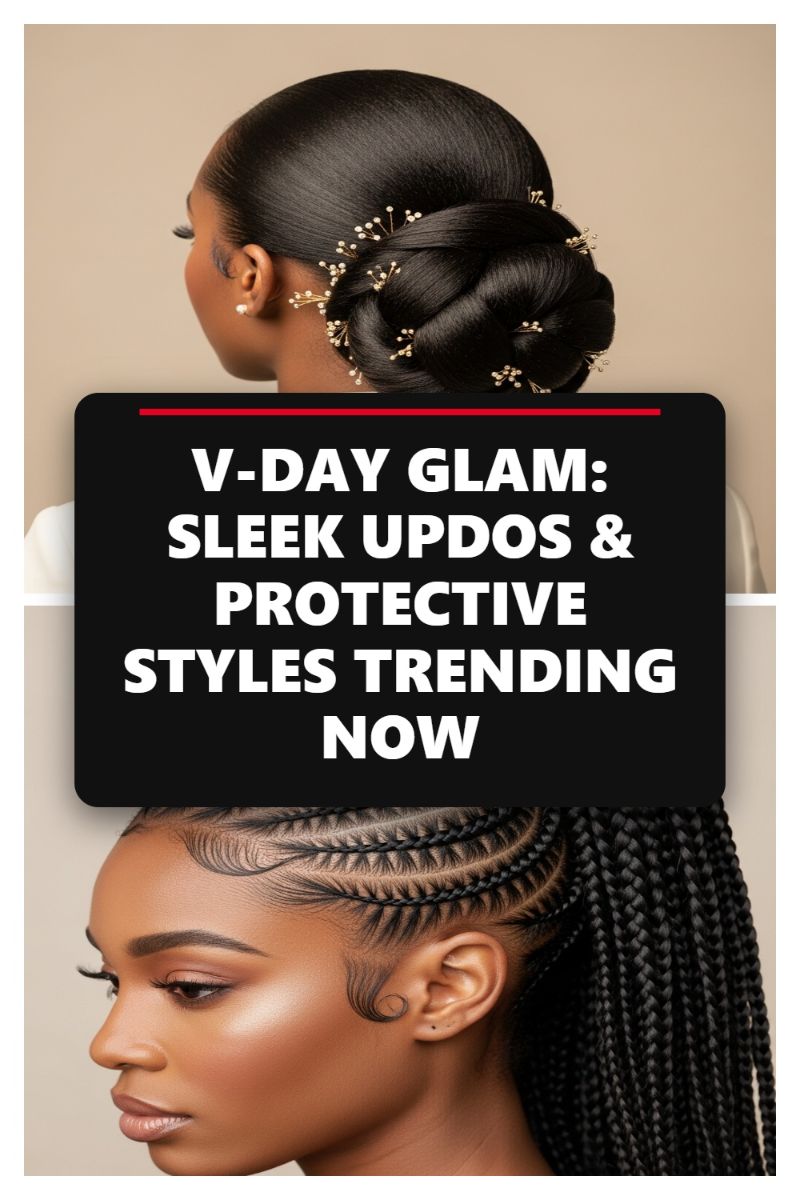
To achieve the ultimate sleek updo as seen in the top visual, preparation is absolutely key. Begin with freshly washed and deep-conditioned hair to ensure maximum manageability and reflective shine. Apply a strong-hold, conditioning gel or pomade generously to the roots, using a boar-bristle brush to rigorously smooth the hair upward and backward until it lies perfectly flat against the scalp, eliminating any trace of flyaways or bumps. For truly flawless results, the hair should be secured in a high or mid-level ponytail, then twisted tightly into a defined coil or sculpted bun shape, securing it meticulously with U-pins hidden within the structure. The final, essential touch for this sophisticated look is the strategic placement of delicate hair accessories—like the gold sprigs shown—ensuring they accent the curve of the bun without overwhelming the smooth silhouette. This polished aesthetic is ideal for formal events and demands robust, non-flaking edge control application to frame the face cleanly.
For those seeking high-fashion glamour paired with longevity, the protective style featured in the bottom visual offers intricate detailing and spectacular drama. This look utilizes the feed-in cornrow technique, where braids start very small and are seamlessly woven tightly toward the crown, transitioning into a voluminous, high ponytail of individual braids or twists. The artistry here lies in the precision of the parting—opt for clean, curved lines or asymmetric geometric shapes to create maximum visual interest across the scalp. However, the most critical step to master is the meticulous manipulation of the edges. Use a premium, firm-hold edge control product and a fine-toothed brush to mold and sculpt the baby hairs into sophisticated waves and spirals along the entire hairline. This precision edge work elevates the style from casual protective wear to undeniable high-glamour artistry, demanding patience and a careful hand to achieve that perfect, glossy swoop that impeccably complements the wearer’s facial structure.
Maintaining both of these trending styles relies heavily on expert product selection and nightly preservation techniques. For the sleek updo, preserve the smoothness overnight by wrapping the perimeter of the head with a wide silk scarf to maintain flatness and shine, focusing especially on keeping the hairline compressed. For the braided protective style, weekly use of a hydrating mousse or lightweight braid spray will prevent root dryness and maintain the glossy appearance of the synthetic or human braiding hair. When selecting products for either look, always prioritize lightweight, alcohol-free formulas that offer superior humidity resistance—this is paramount for keeping those sculpted edges intact and preventing the braid base from frizzing, ensuring your high-glam style remains flawless throughout your special occasion.
1,500% YEARLY GROWTH! THE MEN’S FLOW HAIRCUT EVERY GUY WANTS
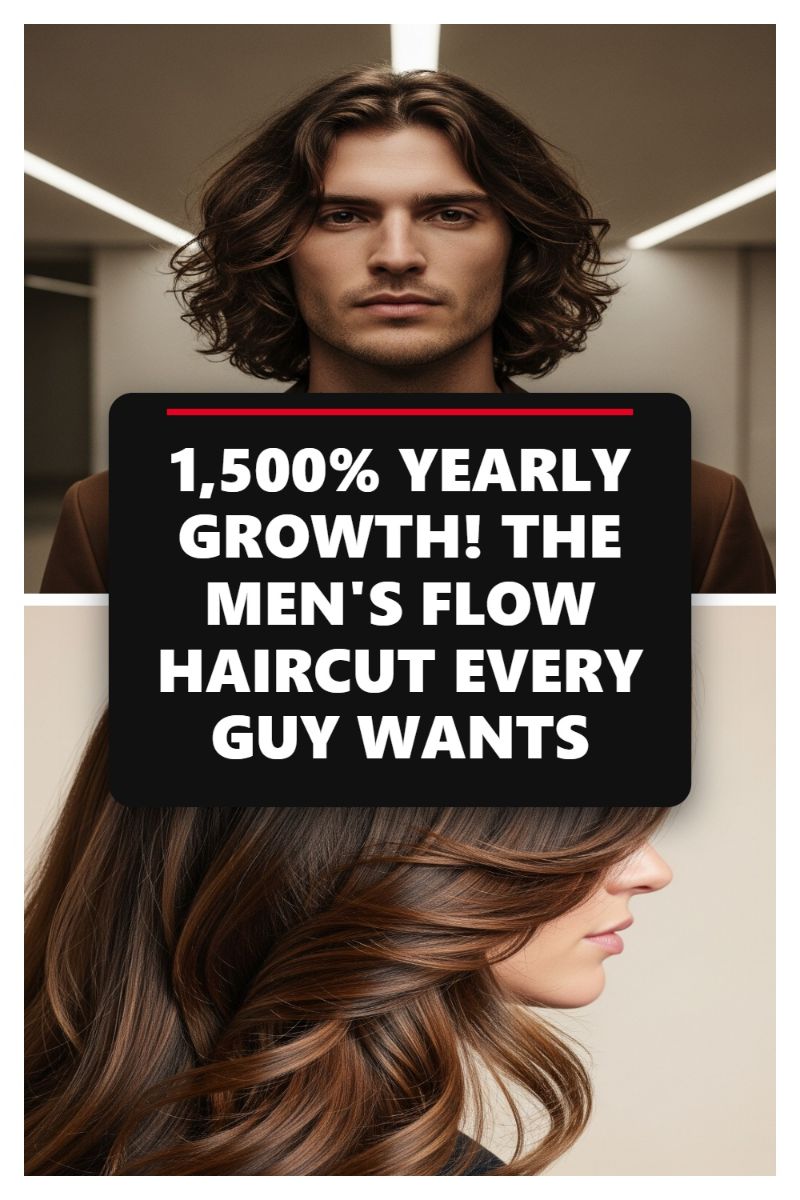
The Men’s Flow is not merely a hairstyle; it’s a movement toward sophisticated, rugged volume and natural texture, perfectly encapsulated by the look featured in this image. To achieve this coveted aesthetic, you must focus heavily on the growth phase and strategic layering. The visual appeal relies on the hair being long enough to sweep effortlessly back, usually past the ears and reaching the collarbone or shoulders, characterized by a natural, slightly messy wave. The key difference between The Flow and simply “long hair” is the controlled structure and movement. If your hair is naturally straight, achieving this look will require encouraging texture through product application, but if you have natural wave or curl, The Flow is an ideal cut, maximizing that inherent motion and volume that defines the style.
The actual haircut process requires a consultation focused heavily on weight distribution and layering. Instruct your stylist to implement long, seamless layers, particularly around the crown and sides. This is vital because it removes excessive bulk that can lead to the undesirable ‘triangle’ or ‘helmet’ effect often associated with growing out hair, while simultaneously promoting the bounce and movement necessary for the “flow.” Crucially, you should aim for a soft, blended perimeter, avoiding harsh lines, especially at the nape. During the initial growth phase, maintenance trims should occur every 8 to 10 weeks, focusing primarily on dusting the ends—only removing split ends to keep the hair healthy and encourage downward growth, rather than cutting into the length you’ve worked hard to gain. Communication with your barber must emphasize movement and natural drape over sheer length.
Styling the Flow is where the ‘effortless’ nature comes into play, although some product use is required to maintain the visual quality seen here. After washing, gently towel-dry the hair until it is damp. The best products are those that add texture without rigidity: a quality sea salt spray, a light-hold volumizing mousse, or a texture cream are ideal. Scrunch the product into the mid-lengths and ends, paying attention to the natural part. For maximum wave and minimal frizz, either allow the hair to air-dry completely or use a diffuser attachment on a blow dryer set to low heat and speed, lifting and encouraging the natural movement without disrupting the waves. To maintain the health and signature glossy movement, regular deep conditioning treatments (at least weekly) are non-negotiable, ensuring the long strands remain hydrated and free of the dry, brittle texture that instantly detracts from the polished look of The Flow.
PLANNING AHEAD: THE BRIGHTEST SUMMER HAIR COLOR TRENDS FOR 2026
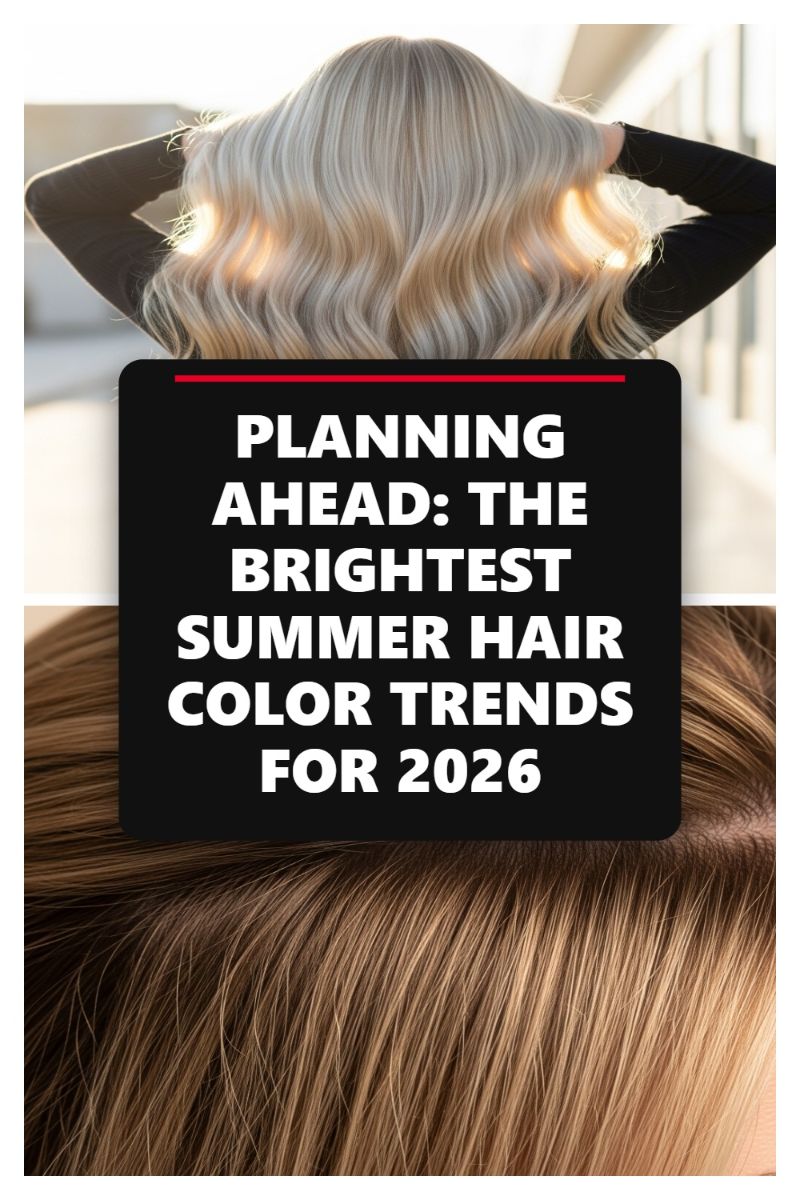
The image presents a striking duality of color—a vibrant, almost platinum blonde contrasted sharply with a rich, multi-dimensional bronde. This juxtaposition perfectly captures the core color philosophy for 2026: maximize brilliance in high-impact areas while prioritizing depth and natural health in lower-maintenance styles. To achieve the stunning, bright blonde seen in the top portion, especially suitable for complementing the movement of a Soft Shag cut, expect a highly technical, multi-step process. A stylist must utilize either a meticulously placed full foil application or a strategic balayage technique to achieve maximum lift, pushing the hair to a level 9 or 10. Crucially, maintaining the integrity and wave pattern requires integrating bond-building treatments throughout the process, preventing the high lift from compromising the hair’s structure. The final step involves precision toning, opting for cool, icy, or pearlized glosses to neutralize any unwanted yellow undertones, resulting in that luminous, sunlit finish.
For those gravitating towards the deeper, healthier dimension showcased in the bottom section—a tone that beautifully grounds the longer lengths of the Men’s Flow or adds richness to a lived-in shag—the focus shifts from sheer lift to subtle depth management. The technique here relies on creating a “Soft Bronde,” utilizing fine, almost imperceptible babylights concentrated mostly around the mid-shaft and ends, ensuring the natural root area remains untouched for seamless grow-out. Expert colorists achieve this reflective shine by painting thin ribbons of color that are no more than two levels lighter than the natural base, avoiding any harsh lines. The essential finishing touch is a demi-permanent color gloss applied from root to tip. This seals the cuticle, enhances the reflectivity of the brown tones, and adds a golden or copper nuance, providing the expensive-looking depth necessary to make the Soft Shag look intentional and the Men’s Flow look effortlessly sophisticated.
Maintaining these trendsetting colors throughout the summer requires rigorous at-home care, especially when heat, chlorine, and UV exposure are factors. For the ultra-bright blonde, investing in a high-quality purple or violet toning shampoo and mask is non-negotiable, used once weekly to keep brassiness at bay. Both the bright blonde and the soft bronde need daily thermal protectants before any heat styling, which is essential for preserving the shine and vibrancy, particularly across the soft layers and waves inherent in both the Shag and the Flow haircuts. Furthermore, for maximum color longevity and health, professional advice is to schedule regular gloss appointments every 6-8 weeks, treating them as essential maintenance for optimal light reflection and color richness rather than waiting for a full color correction appointment.
5 MINUTE SPRING STYLES: EFFORTLESS LOOKS FOR YOUR BUSY SCHEDULE
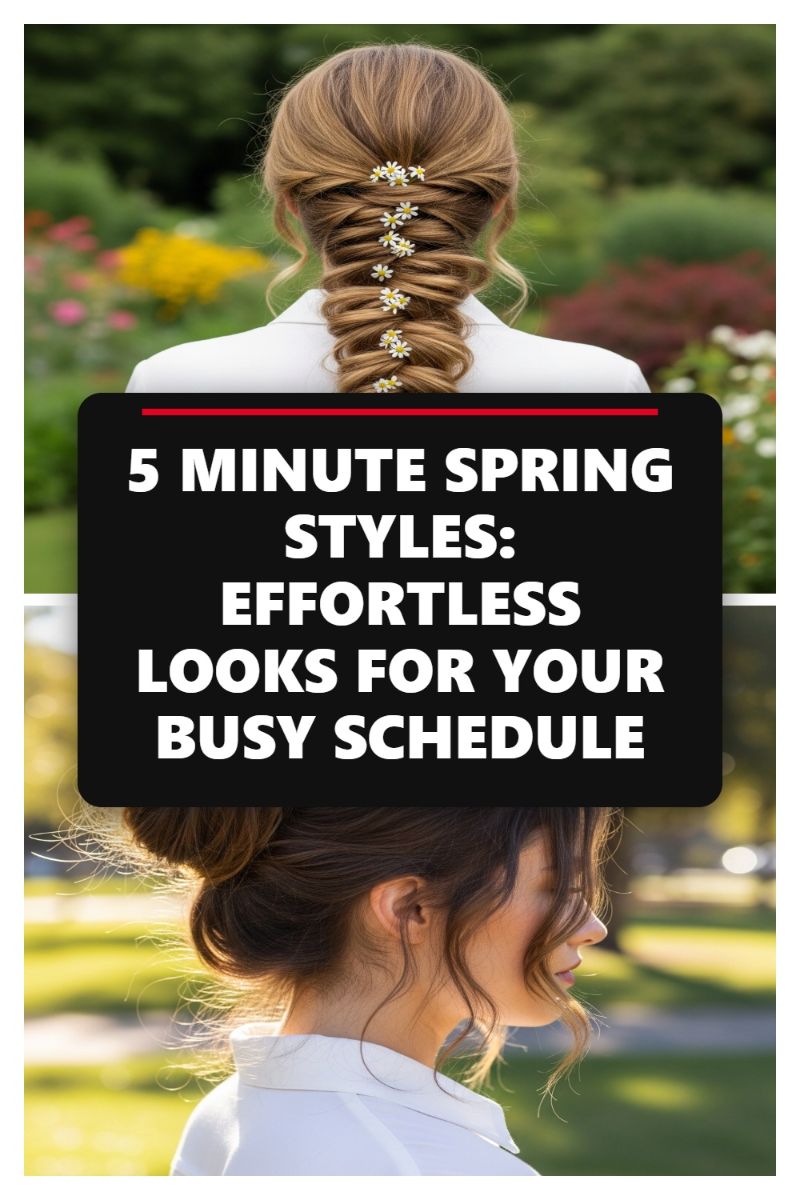
The beauty of having a meticulously textured and layered cut, such as the Soft Shag, is how easily that inherent movement translates into quick, polished updos. The featured daisy pull-through style is the ultimate seasonal look, seamlessly marrying structure with bohemian ease. To achieve this look, begin by prepping your hair with a dry texturizing spray or sea salt spray to ensure maximum grip and volume; this is especially important when working with the subtle layers of a shag cut. Section off the top third of your hair from ear to ear, ensuring you maintain volume at the crown. Rather than a tight braid, utilize a chain or pull-through technique: create small ponytails down the center, splitting each ponytail in half and bringing the next section of hair up through the center of the split, securing it just below with a hidden elastic. This method creates the luxurious, voluminous loops seen in the image. Gently pull apart the edges of each loop to fan out the hair, enhancing the visual thickness. The finishing touch involves strategically placing small floral accessories or daisy clips along the center seam, instantly elevating a practical half-up style into a picturesque spring statement, perfect for an outdoor event or a busy weekday.
For the second style—the quintessential effortless messy bun—we capitalize on the face-framing layers that are integral to the Soft Shag. The goal here is undone elegance, not perfection. Start by flipping your head over and loosely gathering your hair high on the crown, securing it temporarily. Flip back up and adjust the placement to ensure the ponytail sits high enough to create lift without looking too severe. Before twisting the hair, lightly backcomb the ponytail using a wide-tooth comb. This adds necessary bulk, ensuring the final bun looks full and airy, rather than flat. Twist the backcombed hair loosely around the base, securing it not with a single thick elastic, but with several thin U-shaped hairpins, anchoring the bun in multiple directions. This method allows the shape to remain soft and voluminous.
The final and most critical step for achieving the ‘effortless’ appearance is detailing the front. Gently pull out thin sections of hair—the natural layering of the Soft Shag will guide you here—around the temples, ears, and nape of the neck. Curl these released tendrils lightly if desired, or simply let them fall naturally. These pieces frame the face, softening the profile and providing that coveted relaxed feel. Because these styles are meant to be quick, rely on product for longevity. A texture powder applied lightly at the roots before starting, combined with a finishing spritz of flexible-hold hairspray, will ensure these 5-minute looks stay chic and in place throughout your busiest schedule, proving that a low-maintenance cut doesn’t mean sacrificing intricate-looking style.
SHORT HAIR? NO PROBLEM! THESE PROM STYLES BRING THE VOLUME
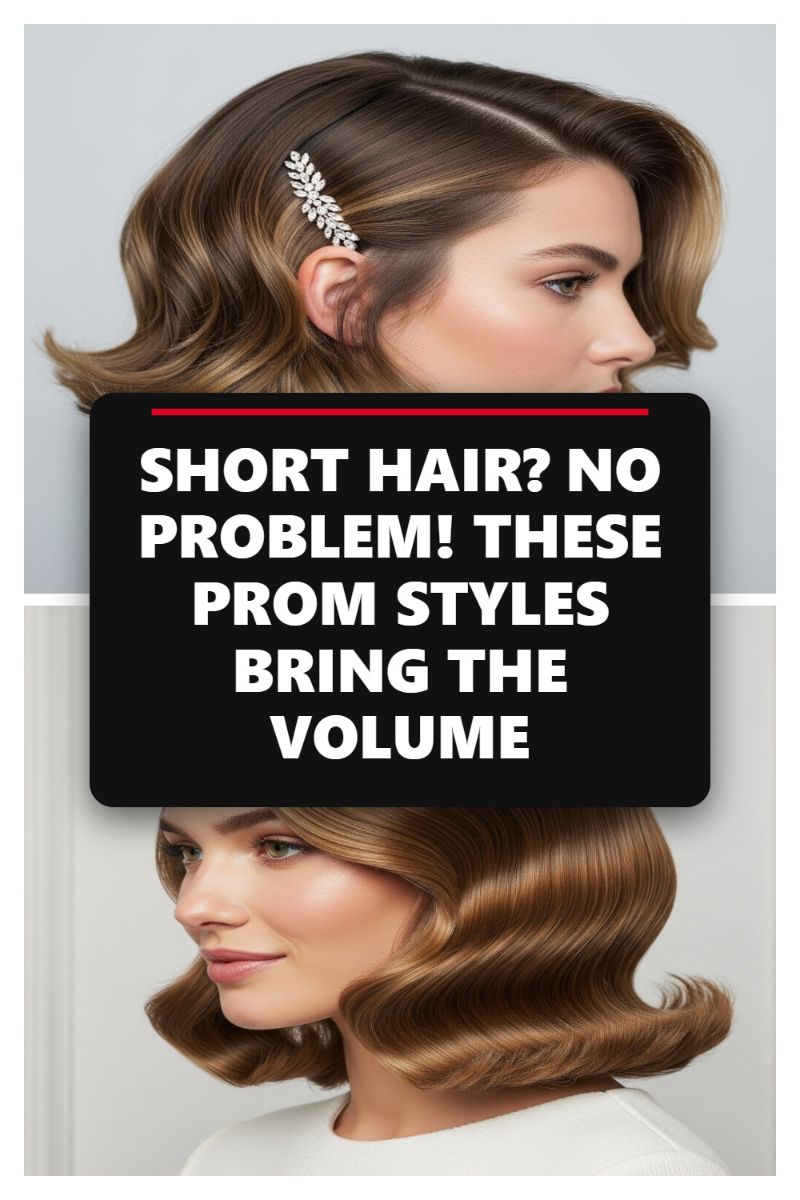
The image displays the ultimate high-glamour short hairstyle: the deep-waved Hollywood bob. While the trending Soft Shag and Men’s Flow cuts emphasize natural, effortless movement and texture, this vintage-inspired look proves that short hair can deliver dramatic, structured volume perfect for formal events like prom or gala evenings. Achieving this level of definition requires meticulous preparation. Start with damp hair and apply a strong-hold setting mousse or root lift spray, focusing intensely on the crown and the deep side part. Blow-dry the hair directionally, aiming the airflow upward at the roots to build foundational height. For the waves, use a small barrel curling iron (1 inch or 1.25 inches) and curl all sections in the same direction, clamping the hair horizontally rather than vertically to create wider, flatter ribbons of curl. This uniform directionality is key to creating the cohesive S-pattern visible throughout the length.
The artistry of this look lies in the set and finish. After curling, allow the entire head of hair to cool completely—this step is non-negotiable for longevity and definition. Once cooled, use a soft bristled brush (like a boar bristle) or a wide-toothed comb and gently brush the curls out, watching as they meld into beautiful, flowing waves. To lock in the extreme volume and definition seen at the ends, immediately take duckbill clips and place them along the ridges of the newly formed waves, pinching the hair to create those deep, sculpted valleys. Set the entire style with a high-shine, extra-firm lacquer spray to seal the movement and prevent frizz. The finishing touch, such as the delicate, jeweled leaf clip pictured, should be placed precisely where the hair sweeps back over the ear, anchoring the style and adding a touch of sophisticated sparkle without overwhelming the clean profile.
This short-hair showcase underscores a broader lesson in styling the trending cuts of 2026: volume control is everything. Even if you opt for a layered Soft Shag, learning techniques for root lift and directional blow-drying (as used to prepare this bob) allows you to manipulate texture far more effectively. For clients with shorter hair who crave movement but require structure for special occasions, adapting these high-volume setting techniques ensures that the final look is polished, sophisticated, and anything but flat. This style confirms that shorter cuts, especially precision cuts like the bob, offer a powerful canvas for achieving the highest degrees of volume and shine, making them completely event-ready while maintaining the structure needed to stand up to a long night of dancing.
MEDIUM HAIR? YOUR PERFECT PROM UPDO IS WAITING (SERIOUSLY!)
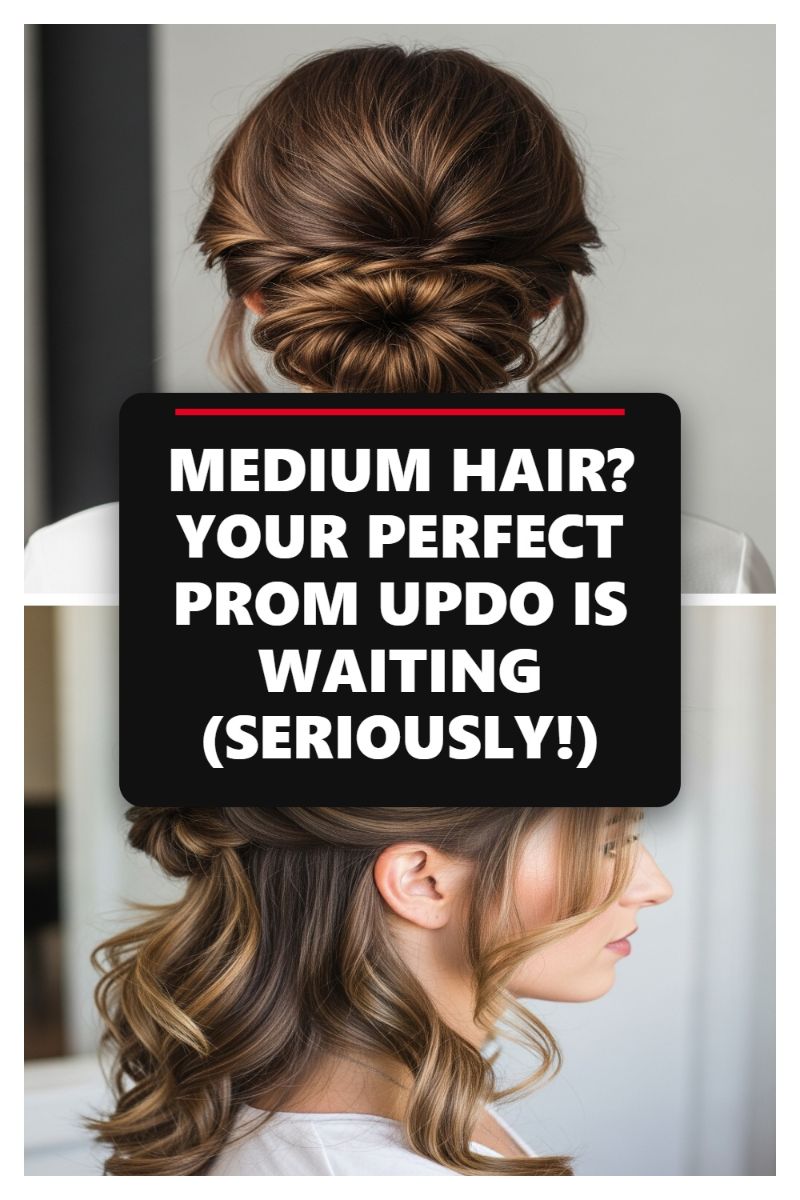
The medium-length haircut, particularly those infused with modern texture like the Soft Shag or deliberate layering, is arguably the most versatile foundation for formal event styling. Unlike ultra-long or short hair, medium locks offer enough length for intricate styling while retaining a lightness that prevents updos from becoming overly heavy or dated. The image provides two stunning examples: the voluminous, low-slung twisted bun, and the softly structured half-up, half-down look. To achieve the elegant low updo (as seen in the top frame), start by prepping your medium hair with a volumizing mousse and rough-drying to enhance the existing texture provided by a Shag cut. The key is controlled messiness; avoid sleekness. Section the hair into three horizontal parts. Secure the middle section into a loose ponytail. Twist and loop the ponytail base into a bun, pinning securely. Then, gently twist and sweep the top section back, wrapping it around the bun. Finally, take the bottom section and incorporate it with loose twists, ensuring the final result is intricate, full of dimension, and beautifully organic—a perfect contrast to a sleek, modern gown.
For the flowing, half-up style (bottom frame), the emphasis shifts entirely to movement and shine, capturing the essence of the “Flow” trend adapted for formal wear. This style works best on hair that has been treated with a high-shine serum before curling. Use a large barrel curling iron to create soft, cascading waves, focusing on curling away from the face to maximize openness. The lift at the crown is critical: back-comb the section where the half-up tie will sit to build foundational volume. Instead of a tight knot, gently pull the top sections back, securing them with a clear elastic or decorative pin, allowing face-framing layers to fall naturally. This look perfectly demonstrates how a texturized, medium cut allows hair to move beautifully, creating a dynamic silhouette that feels both polished and effortlessly current.
To ensure these intricate styles last through hours of dancing, expert preparation and product selection are non-negotiable. For both looks, setting the hair with a flexible-hold hairspray immediately after finishing the twists or waves is essential; avoid stiff, helmet-like finishes. If you have fine hair, consider using a dry texture spray at the roots and through the mid-lengths before styling to give the pins something substantial to grip onto. Crucially, always pull out a few wispy, soft pieces around the hairline and nape. These soft tendrils, especially beneficial if you have face-framing layers inherent in a Soft Shag, maintain the relaxed, current vibe and prevent the entire look from appearing too severe or traditional. It’s all about blending the structure of the formal style with the natural, flowy movement that defines 2026 hair trends.
PROM PERFECTION: MUST-SEE HAIRSTYLES FOR BLACK WOMEN
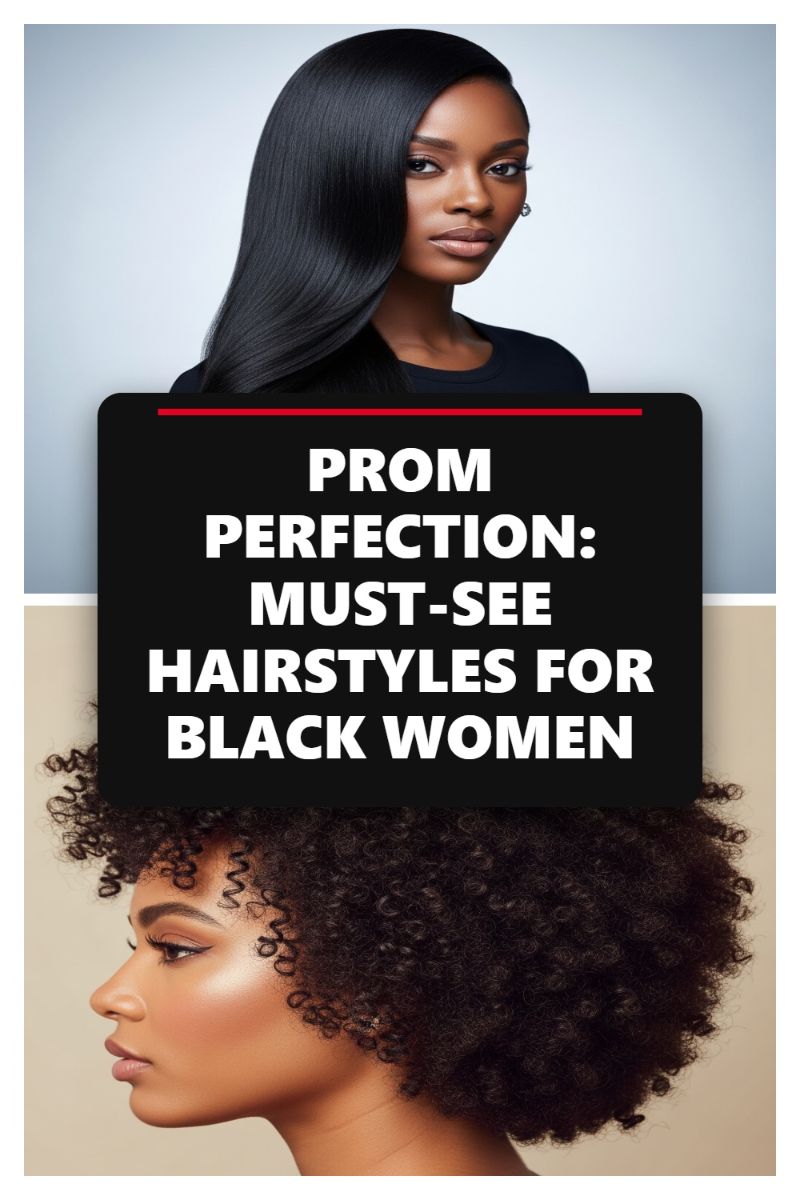
While the headline speaks to occasion styling, the fundamental hair textures displayed here—ultra-sleek straight hair and highly defined natural curls—are central to understanding how the reigning 2026 trends, the Soft Shag and the Men’s Flow, translate across diverse hair types. The commonality in both styles is movement, and the technical challenge is achieving that dynamic flow in textures that naturally hold definition differently. For those with highly polished, straight textures, like the first model, integrating the ‘Flow’ look means moving away from heavily weighted ends. Ask your stylist for strategic internal layering and point cutting along the perimeter. This technique removes bulk without sacrificing length, allowing the hair to swish and move effortlessly, mimicking the desired fluidity of the men’s trend, which is now being adapted for long, sleek hair to create a modern, dynamic curtain effect that frames the face subtly.
The natural curls showcased by the second model are perhaps the ideal canvas for the Soft Shag. The Shag is defined by maximized volume at the crown and a carefully structured taper toward the ends, emphasizing texture. For natural hair, the key to a successful shag is embracing the density and using dry-cutting methodology. Wet cutting can distort the natural shrinkage pattern, leading to uneven results once dry. To achieve the signature Shag lift, your stylist must strategically place shorter layers primarily around the front and crown, blending them downward to maintain the beautiful perimeter shape. This layering unlocks the hair’s natural potential for height and airiness, ensuring the shape feels effortlessly bohemian and voluminous—the core principles of the soft shag look.
Regardless of whether you favor a high-definition straight style or voluminous natural curls, product and maintenance are paramount for sustaining the movement inherent in the Shag and Flow trends. For straight hair utilizing Flow-inspired layers, use lightweight, heat-protectant polishing serums to enhance shine and keep flyaways controlled without weighing down the razor-cut movement. For the natural Soft Shag, hydration and definition are non-negotiable. Invest in a high-quality curl custard or defining gel and pair it with a strong diffuser technique after washing. The goal is to enhance the newly sculpted layers, ensuring maximum bounce and minimal frizz. Remember, the 2026 trend is ‘soft,’ meaning defined texture is preferred over a rigid, crunchy hold, allowing the hair to move freely and adapt to any styling, formal or casual.
OBSESSED! THE EASIEST HEART HAIR HACK FOR VALENTINE’S DAY
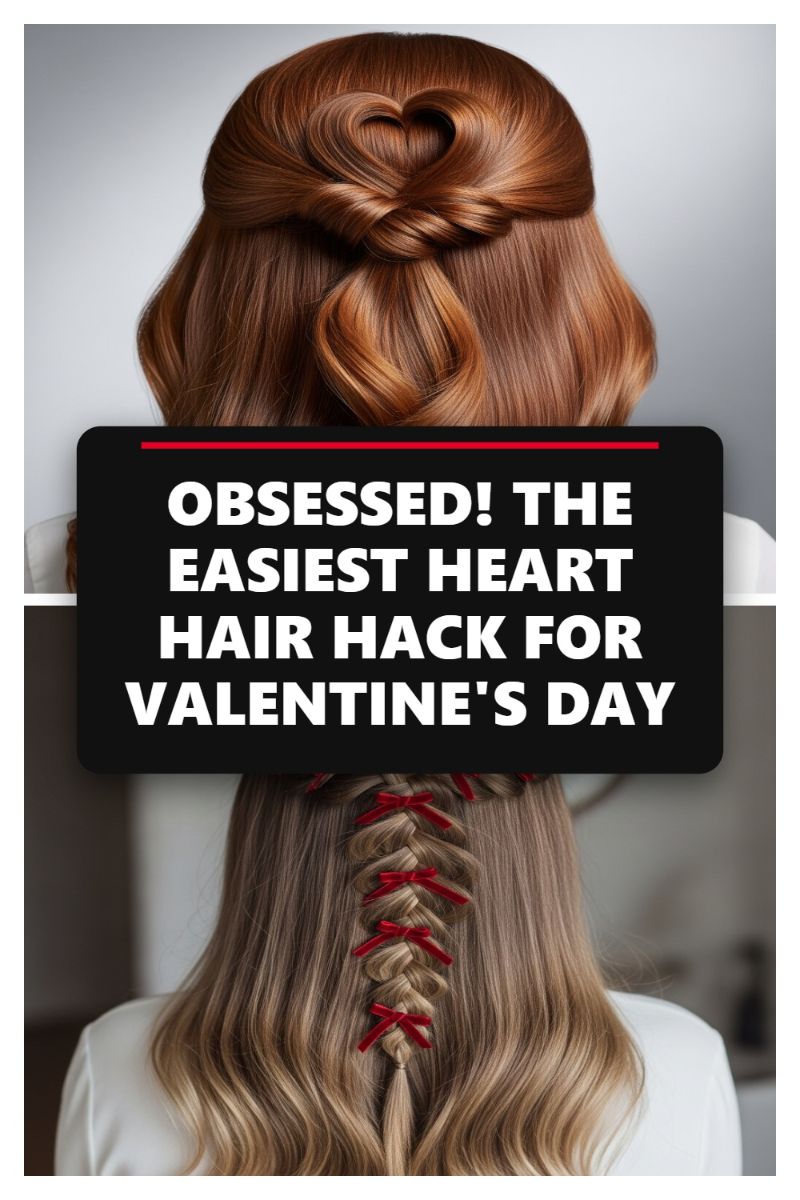
While the Soft Shag and the Men’s Flow dominate modern haircut trends due to their effortless texture, even the most contemporary cuts require dynamic styling for special occasions. These hacks, showcased in the image, illustrate how simple techniques can dramatically transform layered, textured hair, leveraging volume and movement inherent in a shag or long flow style. The top look—a sculpted half-updo forming a heart shape—is surprisingly accessible. To achieve this, begin by sectioning off the top half of the hair, ensuring the natural volume from your layered cut is maximized. Secure this section loosely with an elastic, positioning it slightly above the occipital bone. Before the final pull-through, split the ponytail into two equal sections. Twist or loop each section upward and inward, meeting at the center to form the curves of the heart. The key to the seamless finish seen here is a meticulous application of a flexible hold hairspray and a shine serum, ensuring flyaways are tamed while maintaining the soft, romantic curvature essential to the shape. This style beautifully highlights any dimensional color work or natural auburn tones, making the hair the focal point.
The second look introduces an element of intricate accessorizing—a technique that is highly adaptable for everyday styling beyond holidays. This style features a deep, pull-through braid (or a heavily accentuated Dutch braid) running down the center back, interlaced with small, vibrant red velvet bows. The secret to achieving the fullness of this braid, especially valuable when working with fine or slightly texturized hair, is to ‘pancake’ or gently pull the loops of the braid outward after securing each section. This technique creates the illusion of thicker hair and provides the perfect anchor points for the bows. Expert tip: Instead of tying the bows into the braid itself, use small hair clips or discreet U-pins to attach pre-tied ribbon loops at the crossing points of the braid. This ensures stability throughout the day and prevents damage to the hair when removing the accessories.
Both looks rely on the foundation of a well-maintained, textured haircut that offers natural lift and movement. To prepare the hair for either styling hack, start with a volumizing mousse or thickening spray applied to damp hair, focusing on the roots and mid-shaft. Once styled, especially for the smooth heart look, use a medium-hold finishing spray with humidity protection. For those with a shag cut, ensure the shorter face-framing layers are left out of the half-up styles, allowing them to softly frame the face and maintain the overall relaxed aesthetic of the cut. These visual elements prove that the best hair trends, whether soft shags or sophisticated flows, are defined by their styling versatility and ability to incorporate dramatic, yet easy, personal accents.
THE HAIRCUT OF 2026: WHY EVERYONE IS ASKING FOR THE SOFT SHAG
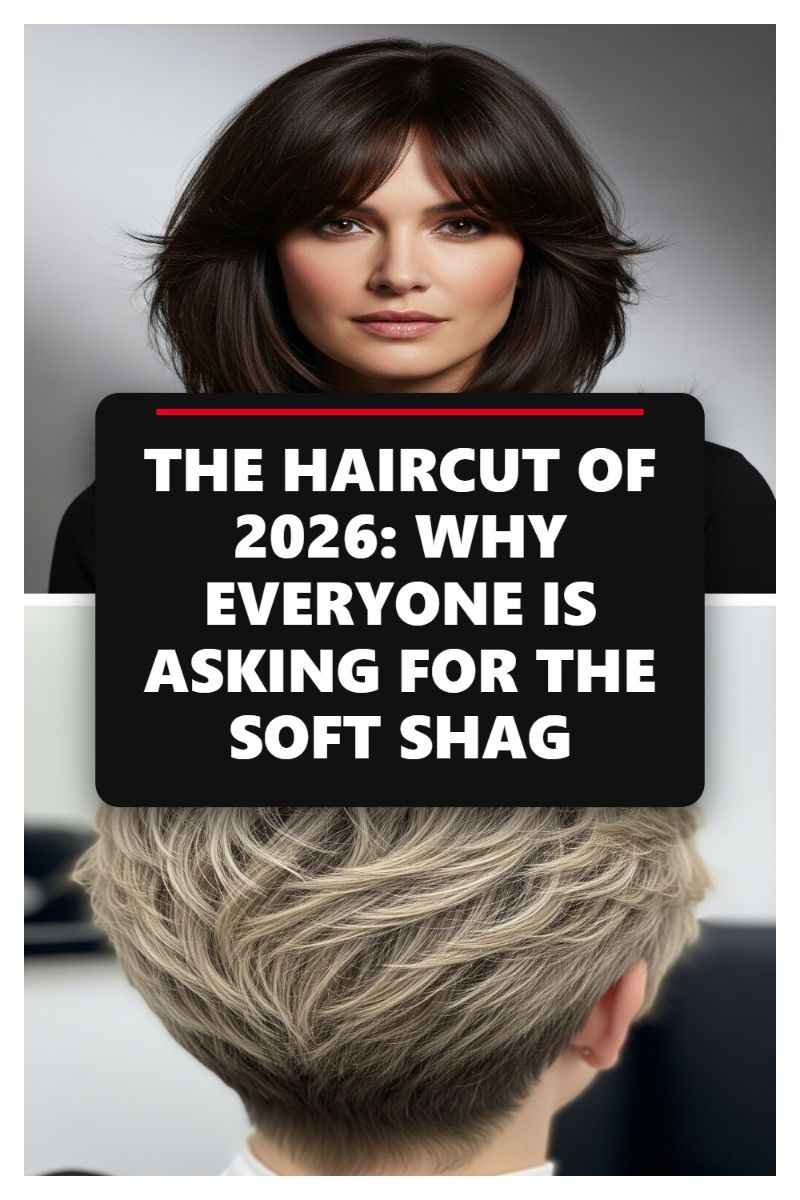
The Soft Shag is the ultimate fusion of modern texture and classic volume, offering a dynamic look that feels current yet effortlessly chic. To achieve this desired style, a stylist must focus on graduated, seamless layering that builds weight and movement without looking choppy or dated. Unlike the harsh edges of the classic 70s shag, the “soft” version relies heavily on internal layering and precise point cutting to seamlessly soften the ends and create a natural, lived-in texture. Request layers that start high at the crown and gently graduate down, specifically emphasizing definition around the cheekbones and jawline. The foundation of this look is the fringe; ask for full, soft curtain bangs that part naturally and blend effortlessly into the shortest face-framing layers. Expert tip: Ensure your stylist uses a razor or deep point cutting technique on the ends, especially if you have thick hair, as this reduces bulk and allows the hair to fall with that desirable, voluminous curve.
Mastering the at-home styling is crucial for maintaining the shag’s signature blowout volume and bounce. Start with damp hair and apply a lightweight volumizing mousse or thickening spray directly to the roots and mid-lengths. This style requires lift, so utilize a large barrel round brush (or a hot air brush) while blow-drying, focusing on pulling the hair up and out at the crown to maximize overall volume. When drying the face-framing sections and bangs, curve the brush gently backward away from the face to create the characteristic flipped-out ends and soft, dimensional movement seen in the model image. Once completely dry, lightly mist the hair with a flexible hold hairspray or a texture spray for grip, being careful not to weigh down the volume at the roots. Remember, the goal is effortless chic and natural movement, so over-polishing the style will negate the soft, rebellious nature of the shag.
Adaptability is what makes the Soft Shag the reigning cut of 2026; it works beautifully on various hair lengths and textures. For those with fine hair, the layers must be carefully placed to maximize volume without removing too much density; request shorter layers at the top to encourage lift and movement. For wavy or curly hair, the layers will naturally enhance the hair’s pattern and eliminate the dreaded triangle shape; simply swap the round brush technique for air-drying or diffusing, using a lightweight curl cream to define the texture. Regular trims every 6-8 weeks are necessary to maintain the shape of the face frame and the integrity of the graduated layers. Finally, consult with your colorist about incorporating subtle dimension, such as soft babylights or strategic balayage, as highlighted texture truly elevates the movement inherent in the soft shag cut and complements its voluminous silhouette.
THE SUNKISSED BALAYAGE THAT MAKES EVERYONE LOOK TWICE
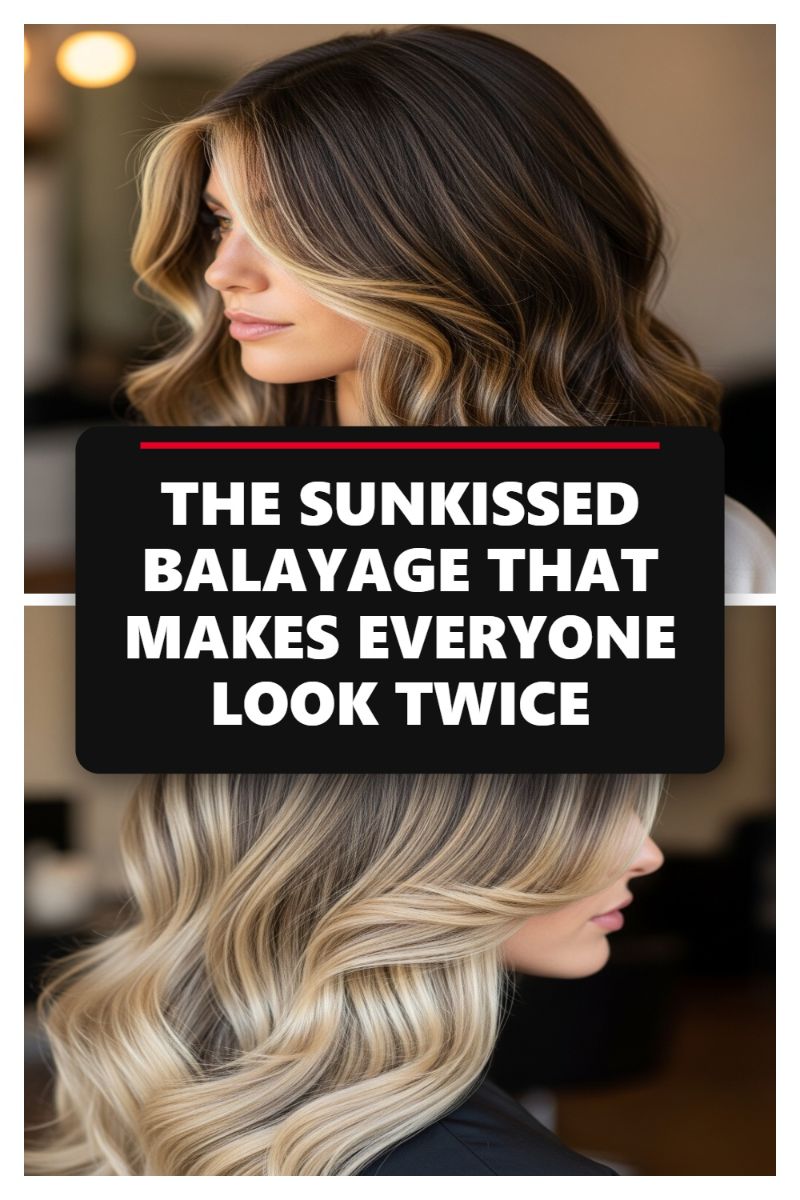
While the Soft Shag delivers essential structure and movement, the Sunkissed Balayage is the crucial color component that truly brings the style to life. This technique is defined by strategically hand-painted highlights, designed to mimic the natural way the sun lightens the hair, creating high-impact dimension without harsh lines. As seen in the visuals, the technique ranges from subtle, warm caramel tones layered over a dark base, to a bolder, full-saturation blonde sweep. To achieve this look successfully, it is essential to communicate placement and tone with your colorist. Request a root smudge or a shadow root for a soft transition, which is key to the balayage’s signature low-maintenance appeal. If you have darker hair, emphasize the need for a bright, face-framing ‘money piece,’ as demonstrated in the top image, which immediately brightens the complexion and adds a visual pop that draws attention to the layers and movement of your shag.
Mastering the Sunkissed Balayage requires careful consideration of lift and tone to ensure longevity and prevent brassiness. True experts prioritize hair health during the lightening process, often utilizing professional bond-building treatments to maintain integrity, especially when lifting a dark base many levels. If you are aiming for the warm, honeyed dimension (like the top example), ensure your colorist uses gold or copper-based toners to achieve that rich, reflective quality. If you prefer the brighter, cooler blonde shown in the bottom example, specify that you require cooler toning to counteract any unwanted yellow or orange undertones that surface during lifting. A high-quality balayage is not about uniformity; it is about contrast and subtlety. The highlights should start away from the scalp and feather down through the mid-lengths and ends, enhancing the natural texture of the hair when styled in soft waves or coils.
Maintaining this high-end color demands a strategic at-home routine focused on preservation. Because balayage involves significant lightening, the hair shaft is more porous and susceptible to color fade and oxidation (brassiness). We highly recommend rotating between a sulfate-free, color-safe shampoo and a pigmented purple or blue toning product, depending on whether your base color is more blonde or brunette, respectively. Limit heat styling and always apply a high-quality thermal protectant, as excessive heat is the number one enemy of vibrant, dimensional color. The beauty of the sunkissed technique is its graceful grow-out; unlike traditional foil highlights, balayage requires only minor touch-ups or toning appointments every 3 to 6 months, making it the perfect complementary color choice for the trending, relaxed silhouettes of 2026.
RUNNER GIRL HAIR: 5 STYLES THAT WON’T BUDGE DURING YOUR TRACK MEET
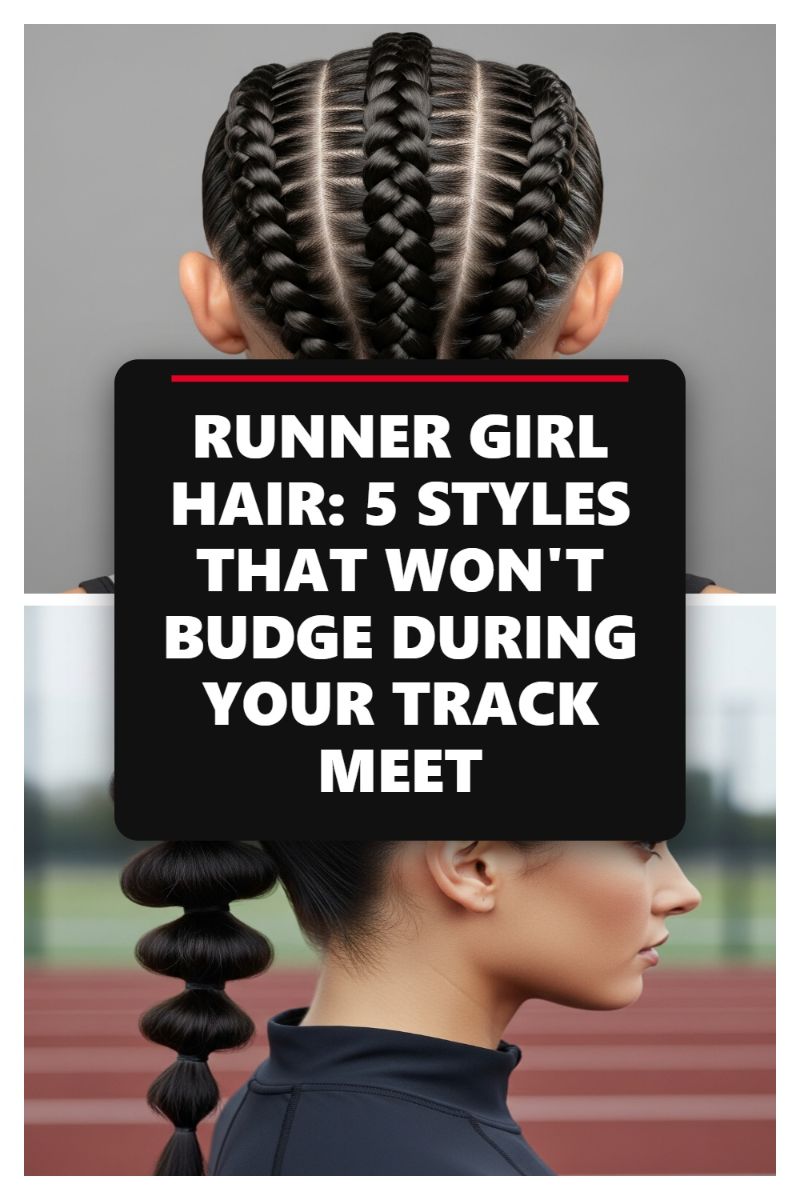
The key to a performance hairstyle that truly lasts, as exemplified by the tight, scalp-to-end braids seen here, is meticulous preparation and structural integrity. These are not loose French braids; they are either tight cornrows or Dutch braids, designed to hug the head and distribute tension evenly. To achieve this, start by dividing the hair into clean, uniform sections—ideally 4 to 6 sections, as shown in the visual. Before braiding, apply a light coat of pomade or styling cream to damp hair, especially around the roots and hairline, which helps control shorter layers and flyaways. When executing the Dutch braid (which looks inverted and stands slightly proud of the scalp), ensure you are consistently pulling the strands *under* the center strand, maintaining maximum tension from the scalp down. This technique locks the style in place, preventing slippage or loosening during high-impact movement, a non-negotiable requirement for athletes.
For runners who prefer a softer, high-fashion look but still need uncompromising security, the “bubble ponytail” offers a stylish alternative. This technique is best executed on sleek, straight, or carefully smoothed hair, maximizing the visual impact of the rounded sections. First, pull all hair into a high, secure ponytail at the crown, using a strong, non-slip elastic. Next, place subsequent clear or matching elastic bands down the length of the pony at consistent intervals (about two to three inches apart). The crucial step is “bubbling”: gently pulling or tugging the hair between each elastic outward and upward to create the voluminous, round shape. Expert stylists recommend using rubber ponytail holders coated in silicone or fabric to minimize hair damage when placing the secondary elastics. While this style is visually dynamic, ensure the initial base ponytail is pulled extremely tight against the nape of the neck to prevent the entire structure from bouncing or loosening mid-stride, which could be highly disruptive during a competition.
Regardless of which high-performance style you choose—be it the ultra-secure braids or the dynamic bubble pony—the longevity of the style depends heavily on product choice and application. To combat moisture and humidity (a major threat to athletic hair security), use a strong-hold gel or mousse liberally during the styling process, smoothing down every strand before the braiding or ponytail construction begins. Furthermore, runners should always pair these styles with a performance-grade, moisture-wicking headband, placed strategically just behind the hairline, to manage inevitable sweat and keep baby hairs locked down. These styles not only ensure maximum focus during intense activity but also protect the hair shaft from environmental friction and damage. For those currently managing longer lengths or growing their hair out to achieve trending looks like the Soft Shag, performance braiding serves as a powerful protective style, minimizing breakage while maintaining a polished, competitive edge.
HAIR DOWN, CROWN ON: ULTIMATE WAVES & VOLUME FOR PROM 2026
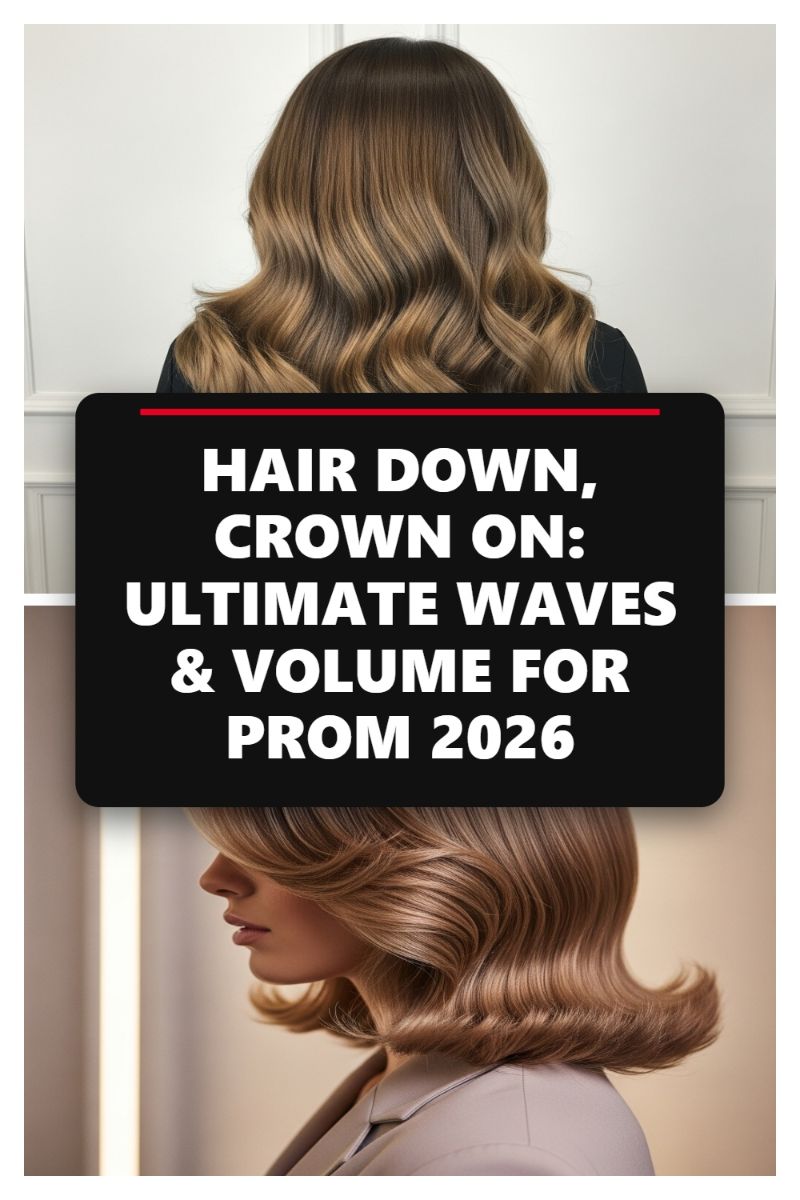
This opulent, high-volume wave is the definitive statement style for the Soft Shag foundation in 2026, transforming a relaxed cut into red-carpet glamour. Achieving this “Crown On” volume starts with the proper foundation. If you have a Soft Shag or heavily layered mid-length cut, the inherent layering provides the perfect weight distribution for maximum lift. Begin on towel-dried hair by applying a strong volumizing mousse or thickening spray directly at the roots and through the mid-lengths. This style demands high shine, so layer in a lightweight heat protectant oil or serum, focusing particularly on the ends, which should remain plump and glossy, as demonstrated in the luxurious side profile. For the initial blow-dry, aim for maximum root lift; use a root-lifting spray and a paddle brush, or flip your head upside down and rough-dry until 80% dry. Then, section the hair and use a medium-to-large round brush, ensuring you lift each section straight up from the scalp while applying heat to set the root direction upward, creating the necessary height and foundational volume before any curling takes place.
The signature sculpted wave and high gloss finish require precision heat styling and setting. For the dramatic, uniform waves visible in the image, a deep waver or a 1.5-inch curling iron held horizontally works best. Take 1.5-inch sections and ensure each wave is curled in the same direction—either all toward the face or all away from the face—to create the cohesive, polished cascade. Crucially, as soon as the curl is released from the heat tool, carefully pin it back up to the scalp in a coil while it cools. This cooling process is mandatory for locking in extreme volume and ensuring the style’s longevity throughout the evening. For the pronounced, feathered ends seen in the side profile, focus on wrapping only the mid-shaft of the hair around the iron and leaving the last inch of the hair out, ensuring the ends retain a soft, outward curl rather than a tight ringlet.
To complete this ultimate wavy look, the cool-down period is essential. Allow all pinned sections to cool completely—ideally 15 to 20 minutes—before gently releasing them. Once released, resist the urge to rake your fingers through the waves, which can lead to frizz and collapse the structure. Instead, use a wide-tooth comb or a very soft bristle brush to gently smooth the waves into one continuous, voluminous flow. Finish with a flexible but strong hold hairspray, misted from a distance of about 12 inches to maintain the structure without making the hair look stiff. For that final dimension and photo-ready quality, use a high-gloss shine spray or an anti-frizz serum applied sparingly over the surface of the hair, ensuring the look remains incredibly polished and reflects light beautifully, truly securing that ultimate ‘crown-on’ confidence.
SPRING BLONDE IS IN! THE WARM HIGHLIGHTS YOU NEED TO REQUEST
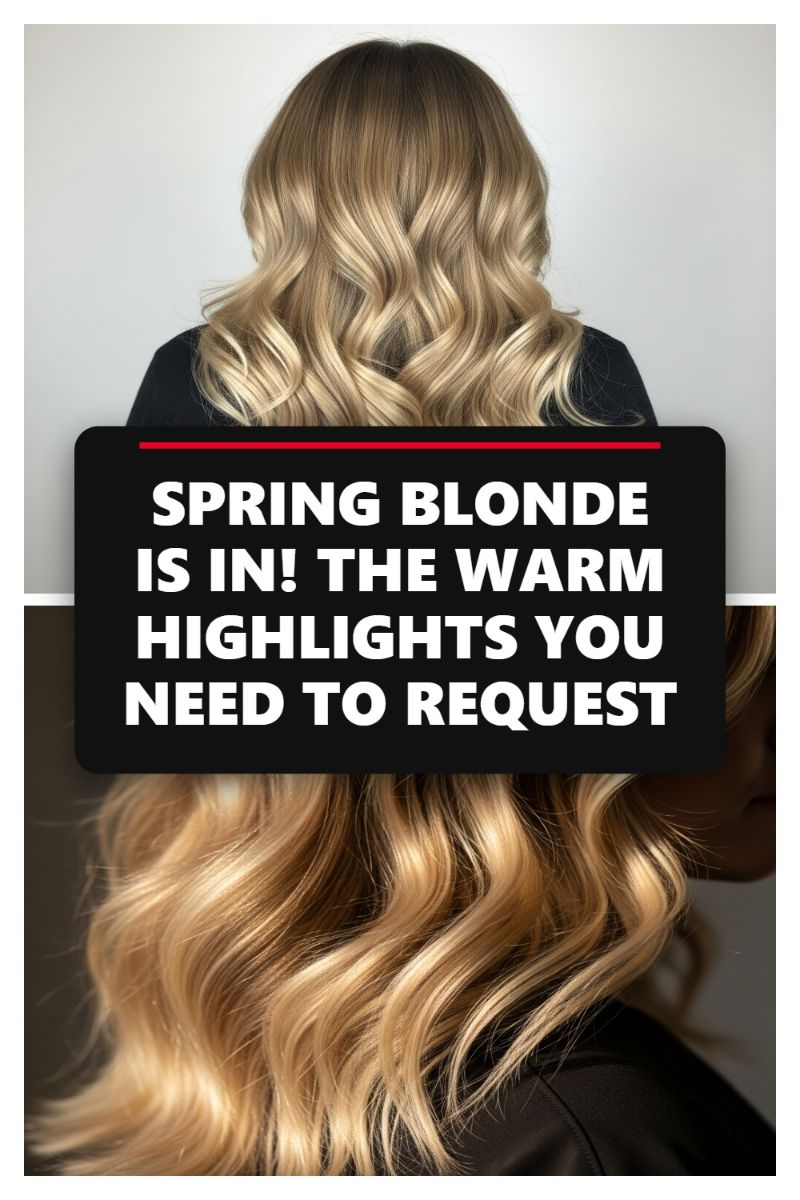
While the Soft Shag and Men’s Flow dominate the cut trends for 2026, the success of these highly textured styles depends critically on dimensional color, and nothing defines movement better than a custom-blended, warm blonde. The hair seen here illustrates the perfect synergy between dimension and softness, crucial for emphasizing the face-framing layers and internal texturizing of a Shag. To achieve this rich, luxurious color, request a ‘lived-in’ golden blonde or dimensional foilyage. The key is to maintain a soft, deep root (a shadow root or root smudge) that seamlessly transitions into sun-kissed mid-lengths and ends. This technique ensures maximum depth at the crown, which provides the illusion of volume necessary for a great shag, while the strategically placed, face-brightening highlights draw attention to the flattering angles of the haircut.
Expert application of this dimensional warm blonde requires a blend of techniques to avoid harsh lines. Ask your colorist for a combination of hand-painted balayage (for soft transition) and fine foils (foilyage) near the perimeter for maximum lift and brightness, particularly in the ‘money piece’ area framing the face. The goal is depth, not saturation. Crucially, the final step involves toning the hair with warm, buttery, or beige-gold shades—moving away from the icy or ash-blonde tones that can flatten the look of a textured cut. These warmer hues reflect light beautifully, enhancing the appearance of movement and ensuring the color looks vibrant and luxurious, rather than bleached out. The final result should look like natural sun exposure perfectly distributed to enhance the natural fall and texture of your hair.
To ensure this warm blonde complements your Soft Shag and lasts between appointments, maintenance is essential. Use high-quality, sulfate-free shampoos and conditioners formulated for color-treated hair to prevent premature fading or brassiness. Since warmer tones are prone to pulling orange, incorporating a blue- or purple-toning shampoo (used sparingly, perhaps once every two weeks) can help neutralize unwanted warmth without stripping the golden tone entirely. Furthermore, booking regular glossing or toning appointments every 6-8 weeks is non-negotiable. A professional gloss not only refreshes the golden hue but also seals the cuticle, boosting shine and ensuring that the dimensional highlights catch the light, perfectly articulating the tousled layers and movement that make the Soft Shag the ultimate low-maintenance, high-impact haircut of the year.
SAY GOODBYE TO WINTER HAIR! TOP 3 SPRING COLOR IDEAS REVEALED
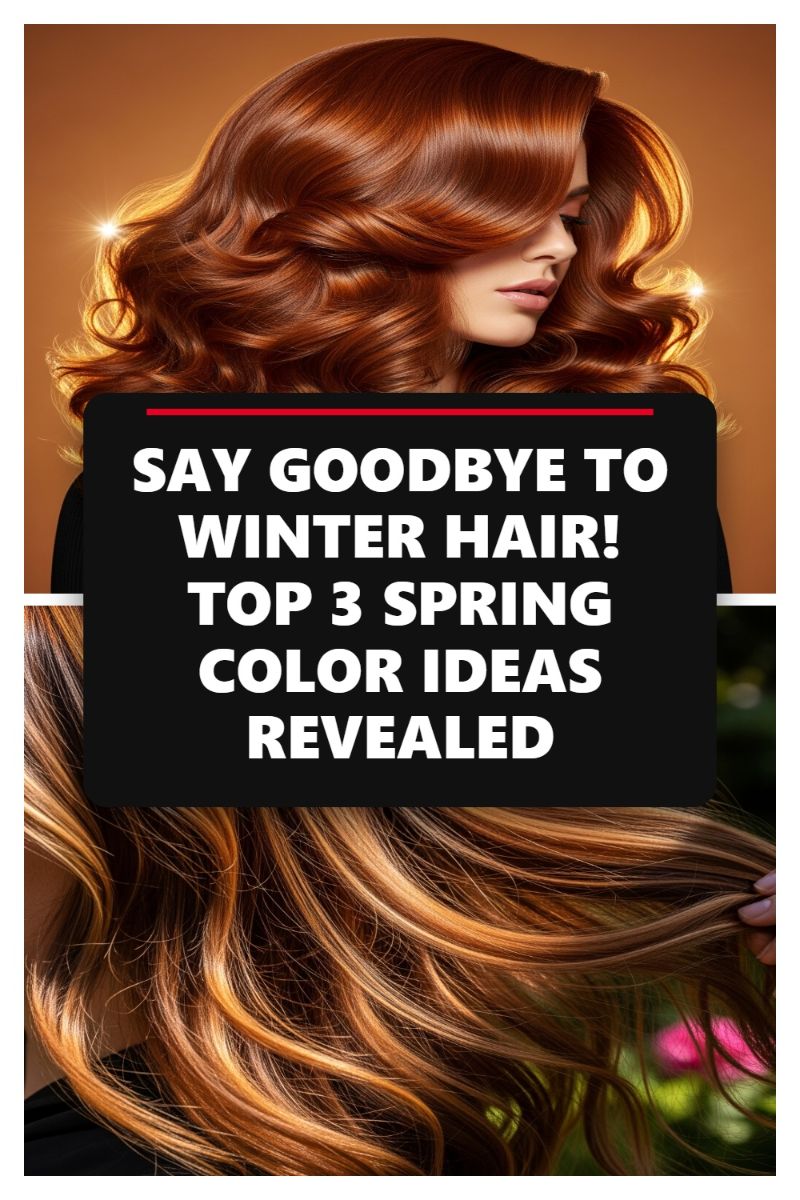
The arrival of spring signals the perfect moment to shed the heavy, often dull tones of winter hair and embrace vibrancy—a crucial step when sporting textural cuts like the Soft Shag or the longer Men’s Flow. The dimensional color shifts displayed in this image, moving from rich, high-shine copper to dynamic, multi-toned caramel, provide the blueprint for enhancing movement in layered hairstyles. When adopting a Soft Shag, the cut’s inherent volume and texture demand colors that catch the light and emphasize the choppy ends and face-framing pieces. Expert stylists advise using strategic placements to create visual movement; techniques like teasy-lights around the crown and a brighter money piece framing the face instantly add lift and depth. This strategic placement ensures that the Soft Shag’s layers don’t fall flat but instead appear buoyant and constantly shifting, maximizing the “soft” aspect of the cut’s popular silhouette. Transitioning into spring requires a formula adjustment, often incorporating warmer undertones (think gilded honey, strawberry blonde, or rich auburn) that naturally mimic sun exposure, providing an effortless, seasonal upgrade that brings life to the layers.
For achieving optimal dimension, especially in the Soft Shag, the key is mastering the art of the ribbon highlight. Unlike traditional foils that create finer strands of color, ribbon highlights involve painting broader, vertical sections to create strokes of contrast that follow the natural fall of the hair. This method is particularly effective for shags because it complements the choppy layers, ensuring that when the hair moves, the color appears fluid and less striped, dramatically enhancing the texture of the cut. Consult with your colorist about utilizing a low-light shade alongside your desired highlight—this technique adds necessary grounding depth to prevent the overall color from looking washed out, making the brighter strands truly pop and reinforcing the voluminous shape of the Soft Shag. Furthermore, gloss treatments are essential springtime maintenance: a professional gloss seals the cuticle, boosting that enviable high-shine finish seen in the image, and protects the new spring shade from rapid fading caused by increased sun exposure.
Even the popular Men’s Flow haircut benefits immensely from subtle spring color adjustments, transitioning from standard single-process color to dimensional enhancement that bolsters the cut’s movement. For men maintaining length, a natural, sun-kissed effect is key to complementing the flow style without appearing overly processed or high-maintenance. Expert technique involves micro-foiling or subtle tipping specifically targeted toward the ends and perimeter layers, which mimics the organic lightening that occurs over time. This approach prevents sharp color demarcation at the roots, making grow-out seamless—a necessity for the low-upkeep nature of the Men’s Flow. For both cuts, proper post-color care is paramount as the weather warms: always invest in UV-protective sprays and sulphate-free shampoos specifically designed for color-treated hair, particularly if you are embracing lighter spring tones. Regularly using a deep moisturizing mask once a week will counteract any dryness induced by lightening services and keep the texture of the Soft Shag and the sleekness of the Men’s Flow looking fresh and perfectly styled throughout the season.