Master the ‘Dark Academia meets Western’ decor trend. Get expert tips on blending vintage books, moody hues, rugged textures, and leather for a sophisticated new interior vibe.
AMAZON HOME FINDS UNDER $50 RIGHT NOW

Curating a sophisticated, layered aesthetic like Dark Academia Meets Western doesn’t require overhauling your furniture budget; it’s the thoughtful accessorizing that defines the look. The core principles of this hybrid style—texture, warmth, and grounded materials—can be achieved affordably, as evidenced by these finds. Start with textiles: the thick, chunky knit throw is paramount. This single item serves two masters perfectly. For the Dark Academia side, it provides the luxurious, deep texture required to counterbalance heavy wood and leather furnishings, adding a touch of cozy scholastic retreat. For the Western element, its natural, slightly rugged weave nods to homespun craftsmanship and organic materials. When styling, never just drape the throw; instead, fold it loosely over the arm of a tufted chair or the foot of a bed to maximize its visual weight and tactile appeal, signaling that the space is as much about comfortable living as it is about learned study.
Next, focus on metallic accents and grounding geometry. The small, round gold mirror introduces a necessary reflective element that brightens the typically darker DA palette. The warmth of the gold acts as an aged brass, linking back to antique reading lamps and old-world maps, while its sleek, minimal stand prevents it from feeling overtly fussy. Similarly, the terracotta planter, elevated by its stark black metal stand, is a masterclass in blending utility and form. Terracotta provides the raw, earthy color essential for the Western motif, contrasting beautifully with the deep wood stains and leather finishes characteristic of the academic style. The stand’s clean, precise geometry anchors the organic shape of the planter and the unruly life of the greenery, providing a modern structural counterpoint to the overall historical richness.
To successfully integrate these budget items, consider them as tools for balance. If your study features heavy bookshelves and dark walls, use the bright texture of the knit blanket and the reflective mirror to prevent the space from feeling cavernous. The addition of plants—essential for breaking up the severity of Dark Academia—should always be housed in vessels that complement your chosen color palette. The matte orange-red of the terracotta is the perfect accent, a flash of high desert color that pairs exceptionally well with the rich emerald greens, burnt oranges, and deep indigoes of the DA aesthetic. Distribute these three key elements—texture (blanket), metallic refinement (mirror), and grounded life (plant/planter)—around the room at varying heights to create visual interest and ensure every corner feels intentionally curated.
DIY GOTHIC WESTERN GALLERY WALL
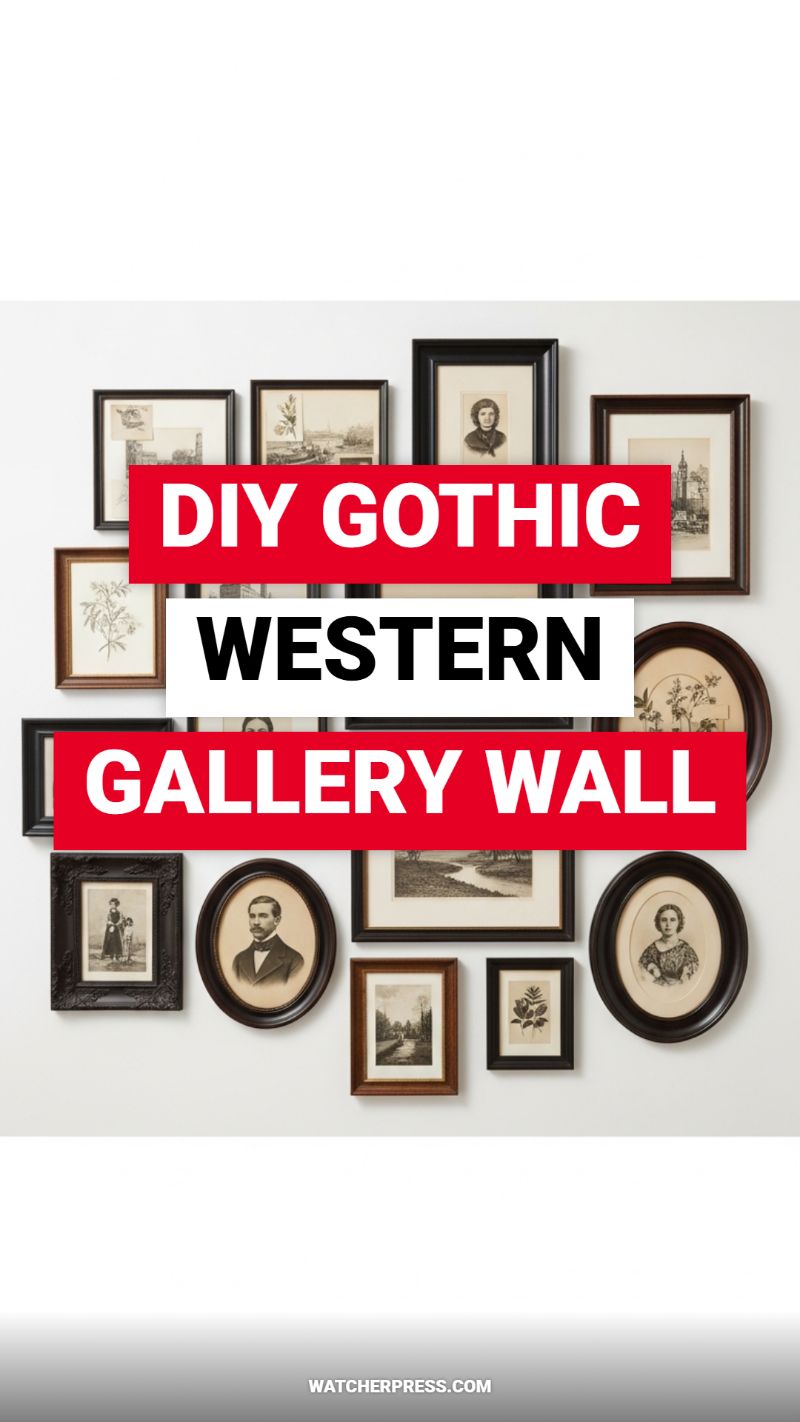
The gallery wall is arguably the most essential canvas for merging Dark Academia’s vintage formality with the rugged, earthy tones of Western style. To execute this specific “Gothic Western” look, start by strictly curating a monochromatic collection of artwork. Focus on sourcing prints from the 1850s through the early 1900s, utilizing resources like museum public domain archives for high-resolution images you can print yourself. The visual content must be moody and historical—think solemn, stern portraits, detailed botanical studies, architectural lithographs of old cathedrals, or stark, expansive landscape etchings that hint at the American West. By limiting the color palette of the art itself to black, white, and sepia tones, you establish an immediate sense of age and intellectual gravity, which serves as the anchor for the entire installation.
Achieving the unique transitional flavor comes down to the framing. The Gothic/Dark Academia aesthetic demands black, ornate, often lacquered frames, sometimes featuring dramatic flourishes or carved details. To introduce the Western element and prevent the wall from feeling too stuffy, strategically intersperse these formal pieces with natural, medium-to-dark stained wood frames. This juxtaposition of highly formal (black ornate) and slightly rustic (simple wood) is critical. Furthermore, vary the frame geometry dramatically: incorporate prominent oval frames (a signature 19th-century portrait style) alongside standard rectangles, and mix slim profiles with deep, heavy, shadowed frames. Consistency, however, must be maintained in the use of high-quality, bright white matting; this element crisply separates the antique prints from the dark frames, injecting a modern, tailored finish that elevates the whole collection.
When planning the layout, aim for intentional chaos rather than grid-like precision. Begin with two or three large, substantial pieces to act as anchors, staggering their vertical placement across the wall section you are covering. From there, build outward, adding smaller pieces and using the varied oval shapes to break up the visual linearity. A good rule of thumb is to use the “template” method—lay out all your framed art on the floor first, arranging and rearranging until the flow feels balanced yet organic. Pay attention to spacing; tight spacing (1 to 3 inches between frames) is key to creating a cohesive, densely packed look typical of a salon-style wall. The finished product should feel like a historically rich, found collection that speaks equally to the shadowed halls of an old university and the rugged character of an heirloom-filled cabin.
STOP BUYING THESE 3 DECOR ITEMS!

The clean, minimalist vignette pictured here represents a common decorating pitfall: relying on highly generic, mass-produced accessories to fill space. While a neutral console table (like this light wood example) serves as a great base, the standard small vase, stack of nondescript books, and abstract metal sculpture fail to establish any real personality or depth. When tackling a complex aesthetic blend like Dark Academia Meets Western Decor, your accessories are critical narrators. To master this look, you must intentionally pivot away from sleek, modern filler items toward pieces that carry history, texture, and cultural weight, ensuring every item contributes meaning to the layered narrative you are building.
To achieve the intellectual rigor required by Dark Academia, ditch the generic coffee table books and replace them with authentic, well-loved volumes—especially those with worn leather bindings or subjects relating to history, botany, or classic literature. Similarly, swap out the simple, two-toned vase for elements that carry a sense of age and study. Think brass candlesticks with visible patina, small marble busts, or a vintage magnifying glass displayed beside a stack of old maps. These elements layer the space with richness and gravitas, transforming a sterile surface into a captivating tableau that speaks of scholarly pursuits and timeless elegance. The aim is to create an environment that feels lived-in and deeply personal, moving away from mass-market anonymity.
Integrating the Western component requires shifting the material focus from shiny chrome and glazed ceramics to textural, artisanal pieces. Trade the abstract metal loop for items that evoke natural ruggedness and craft, such as hand-thrown terracotta pottery, pieces of found driftwood, or genuine leather accents like a rustic-bound journal. Consider framing black and white historical photographs of Western landscapes or using natural stone bookends. If your budget allows, replacing a sleek, light console table (like the one shown) with a piece made of distressed oak, reclaimed barn wood, or dark, substantial walnut immediately grounds the space. By focusing on authentic materials and unique pieces that tell a real story, you bridge the gap between academic depth and rustic frontier spirit, successfully forging the unique Dark Academia Meets Western aesthetic.
ESSENTIAL DECORATING GUIDE FOR SMALL KITCHENS

When attempting to layer the rich, moody textures of Dark Academia with the rugged warmth of Western decor, a small kitchen—like the sleek, minimalist design featured here—presents a unique challenge. The key is to treat the existing clean structure (white cabinetry, subway tiles) as a necessary neutral foundation that maximizes light and visual space. Focus intently on vertical organization and multipurpose elements. If you have wall space, ditch open shelving for a highly functional, visually engaging pegboard system, as seen in the background detail. However, instead of leaving the natural wood tone, consider staining it a deep walnut or mahogany to immediately introduce that academic library feel. All hooks and hardware used on this system should be copper or aged bronze to satisfy the Western requirement for patina, ensuring that every functional element also contributes to the chosen aesthetic.
To infuse the necessary character without encroaching on precious counter space, prioritize materiality swaps. Begin by replacing modern, stainless steel cabinet hardware with fixtures in an oil-rubbed bronze or antiqued brass finish. This small change provides significant stylistic weight. Next, focus on textile accents: swap standard kitchen towels for those featuring deep plaid patterns (think hunter green, oxblood, or navy) that evoke a scholarly atmosphere. On the counter, limit decorative items to high-impact essentials. A substantial, thick-cut distressed wood cutting board or a collection of essential tools housed in a dark, earthenware crock can anchor the space. Avoid visual clutter; every item must either be necessary or contribute to the overall narrative of a lived-in, thoughtful space where function meets history.
Finally, utilize strategic staging and depth-creating finishes. Since large statement pieces are impossible, allow rich, scholarly colors to appear through functional accessories. For instance, store spices in antique-style glass jars with dark, handwritten labels, or display a small collection of vintage cookbooks whose spines offer texture and color depth. While the dominant backdrop remains white (essential for small spaces), the Western element can be satisfied through rugged textures: consider a rough-hewn wood cornice above the cabinets or a narrow runner rug in a faded tapestry pattern. Ensure all visible lighting fixtures lean toward an industrial or traditional profile—an antique-style swing-arm lamp mounted near the sink, for example, combines the functional necessity of task lighting with the studied, old-world vibe of Dark Academia, making the compact kitchen feel cozy, collected, and infinitely stylish.
7 THRIFT STORE FLIPS YOU NEED NOW

Mastering the Dark Academia and Western fusion relies heavily on integrating high-quality textures and deep, moody colors with naturally rugged elements. The most accessible way to achieve this sophisticated balance on a budget is through strategic furniture flipping. When hunting through thrift stores for pieces to transform, focus on simple, sturdy silhouettes—like the standard wooden side table pictured. Avoid overly ornate details, which conflict with both the intellectual austerity of Dark Academia and the practical simplicity of Western design. Look for items with good structural integrity and minimal visible damage, as sanding and painting are far easier than complex carpentry repairs. For this aesthetic, natural wood is an ideal starting point (the ‘before’ state), providing the inherent warmth and organic texture required to ground the ‘Western’ side of the vibe, ready to be contrasted by the ‘Dark Academia’ influence you introduce.
The key transformation lies in color and finish. To pull the piece decisively into the Dark Academia realm, select a rich, highly saturated paint color such as deep navy, midnight blue, oxblood red, or classic charcoal grey. The goal is to convey depth and history. For a professional-grade finish that lasts, meticulous preparation is non-negotiable. Thoroughly sand the entire piece—even if the original finish looks fine—to provide the necessary tooth for the primer. Apply a high-quality bonding primer, followed by two thin coats of your chosen deep paint color. A satin or semi-gloss finish is recommended, as it reflects light minimally, reinforcing the moody sophistication of the Dark Academia look without appearing dusty or neglected. This deep color acts as the anchor, establishing the intellectual and moody foundation for the entire room setting.
To introduce the necessary contrast and the modern refinement that elevates this hybrid style, focus on the tabletop or primary surface. While the base is grounded in deep color, the surface should provide visual tension. The piece shown utilizes a high-contrast faux marble top (easily achieved with vinyl contact paper or a specialized paint kit), which introduces a cool, elegant texture and bright white lines that break up the visual heaviness of the dark paint. This refined, geometric pattern speaks to classical intellectualism. Alternatively, you could integrate the Western element here by installing a leather or faux hide inlay onto the top, or staining the original wood top a dark walnut while painting only the legs—creating a powerful yet harmonious dialogue between the intellectual (Dark Academia) and the rugged (Western) design sensibilities.
AFRO CHIC DECOR YOU CAN FIND ON AMAZON

While Dark Academia and Western aesthetics rely heavily on saturated colors, weighty materials like leather and velvet, and structured forms, the addition of Afro Chic or global-inspired textures is crucial for introducing necessary balance and warmth. This style, characterized by natural fibers, raw finishes, and earthy neutrals, serves as the perfect grounding element to soften the seriousness of your main themes. Focus on pieces that inject high visual texture without adding color saturation. Look for oversized, chunky macrame wall hangings, like the one pictured, which utilize natural cotton and rope to draw the eye upward and disrupt monotonous wall space. This tactile texture prevents the space from feeling too flat or heavy—an important consideration when layering dark wood furniture and rich fabrics typical of the combined Dark Academia and Western styles. The lightness of these neutral, textural items offers a moment of visual breath amidst heavier elements.
To successfully incorporate these elements into the ‘Dark Academia Meets Western’ hybrid, consider how functional pieces can also serve as textural anchors. The large, water-hyacinth or woven rattan basket seen here is the epitome of smart, multifunctional decor. In a Western-themed space, it can hold a rugged wool blanket or a stack of worn leather-bound books essential to the academic theme. The key instructional takeaway is to select natural weaves that feel handcrafted and substantial, contrasting sharply with the refined metals or polished wood found in academic settings. Furthermore, integrating natural life, like the ubiquitous Fiddle Leaf Fig, in a clean, modern white planter, introduces organic curves and vibrant green that cut through the heavier, brown-and-black palette of the combined aesthetic. This touch of vibrant, natural greenery is indispensable for keeping the mood light and preventing the dark themes from becoming overwhelmingly somber or dusty.
Sourcing globally-inspired, textural pieces quickly and affordably, as suggested by the original image, is highly achievable through online marketplaces. When curating your selections, prioritize items that adhere strictly to neutral tones—creams, off-whites, and natural browns—to ensure they harmonize rather than clash with the bolder foundational colors (deep oxblood, navy, hunter green) of your primary decor styles. Expertly integrating Afro Chic means utilizing the textiles not as accent colors, but as foundational materials. Think about how the subtle variations in a hand-loomed throw or the irregularity of a wicker basket add depth and history, providing a curated, traveled feel that appeals to the intellectualism of Dark Academia while maintaining the rustic, earthy connection inherent in Western design. These neutral textures are the glue that allows two contrasting, heavy aesthetics to exist harmoniously in a sophisticated, layered interior.
DIY FLOATING SHELVES THAT LOOK DESIGNER

While the image showcases a bright, minimalist approach to floating shelves, achieving a truly designer look for the Dark Academia meets Western aesthetic requires pivoting to richer, heavier materials and meticulous styling. For this fusion, the ‘floating’ mechanism must support substantial visual weight. Instead of lightweight blonde wood, select dense materials like reclaimed distressed oak, walnut, or mahogany, aiming for a deep, saturated color that immediately evokes the antique library feel of Dark Academia. If using pine or less expensive wood, the transformation relies heavily on quality staining and finishing—use a deep espresso or black cherry stain, followed by a matte protective oil rather than a high-gloss sealant, which would look too modern. The secret to the designer look lies in the invisible hardware; ensure you use heavy-duty steel shelf pins or blind brackets rated for the anticipated weight, and verify they are anchored directly into wall studs. This foundation ensures the shelves appear to melt seamlessly into the wall, a crucial element for that custom, high-end installation.
Curating the objects displayed on these darkened shelves is how you master the tricky thematic fusion. For the Dark Academia component, anchor the arrangement with stacks of leather-bound or aged books, busts (marble or resin finished to look like aged bronze), and academic relics like antique maps, globes, or brass instruments (compasses, small telescopes). To introduce the Western ruggedness without sacrificing sophistication, layer in pieces that provide texture and earthiness. Integrate matte pottery in deep terracotta, burnt orange, or oxblood red. A successful designer trick is juxtaposition: place a small, decorative piece of worn leather or a folded Pendleton-style blanket swatch beneath a stack of books, or use a small, bleached natural element, such as a found antler or a beautifully preserved piece of driftwood, as a counterpoint to the brass elements. The goal is intentional asymmetry, creating vignettes where every object tells a story of exploration and learning.
To truly elevate these DIY shelves to designer status, pay close attention to lighting and ambiance—the cornerstone of the moody Dark Academia vibe. Unlike modern shelves that rely on natural light, these need intentional illumination. Consider integrating discreet, warm LED ribbon lights mounted underneath the shelf (out of sight) to cast a subtle, amber glow downwards, highlighting the texture of the wall and the objects on the shelf below. Alternatively, incorporate small, battery-operated LED picture lights positioned above key display items. Finally, never over-clutter; the designer look means giving each object room to breathe and be appreciated. Group items in odd numbers (threes or fives) and use height variation to maintain visual interest. Ensure the shelf edge profile—a clean, slightly eased edge, rather than a sharp 90-degree corner—contributes to the substantial, expensive feeling demanded by this sophisticated style.
THE SECRET TO LIVING ROOM GLOW UP
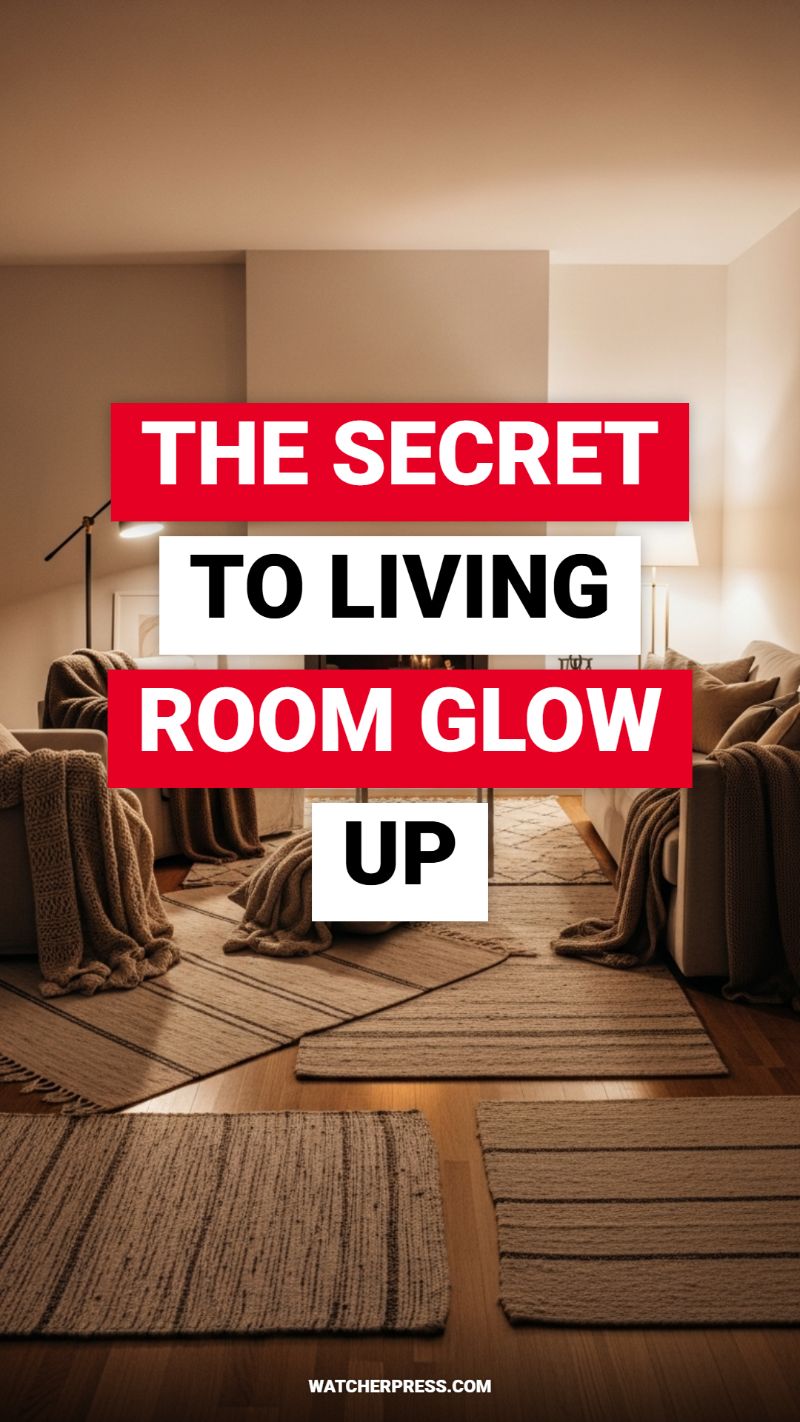
The ultimate ‘glow up’ for any interior space lies in mastering the art of textural depth and atmospheric lighting, essential tenets when fusing rugged Western style with the intellectual mood of Dark Academia. The visual guide demonstrates this perfectly, prioritizing the floor plane as the starting point. To replicate this look, begin by layering multiple area rugs—a key element of both traditional Western comfort and contemporary texture play. Opt for natural, chunky fibers like jute, sisal, or thick woven wool, using varying patterns (stripes, solids, herringbones) and sizes to avoid visual monotony. Place a large anchor rug (perhaps 8×10) as the base, then overlay smaller rugs or runners in strategic spots, ensuring they overlap slightly. This grounding approach introduces necessary ruggedness and tactile interest, preventing the room from feeling flat and creating a rich, earthy foundation upon which the moody Academia aesthetic can be built.
Crucial to achieving the ‘Glow Up’ is the deliberate manipulation of lighting. Notice the room is entirely free of harsh, cool overhead illumination. Instead, the ambiance is created through strategic accent lighting, typically utilizing bulbs in the warm end of the color spectrum (2200K to 2700K). Implement multiple sources at different heights—a dramatic floor lamp in the corner, a glowing table lamp on an end table, and perhaps some hidden uplighting behind the sofa or shelves. This layered lighting approach not only softens the architectural lines but is vital for cultivating the shadowy, cozy atmosphere inherent to Dark Academia. The warm light also highlights the rugged texture of the layered rugs and thick throws, instantly transforming the space into a refuge that feels both refined and welcoming, successfully bridging the cozy Western and scholarly moods.
Finally, solidify the blended aesthetic by emphasizing tactile comfort through plush textiles draped over structured furniture. The heavy, knitted throws and blankets seen in the image serve multiple purposes: they inject a Western-style comfort reminiscent of a high-end ranch cabin, provide visual contrast to the potential rigidity of Dark Academia elements (such as dark wood bookshelves or leather chairs), and encourage physical relaxation. Once this foundation of layered texture and moody lighting is established, the room is prepared for the addition of intellectual accents. Introduce elements like brass detailing, antique books, weathered leather ottomans, or framed botanical prints. These sophisticated additions will sit seamlessly atop the cozy, rugged foundation, ensuring your space achieves a harmonious blend of scholarly sophistication and grounded, warm comfort.
WELCOME HOME DECORATIONS FOR A COZY VIBE

While the image beautifully captures a traditional “cozy welcome” utilizing bright white planters and vibrant seasonal blooms, translating this warmth into the Dark Academia-meets-Western aesthetic requires a significant shift in palette and texture. This hybrid style demands depth and gravity, often associated with a refined intellectual setting (Academia) fused with rugged, natural elements (Western). To make your entryway the perfect prelude to this interior theme, start by replacing the bright white containers with planters featuring deep, earthy finishes—think aged patina copper, dark terra cotta, or heavy, weathered stone. The goal is to move away from summery cheer towards a more moody, sophisticated, and slightly mysterious invitation. For the greenery, swap out colorful annuals for deep, textural foliage like established boxwoods, creeping ivy, or dark evergreen topiaries, reflecting the rich botanical interest common in Dark Academia studies.
Expertly mastering this entry vibe relies heavily on layered textiles and hardware. Notice the layering technique used in the image with the two doormats; this is crucial, but the materials must align with the chosen theme. Replace the cheerful gingham and light floral coir mats with pieces that evoke a sense of heritage and rugged elegance. For the base layer, select a heavy, solid jute rug or a textured woven wool rug in deep charcoal or rust. The top mat should introduce the Western element—perhaps a subtle embossed leather design or a durable coir mat featuring geometric patterns reminiscent of Navajo weaving or vintage brand marks. Furthermore, the front door itself should communicate gravity. If painting is an option, opt for highly saturated, deep colors like hunter green, navy blue, or deep burgundy (often found in academic libraries), contrasting beautifully with the light siding to ground the space and emphasize the dramatic entry.
Achieving a truly “cozy vibe” within this stylistic framework means integrating lighting and curated details that speak to collected knowledge and rustic authenticity. Swap out standard porch lighting for fixtures featuring oil-rubbed bronze or aged brass in a classic, possibly gas-lantern inspired, silhouette. The wreath, often the focal point (as suggested by the placement above the mats), should eschew bright bows for natural elements like dried thistle, rich leather straps, or pine cones intertwined with dark silk ribbons. This provides the Western texture while adhering to the Academic somberness. Ensure all visible hardware—the mail slot, house numbers, and door knocker—possess a weighty, vintage appearance. This attention to detail transforms the welcoming space from merely decorative into a curated, evocative environment that prepares the guest for the scholarly yet grounded narrative unfolding inside.
STOP DOING THIS IN WESTERN DECOR!

The stark visual contrast displayed in the image—ornate, antique gold set against a deep, textured black backdrop—highlights a crucial error to cease immediately when combining classic Western elements with the brooding sophistication of Dark Academia: resorting to cheap, clichéd, or overly theatrical representations of the West. The common mistake is prioritizing literal interpretation over authentic substance. Stop using flimsy, mass-produced decor, such as faux-distressed wood signs, brightly colored novelty items, or anything that feels temporary and disposable. This approach immediately undermines the gravitas required for a successful Dark Academia foundation. The intersection of these styles demands depth, history, and texture. Your Western pieces must feel like relics, inherited treasures, or genuinely functional pieces that tell a story, rather than props for a themed event.
To master this elevated aesthetic, you must pivot toward authenticity and genuine patina. The antique frame in the visual, despite its state of disrepair, possesses the weighty character and detailed craftsmanship we should emulate. Therefore, stop settling for modern reproductions when seeking signature Western elements. Instead, invest in substantial, aged materials: deeply conditioned leather armchairs, heirloom-quality woven textiles (like hand-dyed Navajo blankets used as throws or wall art), and heavy timber furnishings with visible grain and wear. If you incorporate metalwork, ensure it is hammered iron or aged brass, reflecting the enduring quality of a ranch or estate. This tactile, enduring quality ensures the Western elements seamlessly integrate into the library-like, studious atmosphere of Dark Academia, transforming potential kitsch into genuine, curated luxury. Expert advice dictates that every piece should look like it belongs in a collector’s study, not a chain store showroom.
Finally, stop neglecting the importance of mood and atmosphere, perfectly illustrated by the image’s dramatic lighting and textured black wall. A common pitfall is over-brightening the space with colors that dilute the academic drama. True Dark Academia requires a moody, enveloping palette. Use the deep texture of materials—charcoal walls, oxblood leather, forest green velvet—as your primary anchors. The Western contribution should provide rich, earthen highlights, derived from the natural coloring of wools, hides, and aged wood tones. Utilize the ornate, gold detailing (like that of the frame) sparingly to catch the light and provide a historical focal point, but keep the overall lighting low, diffused, and ambient. This layering of dark colors and rich textures creates the refined setting necessary to elevate Western decor from themed ranch house to a sophisticated, well-traveled intellectual’s retreat.
KITCHEN DESIGN IDEAS THAT ADD VALUE

To truly add long-term value to a kitchen, regardless of emerging style trends, designers prioritize high-end, timeless materials as the permanent architectural base. The clean, bright aesthetic shown here—featuring premium marble or quartzite countertops and reflective, bespoke light fixtures—serves as the perfect high-value foundation upon which the rich textures of Dark Academia and Western decor can be layered. To incorporate the required moodiness, focus your material palette on deep contrasts. While the image emphasizes a bright upper space, consider balancing this with the lower half of the room: integrate cabinetry in deep, moody tones like oxidized walnut, ebony, or even a specialized matte black finish. Ensure all core hardware, such as cabinet pulls and faucets, utilizes aged brass or bronze, connecting the warm metallic tones of the pendant lighting to the darker, earthier elements essential to the combined aesthetic.
Bridging the gap between a modern, value-focused kitchen and the rustic richness of the Dark Academia/Western fusion requires thoughtful application of texture and furnishing. The sleek, highly polished surface of the white stone is an ideal foil for introducing raw, natural elements. For seating, ditch standard modern stools and instead opt for substantial bar seating featuring dark, distressed leather or genuine cowhide upholstery to instantly inject the Western ranch motif. For built-in shelving or open-face cabinetry, apply paneling in reclaimed wood or wood heavily treated to achieve a deep, historic patina—this brings the library-like quality of Dark Academia to the space. If a full re-staining of existing cabinetry is out of budget, utilize deep, saturated colors like oxblood, hunter green, or deep indigo on the island base only, creating an anchoring focal point that satisfies the “dark” requirement without sacrificing the overall brightness and airiness that typically increases market value.
Functionality, often overlooked in favor of pure style, is paramount for adding quantifiable value. Install customized storage solutions, such as fully integrated pantry systems, specialized spice pull-outs, and built-in appliance garages, ensuring the valuable countertop space remains clean and uncluttered. Finally, use the visual elements present in the image—the dramatic pendants—as inspiration for curating accent lighting and display pieces. Group lighting elements in odd numbers and maintain the spherical shape for continuity, but introduce lamps or secondary fixtures with deep, pleated fabric shades to mute the light and introduce the scholarly glow of Dark Academia. For the final styling, select accessories like antique equestrian statuettes, heavy linen textiles, and deep-toned ceramic vessels, strategically placed to reinforce the theme without diminishing the kitchen’s inherent luxury and polished appeal.
IS YOUR HOME READY FOR DARK WESTERN?
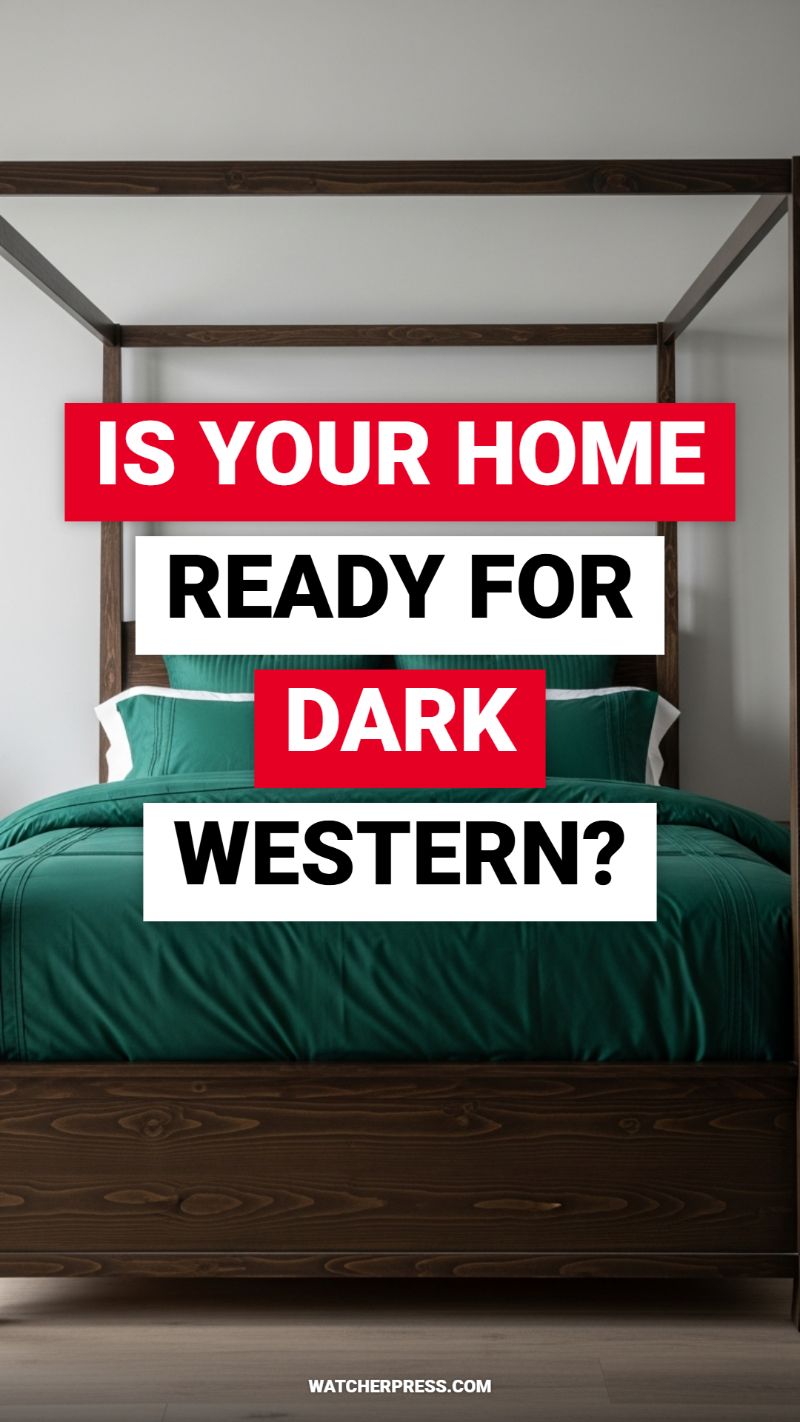
The foundation of the Dark Western aesthetic hinges on anchoring the space with substantial, dark-toned furniture, as epitomized by the robust four-poster bed frame shown here. This piece perfectly merges the rugged materiality of Western design—evidenced by the rich, dark-stained wood and pronounced grain—with the architectural formality inherent in Dark Academia. To successfully adopt this look, select woods like walnut, mahogany, or deeply stained pine, ensuring the pieces possess a weighty, imposing silhouette. While the core furniture must be dark and dramatic, avoid overwhelming the room by maintaining light or neutral backdrops (walls and floors). This contrast is key; the bright surfaces act as a canvas, allowing the deep tones of the wood to truly command attention without making the space feel cave-like or claustrophobic. The juxtaposition of smooth, light walls and heavily textured, dark furniture creates the sophisticated tension vital to this fusion style.
The next critical element is the textile palette, which must be rich and deeply saturated to complement the heavy wood. Hunter or forest green, as showcased in the bedding, is an ideal choice, serving as a powerful bridge between the natural, untamed spirit of the West and the moody, historical charm of academic interiors. These deep jewel tones—think oxblood red, sapphire blue, or deep charcoal—should dominate large areas like the duvet and drapery. To add complexity and depth, layer different textures. Introduce materials like brushed velvet for pillows, heavy linen for sheets, and consider incorporating wool or perhaps a subtle patterned textile (like a muted plaid or houndstooth) in throws. The goal is sensory richness: textiles should feel luxurious and warm, inviting a sense of cozy contemplation while maintaining a sophisticated, heritage feel.
Finally, mastering the Dark Western style requires thoughtful accessorizing to integrate both themes seamlessly. The stark simplicity of the bed, while stylish, needs embellishment to truly articulate the narrative. For the Western element, incorporate subtle, high-quality pieces such as a leather-bound trunk used as a bedside table, a framed black-and-white landscape photograph, or a textural cowhide or sheepskin rug layered over the light floor. For the academic touch, add vintage brass reading lamps, stacks of cloth-bound books, or framed botanical prints. Avoid overly rustic or cliché décor; the style demands sophistication. Ensure all accessories share the same deep, muted color story. When your home is ready for Dark Western, every element—from the imposing canopy frame to the plush green quilt—should feel intentional, layered, and steeped in both tradition and rugged character.
SECRET GOODWILL DECOR FINDS REVEALED!

The foundation of a perfect Dark Academia aesthetic lies not in expensive antique shops, but in strategic thrifting. This style thrives on character, age, and the narrative of a curated collection, all of which are readily available at second-hand stores like Goodwill. To successfully hunt for pieces that marry Dark Academia and Western flair, focus your search on textural ceramics and small, ornate detailing. Items like the speckled, detailed blue-grey vase pictured provide instant academic gravitas—look for vessels with relief patterns, muted, dusty colors (slate, moss, cream), or unique glazes that suggest handcrafted origin. These pieces should feel heavy, grounding the lighter, often raw elements of Western design. Layering these unique finds instantly builds the moody, collected atmosphere essential for this hybrid style.
Bridging the gap between the library look and the ranch aesthetic requires mixing functional staples with high-impact baroque touches. Pay close attention to utilitarian items like dinnerware. The stack of simple plates and bowls shown provides the perfect canvas; stoneware or plain white porcelain serves as a neutral base that reads well with both the simple practicality of Western design and the functionality required in a scholar’s den. Crucially, seek out small mirrors or photo frames with ornate, gold or brass detailing. These items, often found cheaply, are indispensable for injecting that dramatic, vintage European feel. The gilded frames contrast beautifully against the rustic wood surfaces typical of Western furniture, achieving a luxurious depth without appearing overly formal. Ensure the metal finishes are slightly aged or tarnished; bright, shiny new gold will break the illusion of an established, historical collection.
Mastering the display of these thrifted finds is the final step in merging your two chosen aesthetics. Focus on creating vignettes with varying heights and textures. Place the decorative blue vase atop a stack of vintage leather-bound books to solidify the Dark Academia element, perhaps filling it with dried wheat or grasses instead of traditional flowers (a subtle Western nod). Arrange the small, oval gold mirrors scattered across a dark wooden console or tucked into a bookshelf for unexpected flashes of light and vintage shimmer. The key instructional takeaway is high-low mixing: utilize the simple, functional pieces (the stacked plates) as anchoring backdrops, and allow your small, intricate discoveries (the ceramics and mirrors) to take center stage. This thoughtful curation transforms cheap finds into valuable, narratively rich decor pieces suitable for a top-tier design scheme.
THE BEST DAY TO THRIFT FOR HOME DECOR

The secret to successfully blending the moody, intellectual atmosphere of Dark Academia with the rugged, textural appeal of Western decor lies almost entirely in the quality of your curated vintage finds. The image perfectly illustrates the type of layered treasures—framed botanical prints, antique silverware, and rich patterned throws—that form the backbone of this fusion. To maximize your chances, the true ‘best day’ to thrift is often Tuesday or Wednesday. This timing strategically places you in the store immediately after the high-volume donations dropped off over the weekend have been processed and put onto the sales floor. Treat your shopping trip like a serious hunt; you are seeking pieces with gravitas and history—heavy materials, aged patina, and detailed craftsmanship—to serve as the anchors for your refined yet rustic interior.
When on the hunt, focus on specific textures and items that bridge the two aesthetics, ensuring you select pieces that are rich in tone and narrative. The antique botanical print, often found in heavy, slightly tarnished brass or dark wood frames, is a non-negotiable Dark Academia staple, injecting a scholarly feel. To pull this find toward the Western side, avoid formal display. Instead of placing the print on a pristine wall, try leaning it against leather-bound books on a heavy, distressed wooden surface, or group it with utilitarian pieces. Similarly, thrifted items like silverware should be showcased for their utility and history; present them in a rugged, clear glass jar or a simple wooden crate, contrasting the metallic refinement of the utensils with a raw, simple presentation. This intentional mixing of high-brow objects and low-key presentation is the cornerstone of the aesthetic.
To fully realize the Dark Academia Meets Western vision, scale and texture are paramount when incorporating your finds. The richly patterned, fringed throw seen draped across the cart is a perfect example of a textural Western element that adds warmth and comfort—vital components missing from pure Dark Academia. Use these throws layered over heavy upholstered furniture or wooden benches. For large elements, seek out items like antique globes, heavy brass candlesticks, or dark, woven baskets. Everything should look like it has been collected over a lifetime of intellectual curiosity and rugged travel. By prioritizing quality, age, and a cohesive color palette (deep reds, forest greens, mustard yellows, and burnished metals), you ensure that your thrifted collection appears deliberately curated, providing depth and authenticity to this complex interior style.
THRIFTED DECOR LOOKS SO HIGH END!

The secret to achieving an elevated interior aesthetic without breaking the bank is mastering the art of the ‘high-low’ mix, focusing specifically on materials that convey age, history, and weight. For the Dark Academia and Western hybrid look, this means prioritizing thrifted items made of brass, aged leather, and classical stone or marble. When hunting for these treasures, ignore the subject matter of old books and focus strictly on the binding—deeply patinated leather in browns, blacks, and reds instantly communicates historical gravitas. Similarly, search for utilitarian objects, like the brass alarm clock pictured, which possess a heavy feel and traditional design. These elements, typically found at a fraction of their retail price, immediately provide the intellectual depth required by Dark Academia, appearing curated rather than merely collected.
To ensure your thrifted pieces seamlessly bridge the intellectual atmosphere of Dark Academia with the rugged spirit of Western decor, attention must be paid to how you integrate the items. The core Dark Academia elements—like the stack of classical texts and the statuette—should serve as the anchor of any vignette. To introduce the Western flair, consider pairing these items with rough-hewn elements, such as a salvaged piece of driftwood, a leather-topped tray, or a vintage horn-handled magnifying glass. Maintaining a deep, saturated color palette (mahogany, oxblood, navy, and forest green) is crucial; this cohesive color story prevents the thrifted items from looking disparate and messy. By layering rich textures and adhering to classic shapes, you elevate the perception of the item from ‘used’ to ‘antique’ or ‘historical artifact,’ blending both sophisticated styles.
Expert curation is the final touch that transforms a collection of thrifted goods into a truly high-end display. Use the rule of three to group items, utilizing horizontal book stacks (as demonstrated) to create varying platforms and heights. The books provide a solid visual base for smaller objects, while the classical statue acts as a sophisticated bookend, adding architectural interest and visual weight. Before displaying any thrifted piece, invest time in its presentation: polish the brass, condition the leather, or simply wipe away dust. This small effort shows the piece is valued, not just found. By honoring the patina and history of these objects while presenting them in clean, intentional groupings, you achieve a bespoke, luxury look that is essential for mastering the complex, layered appeal of the Dark Academia Meets Western aesthetic.
8 WAYS TO USE AFRO CHIC TEXTILES

African textiles offer a vital layer of depth and narrative when merging the stately elegance of Dark Academia with the grounded authenticity of Western decor. These fabrics, such as the vibrant Kente-inspired geometric weave and the symbolic Mud Cloth (Bogolanfini) shown here, inject texture, history, and a necessary dose of global flair into what might otherwise be a heavy or utilitarian space. The key to successful integration lies in understanding the color and material language of each style: the earthy, monochromatic nature of Mud Cloth textiles perfectly complements the moody libraries and dark, heavy wooden furniture typical of Dark Academia. It provides an organic, hand-dyed softness that beautifully contrasts against polished brass, deep leather, and structured velvet. Conversely, the bold, saturated color palettes found in Kente or Ankara prints can inject necessary vitality and saturation into the often-muted, natural color scheme inherent in Western ranch style, ensuring the space feels curated and dynamic rather than merely rugged.
The most effective way to incorporate these “Afro Chic” elements is through targeted, high-impact accents, ensuring the fabrics enhance rather than overwhelm the foundational aesthetic. As demonstrated by the cushions in the image, throw pillows are the simplest and most cost-effective entry point. For a Dark Academia setting, place a cream-and-brown Mud Cloth pillow on a well-worn leather club chair or draped over a dark, rich tartan blanket; the deliberate contrast in texture is critical for depth. For a Western aesthetic, utilize the strong geometric patterns of Kente on a neutral sofa (like the linen one pictured) to serve as a visual anchor and prevent the scheme from becoming too muted. Expert advice dictates pairing these textiles with natural fibers already dominating the space, such as deep wools, woven rattan, heavy linens, and distressed woods, treating them as prized artifacts that bridge high culture with hands-on craft.
Beyond cushions, explore applications that maximize the cultural impact of the fabric. Textiles can function as table runners on antique Dark Academia writing desks or as small, framed wall art, instantly replacing typical prints with rich cultural narrative. For larger applications, such as throws, ensure the textile’s background color (e.g., the off-white or deep brown of the Mud Cloth) visually echoes a primary neutral already present in your room—this visual continuity subtly unifies the disparate styles of Dark Academia and Western design. Since both aesthetics value heritage and history, selecting textiles with known symbolic roots reinforces the overarching theme of collected, well-traveled, and intentional design. The resulting hybrid space feels both sophisticated and deeply personal.
DARK ACADEMIA MEETS WESTERN: THE NEW VIBE
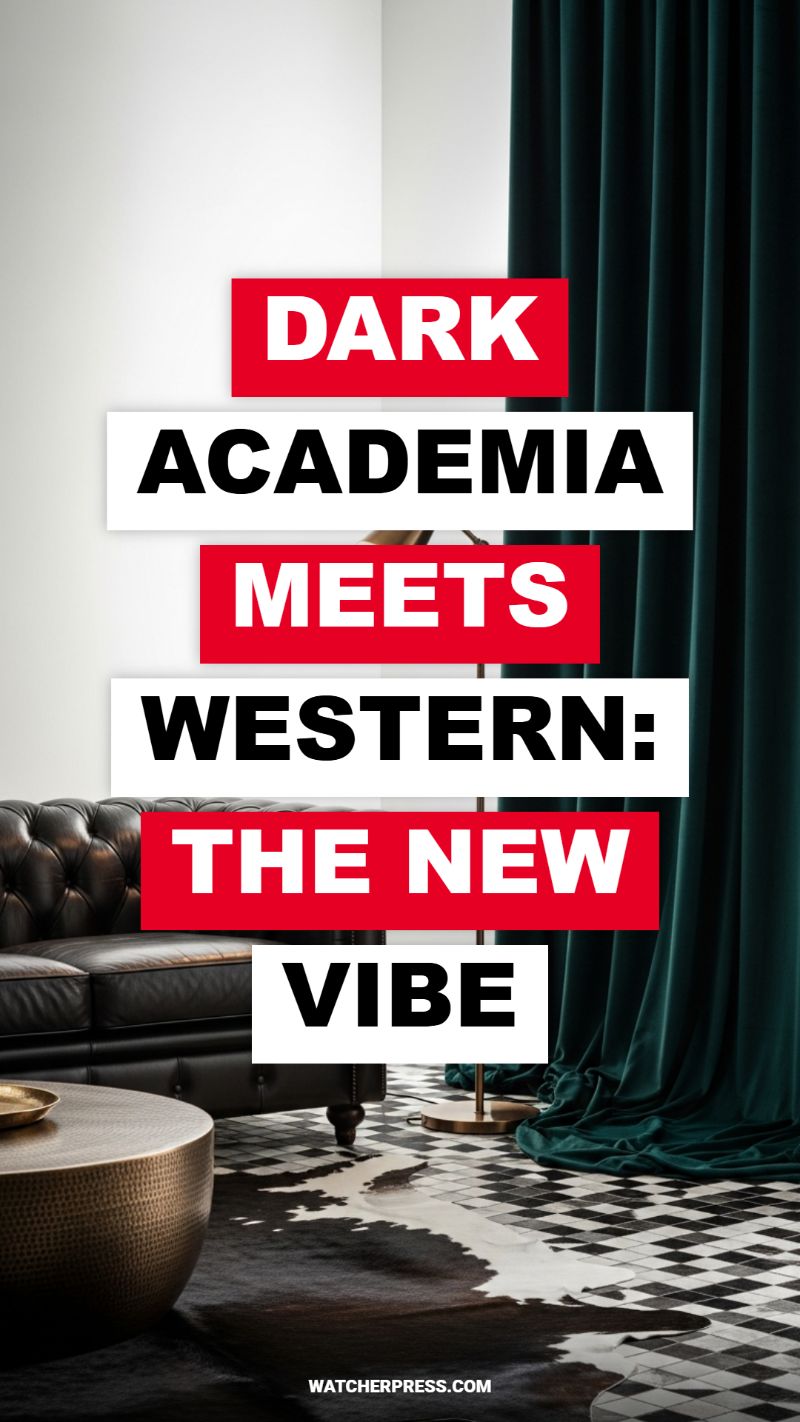
To master the synthesis of Dark Academia and Western aesthetics, start by establishing a deep, textured foundation rooted in classic academic style. This foundation should rely on rich, moody color palettes—think deep forest green (as seen in the plush velvet drapery), charcoal, navy, and oxblood. Prioritize luxurious, weighted materials for main furniture pieces, such as a tufted Chesterfield sofa rendered in black or deep brown leather. The flooring is crucial for setting the tone; here, a geometric black-and-white tiled floor provides a structured, historical backdrop, contrasting starkly with the softness of the fabrics. The atmosphere should feel sophisticated, curated, and slightly dramatic, mimicking the intimate ambiance of an old university library.
Next, strategically introduce the rugged, earth-bound elements of the Western aesthetic to prevent the look from becoming too formal or stuffy. The Western influence functions primarily through texture and materiality rather than direct themes. This fusion is expertly achieved by overlaying a natural element—like a high-contrast black-and-white cowhide rug—onto the patterned tile floor. This immediately injects raw, frontier authenticity. Further this tactile contrast by incorporating distressed metals; the large, hammered bronze or copper coffee table pictured is an excellent example, providing a handmade, rustic counterpoint to the refined leather and velvet. Focus on accessories made of raw wood, aged brass, or heavy iron to maintain a sense of durability and history.
Finally, the key to successful execution is balance and moderation. Avoid literal Western kitsch and instead focus on high-quality, intentional accents. Lighting should be warm and diffused, utilizing brass floor lamps and library-style desk lamps to highlight the scholarly undertones. When integrating the two styles, ensure color continuity; for example, the deep browns and blacks from the sofa and rug should echo the shadows and depth of the curtains. The resulting space should feel like a luxurious study that embraces the open, adventurous spirit of a historic ranch house—a space that is deeply intellectual yet welcomingly rugged.
5 Essential Must-Haves for Mastering the Gothic Western Style
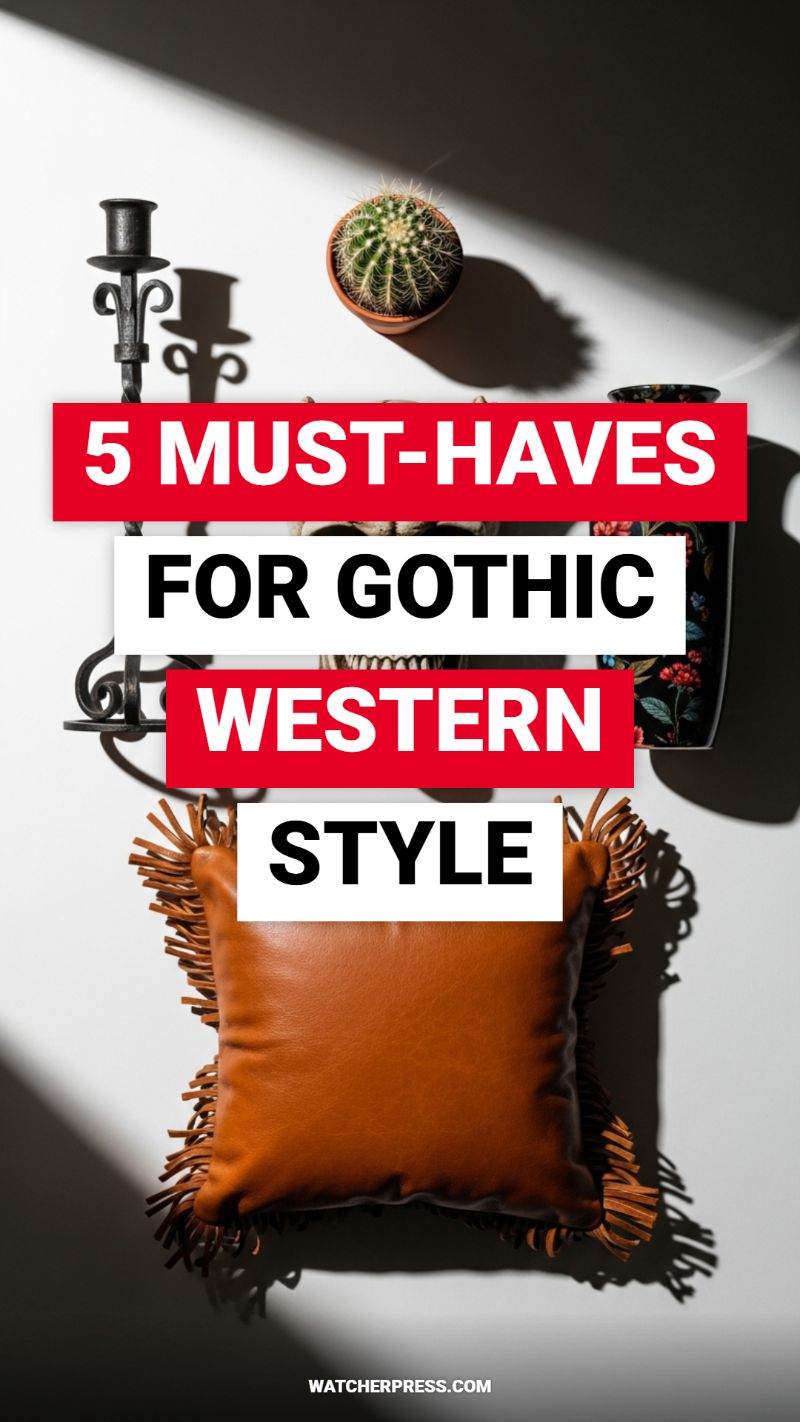
The fusion of Gothic drama and rugged Western grit creates a surprisingly sophisticated aesthetic that requires intentional contrast. To nail this style, you must start by selecting tactile materials that represent both worlds. Invest in rich, worn leather—the cornerstone of the Western look—for key pieces like throw pillows (especially those featuring fringe details, as seen here) or upholstery. Pair this natural, earthy texture with the dark, formal stiffness of wrought iron accessories, such as candlesticks or wall sconces, which instantly inject that necessary Gothic sensibility. This material pairing creates a powerful visual dialogue: the iron introduces sharp lines and shadows, while the leather and suede provide warmth and lived-in comfort. Ensure your base color palette remains moody, relying heavily on blacks, deep charcoal grays, and natural tans, allowing oxblood or deep indigo to serve as your only color accents.
To move beyond a simple ranch theme and embrace the ‘Gothic’ and ‘Dark Academia’ components, focus on incorporating elements of macabre elegance and curated ornamentation. This means moving past simple geometric patterns and introducing detailed motifs. Seek out ceramics, textiles, or framed prints that feature dark florals, subtle skull imagery, or intricate scrollwork—think Victoriana meets the dusty trail. Crucially, the lighting scheme must be dramatic. Harness the power of shadows, as depicted in this arrangement, using directional spotlights or low-wattage bulbs in heavy metal fixtures. The goal is to create an atmosphere that feels historical and slightly mysterious, relying on ambient mood rather than broad, bright illumination. Consider using aged brass or deep bronze finishes instead of shiny chrome to maintain the antique, scholarly feel characteristic of the Dark Academia influence.
Finally, balance the heavy, ornate details with the sparse, resilient spirit of the desert. The inclusion of small, resilient greenery, such as cacti or succulents in terracotta pots, is vital for adding a necessary touch of life and grounding the aesthetic firmly in the Western landscape. This prevents the space from becoming overly gloomy or cluttered. When decorating shelves or tabletops, group your items intentionally: a stack of heavy, leather-bound books next to a dark, patterned vase (like the one glimpsed in this layout) and a spiky cactus forms a perfect vignette. Remember, the true mastery of Gothic Western lies in its restraint; every fringed pillow and every iron detail must look thoughtfully curated, evoking the feeling of a sophisticated library housed within a remote, rugged hideaway.
STOP IGNORING MEXICAN HOME DESIGN

While Dark Academia often leans into reserved, northern European aesthetics, incorporating vibrant Mexican home design elements is the secret weapon for mastering the “Western Decor” component of this fusion. The foundation starts from the ground up: the authentic warmth provided by materials like terracotta or Saltillo tile, often laid in grounding patterns like the herringbone seen here. These earthy tiles immediately establish a rustic, historical baseline that prevents the entire room from feeling cold or overwhelmingly intellectual. To balance this deep color, utilize bright, matte wall finishes—a traditional white stucco or whitewash helps reflect natural light and serves as the perfect neutral canvas upon which richer Dark Academia furniture and vivid Mexican textiles can be layered. This combination creates a high-contrast yet harmonious backdrop critical for pulling off this complex hybrid style.
The instructional centerpiece for incorporating Mexican flair is the strategic use of color and hand-crafted wood. Instead of purely minimalist or industrial pieces, introduce furniture that boasts distressed finishes and pops of intense, saturated color—think benches and chairs painted in vivid greens, blues, or reds, reminiscent of traditional artistry. These pieces infuse necessary personality and lightheartedness into the often somber palette of Dark Academia. To ensure cohesion, juxtapose these brightly painted woods with deep, moody textiles. For instance, drape a luxurious, dark emerald velvet throw over a rustic blue bench, or pair a carved Mexican headboard with charcoal linen bedding. This technique ensures that the boldness of the Western decor feels intentional and curated, rather than overwhelming the scholarly, antique vibe.
Finally, focus on architectural details and accessories to seal the hybrid aesthetic. If possible, showcase natural wood elements such as exposed ceiling beams (as visible in the image) or heavy lintels; these elements organically bridge the rustic, regional Western style with the dark, heavy woods favored in historical academia. For accessorizing, avoid clutter but prioritize objects that speak to history and craft. Place leather-bound, antique books next to a hand-painted Talavera vase, or use natural fiber woven baskets (a staple of Mexican design) as sophisticated storage beneath an antique brass desk lamp. By integrating these vibrant, handcrafted elements with the brooding textures and shapes of Dark Academia, you create a dynamic, sophisticated space that feels both well-traveled and profoundly intellectual, moving far beyond typical muted Southwestern tropes.
VIBRANT MEXICAN DECOR IDEAS FOR SUMMER

Integrating the vibrant, sun-drenched palette of Mexican decor, as seen in the striking Talavera pottery and colorful textiles, into the moody sophistication of the Dark Academia and Western fusion requires strategic layering. To successfully marry these aesthetics, use the rich patterns and saturated hues as curated artifacts against a foundation of deep, muted colors and heavy textures. Begin by grounding the space with classic Dark Academia elements: dark walnut bookshelves, distressed leather seating, or walls painted in deep tones like library green or midnight blue. The Talavera pottery, with its ornate hand-painted patterns and deep cobalt blue accents, transitions beautifully from pure summer decor to collectible academic artifact. Treat these large vases, pitchers, and bowls as sculptural elements, grouping them intentionally on dark wooden side tables or integrated into shelving displays to provide brilliant visual focal points that break up the seriousness of the academic style without sacrificing maturity.
The textile component offers the perfect bridge to the Western aesthetic. The serape blankets, known for their bold stripes and fringe, introduce the necessary vibrant color and texture. Rather than displaying them ubiquitously, use them as an unexpected accent over a worn, dark leather armchair or a rustic wooden bench. This placement instantly marries the raw, tactile quality of Western decor with the bright, spirited colors of Mexico. Similarly, the papel picado banner, traditionally a string of colorful cut paper, can be adapted by using heavier, dark-colored felt or even aged metal versions, strung across a high beam or a dark mantelpiece. This allows the beautiful, intricate shadow-casting effect to remain, leaning into the slightly mysterious, artifact-heavy atmosphere of Dark Academia, while the bright colors (used sparingly, perhaps just a few panels) hint at the lightness of the summer season.
Expert styling involves controlling the overall scale and saturation. When styling vignettes, pair the brightly painted Talavera pieces with materials that offer significant textural contrast—such as wrought iron elements (as seen in the seating), natural woven baskets, or heavy antique brass fixtures. Use warm, low lighting (think vintage Edison bulbs) to cast a golden glow on the patterned ceramics, which helps to subtly deepen the hues and prevent the vibrancy from feeling too jarring against a dark backdrop. The goal is to make the vibrant pieces feel like treasured souvenirs or ethnographic finds, collected over years, rather than just seasonal decorations. This approach ensures the space maintains the curated, story-rich depth essential to the Dark Academia/Western fusion, while still celebrating the joyful energy of Mexican craftsmanship.