Unlock the secret budget hacks that instantly elevate your home decor. Learn affordable tips and tricks to make your spaces look high-end and luxurious without breaking the bank.
The Secret to Perfect Living Room Layouts
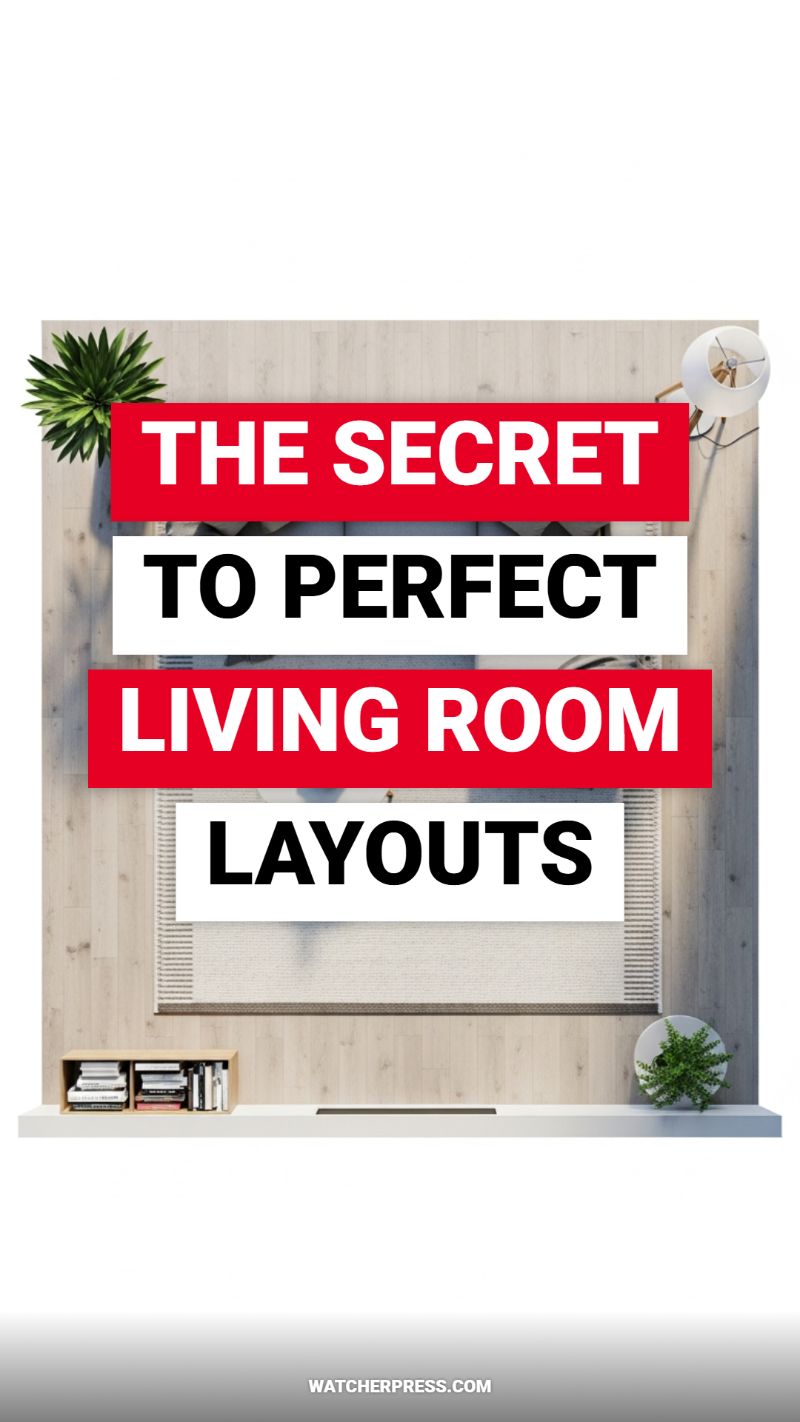
The first secret to achieving an expensive aesthetic on a budget is mastering spatial planning. Even the most luxurious individual pieces will fall flat if the layout feels chaotic or cramped, which instantly reads as inexpensive. The key is establishing a central anchor point—often the media console, a fireplace, or a key piece of art—and then arranging your seating to face it, maintaining comfortable conversation distance (ideally 4 to 8 feet between primary seating elements). Look at the visual cues in the image: the console (presumably holding a TV/fireplace) dictates the entire arrangement, demonstrating how a focal point grounds the space. Crucially, ensure clear, unobstructed pathways, keeping main walkways at least 3 feet wide. This deliberate, thought-out flow demonstrates intentional design, a hallmark of high-end interiors, and it is a planning exercise that costs nothing but careful consideration.
Perfecting the layout relies heavily on correct scale and proportion, particularly concerning foundational elements like area rugs. A common budget mistake is using a rug that is too small; this fragments the space and makes the room feel undersized and cheap. To create an expensive, expansive feel, the rug should be large enough to sit under the front legs of all primary seating pieces, visually unifying the arrangement. In the provided example, the light-colored, expansive rug successfully grounds the seating area without dominating the floor or cutting off the furniture. Furthermore, utilize the principle of visual balance for consoles and shelving. The slim, floating console provides a clean base, contrasted by strategically placed vertical elements (plants, books) on either side. This symmetry and balance ensure the decor feels curated and purposeful, rather than haphazardly accumulated, maximizing the perceived value of every item.
Finally, incorporate purposeful layering to solidify the expensive layout and enhance functionality. Notice the integration of varied heights, such as the tall floor lamp and the strategically placed greenery, which adds visual complexity and dynamism. Lighting is essential; utilizing a mix of ambient, task, and accent lighting prevents a harsh, singular overhead light source, mimicking the sophisticated lighting schemes found in designer homes. The floor lamp provides necessary task lighting while adding vertical interest. Additionally, ensure that every item, particularly on shelves and consoles, serves a dual purpose: aesthetic appeal and utility. Structured, organized storage, like the curated stack of books, immediately suggests organization and intellectual sophistication—two elements instantly associated with luxury. By defining zones through careful furniture placement and integrating functional, low-cost decorative elements, you can transform a basic room into a high-end sanctuary without ever resorting to designer price tags.
TRANSFORM YOUR KITCHEN WITH THESE 5 UPDATES
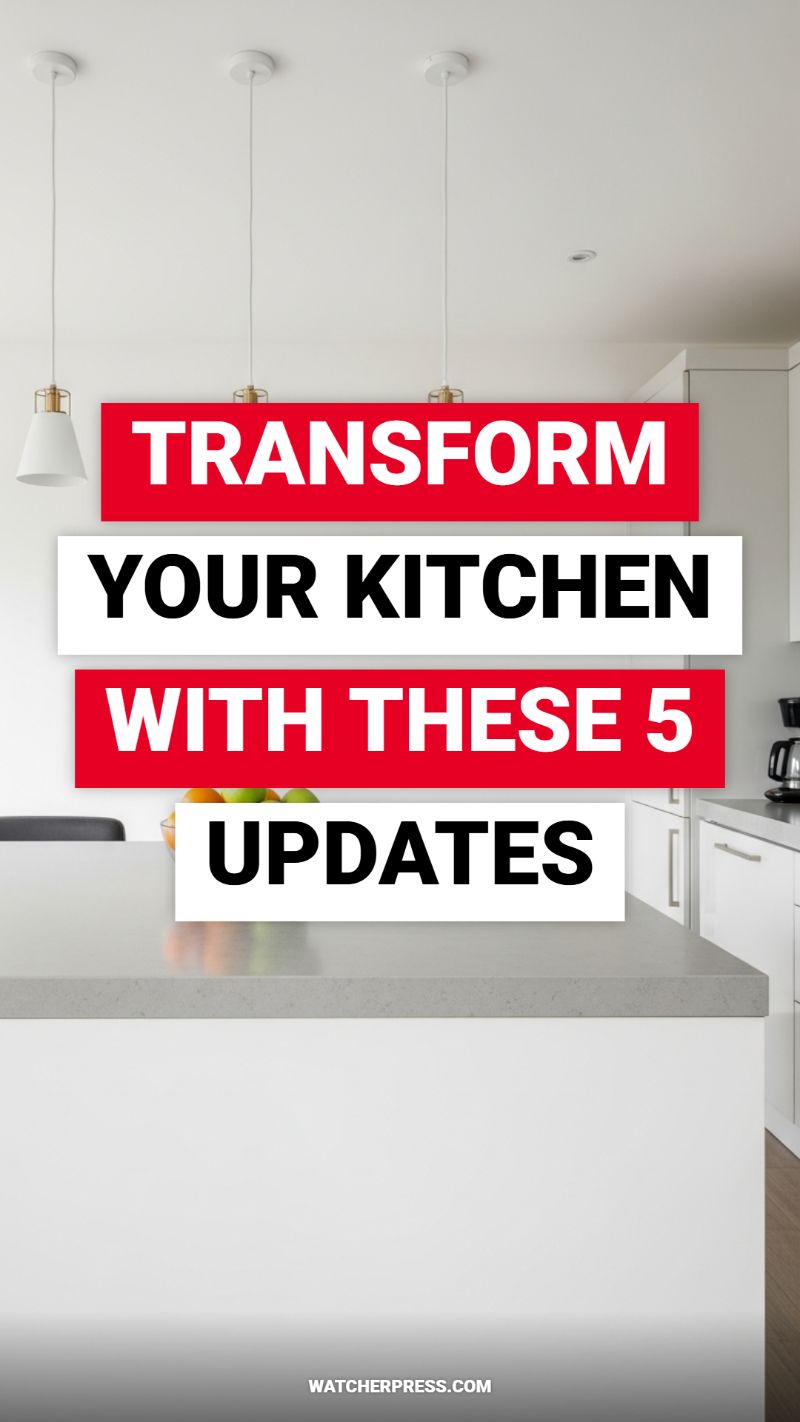
The secret to making your kitchen look dramatically more expensive isn’t replacing the cabinetry—it’s focusing on the architectural jewelry: hardware and lighting. These two elements offer the highest return on investment for visual appeal, yet they often cost the least to upgrade. Begin by auditing your cabinet hardware. Swapping dated, mismatched, or brassy knobs and pulls for sleek, weighty alternatives—like linear brushed nickel bars or chunky matte black knobs—immediately modernizes the entire space. This subtle change provides a solid, custom feel that expensive kitchens often possess. Simultaneously, eliminate outdated light fixtures, especially those centered over the island or sink. As seen in the example image, modern pendant lighting is essential for drawing the eye up and creating visual structure. Opt for simple, conical, or globe shapes in materials like brass, glass, or enameled metal. The key is to select fixtures that look intentional and symmetrical, establishing a focal point that screams ‘designer upgrade’ rather than standard builder-grade installation.
Moving beyond the small details, tackle surface areas that define the aesthetic of the room without undertaking a messy and costly renovation. If full countertop replacement is out of budget, focus heavily on preparation and presentation. Expensive kitchens are inherently minimalist and clean; therefore, the most effective hack is ruthlessly decluttering the counter surface. Remove all non-essential small appliances and accessories, leaving only a few intentional, beautiful items (like the bowl of fresh fruit visible in the image, or a high-end cutting board leaning against the wall). For a quick, high-impact update that mimics the look of luxurious stone, consider applying a micro-topping or a high-quality contact paper that replicates marble or concrete finishes to existing laminate countertops, focusing on the edges for a seamless effect. Additionally, address the backsplash. If budget allows, install classic subway tile or a simple geometric tile pattern; if not, there are excellent peel-and-stick tile solutions available today that provide texture and visual interest at a fraction of the cost, making the kitchen feel fresh, tailored, and bespoke.
Finally, maximize the transformative power of paint and sophisticated staging. A full cabinet repaint might be an investment, but a strategic two-tone scheme is a major budget hack that looks completely custom. Painting only the lower cabinets a deep, grounding color—such as navy blue, forest green, or charcoal gray—while leaving the upper cabinets a crisp white creates depth, contrast, and visual interest, emulating high-end European design. This technique also grounds the space, making the ceiling appear higher. The final 5th update is staging for success. Once the core elements are clean and updated, ensure all accessories reflect a sense of refined living. Swap out generic dish soap containers for aesthetically pleasing dispensers, use sophisticated, simple window treatments (or none at all, emphasizing clean lines), and incorporate fresh greenery or herbs. These final touches elevate the space from functional to aspirational, proving that true luxury is found in thoughtful execution and a commitment to minimal clutter.
MY SECRET SOURCE FOR EXPENSIVE-LOOKING DECOR
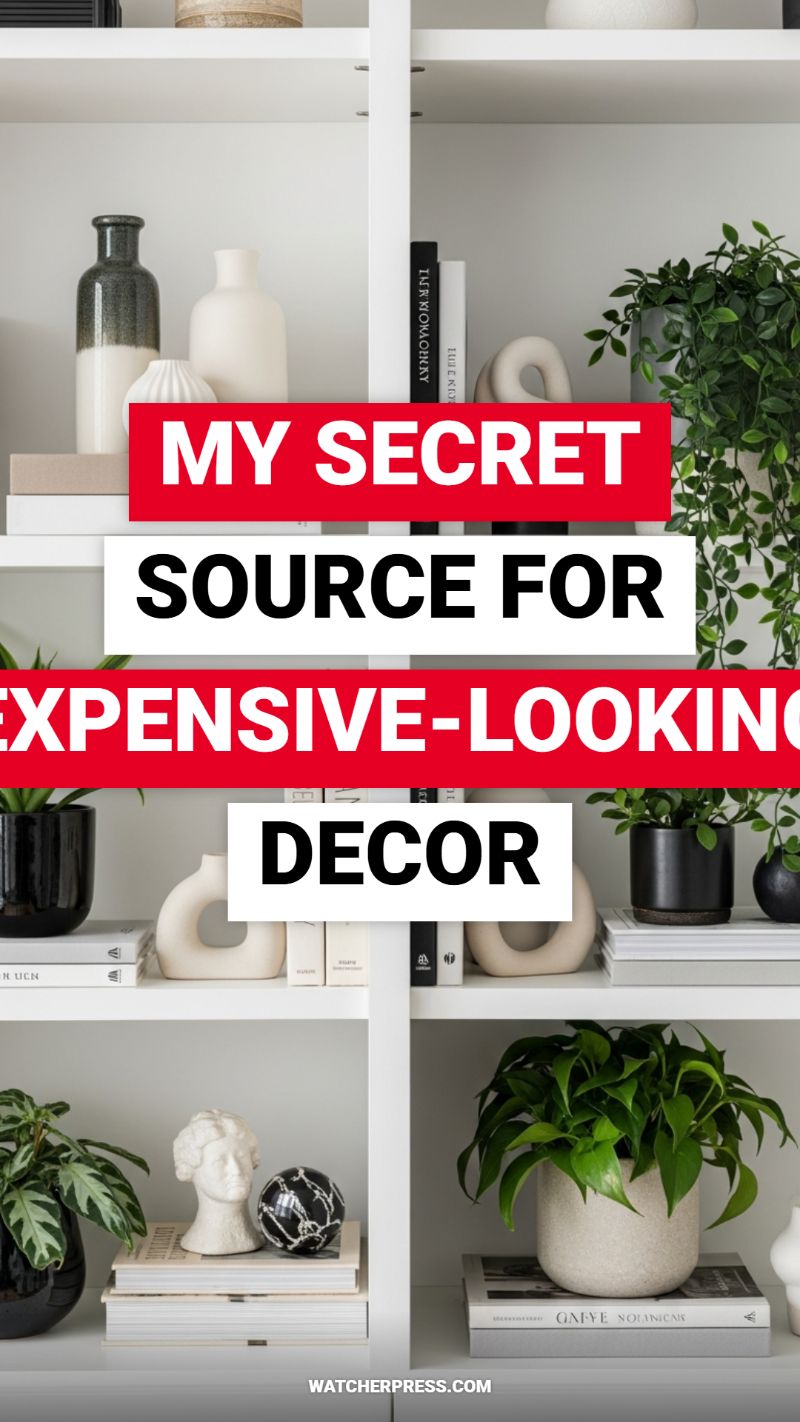
The secret to expensive-looking decor isn’t about the price tag of the shelving unit or the individual items; it’s about the visual coherence achieved through deliberate, high-impact styling. To replicate this elevated look using budget sources, your primary goal is to minimize visual noise and maximize textural contrast. Begin by strictly adhering to a neutral color palette—creams, whites, deep blacks, and muted grays—using pops of deep greenery as your only accent color. Crucially, choose matte finishes over glossy ones. Items with an unglazed, ceramic, or stoneware look immediately appear heavier and more artisanally crafted than shiny plastics or highly reflective metals. When sourcing budget books (a necessity for shelf styling), remove colorful jackets or cover them in plain white or cream paper to instantly create a custom, high-end library effect.
Next, focus on strategic composition to make your budget shelves look intentionally curated. This arrangement relies heavily on dimension and the principle of layering. Never place objects directly on the shelf surface without stacking or elevating them first. Use horizontal book stacks as pedestals to lift smaller sculptural pieces, like a small bust or an abstract vase, bringing them closer to eye level. When creating groupings, always vary the scale and texture: combine something soft (a hanging plant) with something hard (a geometric sphere) and something tall (a slender vase). Note the use of negative space in the image; each vignette is allowed room to breathe, preventing the common mistake of over-cluttering budget shelving. This disciplined approach mimics the restraint seen in expensive retail displays.
Finally, incorporate sculptural and organic elements that serve as functional art. The appearance of expensive decor often hinges on unique, abstract shapes that look like gallery pieces. Look for inexpensive ‘doughnut’ or horseshoe-shaped ceramics, small faux marble spheres, or simple geometric shapes in neutral colors, which are now widely available at budget retailers. These pieces provide visual interest without demanding attention. The final, non-negotiable hack is the inclusion of quality greenery. Plants—even realistic faux ones—add life and a vibrant organic element that sharply contrasts with the rigid architecture of the shelves, signifying a well-maintained, luxurious space. Ensure your plants are potted in heavy, textured containers (like matte ceramic or faux concrete) rather than cheap plastic to maintain the expensive aesthetic you’re aiming for.
BUDGET AMAZON DECOR MUST-HAVES UNDER $30
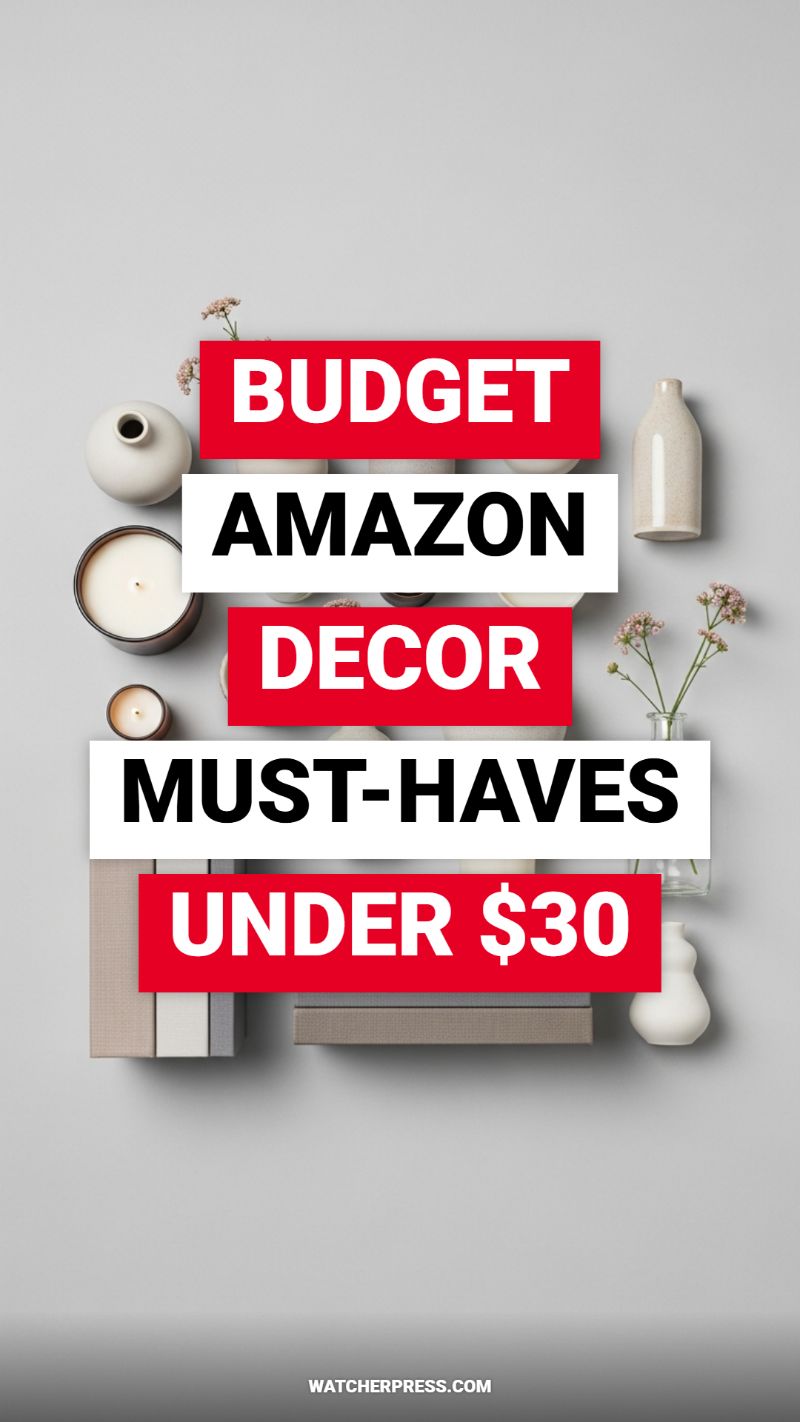
When aiming for a high-end look without depleting your savings, mastering the art of the strategic Amazon accessory haul is essential. The secret lies in focusing solely on neutral color palettes—creams, whites, matte blacks, and earth tones—as demonstrated by the beautifully curated vignette in the image. These muted shades inherently convey sophistication and quality, masking the budget price tag. Skip brightly colored plastics or shiny metallics, and instead prioritize natural textures like unglazed ceramic, matte glass, or subtly textured textiles. Look specifically for ceramic bud vases, taper candle holders, and small decorative boxes. Grouping these seemingly simple, neutral items together on a shelf or mantle creates visual weight and harmony, instantly elevating the overall aesthetic of the room far beyond what their under-$30 price suggests.
To maximize the perceived value of these inexpensive finds, presentation is paramount. Interior design experts often utilize the ‘rule of three’ and vary heights when styling accessories. Begin by grounding your arrangement, perhaps with a stack of large coffee table books or a simple wooden tray, which instantly gives structure and definition. Next, layer your Amazon must-haves: place the tallest vase at the back, a medium-sized candle jar or sculpture in the middle, and the smallest item (like a match striker or a tiny bud vase) near the front. This triangular composition creates dynamism and interest. Always ensure you are styling items that are substantial enough to feel weighty; avoid items that look flimsy or hollow, as this is the quickest way to betray a low budget, regardless of how beautiful the item appears in pictures.
Sourcing successfully on Amazon requires careful consideration of materials and scale, especially since you cannot physically inspect the item beforehand. To avoid disappointment, filter your search results for keywords like “matte finish,” “stoneware,” “heavy glass,” or “minimalist design.” Crucially, read the product descriptions and customer reviews specifically looking for comments on the item’s perceived size and quality. For example, a budget vase might look great in the listing, but reviews might reveal it is miniature or made of thin, cheap porcelain. If the dimensions are not clearly listed or the material description is vague (e.g., “alloy,” “resin”), move on to a better-vetted item. By sticking rigidly to accessories that mimic expensive materials (like textured ceramic mimicking artisan pottery or brushed finishes mimicking brass) and paying close attention to scale and weight, you can fill your home with affordable decor that genuinely looks ten times its actual cost.
ENTRYWAY DECORATIONS THAT IMPRESS GUESTS
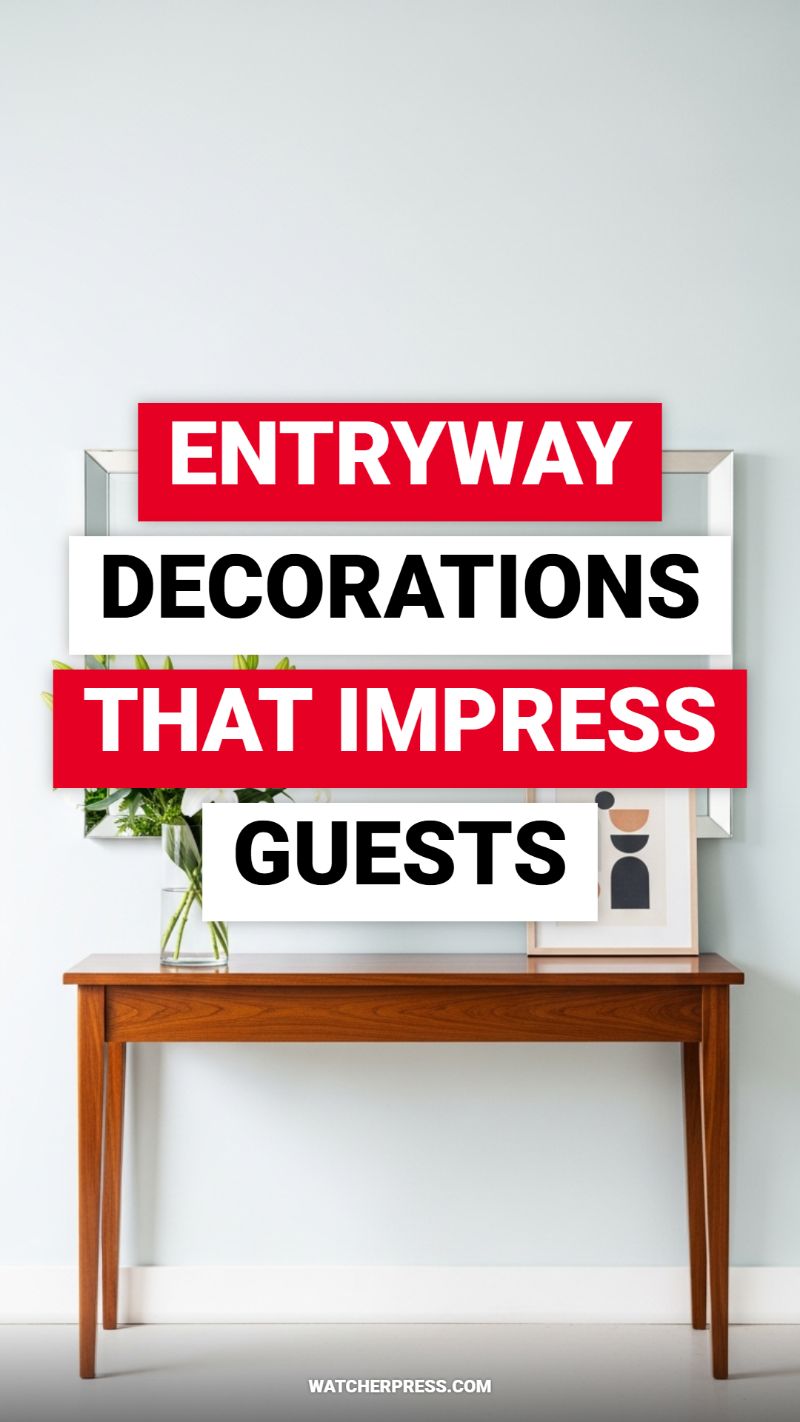
The entryway is your home’s handshake, setting the tone for every visitor who walks through the door. To ensure this crucial transition space conveys luxury and sophistication without breaking the bank, focus intensely on intentional styling and minimizing visual clutter. The key piece here is the console table. As demonstrated in this example, choosing a piece with clean, timeless lines—such as a classic mid-century modern design made from quality wood—immediately elevates the space. Look for budget versions of these tables at consignment shops or secondary furniture marketplaces. An expensive look is often achieved not through ornate detailing, but through quality materials and impeccable proportion; ensure the table size allows the space to breathe while providing sufficient surface area for staging.
The secret to an impressive entryway is employing the Rule of Three with strategic styling elements. First, anchor the wall space with a significant vertical feature. A large, framed mirror (often cheaper than large artwork) is an excellent budget hack, as it visually expands the footprint of the room and maximizes natural light, instantly signaling spacious luxury. If using art, opt for minimalist or abstract geometric designs, like the one pictured, which provide visual interest without feeling busy or mass-produced. Second, incorporate an element of life. A simple, elegant clear glass vase holding fresh-cut flowers or structural greenery (such as lilies, tulips, or eucalyptus) adds an organic texture that cannot be replicated cheaply. This small detail communicates care and attention to the home, a trademark of high-end design.
Finally, the true budget hack lies in managing functional items elegantly. Nothing cheapens an entryway faster than keys, mail, or spare change strewn across the surface. Curate the remaining space with one or two layered textures—for instance, a ceramic catch-all dish or a stack of oversized coffee table books. Note how the visual elements in the image rely on contrasting textures: the smooth wood grain, the reflective glass, the matte art paper. This careful layering adds depth and complexity. Remember to hide any distracting functional elements, like exposed wires for lamps or unattractive outlet covers, ensuring every detail contributes to a cohesive, thoughtfully designed first impression that guests will assume came with a high price tag.
CHIC AMAZON FINDS I’M OBSESSED WITH NOW
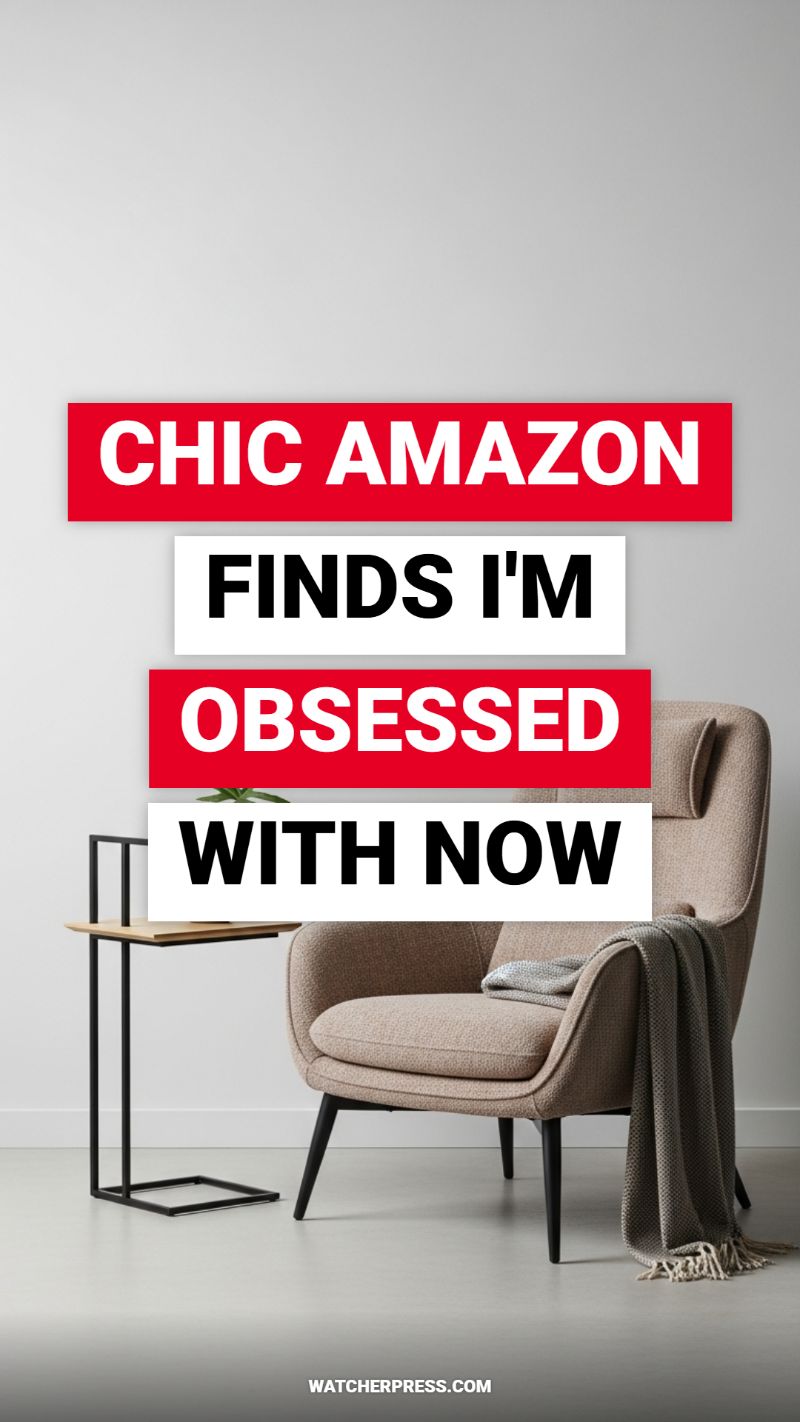
The secret to turning everyday Amazon purchases into luxury decor lies in focusing on elevated texture and architectural shape. When hunting for larger pieces, like the accent chair shown here, bypass trendy, flimsy designs. Instead, seek out pieces featuring curved lines, tapered black legs, and rich, durable fabrics—think boucle, heavy linen blends, or textured weaves. These details instantly mimic designer quality that usually costs thousands. Remember, a constrained color palette (like the soft taupes and blacks in this vignette) allows the quality of the material, not the complexity of the color scheme, to take center stage, making budget furniture appear far more substantive and sophisticated.
Moving beyond major furniture, the most effective budget hacks are found in strategic accent placement. The side table is a perfect example. Rather than bulky wood, choose minimalist, architectural pieces constructed from matte black metal with a simple wood or stone top. This industrial-chic look is currently prevalent in high-end design but is easily replicable with affordable finds. Crucially, pay attention to styling: incorporate quality textiles. A heavy, textured throw blanket, ideally in a neutral tone like charcoal or heather gray, adds immediate depth and visual weight. Drape it casually over the arm or seat of the chair to introduce softness and tactile luxury—a trick that elevates even the simplest seating arrangement.
The final, often overlooked step in transforming budget finds is presentation and context. A high-end look is about curation, not accumulation. This image beautifully demonstrates the power of negative space. By limiting the room’s elements to just three key items—a chair, a table, and a blanket—the focus remains squarely on the quality and design of each piece. Ensure your backdrop is clean and uncluttered, using neutral paint colors (like the light gray wall here) that don’t compete with the furniture. This disciplined approach to minimalism is the ultimate budget hack, proving that a few thoughtfully selected, high-impact Amazon pieces, when styled deliberately, can easily outperform a room filled with expensive clutter.
THIS GOTH WESTERN TREND IS TAKING OVER!
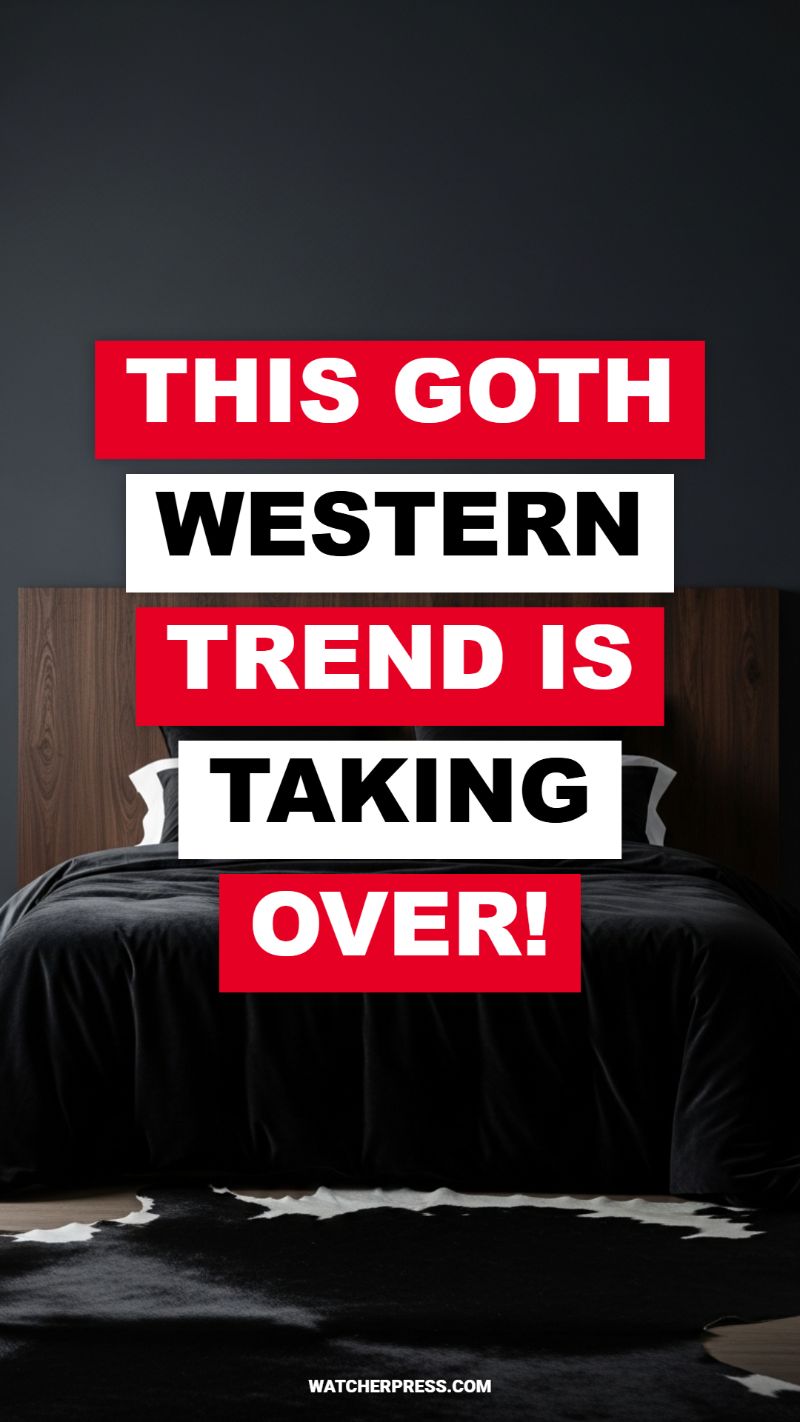
The ‘Goth Western’ or ‘Dark Aesthetic’ trend shown here is a secret weapon for achieving a high-end look on a shoestring budget. Deep, moody color palettes – specifically matte black and charcoal gray – immediately lend gravitas and sophistication, often masking imperfections or inexpensive furniture better than lighter colors. The primary budget hack deployed in this aesthetic is the strategic layering of high-contrast, rich textures. Notice how the plain, dark bedding (likely a budget-friendly velvet or heavy cotton) gains immediate opulence when paired with the patterned cowhide rug. To emulate this, prioritize tactile luxury in textiles; focus your spending on materials that feel and look heavy, such as faux fur throws, velvet cushions, or weighty linen duvets. These textured elements draw the eye and create visual depth, shifting the focus away from potentially cheaper underlying structures, like basic bed frames or plain walls.
Maximizing contrast is essential for elevating this dark look without spending excessively. The dark bedding and walls are grounded by the contrasting texture of the cowhide rug (easily sourced affordably as a faux option) and the light wood floor and headboard. This juxtaposition prevents the black-on-black scheme from feeling flat or cave-like, which is the pitfall of poorly executed dark design. To apply this hack, commit to a dramatic contrast point: if your walls are dark, ensure your floor coverings introduce lightness and varied texture. Conversely, if painting the whole room seems too daunting, use dark paint solely behind the headboard as a budget accent wall, ensuring that the dark elements are offset by a reflective or light-toned material nearby, such as metallic lamps or crisp white accent pillows, to catch and maximize available light.
For a truly luxurious finish that appears 10X more expensive, pay close attention to the quality of finish on your walls and textiles. When opting for dark paint, choose a matte or flat finish. Unlike semi-gloss or eggshell, a matte finish absorbs light and gives walls a dense, velvety appearance that suggests custom wallpaper or expensive plasterwork – all achievable with basic, affordable paint. Furthermore, ensure that all visible elements, like the headboard pictured, have strong, clean lines. If buying new furniture isn’t an option, use wood stain or black paint to refresh existing pieces, opting for rich, deep wood tones to complement the black textiles. By channeling your budget into the textural textiles (duvet, rug) and utilizing inexpensive matte paint for maximum dramatic effect, you successfully translate a trendy aesthetic into a timeless, high-end design.
THE BEST AFRO CHIC BEDROOM VIBES
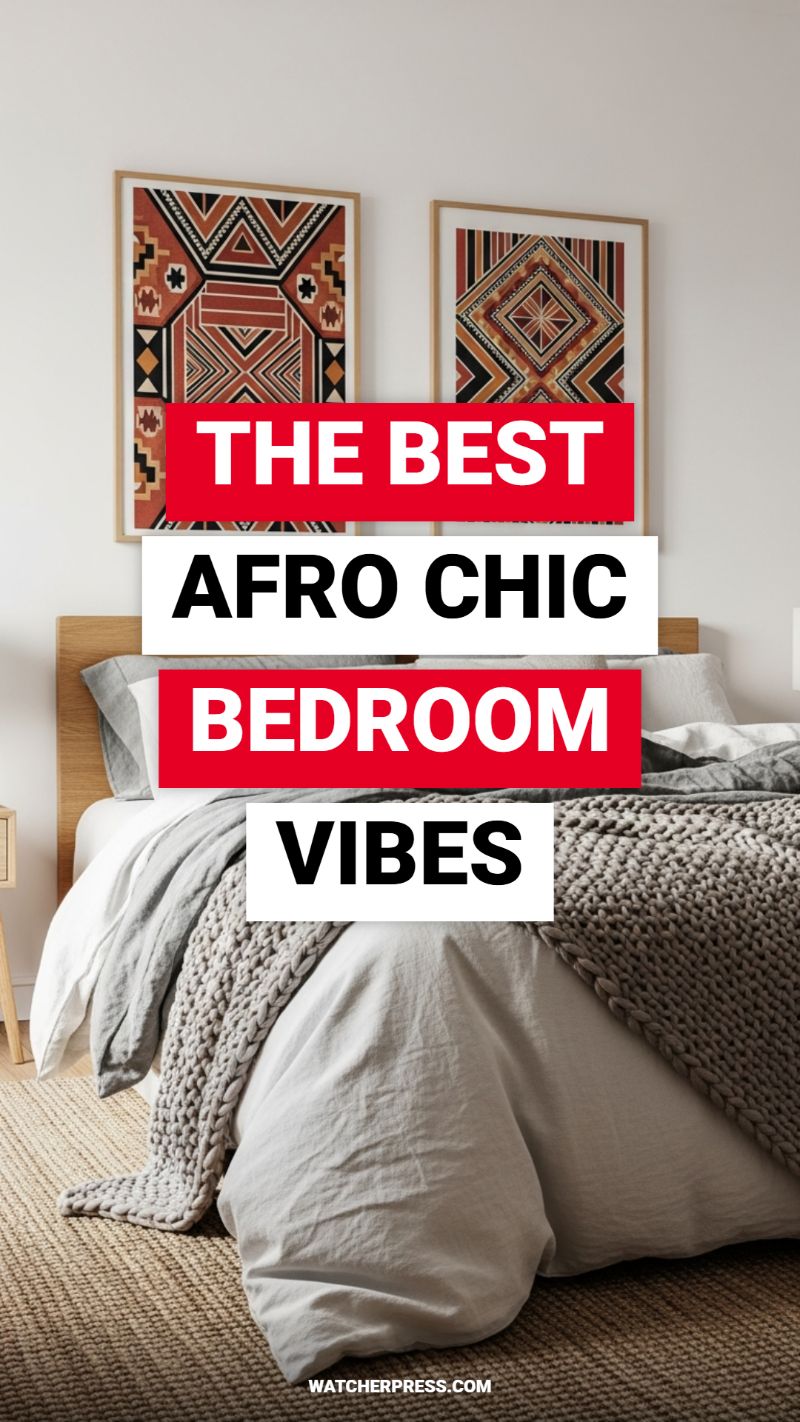
Achieving a luxury aesthetic often means focusing on tactile elements and layered textures, which is a surprisingly affordable design hack. In this stunning Afro Chic bedroom, the foundation is built upon simple, high-quality, monochromatic materials. Opting for linen or washed cotton bedding in neutral shades (soft gray or white) provides an effortless, sophisticated drape that looks instantly more expensive than standard cotton blends. Crucially, layer in contrasting textures: the bed is grounded by a large, chunky knit throw, which adds visual weight and warmth. Below, a natural fiber rug, like jute or sisal, introduces earthiness and scale. These textural elements are budget-friendly alternatives to costly velvet or silk, yet they deliver the depth and complexity necessary for a high-end feel.
The true secret to elevating this space, however, lies in the strategic use of high-impact statement art. Instead of investing thousands in a single piece, leverage large-format, affordable digital prints featuring culturally rich, geometric patterns. The two symmetrical prints shown here, reminiscent of African textile designs (like Kente or Kuba cloth), immediately define the style and introduce a vibrant color palette (ochre, red, black) that commands attention. Hanging two large, identical pieces symmetrically above the headboard creates a formal, curated gallery effect that reads as intentional and custom-designed. This budget hack transforms a standard bed setup into a focal point, proving that the scale and positioning of art matter far more than its price tag.
The final piece of the luxury puzzle is restraint. The Afro Chic style achieves sophistication by using bold patterns sparingly. Notice how the vibrancy of the artwork is intentionally contrasted with the almost spa-like tranquility of the light gray and natural wood surroundings. This balance ensures that the room feels luxurious and inviting, rather than overwhelming. By confining the rich color and complex pattern primarily to the easily swapped artwork, and maintaining simplicity in the bulky items (bedding, furniture, rugs), you maximize the impact of your decor choices while keeping your overall investment low. This disciplined approach to mixing neutrals with deliberate pops of cultural influence is the hallmark of truly expensive-looking design.
THRIFTING TIPS TO FIND THE BIGGEST SCORE

Thrifting is arguably the most effective budget hack for achieving an expensive-looking home aesthetic. The key is to move beyond casual browsing and adopt a serious hunter’s mentality, as depicted in the image where the shopper is intensely focused on an ornate, high-quality lamp base. When searching for your “biggest score,” always prioritize items with substantial weight and quality materials, such as solid wood, brass, marble, or ceramics that possess deep glaze and intricate detailing. Avoid flimsy, particle-board items or mass-produced plastic goods, which inherently read as cheap, regardless of their price tag. Focus particularly on lighting and statement accessories, as these pieces—like the highly patterned lamp seen here—often have unique, artisan qualities that would cost hundreds retail. Always perform a thorough inspection: check furniture joins for dovetailing, look at the underside of ceramic items for maker’s marks, and ensure metals have a rich patina rather than a thin, peeling finish.To maximize your thrift store success, strategic timing is crucial. Most major thrift organizations restock throughout the week, but savvy shoppers know to hit the stores early on weekday mornings, often before items have been fully sorted, or immediately following holiday weekends when people declutter. However, finding the score is only half the battle; understanding its potential is the real expertise. Don’t be deterred by surface-level flaws like outdated colors or minor damage. A piece of furniture with great bones—strong construction, appealing silhouette—can be transformed with minimal effort. For instance, an ugly painted cabinet can become a bespoke piece with a high-gloss lacquer finish and new brass hardware. Similarly, vintage lamps often just need a quick electrical inspection, a fresh coat of spray paint on the metal fittings, and a modern linen shade (often purchased new) to elevate them from dated to designer quality. Calculating the cost of these small upgrades versus the initial bargain price helps you determine if the score is truly “big.”The final step in making thrifted finds look 10X more expensive lies in integration and presentation. A collection of random, cheap items looks messy; a curated collection of unique, high-quality pieces looks intentional. Successful incorporation means balancing your thrifted items with cleaner, newer elements. For example, pair a highly detailed, vintage rug or lamp base (like the one in the visual) with minimalist, contemporary furniture to create visual tension and highlight the texture and history of the score. Never display items in their raw, straight-from-the-store state. Dust them, polish them, and if necessary, treat them for odors. Styling is key: group smaller scores in odd numbers (the rule of three) on tables, use art books or pedestals for height variation, and ensure everything is clean and properly maintained. This careful curation masks the low price point and gives your space the bespoke, expensive feel of items collected over time, rather than bought all at once.
UPGRADE YOUR DINING ROOM, MEXICAN STYLE!
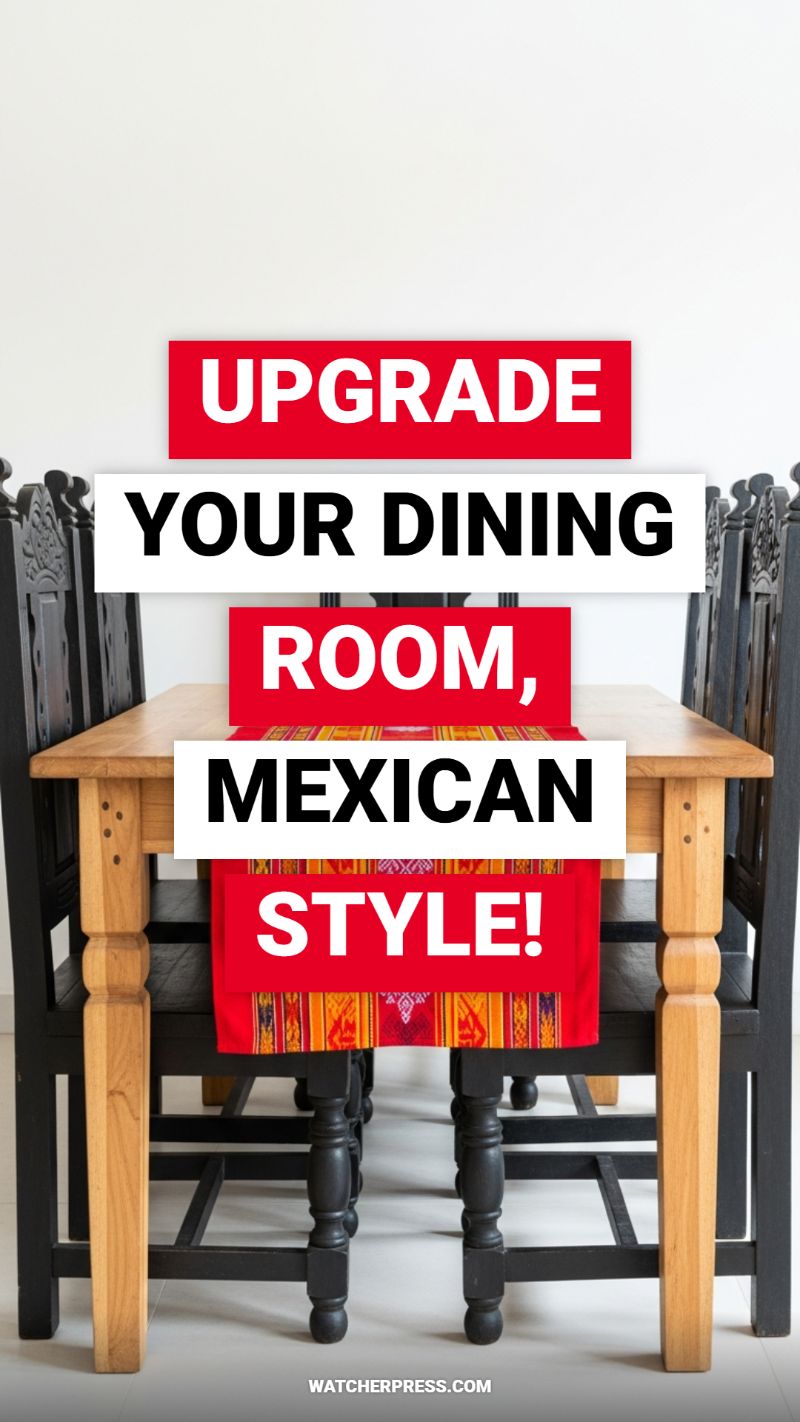
The secret to making standard, budget-friendly furniture appear bespoke and high-end lies in strategic layering, specifically through textiles that communicate cultural depth and craftsmanship. The hack shown here involves taking a plain wooden dining set—which might be vintage, inherited, or flat-pack—and instantly elevating it using an artisanal table runner. This approach works because the eye is immediately drawn to the vibrant, detailed pattern, which suggests a curated, well-traveled aesthetic typically associated with expensive, bespoke interior design. To replicate this look, prioritize textiles with a rich color saturation and complex weave (often found in Mexican, Peruvian, or Southwestern styles). These pieces should look substantial and weighty, not flimsy; look for natural fibers like thick cotton, woven wool, or linen blends, which hold a luxurious drape that synthetic materials cannot match. This single, inexpensive addition completely changes the visual narrative of the space, successfully distracting from the simplicity of the underlying furniture.
To maximize the visual impact of your textile hack, attention to proportion and placement is crucial. A table runner should contrast sharply with the surface it sits upon. If your table is natural wood or white, choose deep reds, burnt oranges, or bright blues, as seen in the example. For a dark table, opt for runners with lighter, earthy tones. The runner should span the full width of the table, ideally draping several inches over the edges to enhance the sense of volume and drama. If you cannot find a suitable runner, look for a vintage blanket, shawl, or even a highly patterned area rug remnant that can be tailored into a custom piece. Remember, the quality of the finish matters; ensure all edges are neatly hemmed. This intentional application transforms the textile from mere decoration into a functional centerpiece, demanding attention and creating an immediate focal point that anchors the entire dining area.
Integrating this powerful cultural accent requires restraint in surrounding decor to maintain an expensive, uncluttered feel. If the runner is the primary source of color and pattern, the place settings and surrounding wall art should remain relatively neutral and streamlined. Pair the vibrant runner with simple white stoneware, dark metallic flatware, or minimal glass vessels. This juxtaposition of the rich, textured fabric against sleek, modern accessories is the defining characteristic of high-end design today. Furthermore, consider a secondary budget hack: if your existing dining chairs are dated, give them a fresh coat of high-gloss or matte black paint (as suggested by the chairs in the image). Painting plain wooden chairs black is an easy, low-cost way to modernize their silhouette, allowing the artisanal runner and natural wood table to pop, making the entire ensemble feel intentionally designed rather than accidentally mismatched.
HOW TO MIX RUSTIC AND GLAM EFFORTLESSLY
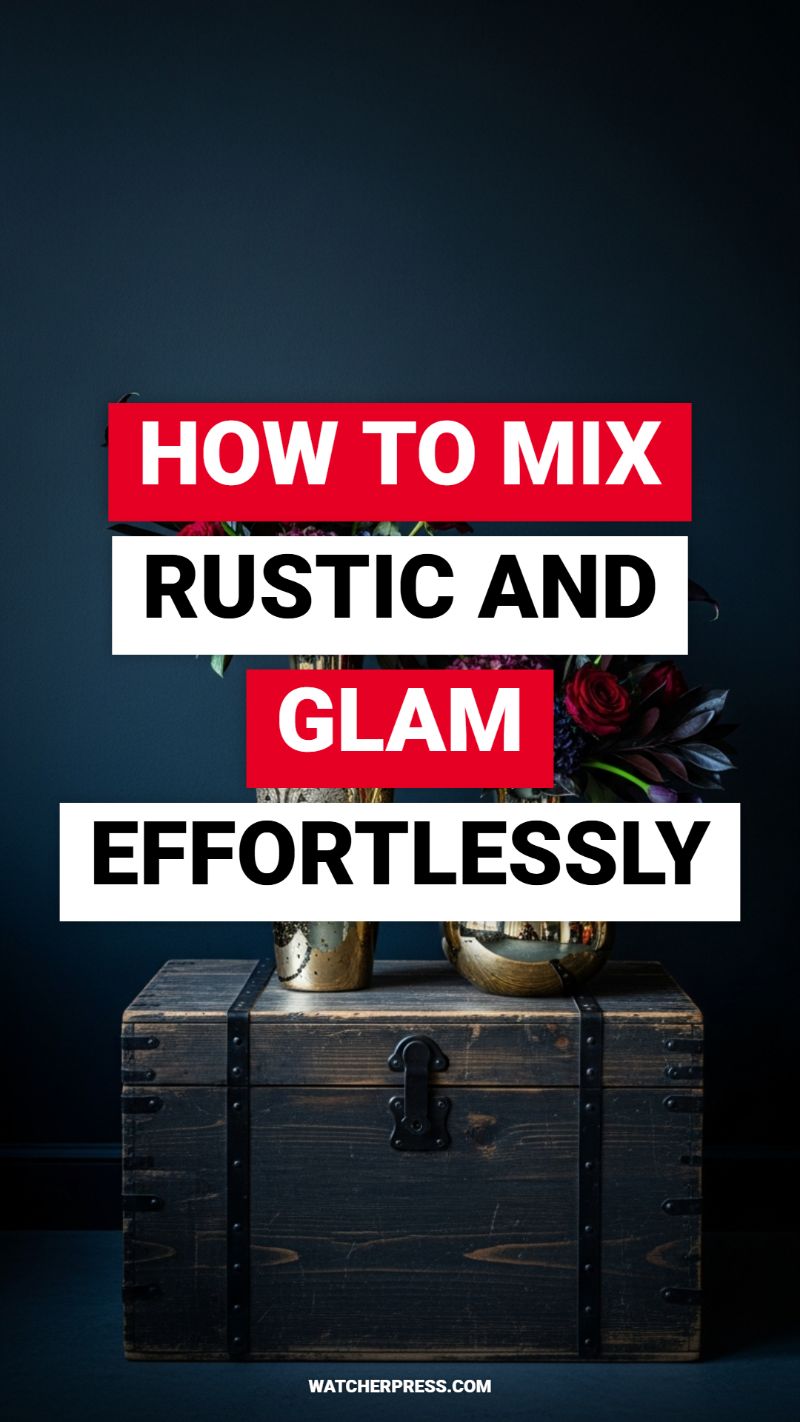
Mixing contrasting design styles, such as rustic and glam, is one of the most effective and budget-friendly ways to make your decor feel curated and high-end. The secret lies in the intentional juxtaposition of texture and finish, which elevates even the most basic pieces. Rustic elements, characterized by raw materials, distressed finishes, and natural textures (like weathered wood, exposed brick, or wrought iron), serve as an excellent, affordable foundation. When paired with high-polish, reflective glamour—think metallics, velvet, or crystal—the eye is tricked into perceiving expensive contrast, turning a simple vignette into a statement piece. This method allows you to use durable, low-cost foundational items and sprinkle in smaller, impactful ‘glam’ accessories, effectively stretching your decor budget.
To master this technique, utilize the 80/20 rule, favoring the rustic style for the majority (80%) of the space, reserving the 20% for strategic, high-impact glam accents. For instance, if you source a large, inexpensive piece like a dark, distressed wooden trunk or reclaimed wood table (as pictured), use it to anchor the space. The visual lift comes from the accessories you place on top. Swap out standard decor for highly reflective surfaces: polished gold or brass vases, mercury glass candle holders, or items with a mirror finish. These small, glamorous touches are typically easier and cheaper to acquire than large luxury furniture, yet they provide maximum sparkle and attention-grabbing appeal. The deep, matte finish of the rustic element grounds the look, while the metallic sheen catches light and provides the necessary visual sophistication.
For an undeniably luxurious result, manage your color palette and lighting with precision. Opt for a moody, sophisticated background palette—deep navies, charcoal grays, or rich forest greens—as these dark shades inherently make other elements pop and appear more expensive. When introducing pops of color, select rich jewel tones (such as burgundy, emerald, or sapphire) for florals, throws, or accent pillows, as these colors convey depth and luxury better than bright primaries. Finally, utilize directional lighting to emphasize the glam accessories. A small spotlight or strategically placed lamp focusing on the metallic elements ensures that their reflective quality is maximized, creating focal points that instantly draw the eye and underscore the high-end appeal of your intentionally contrasted space.
DIY Decor That Looks Totally Expensive
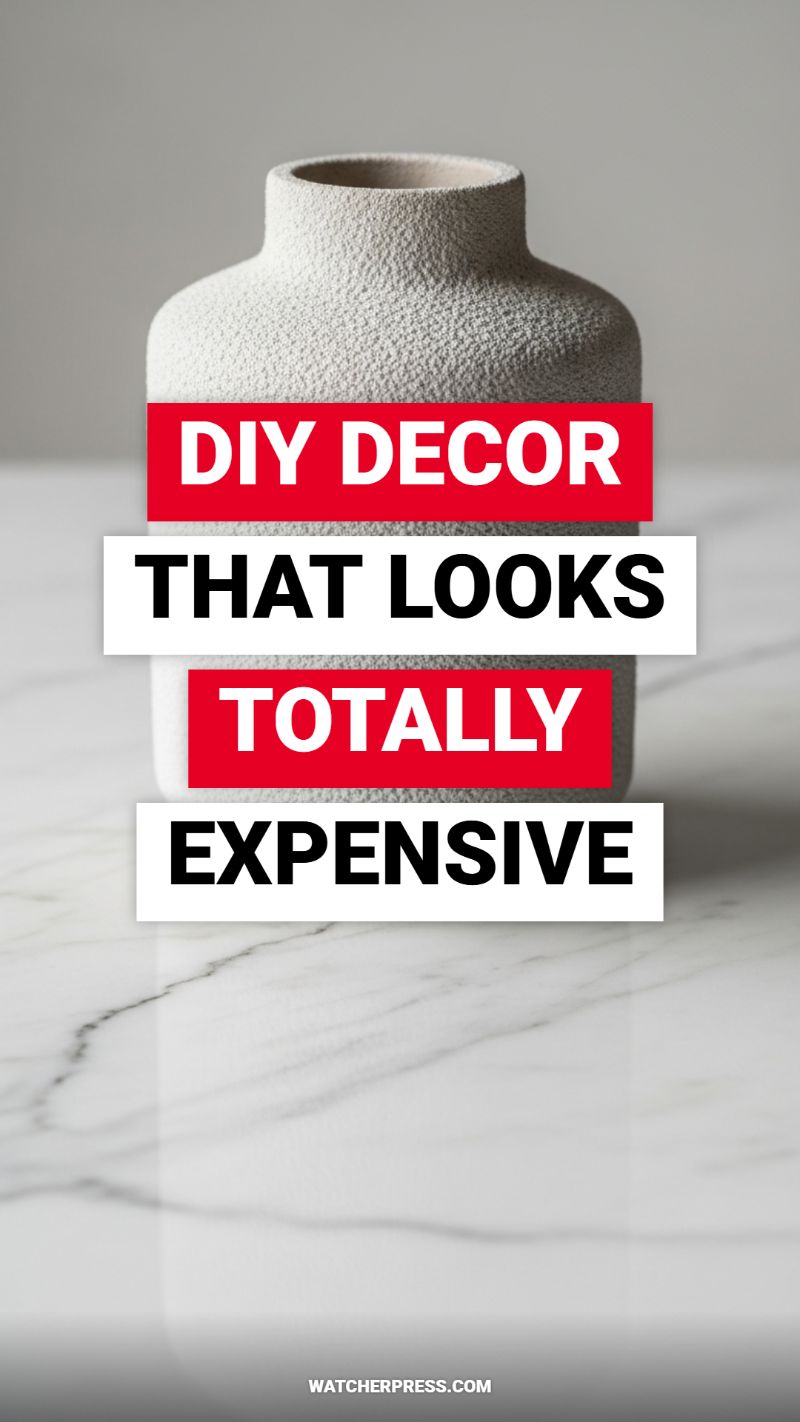
The secret to achieving a high-end aesthetic with DIY projects lies in focusing intensely on texture and finish, moving far beyond the glossy, budget-friendly look. To replicate the expensive, porous pottery seen in luxury design stores (like the vase pictured), you must abandon traditional ceramic paints. Instead, start with a thrifted or dollar-store glass or ceramic vessel and apply a mixture of neutral acrylic paint and baking soda. A 1:1 ratio of paint (opt for sophisticated neutrals like bone, cream, slate gray, or deep charcoal) to baking soda, along with a small splash of water for consistency, creates a thick, mud-like compound. Apply 2-3 coats using a stiff paintbrush, dabbing slightly to enhance the rugged, tactile surface. This process immediately transforms a generic item into a visually heavy, organic piece that emphasizes texture over sheen, a hallmark of minimalist luxury decor.
Beyond texture, achieving an expensive look requires mastering material deception, often by mimicking natural stone or heavy plaster. If you are updating furniture or tabletops, highly realistic contact paper or peel-and-stick vinyl that emulates Calacatta marble or rough concrete is an essential hack. The key to making this look professional is flawless application: ensure any pattern grain runs consistently across the surface and always wrap the material completely around edges and corners to eliminate visible seams. Furthermore, strategically use scale; expensive decor favors large, impactful statement pieces rather than a multitude of small items. For example, use a large canvas covered in spackle or joint compound to create affordable abstract art with three-dimensional texture, instantly grounding a room with visual weight and size.
Finally, the presentation and finishing touches dictate whether a DIY piece reads as ‘homemade’ or ‘high-end.’ Avoid overly bright or saturated colors; sophisticated palettes stick to deep jewel tones, muted earthy shades, or tone-on-tone neutrals. For any metal elements, such as old hardware or picture frames, eliminate shine. Use matte black, oil-rubbed bronze, or brushed brass spray paint to upgrade cheap plastic or highly reflective materials. When styling your finished decor, adopt the minimalist principle of ‘less is more.’ Arrange items in curated vignettes following the rule of three, ensuring generous negative space around each piece. This intentional simplicity and focus on tactile quality is what differentiates budget hacks from genuinely sophisticated, expensive-looking design.
WHERE TO FIND THE BEST THRIFTING DEALS
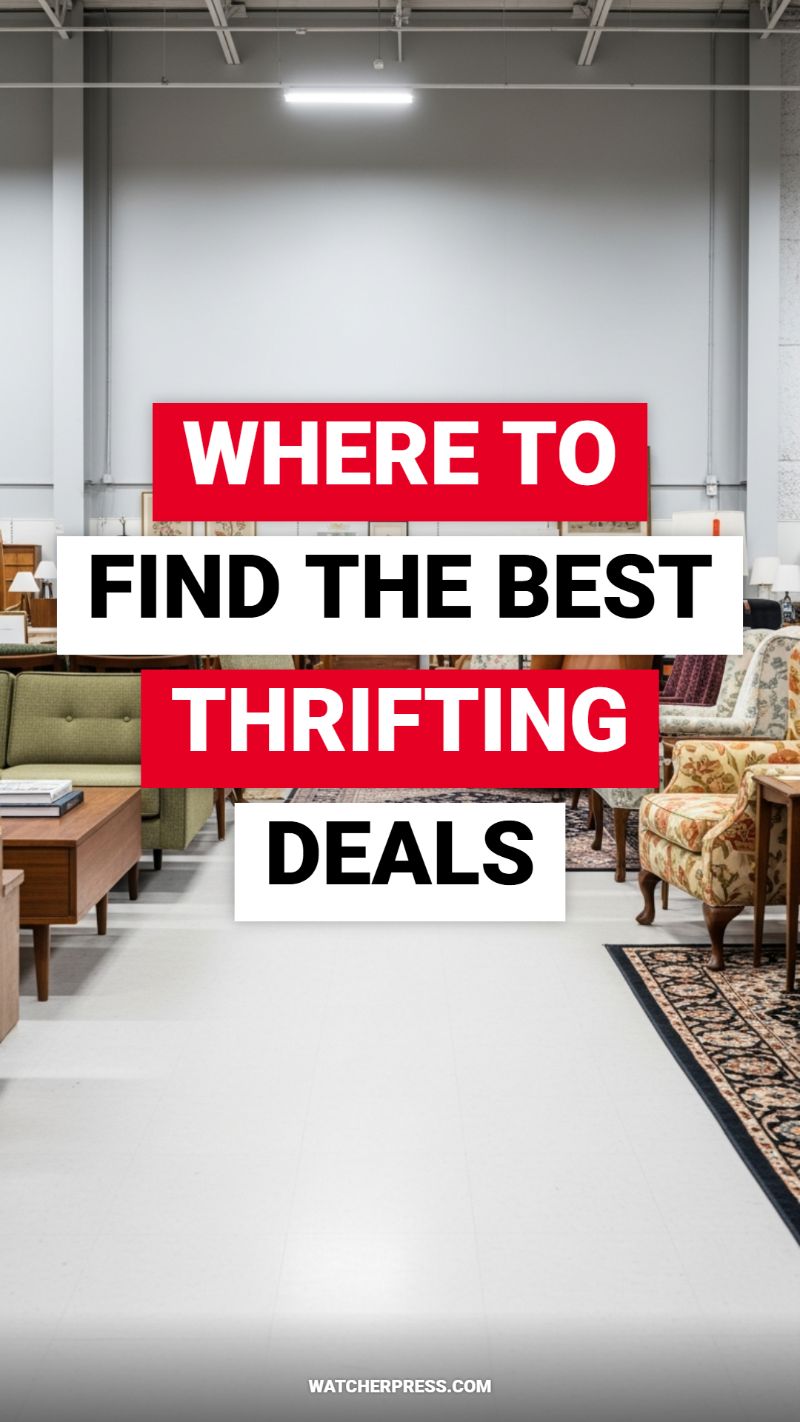
Securing high-quality, expensive-looking decor on a budget requires a strategic approach to thrifting that goes beyond merely visiting your nearest Goodwill. To unlock the best deals, you must target the sources that consistently filter better inventory. Start by scouting high-end consignment stores and smaller, local charity shops located in affluent suburban neighborhoods, as these locations often receive donations of designer pieces, solid wood furniture, and quality accessories that were simply upgraded by the original owners. While these spots might have slightly higher base prices than massive chain thrift stores, the items require less refinishing, making the final investment lower. Furthermore, utilize digital resources like Facebook Marketplace and specific local auction sites for estate sales. Look for sales advertised in established, older neighborhoods where original owners are downsizing, as their furnishings are typically robust, well-maintained vintage pieces, not disposable modern furniture. Time your visits to estate sales for the final day when prices are usually slashed by 50% or more, allowing you to secure statement pieces, such as the sturdy mid-century sofa or patterned armchairs seen in the image, for a fraction of their market value.
Once you are physically in the store, shift your focus from quantity to quality by learning to identify structural integrity and timeless design. The key to making thrifted items look expensive lies in their inherent materials. Prioritize pieces made from natural materials like solid hardwoods (teak, mahogany, oak), genuine leather, or heavy woven fabrics like linen or velvet. Avoid items made primarily of MDF or cheap laminate, which cannot be easily upgraded or repaired. Examine the “bones” of a piece: check the dovetail joints on drawers, the weight of a lamp base, and the sturdiness of the furniture legs. Classic silhouettes, such as clean-lined Mid-Century Modern or tailored traditional shapes, inherently look more sophisticated than overly ornate or trendy pieces. If an item is structurally sound but needs cosmetic work—say, the sofa frame is excellent but the upholstery is dated—factor in the cost of a DIY slipcover or professional reupholstery. Sometimes, purchasing a slightly more expensive piece in move-in condition is a better budget decision than buying a cheap piece that requires significant hidden repair costs.
Finally, elevating thrift finds from simply “used” to “curated” is a matter of strategic presentation. Upon bringing your finds home, a thorough cleaning is non-negotiable—polish the wood, steam-clean fabric items, and replace any chipped or ugly hardware. Swapping out standard plastic knobs for heavy brass, ceramic, or glass hardware is an instantaneous, affordable hack that makes dressers and consoles look custom-made. To integrate disparate thrifted pieces, employ a cohesive color palette in your decor; mixing vintage items with modern, high-end accents helps them look intentional rather than random. For example, place your newly thrifted solid wood coffee table next to a contemporary, well-designed lamp, and style it with a few high-quality, curated books and a nice scented candle. By combining careful sourcing, discerning selection, and intentional styling, you can build a richly layered, luxurious-looking home without ever paying retail.
WELCOME HOME! CUTE ENTRYWAY IDEAS
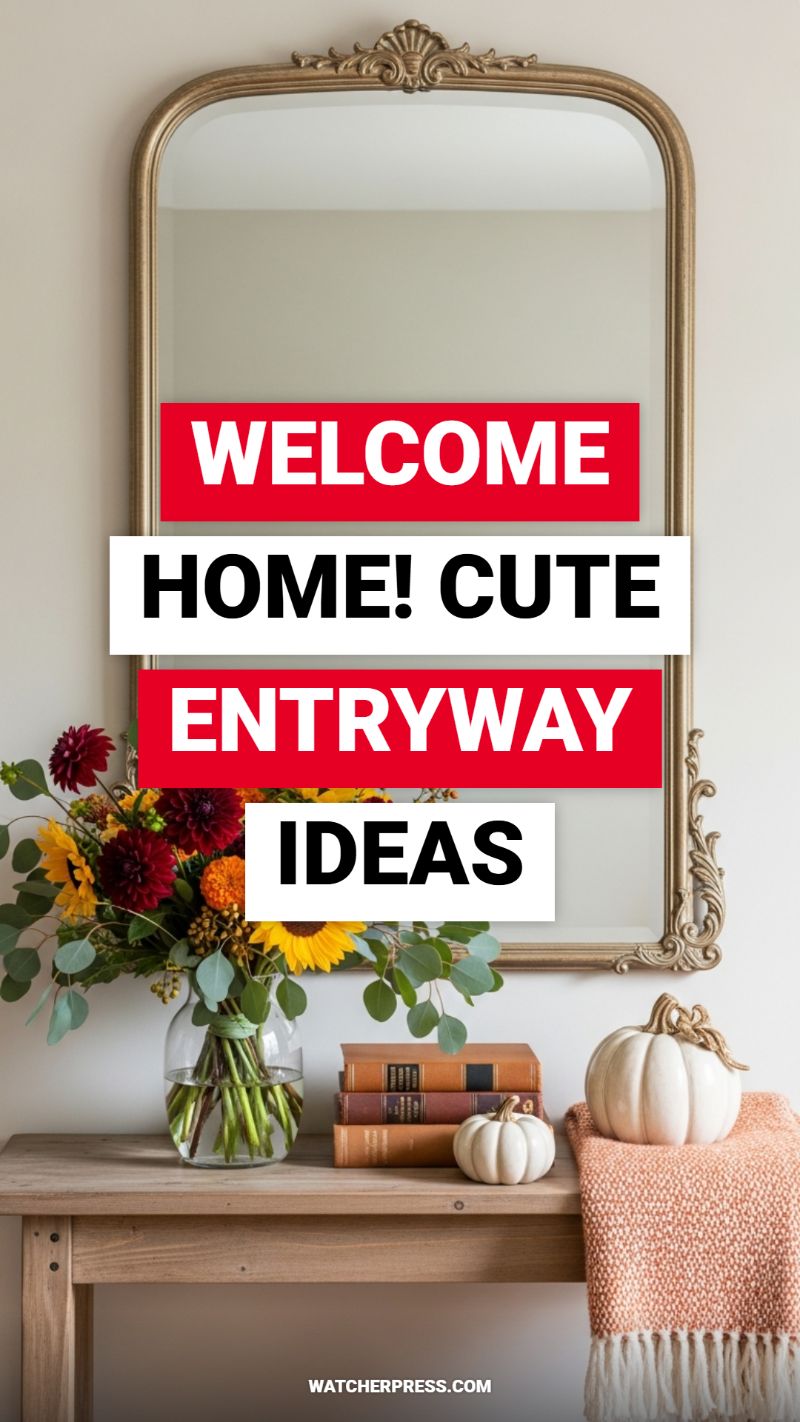
Creating an expensive-looking entryway starts with scale and a strong focal point, often achieved most effectively through a budget-friendly mirror hack. As shown in this beautiful vignette, the oversized, ornate gold mirror immediately draws the eye, reflecting light and making the space feel larger and more grand—a classic indicator of high-end design. To replicate this effect without the vintage price tag, look for large, simple mirrors at thrift stores or discount retailers. The secret is the frame: source an inexpensive frame or use one you already own, then use gold or brass spray paint or even rub-n-buff to give it an aged, expensive patina. A single, large, statement piece like this anchor accessory signals confidence and luxury far more effectively than a gallery wall of smaller, less impactful items.
Once the focal point is established, the next budget hack is incorporating strategic layering and texture on the console table. Note how the simple, rustic wood table allows the accessories to shine. Group objects in varying heights and materials to add visual weight. The stack of well-worn, leather-bound books, for instance, adds intellectual interest and rich, earthy color for pennies—a common decorator trick using flea market finds. Introduce a tactile element, such as the chunky, fringed throw draped casually over the edge. This small detail adds a necessary softness and textural contrast against the hard lines of the mirror and the cold surface of the ceramic pumpkins. Focus on textures like linen, velvet, or heavily woven knits, as these visually read as higher quality.
The final touch that truly elevates this entryway is the use of organic, seasonal elements. Nothing says high-maintenance luxury like fresh flowers, even if they are simple farmer’s market sunflowers and inexpensive eucalyptus cuttings. The vibrancy and life of the mixed bouquet instantly freshen the space and introduce sophisticated scent profiles. For seasonal decor, bypass cheap, mass-produced items and opt for subtle, sophisticated accessories, like the white ceramic pumpkins shown here. Choosing natural materials and muted, complementary colors (like the cream and gold) ensures the seasonal display feels curated and polished rather than cluttered or juvenile. This minimal-effort, high-impact styling technique makes the entire space feel cared for, instantly boosting its perceived value.
5 MUST-TRY GOTHIC WESTERN PAINT COLORS
The biggest budget secret to achieving an expensive-looking interior is deploying dramatic, saturated color, and the “Gothic Western” palette is the perfect high-impact choice. This aesthetic, which marries the rich, moody drama of Gothic style with the earthy, aged tones of the American West, offers a shortcut to sophistication. Instead of relying on expensive fixtures or extensive architectural upgrades, a single gallon of deep, complex paint can transform a basic room into a luxurious retreat. Think beyond standard black or navy; true Gothic Western hues rely on complex undertones—charcoal that leans violet, deep terracotta that borders on burgundy, or an aged sage green so dark it feels like midnight. By using these unusual, highly pigmented colors, you instantly elevate the perceived quality of the walls, making any architectural imperfections disappear and providing a stunning backdrop that makes even modest furniture look curated and antique.
To implement this hack successfully, focus on strategic placement and finish. For smaller rooms, or to create a focal point like an expensive library or study nook, opt for an all-over application in a shade like Faded Denim (a stormy blue-gray) or High Plains Clay (a dark, dusty rose). Crucially, always use a high-quality paint finish, preferably eggshell or matte velvet, as the lack of shine absorbs light beautifully, lending a weighty, luxurious texture often associated with high-end designer spaces. If painting an entire room seems too daunting, use these colors judiciously: paint the trim in a contrasting moody hue (e.g., black trim on a muddy brown wall) or use the color specifically on the ceiling for a surprising, coffered effect. Pairing these deep colors with raw, textural elements—like dark wood, aged leather, or distressed metal—cements the expensive, curated Gothic Western vibe without needing costly furnishings.
When selecting your five must-try colors, look for nuanced shades that tell a story. Consider a color like “Vampire’s Kiss” (a blackish-red oxide), “Dusty Crypt” (a warm, deep gray-brown), or “Desert Night Sky” (a profound indigo). The key is depth; if the color looks too bright or primary, it loses the expensive, historical weight required by this style. Once your paint is complete, maintain the high-end illusion by controlling lighting. Harsh overhead lighting can flatten these beautiful tones. Instead, utilize layered lighting—floor lamps, table lamps, and sconces—to highlight the wall texture and cast dramatic shadows, enhancing the moody ambiance. This final step costs next to nothing but completes the transformation, ensuring your budget-friendly paint job looks like a million-dollar designer scheme.
ULTIMATE GUIDE TO MEXICAN HOME DECOR STYLE
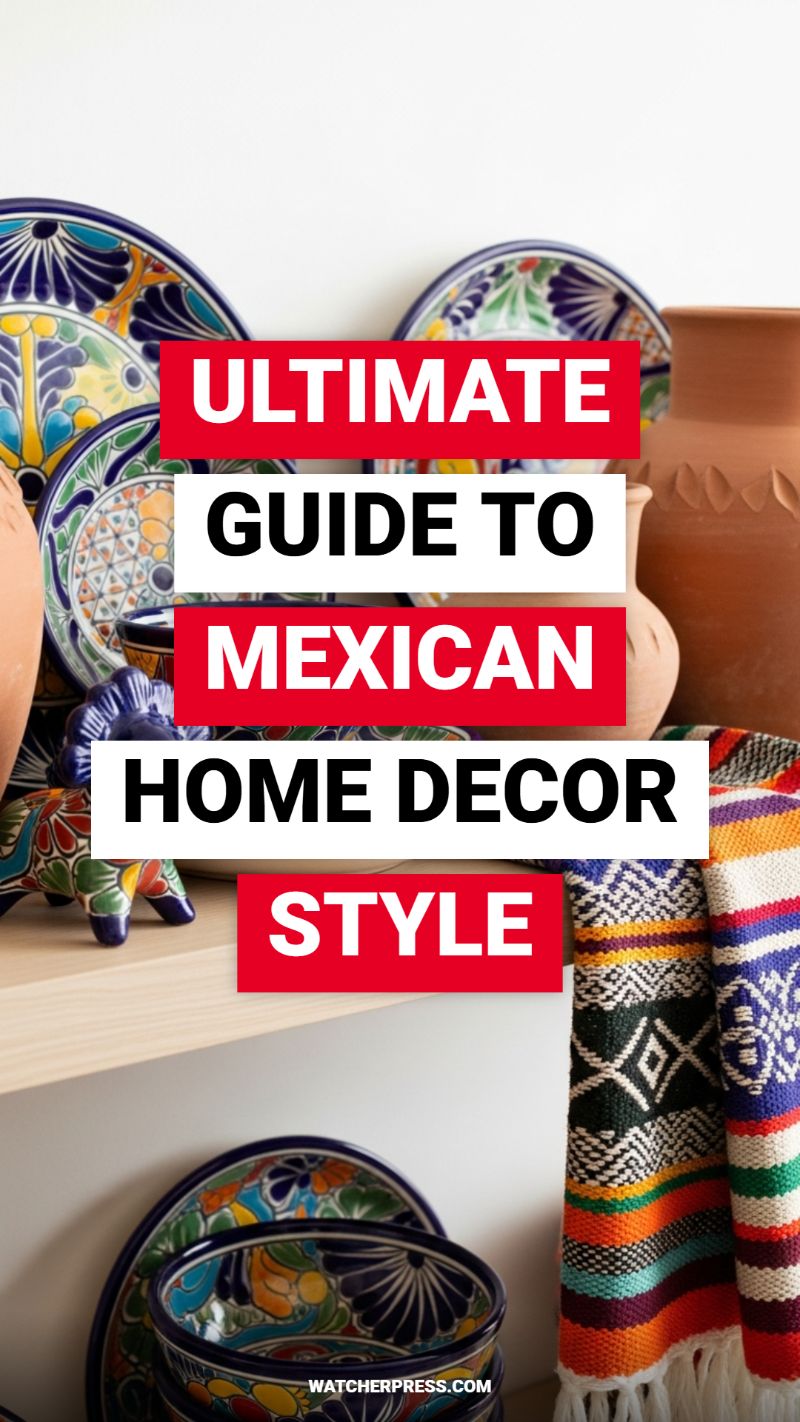
Leveraging culturally rich, handcrafted items is a top-tier design hack for achieving an expensive aesthetic on a budget. Traditional Mexican decor, characterized by the elements visible here—vibrant Talavera ceramics, textured terra cotta, and hand-woven textiles—brings immediate visual depth and artisan quality to any room. Unlike mass-produced items, these pieces possess a level of detail and color saturation that instantly conveys high value and a curated collection. To implement this budget-friendly luxury, focus on utilizing hand-painted pottery. The deep cobalt blues, vibrant yellows, and intricate floral patterns of Talavera plates and bowls make them stunning focal points. Grouping three to five of these plates on a shelf or wall transforms a plain area into a gallery-worthy display, costing significantly less than a large piece of commissioned art but offering superior visual impact due to their dimensional texture and rich, lustrous glazes.
Another crucial element in this style is the use of authentic textiles. High-end design is defined by layering textures, and a genuine Mexican serape or blanket provides this effect dramatically. Look for blankets woven with saturated, jewel-toned colors and geometric patterns. When draped over a neutral sofa, plain bed, or simple wooden chair, the textile acts as an immediate splash of complexity and warmth, instantly elevating the surrounding furniture. The substantial weight and detailed stitching of a wool or heavy cotton throw feel luxurious and intentional. This is a crucial secret: an item that looks like it took time and skill to produce—even if you sourced it affordably—always reads as expensive. Furthermore, introduce natural materials like unglazed terra cotta pots or jars. The raw, earthy tones of clay balance the intense colors of the ceramics and textiles, grounding the look and adding another layer of visual interest that speaks to natural, handcrafted quality, a hallmark of upscale design.
The ultimate hack when applying this style is strategic contrast. The maximalist, highly decorated nature of Mexican decor must be offset by simple, clean backdrops to ensure the look feels chic, not cluttered. Position your colorful arrangements against clean white walls or light wood shelving (as demonstrated in the image) to let the colors pop. Avoid pairing these busy, textured items with already patterned or dark furniture. By limiting the use of these high-impact pieces to select areas—such as an entryway console or a kitchen shelving unit—you create powerful vignettes that suggest travel, history, and a well-cultivated taste, all without requiring a large investment. Remember, an intentional collection of unique, handcrafted items will always outperform generic store-bought filler when aiming for an expensive aesthetic.
THE EASIEST DIY PROJECT FOR BEGINNERS
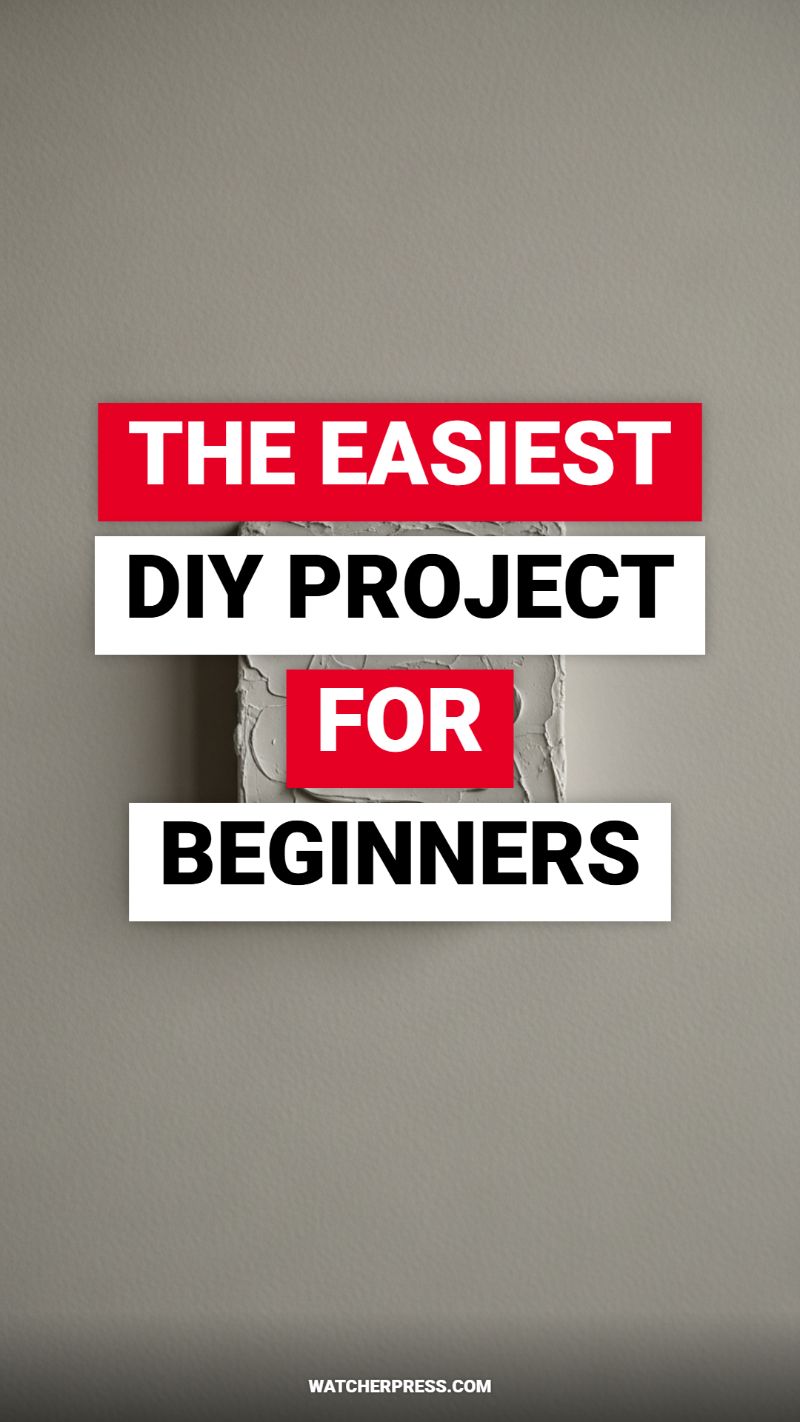
The secret to making your decor look high-end isn’t buying expensive items; it’s adding custom finishes that suggest professional workmanship. The easiest project you can tackle, even as an absolute beginner, is introducing sophisticated texture to your space using common joint compound. High-end designers frequently rely on depth and tactile surfaces—think Venetian plaster, stucco, or custom concrete finishes—which elevate a room far beyond flat, painted drywall. Luckily, you can mimic this luxurious look for less than $20 using pre-mixed joint compound, readily available at any hardware store. This technique doesn’t require precision; in fact, the more abstract and imperfect the application, the more authentic and costly the final product appears. By adding this dimensional treatment, you instantly shift the visual focus from generic builder-grade finishes to bespoke, architectural detail, maximizing perceived value exponentially.
To execute this budget hack effectively, first decide whether you are treating a small accent wall or creating a piece of textured canvas art. For wall application, you need basic pre-mixed joint compound and a wide putty knife or drywall trowel. Start by applying a thin base layer to your desired area. Then, load your knife with compound and drag, swirl, or push the material across the surface, creating peaks, valleys, and deliberate ridges. The goal is random, organic movement, much like the subtle gray texture seen in the source image. If you’re nervous about permanently altering a wall, start with a primed piece of plywood or stretched canvas to practice the technique. Once the texture is achieved, allow it to cure completely, which can take 24 to 48 hours depending on the thickness. This curing time is critical to prevent cracking and ensure the surface is stable and ready for the final, transformative step.
The final layer of paint is what truly transforms this inexpensive material into a decorative feature worthy of a design magazine. To maximize the perceived value, avoid high-gloss sheens; a flat, matte, or eggshell finish diffuses light beautifully and emphasizes the depth of the texture, much like the sophisticated, neutral tone shown here. Expert advice suggests choosing a subtle, grounding color palette—think warm off-whites, greige, stone gray, or earthy terracotta tones—which are hallmarks of luxury design and work perfectly to catch shadows and highlight the dimension you created. If your texture looks too rough after drying, a light sanding with fine-grit sandpaper can soften the edges before priming and painting. This simple DIY project fundamentally changes the relationship between light and surface in your room, tricking the eye into believing the finish required custom artisan labor, delivering that sought-after expensive aesthetic on the tightest budget.
STOP DOING THESE 3 HOME DECOR MISTAKES
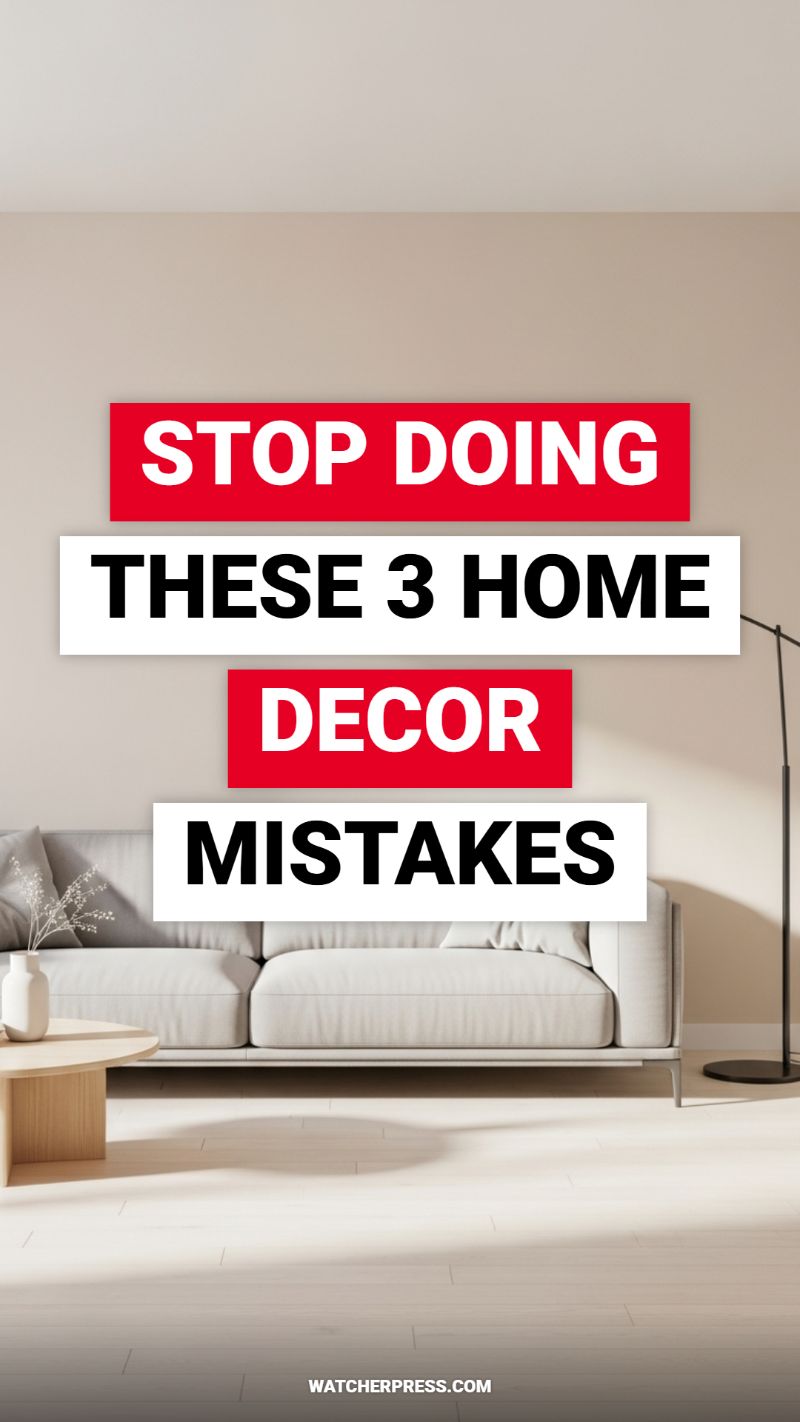
The fastest way to derail any budget decorating effort is by repeating common, yet avoidable, design missteps that immediately cheapen the look of your space. The first critical mistake is inadequate lighting. Many budget setups rely solely on harsh, cool-toned overhead fixtures, which flatten textures and create an unwelcoming atmosphere. To counteract this, you must adopt a layered lighting strategy—a hallmark of high-end design. Instead of just one source, introduce task lighting (like the stylish floor lamp often seen next to a sofa) and ambient lighting (table lamps or wall sconces). Crucially, swap out cool white bulbs for warm-toned LED bulbs (around 2700K–3000K). This small investment instantly adds depth, warmth, and sophistication, mimicking the carefully curated atmosphere of expensive homes and ensuring your new decor is seen in the best light.
Secondly, stop failing the scale and proportion test. One major indicator of budget decorating is an imbalance in furniture sizing, often seen with rugs that are too small or wall art hung too high. An appropriately sized rug should anchor the main furniture grouping (like the sofa in this image), ideally fitting under the front legs of the primary pieces. Similarly, resist the urge to fill every small void with tiny knick-knacks; this creates visual clutter that screams ‘cheap store haul.’ Instead, focus on fewer, larger, more impactful decor pieces. Use the “Rule of Three” when grouping accessories, ensuring the items vary in height and texture, which adds visual complexity and perceived value to even the most affordable finds. This emphasis on scale over quantity is a vital hack for making your space feel deliberately designed.
Finally, the third common mistake is neglecting the quality of finishes, particularly surrounding textiles and hardware. Synthetic, shiny finishes or poor-quality plastic accessories instantly detract from an expensive aesthetic. While you might not be able to afford custom linen sofas, you can introduce high-quality textures through accents. Invest in cushion covers made of natural fibers like heavy cotton, linen, or faux leather, and utilize textured throws (like chunky knits or soft velvet) to drape over seating. Furthermore, an easy upgrade for any piece of affordable furniture (dressers, cabinets, side tables) is swapping out the factory-provided hardware for heavy-duty replacements in matte black, oil-rubbed bronze, or brushed brass. These tactile upgrades trick the eye into perceiving greater material substance and quality throughout the room, ensuring your budget pieces blend seamlessly with a more luxurious environment.
7 AFRO CHIC PIECES TO ELEVATE YOUR SPACE
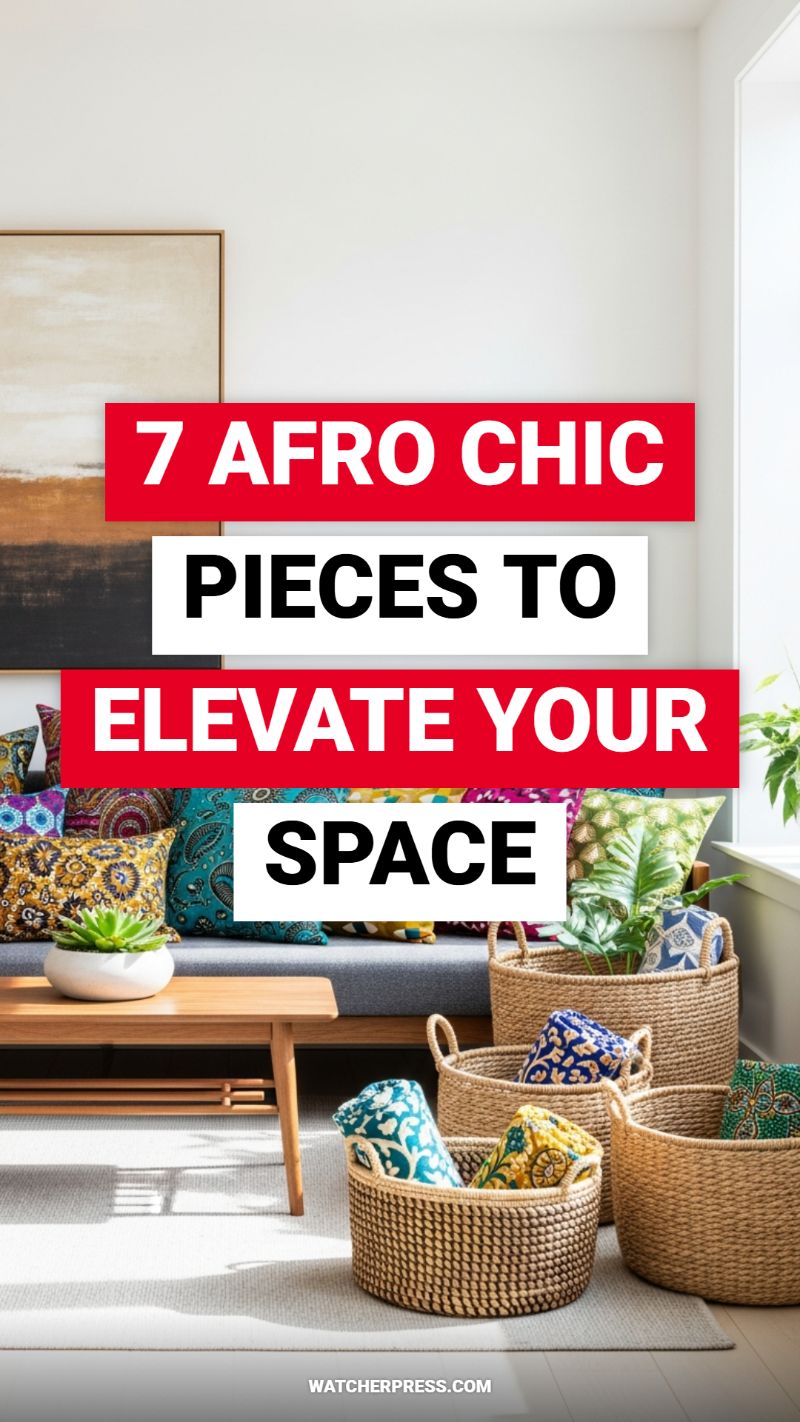
To inject high-end cultural richness without remodeling, focus intensely on the power of Afro Chic textiles. These pieces—specifically throw pillows and blankets featuring vibrant, historically rich patterns like Ankara, Adire, or Batik—act as the jewelry of your room. Unlike generic department store finds, authentic global prints offer a depth of color and storytelling that instantly reads as curated and expensive. The key budget hack is maximizing visual impact through volume: instead of scattering one or two pillows, layer 5-7 coordinating yet non-matching pieces on your primary seating. This dense layering technique, as seen in the image, instantly transforms a simple, neutral daybed or sofa into a lush, inviting focal point, proving that volume in quality, culturally rich textiles easily trumps the cost of expensive upholstered pieces.
A major differentiator between cheap and expensive decor is the incorporation of natural texture and intentional storage. The cluster of handwoven baskets in this setup is not merely decorative; it serves the crucial function of containing clutter while introducing organic warmth. Natural materials like seagrass, jute, or wicker are inherently affordable yet add significant visual weight and contrast when paired with sleek, modern elements like the light wooden table and the clean, white walls. To execute this budget hack flawlessly, always buy baskets in varying sizes and group them dynamically, using them to store blankets, magazines, or planters. This practice simultaneously elevates the room’s design profile by adding a sophisticated, handcrafted layer, and maintains the essential organizational integrity required for a truly luxurious, clutter-free environment.
The secret to making vibrant global finds look sophisticated, not cluttered, lies in grounding them with neutral anchors and paying keen attention to scale. Notice how the explosion of color from the patterned textiles is buffered by a foundation of clean lines and neutral tones, specifically the light gray sofa, white walls, and broad, plain area rug. The artwork, featuring large, earthy, abstract tones, provides a crucial visual bridge, connecting the bright patterns to the sophisticated backdrop. Furthermore, avoid small, timid decorative objects. When choosing your foundational ‘Afro Chic pieces,’ opt for items that demand attention through substantial scale—the woven baskets and the layered pillows are all sizable. By ensuring your budget-friendly accessories feel deliberate and weighty, you achieve that coveted high-impact, curated aesthetic.
GOODWILL FINDS YOU NEED RIGHT NOW!

The single most effective budget hack for achieving a 10X more expensive aesthetic is mastering the art of the thrift store hunt. The visual element captured here—a richly detailed, ornate brass or gold frame—is the perfect example of a high-impact item you can source for pocket change. High-end decor often relies on heavy materials, intricate detailing, and rich patinas that cheap, mass-produced items lack. Your mission is to bypass the racks of disposable fast-fashion decor and zero in on pieces with substantial weight, genuine aging, or solid structure. Look specifically for items made of solid wood, heavy metals (brass, bronze, copper), or stone. A good rule of thumb: if it feels surprisingly heavy or cold to the touch, it is likely a quality material that will instantly elevate a vignette or shelf display, regardless of its original intended purpose. Never underestimate the power of a small but weighty object.
Focus your thrifting efforts on specific categories known for hidden gems, particularly hardware, small decorative objects, and small-scale artwork. When examining pieces like the gold frame shown, look for detailed castings rather than flimsy stamped metal; this indicates craftsmanship that reads as luxury. Vintage brass bookends, small jewelry boxes, ornate candle holders, or even heavy, oddly-shaped glass bottles can all be repurposed into high-value accents. Don’t be deterred by tarnished metals or chipping paint; surfaces are easily changed with brass polish or a can of matte black or antique gold spray paint. The structural integrity and unique form are what matter most. Learning to see beyond the grime allows you to acquire pieces that, once cleaned and refreshed, look utterly bespoke and collected.
Finally, presentation is everything when integrating thrifted finds into your polished home design. A single, high-quality thrifted object should be treated as an anchor piece, styled intentionally rather than cluttered. Group metallic finds together to create a cohesive, rich statement. For example, place that ornate brass frame on top of a stack of coffee table books, or use a heavy marble pedestal as a base for a potted succulent. If you acquire multiple small pieces, arrange them in odd numbers (the rule of three is your best friend) and vary their heights to create visual interest. By applying this strategic styling approach, these budget-friendly Goodwill finds transition instantly from secondhand goods to curated, irreplaceable treasures that make your overall decor feel deeply considered and exceptionally expensive.