Transform your home on a budget! This ultimate guide reveals 10 must-have Goodwill decor finds and thrifting tips to achieve an expensive, luxe aesthetic easily.
7 Perfect Welcome Home Decorations
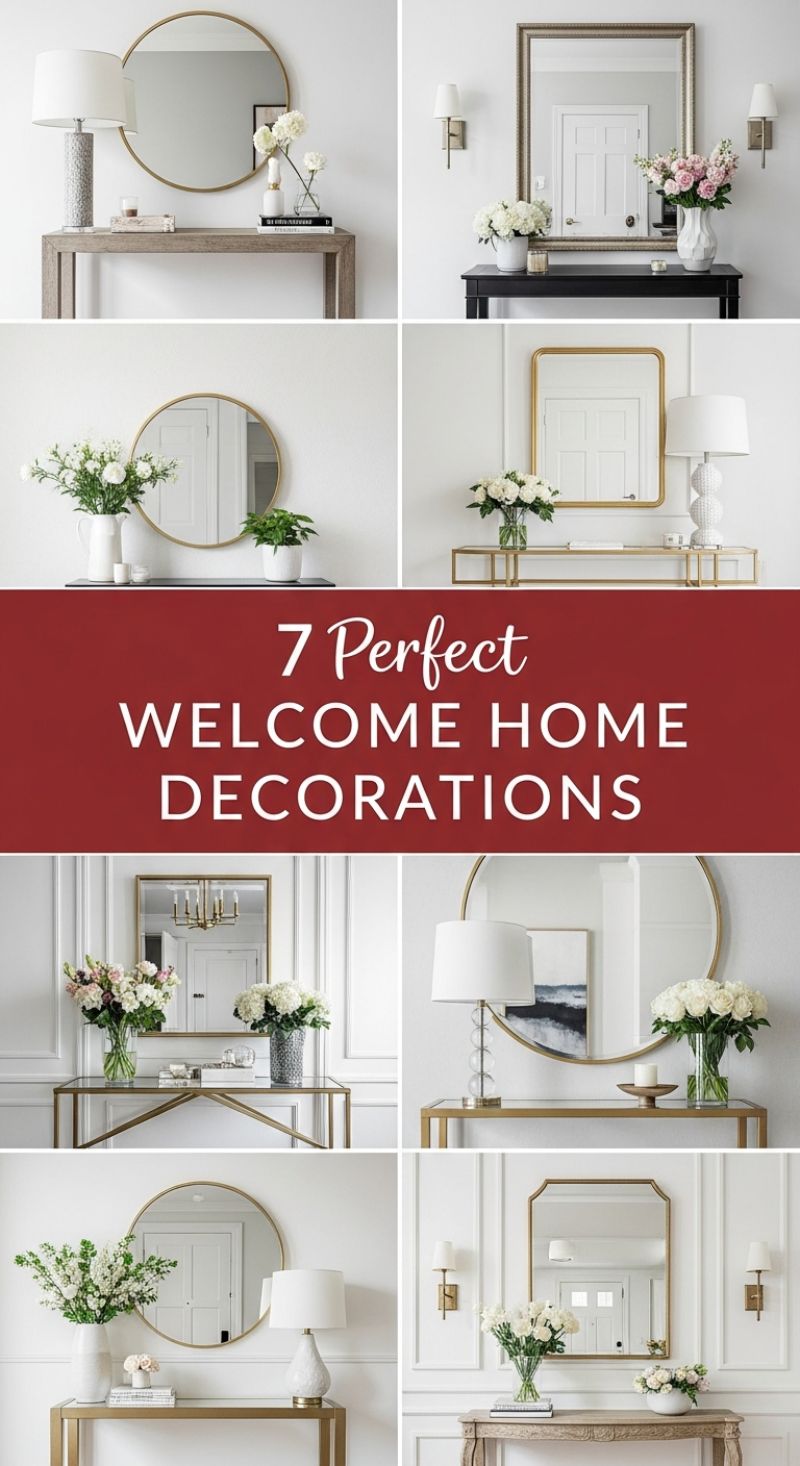
The entryway or foyer is the first impression your home makes, and achieving the polished, curated look seen in these examples doesn’t require high-end retail shopping—it relies entirely on expert thrifting and strategic staging. The foundation of this luxe vignette is the console table and the mirror. When searching Goodwill, look for substantial pieces that provide good contrast or blend seamlessly into your wall color. If you find a console table with great bones but a dated finish, plan on a quick DIY; a glossy black paint, a weathered gray stain, or a simple brass spray-painted frame instantly elevates a second-hand find to designer quality. Similarly, mirrors are abundant at thrift stores. Focus on scale; the mirror should visually anchor the table, covering two-thirds to three-quarters of the table’s width, whether you choose a trendy round gold frame or a more traditional rectangular shape, as seen in these diverse styles. Ensure the mirror is hung or leaned at a height that reflects light and the opposite wall—never the clutter or the ceiling.
Next, focus on establishing height and warmth using lighting, which is one of the easiest categories to score big in while thrifting. Look for unique lamp bases—such as textured ceramic, stacked crystal, or geometric metal forms—that provide immediate visual interest. Don’t worry about the shade; replacing a thrifted lamp shade with a fresh, crisp white linen shade (easily sourced new) instantly modernizes the piece and hides its second-hand origin. Positioning is key: use a single substantial lamp on one side for an asymmetrical look, or if your space allows, pair the mirror with matching wall sconces (battery-operated versions are fantastic for temporary setups or rentals). Lighting serves a functional purpose, but its main role in the foyer is to layer light, creating a welcoming, soft glow that feels expensive and intentional.
Finally, the surface styling is where you inject personality and complete the luxe narrative. Utilize the Rule of Three, grouping small items in odd numbers to create visual harmony. High-impact florals are essential for this style; search for large, elegant vases, pitchers, or decorative containers at Goodwill, often for just a few dollars. Fill them with voluminous white flowers (peonies, hydrangeas, or even realistic faux options for longevity) to add texture and softness. Complement the florals with weighty, hardcover books (remove the dust jackets for a sleek, monochromatic look), delicate trinket dishes for keys or mail, and simple metallic candle holders. By carefully selecting and grouping these elements—a vintage brass candle holder, a stack of thrifted art books, and a Goodwill-sourced glass vase—you create a layered, custom entryway that screams high-end sophistication, all starting with strategic second-hand finds.
Capturing the Sculptural Modern Aesthetic: Luxe Finds
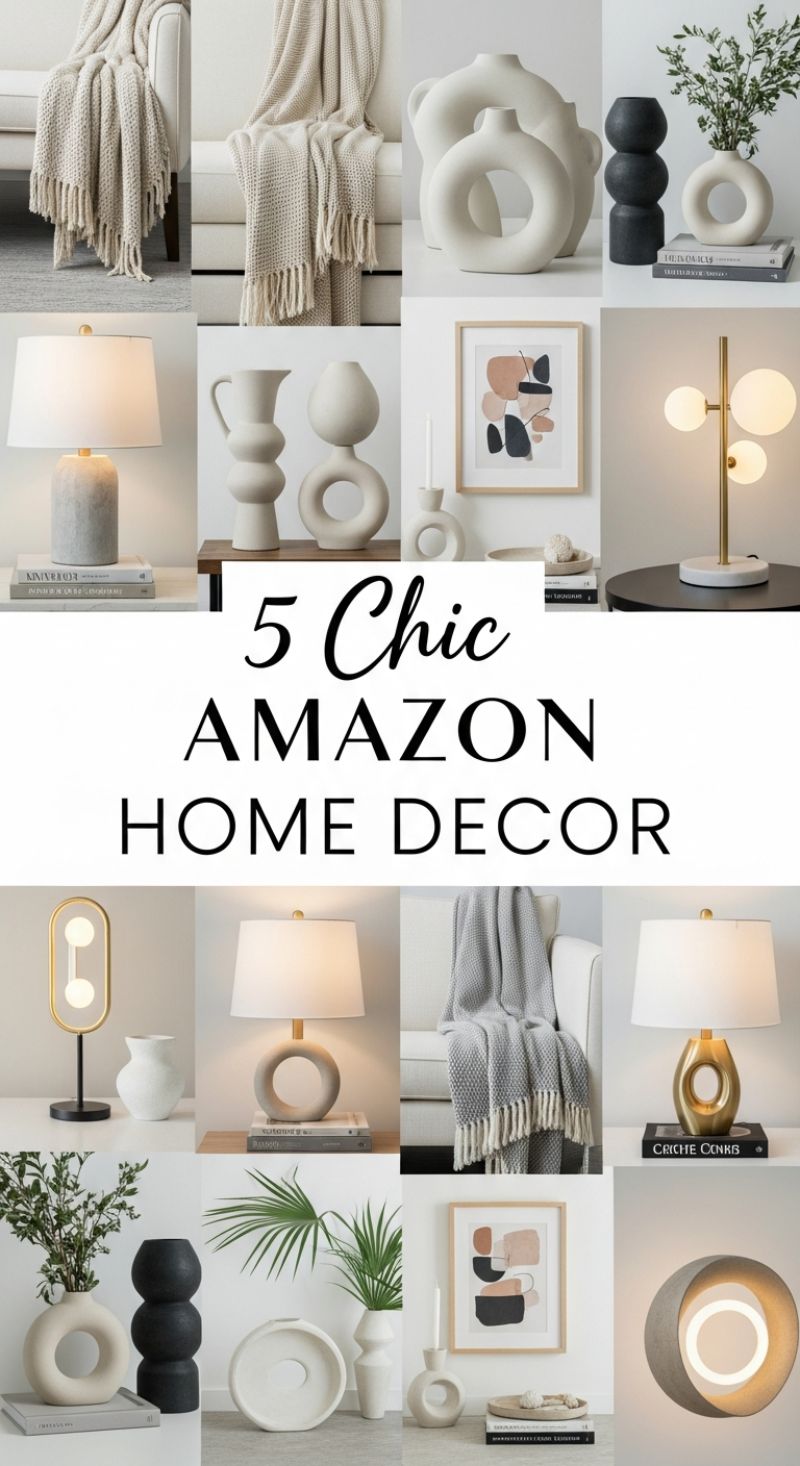
While the image showcases high-end retail inspiration, the core design principles—texture, shape, and a monochromatic palette—are perfectly achievable through strategic thrifting. The secret to recreating this sculptural, modern aesthetic lies in focusing solely on form, regardless of the original item’s color or finish. Start with ceramics and textiles. Look for chunky, knitted blankets, waffle weaves, or cashmere throws in cream, beige, or light gray. If the original color is off, a simple dye bath can transform it, or focus on washing and conditioning the textile to restore its luxurious softness. For the vases, which are the cornerstone of this look, hunt for any ceramic, terracotta, or stoneware piece with an interesting, abstract shape—think rounded silhouettes, stacked spheres, or objects with circular cutouts. Once you have the shape, you can easily replicate the matte, bisque finish seen here by applying a specialized stone-effect spray paint or mixing baking soda with acrylic paint to create a thick, textured chalk-paint finish. This DIY technique instantly elevates even the cheapest thrift store vase to a high-design statement piece.
To introduce functional luxury, focus on lighting. A successful thrifted modern lamp often begins with an interesting base. Look for heavy bases made of materials like concrete, marble, or solid brass (avoiding cheap, highly reflective gold finishes). If the hardware is dated or tarnished, a quick polish or application of Rub ‘n Buff can bring back the luster of brushed gold or matte black. The lampshades in this aesthetic are universally simple: white, linen, and drum-shaped. If you find a fantastic base but the shade is ugly, budget for a new shade—it’s a worthy investment that instantly modernizes the piece. Similarly, keep an eye out for high-quality frames. The abstract art featured in the grid, defined by its neutral tones and simple shapes, can be replicated by printing a minimalist design or even creating your own using canvas and a few acrylic paint samples. Pop the new print into a salvaged natural wood or sleek black frame, and you’ve achieved gallery-wall quality without the designer price tag.
Finally, master the art of styling. Notice how every item in the image is elevated. Books are used as sophisticated risers, instantly adding depth and importance to the decor resting upon them. When thrifting, look for large, monochromatic coffee table books, regardless of the title; simply turn them so the spine is facing inward or cover them in neutral paper if the colors clash. Layering is key: drape your thrifted throw over the arm of a sofa to add effortless texture. Arrange your newly painted sculptural vases in groups of three (varying height and width) for maximum visual impact. Adding small touches of minimalist greenery, like single palm fronds or dried eucalyptus, brings life to the neutral palette without overwhelming the curated, clean aesthetic you’ve successfully thrifted.
The Dark Academia Collector: Turning Basic Trunks into Luxe Steamer Chests
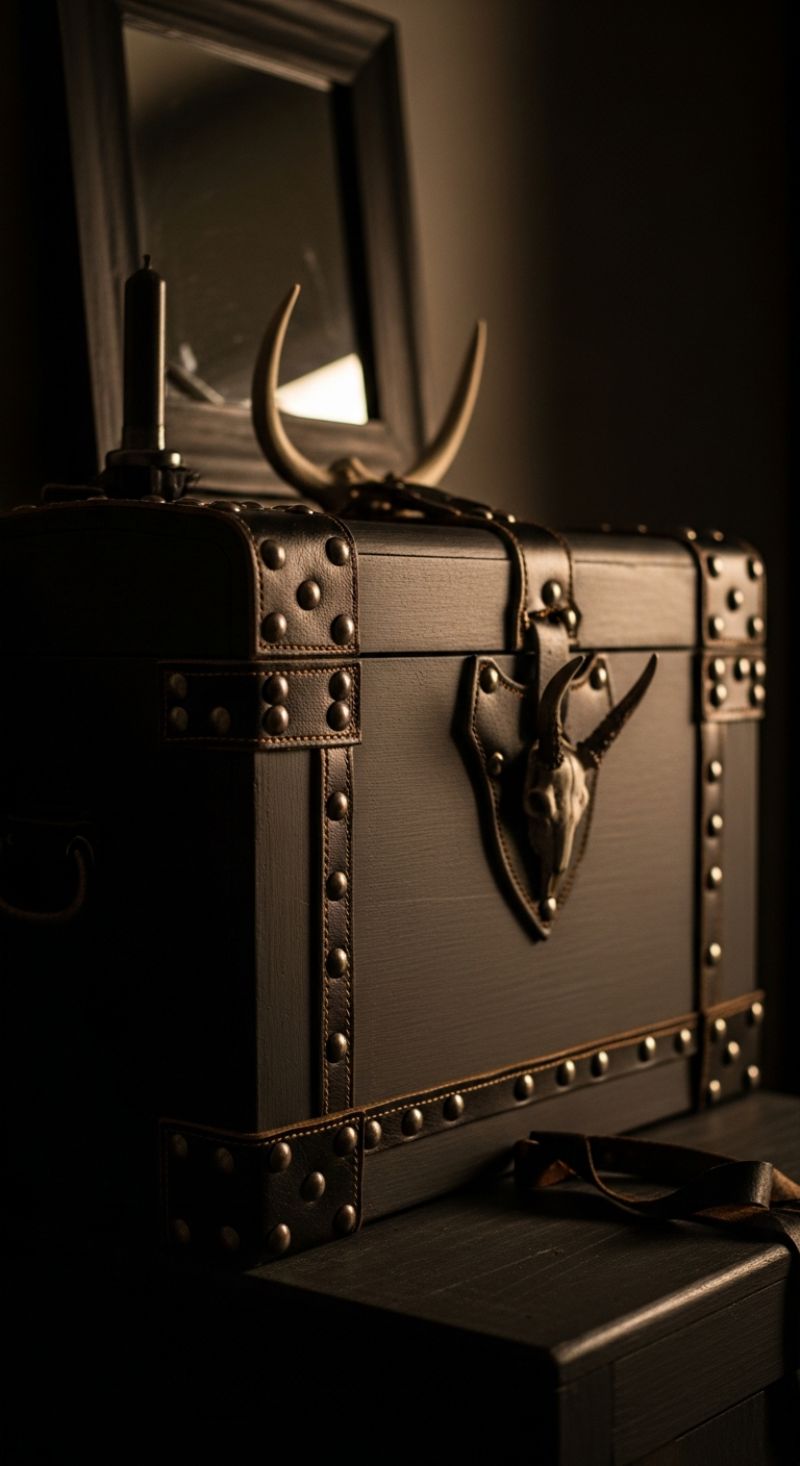
The humble trunk or wooden chest is one of the most versatile and often overlooked pieces you can find while thrifting. Look for solid, boxy structures
—even if the finish is scratched or peeling. The goal is to strip it down and imbue it with a dark, sophisticated, “steamer trunk” aesthetic. Begin by selecting a rich, matte paint color, such as charcoal, deep forest green, or true black. After cleaning and lightly sanding the surface, apply 2-3 coats of high-quality furniture paint. The key to achieving the luxe look seen here is depth; consider a subtle aging glaze or wax application post-paint to give the wood grain texture and prevent the finish from looking cheap or too flat. This foundational transformation sets the stage for the dramatic hardware upgrades that follow.To mimic the reinforced corners and strapping of an antique steamer trunk, you’ll need faux leather strips (or budget-friendly vinyl cut to size) and antique brass or bronze upholstery tacks. Measure and cut the leather strips to fit all eight vertical corners, as well as strips running horizontally along the lid and base perimeter. Using strong adhesive and careful placement, secure these strips. The crucial “luxe” element comes from the studs: apply the tacks strategically down the center of each leather strip, ensuring consistent spacing and alignment. Don’t overlook the main latch area; if the original hardware is dated, remove it and replace it with a darker, heavier-duty clasp, perhaps integrating a unique element like the small resin animal skull seen here, mounted on a custom leather shield shape for a truly custom, high-end collector’s vibe.Once the trunk is complete, use it as a dramatic focal point in a living room or bedroom, serving as both storage and a high-impact side table. To nail the moody, dark academia style, layering is essential. Avoid clutter; instead, select 2-3 carefully curated, weighty objects. Incorporate natural elements like the curved antlers (often easily found at estate sales or flea markets), paired with something reflective, like a dark, antique-style mirror leaned against the wall. The lighting in this setup is critical
—use a single, tall, dark candle holder or lamp to cast dramatic shadows, highlighting the texture and brass accents of the trunk. This purposeful dark staging transforms a basic thrifting project into a piece that looks straight out of a designer catalog, proving that luxe decor often comes down to presentation and bold choices.
10 Must-Have Goodwill Decor Finds
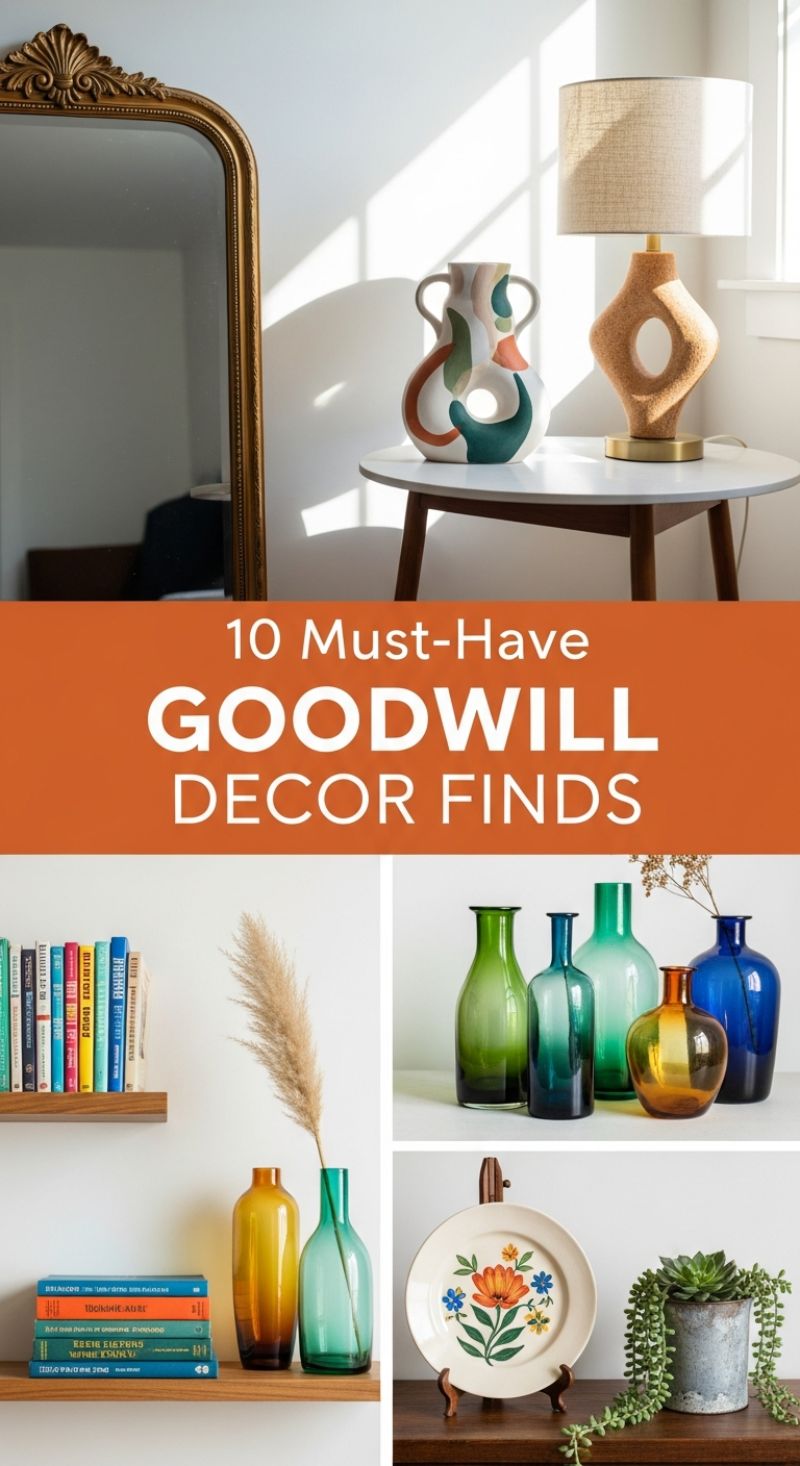
The key to transforming thrifted items into a luxurious home aesthetic lies in thoughtful curation, turning simple objects into statement vignettes. Start by hunting for anchor pieces like the ornate, gold-framed mirror shown here. A large, detailed mirror instantly adds depth, reflects light, and injects a sense of antique grandeur that often costs hundreds brand new. Pair this high-impact piece with modern, artistic finds, such as the abstract, handled vase and the uniquely textured cork lamp. When thrifting lamps, prioritize interesting shapes and base materials; a basic thrift store lamp can be instantly elevated by swapping out the shade for a premium linen texture. This entire composition should feel collected—a blend of modern art (the vase) and timeless elegance (the mirror and clean-lined side table), proving that intentional staging elevates even the most budget-friendly acquisitions.
Another essential Goodwill score is colored glassware. As demonstrated by the beautiful arrangement of vases in varying shades of green, amber, and deep blue, mixing different hues, heights, and glass saturation levels creates incredible visual interest and movement. These pieces are highly abundant at thrift stores; look past clear glass and focus on rich, jewel tones. Use them functionally—for pampas grass or single blooms—or simply as sculptural objects displayed together for maximum effect. Furthermore, never overlook functional decor items that double as art. Look for unique wall plates with painted designs, like the vibrant floral piece featured here, or find distressed metallic planters for succulents. These small, inexpensive additions allow you to introduce texture (the pitted metal or glossy ceramic) and pops of organic color onto shelves and sideboards without committing to large, expensive art pieces.
To ensure your haul reads as “luxe” rather than “cluttered,” focus heavily on strategic staging. Notice how the items are displayed against minimalist backgrounds (white walls, simple wooden floating shelves) and are grouped by theme or color palette. This ensures the unique shapes and vibrant colors of your thrifted treasures truly pop. Expert thrifting advice: look for items made from quality, natural materials, even if they are slightly dated. A solid wood object, a genuine ceramic plate, or a lamp base with real brass accents will always look higher-end than plastic alternatives, even after a quick polish or minor restoration. By investing in these key categories of Goodwill finds—from structural mirrors to colorful glassware and unique lighting—you lay the foundation for a home that looks intentionally designed and effortlessly chic, all achieved through savvy, budget-friendly sourcing.
8 Designer Living Room & Kitchen Ideas: Thrifting the Transitional Look
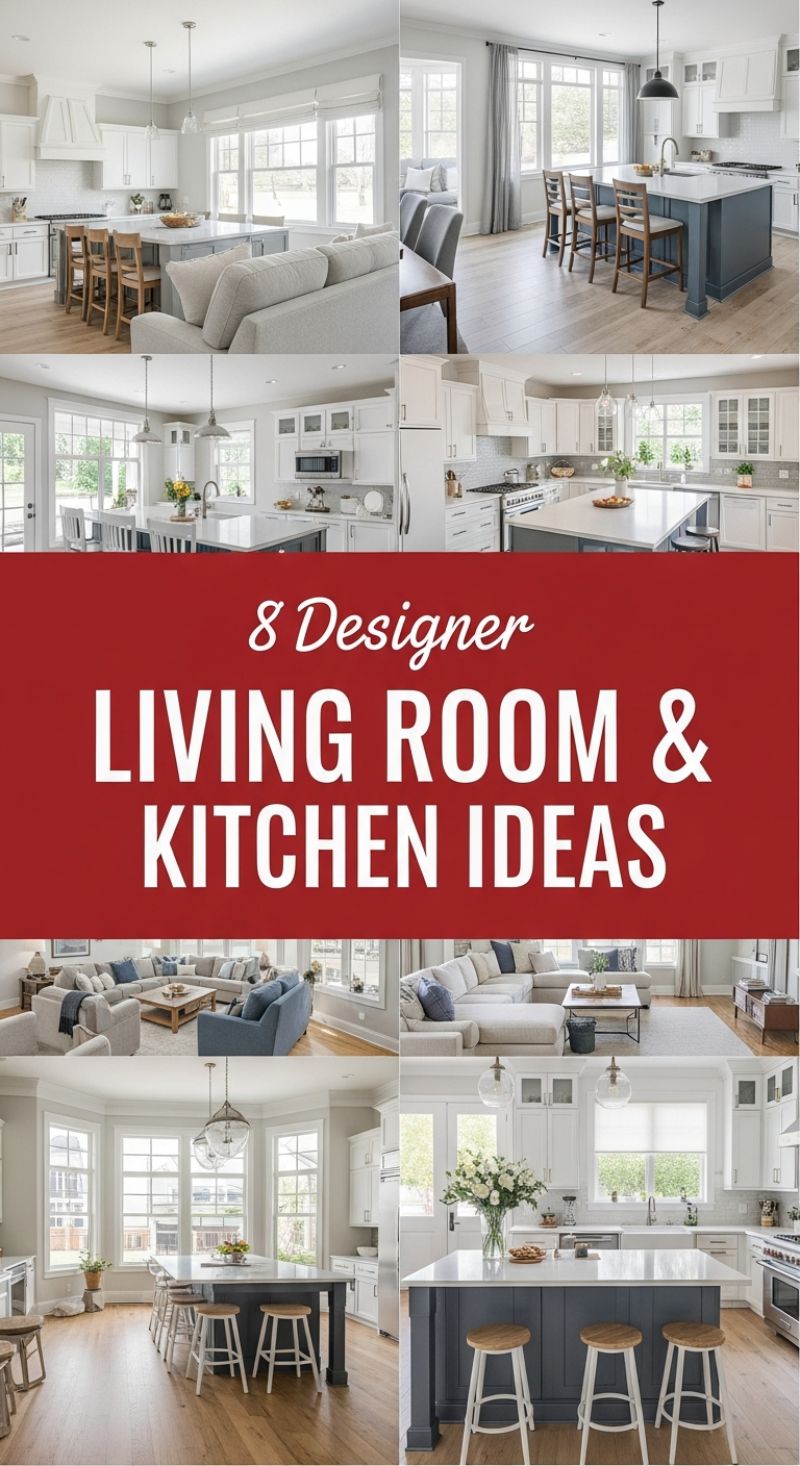
The open-concept spaces showcased here exemplify the highly sought-after transitional style—a perfect blend of traditional comfort and clean, modern lines. Achieving this bright, airy, high-end aesthetic is entirely possible when starting with solid, thrifted foundations. The core principle demonstrated across all 8 layouts is unity: light wood flooring runs seamlessly through both kitchen and living areas, and the walls maintain a cohesive neutral palette (soft grays or off-whites). To replicate the luxe look of these expansive living areas, target large, durable pieces at your local Goodwill or consignment shop. Focus on finding a large, structured sectional or generously sized accent chairs. The ultimate budget secret lies in the quality of the upholstery; if the frame is good, invest in a high-end, performance fabric slipcover in cream, linen, or light gray to instantly mirror the designer appeal of the furniture pictured. This trick transforms a heavy, dated thrift find into a light, contemporary showpiece.
The kitchens illustrate how strategic contrast and smart hardware updates can yield a stunning high-end finish. While the cabinets themselves are standard white shaker—a classic look often achievable by repainting older wood cabinets found in fixer-uppers—the visual anchor is always the dark gray or blue island. To introduce this depth into a thrifted kitchen setup, hunt for well-proportioned, heavy-duty wooden stools or salvaged pieces that can be painted a rich navy or charcoal gray. Don’t overlook the lighting elements that elevate these spaces from functional to fabulous. The pendant lights over the islands are statement pieces. Search architectural salvage stores or vintage shops for unique glass globes, metallic shades, or oddly shaped fixtures. Often, thrifted lighting needs only a quick clean, updated wiring, or a coat of matte spray paint to achieve the custom, expensive look seen in these photos, bypassing the high retail cost of similar designer fixtures.
Finally, the true luxury of these rooms comes from thoughtful layering and curated accessories, which are prime thrift store targets. Notice how the living spaces utilize layered textiles (chunky knit throws, textured area rugs, and subtly patterned pillows) to add warmth without disrupting the neutral scheme. Look for high-quality, natural fiber throws—wool or linen—at secondhand shops; even if slightly faded, they add desirable vintage character. For the kitchen islands and coffee tables, focus on collecting functional decor: substantial, clear glass vases for fresh flowers (a staple in the lower right image), simple white ceramic serving bowls, and decorative wooden trays. Grouping thrifted items by color or material (e.g., only using brass frames or all white pitchers) ensures a professional, styled finish rather than a cluttered appearance, proving that a luxe look is achieved through curation, not cost.
5 Stunning Gothic Western Decor
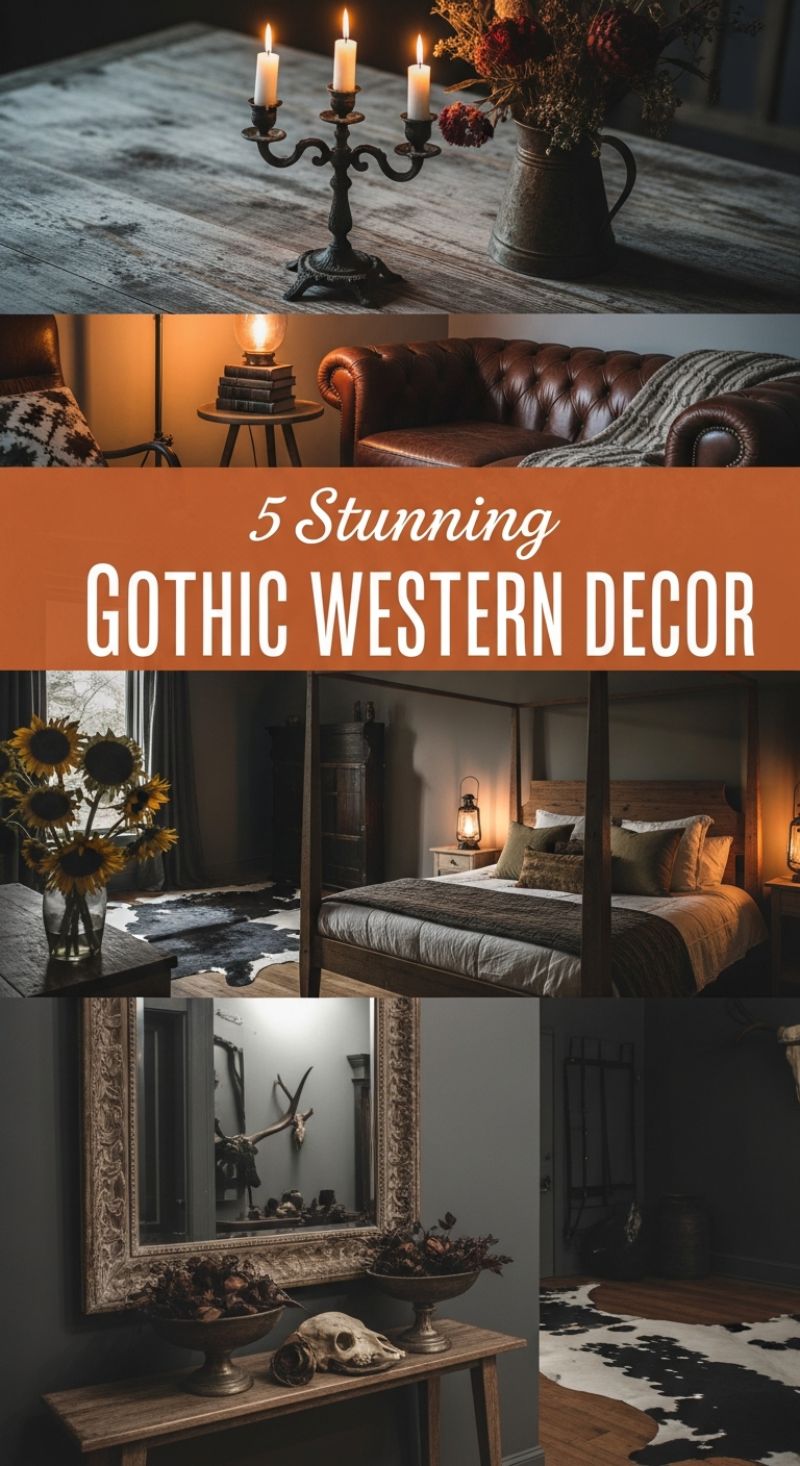
The Gothic Western aesthetic is characterized by a dramatic, moody confluence of rustic textures, deep color palettes, and heavy, historical elements—perfectly achievable through savvy thrifting. To begin transforming your space, focus on establishing a strong foundation of texture and color. Hunt through Goodwill for large, substantial pieces of furniture crafted from dark, aged wood. Look for items you can stain or paint a deep walnut or espresso color, such as a heavy console table or a robust dining chair, mimicking the sturdy four-poster bed shown in the inspiration image. The core of this style is layering rich textures. Prioritize hunting for genuine leather pieces, like a worn Chesterfield sofa or a dark leather armchair, which provide unparalleled warmth and depth. If a leather piece is out of budget, search the textiles section for thick, dark-colored throws, heavy woven blankets, or faux fur/hide rugs. These items, when draped over existing furniture or layered on the floor, instantly introduce the rustic, ranch-house comfort required to balance the dramatic ‘Gothic’ mood.
Curating the dramatic decorative elements is where thrifting truly shines for this style. The Gothic sensibility demands high drama in the details, often through ornate metallic accents and reflective surfaces. Scour the home goods section for vintage candelabras, like the iron three-branch piece pictured, or heavy metal lamps. These are essential for creating localized, ambient light—the hallmark of moody interiors. Goodwill is also the ideal place to find large, statement mirrors with elaborate or distressed frames. Don’t worry about minor imperfections; the aged look enhances the desired aesthetic. The ‘Western’ aspect is introduced through organic, found items: look for rustic pottery, tarnished brass vessels, or unique wooden bowls to hold dramatic, dried botanicals. While real taxidermy might not be available, seek out items that evoke nature and age, such as antique books (which should be stacked and used as pedestals) or ceramic figurines with earthy glazes. These small, curated finds are what elevate the look from simple rustic to luxuriously cinematic.
To ensure your thrifted Gothic Western space feels intentional and luxe rather than cluttered, pay meticulous attention to finishing touches and overall scale. When selecting soft goods like throw pillows, opt for fabrics with a high-end feel, such as velvet, heavy linen, or thick, textural weaves in shades of deep olive, mustard, or charcoal. The visual impact of the space relies on bold scaling; avoid small, delicate decor. Instead, choose substantial pieces—a large, heavy-framed mirror, an oversized vase for dramatic flowers like sunflowers, or a vintage trunk that can double as a bedside table. Crucially, lighting must be warm and intentional. If you find a simple table lamp, swap the shade for a dark, heavy material, or look specifically for rustic lighting fixtures like kerosene lanterns or hurricane lamps, which provide that perfect, low, golden glow. By focusing on texture, a dark color base, and substantial, aged pieces, you can successfully recreate this sophisticated and powerful interior design trend using entirely thrifted finds.
7 Cozy HOME DECOR DIYS
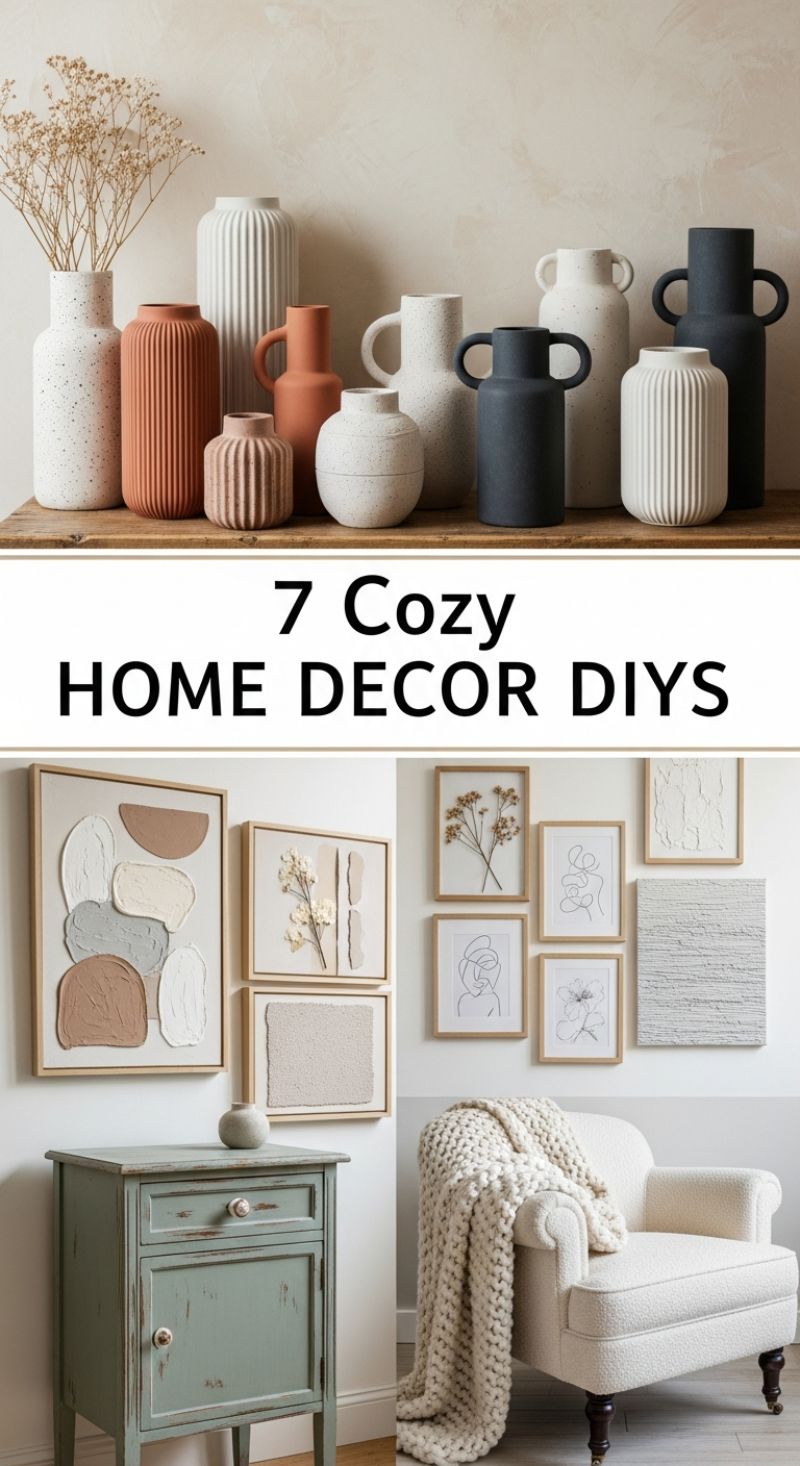
The image provides three distinct areas ripe for thrift store transformation, all contributing to a high-end, artisanal aesthetic. The upper section, featuring a stunning collection of matte and textured ceramics, is an immediate target for an easy and highly impactful DIY. To replicate this collection—which can cost hundreds of dollars retail—begin by hunting for varied shapes and sizes of vases and vessels at Goodwill. Don’t worry about the original color or material; even glossy ceramic or glass containers can be transformed. The expert secret is texture application: mix baking soda or joint compound into a neutral chalk or acrylic paint (think creamy white, soft terracotta, or slate gray). Applying this mixture in thick, uneven layers instantly creates the tactile, handmade look of expensive stoneware. Focus on maintaining a tight, earthy color palette, as the cohesion in color, despite the variation in shape and texture, is what elevates the display from cluttered finds to curated collection.
The bottom half of the space showcases the power of a curated gallery wall combined with furniture flipping, another perfect application for thrifting expertise. Thrifted canvases and frames are the building blocks for the trending textured plaster art seen here. To achieve the large abstract piece or the smaller monochromatic textural squares, take outdated or cheap canvases, apply a coat of primer, and then use spackle or joint compound to create dimensional designs. Use palette knives or even combs and brushes to sculpt shapes or scrape fine, directional lines, ensuring the final look remains monochromatic or relies on soft, neutral tones (like taupe, beige, and white) for that luxury feel. For the adjacent gallery frames, standardize your wood tone and use them to house minimalistic line drawings (often free printables online) or press delicate thrifted dried florals, mixing these elements with the plaster art for a balanced, sophisticated display.
Finally, integrate your finds with high-impact, character furniture flips. The distressed, sage-green nightstand featured is a classic Goodwill find that has been expertly refinished. To replicate this, look for a piece with good bones and apply a coat of chalk paint in a muted, sophisticated shade (deep greens, dusty blues, or pale grays work well). Once dry, use fine-grit sandpaper, particularly on edges and corners, to expose the wood or previous finish underneath, creating that coveted, antique-distressed patina. Pair this refinished piece with high-texture textile finds, such as a chunky knit throw blanket draped over a simple armchair, proving that layering quality textures, from smooth plaster to rough stoneware to thick wool, is the ultimate key to achieving a cozy, luxe aesthetic using exclusively thrifted decor.
5 Quick WELCOME HOME DECORATIONS
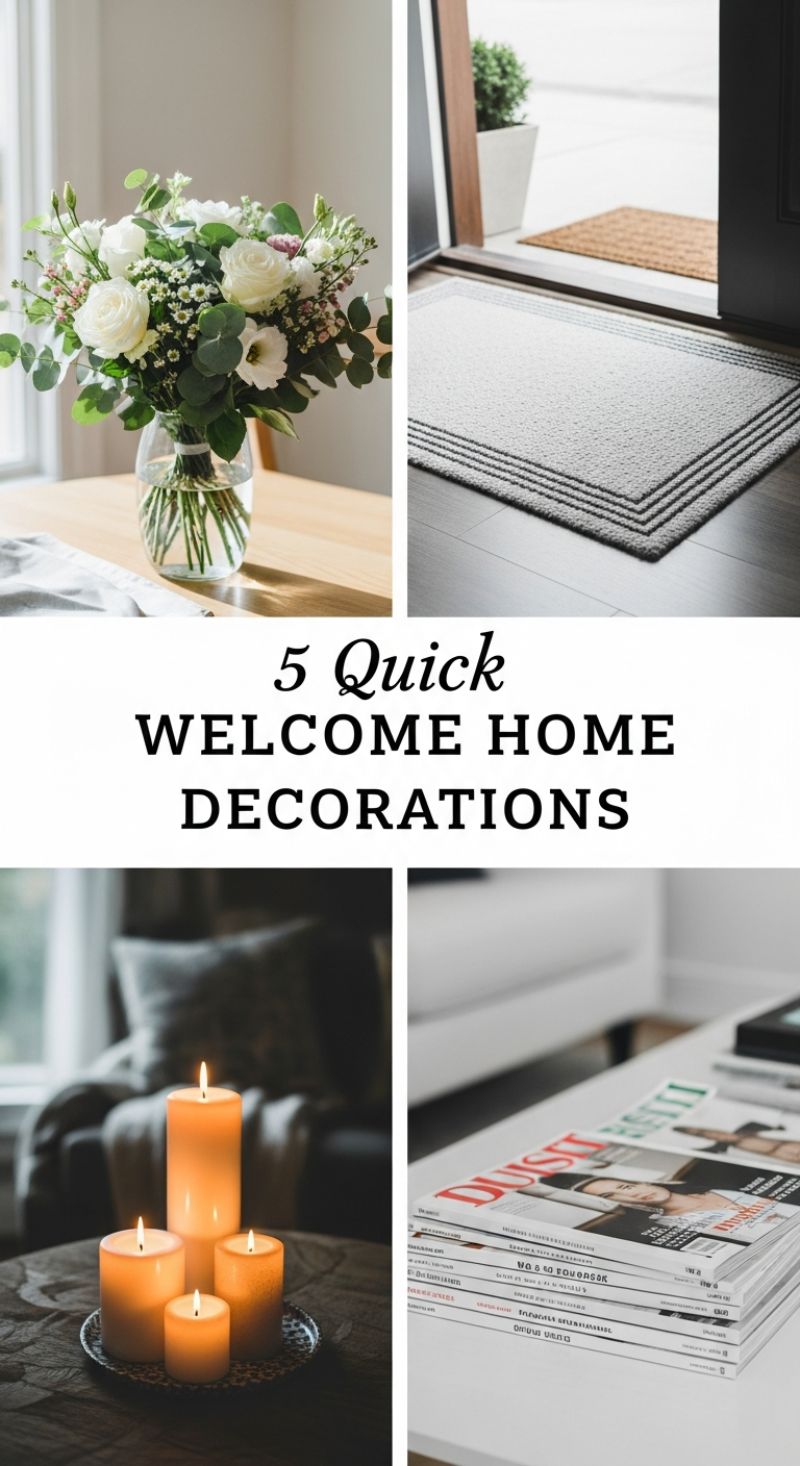
Creating an immediate sense of warmth and luxury doesn’t require high-end retail purchases; it demands intentional staging, often achievable with overlooked thrifted finds. To replicate the fresh, inviting look seen in this collage, start by focusing on the first impressions. While fresh flowers offer undeniable appeal, the vessel they sit in is your thrifting opportunity. Look for unique, heavy glass or subtly textured ceramic vases at Goodwill—the weightier the item, the more expensive it looks. Pair these thrifted vessels with eucalyptus branches (affordable at any grocery store) or seasonal blooms. For the entryway, replicating the layered, clean look of the welcome mat requires focusing on the surrounding decor. A small, upscale thrifted wooden side table or a painted pedestal stand (easily refreshed with spray paint) placed near the door can hold a faux or real plant, anchoring the space and elevating a standard rug into a styled moment.
Next, master the art of atmosphere through lighting, a critical element in achieving a luxe feel. Thrift stores are unparalleled hunting grounds for unique candle holders and decorative display trays that can instantly transform simple pillar candles into an elegant centerpiece. Seek out heavy, textured coasters, small marble slabs, or intricate metal trays (often found in the dishware or small decorative items section) to group your candles. The visual power comes from clustering varying heights of neutral, unscented candles, as shown in the image. This technique provides rich, flickering warmth—a hallmark of high-end design—and prevents the look from appearing scattered. If you find a set of mismatched vintage brass candlesticks, cleaning and grouping them with cream-colored tapers provides a similar luxurious effect for almost no cost.
Finally, style your surfaces with thoughtful, curated elements that convey effortlessness and sophistication. The coffee table staging relies heavily on organized stacks of reading materials. While current design magazines are necessary for the top, thrifted hardback books—especially large format or design-focused titles—are the essential foundation. Remove the dust jackets from these thrifted books to reveal clean, neutral colors or rich textures, then use them to build height beneath your modern periodicals. To further refine the look, hunt for small, high-quality, thrifted trays or decorative boxes to contain remote controls or small essentials, ensuring the surface remains tidy. The intentional stacking and containment of items is what transforms a cluttered living space into a high-end, professionally styled room, all anchored by accessible finds.
20 Tiny Home Decor Inspiration
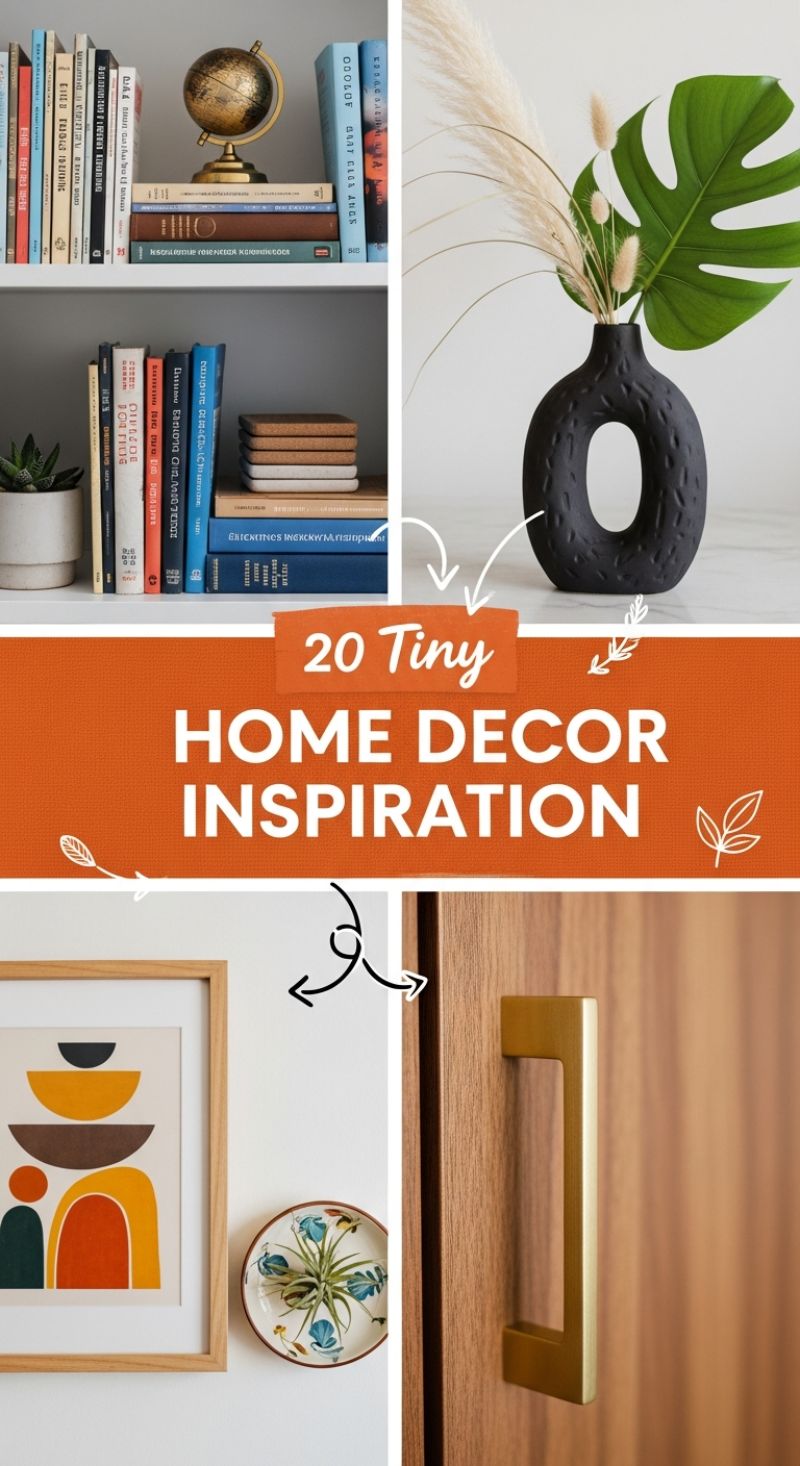
Achieving a luxurious aesthetic doesn’t require massive investment; it hinges on the thoughtful selection and arrangement of small, impactful details, many of which are abundant at thrift stores. Focus first on curating your shelving units, treating them as prime display real estate. Goodwill is an unrivaled resource for building a sophisticated home library. Instead of buying new, hunt for hardback books whose spines offer appealing colors or textures (blues, browns, blacks, or neutral linen). Use these volumes not just for reading, but also as risers to stack decorative objects, like the small golden globe and the coasters pictured above. The key to making these thrifted groupings look upscale is intentionality: group items by texture, vary the height, and introduce living elements—even a small succulent in a simple ceramic pot instantly elevates a bookshelf vignette and offsets the sometimes cluttered look of used books.
Next, turn your attention to statement accessories that can redefine a room’s mood. Unique ceramic vessels, often overlooked in the home goods aisle, are perfect candidates for a budget-friendly flip. Find a vase with an interesting shape, like the sculptural, matte black piece shown, and if the original color doesn’t suit your style, a quick coat of matte spray paint can transform it into an expensive-looking art object. Pair these thrifted finds with high-impact but inexpensive natural elements, such as pampas grass or a large faux tropical leaf, to mimic high-end florist arrangements. Similarly, utilize thrifted frames—which are far cheaper than store-bought ones—and update the artwork with downloadable, abstract, or mid-century modern prints. This technique instantly upgrades your wall decor, moving beyond basic posters to sophisticated, gallery-worthy pieces that align with current design trends.
Finally, the ultimate secret to transitioning a space from secondhand to high-end lies in elevating the often-ignored hardware and micro-decor details. Cabinets and drawers scored cheaply at Goodwill can be completely revolutionized by swapping out dated knobs for sleek, modern brass pulls, like the linear handle featured here. This small investment in quality hardware dramatically changes the perceived value of the furniture. Don’t forget the power of small, whimsical touches that add personality and layers to your decor. Look for vintage or unique decorative plates to hold air plants (tillandsia), which require minimal care and provide a gorgeous botanical accent without the commitment of a large houseplant. These tiny, well-placed objects are the finishing touches that demonstrate a discerning eye for design and finalize the transformation of thrifted finds into a cohesive, luxe environment.
Transforming Thrifted Finds: Mastering the Viral Textured Art and Furniture Flips
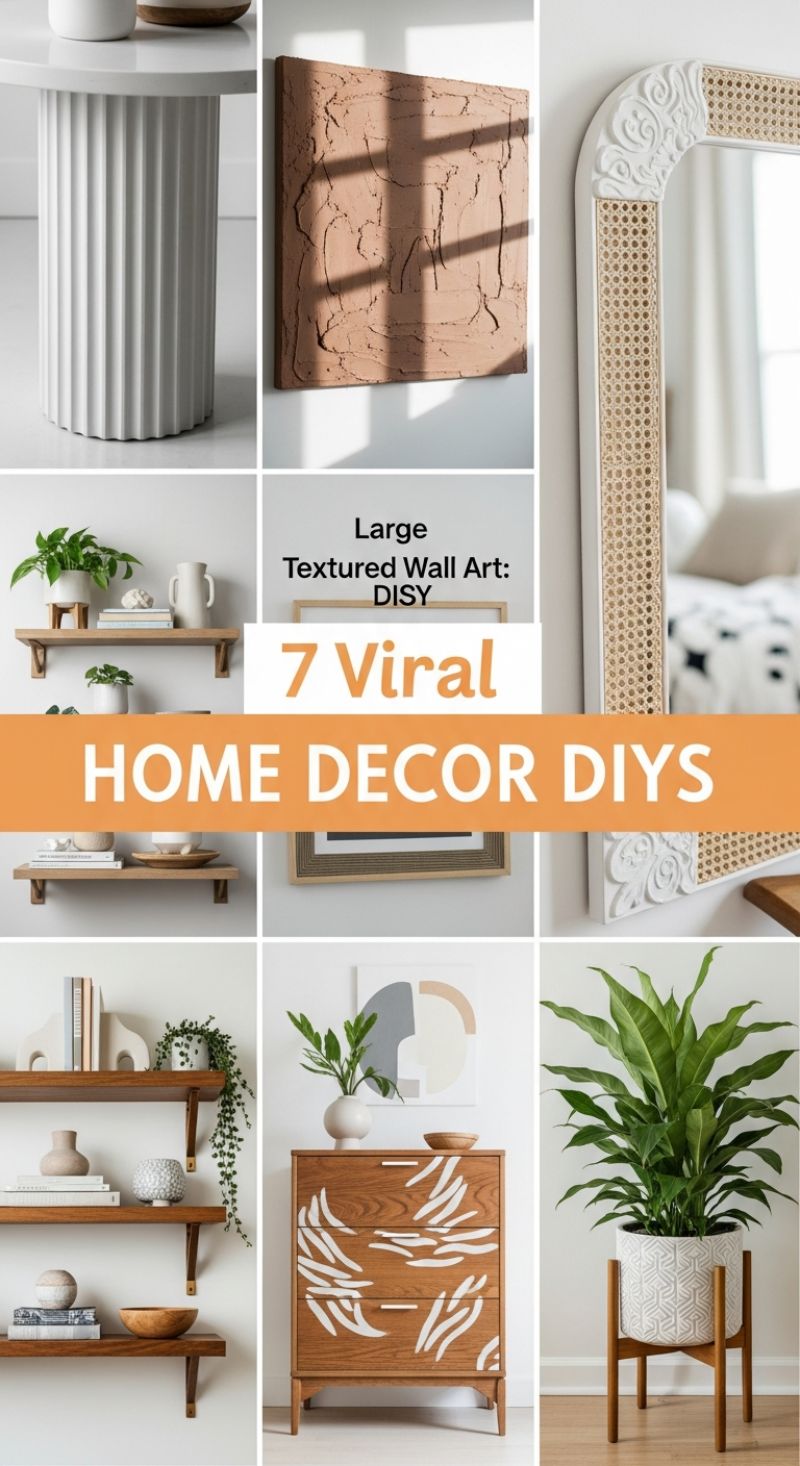
The single greatest equalizer in high-end DIY decor is the viral textured wall art. You can achieve this stunning, gallery-worthy look—as seen prominently in the image—by repurposing the most unlikely thrift store finds: large, often ugly, framed prints or blank canvases. Start by stripping the existing material or covering the canvas thickly with a lightweight product like joint compound or spackle, which is incredibly inexpensive. The key to the luxe texture is the application technique; instead of smooth strokes, use trowels, putty knives, or even fingers to create deep, organic grooves and peaks, mimicking the natural, earthy aesthetic shown in the warm terracotta piece. Once cured, a simple coat of matte paint in an elevated neutral (like bone white, deep sage, or dusty rose) transforms this humble material into an abstract masterpiece that reads $500, not $5, instantly elevating any wall in your home.
Moving beyond the walls, maximizing the potential of thrifted furniture is essential for a truly bespoke home. The image showcases a classic mid-century modern dresser revitalized with bold, abstract white detailing, offering a blueprint for transforming tired Goodwill dressers or nightstands. The process begins with meticulous prep: clean the piece thoroughly, lightly sand existing varnish, and prime if necessary. The graphic element—whether stenciled or freehand—is what makes this piece sing. Choose a contrasting paint color (white or black against natural wood) and apply dynamic, sweeping shapes that break the monotony of the drawers. Expert tip: for an instant “luxe look” upgrade, budget for new hardware. Swapping out the original pulls for modern handles in brass, leather, or streamlined matte black will reinforce the quality of your furniture flip, ensuring your DIY effort elevates the piece from vintage clutter to curated centerpiece.
To tie these transformations together and achieve the cohesive, contemporary aesthetic demonstrated throughout the visual collection, focus on layered textures and neutral palettes. Notice how the warm wood tones of the floating shelves and dresser harmonize with the matte white ceramics and the earthy wall art. When selecting objects to display—which should also be sourced affordably via thrifting (vases, bowls, small statues)—consider giving them a quick texture upgrade using simple techniques like spray paint mixed with baking soda or specialized stone-effect paints. Furthermore, small detail DIYs, such as adding cane webbing (as seen surrounding the elegant mirror) to salvaged wood items or planters, introduce organic materials that instantly soften and modernize interiors, reinforcing the curated, expensive feel of your budget-friendly decor scheme.
6 Worthy Thrifting Finds
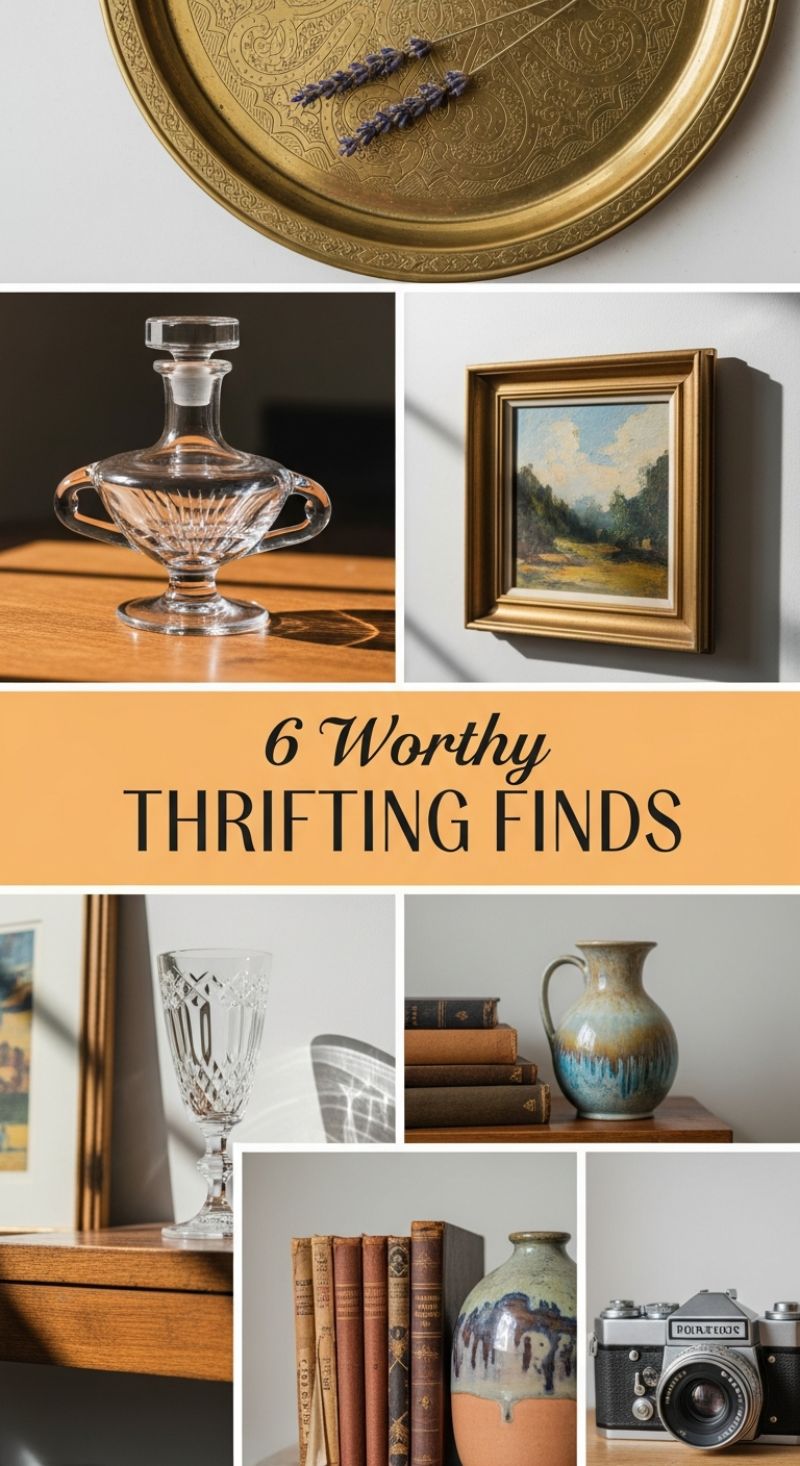
Achieving a truly luxe aesthetic through thrifting starts with seeking out pieces that possess intrinsic quality, rich patina, and historical character. Items like the engraved brass or bronze tray, often overlooked in the bins, are prime examples; look for heavy weight and detailed, hand-etched engraving which suggests superior craftsmanship and history. Style these metals by layering them on coffee tables or using them functionally for serving cocktails. Similarly, small, framed original art, such as the landscape oil painting displayed in a solid gold frame, instantly adds sophistication. Expert advice dictates that while the artist’s name is a bonus, the frame’s quality is paramount; thick, ornate gold frames are powerful tools for instantly elevating cheap art and bridging modern decor with classic elegance.
To further refine your space, focus on vintage crystal and specialty glassware. Items like the cut glass goblet or the elegant decanter shown are essential for reflecting light and adding visual sparkle to any bar cart or shelf. When hunting for ceramics, bypass standard factory items and seek out unique studio pottery or pieces featuring reactive glazes, such as the distinct blue-and-tan jug pictured. These artisanal items serve as sculptural anchors, introducing handmade texture and grounding earthy tones to your display. Grouping these fragile finds near sources of light maximizes their impact, casting beautiful prismatic shadows across the room.
Finally, true luxe decor is curated, not cluttered. Vintage books are indispensable for adding height, texture, and scholarly charm to any surface. Select hardcover books with worn leather, fabric, or neutral paper bindings; stack them creatively to display smaller items like ceramics, or arrange them upright to serve as shelf fillers, paying attention to the colors and textures of the spines. Unique vintage collectibles, such as the film camera, should be displayed individually to celebrate their form and mechanical design. The key to successful integration is creating visually cohesive vignettes: group items by material (metal next to metal, crystal near ceramics) and ensure each worthy find tells a story of careful collection and timeless style.
9 Secret PILLOW STYLING TIPS
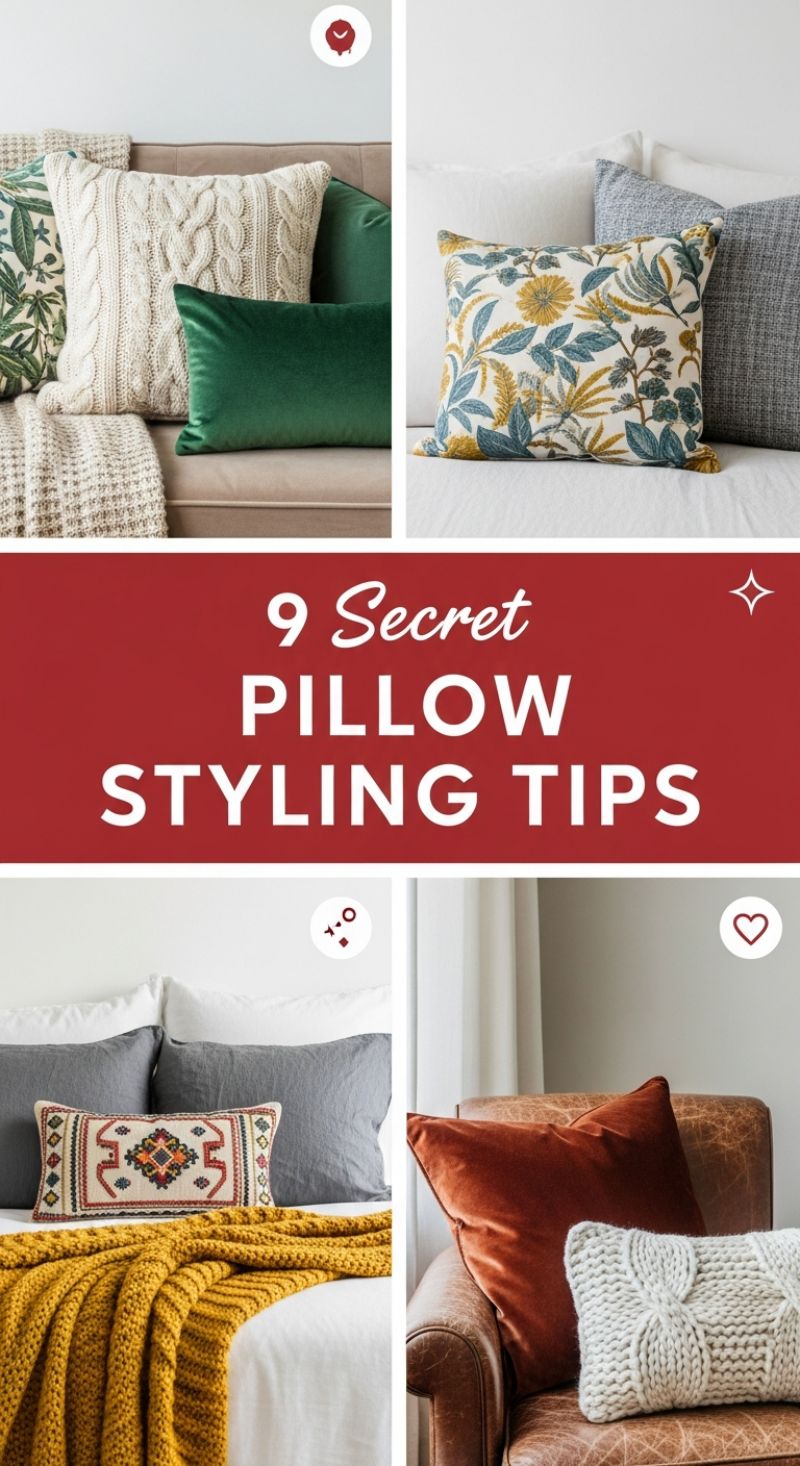
The secret to elevating a room using throw pillows, especially when sourcing from thrift stores like Goodwill, lies in mastering texture and pattern pairing. Forget hunting for expensive, perfectly matched sets; a truly luxe look is achieved through curated contrast. Notice how the visuals utilize rich materials—cable-knit wool, plush emerald green velvet, and rustic burnt orange velvet—placed alongside intricate prints and delicate floral or geometric patterns. When thrifting, focus intently on the quality and feel of the fabric rather than the existing dated cover design. Look for materials like heavy linen, silk velvet, high-quality woven cotton, or even durable wool blankets that can be repurposed. Thrift stores often hide treasures in the textile aisle; you might find high-end fabric remnants or vintage clothing that can be transformed into unique, custom pillow covers far cheaper than buying retail. Aim for a mix of three to four contrasting textures per arrangement (e.g., smooth velvet, rough cable knit, crisp linen) to give the eye depth and complexity, instantly broadcasting a high-end, professionally designed aesthetic.
Pillow styling is fundamentally about composition and scale, and the “luxe look” demands that your selection appears intentionally curated. Start with the largest pillow in the back—this should be a foundational piece, often a solid color or subtle texture sourced from a standard thrifted cushion (which you can easily re-cover). When arranging, utilize varying dimensions; for a sofa, try using three size categories, or for a bed, layer standard shams with a medium square and a small lumbar. Goodwill is fantastic for finding cheap, well-stuffed inserts. A vital expert tip is ensuring the insert is one size larger than the cover (e.g., a 20-inch insert in an 18-inch cover) to create that desirable plump, taut, and chop-ready look that distinguishes luxury seating. If the thrifted covers are in poor condition but the inserts are good, replace the cover with repurposed high-quality fabric remnants, vintage scarves, or even high-thread-count cotton found in the bedding section for an immediate upgrade.
A cohesive yet rich color palette ties disparate thrifted finds together seamlessly. Use the inspiration from the image: pair deep jewel tones (like the rich green and rust velvet) with light, neutral backgrounds (creams, grays) and introduce a primary accent color (the mustard yellow blanket or the bold patterns). When thrifting, if you find an amazing fabric or cushion in a bold hue, use that as your anchor piece. Then, find two or three supplementary cushions in muted tones that share a secondary color element with the anchor piece. Don’t forget the power of the unexpected find: vintage embroidered textiles, old Persian rugs, cross-stitch samplers, or even old carpet runners can be cut and sectioned into incredible, one-of-a-kind lumbar pillows that scream custom design. These unique, textural, and often culturally rich finds—frequently overlooked by others at the thrift store—are the final secret ingredient to transitioning your pillow arrangement from basic to bespoke and utterly luxurious.
1 Ultimate GOODWILL LIVING ROOM
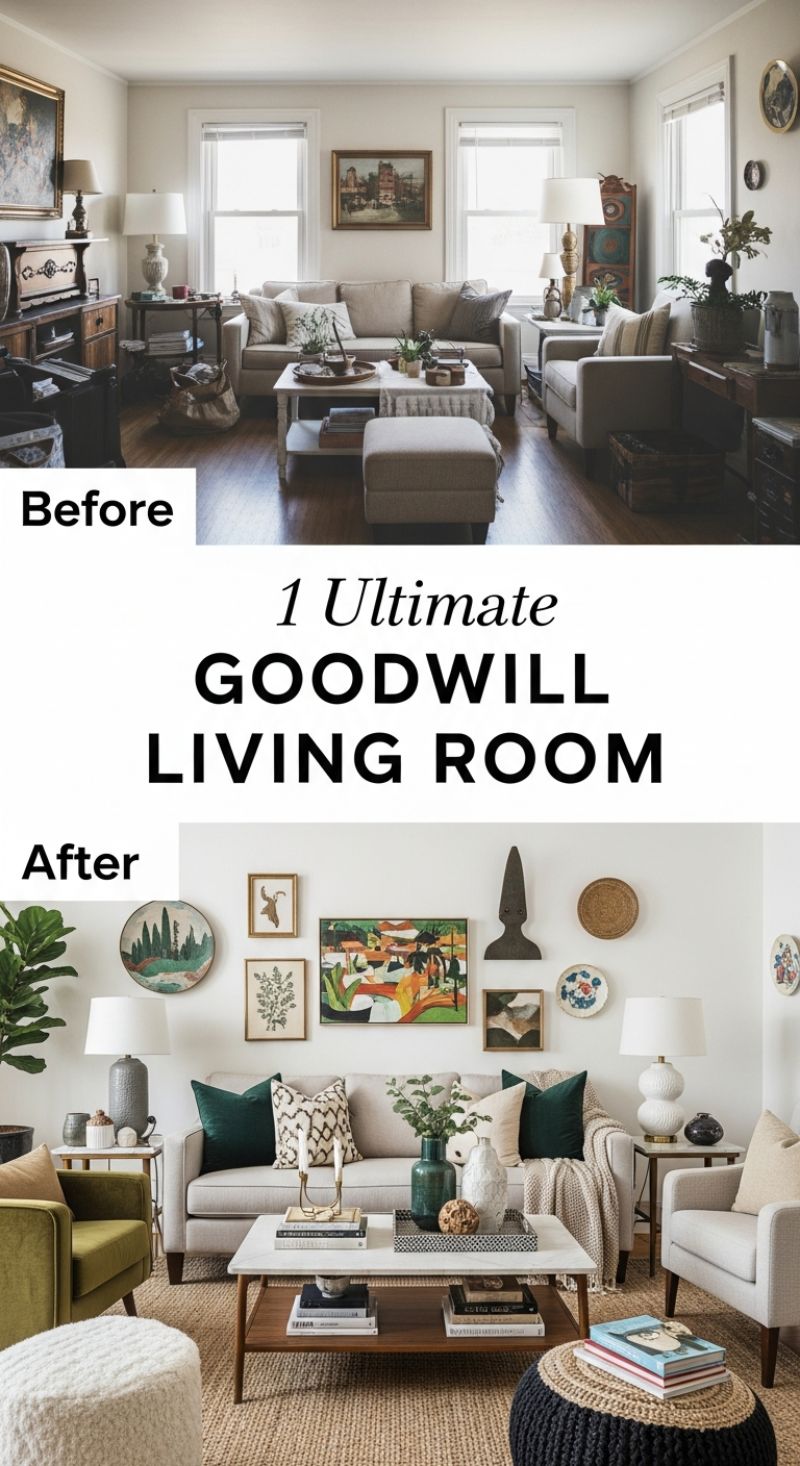
The transformation of this living room serves as the ultimate masterclass in elevating thrifted finds into a cohesive, high-end design aesthetic. The “Before” space, though functional, suffered from a monochromatic, slightly dated look characterized by heavy, dark wood furniture and low contrast. The “After” showcases a calculated pivot to a brighter, texture-rich environment that utilizes Goodwill gems to inject personality without sacrificing sophistication. To achieve this level of luxe curation, start by establishing a strong, neutral foundation. A large, natural-fiber rug (like the jute pictured) grounds the space and instantly updates the flooring, making the room feel larger and more intentional. Focus your furniture budget on key items—like the clean-lined sofa and olive velvet accent chair—and then use thrifting for the high-impact decorative elements. When scouting Goodwill, look for items that possess interesting shapes or textures, even if the color is wrong, as a simple coat of paint or a new lampshade can unlock their potential. The success of this design lies in treating thrifted items not as leftovers, but as essential building blocks for a customized look.
One of the most striking upgrades is the creation of a dynamic gallery wall, a technique perfectly suited for showcasing eclectic, affordable art found through thrifting. Instead of confining yourself to framed paintings, follow this expert strategy by mixing mediums: include framed botanical prints, abstract canvases (which you can often find or create cheaply), decorative plates, and unique sculptural pieces (like the dark tribal mask). The key to keeping such a diverse collection cohesive is to unify the color palette. Notice how the dominant colors in the abstract painting—rich greens, terracotta, and earthy tones—are intentionally echoed throughout the room in the deep green throw pillows and the vibrant accent chair. This intentional color threading connects disparate thrift finds, making them look like they were purchased specifically for the space. Always ensure your wall arrangement is anchored by one large central piece, balancing it with smaller surrounding items to avoid a cluttered or haphazard appearance.
Finally, master the art of the decorative vignette, as thrift stores are unparalleled resources for the small objects that truly elevate a room. Focus on surface styling on the coffee table and side tables. Use layered books (often found cheaply at Goodwill) to add varying heights, topping them with functional yet stylish thrifted items like brass candlesticks, unique ceramic vases (mixing smooth white with textured or colored finishes), and decorative trays. The use of a patterned bone inlay tray on the coffee table, for example, adds structure and texture while containing the smaller objects. Update your lighting by swapping out old, dark bases for modern, textured ceramic lamps found while thrifting, pairing them with crisp white shades to modernize the silhouette. By balancing rough textures (the jute rug, knit pouf) with smooth, luxurious elements (velvet, marble coffee table top), you achieve the visual depth and layered elegance characteristic of high-end interior design, all thanks to judicious thrifting.
6 Bold KITCHEN & LIVING ROOM IDEAS
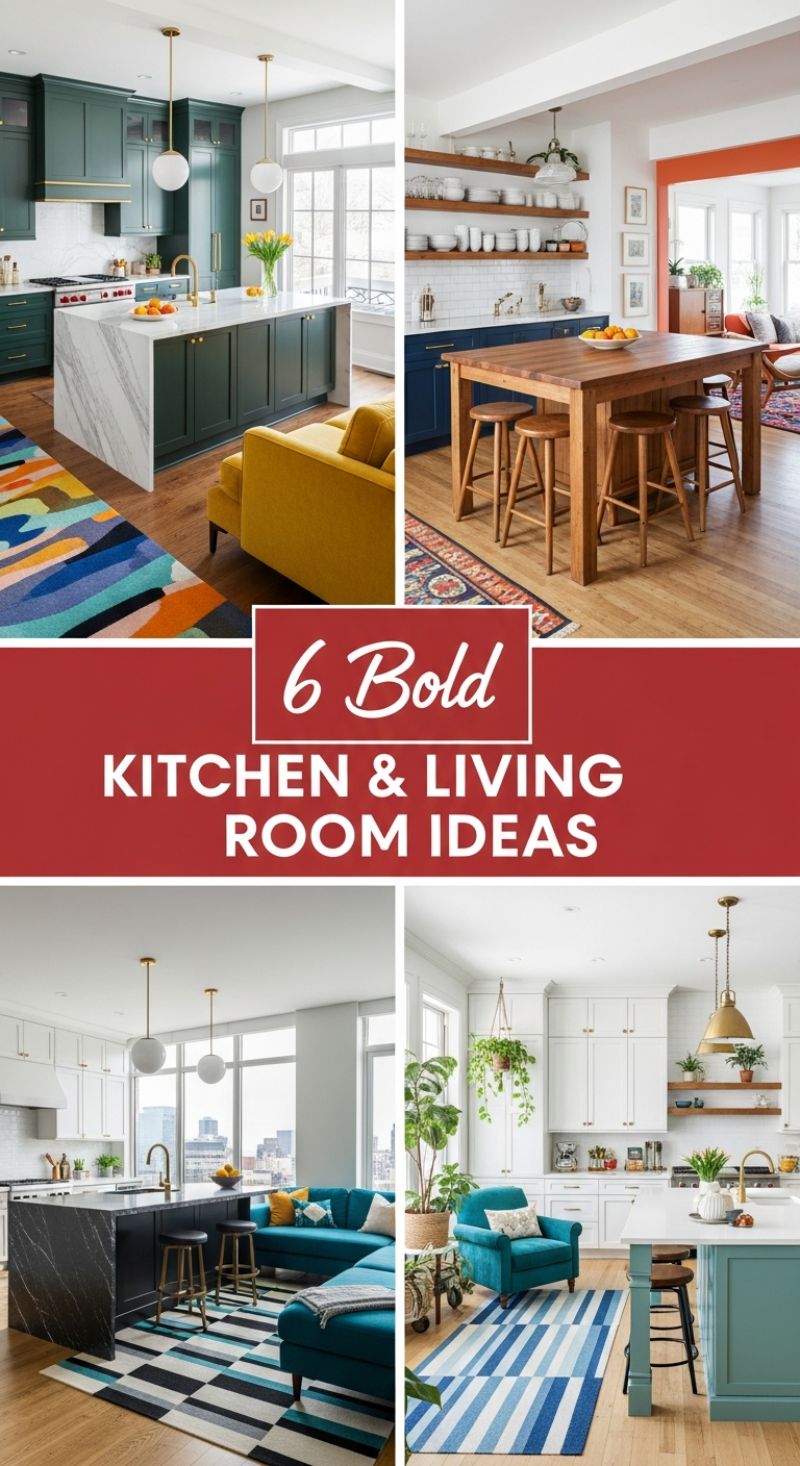
The key to mastering these ‘bold’ open-concept spaces lies in committing fully to a jewel-toned palette, perfectly balanced by neutral architectural elements. You can emulate this high-impact, luxe look without the designer price tag by strategically sourcing thrifted statement furniture. Notice how the top-left kitchen pairs deep emerald cabinets with a bright mustard yellow sofa, and the bottom-left pairs a black marble island with a vibrant teal sectional. To replicate this, hunt Goodwill for large-scale, sturdy furniture frames. Focus on pieces with good bones, regardless of their current fabric. A simple sectional or armchair can be transformed into a high-fashion anchor by investing in a rich velvet slipcover or professional reupholstery in shades like sapphire, forest green, or mustard. Complete the look by swapping out standard cabinet pulls for inexpensive brass hardware found at estate sales or flea markets, or by applying gold metallic spray paint to thrifted metal pendants to mimic the high-end light fixtures seen here.
Another critical element in these designs is the intentional use of dramatic textiles to define zones within the open floor plan. Rugs are not merely floor coverings here; they are vibrant art pieces that establish the function and aesthetic boundary of the living area versus the kitchen. Seek out vintage or geometric runners and area rugs at thrift stores or vintage markets that incorporate the primary accent colors of your furniture. The abstract, colorful rug in the top left, or the bold blue-and-white stripes in the bottom right, instantly ground the space and prevent the open layout from feeling disorganized. Furthermore, elevate the aesthetic of your thrifted sofas with an array of carefully chosen throw pillows. Look for patterns and textures—such as embroidered cotton, velvet, or linen—that pull together your bold color scheme, ensuring the look is curated and intentional rather than cluttered.
Finally, focus on styling the often-overlooked details that elevate the kitchen from utilitarian to magazine-worthy. While you may not be able to thrift a marble waterfall island, you can achieve the same sophisticated finish through intentional styling. Search Goodwill for minimalist white ceramic dishes, coffee mugs, and serving bowls to style open shelving, mimicking the uniform, clean aesthetic shown in the top right image. Complement these with natural wood accents like thrifted cutting boards, large wooden bowls for fruit, and unique, sculptural planters. The addition of large, lush greenery—whether hanging or potted—is non-negotiable for achieving this modern luxe feel. Place thriving plants in unique, textured planters you find secondhand to add organic texture against the clean lines of the white cabinetry and bold furniture, making the entire space feel curated, expensive, and lived-in.
12 Vibrant Mexican Home Decor
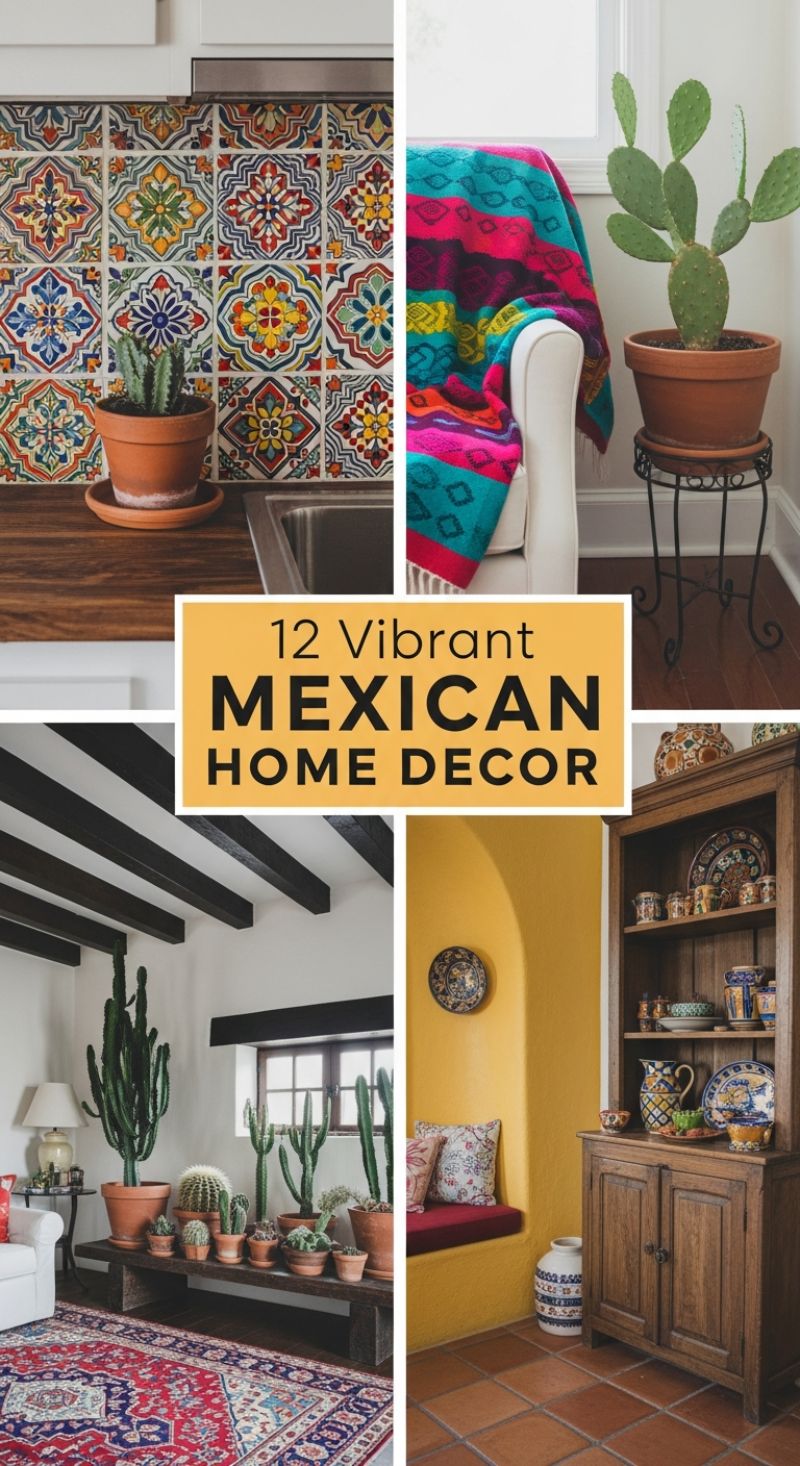
Achieving the vibrant, globally-inspired look of Mexican home decor hinges entirely on sourcing unique, colorful, and highly textural elements—the perfect hunting ground for the avid thrifter. The cornerstone of this aesthetic is the saturation of color, specifically rich earth tones (terracotta, mustard yellow) paired with vivid primaries (cobalt blue, chili red, emerald green). When scouring Goodwill, focus your search on statement ceramics. Look for heavy clay jugs, serving platters, or mismatched bowls that feature intricate, hand-painted patterns reminiscent of Talavera or Majolica pottery. These pieces, when grouped together on a simple wooden shelf or displayed prominently in a thrifted hutch (like the one pictured), instantly create a collected, high-value visual narrative. Supplement these finds with textiles; seek out throws, woven blankets, or small rugs that incorporate bright, linear stripes or geometric motifs. Draping a thrifted serape-style blanket over a neutral armchair adds immediate warmth and contrast, elevating a standard living space into a luxurious, culturally rich environment.
To balance the riot of color inherent in Mexican decor, you must anchor the room with substantial, earthy elements, which Goodwill often provides in the form of heavy furniture. Look for sturdy, dark-stained wood pieces—a robust cabinet, a simple bench, or a solid wood dresser—that can serve as foundational display units. If you find a piece with the right structure but the wrong finish, don’t hesitate to use a dark gel stain or black wax to mimic the heavy, exposed beams and substantial wood fixtures seen in authentic Mexican architecture. Furthermore, the extensive use of plants, particularly cacti and succulents, is non-negotiable for this style. Thrift stores are abundant with affordable terracotta pots, often selling for mere dollars. Purchase a variety of sizes and group them tightly together on the bench or windowsill. The uniformity of the terracotta provides a grounding texture and allows the striking green geometry of the plants to shine, creating a professional and intentional botanical display.
Finally, the key to transforming thrift finds into a luxe look lies in layering and contrast. Use paint to your advantage: if you can’t commit to a bright, sun-drenched yellow wall, find a smaller area—perhaps the inside of a niche or an alcove—to feature that intense color, creating a dramatic backdrop for a single, patterned plate or piece of art. If installing patterned tile is out of the question, hunt for patterned wallpaper or inexpensive craft fabric to frame and hang as ‘tapestries,’ mimicking the busy, colorful kitchen backsplash without major renovation costs. By consciously mixing inexpensive but vibrantly colored thrifted ceramics and textiles with foundational dark, sturdy wood pieces, you achieve a sophisticated layering that feels traveled, authentic, and undeniably high-end.
15 Ultimate DECOR INSPIRATION
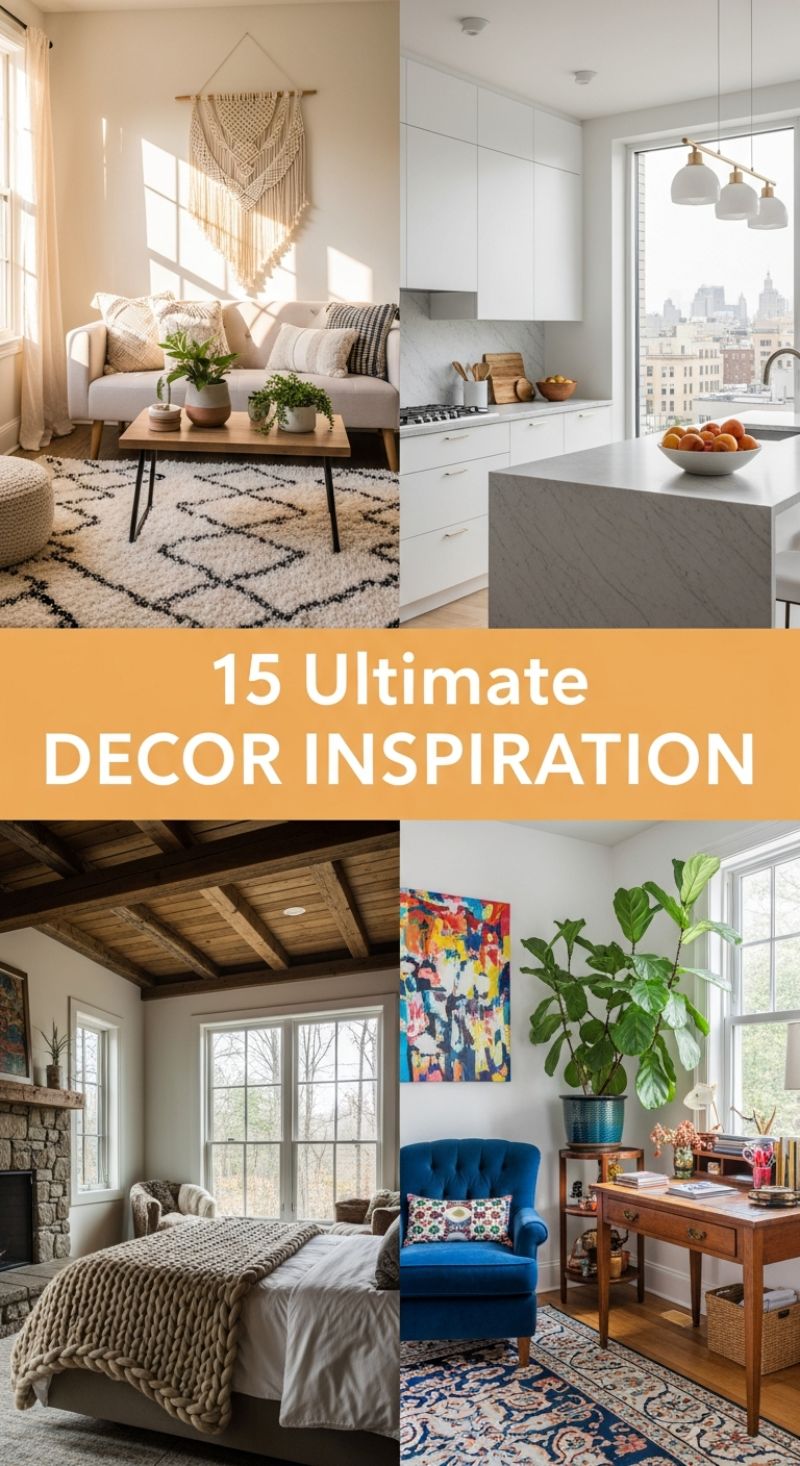
This collage showcases four distinct high-end aesthetics—from Minimalist Boho and Modern Sleek to Rustic Retreat and Eclectic Maximalism—proving that luxury isn’t confined to one style. The key takeaway for the savvy thrifter looking to emulate these spaces is focusing intently on texture, form, and material quality, rather than brand names. For the sun-drenched Minimalist Boho look (top left), scour Goodwill for vintage macrame remnants or heavily textured baskets that can be repurposed as high-impact wall art, instantly replicating the woven centerpiece. When shopping for ceramics, prioritize off-white or matte finishes for planters and vases to achieve that elevated, calming color palette. Conversely, if you favor the rich, layered Eclectic style (bottom right), target statement furniture pieces: a vintage, high-backed armchair (even if basic upholstery is needed later) provides the ideal foundation, and vibrant, unique framed art, often found hidden away, can supply the crucial focal point for a fraction of gallery prices.
High-impact architectural elements like the sleek white cabinetry or the rustic coffered wood ceiling are typically outside the scope of a thrift trip, but their overall visual impact can be replicated through strategic detailing. Lighting is paramount; the modern kitchen’s pendant lights or the cozy reading nook’s brass lamp can be mimicked by finding unique vintage fixtures, which often only require a quick repaint or rewiring to appear contemporary. Hardware is another crucial detail often overlooked by beginners—swap out cheap plastic or standard knobs on thrifted dressers or cabinets for high-quality metal handles, instantly elevating a basic piece toward the luxe, modern look. Furthermore, don’t overlook solid wood items. A simple, sturdy, thrifted table or console can be stained dark to replicate the rich warmth of the rustic ceiling beams, lending a grounded, high-design feel to any space.
The ultimate secret weapon for transforming basic thrift finds into a cohesive, luxe presentation is through textiles and intentional layering. Note the chunky knit blanket in the rustic bedroom and the richly patterned area rugs defining the living spaces. While finding a perfect, large wool area rug at Goodwill is rare, smaller, high-quality runner rugs can be strategically used, or layered over an inexpensive jute base for dimension and depth. Always check textile tags for material content—a forgotten velvet curtain panel or a vintage linen tablecloth can be sewn into high-end pillow covers, matching the plush, textured feel of the inspiration images. Finally, use accessories to bring life and structure, mimicking the impressive fiddle leaf fig in the home office. Look specifically for oversized ceramic or terracotta planters that can house large, inexpensive house plants, anchoring the room and providing that instant touch of sophisticated vitality seen across all four design vignettes.
10 Bold AFRO CHIC HOME DECOR
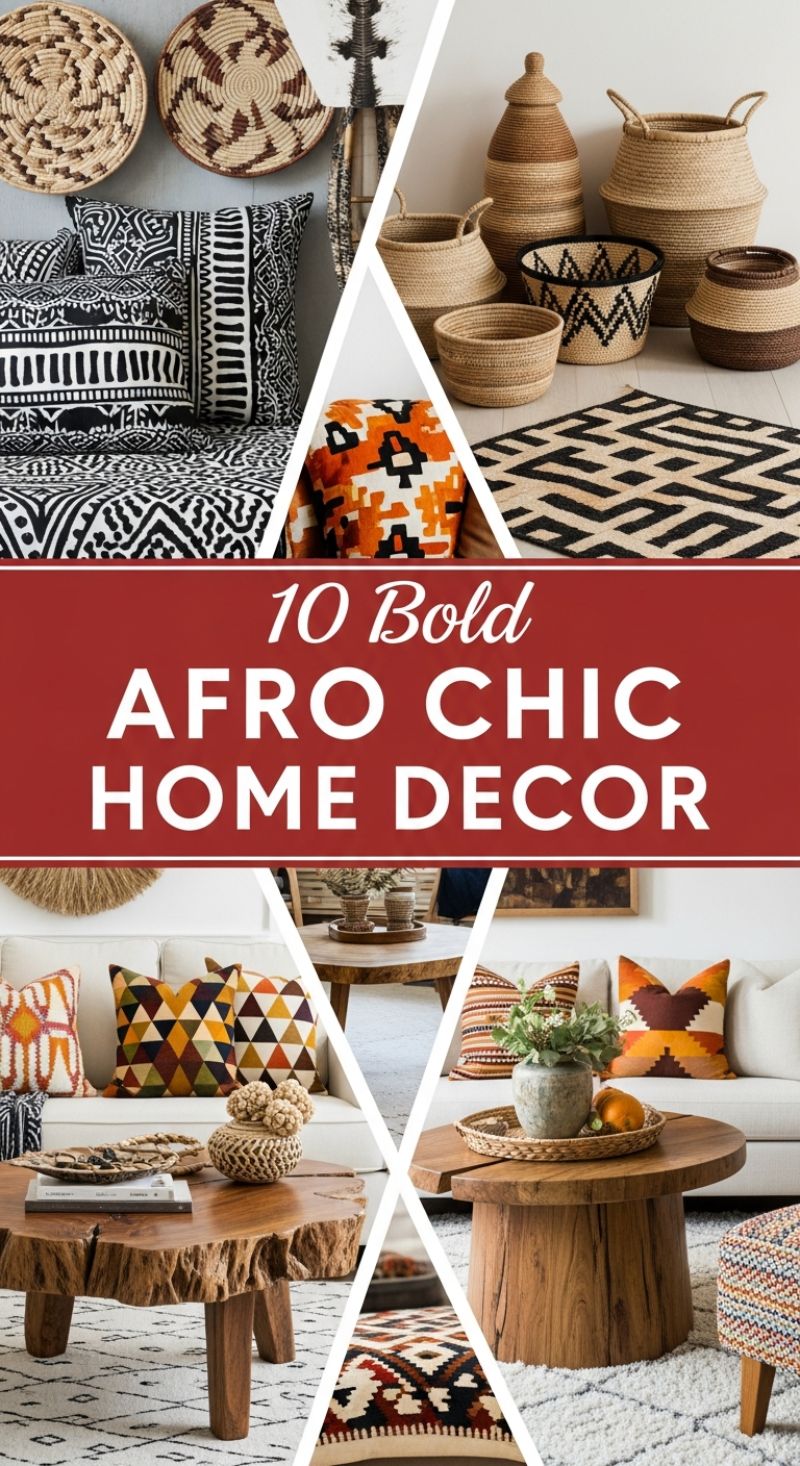
The Afro Chic aesthetic is defined by its masterful use of natural textures, bold patterns, and earthy yet vibrant color palettes, creating a look that feels both grounded and luxurious. Achieving this global-inspired style on a thrifty budget starts with textiles and natural woven goods, which are often overlooked treasures at Goodwill. Look for materials like jute, rattan, wicker, and dark wood. For instance, the large, stacked woven baskets seen in the image are frequently found in thrift stores, perhaps marketed as storage or picnic baskets. Grouping these varying sizes and shapes together instantly creates a sculptural display, adding that crucial organic texture. Similarly, keep an eye out for patterned textiles—a vintage blanket, an old linen tablecloth, or even patterned curtains can be cut and sewn into designer-inspired pillow covers replicating the black-and-white tribal patterns (like mudcloth or kuba cloth) or the brightly colored geometric designs that define this look. These small, impactful textile upgrades are the least expensive way to transform a room into an Afro Chic sanctuary.
The key to making thrifted patterns look high-end is strategic mixing. The bottom half of the image showcases how diverse patterns—stripes, triangles, geometric blocks, and abstracts—can coexist beautifully when anchored by a cohesive color story. When you are thrifting pillows or fabric scraps, stick to rich, warm tones like burnt orange, rust, saffron, and deep brown to unify the diverse designs, ensuring the look is bold rather than chaotic. The white sofa and white shag rug act as a clean, neutral canvas, allowing the thrifted, patterned items to truly pop. Additionally, embrace the organic element of wood. While you might not find a perfect live-edge coffee table slab at Goodwill, you can certainly find sturdy wooden stools, side tables, or even large cutting boards. Sanding these down and staining them dark to highlight the natural grain mimics that rugged, handcrafted furniture aesthetic. Placing a few thrifted woven bowls or small natural trinkets on the table finishes the look, proving that high-impact design doesn’t require a high budget.
To fully embody the luxe side of Afro Chic, focus on displaying your thrifted finds as intentional art pieces. The wall baskets shown are an excellent example of this. Collect varying sizes of woven placemats or shallow bowls, which are commonly found at Goodwill, and hang them in a cluster to create a textured gallery wall. This technique adds depth and cultural richness without the cost of expensive framed art. When styling, always aim for layered textures: a chunky knit blanket thrown over the sofa, a woven tray atop the wood coffee table, and layered rugs (a small thrifted patterned rug placed over a neutral base rug). This layering trick instantly elevates the perceived value of the room. By hunting specifically for natural materials and bold patterns, you can curate a globally inspired, high-style space entirely through savvy thrifting.
3 Must-Have AFRO CHIC TEXTILES

Global textiles are perhaps the quickest and most effective way to infuse a high-end, bespoke vibe into any room, moving beyond mass-produced looks toward a curated, traveled aesthetic. When thrifting, keep a keen eye out for three distinct patterns that immediately elevate your decor: the bold, colorful geometry of Kente cloth; the organic, earthy motifs of traditional Mudcloth (Bogolanfini); and complex, textural weaves, often seen in Moroccan or Kilim-style rugs and throws. Your mission at Goodwill is to search for these patterns—or quality approximations thereof—in the form of scarves, tablecloths, throws, or even fabric remnants. Look for natural fibers like heavy cotton, woven wool, or linen, which hold their shape and structure far better than synthetic alternatives, ensuring your thrift find truly looks like an intentional investment piece. The key to successful sourcing is recognizing that a small, framed piece of authentic textile can be more impactful than a large, cheap blanket, so prioritize texture and intricate pattern density over size.
Integrating these powerful patterns requires a thoughtful styling strategy to achieve that desired “luxe” finish without tipping into cluttered or overly busy territory. Use the monochromatic (brown, cream, black) Mudcloth style textiles as grounding textures—perfect for layering on a neutral sofa or framing as dramatic wall art. Then, introduce the vibrant, multi-hued patterns, such as the Kente cloth, as controlled bursts of color. For instance, pair a Kente throw draped across an armchair upholstered in a solid, deep velvet (another great thrift find!) or use a remnant to create structured pillow covers. When pattern mixing, pay attention to scale: combine a small-scale, repeating geometric pattern with a large, bold stripe or block design. This contrast prevents the eye from becoming overwhelmed and allows each unique pattern to have its own moment, reinforcing the idea that the room has been intentionally layered over time.
To ensure your thrifted Afro Chic textile finds are truly high-tier, focus on finishing and professional maintenance. A beautifully patterned but frayed textile immediately detracts from the luxe look, so invest in having edges professionally hemmed, or use fabric glue for quick DIY fixes if the material is stable. If you find a woven rug or throw that is too worn for floor use, consider hanging it vertically; this transforms the textile from functional decor into museum-quality art. For smaller, precious cuts, mounting them in simple, substantial frames (e.g., dark wood or brass) elevates them instantly—a framed 12×12 Kente square becomes a powerful sculptural element. Finally, always have thrifted textiles professionally cleaned upon purchase. A textile that smells fresh and holds its structure is the final, non-negotiable step to ensuring your global finds look not just thrifted, but truly curated and expensive.
10 Dreamy MEXICAN HOME DECOR
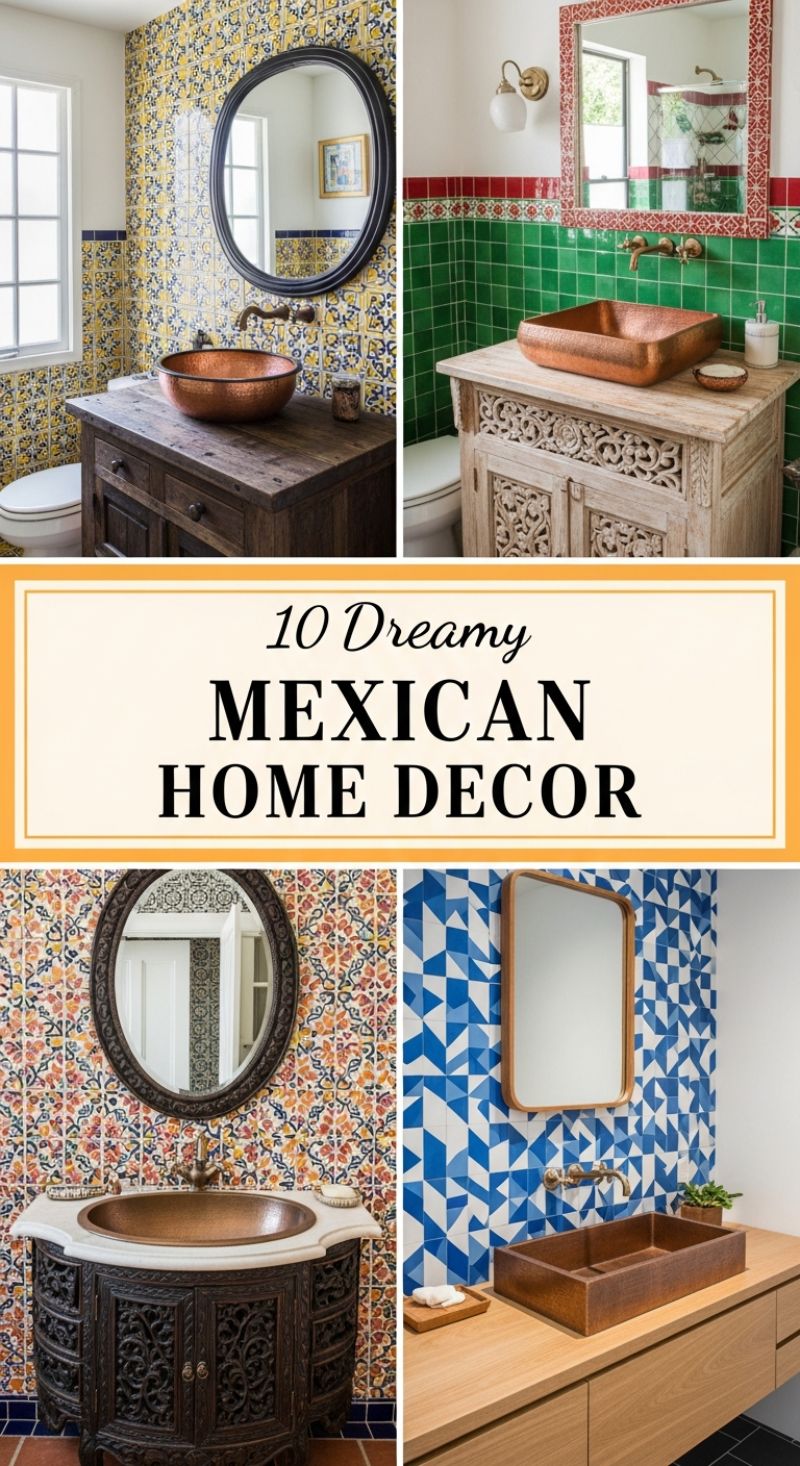
Achieving the vibrant, highly textural aesthetic of Mexican home decor relies heavily on patterned ceramics and warm metals—two categories where thrifting yields incredible returns. Start your hunt by focusing on the foundational element: pattern and color. The visual key here is the use of high-contrast, often hand-painted tiles (Talavera style), which can be costly and difficult to install. The thrifter’s hack? Seek out hand-painted ceramic plates, bowls, and small pitchers at Goodwill. These items, even if not authentic Talavera, provide the necessary color punch (intense blues, yellows, greens, and reds). Use these finds not for dining, but for high-impact wall displays, mixed into plate racks, or stacked on open shelving. This maximalist approach demands layering; look for deeply carved wooden trays or small, rustic vanities that can be stripped and stained to anchor the whole look, mimicking the heavy, custom woodwork seen in luxury Mexican-style homes.
The key to transforming these thrifted finds into a truly luxe Mexican look is the integration of warm, artisanal metals. While installing a hammered copper sink is typically out of the budget, you can strategically introduce that same metallic warmth through smaller, achievable elements. Scout aggressively for vintage brass candlesticks, hammered copper servingware, or antique bronze hardware. Swap out standard vanity pulls and cabinet knobs for these unique metallic pieces—this minor update creates major perceived value. For the vanity base itself, never overlook a solid, mid-sized wooden dresser at a thrift store. The deep, rich, nearly black stain of the vanity in the bottom left corner can be achieved by sanding down a cheap pine or oak dresser and applying a dark walnut gel stain. If you find a piece with existing ornate carving (like the light wood cabinet shown), clean it thoroughly; that intricate detailing instantly elevates the piece, mimicking expensive, custom woodwork.
Finally, execute the vibrant color story with textiles and strategic placement. Mexican design thrives on intentional clashing and saturated hues. If retiling your bathroom is not feasible, use thrifted textiles—like brightly colored serapes, embroidered runners, or patterned tablecloths—as wall hangings, colorful shower curtains, or decorative cabinet liners to introduce immediate vibrancy. Look specifically for oval or round mirrors with heavy, wrought-iron or carved frames; mirrors are frequent thrift store finds and are easily customizable. A standard cheap mirror can be instantly elevated by gluing small, colorful mosaic pieces or fragmented thrifted pottery around the frame’s edge. Remember, this style prioritizes richness and character over modern perfection. By focusing on three core thriftable elements—heavy, character-rich wood, intensely patterned ceramics/textiles, and small, warm metal accents—you create a cohesive, expensive-looking narrative for a fraction of the price of purchasing new Talavera pieces.
Achieving the Natural, Textured Luxe Aesthetic Through Thrifting

The essence of this elevated aesthetic lies in the strategic layering of natural, tactile elements—a style that is remarkably achievable on a thrift budget. To replicate the rich texture play shown here (macrame, woven straw, and hide), start by hunting for raw materials at Goodwill. Seek out vintage macrame plant hangers or fiber art pieces that can be cleaned and repurposed as striking wall decor; if the full piece is damaged, salvage the usable knots and fringe for smaller textural accents. If you cannot find a large woven piece, buy smaller rattan or jute placemats, which are common thrift finds, and overlap them to create a dimensional art piece that mimics expensive woven wall treatments. The key is diversification: pair smoother materials like leather (perhaps from a decommissioned belt or jacket cut into straps) with rougher textures like cane webbing (often found on old chair backs or inexpensive decorative screens) to build substantial visual weight and sophistication.
Adding a touch of unexpected metallic hardware instantly elevates the organic foundation, shifting the style from purely bohemian to “Boho Luxe.” The image features polished equestrian-style hardware, which is a surprisingly accessible thrift score when you know where to look. Scour the jewelry, hardware, or craft sections for heavy brass or silver components—old bridle bits, unique keys, or distinctive belt buckles. These items, often overlooked by general shoppers, can be cleaned and mounted as sculptural accents, used as sophisticated cabinet pulls, or simply leaned against books on a shelf to add an intriguing contrast. Furthermore, pay close attention to the earthy color story: the muted terracottas, dusty greens, and ochre yellow featured in the image can be introduced cheaply. Find small ceramic dishes, rough stones, or even small wooden blocks, and use inexpensive matte spray paints to create your own color-blocked, geometric accents that tie the entire palette together, convincing the eye of intentional design.
Finally, mastering the display is crucial for making thrifted finds look expensive. Use found trays or low baskets (like the woven circular pieces featured) as the anchors for your carefully assembled vignettes. Instead of scattering your decorative items, group them intentionally: place your hardware accents next to a small potted plant (or a thrifted ceramic pot) and use a piece of contrasting texture, like a small section of a thrifted faux fur or heavy knit throw, as a backdrop. By repeating the three core materials—natural fiber, high-end metal, and coordinating earth tones—across a surface, you create visual harmony and convince the eye that the collection is a thoughtfully curated, high-end design, rather than just disparate items collected from various Goodwill trips.