Discover the viral secret transforming dessert: cottage cheese! Learn 7 unexpected and delicious ways this protein-packed ingredient is changing the sweet treats game. High protein, low fuss desserts await.
5 Creamy COTTAGE CHEESE TREATS
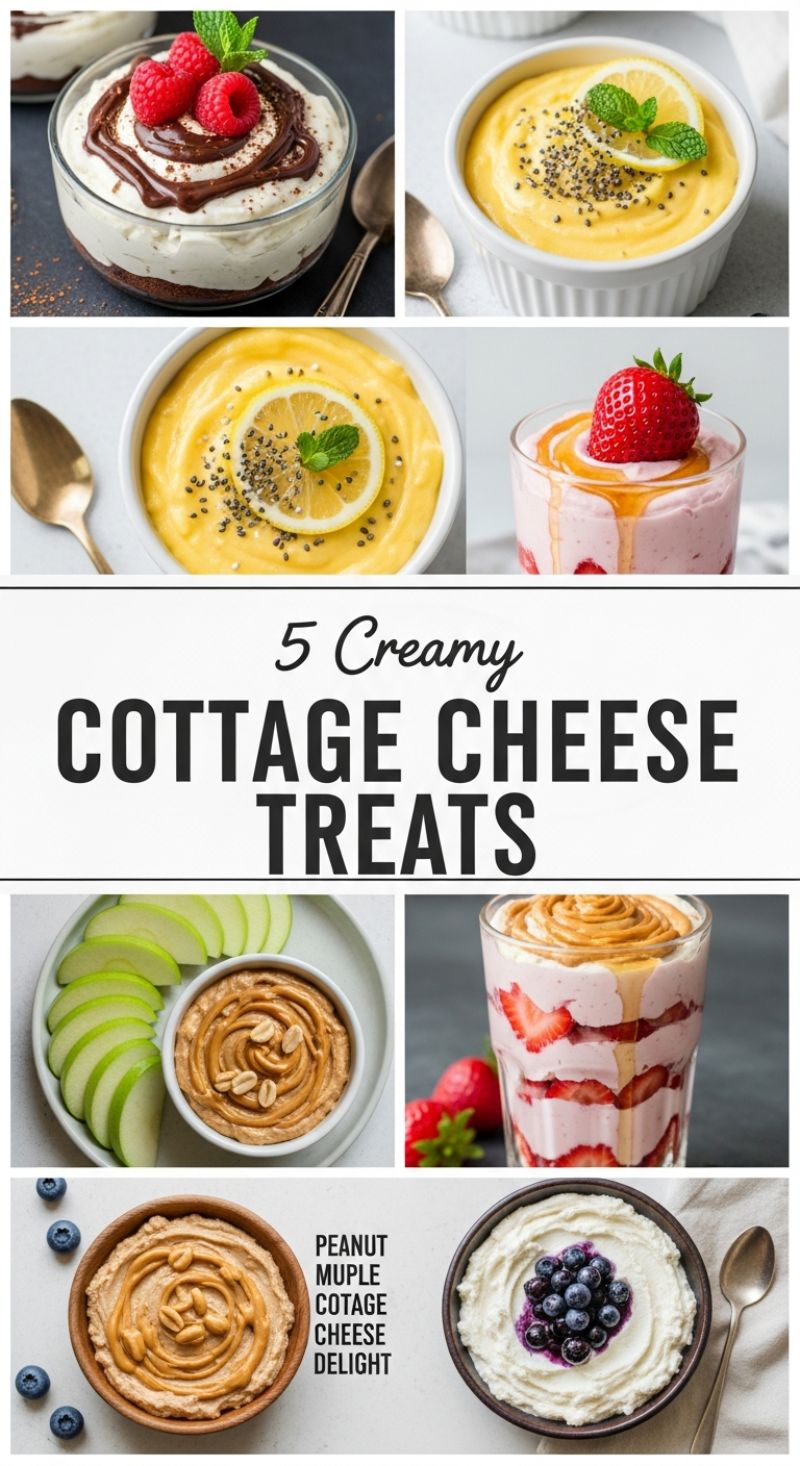
The secret weapon to transforming humble cottage cheese into the decadent, velvety desserts pictured here is simple: thorough blending. Before beginning any of these recipes, you must process the cottage cheese in a high-powered blender or food processor until every last curd is smooth and creamy, mimicking the texture of ricotta or thick Greek yogurt. For a foundational sweet base, blend one cup of cottage cheese with 1-2 tablespoons of maple syrup or honey and a teaspoon of vanilla extract. Once the base is smooth, you can pivot to any flavor profile shown. For the bright yellow Lemon Delight (seen topped with chia seeds and mint), simply blend the vanilla base with the juice and zest of half a lemon, plus a pinch of turmeric or saffron threads for that vibrant color. For the Chocolate Raspberry Mousse, blend in 1-2 tablespoons of high-quality cocoa powder or melted dark chocolate until fully incorporated, creating a rich base perfect for layering over a chocolate wafer crust or crumbs.
Once your creamy base is established, the techniques shift to building texture and layering flavor. For the multi-layered parfaits (like the Strawberry or Chocolate versions), divide your base and mix different flavorings into each half. For instance, the beautiful pink Strawberry Parfait requires blending half of your cream cheese base with 1/4 cup of pureed strawberries. To construct the parfait, alternate layers of the smooth, plain cottage cheese cream with the strawberry cream and fresh sliced berries. Alternatively, consider the quick-serve options: the Peanut Maple Cottage Cheese Delight (often served as a dip) is created by folding peanut butter and extra maple syrup directly into the blended base until it reaches a thick, scoopable consistency, ideal for pairing with apple slices. Remember that chilling is crucial for achieving the perfect mousse-like texture; allow any layered dessert to firm up in the refrigerator for at least two hours before serving.
Expert presentation is key to elevating these high-protein desserts. Observe the visual cues: every treat is finished with bold, complementary toppings. For the Blueberry option, simmer a handful of fresh or frozen blueberries with a teaspoon of water and a dash of sweetener until a thick compote forms, then spoon it artfully into the center of the plain whipped cottage cheese. When adding drizzles, like the honey or peanut butter swirls, slightly warm the topping first; this makes it much easier to achieve that glossy, picture-perfect flow. For the ultimate finishing touch, use fresh herbs like mint sprigs (as shown with the lemon and chocolate treats) and vibrant berries to add color contrast and complexity, instantly transforming a simple snack into an elegant, satisfying dessert.
6 Creative EASY TORTILLA MEALS

Tortillas are perhaps the most underrated ingredient in the modern pantry, offering a crisp, soft, and stable base for nearly any meal. The visuals demonstrate their incredible versatility, starting with the simplest hack: the Tortilla Pizza. To recreate this quick meal shown in the upper left, spread a thin layer of quality tomato sauce over a flour tortilla. Add fresh, large slices of mozzarella, halve some cherry tomatoes, and season lightly. Bake in a 400°F oven for 5 to 7 minutes, or until the cheese is melted and bubbly and the tortilla edges are slightly crisp. An expert tip to prevent the tortilla from becoming chewy is to pre-bake the base for 2 minutes before adding toppings. Finish with fresh basil leaves, which are essential for replicating that vibrant, fresh flavor profile seen in the image. For a more substantial crunch, try brushing the outer edge of the tortilla with a touch of olive oil before baking.
Moving to the bottom row, the wraps and burritos showcase tortillas as carriers for hearty fillings. The Chicken Wrap (lower left) is built on layers of texture and flavor: juicy seasoned chicken strips, crisp shredded lettuce, and sharp red onion slices, all bound together by a creamy, perhaps buttermilk-based, sauce. When constructing a wrap, always lay down your dressings or spreadable ingredients first, as this creates a seal against the tortilla and prevents leakage and sogginess. For the robust Breakfast Burrito (lower right), the filling must be cooked separately and tightly packed—a combination of scrambled eggs, seasoned ground meat (sausage or beef), and sharp melted cheddar cheese. To get that perfectly golden, secure seal, fold the ends in first, roll it up tightly, and then pan-sear the finished burrito seam-side down in a dry skillet until it’s lightly browned and fully sealed. This technique provides a professional finish and keeps the filling warm and intact.
Finally, the image reminds us that tortillas are fundamental to appetizer success. The simple yet satisfying display of golden, salted tortilla chips served alongside a bowl of fresh, chunky guacamole (upper right) requires minimal effort. If you want to elevate this side dish, avoid store-bought chips and cut up a few flour or corn tortillas into triangles. Toss them with a light coating of oil and salt, then bake or air-fry until they are perfectly crisp and golden. This method allows you to control the seasoning and ensures the chips are robust enough to scoop up a thickly textured guacamole. Whether used as a vessel for complex meals or simply fried into a sturdy chip, the tortilla proves its mettle as the ultimate flexible foundation for creative, easy cooking.
12 Simple Bridal Shower Apps

While these photos showcase stunning savory bites and fresh fruit skewers, the underlying principle is brilliant for high-protein desserts: elegant, single-serving portions. To leverage cottage cheese in this sophisticated style, start by transforming the classic mini-quiche (top photo) into a luminous Lemon Cheesecake Tart. Achieving the right texture is key: blend one cup of full-fat cottage cheese with two tablespoons of honey, a splash of vanilla extract, and the zest and juice of one small lemon until completely smooth. The result should be dense, rich, and indistinguishable from traditional cheesecake filling. Pour this mixture into pre-baked mini graham cracker crusts or phyllo shells, which mimic the structure of the savory tarts pictured. Garnish with a sprig of fresh mint or a dusting of powdered sugar before chilling. This technique provides a decadent mouthfeel while dramatically boosting the protein content, making these the perfect guilt-free event treat.
Next, adapt the charming canapés (middle photo) into versatile dessert toasts and bites. Instead of savory spreads like tuna salad or smoked salmon, create whipped cottage cheese bases in diverse flavor profiles. For a rich chocolate truffle alternative, blend cottage cheese with cocoa powder and a natural sweetener like monk fruit until fluffy. Use small, toasted brioche rounds or oat crackers as a base—similar to the crackers shown—and pipe the chocolate cottage cheese mixture onto them. Top with a raspberry or a sprinkle of flaky sea salt to emulate the visual complexity of the layered appetizers. Alternatively, mimic the creamy red appetizer (far left) by combining cottage cheese with puréed strawberries and setting it atop a small shortbread square. Expert tip: For warmer venues, stabilize your whipped cottage cheese with a teaspoon of unflavored gelatin dissolved in a tablespoon of hot water before blending to ensure the structure holds up throughout the event.
Finally, the vibrant fruit skewers (bottom photo) are the ideal vehicle for a high-protein dipping sauce. Instead of just serving the fruit as is, elevate the presentation by preparing a light, slightly tangy cottage cheese dip. Blend plain cottage cheese with a touch of maple syrup and a generous amount of vanilla bean paste, processing until the mixture is airy and smooth—it should rival a whipped yogurt dip in consistency. Serve this dip in small, individual shot glasses or ramekins alongside the prepared fruit skewers, ensuring each guest gets a perfectly portioned serving. This preparation method encourages the consumption of fresh fruit while sneaking in essential protein and calcium. The diverse colors of the kiwi, berries, and melon pictured will beautifully contrast the bright white of the creamy dip, creating a visually stunning, yet simple, sweet ending.
10 Vibrant SPRING DINNER IDEAS

While the striking spread in this section appears to celebrate the freshest savory greens of the season—featuring everything from bright green pea soup and lemon-zest asparagus to pea-topped crostini and vibrant spring salads—the true takeaway for our cottage cheese dessert mission is the absolute necessity of leveraging fresh, seasonal produce for light, compelling flavors. Notice the intense colors: the deep green of the peas, the orange segments, the pop of red radishes. These high-contrast, fresh ingredients are exactly what elevates a simple cottage cheese preparation from routine to viral sensation. To translate this visual inspiration into dessert genius, focus on the bright, tart, and herbaceous notes present here, such as the mint and lemon visible throughout the dishes. Expert bakers and food scientists know that cottage cheese, especially when blended into a smooth consistency, provides a perfect, low-fat blank canvas to carry these delicate spring flavors, acting as an ideal base for custards, mousses, or sweet fillings. Don’t limit your thinking to the typical fruit pairings; consider how the visual dynamism of this meal can inform your next sweet creation.
To effectively transform cottage cheese into a dessert element inspired by these spring visuals, the first instructional step is texture control. Given the savory dishes here emphasize crunch and freshness (like whole peas and crisp radishes), your dessert application should contrastingly utilize the smoothness of blended cottage cheese. Achieving this requires blending the cottage cheese until absolutely smooth—a high-speed blender is essential to eliminate any curds, resulting in a texture akin to rich cream cheese or ricotta. This velvety base is now ready to absorb spring flavors. For instance, inspired by the bright green soup and peas, you can create a “Spring Mint Mousse” by combining the blended cheese with a small amount of powdered sugar, lemon zest (mirroring the lemon wedges shown), and a strong infusion of fresh mint. The key is balance; use just enough sweetness to carry the fresh herb notes without overpowering them. This technique allows you to utilize seasonal colors and flavor profiles (like the green) without relying on heavy fats or complex cooking methods, keeping your dessert light and airy, perfect for the warmer months.
Furthermore, this visual spread provides excellent inspiration for sophisticated dessert plating. Notice the use of small, manageable bites (like the pea-topped crostini) and the emphasis on garnish (the edible flowers, the mint sprigs). When preparing your cottage cheese desserts, always focus on presentation. For a simple instructional takeaway, let’s adapt the crostini idea: instead of a savory topping, prepare “Cottage Cheese Strawberry Bites.” Blend cottage cheese with a hint of honey and vanilla. Spread this mixture onto thin, crisp shortbread cookies or tiny almond thins. Then, use thinly sliced, vibrant strawberries (drawing inspiration from the red radishes for color contrast) and a sliver of fresh basil or mint as garnish. This ensures that the freshness highlighted in the dinner image—the vibrant color, the simple yet elegant arrangement—is carried directly into your cottage cheese dessert repertoire, offering guests a visually stunning and unexpectedly refreshing sweet finish.
10 Charming HEART-SHAPED TREATS

The visual appeal of heart-shaped food is undeniable, transforming everyday snacks and meals into delightful gestures, as beautifully showcased by treats ranging from decorative cookies to expertly cut fruit slices. To integrate this charming aesthetic with your newfound love for high-protein cottage cheese desserts, we pivot these concepts into actionable recipes. If you are creating high-protein shortbread cookies or fluffy protein pancakes using blended cottage cheese as a base—which adds essential moisture and binding—the cookie cutter becomes your best friend. For baked goods like cookies or brownie bites (inspired by the cocoa treat pictured), ensure your dough is properly chilled before cutting. The unique moisture content of blended cottage cheese requires slightly more setting time, but the resulting texture is incredibly soft and satisfying. For pancakes, use a small, heat-safe silicone heart mold directly on your griddle, or ladle batter onto the surface and use a round cutter immediately after flipping to achieve sharp, defined edges. Expert Tip: When replacing traditional dairy or flour with cottage cheese in baking, always blend it until completely smooth (no curds remain) and account for the increased liquid by slightly reducing other wet ingredients or increasing dry binders like protein powder or almond flour to maintain a workable, stiff dough that holds a cut shape.
Moving beyond baked items, the heart motif is easily applied to no-bake cottage cheese desserts, perfect for replicating the refreshing look of the fruit slices and vibrant berry arrangements. Cottage cheese ‘protein fluff’—made by whipping blended cottage cheese with zero-calorie sweetener and a stabilizer like xanthan gum—can be poured into small silicone heart molds and frozen to create high-protein ice cream bites. For a quick, layered parfait inspired by the mixed berries, simply alternate layers of plain, whipped cottage cheese with finely chopped, heart-shaped fruit (like strawberries, which naturally lend themselves to the shape). If you prefer a more solid, fudge-like treat (a protein twist on the chocolate heart shown), combine blended cottage cheese with melted chocolate and a small amount of coconut flour. Press this mixture into a pan, let it set completely in the refrigerator, and then use a large heart-shaped cutter. The key to successful molding with cottage cheese is ensuring the mixture is dense enough to hold its form post-chill, often achieved through the addition of binding agents and adequate setting time.
Finally, the heart-shaped trend can even elevate your high-protein breakfast and brunch applications, borrowing inspiration from the savory toast and sandwich elements. Instead of using traditional bread for a sandwich, consider baking a savory cottage cheese-based flatbread (made from cottage cheese, egg, and seasoning) in a heart-shaped tin. This provides a clean, nutrient-dense canvas for toppings. For a vibrant dessert presentation, follow the lead of the meticulous berry arrangement. Create a simple cottage cheese mousse or whipped cream replacement, spread it evenly on a plate, and then strategically arrange raspberries and blueberries to form a large, striking heart shape. This technique emphasizes the high-protein base while utilizing the natural colors and shapes of fresh fruit. Whether utilizing cookie cutters on baked goods, or creatively arranging ingredients, incorporating heart shapes into your cottage cheese repertoire adds an extra layer of enjoyment and visual sophistication to healthy eating.
8 Stress-Free Graduation Buffet
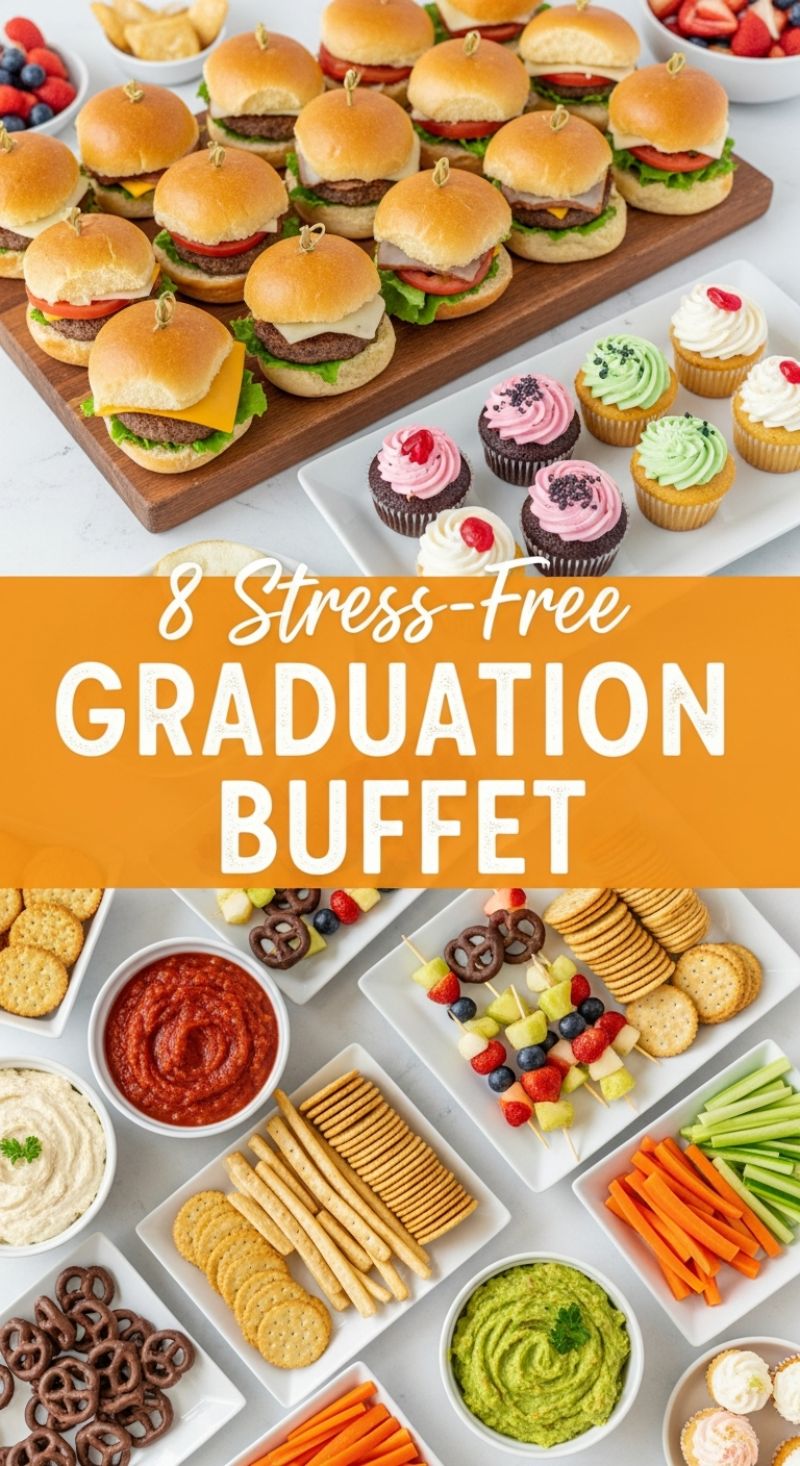
Recreating a visually stunning, large-scale event like the ultimate graduation buffet pictured requires careful planning, especially when introducing novel ingredients like cottage cheese into your dessert lineup. The key to a stress-free experience lies in high-volume batch preparation that maintains elegance and stability, allowing you to focus on celebration, not cooking. To successfully integrate a full suite of cottage cheese desserts into a spread designed for dozens, first identify which viral recipes translate best to a mini, bite-sized format—mimicking the simplicity of the sliders and cupcakes shown. Focus on stabilized desserts, such as high-protein cheesecake bars made with blended cottage cheese crusts, or cottage cheese mousse parfaits layered in small shot glasses. Unlike delicate traditional baked goods, cottage cheese bases often offer superior structure and moisture, meaning they hold up longer at room temperature (though refrigeration is always recommended). Expert tip: utilize a high-powered immersion blender early in the process to ensure all cottage cheese is perfectly smooth, eliminating textural concerns before mixing in flavorings and stabilizers like gelatin or cornstarch, thus guaranteeing a professional, top-tier finish.
For maximum visual appeal and ease of consumption—essential features for any bustling buffet—presentation must prioritize grab-and-go efficiency. Instead of attempting a full-sized cake, prepare cottage cheese-based dips (like the savory dips seen here, but sweetened with vanilla and honey, or chocolate powder) and pair them with dippers such as fruit skewers, vanilla wafers, or cinnamon sugar pita chips. This approach allows guests to customize their portions and drastically reduces the serving fuss associated with traditional plated desserts. For the popular cottage cheese ice cream/sorbet, pre-scoop small, manageable portions into decorative miniature cups and place them on a tray nested within a larger bowl of dry ice, ensuring they stay perfectly chilled throughout the serving window, much like the cool, composed presentation of the crudités and crackers. Ensure these dessert stations are strategically placed near non-refrigerated finger foods like the crackers and pretzels to encourage continuous flow and grazing.
Finally, to truly earn the “stress-free” title, all preparation should be completed 24 to 48 hours in advance. Cottage cheese desserts often taste even better after a full day in the refrigerator as the flavors meld and the texture fully sets. Use the color palette of the celebration (or the bright colors seen in the fruit and frosting here) to guide your dessert flavors: pinks and reds can be achieved with strawberry or raspberry purees (blended directly into the CC base), while greens can be subtle mint or lime flavors, allowing your presentation to be cohesive and festive. By batching these protein-packed, trendy desserts ahead of time, you not only surprise guests with a healthier option but also guarantee that your high-volume spread remains fresh, appealing, and effortlessly elegant from the first guest to the last.
5 Refreshing Cucumber Salads
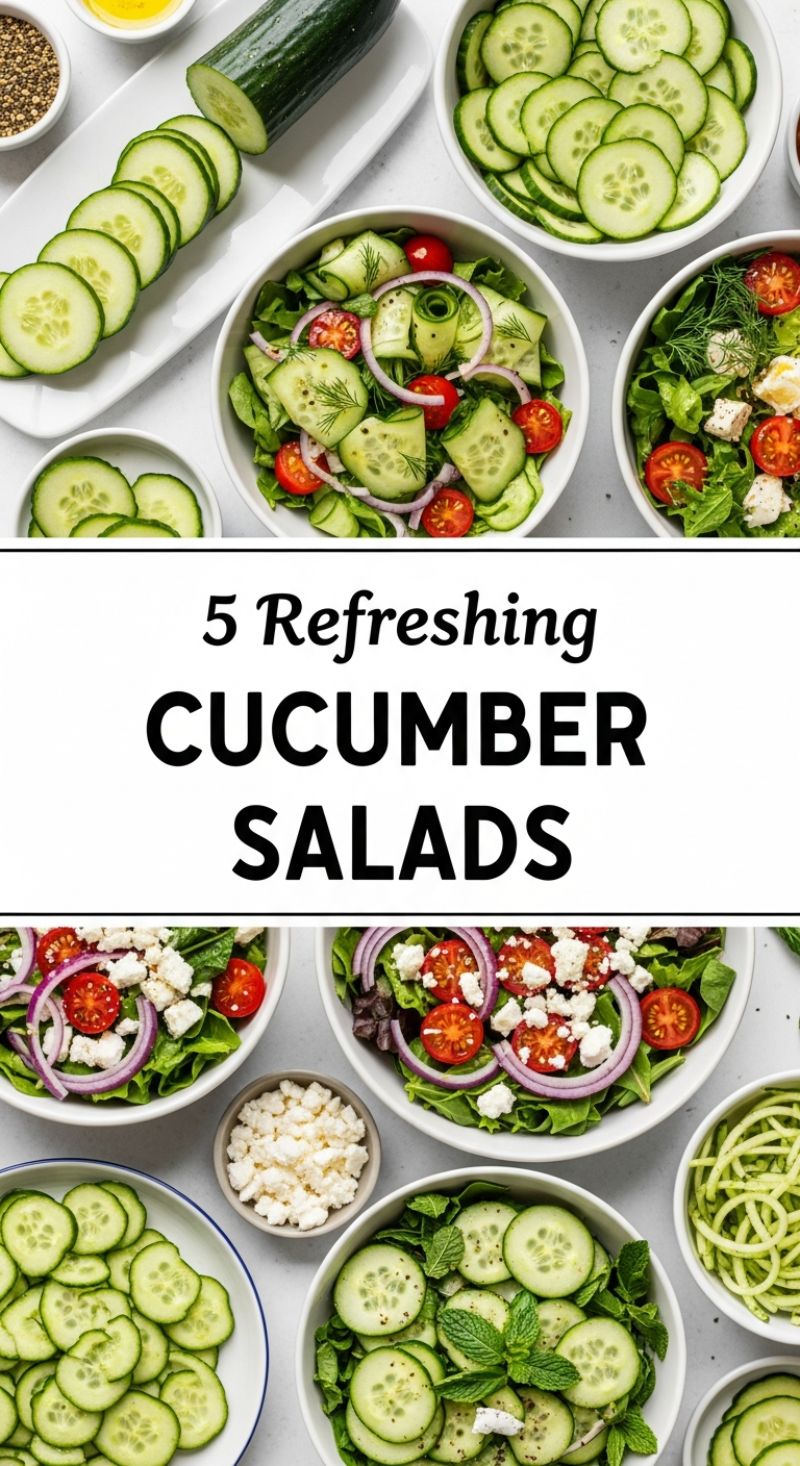
The visual bounty here celebrates the humble cucumber, showcasing five distinctive, highly refreshing salad preparations. Notice the variety in preparation techniques: we see perfectly thin coin-cut slices, delicate ribbon curls, and spiralized strands, each offering a unique textural element. The expert approach to any cucumber salad starts with choosing the right variety—English or Persian cucumbers are often preferred for their thinner skins and fewer seeds, eliminating the need for tedious peeling. To ensure maximum crunch and minimize water loss in the dressing, consider salting your sliced cucumbers for 15-20 minutes, then gently patting them dry before assembly. This simple, crucial step prevents a watery final product, especially when building substantial, ingredient-heavy bowls like those pictured featuring feta, red onion, and bright cherry tomatoes.
While many classic cucumber recipes rely on traditional creamy dressings or dairy components like feta or yogurt, the secret weapon for amplifying both texture and protein content in these salads is blended cottage cheese. To achieve a luxurious, high-protein ranch or dill dressing that perfectly complements the fresh herbs seen in the bowls (like the dill and mint), simply blend a cup of high-quality, small-curd cottage cheese until it reaches a smooth, velvety consistency. Whisk in a tablespoon of white wine vinegar, a drizzle of olive oil, and the fresh herbs featured in your chosen salad style. For the Greek-inspired bowls, use a spoonful of this blended cheese as a creamy base before layering the red onion and tomatoes, offering a rich, yet lighter alternative to heavy cream-based dips. This technique leverages cottage cheese’s neutral base, making it a powerful, customizable element in any refreshing savory dish.
This exceptional versatility isn’t limited to the savory spectrum, however. The ease with which cottage cheese accepts strong flavor profiles—whether the sharp tang of dill and vinegar or the cooling essence of mint—is the key insight we carry into our dessert applications. If it can provide a velvety, high-structure base for a tangy savory dressing that elevates crisp cucumber, imagine the potential when paired with vanilla, honey, or chocolate. The preparation principles remain the same: blending for texture, then customizing the flavor profile. As you move through the unexpected dessert recipes in this article, remember that the same simple ingredient providing creamy structure here is about to revolutionize your approach to sweet treats, promising the same kind of refreshing delight delivered in surprisingly decadent, high-protein forms.
10 Ultimate SUPER BOWL SNACKS

The secret to unlocking cottage cheese’s potential in desserts lies in fundamentally changing its texture. To achieve the silky, uniform mouthfeel necessary for premium confections—far removed from its traditional curd-like structure—you must commit to a thorough whipping process. Start with full-fat cottage cheese, as the higher fat content yields a creamier, more stable final product when whipped. Transfer the cheese to a high-speed blender or food processor, adding a splash of milk (dairy or almond) if necessary to facilitate movement, and blend on high for a minimum of two minutes. This extended blending time is crucial; it completely breaks down the curds and incorporates air, resulting in a base that mimics smooth ricotta or mascarpone, making it instantly adaptable for creamy desserts like no-bake cheesecakes or parfaits. Expert tip: Ensure the cottage cheese is cold before whipping; this helps stabilize the emulsion and prevents the resulting ‘creamy’ mixture from becoming watery.
Once the smooth base is achieved, the next instructional phase involves flavor infusion and structural stabilization. For a light mousse or frosting, fold in powdered sugar and extracts (such as pure vanilla bean paste or almond extract) very gently after the initial blend. If you are aiming for a firmer, sliceable texture—like a protein-rich cheesecake alternative—you will need a stabilizer. Dissolve a tablespoon of unflavored gelatin in 1/4 cup of hot water and allow it to cool slightly before incorporating it into the blended cottage cheese mixture. Alternatively, for a vegan approach, use agar-agar. The key here is proper chilling time. After pouring the mixture into your desired mold, it must chill for at least six hours, preferably overnight, to allow the protein and stabilizer matrix to fully set, guaranteeing a professional, non-weeping dessert structure.
For a truly unexpected dessert like a salted caramel cottage cheese pudding, the final ‘how-to’ step is precise temperature control. While cottage cheese is typically served cold, gently warming the whipped mixture (before adding stabilizers) can help emulsify heavier additions like melted white chocolate or thickened caramel sauce without separation. Use a double boiler set to low heat, stirring continuously until the mixture is just warm to the touch, not hot. Once fully incorporated, chill rapidly. This technique prevents graininess when integrating fat-heavy ingredients. Furthermore, utilize complementary acids, like a squeeze of fresh lemon or orange zest, which brightens the overall flavor profile and counteracts any lingering savory notes, making the transition from savory staple to gourmet dessert flawless and irresistible.
5 Satisfying MACRO DINNERS
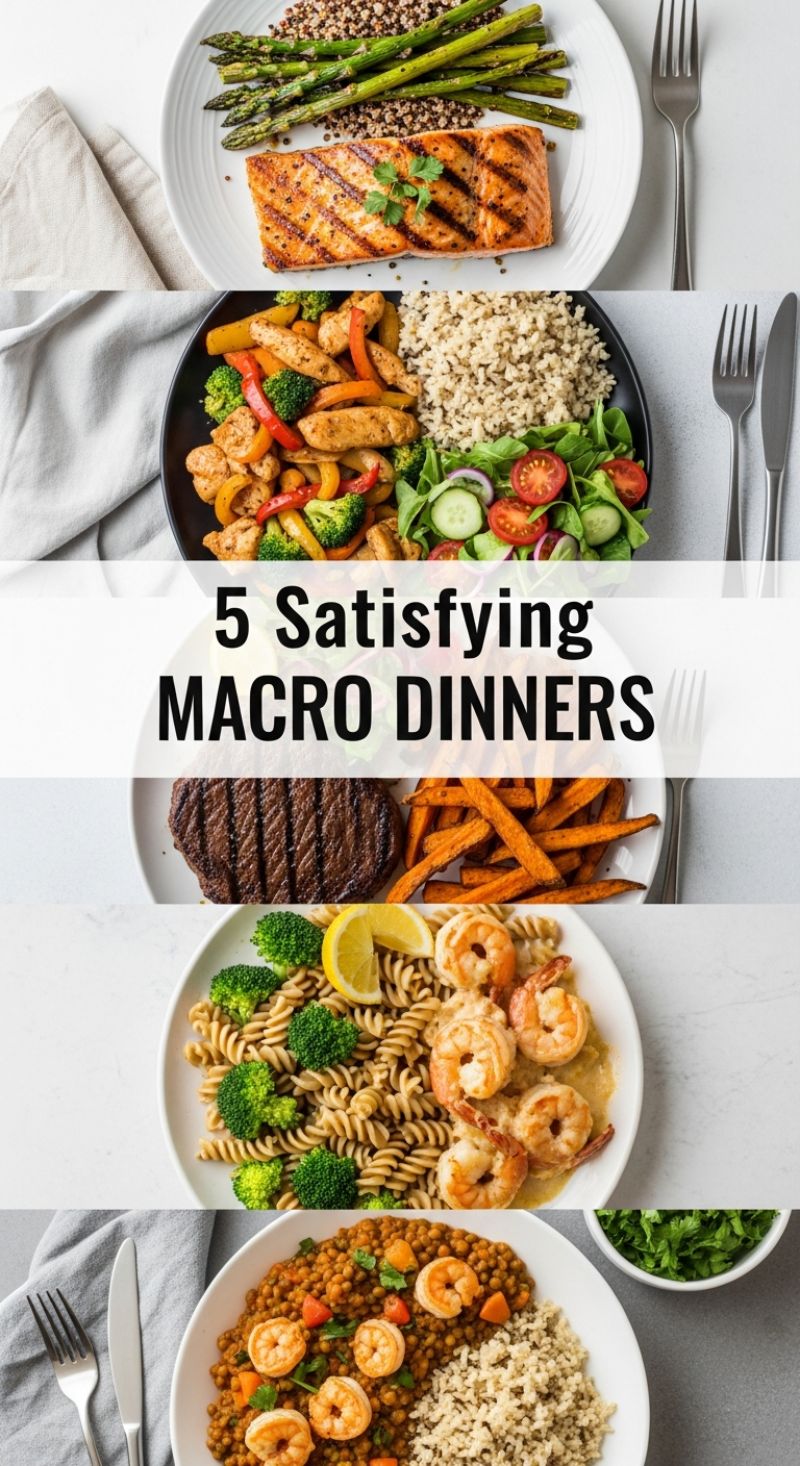
While the images above beautifully illustrate how to balance your macronutrients (protein, carbs, and fats) in savory meals like salmon with quinoa or grilled steak and sweet potato fries, mastering macro-tracking means applying this nutritional balance across all meals—including dessert. Cottage cheese is the secret weapon for turning traditionally high-sugar, low-protein treats into satisfying, macro-friendly indulgences. The first and most critical step for nearly every cottage cheese dessert transformation is eliminating its signature curds. To achieve the velvety texture required for pudding, mousse, or frosting, you must aggressively blend the cheese. Start with full-fat or 2% cottage cheese (the fat content helps create a silkier mouthfeel) along with your desired sweetener—such as a few drops of liquid stevia or a tablespoon of maple syrup—and a dash of vanilla extract. Blend this mixture on high for at least 60 seconds, or until it achieves the consistency of sour cream or Greek yogurt. This smooth base is the foundation for dozens of healthy dessert applications, ensuring you hit your protein goals without compromising on taste.
Once you have your ultra-smooth cottage cheese base prepared, you can immediately pivot to two primary macro-friendly dessert categories. For a quick, rich chocolate pudding, simply stir in 2 tablespoons of unsweetened cocoa powder and a pinch of salt to the blended base, then chill for 30 minutes. This method yields a dessert rich in slow-digesting casein protein, ideal for a satisfying late-night treat. Alternatively, you can create a high-protein ‘frosting’ perfect for spreading on macro-friendly brownies or rice cakes. For this application, ensure your blended cottage cheese is quite thick (sometimes adding a teaspoon of dry protein powder helps stabilize it). Once blended, transfer the mixture to a container and refrigerate for 2 to 4 hours. The chilling process allows the proteins to bind and thicken significantly, transforming the liquid into a spreadable, cream cheese-like consistency. Expert Tip: If your blended mixture still tastes slightly acidic, add a tiny pinch of baking soda before chilling; it subtly neutralizes the tang.
Integrating cottage cheese desserts ensures that your dessert calories are working *for* your fitness goals, mirroring the careful macronutrient selection seen in the dinner plates pictured. When pairing these high-protein desserts, remember the visual guide: aim for balance. If your cottage cheese pudding is your high-protein component, pair it with a controlled complex carbohydrate source, such as a measured amount of fresh fruit or a few crushed graham crackers, rather than consuming it with additional refined sugars. This approach allows you to enjoy satisfying sweetness while maintaining the macro balance essential for muscle retention and fat loss. By dedicating kitchen time to making the blended base in large batches, you can meal-prep a week’s worth of macro-aligned desserts, making adherence to your nutritional plan effortless and delicious.
9 Festive ST. PADDY’S DAY FEAST

While this image beautifully captures the traditional spirit of an Irish celebration—featuring hearty, steaming beef and potato stew, crusty Irish soda bread ready for butter, and vibrant green beverages ranging from a creamy milkshake to sharp, lime-garnished cocktails—we’re here to elevate the celebratory spread with a modern, protein-packed twist. The vibrant emerald hues and rich textures presented here offer perfect inspiration for incorporating cottage cheese into festive desserts that align with your health goals. Forget heavy, high-fat traditional puddings; we can utilize the unique characteristics of blended cottage cheese to mimic the creamy richness of the milkshake or the substantial body of the bread, all while adding a nutritional boost to your St. Patrick’s Day table. The key lies in achieving the ultra-smooth, creamy texture required for dessert applications, a technique easily mastered by blending the cottage cheese until all curds are completely pulverized, transforming it into a high-protein blank canvas. This preparation ensures none of the curds distract from the luxurious mouthfeel expected in a premium dessert.
To recreate the festive green milkshake seen in the top right, but as a guilt-free, high-protein shamrock mousse or shake, start with two cups of whipped cottage cheese. The preparation is critical: use a high-speed blender for at least 60 seconds, scraping down the sides, until the texture is identical to Greek yogurt or mascarpone. For that signature St. Paddy’s green, avoid artificial dyes by opting for natural coloring agents like a teaspoon of high-quality matcha powder or a touch of concentrated spinach puree (which adds color without flavor). Flavor the mixture intensely with pure mint extract and a clean sweetener like erythritol or maple syrup, depending on your preferred level of indulgence. Expert tip: For an intensely frosty texture reminiscent of a true shake, freeze the prepared mousse mixture slightly, then blend it with a few cubes of ice or frozen banana pieces just before serving. This technique maximizes the volume and minimizes the need for high-fat ice cream while providing a rich, satisfying mouthfeel that perfectly embodies the festive drink pictured.
Furthermore, the hearty, rustic appearance of the Irish soda bread in the bottom left inspires a whole new category of high-protein dessert bakes. Cottage cheese is a secret weapon for maintaining incredible moisture and tenderness in dessert loaves and muffins without relying heavily on oils or butter. To create a dessert version of soda bread—perhaps a sweet caraway and raisin loaf or a spiced ginger crumble—substitute up to half of the traditional buttermilk or yogurt with fully blended, whipped cottage cheese. The high casein content of the cottage cheese not only boosts protein but also creates micro-emulsions within the batter, ensuring the loaf remains incredibly moist and tender throughout baking, avoiding the dryness often associated with whole-wheat or high-fiber dessert flours. For optimal structure, fold the blended cheese mixture into the dry ingredients gently, ensuring the acidic ingredients (like baking soda) interact immediately to give that classic, slightly dense yet tender crumb structure associated with quality Irish baking. This innovative use of cottage cheese delivers a dense, satisfying dessert loaf that beautifully complements the traditional elements of any St. Patrick’s Day feast.
8 Delicious GALENTINE’S BRUNCH RECIPES

To integrate the festive, heart-filled aesthetic of Galentine’s brunch into your cottage cheese dessert repertoire, we are focusing on creating visually stunning, yet protein-packed, heart-shaped delights. Start by whipping a full cup of cottage cheese (preferably 2% or whole milk) with a teaspoon of vanilla extract until completely smooth and creamy—this step is non-negotiable for achieving a dessert-quality base that mimics yogurt or mascarpone. Incorporate this smooth mix into a basic pancake or waffle batter recipe, replacing about 50% of the liquid components. For the ultimate Galentine’s vibe, gently fold in a tablespoon of natural red food coloring, beet powder, or crushed freeze-dried raspberries to achieve the vibrant pink hue visible in the refreshing drinks and lattes featured in the inspiration spread, ensuring your batter is evenly colored without overmixing.
Once your protein-enhanced batter is prepared, the visual appeal is paramount. While pouring directly onto a griddle is fine, achieving the clean heart shapes seen on the plate of pancakes and the bowl of scrambled eggs requires precise shaping. Use heart-shaped cookie cutters as molds directly on the griddle for thick, perfectly formed pancakes, or if making waffles, ensure you fill the iron completely to capture the pattern. For toppings, ditch the heavy syrups and lean into fresh ingredients. The image showcases beautifully stacked berries; mimic this by artfully arranging fresh raspberries, blueberries, and sliced strawberries around your heart-shaped base. For a final creamy element, blend a small amount of cottage cheese with a touch of maple syrup and powdered sugar to create a high-protein dollop of “whipped cream” (similar to the presentation next to the heart pancakes). Finish with a delicate dusting of powdered sugar or a thin drizzle of honey, paying homage to the professional latte art seen in the bottom right corner—simple, elegant garnishes elevate the dish instantly.
While this section celebrates breakfast aesthetics, remember that cottage cheese desserts are incredibly versatile for entertaining. If you’re hosting a Galentine’s gathering, prepare a large batch of the smooth, pink cottage cheese mixture and serve it chilled as a high-protein fruit dip, using cookie cutters to prepare heart shapes out of melon and kiwi, just like the fruit salad bowls shown. Alternatively, take inspiration from the rich colors and textures of the image’s savory avocado toast and use the creamy cottage cheese base as a schmear on lightly toasted brioche or graham crackers, topping it with a light dusting of cinnamon and chopped nuts for a final layer of crunch. Proper refrigeration is key; ensure all cottage cheese-based desserts are kept cool right up until serving time to maintain their optimum texture and fresh flavor profile.
7 Filling Low-Calorie Protein Bowl Ideas
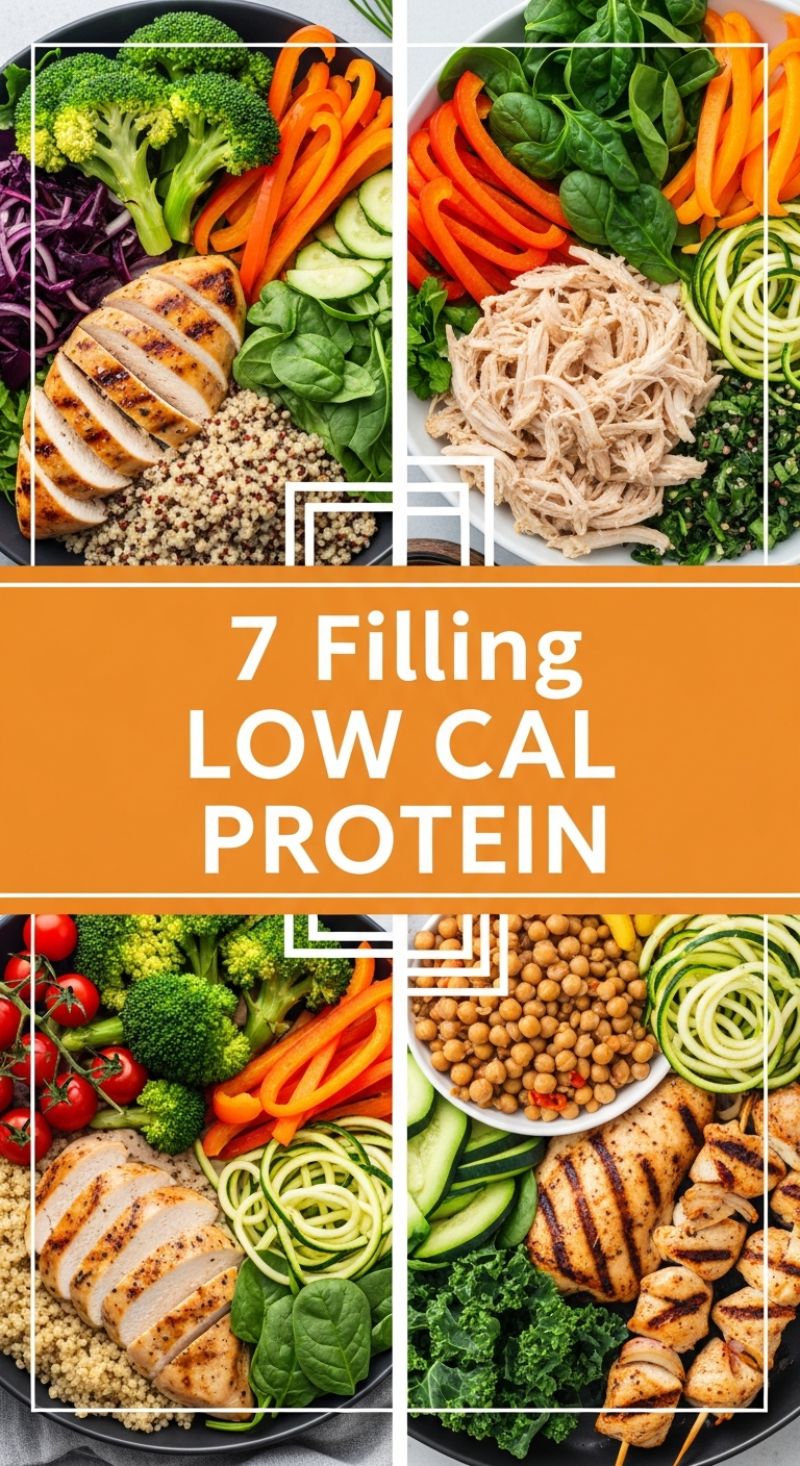
Achieving calorie goals while maintaining high levels of satiety hinges on two factors: lean protein and voluminous non-starchy vegetables. The vibrant meals pictured here demonstrate the optimal strategy for creating satisfying, low-cal bowls by utilizing a simple, repeatable formula. To build your foundation, dedicate roughly 80% of your bowl space to bulk fiber—think cooked broccoli florets, shredded red cabbage, crisp bell pepper strips, and leafy greens like spinach or kale. These ingredients offer maximum volume for minimal calories. Next, select your lean protein source: grilled chicken breast (sliced or skewered for easy portioning) or shredded rotisserie chicken are excellent, low-fat options. For a complex carbohydrate base, use a small serving of quinoa, as shown, or opt for vegetable noodles (zoodles) or riced cauliflower to further reduce the caloric density without sacrificing bowl fullness. By prioritizing this macronutrient structure, you ensure sustained energy and prevent the hunger pangs often associated with restrictive dieting.
Expert meal prep advice suggests batch-cooking several protein variations at once to introduce variety throughout the week, preventing palate fatigue. For instance, dedicate one day to grilling chicken slices seasoned with a dry rub (visible on the skewers and fillets) and simultaneously slow-cook a batch of shredded chicken flavored simply with herbs and stock. Texture is key to enjoyment and fullness; incorporate elements like crunchy cucumbers and raw peppers alongside softer cooked items like chickpeas or quinoa. Notice the heavy use of fresh elements—zucchini ribbons and thin-sliced cucumber—which provide hydration and a satisfying textural contrast. To keep calories low, avoid heavy, oil-based dressings. Instead, rely on acid-forward flavor boosters like lemon juice, white balsamic vinegar, or a homemade salsa verde using fresh herbs, which are calorie-negligible yet potent enough to flavor the entire bowl.
For those seeking diverse protein options or following a plant-forward approach, incorporating legumes like chickpeas, as featured in one of the quadrants, is crucial. While slightly higher in carbohydrates than chicken, chickpeas offer high fiber content, which significantly enhances satiety. When substituting animal protein with plant sources, ensure you balance the meal by loading up on extra greens (like kale) and light vegetables to maintain the low-calorie density goal. Regardless of your chosen protein—whether lean white meat or fibrous legumes—the goal remains consistent: maximize the visual and physical volume of the food with high-fiber, nutrient-dense ingredients. These seven concepts prove that eating low-calorie is far from boring when executed with strategic ingredient selection and thoughtful preparation.
6 Quick HEALTHY WEEKNIGHTS
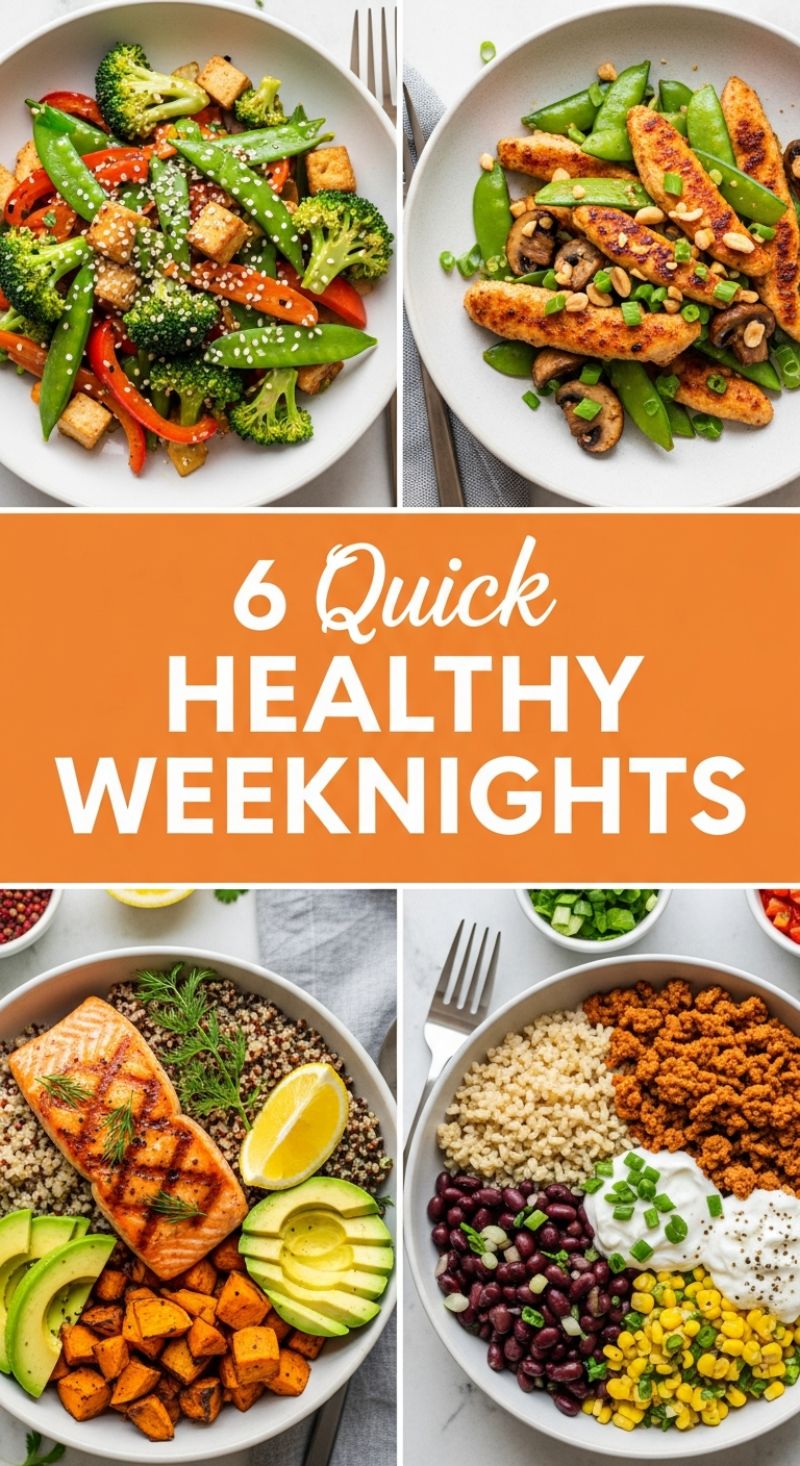
The visual collage presented here serves as the ultimate inspiration for overcoming the mid-week meal dilemma. Far from being complicated culinary endeavors, these six platesranging from vibrant tofu stir-fries to protein-packed grain bowlsare meticulously designed around speed, balance, and flavor. Notice the consistency across all featured meals: a strategic deployment of lean protein (salmon, chicken, tofu, or ground meat alternative), abundant non-starchy vegetables (broccoli, snow peas, bell peppers), and nutrient-dense complex carbohydrates (quinoa, brown rice, sweet potato). The key insight here is the “template cooking” philosophy. Rather than chasing intricate recipes, focus on prepping your base componentsa batch of quinoa or rice, a pan of roasted veggiesand then combining them with a quick-cooking protein, allowing you to assemble a fresh, complete meal like the hearty salmon and avocado bowl in under 20 minutes once the base is ready.
To elevate these quick meals from basic sustenance to top-tier dining, attention must be paid to texture and strategic flavor enhancers. In the top-left stir-fry, the visual appeal is heightened by the toasted sesame seeds, which add a crucial textural crunch against the tender-crisp broccoli and snow peas. Similarly, the bottom-right taco bowl utilizes a creamy component (sour cream or yogurt) to contrast with the savory seasoned meat and crunchy corn. This is where high-protein, versatile ingredients shine. For a quick protein boost and luxurious creaminess without heavy fats, consider incorporating cottage cheese. In the context of these savory weeknight meals, blend it with a squeeze of lime and a dash of chipotle powder to create a high-protein “sour cream” alternative for the taco bowl, or whip it smooth with herbs like dill and parsley to dollop alongside the grilled salmon, replacing traditional, oil-heavy sauces while significantly boosting your meal’s satiating power.
Replicating these visually stunning, yet simple, recipes requires prioritizing efficiency on the stove. For the crispy chicken tenders shown, a quick pan-sear followed by sautéing the snap peas and mushrooms in the residual rendered fat minimizes cleanup and maximizes flavor infusion. For the bottom-left salmon bowl, utilize an air fryer or broiler for the salmon and cubed sweet potatoes simultaneouslya powerful time-saving hack that yields perfectly cooked protein and caramelized carbs. Expert weeknight cooking relies on maximal flavor extraction with minimal active time; therefore, ensure you are seasoning heavily at every stage, not just at the end. By adhering to the bowl structureBase (grain), Bulk (veggies), Boost (protein), and Brighten (herb/sauce/dairy)you unlock endless customization possibilities, guaranteeing that these six vibrant dishes translate into six unique, satisfying, and health-focused dinners throughout the week.
7 Crisp AIR FRYER HITS

The image showcases a delectable spread of seven air fryer classics, ranging from beloved frozen staples to perfectly charred vegetables. Achieving this flawless, crisp texture is simpler than deep frying and significantly healthier, provided you follow a few critical steps. For the frozen favorites—such as the perfectly coiled curly fries, the stacked onion rings, the breaded fish sticks, and the gooey mozzarella sticks—the secret to maximum crunch lies in avoiding overcrowding. Load the basket in a single, or shallow double, layer to allow the superheated air to circulate evenly around every surface. A key expert tip is to lightly mist the items with a high smoke point oil spray, like avocado or grapeseed, 5 minutes before the cooking time is complete. This technique activates the breading and ensures the golden-brown finish seen in the image, without compromising the integrity of delicate items like the mozzarella sticks, which typically cook beautifully at 380°F for 6-8 minutes, yielding that magnificent internal cheese pull.
The air fryer’s versatility extends far beyond pre-packaged snacks, excelling at both breaded proteins and fresh vegetables. For the substantial, crispy fried chicken visible in the bottom left, the air fryer is ideal for reheating leftovers or perfectly cooking pre-breaded raw wings. Ensure the internal temperature reaches 165°F, often requiring cooking times around 20-25 minutes at 400°F, flipping halfway through for even browning. Conversely, the beautifully charred, halved Brussels sprouts—a healthy counterpoint to the fried fare—demonstrate the air fryer’s ability to caramelize produce. To achieve that deeply roasted, tender-crisp result, toss the sprouts generously with olive oil, salt, and pepper, and place them cut-side down in the preheated basket. Cook at 375°F for 10-12 minutes, shaking only once near the end, to develop that deep, rich brown searing that is visually appealing and intensely flavorful.
For any of these seven hits, always remember to preheat your air fryer for 3-5 minutes before placing the food inside; starting cold hinders the initial crisping process. Furthermore, never underestimate the power of the ‘shake’—tossing the contents halfway through cooking is crucial for uniform exposure and preventing hot spots. If your machine tends to generate smoke (often due to accumulated grease in the bottom tray), adding a quarter-cup of water underneath the basket can dramatically mitigate the issue. By adhering to these quick tips, you can consistently achieve the satisfying, oil-free crispness visible across this entire gallery of air fryer masterpieces.
3 Better FAST FOOD COPYCATS
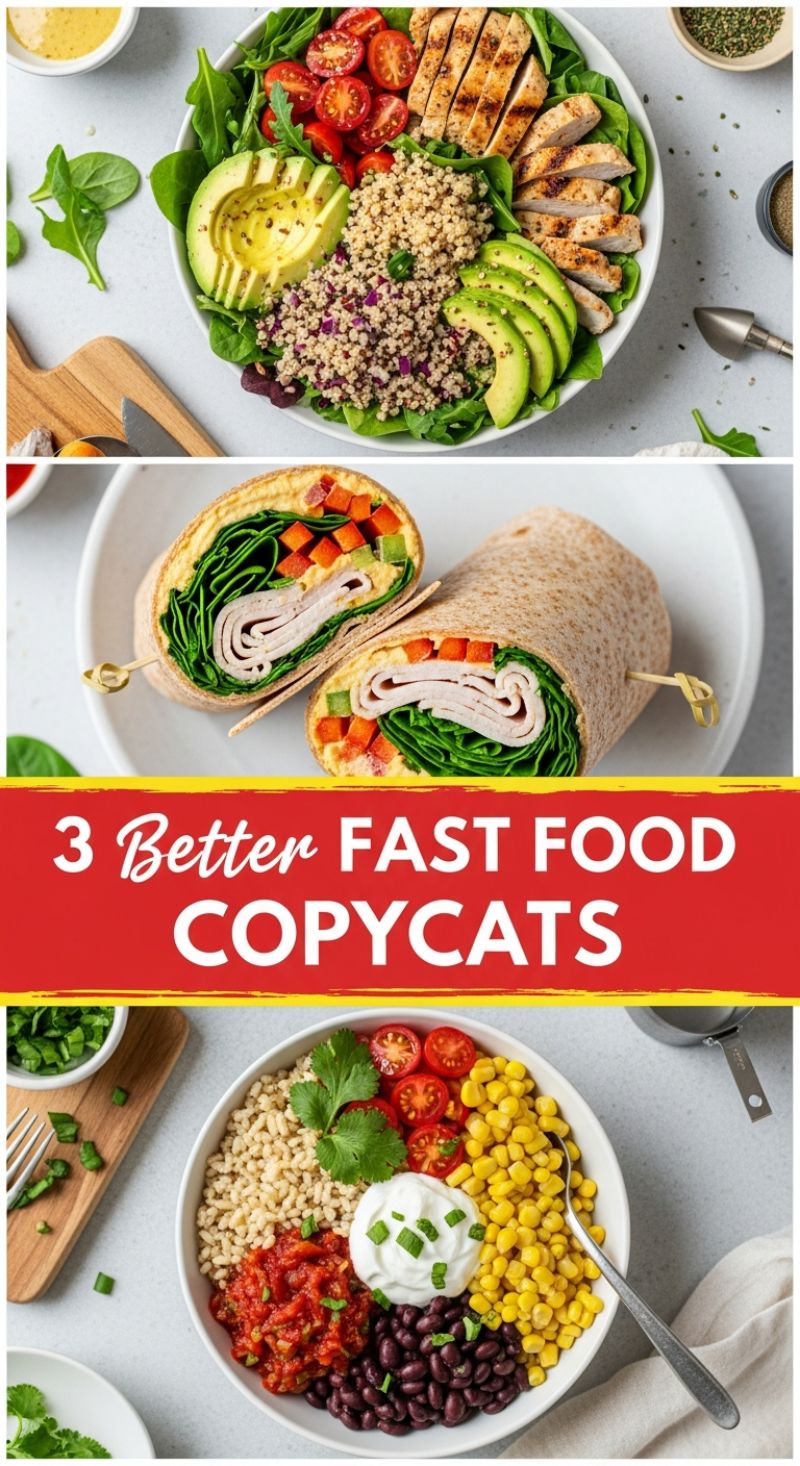
The secret to successfully beating the fast-food craving lies in mastering the ‘power bowl’ structure, as demonstrated by our first copycat: the Grilled Chicken Quinoa Salad. This bowl perfectly balances macronutrients, substituting heavy dressings and fried components for nutrient-dense whole foods. Start with a robust base of mixed greens (spinach, arugula), which provides maximum volume for minimal calories. Layer in 4-5 ounces of pre-grilled or rotisserie chicken breast—slice it thinly for better distribution and presentation. The complex carbohydrate element is crucial; here, fluffy quinoa is used, but farro or brown rice work equally well. The final flourish includes healthy fats via perfectly sliced avocado, fiber from cherry tomatoes, and a light vinaigrette. Prepping the grains and protein on Sunday ensures these bowls can be assembled in under five minutes on a busy weekday, making it a powerful alternative to any drive-through salad.
The second featured copycat addresses the need for portable, hand-held lunches typically filled by heavy subs or fried wraps. This version replaces high-sodium processed meats and sugary dressings with lean turkey breast and creamy, homemade hummus spread thinly across a whole-wheat tortilla. Hummus not only provides a flavorful anchor but also adds essential fiber and plant-based protein, stabilizing blood sugar better than mayonnaise or cream cheese. To ensure a satisfying crunch, layer the wrap with sturdy greens, like spinach or Romaine, followed by finely diced, vibrant vegetables such as bell peppers and carrots. Crucially, master the rolling technique: tuck the sides in tightly before rolling from the bottom up. A small skewer inserted halfway through (as shown) keeps the wrap secure, preventing ingredient spillage and making it effortless to eat on the go.
Our final inspiration is the customizable Tex-Mex grain bowl, a perfect replacement for heavy burritos and taco takeout. This meal thrives on modular ingredients, allowing for infinite variation and easy meal prep separation. Start with pearl barley or short-grain brown rice for chewiness, then divide the bowl into segments featuring contrasting colors and textures: seasoned black beans (an excellent iron source), sweet corn, and halved cherry tomatoes. The key to intense flavor without excess fat is layering quality condiments. Use a chunky, fresh pico de gallo or salsa in place of heavy, oily sauces. While traditional versions use copious cheese and sour cream, a small dollop of non-fat Greek yogurt provides the necessary cooling contrast and tang, topped with fresh chives or cilantro for a final aromatic punch. This approach ensures maximum satiety and robust flavor while keeping sodium and saturated fat levels strictly in check.
10 Balanced HIGH-PROTEIN FOODS
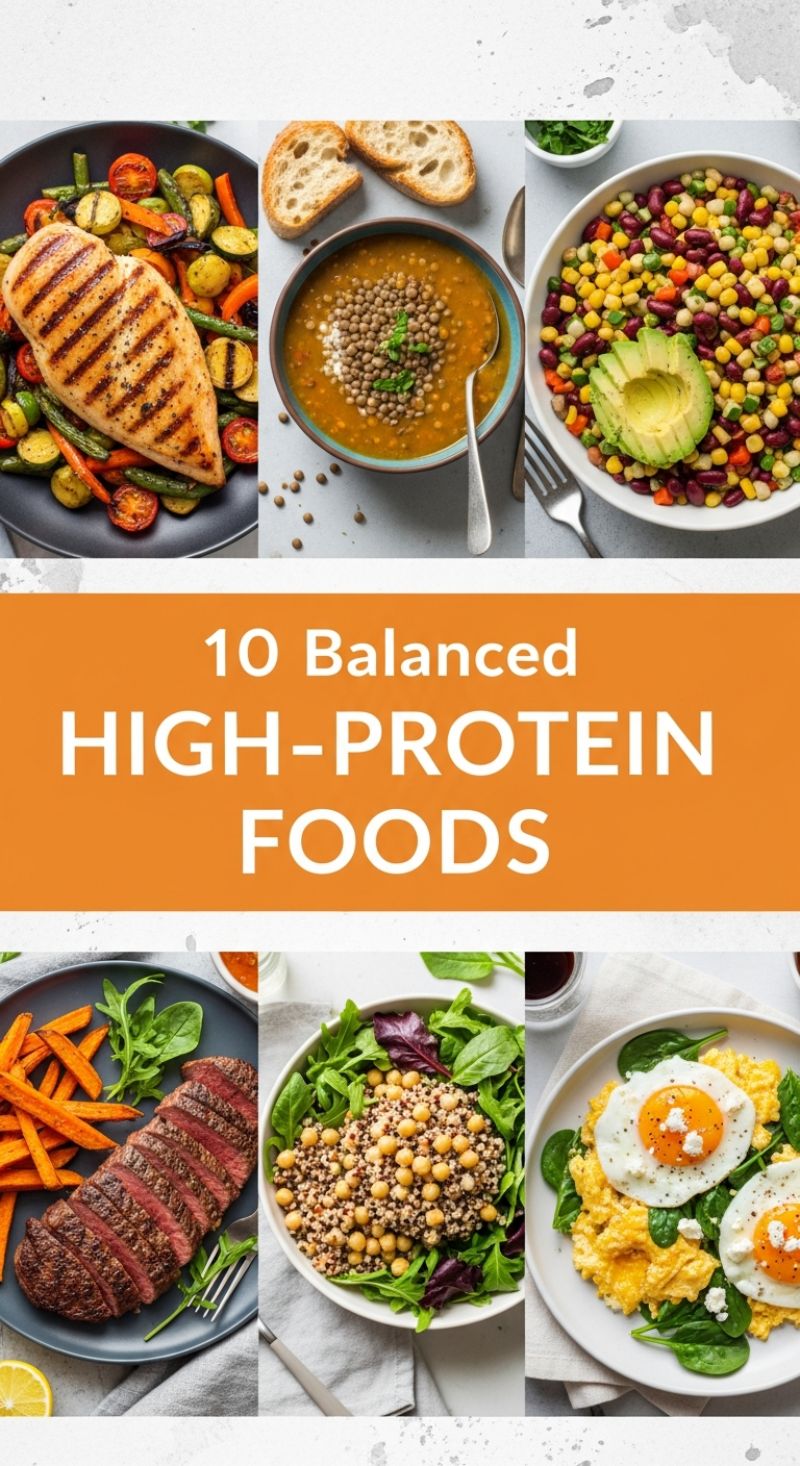
While the pursuit of a healthy, balanced diet often conjures images of perfectly grilled chicken breasts, hearty lentil soups, or vibrant bean salads—all excellent sources of protein, as demonstrated in the visual guide—we often overlook dairy as a foundational element, specifically cottage cheese. Incorporating high-quality protein is vital not just for muscle recovery and satiety, but also for stabilizing blood sugar, making it the secret weapon in transforming traditionally carb-heavy desserts into macro-friendly treats. This shift is all about strategic substitution; by swapping out high-fat cream cheese or heavy whipping cream for pureed cottage cheese, you maintain the desired rich, creamy texture while dramatically boosting the protein content. Expert advice suggests that aiming for at least 20 grams of protein in your dessert snack ensures you get the nutritional benefits associated with muscle building, rather than just enjoying an empty calorie sweet.
The key instructional step to integrating cottage cheese seamlessly into any dessert recipe is texturization. Standard cottage cheese contains small curds that must be eliminated to achieve that smooth, velvety finish essential for mousses, frostings, or fillings. To execute this, transfer the cottage cheese—full-fat or non-fat, depending on your preference—into a high-speed blender or food processor. Blend on high for 60 to 90 seconds, pausing to scrape down the sides, until the consistency is indistinguishable from Greek yogurt or mascarpone cheese. This foundational preparation step is non-negotiable for success in dessert applications. You can enhance the flavor profile during this stage by adding natural sweeteners like monk fruit or stevia, a dash of vanilla extract, or even a tablespoon of lemon juice to mimic the tang of traditional cheesecake.
Once whipped to perfection, this protein-rich base is incredibly versatile. For quick, no-bake desserts, use the blended cottage cheese as a direct substitute for cream cheese in frosting recipes or as a base for a rich chocolate mousse. To create a high-protein ice cream, combine the whipped base with your flavoring and freeze it immediately in a freezer-safe container, stirring every hour for the first three hours to prevent large ice crystals. The natural moisture and structure of the cottage cheese ensure a remarkably smooth final product. For baked goods, use the pureed cheese to moisten cake or brownie batter, adding density and protein without increasing the overall fat profile. Always finish your cottage cheese creations with complementary, fiber-rich toppings, such as fresh berries, chopped nuts, or a sprinkle of toasted quinoa, tying back to the concept of balanced, high-protein eating featured throughout this visual guide.
4 Classic Mardi Gras Food

While traditional Mardi Gras celebrations are known for rich, festive, and often deep-fried delights, we are here to show you how even the most decadent occasions can benefit from a cottage cheese dessert makeover. The key to unlocking cottage cheese’s potential as a creamy dessert base is rigorous blending. Forget the curds! To achieve the smooth, airy texture required for mousses or a light cheesecake filling, you must use a high-powered blender or food processor, blending until the mixture is completely uniform, resembling thick Greek yogurt or ricotta. For the best result, strain off any excess whey before blending, and consider adding a tablespoon of powdered sugar or a neutral sweetener during the process; this fine grain helps break down any remaining structural integrity of the curds, resulting in a perfectly smooth canvas for your dessert creations. This transformation allows cottage cheese to stand in for high-fat ingredients like mascarpone or heavy cream, significantly boosting the protein content of your treats.
One fantastic application is the Cottage Cheese Mousse. To make this, simply whip your blended cottage cheese with vanilla extract, a touch of lemon zest, and your preferred sweetener until soft peaks begin to form. For stability—especially crucial if serving this alongside traditional, heavy Mardi Gras dishes—gently fold in a small amount of dissolved, cooled gelatin or agar-agar. Expert advice: If you want to replicate the tang of cream cheese in a mock cheesecake filling, add a teaspoon of apple cider vinegar or fresh lime juice to the mixture before blending; the acidity brightens the flavor profile. This filling can be poured into a graham cracker crust and chilled, offering a surprisingly light and high-protein alternative to New Orleans-style baked cheesecake, which often relies heavily on eggs and cream.
Finally, cottage cheese is revolutionizing frozen desserts, providing a unique texture that bridges the gap between traditional ice cream and sorbet. For a viral cottage cheese ‘nice cream,’ blend the smooth cottage cheese base with frozen fruits (like berries or banana) and a liquid sweetener until a soft-serve consistency is reached. If you desire a firmer, scoopable texture, freeze the mixture for several hours. When you are ready to serve, the expert trick is to let it sit at room temperature for about 15 minutes and then quickly re-blend it in a food processor—this step is called ‘churning’ and prevents the formation of large, undesirable ice crystals, yielding a smoother, more palatable final scoop. This high-protein, satisfying dessert provides a perfect counterpoint to the sugary joy of a classic King Cake or the fried decadence of Beignets.
15 Smart Budget Wedding Menu

The sophisticated dessert displays captured here—featuring perfectly formed pies and tarts elegantly arranged on tiered wooden crates—prove that budget-conscious entertaining doesn’t necessitate compromising on aesthetic appeal. While traditional wedding desserts rely on expensive dairy fats like cream cheese, mascarpone, and heavy whipping cream, you can replicate this high-end look using the secret ingredient currently revolutionizing the dessert world: ultra-smooth, blended cottage cheese. To execute the flawless structure required for the pastry fillings seen in the image, you must first use a high-speed blender or food processor to completely homogenize the curds of full-fat cottage cheese until the texture mirrors that of fine ricotta or thick Greek yogurt. This resulting creamy base can then be stabilized with egg, a touch of cornstarch, and sugar to create a rich, lightened cheesecake filling or custard for tarts, mimicking the beautiful berry-filled pies displayed on the white pedestal stands while drastically reducing preparation costs.
Furthermore, the image offers excellent visual guidance for incorporating layered desserts, demonstrated by the grab-and-go parfaits featured in mason jars. This format is ideal for showcasing the textural versatility of cottage cheese dessert mousse or pudding. Instead of limiting its use to baked goods, transform your whipped cottage cheese into a refreshing, protein-packed parfait layer. Blend the cottage cheese with flavoring agents like vanilla bean paste, lemon juice, or cocoa powder, and then layer it with colorful components—think crushed shortbread cookies, toasted coconut, or vibrant fruit purees—to achieve the dynamic, layered look visible in the jars. This technique offers a brilliant ‘smart budget’ solution for event catering, providing individual, easy-to-serve portions that are structurally impressive and far more economical than standard miniature cakes or elaborate French pastries.
Finally, take inspiration from the extensive appetizer charcuterie spread to rethink how cottage cheese can anchor a savory-to-sweet transition in your dessert station. Instead of serving an expensive spread like flavored goat cheese or imported ricotta as a dip, create a generous and flavorful cottage cheese dip. Whip the smoothed cottage cheese with brown sugar and spices (like cinnamon or pumpkin pie spice) until it becomes a thick, spreadable cream. Present this dessert dip in small, stylish wooden bowls, similar to the bowls holding olives and mozzarella in the image, surrounded by dipping vehicles such as sweet pita chips, shortbread fingers, or fresh fruit slices. This approach adds bulk and protein to your dessert table, making it feel robust and luxurious while using cottage cheese as a surprisingly effective, budget-friendly replacement for high-cost fresh cheeses.
7 Fun GALENTINE’S FINGER FOODS
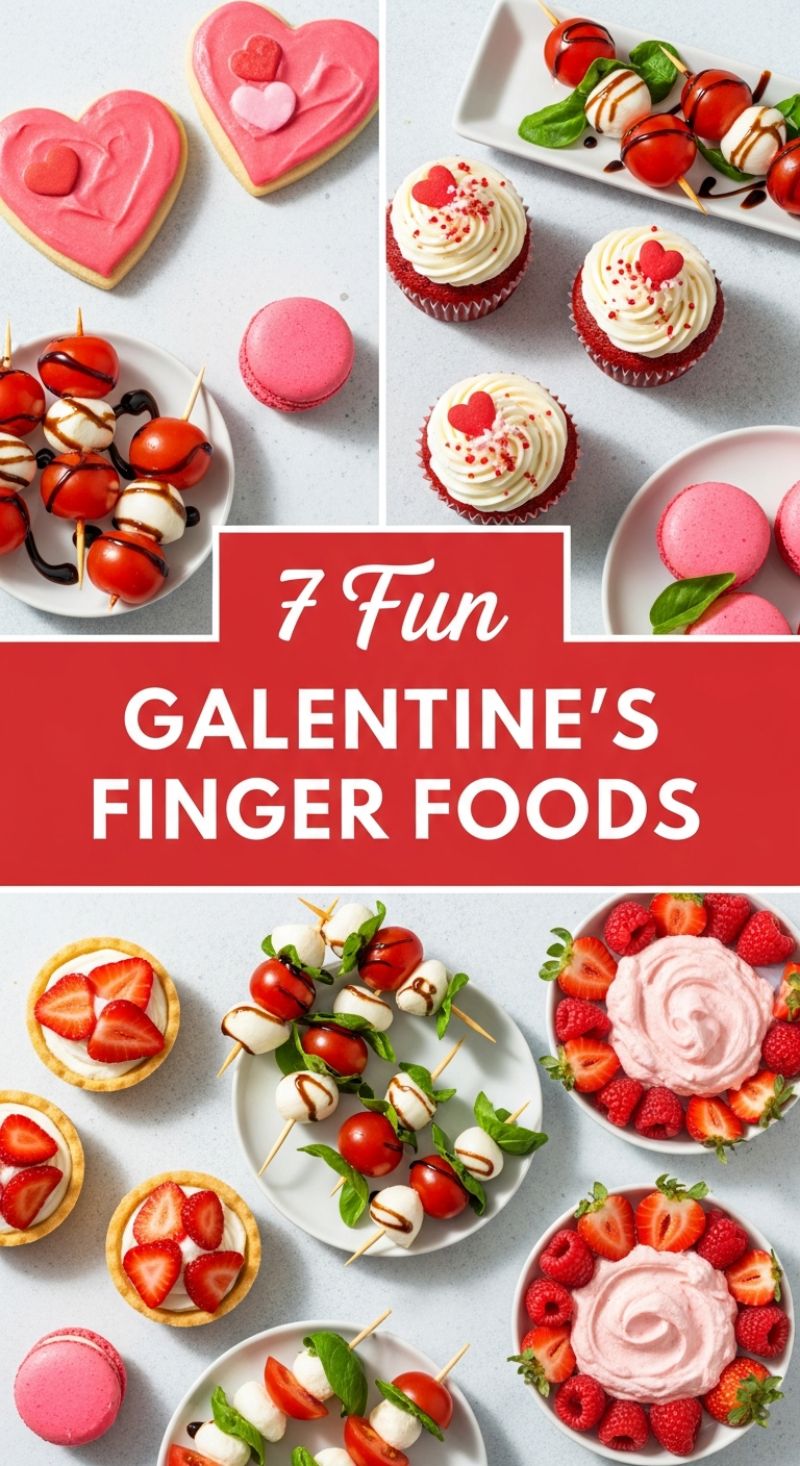
The visual spread of “7 Fun Galentine’s Finger Foods” is a perfect starting point for elevating your dessert game with unexpected ingredients—namely, cottage cheese. Looking at the vibrant sweet treats like the red velvet cupcakes and the bright pink heart sugar cookies, we can easily reimagine the traditional high-sugar components. For a healthier, protein-packed twist, blend cottage cheese until silky smooth and use it as the base for a stabilized cream cheese frosting substitute. To achieve the beautiful white swirl on those red velvet treats, simply blend one cup of whole-milk cottage cheese with powdered sugar, vanilla extract, and a touch of whipping cream stabilizer. This technique delivers the required creamy texture while reducing fat and boosting protein, making every bite feel a little less indulgent and a lot more satisfying. Expert advice dictates chilling this blended mixture thoroughly before whipping it one last time to ensure maximum piping stability. Don’t forget the aesthetic details: a simple red heart sprinkle, as pictured, completes the sophisticated Galentine’s theme, proving that high-protein swaps don’t require sacrificing beauty or flavor.
The key to successful finger foods, especially for a Galentine’s gathering, is visual appeal and ease of consumption. Notice the small, perfect strawberry tarts and the artful arrangement of the fruit and dip bowls. The shells of those mini tarts are typically filled with heavy pastry cream or mascarpone, but here is where cottage cheese revolutionizes the recipe. For a tangy, nutrient-dense filling, blend cottage cheese with lemon zest and a natural sweetener until it holds a firm, piping consistency. This creates a high-protein cheesecake-like base that pairs wonderfully with the fresh, sliced strawberries seen in the visual. To mimic the delicate look of the pictured tarts, ensure your cottage cheese filling is chilled for at least two hours before piping into the tart shells to maintain maximum structure. While the image includes savory caprese skewers, a truly unexpected dessert maneuver is turning those skewers into a high-protein accompaniment: try skewering grapes, melon balls, and strawberries and serving them with a cottage cheese fruit dip for a cohesive, colorful spread.
The most viral element adaptable to the cottage cheese craze is undoubtedly the stunning pink fruit dip presented alongside strawberries and raspberries in the image. This light, airy, mousse-like substance is easily replicated and improved using blended cottage cheese. To create this signature dip, start by blending two cups of cottage cheese until every grain is eradicated, then fold it with a few spoonfuls of strawberry yogurt and a natural coloring agent like beet powder or, for intense flavor and color, freeze-dried raspberry powder. This mixture instantly transforms into a fluffy, protein-rich fruit dip that looks exactly like the delicate swirls pictured. Serving it in a small bowl surrounded by perfectly halved strawberries and whole raspberries is the ultimate presentation hack, creating a centerpiece that is both beautiful and functional. This cottage cheese dessert hack ensures your Galentine’s desserts are trendy, delicious, and unexpectedly packed with protein, fitting seamlessly into the viral dessert trend.
5 Sweet STRAWBERRY DESSERTS
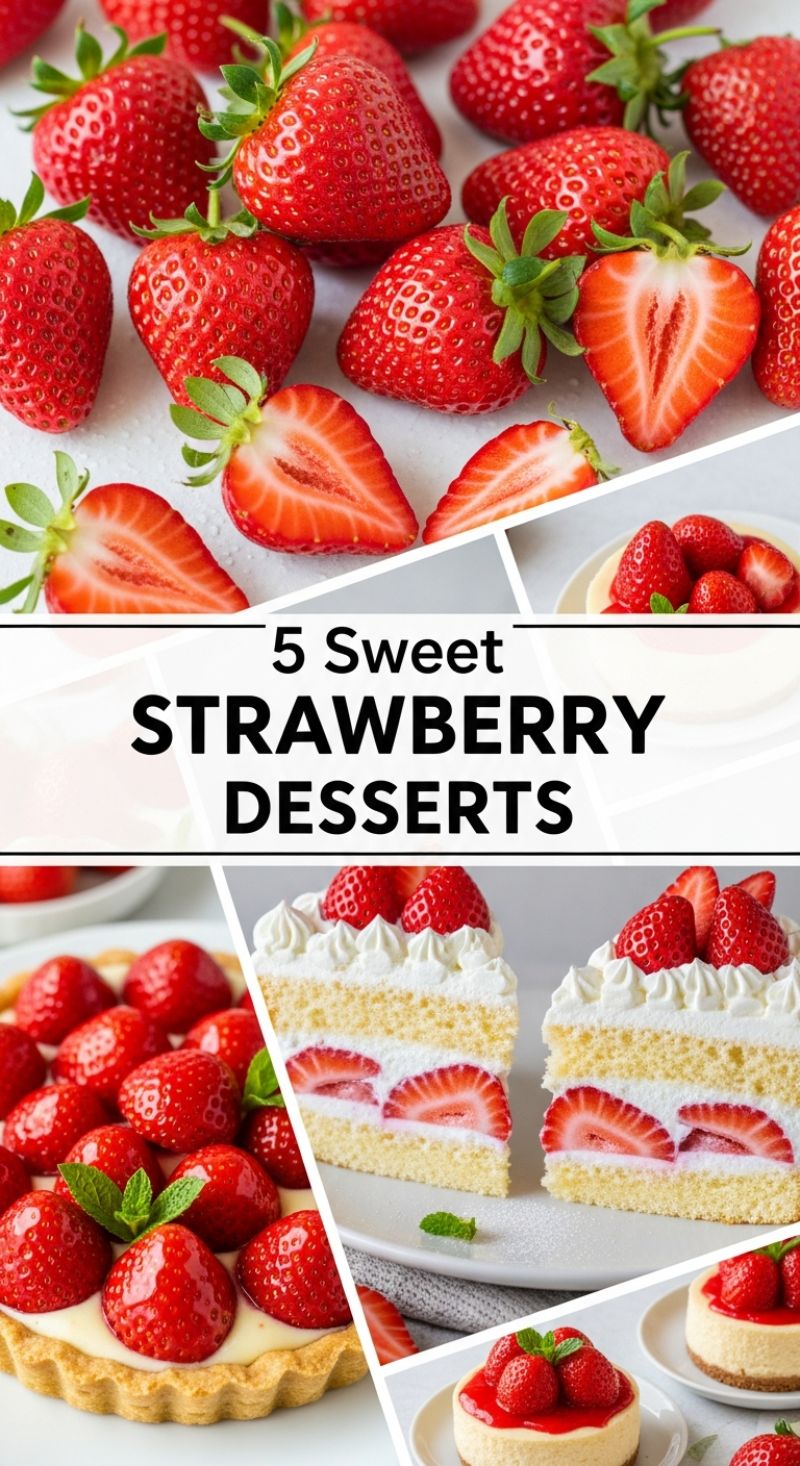
The image is a stunning celebration of peak summer fruit, showcasing pristine whole and halved strawberries alongside three distinct desserts: a glossy strawberry tart, elegant slices of strawberry shortcake, and individual strawberry-topped custards or mini cheesecakes. While these desserts traditionally rely on rich ingredients like heavy cream, butter, and high-fat cream cheese, the modern movement towards protein-packed substitutions allows us to transform them entirely. Cottage cheese, when properly prepared, is the secret weapon for achieving incredible creaminess and structural integrity in these classic recipes without the typical caloric density. Utilizing this versatile ingredient means you can now enjoy the fresh, bright flavors of strawberry season guilt-free, knowing you’re boosting the nutritional profile of every sweet bite.
To successfully incorporate cottage cheese into these high-end desserts, the primary step is processing. Simply stirring curds into a recipe won’t suffice; you must blend the cottage cheese (full-fat or low-fat work, though full-fat provides better mouthfeel and initial stability) in a food processor or high-speed blender until it achieves a velvety, homogenous texture, similar to mascarpone or thick yogurt. For the mini cheesecakes visible on the right, replace up to half of the traditional cream cheese called for in the recipe with this smooth cottage cheese blend. This substitution significantly increases the protein content while often reducing saturated fats, resulting in a slightly tangier, yet remarkably stable, baked or no-bake filling. Expert tip: Ensure the blended cottage cheese is thoroughly chilled before mixing it into any cold batter or whipping it for frostings, as maintaining a cold temperature is crucial for maximizing volume and preventing separation during mixing.
This technique is highly adaptable. Consider applying it to the strawberry tart featured prominently on the left. Instead of a heavy, labor-intensive pastry cream (crème pâtissière), create a high-protein filling by blending cottage cheese with a small amount of cornstarch, egg yolks, vanilla extract, and sweetener, then baking or chilling it until set in the pastry crust. For the airy strawberry layer cake slices, seen in the center-right, replace the traditional whipped cream filling with a stabilized cottage cheese frosting. Whip the smooth cottage cheese blend with powdered sugar and a stabilizing agent like a small amount of whipped cream cheese or gelatin. This creates a robust, pipeable, and sliceable topping, achieving the perfect white swirls demonstrated on the cake. By utilizing cottage cheese this way, you elevate these beautiful strawberry desserts from simple indulgences into nutrient-smart treats that maintain incredible flavor and visual appeal.