Life Changing Chicken Korma

I used to think making a great curry was a secret. Every time I went to a restaurant, the chicken korma was perfect. It was sweet, creamy, and smelled like a dream. When I tried to make it at home, it just tasted like spicy soup. It was a big mess and I almost gave up on cooking Indian food forever.
Everything changed when I met a cook who showed me the real way to do it. He told me that chicken korma is not about heat. It is about patience and the right steps. Once I learned his tricks, my life in the kitchen got much better. Now, my friends ask for this dish every time they come over for dinner. It is truly life changing because it makes you feel like a master chef with very little work.
In this article, you will learn how to pick the right spices for a mild flavor. I will show you how to make a sauce that is thick and smooth. You will also see how to cook the chicken so it stays juicy. By the end, you will have a recipe that works every single time. Get your apron ready because we are about to make something amazing.
Check out the steps below to start your cooking journey.
The Secret to a Perfect Korma Base
The base of a korma is what makes it special. Unlike other curries, this one does not use a lot of tomatoes. Instead, it uses onions and yogurt to create a thick texture. Many people rush this part, but that is a mistake. You need to let the onions cook until they are just right to get that golden color and sweet taste.
I once tried to skip the browning of the onions. I thought it would save time. The result was a pale, sad sauce that tasted like raw vegetables. IMO, the onions are the soul of the dish. If you get the onions right, the rest of the recipe is easy. You just have to watch them closely so they do not burn.
Starting with the Onions

Onions are the first thing you put in the pan. You should slice them very thin so they cook evenly. If some pieces are thick and others are thin, the thin ones will burn while the thick ones stay hard. Use a sharp knife and take your time. It makes a big difference in the final texture of the sauce.
Fry the onions in oil or butter over medium heat. You want them to turn a light brown color. This takes about ten to fifteen minutes. Do not walk away from the stove! Onions can go from perfect to burnt in just a few seconds. Once they are brown, take them out and let them cool on a paper towel. This keeps them crispy before you blend them into a paste.
Making the Nut Paste

Cashews or almonds give korma its famous creamy feel. Most people just throw whole nuts into the pot, but that leaves the sauce chunky. The best way is to soak the nuts in warm water for half an hour. This makes them soft and easy to turn into a smooth cream. It is a small step that changes everything.
Put the soaked nuts into a blender with a little bit of water. Blend until it looks like thick milk. This paste will make your sauce rich without needing too much heavy cream. It is better for your stomach and tastes more authentic. If you cannot eat nuts, you can use sunflower seeds or extra yogurt instead, but nuts are the classic choice.
Choosing the Right Yogurt

Yogurt is the main liquid in this dish. You must use full-fat yogurt. Low-fat yogurt has too much water and will break apart when it gets hot. This makes the sauce look curdled and messy. Always whisk your yogurt in a bowl before adding it to the pan. This removes any lumps and helps it mix with the other ingredients.
Make sure the yogurt is at room temperature. If you pour ice-cold yogurt into a hot pan, it will definitely separate. I learned this the hard way during a dinner party. My sauce looked like it had white dots in it. It still tasted okay, but it looked terrible. Now I always take the yogurt out of the fridge an hour before I start cooking.
Pro Tips for a Smooth Sauce
- Whisking: Always stir your yogurt until it is flat and smooth before cooking.
- Temperature: Never add cold yogurt to a boiling pot; turn the heat down first.
- Blending: Blend your fried onions with the nut paste for the best texture ever.
Preparing the Chicken and Spices
Now that the base is ready, we need to talk about the meat. For a korma, you want chicken that melts in your mouth. Many people use chicken breast because it is easy. However, breast meat gets dry very fast. I prefer using chicken thighs. They stay juicy even if you cook them a little too long, which is great for beginners.
Spices are also very important. Korma is a mild curry. It should not burn your tongue. It should feel like a warm hug. We use spices like cardamom, cinnamon, and cloves. These give a sweet smell that fills the whole house. Using whole spices at the start of the cooking process releases the best oils into the food.
Marinating for Flavor

You should put spices on the chicken before it hits the pan. I like to use ginger paste, garlic paste, and a little bit of salt. Let the chicken sit in this mix for at least twenty minutes. This gives the meat time to soak up the flavor deep inside. It makes every bite taste good, not just the outside of the meat.
If you have time, you can even let it sit for two hours in the fridge. This makes the chicken very tender. I usually do this while I am prepping the onions and the nut paste. It saves time and makes the food taste like it came from a fancy restaurant. Just remember to cover the bowl so your fridge does not smell like garlic all week!
Using Whole Spices

Whole spices are better than powder for the initial fry. When you put a cinnamon stick and cardamom pods into hot oil, they pop and smell amazing. This oils the pan with flavor. You can pull them out later if you do not want to bite into them while eating. Most kids do not like biting a whole clove, so keep an eye on them.
Don’t worry if you don’t have every single spice. The most important ones are cardamom and cinnamon. They provide that classic korma scent. If you only have powders, use them sparingly. Powdered spices burn much faster than whole ones. Keep the heat low and stir constantly to keep everything safe and yummy.
Searing the Meat

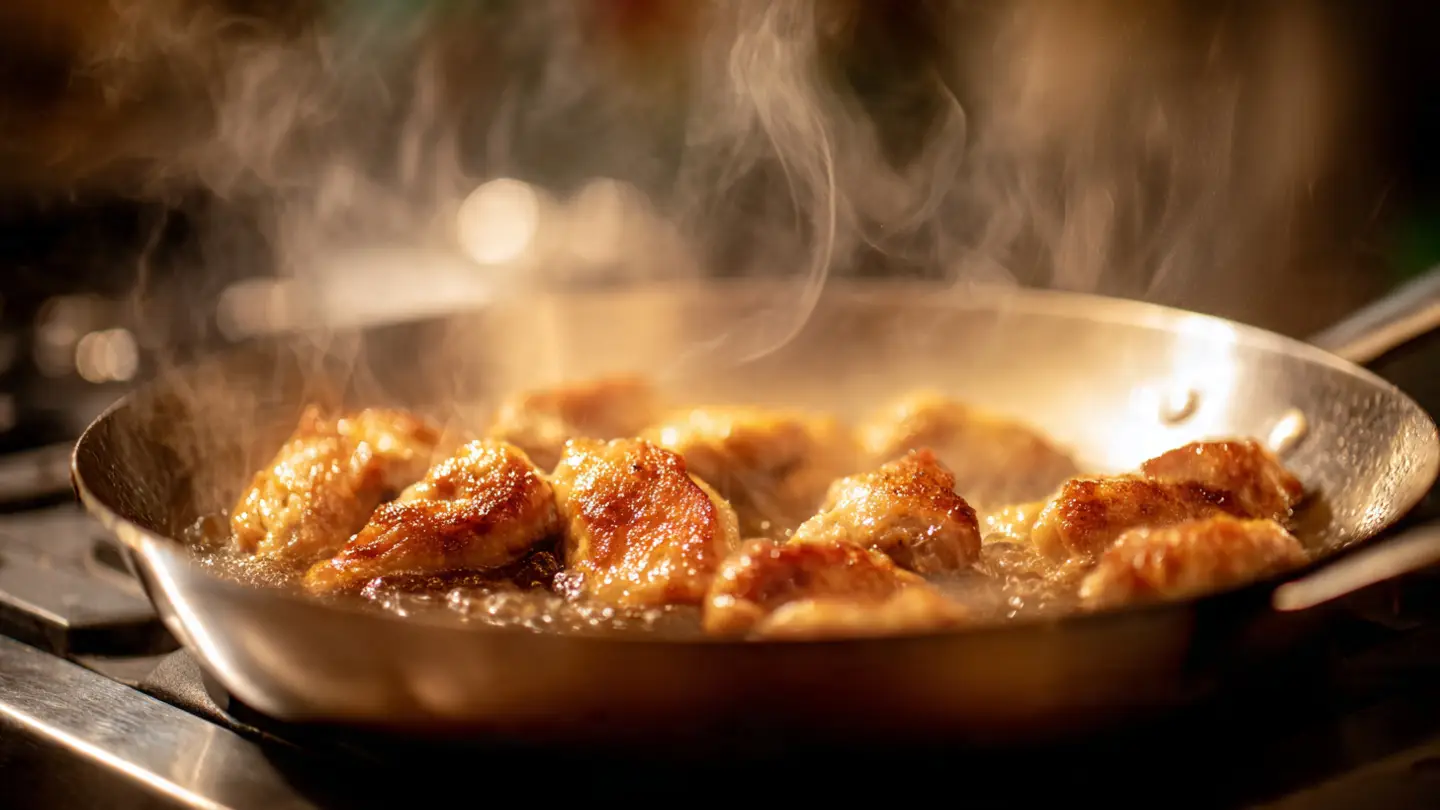
When you put the chicken in the pan, do not crowd it. If you put too much meat in at once, the pan gets cold. The meat will start to steam instead of fry. This makes it tough. Cook the chicken in two batches if you have to. You want a light golden color on the outside to lock in the juices.
You are not trying to cook the chicken all the way through yet. You just want to seal the outside. The meat will finish cooking later inside the creamy sauce. This two-step cooking method is what keeps the chicken soft. FYI, if you skip the searing, the meat can sometimes taste a bit boiled, which isn’t as nice.
Bringing the Dish Together
This is the part where the magic happens. You combine the onions, the nuts, the yogurt, and the chicken. It starts to look like a real meal. The smell at this stage is the best part of the whole day. It is very satisfying to see all your hard work turn into a thick, golden gravy that looks perfect.
Keep the heat low during this final stage. High heat is the enemy of a good korma. You want the flavors to marry slowly. This is a great time to taste your sauce. Does it need more salt? Is it too thick? You can add a splash of water or milk to get the texture just right. It should be thick enough to coat a spoon but not like paste.
Simmering for Success

Simmering means cooking on very low heat. You should see only a few small bubbles. Put a lid on the pot and let it sit for about fifteen to twenty minutes. This allows the chicken to become so soft that it almost falls apart. If you boil it hard, the meat will get stringy and the yogurt might separate.
Check the pot every few minutes to make sure nothing is sticking to the bottom. The nut paste can be a bit sticky, so give it a gentle stir. If the sauce gets too thick, add a tablespoon of water at a time. This slow cooking time is when the spices really move from the oil into the meat. It is the secret to that deep, rich taste.
Adding the Final Touch

Once the chicken is done, turn off the heat. This is when you add the finishing touches. A tiny bit of garam masala or a drop of rose water can make it smell like a royal feast. Many people also add a tiny bit of sugar or honey if the yogurt was a bit sour. This balances the flavors perfectly.
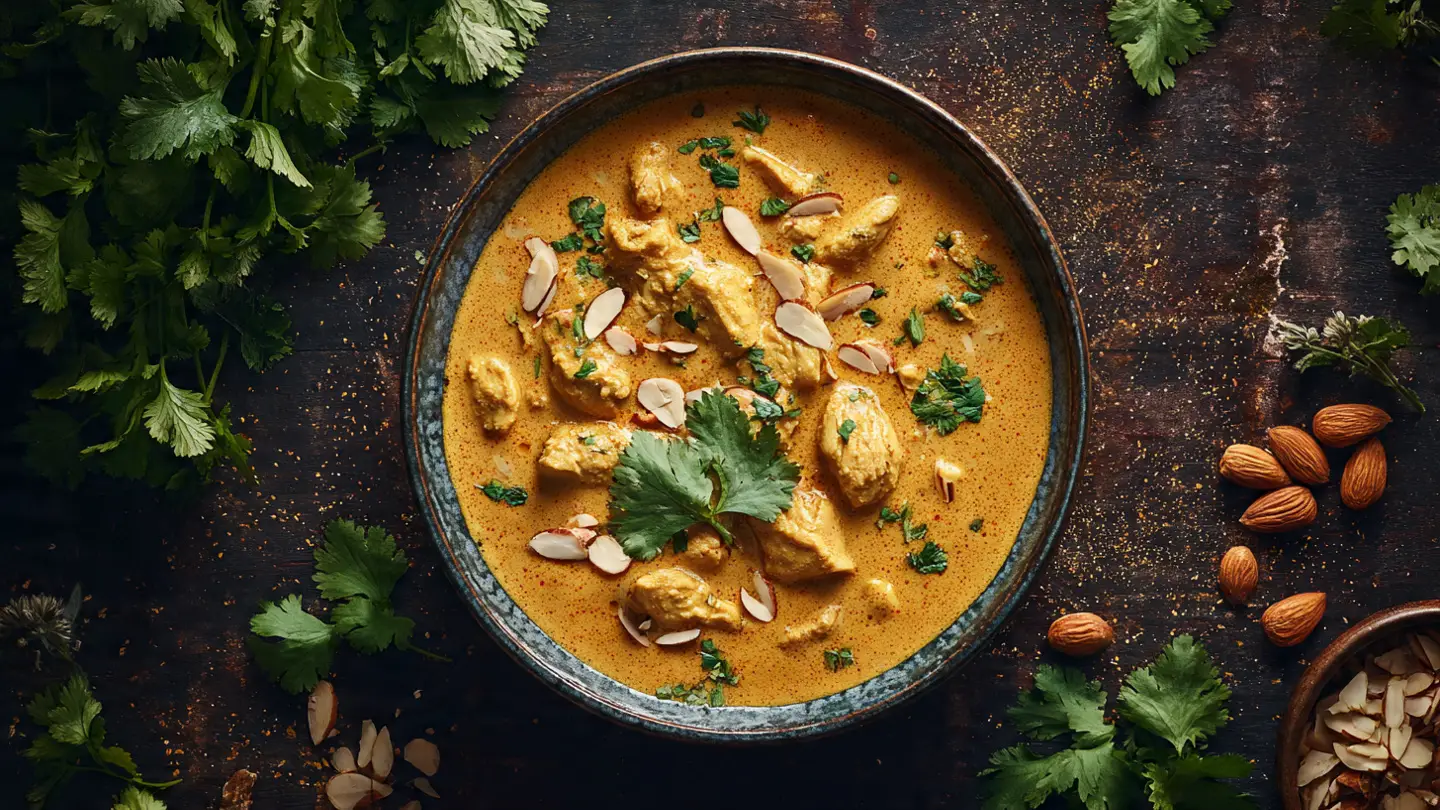
Garnish the dish with fresh cilantro or sliced almonds. It makes the plate look beautiful. We eat with our eyes first, after all! These toppings also add a nice crunch to the soft meal. I love adding a few raisins sometimes for a little burst of sweetness, but that is up to you. It is your kitchen, so you get to decide.
Serving Suggestions

The best way to eat chicken korma is with basmati rice or naan bread. The rice soaks up the creamy sauce perfectly. If you use naan, you can use it like a spoon to scoop up the chicken. It is very fun to eat this way. I usually make a simple salad of cucumbers and onions to go on the side.
If you are on a budget, plain white rice works just fine. You do not need anything fancy to enjoy this meal. The korma is the star of the show. Just make sure your rice is fluffy and not sticky. This helps the sauce move around and cover every grain. It is a simple meal that feels very expensive.
Everything You Need to Know
Can I make this dish spicy?
Yes, you can add red chili powder or fresh green chilies. However, korma is meant to be mild and creamy. Only add a little bit so you do not hide the sweet spices.
What if my sauce is too thin?
Let the pot simmer without a lid for a few minutes. The water will evaporate and the sauce will get thicker. You can also add more nut paste or a little heavy cream.
Can I use frozen chicken?
Yes, but make sure it is fully thawed first. Wipe it dry with a paper towel before you sear it. If it is wet, it will not brown properly in the pan.
How long does it stay fresh?
It stays good in the fridge for about three days. It actually tastes better the next day because the spices have more time to soak into the chicken. Just heat it slowly.
Is there a dairy-free option?
You can use coconut milk instead of yogurt. It will change the taste slightly to be more tropical, but it still makes a very creamy and delicious sauce.
Enjoy Your New Favorite Meal
You now know how to make a chicken korma that can truly change your life. It is simple, rich, and full of flavor. By following these steps, you can bring the taste of a great restaurant into your own home. Enjoy your cooking!