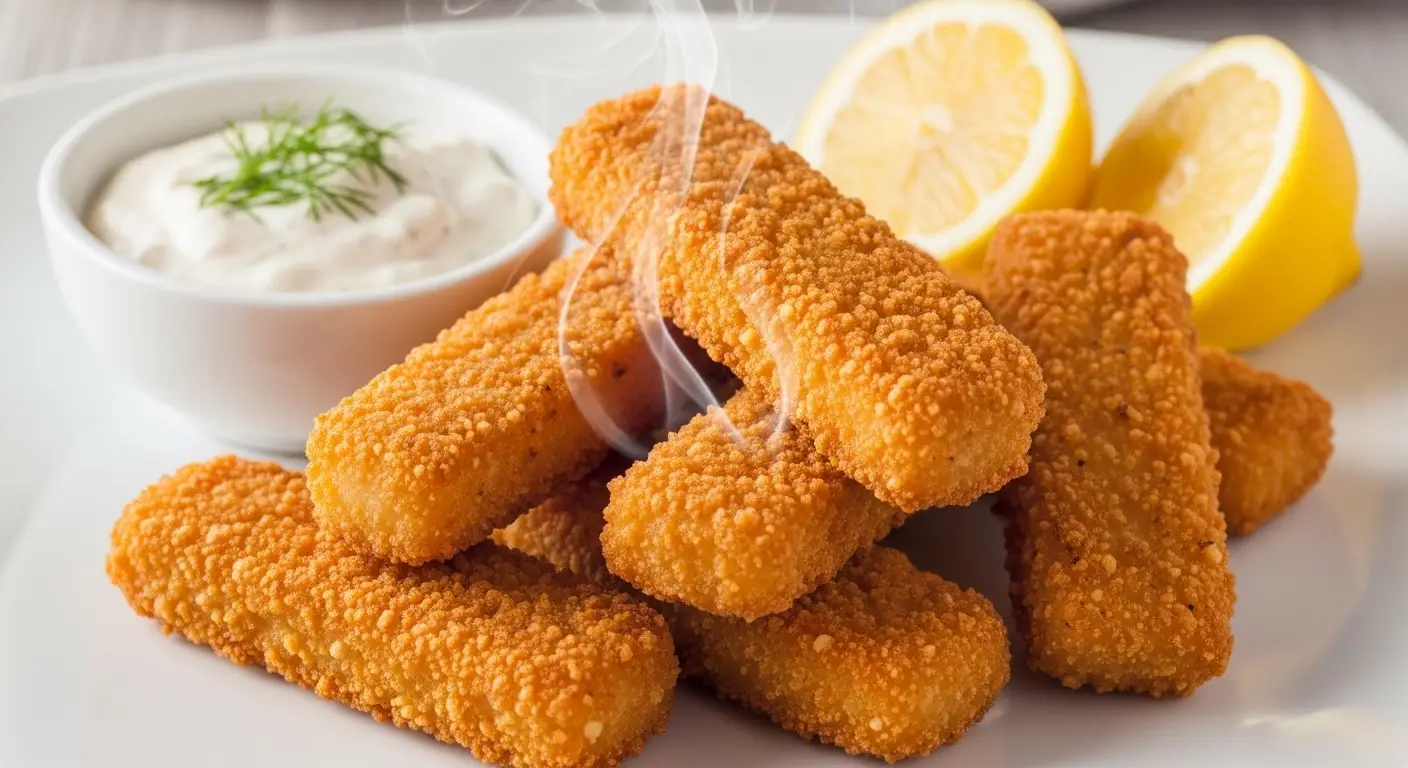
How to Make Perfect Crispy Baked Fish Sticks for Kids

Making dinner for kids can feel like a big puzzle. One day they love something, and the next day they won’t touch it. I have spent many nights trying to find a meal that everyone likes. Frozen fish sticks are easy, but they often taste like soggy cardboard. I wanted to make something better in my own kitchen. These homemade fish sticks are the answer because they are super crunchy and actually taste like real food.
In this guide, I will show you how to turn fresh fish into golden sticks of joy. You will learn the best fish to buy and how to get that perfect crunch without using a deep fryer. This method is much cleaner and healthier for your family. Once you try these, you might never buy the boxed kind again. It is a simple way to get kids to eat more protein without any big fights at the table.
Ready to start cooking? Let’s look at what you need to get these in the oven right now.
Recipe Quick Info
- Prep Time: 20 minutes
- Cook Time: 15 minutes
- Servings: 4 people
- Difficulty: Easy
The Best Ingredients for Crunchy Fish
Before we start cooking, we need to talk about what goes into the bowl. The secret to a good fish stick is using the right stuff. If the fish is too oily, the crust will fall off. If the breadcrumbs are too small, you won’t get that loud crunch sound when you take a bite. I like to use things I already have in my pantry so I don’t have to go to the store twice.
Choosing the Right White Fish

The most important part is the fish itself. You want a white fish that is firm and mild. If the fish smells very strong, kids will usually say no right away. I always look for cod or halibut at the store. These fish stay together well when you cut them into strips. Tilapia also works if you are on a budget, but it can be a bit thinner. I once tried using a very soft fish, and it just turned into mush in the oven. That was a big mistake! Stick to firm white fish for the best results.
Make sure the fish is fresh or fully thawed. If there is too much water in the fish, the breading will get wet and soggy. I like to pat my fish dry with a paper towel before I do anything else. This small step makes a huge difference in how the crust sticks to the meat. If you skip this, the skin might slide right off while baking. FYI, buying frozen fillets is often cheaper and they taste just as good if you thaw them slowly in the fridge.
Picking the Best Breadcrumbs

Not all breadcrumbs are the same. For the ultimate crunch, I always reach for Panko breadcrumbs. These are Japanese-style crumbs that look like little flakes. They stay crispy much longer than the fine, sandy breadcrumbs you see in most cans. Regular crumbs can sometimes get heavy and doughy in the oven. Panko acts like tiny crispy shields that protect the fish while it bakes. It gives that fried texture without actually needing a pot of hot oil.
I like to mix a little bit of flavor into the crumbs too. A little salt, garlic powder, and maybe some dried parsley make them look pretty. If your kids are picky, keep the green bits out. IMO, the best part of homemade cooking is that you control the salt. Store-bought sticks are often very salty, but here you can keep it light. I sometimes add a tiny bit of Parmesan cheese to the crumbs for a cheesy crunch that kids love. Just don’t add too much or it might burn.
The Magic of the Flour and Egg Wash

To get the crumbs to stay on the fish, you need a system. This is called the three-bowl station. The first bowl has flour. The flour acts like a dry base that helps the egg stick. The second bowl has beaten eggs. The egg acts like glue. Without the egg, the crumbs would just fall into the bottom of the pan. I usually add a splash of water or milk to the eggs to make them easier to dip. This helps the egg coat the fish evenly without being too thick.
The flour is a step many people try to skip because it feels messy. I learned the hard way that skipping flour leads to naked fish sticks! The egg just slides off the wet fish if there is no flour to grab onto. Use all-purpose flour or even a gluten-free blend if you need to. It doesn’t take much, just a light dusting. Make sure to shake off the extra flour before you move to the egg bowl. You want a thin layer, not a heavy coat of paste.
How to Make Them Step by Step
Now that we have all our items ready, it is time to build the fish sticks. This part can be a little messy, but it is actually fun. If you have older kids, they can even help with the dipping. Just make sure they wash their hands really well after touching the raw fish. Keeping a clean workspace helps prevent a giant flour mess on your floor. I like to lay everything out in a line like a little factory.
Preparing the Fish Strips

- Start by washing your fish and drying it very well with paper towels.
- Place the fish on a clean cutting board.
- Cut the fish into strips that are about one inch wide and three inches long.
- Try to make them all the same size so they cook at the same time.
- Sprinkle a tiny bit of salt over the strips before you start breading.
Cutting the fish into even pieces is the secret to perfect cooking. If some are huge and some are tiny, the tiny ones will burn while the big ones stay raw. I usually aim for the size of a large finger. This size is easy for kids to pick up and dip into sauce. If the fish fillet has a very thin tail end, I sometimes fold it over or just cook it for less time. Consistency is your friend here. It makes the final plate look like it came from a fancy restaurant!
The Breading Process

This is where the magic happens. Take one piece of fish at a time. Drop it into the flour and roll it around. Give it a gentle tap to get the extra flour off. Next, dunk it into the egg wash. Make sure every single side is wet. Finally, drop it into the Panko crumbs. Press the crumbs down with your fingers to make sure they really stick. You want the fish to be completely covered so no white meat is showing through the crust.
I use a “wet hand, dry hand” trick to keep my fingers from getting covered in dough. I use my left hand for the dry flour and crumbs, and my right hand for the wet egg. It takes a little practice, but it keeps you from having “club hands” by the end of the recipe. If the crumbs in your bowl start to get clumped up with egg drips, throw them out and put fresh crumbs in. Clean crumbs stick much better and stay crispier in the oven. Trust me, this saves a lot of frustration.
Baking to Golden Perfection

Place your breaded fish sticks on a baking sheet. I highly suggest using a wire cooling rack on top of your baking sheet. This allows the hot air to move under the fish. If the fish sits directly on the flat pan, the bottom can get a little soggy. If you don’t have a rack, just make sure to flip them halfway through the cooking time. Spray the tops lightly with a little bit of oil spray. This helps the Panko turn that beautiful golden brown color we all love.
Set your oven to 425 degrees. This high heat is important. It cooks the fish fast so it stays juicy, but it browns the outside quickly. Usually, they take about 12 to 15 minutes. You will know they are done when the crust is hard to the touch and the fish flakes easily with a fork. Don’t overcook them! Fish dries out very fast. I always check one piece at the 12-minute mark just to be safe. Once they are golden, take them out and let them sit for two minutes before serving.
Tips for Success and Serving
Cooking for kids is about more than just the recipe. It is about how you present the food. Even the best fish stick won’t get eaten if it looks boring. I have learned a few tricks over the years to make sure these disappear from the plate. From the right dipping sauce to how to store the leftovers, these small details make the meal a win. Let’s look at how to finish this meal strong.
Healthy Dipping Sauce Ideas

Kids love to dip things. It makes eating feel like a game. While ketchup is the classic choice, you can try other things too. I like to make a quick “lazy” tartar sauce by mixing mayonnaise with a little bit of pickle juice and chopped dill. It is creamy and tangy. Another hit in my house is honey mustard. Just mix equal parts mustard and honey. It is sweet enough that kids will try it, but it goes great with the salty fish.
If you want to be extra healthy, try a Greek yogurt dip. Mix plain yogurt with some lemon juice and garlic. It is bright and fresh. Sometimes I even use mild salsa for a different twist. Providing two or three different sauces on a plate makes the meal feel special. It also gives kids a sense of control because they get to choose which flavor they want. Just make sure the sauces aren’t too spicy, or you might have a problem on your hands!
Best Side Dishes for Fish

What should you serve with your perfect fish sticks? I usually go for something simple. Roasted potatoes or “oven fries” are a natural match. Since the oven is already hot, you can cook them at the same time on a separate tray. Green peas are another great choice because they are sweet and easy to eat. I also like to serve a simple slaw. Shaved cabbage with a little vinegar and sugar provides a nice crunch that cuts through the richness of the breaded fish.
If you are in a rush, a simple side of steamed broccoli or corn on the cob works wonders. I try to keep the sides colorful. A plate with golden fish, green broccoli, and orange carrots looks very appetizing to a child. Avoid serving things that are too mushy, like mashed potatoes, since the fish is already soft on the inside. You want a mix of textures on the plate to keep things interesting. A slice of lemon on the side is also great for kids who like a bit of sour flavor.
Common Mistakes to Avoid
- Don’t Overcrowd: If the fish sticks touch each other, they will steam and get soggy. Space them out!
- Dry the Fish: If the fish is wet, the breading will slide off like a wet coat. Pat it dry!
- High Heat: Don’t cook them at a low temperature. They need high heat to get crunchy.
Storing and Reheating Leftovers

If you happen to have leftovers, don’t worry. These actually save pretty well if you do it right. Put them in an airtight container once they are completely cool. They will stay good in the fridge for about two days. Whatever you do, do not use the microwave to reheat them! The microwave will make them soft and chewy. Nobody likes a rubbery fish stick. It is a sad way to eat a good meal.
Instead, use your oven or an air fryer to warm them up. Five minutes at 350 degrees in the air fryer will make them taste brand new. If you use the oven, put them back on that wire rack for a few minutes until they are hot and sizzling. I sometimes chop up leftover fish sticks and put them in a taco or on top of a salad for my own lunch the next day. It is a great way to make sure nothing goes to waste. Just remember that fish shouldn’t be kept too long, so eat them quickly!
Frequently Asked Questions
Can I use frozen fish for this?
Yes! Just make sure you thaw it completely in the fridge first. Pat it very dry with paper towels so the breading doesn’t get soggy.
How do I make these gluten-free?
Use gluten-free all-purpose flour and gluten-free Panko crumbs. They work exactly the same way and still stay very crunchy.
Can I cook these in an air fryer?
Yes! Cook them at 400 degrees for about 8 to 10 minutes. Flip them halfway through. They come out extra crispy this way.
What if my kids don’t like fishy tastes?
Stick to cod or pollock. These are very mild. You can also soak the fish in a little milk for 20 minutes before breading to remove any strong smells.
Why did my breading fall off?
This usually happens if the fish was too wet or if you skipped the flour step. The flour is the secret glue that holds everything together!
Happy Cooking for Your Family
Making fish sticks at home is a great way to serve a healthy meal that kids actually want to eat. It takes a little more work than opening a box, but the taste and crunch are worth every minute. Your kids will love the flavor, and you will love knowing exactly what is inside their dinner. Give it a try tonight!