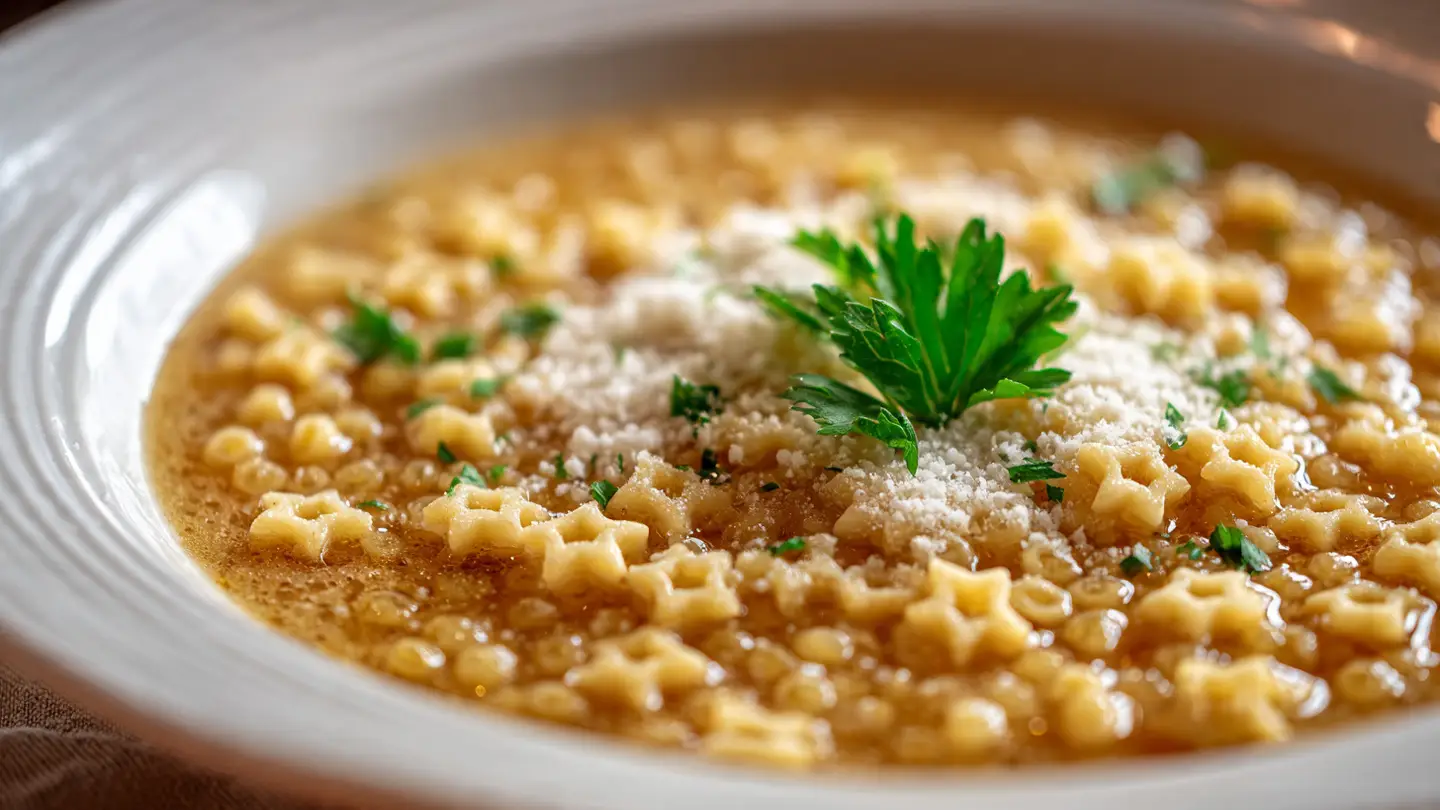
Italian Pastina Soup

Italian pastina soup is a meal I hold very close to my heart. Many people in Italy call it Italian penicillin because it makes you feel better when you are sick. It is a very simple dish made of tiny pasta, broth, and sometimes a few other basic things like eggs or cheese. When I was a little kid, my grandmother would make this for me every time the weather got cold or if I had a tiny sniffle. It was magic in a bowl. You do not need to be a chef to make this, and you do not need expensive tools.
In this article, you will learn exactly how to make this soup from start to finish. I will show you which pasta shapes work best and how to get the flavor just right. I will also share some ways to make it your own if you want to add more vegetables or protein. By the end of this page, you will know how to cook a bowl of comfort that tastes like a hug from a grandmother. It is fast, cheap, and very yummy.
Check out my steps below to start cooking this classic meal.
The Basics of Tiny Pasta Soup
Before we start cooking, we should talk about what makes this soup special. The star of the show is the pastina. Pastina is not just one type of pasta. It is a word used for many tiny shapes. These shapes are much smaller than what you use for spaghetti or macaroni. Because they are so small, they cook very fast. This makes the soup a great choice when you are hungry and want food on the table in ten minutes. I often make this on busy nights when I do not have the energy for a big meal.
The broth is the second most important part. Since the recipe is so simple, the taste of your broth really matters. Most people use chicken broth, but you can use vegetable broth if you do not eat meat. I have learned that a good broth makes all the difference. If your broth is bland, your soup will be bland too. I like to use a broth that has a lot of flavor, or I add a few extra things to it while it boils to make it taste even better.
Choosing the Right Pastina Shape

The most famous shape for this soup is the little star. In the store, look for a box that says Stelline. These look like tiny yellow stars and they make the soup look very pretty. Kids usually love the stars because they are fun to look at. If you cannot find stars, look for Acini di Pepe. These look like tiny little beads or peppercorns. They have a nice bite to them and stay firm even after sitting in the hot liquid for a while.
Another common choice is Orzo, which looks like big grains of rice. I think Orzo is okay, but it is a bit bigger than traditional pastina. If you want the most authentic feel, stick to the smallest shapes you can find. I once tried using broken-up spaghetti when I ran out of the tiny stuff. It tasted fine, but it did not feel the same. The magic of pastina is how the tiny bits of pasta almost melt into the broth. It creates a texture that is thick and creamy without needing any cream at all.
Why the Broth is the Secret Hero

You want a broth that tastes rich. If you buy broth at the store, try to get the low-sodium kind. This way, you can control how much salt goes in. I made a mistake once and used a very salty broth, then added cheese at the end. The soup was so salty I could barely eat it! Now, I always taste the broth before I add the pasta. If it tastes thin, I might add a bouillon cube or a little bit of chicken base to give it more body.
If you have the time, making your own broth from a chicken carcass is the best way to go. You can throw in some celery, carrots, and onions and let it simmer for hours. My grandmother always had a pot of broth going on the stove during the winter. She would save the veggie scraps in a bag in the freezer. This is a great way to save money and reduce waste. IMO, homemade broth makes this soup go from good to amazing.
How to Cook Your Pastina Soup
Cooking pastina is a bit different than cooking big noodles. You do not usually drain the water. Instead, the pasta cooks right in the broth. This is important because the pasta releases starch as it boils. That starch stays in the soup and makes the liquid feel a bit thicker and more satisfying. It is a one-pot meal, which means you will have very few dishes to wash later. That is a win for everyone in my book.
You need to keep an eye on the pot because tiny pasta cooks very fast. Most shapes take about five or six minutes. If you cook them too long, they get mushy and lose their shape. You want them to be soft but still have a little bit of a bounce when you chew. I start tasting the noodles around the four-minute mark just to be safe. Once they are done, you should serve the soup right away. If it sits too long, the pasta will soak up all the liquid and turn into a thick porridge.
The Simple Boiling Process

To start, put about four cups of broth in a medium pot. Turn the heat to high and wait for it to come to a rolling boil. Once you see big bubbles, pour in about half a cup of your tiny pasta. Give it a good stir immediately. Small pasta loves to clump together at the bottom of the pot. If you do not stir it right away, you might end up with a big ball of dough instead of a nice soup. I learned that lesson the hard way!
Keep the heat on medium-high so the broth stays at a steady simmer. You do not need to cover the pot. Just stay nearby and give it a stir every minute or so. As the pasta cooks, you will see the broth change from clear to a bit cloudy. This is a good sign! It means the starch is doing its job. If the liquid seems to be disappearing too fast, you can add a splash of hot water or more broth to keep it soupy.
Adding the Egg for Extra Creaminess

Many Italian families add an egg to their pastina. This makes the soup very rich and full of protein. To do this, crack one egg into a small bowl and beat it with a fork until the yolk and white are mixed well. When the pasta is almost finished, turn the heat down to low. Slowly pour the egg into the pot while you stir the soup quickly with a fork or a whisk. The egg will cook instantly and create tiny, soft ribbons throughout the broth.
This step is great for when you feel extra hungry or need more energy. It gives the soup a texture similar to egg drop soup but with a savory Italian flavor. If you do not like eggs, you can skip this part. The soup is still delicious without it. However, I think the egg adds a special silkiness that makes it feel like a real meal rather than just a snack. Just make sure the soup is not boiling too hard when you add the egg, or the egg might get tough.
The Power of Parmesan Cheese

No bowl of pastina is complete without a big handful of cheese. Real Parmesan cheese is the best choice. It adds a salty, nutty flavor that pulls everything together. I like to grate my own cheese because the stuff in the green can does not melt as well. When you stir the cheese into the hot soup, it melts slightly and makes the broth taste very deep. It is the final touch that makes the soup taste like it came from a restaurant.
Some people also like to add a tiny bit of butter at the very end. A small pat of butter makes the soup shine and adds a smooth feeling on your tongue. If you want to be extra fancy, you can save the hard rind from your Parmesan cheese and throw it into the broth while it boils. The rind will soften and release tons of flavor into the liquid. Just remember to take the rind out before you serve the soup! It is a pro tip that most people forget, but it makes a huge difference.
Ways to Make it Better
- Better Broth: Add a piece of celery and a carrot to the broth while it boils for extra vitamins.
- Lemon Zest: Grate a little lemon skin on top to make the soup feel fresh and bright.
- Black Pepper: Use fresh cracked pepper for a little bit of heat that wakes up your taste buds.
Customizing Your Bowl
While the basic version is perfect, sometimes I want to add more to my soup. This is a very flexible recipe. You can look in your fridge and see what needs to be used up. If you have some leftover cooked chicken, you can shred it and toss it in at the end. If you have some spinach that is starting to wilt, chop it up and stir it into the hot broth. The heat of the soup will cook the spinach in seconds. It is a great way to get more veggies into your day.
This soup also works well if you want to add some beans. A few spoonfuls of cannellini beans add a nice texture and make the meal even more filling. I find that this soup is the perfect base for experimentation. As long as you keep the tiny pasta and the flavorful broth, you can add almost anything else you like. Just remember that pastina grows as it sits, so do not add too many extras or you might run out of broth!
Adding Fresh Herbs and Greens

Fresh parsley is my favorite herb for this soup. It adds a pop of bright green color and a clean taste. I chop it very finely and sprinkle it over the top right before I eat. If you like the taste of garlic, you can sauté a minced clove in the bottom of the pot with a tiny bit of oil before you add the broth. This gives the soup a warm, savory smell that fills the whole kitchen. It makes the house feel cozy and inviting.
If you are using greens like kale or spinach, add them during the last minute of cooking. They do not need much time at all. I prefer spinach because it is very soft and blends in with the pasta. Kale is a bit tougher and might need a few extra minutes to soften up. Adding greens is a smart move if you are serving this to kids who might not like eating a plate of salad. In the soup, the veggies are easy to eat and taste like the broth.
Making it a Hearty Meal

If you are very hungry, you might want something on the side. A piece of crusty bread is the perfect partner for pastina. You can use the bread to soak up every last drop of the broth at the bottom of the bowl. I like to toast my bread with a little bit of garlic butter. The crunch of the toast goes really well with the soft texture of the pasta. It makes the whole meal feel much more substantial and satisfying.
Another idea is to serve the soup with a simple side salad. Since the soup is warm and soft, a cold and crunchy salad provides a nice contrast. FYI, this soup is very filling on its own, so you do not need much else. I usually find that one big bowl is enough to keep me full for a long time. It is a complete meal that hits all the right spots. If you are cooking for a big family, you can easily double the recipe by using more broth and more pasta.
Important Things to Remember
There are a few things that can go wrong if you are not careful. The biggest issue is the pasta absorbing the liquid. If you make a huge pot of soup and try to save it for the next day, you will find that the pasta has soaked up all the broth overnight. It will look like a thick paste instead of a soup. To fix this, you can add a little bit of extra broth when you reheat it. However, I think pastina is always best when it is fresh. If you want to prep it ahead of time, you should cook the pasta separately and only combine it with the broth when you are ready to eat.
This soup may not work if you try to use large pasta shapes. Big noodles take too long to cook and they do not create that same creamy texture. Stick to the shapes that are smaller than a pea. Also, be careful with the heat. If you boil the broth too hard for too long, a lot of it will evaporate, and you will be left with a very salty and thick mixture. Keep the heat at a gentle simmer once the pasta goes in to keep the balance just right.
Storing and Reheating Leftovers

If you do have leftovers, put them in the fridge as soon as they cool down. When you go to eat them the next day, you will notice the change in texture I mentioned before. Do not worry! Just put the pastina in a small pot and add about half a cup of water or broth. Stir it over medium heat until it is hot and the liquid has thinned out the pasta. It will not be exactly like the first day, but it will still taste very good.
I sometimes enjoy the leftovers when they are thick and mushy. It reminds me of a savory porridge. You can add another sprinkle of cheese on top to refresh the flavor. If you are taking this to school or work in a thermos, make sure to add a little extra broth in the morning. By lunchtime, the pasta will have soaked some up, and it will be the perfect consistency when you open the lid. It is a great lunch for cold days.
When to Serve Pastina Soup

This is the ultimate “feel better” food. If you have a cold or a sore throat, the warm liquid feels amazing. It is very easy to swallow and does not upset your stomach. I also love to make it on rainy days when I am staying inside. It is a very cheap meal, too. A box of pastina only costs a dollar or two and can feed a lot of people. When money is tight, this is a healthy and filling way to eat without spending a lot.
You can also serve this as a first course for a big Sunday dinner. In many Italian homes, a small bowl of soup comes before the main meat dish. It warms up the stomach and gets everyone ready for the rest of the meal. Because it is so light, it does not ruin your appetite. It is a versatile dish that fits into any part of your day. Whether it is breakfast, lunch, or dinner, a bowl of pastina is always a good idea.
Common Questions About Pastina
Can I use water instead of broth?
You can, but it will be very bland. If you use water, add more salt, butter, and lots of cheese to give it some flavor.
Is this soup healthy for kids?
Yes! It is soft, easy to digest, and full of energy from the pasta. Adding an egg and some spinach makes it even better for them.
How long does it stay fresh in the fridge?
It will last about 3 to 4 days. Remember that it gets much thicker as it sits, so you will need to add liquid when reheating.
What is the best cheese to use?
Parmigiano-Reggiano is the classic choice. Pecorino Romano is also good if you like a stronger, saltier taste.
Can I freeze this soup?
I do not recommend it. The tiny pasta becomes very mushy and falls apart when it thaws and reheats. It is best eaten fresh.
The Joy of Simple Cooking
In the end, Italian pastina soup is about more than just food. It is about feeling safe and cared for. It is a reminder that you do not need fancy things to be happy. Just a few simple ingredients and a little bit of heat can create something truly wonderful. I hope you try making a bowl for yourself tonight. It is a simple joy that everyone should experience. Enjoy your cozy meal and the warmth it brings to your home.