Salmon with Lemon Cream Sauce

I love cooking fish for my family. Salmon is one of the best fish you can buy. It has a nice pink color and tastes very good. Sometimes fish can be dry or boring, but this recipe changes that. I will show you how to make a sauce that is smooth, yellow, and full of flavor. You only need a few simple things from the store to make it.
In this article, you will learn how to cook salmon perfectly. I will tell you what pans to use and how to keep the fish soft. You will also learn how to make a lemon cream sauce that tastes like it came from a fancy place. This meal takes less than thirty minutes to finish. It is great for busy nights when you want something healthy but also very special.
Follow my steps and you will have a great dinner on your table soon.
Picking the Best Fish and Tools
Before you start cooking, you need to have the right stuff. I always look for salmon that looks bright and feels firm. If the fish smells very strong, it might not be fresh. I try to buy pieces that are the same thickness. This helps them all cook at the same time. If one piece is very thin and one is very thick, the thin one will burn while the thick one stays raw inside.
You also need a good pan. I like using a big heavy pan that does not let food stick. A cast iron pan or a good non-stick pan works best. You also need a spatula to flip the fish. Make sure your lemon is fresh too. Bottle juice is okay, but real lemons have a much better smell and taste. I learned that the hard way when I tried to use old juice and the sauce tasted like soap!
Choosing Your Salmon Cuts

There are different types of salmon at the store. Some have skin and some do not. I like the skin because it gets crispy like a potato chip. If you do not like skin, you can buy the fillets without it. Look for the color to be a deep pink or orange. Avoid fish that has brown spots or looks dry around the edges.
I usually buy about six ounces for each person. That is about the size of a deck of cards. This amount fills you up without making you feel too heavy. IMO, wild salmon tastes the best, but farmed salmon is often softer and easier to cook if you are new to fish. Both work great for this cream sauce.
The Best Pans for Searing

A good pan makes a big difference. You want a pan that gets hot and stays hot. When the fish hits the pan, it should make a loud sizzle sound. If it does not sizzle, the pan is too cold. This will make the fish stick and break apart when you try to move it. I once used a very thin pan and my fish turned into a big mess of pink mush.
Stainless steel or cast iron are the top choices for me. They help give the salmon a nice brown crust. This crust holds in the juices so the inside stays soft. If you are scared of sticking, use a new non-stick pan. Just make sure the handle is safe if you want to put it in the oven later. Most people skip checking the heat, but waiting two minutes for the pan to get hot is the best tip I can give.
Quick Kitchen Checklist
- Dry the fish: Use a paper towel to soak up water on the skin.
- Salt early: Put salt on the fish right before it goes in the pan.
- Room temp: Let the fish sit out for ten minutes so it is not ice cold.
How to Cook the Salmon
Now we get to the fun part of cooking. Cooking salmon is fast. You do not want to walk away from the stove to watch TV. It only takes about four or five minutes on each side. I start with the skin side down. This protects the meat from the high heat and lets the skin get very crunchy. If you don’t have skin, just pick the side that looks prettier to go down first.
When the fish is cooking, do not poke it. Let it sit and do its job. You will see the color change from the bottom up. When the light pink color reaches the middle, it is time to flip. I use a thin spatula to slide under the fish. If it feels stuck, wait thirty more seconds. It will let go of the pan when it is ready. This is a neat trick that saves your dinner from falling apart.
Getting the Perfect Sear

To get a good sear, use a little bit of oil. Use an oil that does not smoke easily, like avocado oil or light olive oil. Do not use butter yet! Butter burns too fast at high heat. Save the butter for the sauce later. Put the fish in the pan and press it down lightly with your spatula for ten seconds. This keeps the fish flat so all the skin touches the heat.
You will know it is working when the kitchen smells amazing. The edges will turn golden brown. I usually cook it for four minutes on the first side and only two or three minutes on the second side. Salmon is best when the middle is still a little bit dark pink. If you cook it until it is all light pink, it might be a bit dry. It still tastes okay, but it won’t be as juicy.
Checking for Doneness

How do you know if it is done? You can use a fork to peek inside. If the meat flakes apart easily, it is ready. You can also use a meat thermometer if you have one. You want the middle to be about 145 degrees. I usually take it off the heat when it hits 140 degrees because it keeps cooking for a minute while it rests on the plate.
One mistake I made for years was overcooking my fish. I thought it had to be very hard to be safe. That is not true! Salmon is safe even if it is a little soft in the center. If you see white stuff coming out of the fish, that is called albumin. It is just protein and it is safe to eat, but it means the fish is getting a bit too hot. Don’t worry if you see it, just turn the heat down next time.
Making the Lemon Cream Sauce
The sauce is the best part of this whole meal. It is creamy, tangy, and a little bit salty. I make it in the same pan I used for the fish. This is great because you don’t have to wash an extra dish! Plus, all the little brown bits left in the pan from the fish have tons of flavor. You want to keep those bits and mix them into your sauce.
To make the sauce, you need heavy cream, a lemon, some garlic, and a little butter. I also like to add a tiny bit of salt and pepper. Some people use milk, but it will not be as thick as the cream. If you want a thick sauce that stays on the fish, stick with the heavy cream. It feels very rich and makes the meal feel like a holiday dinner even on a Tuesday.
Working with Garlic and Lemon

First, turn the heat down to medium. Add a little butter and your garlic. You only need to cook the garlic for about one minute. If garlic turns black, it tastes bitter and bad. You just want it to smell good. Then, squeeze in the lemon juice. The juice will bubble and help pull the brown fish bits off the bottom of the pan. This is called degalzing.
I use the juice of half a lemon first. You can always add more later if you want it more sour. I also like to grate the yellow part of the skin, which is called zest. It has a very strong lemon smell that makes the house smell great. Be careful not to grate the white part of the skin because it tastes like paper. Use a small grater or a sharp knife to get just the yellow part.
Thickening the Cream Sauce

After the lemon juice, pour in the heavy cream. Use a whisk or a spoon to stir it all together. The sauce will look thin at first, like milk. Let it simmer for a few minutes. Simmering means it should have small bubbles, not a big rolling boil. As the water in the cream turns to steam, the sauce will get thicker and thicker.
You will know it is ready when it can coat the back of a spoon. If you run your finger through the sauce on the spoon and the line stays there, it is perfect! This usually takes about three to five minutes. If the sauce gets too thick, just add a tiny splash of water or more lemon juice to thin it out. It is very easy to fix. I love this part because it feels like a science experiment in my kitchen.
Adding Finishing Touches

Right before you serve, add some fresh herbs. I think parsley or dill are the best for salmon. They add a bright green color and a fresh taste. If you don’t have fresh herbs, a little dried parsley is okay, but fresh is much better. Taste the sauce one last time. Does it need more salt? Does it need more lemon? This is your chance to make it perfect for you.
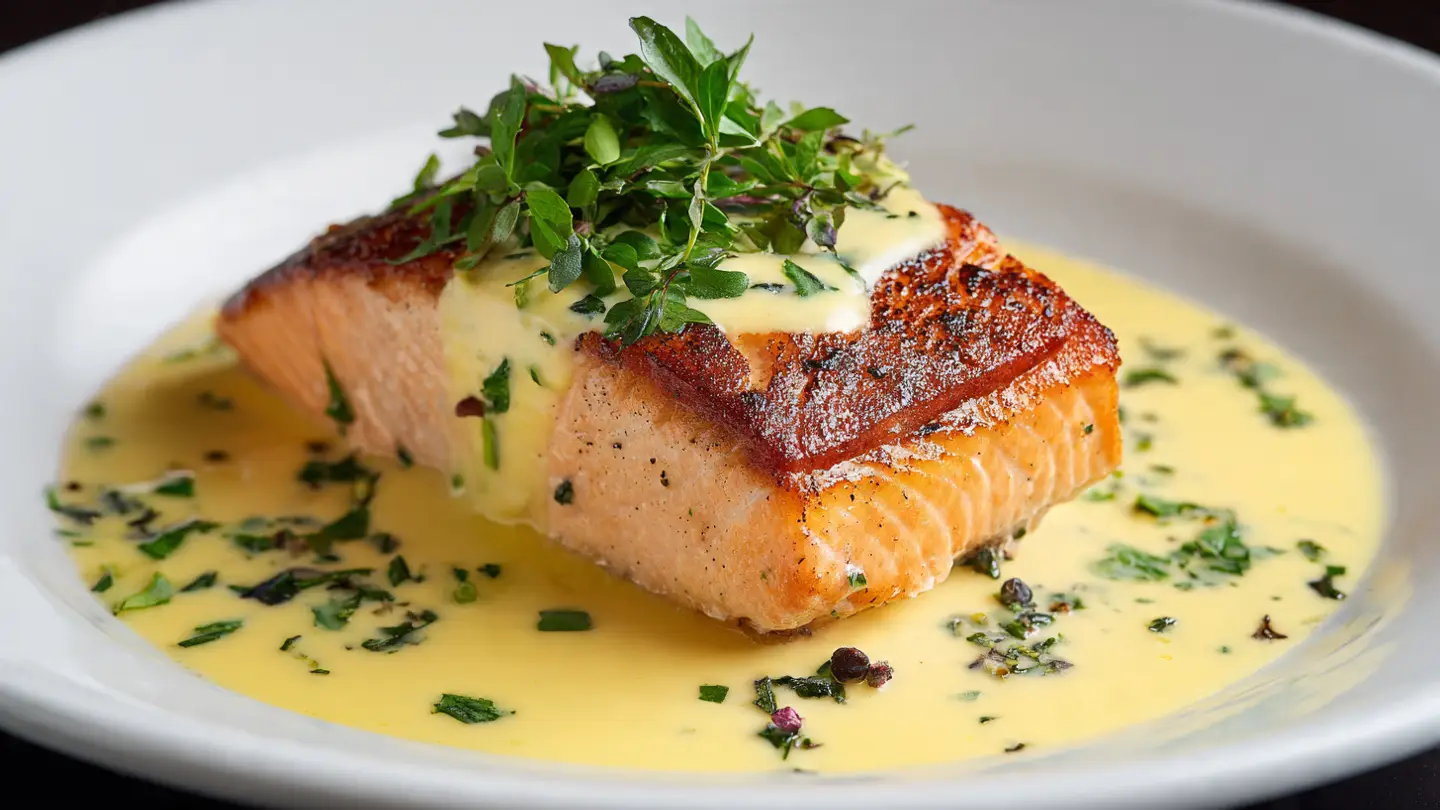
Put the fish back into the pan for thirty seconds just to get it hot again. Spoon the sauce over the top of the fish. I like to serve this with white rice or mashed potatoes. The sauce is so good that you will want something to soak it up. FYI, this sauce also tastes amazing on broccoli or asparagus. If your kids don’t like veggies, try putting some of this sauce on them!
Flavor Variations
- Add Spice: Put in a pinch of red pepper flakes for a little heat.
- More Herbs: Use fresh dill for a classic fish flavor.
- Extra Rich: Add a spoonful of parmesan cheese to the sauce at the end.
Serving and Storage Tips
Once your salmon is done, it is time to eat! I always put the fish on the plate first and then pour the sauce over. This keeps the skin on the bottom as crunchy as possible. If you bury the whole fish in sauce, the skin will get soft quickly. It still tastes good, but the crunch is the best part! Serve it while it is hot for the best experience.
If you have leftovers, you can keep them in the fridge. I put mine in a glass container with a lid. It will stay good for about two days. Fish does not stay fresh as long as chicken or beef, so try to eat it quickly. Heating up fish can be tricky because it can get dry very fast. I will tell you the best way to do it so it stays yummy the next day.
How to Reheat Fish

Don’t use the microwave if you can help it! The microwave cooks the fish too fast and makes it smell very strong. The best way to reheat salmon is in the oven at a low heat. I set my oven to 275 degrees. Put the fish on a tray and cover it with foil. This traps the moisture inside so the fish stays soft. It takes about ten to fifteen minutes.
If you are in a rush and must use the microwave, use half power. Put a damp paper towel over the plate. This helps steam the fish instead of drying it out. The sauce might separate and look a little oily when you heat it up. Just give it a quick stir with a fork and it should come back together. It won’t be as pretty as the first night, but it will still taste great.
What to Eat on the Side

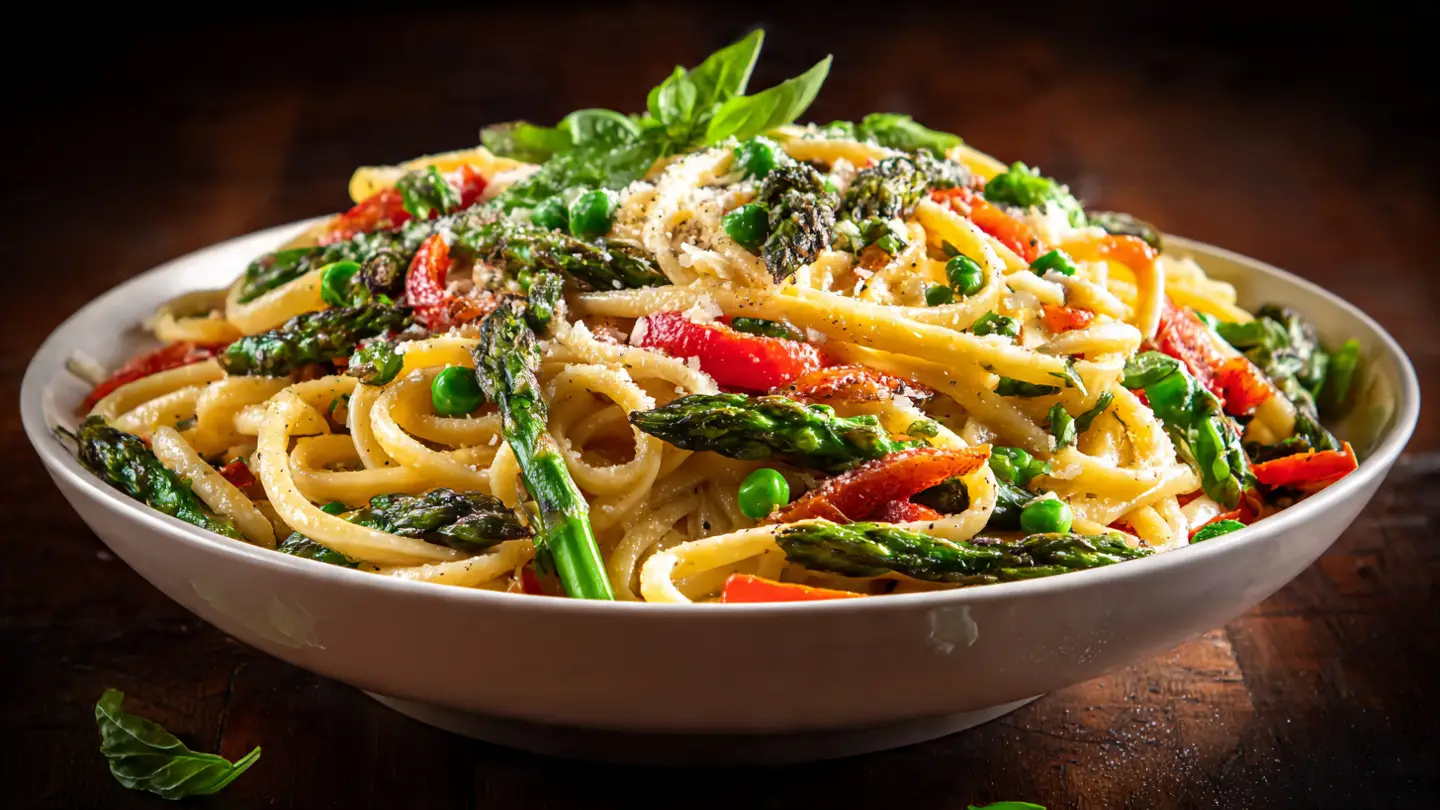
Since the sauce is creamy, you want sides that are light or can soak up the extra liquid. I love fluffy white rice because it acts like a sponge for the lemon cream. Pasta like linguine or angel hair is also a very popular choice. If you want to be healthy, roasted vegetables are perfect. Asparagus, green beans, or zucchini go very well with lemon.
Sometimes I just serve it with a big green salad. The cold, crisp lettuce is a nice contrast to the warm, rich fish. If you want a really fancy meal, try making some smashed potatoes. The buttery potatoes with the lemon sauce are a match made in heaven. My kids love it when I make extra sauce just for their potatoes! It is a great way to make sure everyone clears their plate.
Common Salmon Questions
Can I use frozen salmon?
Yes! Just make sure to thaw it completely in the fridge overnight. Pat it very dry with paper towels before cooking so it sears well.
What if I do not have heavy cream?
You can use half-and-half, but the sauce will be thinner. If you use milk, add a teaspoon of flour mixed with butter to help it thicken up.
Is salmon skin healthy to eat?
Yes, the skin has lots of good nutrients and fats. When it is cooked until crispy, it is very tasty. Just make sure the scales are removed.
How do I stop the fish from smelling?
Fresh fish should not smell “fishy.” Cooking it with lemon and garlic also helps the kitchen smell fresh and citrusy instead of like the ocean.
Can I make this with chicken?
Absolutely! This lemon cream sauce is amazing on thin chicken breasts. Just cook the chicken until it is no longer pink inside before adding sauce.
Time to Start Cooking
Cooking salmon with lemon cream sauce is a skill that will make you feel like a pro chef. It is fast, healthy, and everyone loves the bright flavor. Just remember to get the pan hot and don’t overcook the fish. You can do this!