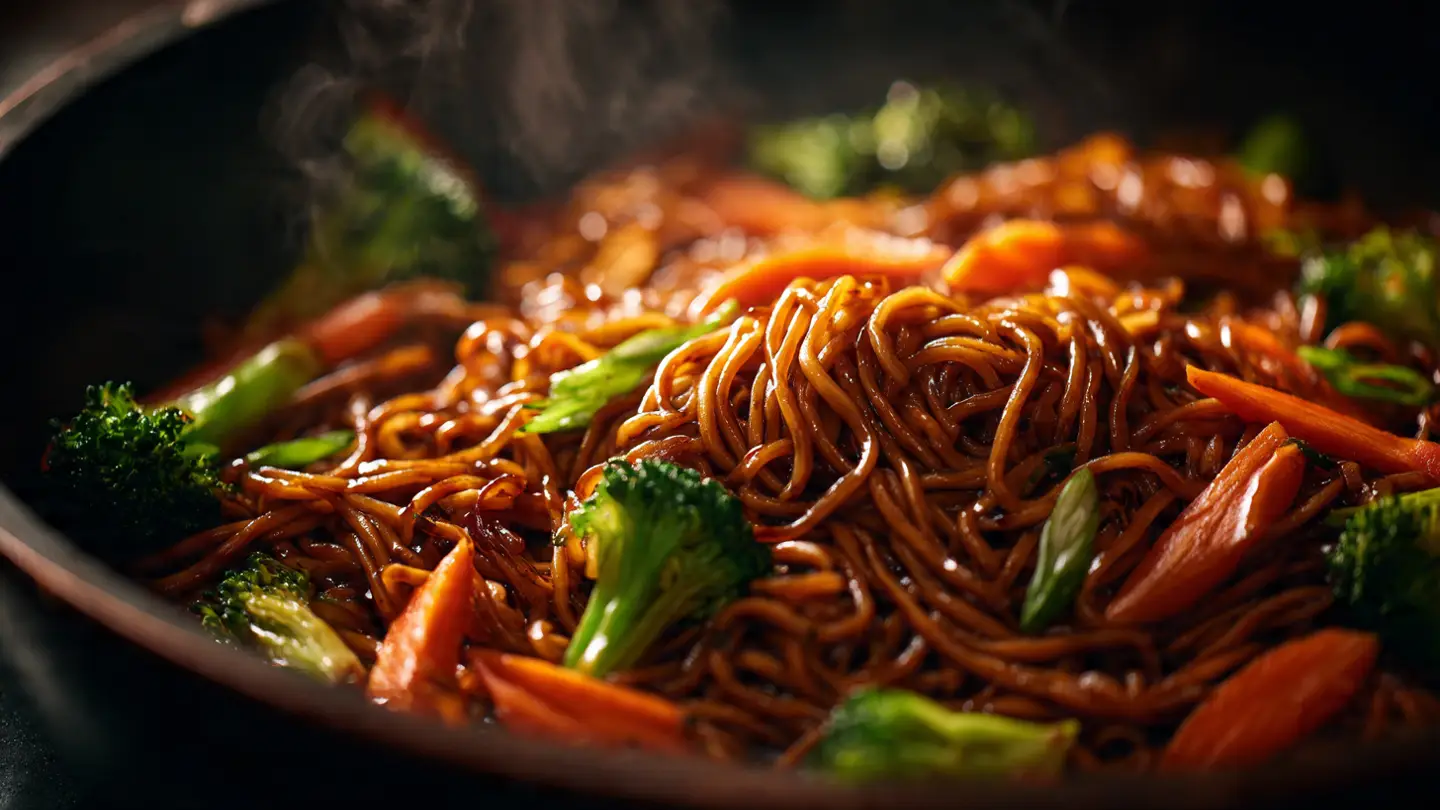
One Pot Teriyaki Noodles

Making dinner after a long day can feel like a big chore. Most of the time, I just want something that tastes good but does not make a giant mess in my kitchen. That is why I love these One Pot Teriyaki Noodles so much. You only need one pan to cook everything, and the flavor is just as good as a restaurant. I will show you how to get the noodles perfectly soft and the sauce nice and sticky without using a bunch of pots and pans.
In this article, you will learn the best way to pick your noodles and how to make a sauce that is not too salty. I will also share my favorite veggies to add for some crunch. By the end of this guide, you will be able to whip up this meal in less than twenty minutes. It is a great way to save time and still eat a warm, home-cooked meal that your whole family will enjoy.
Grab your favorite pan and let us get started with these easy steps!
The Basics of a Good One Pot Meal
A one pot meal is exactly what it sounds like. You put all the ingredients into one single pot or large pan. This is great because you do not have to wash five different things when you are done eating. I used to think I had to boil the noodles in one pot and cook the sauce in another. One night, I was very tired and decided to try cooking them together. It worked much better than I expected! The noodles actually soak up the sauce while they cook, which makes them taste even better.
You have to be careful with how much water or broth you use. If you use too much, your noodles will be like soup. If you use too little, the noodles will stay hard and crunchy. It took me a few tries to find the perfect amount. I found that starting with a little bit of liquid and adding more if needed is the best trick. This way, you stay in control of the texture. Most people can master this on their first try if they follow a few simple rules about heat and timing.
Picking the Right Noodle for the Job

Not every noodle works well in a one pot recipe. Some noodles are very thin and turn into mush if they sit in liquid for too long. Others are very thick and take forever to get soft. For this dish, I really like using thick wheat noodles or even simple spaghetti if that is all you have in the pantry. Udon noodles are also a great choice because they stay chewy and hold onto the sauce very well. My kids love the thick ones because they are fun to eat and easy to grab with a fork.
If you choose very thin noodles, like angel hair, you have to be very fast. They cook in just a few minutes. If you leave them for even one extra minute, they might fall apart. I suggest starting with a medium thickness. This gives you a little bit of room for error. When I first started making this, I used thin ramen noodles and they turned into a big clump. It still tasted okay, but the texture was a bit weird. Stick to noodles that feel sturdy when they are dry.
Fresh Veggies for Extra Crunch

Vegetables are important because they add color and health to your plate. I like to use broccoli, carrots, and snap peas. You want to cut them into small, even pieces so they cook at the same speed. If you have giant chunks of broccoli and tiny slivers of carrots, one will be hard while the other is soft. I try to make my veggie pieces about the size of a postage stamp. This makes them easy to bite and they look pretty mixed in with the long noodles.
You can use frozen veggies too if you are in a big hurry. Just keep in mind that frozen veggies release a bit of extra water as they melt. You might need to cook the sauce a little longer to let that water steam away. Fresh veggies usually have a better crunch, but frozen ones are a life-saver on busy nights. I always keep a bag of peas in my freezer just in case I run out of fresh stuff. It is a simple way to make sure I get my vitamins without a trip to the store.
The Secret to a Perfect Sauce

The sauce is the heart of this dish. A basic teriyaki sauce is made of soy sauce, sugar, and ginger. I like to add a little bit of garlic too. You want a balance of salty and sweet. If it is too salty, it will be hard to eat the whole bowl. If it is too sweet, it feels more like dessert than dinner. I usually use a low-sodium soy sauce so I can control the salt better. You can always add a pinch of salt later, but you cannot take it out once it is in there.
To make the sauce thick and sticky, some people use cornstarch. In a one pot meal, the starch from the noodles actually helps thicken the sauce naturally. This is a cool trick that saves you an extra step. As the noodles cook, they release a little bit of powder into the liquid. This mixes with the sugar in the sauce to create that shiny coating we all love. It makes the dish look like it came from a fancy restaurant even though it was made in your own kitchen.
Simple Sauce Pro Tips
- Sweetener: Use honey or brown sugar for a deeper flavor than white sugar.
- Ginger: Fresh ginger tastes much better than the dry powder from a jar.
- Heat: Add a tiny pinch of red pepper flakes if you like a little kick.
How to Cook Everything Together
The process of cooking everything in one pot is all about the order. You cannot just throw everything in at once and hope for the best. You need to start with the things that need the most heat. For me, that usually means the aromatics like garlic and ginger. Cooking them for just a minute in a little oil makes the whole house smell amazing. It builds a base of flavor that sticks to everything else you add later. This is the part where you really start to feel like a pro chef.
After the garlic and ginger are ready, you add your liquids and then your dry noodles. It might look strange to see dry noodles sitting in a shallow pool of sauce, but trust the process. You will want to keep the lid on for most of the time. The steam helps cook the tops of the noodles that are not touching the liquid. Every few minutes, give it a good stir to make sure nothing is sticking to the bottom of the pan. This is the most active part of the cooking, but it only lasts about ten minutes.
Timing the Vegetables Correctly

One mistake I made early on was putting the veggies in at the very start. By the time the noodles were done, the broccoli was mushy and gray. It did not look good and it did not taste good either. Now, I wait until the noodles are halfway finished before I toss the vegetables in. This keeps them bright green and snappy. If you like your veggies very soft, you can put them in earlier. IMO, the crunch makes the dish feel much more fresh and exciting to eat.
If you are using hard veggies like carrots, you can put them in a bit sooner than soft ones like spinach or peas. Spinach only needs about thirty seconds to wilt down into the sauce. Think about how long each thing takes to cook. It is like a puzzle where you add pieces at the right time. Most green veggies only need about three to five minutes of steaming to be perfect. This keeps the vitamins inside the food instead of boiling them away into the water.
Managing the Liquid Levels

Keeping an eye on the liquid is the most important part of this recipe. If the liquid disappears too fast, your noodles will burn and stick to the pan. If there is too much liquid, the sauce will be watery and thin. I keep a cup of water or vegetable broth sitting on the counter next to the stove. If the pan starts to look dry before the noodles are soft, I pour in a tiny bit more. It is much easier to add more liquid than it is to get rid of it.
As the noodles get soft, the sauce will start to look glossy. This is a sign that the starch is working its magic. You want the sauce to coat the back of a spoon. If you can drag your spoon across the bottom of the pan and see a clear path for a second, you are in a good spot. This means the sauce is thick enough to stick to the noodles instead of just sitting at the bottom of the bowl. It is a very satisfying thing to see happen right before your eyes.
Adding Protein Options

You can eat these noodles just with veggies, but sometimes I want a bigger meal. Adding protein like chicken, shrimp, or tofu is very easy. If I use chicken, I like to cook it in the pan first, take it out, and then put it back in at the very end. This keeps the chicken from getting tough while the noodles cook. Shrimp is even easier because it cooks so fast. You can just toss raw shrimp in during the last three minutes, and they will turn pink and perfect right in the sauce.
Tofu is a great choice for a meat-free meal. I like to press the water out of the tofu first so it can soak up the teriyaki flavor. If you just drop wet tofu into the sauce, it might stay a bit bland. Crispy tofu is the best, but that requires a separate pan, which breaks our one pot rule! For a true one pot version, just cube the tofu and let it warm up in the sauce. It stays soft and absorbs all those yummy ginger and garlic notes perfectly. FYI, this is a great way to use up leftovers in the fridge too.
Final Touches for Better Flavor

Once the heat is off, the work is not quite done. The final touches are what make people say “wow” when they taste it. I always add a squeeze of fresh lime or a tiny splash of rice vinegar at the end. The acid cuts through the sweet sugar and makes all the flavors pop. It is like turning up the volume on a song. Without that little bit of sour, the dish can taste a bit flat or heavy. It is a small step that makes a giant difference in how the meal feels.
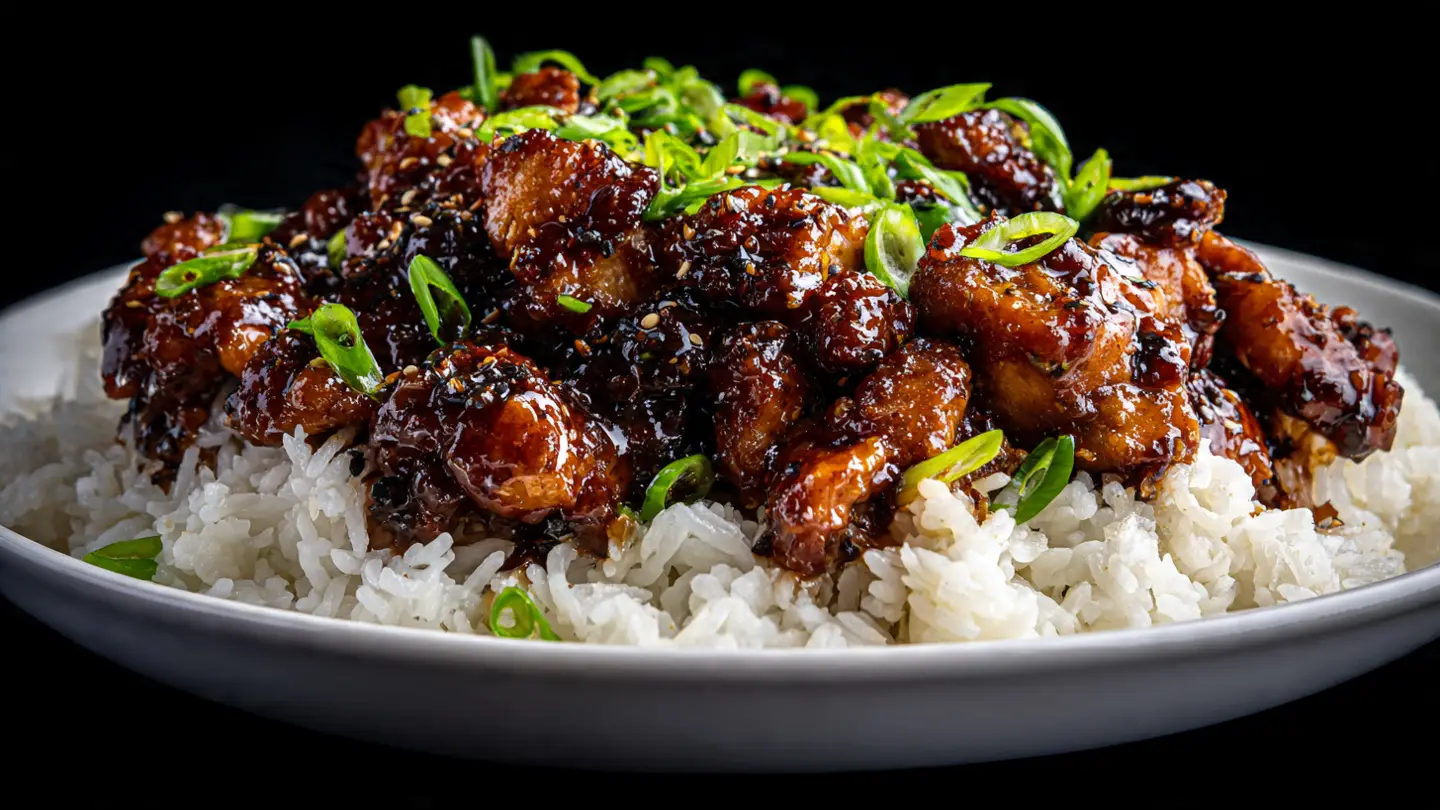
Topping the dish is also fun. I use sliced green onions for a fresh bite and sesame seeds for a little crunch. If you have toasted sesame oil, a tiny drizzle right before serving adds a wonderful nutty smell. Do not cook the sesame oil for a long time, as it can lose its flavor in high heat. Just a tiny bit at the end is enough. These little details take about ten seconds but they make the food look like it belongs on a food blog or in a magazine.
Common Mistakes to Avoid
- Too Much Stirring: If you stir too much, some noodles might break apart.
- High Heat: Cooking on high heat will burn the sugar in the sauce before the noodles are soft.
- Cold Water: Using cold water can slow down the cooking. Room temp or warm water is better.
Serving and Storing Your Noodles
Serving these noodles is easy because they are already mixed with everything you need. You do not need side dishes or extra salads. Just scoop them into big bowls and you are ready to eat. I find that these noodles are best eaten right away while the sauce is still hot and fluid. If they sit for too long, the noodles will keep soaking up the sauce and they might get a little dry. If that happens, just add a tiny splash of water and stir them up again.
This meal also makes great leftovers for lunch the next day. I often make a double batch just so I have something easy to eat at work. It is much better than buying a sandwich or eating fast food. The flavors actually have more time to blend together overnight. You just have to be careful when you reheat them. Using a microwave can sometimes make the noodles a bit tough if you are not careful. A quick spin in a pan is usually the best way to bring them back to life.
How to Reheat Properly

When you put your noodles in the fridge, the sauce will thicken up a lot. It might even look like a solid block. Do not worry! This is just the cold starch and sugar. To reheat them, add a tablespoon of water to the bowl before you put it in the microwave. Cover the bowl with a lid or a damp paper towel. The steam will help loosen the sauce and make the noodles soft again. If you do not add water, they might stay sticky and clumpy.
If you have more time, reheating them in a skillet is even better. Put the noodles in the pan over medium heat and add a splash of broth. Stir them gently until the sauce starts to bubble again. This keeps the veggies from getting too soggy. I actually think the carrots taste better the second day because they have soaked up so much teriyaki goodness. It is a simple trick that makes your leftovers feel like a fresh meal instead of a boring repeat.
Customizing for Picky Eaters

If you have kids or picky eaters at home, this recipe is very flexible. You can leave the veggies out of the pot and cook them on the side if someone really hates broccoli. Or, you can grate the carrots so they are so small that they almost disappear into the sauce. I have a friend who hates ginger, so she just uses a tiny bit of garlic instead. The base of the recipe is very strong, so you can change the small things without ruining the whole dish.
You can also change the spice level. I love spicy food, so I put sriracha on mine. My sister prefers hers very sweet, so she adds an extra spoonful of honey. You can set out different toppings on the table so everyone can make their bowl exactly how they like it. It turns dinner into a little bit of a DIY project. This is a great way to make sure everyone leaves the table full and happy without you having to cook three different meals.
Fun Questions About Teriyaki Noodles
Can I use gluten-free noodles for this?
Yes! Rice noodles work great. Just check the package for cooking times because they often cook faster than wheat noodles. Use tamari instead of soy sauce to keep it gluten-free.
What if my sauce is too thin?
Take the lid off and let it simmer for a few more minutes. The water will evaporate and the sauce will get thicker. You can also add a tiny bit of cornstarch mixed with water if you are in a rush.
Can I make this in a slow cooker?
I would not recommend it. Noodles can get very mushy in a slow cooker. This dish is so fast on the stove that it is better to just spend the 15 minutes at the pan.
How long does this stay fresh in the fridge?
It stays good for about 3 to 4 days in a sealed container. Just remember to add a little water when you reheat it so it doesn’t stay too dry.
Is this dish very spicy?
No, it is mostly sweet and salty. If you want it spicy, you have to add red pepper flakes or hot sauce yourself. It is very kid-friendly as it is.
Try It Tonight!
One Pot Teriyaki Noodles are a lifesaver for anyone with a busy life. You get a big bowl of comfort food with almost no cleanup. It is fast, cheap, and much better than getting takeout. Once you try the one pot method, you might never go back to boiling noodles the old way. Just remember to watch your water levels and add your veggies at the end for the best results. I hope you enjoy this easy meal as much as I do!