Fresh Pasta Primavera

Making fresh pasta primavera is a great way to eat your vegetables and enjoy a warm meal. Many people think fancy pasta dishes are hard to make, but that is not true. This dish is all about using what is in your garden or at the store right now. It is colorful, healthy, and tastes like a sunny day on a plate. I love making this when I want something light but filling.
In this article, you will learn how to pick the best vegetables for your pasta. I will show you how to cook them so they stay crunchy and bright. You will also see how to make a simple sauce that ties everything together. By the end, you will feel like a pro in your own kitchen. Let’s get cooking!
Check out my steps below to make the best pasta ever.
Getting the Right Ingredients Ready
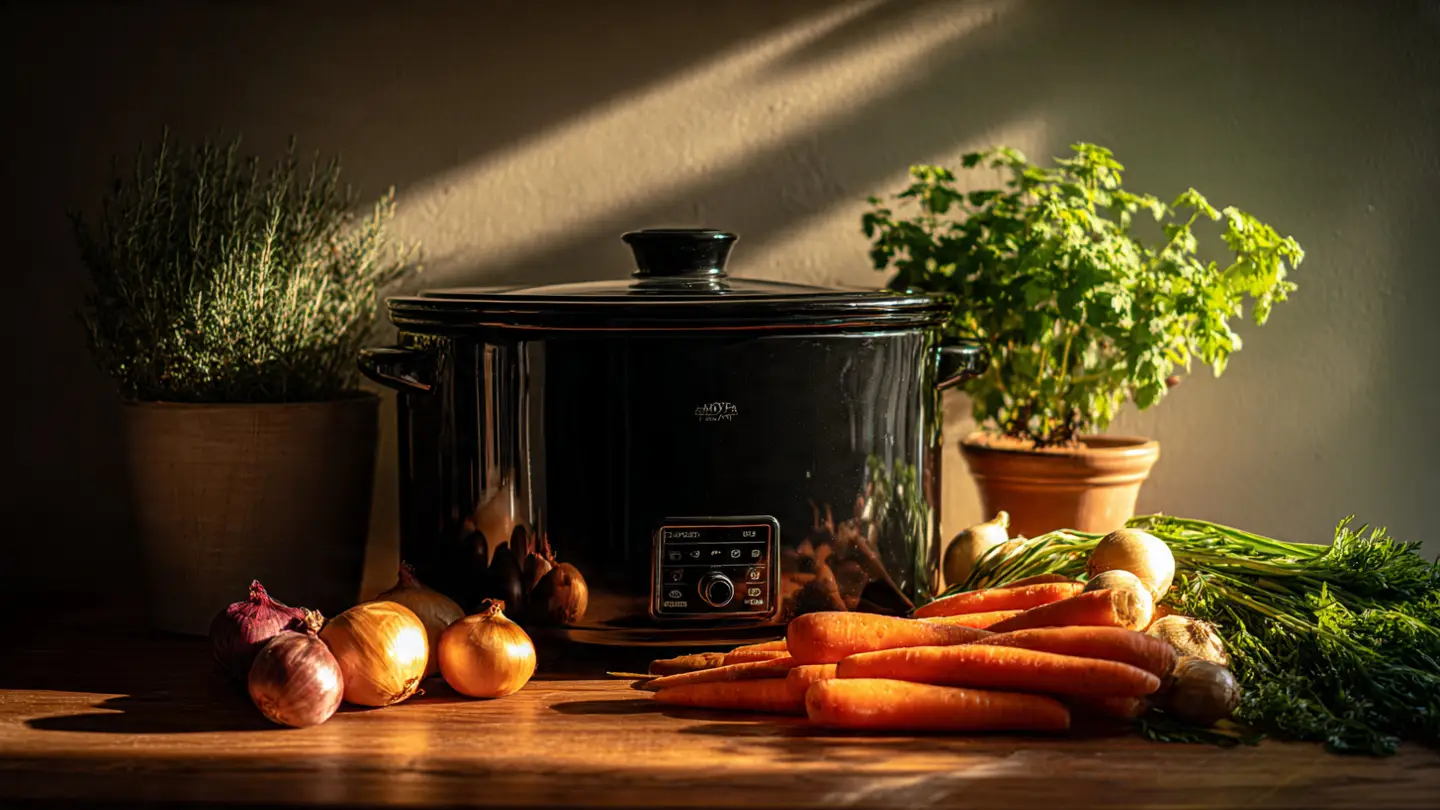
Before you turn on the stove, you need to have your food ready. This is the secret to not getting stressed while you cook. Pasta primavera means ‘spring pasta’ in Italian. That means we want to use things that grow in the spring or summer. You can use almost any vegetable you like, which makes this recipe very flexible. I always feel better when I have all my bowls of chopped food lined up.
You should try to use fresh items whenever you can. Fresh food has more flavor and a better snap. If you cannot find fresh peas or beans, frozen ones work too. Just make sure you do not overcook them. Cooking is more fun when you have a rainbow of colors on your cutting board. It makes the final dish look like a piece of art.
Choosing Your Favorite Pasta Shape

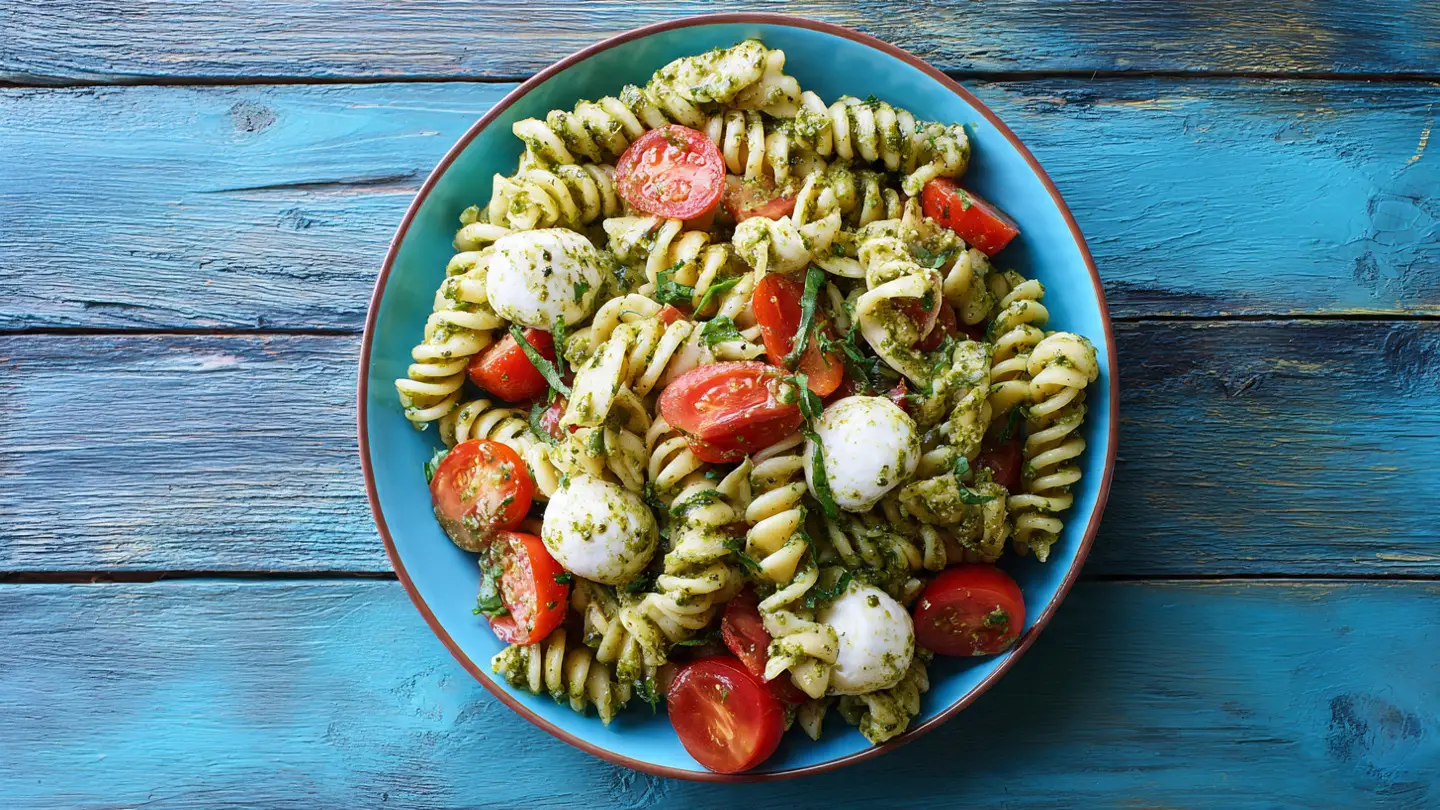
The shape of your pasta matters a lot. You want a shape that can hold onto the small bits of vegetables and sauce. Penne is a very popular choice because it has a hole in the middle. Fusilli is great too because the twists catch the cheese and oil. I usually pick farfalle, which looks like little bow ties. It makes the meal look extra special for kids and adults.
Avoid using very long, thin noodles like spaghetti for this dish. Thin noodles get tangled up with the chunky vegetables. It makes it hard to get a bit of everything on your fork. Short shapes are much easier to eat and mix. If you have a box of pasta in your pantry, feel free to use it. You do not need to buy anything fancy to make this taste good.
Picking the Best Spring Vegetables

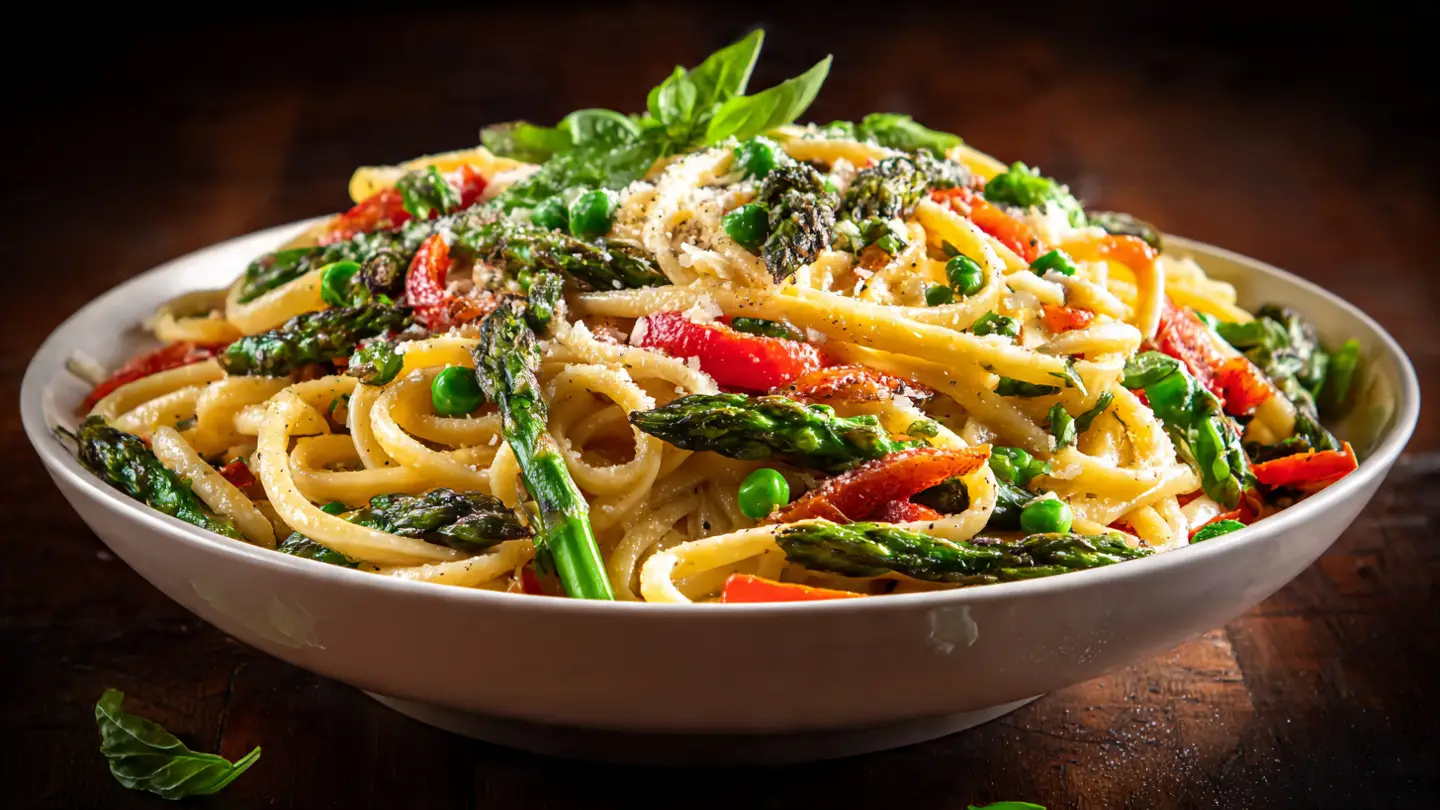
The vegetables are the stars of this show. I like to use a mix of colors to make it look pretty. Asparagus and snap peas give a nice crunch. Carrots add a little bit of sweetness and a bright orange color. Zucchini and yellow squash are soft and soak up the flavor of the garlic. I once tried to use raw broccoli stalks, but they were too hard. Now I know to peel them first or cut them very small.
Try to cut all your vegetables into similar sizes. This helps them cook at the same speed. If you have big chunks of carrot and tiny peas, the peas will turn to mush before the carrots are soft. I spend a few extra minutes making sure my slices look even. It really helps the texture of the meal. You can even add cherry tomatoes at the very end for a pop of juice.
Why Fresh Herbs Make a Difference

Fresh herbs are like a magic wand for cooking. They add a smell and taste that dried herbs just cannot match. Basil is my favorite because it smells like summer. Parsley adds a clean, grassy taste that brightens up the heavy pasta. I always wait until the very end to add my herbs. This keeps them from turning brown or losing their punch.
If you do not have a garden, you can buy small plants at the grocery store. They last longer than the little plastic bags of cut herbs. Just a handful of chopped green leaves will make your pasta look like it came from a restaurant. IMO, basil is the one thing you should not skip. It changes the whole mood of the dish from plain to amazing.
Vegetable Prep Tips
- Keep it Small: Cut veggies into bite-sized pieces so they fit on a fork.
- Dry Them Well: After washing, pat your veggies dry so they sauté instead of steam.
- Peel the Carrots: Peeling takes away the bitter skin and shows the bright orange inside.
How to Cook Everything Perfectly
Now that everything is chopped, it is time to use the stove. Cooking pasta primavera is fast, so stay close to your pans. You will need a big pot for the water and a large skillet for the vegetables. The goal is to have the pasta and the vegetables finish at the same time. This keeps everything hot and fresh when you mix them together.
I like to start my pasta water first because it takes the longest to boil. While the water heats up, I start the vegetables. You want to hear a nice sizzle when the food hits the pan. If the pan is too cold, the vegetables will just get soggy. A hot pan gives them a little bit of brown color which adds a lot of flavor. Just be careful not to burn the garlic!
Boiling the Pasta the Right Way

The most important rule for pasta is to salt the water. I use a big pinch of salt so the water tastes like the sea. This seasons the pasta from the inside out. If you skip this, your whole dish might taste a little flat. Salt is your best friend in the kitchen. Do not be afraid to use it here because most of it stays in the water anyway.
Cook the pasta until it is ‘al dente’. This is a fancy way of saying it still has a little bit of a bite. You do not want mushy noodles. I always check my pasta two minutes before the box says it is done. It will finish cooking a little more when you toss it with the hot vegetables. Save a small cup of the pasta water before you drain it. That starchy water helps make a smooth sauce later.
Sautéing Your Veggies for Crunch

Start with the hardest vegetables first. Carrots and onions usually go in the pan first because they take longer to soften. Put them in with some olive oil or butter. After a few minutes, add the softer things like bell peppers and zucchini. I love watching the colors get even brighter as they hit the heat. It is like a party in the pan.
Keep the vegetables moving so they do not stick. You only want to cook them for about five to seven minutes. They should be tender but still have a snap when you bite them. If you overcook them, they lose their pretty colors and turn gray. This may not work if you try to cook too many vegetables at once in a tiny pan. Use your biggest skillet so every piece touches the bottom.
Creating a Light and Creamy Sauce

This dish does not need a heavy red sauce or a thick gravy. We want a sauce that lets the vegetables shine. I use a mix of olive oil, lemon juice, and a splash of that saved pasta water. The lemon juice adds a zing that cuts through the oil. It makes the whole meal feel very light and healthy. I once forgot the lemon and the dish felt a bit greasy, so don’t forget it!
Turn off the heat before you add the cheese. If the pan is too hot, the cheese might clump up instead of melting smoothly. Use a good parmesan cheese if you can find it. Sprinkle it in and toss the pasta gently. The cheese and the pasta water will join together to make a thin, silky coating. It is not a thick sauce, but it covers every noodle with flavor.
Don’t you love it when a few simple things turn into a great meal?
Putting It All Together

Now it is time for the final mix. Dump the cooked pasta into the skillet with the vegetables. Add your fresh herbs and a little more cheese. Toss it all together with tongs or big spoons. If it looks too dry, add a little more of that pasta water. The water acts like glue to help the sauce stick to the noodles. This is a practical tip most blogs skip, but it makes a huge difference.
Taste a little bit of the pasta before you serve it. Does it need more salt? Maybe another squeeze of lemon? This is the best part of being the cook. You get to make it perfect for your taste. Serve it in big bowls while it is still steaming hot. I like to put an extra lemon wedge on the side for people who like things extra sour. It looks very professional too.
Common Cooking Mistakes
- Draining all the water: Always save a cup of pasta water before dumping it out!
- Cold Pan: Make sure your oil is hot before adding vegetables.
- Crowding the Pan: Give your veggies space so they brown instead of getting soggy.
Ways to Make This Your Own
One of the best things about pasta primavera is that you can change it. You do not have to follow a strict map. If you do not like a certain vegetable, just leave it out! You can also add things to make it a bigger meal. I usually make it just with veggies, but sometimes I want something more. Cooking is a way to be creative without needing to be an artist.
You can also think about the seasons. In the fall, you could use roasted squash and kale instead of peas and asparagus. The steps are the same, but the flavors change with the weather. Experimenting is how you learn to be a better cook. Don’t be afraid to try something new. Even if it is not perfect, it will still be a meal you made yourself.
Adding Protein for a Bigger Meal
If you are very hungry, you might want to add some meat or beans. Grilled chicken is a classic choice that fits perfectly. You can also sauté some shrimp in the same pan before you do the vegetables. For a vegetarian option, white beans or chickpeas add a nice texture and lots of protein. I sometimes add beans when I am too tired to cook chicken.
Make sure to cook your protein separately or at the very start. You don’t want to overcook your veggies while waiting for chicken to get safe to eat. FYI, leftovers with chicken are great for lunch the next day. The flavors soak into the meat and it tastes even better. Just add a tiny drop of water before you reheat it in the microwave to keep it moist.
Making It Vegan or Dairy-Free

You can easily make this dish for friends who do not eat dairy. Instead of butter, use a good quality olive oil. For the cheese, you can use a vegan version or nutritional yeast. Nutritional yeast has a nutty, cheesy flavor that works really well. It is a healthy choice that still gives you that savory kick. I have served this to people who didn’t even know it was vegan!
Another trick is to use toasted breadcrumbs on top. They give a nice crunch that makes up for the missing cheese. Just toast them in a pan with a little oil and garlic until they are golden brown. It is a cheap and easy way to add a new texture. This is a great alternative if you realize you ran out of cheese at the last minute. It happens to me more than I like to admit!
Frequently Asked Questions
Can I use frozen vegetables?
Yes, you can! Thaw them first and pat them dry. They might be softer than fresh ones, so cook them for less time to avoid mushiness.
What is the best pasta for this?
Short shapes like penne, fusilli, or bow ties are best. They catch the sauce and vegetables much better than long noodles like spaghetti.
How do I keep the vegetables bright?
Do not overcook them! Sauté them over medium-high heat for just a few minutes until they are tender-crisp. Adding them to the pasta at the end helps too.
Can I make this ahead of time?
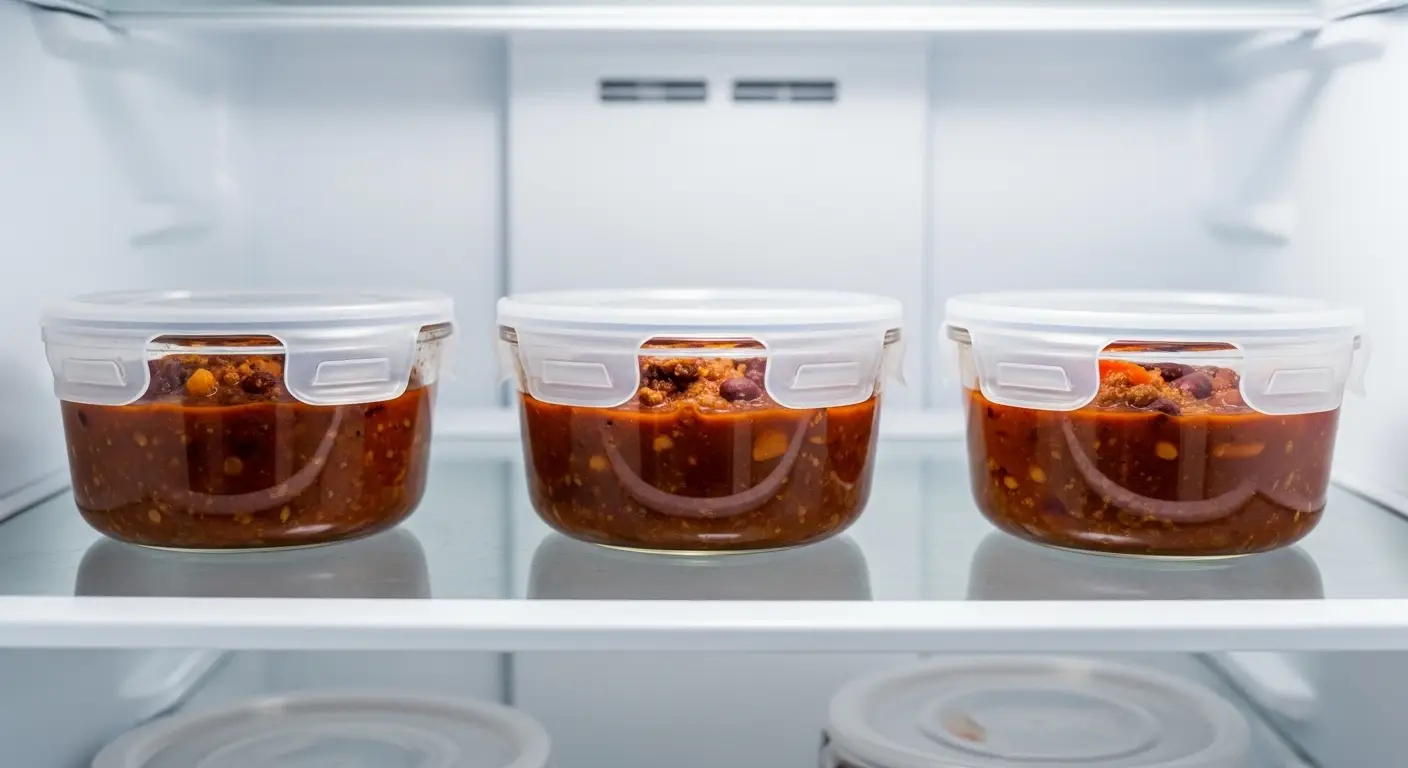
It is best fresh, but it stays good in the fridge for 2-3 days. Reheat it with a splash of water or olive oil to keep it from being dry.
Is pasta primavera healthy?
Yes! It is packed with vegetables and uses a light oil-based sauce. It is a great way to get lots of vitamins in one delicious bowl.
Enjoy Your Fresh Creation
You now know how to make a perfect plate of fresh pasta primavera. It is a simple, healthy, and colorful meal that anyone can master. Remember to keep your vegetables crunchy, salt your water, and use fresh herbs for the best taste. Cooking is all about having fun and feeding your family something good. I hope this recipe becomes a favorite in your house just like it is in mine!