Best Easy Chicken Curry

I love making food that tastes like it took all day to cook but only takes thirty minutes. Chicken curry is my favorite meal for busy nights because it is warm, filling, and very cheap to make. You do not need to be a professional chef to get this right. I remember the first time I tried to make curry, I used way too much water and it looked like soup. It still tasted okay, but it was not the thick, rich sauce I wanted. Now, I have figured out the best way to keep it simple while making sure every bite is full of flavor.
In this article, you will learn how to pick the right chicken and which spices make the best sauce. I will show you how to cook everything in one pan so you have fewer dishes to wash. You will also see how to fix common mistakes like making the sauce too spicy or too thin. By the end, you will feel ready to cook a meal that your whole family will love. This is a great skill to have because once you know the basics, you can change the recipe to fit whatever you have in your fridge.
Check out my steps below to start cooking your best meal yet!
Getting Your Kitchen Ready for Curry
Before you turn on the stove, you need to get your tools and food ready. Most people make the mistake of cutting chicken while the pan is already getting hot. This makes you feel rushed and stressed. I like to put all my chopped onions, garlic, and chicken in little bowls first. This is called prep work. It makes the actual cooking part feel very easy and calm. You just pour things into the pan when it is time. It feels like you are hosting a cooking show in your own kitchen.
You should use a large pan with high sides or a big pot. This helps keep the sauce from splashing onto your shirt. I once wore a white t-shirt while making curry and learned my lesson the hard way. Yellow curry stains do not come out easily! Use a wooden spoon for stirring because it does not get hot like a metal spoon does. Having a lid for your pan is also a good idea. It helps the chicken stay juicy by keeping the steam inside the pot while it simmers on the stove.
Picking the Best Chicken Pieces
You have two main choices when you buy chicken for curry. You can use chicken breasts or chicken thighs. Breast meat is leaner and has less fat, which some people prefer. However, it can get dry if you cook it for too long. I usually use chicken thighs because they stay very soft and juicy even if you simmer them for a while. They also have more flavor than the white meat. If you are new to cooking, thighs are much safer because they are hard to overcook.
Make sure to cut the chicken into small, even pieces. I try to make mine about the size of a grape. If some pieces are huge and others are tiny, they will not cook at the same time. You do not want to bite into a piece that is still raw in the middle! Take your time with the knife and keep the sizes the same. This ensures every bite is perfect and safe to eat. If you are on a budget, buying a whole chicken and cutting it up yourself is cheaper, but it takes a lot more work.
Finding the Right Spices

Spices are what make curry taste like curry. You do not need twenty different jars to make this work. A good store-bought curry powder is a great place to start. It usually has turmeric, coriander, and cumin already mixed inside. I also like to add a little bit of extra garlic and ginger. You can buy these fresh and chop them up, or you can use the paste that comes in a jar. Using the jar is a great time-saver when you are tired after work or school.
Be careful with the heat level of your spices. Some curry powders are labeled as mild, while others are very hot. If you do not like spicy food, start with a small amount. You can always add more later, but you cannot take it out once it is in the pot! IMO, it is better to start slow. One time I added a whole tablespoon of cayenne pepper by accident and I could not even finish my dinner. My mouth felt like it was on fire! Stick to the mild stuff until you know what you like.
Using the Best Liquids for Sauce

The liquid you use will change how the curry feels in your mouth. Many people use coconut milk because it is very creamy and sweet. It balances out the spicy peppers perfectly. If you want a lighter sauce, you can use chicken broth or even canned tomatoes. Tomatoes make the sauce a bit more tangy and red. I often mix a little bit of broth with a little bit of cream to get a texture that is right in the middle.
If your sauce looks too thin, do not panic. You can let it boil for a few extra minutes without a lid. The water will turn into steam and leave the thick sauce behind. This is called reducing. It makes the flavor much stronger too. Just keep an eye on it so it does not burn to the bottom of the pan. A thick sauce sticks to the chicken and rice much better than a watery one. It makes the meal feel much more satisfying and fancy.
The Simple Cooking Process
Now that you have your ingredients, it is time to start the fire. Cooking curry is all about building layers of flavor. You do not just throw everything in at once. You start with the things that take the longest or need to brown. This creates a base for the rest of the meal. I always start with onions. They need to get soft and sweet before you add the meat. If you skip this, your curry might have crunchy bits of onion that taste too sharp.
Important Cooking Reminders
- Sizzle Test: Make sure the oil is hot before adding onions so they do not soak up grease.
- No Crowding: If you put too much chicken in the pan at once, it will steam instead of browning.
- Salt Early: Adding a pinch of salt to the onions helps them release water and cook faster.
Once the onions are ready, the house will start to smell amazing. This is my favorite part of the day. The smell of frying onions and garlic is very comforting. It lets everyone know that dinner is going to be good. Remember to keep your heat at a medium level. If the stove is too hot, the spices will burn and taste bitter. If it is too low, the chicken will just get gray and mushy. Finding that middle spot is the key to a great meal.
Browning the Meat and Onions

Start by heating some oil in your pan. Add your onions and cook them until they look see-through. Then, push them to the side and add your chicken. You want the chicken to get a little bit of brown color on the outside. This browning adds a lot of flavor that you cannot get from just boiling the meat in sauce. It only takes about five minutes. Do not worry if the chicken is not cooked all the way through yet. It will finish cooking in the liquid later.
I learned a big lesson about browning meat a few years ago. I used to try to stir it every second. If you move the chicken too much, it won’t get that nice crust. Let it sit for a minute or two without touching it. This lets the heat do its job. Once the chicken has some color, you can stir in your garlic and ginger. These burn very fast, so only cook them for about one minute before you move on to the next step. If they turn black, your curry will taste like burnt toast!
Adding Spices and Liquid

Now is the time to add your curry powder and any other dry spices. Stir them into the oil with the chicken and onions. This is a secret tip that most blogs skip. Frying the spices in oil for thirty seconds wakes up the flavors. It makes the curry much more fragrant. Your kitchen will smell like a real restaurant! Be quick so they do not burn. As soon as you smell the spices getting strong, pour in your coconut milk or broth.
Scrape the bottom of the pan with your spoon as you pour in the liquid. There are usually little brown bits stuck to the bottom. These bits are full of flavor! Mixing them into the sauce is what makes a homemade curry taste so much better than a jar of sauce from the store. Once the liquid is in, turn the heat down to low. You want to see just a few bubbles popping on the surface. This is called a simmer. If it is boiling hard, the chicken will get tough and chewy.
Adding Vegetables for Health

Curry is a great way to eat more vegetables. I like to add things like peas, carrots, or bell peppers. Spinach is also a great choice because it wilts down into the sauce and you can barely taste it. This is a good trick if you have kids who do not like eating greens. If you are using hard vegetables like carrots or potatoes, add them at the same time as the liquid so they have time to get soft. If you are using soft things like peas or spinach, wait until the very end.
One limitation of this recipe is that if you add too many vegetables, the sauce might get thin. Vegetables have a lot of water inside them. If this happens, just simmer it a little longer. You can also add a spoonful of peanut butter or plain yogurt at the end to make it thick again. I think potatoes are the best vegetable for curry because they soak up all the spicy juice. It is like a little flavor bomb in every bite! Just make sure to cut the potatoes small so they cook fast.
Serving Your Masterpiece

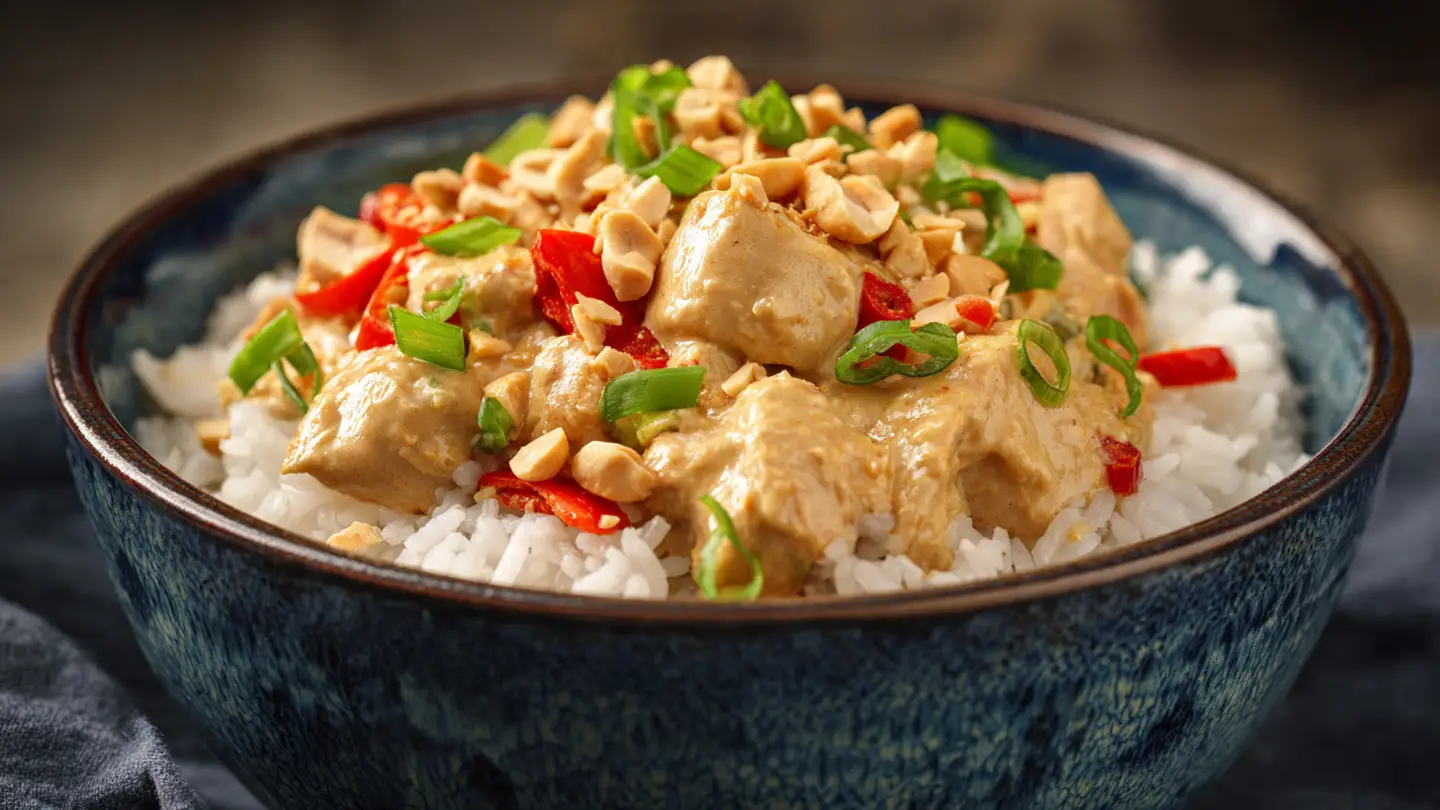
You have finished the hard part! Now you just need to serve it. Most people eat curry with white rice. Basmati rice is the best because it is long and stays fluffy. It also has a nice smell that matches the curry. If you do not have rice, you can use bread. Naan bread is traditional, but even a piece of toasted white bread works well for dipping into the sauce. I love to put a big scoop of rice in a bowl and pour the curry right on top.
If you want to be fancy, you can add some toppings. A squeeze of fresh lime juice makes the flavors pop. Some chopped cilantro or green onions look very pretty on top of the yellow sauce. I usually add a dollop of cold yogurt on the side of my plate. If the curry is a little bit too spicy, the yogurt cools it down instantly. It is the perfect balance. FYI, curry tastes even better the next day after the flavors have had time to sit together in the fridge!
Common Questions About Chicken Curry
My Best Advice for Curry Success
Making your own chicken curry is a great way to save money and eat better food. You get to control exactly what goes into the pot. You can make it as spicy or as mild as you want. Don’t worry if your first try isn’t perfect. Even a messy curry usually tastes pretty good! The more you practice, the better you will get at balancing the spices. Just remember to prep your ingredients first and keep the heat low while it simmers. You will be a curry expert in no time at all. Happy cooking!
Can I use frozen chicken for this?
Yes, but you must thaw it completely first. If you put frozen meat in the pan, it will release too much water and your sauce will be runny. Thaw it in the fridge overnight for the best results.
How long does curry stay fresh?
You can keep it in a sealed container in the fridge for up to three or four days. It actually tastes better the next day! You can also freeze it for up to three months if you have leftovers.
What if I do not have coconut milk?
You can use heavy cream, plain Greek yogurt, or even just chicken broth. Yogurt can curdle if it gets too hot, so stir it in at the very end after you turn off the stove burner.
Is this recipe gluten-free?
Most curry is naturally gluten-free! Just check the label on your curry powder to make sure there are no wheat fillers. Serve it with rice instead of bread to keep the whole meal safe.
How do I make it less spicy?
The best way is to use more coconut milk or a spoonful of sugar. Sugar helps cut through the heat. You can also serve it with extra rice or bread to spread the spice out more.