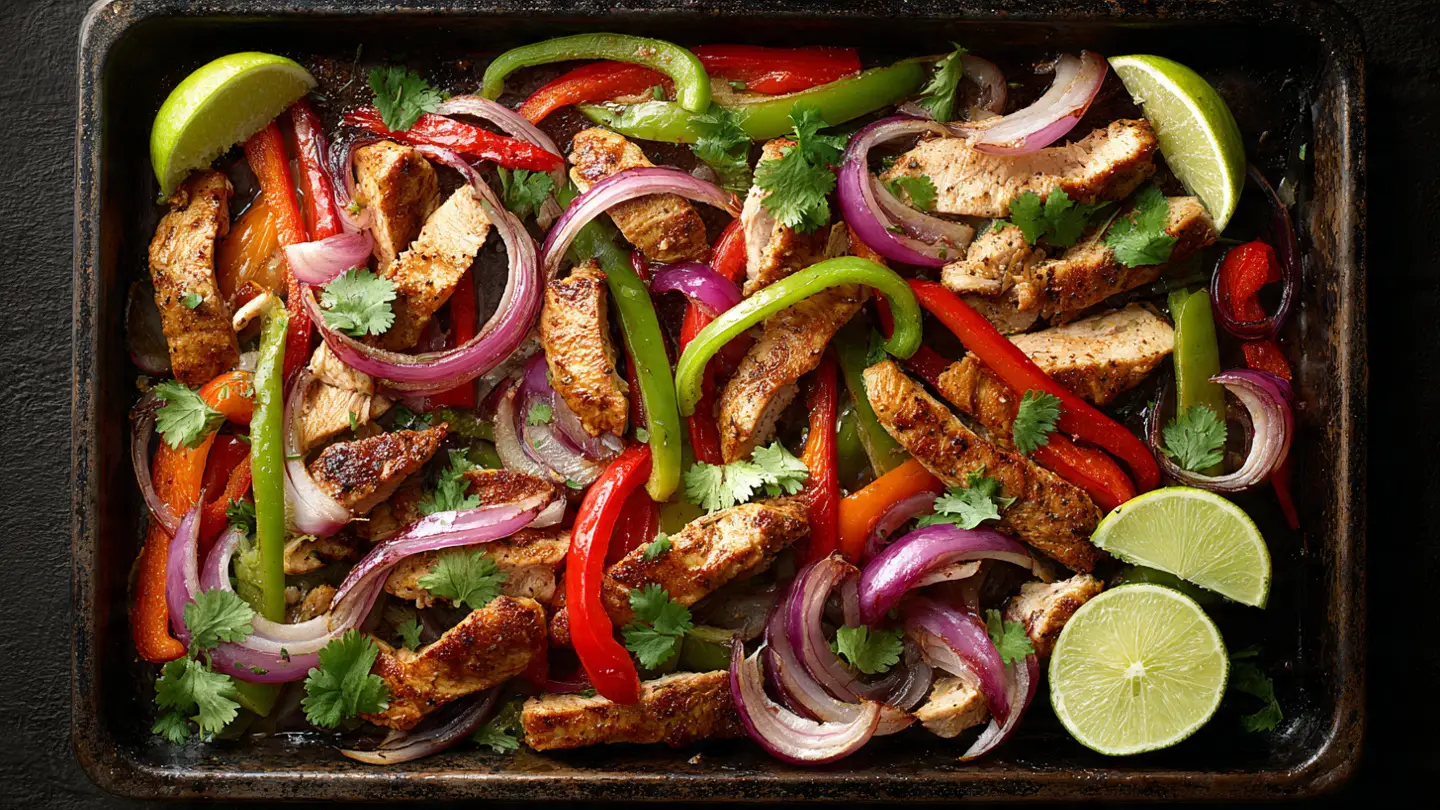
Sheet Pan Chicken Fajitas

Making dinner on a busy night can feel like a big chore. I often find myself looking at the fridge and wishing a meal would just appear. That is why I love sheet pan chicken fajitas. They are fast, healthy, and everyone in my house likes them. You do not need to stand over a hot stove and flip meat for twenty minutes. Everything goes on one big tray and into the oven it goes. This is my go-to meal when I have zero energy but still want to eat something real.
In this guide, you will learn how to pick the best chicken and vegetables for roasting. I will show you how to mix a simple spice rub that tastes better than the store-bought packs. You will also see how to time everything so the meat is juicy and the peppers are soft. By the end of this post, you will be a pro at making a full Mexican-style feast with almost no dishes to wash. It is a total win for anyone who hates cleaning up after cooking.
Check out the steps below to start your easiest dinner ever!
Getting Started with Your Sheet Pan Meal
Before you turn on the oven, you need to know why this method works so well. Cooking everything on a flat pan lets the hot air hit all sides of the food. This makes the edges of the peppers a little bit dark and sweet. It also cooks the chicken fast so it does not get dry. I used to use a deep glass dish for this, but the food just steamed and got soggy. Switching to a flat metal sheet pan changed my life. It makes the texture so much better.
You also want to make sure you do not crowd the pan. If you put too much food on one tray, the moisture cannot escape. This leads to boiled chicken instead of roasted chicken. If you are cooking for a large crowd, just use two pans. It is better to have space between the pieces of onion and meat. This simple trick ensures that every bite has that nice charred flavor we all love in a good fajita.
Choosing the Right Chicken
Most people use chicken breasts for fajitas because they are easy to slice. I usually go for breasts too because they cook very fast. However, you have to be careful not to leave them in the oven too long. If you want more flavor, you can try boneless chicken thighs. They stay much juicier even if the oven is very hot. I sometimes mix both to see which one my guests like more. Both work great as long as you cut them into even strips.
The size of your strips matters a lot. Try to cut the chicken about half an inch thick. If the pieces are too thin, they will turn into dry strings. If they are too thick, the peppers will burn before the meat is safe to eat. I learned this the hard way when I cut huge chunks once. The middle was pink while the onions were turning to ash. Now I try to keep them all looking like long fingers for the best results.
Picking the Best Peppers and Onions

Colorful peppers make the meal look pretty, but they also taste different. Red and yellow peppers are sweet. Green peppers have a bit of a bite to them. I like to use one of each color to get a good mix. Onions are just as important. Red onions turn very sweet in the oven, but yellow onions work fine too. I usually slice them into long strips that match the size of the chicken. This helps everything cook at the same speed.
One mistake I made early on was slicing the onions too thin. They would disappear into the pan and get bitter. Now I keep them a little bit chunky. You want to feel the crunch when you take a bite of your taco. If you have kids who do not like big pieces of onion, you can chop them smaller, but keep an eye on them. They might cook faster than the chicken. Just remember that the vegetables will shrink a lot as they lose water in the oven.
Making the Perfect Spice Mix

You can buy a taco seasoning pack at the store, but making your own is better. Store packs often have too much salt and weird thickeners. I use a mix of chili powder, cumin, garlic powder, and onion powder. A little bit of salt and black pepper is a must. If you like things spicy, add some cayenne pepper. My secret tip is adding a tiny bit of smoked paprika. It gives the meat a grilled flavor even though it stayed in the oven the whole time.
I recommend mixing the spices in a small bowl first before putting them on the food. This makes sure you do not get a giant clump of chili powder on one piece of chicken. It also lets you taste the mix to see if it needs more salt. IMO, homemade seasoning is the only way to go if you want your fajitas to taste like they came from a restaurant. It only takes two minutes to stir together, and it makes a huge difference in the final taste.
Pro Spice Tips
- Oil First: Always toss your meat and veggies in oil before adding spices so they stick.
- Double Up: Make a big jar of this mix to save time for next week.
- Lime Juice: Squeeze fresh lime over the pan right after it comes out of the oven.
Prepping the Sheet Pan

Preparing the pan is the most important part of the cleanup. I always line my pan with parchment paper or aluminum foil. This means when I am done eating, I just crumble up the paper and throw it away. The pan stays mostly clean. If you do not use a liner, the juices from the chicken and the sugar from the peppers will bake onto the metal. That takes a lot of scrubbing to get off, which ruins the point of an easy meal.
Once the pan is lined, spread your chicken and veggies out. You want a single layer. If things are piled on top of each other, they will not brown. I usually put the chicken in the middle and the vegetables around the edges. The middle of the pan often gets the most heat. Since the chicken needs to reach a safe temperature, giving it the prime spot is a smart move. Make sure everything is coated in a little bit of olive oil so nothing sticks to the paper or gets too dry.
The Importance of High Heat

You need a hot oven for good fajitas. I set mine to 400 degrees Fahrenheit. Some people even go up to 425 degrees. High heat is what gives you those dark, tasty spots on the peppers. If the heat is too low, the chicken will leak out all its juice and sit in a puddle. That makes the meat tough and the veggies mushy. A hot oven locks in the flavor and cooks everything in about 20 minutes. It is very fast!
I suggest letting the oven heat up all the way before you put the pan in. Do not rush it. If the oven is still warming up, the timing will be all wrong. While the oven gets hot, I use that time to clean my cutting board or set the table. Keeping the heat high is the best way to copy the sizzle you hear at Mexican restaurants. It might seem scary to turn the dial that high, but it is the key to the whole recipe working out correctly.
Warming Your Tortillas

Cold tortillas can ruin a great meal. They are stiff and can break when you fold them. I like to warm my tortillas so they are soft and stretchy. You can do this in the microwave for a few seconds, but there is a better way. About five minutes before the chicken is done, wrap a stack of tortillas in foil. Put them in the oven on the rack below the sheet pan. The heat will soften them up perfectly without making them hard or crispy.
If you are feeling fancy, you can char them over a gas flame on the stove for a second. This gives them little black marks and a smoky smell. However, the oven method is much easier when you are busy. I usually buy small flour tortillas because they hold the strips of chicken better. Corn tortillas are okay too, but they tend to rip more easily if they get wet from the chicken juices. Always keep them covered until the very moment you are ready to eat so they stay warm.
The Best Toppings to Add

The sheet pan does the heavy lifting, but the toppings make it fun. I always have sour cream, shredded cheese, and lime wedges on the table. Fresh cilantro is great too if you like the taste. Some people think it tastes like soap, so I always keep it in a separate bowl. My favorite topping is avocado or a quick guacamole. The creamy fat of the avocado goes really well with the spicy chicken. It balances everything out perfectly.
Do not forget the salsa! A chunky tomato salsa or a spicy green salsa adds a lot of moisture. I once tried to eat these without any sauce or cream, and it felt a bit dry. Even a simple squeeze of lime juice can act as a sauce because it cuts through the oil. Let everyone fix their own plate. This is why kids love fajitas. They get to choose exactly what goes inside their wrap. It turns dinner into a little craft project that they can actually eat.
How to Store Leftovers

If you have any food left, it stores very well. I put the chicken and peppers in a glass container in the fridge. They stay good for about three days. FYI, these leftovers are actually better the next day because the spices have more time to soak into the meat. I often use the leftovers to make a salad or a burrito bowl for lunch. Just heat them up in a skillet for a minute to get that sizzle back. The microwave works too, but it can make the peppers a bit soft.
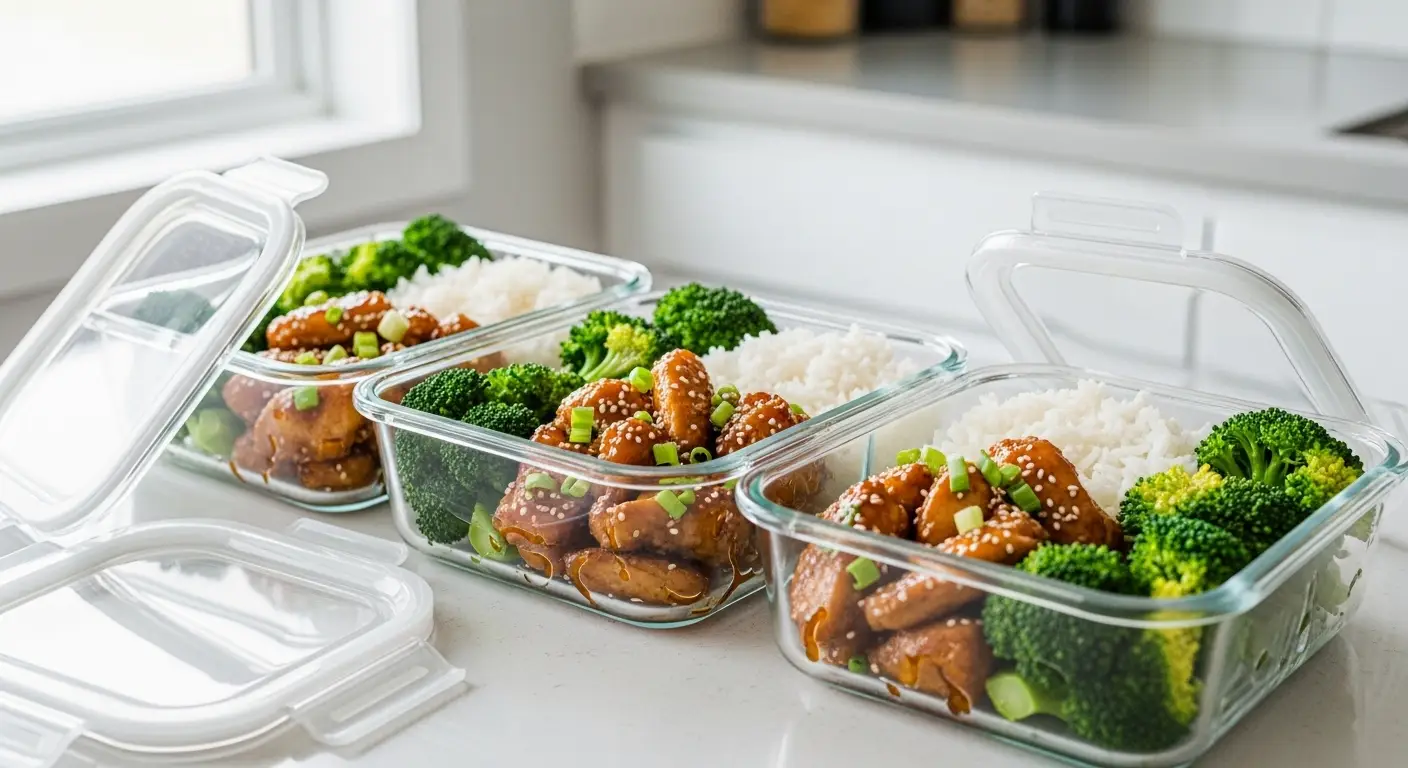
One thing I learned is to store the tortillas separately. If you put them in the same container as the meat, they will get soggy and gross. Keep your toppings like sour cream and salsa in their own jars too. This keeps everything fresh. This recipe is great for meal prep because you can make a giant batch on Sunday and have lunch for half the week. It is a healthy way to avoid buying fast food when you are at work or school.
Tips for Success Every Time
Cooking is a skill, and even easy recipes have a few tricks. I have made these fajitas dozens of times, and I still learn new things. For example, I found out that if you use frozen chicken, you must thaw it completely first. If it is still icy, it will release too much water and ruin the roast. Also, try to use a dark-colored sheet pan if you have one. Dark metal holds heat better and helps the food brown faster than shiny new pans do.
Another tip is to keep your vegetables and meat roughly the same thickness. If you have huge chunks of pepper and tiny bits of chicken, one will be raw while the other is burnt. Consistency is your friend here. I also recommend checking the chicken with a meat thermometer if you are worried. It should reach 165 degrees. Once you do this a few times, you will be able to tell just by looking at the color of the juices. It becomes second nature very quickly.
Using Different Proteins

You do not have to stick to chicken. This sheet pan method works for other meats too. Shrimp is a very popular choice. It cooks extremely fast—usually in less than ten minutes. If you use shrimp, I suggest roasting the peppers for ten minutes first, then adding the shrimp for the final bit. Otherwise, the peppers will be raw when the shrimp is done. Steak is another great option. Use a cut like flank steak or skirt steak and slice it thin against the grain.
If you want to go meatless, you can use portobello mushrooms. They have a meaty texture and soak up the spices really well. I sometimes do a mix of chicken and steak on the same pan for “combo” fajitas. Just make sure you do not mix raw seafood with raw meat if they have different cooking times. Experimenting with different proteins keeps the meal feeling new and exciting even if you make it every week. It is a very flexible recipe that fits almost any diet.
Mistakes to Avoid

The biggest mistake is overfilling the pan. I cannot say this enough! If the food is two layers deep, you are essentially boiling it. It will not taste like a fajita; it will taste like a bland stew. Another mistake is forgetting the oil. The oil is what carries the heat into the food and makes it brown. Without it, the spices will just fall off and the meat will be chalky. Use a good high-heat oil like avocado oil or light olive oil for the best results.
Also, don’t walk away and forget the timer. Because the oven is so hot, the jump from “perfect” to “burnt” happens fast. I usually start checking at the 15-minute mark. Every oven is different, so my 20 minutes might be your 18 minutes. Use your nose! If you start to smell something very sweet or slightly smoky, it is probably time to take the pan out. Being attentive for those last few minutes ensures you get the best possible dinner for your family.
Great Fajitas for Everyone
This meal is a life-saver for busy people. It is healthy because you use fresh vegetables and lean meat. It is cheap because peppers and onions are usually not expensive. Most importantly, it tastes like you spent a lot of time in the kitchen when you really didn’t. I love that I can have a full dinner ready in about half an hour from start to finish. It gives me more time to relax after a long day of work.
If you have never tried a sheet pan meal, this is the perfect one to start with. The flavors are bold and familiar. You can change it up every time with different toppings or seasonings. Whether you are cooking for just yourself or a big family, it scales up easily. Just grab another pan and keep going! I hope this becomes a favorite in your house just like it did in mine. Happy cooking!
Common Questions About Sheet Pan Fajitas
Can I use frozen peppers for this recipe?
You can, but they will be much softer than fresh ones. Thaw them and pat them dry first so they do not make the pan watery.
How do I stop the chicken from sticking?
Use parchment paper on the pan and make sure you toss the chicken in enough oil before roasting. This creates a non-stick layer.
What is the best way to reheat leftovers?
A hot skillet on the stove is best. It makes the chicken crispy again. A microwave works but can make the peppers mushy.
Is this recipe gluten-free?
The chicken and veggies are gluten-free. Just make sure to use corn tortillas or lettuce wraps instead of flour tortillas.
Can I make this without an oven?
This specific recipe is for the oven, but you can cook the same ingredients in a large skillet on the stove if you prefer.
Time to Eat
Sheet pan chicken fajitas are the ultimate easy dinner. You get juicy meat, sweet peppers, and zero stress. Just prep, bake, and enjoy your meal. It is a healthy way to feed the family fast. You are going to love how simple it is!