Swiss Meringue Buttercream

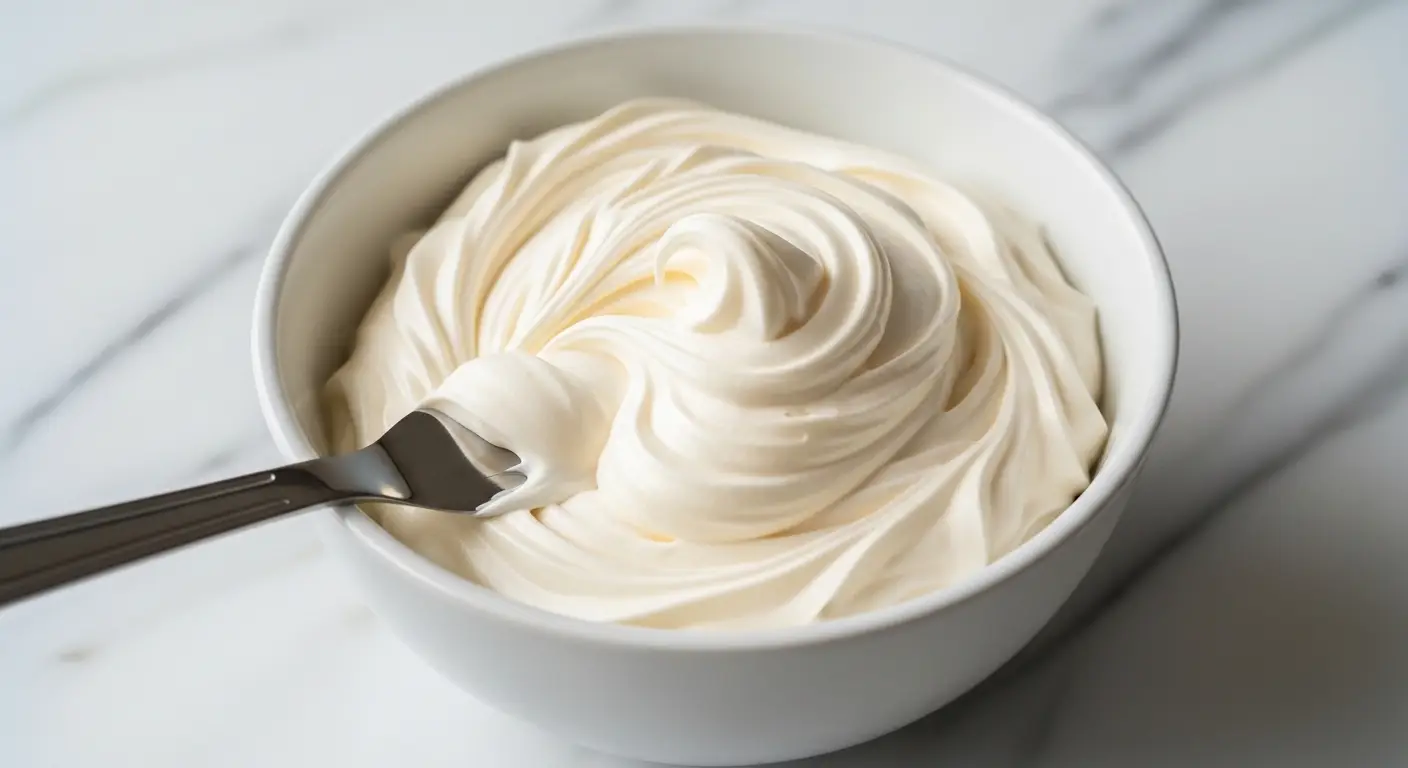
Swiss meringue buttercream is the king of all cake frostings. It is not like the sugary frosting you find at the grocery store. This icing is silky, light, and feels like a cloud in your mouth. Many people feel scared to try it because it involves cooking eggs and using a thermometer. I used to be one of those people until I realized it is actually very simple if you follow a few basic rules.
In this post, you will learn exactly how to make this buttery treat from scratch. I will show you how to melt the sugar, whip the eggs, and mix in the butter without any stress. We will talk about why things go wrong and how to fix them in seconds. By the end, you will have a bowl of shiny, white frosting that is perfect for any birthday cake or cupcake.
Ready to make the best frosting of your life? Let’s get started!
Recipe Quick Info
- Prep Time: 15 minutes
- Cook Time: 10 minutes
- Servings: Frosts 24 cupcakes or one 8-inch layer cake
- Difficulty: Medium
The Magic of Swiss Meringue Buttercream
Standard American buttercream uses tons of powdered sugar to stay stiff. That makes it very sweet and sometimes a bit gritty. Swiss meringue buttercream is different because it uses a cooked meringue base. You dissolve granulated sugar into egg whites over heat. This creates a smooth syrup that turns into a thick foam when you whip it up. It is less sweet than other frostings, which lets the flavor of the butter and vanilla really shine through.
This frosting is also great for decorating. It holds its shape perfectly when you pipe flowers or stars. Because it has so much butter, it gets firm in the fridge. This makes it a top choice for wedding cakes that need to stand tall for hours. It may seem fancy, but the ingredients are probably already in your kitchen. You just need some patience and a good whisk to make it work.
What You Need to Get Started

To make this frosting, you only need five simple things. First, you need egg whites. Use fresh eggs instead of the kind from a carton if you can. Fresh eggs whip up much better and hold more air. Second, you need white granulated sugar. This will melt into the eggs to make them sweet and stable. Do not use brown sugar here because it will change the color and the texture too much.
The most important part is the butter. Use unsalted butter so you can control how salty the frosting tastes. It must be at room temperature but still slightly cool to the touch. If the butter is too soft or oily, your frosting will turn into soup. You also need a pinch of salt to balance the sugar and a good splash of vanilla extract for flavor. Some people like to use vanilla bean paste to see those tiny black dots in the white cream.
- 5 large egg whites (about 150 grams)
- 1 and 1/2 cups granulated sugar (300 grams)
- 2 cups unsalted butter (454 grams), cut into cubes
- 1 teaspoon vanilla extract
- 1/4 teaspoon salt
The Double Boiler Method

The first big step is heating the eggs. Many people worry about the eggs cooking or curdling like scrambled eggs. The trick is to use a double boiler, which is just a bowl over a pot of water. Do not let the water touch the bottom of your bowl! This keeps the heat gentle and even. I remember the first time I did this, I had the water boiling too hard. The eggs cooked on the edges, and I had to start over from scratch.
Whisk the egg whites and the sugar together while you heat them. You are looking for a temperature of 160 degrees Fahrenheit (160
∘
F). If you don’t have a thermometer, you can test it with your fingers. Dip a finger into the mix and rub it between your thumb and finger. It should feel very hot and completely smooth. If you feel any sugar grains at all, keep whisking until they are gone.
When the sugar is all gone and the eggs are hot, they are safe to eat. This process kills any germs from the raw eggs. It also makes the meringue very strong so it won’t collapse later. This step usually takes about five to ten minutes of constant whisking. Once it is hot and smooth, you are ready to move to your mixer and start the fun part.
Whipping the Meringue

After heating the eggs and sugar, you must whip them into a thick foam. This is called a meringue. Use the whisk attachment on your stand mixer for this part. Start on a low speed to get some bubbles going. Then, turn it up to high speed and let it go. You will see the mix turn from a yellow syrup into a bright white, fluffy cloud that looks like shaving cream.
This part takes time, usually about 10 to 15 minutes. You are waiting for two things. One, the meringue needs to have stiff peaks. This means when you pull the whisk out, the foam stands straight up and does not fall over. Two, the bowl needs to feel cool to the touch. If the meringue is still hot when you add the butter, the butter will melt instantly. I once ruined a whole batch because I was in a rush and added the butter too soon!
Checking the temperature of the bowl is the secret to success. If you are in a very hot kitchen, it might take a long time to cool down. You can wrap a bag of frozen peas around the bowl to help it cool faster if you need to. Once the bowl is room temperature, you are ready to start adding the fat. This is where the magic really happens and it starts to look like frosting.
Adding the Butter Slowly

Now that your meringue is cool and stiff, it is time for the butter. Switch your mixer from the whisk attachment to the paddle attachment. The paddle is better for mixing in the heavy butter without adding too much extra air. Turn the mixer to a medium-low speed. Add one cube of butter at a time and let it mix in before you add the next one. Do not rush this part or your frosting might break into chunks.
As you add the butter, the meringue will start to look a bit strange. It might look like soup for a minute, or it might look like cottage cheese. Do not worry! This is completely normal for Swiss meringue buttercream. Just keep the mixer running and keep adding the butter cubes. Once all the butter is in, the frosting will suddenly come together and look like thick, shiny cream.
IMO, this is the most stressful part for new bakers. You will think you broke it, but I promise you didn’t. Most of the time, the problem is just the temperature. If it looks like soup, it is too warm. If it looks like curdled milk, it is too cold. Just keep mixing and the friction will help it blend. Once it is smooth, add your vanilla and salt for the final flavor boost.
How to Fix Common Problems

Swiss meringue buttercream is very forgiving if you know the tricks. If your frosting stays like a thin soup after all the butter is in, the bowl was too warm. Put the whole bowl in the fridge for 20 minutes to firm up. Then, put it back on the mixer and whip it again. It will turn into beautiful frosting in no time. This happens a lot on hot summer days or if you didn’t wait for the meringue to cool.
Buttercream Fixes
- Too Runny: Chill the bowl for 15-20 minutes and re-whip.
- Too Curdled: Melt a tiny bit of the frosting and mix it back in to warm it up.
- Air Bubbles: Stir by hand with a spatula for 5 minutes to push out the air.
If the frosting looks chunky and separated, it is too cold. This usually happens if your butter was too chilly or your kitchen is freezing. Take a small bowl of the chunky mix and melt it in the microwave for 5 seconds. Pour that melted liquid back into the big bowl and mix. The heat will help the rest of the butter blend in. You can also use a hair dryer to blow warm air on the side of the bowl while it spins!
Another problem is having too many air bubbles. This happens if you whip it too fast for too long. To fix this, use a flat spatula and stir the frosting by hand. Press it against the sides of the bowl to pop the bubbles. This makes the icing look extra smooth for your cakes. It takes a bit of work, but the result is a perfect finish that looks like silk on your cake.
Flavor and Color Ideas

The best thing about this frosting is how easy it is to change the flavor. You can add melted chocolate to make it rich and dark. Just make sure the chocolate is not hot when you pour it in. You can also add fruit purees like strawberry or raspberry for a fresh taste. Use a sieve to remove the seeds from the fruit so the frosting stays smooth. For a citrus twist, add some lemon curd or lemon zest.
Coloring this buttercream is a little different than other types. Because it is so buttery, water-based colors might not work well. It is better to use gel food coloring. You only need a tiny drop because the frosting is naturally very white. For deep colors like red or black, you might need to use oil-based colors. These mix better with the butter and give you a vibrant shade without making the frosting runny.
If you want a super white frosting for a wedding cake, you might notice a slight yellow tint from the butter. You can fix this by adding a tiny, tiny dot of purple food coloring. Purple is the opposite of yellow on the color wheel. It will cancel out the yellow and make the frosting look pure white. Just be careful! If you add too much, your frosting will turn gray. Start with the smallest amount possible on a toothpick.
Step-by-Step Summary

- Set up a double boiler with an inch of water in a pot. Bring to a simmer.
- Place egg whites and sugar in a clean, grease-free bowl. Whisk over the water.
- Heat until sugar melts and temp reaches 160
∘
F. Wipe the bottom of the bowl. - Whip on high in a mixer until you have stiff peaks and the bowl is cool.
- Switch to the paddle and add room temp butter one cube at a time.
- Add salt and vanilla. Mix until smooth.
FYI, make sure your bowl and whisk are super clean before you start. Even a tiny bit of grease or egg yolk can stop the meringue from whipping up. If you see a speck of yellow yolk in your whites, fish it out with an eggshell. I usually wipe my bowl with a bit of lemon juice or vinegar first to be safe. This removes any hidden oil that might ruin the whole batch of meringue.
Once you finish the frosting, you can use it right away. It is very soft and easy to spread. If you find it is too soft for piping flowers, let it sit on the counter for a few minutes or put it in the fridge for five minutes. It holds its shape better when it is just a little bit cool. This frosting makes any cake look professional and taste like it came from a fancy bakery. It is definitely worth the extra effort!
Serving and Storage Tips

Swiss meringue buttercream can stay out at room temperature for up to two days. This is great for parties because you don’t have to worry about the cake melting. However, if your house is very hot, the butter will get too soft. It is best to keep the cake in a cool spot. If you want to store the frosting alone, you can put it in a container in the fridge for one week. It will also last for two months in the freezer.
When you take it out of the fridge or freezer, it will be hard like a block of butter. You cannot use it like this. You must let it sit on the counter until it is room temperature again. This can take a few hours. Once it is soft, put it back on the mixer and whip it for a few minutes. It might look curdled at first as it warms up, but just keep mixing! It will turn smooth and creamy again, just like it was on day one.
One more thing to remember is how it feels when you eat it. Because it is mostly butter, it is best enjoyed at room temperature. If you serve a cake straight from the fridge, the frosting will be hard and have less flavor. Take the cake out of the fridge at least one or two hours before you want to eat it. This lets the buttercream soften up and melt on your tongue. Trust me, it makes a huge difference in how the cake tastes.
Nutrition Facts
Per 2 tablespoon serving (approx):
- Calories: 180 kcal
- Fat: 15g
- Sugar: 12g
- Protein: 1g
Answers to Your Common Questions
Why did my buttercream turn into soup?
Your meringue or butter was too warm. Put the bowl in the fridge for 20 minutes and whip it again. It will firm up and become smooth as it cools down.
Can I use pasteurized egg whites from a carton?
It is possible, but they don’t whip up as well as fresh eggs. Fresh egg whites make a much stronger and taller meringue. If you use carton eggs, it might stay flat.
How do I get rid of air bubbles?
Switch to a flat spatula and stir the frosting by hand for 5 minutes. Press it against the sides of the bowl to pop the air pockets for a smooth finish.
Does this frosting need to be refrigerated?
It can stay at room temperature for up to 2 days in a cool room. For longer storage, keep it in the fridge for a week or the freezer for 2 months.
Is Swiss meringue buttercream too sweet?
No, it is much less sweet than American buttercream. It tastes more like rich butter and vanilla. It is perfect for people who don’t like heavy sugar.
A Sweet Ending to Your Baking
Making Swiss meringue buttercream is a skill that will change your cakes forever. It takes a little practice to get the temperature right, but the silky texture is worth it. Now you have all the tools to make it like a pro. Go bake something amazing and share it with your friends!