Ultimate Chicken Ramen Bowl

Making a bowl of ramen at home used to scare me. I thought you needed to spend days boiling bones to get that deep flavor. It turns out you can make a huge, steaming bowl of noodles that tastes like a restaurant version without losing your mind. This recipe is all about getting those cozy vibes with simple steps that anyone can follow. I will show you how to build a base that tastes rich and top it with chicken that is juicy and full of life.
You do not need to be a professional chef to master this dish. We are going to use easy tools and ingredients you can find at any local grocery store. By the time we are done, you will have a meal that looks like a work of art and tastes even better. It is the perfect dinner for a cold night or when you just need a big hug in a bowl. Let us get into the kitchen and start cooking this amazing meal.
Check out the steps below to make your own bowl of goodness.
Getting Started with Your Ramen
Before we turn on the stove, let us talk about what makes ramen so special. It is not just a soup. It is a mix of different parts that come together to make one big flavor. You have the broth, the noodles, the protein, and the toppings. If one part is missing, the whole thing feels a little lonely. I like to prep everything before I start cooking so I do not feel rushed when things get hot.
One thing I learned the hard way is that you should never cook your noodles directly in the big pot of soup. I did that once and the noodles soaked up all my broth! I ended up with a soggy mess. Now, I always boil my noodles in a separate pot of water. It keeps the broth clear and the noodles firm. This is a small change that makes a huge difference in how your dinner turns out. Take your time with the prep and the rest will be easy.
What You Will Need

To make this chicken ramen, you need a few main items. Most of these are very easy to find. For the chicken, I suggest using thighs because they stay juicy. Breast meat can get dry very fast in hot soup. You will also need some aromatics like fresh ginger and garlic. These are the secret to making the house smell like a real Japanese noodle shop. Do not skip the fresh stuff; the powder just does not hit the same way.
- 4 chicken thighs (skin on or off is fine)
- 2 packs of ramen noodles (throw away the tiny salt packets)
- 4 cups of chicken broth
- 2 tablespoons of soy sauce
- 1 tablespoon of miso paste (optional but very good)
- 2 cloves of garlic, smashed
- 1 inch of fresh ginger, sliced
- 2 eggs for the topping
- Green onions and sesame seeds for garnish
This list is a great starting point. If you cannot find miso paste, do not worry. You can add a little extra soy sauce or a splash of fish sauce instead. The goal is to get that salty, savory taste that makes you want to drink the whole bowl. IMO, fresh ginger is the most important part of this list because it adds a little kick that cuts through the fat of the chicken.
The Secret to Great Broth

The broth is the heart of the ramen bowl. Since we are not boiling bones for ten hours, we have to cheat a little bit to get deep flavor. I start by browning the garlic and ginger in a little bit of oil at the bottom of the pot. Once they smell amazing, I pour in the chicken broth. This helps the liquid pick up those spicy and earthy notes right away. It is a quick trick that adds a lot of depth to the final soup.
I usually let the broth simmer on low heat while I work on the chicken. The longer it sits, the better it gets. If you find the broth is too salty, just add a splash of water. If it tastes thin, add another spoonful of soy sauce. Cooking is all about tasting as you go. I once forgot to taste my broth and realized at the end I had used a very salty brand of stock. It was like drinking ocean water! Always give it a little sip before you call it done.
Cooking the Chicken Perfectly

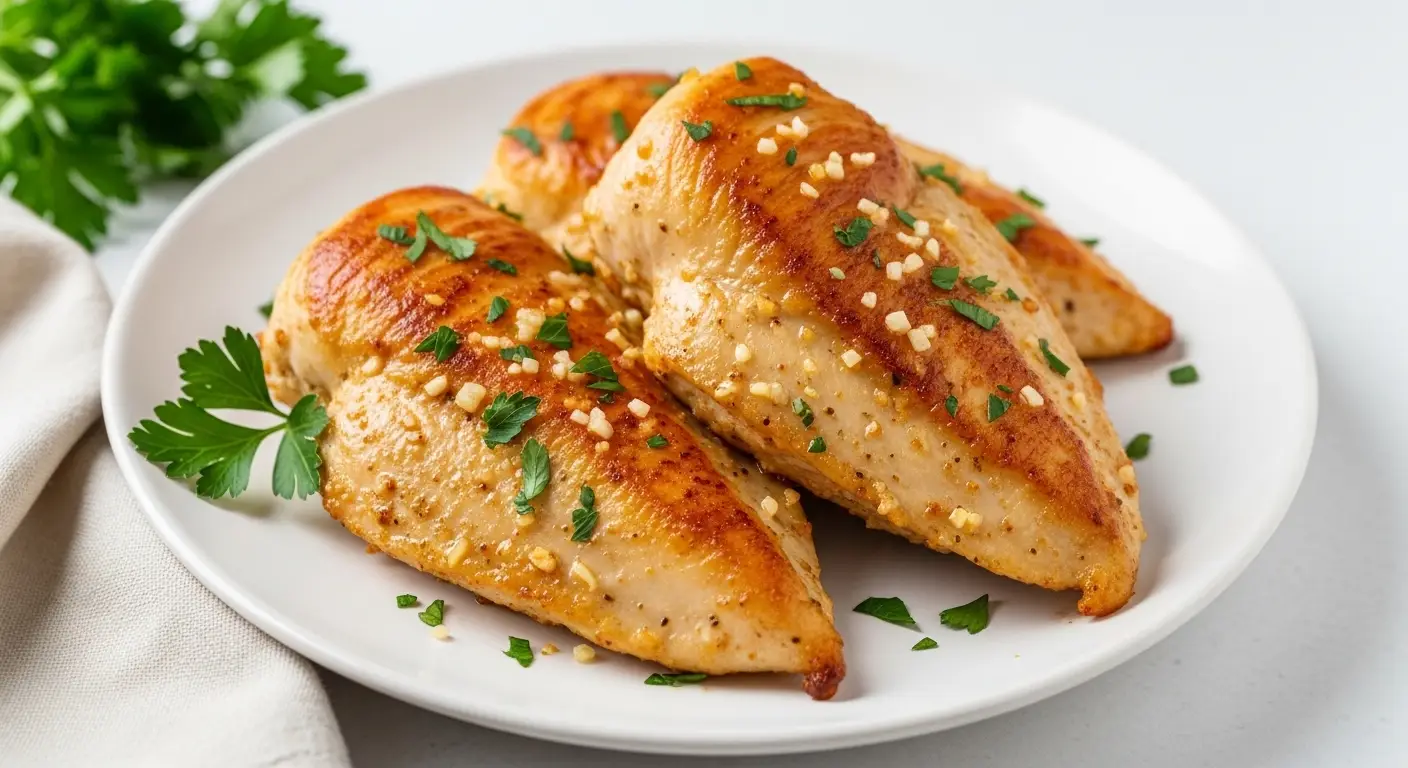
We want our chicken to have a nice crust on the outside but stay soft on the inside. I like to sear my chicken thighs in a pan with a little bit of salt and pepper. I cook them until the skin is crispy and the meat is fully done. Then, I let the meat rest for five minutes before I slice it. Resting is very important. If you cut it too soon, all the juice runs out on the board, and the chicken becomes tough. Nobody wants tough chicken in their soup.
For a fun twist, you can brush the chicken with a little honey and soy sauce during the last two minutes of cooking. This creates a sticky, sweet glaze that tastes great against the salty broth. This recipe works best with pan-fried chicken, but you could also use leftover roasted chicken if you are in a big hurry. Just make sure the chicken is warm before you put it into the bowl so it does not cool down your soup.
How to Make Jammy Eggs

The “jammy” egg is the star of any ramen bowl. This is an egg where the white is firm, but the yolk is thick and gooey. To get this right, you need to be careful with the time. I boil a pot of water and then gently lower the eggs in. I set a timer for exactly six and a half minutes. As soon as the timer goes off, I put the eggs into a bowl of ice water. This stops them from cooking and makes them easy to peel.
If you leave them in for seven or eight minutes, the yolk will start to get hard. It will still taste fine, but you won’t get that beautiful golden liquid that mixes into the soup. Once they are cool, peel them carefully. I like to soak mine in a mix of soy sauce and water for an hour if I have time, but eating them plain is also great. This is the one part of the recipe where you really need to watch the clock!
Preparing the Noodles

Noodles are the body of the dish. You can buy the cheap packs at the store, but try to find the ones that are air-dried or fresh in the fridge section if you can. They have a better chew. Like I mentioned before, cook them in their own pot. Follow the package directions, but take them out one minute early. They will finish softening up once you pour the hot broth over them in the bowl.
If you cook them too long, they turn into mush. Mushy noodles are the enemy of a good ramen bowl. Once they are cooked, drain them and give them a quick rinse with cold water. This removes the extra starch so they don’t stick together in a big clump. You want the noodles to be slippery and bouncy. If they sit too long and get sticky, just splash them with a little warm water to loosen them up before serving.
Recipe Quick Info
- Prep Time: 15 minutes
- Cook Time: 25 minutes
- Servings: 2 people
- Difficulty: Easy
Bringing the Bowl Together
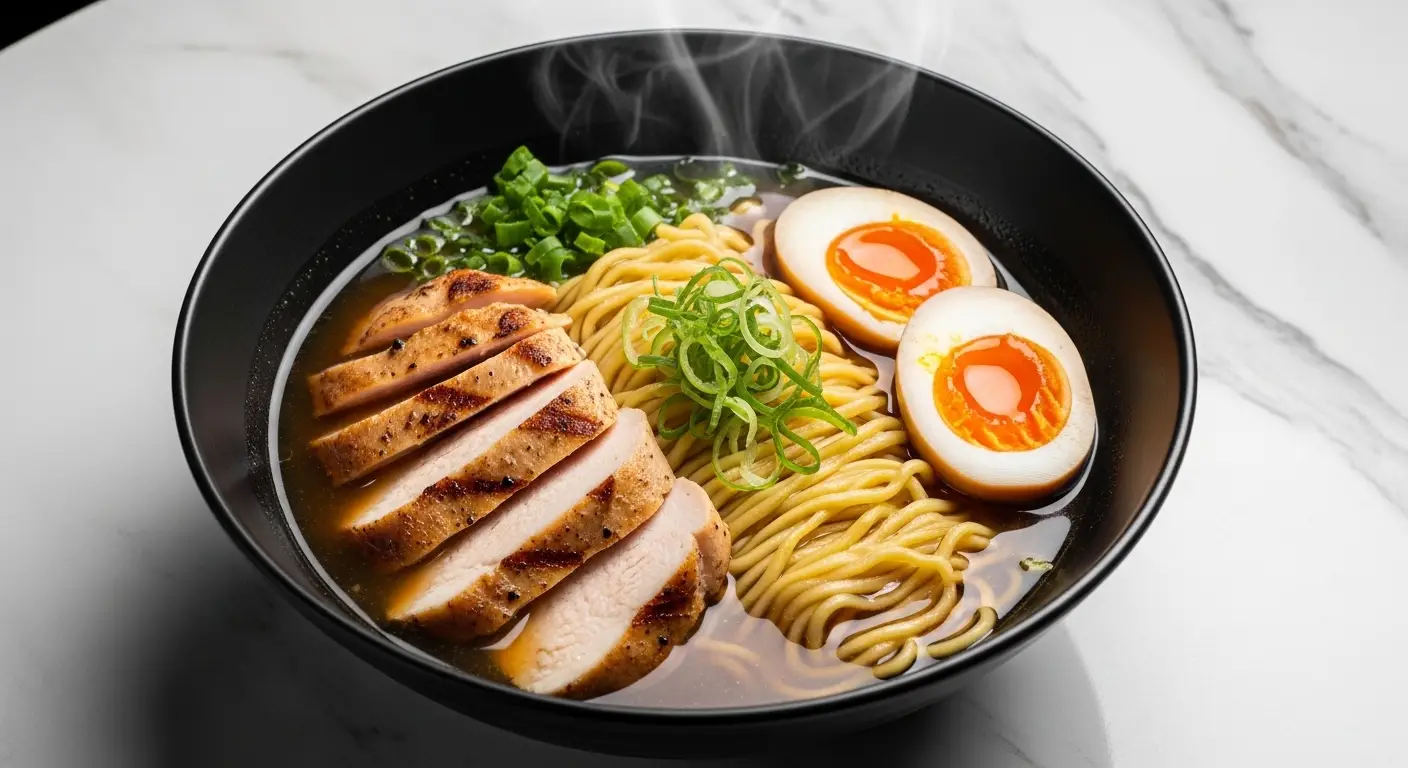
Now comes the best part: putting it all together! This is where your hard work turns into a meal. I always start with the noodles at the bottom of a large, deep bowl. Then I slowly pour the hot broth over them. Make sure the broth is very hot so it warms up the noodles. After the liquid is in, you can start placing your toppings on top like a little mountain of flavor.
I like to keep my toppings in separate sections. I put the chicken on one side, the egg in the middle, and the green onions on the other side. It looks very pretty this way. This is also the time to add any extras you like. Some people love corn, some love spinach, and some love bamboo shoots. There are no wrong answers here. It is your bowl, so make it exactly how you want it to be.
Step-by-Step Instructions

- Boil a pot of water and cook your eggs for 6.5 minutes. Put them in ice water right after.
- In a separate large pot, heat 1 tablespoon of oil. Fry the garlic and ginger for 2 minutes.
- Pour the chicken broth and soy sauce into the pot. Let it simmer on low heat.
- Season chicken thighs with salt and pepper. Pan-fry them until the skin is crispy and the inside is 165 degrees.
- Boil the ramen noodles in a different pot according to the package. Drain and rinse.
- Peel the eggs and cut them in half. Slice the cooked chicken into strips.
- Place noodles in bowls. Pour the hot broth over the top.
- Add the chicken, egg halves, and green onions. Serve immediately.
This flow works very well because the broth stays hot while you finish the chicken. If you are cooking for a bigger family, just double everything. FYI, this broth actually tastes even better the next day if you have leftovers. Just keep the noodles separate so they don’t get soggy in the fridge. It is a very flexible recipe that fits into a busy schedule.
Tips and Variations

If you want to change things up, there are many ways to do it. You can make the broth spicy by adding a spoonful of chili paste or sriracha. If you don’t like chicken, you can use tofu or even leftover pork roast. For a gluten-free version, use rice noodles instead of wheat ramen noodles. Just check the labels on your soy sauce too, as many have wheat in them.
One tip that most people forget is to warm up your bowls. If you put hot soup into a cold ceramic bowl, the soup cools down very fast. I like to run my bowls under hot water for a minute before I build the ramen. This keeps the meal hot until the very last bite. Also, if you want a creamier broth, stir in a tiny bit of butter or a splash of soy milk at the end. It sounds weird, but it makes the soup feel very rich and fancy.
Expert Kitchen Tips
- The Ice Bath: Always use a lot of ice for the egg bath. It makes the shells slip right off.
- Ginger Storage: Keep your ginger in the freezer. It is much easier to grate when it is frozen.
- Crispy Skin: Press the chicken down with a heavy spatula to make the skin extra crunchy.
Serving Suggestions

Ramen is a full meal on its own, but you can serve it with sides if you are very hungry. I love having mine with a side of pan-fried potstickers or a simple cucumber salad. A cold drink like iced green tea or a light soda helps balance out the salty and warm soup. If you are serving this to guests, you can set out all the toppings in little bowls so everyone can build their own.
Don’t forget the extra seasonings on the table. I always put out extra soy sauce, chili oil, and sesame seeds. Some people like it saltier, and some like it hotter. Providing these options makes the meal feel like a real restaurant experience. Most importantly, remind everyone to eat it while it is hot! Ramen is best enjoyed the moment it is ready. Slurping is actually encouraged because it helps cool the noodles and brings in more air to boost the flavor.
Your Ramen Questions Answered
Can I use the flavor packets that come with the noodles?
You can, but they are usually very salty and don’t taste as fresh. I recommend using real chicken broth and soy sauce for the best flavor.
How do I store leftover ramen?
Store the broth and the noodles in separate containers. If you store them together, the noodles will soak up all the liquid and get mushy.
What if I don’t have fresh ginger?
You can use a half teaspoon of ground ginger powder, but the taste will be different. Fresh ginger adds a bright zing that powder lacks.
Are the eggs safe to eat if the yolk is runny?
Yes, as long as the eggs are fresh and handled properly. If you are worried, boil them for 9 minutes to get a fully hard-cooked yolk.
Can I add vegetables to this soup?
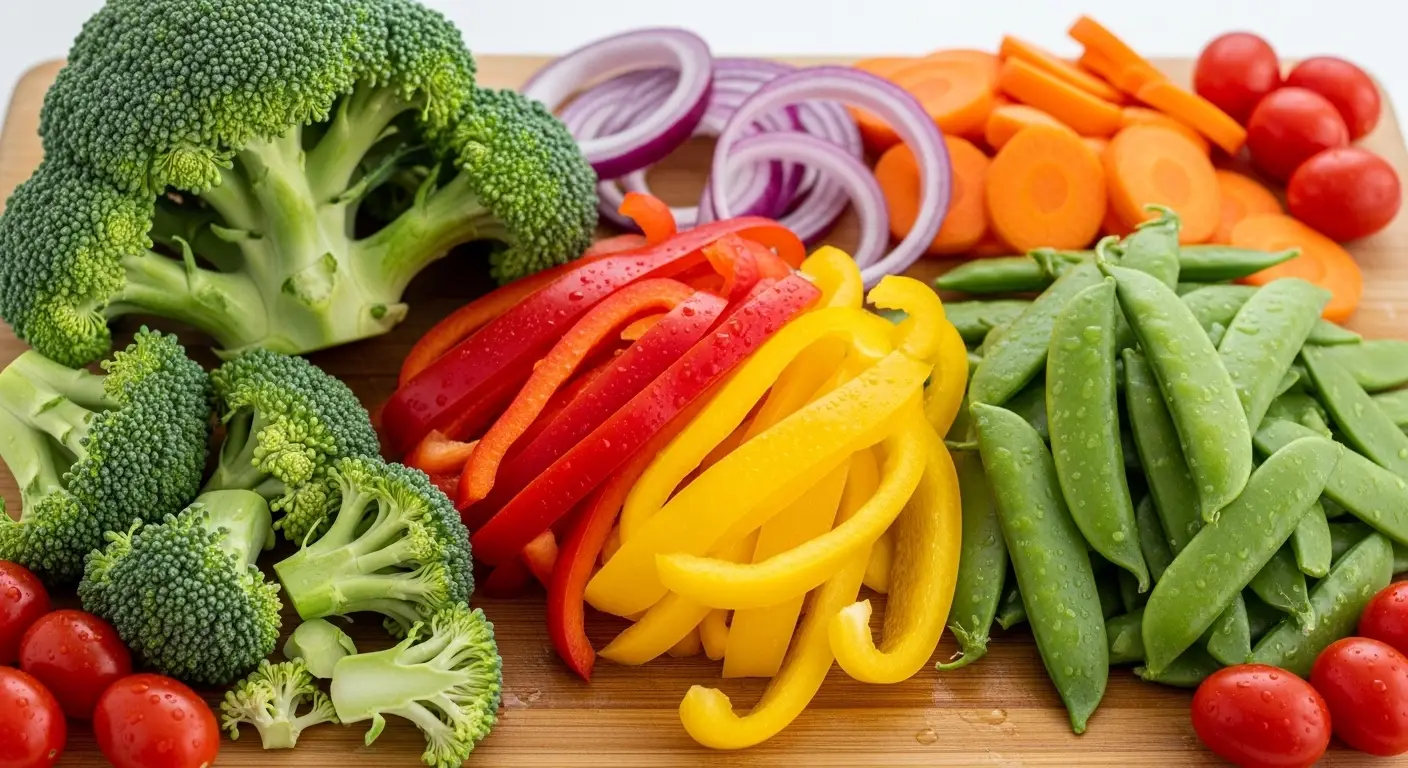
Absolutely! Bok choy, spinach, mushrooms, and corn are all great choices. Just add them to the broth a few minutes before serving.
Happy Slurping!
Making this chicken ramen bowl is a great way to bring some warmth into your home. It is simple, filling, and much better than the instant stuff. I hope you enjoy every savory drop of the broth and every bite of the crispy chicken. You did a great job today!