20-Minute Korean Gochujang Beef Bowls

I love food that tastes like it took all day to cook but only takes a few minutes. That is why I make these Korean beef bowls all the time. They are sweet, spicy, and very filling. You do not need to be a chef to make this meal. It uses simple ground beef and a special red paste called gochujang. If you can brown meat and boil water, you can make this delicious dish tonight.
My kitchen is often a mess because I try to cook too many things at once. One time, I forgot the rice and had to wait twenty minutes for it to finish while the meat got cold. Now, I always start the rice first. This recipe is perfect for busy nights when you have zero energy. It hits all the right spots and leaves you feeling full without much work at all. You will learn how to mix the sauce, cook the beef, and put it all together in a bowl.
Ready to get cooking? Let us look at what you need.
The Best Ingredients for Fast Korean Beef
Getting the right items from the store is the first step to a great meal. You do not need anything too fancy, but one or two items make a big difference. This dish relies on ground beef because it cooks so fast. You do not have to wait for a big steak to get soft. Instead, the small bits of meat soak up all the sauce in just a few minutes. I usually buy the lean ground beef so there is less grease to pour out of the pan later.
The star of the show is gochujang. This is a Korean chili paste that comes in a red tub. It is thick, a little bit sweet, and has a nice kick. If you have never tried it, you are in for a treat. It adds a deep flavor that you cannot get from just using hot sauce or chili flakes. I always keep a tub in my fridge because it lasts a long time and makes everything taste better. Let us check the full list of what goes into the pan.
The Simple Shopping List

To make this, you will need one pound of ground beef. I like using 90% lean beef so the bowl does not feel too oily. You also need fresh garlic and ginger. You can use the stuff from a jar if you are in a rush, but fresh tastes way better. For the sauce, grab that gochujang paste, some soy sauce, and a little bit of brown sugar. The sugar helps balance the spice from the chili paste. It makes a sticky glaze that coats every single piece of meat.
Do not forget the toppings! Green onions and sesame seeds add a nice crunch and a pop of color. I also like to have some sesame oil on hand. A tiny drop of sesame oil at the very end smells amazing. For the base of the bowl, you can use white rice, brown rice, or even cauliflower rice if you want to eat more veggies. Most of these things are easy to find at any grocery store these days. If you cannot find the chili paste in the spice aisle, check the section with Asian foods.
Why Gochujang is the Secret

Gochujang is not just spicy. It is fermented, which means it has a complex taste. It is salty and sweet at the same time. When you cook it with beef, it turns into a thick sauce that sticks to the meat. I used to try making this with just Sriracha, but it was never quite right. The Sriracha was too sour. Once I switched to the real paste, my beef bowls started tasting like the ones I get at my favorite restaurant. It is a total game-changer for home cooks.
One thing to know is that gochujang comes in different heat levels. Some tubs are mild and others are very hot. If you do not like things too spicy, look for the mild version. I once bought the extra hot kind by mistake and my mouth was on fire! If you do get the hot one, just use a little less sugar and more rice to balance it out. It is a very forgiving ingredient once you get used to how it behaves in a hot pan.
Recipe Quick Info
- Prep Time: 5 minutes
- Cook Time: 15 minutes
- Servings: 4 people
- Difficulty: Very Easy
How to Cook Your Beef Bowls Step-by-Step
Cooking this meal is all about timing. Since the beef cooks so fast, you want to have everything ready before you turn on the stove. I call this getting my ducks in a row. I peel the garlic, grate the ginger, and chop the onions first. This way, I am not rushing to chop things while the meat is burning in the pan. It makes the whole process feel much calmer and more fun. Cooking should be relaxing, not a big stress.
I use a large skillet or a wok for this recipe. You want plenty of space so the beef can brown instead of steaming in its own juices. If the pan is too small, the meat stays grey and soft. A big pan lets the edges get crispy and dark. Those crispy bits are where all the flavor lives! I usually set my stove to medium-high heat. This gets the pan hot enough to sear the meat without smoking up the whole kitchen. Let us walk through the steps to get dinner on the table.
Preparing the Meat and Aromatics
First, put your skillet over medium-high heat. You do not usually need oil if you are using beef, as the fat will melt out. Add the ground beef to the hot pan. Use a wooden spoon or a spatula to break it into small crumbles. You want them to be about the size of peas. Let the meat sit for a minute or two without moving it. This helps it get a nice brown crust. Once it starts to brown, stir in your minced garlic and grated ginger.
The smell of garlic and ginger hitting the hot beef fat is my favorite part. It fills the house and makes everyone come to the kitchen to ask when dinner is ready. Cook the meat until you do not see any more pink color. If there is a lot of fat in the bottom of the pan, I use a spoon to scoop it out. You want the meat to be moist but not swimming in grease. This keeps the dish feeling light and fresh rather than heavy and oily.
Mixing and Adding the Sauce

While the beef is browning, I mix the sauce in a small bowl. Whisk together the gochujang, soy sauce, brown sugar, and a splash of water. The water helps thin out the thick paste so it spreads evenly. Once the beef is cooked and drained, pour this sauce right over the meat. Turn the heat down to medium. Stir everything well so every single bit of beef gets covered in that red, glossy goodness. It will start to bubble and thicken almost instantly.
Let the meat simmer in the sauce for about three to five minutes. This short time allows the flavors to soak into the beef. The sugar will start to caramelize, making the sauce sticky and shiny. If the sauce gets too thick too fast, just add another tablespoon of water. I like my beef bowls to have a little bit of extra sauce to soak into the rice. IMO, the sauce is the best part, so do not let it all evaporate away! Keep stirring so the sugar does not burn on the bottom of the pan.
Building the Perfect Bowl

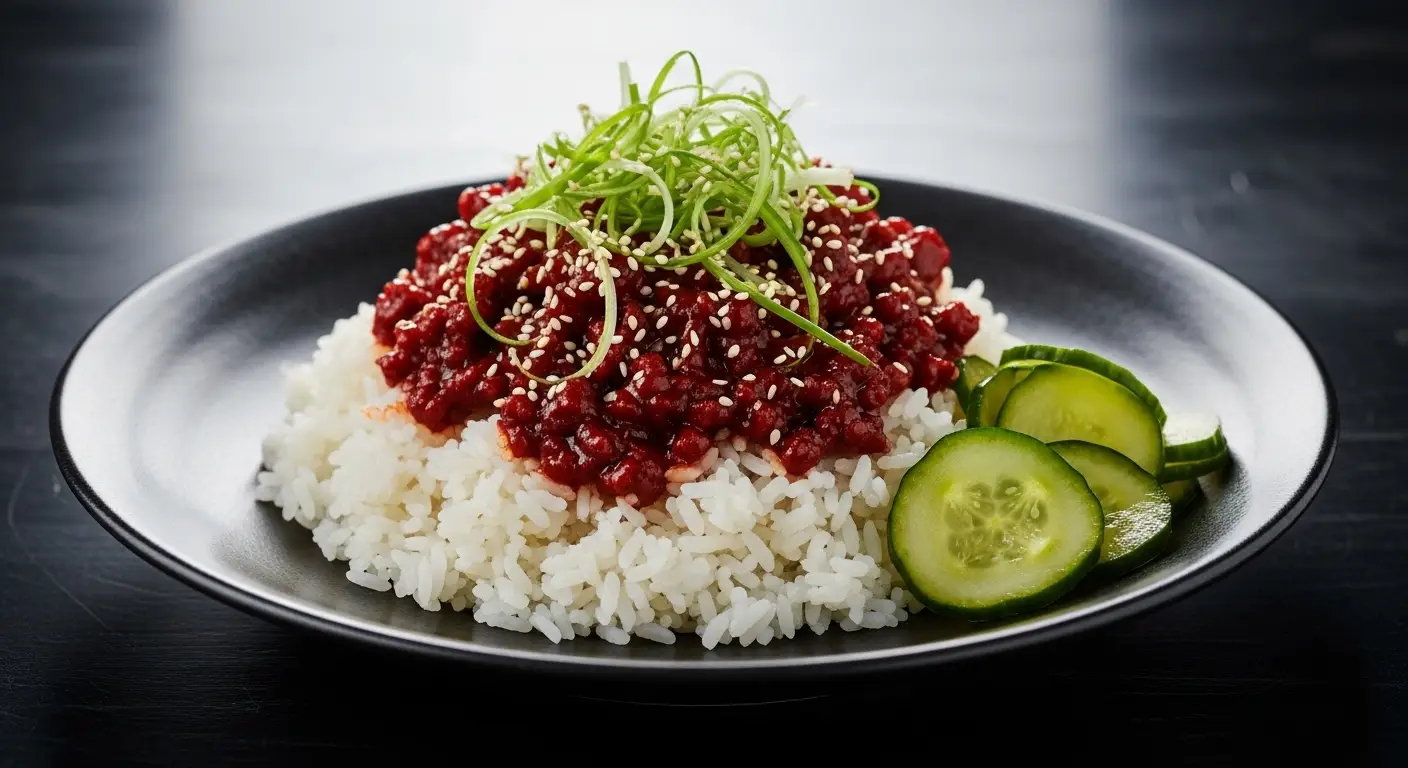
Now comes the fun part! Start with a big scoop of hot rice in each bowl. I love using jasmine rice because it smells sweet and stays fluffy. Spoon a generous amount of the gochujang beef over the rice. The red sauce will run down and flavor the grains of rice underneath. Now, add your toppings. I always put a big handful of sliced green onions on top. The sharp, fresh taste of the onions cuts through the rich, spicy beef perfectly. Sprinkle some sesame seeds over everything for a professional look.
To make it a full meal, I often add some veggies on the side. Sliced cucumbers are great because they are cool and crunchy. You could also use steamed broccoli or a quick slaw. I sometimes just throw some spinach into the pan with the beef at the very end. The heat from the meat wilts the spinach in seconds. This is a great way to sneak in some greens if you have kids who are picky eaters. Arrange everything neatly, and you have a bowl that looks like it came from a fancy cafe.
Tips for the Best Korean Beef Experience
Even a simple recipe has some tricks to make it better. I have made this dish dozens of times, and I have learned a few things the hard way. For example, I once tried to use ground turkey instead of beef. It worked, but it was much drier. If you use turkey or chicken, you might need to add a teaspoon of oil to the pan first. Beef has more flavor, but other meats are fine if that is what you have in the freezer. Just be ready to adjust the moisture as you go.
Another thing to think about is the salt. Soy sauce and gochujang both have a lot of salt. I usually do not add any extra salt to the meat. Instead, I wait until the very end and taste a little bit. If it needs more, I add it then. It is much easier to add salt than to take it away! I also find that a squeeze of lime juice right before eating adds a bright touch. It is not traditional, but it tastes great. Let us look at some ways to change things up or save time.
Variations and Substitutions

You can change this recipe in many ways. If you want a lower-carb meal, use cauliflower rice or lettuce wraps. The spicy beef tastes amazing inside a crisp piece of romaine lettuce. If you want more veggies, add chopped bell peppers or shredded carrots to the pan while the beef is browning. They add color and vitamins without changing the cooking time much. I also love topping my bowl with a fried egg. The runny yolk mixes with the spicy sauce and makes it extra creamy.
If you cannot find gochujang, you can use a mix of Sriracha and a little bit of miso paste. It won’t be exactly the same, but it gets close to that sweet and salty vibe. For a gluten-free version, make sure your soy sauce is labeled as tamari and check that your gochujang is gluten-free. Some brands use wheat flour to thicken the paste. Always read the labels if you are cooking for someone with an allergy. This recipe is very flexible, so feel free to use what you have in your kitchen.
Storage and Meal Prep Advice
This is one of my favorite meals for meal prep. The flavors actually get better after sitting in the fridge for a day. I like to make a double batch on Sunday and pack it into glass containers for lunch. It stays fresh for about four days. When you are ready to eat, just pop it in the microwave for a minute or two. The sauce keeps the meat moist so it does not get tough when you reheat it. It is way better than a sad sandwich at your desk!
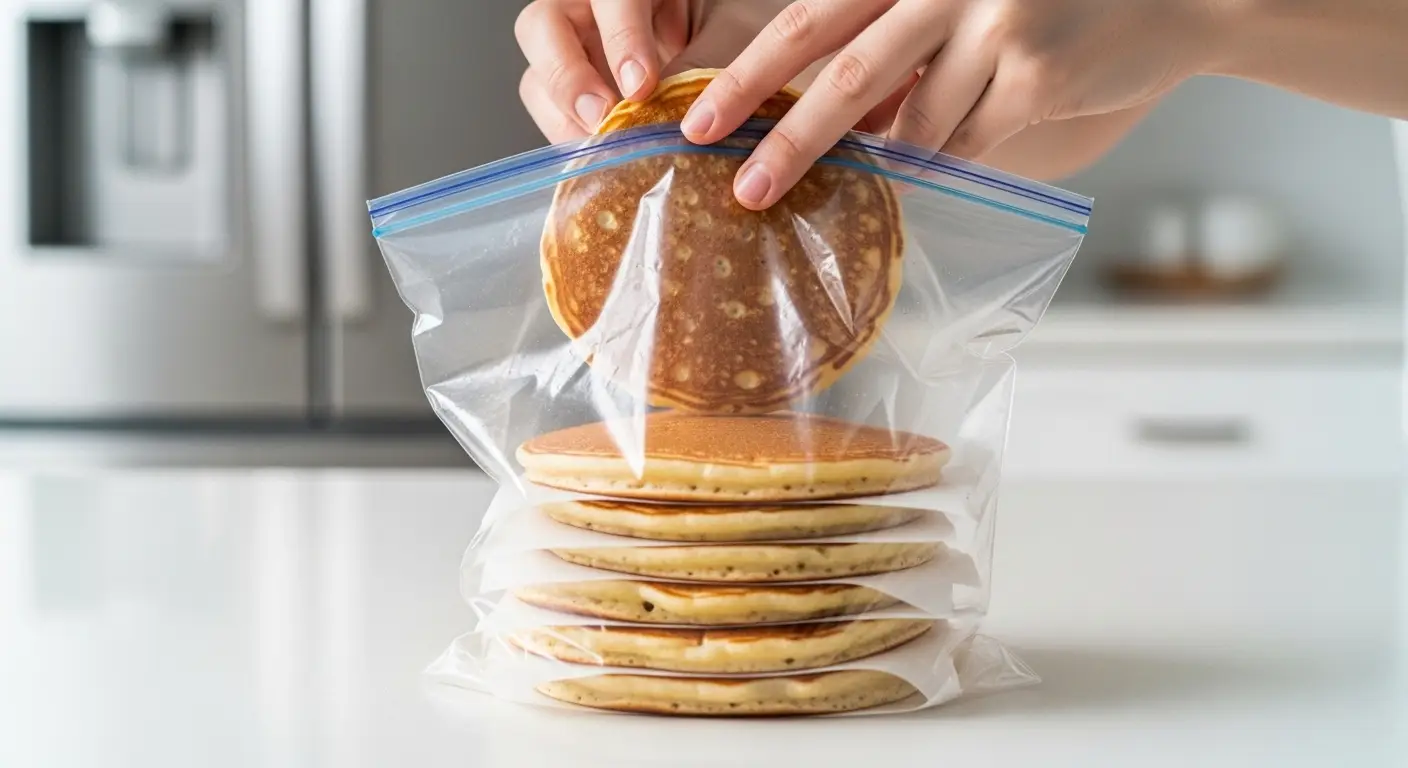
You can also freeze the cooked beef. Put it in a freezer bag and squeeze out all the air. It will stay good for up to three months. When you need a super fast dinner, just thaw it out and serve it over some quick-cook rice. I do not recommend freezing the rice with the beef, as rice can get a weird texture in the freezer. Fresh rice only takes a few minutes anyway, so it is better to make it fresh. This makes a great “emergency” dinner for those nights when you really don’t want to cook.
Cooking Success Tips
- Don’t Crowd the Pan: Use a large skillet so the beef browns instead of steaming.
- Fresh is Best: Use fresh ginger and garlic for the most flavor.
- Control the Heat: Add more or less gochujang depending on how much spice you like.
Frequently Asked Questions
Is gochujang very spicy?
It has some heat, but it is also sweet. Most people find it easy to eat. You can buy mild versions if you are worried about the spice level.
Can I use different meat?
Yes! Ground turkey, chicken, or pork all work well. Just keep an eye on the fat content so the meat doesn’t get too dry while cooking.
What if I don’t have rice?
You can serve the beef in lettuce cups, over noodles, or even with a side of roasted potatoes. It is very versatile and goes with many bases.
How do I store leftovers?
Put the beef and rice in an airtight container. Keep it in the fridge for up to 4 days. It reheats very well in the microwave.
Can I make this kid-friendly?
Yes, just reduce the amount of gochujang paste and add a little more brown sugar. This makes it more sweet than spicy for little ones.
Enjoy Your Fast and Tasty Dinner
These Korean beef bowls are a lifesaver in my home. They prove that you do not need a lot of time to make a meal that tastes great. With just 20 minutes and one pan, you can serve a dinner that everyone will love. The sticky, spicy sauce and fluffy rice are a perfect match. I hope this becomes a regular meal in your house too. Happy cooking!