Authentic Spanish Flan: Smooth and Caramelized

Making a real Spanish flan is like magic in the kitchen. You take simple things like eggs, milk, and sugar and turn them into something fancy. This dessert is very famous in Spain and many other places too. It has a soft, creamy base and a dark, sweet syrup on top. Many people think it is hard to make, but it is actually quite easy if you know the right steps. I have made this hundreds of times, and I want to show you how to get it right every single time.
In this guide, you will learn how to melt sugar without burning it. You will also see how to mix the custard so it stays silky and smooth. There are no weird ingredients here. You can find everything at your local grocery store. By the time you finish reading, you will be ready to make a dessert that looks like it came from a five-star restaurant. Let us get into the kitchen and start cooking this classic treat together.
Check out the steps below to start your flan journey!
Recipe Quick Info
- Prep Time: 20 minutes
- Cook Time: 60 minutes
- Servings: 8 people
- Difficulty: Medium
The Secret to a Perfect Spanish Flan
The best flan is all about the texture. It should not have bubbles or holes inside. It should feel like silk on your tongue. The secret is all in the heat and the mixing. If you cook it too fast, it gets tough. If you mix it too hard, you get air bubbles. I learned this the hard way when I first started. I once whisked my eggs so fast that my flan looked like a sponge! It still tasted good, but the look was all wrong. Now, I use a gentle touch to keep things perfect.
Another big secret is the caramel. You want it to be dark enough to taste like toasted sugar but not so dark that it tastes bitter. It is a fine line to walk. You have to watch the pan every second. Do not walk away to check your phone or talk to a friend. Sugar turns from gold to black very fast. I will teach you exactly what to look for so you get that beautiful amber color that makes flan look so tasty.
The Simple Ingredients You Need

You do not need a long shopping list for this recipe. That is the best part! Most of these items are probably in your house right now. To make a traditional flan, you need eggs, sugar, milk, and vanilla. Some people use condensed milk, but the authentic Spanish version uses regular whole milk and sugar. Using whole milk is very important. Do not use skim milk or 1% milk because the flan will be too watery. You need the fat from the whole milk to make it creamy.
- 1 cup of white granulated sugar (for the caramel).
- 3 large whole eggs.
- 3 large egg yolks (this makes it extra rich!).
- 2 cups of whole milk.
- 1/2 cup of white sugar (for the custard).
- 1 teaspoon of pure vanilla extract.
- A pinch of salt to bring out the sweetness.
If you want to be very fancy, you can use a real vanilla bean instead of extract. You just scrape the tiny seeds into the milk while you heat it. It looks beautiful with those little black dots. However, extract works just fine for a normal day. I usually stick to extract unless I am making this for a big party or a holiday dinner. FYI, make sure your eggs are at room temperature so they mix better with the milk.
Making the Perfect Golden Caramel

Making caramel is the most nervous part for many cooks. You put sugar in a pan and wait for it to melt. Do not add water. This is called the “dry method.” You just put the sugar in a heavy pan over medium heat. At first, nothing happens. Then, the edges start to turn liquid. You can gently swirl the pan, but do not stir it with a spoon! Stirring can make the sugar turn into hard clumps. If that happens, you have to start over.
- Put the 1 cup of sugar in a clean pan.
- Turn the heat to medium.
- Watch for the sugar to melt at the edges.
- Swirl the pan slowly as the sugar turns gold.
- Remove from heat when it looks like the color of a copper penny.
Once the caramel is ready, pour it quickly into your baking dish or ramekins. It gets hard very fast as it cools. You want to coat the bottom of the dish completely. I remember one time I waited too long to pour, and the sugar turned into a rock inside my pan! I had to soak that pan for hours to get it clean. Just be quick and careful. The sugar is very hot, so do not touch it with your fingers.
Mixing the Smooth Custard Base

Now we make the part you actually eat. In a big bowl, you mix the eggs, extra yolks, and the 1/2 cup of sugar. Remember the rule: be gentle. You do not want to create foam. If you see a lot of bubbles on top, your flan will have holes. Use a whisk but move it slowly back and forth rather than fast circles. While you do this, heat your milk in a pot until it is warm but not boiling. Boiling milk can cook the eggs too fast and make them chunky.
Slowly pour the warm milk into the egg mixture. I like to add just a little bit of milk first to “wake up” the eggs. This is called tempering. If you dump all the hot milk in at once, you might end up with scrambled eggs in your dessert! Nobody wants that. Keep stirring gently until everything is combined. Then, add your vanilla and that tiny pinch of salt. The salt is a pro tip because it makes the caramel taste even better.
IMO, the best way to ensure it is smooth is to pour the mix through a fine strainer. This catches any little bits of egg that did not mix in. It takes an extra minute, but it makes a huge difference in the final result. I always do this step because it guarantees a professional look. It is the one thing most people skip, but you should not!
The Magic of the Water Bath

You cannot just put flan in a dry oven. It needs a “Baño María” or a water bath. This is how we keep the eggs from getting too hot. You put your flan dish inside a bigger baking pan. Then, you fill the bigger pan with hot water until it reaches halfway up the side of the flan dish. This water acts like a blanket. It keeps the heat steady and soft so the custard cooks evenly from the edges to the middle.
Set your oven to 325 degrees Fahrenheit. This low temperature is perfect. If the oven is too hot, the flan will boil inside the dish, and it will taste like eggs rather than a sweet treat. Cover the flan dish tightly with aluminum foil. This keeps the top from getting a skin or browning too much. It usually takes about 45 to 60 minutes to cook. You will know it is done when the edges are firm, but the middle still jiggles a little bit like jelly when you shake it.
Pro Baker Tip
- Cooling is Key: Never try to flip a hot flan. It will fall apart. You must let it cool to room temperature and then put it in the fridge for at least 4 hours. Over-night is even better!
How to Flip and Serve Your Flan

This is the most exciting part! After the flan has been in the fridge for a long time, it is ready to come out. The cold makes the custard strong enough to hold its shape. First, take a thin knife and run it around the inside edge of the dish. This helps unstick the flan from the sides. Put a large plate upside down on top of the flan dish. Make sure the plate is bigger than the dish so it can catch all the yummy caramel sauce.
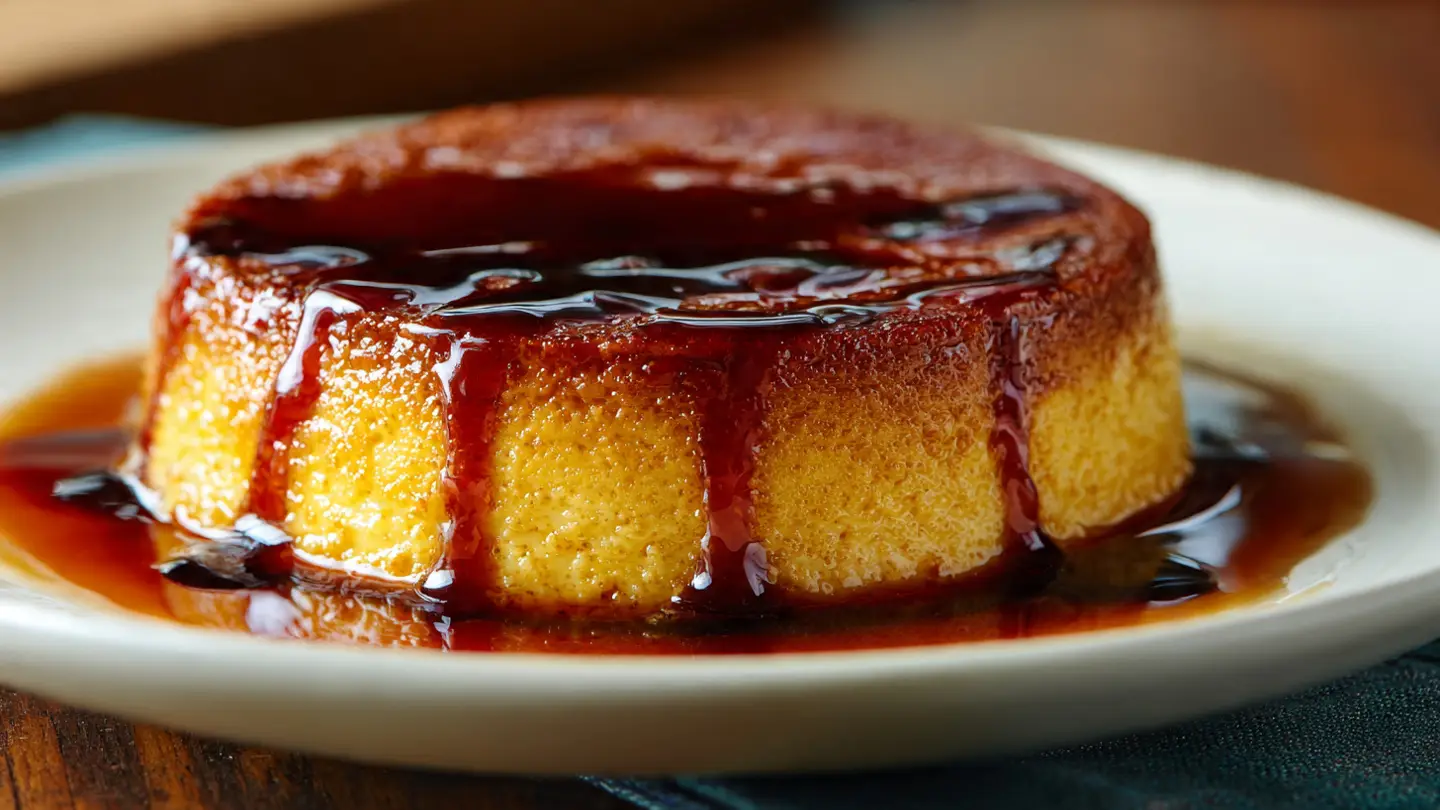
Hold the dish and the plate together very tight. In one quick motion, flip them over. You might hear a “plop” sound. That is a good sound! Lift the dish up slowly. The flan should slide out, and a river of golden caramel will pour all over it. It looks amazing. If it does not come out right away, give it a little shake. Do not worry if a little caramel stays stuck in the bottom of the dish; that is normal.
You can serve flan just as it is. It is so pretty that it does not need much help. Some people like to add a dollop of whipped cream or a few fresh berries on the side. I think a little bit of orange zest on top is great too. It adds a fresh smell that goes perfectly with the burnt sugar taste. Your friends and family will think you spent all day on this!
Tips for Different Flavors and Styles

Once you know the basic recipe, you can change it up. Some people in Spain like to add a cinnamon stick to the milk while it heats. This gives the flan a warm, spicy flavor. You can also use citrus. Adding a piece of lemon or orange peel to the milk makes it very refreshing. Just remember to take the stick or the peel out before you mix the milk with the eggs!
You can also make “Flan de Queso” which is cheese flan. For this, you add some cream cheese to the mix. It makes the flan taste a little bit like cheesecake. It is much thicker and heavier than the traditional version. I prefer the light, traditional one, but the cheese version is a big hit at parties. If you want a dairy-free version, you can try using coconut milk. It will not be “authentic,” but it still tastes very tropical and sweet. Just know that coconut milk flan is a bit softer, so it might be harder to flip.
Wait, did you know you can also make chocolate flan? You just melt a little bit of dark chocolate into the warm milk. It is a great twist for kids. However, I always tell people to master the plain one first. It is the true test of a good cook. If you can make a plain flan perfectly smooth, you can make anything!
The Science of a Good Bake
Cooking is like a science project you can eat. When you heat the eggs and milk, the proteins in the eggs start to tangle together. This is what makes the liquid turn into a solid. If you heat them too fast, they tangle too tight and squeeze out the water. This makes the flan “weep” or get watery and rubbery. That is why the water bath is so important. It keeps the temperature around 212 degrees, even if the oven is hotter. It protects the delicate eggs.
The sugar also does something cool. When sugar melts and turns brown, it changes into new flavors. This is called caramelization. It goes from being just sweet to having hints of nut, fruit, and toasted bread. That is why the caramel tastes so much better than just plain sugar. It is also why we don’t use water in the caramel for this recipe. We want that pure, deep toasted flavor to soak into the top of the custard while it sits in the fridge.
Common Mistakes to Avoid
- Using Cold Milk: Always warm your milk. Cold milk makes it hard for the sugar to stay dissolved and can lead to a grainy texture.
- Skipping the Foil: If you don’t cover the dish, the top will get hard and chewy like a crust.
- Too Many Bubbles: If you see a lot of foam on your custard before baking, let it sit for 5 minutes so the bubbles can pop.
Frequently Asked Questions
Why does my flan have small holes in it?
This usually happens if you whisk the eggs too fast or the oven is too hot. Air gets trapped inside, or the custard boils. Mix gently and use a water bath to keep it smooth.
How long does flan stay fresh in the fridge?
Flan stays good for about 3 to 5 days. Keep it covered so it does not pick up other smells from the fridge. It actually tastes better after the second day!
Can I use a different type of sugar?
White granulated sugar is best for the caramel. Brown sugar has too much moisture and might not melt correctly. For the custard, you can use honey, but the flavor will change a lot.
What if my caramel gets hard in the pan?
Caramel hardens as it cools. If it gets too hard before you pour it, just put the pan back on low heat for a few seconds. It will melt right back down into a liquid.
Is flan the same thing as Crème Brûlée?
They are similar but different. Flan has a liquid caramel sauce and is flipped over. Crème Brûlée has a hard, burnt sugar crust on top that you crack with a spoon.
Enjoy Your Homemade Spanish Dessert
Making an authentic Spanish flan is a great way to show your love for cooking. It takes patience and a little bit of care, but the reward is a beautiful, jiggly dessert that everyone loves. Remember to keep your heat low and your whisking gentle. Once you master the flip, you will feel like a total pro! I hope this recipe brings a little bit of Spanish sunshine to your table tonight.