How to Master a Fluffy French Omelette in Minutes

Making a French omelette sounds like a hard job for a fancy chef. I used to think the same thing every time I saw one on TV. It looked so smooth and yellow without any brown spots at all. My own eggs always ended up looking like a dry piece of folded paper. I finally decided to learn the real way to do it, and it changed my mornings forever.
You do not need a tall white hat to get this right. You just need a few simple tools and a little bit of speed. This guide will show you how to move the pan and the fork to get that creamy center everyone loves. It is much faster than making a big pancake or baking muffins. Once you learn the trick, you can make a gourmet meal in about three minutes.
Are you ready to stop eating dry eggs and start eating clouds? Let us look at what you need to get started.
Setting Up Your Kitchen for Success
Before you crack a single egg, you must have your station ready. A French omelette moves very fast. If you have to run across the kitchen to find a plate, your eggs will overcook. I learned this the hard way when I left my eggs in the pan to find a fork. By the time I got back, my soft omelette was as tough as a boot! Now, I put everything on the counter before I even turn on the stove.
You also need to think about the heat. This is not like making a steak where you want the pan screaming hot. You want a steady, medium heat that cooks the eggs without burning the butter. If the butter turns brown, your eggs will turn brown too. A true French style is all about that bright, sunny yellow color. Keep your workspace clean and your mind calm for the best results.
The Right Pan and Tools

The most important thing you need is a good non-stick pan. If your pan is scratchy or old, the eggs will stick to the bottom. This ruins the smooth skin of the omelette. I prefer an 8-inch pan for two or three eggs. It is the perfect size to keep the eggs thick enough to stay soft. If the pan is too big, the eggs spread out too thin and dry out fast. IMO, a heavy bottom pan is better because it holds heat evenly.
You also need a heat-proof spatula or a plastic fork. Do not use a metal fork because it will scratch your nice pan. I like using a small silicone spatula because it can get right under the edges of the eggs. It helps me fold the omelette without tearing the delicate skin. Have your serving plate sitting right next to the stove so you can slide the eggs out the second they are done.
Picking the Best Eggs

Not all eggs are the same when you want a fluffy result. I always try to use the freshest eggs I can find at the store. Fresh eggs have whites that stay together better, which makes the omelette hold its shape. If you use very old eggs, the omelette might feel a bit watery or flat. I usually use three large eggs for one person, but two works if you are not very hungry.
Take your eggs out of the fridge a few minutes before you cook. If they are ice cold, they might lower the pan temperature too much. I found that room temperature eggs cook more evenly. Crack them into a bowl and look for any tiny bits of shell. It is much easier to fix a shell mistake in a bowl than in a hot pan. This is a small step that makes a big difference in how your breakfast feels when you eat it.
Recipe Quick Info
- Prep Time: 2 minutes
- Cook Time: 3 minutes
- Servings: 1 person
- Difficulty: Medium
The Perfect Step-by-Step Method
Now that your tools are ready, it is time to cook. This part is like a fast dance. You will use one hand to shake the pan and the other hand to stir the eggs. It feels a bit funny at first, but you will get the hang of it quickly. The goal is to create tiny bits of cooked egg, called curds, while keeping the rest liquid. This makes the inside creamy like custard while the outside stays smooth.
Remember to keep your heat at a medium level. If you hear a loud sizzling sound when the eggs hit the pan, it is too hot! You want a gentle sound like a soft whisper. If you see bubbles forming in the eggs, stir faster. Shaking the pan back and forth helps the eggs slide and stay loose. Let us go through the steps so you can see exactly how I do it every morning.
Whisking and Seasoning

Use a fork or a whisk to beat your eggs in a bowl. You want the yolks and whites to be totally mixed. There should be no clear streaks of white left. However, do not beat them so hard that they get full of big bubbles. A French omelette is dense and creamy, not like a puffy souffle. I usually add a tiny pinch of salt and a crack of pepper right before I pour them in the pan.
Some people like to add a splash of water or milk. I find that plain eggs with just a little salt taste the best. Salt actually helps the egg proteins stay soft. Do not add the salt too early, though. If salt sits in raw eggs for a long time, they can turn a weird orange color. Just whisk them until they are a solid yellow color and you are ready to move to the stove.
Heating the Butter

Put your pan on the heat and add about half a tablespoon of unsalted butter. Wait for it to melt and start to bubble. You want the butter to coat the whole bottom and the sides of the pan. This is the secret to making sure the eggs slide out easily. If the butter stops bubbling and starts to smell like toasted nuts, it is getting too brown. Wipe it out and start over if that happens.
The butter should look foamy but still stay yellow. This foam tells you the pan is at the right temperature. If the butter just sits there without bubbles, the pan is too cold and your eggs might stick. I like to tilt the pan around to make sure the butter covers every inch. Once the foam starts to go down just a little bit, it is time to pour in your egg mixture. FYI, using high-quality butter makes a huge flavor difference here.
The Stir and Shake

Pour the eggs into the center of the pan. Immediately start shaking the pan back and forth with your left hand. At the same time, use your right hand to stir the eggs in a circle with your spatula or fork. This creates those small curds I mentioned earlier. It should look a bit like scrambled eggs at first. Keep doing this for about 30 to 60 seconds until the eggs look like thick porridge.
When the eggs are mostly set but the top still looks a little wet, stop stirring. Use your spatula to smooth the eggs out into a flat circle. Let it sit for about 10 seconds so the bottom can form a thin skin. This skin is what holds the whole thing together. If you wait too long, the middle will get hard and dry. You want the center to stay slightly gooey because it will finish cooking from the heat of the eggs after you fold it.
The Final Fold

Tilt the pan away from you at an angle. Use your spatula to fold the edge closest to the handle over into the middle. Now, you can either fold the other side over or roll the whole thing toward the edge of the pan. Some people like to tap the handle of the pan with their fist to make the egg hop and roll over. I find that just using the spatula is easier for beginners and keeps the egg from breaking.
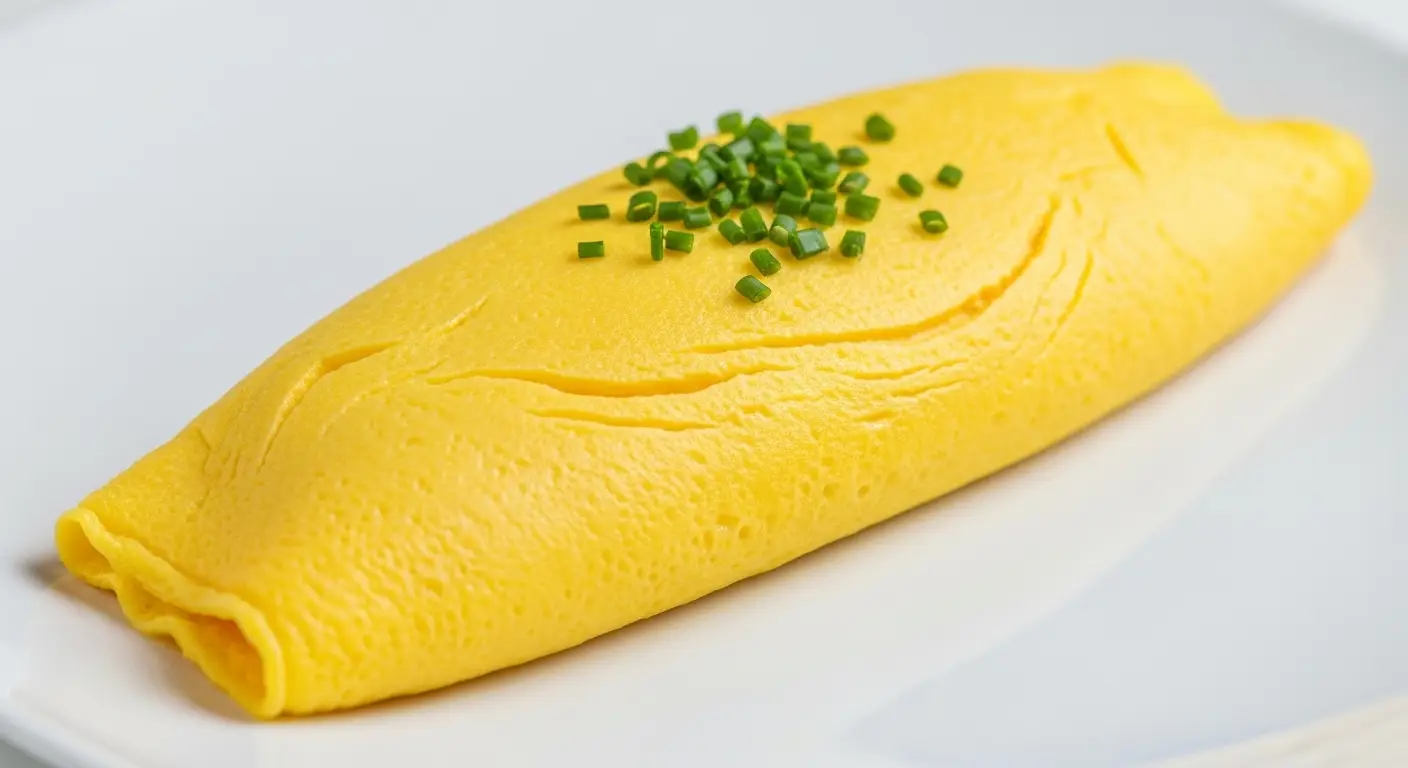
The goal is to have a shape like a cigar or a football. It should be tucked in neatly. If it looks a little messy, do not worry! You can fix the shape once it is on the plate. Slide the omelette to the very edge of the pan. Grab your plate and flip the pan over so the omelette lands with the seam side down. This hides the messy part and shows off the beautiful smooth top. It feels like a magic trick the first time you get it right.
Pro Kitchen Tips
- Cold Butter Trick: Use cold butter to keep the pan from getting too hot too fast.
- The Paper Towel Fix: If your omelette looks lumpy on the plate, put a clean paper towel over it and gently press it into a smooth shape with your hands.
- No Brown Rule: If you see brown spots, turn your heat down next time. A French omelette should be pure yellow.
Making It Your Own
Once you know the basic steps, you can start to have some fun. A plain omelette is delicious, but sometimes you want a little something extra. The trick is to keep the fillings small. Because a French omelette is so delicate, big chunks of meat or veggies will tear the egg skin. I always chop my ingredients very fine so they blend into the creamy center without making a mess.
You also have to remember that this recipe cooks very fast. You cannot put raw onions or raw peppers inside and expect them to cook. You must cook your fillings in a separate pan first. I usually sauté some mushrooms or spinach before I start my eggs. This keeps the eggs clean and ensures every bite is perfect. Here are some of my favorite ways to change up the flavor.
Adding Cheese and Herbs

The most classic addition is fresh herbs. Chives, parsley, or tarragon are great choices. I like to mince them very finely and stir them right into the raw eggs before cooking. This spreads the green color and fresh taste through every bite. If you want to use cheese, go for something that melts fast like Gruyère or a soft goat cheese. Sprinkle the cheese over the eggs right before you start the folding step.
Don’t use too much cheese! If you add a giant pile, the omelette will become heavy and greasy. Just a tablespoon or two is plenty. I once tried to put a whole slice of thick cheddar in mine, and it wouldn’t fold at all. It just broke into pieces. Stick to shredded cheese or small crumbles for the best results. A little bit of herbs and cheese makes this feel like a meal from a fancy hotel in Paris.
Serving Suggestions

A French omelette is very rich because of all the butter. I think it tastes best when you serve it with something bright and crisp. A small green salad with a tart lemon dressing is my favorite side dish. The acid in the dressing cuts through the fat of the eggs. You can also serve it with a simple piece of buttered toast. I like to use sourdough because the crunch is a nice contrast to the soft eggs.
If you are eating this for brunch, a few slices of fresh fruit or some berries on the side look beautiful. This dish is meant to be eaten right away. Do not let it sit on the table for ten minutes while you make coffee. The texture is best when it is warm and the center is still soft. I always make sure my coffee is poured and my toast is popped before I start the eggs. It makes the whole experience much more relaxing.
Common Questions About Omelettes
Why is my omelette brown and tough?
Your heat is too high. Try cooking on medium or medium-low. The eggs should stay yellow and soft without any crust forming.
Can I use a regular stainless steel pan?
It is very hard. Eggs stick to steel easily. A non-stick pan is much better for beginners to get that smooth French look.
Should I add milk or cream to the eggs?
You can, but you do not need to. Real French omelettes use just eggs, butter, and salt. The creamy texture comes from the way you stir them.
What if the omelette breaks when I fold it?
Don’t panic! Just roll it as best you can. You can use a paper towel to mold it back into shape once it is on the plate.
How many eggs should I use for one pan?
For an 8-inch pan, three eggs is the perfect amount. It gives you enough thickness to have a soft, creamy center.
Enjoy Your Perfect Breakfast
Mastering the French omelette is a skill that stays with you. It might take two or three tries to get the shaking and stirring just right, but it is worth the effort. You now know how to choose the right pan, handle the heat, and create a beautiful roll. Go ahead and try it tomorrow morning for a breakfast that feels truly special.